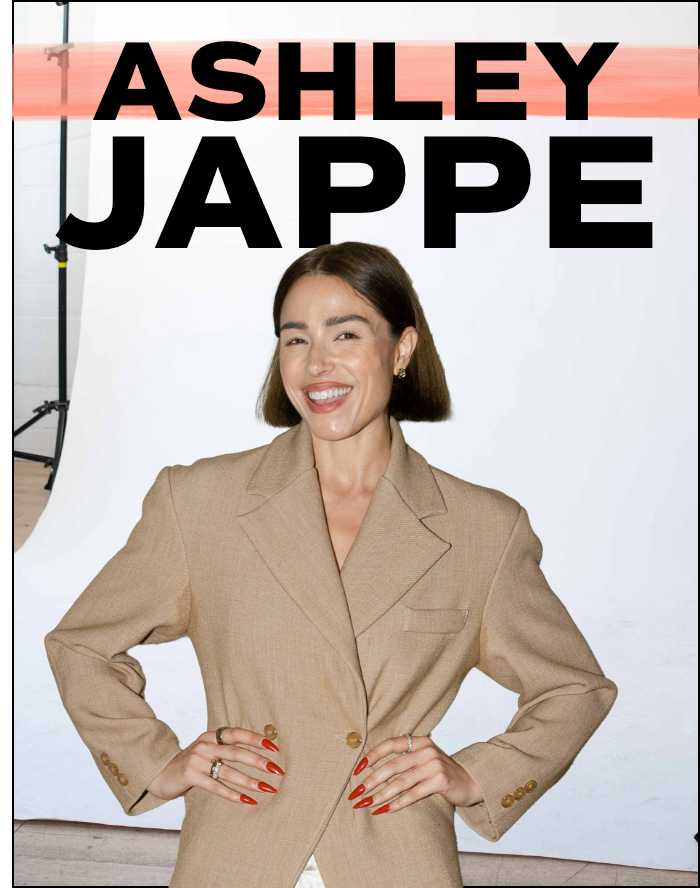
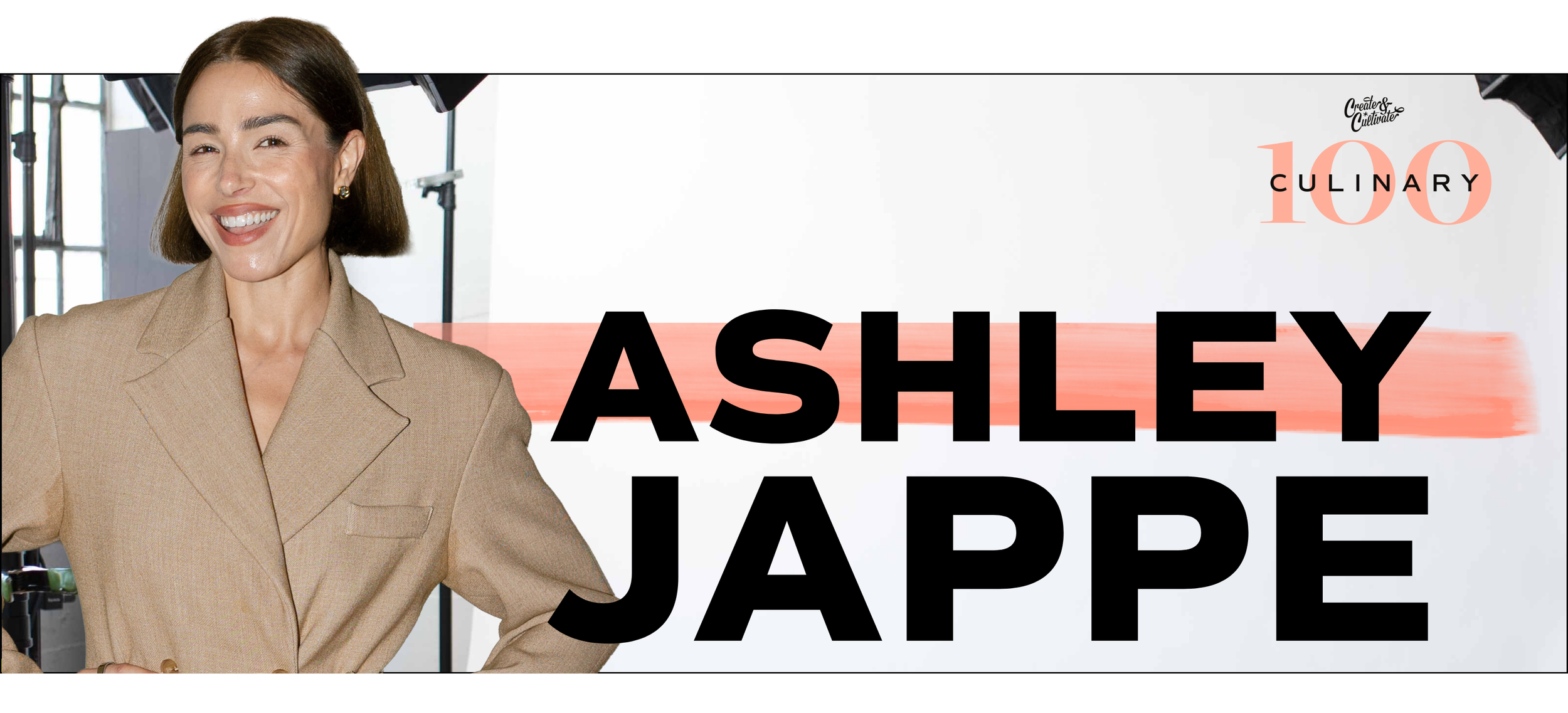
Ashley Jappe HAS BUILT A CAREER CENTERED AROUND storytelling —
— FROM LAUNCHING CAMPAIGNS FOR iconic wine brands TO HELPING shape the future OF THE SOBER-CURIOUS MOVEMENT.
As Senior Director of Marketing at Trinchero Family Estates, she oversees brands including FRE Alcohol-Removed Wines, bringing a sharp consumer lens to an industry rooted in both tradition and transformation.
Jappe understands that wine is never just about what’s in the glass; it’s about ritual, identity, and the emotional meaning attached to every pour. In our conversation, she reflects on the campfire memories that shaped her love of wine, why the non-alcoholic category is entering an exciting new chapter, and the leadership philosophy that has helped her rise through the ranks while staying deeply connected to both the creative vision and the commercial realities of brand building. Read about Ashley Jappe’s journey in her C&C 100 interview below.
What are some of your favorite memories around wine? Did it center around the holidays, or gatherings with friends?
Some of my favorite wine memories are not necessarily the conventional ones. They are around campgrounds, casual gatherings, and unexpected settings with people I love. For me, wine has always been less about formality and more about connection, place, and the feeling it creates in a moment.I have always seen wine as part of culture. It is a way people express themselves, a way to understand the world, and a way to connect with geography, terroir, history, craftsmanship, and sense of place. There is so much richness in the quality and tradition of wine, and that has always been foundational for me. But the way I personally connect with wine is often more relaxed and nontraditional. It is wine around a campfire, wine shared outside, wine in moments that feel real and unpolished. That balance is what I love most: the category has deep history and cultural meaning, but it can also show up in very human, modern, and approachable ways.
When did you realize wine could become your work—not just a personal interest?
I think it clicked when I realized wine wasn’t just a product category. It was storytelling, culture, consumer behavior, hospitality, agriculture, design, retail, and emotion all in one. I’ve always been drawn to brands that have depth. Wine gave me a way to combine strategy and creativity in a very tangible way. You are not just building awareness. You are building meaning around rituals, occasions, identity, and how people want to live. Once I understood that, I could see how much potential there was to shape brands in this space.
Many people might assume a wine marketer’s job is really glamorous from the outside looking in, but what’s a surprisingly challenging aspect of your work?
The glamorous part is real, but it is a very small piece of the job. The harder part is translating emotion into commercial strategy. You have to understand the consumer, the retailer, the distributor, the sales team, the creative idea, and the business objective, and then make all of those pieces work together. A beautiful campaign only matters if it moves the brand forward. A strong strategy only matters if people can actually execute it. The challenge is staying creative while being incredibly disciplined. You have to protect the soul of the brand while also making sure it performs in the real world.
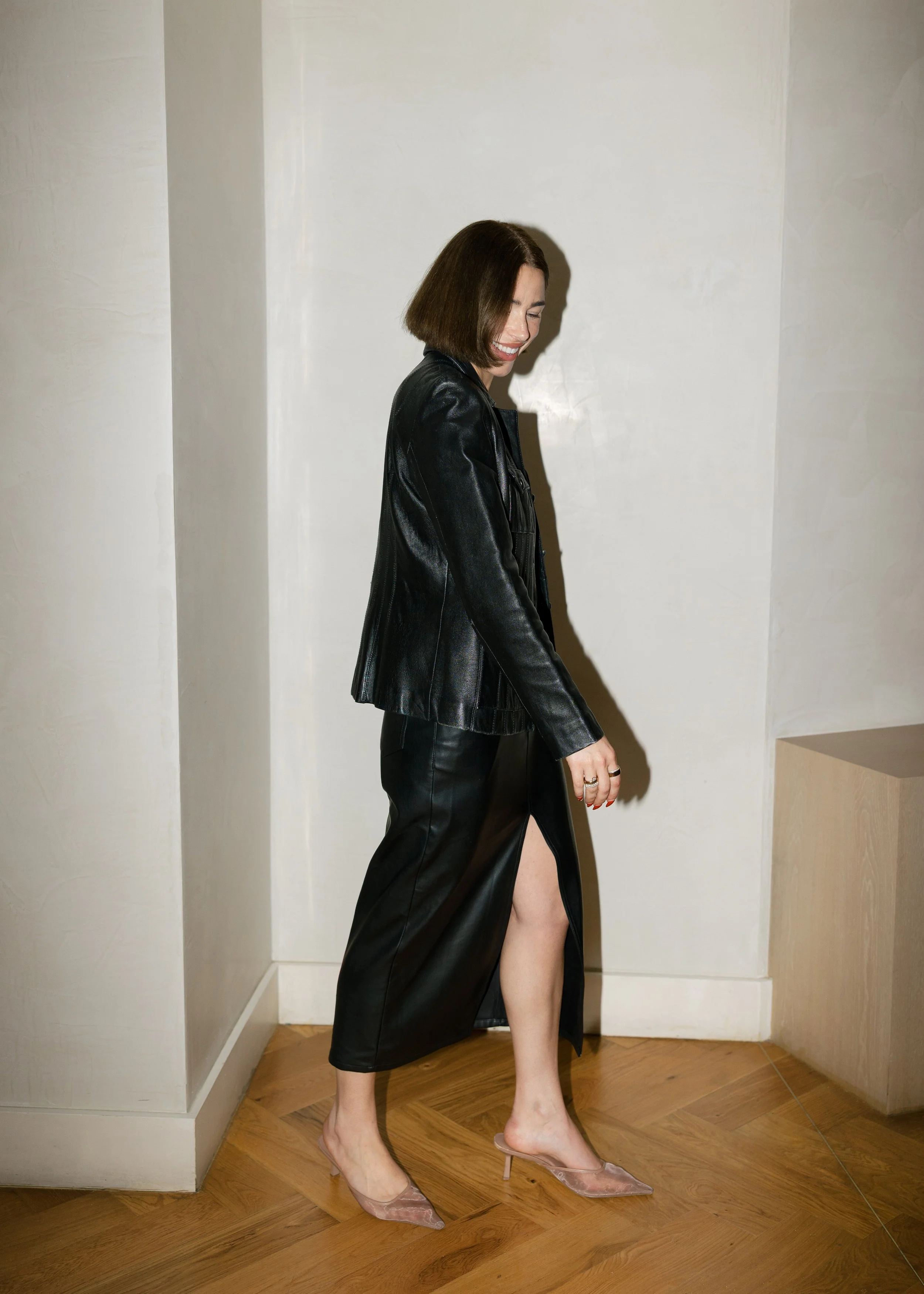
“I’m a working mom, I’m training as a private pilot, I work out, I’m building, and I care deeply about feeling clear and present.”
How do you stay inspired and able to consistently dream up innovative ideas in a business that is so rooted in tradition?
I stay inspired by looking outside the category. Wine is rooted in tradition, which is part of its beauty, but consumers are not living inside one category. They are influenced by wellness, fashion, travel, restaurants, film, social media, design, motherhood, ambition, and the way culture is shifting around them.My best ideas usually come from connecting dots that don’t seem obvious at first. I pay attention to what people are craving emotionally, not just what they are buying. Are they craving ease? Belonging? Permission? A sense of ritual? More balance? Innovation comes from respecting where wine has been, but being honest about where the consumer is going.
Fre Wines have done so much to serve the sober curious audience. How do you see the non-alcoholic wine business evolving over the next year?
The biggest shift is that moderation is no longer being seen as a restriction. It is becoming part of a more intentional lifestyle. Consumers still want beauty, ritual, taste, social connection, and a glass in their hand. They just want more options for how they participate. I also think we will continue to see more diversity in the category, from more premium offerings to functional benefits like electrolytes, adaptogens, and nootropics. Suppliers are also crossing thresholds that used to be more separated, with wine, spirits, and non-alcoholic options starting to live more fluidly inside the same portfolio. The real opportunity is access and education. As quality continues to improve and younger consumers drive growth, non-alcoholic wine will earn more menu placement, more retail space, and more cultural relevance.
How do you approach storytelling for non-alcoholic wines in a way that reframes them from a symbol of restraint to one of indulgence?
If the story starts with non-alc, it can feel like a compromise. But if the story starts with the occasion, the taste, the ritual, the mood, and the person you want to be in that moment, it becomes additive. For FRE, the opportunity is to show that non-alcoholic wine is not about opting out. It is about staying in. Staying in the dinner, the celebration, the toast, the girls’ night, the holiday, the reset, the everyday ritual. It gives people another way to participate without sacrificing the emotional cues that make wine feel special.
You’ve steadily climbed the ranks at each of the brands you’ve worked for. What’s your secret ingredient to standing out and making an impact within corporate culture?
My secret ingredient is that I care about both the idea and the execution. I’m a strategic thinker, but I’m also very willing to get close to the work. I want to understand the consumer, the creative, the sales need, the operational reality, and the business case. That combination builds trust because people know you are not just coming in with vision. You are also thinking about how to make it real. I’ve also learned that corporate impact requires clarity. You have to be able to simplify complexity, bring people with you, and translate a big idea into language that different teams can act on. The best ideas do not scale unless people understand them, believe in them, and know their role in bringing them to life.
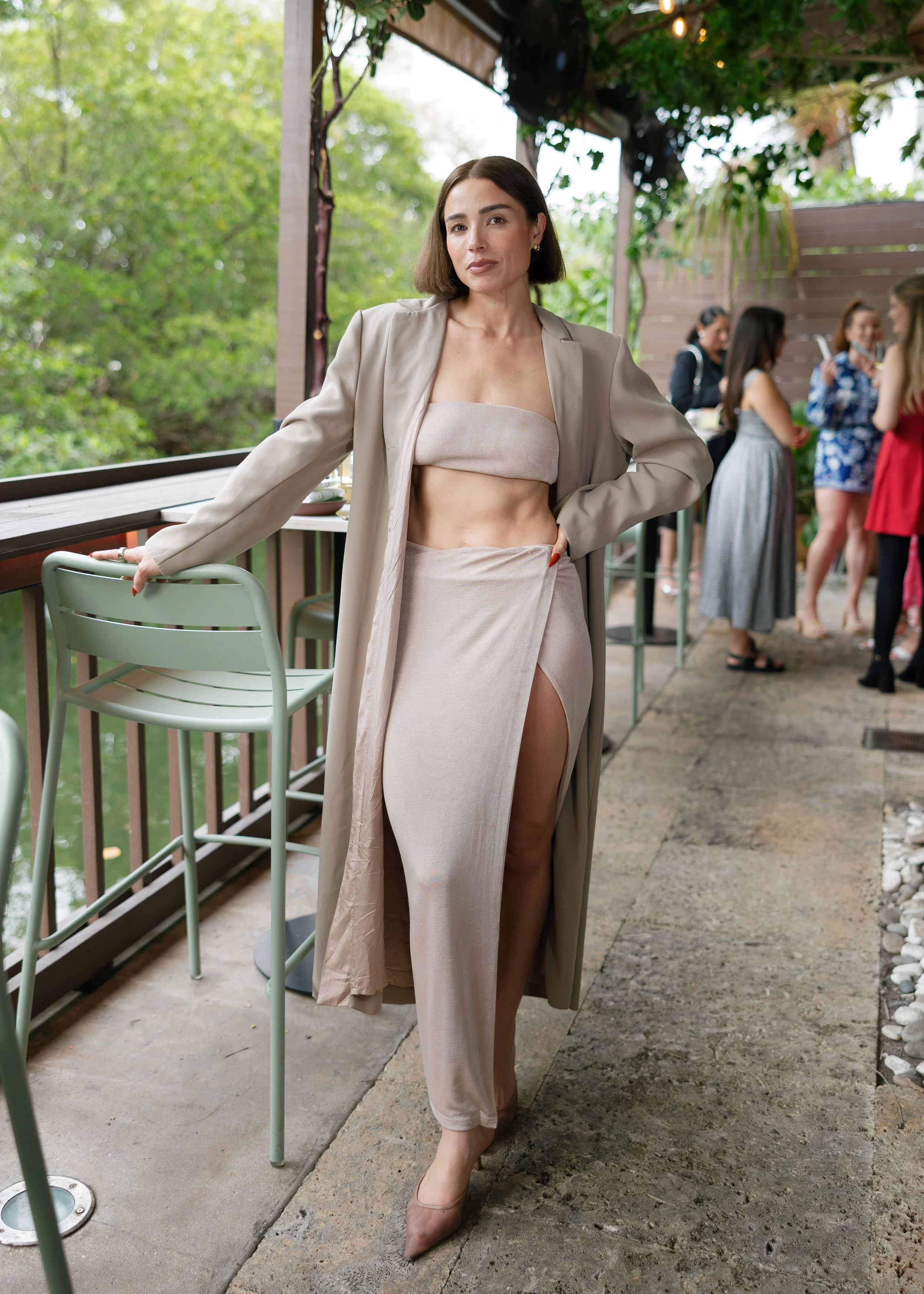
On a personal level, how has working in this category shifted your own perspective on drinking culture?
It has made me much more aware of how personal drinking choices are and how much they can change based on season of life. I’m a working mom, I’m training as a private pilot, I work out, I’m building, and I care deeply about feeling clear and present. So for me, moderation feels less like a rule and more like alignment. It gives me the ability to enjoy the ritual without always needing the alcohol. Working in this category has also made me more empathetic. People choose non-alc for so many reasons: wellness, pregnancy, training, medication, mental health, religion, productivity, curiosity, or simply because they don’t want to drink that day. The more options we create, the more inclusive the beverage world becomes.
Rapid fire POP QUIZ:
The first thing I do when I wake up in the morning is:
Wake up at 3:55 AM, take my vitamins, move through my health routine, study for two hours, work out for an hour, and frame my headspace for the day.
If I had one more hour in the day, I would:
I actually do not think we need more hours in the day. I think we need to become more efficient, more intentional, and more honest with the time we already have.
A song that describes the era I’m in right now is:
Deviate by Tora. It captures the season I’m in: getting outside the lines, questioning default paths, & remembering that we are actively creating the reality we live in.
My current obsession is:
Private pilot training.
Three words to describe the legacy I want to leave behind…
Kaizen. Eudaimonia. Mui.