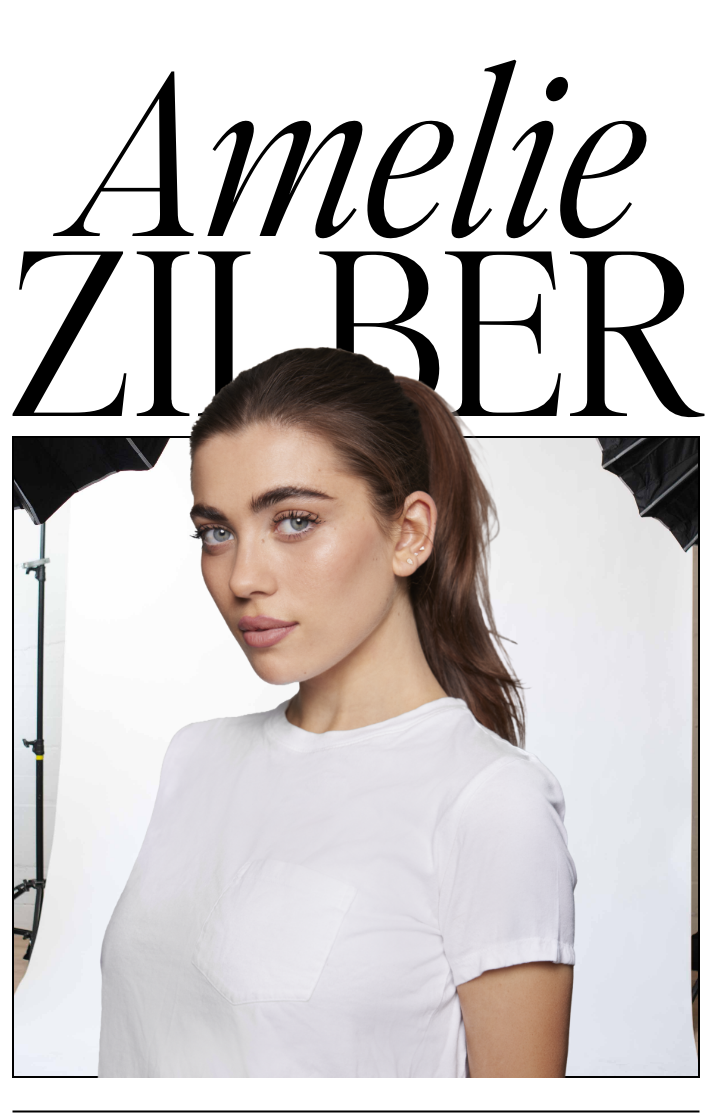
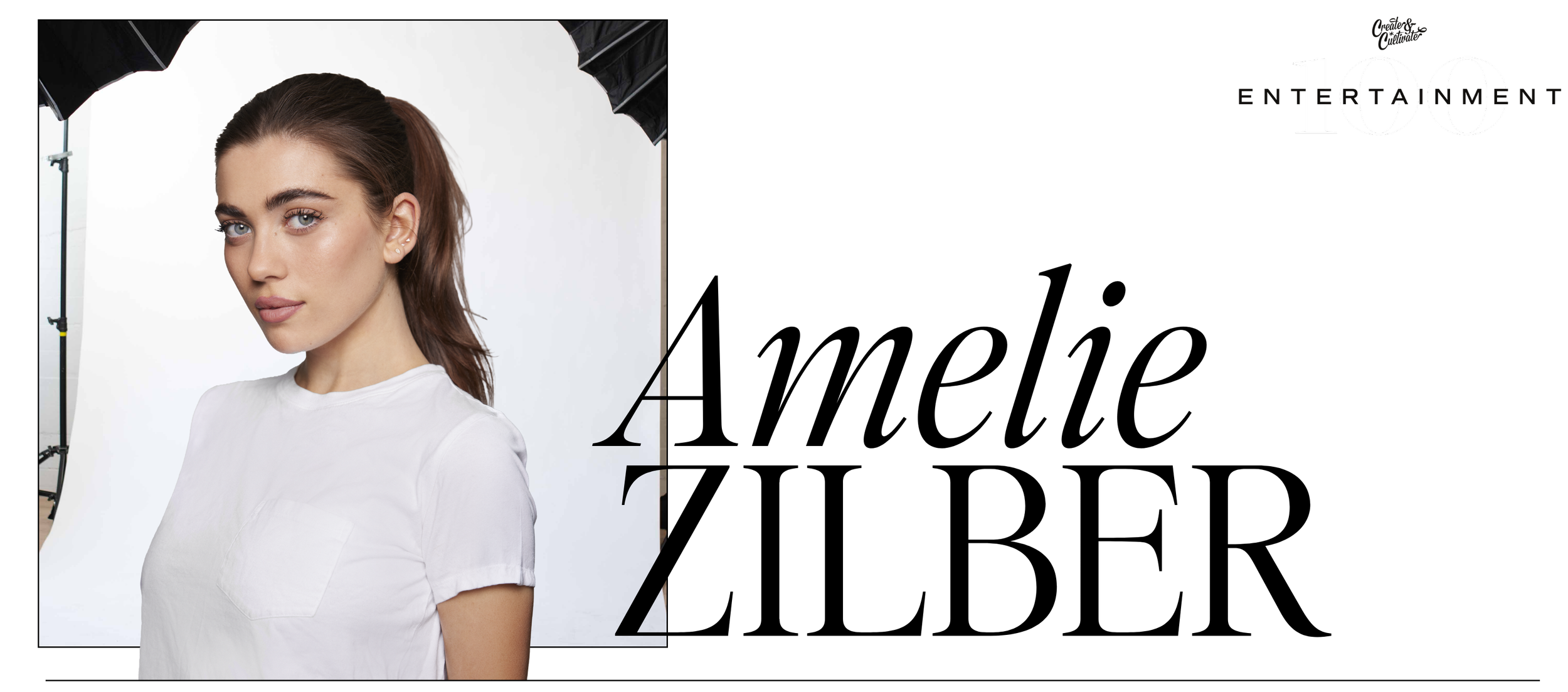
AT JUST 23 YEARS OLD, Amelie Zilber HAS BUILT THE CAREER OF A media veteran.
The actress and creator first gained recognition as a fashion and lifestyle creator, and quickly distinguished herself by using her platform to engage Gen Z in conversations around foreign policy, human rights, and global affairs —subjects you don’t typically hear about from your average influencer. Now a film student at Columbia University, she divides her time between learning, acting, and creating content around how culture shapes identity (especially for women).
Even after accomplishing so much, Zilber still dreams of directing films that connect people to the ideas and things she cares about the most. Read more about Amelie Zilber’s journey in the C&C 100 interview below.
Growing up in a family that valued both business and creativity, how did that shape your ambitions?
I was always taught to leave nothing to chance in anything I pursued. If you wanted something, you worked at it relentlessly. There was never this mindset of sitting around hoping things would happen for you. Creativity was taken very seriously in my family. Art, storytelling, media, culture, etc. none of it was treated as frivolous. And business was… definitely not optional.
You’ve studied topics like foreign policy and attended schools like Georgetown and Columbia—how has your academic experience influenced your content?
My academics have largely informed the way I think and, by extension, the kind of content I make. Studying politics taught me how to research properly, how to think historically, and how to approach issues with skepticism and nuance. It also exposed me to perspectives and frameworks I probably never would have encountered otherwise. A lot of internet culture rewards certainty and speed, but most meaningful political or social conversations are layered, historically rooted, and structurally complex. I’m actually a film major now, which still feels connected to all of this. I’m really interested in the ways cinema exposes and reproduces ideology, especially around women. Whether it’s about beauty, desire, identity, labor, performance, intimacy… femininity itself is often constructed through expectation and consumption.
You’ve used your platform to break down complex political issues for Gen Z. What’s the biggest challenge in making serious topics accessible without oversimplifying them?
I never want to talk down to people or flatten something just so it performs better online. I think Gen Z is actually incredibly capable of engaging with nuance when you trust them enough to do it. The hard part is gauging how much foundational knowledge people already have. Sometimes I’m trying to explain a current event, but to fully understand it I also have to explain the history behind it, maybe how government functions, who the people involved are, etc. and it can become difficult to know where that line is.
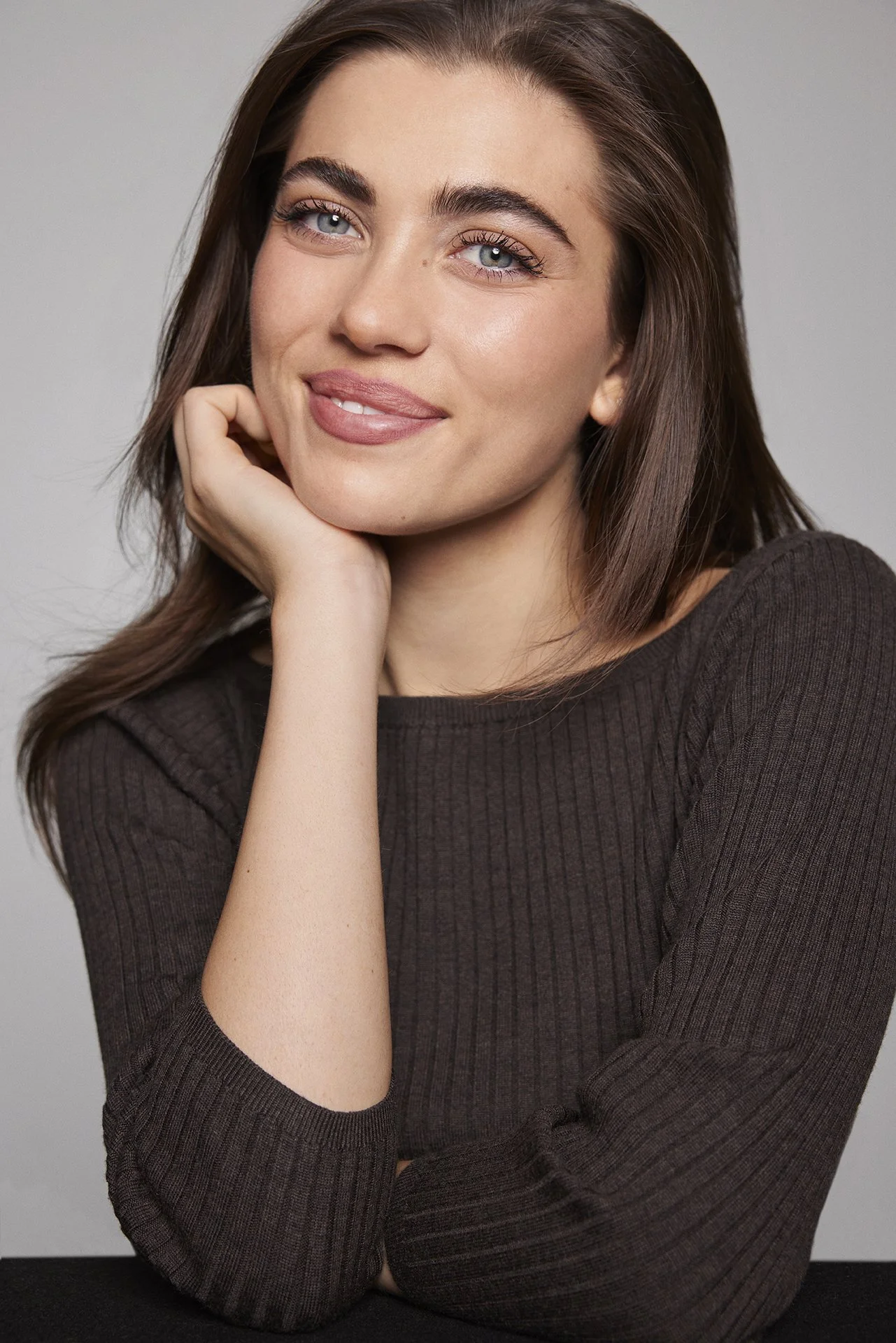
As you’ve gained popularity, how have you learned to navigate protecting your private life? How do you determine what feels safe to share publicly versus keep private?
I’m honestly a very private person. Even in my personal life, I tend to keep things to myself. Sharing small vulnerabilities or intimate details can sometimes take on a life of their own in ways that I’m not really equipped to handle, so I’ve learned to protect certain things a lot more.
How do you balance being an actor, creator, and student, without burning out?
Not perfectly at all, honestly. I push myself really hard because I leave nothing to chance, and I can definitely get too caught up in achievement or work sometimes. But I think I’ve gotten better at being honest with myself when I’m prioritizing the wrong things or neglecting parts of my life that matter. I think part of growing up is realizing success means very little if you’re completely disconnected from yourself or the people you love
What’s a recent moment you’re especially proud of—and why?
The release of Slanted meant a lot to me. Getting to watch myself on the screen in my childhood AMC theater honestly felt surreal. And having all of my friends go to their own respective theaters to watch, it was special. These people have watched me work toward this for years, and it just meant a lot to see them show up for me in this way. The whole experience just felt very blissful and full circle.
When the cameras turn off and you’re wrapped for the day, what’s your favorite way to unwind?
Oh, I loveeeee a good show or movie. My recent fixation is The Comeback (I think it might be one of the best shows ever made). And honestly, calling my mom. There’s nobody I love more or feel more protected by than her. I genuinely think she was my sister in a past life.
You’ve accomplished so much already in your career. What’s a dream that’s still on your vision board?
I can’t wait to direct my own films someday. It’s a huge passion of mine and a massive reason why I wanted to study film in the first place. For years, I’ve really cared about the visual language of cinema, sometimes even more than plot. There are films where I barely remember the storyline, but I can recall one specific image perfectly because of how it made me feel. I think storytelling is one of the most powerful ways we understand ourselves and each other, and I’m really excited by the idea of eventually creating work that reflects the things I care the most about.
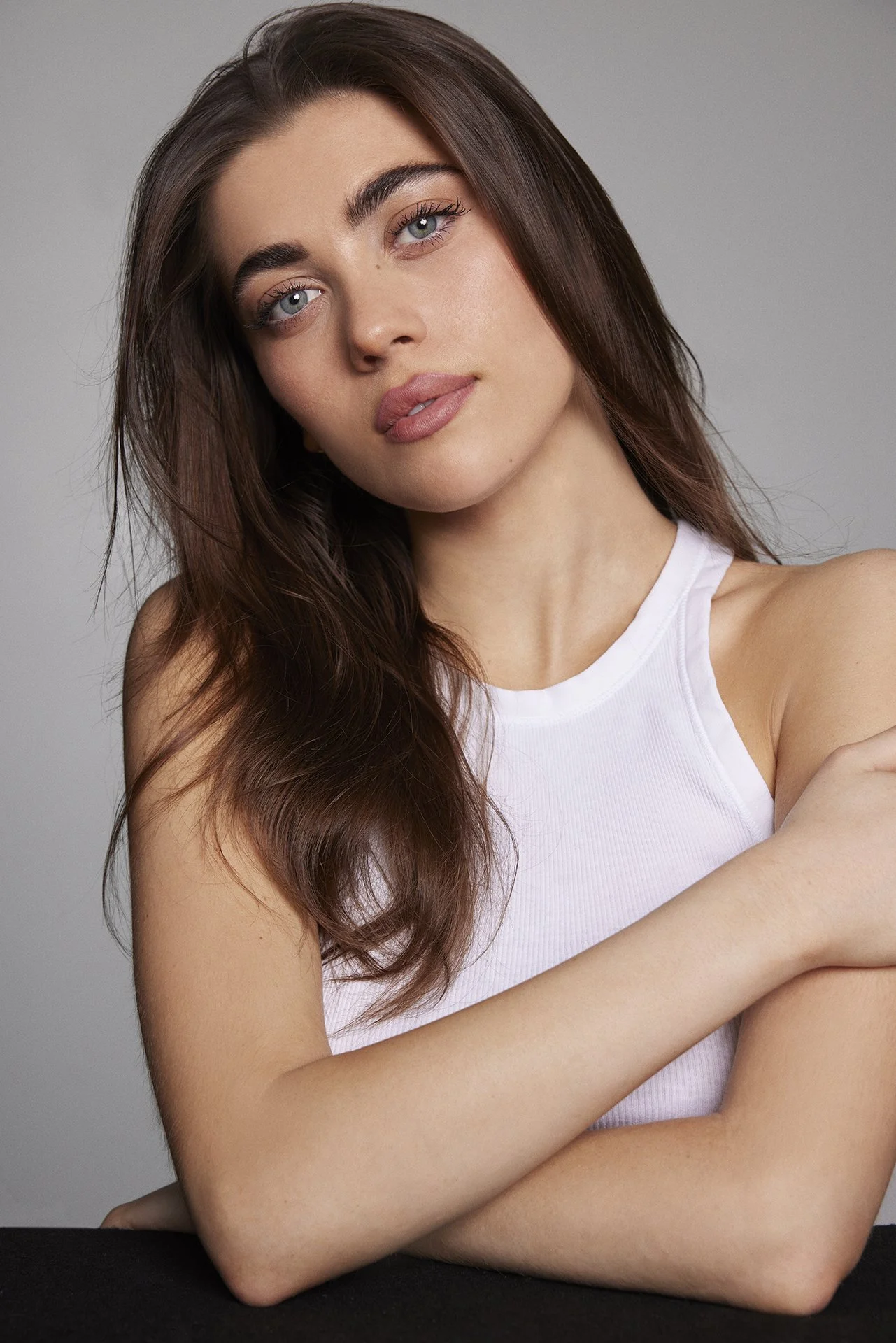
Rapid fire POP QUIZ:
The first thing I do when I wake up in the morning is:
Smother my dog kippy in a bajillion kisses.
If I had one more hour in the day, I would:
Talk to my mom for another hour. Frankly, we communicate with alarming frequency.
A song that describes the era I’m in right now is:
Mr. Blue Sly by ELO.
My current obsession is:
Speaking to strangers in a foreign accent
Three words to describe the legacy I want to leave behind…
Pleasant net effect