
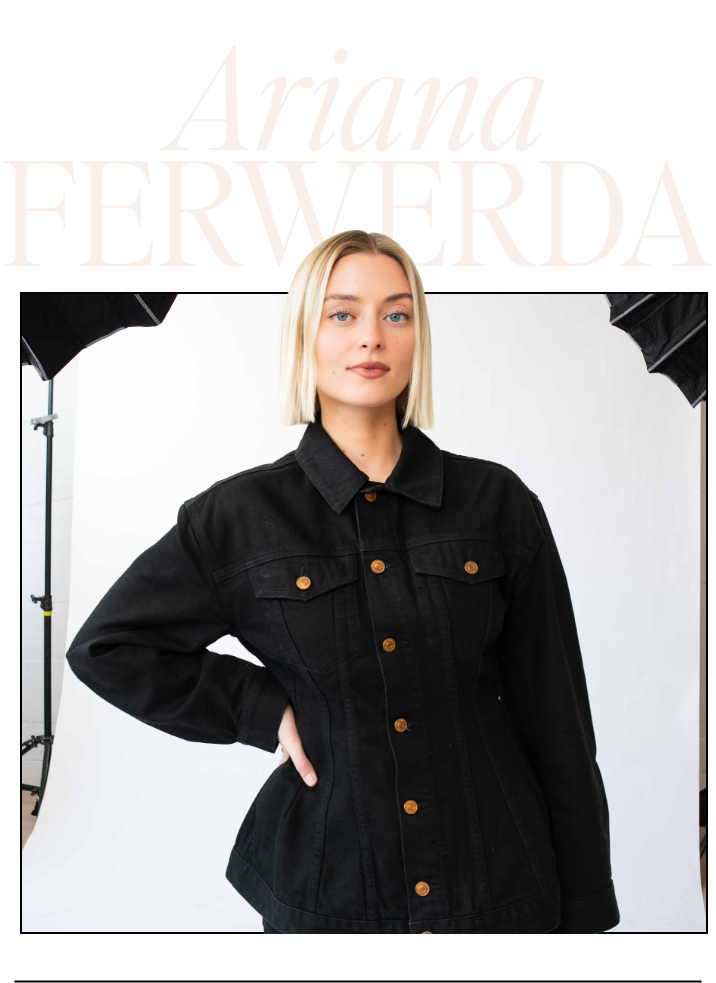
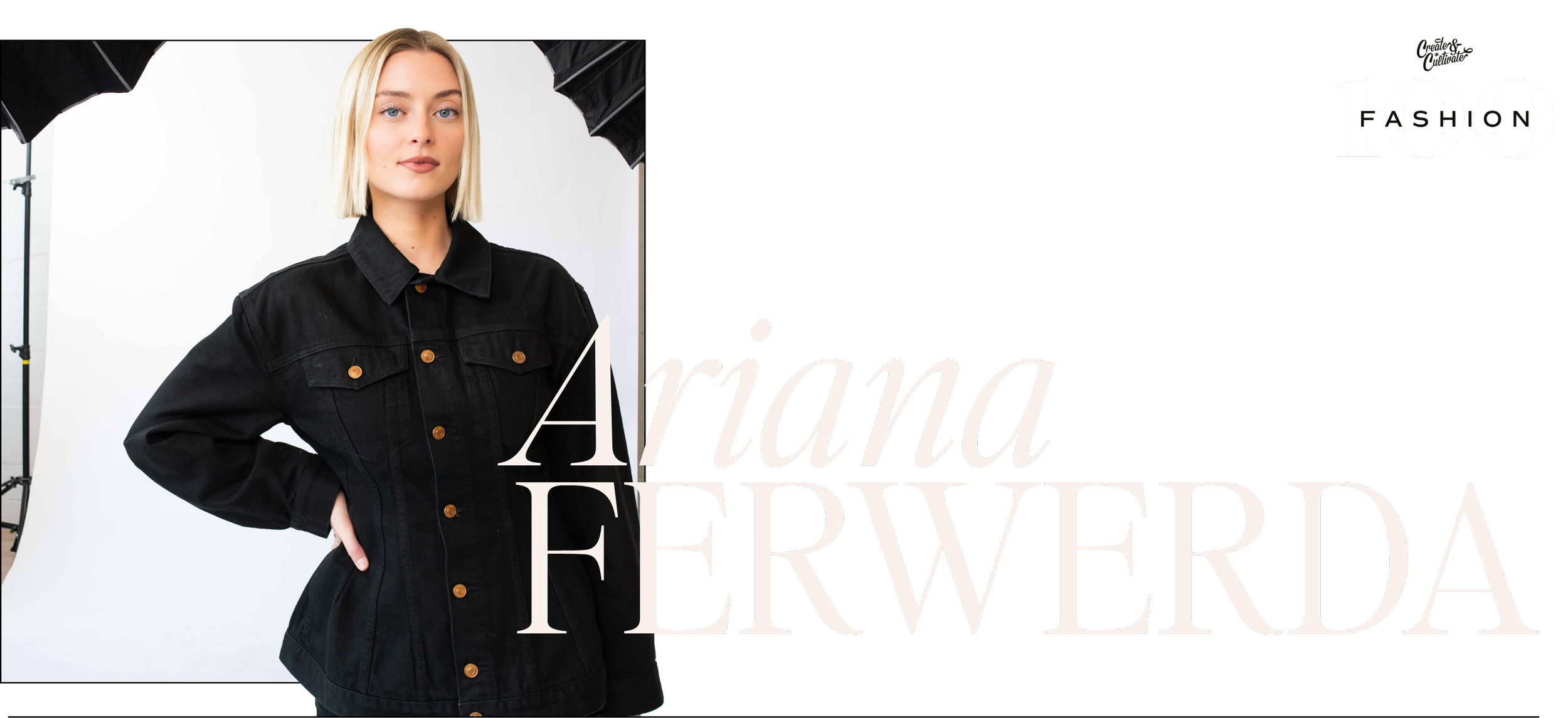
WHEN Ariana Ferwerda COULDN’T FIND SKI WEAR THAT FELT as stylish AS IT WAS functional…
…IT BECAME MORE THAN A PERSONAL FRUSTRATION, it became an urgent need.
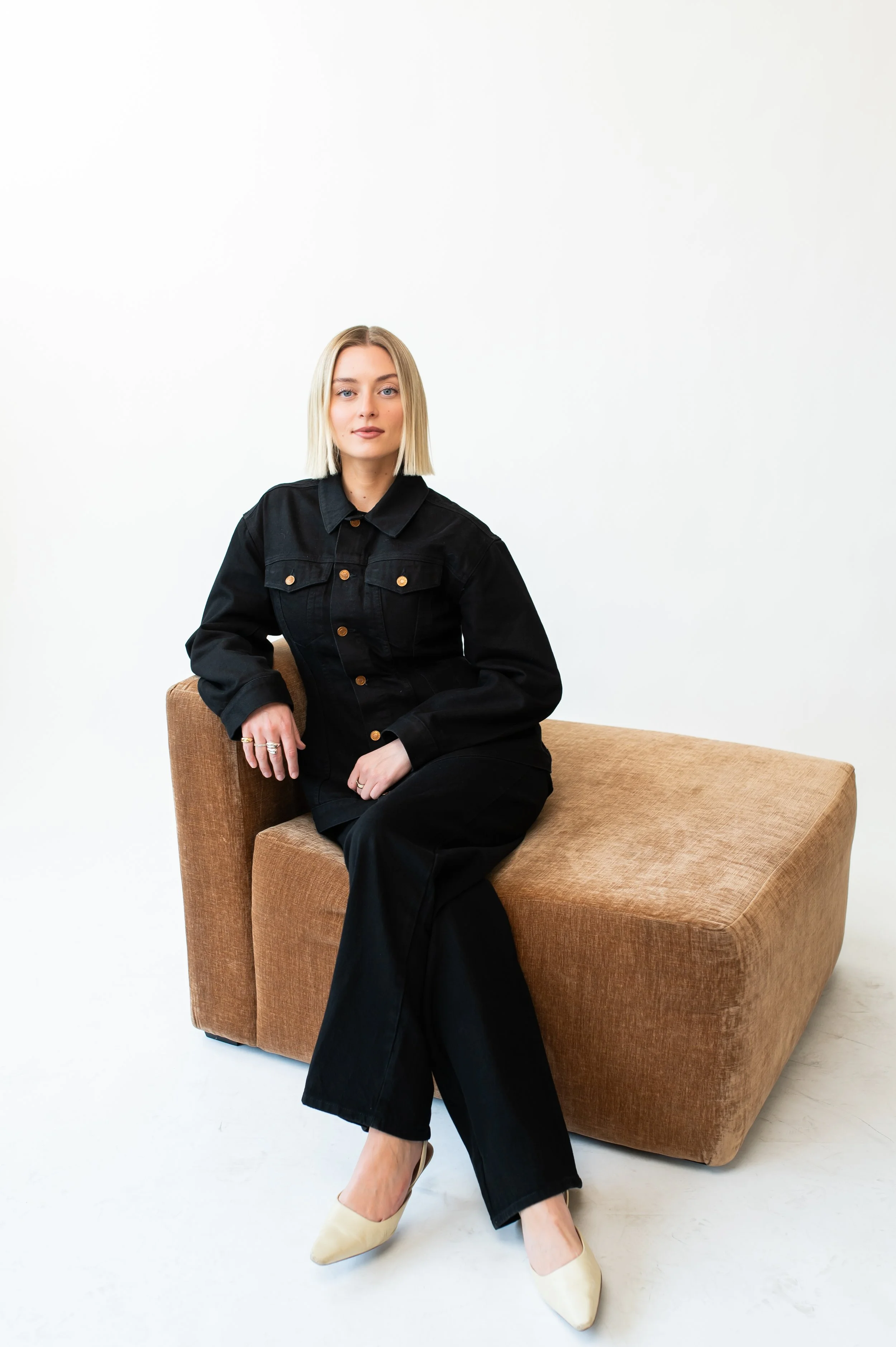
At just 24 years old, the former retail strategist and analytics leader co-founded Halfdays, an outdoor apparel brand for women, designed to provide an alternative to the “unisex” ski gear that just didn’t work. With fashion-forward silhouettes, technical fabrics, and a community-first approach, Halfdays has quickly become a favorite among women who want to feel confident both on and off the slopes.
For Ferwerda, building the brand has been equal parts data and storytelling, combining a sharp understanding of consumer behavior with a clear vision for a more inclusive outdoor industry. Ultimately, she believes the future of outdoor apparel belongs to brands designed with women in mind. Read about Ariana Ferwerdai’s journey in her C&C 100 interview below.
What’s an early memory that shaped how you see or understand fashion today?
Growing up, I was really drawn to how clothes can impact your confidence. Styling felt like self-discovery.
Describe the ‘aha’ moment that inspired you to pursue a career in outdoor apparel?
It was more a slow realization that the outdoor industry wasn’t built with everyone in mind. When I started spending more time skiing and outdoors, I couldn’t find products that felt both technical and fashion-forward. That gap felt like an opportunity. I kept coming back to the idea: why doesn’t this exist yet? And eventually it became: okay, we should build it.
How has your personal style evolved over time? Who or what has been most influential in shaping your approach to fashion?
I think style naturally evolves as you grow up. When we first launched Halfdays, I was 24. Now I’m 30, and even just the act of getting older, living more life, and refining your own taste changes the way you dress, whether you’re consciously trying to or not.
Of course, I’m inspired by the usual forces: celebrities, tastemakers, designers, people with great personal style. But honestly, travel has probably shaped my approach to fashion the most. Being exposed to new places, art, architecture, restaurants, interiors, and cultures has expanded my taste so much.
It’s easy to fall into one aesthetic when you’re around the same places, people, and references all the time. The second you put yourself in a new environment, your perspective changes quickl—not just on fashion, but on taste, creativity, and how you see the world more broadly. That has been a big part of how my personal style has evolved.
Did you raise capital for your business—and if so, what surprised you most about the process?
Yes, we’ve raised capital for Halfdays, and honestly, the biggest surprise has been how much storytelling matters, even when the business is strong. I come from a data and retail analytics background, so my instinct has always been to lead with the numbers: the market gap, the traction, the growth plan, the customer data. And all of that absolutely matters. But fundraising is also about getting someone to believe in the world you’re building before it fully exists yet. For us, that meant not only proving that Halfdays was working, but helping investors understand why women’s outdoor apparel was a much bigger opportunity than the industry had historically treated it as. It’s spreadsheets and storytelling, which is basically entrepreneurship in a nutshell.
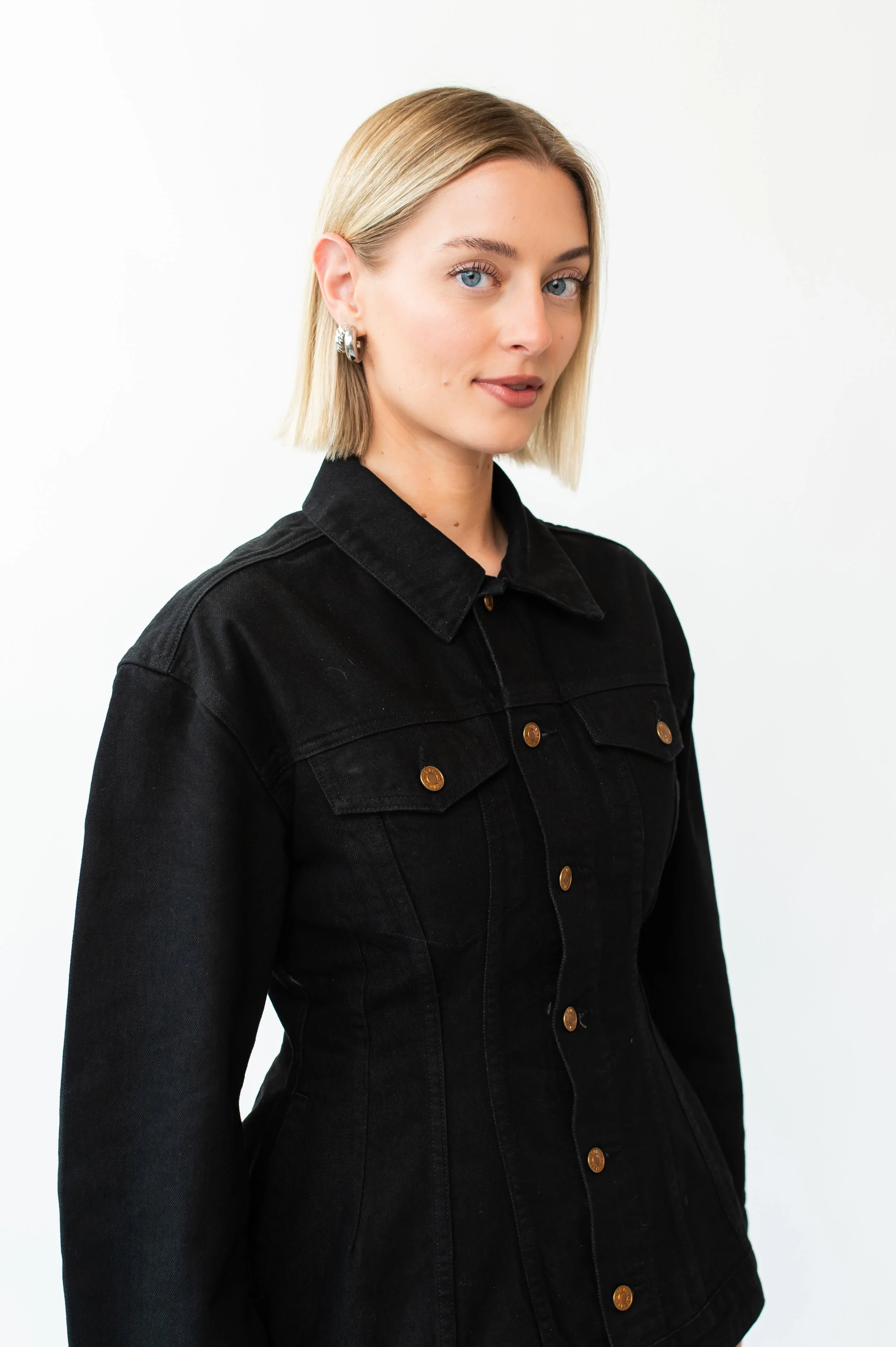
“I kept coming back to the idea: why doesn’t this exist yet? And eventually it became: okay, we should build it.”
The apparel industry is known to be one of the toughest industries to break into. How did you manage to reach this level of success while remaining true to yourself?
I think apparel is hard when you’re trying to make something that already exists. If you’re creating another version of what everyone else is doing, it becomes really difficult to stand out. But Halfdays started with a very specific gap: ski apparel for women, by women, that was both technical and fashion-forward. And at the time, that simply did not exist.
My co-founder and I saw that firsthand. The ski industry had been built largely through a male lens, and women were mostly being offered gear that was either highly technical but not stylish, or cute but not built to actually perform. We believed women deserved both.
So for us, the success has come from staying really close to that original insight. We weren’t chasing a trend or trying to be everything to everyone. We were solving a specific problem for a specific customer, and then continuing to grow from there by listening to our community, trusting our instincts, and building the brand we wished existed. Remaining true to myself has meant staying true to that point of view.
In what ways do you think the outdoor apparel industry is changing—for better or worse?
I think one of the most exciting shifts is the move toward inclusivity – more people feeling like the outdoors is for them. That’s a huge unlock for the industry. At the same time, growth brings challenges: overcrowding, access, and maintaining the integrity of these spaces.
What’s one word that describes the era your career is in?
Pivotal
What outdated fashion trend do you secretly miss?
High-rise denim!
What’s one current fashion trend you wish would go away (and quickly)?
Oversized 2000s sunglasses
Finally, what is the secret ingredient to having longevity in fashion?
Clarity of point of view. Trends come and go, but if you know exactly who you are and who you’re designing for, you can evolve without losing your identity. The brands that last are the ones that stay consistent in their values, even as everything else changes.
Rapid fire POP QUIZ:
The first thing I do when I wake up in the morning is:
go for a walk and get sunshine on my face!
If I had one more hour in the day, I would:
spend more time FaceTiming with my long distance friends!
A song that describes the era I’m in right now is:
“Vienna” by Billy Joel.
My current obsession is:
my openclaw bot.
3 words to describe the legacy I want to leave behind:
Optimistic, inclusive, purposeful.