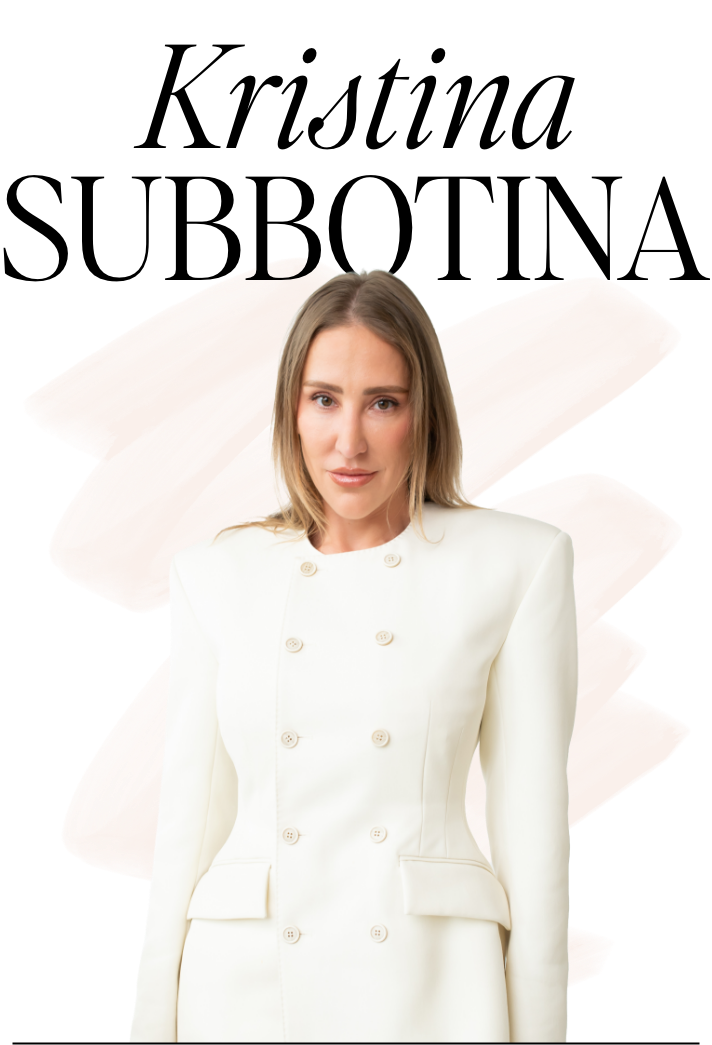
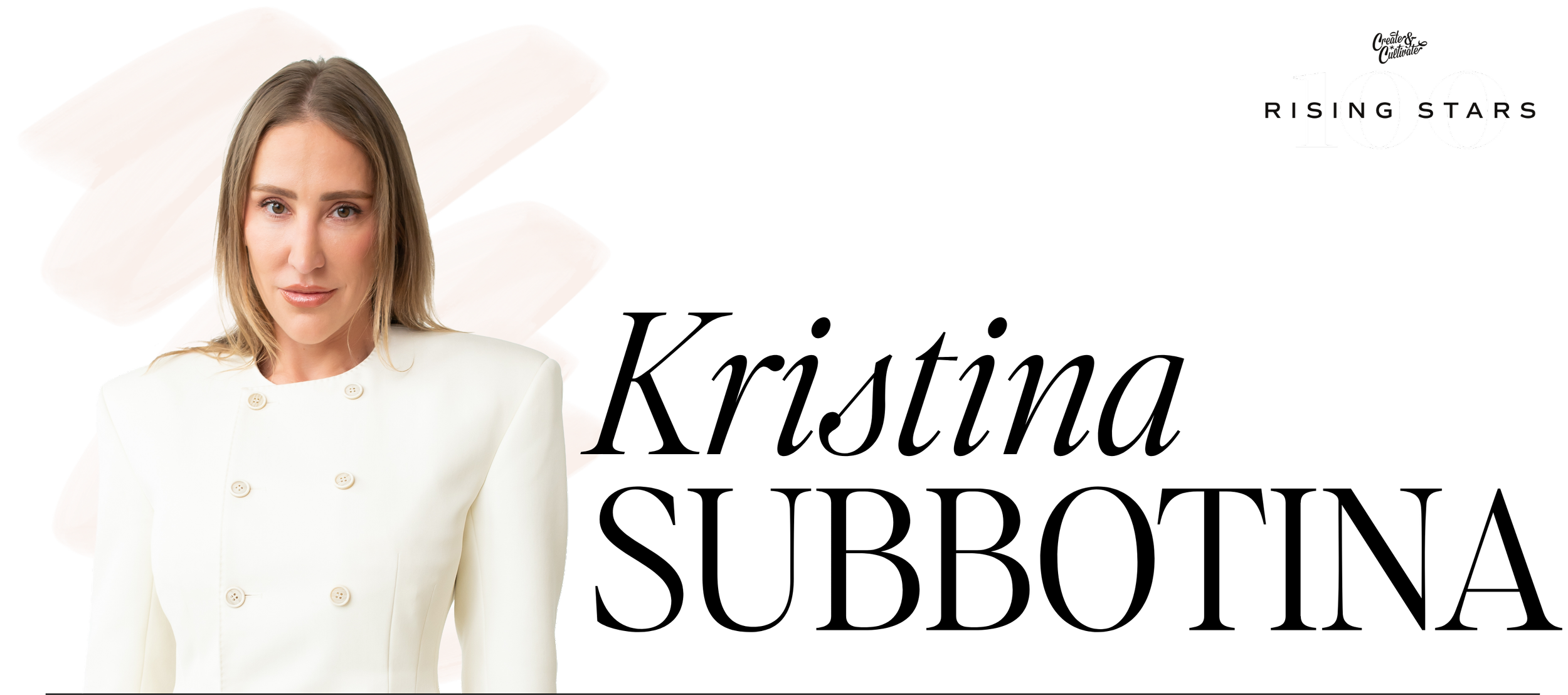
AT JUST 25, Kristina Subbotina IS BUILDING THE KIND OF FUTURE MOST PEOPLE only daydream about.
The founder of Lexsy turned personal loss into purpose after the death of her father pushed her to stop waiting for permission and fully bet on herself. Since then, she’s built her company with relentless ambition, sharp intuition, and a refusal to compromise on excellence, even if it means carrying the workload herself.
But beyond the startup grind, Subbotina is equally driven by creativity, envisioning a future filled with music, dance, travel, family, and impact on a massive scale. Read more about Kristina Subbotina’s journey in the C&C 100 interview below.
When did you decide you wanted to build your own brand instead of going the traditional 9-5 route?
When my dad passed away. That moment stripped away every excuse I'd been hiding behind. I realized fear is an illusion—and time is the only thing you can't get back. There's no point in being scared when life is this short. So I stopped waiting for permission and built Lexsy—a world where every company has access to world-class legal as easily as calling a Waymo.
We see you as a rising star who has accomplished so much in a short time—what hard work and sacrifices have you made over the last year that really paid off?
Taking risks when I'm scared—that's always the sacrifice that pays off the most. I invest in hiring the best talent I can find, and when someone isn't the right fit, I shoulder the work myself rather than settle. The real sacrifice is working far more than I'd want to, but I refuse to deliver anything less than excellent. That standard is non-negotiable.
Going after what you deserve in life takes confidence and guts. What has helped you build trust in your own instincts as more opportunities come your way?
I physically feel it. When I'm talking to the right hire, making the right decision, or stepping into something aligned—I feel the energy in my body. It's not something I can fully explain, but I've learned to trust that signal over spreadsheets and second-guessing. The more I listen to it, the more it proves itself right.
What's been your "I can't believe this is my life" moment lately?
I have one every day. I have this beautiful view of the Bay Bridge from my apartment—I've had it for five years and I still stop and stare. The goal post always moves, and every time I reach something that once felt impossible, a new dream takes its place. And this nomination? Being recognized as part of the C&C 100 is a genuine honor. I feel deeply humbled.
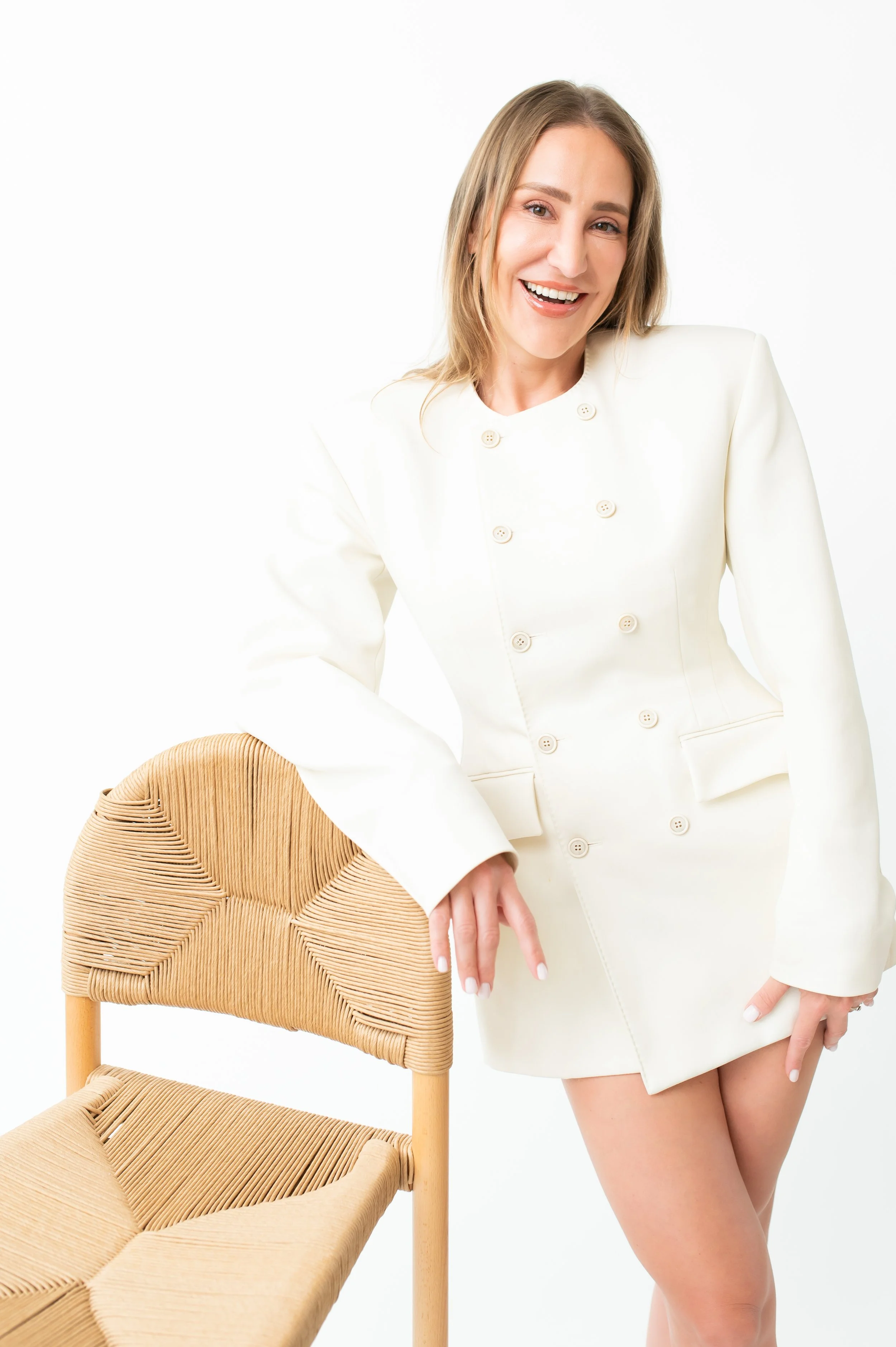
When you're feeling insecure, afraid, or just not up to the task at hand, what gives you strength to push through anyway?
The vision. When I feel insecure, I come back to the impact—the kind words from clients, their gratitude when we helped them close a funding round or launch without legal headaches. I'm helping people make their vision come true. Lawyers are the protectors of builders. That's bigger than any moment of self-doubt.
What's currently on your vision board (literally or mentally)?
A happy, healthy romantic relationship. Marriage. $10 million liquid. A lot more travel. Performing—I write and sing my own songs and dance. Lexsy is a part of the tech stack of every startup in the world.
Where do you hope to be five years from now?
Happy, healthy, and deeply grateful—living inside out to my greatest potential. I see a beautiful family—a husband, three or four kids, and one more dog. Waking up every day creating what I love—whether that's scaling Lexsy, writing music, singing, dancing, or doing yoga. Positively impacting hundreds of millions of people and showing that you can build something massive without sacrificing who you are. Never one thing. My own plane—and a pilot's license to fly it myself.
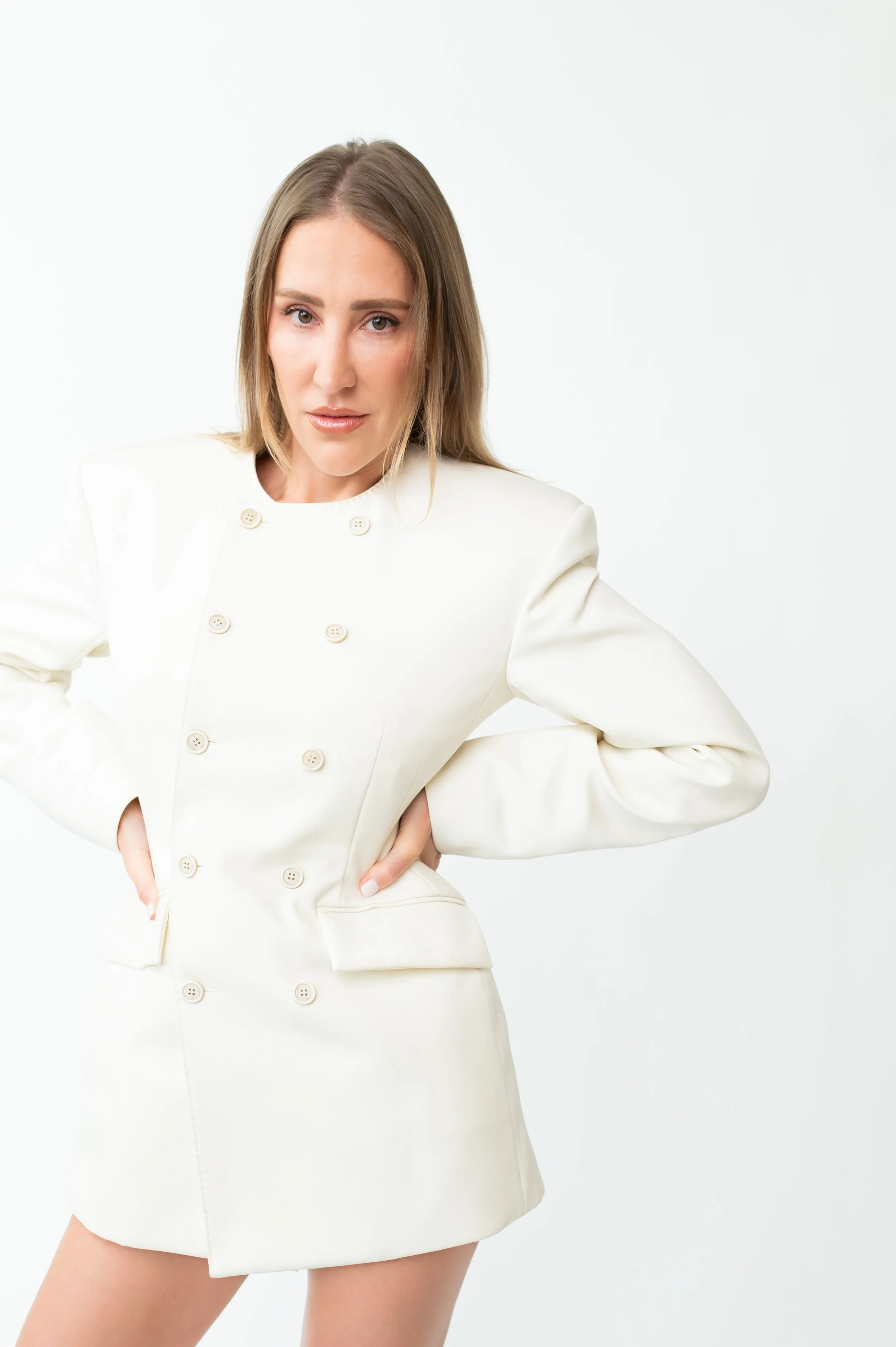
Rapid fire POP QUIZ:
The first thing I do when I wake up in the morning is:
list three things I'm grateful for.
If I had one more hour in the day, I would:
Sleep.
A song that describes the era I’m in right now is:
one I wrote myself—"Never One Thing."
My current obsession is:
dancing and building the product.
Three words to describe the legacy I want to leave behind:
Yes, you can.