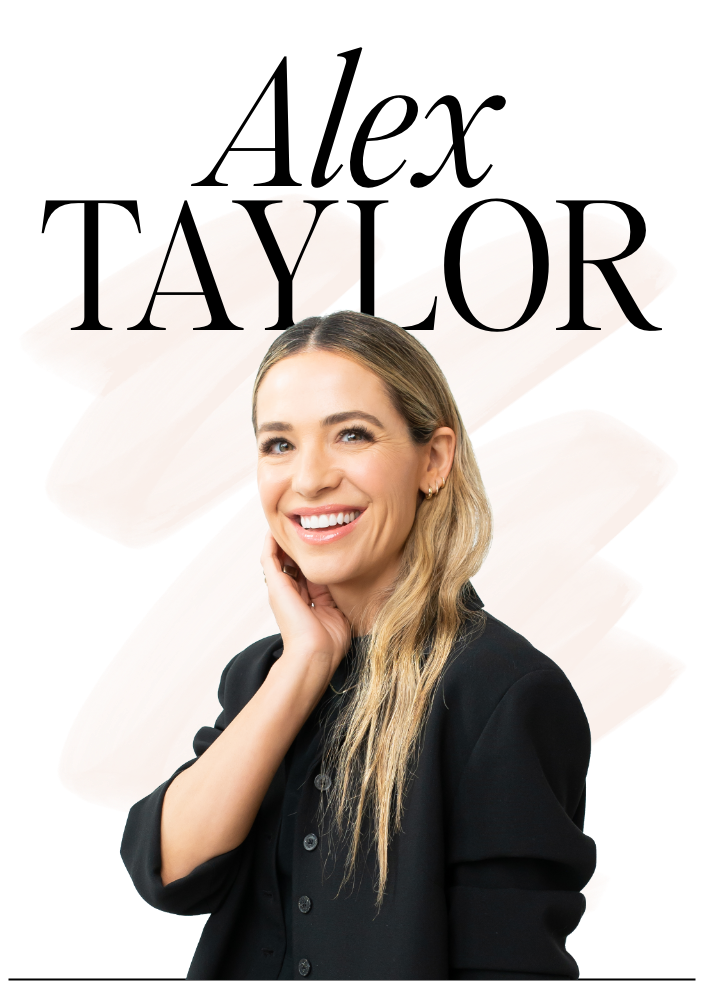

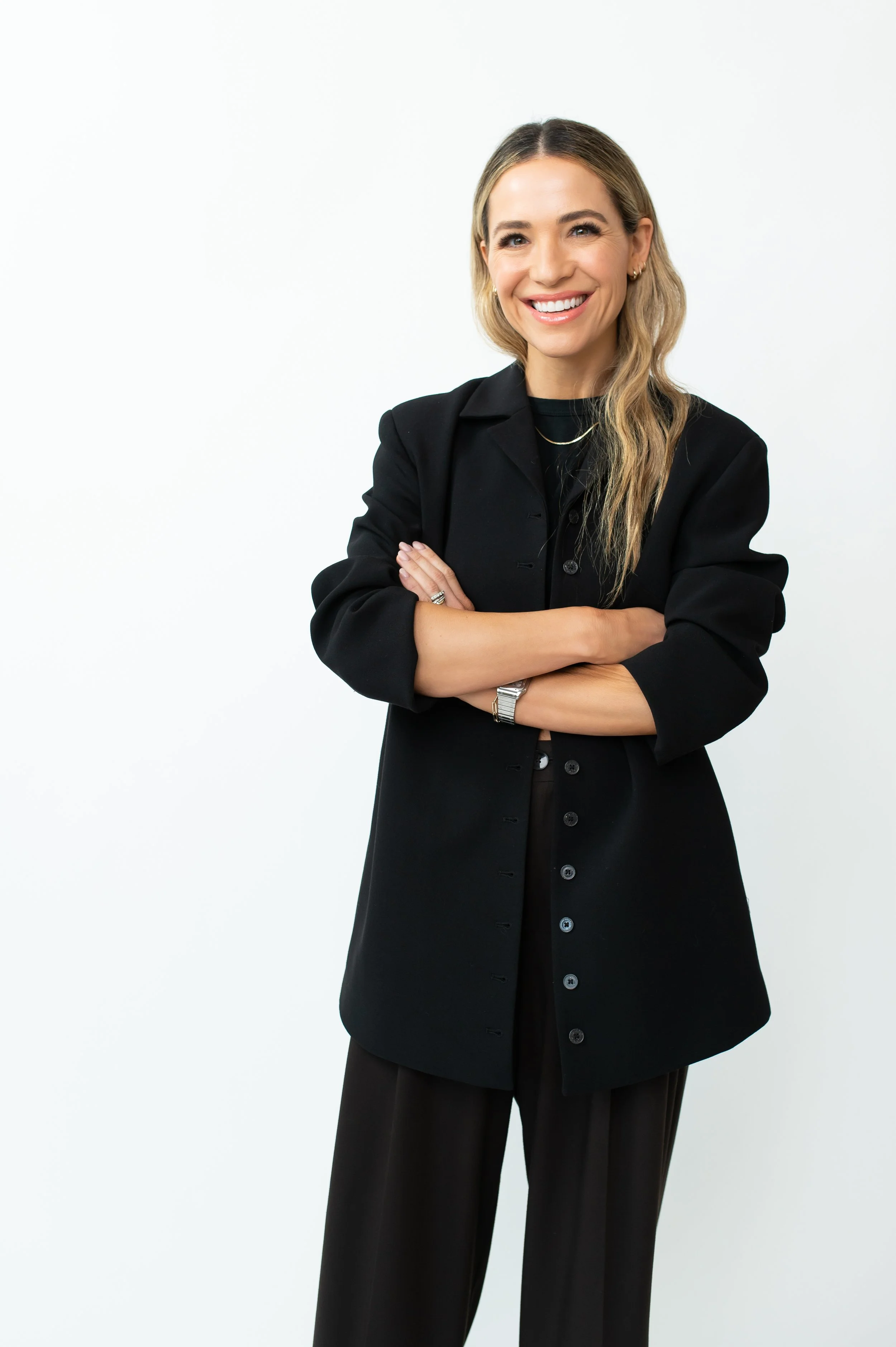
Alex Taylor IS HELPING rewrite the narrative AROUND WOMEN’S HEALTH— ONE STAGE-SPECIFIC supplement pack AT A TIME.
Before launching the brand alongside leading OB-GYNs and maternal-fetal medicine specialists, Taylor built her career at Who What Wear, where she honed her instincts for identifying white space and turning consumer pain points into category-defining businesses.
But it was her own experiences navigating autoimmune disease, fertility, pregnancy, and postpartum that revealed just how fragmented and overwhelming women’s healthcare can be. With Perelel, Taylor set out to create the evidence-based support she wished had existed for her: clinically rigorous products designed to meet women exactly where they are. She believes women deserve to feel supported through every stage of life, and she’s here to make that happen. Read about Alex Taylor’s journey in her C&C 100 interview below.
When did your curiosity about vitamins and wellness first begin, and how did that early experience influence what you’re building today with Perelel?
It really began in my twenties, after I was diagnosed with an autoimmune disease that was likely stress-induced. (Note to self: No job is worth your health.) Candidly, until that point I had taken my health somewhat for granted. But that diagnosis forced me to start paying much closer attention to how I was taking care of my body. I became far more aware of what I was eating, how I was managing stress, what type of workouts I was doing, and what kind of nutritional support I actually needed. It was also the first time I truly recognized how wildly complex our bodies really are—and yet how much responsibility we as women carry when it comes to piecing together our own care.
That awareness only intensified as I navigated fertility, pregnancy, and postpartum. I found myself sorting through bottles of supplements, researching ingredients, and trying to understand what my body needed at each stage while seeking guidance from different doctors. It was overwhelming. And it felt insane to me that in this day and age it was still so difficult and confusing to take care of myself. It made me realize just how fragmented the system is, and how little of it feels built with women’s real experiences in mind.
At the same time, I started to notice how much women’s health was treated like a binary—you were either pregnant or not—when the reality is that our bodies move through so many distinct hormonal stages throughout our entire lives, each with different needs. And while there are still major gaps in women’s health research, there is also a wealth of knowledge that already exists. The problem is that it hasn’t always been translated into something usable or practical for women.
That realization was a turning point. My co-founders and I were all experiencing similar frustrations, and we felt compelled to fix it. We wanted to create products that offered truly comprehensive routines developed by the doctors and experts who actually care for women every day. Products that leveraged the latest science but also our physicians' clinical insights. But most of all, we wanted something evidence-based, clinically rigorous, and stage-specific that was designed to support women through the unique transitions their bodies go through.
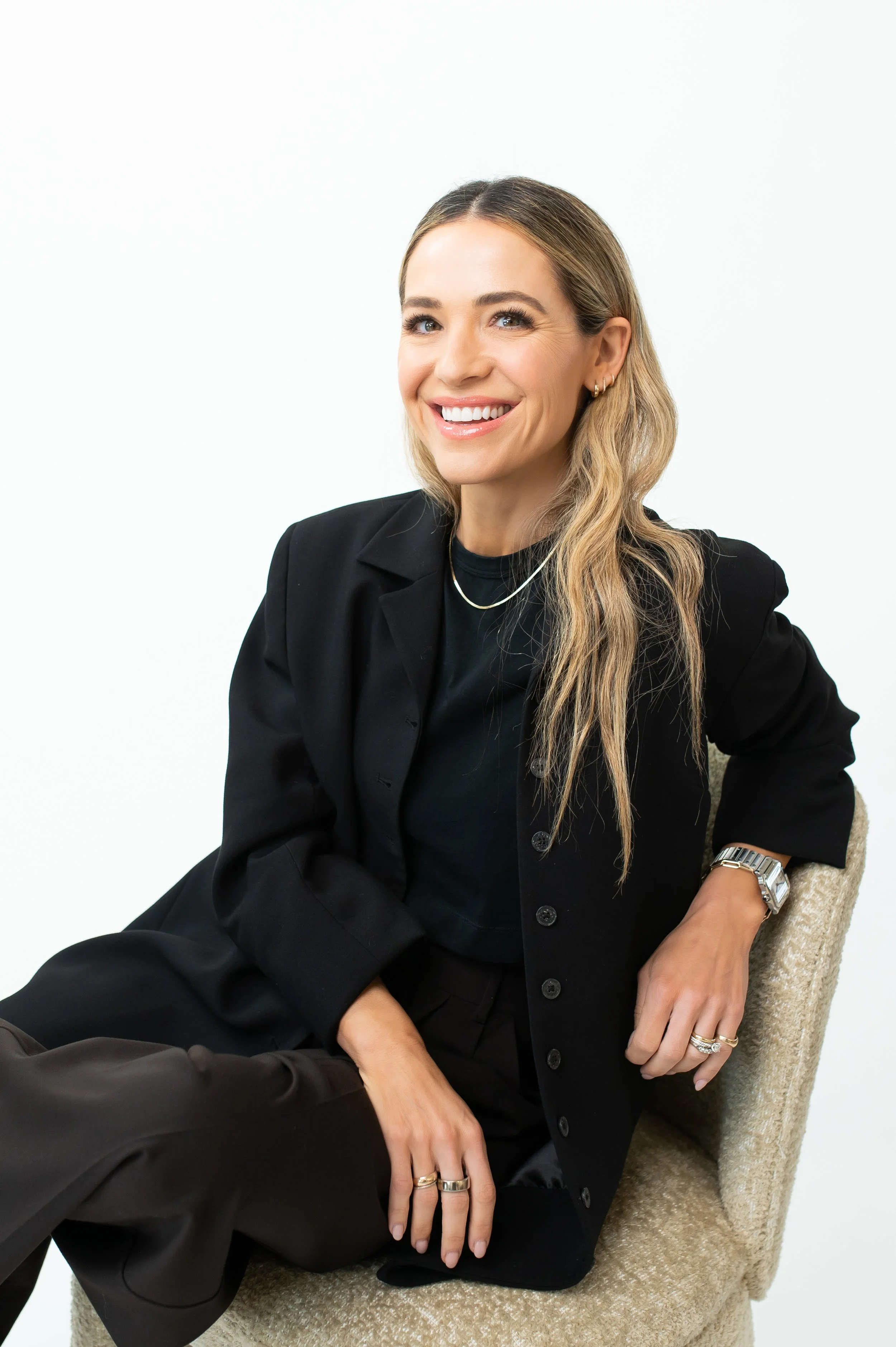
“I truly believe we get to make a conscious decision as to how we want to show up each day.”
What separates Perelel from other women’s supplement brands on the market?
We built Perelel the way we wished support had existed for us—with real clinical expertise at the center and a deep respect for how complex women’s bodies truly are. We never set out to build a brand around trends or marketing claims because there was already enough of that in the category. Instead, we committed to building Perelel hand-in-hand with leading physicians and researchers who care for women every day, grounding everything we do in what doctors are actually seeing in practice and what the latest research supports. That foundation made it clear early on that one-size-fits-all solutions simply didn’t reflect the reality of women’s lives. We move through distinct hormonal stages, and our nutritional needs shift along the way, so the support we offer should shift too. Just as important, we wanted to simplify the experience itself—removing the guesswork and confusion so many women face when trying to care for themselves..
What’s a behind-the-scenes wellness habit or ritual that plays a major role in how you show up each day?
Meditation. It’s not glamorous or always long (usually it’s just a few minutes before the day begins), but it helps me set the thermostat on my nervous system and get clear on how I want to show up. I truly believe we get to make a conscious decision as to how we want to show up each day.
When you’re juggling leadership, motherhood, and all the chaos in between, it’s easy to move through the day reacting to everything around you. For me, meditation creates a pause. It helps me respond more thoughtfully instead of operating from a place of stress or urgency. I’m less reactive, more steady, and it gives me the space to make better decisions, be more patient with my kids, and bring a little more perspective when things feel chaotic.
Did you raise capital for your business—and if so, what surprised you most about the process?
Yes, but not without a lot of resistance early on. Before we launched, we heard “no” more times than we could count. And what surprised us most wasn’t how hard fundraising was—it was how difficult it was to get people to truly understand why women’s health mattered as a category. At the time, many investors didn’t see it as a massive opportunity. They saw it as niche. It was frustrating, but it was also deeply clarifying. Every “no” only fueled our belief that the space was being overlooked and wildly underestimated. We were building Perelel because we had lived the problem ourselves and we knew other women were facing the same frustrations and gaps in support. When we eventually secured our Seed round, which was led by Unilever Ventures and Willow Growth, it felt incredibly validating. Philosophically, it signaled that the category was starting to be taken more seriously. Looking back, whether it was raising capital for Perelel or leading funding rounds during my time at Who What Wear, I’ve learned that while the numbers matter, conviction matters just as much. You have to believe in what you’re building long before others do.
What dreams/goals do you have for your business that both excite and scare you?
Honestly, it’s to see Perelel grow into a globally recognized brand that is synonymous with trusted support for women through every stage of their lives. That vision excites me because it means reaching more women, showing up for them in meaningful ways, and proving that women’s health deserves the same level of rigor, attention, and innovation as any other category. But that kind of scale also carries real weight. The more women we reach, the greater the responsibility to get it right. We have to hold ourselves to the highest standards, stay grounded in science, and never lose sight of the trust women place in us during some of the most important and vulnerable moments of their lives. That balance is what keeps me motivated. And while at times it also feels daunting (because the magnitude of what we are building is significant), the trust women place in us is something I never take lightly.
How do you define success for yourself now vs. earlier in your career?Earlier in my career, I measured success by achievements and momentum. It was all about building, growing, hitting milestones, and proving to myself that I was capable. I was always very focused on what was next. Today, that looks different. It’s less about inertia and more about depth. The richness of my relationships with my family, my friends, my teams, and the people I get to serve matters more to me than any single milestone. Of course, I still care deeply about building meaningful work and growing Perelel, but I measure success more by how present I am in my life and how aligned my work feels with my values.
When the stakes are high and all eyes are on you, what keeps you steady and confident in those moments?
I often think about an old Zen saying: “Before enlightenment, chop wood, carry water. After enlightenment, chop wood, carry water.” It’s a reminder that no matter how big the moment feels, the work itself doesn’t really change. You need to stay focused on what’s in front of you, do the work, and keep your feet on the ground. When things feel especially high-stakes, I try to come back to that sense of humility and purpose. None of this is about ego. I remind myself why I’m doing this and who I’m doing it in service of: women who deserve better support, better care, and better answers. I truly believe that when you stay anchored in “your why,” the pressure feels less personal and more purposeful.
How do you think your presence in this space is shifting or influencing the culture around women's wellness—particularly during and post-pregnancy?
I think one of the biggest shifts has been helping normalize the idea that women deserve real, ongoing support—not just during pregnancy, but long before and long after it. For so long, pregnancy got the spotlight, and postpartum was treated almost like an afterthought. But in reality, postpartum can be one of the most physically and emotionally demanding seasons of a woman’s life, and it deserves just as much care and attention. Through my work, both with Perelel and beyond it, I’ve tried to bring more honesty and visibility to those moments. In the early days of Perelel, I hosted a podcast called Perelel Lives, where we shared lesser-told stories from women navigating fertility, pregnancy, and postpartum. We also launched a series with Aimee Song in conversation with a physician on our Perelel Panel that finally educated women about matrescence, which is the profound physical, emotional, and identity shift that happens as a woman becomes a mother. I’ve always believed that when we talk more openly about these experiences, we feel less alone. And that alone can be incredibly powerful.Today, that work has expanded into advocacy and policy, where I’m focused on driving better education, more research, and more thoughtful support for women across these stages. More broadly, I hope my presence has helped raise expectations—that women don’t have to accept being overlooked or piece together their care alone. The more we talk openly and push for better standards, the more we shift the culture toward one where women feel supported, informed, and truly seen at every stage.
What’s something people often misunderstand about what you do?
I think people sometimes assume that we simply exist to sell supplements. And yes, products are part of it, but the reality is that this work sits at the intersection of science, public health, education, and advocacy. Women’s health is still incredibly under-researched, and that creates real responsibility. Every product decision has to be thoughtful. Every recommendation has to be grounded in evidence. A big part of my work now is helping shift the conversation by advocating for more research, increased funding, and higher standards of care for women everywhere.
Rapid fire POP QUIZ:
To crush your goals, you have to be willing to:
Meditate, then coffee.
If I had one more hour in the day, I would:
Watch the sunset with my kids every evening.
A song that describes the era I’m in right now is:
“Ripple” by Grateful Dead
My current obsession is:
Space. It reminds me how small we are and how much possibility still exists.
Three words to describe the legacy I want to leave behind…
Possibility. Courage. Change.