
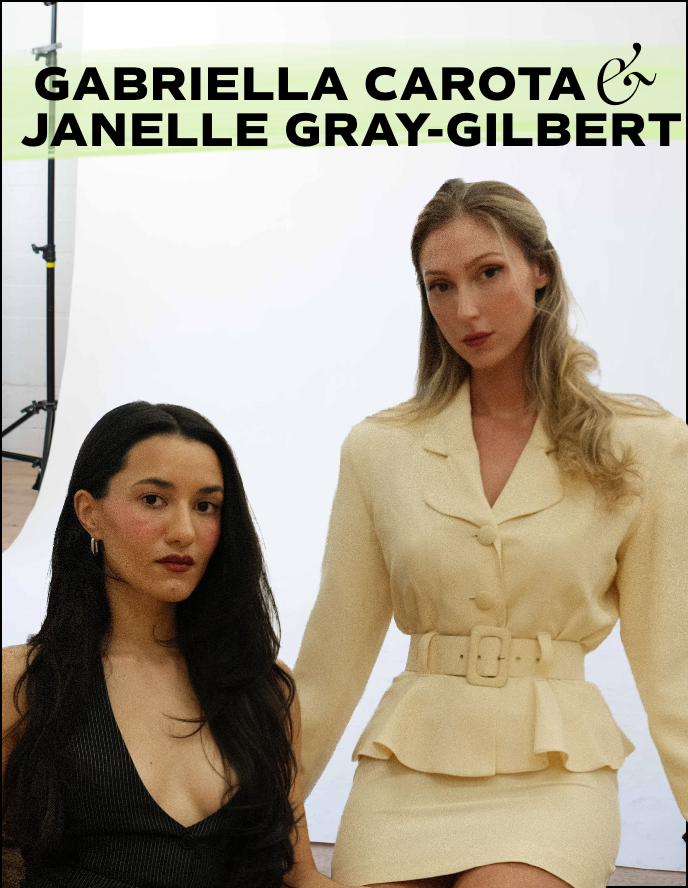
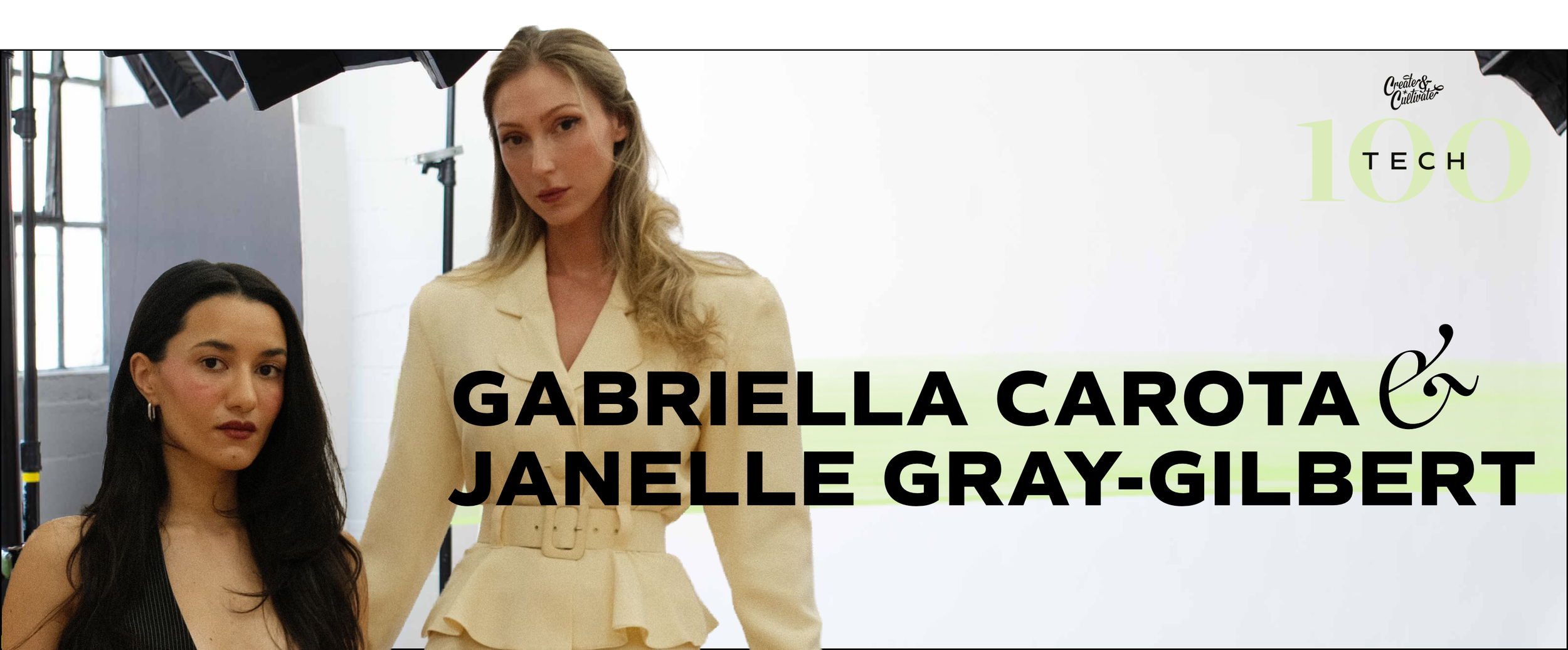
FOR vintage lovers, FINDING THAT ONCE-IN-A-LIFETIME PIECE HAS always FELT A LITTLE LIKE A treasure hunt.
The idea clicked after they posted a vintage Roberto Cavalli gown and were flooded with messages from women desperate to borrow it.
Isle Of Monday blends the best of luxury, rental, and resale. By pairing sharp editorial instincts with tools like AI-powered fit and personalization, Carota and Gray-Gilbert are reimagining how women access extraordinary fashion. Their vision is simple but game-changing: a world where the most iconic pieces are meant to be worn, shared, and loved again and again. Read about Gabrielle and Janelle’s journey in her C&C 100 interview below.
The idea clicked after they posted a vintage Roberto Cavalli gown and were flooded with messages from women desperate to borrow it.
Isle Of Monday blends the best of luxury, rental, and resale. By pairing sharp editorial instincts with tools like AI-powered fit and personalization, Carota and Gray-Gilbert are reimagining how women access extraordinary fashion. Their vision is simple but game-changing: a world where the most iconic pieces are meant to be worn, shared, and loved again and again. Read about Gabrielle and Janelle’s journey in her C&C 100 interview below.
Describe the moment you realized there was a problem in the fashion space that wasn’t being solved, and that your idea could be the new solution?
We kept seeing the same pattern over and over. Women loved vintage, but access was completely broken. The best pieces were either locked away in private collections, impossible to find, or priced so high they felt out of reach. The real turning point was when we posted a vintage Cavalli gown and had hundreds of women DM us asking to borrow it. That was the lightbulb moment. The demand wasn’t just there, it was overwhelming, and no one had built a seamless way to access it. We realized rental could unlock vintage in a way resale never could by keeping pieces in circulation instead of letting them disappear forever.
What risks have you taken as founders that’s changed the trajectory of your business?
We’ve made a lot of bets early that most people would have waited on. Building a brand-managed rental platform instead of peer to peer was a huge one because it’s operationally more challenging, but we knew vintage required that level of control and trust for our partners. We also leaned heavily into brand and cultural relevance before the product was fully built, which isn’t always the obvious move. Dressing talent, building a stylist network, and creating demand through organic social media before scale was risky, but it completely changed our trajectory and positioned us as a go-to source early on.
As you’re building Isle of Monday, what do you care more about right now: perfecting the product or building the right team? And why?
Right now it’s the team, without question. The product will evolve constantly, especially as we build new technology around fit, discovery, and personalization. But the people building it are what actually determine how fast and how well we get there. We’re building something operationally complex and culturally driven, so having a team that understands vintage as a unique industry, the fashion landscape as a whole, and the unlock of the right technology matters more than getting every detail perfect on day one.
AI is undeniably the biggest thing in tech right now, and it’s changing everything around us. How should women entrepreneurs be leveraging it to level the playing field? How are you using it in your business?
AI is obviously the biggest shift happening right now, but we don’t think of it as replacing creativity, we think of it as removing friction. It gives founders access to tools that used to require full teams, which is especially powerful in a landscape where women have historically had less access to capital. You can move faster, test ideas quicker, and operate like a much larger company without needing the same resources. It’s not about technical ability, it’s about leverage and knowing how to use these tools to execute your vision at a higher level.
For us, we use AI very intentionally behind the scenes to scale what would otherwise be extremely manual. We’re building things like fit intelligence to help customers understand how a one-of-one vintage piece will actually fit their body, which is a huge barrier in our category. We’re also using it to power personalization, whether that’s helping customers discover pieces based on their style or generating outfit pairings that we then refine editorially. And internally, we’re thinking about how AI can streamline inventory intake, pricing, and even product descriptions so we can scale without losing our point of view.
The biggest thing is that we don’t let AI lead, we let it augment. The taste, the brand, the curation, that all stays human. AI just helps us move faster and execute at a higher level.
What’s your most common AI prompt?
It’s usually something along the lines of “pressure test this idea and tell me what I’m missing.” We use it less for answers and more for sharpening thinking, whether that’s strategy, messaging, or product decisions.
What does your current tech stack look like—and how has it changed your daily output?
Our stack is a mix of Shopify, custom development, and internal tools layered with AI. As we’ve evolved, we’ve moved from scrappy tools to more intentional systems that support scale, especially around inventory, logistics, and user experience. The biggest change is speed. What used to take days now takes hours, and that compounds quickly across everything we do.
What does your current tech stack look like—and how has it changed your daily output?
Our stack is a mix of Shopify, custom development, and internal tools layered with AI. As we’ve evolved, we’ve moved from scrappy tools to more intentional systems that support scale, especially around inventory, logistics, and user experience. The biggest change is speed. What used to take days now takes hours, and that compounds quickly across everything we do.
What’s been harder than you anticipated while building this new brand?
Honestly, how nuanced vintage operations are at scale. People romanticize vintage, but behind the scenes it’s extremely complex. Every piece is one of one, sizing is inconsistent, fabrication and structure varies, and the margin for error is low. Building systems that can handle all of that while still delivering a seamless, luxury experience has been a large focus. At the same time, that complexity is also what creates the moat.
Did you raise capital for your business—and if so, what surprised you most about the process?
We have raised and are continuing to raise, and what surprised us most is how much storytelling matters. It’s not just about metrics, it’s about whether people understand the shift you’re creating. We’re building in a category that sits between resale, rental, and luxury, so a lot of the process has been educating investors on why this model works and why now. Once it clicks, it really clicks, but getting people there takes intention.
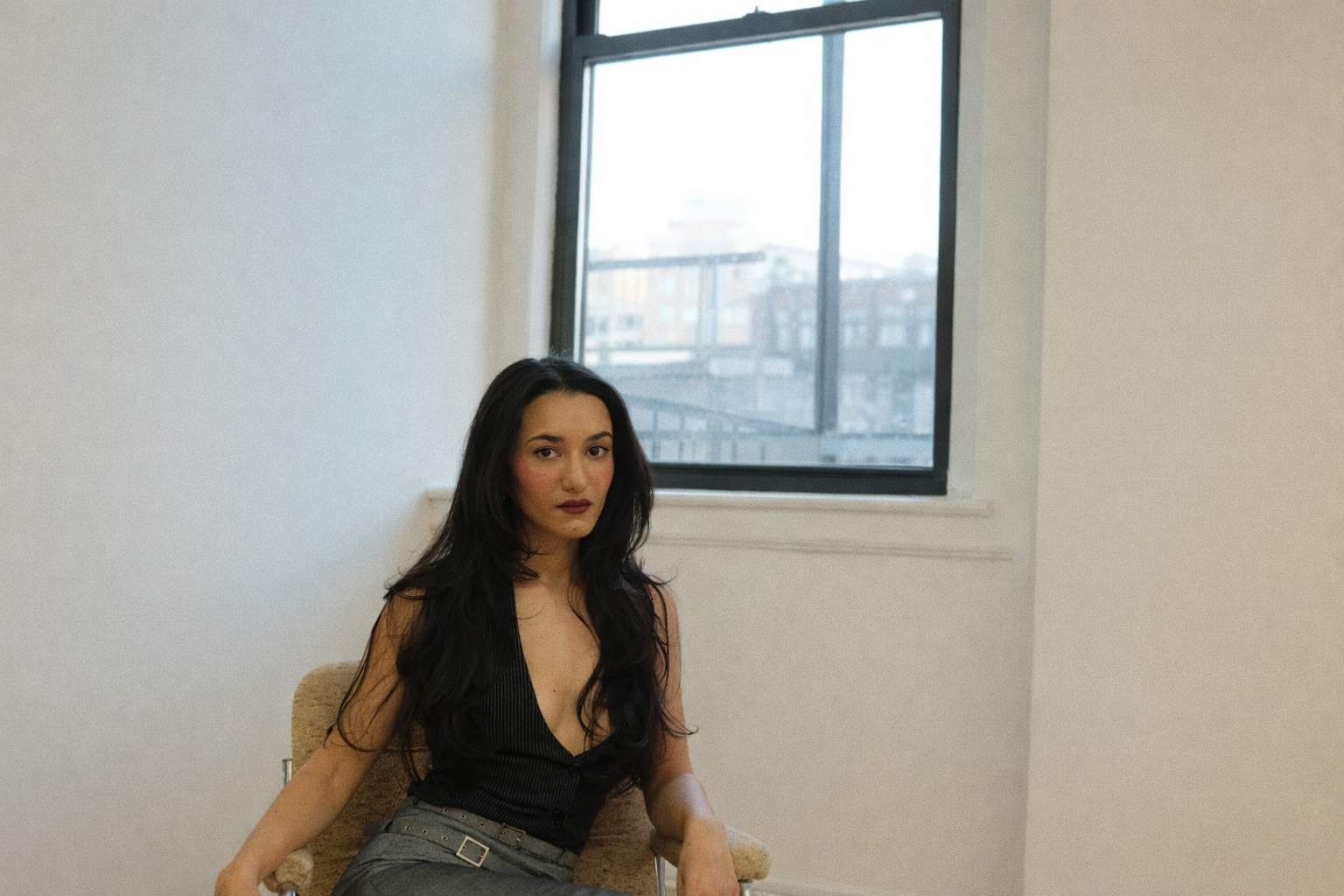
Rapid fire POP QUIZ:
The first thing I do when I wake up in the morning is:
feed our dogs, check our phones, scan email, Slack, and DM, and see what moved overnight.
If I had one more hour in the day, I would:
spend it strategizing and thinking, not doing.
To crush your goals, you have to be willing to…
be uncomfortable for longer than anyone else.
My current obsession is:
building something people feel they viscerally need, not want.
Three words to describe the legacy I want to leave behind:
iconic, enduring, meaningful