
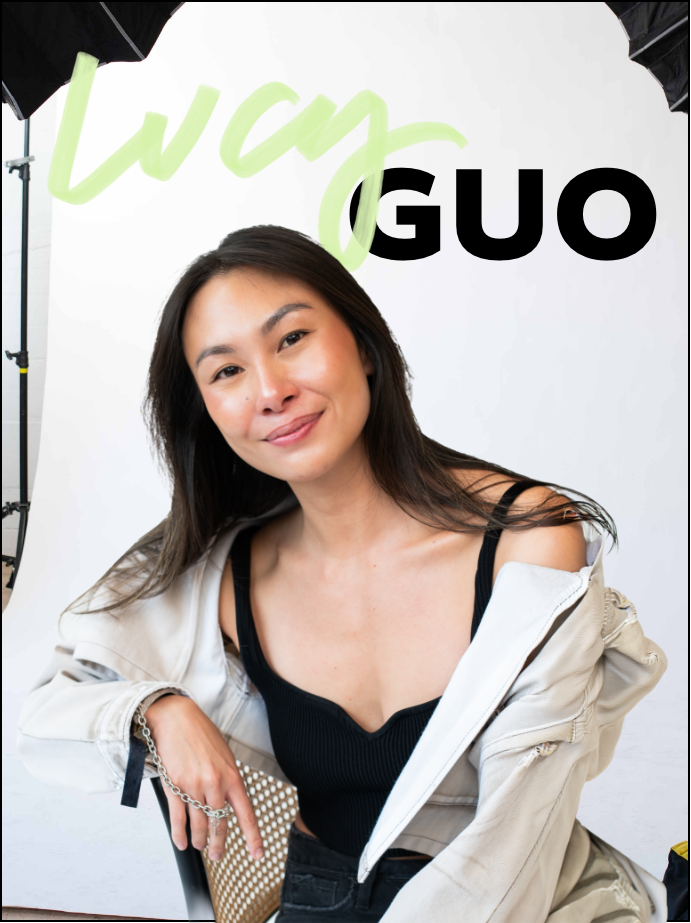
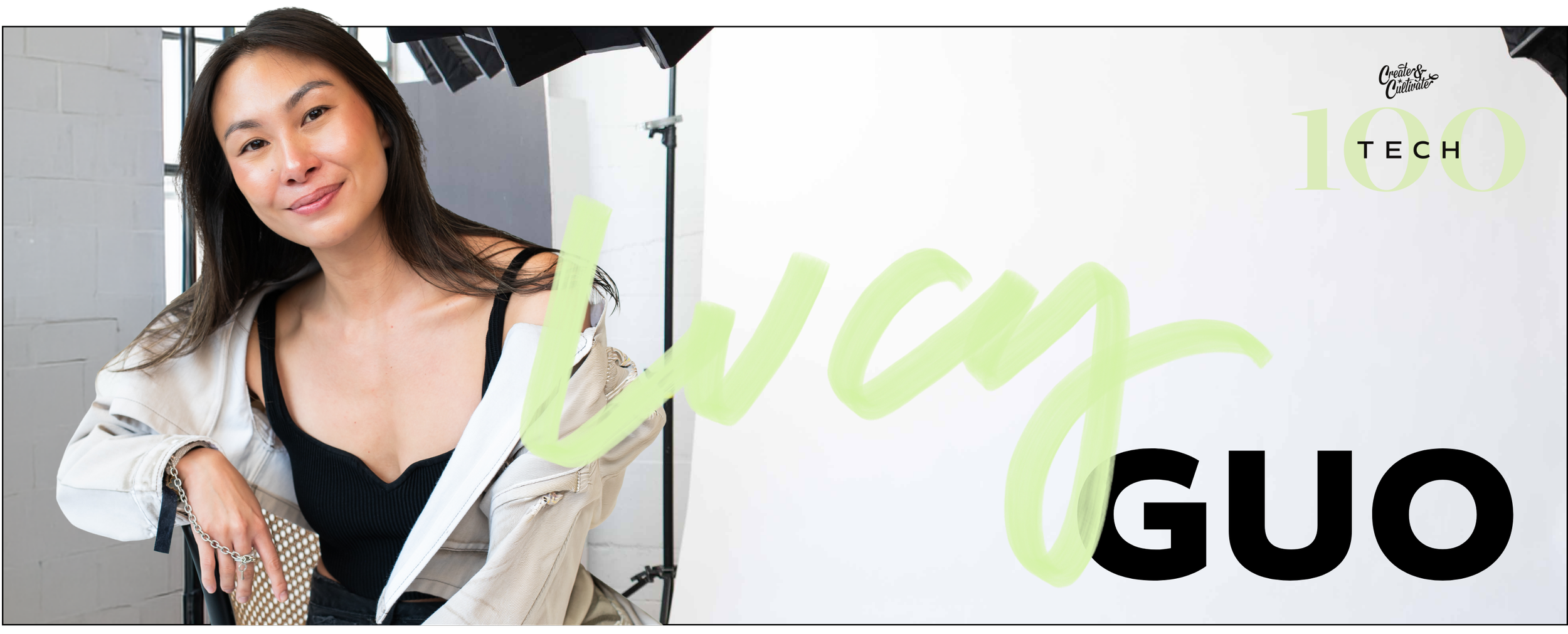
BEFORE SHE BECAME ONE OF THE most recognizable entrepreneurs IN SILICON VALLEY,
Lucy Guo WAS CODING WEBSITES AS A TEENAGER, HOPPING FROM HACKATHON TO HACKATHON, AND PROVING THAT CURIOSITY CAN BE THE ULTIMATE competitive advantage.
Since co-founding Scale AI and later launching Passes, Guo has built a reputation for spotting massive opportunities hidden inside everyday frustrations.
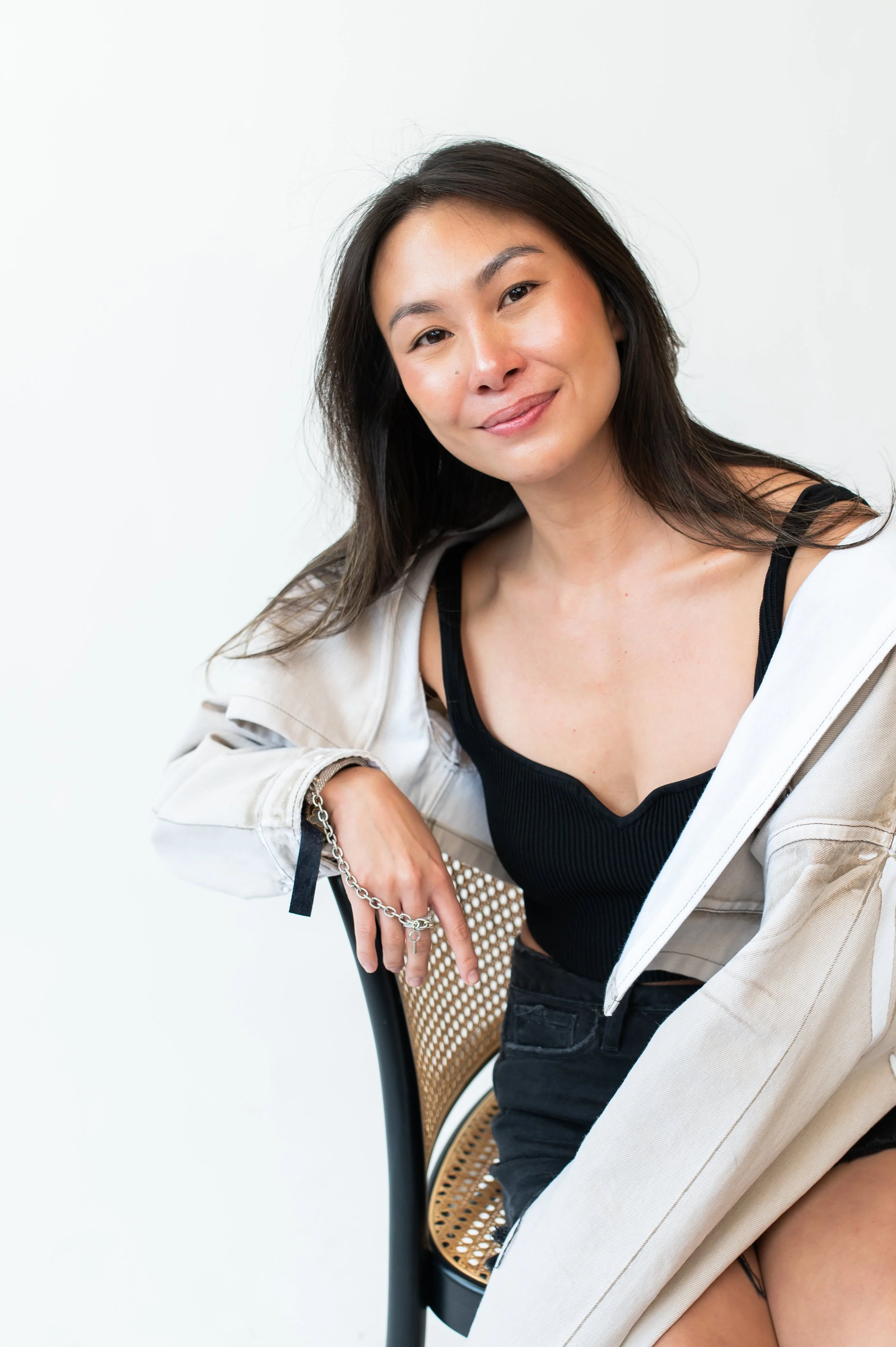
Equal parts engineer, operator, and unapologetic problem-solver, she approaches entrepreneurship with the kind of intensity that turns small annoyances into billion-dollar businesses. Guo is driven by a simple philosophy: if something is broken, build a better version yourself. Read about Lucy Guo’s journey in her C&C 100 interview below.
What was the moment you realized you didn’t just want to work in tech, but that you wanted to build something of your own?
Honestly, it started when I was really young. I was building websites for everything from virtual pet sites to internet marketing tools. But it wasn't until I started going to hackathons that I realized the world was so much bigger than the niche I'd been operating in. That's where I fell in love with product development and the idea of startups, which solved real problems. From that point on, I knew I didn't just want to work in tech. I wanted to build in it.
Describe the moment you realized there was a problem in the tech space that wasn’t being solved, and that your idea could be the new solution?
My north star has always been this: build for problems you actually have, because chances are someone else has them too. Every product I've built has come from that place. With Scale, it started with something almost absurdly simple. We wanted a way to press a button and have someone call a doctor for us, and that desire was why we pivoted into Scale, an API for humans, which eventually evolved into the data labeling company that powered a huge part of the AI industry. The biggest ideas often start as the smallest annoyances.
You left college early to pursue the Thiel Fellowship, and it ended up being a huge launchpad for your career. How did you know this was the right move for you?
Dropping out never actually felt like a risk to me. I already had multiple job offers, and more importantly, I was optimizing for learning and felt that I was learning more at hackathons than I was in classes. The Thiel Fellowship was the obvious accelerant. I knew it would unlock opportunities and put me in rooms I couldn't have gotten into otherwise. Your network really is your net worth, and the fellowship multiplied mine overnight.
What do you care more about right now: perfecting the product or building the right team? And why?
Building the right team, hands down. The right team will pivot you into the right product. When users genuinely want what you're building, they'll happily use an imperfect version of it. They won't wait around for a perfect product from a team that can't ship.
What’s been harder than you anticipated while building your brand?
Finding people who want to be in the trenches. Post-COVID, so many people have gotten comfortable working from home, and I get it. But I believe in-person collaboration is what builds culture, especially at the early stage.
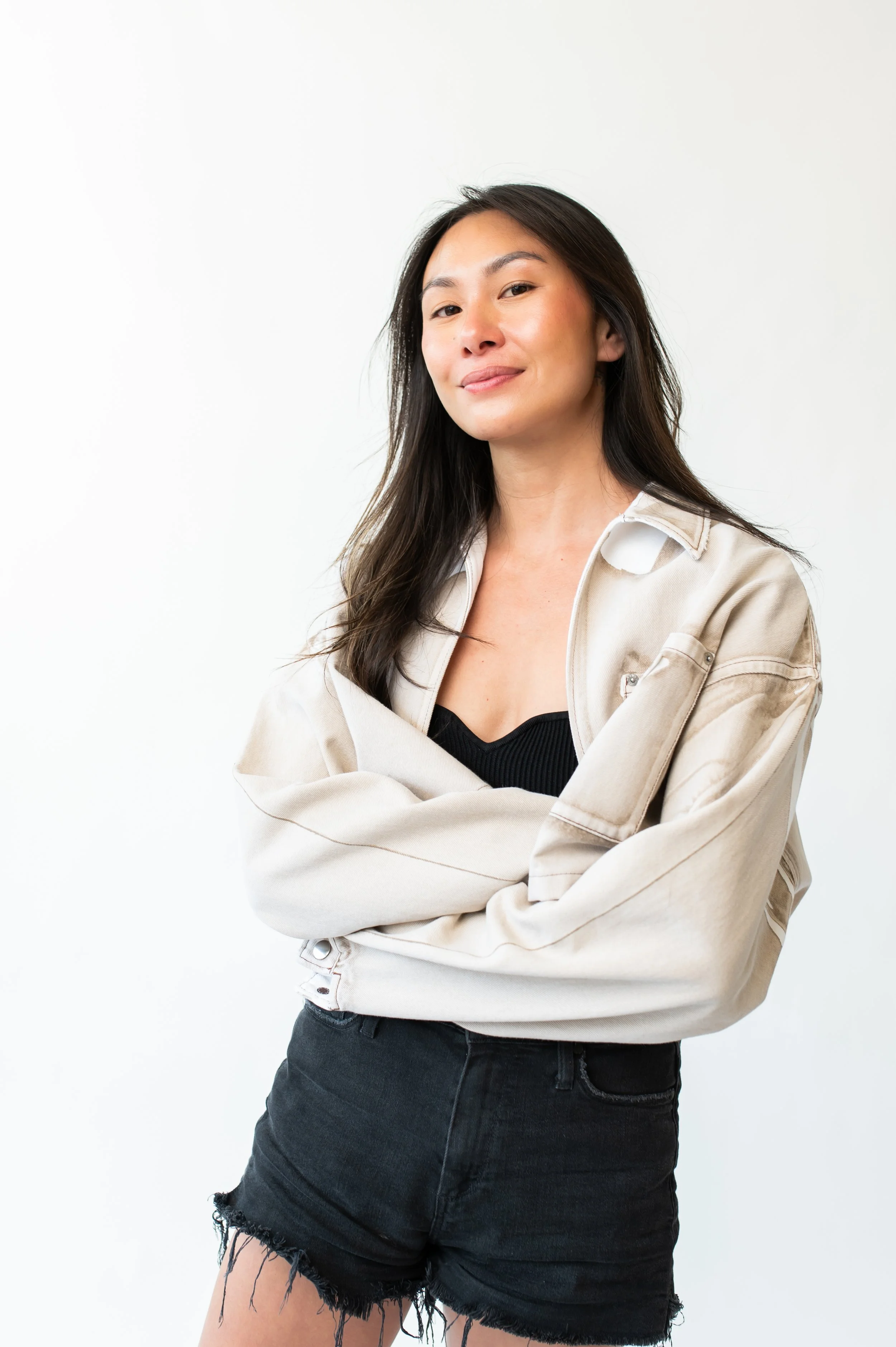
“My north star has always been this: build for problems you actually have, because chances are someone else has them too.”
AI is undeniably the biggest thing in tech right now, and it’s changing everything around us. How should women entrepreneurs be leveraging it to level the playing field? How are you using it in your business?
AI has fundamentally collapsed the cost of starting and running a company. Every employee can operate at 10x capacity, and you can get an MVP off the ground with almost no capital. Female founders should be using every tool available: Claude Design, Cursor, Replit, etc. Investors fund tangible things, not pitch decks, and now you can build something tangible without writing a line of code yourself. In my own business, I have every employee using AI tools to multiply their output. It's non-negotiable at this point.
What’s your most common AI prompt?
Almost always something around go-to-market strategy or growth hacking. That's where I find AI gives me the most leverage as a founder.
What does your current tech stack look like—and how has it changed your daily output?
A lot of it is internal tools we've built ourselves. For example, one system that unifies WhatsApp, iMessage, and email into a single inbox, and another that summarizes all of my team's meetings and customer calls so we can feed those insights back into the product. Beyond that, my stack is honestly pretty simple: Slack, Claude, and Superhuman for email. That's it.
What do you want to build beyond just the company itself?
I love solving problems! That's actually why I'm building several companies in parallel rather than just one. Outside of that, I advise nonprofits and put my time and money into causes I care about, everything from coral reef restoration to beagle rescue. Building isn't just about companies for me. It's about leaving things better than I found them, in whatever form that takes.
Rapid fire POP QUIZ:
The first thing I do when I wake up in the morning is:
Barry’s Bootcamp
If I had one more hour in the day, I would:
find another side quest
A song that describes the era I’m in right now is:
Run the world (girls)
My current obsession is:
DJ’ing and making music
Three words to describe the legacy I want to leave behind:
Access, momentum, creation