
Ask: Jessy Fofana of LaRue PR answers your public relations questions
Last week, we asked what you wanted to know from PR maven Jessy Fofana. Jessy founded her agency, LaRue PR, more than seven years ago after previously working in magazine publishing and founding (and later selling) her own cosmetics company. She knows her stuff, and will soon be covering everything PR for the Create & Cultivate blog. To kick it off, she picked a few questions to answer here, and warned us she wanted to answer them all.

Last week, we asked what you wanted to know from PR maven Jessy Fofana. Jessy founded her agency, LaRue PR, more than seven years ago after previously working in magazine publishing and founding (and later selling) her own cosmetics company. She knows her stuff, and will soon be covering everything PR for the Create & Cultivate blog. To kick it off, she picked a few questions to answer here, and warned us she wanted to answer them all.
cassandramonroe What are qualities that PR agencies or personnel look for in a blogger/creative person that determines whether or not they feel like a collaboration is a good fit?
It’s always great to collaborate with a partner or influencer that approaches what they do with a creative spirit, but also like a brand/business owner. Being responsive and having a media kit and rate card ready with available stats and numbers is always appealing. Partnering with a blogger that is truly interested in the product/service they are going to collaborate on is best. It’s wonderful to team up with someone who has done their own research and is bringing creative ideas to the table that tie in what works best with their audience. Of course design, layout, image quality and general aesthetic sensibility are important, but if a PR person has reached out to you with interest they have decided you are “on brand” and the right fit. If you are an emerging blogger trying to work with a company for a collab, it’s important to know what you are about and why you feel the partnership would be beneficial. I also suggest starting with smaller businesses that might be more accessible and approachable. Finally, it’s important to have a nice working relationship, to meet deadlines, to be responsive and to share post partnership results.
mommynotes What are some good tips for negotiating with PR companies as a brand, particularly when your budget is small?
This is a great question and one that I’m sure a lot of small biz owners new to working with agencies and consultants might have. If you are interested in working with a PR firm, it’s important to find a boutique agency that has experience working with small businesses or startups. PR firms usually create their pricing structure based on time, so you want to make sure that you whittle down what your goals are and where you would like the focus to be. A good PR team will offer input and advice on this as well and can advise on where your business will see the most benefit and how to streamline efforts and costs. Some agencies will create a retainer agreement that is tiered or that increases over time to accommodate a new business. Approaching PR on a project basis (ex: product launch, around an event, or seasonally) is another way to limit the expense and create specificity for the campaign. Finally, if you find an agency or freelancer that you feel is a great fit, talk to them. While there are industry standards, there is no hard and fast rule and if someone sees the potential, they may be willing to negotiate. I’ve tried to move mountains for brands that I really believe in.
miss.collective I would love to know what approach you recommend to targeting publications after hosting an event to have the greatest success rate of getting published. Thanks!
With events there are a few different strategies to consider. We typically look at any event and consider a three-pronged approach to press coverage that includes pre-event press, “live” event press, and post event press. Depending on what your event goals are, maybe only one of these applies, but it’s important to consider all angles. If you are looking for press coverage to drive attendance and foot traffic, pre-event coverage and “live” coverage are a necessity. If your goal is to showcase a private event, the focus is typically post event outreach. For this there are a few things you need to have at the ready. Event PR usually has the best return on a local or regional level, so putting together a hit list with the best area print, digital and broadcast media is essential. Do your research and make sure you find the right contacts at each outlet. Look at who has covered similar events in the past, check titles and beats and reach out. Have all of necessary info ready, in either a press release or an event one-sheet and share a few low-res images to help create interest and excitement. If media didn’t attend the event, it’s important to have a photographer on site who can share event images for press inclusion. Timing is important. You can pitch for post-event coverage before the function happens to try and secure an exclusive story. If you have trouble getting interest in advance, then immediately following the event—ideally the next day—work on pitching it with all the juicy images and info.
mirabellamarket What is the best way for a handmade business on Etsy to gain traction and increase sales? How can we bring our products to the masses?
Fifteen years ago I would have said that traditional PR is really the only cost-effective way to bring visibility to any small business. It still is a great tool, but over the years, the scope of what PR includes has broadened and now there are so many more resources available. Social media has created entirely new outlets for visibility. Now influencer relations and strategic marketing are an important part of any PR strategy. When you have a handmade business, it’s important to get creative and to have a plan of attack. When I was in my 20s I started a “handmade small business” with a friend. Over the course of a number of years we grew our sales, and ended up selling our start-up to a multi-million dollar fashion label. One of the key factors that helped that sale along was the buzz we had created for ourselves via PR. In addition to creating exposure and sales it lent our fledgling business credibility. Don’t be afraid to pursue media coverage. I went out guerilla-style and just pitched our product and story to a ton of editors and we ended up getting featured in some of the most popular fashion and lifestyle magazines (Harper’s Bazaar, InStyle etc.). At the time I was just starting out and didn’t have a ton of PR experience, but I just pounded the pavement and believed in the product. I think that same strategy is still worthwhile and now that are a multitude of mediums to go after.
Try an organized “spaghetti-at-the-wall” approach and see where you get interest and where you get return. Make a hit list of media outlets where you would like to land your product, research contacts and try reaching out (it’s often better to start with a more junior assistant, writer or editor). Figure out a few brands that are similar in size, or slightly larger, that have a complimentary rather than competitive identity and reach out about a co-branded social media collaboration to grow awareness among your respective customer base. If the collaboration is cool, look to get a bit of press coverage on it. Incentivize your existing customers and market directly to them with original (and hopefully not annoying) promotions. Social media is a way you can share your brand identity and connect with your end consumer on a daily basis. Try to be sincere, create worthwhile content and don't be too focused on sales. Keep at it. Don’t give up. All of this takes time and keep in mind with PR specifically, you are bound to get a bunch of “NOs” before you get that “YES,” but usually that “YES” is really worthwhile.

Jessy Fofana founded La Rue PR over ten years ago after successfully directing public relations and marketing initiatives for an impressive list of well-known fashion, home décor, lifestyle and cosmetics brands and retailers. Having worked in both digital and print magazine publishing as well as co-founding a fashion and lifestyle brand that she later sold, Jessy and her team at LaRue PR understand exactly what it takes to create the kind of take-notice, multi-faceted campaign that delivers brand-changing buzz. With an experienced team of professionals, LaRue PR covers all the bases including print and digital media coverage, influencer relations, synergistic brand partnerships and more. LaRue PR provides the skill and experience of a large agency with the creativity, dedication and affordability that can only be offered by a boutique firm.
.

Copyright Law 101
If you're a creative working in the digital space, it's highly likely that at some point in your career, you'll find yourself on at least one side of copyright law questions. Situation one: You regram a photo and tag the source, yet suddenly the owner is claiming copyright infringement and asking you to remove the post (or worse). Situation two: You spend hours/days/weeks working on something, only to see it pop up in other places without credit, or even credited to someone else. To find out what to do in these situations—and how to avoid them in the first place—we got Annette Stepanian, an attorney with a focus on helping creative entrepreneurs set a legal foundation for their business, to answer our copyright law questions.

If you're a creative working in the digital space, it's highly likely that at some point in your career, you'll find yourself on at least one side of copyright law questions. Situation one: You regram a photo and tag the source, yet suddenly the owner is claiming copyright infringement and asking you to remove the post (or worse). Situation two: You spend hours/days/weeks working on something, only to see it pop up in other places without credit, or even credited to someone else. To find out what to do in these situations—and how to avoid them in the first place—we got Annette Stepanian, an attorney with a focus on helping creative entrepreneurs set a legal foundation for their business, to answer our copyright law questions.
Q: Is a regram on Instagram considered copyright infringement?
The short answer to a very long explanation is “yes- a regram on Instagram could be considered copyright infringement.” But you might think, “I’m sharing someone’s photo as a compliment. I’m giving them more traffic and exposing them to my audience. Surely they won’t mind.” Sorry, but the law doesn’t care if you’re being nice. Under U.S. copyright laws, a copyright is a form of protection given to the author of published or unpublished “original works of authorship” which prevent the unauthorized use of another’s work. When you regram another’s copyrighted work without permission, you’re infringing on his/her copyright.
In fact, Instagram’s Community Guidelines caution: “[r]emember to post authentic content, and don’t post anything you’ve copied or collected from the Internet that you don’t have the right to post.” See Instagram’s . By using Instagram, you agree to its Terms of Use which specifically state that by using Instagram you are representing that the content you’re posting does not infringe on the copyright and other intellectual property rights of third party’s.
It’s a common misconception that linking to the source is enough to protect you from claims of copyright infringement.
tweet this
Q: Is a photo credit with a link to the source enough?
It’s a common misconception that linking to the source is enough to protect you from claims of copyright infringement. Giving credit and getting permission are two different things. Linking to the source is not enough because 1) the source you’re linking to may not be the one who owns the copyright and 2) linking does not mean that they have given you permission to use the photo.
Q: What do you do if you don't know the original source of a photograph?
For images, I recommend doing a reverse image search using Google Images or Tin Eye. With these online services, after you upload an image into their search bar, you’ll receive results of similar images available on the Internet. With a little investigation, you can probably locate a copyright notice on or near the image to identify the name of the copyright holder. You can also conduct a search of the Copyright Office catalogs or for a fee, have the Copyright Office conduct a search for you. Once you know who the copyright owner is, you can locate them and ask permission to use the image. Be prepared to let them know how you intend to use the image. Get their permission in writing and save it for your records.
Because copyrights are a bundle of rights that can be transferred or licensed to others for various uses, don’t assume that the photographer of the image is necessarily the copyright owner. For example, let’s say you’re writing an e-book and you want to use a specific photograph for the cover of your book. You may contact the photographer to find out that she sold her rights to the photo to someone else, who has the exclusive right to publish her photography.
If you can’t determine the copyright owner, cannot get permission, or don’t want to pay for a license to use the photograph, then it might be best to use a free image under a Creative Commons license or purchase stock photography. You may also want to limit your use to works that are in the public domain. The public domain consists of works that are not protected under copyright laws, meaning that anyone can use the work without obtaining permission from the author or their heirs.
Q: What is the potential recourse for posting an image that didn't belong to you?
If an owner of a copyrighted work learns that you are using their protected work without permission, the copyright owner has the right to take you to court and seek monetary damages as well as injunctive relief (i.e. get a court order preventing you from using the work). Whether someone will actually do so, is a different issue. However, it is always best to get permission from the copyright owner before using the work .
Q: How do you file for copyright on a blog, specifically? Do you have to file each post separately?
According to my conversations with representatives at the Copyright Office, you can register your blog as part of a compilation. That means that you don’t have to register each and every blog post separately. You can compile a series of blog posts together and register them as a group. Online content is still a rather new medium and the copyright laws haven’t caught up to reflect the world of online publishing. Before registering your blog posts, inquire about the registration requirements with the U.S. Copyright Office.
Fortunately, registering your copyright with the U.S. Copyright Office is rather simple and can be done online or with a paper application. You need to complete an application form, pay a filing fee, and submit a nonreturnable copy of the work being registered with the Copyright Office.
Note, however, that publishing a work, including a copyright notice such as (© 2015 Jane Doe) or registering a work with the Copyright Office are technically not required in order for your copyright to be valid. This is because copyright laws protect your work the moment it is created and fixed to a tangible form. Although the use of a copyright notice is no longer required, it is beneficial and easy enough to include one. A copyright notice informs others that the work is protected under copyright law and indicates the copyright owner and the year of first publication, thereby preventing an infringer from claiming that they didn’t know the work was copyrighted.
Registration is also not required, but recommended for a number of reasons. First, it creates a public record of your copyright. In the event there is ever a dispute about who owns the copyright, the registration can support your case. Second, U.S. copyrights must be registered before filing a case in court. If you register your copyright within five years of publication, the fact of registration establishes a presumption that the copyright is valid. Also if you want to claim statutory damages or you want a shot at attorney fees, registering the work prior to infringement is essential.
© 2015 Annette Stepanian

Annette Stepanian is an attorney and creative business owner who helps creative professionals and entrepreneurs lay a legal foundation for their business. To learn more, visit her website.
Disclaimer: This information is for educational and informational purposes only; it is not intended as and does not constitute legal advice and does not create an attorney-client relationship between you and the author. You should not act, or refrain from acting, on the basis of information provided here without first consulting legal counsel in your jurisdiction.

Smash Past The Noise: How to kill it in a crowded Instagram space
My head is still reeling from the wealth of useful insight & information I learned at the most recent Create & Cultivate event in Chicago. Most notable were those addressing what it takes to stand out in today’s crowded social media space. Whether you chooseone platform or a few in particular, the tip to stand out from the masses, is by just that. Standing out!
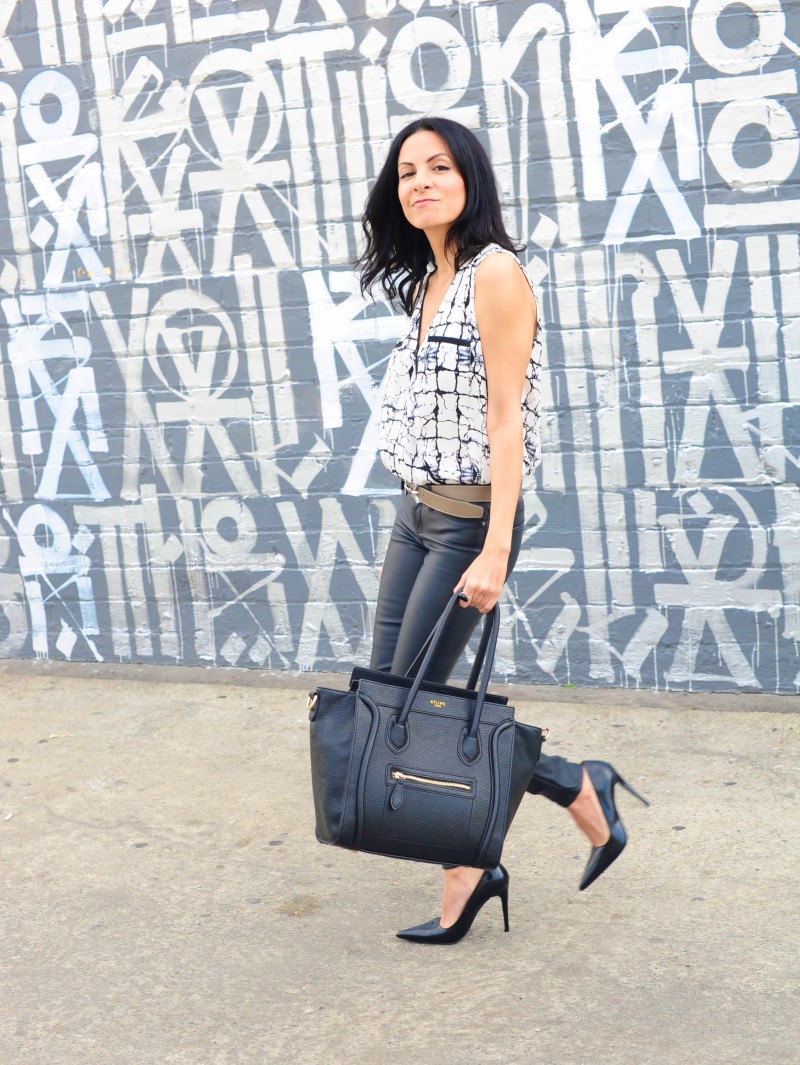
My head is still reeling from the wealth of useful insight & information I learned at the most recent Create & Cultivate event in Chicago. Most notable were those addressing what it takes to stand out in today’s crowded social media space. Whether you chooseone platform or a few in particular, the tip to stand out from the masses, is by just that. Standing out!
Case in point. #tbt to a hip crowded NYC rooftop bar. Around 60 social mavens stilettoed their way to a balconies edge, held their Rose wine up to the sunset sky, and proudly Instagrammed their dime-a-dozen Picasso. #nofilter. Perfect picture? Sure. Easy photo? Why not. Predictable? Absolutely!
Now to be perfectly clear, there is nothing wrong with posting images that are popular and trending. But if you want to stand out, or get featured by a hot digital publication you might want to rethink a couple of strategies, starting with these 5 easy tips.

I was voted 'best use' of Paul Smith's pink wall.
1. Just Because Everyone's Doing It, Doesn't Mean You Have To. This is a hard one as we see that great engagement comes with great composition. If you copycat trends you will always be a step behind. The goal is to put YOUR signature on a style, not follow behind one.
Actionable tip: Try a new angle on a common theme e.g. Ice cream cone from a dog or ant’s eye view, as opposed to a bird's-eye view.
2. Put Down The Phone. Hey I get it, it’s easy to follow what other people do when we have our heads buried in our social feed & it’s on constant repeat! There’s new inspiration everywhere that’s just begging to be found. I promise you, all you have to do is say YES!
Actionable tip: Go to a magazine stand or bookstore and browse magazines or art books you might not have seen before. Be inspired by a different genre.
3. Time To Engage. What I love about Instagram is the sense of community that has been built, especially when you don’t even know most of your audience. But it feels like you do right? Comment back, like people's photos, even if you don’t follow them. By engaging with your audience and being social with them, it lets them know you value them.
Actionable tip: Reply to most of your comments, for you will create raving fans that value the time you took to answer a question, or just a simple emoji back. Engagement will let you skyrocket!
4. Story Time. Sometimes it’s the who, what, and why of a shot that draws people in. A good story can be just as compelling as the image itself. It helps explain it, entice it, and adds value to your feed.
Actionable tip: Perhaps talk about the behind the scenes reasons for the shot. What it meant to you, or how it makes you feel. Your audience wants to connect with you on many levels.

5. Staying True To Your Brand. A savvy audience can see a lie a mile away. The more transparent, and the more you have FUN, the more your brand and personality will shine through.
Actionable tip: Write down who you are and who aren’t. Create a rule book for your brand based on these brand guidelines to help keep you on track.
6. Stats. By using simple tools like Iconosquare to measure engagement and look at the best posting times, you will find out what your audience likes. This will allow you to know which content performs better, hence what to showcase more of.
Actionable tip: In order to stand out from the noise you have to a/b test which images work for your audience. Find your style, test the waters, watch your stats—cause your audience will tell you what they like and what they don’t.
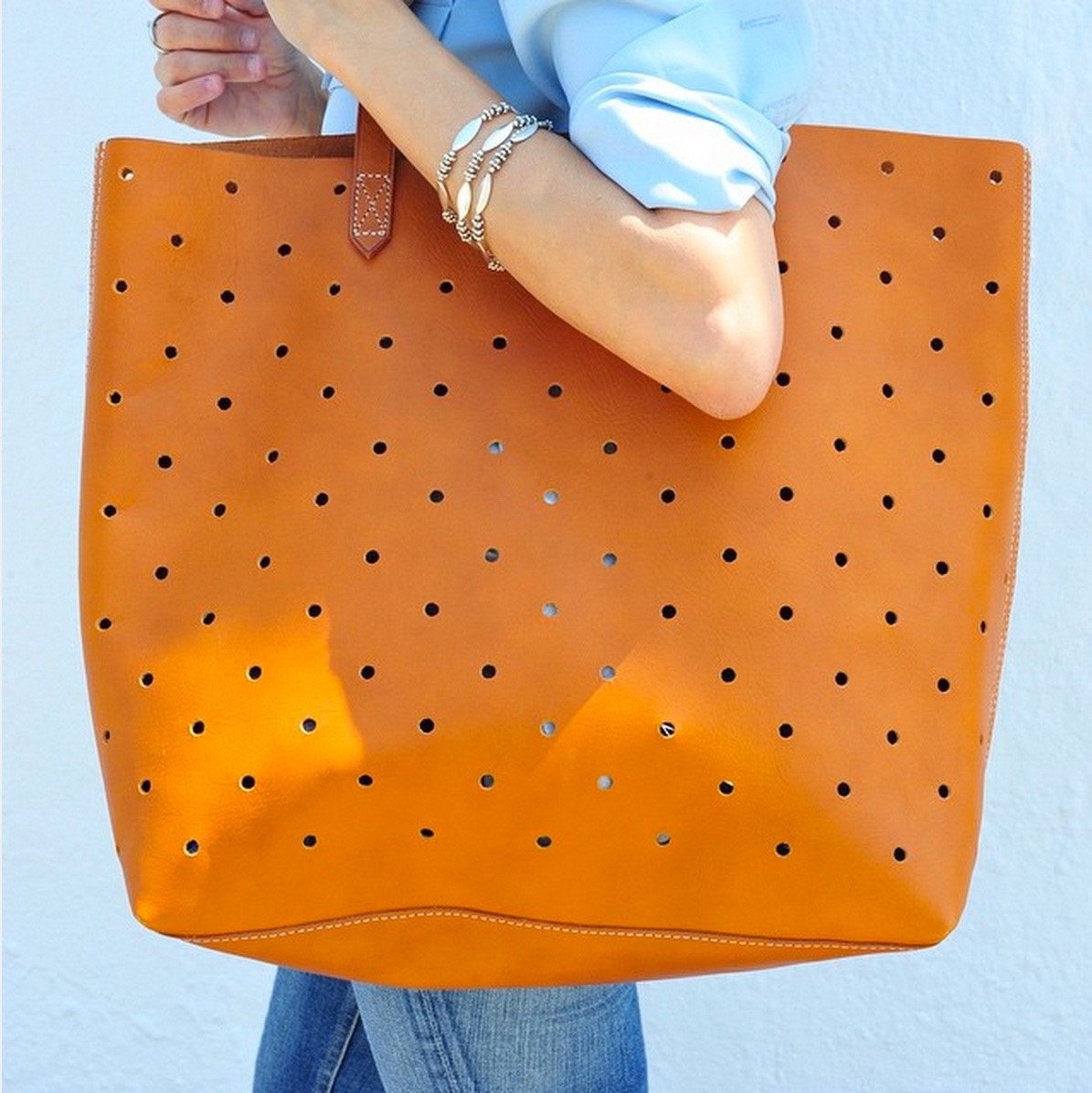
For this post, I used Madewell's #totewell hashtag to be featured in their campaign.
7. Tool Kit. Here’s a simple yet effective arsenal of what I use and how it works. For photo editing I use Snapseed, and then Instagram's own editing tools. Both are simple and effective. For framing I use Diptic, where you can customize borders, add text, and color correct as well. For hashtag strategies, use different ones depending on what the content is. Flowers are different to outfits and food. Be strategic, and put them in the comments. Try new hashtags as what's trending also changes. A lot of brands will have their own campaigns. It's a great way to hashtag the campaign brand to get noticed.
Actionable tip: Watch what your peers are doing. If you know someone doing extremely well, what is it that they are doing? Look at their hashtags, and photo tags. You have up to 20 photo tags, so use them! Tag brands, style groups and IG accounts that promote you on their page.
For more tips & tricks on standing out in a crowd, join us in Dallas for the next Create + Cultivate for our Style Vibes panel on how to define your personal brand!

Melinda Fleming is the founder of Curated Cool, an online destination where the world of fashion, travel and art come together. Curated Cool offers tips & advice on standing out from the masses, & finding those cool one-of-a-kind pieces. Wanderlust has Melinda flying around the world over 100,000 miles a year. Follow the adventures @curatedcool

Style Guide: Night+Market's Sarah St. Lifer, the fashionable foodie
Food and fashion are a match made in well-dressed, tasty heaven, and no one we know embodies that more than Sarah St. Lifer, a former fashion editor who now runs Los Angeles's insanely popular Night+ Market Song with her boyfriend, chef Kris Yenbamroong. Whenever we stop in Night + Market, Sarah's running around like a boss—bussing tables, pouring drinks, answering the phone, basically doing whatever needs to be done. And what really blows our minds—she looks good doing it. We caught up with Sarah to talk about the intersection of food and fashion, whether or not comfortable shoes really exist, and to get her list of food Instagrams you should definitely follow.

Sarah and Kris. Photo by Emily Knecht
Food and fashion are a match made in well-dressed, tasty heaven, and no one we know embodies that more than Sarah St. Lifer, a former fashion editor who now runs Los Angeles's insanely popular Night+ Market Song with her boyfriend, chef Kris Yenbamroong. Whenever we stop in Night + Market, Sarah's running around like a boss—bussing tables, pouring drinks, answering the phone, basically doing whatever needs to be done. And what really blows our minds—she looks good doing it. We caught up with Sarah to talk about the intersection of food and fashion, whether or not comfortable shoes really exist, and to get her list of food Instagrams you should definitely follow.
How did you make the transition from fashion to food?
I have always had a life in fashion. My mother and father owned different retail operations growing up, and some of my earliest memories include hanging out with them at work after school. Before Style.com existed (now Vogue Runway, right!?) my mom and I would sit in bed and watch The Style Channel during Fashion Week. I went to college to try my hand at being an artist, but when I graduated, I found myself at Stylelist, AOL’s fashion site. When AOL and Huffington Post merged, I would contribute at both pages. When I moved to LA, I worked at the Huffington Post LA offices until Refinery29 was hiring an LA Editorial Assistant, so I dropped everything. Refinery29, at that time, was my True North, and working under someone so sartorially-sharp was the icing on the cake. I adored every minute of my time spent at Refinery29. No job is perfect, but it was tres fun having dinners at Chateau Marmont and writing about it the next day. Luckily, I was in my mid-twenties and I could manage a late-night-to-early-morning schedule. After work, I’d cruise over to Kris’ restaurant. It was the only way I could spend time with him! Being there, I eventually evolved into the host. As the restaurant became more and more popular, I made the incredibly tough decision to put my writing career on hold to work at the restaurant.
Food unites people the same way fashion unites people. A lot of foodies appreciate good style, and those with good style appreciate good food.
tweet this
The fashion cliche is that no one eats, which is so not true. Why do you think the fashion crowd has embraced the foodie lifestyle?
I went to countless NYFW events where I’d drink free champagne and avoid the passed hor d'oeuvres. Why? the food was always mediocre back then! Now, I go to events because of the food. I truly believe that fashion has the ability to unite all walks of life. Food unites people the same way fashion unites people. A lot of foodies appreciate good style, and those with good style appreciate good food. There are some restaurants that are timeless, while others are reactions to a trend. Whatever it may be, more people are participating, and I love it.

Night + Market's colorful dining room. Photo by Emily Knecht
What is the hardest thing about working/running a restaurant?
Being able to operate at 100% after a three-hour night’s rest. Luckily, an Alfred Coffee opened across the street from our Silver Lake restaurant
What is one thing you've learned from the restaurant business that you could apply anywhere? Be passionate: it will show, and your boss will notice!
How do you keep yourself focused and going on those long-double shift days?
By prioritizing. I write down everything that needs to be accomplished and decide which items are big picture, and which are small. Big picture stuff is always in the back of my mind. If the small-picture task don’t help the big-picture, then that takes a back seat.
What's your work uniform?
I’ve become a denim nerd because of work and living in LA. It’s important for me to have my iPhone, wine key, notepad, business cards, and pens on me at all times. If a customer flags me down, I want to be prepared. I have a closet full of dresses that collect dust because none of them have pockets! I love wearing overalls — they’re practical and a great conversation starter. I have a vintage pair from Foxhole and simple black set from Citizens of Humanity. I also have a pair of white Levi’s I can’t take off. It’s awful, because working in a restaurant is not a clean job — and I’m convinced these white jeans are a magnet for curry sauces! I wear a lot of solid tees for this reason. One day it will be a Hanes, the next it will be an Acne tee — I’m all about the high-low.
Often, when you're on your feet all day, it seems like there's no such thing as a comfortable shoe. What are your go-tos that don't kill your feet?
Dansko clogs are the best, but not the most stylish. I wear my Stan Smiths mostly. I also wear Vans and Nike Air Max. I bought a pair of Nike Flyknits when we first opened Song. They were bright pink and matched the walls of the restaurant.
What do you wear/add to an outfit when you want to be comfortable but still look polished?
If I know Kris and I have somewhere to be after work, I’ll wear my rag & bone jeans. They’re jet-black and are perfect for any situation. I’ll toss on my 3.1 Phillip Lim leather vest over any tee and instantly look more put-together. I owe a lot to that vest!
Who are three rad female chefs/restauranteurs who we should all be familiar with?
• Kerry Diamond is the co-founder and editorial director of Cherry Bombe Magazine, runs three successful restaurants with her boyfriend in Brooklyn (Nightingale 9, Wilma Jean, and Smith Canteen), and is the editor-in-chief at Yahoo! Food — and she does this all while wearing Marc Jacobs and Maria Cornejo.
• There’s a neon sign at the back of Jon & Vinny’s restaurant that’s pink and says “helen’s”. Helen Johannesen runs a boutique wine store back there — but she’s also a partner in the restaurant and is the director of operations for a number of the restaurants owned by chefs Jon Shook and Vinny Dotolo. She knows her stuff, but isn’t super serious about it. I like that I can talk shop with her and not feel intimidated by all of her knowledge!
• Grand Central Market is overwhelming, which is why I head straight for Madcapra. It’s an oasis, and you can bet either of the two chefs (Sara Kramer or Sarah Hymanson) is behind the stoves at any given moment. They’re such workhorses, and they make the most crave-able falafel sandwiches under the sun.
• Natasha Phan is queen bee. People have dubbed her “Roy Choi’s Right Hand (Wo)man” but I think she’s way more than just that. She’s a problem-solver, a gracious host, and total ball-buster. If she’d let me, I’d pick her brain for hours.
• Jessica Koslow. I take every LA newbie to Sqirl — it is such a uniquely LA experience. The food is phenomenal. And, even after a long day, she’s warm and welcoming.
What are three food Instagrams that you love to follow?
I have to shout out Cherry Bombe, obviously! I also love Alison Roman’s sense of humor — she’s the new Senior editor at Buzzfeed Food. Nina Clemente, Nicole Rucker, and Claire Thomas (aka Kitchykitchen) make me want to learn how to cook, but I’m actually miserable at it!
What advice would you have for someone who wants to build a career in the food industry?
I think it’s really important for those who wish to make a career in the food world to really get their hands dirty. If you want to work for a restaurant, start on the ground floor — aka start serving/bar-tending. You’ll learn how to problem-solve on the fly, and really build the muscles that those in corporate positions don’t have. You’ll be able to talk about the food in a much more passionate way, and that will show in your work. We don’t have bussers or a somm at our restaurants because we expect every server to know every corner of the restaurant. We want them to be experts on everything: why we have a poster of Cindy Crawford on the wall, how Chicken Larb is made, where Chiang Rai is… basically, always ask questions so you have all the answers.
There's long been the stereotype that women DON'T belong in the kitchen in restaurants. What do you have to say about this?
It makes my heart sink to hear these things. Yes, working in a kitchen is hard, manual labor. But, that doesn’t make it manly. Our kitchen is all women — I kid you not! We have a team of women who work harder than any of the other men who have tried. I think this happened because Kris’ food is Thai soul food, and who better to make soul food than a bunch of moms?

Photo courtesy of KCRW
Do you have any advice for dealing with machismo from coworkers or customers?
I’m the boss. When a customer or a coworker is acting out-of-line, I have to remind myself that they are in my house. I built this restaurant — when it was a pile of garbage, I was there cleaning up the mess. But, as soon as I remind myself that this is my blood, sweat, and tears, I’m instantly 1 million times more confident. Trust, I don’t act rude, I’m just filled with pride (while being poised). Basically, I remind myself that I’m in charge here — and I’ve dealt with much more difficult scenarios. Telling some cocky customer to calm down doesn’t even crack the Top 10 for “Most Challenging Moments.”
Get Psyched: 5 Female Entrepreneurs Share Their Mantras
Last week when we were watching the VMAs, one moment stood out to us more than any others—and no, it wasn't one of Miley's outfits. Instead, it was when Demo Lovato told herself "I am enough" right before going on stage. We've all had those moments where we need a little extra encouragement, which was why it was so refreshing to see that huge pop stars have them, too. In solidarity with Demi, we tapped five of our favorite female entrepreneurs to tell us what they tell themselves when the going gets rough.

Last week when we were watching the VMAs, one moment stood out to us more than any others—and no, it wasn't one of Miley's outfits. Instead, it was when Demo Lovato told herself "I am enough" right before going on stage for her rockstar performance. We've all had those moments—where we need a little extra encouragement—which was why it was so refreshing to see that huge pop stars have them, too. In solidarity with Demi, we tapped five of our favorite female entrepreneurs to tell us what they tell themselves when the going gets rough.
"Find the beauty."
I work on so many different projects and in so many different fields that I had to learn early in life to make every single thing around me beautiful.
Veronica Valencia, The Design Hunters
"Be appreciative."
Everyday I always remind myself to show appreciation to everyone I interact with, whether it's someone who works for me or someone I take a meeting with. Showing a kindness and especially gratitude always goes such a long way. Making someone feel good about an accomplishment definitely adds positivity to an ordinary day!
Julianne Goldmark, Co-Founcer Emi-Jay, Inc.
"You don't get ahead by playing it safe."
Take risks, but be ready to live with the repercussions as plans do backfire. Innovation means it's never been done before. Of course you have no idea what you're doing, just don't let anyone else know.
Rachel Tipograph, Founder & CEO MikMak
"I love you."
It’s one of the only things that puts it all in perspective for me. At the end of the day (or beginning or middle), if I can say “I love you” to myself and mean in it, nothing else really matters.
Emily Greener, Co-Founder/CEO I Am That Girl
"Life is all about taking risks, and how boring would it be to live a life where you weren't doing things that terrified you and took you way out of your element?"
This is what I tell myself when I'm psyching myself up for a big project, TV appearance or speaking engagement. Then it's pretty easy to remember why I do what I do, no matter how many freakin' butterflies I have in my stomach.
Jordan, The Balanced Blonde
Do you have a mantra you love? Share it in the comment section below!

Quotation Marks: Create & Cultivate CHI
Our team is still buzzing from all the energy, creativity, and general great advice we collected at #createcultivateCHI. The photos are in, so are some fun videos, and we've rounded up a few of our (and your!) favorite takeaways from the conference below. Feel free to repost, share, create, and cultivate!
Our team is still buzzing from all the energy, creativity, and general great advice we collected at #createcultivateCHI. The photos are in, so are some fun videos, and we've rounded up a few of our (and your!) favorite takeaways from the conference below. Feel free to repost, share, create, and cultivate!
Make sure you're signed up for our newsletter to be the first to know about our next date + location (we're announcing it verrry soon)! Can't wait to do it again.


How was your day at #createcultivateCHI? We love hearing from you and rounded up some of your posts below. Keep 'em coming!

Work Notes: Textile Designer Ellisha Alexina
While restoring hand-painted silk scarves for Boston's Isabella Stewart Gardener Museum, Ellisha Alexina was inspire to turned her fascination with art, fabrics, and history, into a full-fledged textile business.
After experimenting with the effects of layering watercolors and natural plant dyes on textiles, Ellisha developed her own mixed media process that blends screen-printing and hand-painting, winning over clients like Johnny Depp and garnering critical success—all before her 30th birthday. Here, the 26-year-old shows us her studios and shares her notes on making it work.

Textile designer Ellisha Alexina in her studio
While restoring hand-painted silk scarves for Boston's Isabella Stewart Gardener Museum, Ellisha Alexina was inspire to turned her fascination with art, fabrics, and history, into a full-fledged textile business.
After experimenting with the effects of layering watercolors and natural plant dyes on textiles, Ellisha developed her own mixed media process that blends screen-printing and hand-painting, winning over clients like Johnny Depp and garnering critical success—all before her 30th birthday. Here, the 26-year-old shows us her studios and shares her notes on making it work. —JM
On getting started
I launched my first textile collection in Fall 2013. I have always had an inclination toward textiles, design, and working with my hands. It was my final year in college when I discovered a way to print fabric by hand painting on silkscreens, and became drawn to the technique.
After college, I opened my studio in Easthampton, Massachusetts. Mentorship was essential in the beginning stages and I found a great one in Peter Fasano. When building my studio, we would meet and discuss the industry, inspiration, and the handmade process of textiles, and Peter introduced me to other designers in the trade which was extremely helpful.
On her breakout moment
Having the first collection accepted into the Holland & Sherry New York showroom has been one of the most rewarding experiences so far. I loved their showroom and remember calling them directly and managed to schedule a meeting to show my work. It was so nerve wracking, since I knew they'd never heard of me! At the meeting, I could tell they were really intrigued, and about a week later I received an email saying the brand had been accepted for representation. That moment was groundbreaking for the company, and me personally.

Inside Ellisha's studio
On Challenges
Balancing the business needs along with the creative side has been the most challenging experience so far. I am always wanting to create new designs, new methods, and new fabrics—that's what I'm drawn to as an artist. I find myself always asking two questions: "what's next?" and "how?" I think a lot about evolving the brand, but I also realize that rapid growth in the beginning stages isn't actually always what's best.
On Lessons Learned
I have learned about the importance of discipline, keeping focus, and having a clear vision to build a solid foundation. With that said, I just launched my second collection in May, which I'm very excited about. I have been exploring product design as well as a collection of wallpaper. While I can't wait to see where this all goes, I'm constantly reminding myself to take note of the beauty of daily achievements. It can be easy to lose sight of when you're always thinking ahead.
“take note of the beauty of daily achievements...it’s easy to lose sight when you’re always looking ahead.”
Advice to others getting into the textile business
My best advice is to keep true to your perspective. There is a world of prints, colors, patterns, scale, and decisions out there. Don't let what other people have done alter your style. Your vision is the most important to keep while creating a fabric collection. Inspiration and an understanding of trends is important, but you need to find a way to use those only as a tool to help you create and not let them overpower your originality as a designer.
On her process
The most natural aspect of design to me is creating movement within the pattern. When developing a print, I often start with a blank piece of drawing paper and black pen. I use my inspiration and references to guide the style of the print I am creating. While looking at my references, I create a simple black and white drawing. I do this over and over, rhythmically, until I have achieved something that bounces to the eye. Adding color to the print and choosing color stories takes me a lot of time. Part of me thinks it is because I gravitate toward neutral colors, so adding too much saturation changes my vision of the print. I have to set strict deadlines for these kinds of decisions, otherwise I would never choose!
On what's next
Very recently, I've gone back to my original paintings from my first collection, Mendel, and began experimenting with them for an Archive Collection of wallpaper prints. The original colors of these paintings are harmonious with gemstone tones, which is exciting and new to the brand. I have also been traveling to antique trunk shows and finding vintage chairs to reupholster, which is leading the way to the beginnings of an e-commerce store.
On age in business
My age has impacted my business in a few different ways. Undoubtedly, being a young designer allows me to come into this field with a vision that has not been colored by opinions from the industry. I love coming out with new prints and working with designers because I do not have any preconceived limits on what is or is not possible. That might sound risky, but to me that is so exciting! On the other end, being young can also give people the idea that they can walk all over you because of your inexperience. So my advice there is: stay confident, and do your research. Those people who treat you negatively because of your age aren't people you want to be doing business with. Know your market, and let your age serve as part of the development of the brand.


Follow Ellisha on Instagram for everyday inspiration and view her line at ellishaalexina.com

T.G.I.F: Strategic Double Booking with Smoke & Honey
All we need as busy entrepreneurs are a few more hours in the day. Is that too much to ask? Well, apparently yes, so we need to be more clever with our time.
It’s time to start strategically double booking to kill a few meetings and social obligations with one stone. Now, I’m not talking about important meetings that require your undivided attention. Contracts and budgets require a special one-on-one focus. But those meetups you just haven’t been able to get around to—that friend who wants to collaborate, an old colleague that started a new business, that younger friend who wanted advice... Pretty soon you’ve got every lunch and happy hour booked two months out at the expense of your precious downtime.

The New Happy Hour via Chalkboard Mag (Photos by Tyler Thomas)
Turning Networking into a Social Affair
by Rachel Mae Furman
All we need as busy entrepreneurs are a few more hours in the day. Is that too much to ask? Well, apparently yes, so we need to be more clever with our time.
It’s time to start strategically double booking to kill a few meetings and social obligations with one stone. Now, I’m not talking about important meetings that require your undivided attention. Contracts and budgets require a special one-on-one focus. But those meetups you just haven’t been able to get around to—that friend who wants to collaborate, an old colleague that started a new business, that younger friend who wanted advice... Pretty soon you’ve got every lunch and happy hour booked two months out at the expense of your precious downtime.
"strategically double-book to kill a few meetings & social obligations with one stone"
Spending all of your extra time meeting up can make good social interaction start to feel like obligation or a chore, which sucks all the fun out of the experience. It’s time to start multi-tasking and turning meetups into strategic social occasions. Instead of running all over town, I like to combine two or three meetups into a productive happy hour at home. But there is an art to getting everyone on-board and staying on-task. Here are a few tips on how to execute a fun and productive multi-meeting:
1. Keep it Simple
Throwing a party takes planning and energy. Just having 4-6 ladies over for crudité and networking isn’t as overwhelming. Have a purpose and a few treats and keep it at that.
2. Curate Your Crew
When combining meetings, you want everyone to feel like they got more out of the experience, rather than less of your attention. Keep the group small, and make sure everyone is from a similar industry or could benefit from being introduced.
3. Build Anticipation
An invitation always makes a get together feel more special. Make a simple invite on Paperless Post to set the tone for a special and productive day.
4. Set the Intention
Be clear in the wording of your invitation that this is a productive meet-up to bring together a few of your favorite ladies to network or talk about a specific topic over a glass of wine or a cocktail.
5. Stay On Task
Start the Happy Hour with an agenda. Introduce everyone, say why you brought everyone here, and mention some specifics that you’d like to discuss.
6. Keep the Timing Tight
Chatting can often last for hours. Be clear upfront about timing—a start time and end time—so that your invites will be remembered as productive and efficient rather than all-day affairs.
7) Make Easy Treats
Since this is a meeting with colleagues, you need something that wows but is easily executed, so focus can stay on the topics at hand. See the recipe below for an easy and healthy happy hour hack…
Fresh Pressed Juice Cocktails
It's easy to make fresh cocktails for a happy hour or a meeting; the key is a little preparation. The cocktail doesn't have to be complicated if the presentation can provide the "wow" factor. For a healthy cocktail option, I use an easy template of Spirit + Juice + Bubbles. Just mix your favorite Pressed Juicery flavor with 1 ounce of your spirit of choice and top with an artisanal soda. I like rum and ginger beer with Apple Ginger Lemon Cayenne juice, gin & tonic with Strawberry Lime juice, and vodka and club soda with Beet Apple Ginger juice.
Before the gathering, I pour all three ingredients into mini glass bottles with a funnel, capped off right away to hold in the carbonation, then kept refrigerated until guests arrive. When the party starts, the guests can simply pour their pre- made cocktails over ice, so it leaves the hostess—you!—free to mingle.
The Drink Template
1oz Spirit (Vodka, Gin, Tequila, Rum)
2-3oz Juice (Favorite Pressed Juicery flavor)
1oz Bubbles (Artisanal Soda)
With an agenda and a cocktail in hand, you can now mingle about the room freely. You may just bang out three collaborations by the end of the evening, catch up with some colleagues and feel on top of your social life. Who says you can’t do it all?
Cheers,
Rachel Mae
For more on the pursuit of leisure visist www.smokeandhoney.com

Branded Content 101: The Rise Of Brand Publications
The evolution of blogging and the rise of the influencer class has fundamentally changed the way consumers, specifically Millennials, consume media. Increasingly, we are able to curate our newsfeeds, news cycles, and the content that is delivered to us. Google, our go-to information hub, receives over 4 million search queries per minute from the 2.4 billion people that are online. That’s one big data party.
With this kind of volume, it’s only natural that digital communities are formed, which are then strengthened by social media and shifting cultural norms that glorify content sharing and curation. We use brands, and their online personas, to construct our own self image. The brands we buy, wear, and follow tell our peers who we are, and what we stand for. This is the springboard insight for all branded content.

Pineapple mag via Coffee Table Mags
by Dana Kelly
The evolution of blogging and the rise of the influencer class has fundamentally changed the way consumers, specifically Millennials, consume media. Increasingly, we are able to curate our newsfeeds, news cycles, and the content that is delivered to us. Google, our go-to information hub, receives over 4 million search queries per minute from the 2.4 billion people that are online. That’s one big data party. With this kind of volume, it’s only natural that digital communities are formed, which are then strengthened by social media and shifting cultural norms that glorify content sharing and curation. We use brands, and their online personas, to construct our own self image. The brands we buy, wear, and follow tell our peers who we are, and what we stand for. This is the springboard insight for all branded content.
As we grow more comfortable sharing our lives with our communities online and offline, we grow more passionate about endorsing the products, content, and brands that we buy into. The more shareable a brand’s narrative, the more eyeballs it can attract using its consumers as a vehicle.
Lifestyle brands have the most natural integration into branded content as so many Millennial eyeballs gravitate towards the aspirational, mobile-friendly visuals on Instagram, Pinterest, and Tumblr. But we’ve moved beyond the days of a one-off sponsored brand post on any given blog. In order to be truly competitive in a sea of content, brands need to invest creative resources into capturing their audience’s attention and giving them a reason to share their brands’ stories.

The Journal by MR PORTER

Five O' Clock by Harry's
MR PORTER is a best-in-class example of a fashion brand that, paired with the rise of editorialized menswear and the advent of Men’s Fashion Week, has captured a hugely dapper demographic with its weekly online and print publication, The Journal. The weekly features aspirational fashion, arts and culture stories relevant to the menswear e-tailer’s sartorially inclined consumer base, or 2MM male web viewers per month. MR PORTER's sister site, Net-a-Porter also has a print publication, Porter, on newsstands all over.
In a similar vein, Dollar Shave Club is launching The Bathroom Minutes, an online blog with an expanded print magazine for the brand’s subscribers. The primary objective for this publication is to build a community of customers through lifestyle content, which features employee and subscriber submissions. Featuring user-generated content is another community-building tactic that brands like Dollar Shave Club use to engage their audience to share their own branded content. The grooming space is becoming especially saturated with heritage brands competing for the same debonnaire audience, as exemplified by Dollar Shave Club competitor Harry’s, which is spearheading its editorial efforts with the online magazine 5 O’Clock. The list goes on, and the content becomes more diversified with celebrity and influencer integration.
This explosive and experimental growth for lifestyle brands in the editorial space has paved the way for less-traditional brands. Airbnb’s print publication Pineapple explores the intersection of travel and anthropology, while King Arthur Flour boasts impressive blogger by-lines in its publication Sift. Even mattress brands are hopping on the quality content bandwagon. Mattress startup Casper is making it a brand priority to invest in its editorial vision. The brand hired former editor in chief of the New York Observer and founding editor of Gawker, Elizabeth Spiers, to lead the in-house publication Van Winkle. Brands that you might have never considered topical or aspirational are now becoming editorial tastemakers and household names.

Pineapple magazing by Airbnb
Let’s face it, if your go-to flour brand and mattress company each have their own publications, we’ve entered an age where it is expected that every consumer brand is producing their own content. We now demand this commitment to content from our favorite brands if they want a stronghold on our attention. According to an Edelman Consumer Marketing Study, nearly 90% of global online consumers want brands to share content online. If brands are able to supply enough content and address timely and functional matters, their content has the opportunity to be present and relevant in their consumer’s daily lives. But at what cost? Many brands have neither the time nor human resources to produce content in-house. Nearly 62% of companies today outsource their content marketing, many of them turning to media companies with cultural cache such as Vice or Refinery29 for custom content creation and distribution.
Given the current state of affairs, the following considerations can help align your brand with a branded content strategy:
- Consider your brand’s narrative.
- What publications does your brand currently pull inspiration from?
- What type of content is your target consumer engaging with online?
- Can your brand narrative authentically integrate into existing online series and trends?
- Do your consumers currently contribute user-generated content to your brand on social media?
- Do you have any consumer insights that could steer the creative? i.e. is your product used during a certain time of day, or does it alleviate any common stresses?
- Can your brand fill a calendar year of content on its own? Or does a seasonal media partnership feel more appropriate?
- Can your product or brand be art directed in an appealing way to consumers?
- How can you drive consumers closer to point of purchase through digital content?
- How can you play to different social platforms’ storytelling strengths for your brand?
Once you can see that a content strategy makes sense for your brand, be prepared to build a more engaged brand audience, and extend your consumer base to new people who can discover your brand based on content that resonates with them.

Dana Kelly is a content strategist by trade and subscribes to the notion that life, lifestyle, and the left coast are what matter most. The California native spends most of her days at Mistress, and has a deep love for words, wine, and great in-flight entertainment.

Longform: The Money of Art and How I Self-Published My First Book
It's a joke among writers—if you search "working on my novel" on Twitter, you’ll get millions of results. There's even a blog dedicated to people announcing their books. Most of which never make it onto (or off the) page. My first book never did until I figured out: I was going about it all wrong. Now that I've written and published my first book, I've got a few lessons to share.

The Money of Art by Peter Nguyen photographed by EDGE Studios/Sean Kilgore-Han
Peter Nguyen is an artist, writer, designer, career coach, and champion for artists in the digital age. He has also been a constant in my own digital life. We met way back when on LiveJournal and since then, I've sought him out for advice on everything from fashion to relationships, moving cross-country (and back again), podcasts to coffee, career, business, and everything in between. Peter is the master of many domains: from his successful lifestyle blog/newsletter The Essential Man, his menswear label LÉON, and now his first book The Money of Art.
I've always been struck by Peter's transparency about his art, work, and process. Since reading The Money of Art, I've been suggesting and passing it along to pretty much every creative I know (it's currently on-loan to an indie musician friend, who's already applying Peter's tips to his work). This post started out as a book review, but with so many creative entrepreneurs in the Create + Cultivate community, I thought Peter had a very unique perspective and advice on expanding your brand and successfully self-publishing a book. You don't have to wait for a book deal to come knocking. There are plenty of ways to get a beautiful book out there yourself (and maybe even capture the attention of a publisher or book agent for your text title). Read on to see how Peter made it happen for himself. —JM
The Money of Art and How I Self-Published My First Book
I have been selling online for literally half my life. I started my first eBay business at 16 years old, buying and selling arcade games. Early in college, when I took an interest in fashion (which later led to a career as a menswear designer), I started buying and selling designer clothes. More recently, I launched my own menswear label and started a writing about my experiences on a blog called The Essential Man. In 2012, when I decided to revamp The Essential Man, I decided to give my readers something they had been asking for. I announced that I was writing a book.
As it so happens, that book never happened.
It's a joke among writers—if you search "working on my novel" on Twitter, you’ll get millions of results. There's even a blog dedicated to people announcing their books. Most of which never make it onto (or off the) page.
It wasn't until I picked up a book called Just F*cking Ship by Amy Hoy did I realize I was going about it all wrong.
Amy's book not only changed how I work forever, it has changed how I approach my goals. Two months after I finished Just F*cking Ship I had written my first book: The Money of Art: Make Money And Escape The Corporate Grind, While Staying True To Your Art.
So what was different this time? Below are 10 things that helped me write and finally self-publish my 1st book.
1. RE-DEFINE THE "REAL AUTHOR".
When other writers ask how I published and sold my book, and I say that I self-published, they always seem turned off. They tell me they want to do it the “old-fashioned” way. As a writer, of course I understand there is a certain romance with being “chosen” by a publisher and possibly, just maybe, hitting the New York Times best-seller list. But you have to decide what’s more important to you: holding onto an outdated, romanticized image of what it means to be a writer or embracing new opportunities to actually get your work out there for people to discover, love, and share.
"What’s more important: holding onto a romanticized idea of a writer or actually getting your work out?"
The best thing? You can still have your book printed in physical form. In fact, The Money of Art was published in paperback, hardcover, and digital. The difference was that I no longer needed someone else's permission to publish my book.
What makes you a real author? Writing a book and making it available for people to read. It’s as simple as that.
2. CHOOSE ONE PROBLEM AND SOLVE IT.
It’s tempting—especially with your first book—to cram your entire life philosophy within its pages, but it’s not going to do you or the reader any favors.
A lot of people I advise tell me that they want to write a “lifestyle” book or build a lifestyle business. The truth is, no one goes in a bookstore thinking “I need a book on lifestyle!” Instead they'll look for a book on vegan baking, turning a blog into a business, or DIY projects, specifically. Niche into a problem—specific problems that are part of a lifestyle. Find your trojan horse. In the case of my book: how to make money as an artist. And inside my trojan horse I hid the other things I wanted to teach, such as the psychology of money, redefining happiness, and doing work you’re passionate about. I believe my first ill-fated book for The Essential Man never worked out in part because I never defined a true problem.
3. DEADLINES WILL KEEP YOU ALIVE.
Flash back to high school. Remember how you seemed to do your best work when the assignment was due the next day? Was it because you’re just really amazing at working until the sun comes up, or was it the pressure of that deadline? I’d put money on the latter. When I announced my first book attempt, I chose the worst kind of deadline: coming soon. In my experience, “coming soon” is code for “never really going to happen.”
Here’s something I’ve never shared publicly: When I announced The Money of Art release date (in March 2015) and started taking pre-orders, I only had the outline finished. The timespan from the day I announced the book to the on-sale date was just 30 days.
I took to my Google calendar and broke up the work accordingly. I scheduled what writing, editing, sharing, and cover designing needed to be done on what days. And this time, I stuck to it.
Now, I don’t recommend you (nor anyone) try to write a book in 30 days, but my point still remains: deadlines help you get work done. Your self-imposed deadline should be close enough to scare you into doing the work, but not so far away that you'll put it off.
"Self-impose deadlines close enough to scare you into doing the work, not so far away you'll put it off"
4. THE OUTLINE IS HALF THE BATTLE.
In The Money of Art, I emphasize the importance of what I call "front-loading the work." It's something I learned from entrepreneur Ramit Sethi. Front-loading the work means putting in extra time and effort upfront to make the work later on much easier.
To that effect, I spent a good month outlining my book before I actually sat down and wrote a single chapter. I didn’t use anything fancy, just a Google Doc. The first thing I wrote was actually the last chapter—what I wanted the reader to get out of the book. In The Money of Art, my goal was to teach artists how to market themselves and sell their work online.
Then I worked my way backwards, writing the chapter titles as I went, and starting to write and edit the book in my head. After that, I got someone to skim it over. Did it flow like a real book? Was there something to expand on? Anything unclear? Just make sure the person you hand it to will give you honest, real—and sometimes blunt—feedback.
5. SET UP A MAILING LIST RIGHT NOW.
Setting up an e-mail list is basically a way for you to separate people that don’t really care about your work from the people who can’t wait to throw money at you.
Your mailing list also helps when you have future products you want to sell. The old business adage that it's harder to sell to a new customer than an old one is true. Customers who have purchased from you before are 4x more likely to buy from you than someone who hasn’t.
It doesn’t have to be fancy or expensive. I purchased my book's URL on Hover.com ($10), set-up a website through Squarespace ($8), and created a landing page that linked to my Mailchimp account (free). All the page said was: "To get news of the release of The Money of Art sign up here."
6. BEFORE (& AFTER) YOUR BOOK RELEASE, SEND AMAZING CONTENT.
Building a list and only e-mailing them when you're selling something is a guarantee that you will get no sales. You know that one friend or family member who only calls when they need something? Don’t be that person. People will stop looking forward to your call.
Long-term, the relationship is more valuable than the sale.
For example, before its release, I held a book cover design contest. The prize: A full “Pro-Package” of The Money of Art. It contained a signed hardcover edition of the book, instant digital download, a goodie bag, and a design credit in the book. Mailing list subscribers were shown three rough cover mockups, chose their favorite, and answered a simple survey via Squarespace. It was one-part crowdsourcing the most-liked cover design, one-part content to keep people excited while I wrote the book. It was a huge success. Not only did I get hundreds of responses, I got to interact with my mailing list to show them there was an actual human being on the other end of that sign-up form, and I cared about their thoughts and opinions.
I also sent chapters of the book AS they were being finished and fielded questions. Including one of my best chapters about the artist’s fear of being successful. Why did I give away one of my best chapters? Because when someone reads or shared that e-mail and says “Wow, that was good,” they’re also thinking “well, the rest of the book has to be amazing.” It’s incentive to buy and validates their subscription in the first place.
And now I keep the conversation going even after the release with exclusive content for people who purchased the book.

Original cover mockups for The Money of Art
7. YES, WE DO JUDGE BOOKS BY THEIR COVERS.
What your parents told you isn't true. Book covers matter. Romance Author JS Taylor doubled her sales overnight with a good cover redesign.
My most basic advice: collect a folder of book covers that instantly attract your attention, then try to analyze them. Pinterest is a perfect resource for beautiful cover designs.
If you're up for a challenge and want to be hands on, I recommend taking the Skillshare course on book cover design by Peter Mendelsund, who’s designed famous covers like The Girl With The Dragon Tattoo.
What would I do differently for my next book? I’d invest in a professional to design it for me. Writing, formatting, and marketing a book is hard enough, and I think cover design is the first area I would outsource besides hiring an editor. The lifetime return for a great book cover in sales will outlast the couple hundred bucks you spend on a good cover designer. It’s your book’s best business card.
8. OUTSOURCING YOUR WEAKNESS IS A STRENGTH.
Speaking of outsourcing, I highly recommend owning your weaknesses and outsourcing them. After 16 years of experience selling, packaging, and mailing out orders, I knew I didn’t want to spend hours a day sending out orders of my hardcover book (paperbacks were handled by an Amazon-backed service for self-publishers called Createspace). I used an amazing service called Shyp (Editor’s Note: Shyp’s Head of Marketing, Lauren Sherman is a mentor at #createcultivateCHI!) to package and ship my orders. You simply take a photo of what you need sent, and Shyp comes by to pick it up. And recently, I hired a copy editor, which has made my writing process 100 times smoother, less stressful, and more fun.
9. LEARN FIRST, EARN SECOND.
One of my favorite entrepreneurs whom I mentioned previously, Ramit Sethi, talks about “optimizing for learning not earning” when you’re starting out. I will be honest, you probably won’t be replacing your main source of income with your first book... or your 2nd, or even the 5th. But as you keep publishing, it is going to get easier and easier.
Think of your first book like the beginning scenes in one of those bank heist movies—you’re casing the scene, getting familiar with how things work.
My book launch had the bigger-than-expected numbers because I took time to build an e-mail list before the book launch, seeded out great content, engaged with my list, and even e-mailed subscribers personally, asking what they were having problems with as an artist.
Through that effort, I pulled in about $1,305 on the very first day. Three months later, I sell about 2-4 book sales a day with little to no extra effort or advertising on my part. That comes out to about $150/month. Not life changing, but it’s passive income that has paid tenfold in credibility for my private career coaching and speaking engagements. And with each new book I write, I expect that number to rise.
As James Altucher, best-selling author of Choose Yourself!, put it, “the best way to promote your book is to write another book.“
10. BE PROUD OF YOUR WORK.
Now, you went through the process of writing a book. You finished it. You took the time to outline and find a good designer. So do me and everyone else a favor: call yourself an author!
So many of the creatives I advise are too humble, dare I even say, embarrassed when it comes to talking about their own work. It’s called “Imposter Syndrome” and it's no good for anyone. How many times have you seen on social media someone say "I wrote a little thing..." or "Oh, I'm just self-published writer" or "I have a start-up." A start-up is just a scared person’s word for “new business” and “I wrote a thing” is a self-conscious way of saying, “I wrote a mind-blowing resource for young business owners.”
People will start taking you more seriously when you use confident language that signals that not only are you serious, but you’re serious about your work.
Get The Money of Art by Peter Nguyen and follow Peter @leonnyc & @theessentialman. Subscribe to his newsletter for tons of great advice on life, creativity and business. He's one of our best-kept secrets.
Is Girls Club the New Boy's Club?

We’ve all been there. A senior-level executive dismisses you as sweetie or one of your male employees refers to you as his colleague when you are very much his boss. The gender gap is alive and well in the startup industry, but is it starting to close?
As a female founder, I’ve experienced the pendulum swing of the gender imbalance issue. At the start, I began to notice that my fees nearly always came up for negotiation—seemingly because I was a female business owner sitting across the table from them. To test the theory, I brought male employees with me into key meetings regarding fees to gauge the difference. Across the board, the fee bargaining didn’t occur when they were present.
But this presented an opposite catch-22 for me, one that other entrepreneurs have probably faced, too. I wanted (and needed) to take on the new business and grow my portfolio, but that meant saying sometimes giving in to lower, negotiated fees—essentially saying yes to gender pay inequality.
Now four years later, my startup has grown, the caliber of clients we work with has increased, and we can turn down business when the numbers don’t add up. But I think the elusive “boys’ club” that revolves mostly around startup funding, raising money and venture capital will always be present in some iteration.
However, I’ve seen the clouds parting, with more women at the helm of large budgets and leading prominent companies. That’s why it’s important for more women to excel in the financial aspects of running a business, especially funding, investing and raising money so we can help balance the gender inequality.
To that end, I’m excited to see the growing number of programs devoted to female founders and entrepreneurship that give women the support to flourish. A few months ago, I hosted an evening for Women in Business in conjunction with General Assembly, where we had more than 300 RSVPs and women waiting in line eagerly to hear female entrepreneurs speak about their experiences. It was a great opportunity to dole out advice to those just starting out, and to network with new like-minded contacts.
While this is proof that the women-in-business movement is strong, what does this mean for the gender gap? It means a “girls’ club” is forming, and the responsibility is now on female CEOs and others in powerful positions to give opportunities to deserving female entrepreneurs.
But this girls’ club won’t usher in the gender inequalities that I faced in the past. Instead, it will be an opportunity to mentor young women looking for guidance and empower women-owned businesses.
Will the girls’ club be the new boys’ club? It’s on us to make it happen.

This story was written by our founder Jaclyn Johnson and originally appeared on Success.com. To learn more about her, head to the about section up top!