
Ask an Expert: Here Are 7 Things a Financial Expert Says to Do to Prepare for COVID-19
“This is a public health crisis, this is not a financial crisis.”
We’ve been spending a lot of time at Create & Cultivate HQ discussing how we can best show up for and support our community during this uncertain time. Community is at our core, and connecting with others through one-of-a-kind experiences is what we love to do. While the world has changed, our mission has not. We’re committed to helping women create and cultivate the career of their dreams, which is why we’re proud to announce our new Ask an Expert series. Starting today, we will be hosting discussions with experts, mentors, and influencers daily at 9 am,12 pm, and 3 pm PST on Instagram Live to cure your craving for community and bring you the expert advice you’ve come to know and love from C&C. Follow Create & Cultivate on Instagram, check out our Ask an Expert highlight reel for the latest schedule, and hit the countdown to get a reminder so you don’t miss out!

Photo: Courtesy of Kristin O'Keeffe Merrick
Needless to say, the coronavirus outbreak has financially impacted businesses both large and small and employees and employers alike. With the OECD cutting global economic growth projections in half, the JPMorgan Global Manufacturing Purchasing Manager’s Index (PMI) falling to its lowest level since 2009, and U.S. stocks having their worst day since the 1987 stock market crash, it’s safe to say money anxiety is at an all-time high.
To help assuage our financial fears, we tapped money expert and financial advisor Kristin O'Keeffe Merrick, a financial advisor at O'Keeffe Financial Partners, for the first-ever installment of our Instagram Live series, Ask an Expert. She answered all our burning money questions in the wake of the coronavirus, including, how to cut unnecessary spending from your budget and how to fund your small business after you've maxed out all your credit cards.
Read on for seven things you can do right now to feel financially stable, and be sure to tune into our next Ask an Expert conversation with Jamie Lieberman, attorney and founder of Hashtag Legal, on force majeure and if you can get out of a contract due to unforeseeable circumstances, tomorrow at 9 am PST on Instagram Live. Trust us, you won’t want to miss it!
1. Take stock of your subscription services.
“If you haven’t used your Hulu subscription by day four of self-isolating, you probably don’t need it. If you’re in a cash crunch, consider canceling or putting subscriptions you’re not using right now on hold."
2. File your taxes.
“If you’re worried about a cash crunch and you might be in line to get a refund, file your taxes early. If you’re a freelancer or an entrepreneur, you might need some liquidity right now, so think about filing now to get that refund.”
3. Make an IRA contribution.
“If you have a high risk tolerance for investing, put your IRA money to work.” (Note: If you’re a first-time investor, you should seek out professional advice before taking action here.)
4. Pay off debt.
“If you’re still getting a regular paycheck, use this as an opportunity to pay off some debt and put some money into an emergency fund.”
5. Start a savings account.
“One of the silver linings is that we’re not going out and spending money on drinks/dinner/coffee. Consider moving the money that you’d normally be spending to live and enjoy your life to a savings account or an emergency fund.”
6. Create a budget.
“Think about your fixed and variable costs. Fixed costs are things that won’t go away no matter what: your rent, car insurance, utilities, mortgage, etc. To look at your variable costs, pull up you bank and/or credit card statements for the last three months, and look at how you’re spending your money. Think about where your money goes and why you can’t save money; think about all the things you can lower and ways to allocate ways to save money.”
7. Read books that can help you get more financially savvy.
“If you’re looking to get more financially savvy, there’s no better time. One of the few money books I love is You Are a Badass at Making Money. Don’t overwhelm yourself with info, but use this time to get familiar with financial terms or investment terms.”
About the Expert: Kristin O’Keeffe Merrick is a money expert and financial advisor at her family-run firm, O'Keeffe Financial Partners, based in Fairfield, NJ. Kristin has over 19 years of investment experience, having spent the first part of her career as currency trader, and serving most recently as Vice President at Morgan Stanley. She has contributed to Forbes, CNBC,NY Magazine, Girlboss, Hey Mama, My Domaine, and Coveteur. She is a frequent guest on the Today Show, the NBC Nightly News and Yahoo Finance. Kristin was also recently named as 2020 Badass 50 by InStyle Magazine.
Tune in daily at 9 am, 12 pm, and 3 pm PST, for new installments of Ask an Expert.
Follow Create & Cultivate on Instagram, check out our Ask an Expert highlight reel for the schedule, and hit the countdown to get a reminder so you don’t miss out. See you there!








"I Maxed Out All of My Credit Cards and Lived Off Savings"—Now She's Built a $100M Company
CAULIPOWER CEO, Gail Becker gets real about bootstrapping, raising money, and running a multi-million dollar business.

You asked for more content around business finances, so we’re delivering. Welcome to Money Matters where we give you an inside look at the pocketbooks of CEOs and entrepreneurs. In this series, you’ll learn what successful women in business spend on office spaces and employee salaries, how they knew it was time to hire someone to manage their finances, and their best advice for talking about money.

“I took a risk and bet on myself. That’s the hardest part. If you don’t bet on yourself, who else ever will?”
—Gail Becker, CEO of CAULIPOWER
Money: like religion and politics, it’s off the table but if there’s one thing we need to talk about more, it’s money, especially as women. Why? Because more women than ever before are starting their own businesses and they’re growing at twice the speed. In fact, a new report found that 42% of all firms are female-owned and women started 1,817 businesses a day in the past year. Despite that, women-owned businesses still struggle to get crucial financing so we need to ditch the taboo and open up a public dialogue to better understand how to raise it, manage it, and grow it.
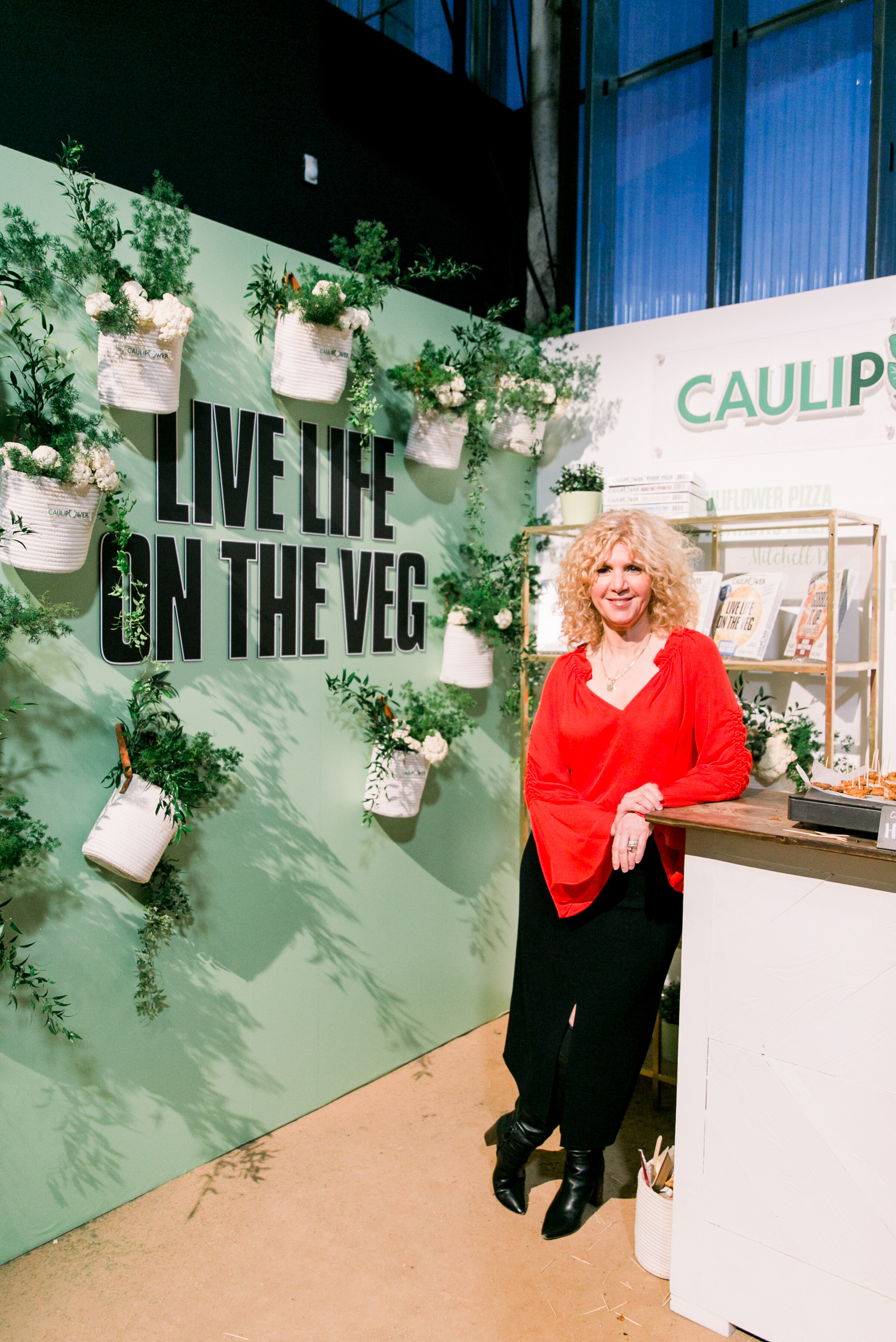
Someone who is boycotting that ban is the founder, and CEO of CAULIPOWER, Gail Becker. Since 2017, Becker has built a $100m company and completely disrupted the food industry to become the #1 better-for-you pizza in the U.S. At our recent LA2020 conference, Becker had some no-filter money advice, especially around the topic of raising it. Having taken on two rounds of investment for CAULIPOWER, she knows each entrepreneur must make the right choice for them. “Just because you can raise more money, doesn’t mean that you should” she told the audience. “It’s not a symbol of how successful you are… or will be.”
Becker also decided against a friends and family round for her startup. “It made me nervous to play with my friends’ and family’s money,” she explained. “I waited as long as I could before seeking outside funding. I used all of my own money initially and maxed out all my credit cards.” There are different ways to fund your business and, ultimately, it needs to come down to what you feel most comfortable with and what your business needs are,” she explained. “I took a risk and bet on myself,“ she said. “That’s the hardest part. If you don’t bet on yourself, who else ever will?”
So, we tapped the powerhouse founder and CEO to share more of her money lessons, mistakes she’s made, and advice for small business owners. Read on and grab a pen, you’ll want to write these down.


On bootstrapping the company in the beginning…
When I first started CAULIPOWER, my goal actually wasn’t to make money. My dad, who was an entrepreneur and a Holocaust survivor, had recently passed away, and it made me recognize the fragility of life. I had been working my way up the proverbial ladder of corporate America, and then decided that I really didn’t like the view. I wanted to do something more meaningful with my life and I realized that I needed to make a change. That, along with my frustration in what I was seeing in the freezer aisle, created an ‘aha' moment that inspired me to launch CAULIPOWER.
My dad had left me with a small amount of money, and I knew the best way to honor his memory was to follow in his entrepreneurial footsteps. I knew how hard my father worked for every dollar he made, so I spent each one cautiously. I also put in a fair amount of my own money and lived off my savings. On a personal note, it was an interesting transition for me. I was coming from a comfortable job in corporate America with a comfortable salary, and I was used to a certain lifestyle.
When I started CAULIPOWER, I said goodbye to that life and paid attention to every dollar that I was spending, both personally and for the company. I downgraded my lifestyle significantly, saying goodbye to any shopping (outside of the grocery store) and vacations, and even sold most of my former wardrobe such as purses and shoes online. Even that wasn’t enough to sustain the launch of CAULIPOWER, so I maxed out all of my credit cards and tapped into more of my savings.
While this was the right decision for me, everyone has to choose the route that makes sense for them. For me, this was the only way I could bring my vision to life. I was nervous to take money from friends or family, but that doesn’t mean that’s the wrong choice for others. In hindsight, I have several friends and family who now wish I would have asked. At the time, I just followed my gut and made a choice about how I could make things work without negatively impacting others.
On raising money twice since then…
I raised money for a few reasons. First, the frozen food industry is an extremely cash-intensive business. You have to make the product before you can sell it, and there’s a pretty quick need for money given cash flow. When it comes to raising money, timing is incredibly important. I learned quickly that you should try and build the business as much as possible before you raise money. Why? The smaller your business is, the more of the company you will have to give away when you raise money in exchange for equity. Ideally, it’s best to try and hold off until you’ve made some actual sales.
Having said that, one of the worst things you can do is starve a business from cash. Cash is like fuel. We need it to make our products, to pay for promotions, to hire staff, and to market the brand. The timing of it all is a delicate balance between raising too much money, forcing you to give away more of the company when it is of the least value and starving the business, stunting its growth and first-to-market advantage.
“Just because you can raise more money, doesn’t mean that you should. It’s not a symbol of how successful you are or will be.”
On the most surprising part of the venture capital process…
I was surprised at how personal the process became. It would be easy for someone to interpret reactions as a reflection of the quality of one’s idea. If a VC didn’t want to invest in CAULIPOWER or wanted to wait for more data, I questioned myself. What did that say about my idea? The reverse was also true. When you find a partner that believes in you and is prepared to invest money into your business, it can be an incredible confidence boost. It’s a moment when you finally think, maybe this idea is not so crazy after all?!
One of the biggest mistakes that some people make during the fundraising process, is the instinctual desire to take money from the first person that offers it. You should always try to take ‘“smart” money—money from people who know more about the industry, category, and process of building a company than you do. What’s most important is to take money from people who will work hard for you and your idea.
Another part of the fundraising process that surprised me was how similar it was to, well, dating?! Remember, they’re not just interviewing you; you’re interviewing them too! You have to ask yourself ‘who do you want to be in the trenches with you for the long-term? Who will be there for you when the times and decisions get tough—because they will! Who shares your vision?
On the most common mistakes people make when raising money…
Raising too much. Just because you can, doesn’t mean you should. The ability to raise large amounts is not an indicator of the success of your business, rather it’s an indicator that a lot of people will be counting on you and you better deliver. It’s important to raise what you need, which should be enough to hold you over for a while, but not forever. From there, you can build the company to something bigger, then raise more money when it becomes more valuable. My first round of funding was $2M.
“One of the worst things you can do is starve a business from cash—cash is like fuel. ”
On the three crucial elements, every pitch deck should include…
First, you need to show the potential of the company or the white space. Why is this the right business at this time? What hole are you filling that currently doesn’t exist? Another crucial element is the data. You should try and show as much data as you can, even if you have to buy some of it. Show the real performance of your product if it's currently in stores, or use other competitive data to give a sense of how it might do. If it’s not already in the market, you need to prove why you believe it would do well, and this is best accomplished by definitive proof points. Show them that you have done your homework and that you don’t expect anyone to just take your word for it.
Finally, you need to show your passion. Most investors are not just investing in the business; they’re investing in YOU, the entrepreneur. If you're not passionate—and confident—about your own idea, then it really doesn't matter how good of a business plan you have.
On how much she paid herself in the beginning…
I didn't pay myself in the beginning. I lived off of my savings from about May 2016 to September 2017. Once I got VC funding, they made me take a salary and I’ve had the same one ever since. For comparison purposes, it is less than 1/5th of what I used to make when I worked in the corporate world… but I couldn't be happier.
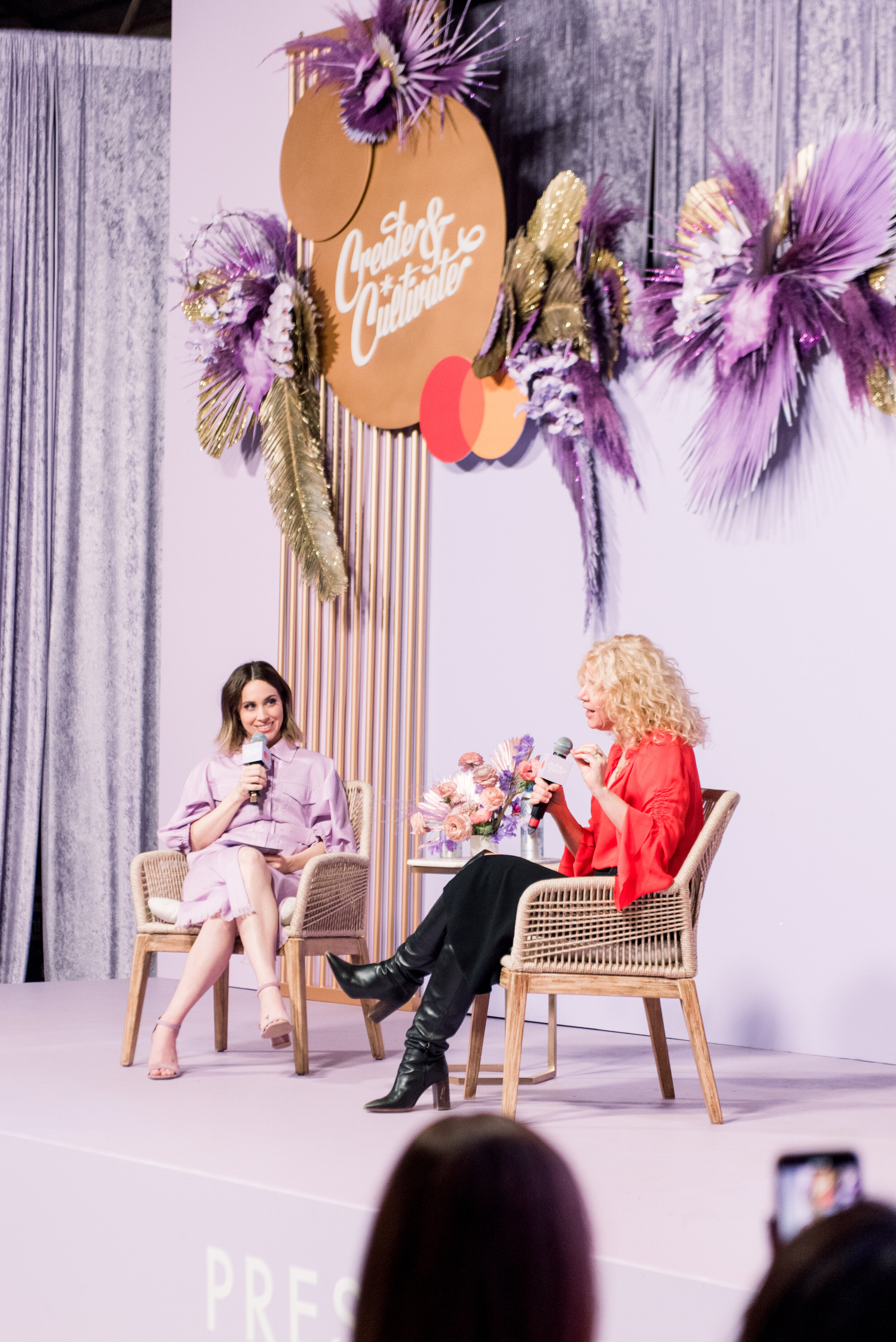
On her first hire…
My first hire was someone who helped me fill out the deluge of paperwork I was facing from the retailers, brokers, and distributors. I realized all the time I was spending with paperwork was a huge opportunity cost and that my time would be better spent in other areas of the business.
On the first big expense as a business owner…
The first order I placed to make the first product.
On when she hired an accountant…
One of the best things about the economy we live in is that you can hire contractors to help you with just about anything. Thanks to some referrals, Google, and some other people I had met in the industry, I came across an agency that performed CFO duties for-hire for small companies. As soon as I got my first order, I knew I had to hire them.
I strongly believe that the most important thing to know as a first-time entrepreneur is to know what you don’t know and then hire around it. Many entrepreneurs mistakenly believe that they somehow need to know all aspects of their business. Nothing could be further from the truth. Know what you know and then hire experts to fill in the gaps.
“Know what you know and then hire experts to fill in the gaps. ”
On the most important area for business owners to focus their financial energy…
Put it into making the best product or service you possibly can. At the end of the day, you can have everything else figured out, but if you don’t have a product that people want, nothing else matters.
On why women should talk about money and business more…
When I was in my first marriage and at my old job, I’m embarrassed to admit that there was a lot I didn’t know about my own finances. I wasn’t financially illiterate, but I never made it a priority to become informed. When I got divorced, the need to become financially literate hit me in the face. I remember thinking, “I will never do that again.”
On having a financial mentor…
I did have some incredible people in the industry (and outside of it) that I looked up to, asked lots of questions of and with whom I’ve stayed connected. I never really had a financial mentor, but then again that wasn’t the primary reason why I started CAULIPOWER. My initial goal wasn’t to make lots of money; it was simply to help people have access to better options. If that’s why you start your business though, then that’s fantastic and finding a financial mentor might be the right choice for you. Now that I am running a business and am responsible for other people, the financial decisions I take on have tremendous importance.
On the money mistakes she’s made and learned from along the way…
I think it all depends on whether you’re new to your industry or if you have a background in it. If I had any sort of experience in the frozen food space prior to launching CAULIPOWER, I probably could have made some different decisions. Since that wasn’t the case, I placed a lot of trust in other people. I trusted that they knew more than I did and there’s a fair amount of trust that I probably placed blindly. In some cases, that ended up having a high price tag associated with it.
“If you’re not passionate—and confident—about your own idea, then it really doesn’t matter how good of a business plan you have. ”
On her best money advice for new entrepreneurs…
You don’t have to know all of the answers. You just have to know enough to hire the people who do. Just because you may not be a financial wizard, it doesn’t mean you shouldn't go into business. Just surround yourself with the right people who can teach you…and ask lots of questions. Daily.
I don’t equate money and happiness. The experience of launching and building CAULIPOWER showed me that one of the reasons I was so hesitant to leave my stable career is that I thought I had a great life. There was this inherent fear that if I lost all of those trappings that I had grown accustomed to, I wouldn’t be happy.
Today people who know me often hear me say “half as rich, but twice as happy” and no sentiment could be truer. Now, I realize that those things didn’t matter at all and the chance to build CAULIPOWER, take a bet on myself and help other people along the way has been the greatest professional joy of my life. I hope these words help to realize the same in you.

To learn more about CAULIPOWER and try their delicious pizzas, visit eatcaulipower.com.


Meet the Co-Founders Disrupting the $532-Billion Beauty Industry With a High-Performance Plant-Based Skincare Brand
Get to know Furtuna Skin.


We know how daunting it can be to start a new business, especially if you’re disrupting an industry or creating an entirely new one. When there is no path to follow, the biggest question is, where do I start? There is so much to do, but before you get ahead of yourself, let’s start at the beginning. To kick-start the process and ease some of those first-time founder nerves, we’re asking successful entrepreneurs to share their stories in our series, From Scratch. But this isn’t your typical day-in-the-life profile. We’re getting into the nitty-gritty details—from writing a business plan (or not) to sourcing manufacturers and how much they pay themselves—we’re not holding back.

Valued at $532 billion and counting, the beauty industry is on an upward trajectory that doesn’t appear to be letting up anytime soon. Despite the break-neck speed that’s driving the market forward, there’s one skincare brand that’s doing things differently—Furtuna Skin.
Built on a platform of radical transparency, Furtuna Skin is disrupting the industry by creating high-performance, plant-based products that are made with sustainably sourced ingredients—and their approach is paying off. The brand has already developed a cult-like following, including celebrity estheticians like Gina Marie and Shani Darden, to name-drop just a few high-profile Furtuna Skin devotees.
Ahead, Furtuna Skin’s co-founders, Agatha Relota Luczo and Kim Walls, break down how they built a high-performance, plant-based skincare brand from scratch, including why they didn’t write a business plan and what made them decide to go the self-funded route.
CREATE & CULTIVATE: Take us back to the beginning. How did you both meet and what was the lightbulb moment for Furtuna Skin?
AGATHA RELOTA LUCZO: We met first while working on creating organic, natural topical health remedies for our children (which is now our Bambini Furtuna brand). The more time we spent together, the more ideas we had for unique and powerful skincare products for adults. The plants on my family farm in Sicily were so powerful, so potent, that it became abundantly clear to us pretty immediately that we could create something special with these plants. Something groundbreaking that could redefine the very meaning of “clean beauty” by combining ancient wisdom with modern science using high potency organic plants to give beauty lovers high-performance results that they deserve from clean products—something we both struggled to find.
We’re both fiercely driven women who are passionately committed to achieving the best outcomes. We had unique areas of expertise that allowed each of us to bring something to the table that the other couldn’t. And we liked each other. A lot. There wasn’t much of a conversation about whether or not we were going to create Furtuna Skin. It happened because it couldn't not happen. In a way, Furtuna Skin willed itself to live through us. The brand took us both by the heart and that was that. We were off.
C&C: Did you write a business plan?
KIM WALLS: We had an aligned five-year vision for the brand within a few weeks of deciding we were doing it. With that, we created a product roadmap and began investigating the time and costs that would be associated with bringing those products to life. Our approach was the very definition of a product-driven company. From there, we created a financial model based on our strategy and assumptions. We still use that model today… updating it as we learn. We didn't write a traditional business plan but we agreed on targets to hit and milestones to measure our performance. The bottom line for us has always been that we wanted to create products that would be truly transformational.

C&C: How did you come up with the name Furtuna Skin?
AGATHA RELOTA LUCZO: It was important to us to keep the name “Furtuna” as part of our estate’s name where we forage our ingredients. My husband’s grandparents lived on the farm in Sicily before they moved to the United States. They used to say “Bona Furtuna!” to him with great love and excitement when they would say goodbye to each other. Bona Furtuna means “good luck or good fortune” in Sicilian. His Nona Rose was the inspiration for the farm’s name—La Furtuna Estate. The word “Fortune” is “Fortuna” in Italian, but in Sicilia, it is Furtuna. Our name honors our family, the powerful medicinal heritage of the land, and the great people who are there now and who came before us.
C&C: What were the immediate things you had to take care of to set up the business?
KIM WALLS: All of the standard business pieces like domain, trademarks, social channels. We did all of those things but we didn’t let the logistics distract us from the more complex and challenging work of creating transformational products. We’ve seen too many people get caught up in the logistical details of it all and forget to think big. They shoot themselves in the foot by spending too much time on things that don’t matter unless you actually have a business. That said, intellectual property is important. We invested in locking down our trademarks in all critical markets because we knew that we wanted to create the opportunity for people around the world to experience the seemingly magical power of wildly potent ingredients.
C&C: What research did you do for the brand beforehand?
KIM WALLS: When it came to the plants and the performance of those plants to deliver unparalleled skincare results, we went all-in on research from day one. We knew that what we were setting out to do was incredibly complex, hadn’t been done before in the industry, and that there would be a great many challenges to overcome in the process. We surround ourselves with experts—like Mimmo who is the PhD botanist and biologist on the farm—to help answer the many questions we needed to answer, and to help figure out what additional questions we should be asking. We worked with pharmaceutical experts, ultrasound equipment experts, biochemists, nutritionists, and clinicians with extensive knowledge and niche expertise in a great many areas of science.
We spent almost all of our time in the early days researching and thinking about the details that would bring our full vision to life. We began with plants growing from the earth to transform them into skincare ingredients, which we then turned into skincare formulas… while also working on the fonts, textures, colors, coatings, materials, brand stories, and overall feel of Furtuna Skin. There was an enormous amount of research. We would each do big bursts of work in our respective areas of expertise and then come back together to share and refine our concepts by truly listening to each other’s thoughts, perspectives, and feedback… and then do it again. And again. And again.
We relied on Slack, Dropbox and Google Drive for a long time, and then moved onto programs that would allow for more complicated data associations like the Gantt charts in Asana and the cross-indexing of data and imagery that you can create in programs like Swivvel and Airtable. When you’re starting out though, there’s nothing better than a good old fashioned phone call to work through it all together.
“We approach our partnership like a marriage. Fundamentally, we care about each other and respect each other. When you and your partner want the same BIG things, then the little things don’t matter as much.”
C&C: How did you find the manufacturer/production facility that you use What advice do you have for other founders looking for a trustworthy manufacturer?
KIM WALLS: It is an absolutely monumental task to find the right labs, fillers, testers, designers, teammates, partners, agencies, sources of materials, and more, then to conduct them in alignment so they work together like an experienced orchestra. The difficulty of this process cannot be underestimated. There is no right answer to “who’s right for everyone.” The trick is to truly understand your needs, and then find partners who are excited to fulfill those needs.
In our case, we needed partners who had world-class track records in creating innovative skincare formulas using new organic ingredients and new processes. We needed people who had the right kind of experience—from pharmaceutical to nutraceutical—who were such deeply entrenched experts that they were comfortable in the space of experimentation and who were willing to dedicate countless hours to bringing together myriad unknowns to create finished skincare products that hit new levels in clean beauty and that would deliver on the results that they promised, from brightening the skin all over to instantly lifting and plumping fine lines around the lip and eye area.
C&C: Did you self-fund the company? Did you do a friends and family round? Or did you raise seed money or initial investment money?
AGATHA RELOTA LUCZO: We’re self-funded. We’ve both been involved in VC-, PE-, and F&F-backed businesses in the past, but we wanted to get Furtuna Skin off the ground ourselves because we wanted to ensure that we would have the time and space needed to develop the highest quality, most effective skincare ingredients from our organic estate in Sicily. For many years, we were working with a complex matrix of unknowns that, because we weren't being pushed for time in the early days, have now resulted in groundbreaking products that we are proud and honored to see empowering our clientele with a deep sense of transformational beauty.
C&C: How much did you pay yourself, and how did you know what to pay yourself?
KIM WALLS: Every situation is different, and there’s no one right way to go about determining when and how much to pay yourself. BUT, you must pay yourself. Even if the number is small, the mental effect is huge. For most people, it is a psychological fact that if they aren’t being paid with at least some cash, they will not give their greatest effort despite best intentions.
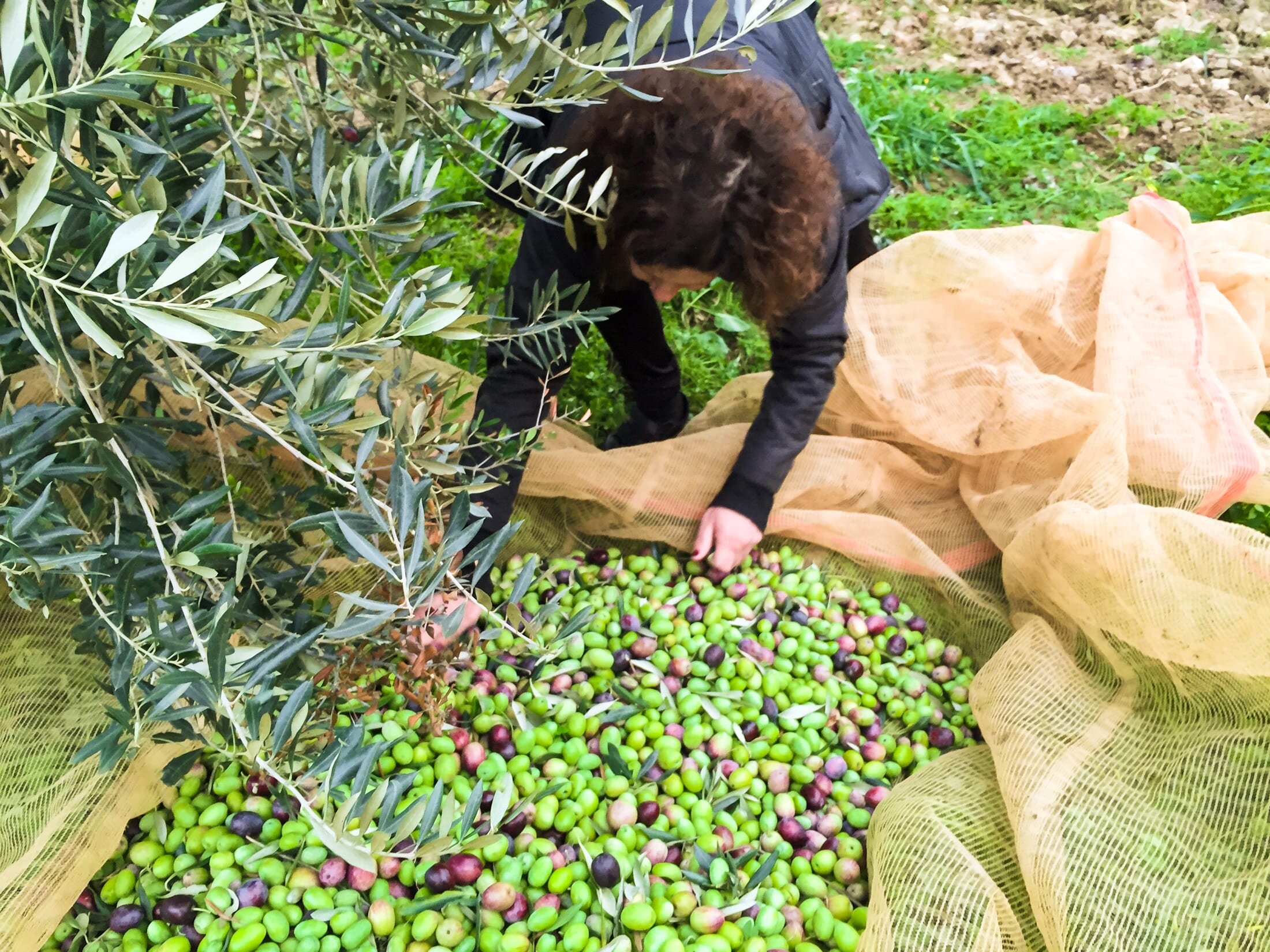
La Furtuna Estate in Sicily



C&C: How big is your team now, and what has the hiring process been like? Did you have any hiring experience? What advice can you share?
KIM WALLS: Not including us, our current team is nine people. We both have hiring experience from previous work. We created an organizational chart and have stayed pretty true to that chart so far. Putting in the time upfront to understand which skillsets we needed to find to create and market groundbreaking products helped us think through the roles we need to bring our dream to life. For any given position, we collaborate with internal team members to develop a job description and then begin the search. It is very important to us that we hire to a role, but we do also shape and reshape roles around the people we hire. In the early days, growing a team is like building a jigsaw puzzle, you might not know where one piece fits until another is in place. We want our people to be set up for success, and sometimes that means being flexible about the role each person plays in the company. When starting our company, it was critically important for us to hire people who thrive in a fast-paced environment where things can change quickly, and any team member might need to wear multiple hats. Because we outline the job descriptions and start with an understanding of how people will fit into our world both in the immediate term and the long term, we hire with the future in mind. Equally important to our peoples’ skill sets, we hire for energy. If the “vibe” isn’t there, then we keep searching regardless of the list of accomplishments a person may bring to the table.
We recently learned that the ideal number of people to interview any candidate is four. Data supports that if four team members think someone is a good fit for the role, then the candidate is more likely to be successful in that role. Once we had four people in the company, we started following that rule of thumb. The last bit of advice here is that you probably don’t need to bother checking the references that a candidate provides to you unless it is an extremely junior hire. Leverage your network of friends or even strangers to talk with people that have worked with your candidate before. That’s how you can learn the most about your candidate, and whether or not that person's particular quirks are going to be complimentary with your team… or not.
C&C: As co-founders, how have you developed a good working relationship? What tips can you give to other business partners trying to make it work?
AGATHA RELOTA LUCZO: We approach our partnership like a marriage. We’ve both been happily married for a long time, so we have practice doing this. Fundamentally, we care about each other and respect each other. We let each lead in the areas we’ve entrusted to each other. (I lead the creative function, and Kim leads the executive function.) Our partnership is part of what makes the work feel good and the journey worth taking. Tips for others would be to say the hard things. Be honest with yourself and your partner. Be willing to give in and to see when you are wrong. Make the big decisions together by taking time upfront to thoroughly talk through your perspectives. If your roles are clearly defined in the beginning and you butt heads about something, then if it isn’t your lead role, give in. Let it go, and do it because you remember that you entrusted this person with the responsibility to lead where they are leading and that you share a common vision and goal. When you and your partner want the same BIG things, then the little things don’t matter as much.
“In the early days, growing a team is like building a jigsaw puzzle, you might not know where one piece fits until another is in place.”
C&C: Did you hire an accountant? Who helped you with the financial decisions and set up?
KIM WALLS: Oh yes. Business is business. We had a freelance bookkeeper and accountant very shortly after we started spending money. As is true with most things in life, we knew that if our foundation wasn’t strong, we wouldn’t be able to focus our attention on what matters most to us—creating beautifully clean and effective, high-performance skincare that brings a deep sense of transformational beauty into the lives of our clientele.
C&C: What has been the biggest learning curve during the process of establishing a business?
KIM WALLS: It is SO hard to wait sometimes. Most skincare products take anywhere from six months to a year to create and get to market. In our case, we start with people on the land who are wild foraging many of our ingredients. The extra time it takes to forage and then turn those plants into skincare ingredients, then test them for quality, purity, and effectiveness before we can even begin to use them to make skincare products can feel like forever by comparison to how most products are made in our industry. After we had our first finished formula, we were so excited to share it with people that we rushed to order some components (caps for our bottles) that we didn’t truly love. In the end, we scrapped those and made our own custom caps that we do truly love. In that haste, we created a lot of complexity for ourselves that we probably shouldn’t have. The old saying, “patience is a virtue,” is one that we need to remind ourselves of constantly.
C&C: How did you get retailers to start stocking your product? Were you told “no?” What advice can you share?
AGATHA RELOTA LUCZO: We launched on our own site and with our friend and partner Shani Darden, an esthetician who we respect immensely for her extensive knowledge, integrity, and the results she brings to her clientele. Retailers are calling us now, so you’ll start seeing us more and more in 2020.
When it comes to choosing retail partners, it is all about fit and sell-through. Sometimes it takes a long time to make retail happen, but if the fit is there, the product is great and you can drive customers to their stores to buy your products, then magic can happen. Most fundamentally, most retailers care about two things: a) will you drive traffic into their store, and b) will enough of the customers they already have want your products to make it worth their shelf space. Most retailers have metrics that they adhere to—like $10K per week in sales of any brand, for example. Find out what their metrics are and prove that they will sell enough of your product for them to exceed their metrics. With that, you’ll probably get the chance to partner with the retailers you want.

C&C: Do you have a business coach or mentor? How has this person helped? Would you recommend one?
AGATHA RELOTA LUCZO: We are unbelievably lucky to have one of the most successful businessman in history (literally) on our board, so when he talks we listen. We always seek outside advice to check our big assumptions. Mentors have been pivotal to the success that each of us have experienced in our lives. Most of the time, it isn’t a planned relationship. People who love to mentor get as much out of that relationship as the mentee because they love to teach and share their knowledge. If you want a great mentor, be someone who is worth mentoring. Come with great questions, show progress, listen, and act accordingly, tell your mentor how you have benefitted through their advice by sharing specific progress with them. They will probably get as much joy from your success as you do. Sharing progress that is partially attributable to your mentor will remind them of the value they are getting out of the relationship and make them want to give you more.
C&C: How did you promote your company? How did you get people to know who you are and create buzz?
KIM WALLS: We both knew a lot about marketing when we started, but marketing changes at light speed. It is important to both of us to stay relevant in our knowledge and to bring rockstars onto our team who focus exclusively on the most current forms of marketing at any given time. For example, we partnered with Shadow PR, an outstanding agency, and have leaned on their expertise and relationships. We also have relationships of our own from working in the beauty industry for decades. We work with celebrity estheticians like Gina Marie and Shani Darden, who have been incredible. They use our products in their facials on their amazing clients, and we’re also lucky to have the support of VIP friends like Jamie Greenberg and Lauren Roxburgh who share their love for the benefits of our products with their clientele too.
On the question of marketing spend as a percent of revenue, the rule of thumb in our industry is to spend about 15% of revenue on marketing to scale. These days, the average percentage is increasing. In the early days, the vast majority of cash in a consumer brand is spent on marketing because you probably don’t have much (or any) revenue to speak of, so your spend probably can’t be considered as a percent of revenue. The best advice we could give is to create reasonable goals for your business and then figure out what it is going to take to hit those goals and how much it will cost to do the things you think you need to do to hit the goals. Measure. Repeat. Measure. Repeat.
“If you want a great mentor, be someone who is worth mentoring. Come with great questions, show progress, listen, and act accordingly, tell your mentor how you have benefitted through their advice by sharing specific progress with them.”
C&C: What is one thing you didn’t do in the setup process, that ended up being crucial to the business and would advise others to do asap?
KIM WALLS: We have started other businesses in the past, and we learned a lot of things the hard way, so we were in a more informed position this time around. We've made fewer mistakes, thankfully! From experience in our prior lives, we’d share that you must get comfortable with the basics of finance, at the very least, or you will definitely hurt yourself. Too many entrepreneurs underestimate the importance of nailing these essentials. If you don’t already, then learn to truly understand your balance sheet, P&L statement, and cash flow…. and maybe, more importantly, learn to understand the business drivers that most influence the outcomes represented by those basic documents for your endeavor.
C&C: For those who haven’t started a business (or are about to) what advice do you have?
KIM WALLS: Don’t get decision paralysis, and recognize that progress takes lots of different forms. There’s no one right way to accomplish what you want to accomplish. Recognize that it might be insanely hard to do what you want to do and accept the challenge in full light. When you get stuck (which you will) move forward no matter what. Look hard in the mirror when you make a mistake and set up a specific process so you don’t make the same mistake twice.
C&C: Anything else to add?
AGATHA RELOTA LUCZO: Yes! We need more and more women out there living up to their full potential and exceeding their self-imposed personal limits. Go hard at your dream, and keep going. When one dream doesn’t pan out, pick a new one. Enjoy your feeling of purpose and drive hard.
Our friends at Furtuna Skin were nice enough to share a giveaway with Create & Cultivate readers!
One lucky reader will receive a year’s supply of Furtuna Skin products. Simply fill out the form below to enter to win. *U.S. residents only.* The winner will be chosen randomly and contacted via email. Good luck!
Giveaway now closed, thank you for entering! We will email the winners directly.
MORE ON THE BLOG

We Talked to 4 Biz Owners About How They're Tackling COVID-19
Lauren Kleban, Dianna Cohen, and more weigh in.

As a small business, we here at Create & Cultivate understand how much the COVID-19 outbreak is impacting companies across the globe.
By shuttering offices, disrupting supply chains, canceling events, and clearing out public spaces like malls, restaurants, and gyms, the coronavirus’ impact on companies—particularly startups that don’t have the resources of Fortune 500 companies—is significant. However, as our founder and CEO Jaclyn Johnson says, a company’s success comes down to how it pivots and responds during times of great uncertainty.
Of course, we know that you, our Create & Cultivate audience of entrepreneurs and founders, are also grappling with this right now, so we reached out to some of the savviest business owners we know to find out how they’re handling the news, responding as a company, and, most importantly, pivoting their businesses in response. Scroll on to read how four founders are confronting the coronavirus crisis head-on.
Dianna Cohen, Founder & CEO, Crown Affair
How are you handling the news as a founder? Is your team working from home? How have you pivoted to that schedule?
The wellbeing of our team and customers is the most important thing to us. Our brand was built on the concept of the ritual—all the things you do to take care of yourself and make you feel whole. Whether that’s journaling, stretching, or brushing your hair before bed, we’re all about taking those extra few minutes to reset and recharge. During this time of uncertainty and unrest, we're letting our community know it's key to time for themselves and their friends and family that might need support and care as well.
How have the announcements impacted your business operations and financials? What tactics and strategies have you put in place to pivot and ensure your business is successful through this period?
We're monitoring the guidance of the CDC and health officials, so we're currently remote and will keep our scheduled meetings and touch bases, but do them via video or phone. Tools like Asana and Slack have been helpful for daily stand-ups to make sure as a new business (we're six weeks old!) we're staying on track and actively communicating. Because we're a digital-first company that sells products online, we've been able to continue connecting with our customers and growing the business. When the news first hit, we were mindful to order into inventory that wouldn't impact supply chain for our customers, and internally communicate updated daily goals and KPIs given there are global updates daily.
What advice can you share for small business owners, founders, and entrepreneurs who are also reeling in response to the news?
1. Have honest conversations with your team and community, we're in this together.
2. Your senior leadership team should plan into a mindful monthly spend to make sure you're preparing for any potential changes in supply chain or any area of the business that might be a meaningful part of your overhead.
3. See this as an opportunity to evaluate your strengths as a business and focus on clever, new ways you can still bring that to your audience.
Madison Ruggieri, Co-Founder, Onekind
How are you handling the news as a founder? How have you responded as a company? Is your team working from home?
As a founder, we’re really trying to carry on business as usual. We’re an online retailer and a very small team in a large office space, so, as of now, we’re still working from our office but thinking ahead in case that needs to change with a moment’s notice. Luckily, most of what we do can happen remotely if need be.
We fulfill all orders from our office, but if we were working with a 3PL for fulfillment, I’d be concerned that they might be shutting down temporarily. For brands who do rely on a 3PL, that would significantly impact their ability to continue processing orders.
How have the announcements impacted your business operations and financials?
Right now, we’re most concerned about the financial impact COVID-19 is having on those who are out of work because of it and whether it’s affecting our customers. We’re very aware that this could have an impact on people’s spending habits and that’s something that definitely worries me as a small business owner.
What advice can you share for small business owners, founders, and entrepreneurs who are also reeling in response to the news?
My advice to small business owners is to stay as calm as possible, stay informed, and try to plan a few steps ahead. If your business model allows for the ability to focus on digital sales/work, put your energy there. Most importantly, take care of your own health and the health and well-being of your team. Also, remember there’s a whole community of entrepreneurs dealing with the same issues right now, so let’s support each other in any way we can as we all get through this together.
Sonja Rasula, Founder & CEO, Unique Markets
How are you handling the news as a founder? Is your team working from home? How have you pivoted to that schedule?
As a founder, I'm in emergency-mode, which means I went from being in shock and assessing the situation, to now doing all I can to ensure my employees have jobs and income over the next few months. Every day this week has brought new information and bad news, but as a leader and founder, it's my job to now push emotions aside and turn this situation into an opportunity, to be responsible for my team and put on a happy face. As a company, we are working from home. But to be honest, it's not that different because I offer weekly "work from home" days already, which means we're all used to communicating via Slack or video already. One good thing! :)
How have the announcements impacted your business operations and financials? What tactics and strategies have you put in place to pivot and ensure your business is successful through this period?
My business is events based. We create amazing, community-based IRL pop-up markets that feature hundreds of small business owners and designers. Because we had to cancel our spring markets, I'm literally dealing with zero income for the next 3-4 months. In my past life, I designed and launched Fortune 500 websites and integrated e-commerce, so creating an online store as another revenue stream for us is the most obvious answer, but that takes a huge amount of resources and roles we don't currently have. While it's now something I'm looking at for 2021, we're going to do a few smaller, more manageable things over the next few months:
We've released online tickets to our summer markets already and are asking our community to purchase them and spread the word, which will provide some income and cash flow.
We're going to hold a series of live online workshops over the next two months, some free and some paid.
We're going to launch a weekly newsletter filled with stories of inspirational small business owners, design news, videos, and more.
What advice can you share for small business owners, founders, and entrepreneurs who are also reeling in response to the news?
My advice is twofold: First, take this time to pause. Seriously allow yourself to pause and evaluate what you are currently doing, what makes you happy, how you can improve. As entrepreneurs, we rarely get time to stop and breathe, so see this as an opportunity!
And then, second, get shit done! As the world slows to a halt, take advantage and use this time to redesign your website, take new product photography, work on your brand bible or style guide, watch YouTube or Skillshare to take a class and improve your skills (so many small business owners don't know graphic design programs like Illustrator, which could help them save so much money and have more creative control). Onward and upward!
*Also, I understand how daunting and downright depressing this is—I've ugly-cried too many times to count this week. But if you own a company that sells stuff online, you're already doing better than me, so cheer up a bit! And keep this in mind: You are a superhero, someone so strong and confident and passionate that you walked away from a 9-5 and regular paycheck to do your own thing! It's the harder choice. It's the lonlier choice. It's the challenging choice. You've made it this far, you've overcome too much to let a freaking global pandemic get you down. KEEP GOING.
Lauren Kleban, Founder & CEO, LEKFIT
How are you handling the news as a founder? How have you responded as a company?
We are taking the news day by day and not panicking. We have always taken extreme measures to maintain a clean studio space. We are a digital band first, and in a time like this, we take pride in knowing we can accommodate our customers as they are dealing with closures and quarantines. We maintain business as usual and believe that consistency is key for both our team and customers. The LEKFIT brand has consistently been a safe space both in-studio and online. We have taken major strides to provide a space for relief and our job is to remain calm for our customers.
How have the announcements impacted your business operations and financials?
We have not been impacted at this point, and hope that remains to be the case. We are slightly concerned this will delay the final week's construction of our flagship, set to open in April, but we will keep our pop-up doors open until we move.
What advice can you share for small business owners, founders, and entrepreneurs who are also reeling in response to the news?
Don't panic, and make decisions that are most beneficial for your team and customers. The best thing we can do is listen to the authorities, work together, and be kind.
For up-to-date information on the COVID-19 outbreak, we recommend referring to the Centers for Disease Control and Prevention or the World Health Organization.
Up next: We Scrubbed the Internet for the Best Advice for Startup Founders During the COVID-19 Pandemic

We Scrubbed the Internet for the Best Advice for Startup Founders During the COVID-19 Pandemic
Adapting to the ever-changing circumstances of the crisis is key.

Photo: Smith House Photo
The COVID-19 outbreak is impacting communities—canceling events, shuttering offices, and suspending classes—around the globe. Of course, the focus is (and should be!) on preventing the spread of the disease, but the economic effects of the outbreak are impossible to ignore as companies large and small adapt to the ever-changing circumstances of the crisis.
In the last few weeks, the OECD cut global economic growth projections in half, the JPMorgan Global Manufacturing Purchasing Manager’s Index (PMI) fell to its lowest level since 2009, and U.S. stocks had their worst day since the 1987 stock market crash. Needless to say, supply chain disruptions, facility closures, and staffing deficits can put extra strain on startups.
Here are three things that startup founders can do now to adapt to the ever-changing circumstances, according to the Harvard Business Review.
Set up business tracking and forecasting.
Fluctuations are inevitable in the midst of a crisis. "Put in place rapid-reporting cycles so that you can understand how your business is being affected, where mitigation is required, and how quickly operations are recovering," notes Harvard Business Review. "A crisis doesn’t imply immunity from performance management, and sooner or later markets will judge which companies managed the challenge most effectively.”
Plan for remote work.
With the CDC recommending social distancing and zero-tolerance sick policies to prevent the spread of COVID-19, planning for remote work is essential. “Be clear on your policies—where they apply, how they will work, and when they will be reviewed,” advises Harvard Business Review for the best results.
Microsoft, Google, and Cisco Webex are among a number of tech companies providing free remote working tools during the coronavirus outbreak. Additionally, Slack’s Guide to Working Remotely, Gitlab’s Guide to Remote Work, and Google are all great resources for setting up a successful remote work strategy.
Be a part of the broader solution.
“As a corporate citizen, you should support others in your supply chain, industry, community, and local government,” notes Harvard Business Review. “Consider how your business can contribute, be it in health care, communications, food, or some other domain. Focus on the intersection between acute social needs and your specific capabilities—in other words, live your purpose.”
Head over to Harvard Business Review for more advice on how to lead your business through the coronavirus crisis.
For up-to-date information on the COVID-19 outbreak, we recommend referring to the Centers for Disease Control and Prevention or the World Health Organization.

This Founder Walked Away From a Steady Wall Street Job to Bootstrap a Clean Beauty Brand
And the risk paid off.

You asked for more content around business finances, so we’re delivering. Welcome to Money Matters where we give you an inside look at the pocketbooks of CEOs and entrepreneurs. In this series, you’ll learn what successful women in business spend on office spaces and employee salaries, how they knew it was time to hire someone to manage their finances, and their best advice for talking about money.

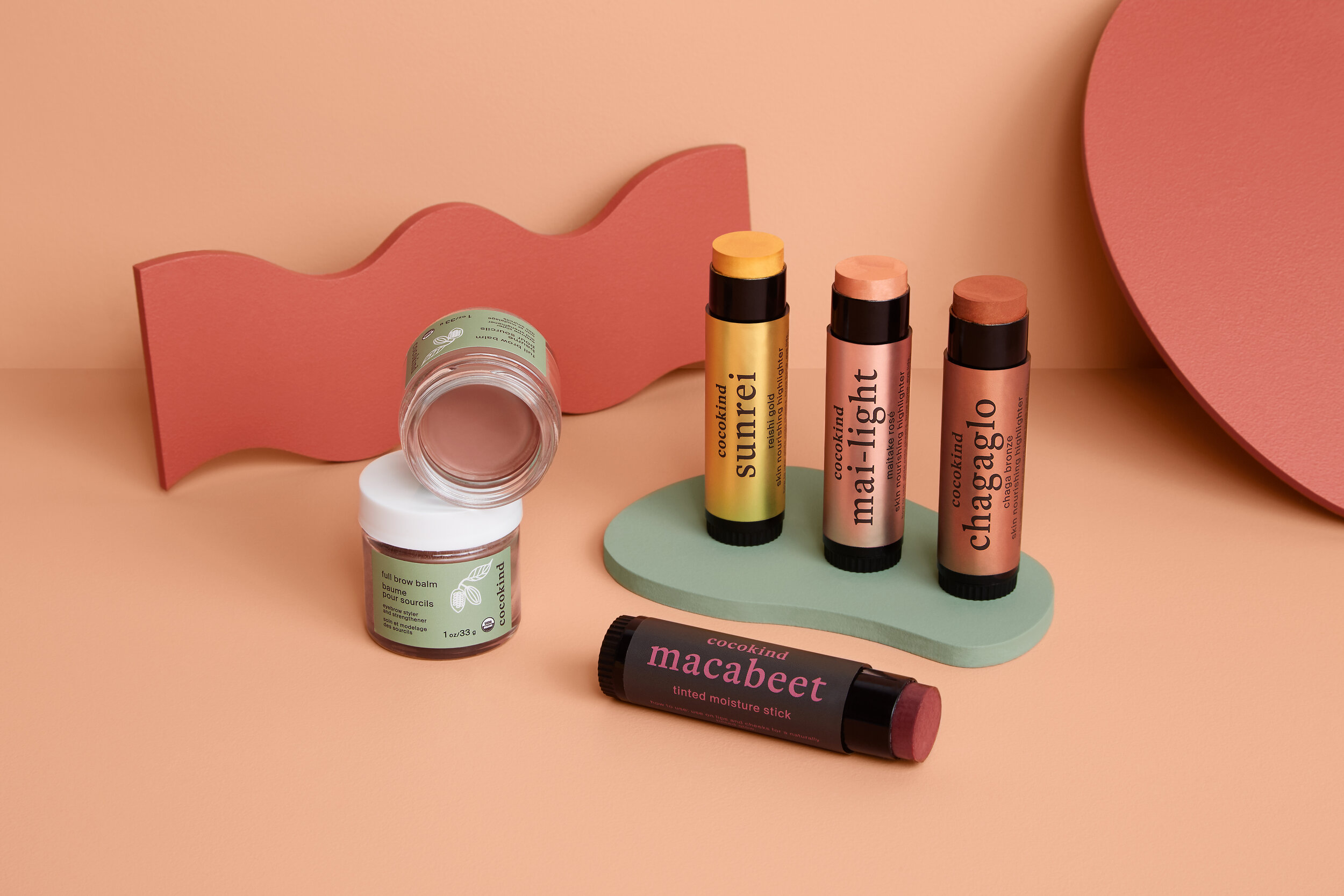
Photo: Courtesy of Cocokind
Leaving a steady job and switching lanes isn’t easy.
Just ask Priscilla Tsai, who was climbing the Wall Street corporate ladder when she decided to shift gears and launch Cocokind, a clean, conscious, sustainable skincare brand. "The first years were tough,” the founder and CEO tells Create & Cultivate. “I was only 25, considered successful in my career, and about to leave it all behind to start a company in an industry that I had very little experience in."
Disappointed by the lack of transparency in the beauty industry and sparked by her own struggles with hormonal acne, Tsai felt compelled to ditch her high-paying job in finance to launch an accessible clean-skincare company. Of course, it’s safe to say that Tsai’s risk has more than paid off—Cocokind is now stocked in every Whole Foods store in the U.S.—but all that success didn’t come without hard work and determination.
In this installment of Money Matters, Tsai shares the nitty-gritty financial details behind what it really takes to get a business off the ground.
CREATE & CULTIVATE: You walked away from a career on Wall Street before bootstrapping your business. What led you to leave a steady paycheck and switch lanes from finance to beauty?
PRISCILLA TSAI: I always knew I wanted to start my own company. My mom is an entrepreneur and watching her career progress definitely inspired me. Separately, my hormonal acne was my biggest insecurity, and I hated the harsh medications and pills that my dermatologist prescribed me. They kept my skin technically clear, but they also totally stripped it of moisture and gave me digestion issues. Ultimately, I decided to explore more holistic remedies for my skin and body, and when I’d created something that worked and that I was proud of, I knew I needed to share it. As a consumer, I was also disappointed at the lack of clean ingredients and transparency in the beauty industry, and I felt compelled to offer a better, more accessible option.
Can you explain what those founding years were like financially?
The first years were tough. I was only 25, considered successful in my career, and about to leave it all behind to start a company in an industry that I had very little experience in. I hustled in every way possible. I made full batches of products by myself. I created our first labels on Photoshop instead of hiring a designer.
I think many founders think that they need a ton of capital to start a company. Obviously, capital is important, but for me, time was almost as important as money. It took a lot of time for me to get Cocokind’s formulas to meet my standards, and it took a lot of energy and persistence to get our products into brick and mortar stores. I went door to door to Whole Foods’ in northern California to demo my products to the regional buyers, which led to building great relationships with them. Today, Whole Foods is one of our biggest retailers—we’re actually stocked in every single store in the United States.
“Knowledge is power. Knowing as much as you can about your financial situation is essential to feeling financially empowered and independent.”
Talk us through your bootstrapping process. How did you self-fund your business? Would you recommend that route to other entrepreneurs?
I really just tried to take things one step at a time, but I also worked quickly once I had a product concept and samples. I started going door to door to get my product out there and to start bringing in revenue as quickly as possible. Finding retail partners like Whole Foods helped me get Cocokind off the ground pretty immediately.
These days, it’s much more common to raise than to bootstrap and I think that either strategy can be effective. It’s really just about what the founder wants and which approach makes more sense for their work style and personality. I personally loved bootstrapping, but I definitely don’t think it’s for everyone.
How did you know the brand was ready to scale and introduce new products?
At Cocokind, we’ve always been big on social media because it makes it easy to build relationships with customers and hear their opinions and feedback. We’re able to use this feedback to decide what our community and what the market, in general, wants.
In the beginning especially, we funded new products by starting with really small batches—that way, we were never taking huge risks with inventory. On top of that, I thought it’d be better to sell out of a product and have a waitlist than it would be to overproduce a product and potentially run the risk of not selling enough of it.
I guess my main point here is that entrepreneurs should always recognize that their product will most likely change to improve, so over-investing in early iterations can be a bad idea.

“I hustled in every way possible. I made full batches of products by myself. I created our first labels on Photoshop instead of hiring a designer.
”
-Priscilla Tsai, CEO and founder of Cocokind
What was your first big expense as a business owner?
Either insurance or inventory!
How did you decide what to pay yourself?
I didn’t! I didn’t pay myself for the first two years of my business, but I was lucky enough to be able to live off of savings during that time.
How did you decide what to pay employees?
Research. I always want my employees to be paid fairly but as competitively as possible.
What are your top three largest expenses every month?
Payroll, inventory, and rent for our office and warehouse.
How much do you spend on office space?
We’ve always tried to spend 4% of our sales or less on rent. We did recently just relocate to a larger office space so we can continue to grow our staff.
How much are you saving? When did you start being able to save some of your income?
It varies. Saving has always been important to me, even more so when I had a regular job, before starting Cocokind. When I was in college, my parents helped me with my tuition and living expenses as long as I sent them an itemized list of all of my expenses every month. That experience helped me learn how to budget and it also taught me that when you know your numbers, you save more.
“Cash is everything. No matter how much profit your company is bringing in, you need to adhere to a tight cash flow model.”
What apps or software are you using for finances?
I actually just use Excel to track all of my expenses. I don’t have a financial advisor at this time.
Do you wish you’d done anything differently in your financial journey as a business owner?
Nope! I’m really proud of Cocokind and how far we’ve come, and I think we’ve always been responsible with capital.
Why should we all be talking about money?
I think everyone should talk about money. Knowledge is power. Knowing as much as you can about your financial situation is essential to feeling financially empowered and independent.
Do you have a financial mentor?
I don’t. But my parents did and do a great job of teaching me strong values when it comes to my finances and how I think about them, and I’m grateful for that.
What is your best piece of financial advice for new entrepreneurs?
Again, knowledge is power! Knowing your numbers and staying on top of them is crucially important to starting and running a sustainable business.
What is the biggest money lesson you've learned since starting Cocokind?
Cash is everything. No matter how much profit your company is bringing in, you need to adhere to a tight cash flow model. It’s something I’m still learning and always trying to improve upon.




From Scratch: How This Founder Turned Her Passion for Fashion Into Financial Success
“We’ve always self-funded our ventures—I like the freedom of being able to find our own way.”
Written by Jackie Sedley.
We know how daunting it can be to start a new business, especially if you’re disrupting an industry or creating an entirely new one. When there is no path to follow, the biggest question is, where do I start? There is so much to do but before you get ahead of yourself, let’s start at the beginning. To kickstart the process (and ease some of those first-time founder nerves) we’re asking successful entrepreneurs to share their story in our new series, From Scratch. But this isn’t your typical day in the life. We’re getting down to the nitty-gritty from writing a business plan (or not) to sourcing manufacturers and how much they pay themselves, we’re not holding back. If you want to know how to start a business, you’ve come to the right place.

Photo: Courtesy of Printfresh
The world of fashion is ever-changing. Just ask Amy Voloshin, the creative director and co-founder of Printfresh; she has been immersed in the world of style and design since early childhood. After studying textiles and fine arts in college, Voloshin took her knowledge of design and her eye for aesthetics and turned it into a stylish and über-successful textile company.
Rome wasn’t built in a day, and neither was Voloshin’s design company. While she makes it look easy, putting out fashionable accessories, cozy sleepwear, and beautiful stationery is hard work but Voloshin has mastered the art of leadership through years of experience in her field.
Thankfully, Voloshin let us pick her brain and learn more about how her company came to fruition, what she’s learned along the way, and how important it is to keep up with the constant shifts in the world of business.
CREATE & CULTIVATE: Did you write a business plan?
AMY VOLOSHIN: I’m a planner so I always write a business plan for my new ventures. It helps me think through a lot of the details that I’ll need to tackle to get going. I think it’s important to jot down the basic outline of what you are selling, how and where it will be sold, who will be on your team and what roles you will need to fill in your first year. If you self-fund like I’ve done, it’s really just whatever will be helpful to you and to those helping. I also use the business plan as a place to store a lot of research—I love researching, so it’s a great place to collect ideas and thoughts on how other companies are executing similar businesses.
How did you come up with the name? What was the process like?
Our name came from our first business, Printfresh Studio. That business is all about designing prints for the fashion industry. As that business matured and everyone kept asking us “Where can we buy your prints?” we always had to shrug and tell people we don’t know or couldn’t tell them due to the non-disclosure agreements we signed. So when we decided to take the plunge and start our brand, we brought the name along. When we started out we thought we could put crazy prints on everything but instead decided to stay focused around our love of textiles - hence all the sumptuous velvet journals. Now that we are expanding into pajamas, I’m really excited to use more prints in our collections.
What were the immediate things you had to take care of to set up the business?
Getting the name sorted out was really the first part since so much of the branding and design can’t begin until that is set. In this day and age of social media, having a good handle is important for social marketing. Getting the domain is important too, but with the new suffixes that are out there now, there’s more flexibility than there used to be when everything was only .com. Trademark is something we worked on as well, but that can wait till you get things into the market. Definitely get your website up and a fun splash page and start collecting emails. You never know when things will change with social media, but email has been a really consistent place for us to get information to our customers about new products and sales.
What research did you do for the brand beforehand? Why would you recommend it?
I’m what my business partner would describe as ‘an exhaustive researcher,’ which is funny since he worked in clinical pharmaceutical research before teaming up with me. I sometimes research something to a point that might be inadvisable! But, there is so much product out there and so many companies, so it’s important to find ways to stand out in a positive way. It’s important to answer some questions—is someone out there already doing what I want to do? Is what I’m going to do providing something different and exciting that doesn’t exist already at a good price? It’s also important to know when to stop researching. With all the online resources out there it can be easy to research too much and delay the fun parts like designing.
“I’ve learned that listening to the expertise of others can help you avoid making costly mistakes and can also help open doors that may otherwise have taken forever to get open. ”
How did you find the manufacturer/production facility that you use? Did you have any bad experiences?
Being alumni of Urban Outfitters and calling Philadelphia home, we are blessed with a great network to tap into. We had a lot of friends that were able to make connections to some fantastic factories in India and China. There are so many factories out there but it’s important to find ones that have experience making the type of product we are looking to develop, and that their ethics in terms of labor and environmental concerns are the same as our own. I travel to India and spend a lot of time meeting new partners, working in factories, and ensuring that the partnerships are the right ones. For example, we were able to find a factory for our pajamas that do so many great things environmentally, like use solar power and recycle gray water for use in their garden.
Did you self-fund the company? Did you raise seed money or initial investment money? What would you recommend?
We self-funded the company and had some help from our family. We’ve always self-funded our ventures—I like the freedom of being able to find our own way. It’s something I’m open to in the future, but I wanted to develop the company independently and experiment. If we pursue investment money in the future, it would probably be to invest in advertising and marketing to help expand the brand and become more known in the US market.
How much did you pay yourself? How did you know what to pay yourself?
Haha, yeah, that’s a tough one. In my first business, I started, it took about six months to be able to pay myself a small income. We’ve reinvested all of the money that we are making back into the company. Fortunately, we have some real estate ventures that help us live modestly while the business grows a bit bigger. It’s one of those things where it’s just a moment in time and hopefully, through working really hard we will see a return in a few years on our investment of time, energy, and money.
How big is your team now? What has the hiring process like?
Printfresh is a small team of five and we all work across some of the other companies we operate (like the fashion line Voloshin). We’ve been hiring for over a decade for Printfresh Studio, so I feel like I’ve learned a lot along the way. One book that helped me figure out how to hire better is The Who Method by Geoff and Randy Smart—it really helped us set up our hiring process and we use that methodology all the time. It’s helpful to have a set way of interviewing for the team to follow.
For a start-up especially, hiring those who have skill sets I don’t have has been important. Also, hiring for work ethic and the ability to finish projects independently has been critical for our start-up. When hiring, I like to spend a really long time getting to know applicants—typically, I’ll meet with them for 1-2 hours and really try to understand why they are leaving their current job, why this company is the right place for them, do our values synch up. I want to make sure that we will work well together since we will be spending so much time together.

Photo: Courtesy of Printfresh
Did you hire an accountant? Who helped you with the financial decisions and set up?
We’ve been using QuickBooks for 13 years and have had our accountant for almost the same length of time. When we first started, we used the accountant that my grandmother, and then my father, used in their businesses. Then, we got to the point where we needed someone who could come in and review the P&L with us on a quarterly basis. This has helped us really understand the numbers and trends in a way that allows us to make changes as necessary.
What has been the biggest learning curve during the process of establishing a business?
With this business, the greatest learning curve has been really learning to listen to our customers. We have never had the opportunity to work with consumers directly and seeing how people interact with our products and the reactions they have has been really informative. Really understanding why the consumer likes certain items has helped us continue to develop new and innovative products (like our upcoming mindfulness morning rituals and night time reflections guided journals).
How did you get retailers to start stocking your product? Were you told no? How did you handle that rejection?
I decided to take the plunge and signed us up for the National Stationery Show two years ago. We built an amazing booth with the help of our friend Luren and showed up at the show to try and get as many customers as possible. We printed a ton of tote bags and gave them away at the show and it got everyone talking about it. We picked up 30 stores at that show. But more importantly, we met our real-life fairy godmother, Tara Riceberg, who has this amazing store in L.A. called TWEAK and she introduced us to Karen Alweil, who is now our wholesale sales rep. She’s gotten us into over 300 stores over the last few years. Rejection, though, is a daily constant for anyone in our business. As we go after bigger retailers, we just need to remember that ‘no’ usually just means ‘not now.’
“We’ve always self-funded our ventures—I like the freedom of being able to find our own way.”
Do you have a business coach or mentor? How has this person helped?
We have had some sort of mentor from the very early stages of starting our business. I’ve learned that listening to the expertise of others can help you avoid making costly mistakes and can also help open doors that may otherwise have taken forever to get open. Early on we used SCORE, which is a national organization with chapters all over the country. We have also used the SBDC (Small Business Development Center) at the University of Pennsylvania with a lot of success. Over the last few years we have been working with our mentor Steve Smolinsky—he has years of experience and a great perspective that helps us avoid obstacles before we even see them.
I was also able to find mentors through doing the Philadelphia Fashion Incubator, which connected me to some amazing industry veterans who have been very instrumental in helping me navigate areas of the business that I lack experience in. I highly recommend having a mentor—it’s amazing to have a life-line to reach out to during some of the challenges that arise when running a small business. There’s lots of information on the web, but not all of it’s perfect or right for your business. Having great mentors with real-life experience and who know you personally can really help you find solutions that you may have not arrived at otherwise.
How did you promote your company? How did you get people to know who you are and create buzz?
We are definitely still learning! Marketing has changed so much in the last couple of years and I think all businesses are challenged by keeping up with the changing technology and the way it’s being used. Printfresh Studio is so B2B (business to business) that we never had to market to the consumer. But we are slowly starting to figure it out. We spend a lot of time on getting great photos of our products and try to stay in touch with blogs and people who share our interests. Sending small gifts to people who you want to use your product and have a platform to share them on has been working as well.
What is one thing you didn’t do in the setup process, that ended up being crucial to the business and would advise others to do ASAP?
If you are sure you have a great product, then getting it out to the media is important. Whether you find the time to do it yourself or you hire a great PR company (like Push the Envelope PR), it’s something that needs to happen ASAP. We only recently focused our energy on it and are kicking ourselves for not doing it earlier. We didn’t really know how to go about finding the right PR company and didn’t know what to look for.
For those who haven’t started a business (or are about to) what advice do you have?
My top tips would be to: write a business plan, read as many books as you can about the industry you’re getting into, figure out how you’ll be different, and get yourself in an incubator or something similar as soon as possible to start growing your network.
View the new Printfresh collection at printfresh.com and throughout the U.S. in specialty boutiques.

Photo: Courtesy of Printfresh
Money Matters: "Make a Profit So You Have the Space to Experiment and Make Mistakes."
The co-founder of KeepCup spills the (financial) tea.
You asked for more content around business finances, so we’re delivering. Welcome to Money Matters where we give you an inside look at the pocketbooks of CEOs and entrepreneurs. In this series, you’ll learn what successful women in business spend on office spaces and employee salaries, how they knew it was time to hire someone to manage their finances, and their best advice for talking about money.

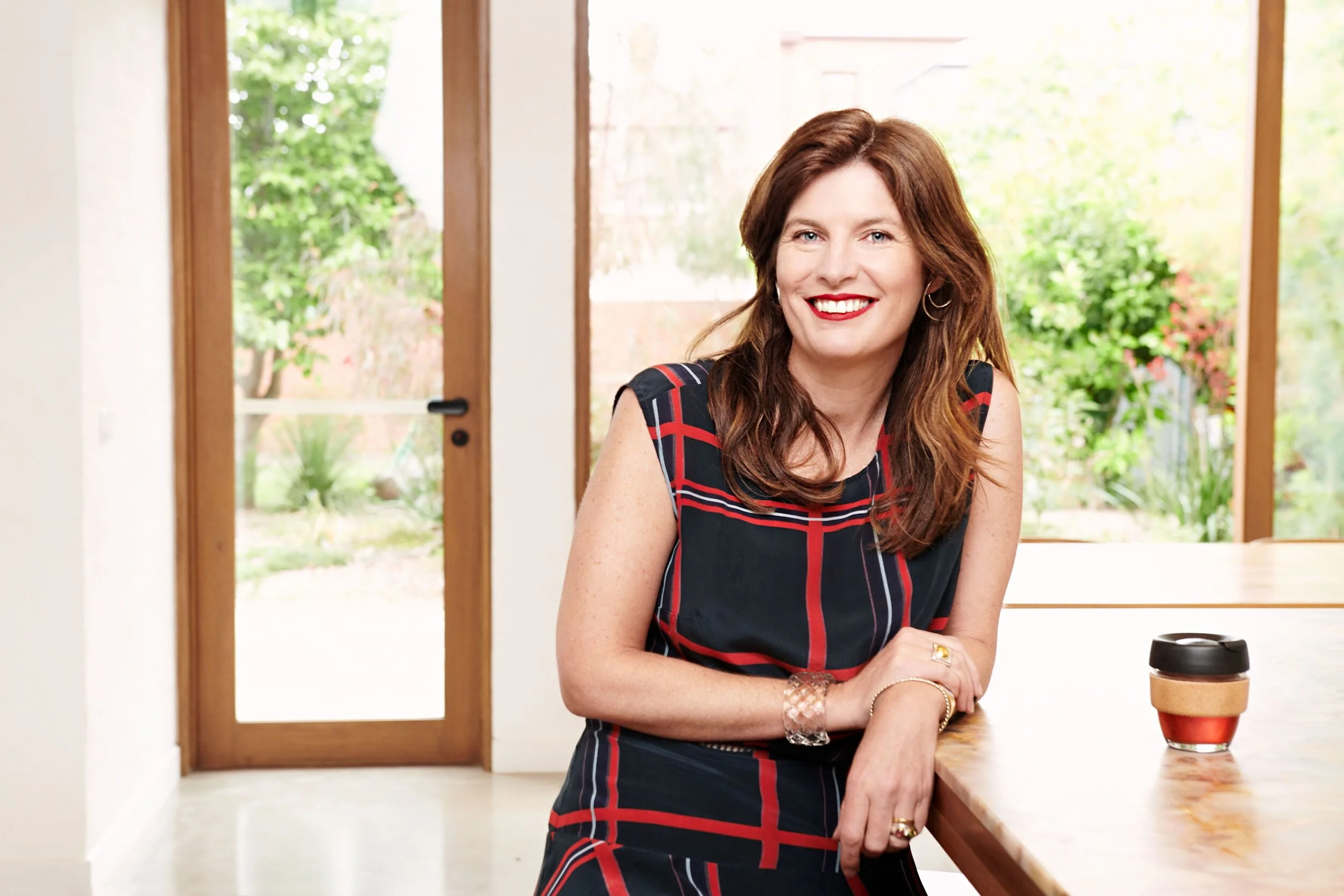
Photo: Courtesy of Keep Cup
When Abigail Forsyth launched her reusable coffee cup 10 years ago in a bid to eradicate disposable single-use cups, she had no idea it would become the global brand it is today. Now, KeepCup has sold over 12 million reusable cups, is used in over 65 countries and their customers have diverted an estimated 8 billion disposable cups from landfill each year—not to mention she’s kickstarted the global movement to eradicate disposable coffee cups. Forsyth is a leader in the global movement to inspire reduce and reuse, with a passion to reduce the use of single-use items.
But her career didn’t start off this way. Forsyth actually had a successful career as a lawyer before joining forces with her brother to launch Bluebag cafe. This is where her awareness around single-use coffee cups was heightened and soon after, KeepCup was born. But despite the global growth, Forsyth has managed to stay completely self-funded without taking any outside investment (which she recommends to fellow entrepreneurs, too.
Read on to hear her money advice, mistakes, and financial lessons learned along the way. You’ll want to write these down.
On why she self-funded the business…
We had a small loan, some grants from the City of Melbourne and Design Victoria, cash flow from our café business Bluebag, and presales off of the KeepCup product prototype. Yes, I would recommend other entrepreneurs to self-fund their businesses. We are fortunate enough to sustain our business and grow without taking on outside investment, which means we have been able to remain nimble, iterative and independent. You need to make money to stay in business, so be wary that outside funding can compromise your ability to have a vision beyond shareholder value.
On how much she pays herself…
We are a certified B Corporation which means that, as a business, we have to meet certain standards of verified social and environmental performance, public transparency, and legal accountability and balance profit and purpose. In line with this, my earnings are capped at 10x the lowest-paid employee.
On how much to pay employees…
We have looked at payscale, similar job descriptions, and have occasionally worked with recruiters to determine appropriate living wages for all our employees. Last year, we recruited a people and culture manager, and took the time to benchmark salaries and review our remuneration structure. Things can change as the business grows, and you have a mix of old and new employees, so we had to revisit our structures and processes.
“You need to make money to stay in business, so be wary that outside funding can compromise your ability to have a vision beyond shareholder value.”
On the most important area for business owners to focus their financial energy…
Right now, all businesses must focus on carbon neutrality: decarbonizing and dematerializing their operations, use their business to make a positive contribution. There’s no business on a dead planet.
Focus your financial energy in places that align with your company’s mission. At KeepCup, our mission is to inspire the world to reduce and reuse, and we’re committed to championing the cause for a more sustainable future. In everything we do, we adopt sustainable business practices from manufacturing to our office space, all the way down to the actual product.
We’re really focused on adopting and setting best practices in sustainable product design and business, even if this means it is at an additional cost to our business. For example, we donate 1% of global revenue to environmental causes and are a certified B Corporation, as we are committed to driving the transition to the circular economy and promoting reduced consumption, reuse and repair.
On the first big expense as a business owner…
Our first big expenses were committing to tooling and the endless road of website development.
On how much they spend on office space…
Too much! We have just spent a year refitting our HQ in Melbourne, Australia to make it consistent with our company values and vision for a more sustainable future. It is a very well insulated solar-powered building with plenty of natural light and green space. Most of the furniture is second hand, and is beautiful, but does not use new resources.
“Build your business from the ground up on purpose beyond profit.”
On when she was able to start saving income…
The savings wax and wane depending on where we are at with things like product development, website updates, and premises etc. I like to have something set aside for opportunities or issues that might come up. As well as committing to providing 1% of our revenue to environmental causes, we are committed to being carbon neutral by 2025. We will see where that journey takes us. I’m also really interested in rehabilitating the natural landscape, particularly in Australia. We have just donated $100,000 for bushfire relief and commit 1% of our revenue, as opposed to profit, to environmental causes.
On setting up the business financials…
When we set up our accounting system I made a lot of noise about how it was overcooked for the simplicity of the business 10 years ago, and that decision has held us in good stead. We always had an external accountant, and our internal accountant was one of our first hires. There is a story about me paying the invoices and throwing them into a tomato box as a filing system, which may or may not be true!
On the tools, she uses to stay on top of the business financials…
In my view, the most valuable tool is a great finance team, and a great set of reports to check the ongoing health of the business. In terms of software, we use Microsoft Navision and Power BI.
On what she wishes she’d done anything differently financially…
I wish we had created a better structure at the outset in partnership with my brother. When we started the business, we were young singles—priorities shifted as the business grew. We also progressed in our personal lives, started families and our individual priorities shifted. Separating business ownership from your role in the business at the beginning is really important.
“Make a profit so you have the space to experiment and make mistakes.”
On why she thinks women should talk about money and business more…
Women should absolutely talk about money and business more. I feel a real sense of responsibility to do right by people and the planet, but it’s really important to acknowledge and talk about the fact that this has not been at the cost of financial success. It creates the space for change.
It’s been really important to me as a woman, to be commercially successful and financially independent, this gives me a voice to talk about the values I believe in and press for change.
On having financial mentors…
No. I don’t have a financial mentor, but I think business owners may very well need one depending on their circumstances. There is an endless parade of people who will line up to tell you what to do and how to do it, and whilst relying on expertise is very important, it’s equally important also ask whose interests they serve. No one will care about or think about your business more than you.
On the money mistakes she’s made along the way…
Throughout our 10 years in business, the biggest lessons I’ve learned have been around understanding margin, understanding the cost impact of waste, balance sheets, and profit and loss and having the right insurance. I would not say these are mistakes, I would say it has been a journey in deepening my understanding and balancing the internal needs of the business with the external environment in which we operate.
On her best money advice for new entrepreneurs…
Build your business from the ground up on purpose beyond profit. I truly believe businesses ought to serve a purpose that is of benefit to people and the planet. Businesses must serve the communities in which they operate, respect the natural resources (which in my view belongs to everyone), respect their employees and protect the natural world.
If you aren’t in business to dematerialize and decarbonize the economy, you are in the wrong business. I think the world is hopefully waking up to the futility of balanced books on a dead planet. We are all in this together.
On the hardest money lessons she’s learned…
Make a profit so you have the space to experiment and make mistakes.

Angela Fink Looked Fear in the Face to Follow Her Intuition—She Hasn't Looked Back
"Don’t do it alone.”


You know the feeling. It starts as a soft whisper, calling you from deep within. You push it to the side and it pauses for a moment until eventually, your spirit turns up the volume dial and the noise is too hard to ignore anymore. This is your intuition talking. You can only push her aside for so long before she makes herself known and you are forced to confront her call.
Angela Fink clearly recalls this calling a few years ago. “I was driving in the car with my husband, and I said I'm ready to start something for myself,” Fink recalls. “I was working as a stylist and felt boxed in by a few of my then clients. I knew that I needed a space where I could create without restrictions and then the next day I started a blog called The Fashion Sight.”
Fink is so glad she looked fear in the face to follow her intuition because, today, she is pursuing her passion for a living collaborating with her husband, Kelly Bolton to create editorial-style imagery for her 116K plus followers. Last year they launched their branding, creative, and content consultancy We Are Dumont where they help other brands bring their stories to life. And if that wasn’t enough to keep her busy, Fink is also a mom to her daughter, Lola and an ambassador for No More Plastic.
In honor of International Women’s Day, we partnered with our friends at PAIGE to put the spotlight on five incredible women who are marching to the beat of their own drum and walking it forward with an outstretched hand bringing the rest of us along for the ride.
So, read on to hear more about Fink’s many creative pursuits, how she uses clothing to step into her power, and her advice so you can too.

CREATE & CULTIVATE: You launched your own creative agency last year—What is it all about?
ANGELA FINK: Dumont is about working with people, brands, and designers to create something special for them. Each project is catered to that brand. We do everything from branding to creative direction, strategy, and full-service production.
We are different because of our point of view. You come to us because of who we are and what we can produce. Our work speaks for itself. I wasn't scared. I had been a stylist and creative director in the past, and it felt like a natural progression for me.
You are an ambassador for No More Plastic. When did you join this movement?
I joined last summer. My family and I travel a lot; we mostly drive to remote locations that are visually out of this world. We would find trash littered everywhere, plastics sitting in the most beautiful sand dune you have ever seen, and that's when I said no more plastics and reached out on how I could help make a difference.
My daughter has started at a plastic-free school, and we limit our plastic intake in our own home.
Going plastic-free is a huge undertaking in a world where so many things we purchase, including food and necessities are covered in it—How have you navigated that path?
Going plastic-free is a huge undertaking—it’s everywhere. I try my best to be aware of what I purchase and what comes into our home. A few small changes I made were replacing plastic vegetable bags with reusable ones and swapping zip locks with silicone versions.

What does International Women’s Day mean to you?
International Women's day should be every day. We should honor friends, mothers, grandmas, daughters every day for how special we are and what we create in this world.
You seem so bold and self-assured—what advice do you have for others who want to summon that courage too?
Practice kind self-talk. We all are so hard on ourselves. Give yourself a break. We are all doing the best we can—reminding myself of that makes the pressure melt away and I can become my best self.

How we appear on the outside can impact how we feel on the inside. As a fashion icon, we look to you for style advice so, what do you wear to feel confident?
Finding what works best on your body and what feels right is the two tells for an empowering wardrobe. I found myself buying into trends, but it wasn’t right. Through much trial and error, I went towards pieces that made me feel confident and secure. It's about testing out what you feel good in.
How does clothing make you feel self-assured and ready to take on the world? Why?
My clothing is apart of me—it shows people around me how I feel about myself. If I feel confident, I dress like it; when I feel daring, I take unexpected pieces and mix them if I'm having an off day and don't feel like myself I find pieces that make me feel strong, empowered and confident.

How do you shake off the fear and doubt to pursue your innovation/dream?
Wow, this is hard. I am not going to say I don't have fear or I seamlessly go through life. I battle with this. That monkey mind creeps in and it creeps in often. I know where I want to go is not where I am currently, and in order to get there, I need to put my boots on and walk through the mud as my mom would say. It works, one step in front of the other and then before you know it you are through it to the other side.
What’s a piece of advice you’d give to women starting out in your field?
Listen to podcasts, read books, speak to other women in your field. Don’t do it alone. Build a team, grab coffee with someone you admire. I learn every day from my friends.
What is the hardest decision you’ve ever had to make professionally?
Asking for what I am worth. Wow, oh wow, this took me a while to get down but you are worth it so ask for it!

What traits do you need to succeed as an entrepreneur or founder in the competitive start-up environment?
Write down exactly where you want to go and who you are—follow it, read it often and don't veer too much from it.
The filtered world of social media often hides a lot of the hard work and hustle behind-the-scenes—What’s a lesson we can all learn from your mistake/s?
Don't overthink things.
What does it take to be the first and pioneer a new space?
Radical passion.

You can’t be it if you can’t see it. Why are representation and visibility so important to you?
Social media is such a powerful tool. It's a space where we can be ourselves and share it with the world. When I first started shooting editorial style shoots with my husband, we would travel to remote places. I was nervous about how it would be received, but the more I did it, the more I felt like I was showing who I truly am. This space is about who you are and who you want to be, it's a visual timeline of growth and change, and there is real beauty in that.
Seeing people pave the way can give us the confidence to do it too. Name someone who walked it forward and inspired you to step up too?
My sister Jillian Dempsey. She showed me to think outside the box and never give up on your path.
Click here to learn more about the other fearless women who are walking it forward this International Women’s Day.

Management 101: How to Prepare Your Team for Change in 2020
Prepare for it, implement it, and overcome resistance.
Keeping up with competition and new marketing avenues means that you need to change things frequently. Sometimes you can just make minor tweaks, but other times you have to implement a major process change.
Unfortunately, only about 26% of transformation initiatives succeed. What can you do to make your business one of the places that change sticks? It all has to do with how you prepare for a change, implement it, and overcome resistance.

Photo: Courtesy of Create & Cultivate
Preparing for a Major Change
If you’re in the position to determine what changes need to be made, the best advice is to include employees in the problem-solving process as much as possible. The more involved they are, the more likely they are to embrace and implement the new processes.
For instance, if customers frequently complain about turnaround time, you might create a new process designed to make things more efficient with the input of your staff who can give you an accurate look at what holds up their work. Or, perhaps you need to update a creative workflow to improve quality.
Once it’s time to communicate the change, think about who has the right skills to lead the initiative. Key change management skills include critical thinking, analysis, excellent communication skills, the ability to train people, and a deft touch with diplomacy.
Perhaps the right person is you! Or, it may be another leader in your organization or even a group of employees. The key is to know who will be most effective in leading the charge and to make sure they understand their responsibilities.
Research shows that one of the most common reasons for failure is that a plan is managed too top-down, with upper levels of leadership determining every detail of how change should happen. Experts say that success starts with focusing on every individual.
Implementing Change
The day has come—the change is ready to roll out. Congratulations! There are several steps to successfully introduce a new business process.
One key is to start small if you can. Is it possible to roll out the new initiative to a small group within your company that’s excited to try it? If so, the benefits that the group gets from the innovation may help prove its usefulness to more resistant staff members.
Whether you start large or small, it’s vital to communicate, communicate, communicate! Explain the problem the company was having and how the process modification will make a difference. Help your employees see the vision behind the change. More importantly, realize that all changes – even good ones – include some kind of loss to those involved. Even if the loss is simply that they were the fastest on the team and they might not be anymore, it could be a big deal to that individual. If you acknowledge and talk about those losses openly, it can help people overcome their fears and resistance. Ensure that productivity will likely fall while the team grows accustomed to the new change, and management is anticipating that.
Finally, if possible, walk through the implementation of the adjustment step by step, including a presentation of the intended changes and the timeline, so that employees do not feel caught off guard during any of the process. This will help people change their habits little by little, instead of having to throw everything out and start over. Also, people may have less opposition to small changes compared to large ones.
Overcoming Resistance
Handling resistance is a part of every change, especially significant ones. The good news is that if you do this well, you may build your team into a stronger unit than it was before.
The first step to overcoming concerns is to provide adequate training. Remember that a significant change won’t necessarily “take” on the first overview. You’ll need to train it, remind them, and possibly train it again. Remember that you’re trying to overcome ingrained habits—it takes time and patience.
Secondly, be sure to listen to and address concerns. You can create problem-solving teams to deal with bumps in the road that come up. Get employees to encourage each other to use the new process. Many times people respond better when they hear from a peer rather than a boss. Specifically, according to the Edleman Trust Barometer in 2017, trust in work peers is over 60% while trust in executives is below 38%. Plus, studies show that peer credibility is a key reason messages are heard or ignored.
Rewards or incentives tied to the new process may help as well. Be careful to define these clearly, because once people begin to get something extra it’s hard to take it away. You want to plainly say if the rewards are only available for the first month of the new process, for instance.
Finally, show everyone the positive results as they start to come in so that employees can see the fruits of their labors and fully understand why the change was made for the better. Continue to communicate about the process, concerns, and any problems that crop up. Over time, people will see the benefits and the new process will become much more second nature.
Protecting Your Business During the Change Process
Change isn’t just tough on your employees, it can be tough on your systems and software also. You need to make sure you are protected in case something goes wrong and you experience an interruption in your business.
One thing to do is to make sure you have a complete backup of all your data before the change goes live. You may want to make backups more frequently as the new process takes hold as well, just to be sure that you have what you need if something happens.
Consider getting business income insurance to cover you if you have an interruption in your operations. This coverage can help you with income, relocation expenses if needed, payroll, and more. Hopefully, nothing will go wrong, but it pays to be prepared.
Finally, you might consider slowing down your content production while the change takes hold. It’s a helpful way to reduce your responsibilities so that you can focus on the new process and training your employees to follow through.
Change Is Good—If It Sticks
The key to all change management strategies is that you want your new business process to stick. When you follow the steps outlined above, you’ll have a far better chance of that happening.
Managing change is scary, even for a business owner, but going through the process can make you a better manager. A team that does something challenging together is more cohesive as well.
You don’t have to be afraid of change. It’s a necessary part of being in business, and with these tips, you can navigate change management successfully.
About the Author
Jori Hamilton is a feminist writer from the Pacific Northwest who enjoys discussing social justice, empowerment, and how to improve the workplace. You can find more of her work in her portfolio here.
MORE FROM THE BLOG

I Left a Steady Paycheck at Estée Lauder to Start My Own Clean Beauty Brand
From Estee Lauder to entrepreneur.
We know how daunting it can be to start a new business, especially if you’re disrupting an industry or creating an entirely new one. When there is no path to follow, the biggest question is, where do I start? There is so much to do but before you get ahead of yourself, let’s start at the beginning. To kickstart the process (and ease some of those first-time founder nerves) we’re asking successful entrepreneurs to share their story in our new series, From Scratch. But this isn’t your typical day in the life. We’re getting down to the nitty gritty from writing a business plan (or not) to sourcing manufacturers and how much they pay themselves, we’re not holding back. If you want to know how to start a business, you’ve come to the right place.
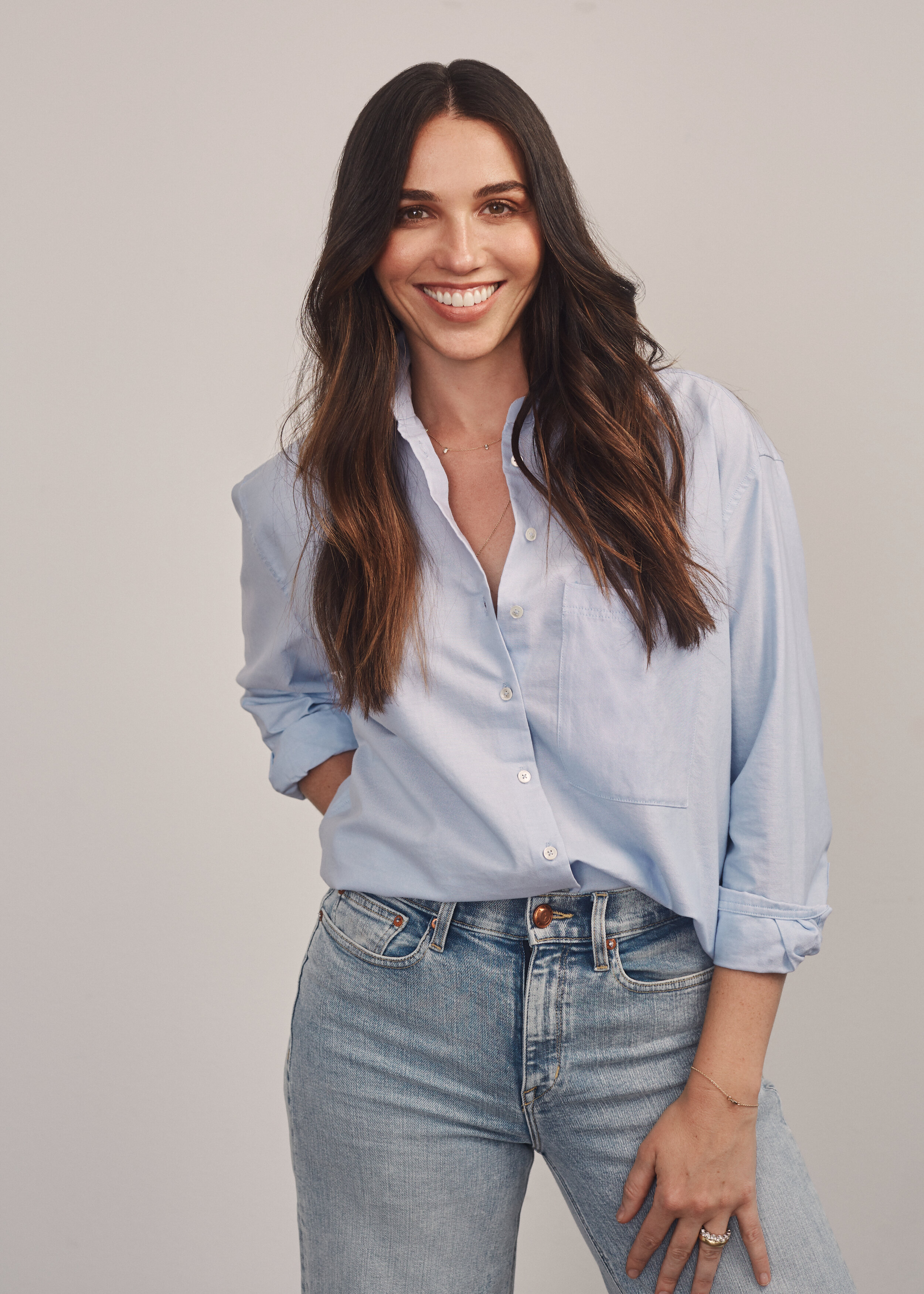
Saie founder, Laney Crowell founded her beauty brand after years in the beauty and wellness industry.
Photo: Courtesy of Saie Beauty
Everybody has a different definition of success. For Saie founder Laney Crowell, it’s not about reaching the top—she did that already and turned back around. No, for Crowell it’s about integrity and putting something out into the world that she believes in (and contributes to the betterment of others).
After realizing that her job at one of the biggest beauty companies in the world, Estee Lauder didn’t fulfill her, Crowell quit and embarked on a personal quest to figure out what was missing. It was during that time that she discovered the lack of clean beauty brands that positioned their ethics and quality with the same degree of emphasis as style—so she decided to fill the whitespace herself.
After finding support from her online blogging community, Crowell began building a beauty brand founded on the values of transparency. All of Saie’s products use ethically-sourced ingredients, are free from toxic chemicals, with packaging and branding that aligns with a luxury brand.
Ahead, Crowell with long-time friend and Saie’s Creative Director, Geri Hirsch give us a peek inside their world of clean beauty, the importance of having brainstorming sessions, creating a strong team, and playing off of your strengths.
We Relied On Our Gut Over a Business Plan
LANEY CROWELL: “I didn’t write a business plan per se. I worked really hard on my pitch deck (it took months) and then our CFO did projections and modeling.”
GERI: “I’ve always been the type of person who acts on their gut. In all of my businesses, that’s what is my guiding light. I did see Laney’s investor deck, but really what swayed me was that I’m very, very familiar with the clean beauty landscape and I knew there was an opportunity.”
Our Community Helped to Inform the Brand Name
LANEY: “The name Saie came about through the lengthy conversations I had with our branding agency in the really early days of building the brand. We kept going back to the first conversation I had with my community where they were saying what they wanted out of a clean beauty brand. We put the ie on Say to make it more feminine and french to represent the je ne saie quoi look. We wanted it to be unique and fun, and timeless, and when we created Saie we knew it was the one.”
GERI: “Besides the sound of the word, what I liked about the name is how beautiful it looks written. It looks classic but elevated.”
“Starting a business is really intense—it can be a bit isolating—so find the people that matter to you and that you trust.”
We Went in With a Clear Vision to Understand Our Saie Woman
GERI: “Laney and I talked a lot about who the Saie woman is. Laney had some thoughts about it and could speak to the emotion, but didn’t have any of the visuals. So I spent weeks really focused on defining this woman. She’s strong, smart, creative, minimalist, on the go, thoughtful and mindful. I pulled tons of imagery to tell this story. Those initial boards I created are the same ones we go back to now when we’re producing photo and video shoots. It’s also really important to have a consistent team so you can have a clear vision. I worked on pulling together the dream team for our shoots, everyone from the photographer to the stylist to the hair and makeup.”
I Hired the Experts Right From the Start
LANEY: “The most immediate things I did with my lawyer. He helped me register for the company, incorporate, etc. It’s my least favorite part of building a company, but super important. I also worked with my accountant to open our business bank account and get all those ducks in a row. I used my accountant until we graduated to working with a bigger agency—QuickBooks is a must.”
“Our product developer Sarah already knew all of the labs that she wanted us to work with. That part was pretty seamless for us and we never could have done it without her! Because of her relationships, we’re able to work with labs that are usually reserved for the luxury giants.
“Our team now consists of myself and Geri, Sarah our head of product development, Tina our CFO, Hanna who is in charge of the supply chain, operations and sustainability, Cece who is our all hands on deck assistant coordinator, and many, many agencies.”
I Did the Research to Understand Our Market
GERI: “I’ve basically been conducting research about all things wellness for years now. From Leaftv’s content, the wellness boxes we created, my blog’s clean beauty content, all of the conversations I’ve been having with my followers over DM. I see it as a form of high-level consumer research you could never pay for.”
LANEY: “I think research is really important. I came to the table with a lot through my website because I get sent so, so many products. I knew the landscape. And honestly, the clean market while fragmented is pretty small. Also, it’s important to note that I come from big beauty and so does our product developer and CFO. So we have a lot of experience in the space!”
I Self-Funded Before Raising Money
LANEY: “I actually sold some stock that I had from Estée Lauder to start the company—it was $32,000. I used that money to start our branding which needed to be done before I could fundraise (it’s a tricky chicken and the egg situation). I then used that branding to create my investor deck and raise our seed round. We haven’t paid ourselves yet—soon hopefully!”

Photo: Courtesy of Saie Beauty
Fundraising Was My Biggest Learning Curve
LANEY: “Wow, where to begin. For me, it was probably fundraising. I had never done it before so I had to teach myself what all the terms meant, what the process was and I started from square one in terms of contacts. Fundraising is definitely not for the faint of heart.”
We Launched as DTC But Retail Was Always Part of the Strategy
LANEY: “We always knew that we would be primarily direct-to-consumer, so we didn’t have a lot of retail conversations. Goop was the first retailer we spoke with and they immediately said that they wanted to carry Saie. We are online and in all of their retail locations. That was a special moment when we got that call since they were really our first (and only) choice.”
GERI: “I’m lucky in that I have a handful of very successful friends (like Lauren Gores) who I was able to talk to about retail. One of my pieces of advice for new brands is to ask around, make calls, get references. You can learn a lot from other people’s experiences and usually, people are more than willing to share.”
“Just start! Getting going is the hardest part but if you never try, you’ll never know.”
Marketing Was the Biggest Part of Our Launch Strategy
LANEY: “My background is in marketing and content so I had a lot of thoughts on what I wanted our launch to look like. Since we’re primarily direct-to-consumer our marketing is a huge, if not the biggest, part of our strategy. Our PR agency is also amazing and did a great job of getting the initial press, which is really difficult for new brands.”
GERI: “I’ve been blogging and creating content since 2005—really that is marketing. It’s all about telling a story through visuals, which I have a lot of experience in. And on top of that, I know a lot of people in the industry so we were able to send it to hundreds of influential people to help create buzz.”
Starting a Business Is Intense So My Support Network Was Crucial
LANEY: “Find the people that matter to you and that you trust. Starting a business is really intense, and it can be a bit isolating. You don’t have time to update friends and family on things because they change and move so fast, but you still need the support. I have a core group on speed dial who knew the in’s and out’s as I was raising money, and going towards launch. Their support was critical.”
I Realized Early On That Comfort Equals Productivity
LANEY: “Get a comfortable place to work. It feels like an annoying thing to spend money on, but if you’re comfortable and have space you are so much more effective and productive.”
Don’t Hesitate, Just Start
GERI: “I’ve started a handful of business now and my advice is simple: start. Getting going is the hardest part but if you never try, you’ll never know.”
To discover more about this new clean beauty brand, visit saiehello.com.
MORE FROM THE BLOG

5 Solutions to Common Solopreneur Struggles
Make ridin’ solo look easy.

Photo: Godisable Jacob from Pexels
If you’re self-employed, you know how rewarding it can be to work for yourself: You get to do the work you love, take on clients you enjoy working with, and set your own schedule. But, of course, there are also challenges to solopreneurship. We reached out to our Create & Cultivate Facebook community to find out some of our members’ biggest difficulties in working for themselves. Read on to discover a few solutions to the challenges of running a one-woman show.
1. I MISS HAVING COWORKERS
Striking out on your own can be a scary process, especially without the support of HR, accounting, and marketing departments to back you up. “The weight of every decision seems 10x because I don’t have anyone to talk through the pros and cons with,” says Farah D., who owns a vegan bakery. “Trying to be good at everything all at once is a big struggle.”
Thanks to the internet, it’s easier than ever to be a solopreneur who works alone but doesn’t have to feel alone. Facebook groups and online communities (like our Create & Cultivate group!) offer a free place to bounce ideas around, ask for advice, and even build personal and professional relationships with other talented entrepreneurs. You can also consider working a day or two a week from a coworking space (many allow drop-ins and offer off-hours memberships at discounted rates).
But it’s not just a matter of existing in these spaces—you have to be an active member who’s open to meeting new people and starting conversations, even when it’s uncomfortable. By putting yourself out there both IRL and on social, you’ll likely meet like-minded freelancers and solopreneurs who can be a valuable asset to your business.
2. I DON’T KNOW HOW TO PLAN FOR TAXES
Jucel M., a designer and illustrator, says her biggest self-employment struggle is budgeting for freelancer taxes. “I can invoice and keep track of my transactions, but [I need help] on how to translate that into filing my taxes.”
No doubt, taxes are a surprisingly large part of freelance life—especially those pesky quarterly payments. But there are simple online programs like TurboTax that can help. They help you file with confidence with one-on-one expert help and they also do a wide search for industry-specific deductions that others might miss. They also offer several online tools to help manage your taxes throughout the year such as their tax bracket calculator, self-employed expense estimator, and handy documents checklist so you are prepared come tax time.
3. I CAN’T STOP WORKING
Entrepreneurs are known to hustle. But how do you know when it’s time to call it a night? “My biggest struggle is turning myself off from ‘work mode,’” says Sierra M., a digital strategist. “If I’m just hanging out, I figure I can work on some aspect of my business—why not? So I don’t really let myself relax.”
Sound familiar? It can be hard to turn your “work brain” off and chill out when you’re the only one keeping your business running. But in the name of wellness, it’s important to truly shut down every once in a while. We’re not saying you have to enact a rigid 9-to-5 schedule (although that works for some people!), but you can start with “I’m not going to open my laptop on Saturdays” and go from there. Remember that because you are your own boss, nobody is looking out for your health but yourself—take care of your body and mind! And if that doesn’t convince you, know that studies show work-life balance increases productivity and creativity, so you’re really doing yourself a favor by powering down for a bit.
4. I’M NOT SURE IF IT’S TIME TO OUTSOURCE WORK
Deciding when to bring on help can be one of the most stressful parts of running a business. “Growing beyond being a solopreneur is a big topic of conversation within my community,” says Kristen P., brand stylist & creative director. “When is the right time? What is the right first hire? Etc.”
Hire too early, and you’re likely wasting money on a salary for someone you don’t need. But hire too late, and you face a mountain of work you can’t accomplish to your own standards. So when is the golden window of time for hiring? Experts say you should only hire someone when you’re regularly turning down work, you’ve found a new revenue stream (and an addition to your team would make you money), or you don’t have time to focus on important business aspects like customer service or accounting.
If you’re not ready for full-time employees, try hiring a contractor for a single project and see how it goes. You’ll learn how to manage and delegate, your project will move forward, and you’ll get a glimpse into what it’ll be like to make your first hire.
5. I DON’T KNOW HOW TO SHOW MY VALUE
You’ve built a business from the ground up. You’ve tackled finances. Your clients are happy. But how do you create an effective marketing strategy to keep revenue coming in? “My primary struggle is coming up with the best ways to show potential clients the value of what I provide,” says Brandi H., creative director.
To create a marketing plan, write down what you specialize in and who your dream clients might be. This will help hone your marketing strategy to bring in the type of business you’re vying for. Next, get started on the actual content—perhaps this is a blog, an elevator pitch, or a killer portfolio site. Your content will depend on your line of work.
Lastly, find the right space to share your work far and wide. This may be through writing for a publication, sharing your portfolio on career sites or in Facebook groups, being a guest on a podcast, speaking at an event, sending cold emails, or investing in a booth at a conference. Do your due diligence to find out which would be most profitable for your business and go forth confidently like the savvy solopreneur you are.
This post was originally published on January, 8, 2019, and has since been updated.
MORE ON THE BLOG
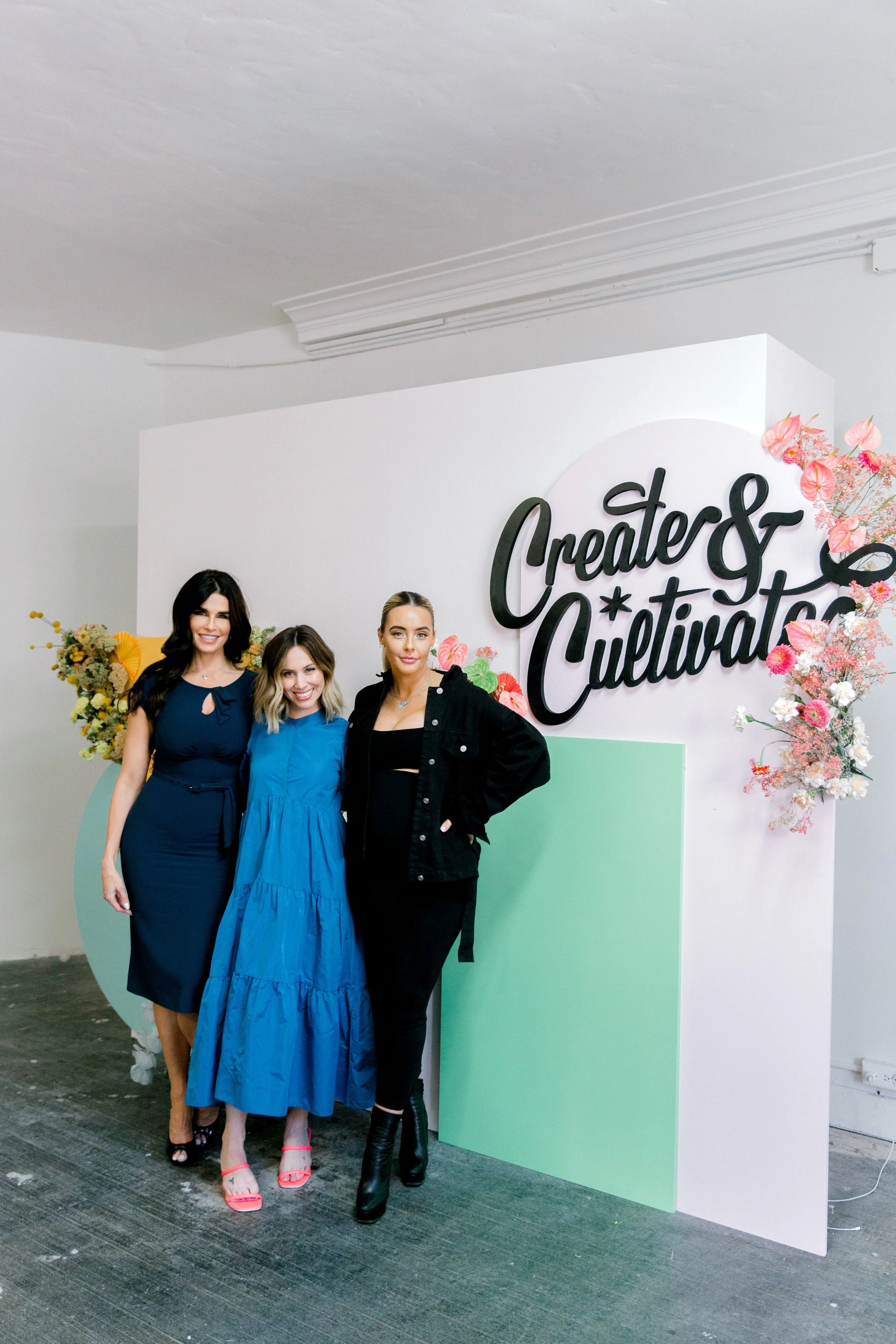
The Truth Serum: 3 Experts on How to Source Trustworthy Skincare Advice in a Click-Bait World
An entrepreneur, influencer, and celebrity dermatologist explain in this week’s episode of WorkParty podcast.
This post is in partnership with RoC Skincare.

Dr. Anna Guanche (left) and Lauryn Evarts Bosstick (right) sat down with C&C founder Jaclyn Johnson at our San Francisco Conference to discuss sourcing trustworthy skincare advice online. Photo: Courtesy of Create & Cultivate
How many of you have tried to Google answers around skincare and anti-aging without success? It can be incredibly confusing and overwhelming to find out what works and what doesn’t. Believe it or not, 3.6 million searches were carried out for phrases related to “anti-aging” over the past 12 months. There is just so much information out there!
Well, RoC Skincare—a brand that was born in Paris in the 1950s and is still here today with game-changing retinol formulas that are clinically proven to treat aging skin and help minimize the appearance of concerns like fine lines, wrinkles and dark circles—wants to help you sort through that clutter. At our San Francisco conference, we sat down with some educated women to find out what people are really looking for, what they’re actually finding, and why they keep searching.
Our founder, Jaclyn Johnson, chatted with Dr. Anna Guanche, affectionately known as “Dr. Beauty,” and Lauryn Evarts-Bosstick, creator of The Skinny Confidential podcast and franchise, about how to source trustworthy skincare advice. The conversation was just as informative as it was hilarious, so be sure to listen in on the podcast below. Then keep reading for some of the most memorable quotes from the interview.
Rapid-fire questions:
My favorite anti-aging hack is…
Lauryn: “A facial massage—it tightens the skin.”
Dr. Guanche: “Using retinol every single night.”
The weirdest home remedy for skin I’ve tried is…
Lauryn: “Ordering olive oil from room service to remove makeup.”
Dr. Guanche: “A bird poop facial. The geishas used to use this. It has enzymes in it to exfoliate your skin.”
Lauryn Evarts Bosstick:

“I think people do have a lot of these questions that they’re embarrassed to ask, so they ask Google… I’m trying to create a space where we can talk about taboo topics.”
—Lauryn Evarts-Bosstick, Founder, The Skinny Confidential
On the craziest topics discussed on her podcast:
“I put myself in the audience’s position. I want to know the nitty-gritty. I want to hear from different walks of life.”
“I think people do have a lot of these questions that they are embarrassed to ask, so they ask Google. I’ve always been an over-sharer, so I feel really comfortable to talk about these taboo subjects. I’m trying to create a space where we can talk about them.“
“I feel like we’ve talked about everything… I feel like there isn’t anything we haven't talked about (on The Skinny Confidential).”
On peer-to-peer beauty recommendations:
“I’m really, really specific and strategic with who I choose to work with. I’ve left a lot on the table because it wasn’t the right fit.”
“I try to use the product for at least a month, sometimes I give it to my husband because he’s really into being dewy right now—he thinks it’s his thing—but I basically manipulated him into it.”
“It needs to be something that keeps showing up in my life… I’m really careful about what I promote. I also like to have a product that I keep going back to and something I know the audience will actually use. “
On finding the right products:
“I sit and watch the French girls. I like to observe and see what they’re doing differently. I feel like Americans have a ‘more is more’ approach. I try to watch and observe and see what other people are doing and then implement it into my routine and then see if it works.”
“I’m really inspired by other countries. I like to observe and see what they’re doing differently—it's a lot of oil, retinol, and facial massage.”
On the rise of skincare:
“People are starting to understand that prevention is key. We’re in a day and age in 2019 where a lot of women don’t want to look like someone else. Everyone wants to be the best version of themselves and self-care is that, investing in the best version of yourself.”
On general skincare advice:
“I am batshit crazy about the sun. I have driving gloves in my car, sunscreen on my hands, chest, and ankles. I am wild with the sun. When I get out of my car to walk to 7/11 I have a giant hat on.”
Dr. Anna Guanche:

“Manage stress, meditate, wear your sunscreen.”
Dr. Anna Guanche, Celebrity Dermatologist
On skin aging:
“You reduce your elastic production over time, your collagen is decreased in your dermis and you start to see your skin no longer compensates the damage done to it over time. Your skin can no longer compensate for the skin damage that has happened to you since you were born.”
On common anti-aging questions:
“Does anything really work?”
“Why is this happening to me?”
“What active ingredients do reverse aging?”
On the benefits of retinol:
“Retinol is a vitamin A derivative and is naturally found. It helps remove old, dull skin cells and reduces pigmentation and the appearance of fine lines/wrinkles. Because of the retinoid reaction, your skin will adjust so start every other night and slowly build up if needed.”
On dark circles:
“I love the RoC Retinol Correxion Eye Cream. It has clinically proven results and helps with dark circles. You can see improvements in 4 weeks and at 12 weeks, fines lines are visibly reduced by 50%—equates to eyes looking 10 years younger.”
On anti-aging:
“You can drink plenty of water, don’t stress out, get lots of sleep, sleep on your back, low-salt diet, wash every single drop of makeup off every night—good skin takes discipline.”
“There is no shame in being beautiful and wanting to be beautiful—putting your best foot forward. Self-care and self-love at a younger age is a great thing to do—actively doing something to overcome those insecurities.”
On general skincare advice:
“Manage stress, meditate, wear your sunscreen.”
“Wash your face completely at night.”
“I try to sleep at the same time every night and wake up at the same time every morning. You need to have a routine and you need to have discipline.”
“A lot of time we take great care of our face but we forget to take care of our neck and hands and chest.”

C&C Founder and CEO, Jaclyn Johnson in conversation with celebrity dermatologist, Dr. Anna Guanche and Lauryn Evarts-Bosstick of The Skinny Confidential for the RoC Skincare panel at the San Francisco Conference.
For more information on RoC SKincare visit, rocskincare.com.
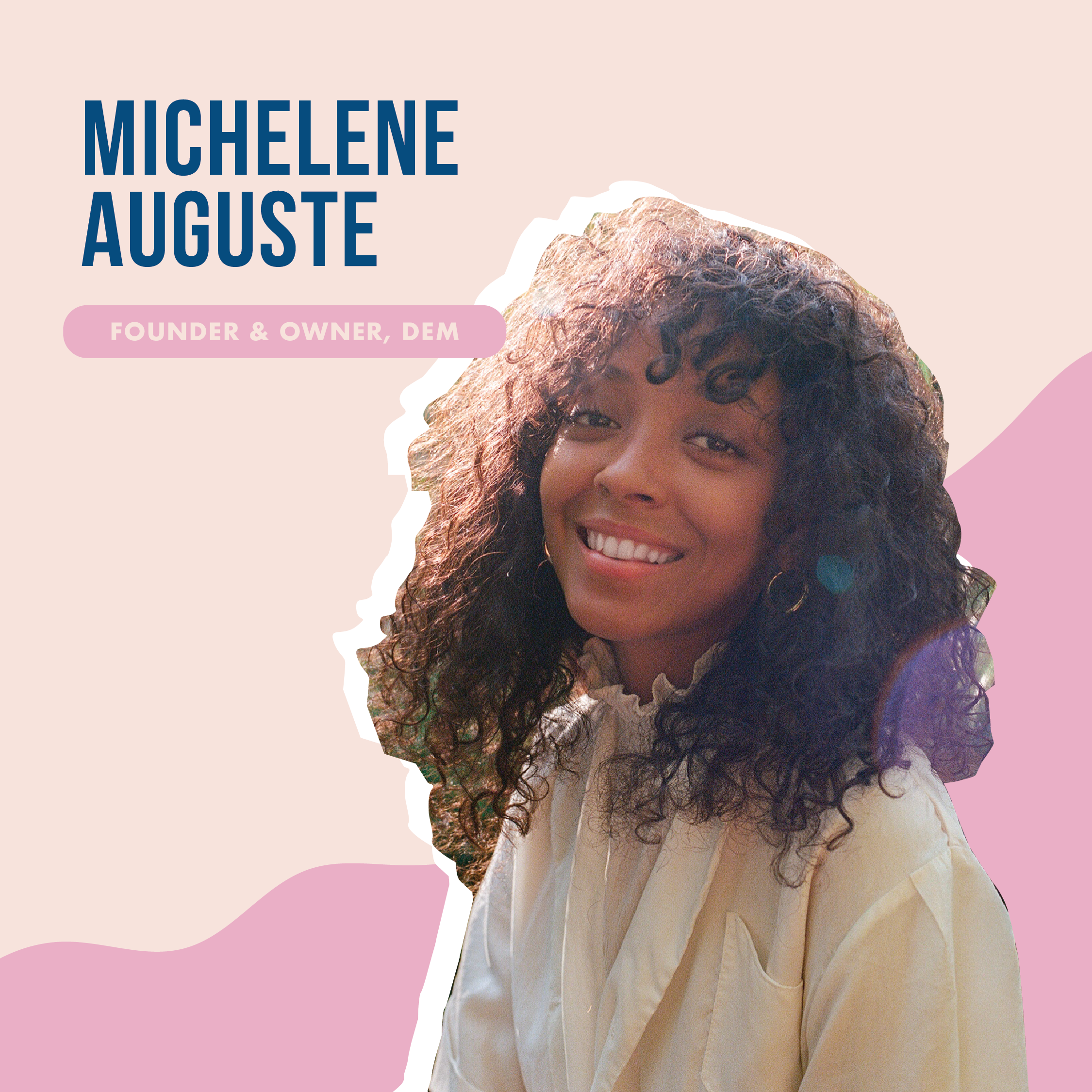
Shop This Way—How 3 Entrepreneurs Are Leveraging Their Websites for Profit
Let’s get down to business.
All successful businesses start somewhere and it takes just scratching the surface of a new idea to get the ball rolling. But with that ah-ha! moment comes a lot of hard work, late nights, and coffee to make your new business venture happen. Oh, and a digital platform to make your new idea look beautiful and profitable, too. Think you’ve got what it takes? Well, we partnered with Squarespace for a three-part series called From Scratch to Success: How to Turn Your Side Hustle Into a Thriving Business to find out what really goes into launching a company from the ground up. To do that, we interviewed three female founders—Michelene Auguste Founder and Owner, Dem; Karen Rose, Owner and Herbalist, Sacred Vibes Apothecary; and Gina Correll Aglietti, Yola Jimenez, and Lykke Li, Co-Founders, Yola Mezcal—to share their story from that lightbulb moment to selling their products online, and everything in between. And don’t forget to keep scrolling to the end to read about our exclusive Squarespace offer for Create & Cultivators.

So, you have this incredible idea to turn your passion into a profitable business—now what? Where are you supposed to begin and who is going to help you reach your end goal? Well, in the beginning, when you don’t have any capital, all you really have is your idea, so the only person you can rely on is you. But the good news is there are a plethora of online tools that can help you get started. Does your new business idea include a product line? If you answered yes, then say hello to the world of e-commerce! To put yourself on the map (and find customers) you’ll need a website that will showcase your unique products in a way people just can’t resist. The rest will come from you, your vision, and your drive for success—but let’s not get ahead of ourselves.
In the first chapter of our three-part series, From Scratch to Success, we introduced you to some incredible women who are crushing their business goals online with the well-known platform, Squarespace. We asked them about their new business venture, how they got started, and why they chose Squarespace to launch online. In part two of this series, we’re diving a little deeper into the commerce side of their business and how these three unique businesses—Dem, Sacred Vibes Apothecary, and Yola Mezcal—use Squarespace to turn their passion into profit. You’ll want to take notes for this one!

Create & Cultivate: Squarespace makes it easy to start a website from scratch. Can you walk us through the process you took when creating yours?
Gina Correll Aglietti: “Anticipating YOLA’s launch, we felt a video was the best way to communicate our brand story to depict our farm and team in Oaxaca. Squarespace gave us the platform to share this story with a new audience and made it easy for us to help curate first impressions of our brand. We've been using Squarespace for over three years now. I especially love the marketing tools we can use to create newsletters, collect emails, and keep our audience engaged.”
C&C: Squarespace has great features for brands that want to introduce e-commerce. What commerce features do you rely on the most and advise others to use too?
GA: “We will soon be launching our merch store through Squarespace. We had initially looked at embedding a third party e-commerce platform on our website, but then realized how simple it was to add e-commerce tabs into our Squarespace without straying from the brand’s aesthetic. We have also had the opportunity to embed a link to sell YOLA direct to consumers, which is often very difficult to do because of strict alcohol compliance laws.”
C&C: There are so many websites online—how do you make your website unique?
GA: “Squarespace allows us to maintain a simple and minimal design that aligns with our brand's aesthetic. We have been able to incorporate our own fonts and imagery to customize the experience.”


Create & Cultivate: Squarespace makes it easy to start a website from scratch. Can you walk us through the process you took when creating yours?
Michelene Auguste: “When I started building my site, it was very easy to navigate. I started with an e-commerce page, a homepage, and basic information—I’ve been adding to that ever since. I love that I can easily move things around and change the site. I also love that I can rearrange the products on the e-commerce page so it looks the way I want it to.”
C&C: Squarespace has great features for brands that want to introduce e-commerce. What commerce features do you rely on the most and advise others to use too?
MA: “I have the Squarespace app which helps me edit on the go when I have to. I’ve found that the app is very helpful.”
C&C: There are so many websites online—how do you make your website unique?
MA: “The Dem site is a curated experience of the clothing and objects I’ve discovered throughout my life. It’s a bit personal and I think that’s what makes it unique. I love taking photographs and updating the site often with new material.”
C&C: Do you have any shortcuts you can share with other users for making their website?
MA: “My advice would be if you can’t figure out something or you’re stuck, don’t stress—all the information and help is there for you on the site which has helped me out a lot.”
C&C: What are some more advanced tools that you use for building out your website?
MA: “My favorite thing about Squarespace is that I don’t need to know any coding tactics or use any advanced tools. Everything is already there for you to create and run a beautiful, successful site.”


Create & Cultivate: Squarespace makes it easy to start a website from scratch. Can you walk us through the process you took when creating yours?
Karen Rose: “I started with Squarespace about five years ago. I saw how beautiful other Squarespace sites were and wanted mine to be just like that.”
“I have come so far. I have an online shop now and in many ways I have grown that on Squarespace. We are currently working on creating an online membership/educational portal utilizing Squarespace’s collaboration, Memberspace to offer global access to our work.”
C&C: Squarespace has great features for brands that want to introduce e-commerce. What commerce features do you rely on the most and advise others to use too?
KR: “I rely on our online shop greatly. It is super easy to track inventory and monthly sales.”
C&C: There are so many websites online—how do you make your website unique?
KR: “We make our website unique by using it to tell the story of our brand. When folks are on our site, we want them to get the whole picture of who we are: not just an online shop but a community.”
C&C: Do you have any shortcuts you can share with other users for making their website?
KR: “I decided to hire a designer familiar with Squarespace for the initial site design. This allowed us to use our time and resources in a way we felt our business could benefit from most. We still work together closely. He was able to show us a lot of what he has done. But now, most of the everyday maintenance we do is on our own.”

Head to squarespace.com and use the offer code CREATE2019 to save 10% off your first purchase. And or more information around Squarespace’s commerce feature and to understand how you can start selling online today, visit Squarespace Support here.
And don’t forget to tune in next week for part three of our From Scratch to Success series for everything you need to know about SEO and ensure your website ranks in Google.

There Was No Plan—This Founder Started a Side Hustle to "Make a Few Extra Bucks" and Now It's a Thriving Business
From scratch to success.
This post is in paid partnership with Bootaybag.
We know how daunting it can be to start a new business, especially if you’re disrupting an industry or creating an entirely new one. When there is no path to follow, the biggest question is, where do I start? There is so much to do but before you get ahead of yourself, let’s start at the beginning. To kickstart the process (and ease some of those first-time founder nerves) we’re asking successful entrepreneurs to share their story in our new series, From Scratch. But this isn’t your typical day in the life. We’re getting down to the nitty gritty from writing a business plan (or not) to sourcing manufacturers and how much they pay themselves, we’re not holding back. If you want to know how to start a business, you’ve come to the right place.

“Failure is part of the journey and the reward doesn’t come without a lot of dark, scary moments. We’ve all been there, and we’re in this together.”
—Ellyette Gheno, CEO and Founder, BootayBag
When you’re looking to start your own business, most of us have a five to 10 year timeline in mind before we start making money. Of course, the end goal could be to build an empire but no-one expects for that to happen quickly. But it seems like Ellyette Gheno’s company, BootayBag was an overnight success.
Having grown up with entrepreneurial parents, Gheno was practically born with founder genes in her DNA. So it comes as no surprise that within a day of thinking up BootayBag—a monthly underwear subscription that delivers right to your door—Gheno created a website and launched a side hustle. What started as a way to “earn a few extra bucks” has successfully disrupted the $52 million underwear market (which is expected to grow annually by 3.5%) in just five years and her little aha! moment is changing the game.
So, we tapped the CEO and founder to learn more about her incredible journey from lightbulb moment to starting an undie revolution.
Be sure to keep reading until the end for our exclusive discount code that gives Create & Cultivators 20% off their first month when signing to any monthly subscription.
Did you write a business plan? If yes, was it helpful? If no, what else did you use instead?
“I definitely could have used a business plan. I started BootayBag as a total side hustle to make a few extra bucks, there was no plan. However, if I could go back in time I would have started with a clear vision of what I wanted to create, and what the end goal was. At the very least I would have liked to set intentions, even if it wasn’t a business plan. This would have helped me to later understand my ‘why’.”
How did you come up with the name? What was the process like? How did you know it was the right name?
“So this is my story and I’m sticking to it—guaranteed a laugh. I grew up in the Bay Area obviously listening to rap music. I had seen and heard ‘booty’ spelled as ‘bootay’ and that is the creative genius behind the spelling of BootayBag. After the name was born I had a domain within 24 hours. Looking back I maybe should have run it by someone beforehand."
What were the immediate things you had to take care of to set up the business?
“First came the website and then social channels shortly after. All of the legal stuff came later due to the limited funding I had for the business at the time.”
“A big moment for me was learning to never let myself get too comfortable. I now enjoy being uncomfortable because I know this is how I grow and where positive change comes.”
What research did you do for the brand beforehand?
“My research came at the extent of my self desires. I was solving my own issue of hating digging through sale bins and not wanting to shop for underwear (because what young woman does)? I had undies in my drawer that I am embarrassed to say were beyond their intended life span. I knew that if this was the case for me it had to also be the case for most of my girlfriends. Lucky for me, it ended up being the case for most young girls outside of my inner circle, and that helped me discover my ‘why’ behind the brand.”
How did you find the manufacturer/production facility that you use? Did you have any bad experiences? What did you learn?
“This is a hard one. I have learned what I know now about manufacturing because, unfortunately, of many bad experiences. I would advise to always ask questions, seek insight and advice from others, and basically trust no one. Ha, ha! Be sure to check references, run small tests and batches, and never give them all your money upfront.”
Did you self-fund the company? Did you raise seed money or initial investment money?
“BootayBag has been totally self-funded. Looking back, I am actually so thankful for this as I was able to make mistakes with my own money versus someone else. I had the advantage that I didn’t need funding to bring my vision to life in the beginning stages. However, it is definitely more of a step-by-step, slow-moving process when you’re bootstrapped.”

Photo: Courtesy of BootayBag
How much did you pay yourself? How did you know what to pay yourself?
"In the beginning when it was just a side hustle the whole point was to pay myself. But when I decided that this wasn’t going to just be a revenue stream for myself but that I wanted to make hires and build a brand, I came last on the payroll scale. It still always goes back to what I am trying to do—if I need to make a hire and I can’t afford to do it, I take a pay cut.”
How big is your team now? What has the hiring process been like for you?
“Hiring is hard because your team is seriously so important. I love the saying, ‘You can’t have an A team with B players.’ I’ve failed a lot in this department, especially in the beginning. I just felt lucky to have anyone work for me at the time which I later learned was the totally wrong approach. The best way to learn how to hire is to be prepared as if you’re the one being interviewed. Know who you are interviewing, ask all the hard questions, call the references, and give a training period for you to work alongside them.”
“It always goes back to what I am trying to do—if I need to make a hire and I can’t afford to do it, I take a pay cut.”
Did you hire an accountant? Who helped you with the financial decisions and set up? What do you recommend?
“No, I didn’t at first however, I quickly learned it is so critical to do so—that was a big ‘omg’ moment. Please, for the love of God, get an accountant. At the very least get someone who you pay as a consultant to help you set it all up. Cash is key, and how you set up terms, cash flow modeling, payroll, budgets, and tax compliance is so important. You have to have a professional in the field to guide you through it. We can’t be good at all the things—get help.”
What has been the biggest learning curve during the process of establishing a business?
“A big moment for me was learning to never let myself get too comfortable. I now enjoy being uncomfortable because I know this is how I grow and where positive change comes. Every moment that I think I have everything figured out, I don’t! Lol. Reality settles in and all of a sudden everything I thought I knew is wrong and it’s a whole new perspective. I almost fear the comfort level because I know something is around the corner. I can now thrive being uncomfortable because I know this how I grow and how good change comes.”
“No one should know your numbers better than you.”
How did you get retailers to start stocking your product? Were you told no? How did you handle that rejection? What advice can you share?
“We are our own online retailer as of now, however, rejection comes more likely than not in other directions. Every time we drop a new style that not everyone likes and it feels like rejection. I know we can’t cater to everyone, but you still try to and think you just might one of these times. The only advice I have is that they aren’t rejecting you, it’s not personal and it happens to everyone.”
Do you have a business coach or mentor? How has this person helped? Would you recommend one?
“Mentors are key. My favorite (and most shocking) discovery with entrepreneurs is they will most likely help you if you ask for it. The key here is to be very direct with what you want from them and be respectful of their time. Utilize your network and continue to grow it with every opportunity you get.”

Photo: Courtesy of BootayBag
How did you promote your company? How did you get people to know who you are and create buzz?
“I knew what felt like absolutely nothing, about anything. In the beginning, I started with a concept that I knew I needed and felt like other girls might need too. I tested locally first with pop-ups and events, and put it out there on social media to see if the concept stuck before I put any money behind it. Being very open to everyone’s opinions, ideas, and feedback is what helped me grow the idea into a brand.”
What is one thing you didn’t do in the setup process, that ended up being crucial to the business and would advise others to do asap?
“I wrote myself off in the finance section right away—I don’t do excel, I am not good with numbers. Well, tough luck to me. No one should know your numbers better than you. So with that I learned how to manage and own that even though I didn’t want too."
“We can’t be good at all the things—get help.”
For those who haven’t started a business (or are about to) what advice do you have?
Do it! But do it the safe and smart way... where you can test the waters without putting your whole life savings into it from the get-go. If this all went away tomorrow, I’ve grown so much and learned more about myself, managing people, and business than any other course of life could have taught me.
Anything else to add?
I would love to touch on how important it is to support one another in our individual journey’s, both professional and personal! This is why I love love love and am continuously inspired by Create + Cultivate so much. It can feel so lonely and scary, but you are not alone in it - someone has already paved the way for you. Ask for help, learn from other peoples failures who did it before you. Failure is part of the journey and the reward doesn’t come without a lot of dark, scary moments. We’ve all been there, and we’re in this together.

Photo: Courtesy of BootayBag
EXCLUSIVE DISCOUNT CODE FOR CREATE & CULTIVATOR’S
If you’re interested in getting 20% off your first month, then use our exclusive discount code CC20 when you sign up to any monthly subscription at their website, bootaybag.com

Passion Turned Profit—Entrepreneurs Share Their Small Business Success Stories
From women who did it.
All successful businesses start somewhere and it takes just scratching the surface of a new idea to get the ball rolling. But with that ah-ha! moment comes a lot of hard work, late nights, and coffee to make your new business venture happen. Oh, and a digital platform to make your new idea look beautiful and profitable, too. Think you’ve got what it takes? Well, we partnered with Squarespace for a three-part series called From Scratch to Success: How to Turn Your Side Hustle Into a Thriving Business to find out what really goes into launching a company from the ground up. To do that, we interviewed three female founders—Michelene Auguste Founder and Owner, Dem; Karen Rose, Owner and Herbalist, Sacred Vibes Apothecary; and Gina Correll Aglietti, Yola Jimenez, and Lykke Li, Co-Founders, Yola Mezcal—to share their story from that lightbulb moment to selling their products online, and everything in between. And don’t forget to keep scrolling to the end to read about our exclusive Squarespace offer for Create & Cultivators.

At Create & Cultivate, we love to support small businesses that not only started from scratch, but from passion. We love seeing people who totally crush at their side hustle and turn it into their main hustle—who doesn’t love a passion to profit story? With the rise of digital and DTC brands, we’re seeing more small businesses thrive than ever before and with the increased demand comes a new arsenal of tools at their disposal to help bring it to life. These new online platforms are easy to use, affordable, and quick to set up. With Squarespace, for example, new founders can design a website, upload their products, and be selling within hours. We know because we, too, use the savvy, intuitive platform for Create & Cultivate and have seen the benefits firsthand.
So, we partnered with our friends at Squarespace to bring you a series that dives deeper into how to set up a business online, how to make sure people find it in a sea of competition (SEO 101 coming right up), and how to scale it through the stories of women who’ve done it themselves.
Meet Michelene Auguste, the Founder and Owner of Dem, Karen Rose, the Owner and Herbalist behind Sacred Vibes Apothecary, and Gina Correll Aglietti, Yola Jimenez, and Lykke Li, the Co-Founders of Yola Mezcal. These ladies are sharing their stories with us on how they started their businesses, the passion that ignited it, and how Squarespace weaves into their success stories. Follow along for some killer advice and don’t forget to catch the other two chapters in this series coming soon—you won’t want to miss it.

Create & Cultivate: Let’s begin with you telling us about your business and its mission.
Michelene Auguste: “Dem is a Vintage Caribbean Contemporary design store. It’s a platform to showcase Caribbean talent, creatives, a form of storytelling, and a piece of my personal and cultural heritage.”
C&C: At what point in building your brand did you start your website?
MA: “I built my site from the very beginning. Squarespace has been a very instrumental tool in helping me grow and manage my business online. I had no idea how to build a site, especially an e-commerce one. Squarespace has made it all much more intuitive and approachable. I was able to upload products, choose the layouts I liked and make a very beautiful site so easily.”
C&C: What are some of the biggest lessons you’ve learned along the way?
MA: “This might sound cliche, but I think the biggest lesson I’ve learned is to never give up. If you want something, go after it. I think it’s important to write things down. I’ve done that ever since I was a little girl in Trinidad. Everything I want to accomplish and improve I put on paper. It has helped me get all my ideas out and focus my thoughts. Putting your ideas on paper is like planting a seed: it’s only the beginning. By putting those thoughts on paper, things materialize and energy forms.”

C&C: Let’s begin with you telling us about your business and its mission.
Karen Rose: The idea of Sacred Vibes has been constant. I grew up in a community that depended on its healers and held them in reverence. I knew I wanted to create a place where we could heal together. Herbalism was the commonality among us that would create a vital community. Sacred Vibes came out of the need for an herbal apothecary in Brooklyn.”
C&C: At what point in building your brand did you start your website?
KR: “I think from the moment I thought of my work, I knew I needed a website for people to find me. I describe my website as a place where people can feel what/who Sacred is and not just a place to shop. Squarespace has helped with that a ton! I love their templates and how easy it is for me to edit things. Though I work with a designer, I can do many tasks on my own with little effort.”
C&C: Can you identify some challenges you faced when starting your business?
KR: “Being a solo entrepreneur is rewarding and hard. Sometimes you struggle to work through your ideas and visions alone. Sometimes you have to go from concept to execution all by yourself.”
C&C: What are some of the biggest lessons you’ve learned along the way?
KR: “The biggest lesson is to make time for the other aspects in your life. I’m a mom and I’ve had to learn that balancing my work with the rest of my life is key to my personal happiness. The best advice I received was ‘avoid thinking that you are your business’ and I want to pass that on. There is Karen and there is Sacred Vibes and when both are functioning well they have more of an opportunity to be successful.”

C&C: Let’s begin with you telling us about your business and its mission.
Gina Correll Aglietti: “The three of us met at different times in Mexico City over the last decade, and started a wonderfully deep friendship filled with many long dinner parties and deep talks. Yola would come to visit in L.A. bringing different mezcals and we would host our friends, telling them the story of the spirit. She inherited our farm from her grandfather and it's important to us that we use his traditional method of making mezcal. We want to preserve the artisanal nature of the product as we grow.
“At the time that this brand was incepted, we were disappointed that the liquor industry was so male-centric. Men were the target of marketing and they were in charge of operations at so many liquor brands and distribution companies, so we felt strongly about creating a company that supported women across borders. We want to empower the women in Oaxaca that work on our farm, and make sure to provide direct payment and allow them to create their own hours. We don't have a conventional approach to anything that we do which we feel makes our brand unique and helps us stay true to our mission of exposing a heritage product to a new audience.”
C&C: How did you conceptualize and develop your brand?
GA: “We noticed that there was a lack of quality mezcal, and no strong brand identity that catered to our idea of a modern woman. We wanted to create a brand that reflected our vision of what a liquor company owned and operated by women would look like. We align with a lot of social impact organizations, like the ACLU and Planned Parenthood, and feel strongly that our platform should be used to empower other women.”
C&C: At what point in building your brand did you start your website?
GA: “We started using Squarespace when we started selling our product. We would recommend it to other founders because it’s intuitive and user-friendly.”
C&C: Can you identify some challenges you faced when starting your business?
GA: “At the beginning, we were limited in our funding and did everything ourselves. This ended up being a blessing and helped us grow organically. It also allowed us to make a lot of our own choices, which really strengthened our brand identity.”
C&C: What are some of the biggest lessons you’ve learned along the way?
GA: “The biggest lesson is to really believe in what you are creating. The community will build as the brand continues to grow, if the mission is clear and the founders are all in agreement.”
Head to squarespace.com and use the offer code CREATE2019 to save 10% off your first purchase. And or more information around Squarespace’s commerce feature and to understand how you can start selling online today, visit squarespace.com/ecommerce-website.
And don’t forget to tune in next week for chapter two of our From Scratch to Success series for a deeper dive into building your website online.
"I Never Use the Words Win or Failure Anymore"—and Other Boss Lady Quotes From Our First-Ever Small Business Summit
Get out your notepads.

Big city, bright lights! We made the trek from one coast to the other this fall for our first-ever Small Business Summit in partnership with Mastercard. NYC greeted us with incomparable energy and we were so excited to hit the ground running with endless opportunities for networking, knowledge dropping, and so much more.
At C&C, we make a point of supporting small businesses and their founders—as does Mastercard. So, it only made sense that we would join forces with the best-in-the-game to create a new summit for our community. We set the stage for attendees by offering some incredible awe-inspiring panels, workshops, and photo moments—but don’t jump the gun just yet if you’re feeling that wave of FOMO.
Not only did we talk hustle, but we got to see it IRL. We were excited to partner with Mastercard and spotlight a few boss-ladies who set up shop in the Mastercard Small Business Marketplace for attendees to shop, talk and network with—talk about shopping with purpose!
But we will say, if there was one thing to have total FOMO over, it was the Bumble Bizz Headshot Studio. We were honored to carve out a special place for attendees to have professional headshots were taken (not to mention it was a killer Instagrammable moment, too). Be sure to download the app for a chance to try the best networking tool at your fingertips.
Follow along for some snapshots and key learnings that will make you feel like you were there in the Big Apple with us. Don’t forget—if you’re an Insider—you too can access the live recordings of these business-savvy panels from the comfort of your own home (or smartphone).
Take a look below for the best of our Saturday in the city.


Keynote: Sophia Bush and Stacy London
Panelists:
Sophia Bush | Actress, Activist, and Host of Work in Progress podcast
Stacy London | Style Expert and New York Times Best-Selling Author
Stacey London
On pivotal points and realizations...
“All the things that I thought were failures were what propelled me to the next thing.”
“I never use the words win or failure anymore—they are just ‘value judgements’.”
“Expectation is the enemy of forward movement—it is the enemy of progress. “
“Age is no longer an indicator of giving good advice—experience is no longer how we measure advice.”
“Being clear on what your goals are, saying ‘no’ when something doesn’t serve you or your company is essential.”
On getting through hardship and disappointments in your career...
“I'm going to look at whatever that roadblock was, I'm going to figure out how to get around it or I’m going to build a different road.”
“For people in your generation, the more options you have— being a multi-hyphenate—it’s looked at as such a positive thing. In my generation, not only did you have to stay in your lane, you don’t check any boxes.”
”We’ve all been met with dead ends. You never think you are going to meet the problems you’re going to be met with. You have to believe that everything happens for a reason. You have to become a problem solver in your own life.”
On saying ‘no’...
“Once I named what it is that really motivates me, it made it easy to say ‘no’ when it didn't fall under that umbrella.”
Sophia:
On words of wisdom...
“If the world isn't ready for your good idea, that doesn’t mean it wasn’t a good idea.”
“Don’t compare your insides to someone else’s outsides.”
“Humans need eight hugs a day to survive in their bodies—twelve hugs a day for optimal performance.”
On connection:
“You must connect with your people in real-time, in real life. Whether it’s your company, your clan, it’s not enough to just connect through social.”
“It is not okay, ever, to feel less than.”
On self-worth:
“Don’t compare your insides to someone else’s outsides.”
On setting goals:
“We set goals, great but we achieve that goal and set new goals so, we’re always chasing something on the horizon—we need to be able to look at the life we’re living today and say that it's pretty cool.”
“The idea is to not be so hard on yourself but to stay motivated. You are always going to be moving. The idea is to think of there is no finish line until your ashes are in the ground.”
“The point of living is to keep going.”
“Instead of that high and that low, see it as one more step.”
On saying no:
“Once I named what it is that really motivates me, it made it easy to say no when it didn't fall under that umbrella.”
“Get clear what the pillar is that all your verticals fall in. Say no if it doesn’t fall under that pillar.”
“I really want for all of us to figure out what serves us and lets us serve the world.”
Venture Forth: Building, bootstrapping or bringing on capital for your business
Panelists:
Vanessa Dew | Co-Founder and Chief Sales Officer, Heath-Ade
Molly Hayward | Founder and Chief Brand Officer, Cora
Hilary McCain | Founder and CEO, Sweet Reason CBD
Arielle Loren | Funding Expert for Women and Founder, 100K Incubator
Jaclyn Johnson | Founder and CEO, Create & Cultivate
Moderator:
Sacha Strebe | Editorial Director, Create & Cultivate
Jaclyn Johnson
On the big picture...
“A lot of these big companies that you love don’t make any money, but they make a lot of the headlines.”
“Fall in love with the numbers.”
Vanessa Dew
“When we were raising our first round, let me paint the picture of eating ramen every day—we were beaten down, we were getting up early in the morning to go to the farmers market—so we eventually needed money to supplement the business.”
On the money conversation...
“As females, we often don't negotiate or bring up taboo topics. For example, founder pay, founder liquidity. These topics were never brought up because we were afraid.”
On how to raise money...
“We called in a whole village: a finance professor, brought lawyers on deck—we had a whole group to gain their insights. You get insights from people, but at the end of the day you need to follow your gut and do what is right for your business.”
On raising money or bootstrapping it:
“We are responsible for our teams lives. There is an emotional side to it.”
“As a founder and leader your job is a fiduciary responsibility to increase holder value—we are not robots. You are a human leading the company. At some point your agendas don’t match. It is always good to align with your executive team and your investors around what the plan is for the next three to five years.”
Molly Hayward
On the why behind Cora...
“You know for me it started from a place of pure inspiration. I was travelling in Kenya and found out that all the girls were missing school during the month of their period because they couldn’t afford period products. How fucked up is that?”
“When I looked into the industry I was shocked at how unconscious we were when it came to the impact of the products we were using.”
On creating and growing her business...
“For me, the disruptive piece came from not knowing any better. Not feeling like there was a rule I had to follow, not feeling like there was something I had to differently.”
“It was clear to me that I wanted to create a brand that represented the values of the modern woman. It’s sad that that is considered disruptive, but it is.”
“It is taking the attitude of: ‘I’m going to let who I am lead this process’ and following your gut.”
“Best Advice: Make more than you spend. At the end of the day if you can you do that in as lean of a way as possible, you put yourself in the strongest position.”
On raising money...
“In the first 18 months from idea to raising money, I have gone through every type of funding—self-funded at first and from there I did a crowdfunding campaign.”
“There’s no wrong way to do this.”
“Be conscious of your cash flow.”
“I was by no means an expert and I leaned on other investors and other entrepreneurs I know and asking what I need to do next.”
“Finance and investing is still a male-dominated industry—women are still breaking in.”
“You're not alone, let it be a learning experience. Don’t be afraid to ask questions. Don't feel like you're not worthy of that answer and that money in the end.”
Hilary McCain
On the importance of working with others...
“Sell the dream. Convince the people around you to build something with you.”
“One way we have found to get good people involved is giving equity to every person involved in the company, from the top down to the bottom.”
On raising money...
“The second you raise money, the clock starts ticking. There is enormous pressure, but I might not have completely appreciated how much you are held to those numbers.”
Arielle Loren
On raising funds...
“There are so many options and for us, it's about educating people about their options. Know where you fall in the process, then you can set yourself up for success.”
“How can you show proof of concept as early in your business as possible? What can you do in the meantime to position yourself and your company as something with potential?”
“Raising money doesn’t mean you have a profitable and viable business yet.”
Mastering the Three C's: Content, community, and commerce
Panelists:
Marie Forleo | Marie Forleo, author of the instant #1 NY Times Bestseller, Everything is Figureotuable
Courtney Quinn | Founder, Color Me Courtney
Leann Livingston | Brand Manager, Square
Ginger Siegel | North America Small Business Lead, Mastercard
Claire O’Connor | Editorial Director, Bumble
Mallory Blair | CEO, Small Girls PR
Moderator:
Reesa Lake | Partner, EVP of Brand Partnerships, Digital Brand Architects
Marie Forleo
On content...
“Content, when you create it right, gives you the opportunity to create trust and confidence long before you ask anyone for a sale.”
“Consumers understandably have a lot of skepticism—content is the most important signal for us to show what we stand for.”
On community...
“It's about paying attention to people and making them feel seen, heard, acknowledged.”
On social media followers…
“If you go holy shit, 300 people care about what I say and you treat those people like gold, you make them feel loved seen heard, that's what matters.”
“People’s bullshit-meters are so high, so you have to be rooted in your heart and a genuine caring.”
On commerce…
“No matter what business you're in, you have got to become masterful in marketing and sales—it is the lifeblood of your business— understand the people you’re serving.”
Courtney Quinn
On community...
“If you’re focusing on people who don't follow you, it's a waste of time. You have people who are already here, focus on them. My community is the reason I grow.”
“I create content for the people who are following me. I invest in them.”
On commerce...
“People want to promote what I stand for.”
“I think if people care about you as a creator, they will want to buy what you're selling.”
“I have to fall in love with the story before I fall in love with the product.”
“Have people fall in love with you and what you do, the money will follow and it is an easy way to bridge the gap between content and commerce.”
“When you create a clear brand, it helps you differentiate early on.”
On being authentic in what you show...
“You can't fake the things that are you.”
“I picked five things that were me to a tee. I put my top five everywhere and looked at those five things whenever I was producing any content and if it didn’t check the box, then it doesn’t get seen.”
Leann Livingston
On content…
“60% of consumers are looking for brands that have values and use that to make purchase decisions.”
On community...
“If we want to be about small business owners, we need to be about the community.”
“Find out how you can partner with the communities that are already built and thriving.”
On women-owned businesses that are crushing it...
“Your business can represent so much more than just what you sell.”
Ginger Siegel
On content...
“Planning everything out isn’t going to work in this real-time marketing environment. What you need is agility.”
On community…
“Particularly with female entrepreneurs, we are much more apt to be drawn into a community.”
Mallory Blair
On content...
“Rise above the clutter—How do you stand for more?”
On community...
“Make a list of brands you feel are in the same universe and reach out, offer to cross promote their brand.”
Re-Imagined Retail: From brick & mortar to DTC we explore how the future of the shop is being shaped
Panelists:
Lisa Price | Founder, Carol’s Daughter Inc.
Ali Kriegsman | Co-Founder and COO, Bulletin
Dianna Cohen | Founder, Levitate
Jessica Kahan Dvorett | SVP at CaaStle and General Manager, Haverdash and Gwynnie Bee
Lisa Mastela | CEO, Bumpin Blends
Moderator:
Christine Michel Carter | Writer and Global Marketing Strategist
Lisa Price
On holding your own self back...
“I had to stop blaming me, and get out of my own way.”
On conversation with the customer…
“The thing that is most important is your storytelling and your authenticity. When I started I didn't need to worry about what am I going to post about today, I could just create products. Today, you have to have a dialogue.”
Lisa Mastela
On guilt...
“Letting go of the guilt of failure has been the hardest for me. I would be overwhelmed by those feelings and want to quit. When you experience failure over and over and over again, which you do, be able to bounce back and learn from it.”
Maker Economy: A Conversation With Madewell’s Hometown Heroes and Nest on Building Your Handmade Biz From the Ground Up
Panelists:
Lacie RZ Porta, Founder, Framed Florals
Natalie Borton, Founder, Natalie Borton Jewelry
Virginia Sin, Founder, SIN
Amanda Lee, Director of Brand Strategy & Sourcing at Nest
Moderator:
Sacha Strebe | Editorial Director, Create & Cultivate
Lacie RZ Porta
On press impacting the business...
“If you know you're going to have more traffic to your site, plan for it, prep for it. Even if you don't, learn from it.“
On life learnings...
“I learn the most from the things I wasn't prepared for.”
“If it's not a ‘hell yes’ it's a no.”
Natalie Borton
On Hometown Goods with Madewell...
“There was legitimacy that came with Madewell being willing to sell my goods.”
Virginia Sin
On goals…
“For any goal, you have to have detailed steps on how you get there and look back at your values and make sure you're not compromising as you get there.”
On best advice...
“Authenticity. Being able to tell a story that's differentiating. There is only one you—if you can share your story and make it compelling, it will go a long way. Never give up.”
Amanda Lee
Best advice for women...
“Key in on your values and brand values. In a quickly changing world, things change but if you hone in on who you are and your values that will always stay true.”
Teamwork Makes the Dreamwork: How to scale your business and take it to the next level [POWERED BY MASTERCARD]
Panelists:
Morgan DeBaun | Founder and CEO, Blavity (WSBAC)
Sonja Rasula | CEO and Founder, Unique Markets (WSBAC)
Katie Rosen | Co-Founder, FabFitFun (WSBAC)
Jordan Jones | Founder and CEO, Packed Party
Cheryl Guerin | EVP North America Marketing & Communications, Mastercard
Moderator:
Jaclyn Johnson | Founder and CEO, Create & Cultivate
Cheryl Guerin
On best advice...
“I think you have to be scrappy with all of the tools at your disposal”
Sonja Rasula
On money...
“I took all of my savings, every penny that I had, and I started the business.”
“I’ve never lost a penny. I never took a loan. I’ve never needed investment in 11 years.”
On best advice...
“Female entrepreneurship is now being given the light that it deserves.”
“If you believe that you have a good idea and you believe in yourself, and you have the confidence, there is no reason why you shouldn’t invest in yourself.”
“If you believe in yourself, why the fuck wouldn’t you put everything you have into it?”
“If you believe in yourself, do it. Risk it. Time is not a luxury we have.”
On what the world wants…
“People are craving human, in-person connection again.”
Katie Rosen
On nothing is perfect…
“We have re-written our mission 6000 times.”
“Invest in what works and throw away what doesn’t.”
Jordan Jones
On strengths...
“I knew my strengths and I played to them”
Morgan DeBaun
On investing...
“The point of investment is to grow the business. You have to maintain what you’re doing and also get return 10x.”
On diversifying…
“Content is the cheapest way to build a business—we leveraged content.”
“The black community is so underserved, so we were creating content for them.”

How a Former Exec Channeled Her Frustration Into a Multi-Million Dollar Company
The Caulipower founder inspires as she sets the freezer aisle on fire.
This post is in paid partnership with Caulipower.
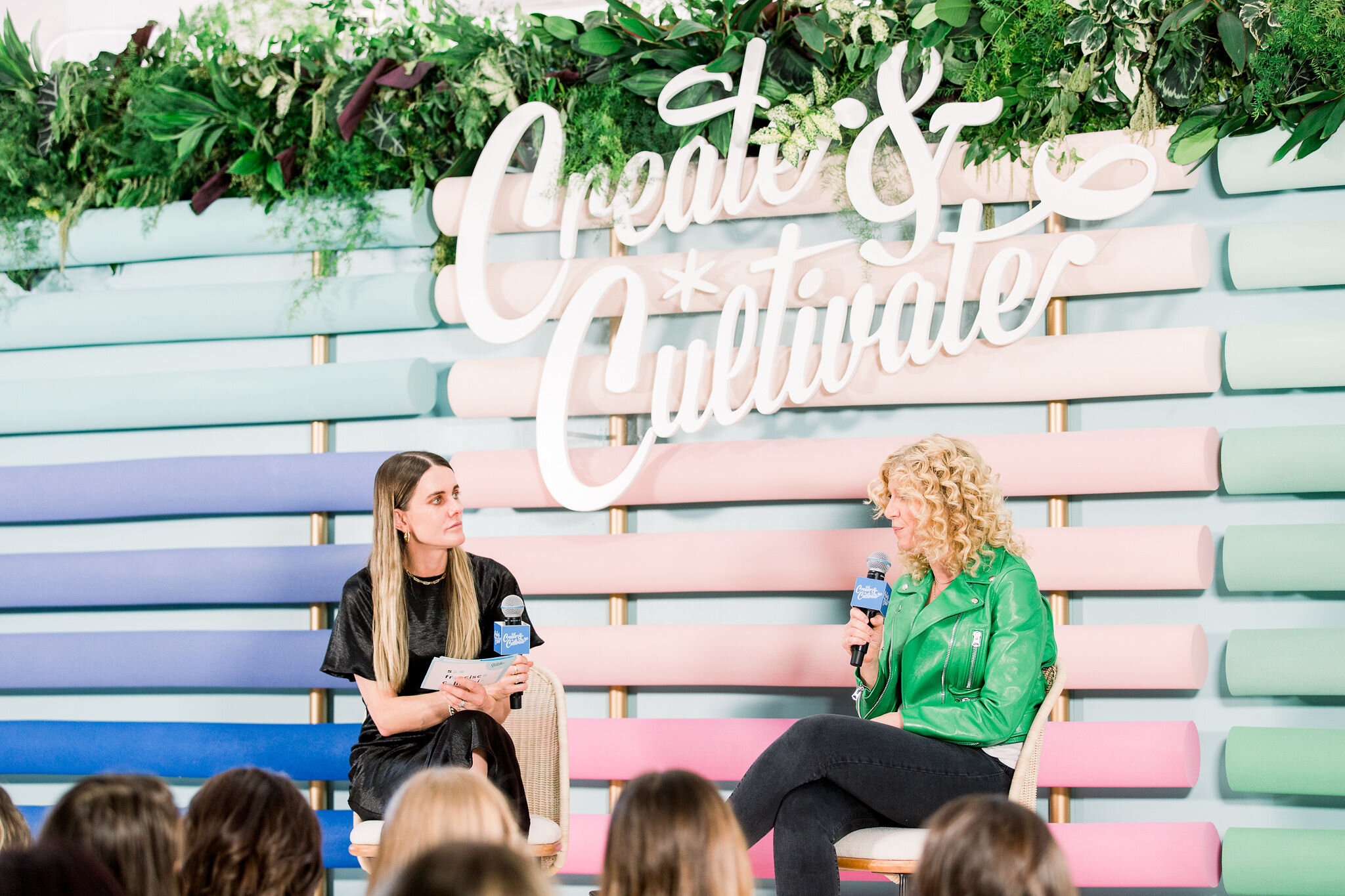
Gail Becker, founder and CEO, Caulipower chats with Create & Cultivate editorial director, Sacha Strebe at the San Francisco Conference. Photo: Smithhouse Photo
Have you ever considered leaving your cushy, well-paying corporate career for a completely different line of work? It’s hard to put aside a steady paycheck (and benefits) to take a leap into the unknown but that’s exactly what Gail Becker did. She is real-life proof that following your gut and leaving your comfort zone can actually pay off—literally! At our San Francisco conference this year, we had the pleasure of hosting a fireside chat with the founder and CEO of CAULIPOWER and we were blown away by her incredible entrepreneurial story.
Not only did she leave her high-flying position as president of strategic partnerships and globalization at Edelman to pursue a business in frozen food (who would have thought?)—she made a product that everyone can enjoy, that is nutritious, convenient and tastes good. But where did it all begin? After discovering both of her sons had celiac disease, Becker was desperate for nutritious gluten-free food options. When she couldn’t find any healthy (or tasty) choices, she did what every mom would—she made her own. She found hundreds of thousands of recipes for cauliflower-crust pizza online and decided to try it. Her sons loved it, but it took 90 minutes—time she didn’t have as a working mom—so she figured she could find it in stores, but it was nowhere to be found.
Becker channeled her frustration with the lack of gluten-free options and the industry’s slowness to innovate into a groundbreaking idea to make cauliflower-crust pizzas available in stores. She quit her job to start CAULIPOWER and now, a little over two years later, her company is on track to generate $100 million in revenue this year—that’s the power of a frustrated mom! In that time CAULIPOWER pizzas have become the #1 better-for-you pizza and #8 frozen pizza brand in the U.S., and the company has expanded their family of better-for-you products, with a mission to reinvent our favorite foods, one healthy meal hack at a time.
Drawing from what consumers are meal hacking at home, their products now include cauliflower tortillas, sweet potato “toast” and their most recent innovation: baked not fried chicken tenders, the healthiest tenders on the market at only 490 calories for the whole bag (seriously!).
Follow along for a deeper look into why Becker started her business, what it takes to be successful, and so much more.
On not hiding the healthy ingredients…
“We’re so proud of being a vegetable, we put it in our name”
“We like to celebrate the magic of vegetables.”
On starting CAULIPOWER…
“Why did I wait so long to do what my heart wanted me to do?”
“CAULIPOWER was born out of the convergence of this realization that I needed something more meaningful, and my own frustration of trying to find more foods that are gluten-free.”
“Why can’t we all share from the same plate? That’s the ethos behind CAULIPOWER.”
“When you care about something so much that you’re willing to risk everything for it, there’s nothing you wouldn’t do—there’s no amount of hours of sleep you wouldn’t give up.”
“It’s (CAULIPOWER) more rewarding than anything I could’ve ever dreamed.”
“It does take a toll. I want to be super honest about that. There’s a lot of blood, sweat, and literal tears behind all of that. People never talk about that part.”

“When you care about something so much that you’re willing to risk everything for it, there’s nothing you wouldn’t do—there’s no amount of hours of sleep you wouldn’t give up.”
—Gail Becker, Founder and CEO, Caulipower
On how to hire the right people...
“Every single person at CAULIPOWER today feels like it’s their company, and that’s how it should be. Those are the kind of people you should hire.”
“You need people that are going to be as passionate and care as much as you—I hired people who wanted to take a leap, too.”
”They have to really have the passion to try to make the world a little bit better.”
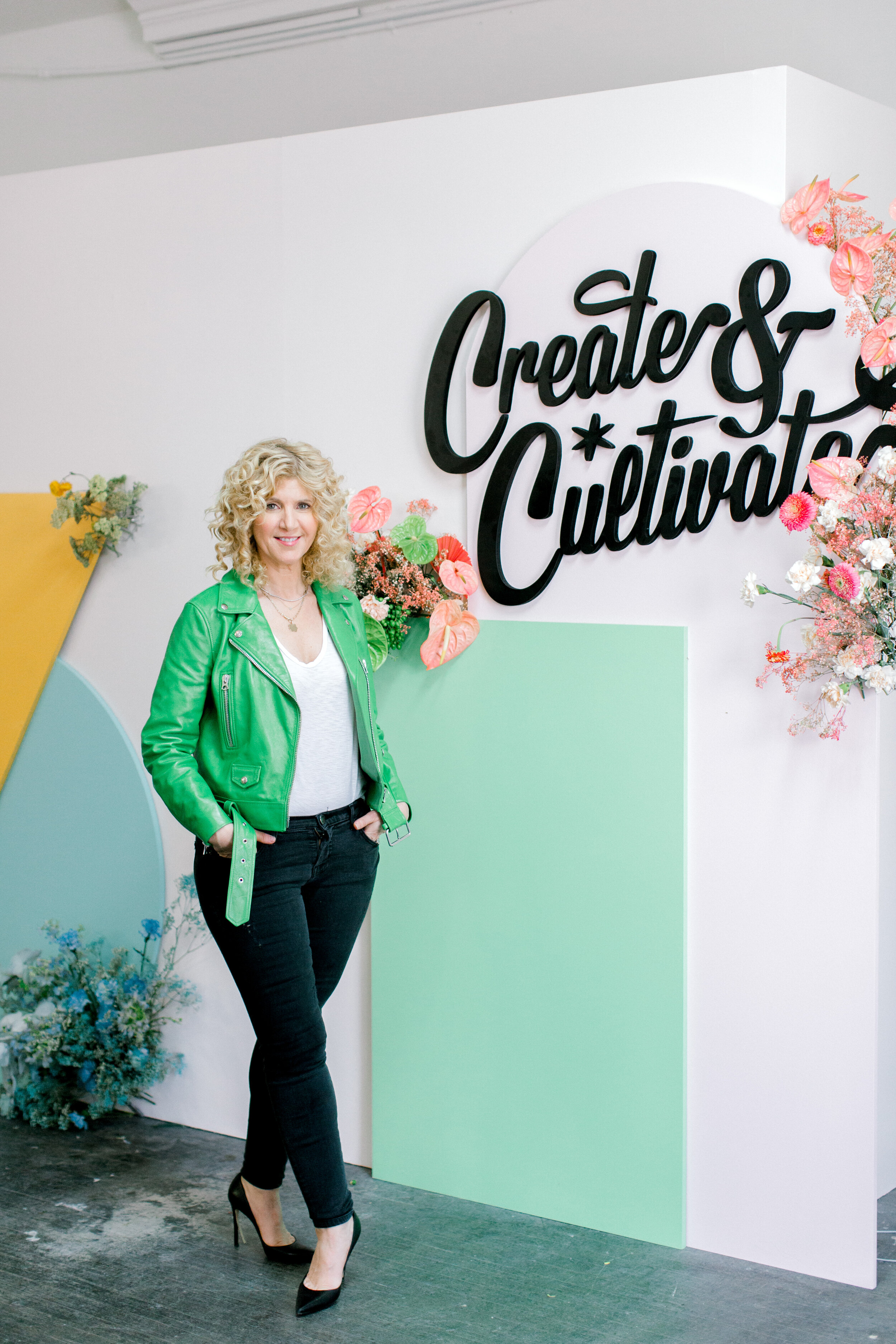
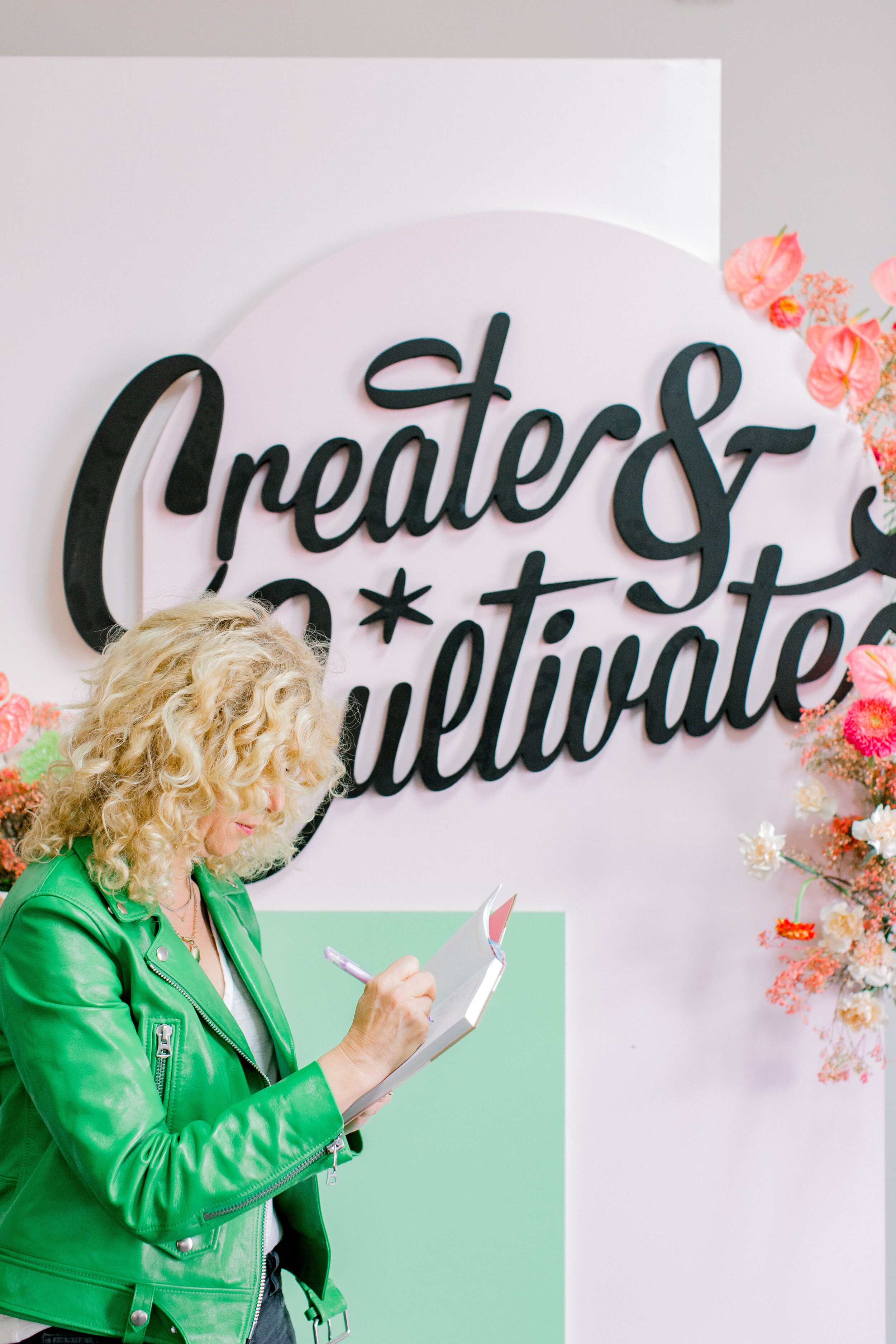
On raising capital...
“To grow a business, you have to have money, and you have to have some sales before you raise money, ideally.”
“Don’t let the thought of raising money get in the way of actually building your business.”
On the brand...
“Everything about the brand is accessible—accessible in the way it looks, the way it tastes, the stores it’s sold in, and the fact that we donate to teaching gardens.”
Sign up to be a Create & Cultivate Insider and watch the video of Gail Becker in conversation with our editorial director, Sacha Strebe at the San Francisco Conference, and so much more from our video vault.

"We’ve Learned By Doing"—How to Launch a Skincare Line From Scratch (From Someone Who Just Did It)
It’s only fair.
We know how daunting it can be to start a new business, especially if you’re disrupting an industry or creating an entirely new one. When there is no path to follow, the biggest question is, where do I start? There is so much to do but before you get ahead of yourself, let’s start at the beginning. To kickstart the process (and ease some of those first-time founder nerves) we’re asking successful entrepreneurs to share their story in our new series, From Scratch. But this isn’t your typical day in the life. We’re getting down to the nitty gritty from writing a business plan (or not) to sourcing manufacturers and how much they pay themselves, we’re not holding back. If you want to know how to start a business, you’ve come to the right place.

Onekind co-founder Madison Ruggieri believes in offering luxurious and quality skincare at a fair price
Photo: Courtesy of Create & Cultivate
Why do good wellness products always seem to hurt your wallet? Madison Ruggieri has a very simple answer to this question: they shouldn’t. Frustrated by the lack of choice in the skincare aisle that felt luxurious and affordable, Ruggieri decided to do something disruptive and start her own. She joined forces with her brother Matt to launch a luxury men’s grooming e-tailer called TheMotley.com and a dedicated men’s skincare line, Port Products available in Nordstrom, Neimans, and Lord & Taylor.
Through working in men’s grooming for the past decade, they became aware of how unnecessarily marked up skincare aimed at women can be. Because of their backgrounds, the duo was able to produce quality products that were more affordable than those sold by their beauty competitors. And so the idea for Onekind was born—luxurious skincare made accessible for all.
Today, Ruggieri sits down with us to share her words of wisdom that can only be gained from years in the world of business. From talking about how to stand out in a saturated industry, to the importance of teamwork, to the most difficult parts of building your own brand (the name being one of them.) You’re not going to want to skip out on this segment of From Scratch.

“I love that it (the brand name) brings to mind both ‘one of a kind’ and ‘humankind.’ It’s really important to me that the brand feels, first and foremost, human and honest.”
—Madison Ruggieri
Did you write a business plan? If yes, was it helpful?
“We did put together an informal business plan with a plan for growth and revenue projections. Our projections were based on our previous experience running a men’s grooming brand, and it's been helpful to have some kind of framework on which to establish goals.”
How did you come up with the name? What was the process like?
“Coming up with the brand name was one of the absolute most difficult parts of developing the brand. We had product formulas finished before we had a brand name. We wanted a name that would feel inclusive and that we could take in whichever direction the brand might eventually grow into. We also wanted a name that expressed our values without being cheesy.
“We spent weeks shooting ideas back and forth around the office. We even went to a naming expert. We had a few false starts and then would check trademarks or social to find those names were taken already or would be confusing to the consumer. Onekind ended up being absolutely perfect. It checked all of our boxes and I love that it brings to mind both “one of a kind” and “humankind”. It’s really important to me that the brand feels, first and foremost, human and honest.”
What were the immediate things you had to take care of to set up the business?
“While trying to come up with a brand name, we were constantly checking to make sure the name would be available across all the necessary channels from the website domain to social. Once we had the name Onekind, we just hit the ground running to secure a website domain, social accounts, file for a trademark, etc.”
“My advice when looking for a trustworthy manufacturer is to ask around. If you know other brands who have a non-competing customer demographic or focus, ask them who they’ve worked with.”
What research did you do for the brand beforehand? Why would you recommend it?
“My brother Matt and I have been running a men’s grooming brand for the last 10 years so we had plenty of experience with all of the steps needed to launch Onekind. We already had experience with sourcing, product development, marketing, etc. We also know how important it is to speak with your customers and ask them what they actually want you to make. That’s why prior to any development, I surveyed a few hundred people on their skincare routines. I was specifically interested in hearing what types of products they were currently spending the most money on and which ingredients they were looking for in those products.
“It became very clear that anti-aging and targeted treatments (specifically night cream, serums, eye cream, etc) were where people were splurging the most, and we decided to tackle bringing consumers those products at a much more affordable price point first. I highly recommend doing some market research, both reading up on industry reports and just talking to as many people in your customer demographic, before investing in production. You may think you know what consumers are looking for, but you really don’t know until you ask.”
How did you find the manufacturer/production facility that you use?
“For Onekind, we knew exactly who our all-star team of manufacturers would be because we’ve been developing products for our men's brands for a decade. When we first delved into product development years ago, we reached out to tons of local Los Angeles labs only to be turned away because we were too small. We finally found a few willing to work with us at a low minimum, and we’ve built those relationships over the years. We’ve learned how important it is to educate yourself on raw materials, packaging, testing, all the elements that go into production and then always ask your manufacturers the details: What exactly does this ingredient add? Do we really need it?
“We’ve found that a lot of ingredients are added to formulas in minuscule amounts just so a brand can make a label claim, and it was important to us with Onekind to only include ingredients that actually provide efficacy. If the only purpose is hype, we take it out of the formula. My advice when looking for a trustworthy manufacturer is to ask around. If you know other brands who have a non-competing customer demographic or focus, ask them who they’ve worked with. It also can be worth hiring a development consultant because they know the ins and outs of the industry, can open doors and will likely end up saving you a ton of money and mistakes in the long run.”
Did you self-fund the company? Did you raise seed money or initial investment money?
“We are currently self-funded, although we will likely raise money in the near future. There are definite pros and cons to both approaches. By being self-funded for so long, we’ve been forced to do everything in the most efficient way possible which is definitely a skill set. It also has allowed us to learn without being beholden to anyone else. On the flip side, there’s only so much you can do on a tight budget. There have been opportunities that we’ve had to pass up because we haven’t had the bandwidth to pursue them.”

Photo: Courtesy of Onekind
How much did you pay yourself? How did you know what to pay yourself?
“I'm currently not paying myself as we’ve just launched Onekind. For a while, everything will be reinvested into the business.”
How big is your team now? What has the hiring process like? Did you have hiring experience? If not, how did you learn and what have you learned about it along the way?
“Our team is still really small. We’re a total of five on a daily basis. I didn’t have prior experience hiring or managing people, and it’s definitely a learning curve. It takes a lot of practice to be a good leader and to know who’s actually going to be the right fit for your team. We’ve learned by doing, and we’re still learning. One thing I think is really important when hiring is making sure you give the person you’re looking to bring on an honest look at what working with you will be like.
“It’s so easy to want to make the job sound super fun and glamorous, but you really shouldn’t shy away from sharing the down and dirty. Startup life isn’t for everyone. It’s a lot of work, and everyone wears multiple hats. You want anyone you hire to know exactly what they’re signing up for and still be excited about it.”
Did you hire an accountant? Who helped you with the financial decisions and set up?
“My brother and business partner Matt handle our accounting. If you’re not accounting savvy, which I’m definitely not, I’d recommend definitely bringing on someone who is.”
What has been the biggest learning curve during the process of establishing a business?
“Starting a business is in itself a huge learning curve. I’d say the most challenging aspects for me have been those things that you probably would learn if you went to business school—corporate structure, fundraising, etc.”

“Startup life isn’t for everyone. It’s a lot of work, and everyone wears multiple hats. You want anyone you hire to know exactly what they’re signing up for and still be excited about it.”
—Madison Ruggieri
How did you get retailers to start stocking your product? Were you told no?
F”or Onekind, our focus is actually direct-to-consumer so we aren’t looking for retail partners. Our only retail partner at launch is Heyday and that’s because we’ve had a long relationship with them. Their staff is extremely knowledgeable about product, and we wanted one trusted place for people to be able to try Onekind in person.”
Do you have a business coach or mentor?
“I don’t have a coach or mentor but I do have a network of founder friends who I can go to with questions. One thing I’ve learned along the way is how important it is to have those people who you can go to for advice, feedback or just to commiserate with. I’m lucky to have my brother as a business partner, but running a business can be really lonely and you’re constantly just trying to figure things out, so having other people who know what you’re going through and can maybe offer their support is key.”
“I highly recommend doing some market research and just talking to as many people in your customer demographic, before investing in production. You may think you know what consumers are looking for, but you really don’t know until you ask.”
How did you promote your company? How did you get people to know who you are and create buzz?
“We’re doing a lot of gifting to micro-influencers, particularly other female founders, and we're also hosting a few events in Los Angeles to create some buzz and get people excited about the launch. Advertising will be a big component of how we promote the brand, and we are also working with a great PR agency to help get press for Onekind.
“It’s a lot to focus on, but I think it’s important to try to get in front of people from multiple angles because if they hear about you once, they just forget. You need them to see your brand over and over to the point where they think, “I keep hearing about this new brand. I should really check them out."
What is one thing you didn’t do in the setup process, that ended up being crucial to the business and would advise others to do asap?
“It’s too early to tell because we’ve just launched but check-in with me in a year. I’m sure I’ll have some mistakes to report then.”
For those who haven’t started a business (or are about to) what advice do you have?
“Make sure you’re really ready to do a massive amount of work and know you’re probably going to make a bunch of mistakes. It’s just part of the process.”
Read more from small business founders and how they launched their brand from the ground up in our From Scratch series.
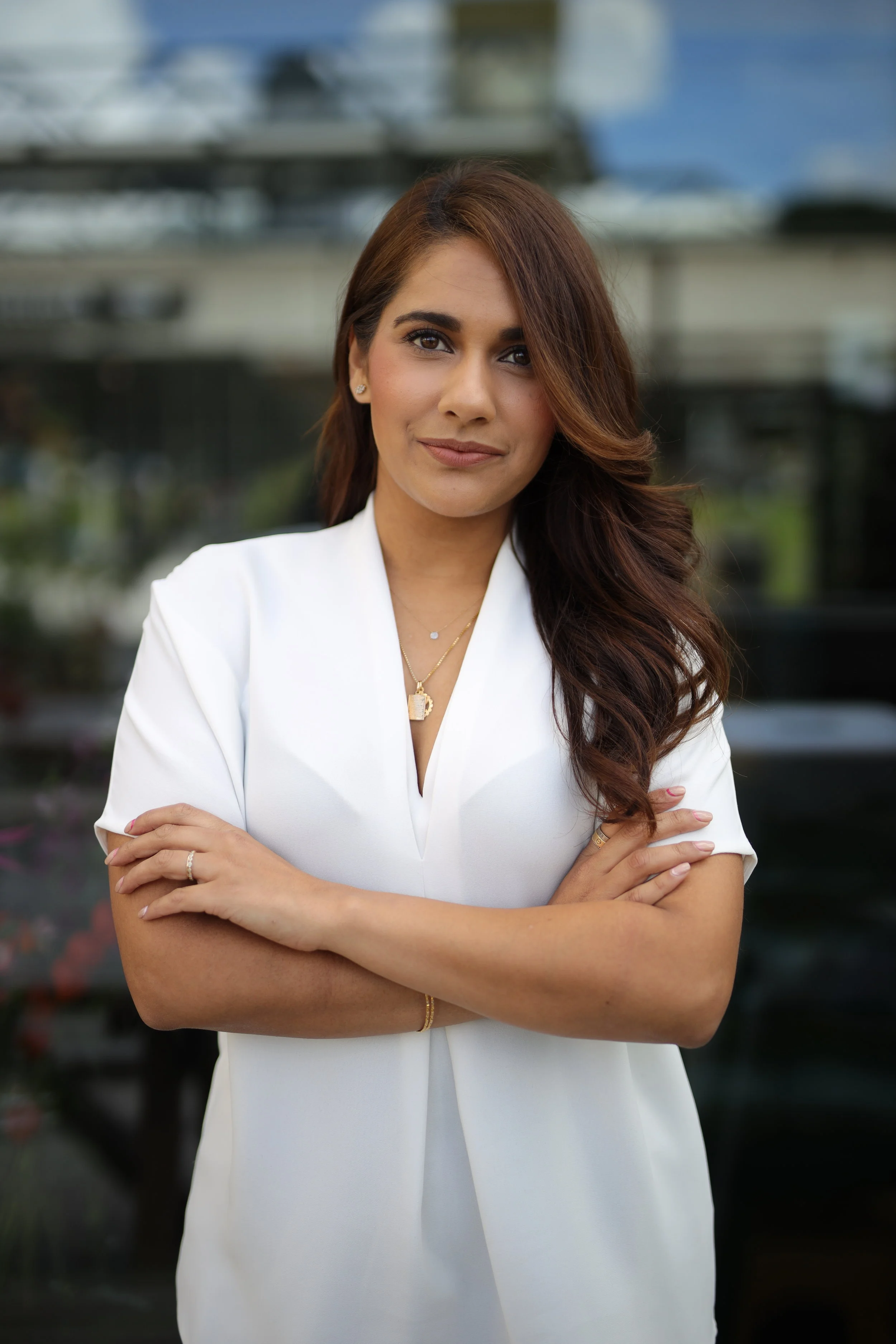
20 Successful People Share the Books That Transformed Their Business
*Add to cart.
In this age of information, we have everything we need to start a new business, create a website, or set up a budget right at our fingertips—Google is a powerful tool. But sometimes you need a deep dive into the topic to truly understand the scope of what’s required from every angle—that’s when we turn to books. In our new series, Turning a Page, we ask successful people to share their go-to tomes that helped transform their business. Whether you listen to them or need to physically flip the pages (and write notes or underline the text like us!), there is so much power in self-educating. Ready to turn a page in your career? These books will help take you there.

Photo: Courtesy of Create & Cultivate
Even if you do go to school for an MBA, there really is no better education than the school of life. Even when you plan (and you should be prepared as much as possible) there comes a time when you just have to press go and figure it out along the way. Luckily, everything is figureoutable (thanks Marie Forleo) and making mistakes is all part of the process (in fact, some of the best learnings and improvements are made as a result of mishaps or missteps so don’t be afraid of failure).
While you’ll always have Google, we wanted to find out from people who’ve been down that road and read a few books along the way to share their favorites with us. So, turn a page and discover some of the best business books from 20 successful people and how it changed their business.

Amanda Greeley
Founder and designer, Thelma
The Book: The Diamond Cutter by Michael Roach
The Business Takeaway: “We are operating in a world where we are constantly made to feel that we need to push ourselves and others harder, that we need to fight or be loud to be heard, and that we should put the health of our business ahead of our own personal health. We seem to wear stress, exhaustion, and 'being busy' as a badge of honor. This book disproves all of it.
”This book proves that being generous and kind isn't only about feeling like a good person but it also leads to creativity, innovation, ultimately financial success. I don't think it's possible to start a business where absolutely everything goes as planned—and so, in those instances, how you respond and how you treat others is critical.”

Alyce Tran
Co-founder and creative director, The Daily Edited
The Book: The Dual Purpose Playbook by Julie Battliana, Anne-Claire Pache, Metin Sengul, and Marissa Kimsey
The Business Takeaway: “I am so inspired by the Veja (sneaker brand) business model and ethos and am working out how my business can play a better role in the community. It is changing the way I look at opportunities and issues in my business to ensure I am taking the most environmentally sustainable path possible in creating our product and getting that to our end users.”

Olivia Carr
Founder, SHHH SILK
The Book: The Universe Has Your Back by Gabrielle Bernstein
The Business Takeaway: “This is a book I read again and again as the messages within prove a constant reminder that crystal-clear thinking and focus (otherwise known as manifestation) has the unbelievable ability to change your world. This book changed our business! We use it as a daily tool to practice manifesting what we’re working on or the strategic goals we have for the business. This is definitely a book I would recommend for business owners.”

Kelly Barker
CEO and founder, Prep Your Skin
The Book: Essentialism: The Discipline Pursuit of Less by Greg Mckeown
The Business Takeaway: “I read Essentialism because the company was growing so fast that we could not take on any more collaborations, products or projects unless I changed how I was prioritizing our team, our resources and our time. This book taught me how ‘less is better,’ how to say no so I can focus on the big goals, and how to really prioritize decisions and tasks. Often, females are taught to say yes as if they are obligated to be socially accepted and not let others down. As a result, we all become over-committed and exhausted. This book is super easy to digest, and really helped me simplify the decision-making process.”
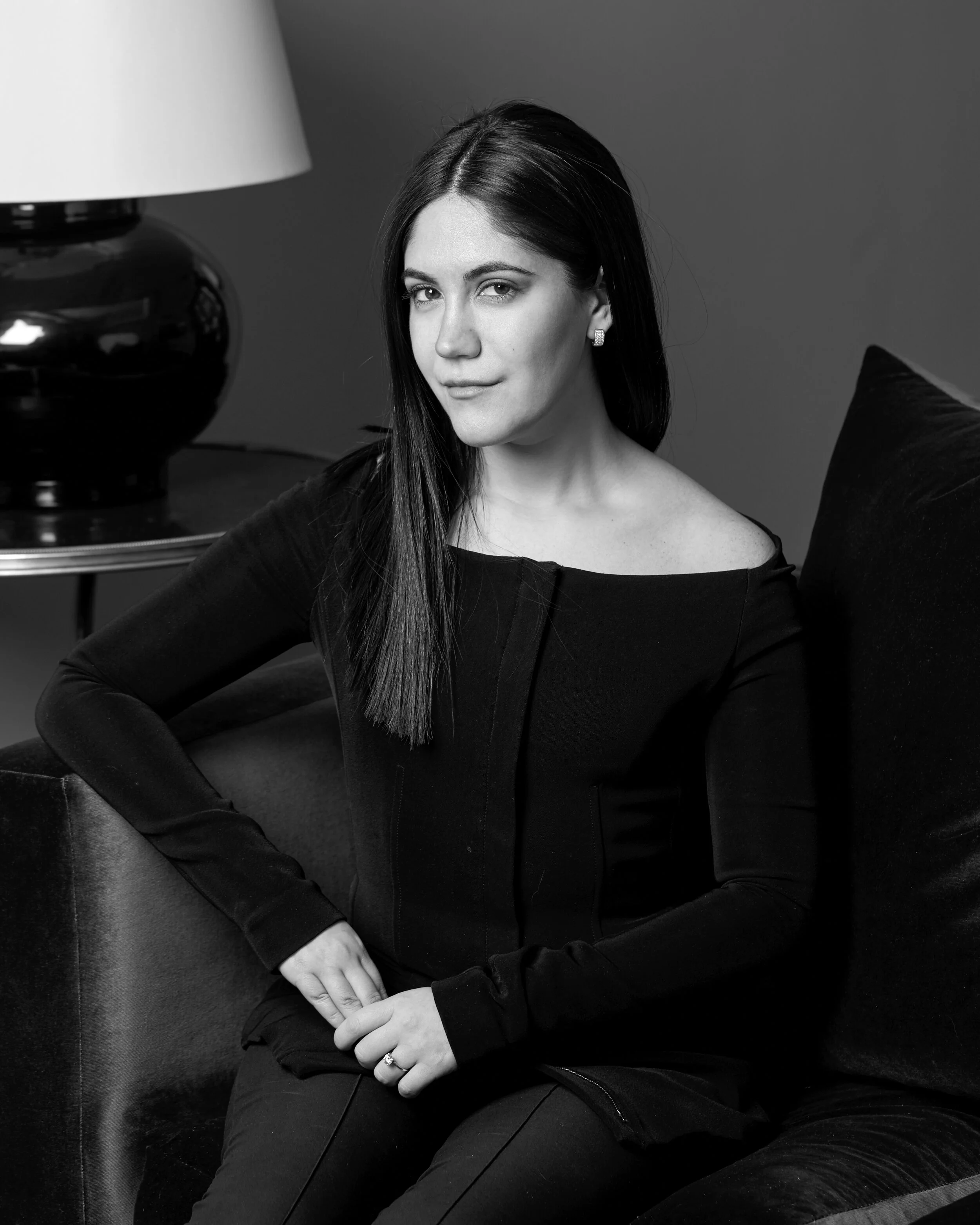
Alexandra Baker
Founder, Féroce
The Book: Principles: Life and Work by Ray Dalio
The Business Takeaway: “I decided to read Ray Dalio's book, Principles after a close friend recommended it to me. The book has enabled me to set up and implement guiding principles to live by personally and in my business. When running a company, especially a start-up, your personal and life principles are very much intertwined with your business outcomes. Egos, lack of decision-making experience, not wanting to disappoint anyone—these are just a few examples of how poor financial business decisions can be made.
“That being said, this book has helped me form principles for seeing and interpreting things as they are not as you would like them to be. Understanding this helps make the most precise educated decisions. I recommend this book to any entrepreneur, especially a start-up, as Ray Dalio has taken years of his own life and business experience and gone the extra mile by creating a method that anyone can replicate and apply.”

Kat Hantas
CEO and founder, 21 SEEDS
The Book: Shoe Dog: A Memoir by the Creator of Nike by Phil Knight
The Business Takeaway: "On the low hanging fruit side, he is a maniac about brand which I appreciate. But the bigger lessons have more to do with his honesty and his humility—a lot of these books tend to be brag-y and this book allows you to see the common denominators in yourself and this iconic brand builder—a real inspiration. In addition he does a great job of showing us how he weaved the power of relationship into the building, which is so important as you grow from project to company. Great beach read as you’re sipping on a 21seeds margarita this summer.”

Alix Peabody
Founder and CEO, Bev
The Book: Principles: Life and Work by Ray Dalio
The Business Takeaway: “While the book itself is full of helpful guidelines in building and running your business, Ray's view on money is particularly helpful. Numbers are important, numbers are information but they are not objective. What is most important is the application of those numbers, the insights behind them and how (and when) you let them guide you.”

Simona Rozhko
Founder, Evna Media
The Book: Leaders Eat Last: Why Some Teams Pull Together and Others Don’t and Start With Why: How Great Leaders Inspire Everyone to Take Action by Simon Sinek
The Business Takeaway: "I loved it because Simon takes a digestible approach to business, leadership, and human behavior. He makes it easy but informative to understand why we do the things we do as a leader and how to be great, not just better. He’s a big believer in being a good, kind, and compassionate human and when I decided to start my business I felt the exact same way—that if I was leading people or consulting clients, it had to be mutually beneficial and feel good from the inside out. We spend most of our lives working and I want to live a life that’s fulfilling and positive emotionally, mentally, and physically.”

Mariah K. Lyons
Founder, ASTARA
The Book: The Surrender Experiment by Michael Singer
The Business Takeaway: “I find a fascinating dance between surrendering to the experiences and opportunities that organically show up in business, and setting goals and working diligently to manifest new opportunities and hit target goals.
“This is not a traditional business book, however, it is a really great book for helping business owners let go of stringent expectations of how things should be and build a business more intuitively. Michael Singer discusses how he built a billion-dollar public company by staying present, surrendering to a larger flow and allowing synchronicities to unfold into larger manifestations of great proportions.”
The Book: The Travels of a T-Shirt in the Global Economy : An Economist Examines the Markets, Power, and the Politics of World Trade by Pietra Rivoli
The Business Takeaway: “I read this book in college and it was one of those books that greatly expanded my understanding of the global interconnectedness we all share. It fully shifted the way I look at the world, especially in regard to manufacturing, production, shared natural resources, and the global economy. It has stuck with me for many years and certain key concepts presented in this book were integral in launching my company ASTARA. It helped me understand the impact of my decisions from seemingly small decisions to larger ones such as production and manufacturing, to packaging, to materials to shipping.
“This book gives an insight into the complexities and politics of world trade. It is a great book for any business owner that manufactures, produces, or distributes physical goods in that it gives both a macro and micro view on the many levels of environmental, political and historical impacts of global trade. The author presents information and data on ‘free trade’ to inform the reader and gives space for the reader to develop their own opinion on the subject matter.”

Jodie Fried
Co-founder and director, Armadillo & Co
The Book: The Art of an Idea and How it Can Change Your Life by John Hunt
The Business Takeaway: “I was gifted a copy by a dear friend, and I was captivated not only by the concept of a book based on the power of an idea, but also the very poignant quotes, gorgeous paper, and beautiful illustrations. I could pick this book up any day of the week and read it with a different situation in mind. It taught me to trust my instincts and made me realize that you don’t always need to have all the answers—something I’ve applied creatively to my work as a designer, but also to our business and team.
“Every time I read this book I feel beyond inspired. It triggers me to open my mind to a new perspective. Over the years it has given me the courage to follow my own ideas and perhaps run a business in a non-conventional way, to take risks on change, and to challenge logic that often kills good ideas.
“The best advice I took away from it was: ‘When things are going well, taking no risks seems like a very smart strategy. When times are tough, though, you’ll notice expediency, which is meant to create all those happy, smiley faces, is suddenly wearing a smirk.’”

Sally Pottharst
Owner, Terrace Floors + Furnishings, and co-founder and director, Armadillo & Co
The Book: 12 Rules for Life: An Anecdote to Chaos by Jordan B. Peterson
The Business Takeaway: “I read this book a couple of years ago when I was looking for some clarity in my life, and it resonated with me both personally and professionally. It imparts a set of practical and enduring principles that were easily applicable as our business has metamorphosed into a larger, more sustainable operation. I am a very practical person, so I valued the real-life anecdotes—they are also super entertaining to read. His old-school truths provide a great framework for us to live by and make decisions with.
“The biggest lesson I learned was, ‘compare yourself to who you were yesterday, not to who someone else is today’—the perfect reminder for anyone who feels self-criticism. It has really helped me to view our business journey with great context and optimism for what I can bring to the table. As Armadillo & Co now celebrates its 10th anniversary, each of these rules has made me stop and think about how we can bring incremental improvements to the way we run our business.”

Shel Pink
Founder, Sparitual
The Book: Blessed Unrest: How the Largest Movement in the World Came into Being and Why No One Saw It Coming by Paul Hawken
The Business Takeaway: “The book is about the environmental movement and how great movements don’t have one charismatic leader they are led by a multitude of voices, of people who are passionate, resilient and disciplined about doing things daily to express their concerns and works towards change. I was inspired to read it to see how this concept could apply to the green beauty movement.
“Use your brand as a platform for change. That we all need to and can do something to do our part to contribute to the greater good. We are citizens of the world and we have a responsibility to live responsibly. Many people think that their single voice does not matter. It does. One voice, when joined with many others who are passionate about a particular issue, matters greatly. This is what defines a movement that can make a huge difference. This book is very exciting.”

Dr. Shuting Hu
CEO and co-founder, Acaderma
The Book: The Lean Startup: How Today's Entrepreneurs Use Continuous Innovation to Create Radically Successful Businesses by Eric Ries
The Business Takeaway: “It’s a book for entrepreneurs, and I learned a lot about how to develop and manage a startup business, which is quite different from a standard business. It reminds me of the importance of innovation, as a core value of our business. This book helped me look at Acaderma from a different perspective.
“Before, I would look at larger businesses as a model for how to build and operate my brand, but I now realize that we should focus on bringing disruptive technologies and products to market more efficiently and maximize our advantages in ingredient innovation which would eventually help to maximize my business financially. A lot of times we spend too much time looking at what we're doing wrong and trying to improve upon it, this book taught me to focus on what I'm doing well right now and strengthen that further.”

Mignonne “Maggie” Gavigan Smith
Founder, Mignonne Gavigan
The Book: The Most Powerful Woman in the Room Is You: Command an Audience and Sell Your Way to Success by Lydia Fenet
The Business Takeaway: “By reading this book, I’ve learned through Lydia’s personal situations, how to take hold of situations and make the most of them. Her book has helped me identify situations within the business that could be handled the best way possible. Women today are juggling so much— jobs, kids, life—and she enables the reader to know they can do all these things well.
“Lydia’s book has shown me that I’m not alone. She has given me the support to continue to run my business efficiently, be as creative as possible, organize my child and personal life and feel like I’m doing a good job. There are so many women out there in a similar situation as I am and they need her advice as well. She pushes you to keep going, to work harder, to maybe sleep a little less sometimes but to also take some time for yourself when you can. It’s an amazing book.”

Nancy Pellegrino
Owner, NP Aesthetics and co-founder, The Route Beauty
The Book: Survival of the Prettiest: The Science of Beauty by Nancy Etcoff
The Business Takeaway: “Survival of the Prettiest is not your typical business book but it impacted my views about the medical aesthetics industry, gave me a new understanding of patients and their cosmetic concerns and the clear notion that my business was not just about vanity but more about biology. We are hardwired to gravitate towards those who are deemed more attractive and we ourselves, in turn, want to be and look more attractive.
“This was the first time I learned that people who are attractive can more easily find mates, get better jobs and potentially live happier lives. My business—the business of making people look better—also makes people feel better about themselves. I have seen this over and over in my practice—unemployed patients will spend their last dime on Botox to help them feel more confident when going in for that interview. Older patients need that competitive edge—I could go on and on.
“It solidified my feeling that beauty is extremely important to my patients and is a serious business. To quote from the book: ‘Beauty influences our perceptions, attitudes, and behavior toward others.‘“

Nicci Green
Founder, Articolo
The Book: The 7 Habits of Highly Effective People: Powerful Lessons in Personal Change by Stephen R. Covey
The Business Takeaway: “This book made me more mindful of how I make decisions and grow and form Articolo. It also made me realize that I've always been operating with a forward-thinking approach rather than a subconscious one.
“The biggest lesson I learned from the book was ‘sharpen the saw.’ This is all about looking after yourself and making sure you have a balance in significant areas of your life; emotional, physical (haven't managed this yet), mental and spiritual. It made me aware that downtime is as important as the ‘push.’”

Amanda Baldwin
President, Supergoop
The Book: Blue Ocean Strategy: How to Create Uncontested Market Space and Make Competition Irrelevant by W. Chan Kim and Renée Mauborgne
The Business Takeaway: “The president of Clinique gave me this book when I first started at the brand. The entire premise is why try to compete in ‘bloody red waters’ when you can find the ‘blue ocean’ aka be different, be unique, find your white space. I have always thought about this advice in every business I have worked on, and most especially at Supergoop!. When it comes to innovation, we like to say, if someone has done it before, why bother? It's a mantra that runs through everything we do, and you can't change the world by thinking any other way.
“I'd also be remiss if I didn't mention that I think it applies to a career too-—find what makes you stand out and harness that. The best career advice I ever got was to stop worrying about fixing what I wasn't good at and to start focusing on what I did uniquely well. Kind of like swimming in your own blue ocean.”

Yolanda Cooper
Founder, We Are Paradoxx
The Book: Creativity, Inc.: Overcoming the Unseen Forces That Stand in the Way of True Inspiration by Ed Catmull
The Business Takeaway: “I read this book as it's my goal to build a brand with creativity and innovation at its core so I wanted to learn how Pixar scaled the company to the heights it did whilst maintaining an inclusive, creative culture along the way. It didn’t so much ‘change my business’ rather it has helped me bear in mind some philosophies as we continue to grow.
“For example, Catmull believes that a company’s organizational structure should not mirror its communication structure and that true creativity and potential can come from everyone. So, there should be an open communication structure across the whole business to support ideation. The biggest piece of advice I took and would recommend to others is that the cost of preventing errors is more than the cost of fixing them so don’t be afraid to be bold and take risks as they just might pay off!”

Raisa Mirza
Founder, Rella Beauty
The Book: Girl Code: Unlocking the Secrets to Success, Sanity, and Happiness for the Female Entrepreneur by Cara Alwill Leyba.
The Business Takeaway: “At first, I was a little apprehensive to read this book because I felt like I had read a few female-focused entrepreneurial books that all sounded very similar to each other. I didn’t want to read something that was cheesily motivational. As I started reading, I realized that Cara hit on so many things that I often dwell on in my own mind—negative thoughts, fear of failure, female connections, competition, backhanded compliments, the list goes on. I read her book at a time where I was second-guessing myself, what did I get myself into?!. There were moments where I questioned our brand's beautiful mission: for every lipstick purchased, we give one to a woman in need. Cara blatantly says so many things that I needed to hear (and still need to hear).
“While some might be obvious, it affected me to hear it from someone who wasn’t my husband or my friend or my mom. I needed to hear from a fellow female entrepreneur that everything I think and feel is normal and it’s okay. So much of what she says pop up like little lit up billboards in my head when I’m veering down a path of self-doubt. There have been the weeks where I’ve sent hundreds of emails and gotten no response—those have been moments where I’ve wanted to throw my hands up. Cara says, ‘[female entrepreneurs] send that email. They make that phone call. They follow up a thousand times. They don’t take rejections to heart; in fact, it only makes them work harder… successful women don’t wait for an invitation. They invite themselves to the party.’
“I strive to be that woman, I want to carve out my success and reading this pushed me to believe that it’s okay if I send 100 emails and hear nothing, and it’s okay if I follow up 1000 times. I have nothing to lose, only to gain. As she says, if I persevere from a place of passion, failure won’t reach me—this keeps me going, every day. The idea of bringing the gift of beauty to women who don't have access to it excites and motivates me, I have to keep that passion alive.”

Sarah Belzer
President, Coconu
The Book: Come as You Are: The Surprising New Science That Will Transform Your Sex Life by Emily Nagoski.
The Business Takeaway: "Though I appreciate all the business and self-help books out there, I'm not talking about either. The book that changed my business is about the female experience of sex! Emily Nagoski wrote Come as You Are: The Surprising New Science That Will Transform Your Sex Life, and reading it really helped me understand the nature of and challenges to feminine sexuality. Even though I am a woman with my own experience, understanding the science behind it and the variety of experience was a game-changer for focusing on my customer and aligning my company's mission.
“The book informed our goal to empower women and make it easier for them to be self-directed in their intimate relationships. Coconu sells all-natural, safe and effective personal lubricants, but our business is really about helping women increase their confidence and capacity for connection, intimacy, and pleasure in all areas of life."

Amy Lacey
Founder, Cali'Flour Foods
The Book: Building a Storybrand by Donald Miller
The Business Takeaway: "This was a game-changer for Cali'flour Foods. I truly believe that when we made the conscious decision to make our customers the hero, our business boomed in e-commerce. This book focuses on building relationships that laid a strong foundation for us both internally and externally. We focused on the customer and our ‘why’ and the finances took care of themselves. We did exactly what the book said in regards to clarifying our message so that the customers will listen, and boy did they. Our sales skyrocketed in 2017 and have continued to grow ever since.”

Jordana Kier
Co-founder, LOLA
The Book: Work Rules! by Laszlo Bock
The Business Takeaway: “Laszlo Bock, the author of Work Rules!, previously ran Google's people organization and shares a lot of wisdom in this book. Bock provides actionable insights on how to build, develop, and maintain the culture of a company. He says, ‘Culture eats strategy for breakfast’ and after building the team at LOLA for the past five years, I can't emphasize enough how true that is! The people you hire to help you grow your business should be smart and talented, but tantamount to those traits is the ability to live up to the company's core values and contribute in ways that go above and beyond a functional skillset. This book reaffirmed my aspiration to build our company deliberately and meaningfully and to prioritize and nurture our culture of community and empathy as we grow.”