
'Real Stories' From Vistaprint Alum: Remi Ishizuka, Founder of RRAYYME, Co-Founder of HōmeBodies
Explore ‘Real Stories’ from Vistaprint Alums, and learn how entrepreneurs use Vistaprint to grow, adapt, and evolve their business.

As part of our Create & Cultivate x Vistaprint Brand Campus, we’re sharing all the ways that Vistaprint can help you grow, adapt, and evolve your business. Explore ‘Real Stories’ from Vistaprint Alums, and learn how entrepreneurs use Vistaprint as a one-stop-shop for all of their small business marketing solutions.
Whether you’re sourcing a physical product, seeking digital design services, or simply looking for inspiration, Vistaprint is the marketing partner that enables small business owners to elevate their brands – at every stage of their journey. Read on to discover how real business owners use Vistaprint's design capabilities and wide product selection to help their businesses grow organically—and how you can too.

Remi Ishizuka, Founder of RRAYYME, Co-Founder of HōmeBodies
What do you love most about having your own brand/ business?
I love coming up with fresh new ideas for content, setting goals and figuring out how to achieve them. I also love connecting with like-minded individuals and brands, all while empowering others on their own journeys!
Have you always been entrepreneurial? What led you to take that first step and establish your own brand/business?
Growing up, I saw my dad run his own business, but I never thought I had it in me to do the same. I was working corporate jobs 9-5, but I felt unhappy and unfulfilled. It wasn’t until I made a decision to better my own wellbeing from the inside out (exercise and eat healthier) when everything changed.
I started sharing a different breakfast recipe each morning on my Instagram, mostly to keep myself accountable. Without realizing it, I started impacting the people around me. Looking back it was the consistency of posting something of value every single day and connecting with others that led to more opportunities. Eventually I quit my full-time job in corporate, became a content creator, and now a co-founder of a popular at-home fitness program called, HōmeBodies.
What challenges have you faced in launching your brand / business? How did you overcome them?
At the beginning of the pandemic, my boyfriend and I hopped on Instagram every single day at 9am and led a full body workout on IG LIVE. During this uncertain time, people following along met us every morning on their mat. It was how we connected during a time of isolation - It created a sense of normalcy.
We became a super tight knit community, and after 3 months of free workouts, some technical setbacks, and people wanting a better experience, we decided to launch our own subscription-based fitness program.
The challenge we initially faced was the push back that came from turning a free service into a paid one. I learned that we can’t make everyone happy, but we sure as heck will try! While we knew our price point was on par with what we were offering, we wanted to give as many people as possible the opportunity to benefit from our program. One week later, we added a different package at a lower tier so people who wanted to join HōmeBodies, but couldn’t afford the full program could still weave in creative movement into their schedule 3-4X a week.

“The process was a breeze, the quality was amazing and all of our customers were so excited about it.”
How has Vistaprint helped you grow, evolve, or adapt your business? What are some of the tools and services you have used and how did they help you?
Vistaprint's wide selection of product options has allowed us to connect with our customers and enabled us to personalize the customer experience for our very first physical product launch, Deck of Cards! We created custom stationary through Vistaprint and included a handwritten note in every order to elevate the unboxing experience. The process was a breeze, the quality was amazing and all of our customers were so excited about it, which is exactly what we wanted.
How do visual elements play a role in your branding? How are they important to your overall marketing strategy?
I’m huge on aesthetics. Visually, I wanted HōmeBodies to feel luxe and unisex, but most importantly minimal since that is our bottom-line philosophy. Branding is important because it’s a direct reflection of not only the product, but the community you cultivate. When someone visits our website or unboxes a product from us, we want them to immediately feel what HōmeBodies embodies, if that makes sense? People should feel empowered to make incredible changes on their health journey, while also feeling accepted and welcomed as they are. Their power comes from within themselves and HōmeBodies helps them realize they don’t need to take excessive measures to get there.
“What you focus on, thrives. If your heart isn’t in it, your audience will know (sometimes even before you do). ”

What tips would you give to other aspiring female entrepreneurs to help them launch or scale their businesses?
1. What you focus on, thrives. If your heart isn’t in it, your audience will know (sometimes even before you do!). Don’t build or sell / promote something you don’t 100% believe in.
2. Social Media is free marketing, so use it, but remember you don’t own the platform AKA - it could go away tomorrow - we have no control over algorithm changes or guideline updates. Make sure you start to gather your communities’ emails. Create a free offer with SO much value that they want to sign up and give you their email. Oh, and keep offering them value. If you offer killer FREE value, they will trust you when you decide to create something they can buy. I missed out on that for years until the launch of HōmeBodies .
What would you like to see change for the next generation of female entrepreneurs?
This has already started happening, but I can’t wait to see more and more content creators turn into entrepreneurs in their own right. Creating their own products, growing their teams and using their platforms to solve problems and inspire their communities!


Remi Ishizuka is an LA based health and wellness expert. Remi shares relatable tips - making her channels a place for her community to access her daily workouts, healthy recipes, skincare tips, and love for her pups. She is also Co-founder of HomeBodies a successful virtual online workout program that consists of 365 unique workouts a year.
MORE ON THE BLOG






'Real Stories' From Vistaprint Alum: Whitney Rife Becker, CEO/Founder, The Retail Therapist
Explore ‘Real Stories’ from Vistaprint Alums, and learn how entrepreneurs use Vistaprint to grow, adapt, and evolve their business.
As part of our Create & Cultivate x Vistaprint Brand Campus, we’re sharing all the ways that Vistaprint can help you grow, adapt, and evolve your business. Explore ‘Real Stories’ from Vistaprint Alums, and learn how entrepreneurs use Vistaprint as a one-stop-shop for all of their small business marketing solutions.
Whether you’re sourcing a physical product, seeking digital design services, or simply looking for inspiration, Vistaprint is the marketing partner that enables small business owners to elevate their brands – at every stage of their journey. Read on to discover how real business owners use Vistaprint's design capabilities and wide product selection to help their businesses grow organically—and how you can too.

Whitney Rife Becker, CEO/Founder, The Retail Therapist
What do you love most about having your own brand/ business?
I love being my own boss and that I have been able to create a lifestyle that I love. I get to be a wife, a mom, I get to travel and experience life, and most importantly, I get to make women feel good about themself and express themselves daily with the cutest clothes, accessories, and shoes on any budget.
Have you always been entrepreneurial? What led you to take that first step and establish your own brand/business?
Yes, it honestly started with selling food in a play kitchen, then in 4th grade, I made staple necklaces and bracelets, and sold them for $0.25 each. My parents both work hard and own their own business so I learned a lot from them. I have worked for as long as I can remember and had always wanted to own a boutique one day. I loved shopping and my mom had always dreamed of owning a boutique as well. It is so fun to get to do it alongside her and with the help of my brother we have turned our little dream into a big reality. I had no idea owning my own boutique would turn into becoming a Fashion Blogger/Social Media influencer as well and then open the door to owning a tanning salon as well – but that’s the fun!
What challenges have you faced in launching your brand / business? How did you overcome them?
In every business there are always challenges and curve balls thrown your way. Going to the Apparel Market the first time was overwhelming and I could have planned better for it but it only took one trip to learn what works best for us. There were days we had a negative bank account and some days we didn’t know how we were going to pay our employees. What I did know though is that this was my dream, my baby, and we were not giving up. Beyond the first year, 2020 as a whole was really tough for any small business. Thankfully with our online store and the power of social media we were able to adjust and keep going.
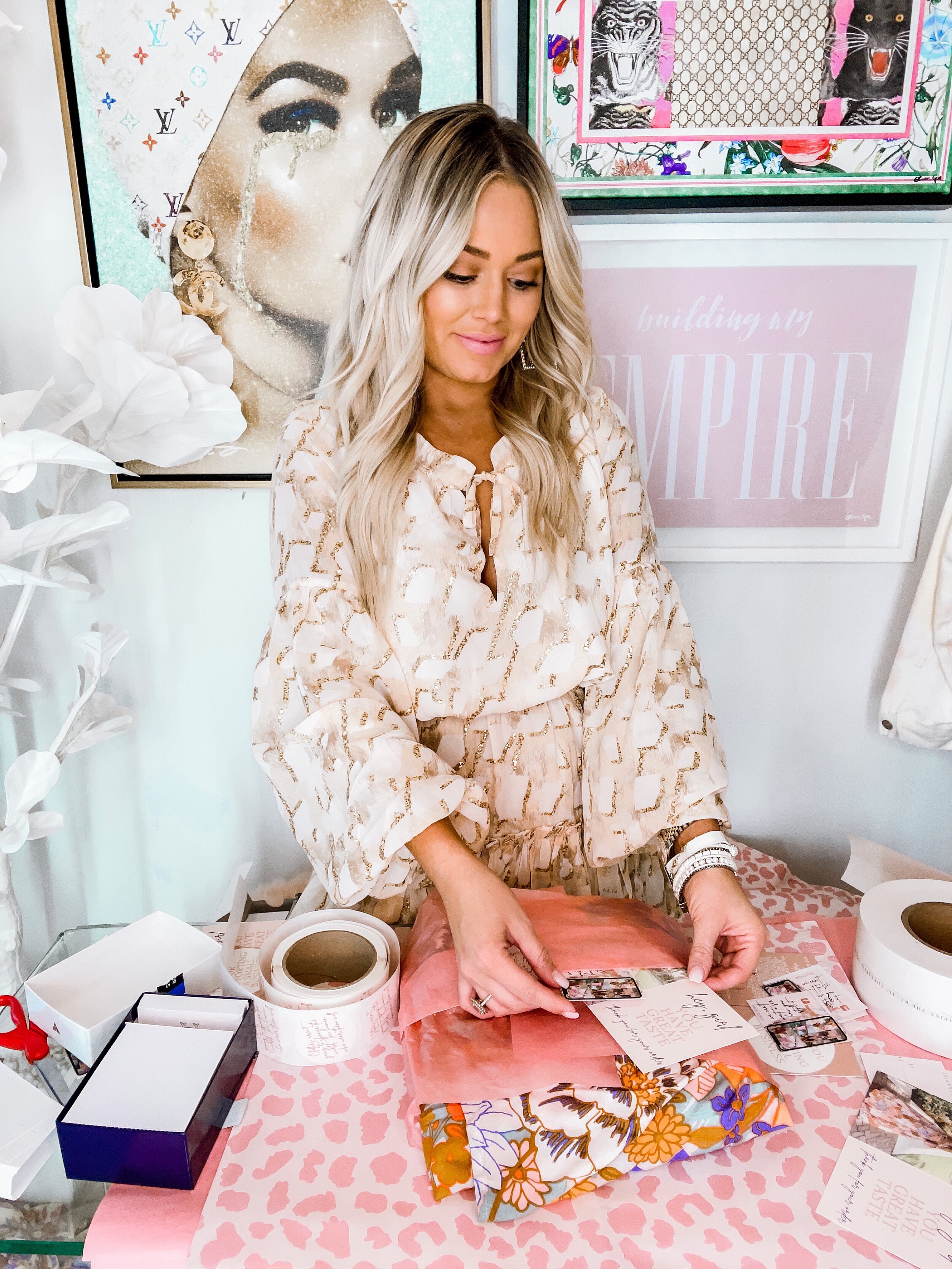
“ Vistaprint is essentially an extension of my business, and my go-to source for all of my marketing and packaging needs – business cards, flyers and sale flyers, pens, masks, and more.”
How has Vistaprint helped you grow, evolve, or adapt your business? What are some of the tools and services you have used and how did they help you?
I have used Vistaprint since The Retail Therapist opened online almost 8 years ago. Vistaprint is essentially an extension of my business, and my go-to source for all of my marketing and packaging needs – business cards, flyers and sale flyers, pens, masks, etc. Each order from the boutique gets a cute postcard as well, designed right on Vistaprint. You name it, Vistaprint has always been there for us. I’ll never forget the day I was able to order personalized bags from Vistaprint for our storefront.
How do visual elements play a role in your branding? How are they important to your overall marketing strategy?
I love to update our packing based on whatever season we are in plus sometimes like to include special discount codes plus features and highlight customer photos or influencers we are working with. If it is Christmas, every order gets a Christmas card, if it’s summer, you may get a cute summer card with return policy + if you tag us in a picture on social media, you may even see yourself on the mailer. It is so nice to be able to depend on Vistaprint to update all packaging plus ship in a timely manner and be so affordable. Every penny counts when owning a business and I am thankful Vistaprint is always cautious of that.
“YOUR time is now. While you’re waiting, someone else is already a step ahead of you.”

What tips would you give to other aspiring female entrepreneurs to help them launch or scale their businesses?
DO IT! Quit searching for answers to questions you may have. Not every business is ran the same and you have to do what is best for you and your business. In today’s world, it’s so easy to compare your start to someone else's middle, especially with social media. STOP doing that and just start. You can’t wait on someone to get back to you with an answer that you just sent a question to via DM. You may always be waiting. YOUR time is now. While you’re waiting, someone else is already a step ahead of you.
What would you like to see change for the next generation of female entrepreneurs?
I would like to see females not worry about being a female. I started my business over 8 years ago when females were not as far along as we are now. Women clearly deserve to have CEO after their name and I’d love nothing more than for another female to never have to worry again IF she can do it all because SHE CAN.


Whitney Rife Becker is the every girl's girl. As a wife, mother, and entrepreneur, Whitney documents her love of fashion, food, and daily real-life experiences as a working Mom on her blog and other social media outlets. Coming from a small town in Virginia where she owns a women's clothing boutique and tanning salon; Whitney now resides in Murrells Inlet, SC with her husband, Shawn and son, Bo. After starting her blog in 2011, Whitney has reached over 400,000 followers across her social media platforms. Her signature style mixes high end designer pieces with everyday affordable styles. You can find her boutique storefront in Tazewell, VA or shop online at www.shopretailtherapist.com
MORE ON THE BLOG

'Real Stories' From Vistaprint Alum: Jaclyn Johnson, CEO and Founder, Create & Cultivate
Explore ‘Real Stories’ from Vistaprint Alums, and learn how entrepreneurs use Vistaprint to grow, adapt, and evolve their business.
As part of our Create & Cultivate x Vistaprint Brand Campus, we’re sharing all the ways that Vistaprint can help you grow, adapt, and evolve your business. Explore ‘Real Stories’ from Vistaprint Alums, and learn how entrepreneurs use Vistaprint as a one-stop-shop for all of their small business marketing solutions.
Whether you’re sourcing a physical product, seeking digital design services, or simply looking for inspiration, Vistaprint is the marketing partner that enables small business owners to elevate their brands – at every stage of their journey. Read on to discover how real business owners use Vistaprint's design capabilities and wide product selection to help their businesses grow organically—and how you can too.

Jaclyn Johnson, CEO and Founder, Create & Cultivate
What do you love most about having your own brand/ business?
The ability to make decisions quickly – especially in 2020 when things changed overnight. We were able to pivot quickly and decisively, which in turn saved our business and grew our brand exponentially.
Have you always been entrepreneurial? What led you to take that first step and establish your own brand/business?
No! Despite the fact that I grew up with an entrepreneurial family, I found myself in the corporate rat race early on. I was laid off from my corporate gig and left to figure out what I wanted out of my next career move, and accidentally fell into starting my first company – it worked out for the best.
What challenges have you faced in launching your brand / business? How did you overcome them?
We are a completely self funded entity with high growth, and scaling has always been a challenge. From knowing when to hire to when to invest in technology, it’s always a game of chance. For us, a major shift in our business happened when we brought on our COO, who really helped create systems and processes that gave us the runway to grow productively.

“Vistaprint makes it easy to create and customize marketing with easy-to-use digital tools and design-templates!”
How has Vistaprint helped you grow, evolve, or adapt your business? What are some of the tools and services you have used and how did they help you?
Vistaprint makes it easy to create and customize marketing with easy-to-use digital tools and design-templates! We have been wanting to design Create & Cultivate merch for awhile, and it felt like an arduous process with large minimums and high costs. Vistaprint, made it easy to test drive different products – from totes to hoodies – to see what our audience liked most!
How do visual elements play a role in your branding? How are they important to your overall marketing strategy?
BRANDING is so important when you are building a BRAND! The visual representation is part of your brand’s DNA from day one. Create & Cultivate’s signature pink/beige color has been our guiding principle throughout our design and in many stages of the business over time. It has become a signature of the brand, to the point where people will say “that’s so C&C!”
“Create your own momentum. Don’t pay attention to what everyone else is doing.”

What tips would you give to other aspiring female entrepreneurs to help them launch or scale their businesses?
Create your own momentum. Don’t pay attention to what everyone else is doing. Focus on your brand mission, and keep on creating from there.
What would you like to see change for the next generation of female entrepreneurs?
I would love to see more women having access to capital, whether its venture capital or angel investing. Women need money to see their ideas through, and need to be in the rooms where deals are being made.

MORE ON THE BLOG
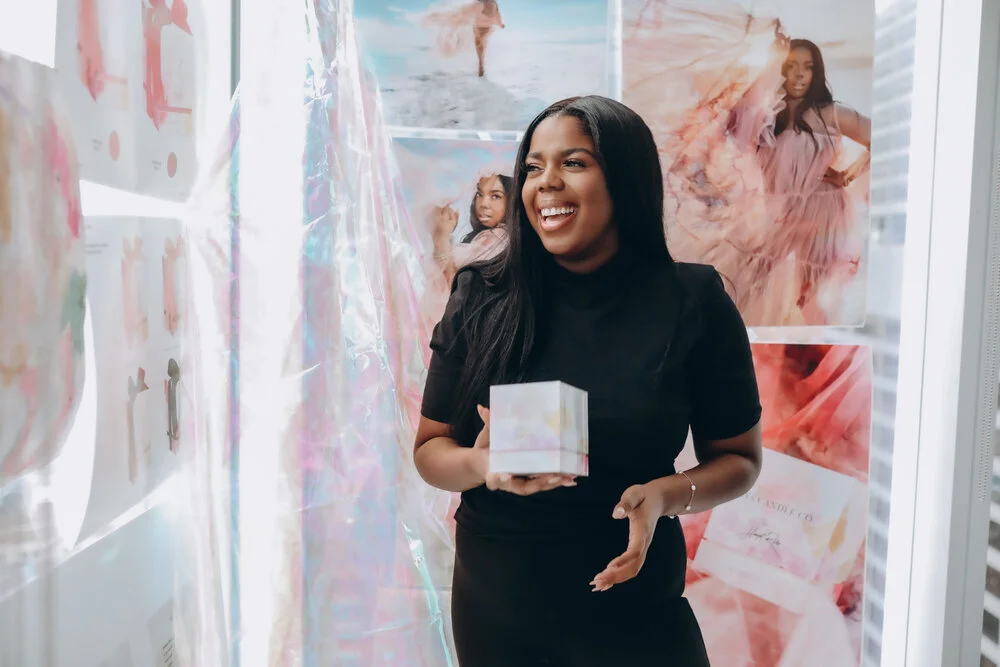
'Real Stories' From Vistaprint Alum: Hayet Rida, Founder, That Hayet Rida
Explore ‘Real Stories’ from Vistaprint Alums, and learn how entrepreneurs use Vistaprint to grow, adapt, and evolve their business.
As part of our Create & Cultivate x Vistaprint Brand Campus, we’re sharing all the ways that Vistaprint can help you grow, adapt, and evolve your business. Discover "Real Stories'' from Vistaprint Alums, and learn how entrepreneurs use Vistaprint as a one-stop-shop for all of their small business marketing solutions.
Whether you’re sourcing a physical product, seeking digital design services, or simply looking for inspiration, Vistaprint is the marketing partner that enables small business owners to elevate their brands – at every stage of their journey. Read on to discover how real business owners use Vistaprint's design capabilities and wide product selection to help their businesses grow organically—and how you can too.

Hayet Rida, Founder, That Hayet Rida
What do you love most about having your own brand/ business?
My favorite part about having my own brand and business is the connection to the community. As an entrepreneur, we tend to think we are just selling ideas or products – but our businesses are really an avenue to connect deeper with the community.
Have you always been entrepreneurial? What led you to take that first step and establish your own brand/business?
I would say, yes – I have always been entrepreneurial. When I was about seven I started making bracelets out of beads. I had no idea what ‘business’ was but I understood at some level that I was making something other people would want, and that I could sell it to them. It took me a bit longer to cultivate the confidence to make the leap to full solopreneur, but I’m glad to be where I am now.
What challenges have you faced in launching your brand / business? How did you overcome them?
The greatest challenge I faced launching my business was getting out of my own way. I would overthink everything, wondering what if it didn’t work – but what if it did work? What if I don’t have enough time? What if nobody likes my product? At the end of the day I realized that I did not have the answers to those questions. And the only way I would be able to get the answers to those questions was if I gave it a try.

“I trust Vistaprint to help me create quality products that reflect and elevate my brand.”
How has Vistaprint helped you grow, evolve, or adapt your business? What are some of the tools and services you have used and how did they help you?
For one of my businesses, Aïya Candle Co., I wanted to convey a luxury experience to our customers with beautiful visuals in our shipping boxes. I used Vistaprint to design beautiful, high-end campaign cards, which really helped to elevate the entire experience. As for my other business, my blog, I like to keep stationary on hand to surprise my supporters with a handwritten thank you note from time to time. Through Vistaprint, I was able to create a quality set of ‘thank you’ stationary, which not only reflected my brand and my business, but my relationship with my community.
How do visual elements play a role in your branding? How are they important to your overall marketing strategy?
Visual elements are the key to branding. It’s not just the imagery and the photography, but how you communicate your brand message all the way down to your notepads, the stationary, the product packaging, and all of the things in between. I trust Vistaprint to help me create quality products that reflect and elevate my brand, without having to worry about ordering high volumes.
“We don’t always have to have these big audacious ideas. Sometimes the true value lies in the smallest idea executed by the smartest people.”

What tips would you give to other aspiring female entrepreneurs to help them launch or scale their businesses?
My only advice to other business owners and entrepreneurs, especially women, is to get out of our own way. Often we seek other people to help nurture us into the confidence to launch our business. But the sooner we realize that though we must work together, believe in each other, and share a vision, ultimately the chance is ours to take. And last but not least, know that it is OK to fail. Failure is a part of growth. When you fail, you learn, you adopt, you grow.
What would you like to see change for the next generation of female entrepreneurs?
I hope the next generation of female entrepreneurs is not afraid to share and build their ideas – even if they seem silly or obvious. Some of the best ideas are low hanging fruit and we wonder why someone hasn’t done it already. Well, the reason why nobody has done it, is because it’s for you to do. We don’t always have to have these big audacious ideas. Sometimes the true value lies in the smallest idea executed by the smartest people..


Hayet Rida
When I was starting this brand, I wanted it to be more than just a product, but a full experience that was built on not only my vision, but a strong team of black women. In every production, and visual decision I chose to hire 100% black women. Every product is the labor of our own vulnerability, trust in ourselves and desire to remind our customers that they deseve black owned luxury.
MORE ON THE BLOG

8 Women in Venture Capital Share Their Best Fundraising Advice for Female Founders
From what you should (and shouldn’t) include in a pitch deck to how to identify the right investors for your business.
Statistically, women-led and owned businesses make more money but they’re still woefully underfunded, especially when it comes to venture capital. And, unfortunately, those stats aren’t improving year-over-year. A recent report published by Fortune discovered that companies founded by women received less VC investment in 2020 than in 2019. By the numbers, female-founded companies raised $3.31 billion in VC in 2020, or 2.2% of the year’s total sum, compared to $3.5 billion and 2.6% in 2019.
So, we reached out to eight women in the venture capital industry and asked them to share their best fundraising advice for female founders—and they didn’t hold back. From what you should (and shouldn’t) include in a pitch deck to how to identify the right investors for your business (spoiler alert: they need to bring more than just money to the table), scroll on for their words of wisdom, including insight into how they choose which companies to fund. Needless to say, if you’re an entrepreneur who’s thinking about bringing VC into your business, you’re going to want to heed their advice.
Sarah Kunst, Managing Director, Cleo Capital

“If the terms are clean and the money is green, they are most likely the right investors.”
—Sarah Kunst, Managing Director, Cleo Capital
How do you choose which businesses to fund? What do you look for in a business and/or an entrepreneur?
I look for founders with an incredible amount of grit, coachability, subject matter expertise, and resilience. I look for businesses in large markets that I'm excited about. If I can find all of those things in a pre-seed startup, I'm likely to invest.
What are three crucial elements everyone should include in a pitch deck when raising money and why?
Make sure you explain the problem you're solving (and the solution you're building!), why your team is the right team to solve the problem, and why the market is large enough to build a billion-dollar company.
What are some of the most common mistakes people make when raising money and how can others avoid these mistakes?
Mistakes to avoid are bad decks and pitches. There are tons of resources available from simple searches about what a good pitch deck looks like and how to pitch angel and pre-seed investors effectively. Make sure you're putting your best foot forward by preparing both your pitch deck and pitch meeting speech.
What advice can you share for entrepreneurs on partnering with the right investors?
If the terms are clean and the money is green, they are most likely the right investors. At the earliest stages, most founders won't have a surplus of options so making sure you can live with the investment terms is very important so you can raise money and keep growing your business. Resources like CooleyGO and YC have great examples of boilerplate investment terms.
What is your #1 piece of financial advice for new entrepreneurs?
Save money on things that don't matter. Fancy offices or expensive business cards likely don't matter, great employees do.
Jaime Schmidt, Co-Founder, Color

“Fundraising means giving up equity in your business, so the earlier you raise money, ultimately, the more it will cost you.”
—Jaime Schmidt, Co-Founder, Color
How do you choose which businesses to fund? What do you look for in a business and/or an entrepreneur?
My fund Color invests in things people buy, and the places people buy them. This includes personal care, food and beverage, retail, publishers, tech-enabled marketplaces, and e-commerce platforms.
To make an attractive investment, first and foremost the product must offer a clear solution to a problem, and provide for a timeless need versus a fleeting trend. I look for brands that start out catering to a niche customer base, but that can show a clear path to reaching the masses. I’m excited about founders with an authentic passion for what they are building and who can make a case for why they are the right person to be building it.
What are three crucial elements everyone should include in a pitch deck when raising money and why?
It’s important to show a clear understanding of the competitive landscape and how your product and brand will add value to the category as a whole. Show who the existing competitors are, those on the rise, and where your brand fits amongst them. The best pitches focus not on how a product is better, but on how it is different.
Investors will also want to see your distribution strategy. Lay out your plans for where the products will be sold, whether that’s through your website only or across different retail channels. This requires knowing what customer demographics you are targeting, too. I’m personally drawn to brands with an openness to exploring sales channels otherwise overlooked by competitors in their space. For example, when I was building Schmidt’s Naturals, I wanted my products available to the mainstream consumer, where most of my competitors in the naturals space catered to a more niche market.
Show images of the standalone product, plus pictures of it being used. This might sound obvious, but so many decks are lacking bold, high-quality photos. These are especially important in the earliest slides, so the investor has a clear understanding right away of what you are selling. The deck should include colors and design elements of the brand, too. This shows that you care about how your brand is represented and that you understand its unique positioning in the category. Make it pretty!
What are some of the most common mistakes people make when raising money and how can others avoid these mistakes?
The biggest mistake I see is founders raising too early. Fundraising means giving up equity in your business, so the earlier you raise money, ultimately the more it will cost you.
Media often paints a picture that landing investor money means a brand is positioned for guaranteed success. But this isn’t necessarily true, and founders don’t always spend investor money wisely. I like to encourage founders to bootstrap for as long as possible—this teaches you how to be scrappy and intentional with your spending, which will serve as a valuable skill throughout the growth of your business.
What advice can you share for entrepreneurs on partnering with the right investors?
The right investor will ask smart, relevant questions and show real enthusiasm for you and your brand. Be wary of those you suspect might have different goals for your company. Listen to your gut, and don’t settle for partners you aren’t excited about working with.
Not everyone will get what you’re trying to do, and that’s okay. Be patient, and believe in yourself. I recently tweeted: “10 yrs ago I started a business that, as a VC, I probably wouldn’t have invested in. As a founder, I was all in, but as an outsider, there was good reason to be skeptical. 7 yrs later the company sold for $100M+. The rejection you might see today is no indicator of your potential.”
What is your #1 piece of financial advice for new entrepreneurs?
Allow yourself to be simultaneously frugal and willing to spend by knowing where to cut corners to invest in things that matter most. This takes some of the rigidity out of financial management, while still providing boundaries for responsible spending.
Sydney Sykes, Co-Founder and Co-CEO, BLCK VC

“Look for someone who answers your calls and texts. You should feel comfortable asking them questions and reaching out to them, even if they may not have the answer to your problem.”
—Sydney Sykes, Co-Founder and Co-CEO, BLCK VC
How do you choose which businesses to fund? What do you look for in a business and/or an entrepreneur?
I look for a combination of two things: vision and numbers. If an entrepreneur has an incredible vision for her company and she's been able to motivate others to believe in her but the numbers aren't incredible, I may be willing to invest. On the other hand, if an entrepreneur has incredible numbers, but the vision of what the business will be in the future is still developing I may also be willing to take a chance. Ideally, she has the perfect combination: an incredibly strong vision with economics or growth that is starting to show traction.
What are three crucial elements everyone should include in a pitch deck when raising money and why?
1. Why your problem is important? Why should you/I/the customer/the employees care about this? You should be able to easily convince me about this. It means this is an important issue that needs to be solved and you're the person who understands that best.
2. Any traction. This comes back to the numbers. What indications are there from the market/customers that this will be successful? It could be sales, but it could also be customer conversations, conversion rates, or engagement.
3. Growth projections. How do you predict sales to grow and how many customers will it take to get you there? This helps me (and you) understand if these assumptions are reasonable. It also helps me understand if this is a long or a short run investment? Some companies need a little bit of money to go really far, and others need a lot more. Neither is right or wrong, but I need to know if your expectations for the business align.
What are some of the most common mistakes people make when raising money and how can others avoid these mistakes?
A lack of focus on the target customer. Especially when seeking venture capital investments, entrepreneurs frequently aim to have the largest TAM possibly and therefore try to expand who their target customer is. However, these two things aren't inherently linked. There can be a large total addressable market, but your product needs to appeal to individuals -- and you need to know exactly who those individuals are.
What advice can you share for entrepreneurs on partnering with the right investors?
Look for someone who answers your calls and texts. You should feel comfortable asking them questions and reaching out to them, even if they may not have the answer to your problem. This free communication can set the tone for the relationship.
What is your #1 piece of financial advice for new entrepreneurs?
Make sure the unit economics makes sense. Especially with consumer companies, there needs to be an understanding of how each customer could be profitable. Ultimately, incredible growth is unsustainable without strong unit economics.
Jesse Draper, Founding Partner, Halogen Ventures

“Remember one thing, not all money is good money. This is a long-term relationship. A marriage you cannot get out of. It will be a 10-year partnership. Do your research.”
—Jesse Draper, Founding Partner, Halogen Ventures
How do you choose which businesses to fund? What do you look for in a business and/or an entrepreneur?
We invest in consumer technology so I start there. The three main things I look for in an entrepreneur are:
1. Founder, founder, founder. Why are you the best person to run this company? Are you going to take it all the way? Are you in it for the quick exit or the 10-year marathon? Do you know your strengths and weaknesses? And mostly, is this someone I want to get into business with?
2. Product. How is your product a unique offering? Is it defensible? If it's a busy space, why is yours the one that will stand out?
3. Traction. This could mean $1 million in revenue, 100,000 users but don't let those numbers dissuade you, many people especially in hardware need to raise capital to get their product to market. If that is the case, show me some research or data that there is a need for this.
What are three crucial elements everyone should include in a pitch deck when raising money and why?
A. Know your market size. Make sure you are going after a billion-dollar market. As a venture capitalist, my business only works if you sell your company for a billion dollars, I have many investors who I need to pay back. If you are going after a $50 million dollar market, my business model doesn't work. I often have to say to founders, go find the bigger market here and come back to me.
B. What problem are you solving? The best businesses are built out of a need. Be clear about what your solution is and why you are building this company.
C. The ask! I am always perplexed when this isn't in the deck. What are you looking for? $1 million? Advisors? Put the ask in the deck and it's much easier to ASK for an investment, etc.
What are some of the most common mistakes people make when raising money and how can others avoid these mistakes?
Founders who think they have all the answers. I certainly don't have all the answers and I don't believe anyone should ever think they are the smartest person in the room. Whenever I see a founder who tells me, “This is the only way it will work.” that is a big red flag and I usually run in the opposite direction. The best companies are able to pivot and evolve when needed. It's never a straight line up a mountain, there are ups and downs, and who knows, we may end up in an international pandemic!
What advice can you share for entrepreneurs on partnering with the right investors?
Remember one thing, not all money is good money. This is a long-term relationship. A marriage you cannot get out of. It will be a 10-year partnership. Do your research. Call their other portfolio companies to see that what their work ethic is like, how they partner with founders, are they in the trenches with you, or hands-off. One bad investor can poison the well. You will find the right capital for your company even if it takes a little longer because you have to turn some down. Be diligent and selective.
What is your #1 piece of financial advice for new entrepreneurs?
Fundraising is a grind. Don't get discouraged by the “no’s.” I often have founders say, “Well, everyone said ‘no.’” And I say, “Who is everyone?” And they respond with, “Well, I talked to eight investors!” That is NOT a lot. Plan on having 100 meetings because you have to cast a much wider net to find your investors. If you plan on having 100 meetings, you will be pleasantly surprised because it probably won't take 100. Also, ask for more. Get clear on the number you think you need and double it. It is what I like to call a "misc" category. If your goal is to raise 1 million, go for 2 million instead. It always takes more money and more time than you think. Set yourself up for success.
Arielle Loren, Founder, 100k Incubator

“Not every business can start small, but the vast majority can. Get a small amount of capital, start testing, collect your data, know your conversion rates, and then think about an investor.”
—Arielle Loren, Founder, 100k Incubator
How do you choose which businesses to fund? What do you look for in a business and/or an entrepreneur?
The most successful and scalable businesses place a heavy focus on their analytics and numbers. They pay attention to their mistakes, learn fast, and are quick to pivot to where they’re seeing traction, whether that’s an increase in their user base, higher revenue, or increased profitability. We love women entrepreneurs who are obsessed with those details, and who aren’t afraid to get creative to reach their growth goals. We don’t expect things to go smoothly, but we do expect for the bumps to be measured.
What are three crucial elements everyone should include in a pitch deck when raising money and why?
Know your conversion rates before going after large amounts of capital. If I give you something small like $10,000, could you take 10% of that ($1,000), invest it in an ad campaign, and turn it into $2,000 in sales? Can you go granular and know how much it costs you in ad spend just to get one customer? Could you measure and see how quickly a first-time customer makes their second purchase? Too many entrepreneurs get caught up in creating a perfectly branded pitch deck when really the decision comes down to proof of concept and real-time data. Gary Vee posted a great quote recently that said, “When you overthink, you slow down and you get passed.” Not every business can start small, but the vast majority can. Get a small amount of capital, start testing, collect your data, know your conversion rates, and then think about an investor (if that’s really what you want to do).
What are some of the most common mistakes people make when raising money and how can others avoid these mistakes?
There are so many entrepreneurs not taking the time to get educated on all of their funding options, and part of that is because angel investors and venture capital have become so popular in the media, that entrepreneurs jump to make that their desired funding vehicle. The vast majority of entrepreneurs do not need venture capital; we teach and help entrepreneurs access 11 other types of funding. When our members first enter the 100K Incubator app, they're asked to take our 50-video boot camp on how to prepare for funding, what their funding options are, and how to use funding to scale to their first $100,000 in annual sales. And for the entrepreneurs who are already earning over $100,000 in annual sales, they still find extreme value in the boot camp, because it breaks down funding and scaling in a way that most of them have never heard. Getting the funding is the easy part, they actually have a lot of options, but learning what drives and scales their business, getting into the data, that’s where their true talent, grit, and creativity is tested as a business owner.
What advice can you share for entrepreneurs on partnering with the right investors?
When partnering with the right investor, it’s more about having an honest conversation about what they expect in terms of a return on their investment, how fast they want it, and how much control they expect to have in the business. Then it’s making sure that you have a skilled lawyer to put those terms into contracts so that there’s little misunderstanding down the road. Most small businesses don’t need investors. What they really need is access to capital, customer acquisition and retention process, a deep understanding of how it works for their own business, and how to scale that into a six and seven-figure in sales with a healthy profit. The TV and social media world have made angel investors and venture capital funding sexy without telling how much stress it puts on founders, and how much it costs financially. At a minimum, make sure your investor is bringing something to the table other than money because if your company is successful, that investor capital you took in exchange for your equity will end up being the most expensive type of capital you’ve ever taken.
What is your #1 piece of financial advice for new entrepreneurs?
Make your move, learn from your mistakes, and trust the process. How much you raise in funding is nowhere near as valuable as what you learn along the way. And while helping women get access to funding is rewarding and an accomplishment in itself, it’s far more exciting to help them use that capital to create real sustainable six-to-seven-figure businesses that change their lives, their families’ lives, and their futures. We love to be the catalyst and support system for more women understanding the complete cycle of entrepreneurship. Getting funding is truly just the first step.
Elizabeth Edwards, Managing Partner, H Venture Partners

“Make a big list and do your research. You should be putting a list of 100 investors together based on stage, sector, and geography focus.”
—Elizabeth Edwards, Managing Partner, H Venture Partners
How do you choose which businesses to fund? What do you look for in a business and/or an entrepreneur?
We're looking for next-generation, iconic consumer brands that we can help scale from $0 or $5 million in revenue to $10 or $50 million in revenue within a handful of years. These are products in your home that you use every day, like your Peloton bike, baby food, or skincare. We look for brands that are fundamental to life, better for human health, and better for the environment, and we like to support underrepresented founders and consumer groups of all kinds.
In particular, we also like businesses that have one or more of the following in the business model: superior products, scientifically-proven claims, intellectual property, network effect, owned channels, the convergence of media/retail/brand. We tend to lean towards inclusive brands vs. exclusive, and we're particularly strong with omnichannel brands that are going to ultimately scale in retail.
What are three crucial elements everyone should include in a pitch deck when raising money and why?
The pitch uses a combination of stats, calculations, product photos, and charts to tell the following story:
We know this consumer inside and out - and they have a big problem that we deeply understand.
We have a unique way to solve that problem, sell the solution, or make the solution because we have a lot of domain expertise and credibility in this particular space.
This problem represents a huge market, our approach has compelling unit economics, and this brand has clear exit opportunities — strategic and otherwise. If you invest X dollars with this round, we’ll spend the money in these ways to turn it into Y revenue over Z timeframe
What are some of the most common mistakes people make when raising money and how can others avoid these mistakes?
Not using DocSend is a common mistake; it's industry standard in venture capital, and anyone who tells you otherwise is suspect. There was a Twitter controversy over this not long ago, but as Ronald Regan said, "Trust but verify." There are a lot of thoughtless (or bad) actors out there, who will forward your deck on without thinking - because it's not their business, it's yours. If you're sending your business plan to strangers, DocSend is a good way to track and control it. If you are sending it to a current investor in your company, go ahead and bury them in PDFs of decks and attachments. But there's no reason to do that with strangers.
What advice can you share for entrepreneurs on partnering with the right investors?
Make a big list and do your research. You should be putting a list of 100 investors together based on stage, sector, and geography focus. Crunchbase Pro is relatively cheap, and you can get access to thousands of VCs this way. Then, put together a "Perfect Triumvirate" of three venture investors that complement the weaknesses of your management team; those that can help you with strategy and open their network. It's important to have three deep pockets in any deal. It's tough for the entrepreneur, and the investors, if there's only one set of deep pockets when times get tough — as they invariably do.
What is your #1 piece of financial advice for new entrepreneurs?
Cash is king. Spend your venture capital money like you don't have any money. Growth hack, test, iterate, and once you figure out a way to get a 7x LTV/CAC, go for it. Raise more money, hire the absolute best talent money can buy and your cap table can bear, and then change the world.
Maria Salamanca, Investor, Unshackled Ventures

“The right investor will be a combination of ‘they get what I am trying to do’ and ‘they push me to think deeper about the problem.’”
—Maria Salamanca, Investor, Unshackled Ventures
How do you choose which businesses to fund? What do you look for in a business and/or an entrepreneur?
We are sector agnostic. We know founders see the world differently than everyone else so we are open to all sectors. Like most VCs, we look to invest in companies that can grow at “venture scale” in large market opportunities.
What are three crucial elements everyone should include in a pitch deck when raising money and why?
Answering the question: what is new about your solution that others haven't tried before (what’s your secret sauce/unique insights), why is this the right team to tackle this, and why is this a massive opportunity?
What are some of the most common mistakes people make when raising money and how can others avoid these mistakes?
Founders don't always do their homework on the competitive landscape, many times only focus on big older companies but the real competition is often from peers only a few steps ahead or behind.
What advice can you share for entrepreneurs on partnering with the right investors?
The right investor will be a combination of "they get what I am trying to do" and "they push me to think deeper about the problem"
What is your #1 piece of financial advice for new entrepreneurs?
Figure out what is the best form of capital that will help you scale and why (VC, loans, bootstrapping, PE, etc) because this impacts how you think about company building. There are many ways to build a profitable business and venture is not always the right capital to get you there.
Maya Baratz Jordan, CEO and Founding Partner, Founders Factory New York

“Partner with investors who can help you beyond writing you a check and help in the areas you actually need help in.”
—Maya Baratz Jordan, CEO and Founding Partner, Founders Factory New York
How do you choose which businesses to fund? What do you look for in a business and/or an entrepreneur?
As an early-stage investor, I always weigh the team’s DNA heavily when considering an investment. A business at the startup stage will go through many changes—and will look and be as different two years in as a newborn is from a toddler. It takes a lot to keep a business not only alive but thriving. That's why over 90% of startups fail. The consistent piece is the team. Does the founding team have the unique superpowers required to get their specific company off the ground, along with the experience to allow them to stay the course and attract the best talent and returning customers as they grow?
The second piece that's important is the market: Is the ultimate market this business is targeting large enough to be investible? For a business to be investible, it needs to generate returns for investors that make it well worth the risk and opportunity cost. There are a lot of great examples of successful businesses that are not investible, but still wonderful businesses. For an investor, the potential reward needs to be multiples higher than the risk—which often means that the company can serve a very large group of people.
The third piece that's important is the problem that's being solved and how it's being solved; this is the glue that bridges together the first two pieces (i.e., the founders and the market); it's what dictates whether or not the business is truly fitting the needs of the market it is targeting.
What are three crucial elements everyone should include in a pitch deck when raising money and why?
What you put in your pitch deck will depend on the stage of the company. The general areas you'll want to cover include, but aren't limited to, the problem you are solving, how big that problem is (market), and what it is about your company that puts you in a position to win. You'll want to weave them all into a story with a natural arc; it needs to flow in a way that would answer someone's questions as they listen to your pitch.
If you're an early-stage business with little or no traction to show, you'll want to highlight what it is about your business that will defend it over time and help you win the market over, despite current or future competitors who enter that market. Sometimes that defensibility relies on the experience of the founding team, if relevant. For instance, if you know that the CEO of a wildly successful venture is now starting a new company in a related space, their experience and learnings from running their previous business will likely help them in their new venture. You ideally want to focus on the things that differentiate your company from competitors, specifically zeroing in on the aspects that can't be easily replicated by others and that are necessary for the business to grow and be successful.
If you're a company with traction that shows you're growing quickly, a so-called hockey stick growth chart can help tell the story of why you are already running a rocket ship. Every company should have its own way to express its ultimate "right to win."
What are some of the most common mistakes people make when raising money and how can others avoid these mistakes?
One of the mistakes I've seen founders make when pitching is speaking but not truly listening. Partnering with investors is a two-way street. The questions and feedback you will get will help guide you to refine your pitch as you go, and perhaps even help your business. And you never know when you may get a "no" from an investor now and perhaps that turns into a "yes" in a later stage of your company. Relationships matter and you can use the fundraising process to grow relationships, even with investors who say no. It's likely that, especially if this is your first time fundraising, most of your pitches will end up with rejections, so you may as well use each interaction as an opportunity to learn. You also want to know your pitch like you know your business; don't memorize it or it will feel unnatural. The best pitches feel like conversations.
What advice can you share for entrepreneurs on partnering with the right investors?
Partner with investors who can help you beyond writing you a check and help in the areas you actually need help in. Try to avoid bringing on partners who either don't know your market or haven't invested in companies that are in the same stage your company is in. You'll want to partner with investors who are empathetic to the journey you're on and can be helpful in the right ways when you need help, whether that means giving you the right advice or making the right introductions. This is why former founders or operators within startups make great angel investors; they understand the challenges of building a business and know the importance of helping a company beyond the capital they put in. You'll also want to partner with investors who generally agree with the path you're going on so they can best support it.
What is your #1 piece of financial advice for new entrepreneurs?
Your biggest financial job will be ensuring there is ultimately more money coming into the company versus out. It sounds simple, but if you have this mandate in mind, you'll be protective of your runway when you need to be and push your company to grow in a long-term, sustainable way so you can ultimately be independently profitable. You don't want to spend money on frivolous, performative things upfront. Think about your runway as fuel; if you're close to running out of it, the company can quickly grind to a halt. Spend money where it's truly needed and understand exactly how every dollar you spend will ultimately get your company to your long-term goals. Most people in successful early-stage companies wear multiple hats and have the urgency/scrappiness to pull things off with limited resources for this reason.
MORE ON THE BLOG

This Entrepreneur Is Making the Beauty Industry More Inclusive, One Kajal Eyeliner at a Time
Meet Kulfi Beauty founder Priyanka Ganjoo.

We know how daunting it can be to start a new business, especially if you’re disrupting an industry or creating an entirely new one. When there is no path to follow, the biggest question is, where do I start? There is so much to do, but before you get ahead of yourself, let’s start at the beginning. To kick-start the process, and ease some of those first-time founder nerves, we’re asking successful entrepreneurs to share their stories in our new series, From Scratch. But this isn’t your typical day in the life profile. We’re getting into the nitty-gritty details—from writing a business plan (or not) to sourcing manufacturers and how much they pay themselves—we’re not holding back.

Photo: Courtesy of Priyanka Ganjoo
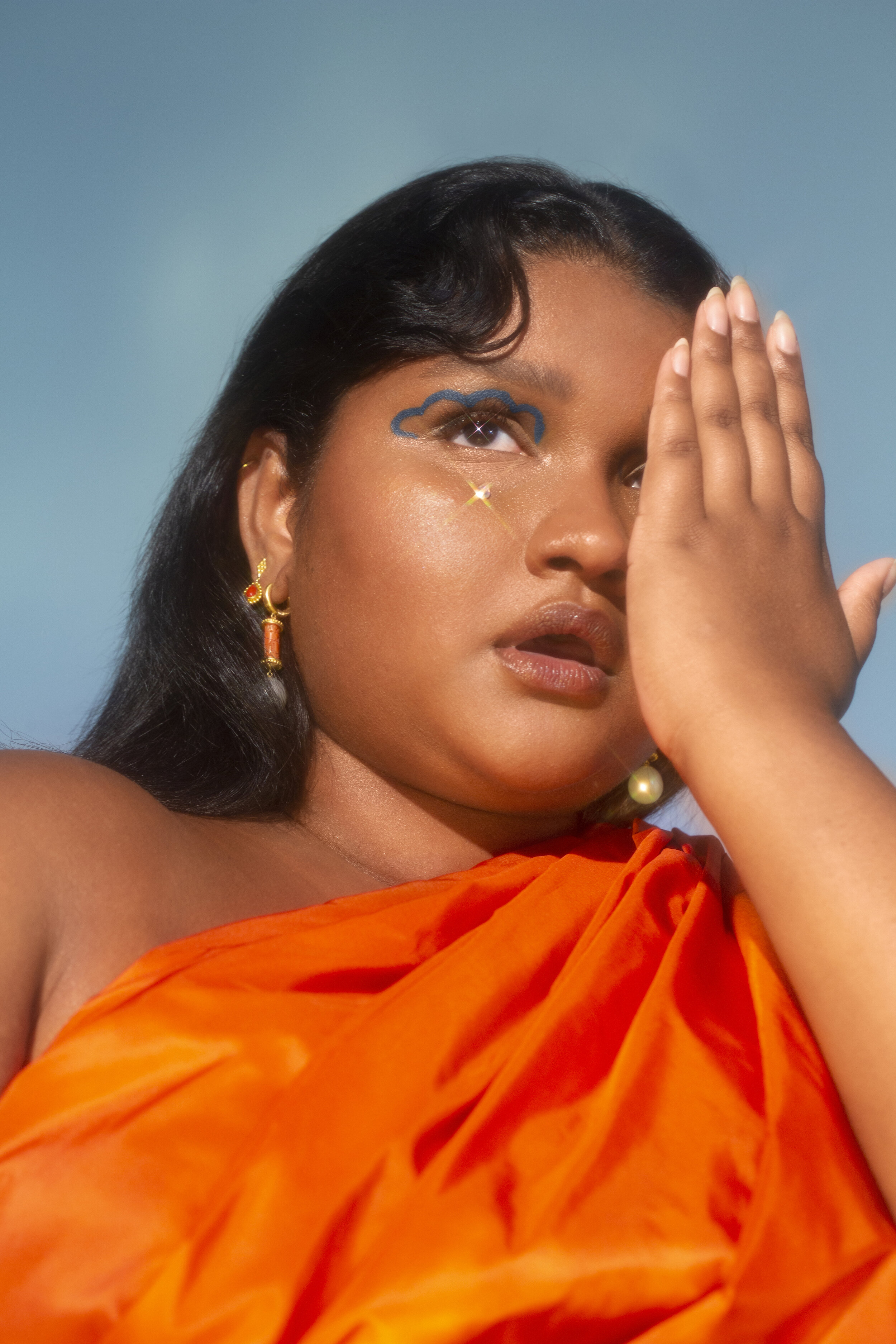
Priyanka Ganjoo knows all too well what it feels like to be overlooked by the beauty industry. “Growing up in the South Asian community, my relationship with makeup and beauty was defined by Eurocentric standards and the patriarchy,” she tells Create & Cultivate. “It was only when I started working in the industry and playing with makeup that I discovered the joy of makeup and using it to express how I feel.“ Now, she’s on a mission to empower others who have also been alienated by the beauty industry to experience that same satisfaction and self-expression she found.
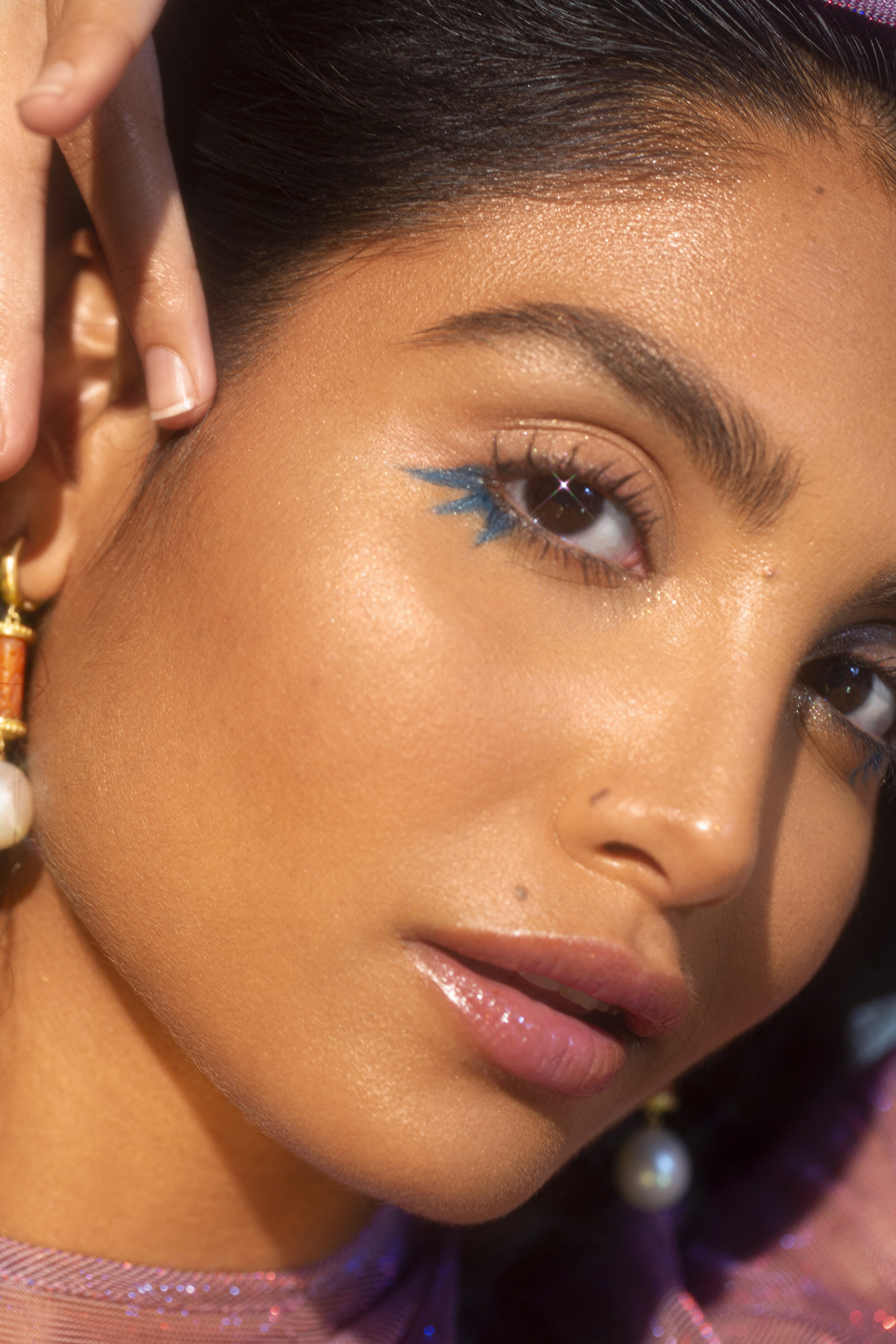
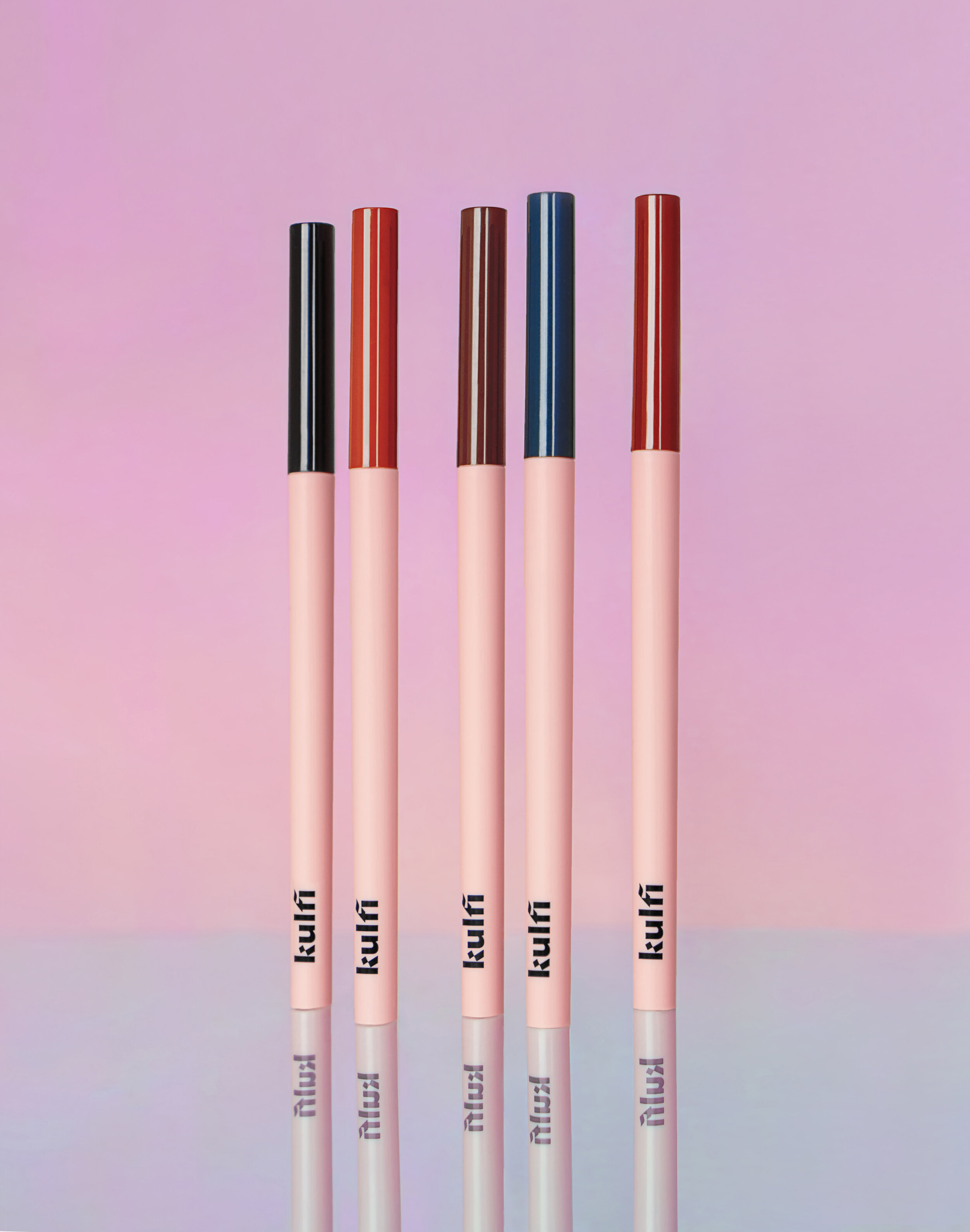
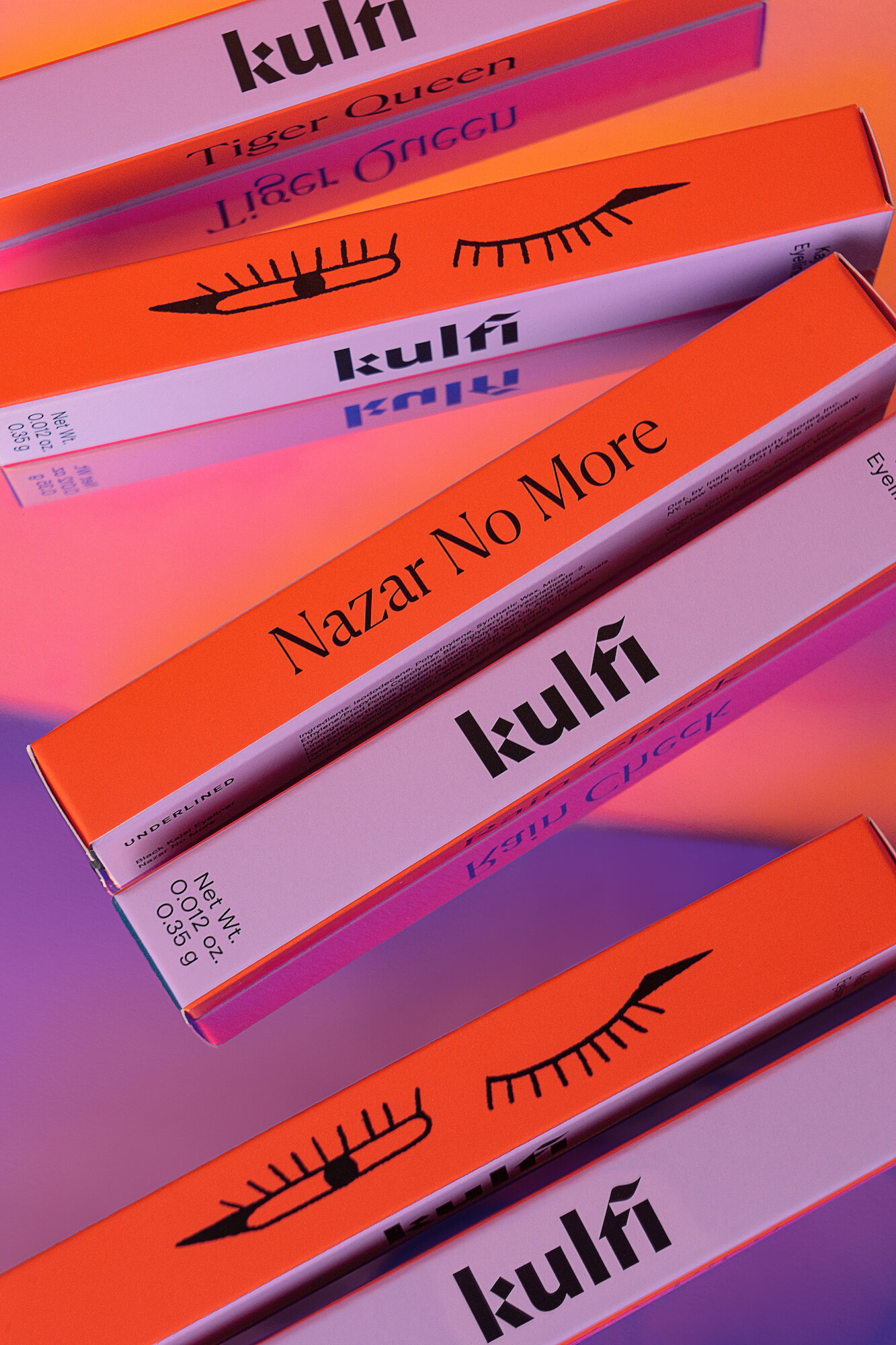
This past February, the Estée Lauder and Ipsy alum officially launched her own makeup brand, Kulfi Beauty, to center and celebrate South Asian beauty. Named after kulfi, a South Asian frozen dessert similar to ice cream, the brand’s first launch boasts an array of brightly hued kajal eyeliners not only designed to present beautifully on deeper skin tones but, more importantly, to encourage self-expression. “South Asian women can sometimes feel like we’ve been portrayed as the victim or needing charity,” explains Ganjoo. “I want to change that dialogue and present to the world an empowered South Asian who is not only comfortable in their own skin but thriving in it.”
Ahead, the founder and CEO reveals the extensive research she did before launching the beauty brand, the mistakes she’s learned from along the way, and the number one piece of financial advice she’d give to her fellow entrepreneurs.
Did you write a business plan? If so, was it helpful? If not, what did you use to guide your business instead? Why did you take that approach?
I didn’t write a business plan. I had worked in the beauty industry for years and was the general manager of IPSY Glam Bag, so I understood the high-level economics of the beauty business. I knew the problem I was trying to solve was massive and underserved. What I wanted to figure out was how?
Celebrating South Asian beauty was the mission from day one. In the initial months, I wanted to understand what that meant beyond me and my immediate circle of friends. I was part of a Facebook group with South Asian members, so I posted on the message board saying something like, “I’m building a beauty brand. Come talk to me.” I did hundreds of in-person interviews in New York, followed by online surveys with people across the world from Singapore to the UK. I wanted to know their attitudes towards beauty, the challenges they faced, the brands they loved, what they thought was missing.
I flew to Mumbai, India for a month to meet beauty entrepreneurs in India and even signed up for a Bollywood celebrity makeup artist workshop. I took this approach because if I wanted to create delight for our community, I had to understand the space first. Very quickly, it became clear to me that the alienation I had felt in the beauty industry had been felt by many across the world. That gave me the confidence and the data to dive right into building the foundations for Kulfi.
How did you come up with the name Kulfi Beauty, and what are some of the things you considered during that process?
“Kulfi” is a South Asian dessert, most similar to ice cream, and is made in so many fun colors and flavors. Some of my happiest childhood memories are eating kulfi during summer in Delhi. So, the name came out of two very personal emotions tied to the brand: celebration and joy.
South Asian women can sometimes feel like we’ve been portrayed as the victim or needing charity. I want to change that dialogue and present to the world an empowered South Asian who is not only comfortable in their own skin but thriving in it. Growing up in the South Asian community, my relationship with makeup and beauty was defined by Eurocentric standards and the patriarchy. It was only when I started working in the industry and playing with makeup that I discovered the joy of makeup and using it to express how I feel.
Kulfi was the working name for the brief I shared with my creative director, Badal Patel. We did a naming exercise too, where we came up with multiple options, but Kulfi just felt right for our brand personality. Some practical things I looked at were: can we get a global trademark? Can people pronounce it? Is it memorable? The wonderful thing is that while you’ll find it really hard to find any French word not trademarked in beauty (even brands that are not French want to sound French, and what does that say about the industry?), there are so many beautiful South Asian words that are viable options.

What were the immediate things you had to take care of to set up the business?
The first thing I did was incorporate. Then, I opened a business bank account, where I transferred all my personal savings. Once the brand name was finalized, I bought the domain kulfibeauty.com. I even reached out to the person who owns kulfi.com but they didn’t want to sell. I got the social channels I could, though we still don’t have consistent naming due to lack of availability across channels.
What research did you do for the brand beforehand, and why would you recommend it to fellow entrepreneurs?
I highly recommend researching through interviews, surveys, and focus groups. Some of the people I met through this process now follow the brand and are fans even before launch. They’ve been there from the start. The data from the research helped define my product roadmap.
In April 2020, we launched our digital platform Kulfi Bites. That’s been such an amazing resource. We share stories of relatable and aspirational South Asians. People started reaching out to us with their experiences. Now I regularly ask our community on Instagram for their inputs.
How did you find and identify the manufacturers that you work with? What advice can you share for fellow business owners on finding the right manufacturing partners?
Having a beauty industry network who work in product development helped. While I was at IPSY, I had attended trade shows with our procurement team and started to understand the landscape of manufacturers. That’s where I would start if I were starting from scratch: go walk the floor of a trade show (when they are on again).
Once I knew the products I wanted to launch, I got referred to a few best-in-class manufacturers. In my early conversations with them, I filtered based on who was open and excited to work with indie brands and small volumes. I submitted my product briefs to two manufacturers for each category and picked the one that was able to achieve the closest fit in formula I desired.
Last year, COVID made the product development process challenging for a small brand. We had long gaps in communication with our manufacturers. My advice would be to keep following up and building the relationship because your manufacturers are also trying to do their best and pivot their businesses in times of uncertainty.
How did you fund Kulfi and what path would you recommend to entrepreneurs today?
I self-funded the business with my personal savings until last year. Towards the end of last year, I raised an angel, friends-and-family round to support our investments this year. The process was initially intimidating. I had never fundraised before. It was very time-consuming because you are sending a thousand emails, pitching on hundreds of calls, and then following up and following up again until the money is in your account. You hear “no” 99% of the time but you still pitch the next person with the same enthusiasm.
Whether to fundraise or not is a personal and business decision with a lot of factors at play. Even if you decide not to fundraise, going through the process is educational. Towards the end of the round, I was crystal clear about what I wanted and what I didn’t want my business to be. I also learned about the types of investors I want to bring with me on this journey.
Do you pay yourself, and if so, how did you determine what to pay yourself?
I don’t pay myself and I don’t plan to until we turn profitable. Every single dollar is going into the business. My partner is supporting my living expenses which is a privilege.
How big is your team now, and what has the hiring process been like? Did you have any hiring experience before this venture? If not, how did you learn and what have you learned about it along the way?
The first person I hired was our brilliant creative director. She’s a freelance creative director and we work on a consulting basis. I have a team of amazing interns who are helping me with marketing and partnerships. Our editor works full time on Kulfi. I’m hiring an operations specialist who will join us prior to launch. Most of the people on our team are members of our community who found Kulfi through word of mouth and wanted to help out. I had hiring experience at IPSY, where I built and led a team of nine people. What I consider when hiring is to look for the combination of passion for the company mission and the ability to execute. I’m being mindful about full-time hiring until we are profitable because I have to keep our burn rate low.
Did you hire an accountant? Who helped you with the financial decisions and setup? Are there any financial tools or programs you recommend?
I hired an accountant to help set us up on Quickbooks. We’re still very early, so I haven’t felt the need for external resources for financial planning. I make my budget on Google Sheets and try to stick to it!
What has been the biggest learning curve during the process of establishing your business?
Surrounding yourself with people who believe in you is so important to get you through the rejections and hard times. I had also heard this many times, and it’s true: everything takes twice as long and is twice as expensive.
How did you promote your company? How did you get people to know who you are and create buzz?
Our marketing efforts have been very organic. We are building our digital platform Kulfi Bites through one on one conversations and with a community of writers who want to create representation. We got some great early buzz through an article on Allure that emerged from a conversation my friend Loni and I were having about Indian Matchmaking.
Do you have a business coach or mentor? How has this person helped? Would you recommend one? How do you get one?
When I have a business question, I go to some of Kulfi’s investors and advisors who are beauty entrepreneurs themselves. In the past year, I’ve built relationships with many entrepreneurs in the consumer space who are great resources.
I found them through networking during the fundraising process. I tapped my personal network. I applied to competitions and accelerators. Kulfi was selected for Supermaker and VentureCrushFG.

How has COVID-19 impacted your business operations and financials? What tactics and strategies have you put in place to pivot and ensure your business is successful through this period?
Our launch was delayed due to COVID. I was planning to fundraise in Q2 2020 but that was not an option anymore. My initial launch date was Q3 2020 but product development was delayed. I focused my energy on what I could do: building community. We built and grew our digital platform Kulfi Bites in this time, which has helped establish what our brand stands for. We held online events with our community. For example, we had a panel with South Asian women in entrepreneurship. I got on a phone call with almost everyone who wrote in. While it can be frustrating to see your plans disrupted, I’m grateful for the space it gave me to grow Kulfi in such an organic way.
What short-term changes will be crucial to your business strategy long-term post-COVID-19 and what plans are you making for when we get back to “normal?”
I think the biggest change is how I think about physical retail. I want Kulfi to be where the customer is. Before COVID, physical retail was a big part of the customer journey. During the pandemic, some of that traffic has shifted online and brands overinvested in physical retail have suffered. I do believe consumers will go back to stores again, but it’ll be crucial to find the right timing.
What advice can you share for small business owners, founders, and entrepreneurs who are also reeling in response to COVID-19?
In March/April 2020, I definitely had a moment where I thought to myself: should I even continue building Kulfi? I’m so glad I pushed through the challenges and uncertainty. This isn’t the answer for everyone. But if you still have the passion for your business and the means to support yourself through these difficult times, keep going.
What is one thing you didn’t do during the setup process that ended up being crucial to the business and would advise others to do asap?
I wish I had started working on multiple products in the early days. Product development takes a long time and now I can’t spend as much time as I want on it with marketing, operations, and fundraising taking up a lot of my time.
For those who haven’t started a business (or are about to), what advice do you have?
Just do it! You only learn by doing. When you put your heart and soul into it, people see that and are attracted to it.
What is your number one piece of financial advice for any new business owner and why?
Assume you’ll never raise money. Build your business to achieve profitability with the runway you have.
If you could go back to the beginning with the knowledge you have now, what advice would you give yourself and why?
I would say to myself: believe in yourself. Surround yourself with people who believe in you.
MORE ON THE BLOG

This Entrepreneur Is Bringing Latin America’s Best-Kept Skincare Secrets to the Masses
Meet the founder of Joaquina Botánica.

You asked for more content around business finances, so we’re delivering. Welcome to Money Matters where we give you an inside look at the pocketbooks of CEOs and entrepreneurs. In this series, you’ll learn what successful women in business spend on office spaces and employee salaries, how they knew it was time to hire someone to manage their finances, and their best advice for talking about money.

Photo: Anita Calero Courtesy of Giovanna Campagna
Giovanna Campagna, a born-and-bred New Yorker, was visiting her mother’s native Colombia when she had an “aha” moment. “I thought to myself, here I am in the most biodiverse region in the world surrounded by the most incredible nature,” Campagna tells Create & Cultivate. “Moreover, everything I’ve learned about beauty is from the Latin women in my life and their rich beauty culture. How are there no brands speaking to this?” Given her extensive experience in fashion media and marketing, a growing desire to connect more deeply with her Colombian heritage, and a vast network of contacts to tap into, Campagna set out to fill this glaring gap in the market. The result is Joaquina Botánica, a clean skincare line that celebrates Latin America’s powerful botanicals as well as its deeply rooted beauty philosophies.
Campagna launched the brand with a single product—the Orquídea and Vitamin C Hydrating Glow Oil, a facial oil that boasts a potent blend of superfruits (including cacay, camu camu, and maracuja) and antioxidant-rich extracts from Colombian orchids—with plans to add two more products in 2021. Although Campagna started her career in fashion at Vogue and W Magazine and later co-founded a marketing agency to help Latin American fashion designers expand their reach to international markets, in many ways, her shift from fashion to beauty was generations in the making. “My great-great-grandmother founded one of the first apothecaries in Cali, Colombia in 1875,” says Campagna. “I actually named the brand after her as I am so inspired by her story. Celebrating vibrant, passionate women, and supporting female entrepreneurship is a core pillar of the brand, so Joaquina made the perfect namesake.“
Ahead, the beauty entrepreneur fills C&C in on how she took her idea from concept to company, including how self-funding her business has pushed her to be more creative and why she believes paying yourself is something to be proud of.
What inspired you to launch Joaquina Botánica and pursue this path?
When I had my aha moment, I was actually working in fashion. I started my career at Vogue and W Magazine and went on to co-found my first business in 2014, an agency dedicated to launching Latin American fashion brands in the international market. I grew up in New York but always had an inclination to get closer to my mother’s Colombian roots. Around that time, Colombia was experiencing a kind of renaissance and there were incredibly talented designers coming out of the region. However, the U.S. and Europe were still the hegemonic centers of the fashion world and it was a difficult world to break into. I realized that I could use the connections I had built at Condé Nast and in New York to help these brands succeed on the global stage and set out with my partner to do so. At the same time, I loved that my work enabled me to connect more deeply with my Colombian roots and celebrate them with the world.
It was through that journey that my idea for doing something similar in beauty began to crystalize. I was spending more and more time in Colombia, while also becoming increasingly interested in clean beauty and wellness. My lightbulb moment came when I thought to myself: Here I am in the most biodiverse region in the world surrounded by the most incredible nature. Moreover, everything I have learned about beauty is from the Latin women in my life and their rich beauty culture. How are there no brands speaking to this? So I set out to create a line that would share the region’s incredible botanical beauty and its deep-rooted beauty philosophies. We launched with one product—the Orquídea + Vitamin C Hydrating Glow Oil—and are releasing two more this year.
Although I did not start out in personal care, I have family history in the industry. My great-great-grandmother founded one of the first apothecaries in Cali, Colombia in 1875. Her husband passed away when they were very young, and she ran the business on her own until her son was old enough to take over. I actually named the brand after her as I am so inspired by her story. Celebrating vibrant, passionate women, and supporting female entrepreneurship is a core pillar of the brand, so Joaquina made the perfect namesake.
You decided against venture capital and opted for the self-funded route instead. Talk us through your bootstrapping process. Why did you self-fund and would you recommend that route to other entrepreneurs? Is venture capital in the future for Joaquina Botánica?
I chose to self-fund because I established that I had enough resources to develop and produce our first products, achieve proof of concept, and meet my growth targets for the first few years. There are definitely pros and cons to bootstrapping and going out on your own, but I appreciate that I can maintain complete ownership and control of the company and grow purposefully in a way that is true to my vision.
Deciding which route to take is extremely personal to your situation, goals, and the capital requirements of your business, so it is difficult to say what I would recommend. What helped me to decide was listening to the experiences of other entrepreneurs. The narratives of those who bootstrapped resonated with me more; they were scrappy, purposeful, and creative with their opportunities and capital allocation. They built profitable businesses that felt true to themselves and their core mission. Without a budget for hiring, they started out managing every aspect of their business, learned each area intimately, and were even more equipped to delegate when the time came. That being said, I have founder friends who do not find these stories appealing at all, and have opted to look for funding from the outset!
Bootstrapping has definitely made me extremely purposeful with my spending, and I believe that a lot can be achieved by being resourceful. Having a more limited budget has pushed me to differentiate our brand and create something special in ways that more money can’t necessarily buy. I believe this has led to a more authentic product and voice than what could have been.
I would not rule out fundraising in the future, but it would need to be with the correct strategic partner who would contribute more than just financial support to the business.

What advice do you have for people who want to take the leap to start their own business but are worried about the financial risk?
If you can start developing your business while still in a paid role or freelancing, I think it is wise to do so. Mentally (and financially) it can be a relief to have a stream of income while you are only seeing money go out the proverbial door on start-up costs. You may also find that you have time on your hands while things are in gestation. At least in beauty, developing original products takes quite a long time (it took us roughly two and a half years), and I sometimes found myself with not much to do while waiting for things to come together.
I did leave my previous role to start the business, but I was pregnant and gave birth to my daughter during this time, so it worked out perfectly. I dedicated my free hours to my personal life, and by the time the business launched and I began working “full-time” again, she was about eight months old (highly recommend this timeline for any moms/soon-to-be moms out there!). Had that not been the case, I definitely would have had time for other projects for at least the first year of product development, and I think I would have appreciated it. Of course, some businesses may take up all of your time from the get-go, so it takes some analysis of your specific situation.
What was your first big expense as a business owner and how should small business owners prepare for that now?
There were several large expenses at the beginning, from formulation costs to investing in a product developer (fairly predictable costs for a skincare brand). However, one of the first large expenses that I was not expecting was the legal fees for securing our trademark. I was not fully aware of this before, but once you narrow down potential brand names, you need to enlist a trademark lawyer to conduct extensive research on each to make sure that there are no conflicting trademarks or brands out there. I think about four of the brand names I wanted came back with conflicts after a search, and each round was a financial outlay. When I finally landed on a name that the lawyers deemed viable, I faced additional fees for the trademark application. That first application was actually denied, so I incurred those costs twice!
If you feel that owning the trademark is important to the value of your business—as it definitely is for consumer products like beauty—I would recommend budgeting for this from the get-go. You can begin by speaking to trademark attorneys and finding one who can provide an estimate of fees that fits within your budget.
What are your top three largest expenses every month?
Inventory, PR, and future product development.
Do you pay yourself, and if so, how did you know what to pay yourself?
I do not pay myself yet but plan to begin by the end of our second year in business.
Would you recommend other small business owners pay themselves?
It is hard to say, as it depends on so many factors. For VC-funded brands, it is common for the founder to receive a salary. If you have a service-based business, it also may be easier to pay yourself sooner as you are lighter on assets and do not have to reinvest in expenses like inventory. It also depends on your goals for the company. If your goal is to sell your business after a short time horizon, you may not prioritize a salary and be even more focused on growth to reach that payout.
For me, it is important to factor in my salary to our financial goals, as I plan to run the business for the long term. I know that it will be incredibly rewarding to live from the work that I love, and it will only make it more viable for me to put all of my energy into the business. However, I am initially prioritizing our growth and reinvesting our revenue until we reach certain milestones.
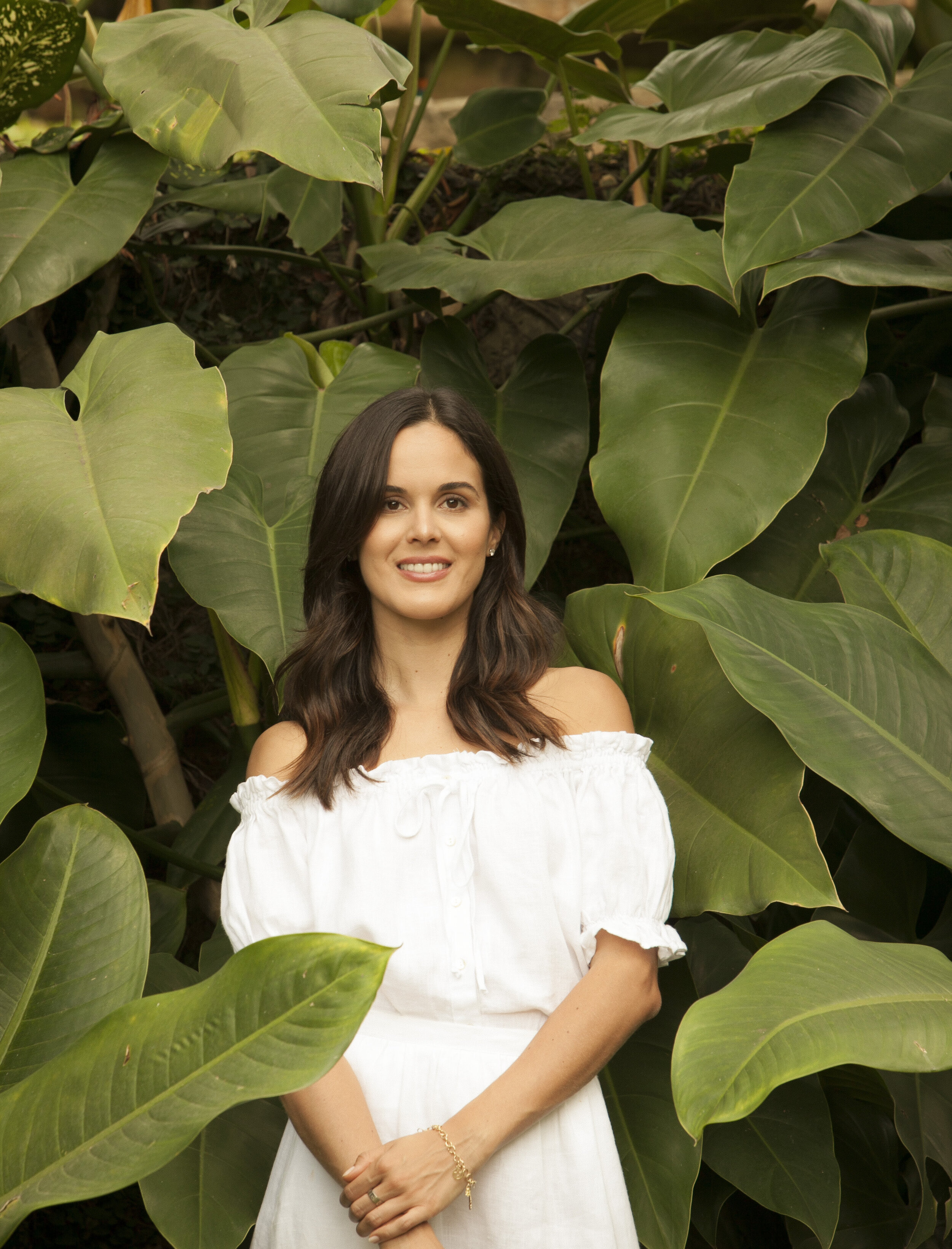
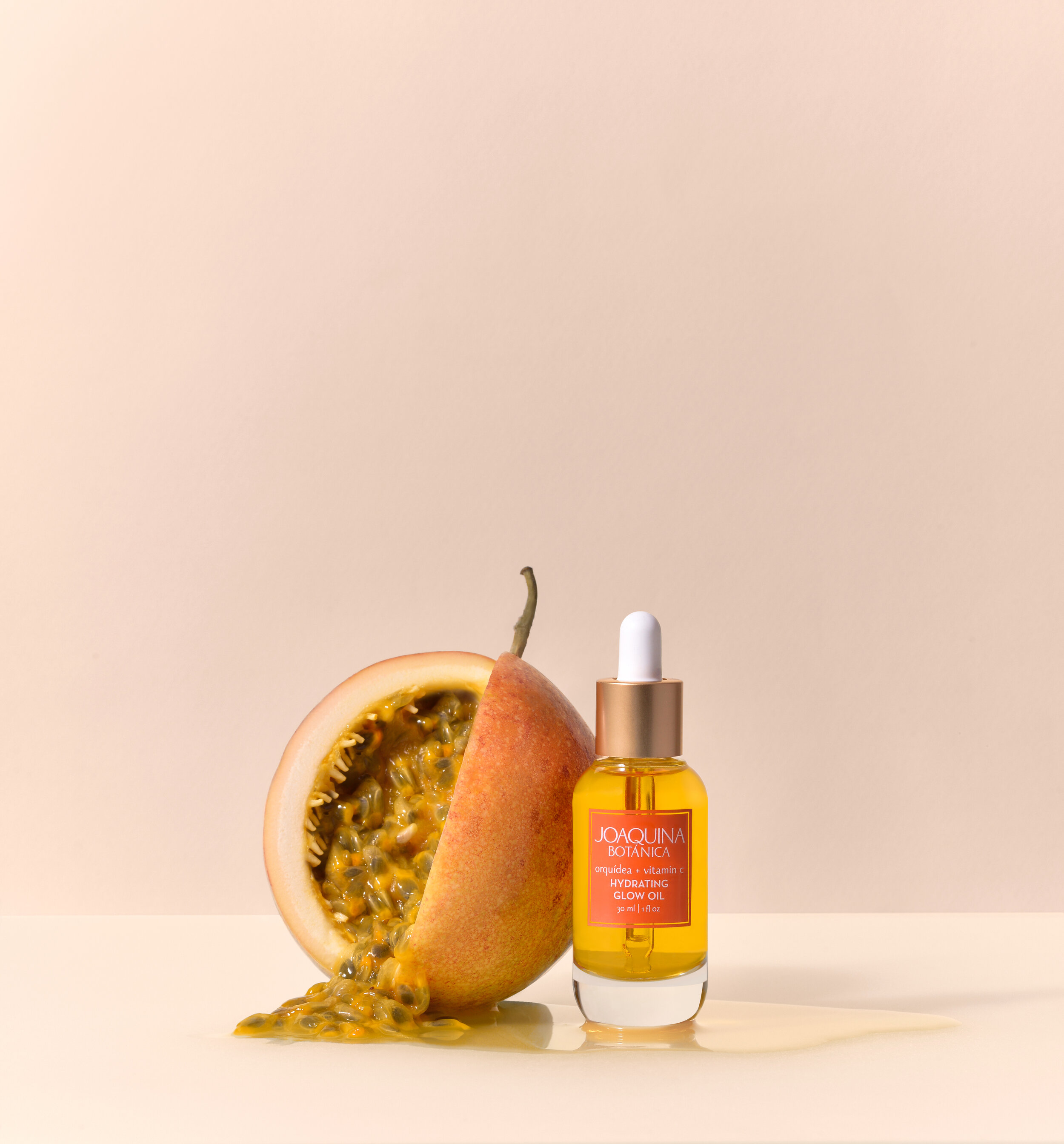
Photos: Anita Calero Courtesy of Giovanna Campagna
Where do you think is the most important area for a business owner to focus their financial energy and why?
Maintaining a healthy cash flow is crucial; more so than profitability when you are starting out. Focus less on breaking even at first and more on your ability to generate positive cash flows.
Did you hire an accountant? Who helped you with the financial decisions and setup? Are there any tools or programs you recommend for bookkeeping?
I work with an accountant on my tax returns and currently manage the monthly bookkeeping myself. I recommend using Quickbooks for bookkeeping.
I was actually pursuing an MBA at Columbia Business School at the time I committed to launching the business and used virtually every resource available to establish my financial model. I took several courses in entrepreneurship and conducted an independent study with a professor, during which I defined the business plan and launched into product development.
I also did extensive research by speaking to more seasoned beauty entrepreneurs, founders, and friends with applicable experience to understand the costs and where they experienced the best return on their investments.
What apps or software are you using for finances? What’s worked and what hasn’t?
Currently, I am just using Excel, which has worked well for me.
What are some of the tools you use to stay on top of your business financials? What do you recommend for small business owners on a budget?
Our online store is on Shopify and they provide a great suite of analysis tools that help you track how sales are going as well as manage inventory.
How did you know you were ready to hire and what advice can you share on preparing for this stage of your business?
Currently, I am still the only full-time employee. I do feel like I have a “team” because I work with several outside consultants and freelancers in product development, formulation, graphic design, etc. Once it becomes clear to me which area of the business needs more support in order to keep achieving our growth targets, I will begin the search for someone with that expertise. I am happy to have a “lean” operation while I learn more about our customer and market and the best way to connect with them.

Do you think women should talk about money and business more? Why?
Definitely! I think being fully aware of your financial situation, both personally and professionally, is hugely empowering. Money can be tied up with a lot of emotions for some. When I was younger, I sometimes avoided looking closely at finances out of some kind of fear. But I have found that normalizing conversations about money, knowing your situation and your options, actually makes you feel very empowered. Numbers don’t lie, which can actually be very comforting in a world with a lot of grey areas!
I have also come across some women who don't necessarily feel comfortable saying that they are going into business with making money as a primary goal. I have, personally, come to see business as an incredible way of exchanging energy with the world and creating value for our communities and others. Receiving financial compensation as part of that, which can, in turn, enable you to support yourself and your family, should be something we are proud of.
Do you have a financial mentor? Do you think business owners need one?
I often ask fellow entrepreneurs for advice, but ultimately make most financial decisions independently. As I don’t have a partner, I often talk through them with my husband, who is a wonderful sounding board.
What money mistakes have you made and learned from along the way?
A great piece of advice I received is to always get three quotes for a job before moving forward. Early on, I ended up paying way more than I needed to by going with the first vendor that I came across.
What is your best piece of financial advice for new entrepreneurs?
Arm yourself with knowledge. Talk to anyone and everyone who can give you insight into your industry. Make projections of your expenses to the best of your ability, and then add a 20% cushion to that figure.

Photo: Anita Calero Courtesy of Giovanna Campagna
MORE ON THE BLOG

Women in the Workplace: How We Combat the Staggering Stats and Get Women Back to Biz
The way you think about money, matters.


The events of 2020 have turned the workplace upside down. And women, in particular, have been negatively impacted. Women make up 39% of global employment, but they’ve accounted for 54% of overall job losses during the COVID-19 crisis.
Without the support that makes it possible for women to balance their work and home lives, working women are burning out due to the increased workload from housework and caregiving.
Because of the challenges created by COVID-19, women are feeling less ambitious when it comes to their careers and as many as two million women are considering leaving the workforce, and experts predict the pandemic could set women back half a decade.
At our recent Money Moves Digital Summit, we tapped four driven and ambitious women to dive into a thoughtful conversation on the state of women in the workplace and how we can combat these staggering stats and get back to business.
ICYMI, we’re sharing some of the highlights below–– keep reading for some sage advice.
On Boundaries...
“My advice to any working mom is to approach the idea of work/life boundaries with zero expectations–– I mean, we're in a constantly changing environment with our kids and with the state of the world, and we’re doing our best to adopt––and well, that’s doing enough.”
–Stephanie Liu Hjelmeseth, Blogger
On Creativity…
“To women in the creative field, try not to let the stagnant experience of last year infiltrate your mind––especially if you live off of your art. It’s part of the artist’s job to depict the times, so continue to seek inspiration and maintain your passion, regardless of what’s going on in the world.”
–Mirtha Michelle Castro Mármol, Poet, Author, Actress, and Entrepreneur
On Resilience…
“Really keep your foundation strong––which is your own store and your own platform––because that is really the only thing you can control while the industry ebbs and flows.”
–Lindsay Albanese | Founder and Inventor
On Managing Financial Anxiety…
“I know people talk about money mindset a lot, but there is truth to that––the way you think about money matters...don’t be afraid to look at your finances head on. Getting comfortable with your money will be one of the biggest things to help you move forward.”
–Natalie Ellis, Co-Founder and CEO, BossBabe
On Diversifying Your Revenue Stream…
“While I do believe it is smart to diversify your promotional channels––to have strong social media, to implement mass marketing, to have a strong ad strategy––I think that retail should be secondary and there should only be a few key retailers. I think the breakdown of 80% DTC to 20% retail is a smart split for your revenue channels.”
–Lindsay Albanese, Founder and Inventor
“Diversifying as a whole is so incredibly important as an entrepreneur. As it applies, think about where you are monetizing directly––where the revenue is not reliant on another brand, person, or partnership––and lean into this area of your business as a source of security.”
–Natalie Ellis, Co-Founder and CEO, BossBabe
On Collaboration…
“There are two factors I consider before I agree to collaborate with a brand: First, is if I’m already using the brand or how much I really admire the brand, and if their values align with mine. Secondly, and equally as important for a successful partnership, is really approaching the project with mutual respect from both sides. I expect the brand to respect my work and my worth––and in that way, I believe that the results will be mutually beneficial and successful.”
–Stephanie Liu Hjelmeseth, Blogger

3 Trends That Prove Digital is the New Normal–And What it Means For Your Business
Sage advice to keep your business safe online.

The COVID-19 pandemic, as well as recent consumer behavior shifts in e-commerce, have caused long-lasting impacts to the U.S. small business market, prompting businesses to digitize as a means of future-proofing their businesses.
Having a digitally led approach is critical to equipping small business owners with the tools and solutions they need to survive in an uncertain environment. Many small business owners are ready and willing to take the plunge and do what's needed to digitize their business, yet 64% have said they found it challenging to do so. (2020 North America SBO Comms Survey, Mastercard)
At our recent Money Moves Digital Summit, Ginger Siegel, the North America small business lead at Mastercard, identified three trends that prove that digital is the new normal. ICYMI, we’re sharing them below, along with Siegel’s tips to help reinvigorate your business both on and offline–and more importantly, keep it safe. Read on for her sage advice.
Trend #1: Contactless Spending
As the realities of COVID-19 hit businesses and individuals alike demanded lower touch options for making and receiving payments.
Although 2020 was already a year we expected to see increases in contactless spending, COVID-19 has accelerated this behavior and made consumer demand shift quicker than anticipated. 46% of global consumers have swapped out their top-of wallet card for a card that provides contactless functionality (2020 North America SBO Comms Survey, Mastercard)
With social distancing evolving into a long-term norm, continued reliance on delivery, pick-up, and alternative points of sale will mandate versatile payment methods, making the market primed for tap on phone adoption. 74% of consumers said they will continue using contactless post-pandemic. (2020 North America SBO Comms Survey, Mastercard)
Trend #2: Digital Services
As COVID-19 continues to stress small businesses financially and operationally, small business owners across North America are turning to digital services to improve cash flow and modernize their payments ecosystems.
The majority of small businesses said that speed and security and transparency were their top priorities. This includes changing how their business sends and receives payments and moving clients to more digital methods. This shift to digital services is not only good for business, it increases customer satisfaction as well. In fact, 81% of businesses said when they do move to more digital payments, it does improve the satisfaction level of their customers, proving digital really is the new normal. (2020 North America SBO Comms Survey, Mastercard)
Trend #3: Cybersecurity Prevention
In our new normal, heightened fraud and bad actors in the ecosystem will require small businesses to start paying for far greater attention to cyber security threats than ever before. Business is uncertain enough—with 80% of small businesses reporting they did not monitor cyber security threats prior to the pandemic, many are incredibly vulnerable to exploitation by bad actors looking to capitalize on the current market chaos. (Zogby Analytics survey commissioned by National Cyber Security Alliance (NCSA) - Oct 2019)
Small businesses are looking for partners and advisors to help protect them against the unknown in a new world. Partners who step in and predict, educate, and guide small businesses on impending threats will become essential to their survival in the new normal.
To help close the digital divide and prepare for what’s next, Mastercard’s Digital Doors™ program, provides small businesses the everyday business management tools and solutions to help small businesses go digital–and keep them safe. Digital Doors offers the resources and support to help small businesses navigate through current challenges and build for the future–from digital readiness diagnostic tools, educational content, and Mastercard and partner solutions.

Meet the Black Woman Shattering Glass Ceilings in the Spirits Industry
And she's just getting started.

We know how daunting it can be to start a new business, especially if you’re disrupting an industry or creating an entirely new one. When there is no path to follow, the biggest question is, where do I start? There is so much to do, but before you get ahead of yourself, let’s start at the beginning. To kick-start the process, and ease some of those first-time founder nerves, we’re asking successful entrepreneurs to share their stories in our new series, From Scratch. But this isn’t your typical day in the life profile. We’re getting into the nitty-gritty details—from writing a business plan (or not) to sourcing manufacturers and how much they pay themselves—we’re not holding back.

Photo: Courtesy of Nayana Ferguson
It’s not easy being the first, and it’s not easy breaking into an industry with no prior experience. But Nayana Ferguson, the first Black woman to own a tequila company in the United States, has done both. Leveraging her previous business experience, the barrier-breaking entrepreneur launched Anteel Tequila, which she co-founded with her husband Don Ferguson, in August 2018 with the goal of creating a great-tasting spirit without any additional mixers, syrups, or sugars. Fast forward to 2021, and it’s safe to say she’s accomplished that mission—and she has the accolades to prove it.
Although the Detroit-based premium tequila brand boasts a modest portfolio of three tequilas, including the world's only coconut lime blanco tequila, as well as a blanco and reposado expression, it’s attracted the attention of the spirits industry—and received several prestigious awards in the process. Last year, all three of Anteel Tequila’s expressions were awarded medals at the San Francisco Spirits Competition, with the coconut lime blanco and reposado garnering a silver medal and the blanco receiving a bronze medal, and the coconut lime blanco tequila and the reposado expressions both earned double gold medals at the SIP Awards. The brand is also a beloved hometown favorite and was also recognized by Metro Detroit Times’ readers as the Best Michigan Tequila Brand for the second year in a row.
Create & Cultivate spoke with Ferguson about her experience of building a business from the ground up without a traditional plan, how Anteel Tequila has adapted during the COVID-19 pandemic, and her best piece of financial advice for new founders.
Did you write a business plan? If so, was it helpful? If not, what did you use to guide your business instead? Why did you take that approach?
No, initially, I did not write a business plan. I’d had other businesses in the past, so I knew what I needed to do to set up the foundation of this business and I knew that I did not necessarily need to have a business plan in the beginning. As the business has grown, we decided to write a business plan to help with our focus on growth, marketing and to be ready for future investments that would require a business plan. I would recommend a business plan for those who may have never had a business before, even if it is a simple one, as it is a great guide and helps a new business focus and organize the important factors, such as a summary of the business, what the company will be doing, marketing, and the products or services.
How did you come up with the name Anteel Tequila? What are some of the things you considered during that process?
Originally, we started out with the name Teeq Tequila, but we noticed early on that the name did not feel totally right and the name kept getting confused with my husband’s other company Teeqlife. We already had the name Anteel in our list of names for future products, so, we decided to rename the tequila brand. The name Anteel comes from a species of Antillean hummingbird and truly, it just fit better with the brand, the logo, and our story.
What were the immediate things you had to take care of to set up the business?
The initial items we had to take care of were our Articles of Incorporation and our FEIN in order to open a business bank account. After that, we were able to open a bank account to fund our business, which allowed us to pay for initial material orders, our website, and other items in the business name. Subsequently, we started the process of submitting our trademark and hiring the professional services we needed to make sure that we were legally set up, such as a business attorney and accountant.
What research did you do for the brand beforehand? Why would you recommend it?
Prior to creating our tequila brand, we went to bars and restaurants to speak with bartenders and owners, to get their ideas on bottle types, their favorite type of tequila brands, and any other suggestions they may have had on creating a tequila brand. This research was beneficial because we found out several things that went into the creation of our bottle and the flavor profile for our tequila brand. For the name Anteel, we researched hummingbird names, since our logo is a hummingbird. Even though there are several names of hummingbirds out there, the Antillean name just spoke to us. Researching a name is a great way to find something meaningful to you, your brand, and the ideology of the company.
How did you find and identify the manufacturers that you work with? What makes a successful partnership and what advice can you share for fellow business owners on finding the right partners?
I found our tequila distillery on Google. When I started researching, their name came up several times, so I emailed them with questions and they responded right away. After that initial email, we set up a Skype call that allowed us to speak with them directly and we were able to ask all the questions about how to move forward with making our tequila brand. Our distillery was very helpful in directing us on the steps to take and some things that we needed to find out about. I believe successful business partnerships are based on communication, the ability to ask questions, and mutual respect. I recommend to any business owners that they ask questions and try to find potential business partnerships that they feel comfortable with. When you feel that you can get your questions answered and the company you are working with, has your business’ best interest in mind, it is the foundation of a great partnership.

Did you self-fund the company? If so, how did you bootstrap it, and what was that process like for you? What path would you recommend to entrepreneurs today?
Yes, we self-funded the company for the first year and a half. To make the money that we invested stretch, we made sure to only spend money on essential items for the business. As the business started to grow, we opened a round of investing for friends and family, which has helped us to continue to grow the brand and move our product into other states. I do not know that I could recommend self-funding or raising money, as it would depend on the business. There are several business types that can be self-funded initially and some that would need a significant investment amount. A business owner would need to determine what they need and research or formulate a plan for whatever is needed.
Do you pay yourself, and if so, how did you determine what to pay yourself?
The most important thing is the business, so at this time, neither my husband nor I have paid ourselves from the business. When the time comes for us to pay ourselves, we will determine all the costs needed for the business to grow and we will factor in a salary into that budget.
How big is your team now, and what has the hiring process been like? Did you have any hiring experience prior to this venture? If not, how did you learn and what have you learned about it along the way?
The team directly responsible for the executive decisions, the direction of the brand, and its growth is a team of two. However, being in the spirits industry, there are several business partnerships that we have to get our product into the U.S., on the shelves, and in front of our customers. Both my husband and I have previous hiring experience, so when the time comes for us to hire more people for our team, we will be prepared.
Did you hire an accountant? Who helped you with the financial decisions and setup? What do you recommend and what advice do you have for that?
Yes, we have an accountant who has helped us with several aspects of setting up our company’s corporation and the accounting firm continues to work with us for taxes and any questions that we have. To keep track of our financials and everyday expenses, we use Quickbooks. This program makes it easy to keep track of everything and allows our accountant to have access to our financials.
How did you promote your company? How did you get people to know who you are and create buzz?
We have promoted our product in several ways, including social media, in-store tastings, and in-person events (pre-COVID), and business partnerships. By having a robust marketing plan and consistent visibility on social media, these things help to create the buzz, so people know who we are and what our product is.
Do you have a business coach or mentor, and if so, how has this person helped? Would you recommend one?
No, I do not have a business mentor or coach. However, I do recommend new business owners to have a business coach or mentor, if possible, as they can answer questions, advise of different steps to take, and provide motivation.

How has COVID-19 impacted your business operations and financials? What tactics and strategies have you put in place to pivot and ensure your business is successful through this period?
COVID-19 has impacted our business due to the inability to market our product in person at events and in-store tastings. We have also been impacted in sales, as bars and restaurants are no longer ordering as much as they used to, due to loss in customers because of stay at home orders. In order to make sure that we were still growing through this difficult time, we started focusing more on our marketing efforts. Even though we have a consistent social media presence, we started looking more into the content that we were providing on social media and drilling down on what our customers are looking at. We also started working with our public relations company more to get media and press to work on our national visibility.
What short-term changes will be crucial to your business strategy long-term post-COVID-19 and what plans are you making for when we get back to “normal?”
The short-term changes that we have made regarding our marketing and social media content are definitely changes that we plan to keep in place for our long-term post-COVID plans. Whenever we get back to “normal,” we plan to travel to the states that we are distributed in, to participate in social events, have in-store tastings, visit retail locations and create partnerships to further the visibility and growth of our product in those states.
What advice can you share for small business owners, founders, and entrepreneurs who are also reeling in response to COVID-19?
As the pandemic is an unprecedented time, business owners have to start thinking outside of the box, as there are still opportunities out there for businesses to thrive. COVID has created a new “normal” in how we interact with others and businesses need to think of ways that can adapt to these changes. If possible, talking to a business coach or mentor can help to provide motivation and support. Talking to others may certainly help owners/founders/entrepreneurs to remember their “why” of going into business and this could help to reinvigorate their business.
What is one thing you didn’t do during the setup process, that ended up being crucial to the business and would advise others to do ASAP?
I cannot think of anything that we did not do in the beginning that was crucial. I always advise new business owners to reach out to other business owners to find out important steps, so that they will not make any crucial mistakes.
For those who haven’t started a business (or are about to), what advice do you have?
The advice that I have for new potential business owners would be to formulate the plan for your business, research other businesses like yours or similar, and get a business coach/mentor/consultant. There will be so much information to find out regarding a new business, but my other piece of advice is don’t dwell on trying to get everything you need before you start—that is why most new business owners do not start their businesses. Get important information, get advice, but move forward and START YOUR BUSINESS!
What is your number one piece of financial advice for any new business owner and why?
The number one piece of financial advice I can give is to make sure that your company is set up properly and legally. I would recommend speaking to an accountant about the proper business structure, especially for taxes. This is the one piece of advice that will save money in the long run!
If you could go back to the beginning with the knowledge you have now, what advice would you give yourself and why?
If I went back to the beginning with the knowledge I’ve gained, I would advise myself to learn a little more about the spirits industry, the business aspect of it, and how to strategically move into different states. I would also advise myself to keep moving forward, that everything would be figured out, and not to worry.
MORE ON THE BLOG

You May Not Have Heard of This Barrier-Breaking Brand, But Beyoncé and Oprah Have
Meet Greentop Gifts.

You asked for more content around business finances, so we’re delivering. Welcome to Money Matters where we give you an inside look at the pocketbooks of CEOs and entrepreneurs. In this series, you’ll learn what successful women in business spend on office spaces and employee salaries, how they knew it was time to hire someone to manage their finances, and their best advice for talking about money.

Photo: Courtesy of Jacquelyn Rodgers
Jacquelyn Rodgers knows firsthand that representation matters. “Growing up, my mom painted angels, nativity scenes, and Santas brown, like our family,” explains Rodgers. “She was very intentional about making sure we had images that looked like us.” So naturally, when Rodgers had children of her own, she also wanted her son and daughter to see themselves reflected in a Santa who looked like them, but she soon discovered there was still a void in the market for diverse representations of the Christmas character, even all these years later. After a search for Black Santa-themed holiday wrapping paper left Rodgers empty-handed, she decided to do something about it. Given her past experience in consumer packaged goods and her knack for sales and marketing, she was confident she could address the gap in the market for diverse gift wrap.
And that's exactly what she's been focused on since launching Greentop Gifts in 2016. Today, the brand’s signature character, Clarence Claus, isn’t just on gift wrap, he’s also on pajama sets, “ugly” Christmas sweaters, and ornaments, all of which helped propel Greentop Gifts to recording its highest sales yet in 2020. And being featured in O Magazine as one of Oprah Winfrey’s “Favorite Things” certainly helped the brand’s rapid growth! Despite the pandemic, the business has continued to thrive thanks in part to Rodgers being the recent recipient of small business grants from the Visa and IFundWomen Black Women-Owned Business Grant Program and the Black-Owned Small Business Impact Fund from Beyoncé’s BeyGood and the NAACP. In fact, next month, the brand is set to expand its offerings beyond the holidays to include year-round celebrations, from baby showers and children’s birthdays to graduations, with the goal of making these special occasions more inclusive and diverse.
Scroll on to learn more about how the successful entrepreneur built her barrier-breaking brand, including why she believes having honest conversations about money can make all the difference in the financial success of a company.
Can you tell us a bit about your background and what you were doing professionally before launching Greentop Gifts?
My background is in sales and marketing. Prior to working on Greentop Gifts full time, I worked for over a decade at two of the top 100 consumer packaged goods companies in the United States. I started the business while working full time and so many of the skills and day-to-day functions of my corporate career have been extremely helpful in starting my own business.
What was the “lightbulb moment” for Greentop Gifts? What inspired you to start your business and pursue this path?
Growing up, my mom painted angels, nativity scenes, and Santas brown, like our family. She was very intentional about making sure we had images that looked like us. Once I had my son, I wanted him to see images that looked like him, and I quickly realized there was still a void in the market. After searching retail stores in multiple states and not seeing any products like my idea at the time, I knew there was a void in the market and a need for items like we created.
How did you fund Greentop Gifts? What were the challenges and what would you change? Would you recommend that route to other entrepreneurs?
We self-funded the business in the beginning. We later had a small friends-and-family round to help us with buying inventory early on. In 2020, we won three small business grants that have helped us fund our marketing efforts even more. The challenges with self-funding, for us, was growing slowly. Every penny counts and we had to be very intentional with our spending. If you are able to self-fund or take out business loans for product-based businesses, I would recommend it. Everyone doesn’t need to bring on investors in the beginning.

Where do you think is the most important area for a business owner to focus their financial energy and why?
The most important area to focus your financial energy is understanding your basic cost of doing business and your margins. Before launching our business, we researched shipping, freight, sales and usage tax, shipping supplies, etc. Making a list of all your expenses and fees is always a great exercise to focus on before launching your business.
What was your first big expense as a business owner and how should small business owners prepare for that now?
Our first really big expense was shipping. We are an e-commerce based business and seeing our first shipping bill from our fulfillment company was a shock.
What are your top three largest expenses every month?
Our top three expenses every month are marketing, shipping fees, and payroll.
Do you pay yourself, and if so, how did you know what to pay yourself?
I don't pay myself a formal salary.

Photo: Courtesy of Jacquelyn Rodgers
Would you recommend other small business owners pay themselves?
In the beginning, you should pay yourself enough to survive. Remember, starting a business is one thing, but turning a business into one that has consistent success is going to take sacrifice. Most of your money has to be reinvested in the business to really grow it. The next idea, the next employee, the next office, the next warehouse. You have to eat and pay the bills obviously, but beyond that, you've got to make sure that your business is surviving as well.
How did you know you were ready to hire and what advice can you share on preparing for this stage of your business?
I knew we were ready to hire when I couldn’t focus on innovating new products because I was focused on the operations side of the business. The business would not grow if I didn't make time to create new products. When you start your entrepreneurship journey, your business is your baby. I struggled to turn over some aspects of my business, but once I found the right people who were experts in their fields and could help us grow, it made it easier to hand off certain aspects of the business.
Did you hire an accountant? Who helped you with the financial decisions and set up?
We did hire an accountant. My husband has a background in finance and was able to manage those decisions in the beginning.
What apps or software are you using for finances? What has worked and what hasn’t?
When we first launched we used QuickBooks and recently switched to Bench Accounting. Both have been helpful as we grow and scale our business.

What are some of the tools you use to stay on top of your business financials? What do you recommend for small business owners on a budget?
For small business owners, get rid of bills that are burning money! We had a few subscriptions and services we were not utilizing and those were first to go.
Do you think women should talk about money and business more? Why?
Yes! Having conversations about business credit, raising capital, and making smart financial decisions early can make all the difference in the financial success of your company.
Do you have a financial mentor? Do you think business owners need one?
I don’t currently have a financial mentor, but I have strong business relationships with our accountant and a local bank. My co-founder has an MBA in finance. His background and work experience have been extremely helpful as we grow our business.
What is your best piece of money advice for new entrepreneurs?
Don't blow your money. It is going to be tempting to think you've made it in the beginning and go out and spend money. Avoid that urge. Think about your business. Plan for your business. You haven't made it just yet.
MORE ON THE BLOG

"Mental Health Is Critical When You’re Launching a Business"—Here’s How I Developed Resilience in the Face of Challenges
One founder opens up about her experience with depression.

“Life doesn’t stop to clear a path for you to pursue your startup."
—Thai-Anh Hoang, Founder of EmBeba
Starting a business is a huge challenge, and one thing a lot of entrepreneurs don’t think about before they take the leap is the fact that life doesn’t stop to clear a path for you to pursue your startup. Throughout my adult life, I’ve struggled with my mental health, both because of clinical depression and stressful experiences. And yet, I have managed to build a business during two of the most challenging years of my life.
Being honest about mental health is important in opening up the conversation, and it also allows those of us who are struggling to feel less alone as we develop the skills we need to stay mentally well. My entrepreneurial journey has taught me many things, but perhaps one of the biggest surprises is that I’ve learned how to better cultivate resilience in the face of challenges.
I was diagnosed with depression in my early twenties due to work-related stress and I went to therapy for a year because of it. Then, several years later, my mental health took another hit when my daughter was born and I was diagnosed with severe postpartum depression. While incredibly difficult at the time, this was a blessing in disguise: I became more proactive and aware of my mental health and understood the important balance of therapy, medication, and specific personal habits that could help me.
In 2018, I was on a family trip to Europe with my husband and my infant daughter. It was during this trip that the idea for my clean family skincare brand, EmBeba, came about. The idea for the brand’s first product, a diaper balm, was sparked by a homemade balm a family member gave me in Bosnia. Inspired, I returned home and channeled my energy into building EmBeba, applying modern technology to an age-old family recipe. Redirecting my focus onto a new purpose and entrepreneurial venture was a good strategy for me, and I spent nearly two years building a product and brand that I expected to launch in the spring of 2020.

To say it has not been smooth sailing would be a tremendous understatement. As I worked on launching my business, we lost my dog in a hit-and-run accident, and I miscarried shortly after. But this time, I was able to quickly recognize the signs that I might be sliding into depression. I began taking proactive steps that I knew benefitted my mental health: exercising more often, gardening, and spending time with my family, to name a few. I also reminded myself that I have a lot of positive things in my life and that we are bound by fate. And I became laser-focused on building EmBeba.
Then came COVID. Like many brands expecting big things in early 2020, I was devastated when the pandemic’s effects meant we couldn’t get products or launch the brand I’d been working on for two years. My family also contracted the virus, and my husband and I faced the challenges of recovering while caring for our toddler in isolation. It was a difficult time, but when we emerged I recognized we’d survived–and that was something to be proud of.
We’ve since launched EmBeba. It was later than we’d planned, and we—like many—have had a challenging year. But when I look back at my journey to bringing our first product to market, the resilience and mental toughness I built through my personal challenges really helped me in starting my business. Despite the multiple challenges that came my way while launching my business during COVID, being comfortable with the strategy of tackling each problem as it came kept me from being overwhelmed.
And, having gone through so much in the past several years, I feel like I’ve developed better coping mechanisms—and a steely spine—to plow ahead. Focusing on a goal allowed me to compartmentalize my feelings and redirect my energy positively.
As female founders, we’re often on our own when we start—and that can be a challenge when it comes to developing good habits for managing your mental health. By sharing my story, I hope to open up a dialogue around some of the challenges women entrepreneurs are facing and how we can prepare for and leverage them whenever possible.

Below, I’m sharing three strategies that have helped me cope with disappointment, grief, and uncertainty along the way.
Tune into your mental health.
It’s easy to get wrapped up in your life or business and push down any negativity. My early experience with depression helped me become better attuned to recognizing the potential of falling back into depression. While life is busy and it’s easy to become distracted, I always make sure I’m paying attention to how I’m feeling.
Recognize your triggers.
To that effect, I recognize the triggers that can send me down a slippery slope, having battled with them before. Understanding what situations may be more challenging for you allows you to put support systems or positive habits in place proactively.
Have a plan.
In my case, exercise, gardening, and spending time with my family are all activities that really help me stay positive and well. Take the time to recognize what makes you feel good, and be sure to build that into your plan to stay mentally healthy.
Of course, the challenges of running a business don’t stop after launching—I was in the midst of launching my business while pregnant with my second child. While a product launch and a new baby are two happy, momentous occasions, they come with their fair share of overwhelm. But as I channel my energy into something I’m passionate about, I’m provided with an opportunity to think positively towards the future and cultivate the resilience required to balance motherhood and entrepreneurship.
About the author: Thai-Anh Hoang is the founder of the clean, family-friendly skincare line EmBeba. A daughter of entrepreneurs, she was inspired to start the company after a family member gifted her a generations-old, homemade balm that worked miracles on her family’s sensitive skin. She’s a mom of a toddler with another child on the way.
MORE ON THE BLOG

New Year, New Website: Tips to Give Your Business a Fresh Look & Feel
Your website is your brand’s first impression – so make it count.


First impressions count – but did you really know how much? It takes only 1/10th of a second to form a first impression about a person. Websites are no different. According to the findings of three separate studies, it takes about 50 milliseconds (ms) (that's 0.05 seconds) for users to form an opinion about your website that determines whether they'll stay or leave.
Your website is your brand’s first impression – so make it count. When you have a clear and effective website, you are setting your business (and yourself) up for success. With the dawn of the new year, now is the perfect time to refresh your website, and set the foundation to scale your business.
To help get us started, branding expert, Joanne Tapodi, shared some tips to give your website a fresh look and feel during her ‘New Year, New Website’ Talk presented by Squarespace at the recent Future You digital festival. A Squarespace website designer, Authorized Trainer and Circle member with over 15 years of experience in graphic design, Joanne has designed over 70 Squarespace websites and developed over 100 brand identities for small business owners. She’s also trained countless people on managing their own websites.
Combining her branding skills and Squarespace knowledge, Joanne creates Squarespace websites that are brand-specific and meaningful. Read on for her tips to get your website looking on-point for 2021, and also for some insight into key trends in website design for the year ahead.
Tips for an Effective Website
When your ideal customer visits your website, we want to lead them on a journey through your site. Imagine your website as your house, and each page on your website represents a different room; you want to welcome guests in and then take them through the different rooms of the house to show them what you're all about. This is called the user journey. Here are some tips to help you design an effective user journey throughout your website.
Tip #1 – Keep your homepage simple
Your homepage should share a bit about your business and/or a bit about what you do and who you are. It provides the most important information upfront that you want the user to know, so that they can then take this information through to the other pages on your website.
Tip #2 – Use call to actions (CTA’s) to lead the user where you want them to go
Don't give away too much information on your homepage. You want to keep the user engaged throughout each page of the journey. Have at least one CTA on every page of your website to keep that journey going.
Tip #3 – Never miss an opportunity to let the user complete a purchase, book an appointment, or contact you.
Use a few CTA’s on your homepage that lead towards your largest areas of interest; this could be your services, online shop, about page, etc. Include multiple opportunities for the user to engage with your largest area of interest not just on the homepage – but on each page of your website.
Tip #4 – The journey will ultimately end at the page where you would like the user to take action; this could be a contact page to book, submit an enquiry, or purchase page.
It’s important to have a lot of connection points on your website so that people feel like they're going through the website and learning more about you more about your business. As they move through your website, the brand journey becomes quite clear to them, and they can really connect with who you are and what you’re about. Talking about connection will lead me into my next tip:
Tip #5 – Connecting with your audience in your own unique and authentic way will be what sets you apart from your competitors.
In today’s digital age, connection is more important than ever. You have a very minimal amount of time to connect with your audience and you have to establish that connection as quickly as possible. So, how do we make sure you are achieving the touchpoints to connection on your website?
Establish brand consistency across all areas – tone of voice, image content and brand colors
Nurture your connection with your audience whilst building your audience by…
Sharing informative content through different channels
Blogging
Setting up a mailing list and sending e-newsletters. Squarespace has email campaigns built straight in to the program, which is one of my favorite features
Connecting your social media accounts to your website. Squarespace also allows for easy social integration
Web Trend Forecast
Trend #1 – ’Editorial’ Web Design
Website viewership on desktop vs mobile is still roughly equal, meaning you need to cater your website for both types of viewers.
In terms of design for desktop, web page layouts are moving more towards an ‘editorial’ look and feel to engage visitors. This means lots of ‘white’ space between elements and positioning your content blocks in different ways to create unique layouts. Big text is great for headlines, which we see a lot of in editorial design, when we really want to draw people's attention with typographic and font use.
Don’t be afraid to experiment and create lots of space on the web page, whilst also being mindful of how the design will translate from desktop to mobile.
Trend #2 – Bold Colors
I see brands becoming more adventurous by using bold colors. For the last few years, minimal Scandi style with lots of white and monotone hues have been on trend, as well as pastel pinks and earthy tones. I predict we will see a lot of websites using darker backgrounds. Don’t be afraid to use color in expressive ways that suit your brand personality.
Trend #3 – Online Offerings
The shift towards businesses boosting their offering online (in light of the global pandemic) will see an even larger focus on online shopping and online course / workshop content creation in 2021, particularly for businesses that are service based and are used to communicating with customers face-to-face. How can we use our websites to sell?
Setting up an online shop
Allowing appointment bookings online
Creating gated online content for members


This Clean Beauty Entrepreneur Wants You to Break Up With Toxic Ingredients
No scrubs here, just exfoliators.

We know how daunting it can be to start a new business, especially if you’re disrupting an industry or creating an entirely new one. When there is no path to follow, the biggest question is, where do I start? There is so much to do, but before you get ahead of yourself, let’s start at the beginning. To kick-start the process, and ease some of those first-time founder nerves, we’re asking successful entrepreneurs to share their stories in our series, From Scratch. But this isn’t your typical day-in-the-life feature. We’re getting into the nitty-gritty details of launching a business, from writing a business plan (or not) to sourcing manufacturers and how much founders pay themselves—we’re not holding back.

Photo: Courtesy of Yewande Masi
Yewande Masi knows a thing or two about the benefits of cutting toxic things out of your life. After a particularly painful breakup, she launched Ornami Skincare, a clean skincare brand aimed at inspiring others to eliminate toxins from their self-care routine. “I used to make these products for an ex, and when we broke up, I channeled my energy and passion into leveling up and creating them for my girlfriends instead,” explains Masi. Playful references to the breakup are present in the brand’s punny product names, like Let That Mango Body Butter and No Scrubs Ex-Foliator Scrub.
But Ornami Skincare is so much more than a clean skincare brand. “I started it with the idea of creating a self-care community for women,” says Masi. And she’s done just that by creating a group of “Glow Gettas” on social media. Through Ornami Skincare’s Instagram account, Masi is sharing motivation and inspiration for self-care, wellness, and beauty and bringing women together in the spirit of letting go of negativity, toxicity, and anything that doesn’t serve you. It’s a community that’s all about "zero-toxins, zero-drama, and skincare that keeps it one hundred," as the brand’s IG bio promises.
Ahead, the clean beauty entrepreneur tells Create & Cultivate all about how she launched Ornami Skincare to empower women like herself, why community has been key to her success, and her #1 piece of advice for founders starting out today.
Did you write a business plan? If so, was it helpful? If not, what did you use to guide your business instead and why did you take that approach?
When I was getting my MBA, I wrote a business plan for another venture and used that as a template for Ornami Skincare. Having a business plan has been helpful in making sure the business has a roadmap and stays on track, but business plans are living documents so you have to be flexible to bend while maintaining the core of the mission.
How did you come up with the name Ornami Skincare? What was the process like, how did you know it was the right name, and what are some of the things you considered during that process?
I was seeking a name that was unique and spoke to the customer I was looking to connect with. I believe my customers are royalty, but I didn’t want to use “queen,” as the word is used a lot. So, I started thinking about the experience of a queen, or someone luxuriating and being adorned. From there, I researched the term “crown” in different languages to see how it sounded. Finally, I landed upon “Ornami” in the Esperanto language. I especially liked the history behind Esperanto being that it was (is) a language spoken by people living in different countries. It spoke to the experience I was trying to create; an inclusive community of women with different backgrounds and experiences but speaking the same language of self-love and self-care.
What were the immediate things you had to take care of to set up the business?
The first couple of things I did were buy the domain name and build the website. I also set up our business structure (LLC, S-corp, etc.) in-state and obtained our EIN (employer identification number) so we could set up our business checking account to accept payment from orders. I immediately followed up by securing my social media handles. The trademark wasn’t immediate as it was pretty expensive, so for the time being, I use ™ to have rights to the name while we wait for the trademark to be approved.
What research did you do for the brand beforehand and why would you recommend it?
As you know, the skincare industry is a very competitive one. I had to do as much research as I could to see where I could be different. A lot of industry reports were free online and I had access to other research reports by visiting the library and learnings from these resources were used in my business plan. I recommend it. It provides insight into the industry so you have an idea of what you’re walking into and helps you to identify how you can be different from what’s already offered.
How did you find the manufacturers that you work with?
I started making skincare products out of my own personal interest for friends and family, but when I got serious about the business I took educational courses on the right way to formulate and create all-natural skincare products. This background knowledge ended up being really helpful when searching for manufacturers so I could have a better understanding of the business. I am a huge advocate of referrals and leveraging your network to help identify trusted providers. Also, many, if not all, industries usually have trade associations that can provide supplier lists on their websites, so I would suggest combing through these lists to help you get started.

What makes a successful partnership, and what advice can you share for fellow business owners on finding the right partners?
Partnerships have been extremely important for the growth of Ornami. The advice that I would offer fellow business owners to take it slow! Do your research in order to find the right partner for you and your business. Try determining early on if the partner understands your mission; you want the people you're working with to align with yours so they’re able to produce the best version of what you’re looking for. Last but not least, ask for client testimonials. Think about all the research one does for skincare products—reads reviews, looks at customer photos, as their friends and family for their thoughts, etc.—and go through that same process with your potential partners.
Did you self-fund the company? If so, how did you bootstrap it and what was that process like for you?
I have completely self-funded Ornami Skincare. Mostly using savings I earned from my full-time job (which I still have!). At this point, I have not received any outside investments, though it’s not something I’ve ruled out and would likely be open to it if the right opportunity and partnership opened up.
I wasn’t in a rush to get Ornami Skincare up and running because I was funding everything myself. I made small purchases along the way and started out at local pop-up shops to get Ornami Skincare in front of shoppers and as an easy way to connect with the community. Going this route required minimal financial investment other than my time. I would reinvest any money from the purchases back into the business. I also leveraged online freelance services to hire contractors for one-off jobs, which helped to keep my spend low.
Do you pay yourself, and if so, how did you determine what to pay yourself?
Most of the money earned is reinvested back into the business. I have experimented with paying myself a 10% commission after hitting a monthly revenue target. This ensures the business meets projected sales forecasts and takes care of me as an employee.
How big is your team now, and what has the hiring process been like? Did you have any hiring experience before launching your business?
I work with an amazing team of six passionate women who are not just my team members, but who are also invested in Ornami’s success. Many of my team members were referrals. I have experience hiring having previously been a manager at Verizon Wireless. One thing that I’ve learned over the time of being an entrepreneur is that you cannot do it all. Pull in the experts and ask for help when you need it. For example, for a brand like Ornami, which is fostering a community, an authentic Instagram presence is essential—but I really can’t do it all myself. I work with a team that believes in my vision and can help carry it out and make sure that I do the things that really fulfill me, like hosting Instagram Lives to foster the community.
Did you hire an accountant? Who helped you with the financial decisions and setup, and what advice can you share?
The first two professionals I hired for the business were an accountant and lawyer. The lawyer was recommended through a friend from my MBA program. When I searched for an accountant, I was looking for someone who was personable and was qualified to work in different states in case I ever wanted to expand. I received a lot of help from my alma mater and my MBA program with regards to my financial decisions and set up. They helped me to look beyond any short-term decisions and to think about how these decisions would affect the company long-term. I would recommend people to reach out to their alma mater and get in touch with their alumni communities. Many colleges and universities are investing in their grads by connecting them to programs to get support for their businesses.
What has been the biggest learning curve during the process of establishing your business?
Digital marketing has been my biggest learning curve, but what I’ve learned is you don’t have to be an expert at everything, and you especially don’t have to become an expert all in one day. Having an understanding of the fundamentals and learning as you go can still help to keep your business moving forward.

How did you promote your company? How did you get people to know who you are and create buzz?
Ornami Skincare is more than a business or a skincare company. I started it with the idea of creating a self-care community for women, and I always keep that in mind when I’m thinking about how to reach our audience. So, for example, I started Ornami after a breakup. I used to make these products for an ex, and when we broke up, I channeled my energy and passion into leveling up and creating them for my girlfriends instead. Being honest about that story has really resonated with and empowered the women in Ornami’s community, and helped to provide a story behind the brand to really capture people’s attention.
Similarly, I have a lot of fun with our products. The names, like “Glo Getta” and “Let That Mango,” have really helped set us apart from traditional skincare products and have created a bit of buzz around who we are and what we do. It’s all about being memorable. We’ve built a loyal following by being active on Instagram and being creative in the ways people can share the love. For example, we did a #letitglow campaign in the new year that encouraged people to tell us what they were going to let go of in 2021. It’s on-brand for us, but it also generated a bit of social buzz. We even have a special edition of “Let That Mango” packaging that’s labeled, “Let that ____ Go” and comes with a Sharpie so people can fill in their word and make it a daily affirmation.
It’s all about being creative and authentic, and I’ve found that doing those two things have moved the needle for me in terms of brand awareness.
Do you have a business coach or mentor? How has this person helped, and would you recommend having one to other entrepreneurs?
I have a few mentors and I definitely would recommend having one. Even if you aren’t an entrepreneur, I think it is important to have mentors for your own personal growth and development. My mentors have been so helpful. They provide different perspectives, give advice and connect me with people in their network. I found my mentors by being connected to entrepreneurial communities and asking if they would like to be my mentors.
How has COVID-19 impacted your business operations and financials? What tactics and strategies have you put in place to pivot and ensure your business is successful through this period?
I launched my first product in April 2020, so we have been operating in this space the entire time. I do think people have become increasingly focused on supporting small business owners and Black-owned businesses during the past year, and that’s helped to get Ornami some additional attention where we might otherwise have been competing with huge national brands for it. Since we’re so new, I don’t have a “before” to compare things to. Of course, if we were in “normal” times there would be a lot of opportunity for face-to-face events, sampling, and that type of thing. The pandemic has forced us to get very creative with making people understand what we are about without being able to experience it in person.
What advice can you share for small business owners, founders, and entrepreneurs who are also reeling in response to COVID-19?
COVID has been a tremendous challenge for businesses of all sizes, but having founded the company during the crisis, I also think that there are silver linings for business owners. I’ve noticed that people are more conscious consumers over the past year, so if you’re a small business owner or creating a product that’s sustainable, non-toxic, or socially responsible, I think there is a lot of opportunity to make noise now that maybe wasn’t there before.
Also, people have really become accustomed to convenience and e-commerce, so leaning into that is a great idea. We sell online only on our Ornami website and that’s been a blessing over the past year as we are where consumers want us to be.
COVID has also made it easy for people to become isolated, even unintentionally. Try to surround yourself with other entrepreneurs you trust to provide feedback, perspective, and general support. Sometimes it can be helpful to talk to someone who understands what you are going through.
What is one thing you didn’t do during the setup process that ended up being crucial to the business and would advise others to do asap?
Set up reminders to file your state’s annual business reports to prevent any potential issues in the future. Some state timelines are different from the general fiscal year so it’s important that you put these in your calendar. I would also add to make sure you understand all of the documents and timelines needed for government filings.
For those who haven’t started a business (or are about to), what advice do you have?
Create a community! It’s so important to have the support of others as you start up. Find other entrepreneurs who are at the same stage you are to commiserate with and mentors to learn from. Make connections with people in other parts of the business who can give you advice and who you can provide value to as well. Be authentic and make it a two-way street and you will find that you can foster a great community that will help you along the way.
What is your number one piece of financial advice for any new entrepreneur and why?
Create a budget early on for how much you plan to spend on the business. Have someone in place to report to who will hold you accountable. Without spending controls in place, things can gradually pile up.
If you could go back to the beginning with the knowledge you have now, what advice would you give yourself and why?
I would emphasize to myself how important establishing the right mindset is to growing a business. As often as possible, to nurture myself with healthy positivity and eliminate fear. I would also “make the asks” more often for things I needed to push myself and the business forward. It was surprising how many people were ready to say yes and support once I began to ask, that I wish I started asking sooner.

Photo: Courtesy of Ornami Skincare
MORE ON THE BLOG

What the International Black Lives Matter Movement Meant for My Business in 2020
One founder opens up about overcoming imposter syndrome, sustaining rapid growth, and reflecting on the diversity of her own professional network.

Photo: Courtesy of Andréa Jones
Last year was a challenging year of growth for both me and my business. Although I was by no means new to the entrepreneurial world, the events of 2020 would take my business to new heights because of the Black Lives Matter Movement.
Heading into 2020 I was excited to renew focus on my coaching and course offerings. I was feeling good about my revenue and I wanted to pour my efforts into producing more automated programs. But in March, when the pandemic really started to get attention in the U.S. and Canada, my team and I realized that we needed to pivot and service offerings were the fastest way to revenue growth at the time.
Over those first few months of 2020, like many others, we did lose some clients, particularly our clients in the event space who essentially lost their businesses during the pandemic. We also had a few clients who decided to take social media in-house as a way to cut costs. We experienced a lot of major changes within our business as I'm sure other business owners did as well.
But even though it was a challenging time, my team rose to the occasion and quickly turned things around. Within a month we had compensated for the abrupt slowdown and reached the March goals that we had previously been behind on. I’m incredibly proud to say my team really weathered the COVID-19 storm with tremendous grace and success. We headed into May feeling really great about our perseverance and growth as a company.
This would later become crucial to helping me stand with confidence about how my company serves its clients and brings value. Because once again, 2020 threw us another curveball and we found ourselves in the midst of worldwide demonstrations for Black lives following the death of George Floyd. Suddenly my company was put front and center because it was Black-owned and I really wrestled with if that was a positive thing or not.

When the Black Lives Matter movement started to pick up widespread media attention, a lot of businesses in the online space began tagging Black entrepreneurs or business owners they worked with as an effort to uplift Black voices. From there, many business owners began examining their network of contractors, or the agencies they hired from a diversity standpoint, realizing they should make a more conscious effort to diversify the people they work with. That’s when I really started to notice a shift in my own business leads. I checked almost all of the marks for someone looking for a diverse team. I am a Black woman, I have team members who are part of the LGBTQIA+ community, and I have team members based all over the world as an internationally based agency. A lot of companies found this quality of our company attractive and hired us.
When the light was shone on me as a Black business owner, I felt very uncomfortable at first and dealt with a lot of imposter syndrome, especially since I do not consider myself to be a Black rights activist. An avid follower and supporter, yes. But an activist? Hardly. The Black Lives Matter movement also put a lot of emphasis on me as a Black woman, but before last year, I had honestly not thought of myself as a Black woman business owner, simply a business owner.
I never foresaw the color of my skin being the reason people noticed me and wanted to work with me. It felt like a lot of the reason people were deciding to hire me and my company was only because I was Black. There was a lot of work that I had to do around that to shift my mindset.
What helped me work through this imposter syndrome I was feeling were two things, really. The first was reminding myself that these prospective clients may have been seeking me out because I was Black, but they certainly weren’t hiring me or retaining my services because I was Black.
My team does incredible work, as we had proved several times, including during the pandemic. We were able to sustain the rapid growth we were experiencing because we had designed a great service that was set up on the back end and we were getting results for our clients. So, whenever I had feelings of doubt, I reflected on how awesome my team was, and then I reminded myself that I had built that team.

The second thing that really helped me through this imposter syndrome I was wrestling with was something my dad told me. (What’s really funny is his wisdom actually came in the form of a sports metaphor and I am the least sporty person out there.) I told him about the unease I was feeling over all the attention I was receiving and asked him how he was dealing with the Black Lives Matter movement as a Black business owner himself. I absolutely loved his response, which was: “Think of it as your ‘at bat.’” He went on to say, I should think of this time as my turn at the plate. Just because I step up to the plate does not always mean I am going to hit a home run. It doesn’t even mean I’ll necessarily hit the ball. But I do get my chance at the plate, so why not take it? It was that mindset shift that helped me be okay with the attention I was getting and lean into it.
By learning to embrace the attention I was receiving because of the Black Lives Matter movement, I overcame the imposter syndrome and my business was able to grow both monetary and team-wise. In fact, over the course of 2020, my business tripled in revenue and we added over six new members to our team. Because of that growth, we’re able to reach and help more people. We’re able to show up in a different way, offer more services, and expand our reach.
And the movement didn’t just impact my clientele, but also my personal professional circle. A surprising realization I had was that my own professional circle was not diverse enough. It’s no secret that the digital marketing industry is chock-full of white men, but I fell right into the trap of just going along with what was right in front of me versus making a conscious effort to create change. After critically looking at the group of people I had connected with initially, I started spending concerted time and effort diversifying my network.
One of the resources I went to is the We Should All Be Millionaires Club by Rachel Rodgers. Her fantastic and diverse group of business owners helped me realize just how much I needed to be around people who were going through the same things that I was. They were business owners like me who were also getting a giant spotlight shone onto their businesses because they were Black and we got to share how everyone was dealing with it.
Some were celebrating finally being able to show up and be seen and seeing these business owners’ positive energy around the attention they were receiving helped me really accept the spotlight on my business as well.

I remember how personally invested I became in the movement, and as I reflect on this, I think one of the reasons is because the Black Lives Matter movement really shone a light on the things I had been doing and striving for already in my business. Essentially, the rest of the world was catching up to where I had always been, and I was finally reaping the rewards from that work. Instead of hiding from it, they encouraged me to embrace it.
This whole year taught me lessons that I will carry with me as an individual and as a CEO and business owner for the rest of my life. It’s reinforced the importance of diversity and allowed me to embrace my experience as a Black business owner. I vow to always employ a diverse staff and foster a diverse social and professional group of people around me to influence and guide my thinking and decisions.
If I can leave you with my biggest lesson from the Black Lives Matter movement it is this: everyone should examine their professional and social circles and make a concerted effort to diversify those circles. The experiences and lessons we gather from having a diverse circle can do amazing things, and I think we can all use that as a guiding compass as we continue into this new year.
About the Author: Andréa Jones is fiercely committed to helping businesses and podcasters build profitable online communities through simple social media solutions. She's the host of the Savvy Social Podcast, which was nominated for “Best Business Series” at the 2020 Canadian Podcast Awards.
Andréa is also the creator of the Savvy Social School, a digital platform designed to teach its 100+ members (predominantly small business owners) how to implement organic social media strategies. For those businesses seeking a curated, done-for-you approach to growing an engaged online audience, Andréa and her team of seven serve nearly two dozen notable brands across the globe.
Named one of Social Report's top marketers to follow, Andréa can routinely be found speaking at highly-publicized events, including Alt Summit, Podcast Movement, and PodFest. You can find her online at onlinedrea.com or @onlinedrea on Instagram.
MORE ON THE BLOG

Buzzy Wellness Brand Whimsy Official Has Thrived During COVID—This Pivot Was Key
Co-founders Jasmine Lee and Victoria McAbee spill the details.

You asked for more content around business finances, so we’re delivering. Welcome to Money Matters where we give you an inside look at the pocketbooks of CEOs and entrepreneurs. In this series, you’ll learn what successful women in business spend on office spaces and employee salaries, how they knew it was time to hire someone to manage their finances, and their best advice for talking about money.

Photo: Courtesy of Whimsy Official
When Jasmine Lee and Victoria McAbee first launched their business, it looked very different than it does today. In 2018, the college friends turned co-founders pooled their cash, tapped their friends and family, and took on a small amount of credit card debt to jump-start a mobile matcha bar. “Picture two 23-year-old girls hauling around a 7x14 foot concession trailer hitched to a black Ram truck,” Lee and McAbee told Create & Cultivate. “It’s so crazy to think that used to be our lives! It’s actually laughable now.”
After just one year, their mobile matcha bar was so successful they finally had the funds to trade in the trailer for the brick-and-mortar café they’d initially envisioned for their enterprise. Then, COVID hit. In the wake of the pandemic, Lee and McAbee, like so many small business owners, made the tough decision to permanently shut their doors and pivot to digital instead. Now, they’ve turned Whimsy Official into a thriving e-commerce brand, offering their signature Ceremonial Grade Matcha and Glow Getter Collagen Blend, as well as their recently launched Halcyon Botanic Serum, which marks the wellness brand’s first foray into skin-care.
Ahead, the co-founders tell Create & Cultivate all about how the burgeoning wellness brand has pivoted its strategy due to COVID, why going DTC has been key to its success, and the pitfalls of investing too much money in social media marketing too soon.
How did you fund Whimsy Official? What were the challenges and what would you change? Would you recommend that route to other entrepreneurs?
We’ve been bootstrapping since day one and we’re still bootstrapping now! If we were to find the right investor, we may consider giving up equity, but having full control has always been important to us. As we strive to really position our company the way we want it to be seen and understood, it makes all the financial logistics and planning well worth it.
When we first launched our enterprise, our business looked much different than it does now. For context, we launched in 2018 as a mobile matcha bar called Whimsy. Picture this: Two 23-year-old girls hauling around a 7x14 foot concession trailer hitched to a black Ram truck. It’s so crazy to think that used to be our lives! It’s actually laughable now. That initial concept cost us around $20,000 to start up, and the capital was raised between our own two bank accounts, family and friends, and a small amount of credit card debt.
We would absolutely recommend bootstrapping as plan A. Not only does it teach hands-on financial management skills and resourcefulness, but it also ensures that you’re building something scalable. Going too deep at once (especially for first-time entrepreneurs) can be detrimental for a number of reasons (i.e. too much going on without proper systems and infrastructure to manage it, lots of debt without any plan for ROI, etc.).
Do you pay yourselves, and if so, how did you know how much to pay yourselves?
As of right now, we aren’t paying ourselves. We’re only five months into this business! Although we were fortunate to keep a large portion of our customer base from the mobile matcha bar, launching Whimsy Official has been equally as challenging as starting a brand new business. All of our profit is being pumped back into marketing.
Would you recommend other small business owners pay themselves?
It absolutely depends on the industry you’re in and what your overhead and sales look like. Also, it depends on how much money you have in your cash reservoir and whether or not you can budget a salary for yourself. For e-commerce brands, your overhead is typically a bit higher and your profit margin is lower as opposed to operating a service-based business where you keep the majority of your profit (if you play your cards right). So all things considered, it’s very contingent on the situation!

Where do you think is the most important area for a business owner to focus their financial energy and why?
Before launching, branding and product development and/or testing. Brand identity is so crucial in order to visually connect with your audience and ensure that your brand experience is unique and compelling. If your brand doesn’t look the part, it can be harder to secure press, certain retailers, and more. Equally as important as branding is having thoughtful, well-researched products (and third-party tested if needed). Bad products never win the race, but great products always stand the test of time.
After launching, I think that hiring a publicist is an excellent investment, especially if you’re looking for longevity of brand exposure. A lot of brands sink money into Facebook and Instagram ads right away, but that can do more harm than good. Ads can definitely make you a quick buck, but each sale isn’t guaranteed to be recurring, nor is it helping to develop your community. Again, playing for longevity is key!
What was your first big expense as a business owner and how should small business owners prepare for that now?
Rent! We’ve had our own office space since late 2019, but we decided three months before launching Whimsy Official that we wanted to fulfill all of our own products. No labs, no shipping centers, no third-party manufacturers. It’s imperative to us that we maintain full quality control over sourcing, supply chain, fulfillment, and shipping. That way, we can say with certainty that our company is ethical and sustainable and that we know exactly what ingredients are being used in our products.
To be honest, there really is no way to prepare other than to define a clear plan and start saving money. Had we not had money in the bank, we wouldn’t have been able to move into a new office and buy the supplies we needed to build out our own production facility. Of course, loans and investments are both options, but from our experience, that’s what worked!
What are your top three largest expenses every month?
PR
Rent for our office and facility
Product samples/giftings (we send out crazy amounts of free products to retailers, editors/contributors, and influencers each month!)
How did you know you were ready to hire and what advice can you share on preparing for this stage of your business?
With our other business, we had several employees and we just weren’t ready for it! In most cases, over-preparation is valuable, but not when it comes to hiring. It’s best to scale and hire as you grow. Currently, we have no employees at Whimsy Official. It’s just us and our PR team who works as an independent contractor.

Photo: Courtesy of Whimsy Official
Did you hire an accountant? Who helped you with the financial decisions and set up? Are there any tools or programs you recommend for bookkeeping?
We have an annual accountant who helps us file our LLC taxes, as well as our personal taxes, but we do our own month-to-month accounting. We’re lucky to have a pretty manageable amount of expenses, so it doesn’t feel terribly overwhelming. We’re a big fan of spreadsheets! Or any Google document for that matter!
The best tool you can have for learning accounting is to watch YouTube videos on bookkeeping. Learning your way around a pro forma (and how to create one for yourself) is a valuable skill. It really makes you feel like you have all your numbers in check!
What apps or software are you using for finances? What’s worked and what hasn’t?
We originally began working with Quickbooks but decided that we much preferred creating our own pro forma via spreadsheets. It felt more flexible, plus it’s free!
What are some of the tools you use to stay on top of your business financials? What do you recommend for small business owners on a budget?
We like to practice planning for the future, but acting in the now. It’s okay to want to dream big and plan for new things, but sometimes, it’s not always the best thing financially. We encourage small business owners to focus on what you do have instead of what you don’t have. This means to really emphasize making your current offerings as best as they can be with the resources you have, then scaling as you grow. Timing is everything, and money should be treated with purpose!
Do you think women should talk about money and business more? Why?
Absolutely! Money is—plain and simply put—just a part of life. There’s so much stigma surrounding the topic of money, but money is just a currency that comes and goes. We believe in using our money and knowledge to help other women rather than using it as an elitism tactic to put them down.

Do you have a financial mentor? Do you think business owners need one?
We don’t! But if we could go back to 2018 when we opened the first edition of our business, we totally would have.
What money mistakes have you made and learned from along the way?
Well, for starters, when we hired those several employees that I mentioned earlier… huge mistake! Enormous mistake! Granted, we had a plan for all of those hires, but unfortunately, it didn’t pan out as we had hoped. Had we been more seasoned business owners, we do believe that that mistake would have avoided altogether.
What have been some of the hardest money lessons you've learned along the way?
Money spends quicker than you’d expect, and you always need a budget mapped out before you spend a single cent.
You have two choices: to take the risk or to not take the risk. Always take the risk if it feels right in your gut.
What is your best piece of financial advice for new entrepreneurs?
While it's important to be logical with your money, it’s also important to remember that money is no good just sitting around. It’s meant to be circulated. If you have a great idea and the funds to get it started, take the plunge! If you don’t, you may have a lump of cash sitting in the bank, but the “what ifs” may not be worth it. Listen to your intuition and practice staying in tune with it.
MORE ON THE BLOG

Why This Beauty Entrepreneur Believes Failing Fast Is Better Than Avoiding Risk Altogether
She rose to the occasion and launched her first product in the midst of the pandemic.

We know how daunting it can be to start a new business, especially if you’re disrupting an industry or creating an entirely new one. When there is no path to follow, the biggest question is, where do I start? There is so much to do, but before you get ahead of yourself, let’s start at the beginning. To kick-start the process, and ease some of those first-time founder nerves, we’re asking successful entrepreneurs to share their stories in our series, From Scratch. But this isn’t your typical day-in-the-life feature. We’re getting into the nitty-gritty details of launching a business, from writing a business plan (or not) to sourcing manufacturers and how much founders pay themselves—we’re not holding back.

Photo: Courtesy of Vie Beauty
When Atlanta-based esthetician Jasmine Lewis first opened the doors to her salon, Vie Beauty, she didn’t have any intention of pursuing a long-term career in beauty. After graduating from Clemson University with a degree in biological sciences, she enrolled in esthetician school and started her salon as a side-hustle to save money for medical school. However, as she worked toward her esthetician’s license, she discovered the deeper connections between biology and beauty and found that it was possible to pursue both of her passions at the same time. So she pivoted.
Then, last year in the midst of the coronavirus pandemic and COVID-induced shutdowns that impacted her small business, Lewis pivoted yet again and launched Vie Beauty’s first product, 30Roses Hydrating Rose Water. “I had developed my own rose water spray to use on clients and kept receiving requests to purchase the spray—that was my ‘aha moment,’” she told Create & Cultivate. “I had every intention of scaling my business, and the rose water spray seemed like the perfect place to start.” And the pandemic presented the perfect opportunity for her to take the plunge.
Below, the up-and-coming beauty entrepreneur spills all the details behind how she built her blooming business, including why she believes it’s always better to fail fast and learn from your mistakes than avoid taking risks altogether.
Take us back to the beginning—what was the lightbulb moment for your business?
Like many people, I was stuck in a job that wasn’t the right fit for me. My family and I were in the midst of a traumatic experience, and my job at the time would not allow me to travel home to be with them. At that moment, I realized I needed to pursue something different, something I was truly passionate about and could create on my own.
I have owned my beauty studio for several years serving clients as an esthetician, and rose water has become an essential part of my services. I start each appointment by cleansing the client’s face and then applying rose water to hydrate the skin. I had developed my own rose water spray to use on clients and kept receiving requests to purchase the spray—that was my “aha moment.” I had every intention of scaling my business, and the rose water spray seemed like the perfect place to start. And thus the 30Roses Hydrating Rose Water was born.
Did you write a business plan? If so, was it helpful? If not, what did you use instead, and why did you take that approach?
I had a very loose business plan when I started my beauty salon. The salon started more as a “side hustle” to save money for my then-goal of medical school, and it transitioned into something greater.
But this year, prior to the launch of the 30Roses spray, I spent more time creating a structured business plan. I created an outline of my business goals with a timeline because I needed a road map to see where I was going and the different milestones that I wanted to hit in that time frame.
How did you come up with the name? What was the process like and how did you know VieBeauty was the right name? What are some of the things you considered during that process, and what advice can you share?
Vie means “to be alive” in French. I believe in choosing life in every aspect of the choices you make, to be alive and fulfilled in all things that bring you joy. The skin is the largest organ of our bodies and seemingly is what keeps us alive. This is why skin health, proper skin education, and being mindful of the ingredients we put on our skin is so vital to living. Also:
The VI in Vie Beauty is the Roman numeral for 6, which represents the month that both of my grandmothers passed away.
Our pink logo is inspired by breast cancer awareness, as one of my grandmothers passed away from breast cancer.
I knew Vie Beauty was the right name for my brand because it represented everything I stood for and my “why.” My grandmothers were my whole world, and they are now at the core of my brand. I played around with name ideas that incorporated my name, but it just did not resonate with me. Vie really stuck with me and I felt like it would stand against the test of time. I could picture Vie Beauty as a global brand that could expand into something much more. When thinking of a company name, my advice would be to think long term; think of your 10-year goals for your brand instead of focusing on the now.
When deciding on my business name, I took into consideration whether or not the name was taken, the accessibility of the name, how easy it was to spell and search, if there were any other brands working under the same name, how it looked on paper, how easy it would be for others to remember, and the way the name sounded. Be sure to check for trademarks and search social media to make sure no one is operating under the name you want. Make the name unique to you and your story as well as the mission you want to achieve. But make sure it’s not too difficult to remember, spell or pronounce; you want your business to be very easy for customers to remember.

What were the immediate things you had to take care of to set up the business and what would you recommend to new founders reading this right now?
The items at the top of my list were an Employee Identification Number (EIN), LLC filing, a Google listing, my website domain, and my social media handles across all platforms (even ones that I might not have used initially, just for name security purposes). These are all crucial to secure as a founder of a new business.
I also recommend securing the variations to your domain name (i.e. .org, .co, etc.), your trademark, and any other names that you feel you would like to associate with your brand. It’s an extra layer of security for your business.
What research did you do for the brand beforehand? Can you explain how you found and compiled that research? Why would you recommend it and why is it important?
I started by researching my competitors as well as brands I admired that were doing well and creating some sort of impact in the industry. I didn’t just stick to the beauty industry with my research; I looked at brand strategies in other avenues such as tech to see what made them successful. I religiously read and researched trends and created specific verticals in my research regarding my target audience. I primarily used the internet (aka Dr. Google), my network of supporters, books, and podcasts like “How I Built This” by Guy Raz and “Side Hustle Pro” by Nicaila Matthews Okome. I also used platforms like Pinterest to create mood boards for things I liked and didn’t like as I built the brand. And prior to launching the 30Roses rose water, I got feedback on the product through a series of collaborative pop-ups to test the market. Researching is crucial because it can answer questions that you didn’t even realize you needed to know.
How did you find the manufacturer/production facility that you use? Did you have any bad experiences? What did you learn, and what advice do you have for other founders looking for a trustworthy manufacturer?
I thoroughly researched manufacturers online (aka Dr. Google) and found my current manufacturer through extensive research. I actually had a bad experience with the first manufacturer I used, as they took an extremely long time to develop the product and it still wasn’t up to the quality standards that my customers deserve. Overall, I learned to ask more questions during the vetting process. Get clarity on the scope of work and make sure EVERYTHING is in writing; contracts are essential for every working relationship you have. Get plenty of references, request samples, test and research, research, research before selecting a manufacturer.
Did you self-fund the company? If so, how did you bootstrap it? Did you do a friends-and-family round? Or did you raise seed money or initial investment money? What path would you recommend?
Vie Beauty was completely self-funded—it was primarily bootstrapped through savings, the profits from my beauty studio, and family gifts. The funding route you should choose depends on the rate that you’d like to grow your business. If you are trying to grow quickly, you should aim to raise money and secure investors. But if you are willing to move at a slower, steady pace, it is completely fine to go the bootstrap route. Keep in mind that when you bring on investors, you also lose part ownership of your business; you are no longer the sole owner. On the other hand, investors often provide mentorship and guidance as you grow the business. So it all depends on your goals.
How much did you pay yourself in the beginning?
Like many new entrepreneurs, I actually do not pay myself. I reinvest everything back into the business and paying my team.

How big is your team now, and what has the hiring process been like? Did you have hiring experience before this? If not, how did you learn and what have you learned about it along the way? What advice can you share?
I have an extremely small but mighty team. I do work with contractors for some aspects of the business, but the blood, sweat, and tears are all me (although, my husband does step in from time to time). I had a little hiring experience from previous jobs, but my advice is to thoroughly vet the people you want to work with and make sure they align with your values and goals.
Did you hire an accountant? Who helped you with the financial decisions and set up?
I do work with a CPA, but I make my own financial decisions. I recommend working with a CPA to get guidance on the financial aspects of your business, especially for tax purposes. There are a few websites that provide amazing advice on accounting and bookkeeping, like Bench. You can also find people on Fiverr that will help get your books in order or work on an on-going contract basis.
What has been the biggest learning curve during the process of establishing a business? What mistakes have you made?
The biggest learning curve for me was planning ahead and developing an overall strategy. I did not plan for the extreme level of growth that Vie Beauty has had, and at times, I shelled out more money than I should have. For example, I’ve had to pay almost four times the cost of shipping to get something rushed over from my manufacturer or even paying for rush jobs if I had planned ahead, I would not have had to face that type of situation. Having a plan in place is better than trying to wing everything on the spot. Always plan for the best-case scenario and the worst-case scenario.
Also, don’t be afraid to ask questions and ask for help. Oftentimes, your network is more than happy to help you and provide the answers you’re looking for. I still struggle with asking for help, so a lot of times, I am not maximizing my time to its full potential. Also, you need to accept that you’re not an expert in everything and learn to be okay with that. Operating in your zone of genius allows you to perform at your highest power. I tried to build my own website on numerous occasions and it was terrible every time. I believe in hiring experts who can fill in those gaps for you. After hiring a professional to design my website, I saw major growth within my brand and also my social presence. So now I am more confident in showing up.
Do you have a business coach or mentor? How has this person helped, and would you recommend one?
Yes, I do have a few business mentors and I definitely recommend having one or two: one in your industry and another in a different one. Business strategies are pretty similar across industries, they are just applied in different ways. For example, the art of maximizing human attention can be applied to any industry across the board that has a social presence. Oftentimes, you can find mentors in your close network that are willing to give you solid business guidance. Look to the people you already know when starting the search for a business mentor.

How did you promote your company? How did you get people to know who you are and create buzz? What challenges have you faced?
Social media and referrals have been my biggest marketing tools. I actually learned a lot of marketing strategies when running my beauty studio, so I already knew quite a bit about how to promote Vie Beauty prior to launching. About 30% of my business’s income comes from marketing efforts. The biggest challenge so far has been Facebook ads; I wasn’t very well versed in Facebook advertising or creating a paid social strategy. Thankfully, I have experts on my team to assist me. Resources like Create & Cultivate have also been very beneficial as I navigate the marketing process.
What is one thing you didn’t do in the setup process, that ended up being crucial to the business and would advise others to do asap?
The most important thing I could’ve done was getting a trademark and patent. I am in the process of securing those right now, but I wish I had done it prior to launching because it can take a long time to get approval.
For those who haven’t started a business (or are about to), what advice do you have?
Come out strong and don’t cut any corners. You might be hindering yourself from success by not initially presenting the best product possible. Take risks and don’t be afraid to fail. It’s always better to fail fast and learn from it than to avoid risks altogether. Always aim to be better than you were yesterday, and stay laser-focused on your goals, plans, and brand mission.
What is your number one piece of financial advice for any new business owner and why?
My biggest piece of advice is to secure capital. You have GOT to spend money to make money, so consider your funding options before launching your business.
If you could go back to the beginning with the knowledge you have now, what advice would you give yourself and why?
If I could go back to the start, I would tell myself to create a solid plan and strategy, don’t cut any corners, and start out strong! Also, be patient with yourself and your process. Your journey is not like anyone else’s journey. Use grace as you learn to navigate the entrepreneurial space and always speak life and bounty over your business.
MORE ON THE BLOG

These Forbes 30 Under 30 Honorees Made One Major Money Mistake When Setting Up Their Business
Here’s what you can learn from The Creative Label co-founders.

We know how daunting it can be to start a new business, especially if you’re disrupting an industry or creating an entirely new one. When there is no path to follow, the biggest question is, where do I start? There is so much to do, but before you get ahead of yourself, let’s start at the beginning. To kick-start the process, and ease some of those first-time founder nerves, we’re asking successful entrepreneurs to share their stories in our series, From Scratch. But this isn’t your typical day-in-the-life feature. We’re getting into the nitty-gritty details of launching a business, from writing a business plan (or not) to sourcing manufacturers and how much founders pay themselves—we’re not holding back.

Photo: Courtesy of The Creative Label
When Aisha Marshall and Destinee Dickerson received the very first check made out to their creative agency, The Creative Label, there was just one problem—they couldn’t cash it. (Yes, you read that correctly.) As it turns out, the co-founders hadn’t quite gotten around to setting up a bank account for their burgeoning business. “We were two entrepreneurs with a passion and a purpose; creating amazing work was a higher priority than creating a business banking account,” Marshall and Dickerson told Create & Cultivate. “In fact, creating a business banking account was so far down on the list it wasn’t even on the list! We never thought to create one until that moment.“
Needless to say, they added “open a business bank account” to their to-do list and have been cashing checks ever since. Today, the best friends turned co-founders (not to mention, Forbes 30 Under 30 honorees, NBD) are at the helm of a sought-after, full-service branding agency that pushes creative limits and specializes in public relations, branding, and marketing. They’ve even expanded their business to include an aptly named podcast, The Label, in which they share valuable industry insights into everything from how to make money on social media and monetize a podcast to how to implement the latest marketing trends into a business strategy.
Here, Marshall and Dickerson share how they built their business from the ground up, including the crucial mistakes they made and learned from along the way.
Take us back to the beginning—what was the lightbulb moment for your business?
The lightbulb moment for our business was when we realized how big of a role self-work and an abundance mindset plays into not only being a successful business owner but also leaders of our team.
It all started when we went to the Fast Foundations Mastermind. Des and I were beyond excited to jump right into working on our business, finding out the tricks to scaling and networking like crazy. That’s not what happened on the first day. The first day was entirely self-work. Admittedly, during the first few exercises, I was irritated thinking “How does this apply?” I’m embarrassed at how wrong I was.
Some of the work we did that day showed me why we had the employees we had, why we were working with the companies we were working with, why we were making the money we were making, and ultimately, why we weren’t showing up as our highest self each day. Realizing the correlation between business and self-work was a mind-blowing moment for me.
After that initial first day, we committed to applying what we learned throughout each facet of business and life. We hired a business coach, Cayla Craft who focused solely on the inner-work and money mindset. Once we put into practice both the teachings from FFM and Cayla Craft, that’s when our business boomed. That’s a moment in business I don’t think I’ll ever forget.
Did you write a business plan? If yes, was it helpful? If no, what did you use instead? Why did you take that approach?
We attempted to, but it kept getting reworked. We started off as a branding agency, but we quickly realized that after you completed the project, you passed the client off. We wanted to be different. We wanted to be your in-house, outsourced agency. So as we added on more services the business plan began to change.
Something else that has been so influential to and very much business planning vibes was reading and implementing the teachings of the book “Traction.” This was super helpful once we started building our team, and I’d recommend it as a second step to your business plan.
How did you come up with the name? What was the process like? How did you know it was the right name? What are some of the things you considered during that process? What advice can you share?
I feel like I’ve mentally blocked that moment out. I really don’t remember much. What I do remember is what we told ourselves going into the process. We knew we wanted to find something that felt good and didn’t feel small. Something that felt like a large agency. Something that told you exactly the type of agency we are, without limiting our services. And that’s exactly what Creative Label is. We’re a creative group of geniuses whose purpose is to share in your vision and help showcase it to the masses.
The advice that I would give to anyone thinking of a name for their business is, first and foremost, don’t rush! Take your time. Make sure it feels right. Ask yourself questions like, does this name limit my brand or will it allow me to scale?
The next piece of advice I’d give is to make it unique. A unique name gives so much flexibility to a brand because—if the name is unique enough—there’s no other brand associated with it. This allows you to truly define what you want your brand to be. Not to mention, makes finding a URL and social handles much, much easier.
What were the immediate things you had to take care of to set up the business? What would you recommend to new founders reading this who don’t know where to start?
Oh my gosh—this is the funniest part about entrepreneurship. You don’t know what you don’t know. The immediate thing I would recommend doing is set up a business bank account.
When we got our first client, we were so excited. They mailed us a check made out to Creative Label for an amount that felt so huge to us at the time. We took it to the bank and guess what WE COULDN’T CASH IT!
Yes, you read that right. We could not cash our own check. Why? Because we didn’t have a business banking account. Because we were two entrepreneurs with a passion and a purpose; creating amazing work was a higher priority than creating a business banking account. In fact, creating a business banking account was so far down on the list it wasn’t even on the list! We never thought to create one until that moment.
Funniest #entrepreneurmoment ever!
After a business checking and savings account, I’d recommend the following:
Domain
Social channels
Trademark
Some of the biggest frustrations with clients are:
Not filing a trademark on a million-dollar idea and regretting it down the road.
Thinking of a really cool name, noticing it’s available on IG, then weeks later have the IG handle taken from under them because they never set up the account.
What research did you do for the brand beforehand? Can you explain how you found and compiled that research? Why would you recommend it and why is it important?
When we were building Creative Label, there was so much limited research out there. It was frustrating. Everyone was stingy with their knowledge. So much was developing with Facebook, Instagram, ads, and digital media in general that everyone wanted to keep their perceived edge.
This lack of information really shaped the type of company we are today. We realized that the industry we’re in is only as great as you make it. And without education, there’s no growth in the industry. So, we committed to education. This led to our company also serving as a media company. We have a blog and podcast which are platforms to serve our community. Through those channels, we share weekly updates about digital trends and updates and how they apply to businesses.
How did you fund the company? Did you pitch investors, do a friends-and-family round, or did you decide to self-fund?
We are totally self-funded. Our partners, both professional athletes at the time, wanted to support and invest in our business. But their careers were the driving force for our reason for self-funding. With the constant travel that comes with dating a professional athlete, it really pushed us to want our own thing—no strings attached. So we got scrappy, as all entrepreneurs do, and we funded the thing our damn selves, and I’m so happy we did.
What are some of the biggest money mistakes you made in the beginning and how did you recover from that? What advice can you share?
One of the biggest money mistakes we made was not creating a budget, not knowing how much it actually costs to run the business monthly, and sticking to a budget monthly. Knowing what we know now, we would both probably agree that hiring an accountant and a CPA way earlier on to help us with this would have saved us so much time, heartache, and money.
Did you work full-time at another job while building your business or did you just dive straight into it? Can you share your experience and what you would recommend to others?
While building Creative Label, I was in law school. It was my third year. I set up my 2L year pretty heavily so that 3L year I’d have a lighter load and allow me the flexibility to build a business on the side. I knew I wanted to be in a more creative space, and so Des and I began laying that foundation my 3L year with the goal of being ready to hit the ground running once I graduated.
Luckily, I had my then-fiancé, now-husband, supporting our household post-graduation. Our household really relied on him financially in those formative years. He was a great support system and that really helped me nurture my passion so it can make a profit.
How much did you pay yourself in the beginning?
For the first two years, we split up the money like this:
30% goes to taxes
20% goes to the business
25% commission to myself
25% commission to Des
Once we got to a consistent monthly income and started really building out a rockstar team, we put ourselves on salary thereafter.
How big is your team now, and what has the hiring process been like? What advice can you share?
We are a team of 15! The hiring process, initially, was tough. Here are some things we implemented that have really transformed our team to be more aligned with the company we’re building.
Create core values, then hire and fire by these.
Create “trip-wire” questions in your application process that are centered around attention to detail. Some examples are questions that end with “and when?” If the applicant gets the answer wrong, don’t go any further. You want someone that has good attention to detail.
State the role clearly, create goals, and provide incentives when they hit their goals.
Implement a 3-strike rule.
Did you hire an accountant? Who helped you with the financial decisions and set up? What do you recommend?
Yes, we hired an accountant early on. Our accountant has been an integral part of our business almost since its inception. She often acts as our tie-breaker when it comes to financial decisions. She got us set up with Quickbooks, which has really been helpful when reviewing the budget.
My recommendation with respect to finances is DO NOT PLAY WITH FINANCES. What good is a successful business if it cannot manage finances? That said, hire a quality accountant early on and pay them well.
Can you share the biggest learning curve or challenge since starting your business and why?
Boundaries. As a service-based company, setting boundaries has been very difficult. It got really bad before we realized it wasn’t working. Clients would text us on holidays expecting us to drop everything we were doing for a non-urgent matter. Because we operated with a scarcity mindset and worried about money, we wouldn’t set boundaries.
We’d allow clients to text or call at all hours of the day. I hate to even admit it, but I will. It’s important to tell the full truth about entrepreneurship because it isn’t always glitz and glam. There were many times where we would allow clients to be disrespectful.
The stress from not having boundaries and working from an abundance mindset and not a scarcity mindset (shout out to our business coach), is really what made us re-evaluate and only work and operate in ways that are aligned with our core values.
Do you have a business coach or mentor? How has this person helped? Would you recommend one? How do you find one?
Yes, for us it was a business coach and a mastermind group. First, our business coach Cayla Craft’s teachings and philosophies have really helped both in my personal life and business life.
Second is the Fast Foundations Mastermind ran by Chris and Lori Harder. Since working with them we’ve experienced a crazy amount of growth!
I would recommend a quality business coach and mastermind 10x10. You can’t put a price on the accountability and business road-mapping—specific to you and your business—that you receive through a business coach like Cayla Craft and masterminds like Chris and Lori Harder.
How did you promote your company? What percentage of your budget goes to marketing and why? What challenges have you faced?
Crazy enough, we’ve put zero dollars into marketing. We’re solely word of mouth. For us, we get noticed by constantly showcasing the amazing work of our clients and our clients constantly showing how happy they are with their work product. There’s nothing like a referral, I’ll tell ya!
What is one thing you didn’t do in the setup process, that ended up being crucial to the business and would advise others to do ASAP?
Get that business banking account, girl! That and an attorney. Our attorney, Lauren Ruiz, is part of our arsenal. She has helped us with so much. After law school, I was only able to get our company so far with the knowledge I had. Lauren has helped us create a legal foundation that’s really allowed our company to be protected.
For those who haven’t started a business (or are about to) what advice do you have?
Don’t quit. It will be hard. But don’t quit. Money might get tight, but don’t quit. The entrepreneurial route is hard but so worth it. So let your passion continue to drive you. And like Kevin G says, “Don’t let the haters stop you from doin’ your thang.”
What is your number one piece of financial advice for any new business owner and why?
Pay your accountant well! Plan for your future, and set monetary goals for your business. Set up your IRA. Get insurance. Don’t pay yourself too much. Leave enough money for your business, don’t take too much for yourself.
If you could go back to the beginning with the knowledge you have now, what advice would you give yourself and why?
Delegate, delegate, delegate. Hire help. Hire experts to do in five minutes what would take you three hours. Understand that you don’t need to do it all and asking for help doesn’t make you an imposter. Feeling like I need to do it all really burnt me out. The number one passion killer in entrepreneurship is taking on too much work that isn’t in your zone of genius. Read that twice if you have to.
MORE ON THE BLOG

How Brown Girl Jane's Co-Founder Turned Burnout Into a Six-Figure Wellness Brand Beyoncé Loves
She’s driving change and revenue.

You asked for more content around business finances, so we’re delivering. Welcome to Money Matters where we give you an inside look at the pocketbooks of CEOs and entrepreneurs. In this series, you’ll learn what successful women in business spend on office spaces and employee salaries, how they knew it was time to hire someone to manage their finances, and their best advice for talking about money.

Photo: Courtesy of Tai Beauchamp
Tai Beauchamp knows a thing or two about burnout. Before she became the wellness entrepreneur she is today, she built an impressive résumé in publishing, including stints at Harper’s Bazaar, O, The Oprah Magazine, and Seventeen, where she made history as the publications youngest and first Black beauty director. But there are drawbacks to reaching the top at 25 years old. After just a year at the helm, burnout quickly set in, and she left her post at the magazine with the intention of pursuing a more meaningful and socially impactful path. After launching her own media company and consulting with Fortune 500 companies by the likes of P&G, Walmart, and Estée Lauder, her continued experience with burnout ultimately led her to co-found the CBD-based beauty and wellness brand Brown Girl Jane.
As Brown Girl Jane’s co-founder and chief brand officer, it’s safe to say Beauchamp is driving the meaningful change she always aspired to. In the wake of last year’s protests against police brutality and systemic racism, the brand launched their Brown Girl Swap campaign to encourage consumers to swap five mainstream brands they use daily for Black women-owned brands instead. The campaign caught on, garnering the attention of Halle Berry and sparking a partnership with Birchbox to support Black-owned, women-led brands. And that was just the beginning. In less than a year, the company has experienced six-figure monthly sales, been recognized by Beyoncé’s Black Parade Route, and named Refinery29’s Beauty Innovator of the Year.
Ahead, Brown Girl Jane’s co-founder and chief brand officer share her best financial advice for new entrepreneurs and explains why women should talk about money and business more.
How did you know it was time to strike out on your own and what advice do you have for people who want to take the leap to start their own business but are worried about the financial risk?
Truth be told, I am an accidental entrepreneur. I left my role at Seventeen magazine at 26 years old due to burnout after being named the first Black and the youngest beauty director in the history of the publication when I was 25. It was an amazing but exhausting experience. As a result of burnout, I was intentional about wanting to do something meaningful and socially impactful. I went on to work with my mentor’s family foundation where I immersed myself in youth development and global health. While I was consulting with the foundation, I was asked to become the editor of Vibe Vixen Magazine. Because I was consulting, I was able to negotiate with the foundation and magazine to split my time between the two places. So I worked for the foundation two days a week and the magazine three. This was ultimately the beginning of my journey as an entrepreneur. I began my consulting company that same year.
Fortunately, I had two clients simultaneously, so that provided me with some financial stability. To that end, I advise new entrepreneurs to leverage where you are to get to where you want to go. Having to stress about finances while starting a business adds to the complex stress of being an entrepreneur. If possible, I encourage people to alleviate as much of the financial stress as possible.
A couple of ways to do this:
Be willing to begin your business not as a side hustle, but as a Twice Hustle. If you are working a full-time job elsewhere, consider starting your business simultaneously. Not only does it allow you to benefit from some financial security, but it also allows you the opportunity to benefit from additional tax benefits if you start a home-based business.
Be intentional about using your savings and earnings to support your business. If you know you intend to start a business, begin saving immediately, the same way you would for a vacation or investment, and set aside resources for the business.
Another strategy is to consider partnering with someone. You may be the person who has more time to invest while your partner has more financial resources or vice versa. Obviously, aligning with the best partner also takes time.

How have you approached marketing and messaging on social to resonate with consumers but also sell products and keep the business alive during COVID-19?
The most important thing in marketing today is authentic storytelling. Consumers and the public are wiser than ever before. They understand and know when brands are “selling” versus “sharing” and genuinely inviting them to either be part of a community or purchase to their benefit. For Brown Girl Jane, we truly center our community, or Tribe as we call them. Our marketing and brand strategy includes powerful storytelling that centers our brand’s ethos around sisterhood, wholeness (our take on wellness), the power of the plant, and empowerment.
On social media we tell stories, we include our Tribe in those narratives and we engage her. As an example, we host a twice-weekly IG Live show called “You Good, Sis? The Check-in with Brown Girl Jane.” I host this show and speak to women in entertainment, business, beauty, and wellness about how they are, understanding their wholeness practices, how they balance life and work, and why/how CBD is part of their wholeness toolkit. By seamlessly integrating our brand story as well as our collection, our Tribe is able to effortlessly understand how and why BGj should be part of her life.
During COVID, we’ve been fortunate. Our collection is all about helping our Tribe feel more centered, balanced, healthier, and well-rested. That’s who Brown Girl Jane is. So we’ve been part of the solution during these strange times. Everyone wants to feel less anxious. And because our collection is highly efficacious and supportive of wellness as a whole, we are able to boldly share that with the public. Our testimonials truly speak for themselves.
We also recently announced a partnership with Unilever and Shea Moisture. It’s quite a gift to have such a dynamic partnership. This partnership affords us a unique opportunity to leverage shared reach as well. And last but not least, we’ve been fortunate to have quite a bit of earned media. We’ve become a cult-favorite among editors and influencers! That support is priceless.
What percentage of your budget is currently going toward marketing and are you seeing a return on that investment?
We are grateful to have grown our business organically without the use of paid advertisements and don’t currently have a paid media budget. Because of the extensive love from earned media, people are learning about our brand through storytelling and the stamp-of-approvals given by trusted insiders and industry editors.
A portion of all Brown Girl Jane sales goes toward a non-profit organization aligned with your mission to better the lives and wellness of Women of Color. Why is giving back such a crucial part of your business model and how do you balance paying it forward with turning a profit?
We knew that giving back was always going to be a central focus of our business model, both in terms of supporting our community through a collective sisterhood and philanthropy. We are true to our word about serving as a support system in more ways than one, and find that businesses thrive when approached from a holistic perspective, versus only focusing on commerce. We give a portion of all sales, so our donations are supported by the purchasing power of our Tribe. It’s a win-win for everyone.
How much did you pay yourself in the beginning and what do you recommend to female founders starting out now? Why?
We’re bootstrapping and self-funded, and my co-founders and I do not pay ourselves, preferring to reinvest profits back into the business and our amazing talented employees who help drive our business. Although most start-ups are not profitable for three to five years, we’ve been profitable almost immediately, so we are on track to begin paying ourselves within the year.

Where do you think is the most important area for a business owner to focus their financial energy?
Financial planning and bookkeeping! With a rapidly growing business such as ours, it’s easy to let finances take a backseat to driving growth. We spend a lot of time focusing on which opportunities make financial sense, in the short and long term, and making sure we are staying on top of the many banking and reporting guidelines that can overwhelm small business operations.
What was your first big expense as a business owner?
Research and development, cultivation sourcing, product formulation, and inventory. Our collection is expertly-crafted, and we spend a ton of time researching and working with the very best cultivators and scientists when designing our product offerings. Once the products were formulated, we needed to have enough inventory to support the demand, which requires a lot of cash management and planning.
What are your top three largest expenses every month and were you prepared for those expenses when you first started?
We’re a product-based company, so the top three include inventory, payroll for employees, and insurance/legal/web costs. Each of our founders was an entrepreneur prior to this launch, so we were prepared that these expenses would be necessary to support our rapid growth.
What percentage of business revenue is spent on employee salaries?
Our employee and consultant salaries are equal to about 50% of our business revenue.
How much of the business revenue should new entrepreneurs be saving, if possible, and why?
This is such a personal question that entrepreneurs truly have to answer themselves, but savings should be able to support worst-case scenarios for at least three to six months, if possible. We recognize that this is difficult for new brands and businesses because they typically are not immediately profitable, but savings are extremely important in this increasingly competitive and unpredictable environment.

Did you hire an accountant when you first started out? Who helped you with the financial decisions and set up?
Yes, we have both an accountant/bookkeeper and a CFO. We also integrate services such as Quickbooks that can aggregate your financials into one master headquarters.
What are some of the tools you use to stay on top of your business financials?
Back-end website integrations, Quickbooks.
What do you wish you’d done differently in your financial journey as a business owner and why?
We assumed that automations would capture all necessary financial analytics and recordings, and we’ve learned that an accurate and comprehensive download of financial health needs a combination of an expert and technological integrations.
Do you think women should talk about money and business more? Why? How will it improve financial outcomes for female founders?
Absolutely! Men do it, and they do so unapologetically. We should be sharing tips, best practices, salaries… everything! The more we can each pull from the experience and expertise of others in our industries, the better. It should not be taboo to talk about finances. With more information, we’re able to demand more money, advocate for better business opportunities, and begin to lay the foundation for the most successful business possible. It does no one any good to operate in a silo.
Do you have a financial mentor? Do you think business owners need one?
I didn’t for a long time, but I have friends who are seasoned executives and entrepreneurs and they have helped immensely. The biggest hurdle was getting over my own issues with asking questions about money and finance. But after making a lot of mistakes earlier in my career, I became more open about sharing my challenges and asking for advice. I made costly mistakes. Ego is often a deciding factor in asking for financial mentorship, but I think founders will find that other successful women are eager to share advice and want you to succeed. I also have a built-in benefit of having a co-founder, Malaika Jones Kebede, who comes from the financial services industry.
What is the biggest money mistake you made and learned from along the way?
Early on, it was not only about saving properly but also understanding taxes and bookkeeping.
What is your best piece of financial advice for new entrepreneurs?
Set aside a portion of revenue whenever you can. It’s inevitable that unexpected expenses will arise, from tax bills to a quick need to increase inventory. Being conservative from the beginning will help when you require a quick influx of funds.
What is one financial thing you didn’t do at the beginning of your business that you urge founders to do now and why?
Establish a clear plan for the financial side of your business in the same way you do for strategy, marketing, or production. It sometimes seems like the most burdensome and least sexy component of running a brand, but trust me, it’s the most important.
MORE ON THE BLOG

99 Black Women-Owned Brands and Entrepreneurs to Support Now and Always
These women are changing the game.











Over the past year, women started an average of 1,817 new businesses per day in the U.S., and Women of Color account for 89% (1,625) of those new businesses. In fact, according to the State of Women-Owned Businesses Report, Black women-owned businesses represented the highest rate of growth of any group in the number of firms between 2014 and 2019 as well as between 2018 and 2019.
When looking at specific minority groups over the last five years, growth in side-entrepreneurship is up 99% among Black women. They started an impressive 42% of net new women-owned businesses, which is three times their share of the female population (14%).
This study calls the women behind these rapidly-launching businesses “necessity entrepreneurs” because, due to higher unemployment rates, long-term unemployment, and vast gender and racial pay gaps, women of color start businesses out of the need to survive. And these Black female entrepreneurs are changing the game but they’re not the first.
In fact, they’re walking in the footsteps of many brave, risk-taking necessity entrepreneurs in history. In the 1850s, Clara Brown established a laundry business during the gold rush and used her money to invest in real estate developing properties that allowed black communities to live safely. Annie Turnbo Malone paved the way for Black female cosmetologists and created jobs for over 75,000 women worldwide with her beauty enterprises. Maggie Lena Walker was the first Black woman to charter a bank and help our people protect our coins. The list goes on and on.
Below we’re shining a spotlight on women whose businesses you can support and celebrate today and every day.
Health & Wellness
Lalah Delia, Founder of Vibrate Higher Daily
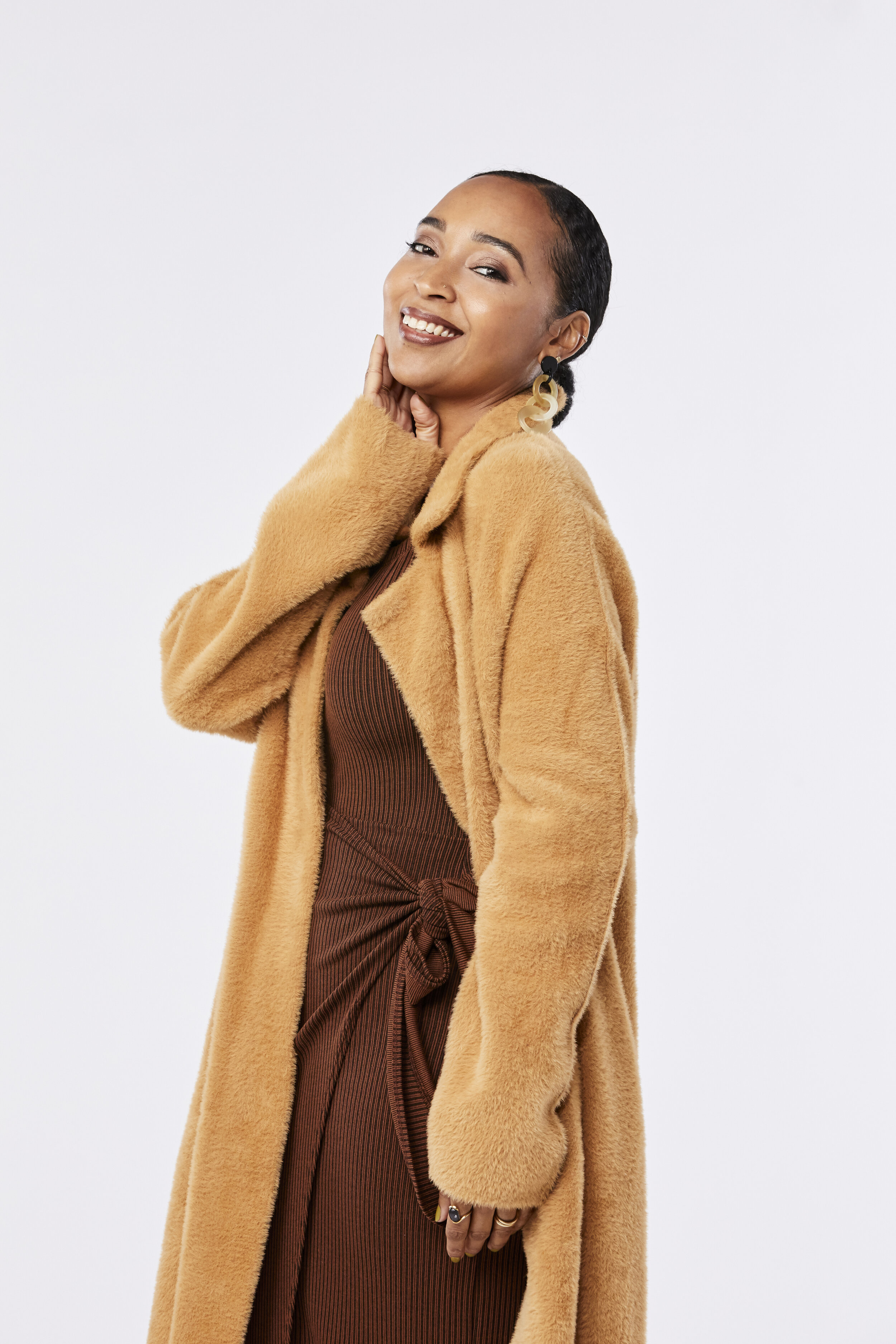

Lalah is an author, spiritual writer, and wellness educator who has been a force in the self-care space, encouraging and empowering us all to mindfully care for ourselves with her Vibrate Higher Daily platform.
Follow her on Instagram.
Buy Her Book: Vibrate Higher Daily: Live Your Power
Trinity Mouzon Wofford, Founder of Golde

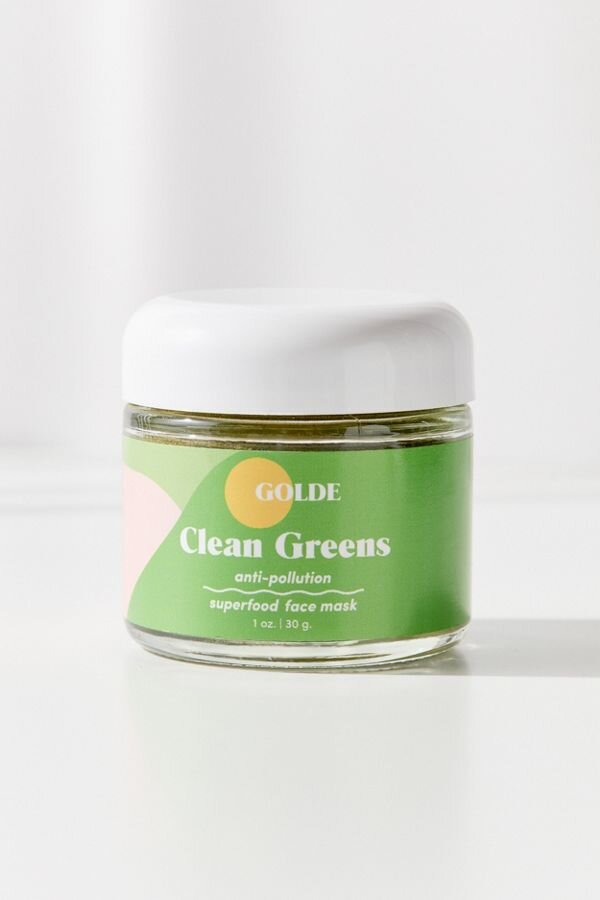
Trinity was only 23 when she launched her wellness line, Golde and now it's stocked at Goop and Urban Outfitters and continues to fly off shelves. Her phenomenal success is why we celebrated her achievements as an honoree in the small business section of our CC100 list this year.
Follow her on Instagram.
Bea Dixon, CEO and Founder, The Honey Pot Company
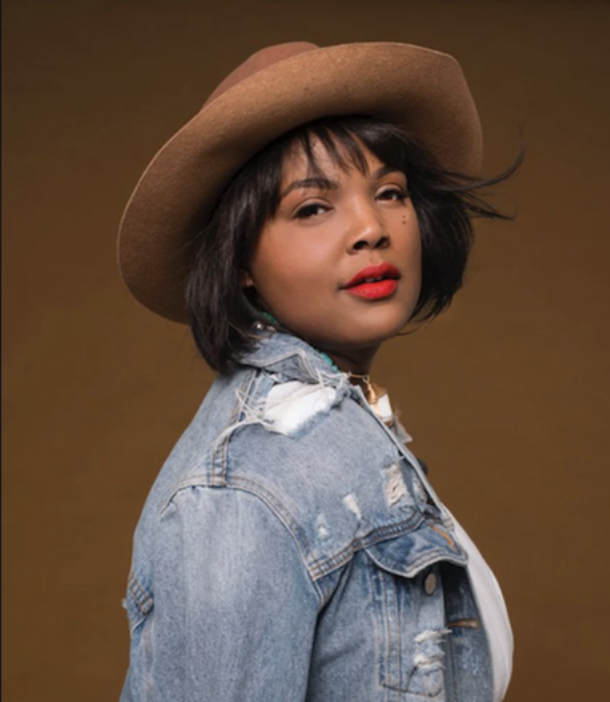
After suffering from bacterial vaginosis for months, an ancestor gave Bea Dixon the ingredients to heal herself in a dream. She created the formula for an effective, clean feminine wash and it worked! She’s now sharing her revelation with the world via The Honey Pot Company—the first complete feminine care system, powered by herbs™.
Candace Reels, Founder, Female Collective
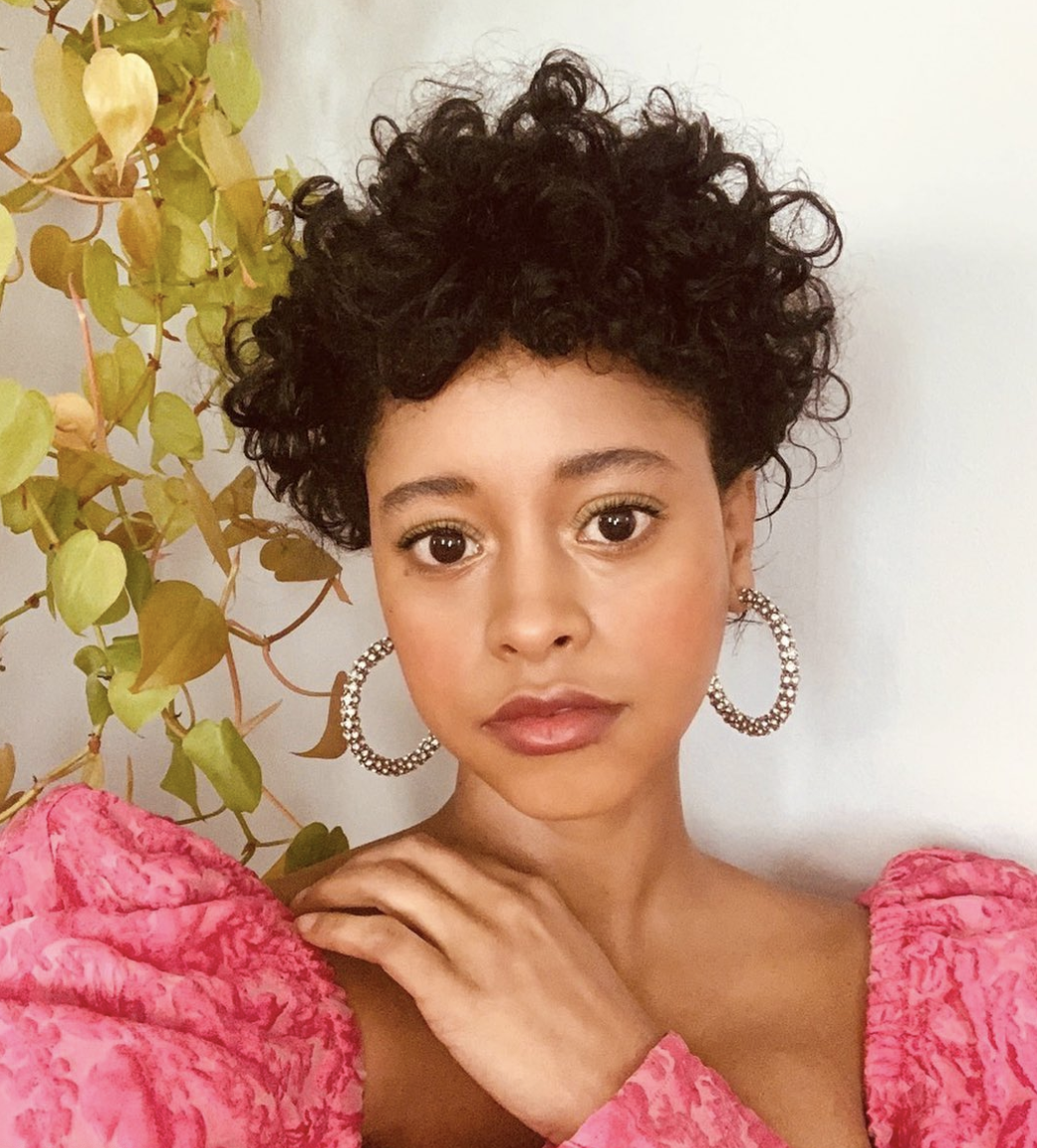

At just 26 years old, Candace Reels has created a movement. Born out of her passion for activism and intersectional feminism, the Female Collective is now a thriving digital community empowering women to come together, tell their stories, and bring awareness to the issues that matter to them most. Reels also launched a clothing line that features powerful phrases and messaging from the platform. We look up to Candace because she turned a personal project into an important space for the women who needed it most. It’s also why we honored her on our 2019 CC100 list so be sure to read the interview and support.
Naj Austin, Founder and CEO, Ethel’s Club
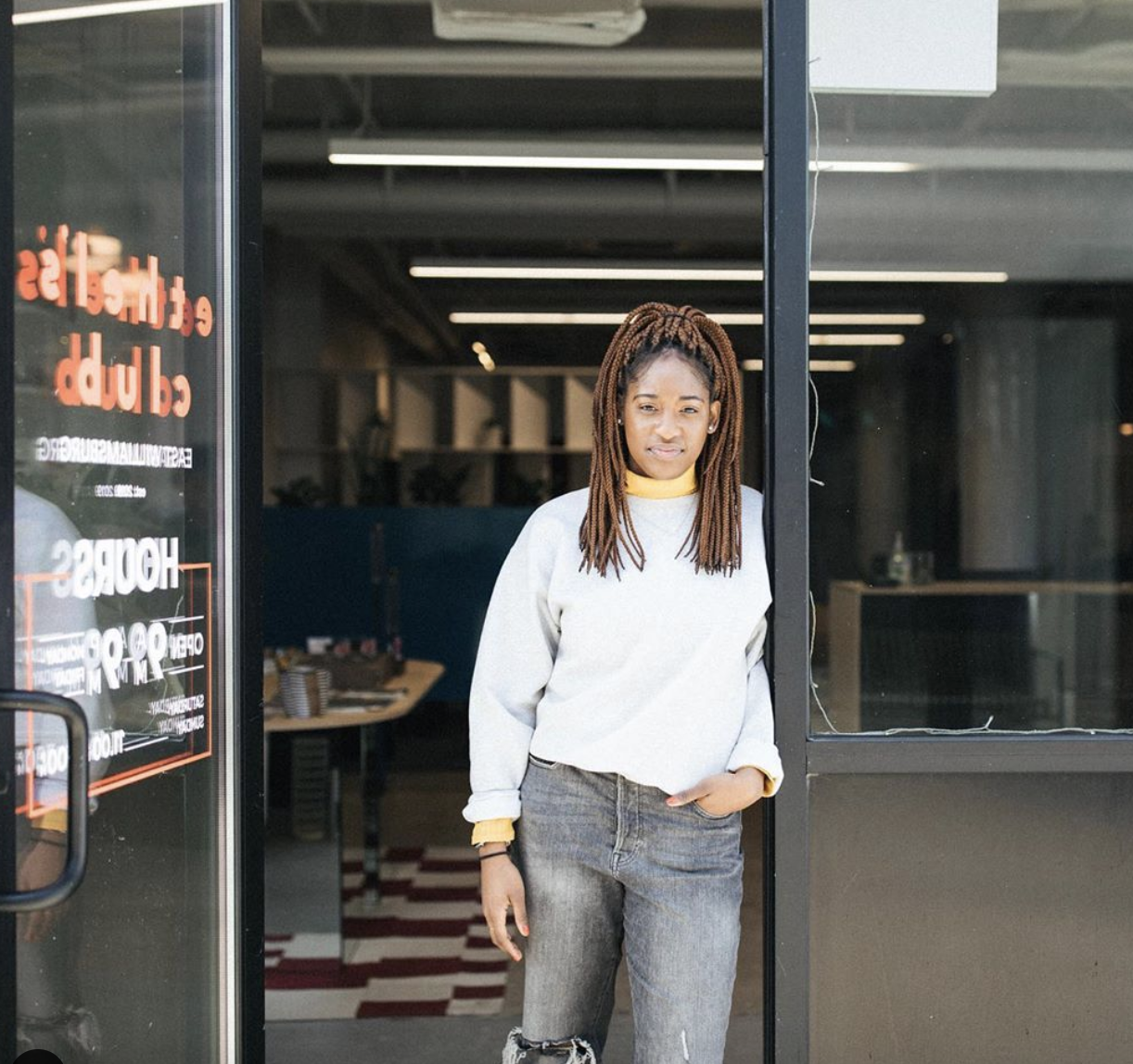

Named after her grandmother, Ethel Lucas—a matriarch figure in a tightknit community—Ethel’s Club continues her mission with a purpose-driven space for People of Color to heal and thrive through conversation, wellness, and creativity.
Shop their marketplace or become a member.
Jessica L., Founder, Hell Notes for Beauty
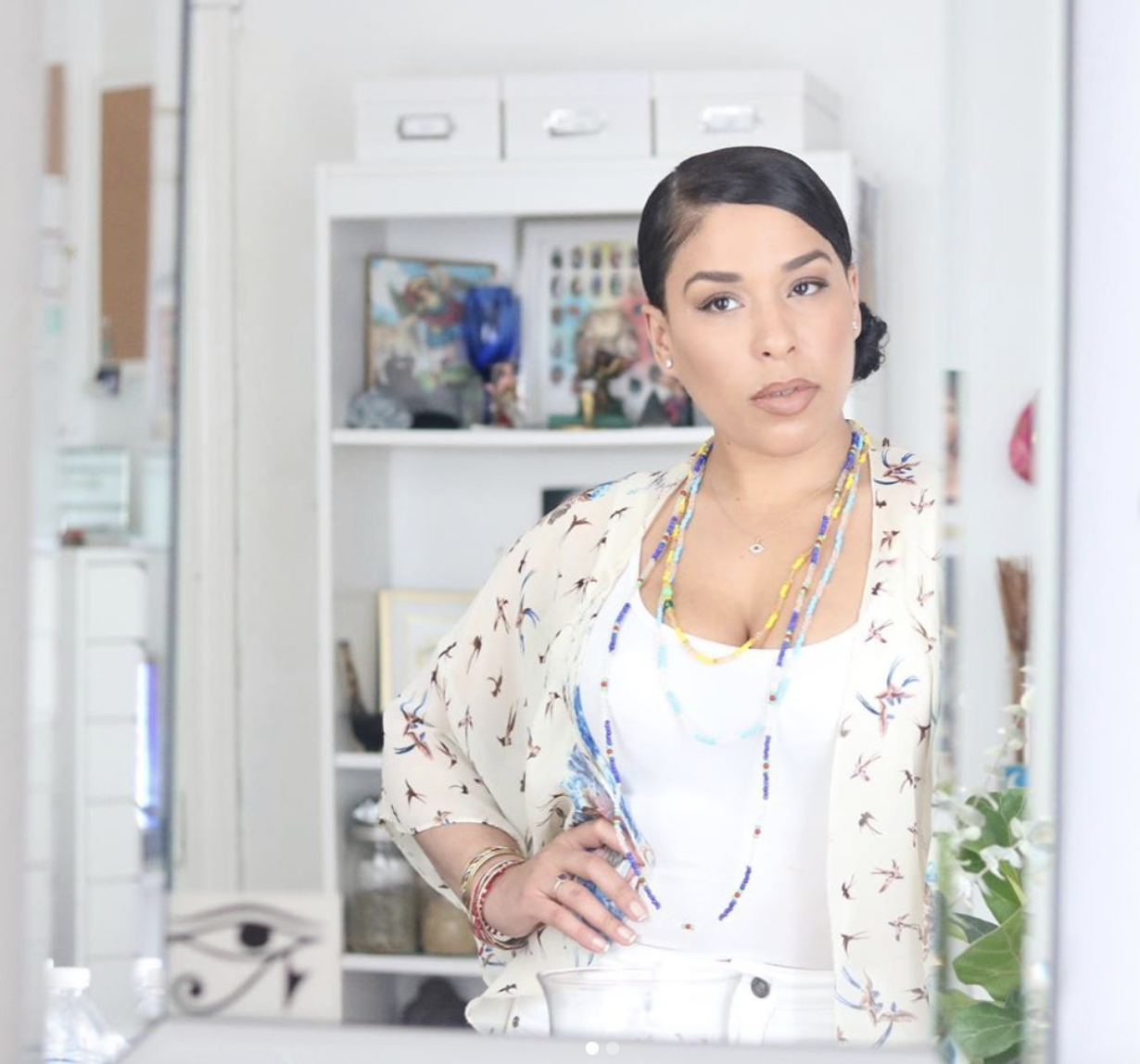

If you’re in need of guided meditation, are curious about crystals, or are seeking herbal and holistic wellness rituals, then Hell Notes for Beauty is your new go-to. Jessica’s platform is the premier metaphysical destination for the strong-willed, inspired, and determined soul. “I am dedicated to the solitary practitioner seeking to establish spiritual independence, self-care, and recognition of ancestral knowledge.”
Jaimee Ratliff, Founder, Yoga With Jaimee


The Atlanta-based certified yoga teacher is a passionate advocate of the ancient discipline and credits the practice for getting her through life’s challenges. While she believes wholeheartedly that yoga should be accessible to everyone, the community at large has lacked diversity and her hope is to provide an inclusive platform both on a local and global scale.
Jordan James and Shaniece Vincent, Co-Founders, Goddess Culture Podcast and Wellness Retreats
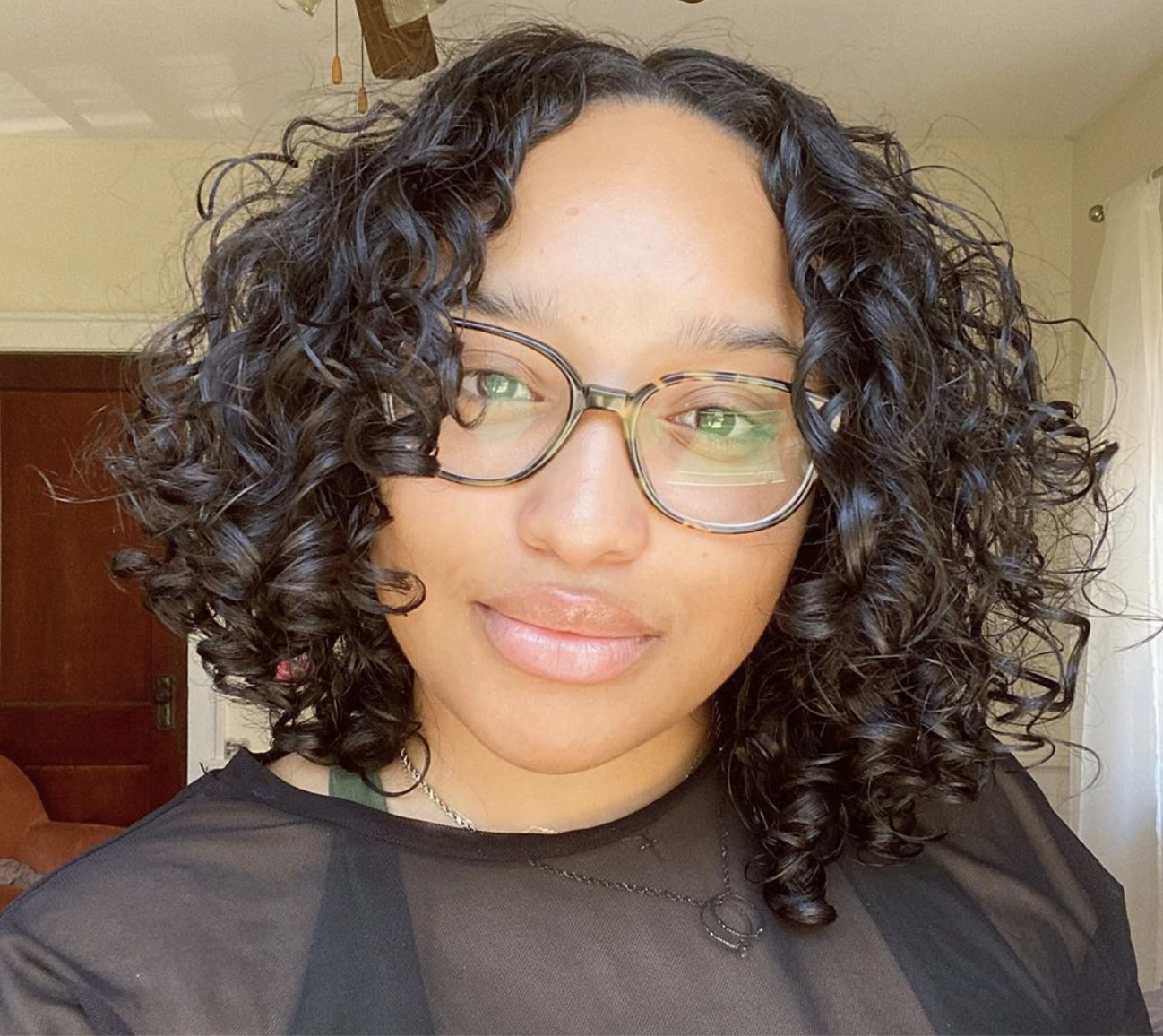
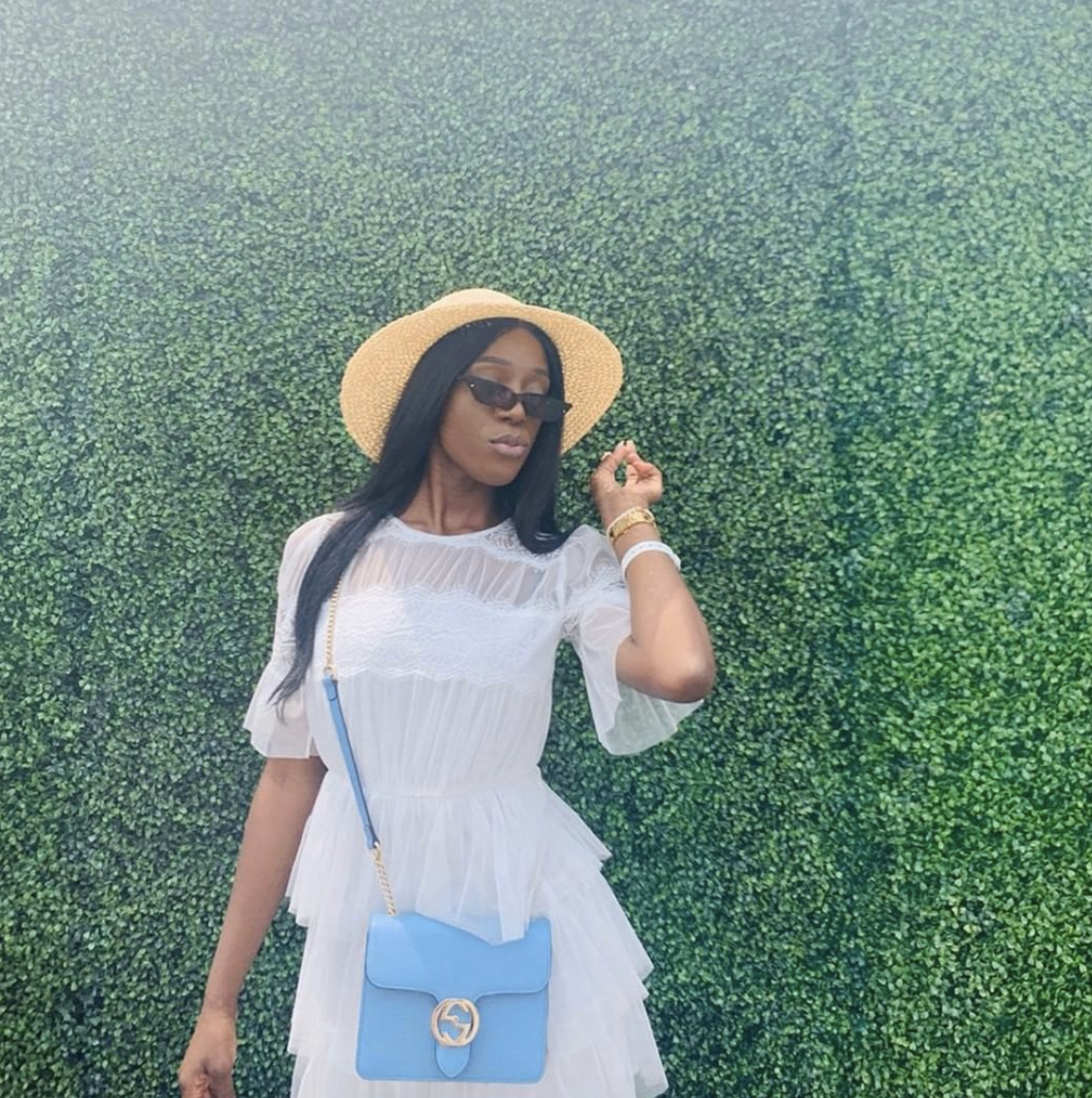
Jordan and Shaniece aim to empower and encourage their listeners to embrace their inner Goddess through a dialogue that inspires self-love, self-care, and self-actualization.
Follow them on Instagram.
Dr. Jerrica Dodd, CEO, and Founder, Your Pharmacy Advocate

Dr. Jerrica Dodd launched Your Pharmacy Advocate with a mission to add a human touch to pharmaceutical care and improve lives through patient engagement, provider partnerships, and education.
Learn more about their pharmacy consulting.
Nadine Joseph, Founder, Peak and Valley
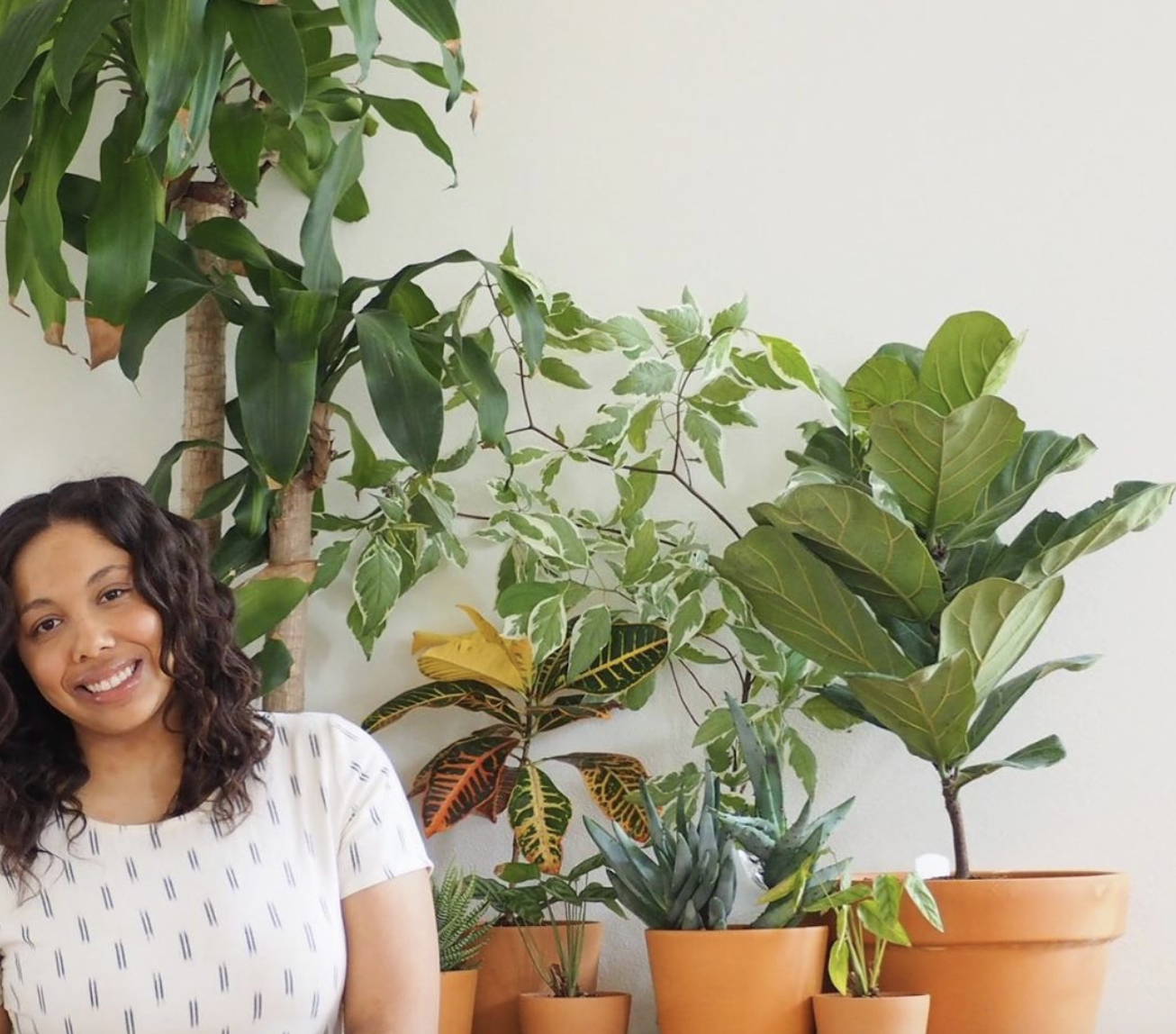
From pollution to phone notifications, the fast-paced world is around us isn’t exactly relaxing and can cause potential health risks. So Nadine Joseph took healing herself (and others) into her own hands with Peak and Valley—plant-based elixirs to enhance your beauty, mood, and mind.
Rashia Bell and Iva Bravic Millereau, Co-Founders, RE.VITYL
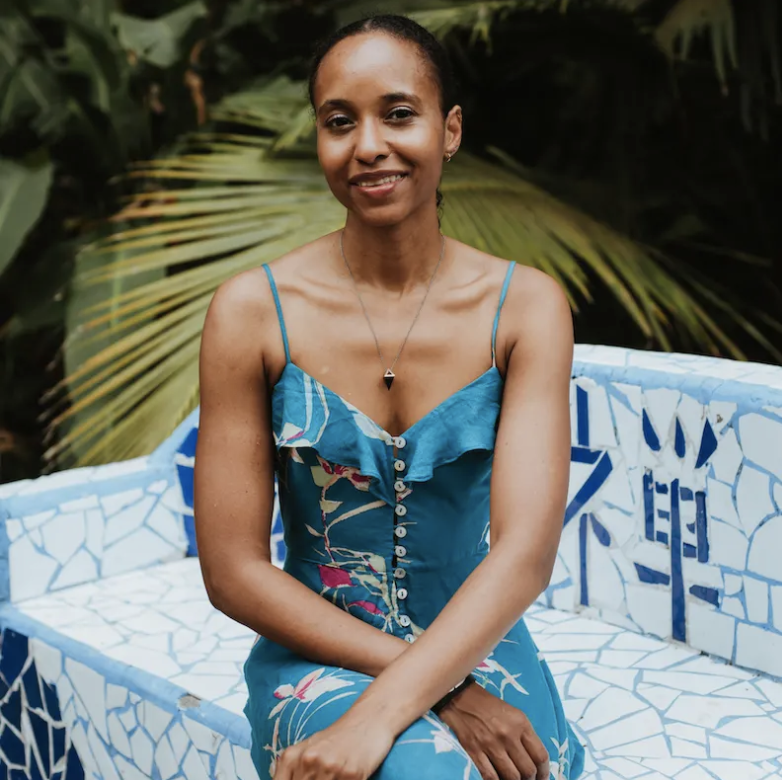
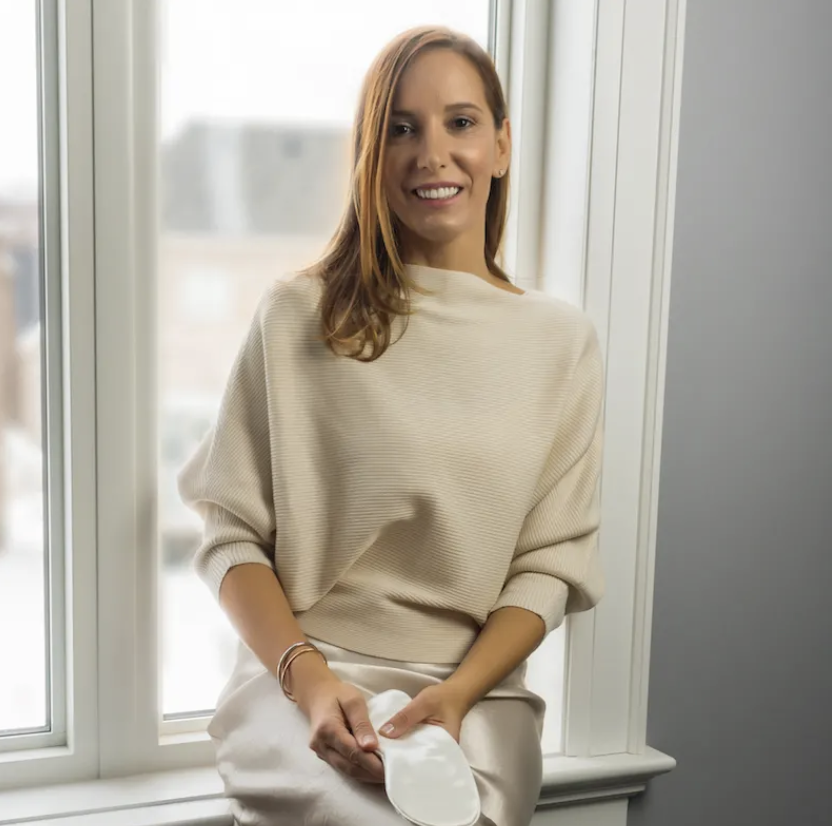
After meeting at a wedding reception in Bali, 2010, Rashia and Iva discovered their mutual love for natural, quality products with a sustainable foundation. So they partnered up to launch a wellness startup, RE.VITYL—products infused with elemental energy by Biocrystal® to promote relaxation and tranquility. “We truly believe in the re.laxing and re.storative powers of native plants and stones and their ability to bring about true wellness, harness positive energy, and enhance your quality of life.”
Veladya Chapman, Founder, Earth Mama Medicine


While working as a professional actress, Veladya attended the Institute for Transformational Nutrition to become a Certified Holistic Nutritionist and she now helps heal people from all over the world through her books, educational YouTube videos, personalized wellness plans, and public speaking.
Buy her products and services.
Cheryl Sutherland, Founder, PleaseNotes and, res-o-nate strategies
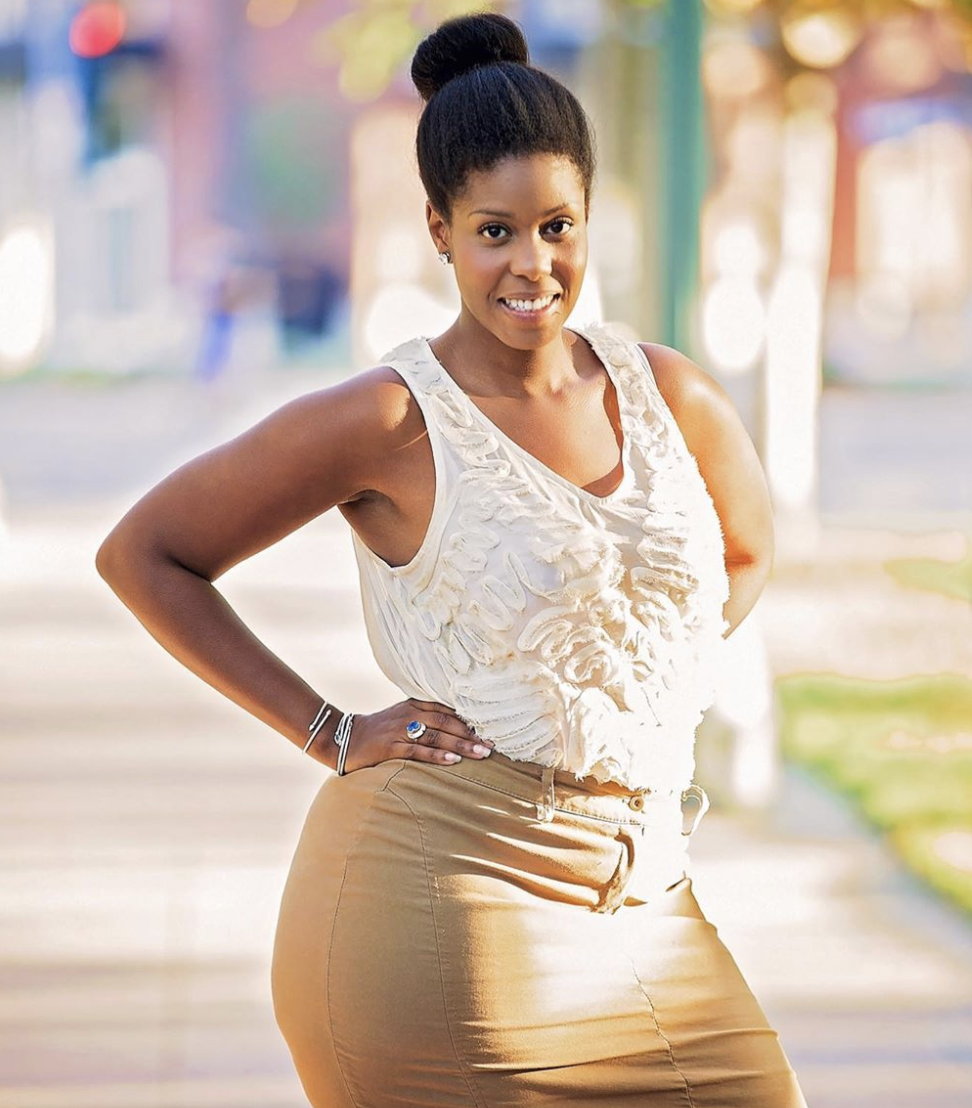

Taking a risk, Cheryl Sutherland left her job and focused completely on building her self-confidence and nurturing her inner gifts through journaling, reading, and working with affirmations. This personal growth led to her company, PleaseNotes focused on providing personal growth tools and leadership programs.
Follow her on Instagram.
Charlesha "Charli" Harris, Founder, ChasingTransformation
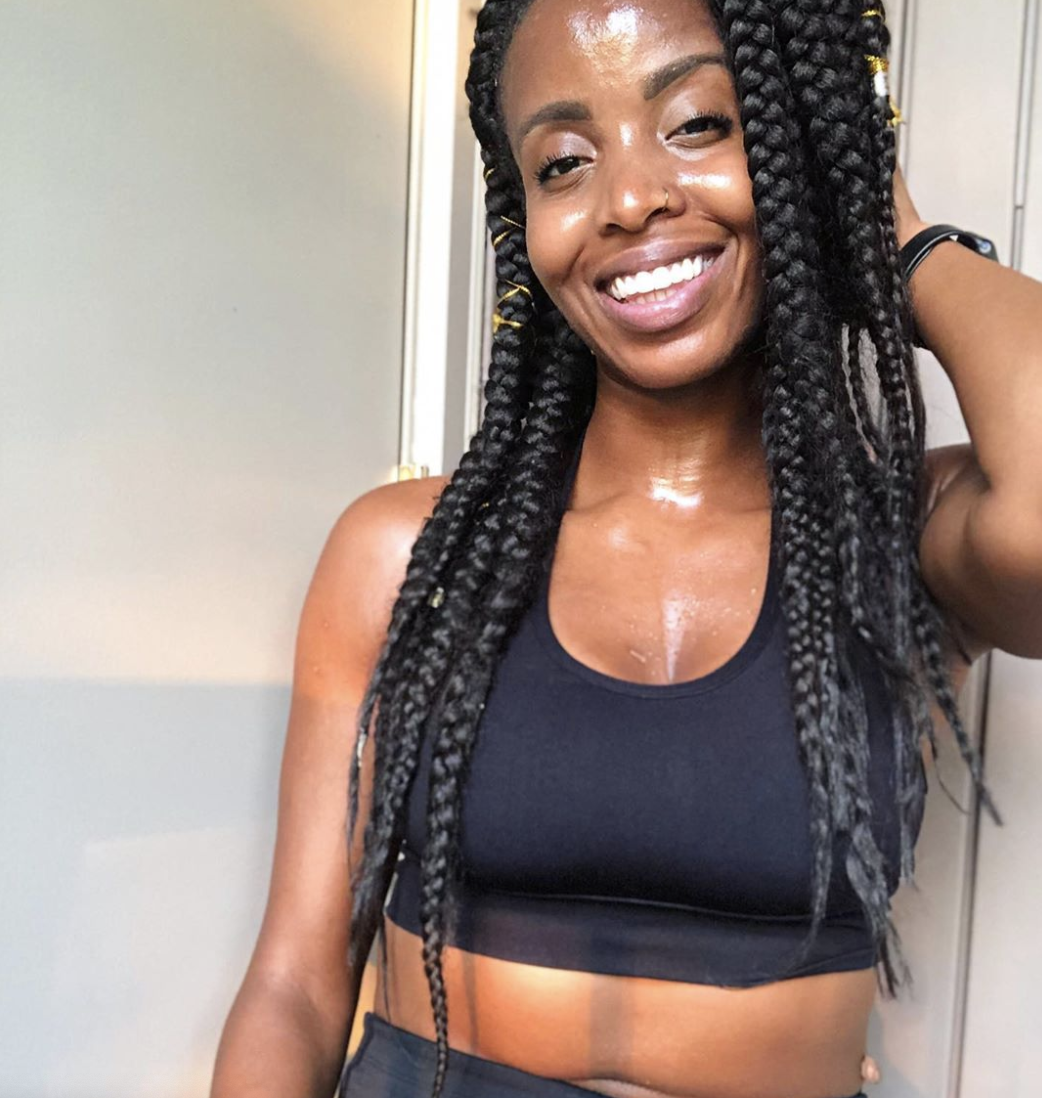

After struggling with insecurities that stemmed from poor health, and lifestyle choices, Charlesha Harris turned “potential poison into passion to educate, lead, and motivate others to be the best versions of themselves” with her ChansingTransformation health and fitness platform.
MORE HEALTH & WELLNESS FOUNDERS:
Business Name: Jamie Clarke, Founder, Soul Paradigm
What They Do: Reiki, lifestyle and healing coaching, tarot, self-care packages, and more.
Website: SoulParadigm.com
Instagram: @thesoulparadigm
Business Name: VGN AF—Wellness Redefined.
What They Do: Wellness is a journey, not a destination. VGN AF was launched to help you get to your best version of wellness and health with the best quality sustainably-sourced products to provide visible results over time. Their platform addresses healthy foods, vegan recipes, immunity, weight loss, healthy skin and hair rituals, gut health, mental clarity, healing, stress release, and increased energy.
Website: shopvgnaf.com
Instagram: @vgn_af
Business Name: Dr. Caroline Robinson, Founder, Tone Dermatology
What They Do: Board-certified dermatologist and Chicago native, Dr. Caroline Robinson specialize in general, medical, and surgical dermatology.
Website: tonedermatology.com
Instagram: @tonedermatology
Business Name: Magnolia Yoga Studio
What They Do: A community-based space to practice and strengthen the mind-body connection through hot yoga and meditation.
Website: magnoliayogastudio.com
Instagram: @magnoliayogastudio
Business Name: Mia Cola, Founder, Fancy U Fitness
What They Do: Workouts you can do to keep in shape at home, outside, or wherever you are in the world.
Website: Fancyu.net
Instagram: @fancyufitness
Business Name: Sunny Brooks, CEO, and Co-Founder, TJ Brooks, Spiritual Shop
What They Do: Sunny Brooks is a certified Reiki Master Teacher, Crystal Healer, Herbalist, and Aromatherapist. TJ is a healer, teacher, and artist. She creates natural, spiritual, and metaphysical art. Since 2017, they have been spreading joy, peace, love, and positivity with their products and education to create a movement that inspires a lifestyle filled with soulful vibes.
Website: soulfulvibesco.com
Instagram: @soulfulvibesco
Business Name: Alicia Richmond, Founder, A-Rich Nutrition
What They Do: After she was diagnosed with scoliosis, Richmond started her own research into supplements that helped ease her symptoms and weren’t filled with chemicals, fillers, or harmful ingredients. And so, A-Rich Nutrition was born offering a wide range of quality-assured food supplements from trusted suppliers from around the world.
Website: arichnutrition.com
Instagram: @arichnutrition
Business Name: Felicia La Tour, Founder, MindfulFee
What They Do: Renowned makeup artist, Felicia La Tour took the plunge a year ago to launch her own business, MindfulFee. Now it’s a thriving community of women who come together around the same mission, to live well, intentional lives while sharing the experience collectively. Be sure to check out her vibe box and order yourself one before they sell out, again!
Website: collectivelymindful.com
Instagram: @mindfulfee
Business Name: Sweet Mason
What They Do: From soft gels to bath salts and even candles, Sweet Mason is a mecca for high-quality CBD-infused products for every concern on your path to health and wellness.
Website: sweetmason.co
Instagram: @shopsweetmason
Business Name: Curls Vitamins
What They Do: A vitamin-infused haircare line to boost the strength and vitality of your hair.
Website: curlsvitamins.com
Instagram: @curlsvitamins
Business Name: Victoria McAbee and Jasmine Lee, Co-Founders, Whimsy Official
What They Do: A modern wellness and beauty atelier focused on plant alchemy and conscious luxury.
Website: whimsyofficial.com
Instagram: @officialwhimsy
Food & Beverage
Wendy Lopez and Jessica Jones, Co-Founders of Food Heaven


Dietitians Wendy and Jessica are on a mission to make health and wellness more inclusive, diverse, and accessible. To help fill the void for healthy recipes made with ingredients that are both accessible and affordable, Lopez and Jones founded Food Heaven in 2011.
Follow them on Instagram.
Buy their book: 28-Day Plant-Powered Health Reboot: Reset Your Body, Lose Weight, Gain Energy & Feel Great
Mignon Francois, CEO and Founder, The Cupcake Collection
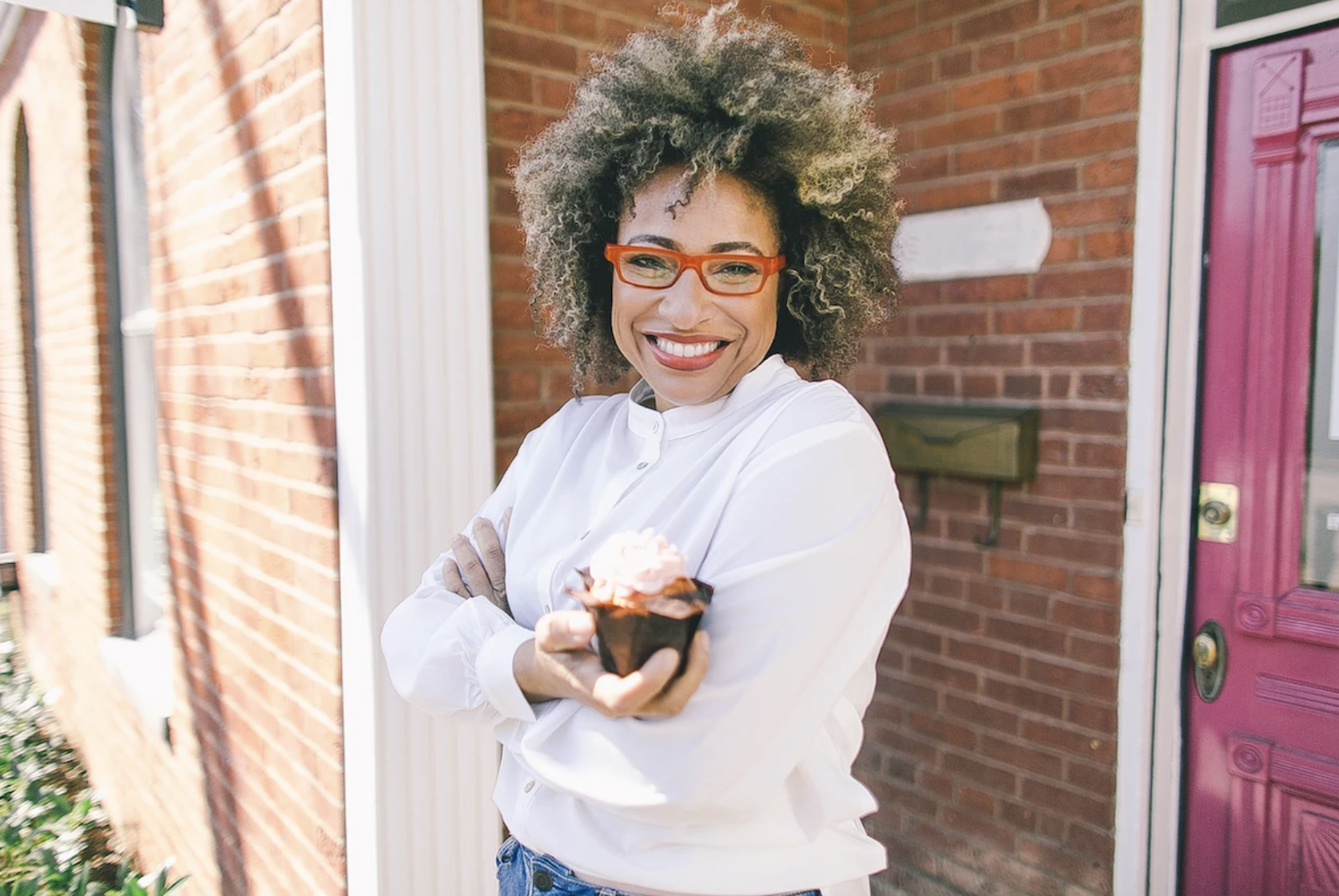
Since planting its roots in 2008, Mignon Francois’ business savvy has earned her the titles of “Woman of Legend and Merit” by Tennessee State University, “Emerging Business Leader of the Year” and Black Enterprise Magazine “Family Business of the Year Award”. And it’s easy to see why. Her handmade cupcakes draw lines around the block for their iconic flavor unlike you’ve ever tasted before. She has bakeries in both Nashville and New Orleans but The Cupcake Collection also ships nationwide. Ordering is just a click away! Just shop online and choose shipping as your fulfillment option at checkout.
Idil Farah, Founder, IdilsWorld
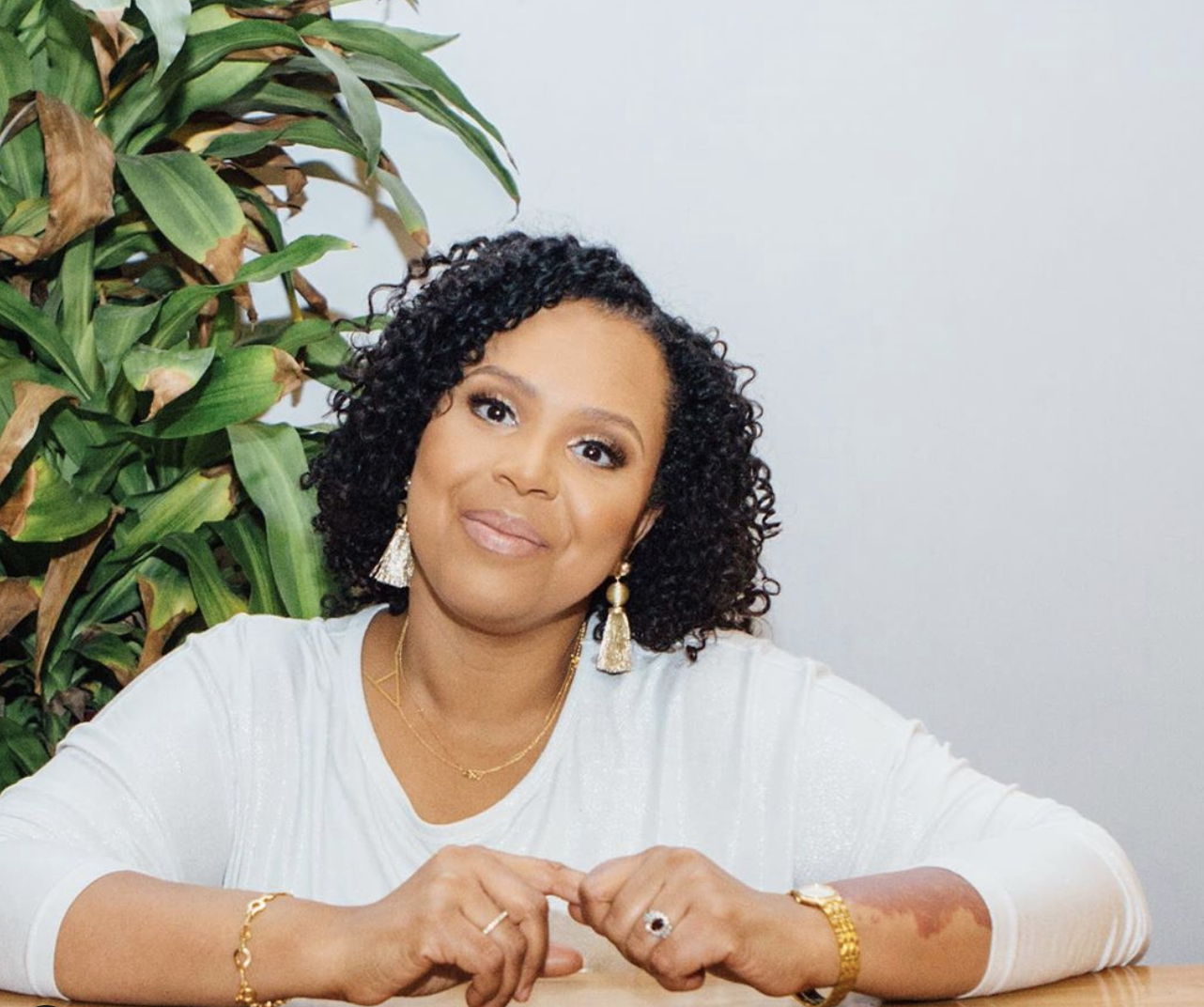

A practicing nutritionist for over 10 years, Idil Farah draws on the “medicine as food” philosophy and traditional holistic practices to promote overall wellness. She aims to make healthy eating fun and enjoyable and doesn’t believe it has to be expensive, time-consuming, or a struggle.
Shop her health programs and packages.
MORE FOOD & BEVERAGE FOUNDERS:
Business Name: Nayana Ferguson, Owner, Anteel Tequila
What They Do: A premium tequila brand based in Detroit that produces the world's only coconut lime blanco tequila as well as a blanco and reposado expression.
Website: AnteelTequila.com
Instagram: @anteeltequilas
Business Name: Hawa Hassan, Founder, Basbaas
What They Do: Somali hot sauces, handmade in small batches, bottled, and sourced in the Hudson Valley.
Website: BasbaasSauce.com
Instagram: @basbaassauce
Business Name: Denise Woodard, Founder and CEO, Partake Foods
What They Do: Gluten-free, vegan, and non-GMO cookies free from the top eight allergens and made using clean ingredients. Flavors range from chocolate chip and cookie butter to birthday cake.
Website: partakefoods.com
Instagram: @partakefoods
Business Name: Robin and Andréa McBride, Co-Founders, McBride Sisters Collection
What They Do: Founded by sisters Robin and Andréa, McBride Sisters Collection is the largest Black-owned wine company in America.
Website: mcbridesisters.com
Instagram: @mcbridesisters
Business Name: Jenné Claiborne, Founder, Sweet Potato Soul
What They Do: Vegan chef, blogger, YouTuber, and author of "Sweet Potato Soul: 100 Easy Vegan Recipes for the Southern Flavors of Smoke, Sugar, Spice, and Soul."
Website: SweetPotatoSoul.com
Instagram: @sweetpotatosoul
Business Name: Milan Durham, Owner, Cultured Kombucha
What They Do: A kombucha company brewed out of Washington D.C. that believes all communities should have access to and knowledge of internal health and wellness.
Website: TheCulturedKombucha.com
Instagram: @theculturedkombucha

Tonya “The Millennial Money Expert” Rapley’s lightbulb moment for launching My Fab Finance was sparked by a personal need. As a millennial living in New York City and working for a non-profit, Rapley wanted to break the cycle of living from paycheck to paycheck but couldn’t find a financial resource tailored to millennials—so she created one.
Buy her book: The Money Manual
Tiffany Aliche, Founder, The Budgetnista
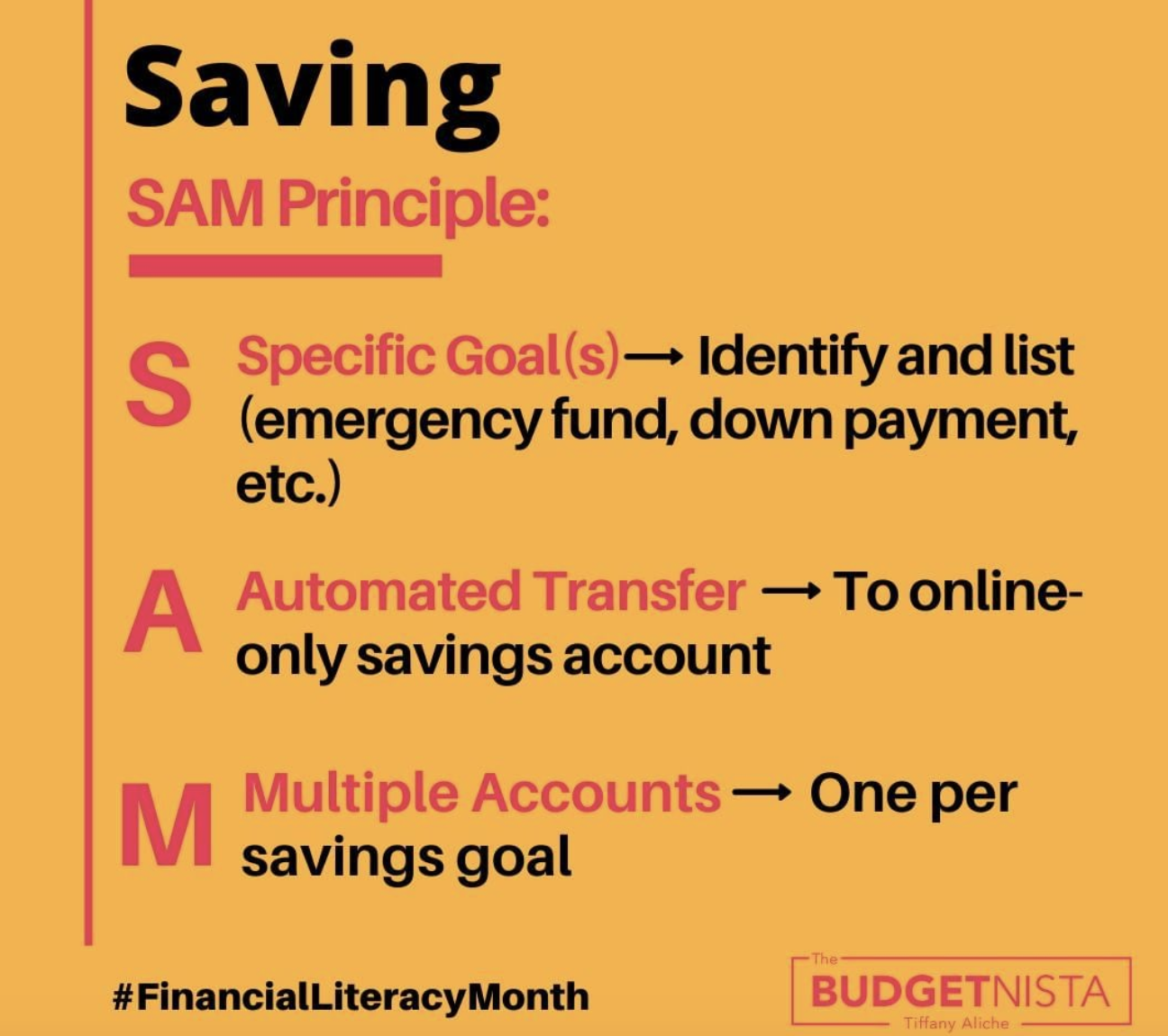
As an award-winning teacher of financial education, Tiffany Aliche has quickly become one of America’s most regarded personal finance experts. Her mission? To empower women and provide them with access to the tools and resources needed to create a better life for themselves and their families.
Her financial movement has helped over 800, 000 women worldwide collectively save more than $100 million, and pay off over $75 million in debt, purchase homes and transform the way they think about their finances.
Book her for financial advice, workshops, or speaking opps.
Sharon Beason, Founder, Womeneur
Sharon Beason helps emerging and early-stage female entrepreneurs get the clarity, resources, and actionable steps you need to plan, create, launch, sustain, and grow their business successfully and profitably. So if you’re ready to stop wasting time and start seeing results, join the Womaneur Collective today.
Beauty
Shontay Lundy, Founder of Black Girl Sunscreen
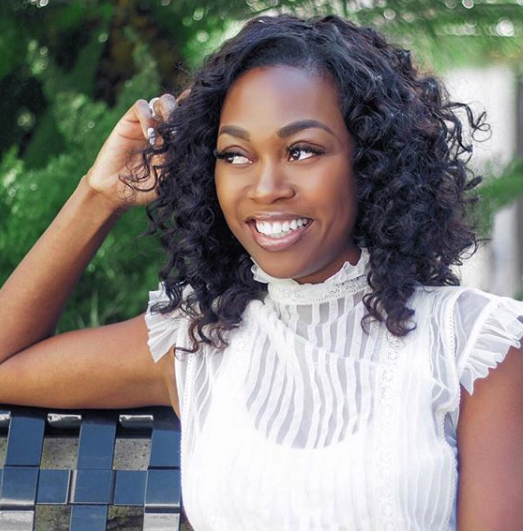

Shontay is here to remind us that black people need sunscreen too—and we’re here for it. From later diagnoses, black people have lower survival rates for skin cancer. Shontay has designed the solution.
Follow her on Instagram.
Cashmere Nicole, Founder of Beauty Bakerie Makeup
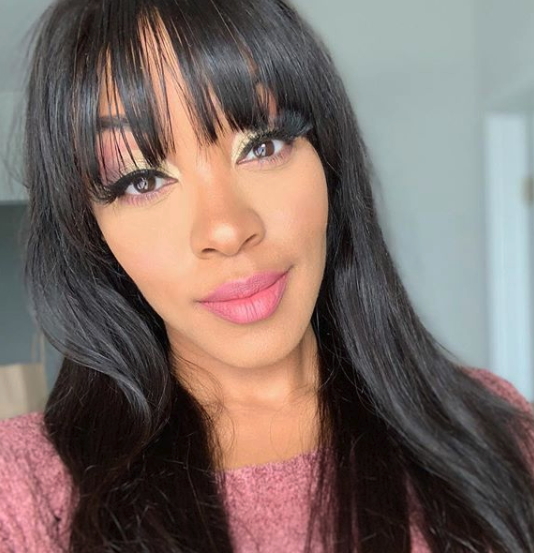
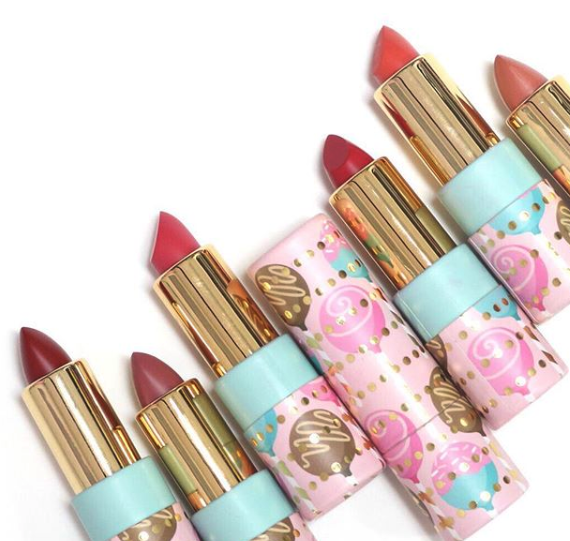
Cashmere Nicole was a single parent, struggling to make ends meet before she founded the hugely successful, Beauty Bakerie. In 2001, she was a teen mom putting herself through college, and after graduating, she became a nurse to support her daughter, Jasmyn. While raising her daughter and working as a nurse, Nicole would dedicate the second half of her day to developing her makeup business. Now she is inspiring women everywhere with her incredible story and game-changing products.
Follow her on Instagram.
Victoria Fazio, CEO and Founder of Propa Beauty
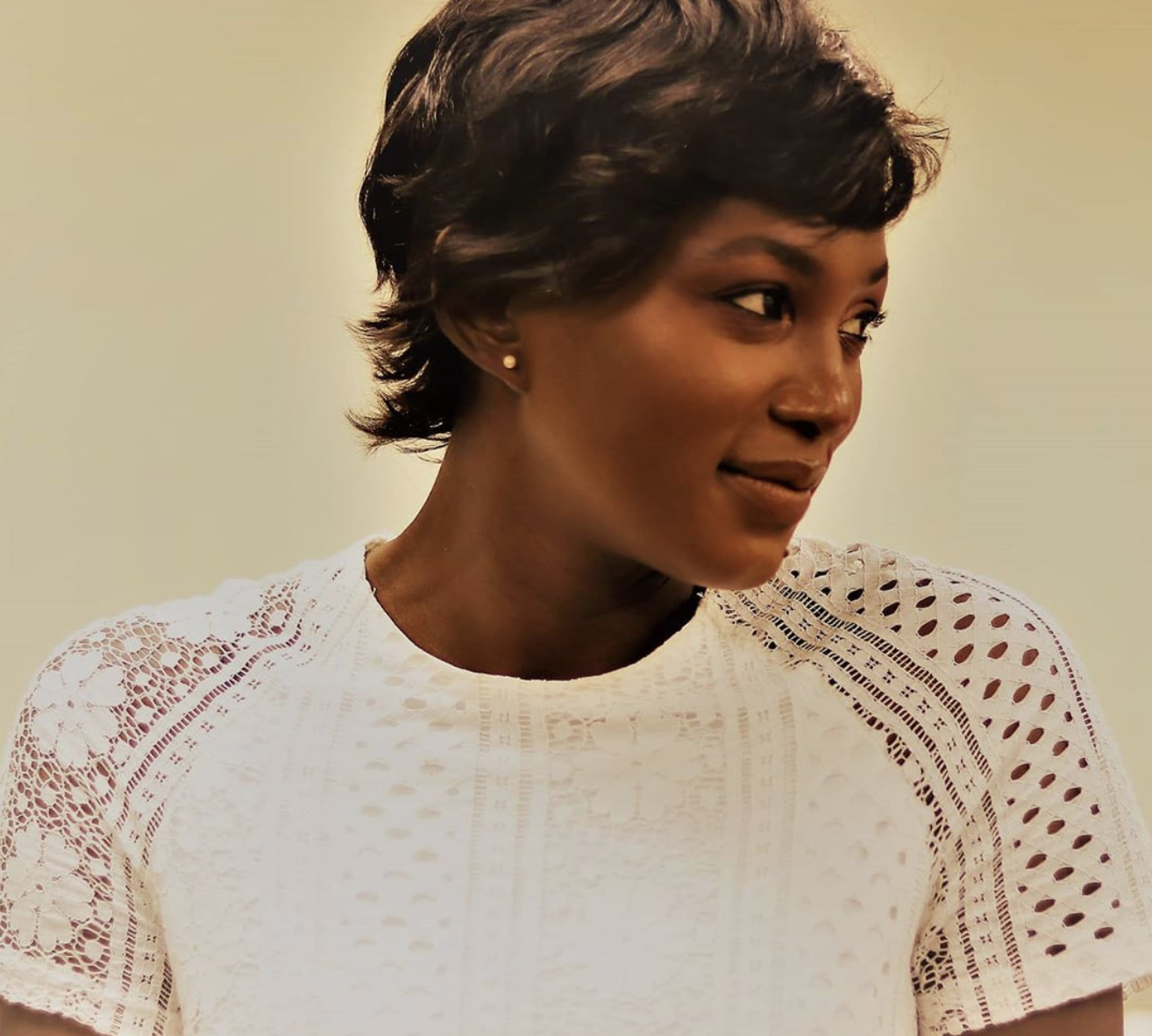
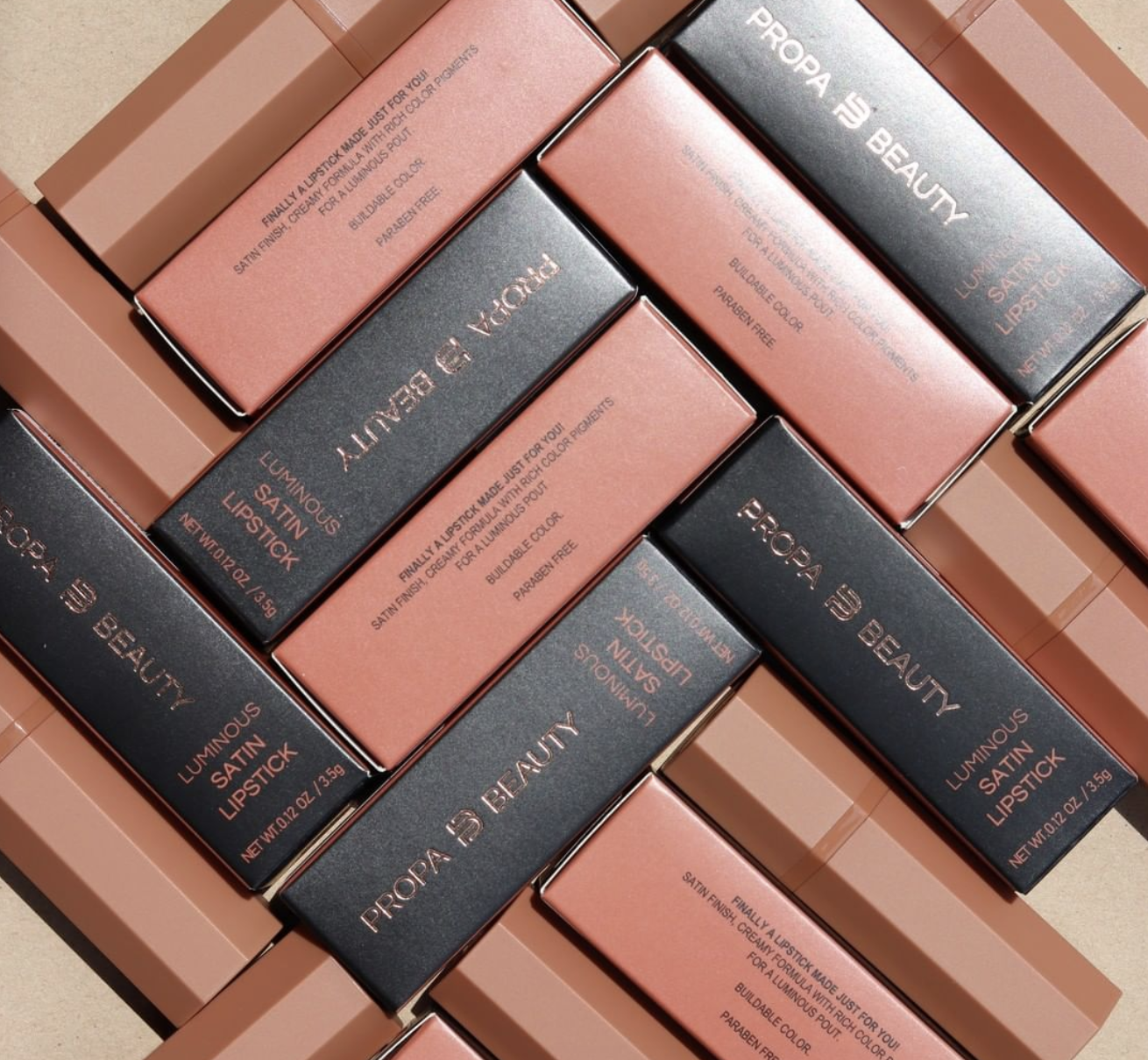
Victoria took the leap from her corporate career to create Propa Beauty in a bid to energize and encourage women to be confident leaders in their own fields. “Makeup is powerful and it’s about time it’s marketed as an arsenal which goes beyond just getting cute. I want women to look their best on the outside, but also to feel their best on the inside.”
Melissa Butler, Founder of The Lip Bar
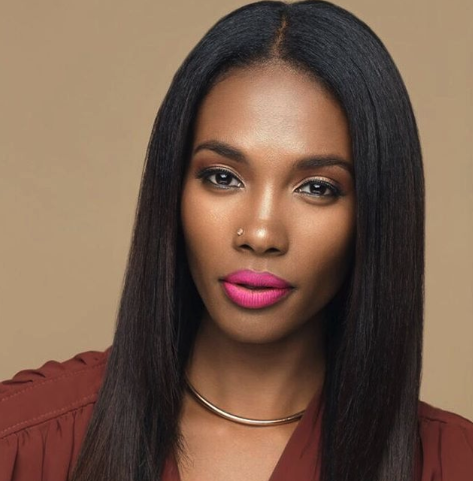
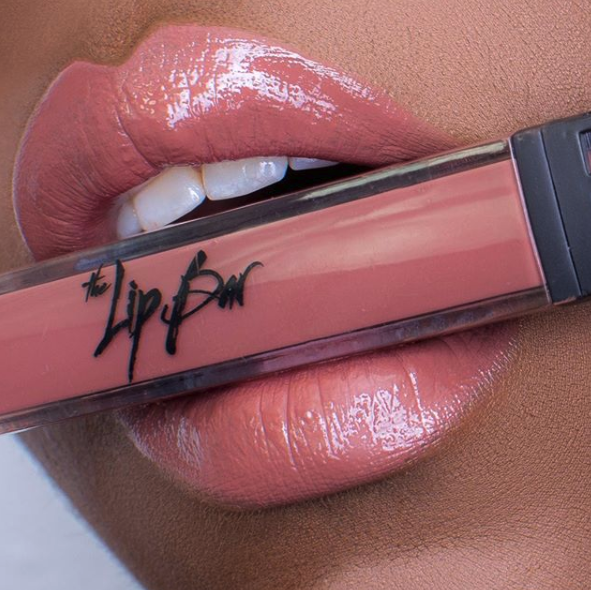
Her career began in the corporate world, but after she became frustrated with the lack of diversity and excessive chemicals, Melissa Butler decided to launch her own and disrupt modern-day beauty standards in the process. Even after being faced with doubters during her appearance on ABC’s Shark Tank (and ultimately rejected) Butler went onto create The Lip Bar because everyone deserves to have their own perfect nude lipstick—period! Now she is a huge success and her massive community agree.
KJ Miller and Amanda Johnson, Co-Founders, Mented Cosmetics

The idea for Mented Cosmetics happened like most great business ideas: over a glass of pinot! Friends, KJ Miller and Amanda Johnson were sipping and discussing why it was so hard to find the perfect nude lipstick. And the idea for starting their own was born. “We believe every woman should be able to find herself in the world of beauty, no matter her skin tone. We know you'll love being put first because when it comes to beauty, no one deserves to be an afterthought.”
CEO, Sheneil Monique and Co-Founder, Nicolette Camille, Base Butter
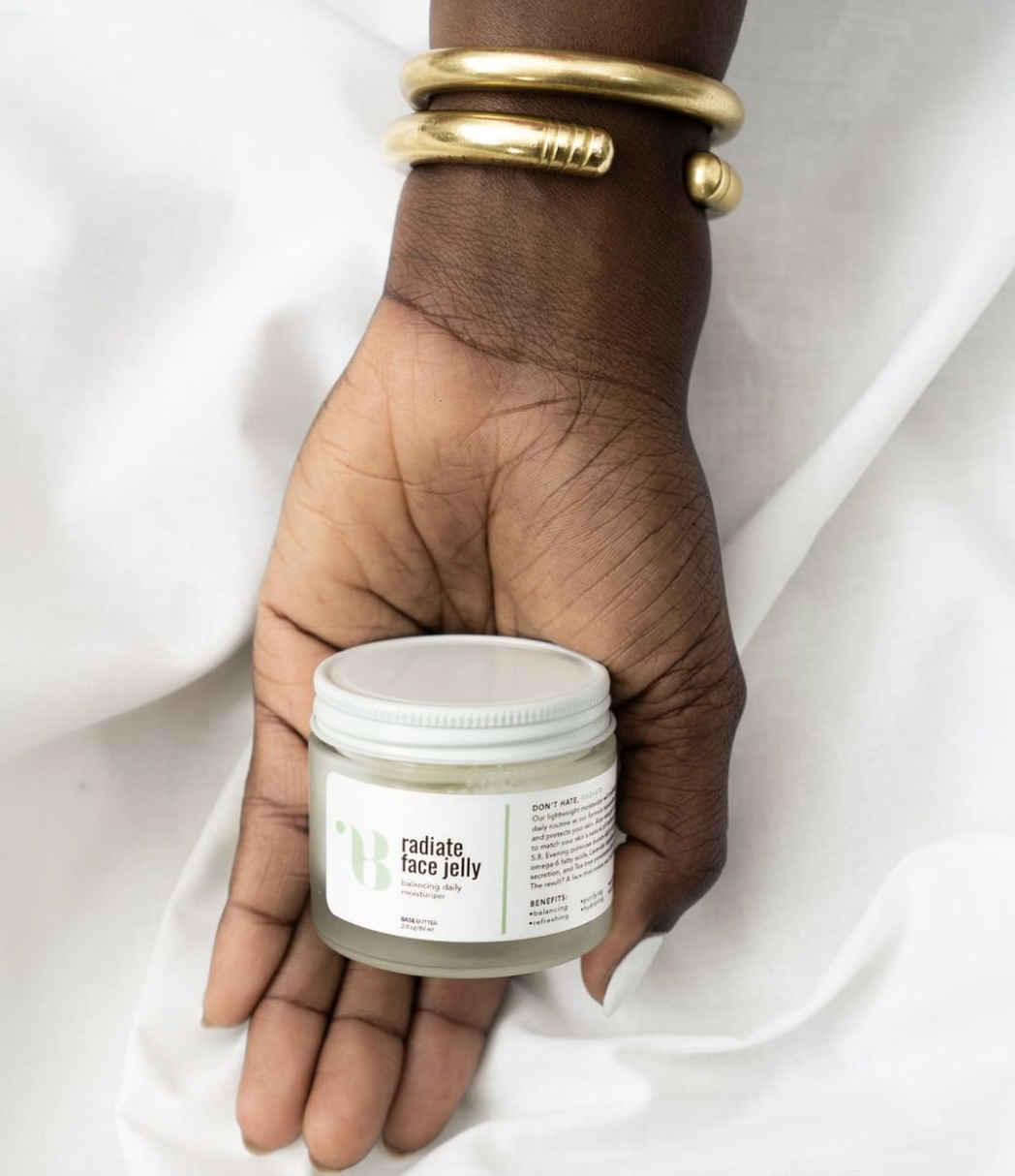
Sheneil and Nicolette’s mission was simple: to create easy skincare for oily and combination skin types while helping women feel comfortable in their skin. And they achieved it. They’re easy-to-use products yield results through simple formulas that safely improve the overall health of the skin for immediate protection and long-term results.
Tuanieha Twanna, Founder, Sonshine Bath

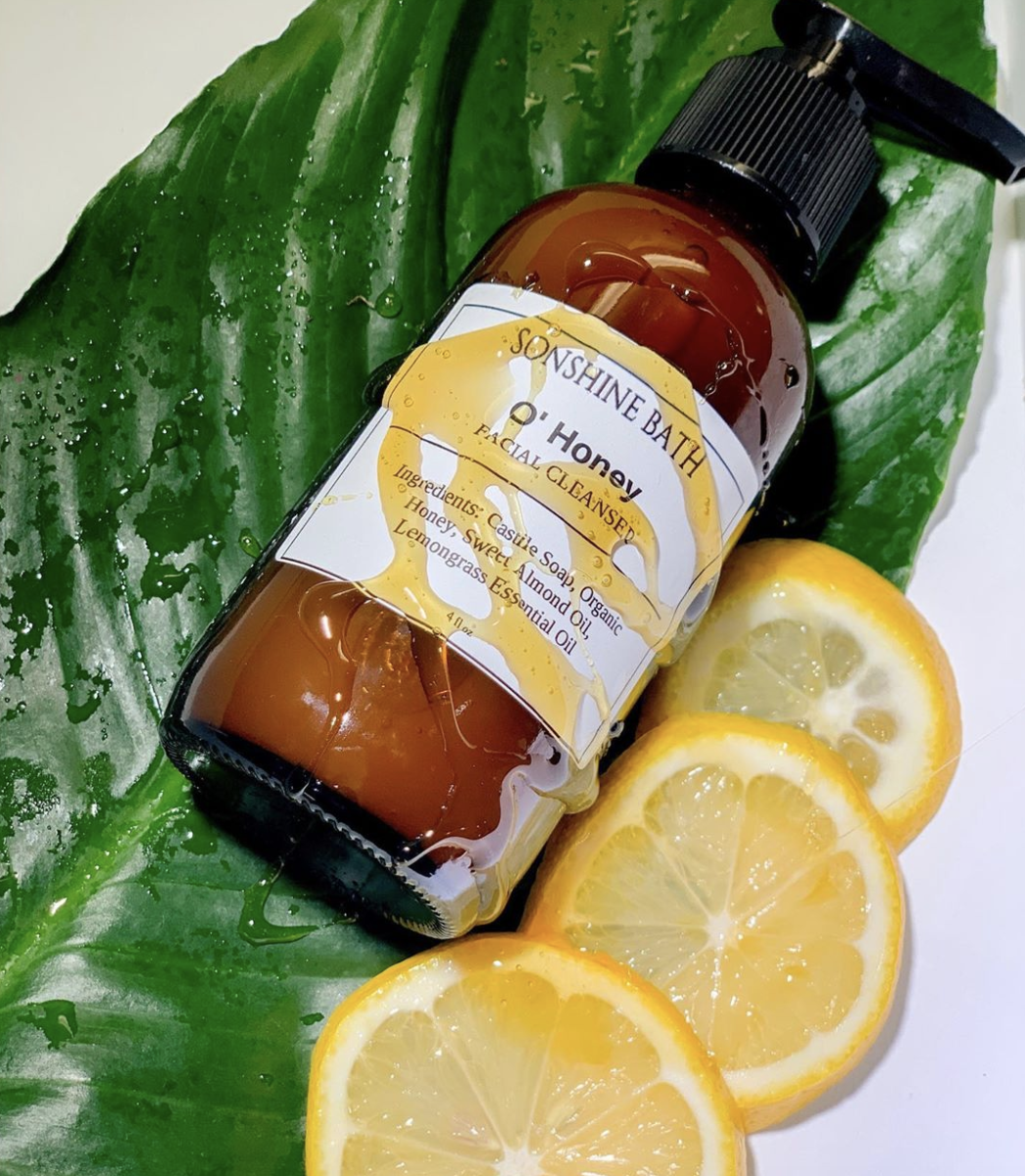
After Tuanieha’s son, Tristan James (who she refers to as her “Sonshine”) was born, she started making his soaps and body butter at home so she could guarantee they were safe for his skin. A year later, she launched the brand to not only help secure Tristan's future but also provide other small businesses like hers by donating a portion of the business profits to other small businesses in the form of microloans through kiva.org.
Sharon Chuter, Founder, UOMA Beauty

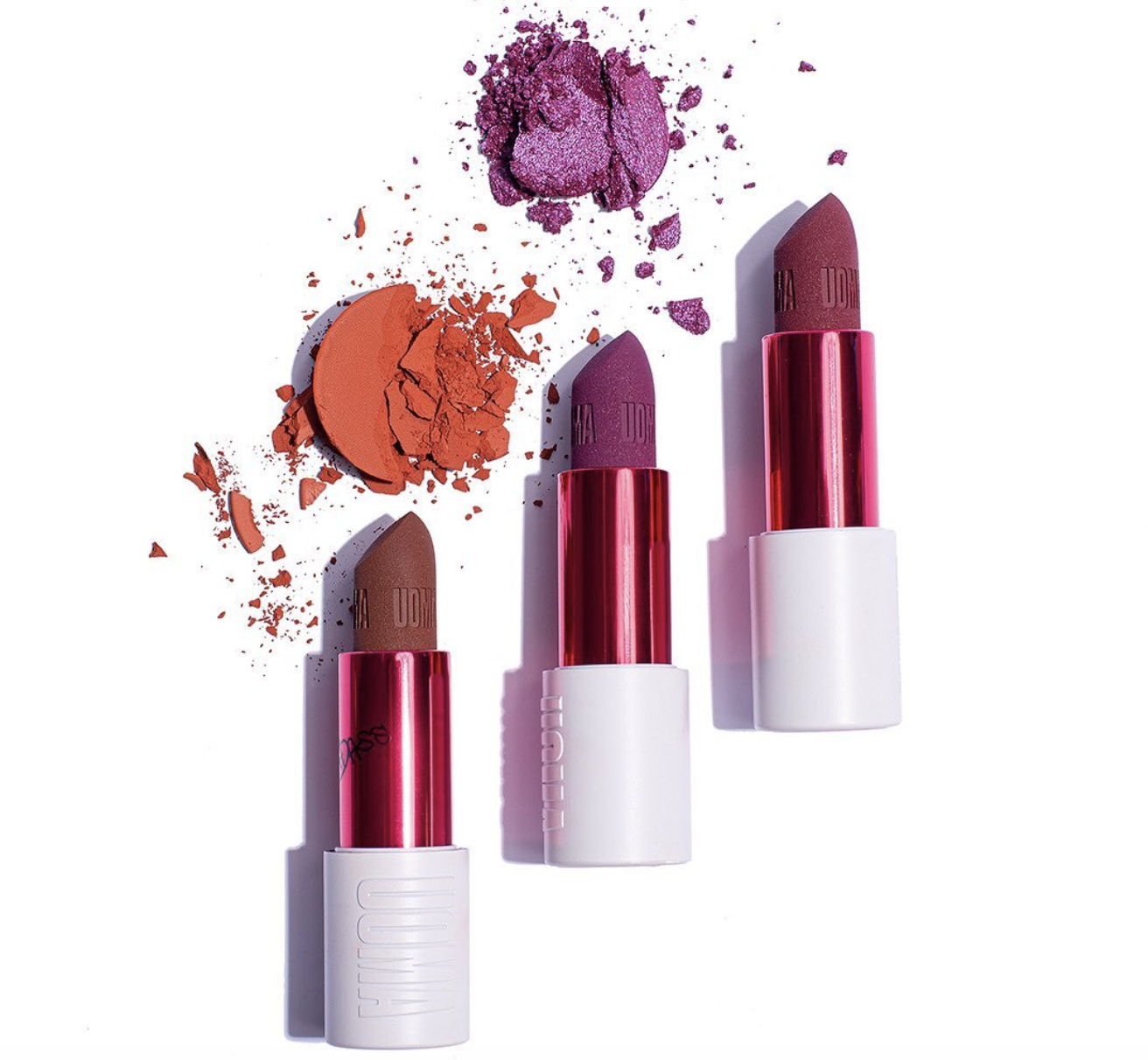
UOMA Beauty was founded by Nigerian born, LA, and London-based former beauty executive, Sharon Chuter to redefine the rules of inclusivity and diversity. Listed by WWD one of the 50 most forward-thinking executives shaping the future of the beauty industry, she believes that “beauty starts the moment you decide to be yourself. We exist to re-write the rules of inclusivity and diversity to create a world of beauty that truly is for all of us.”
Lisa Price, Founder, Carol’s Daughter
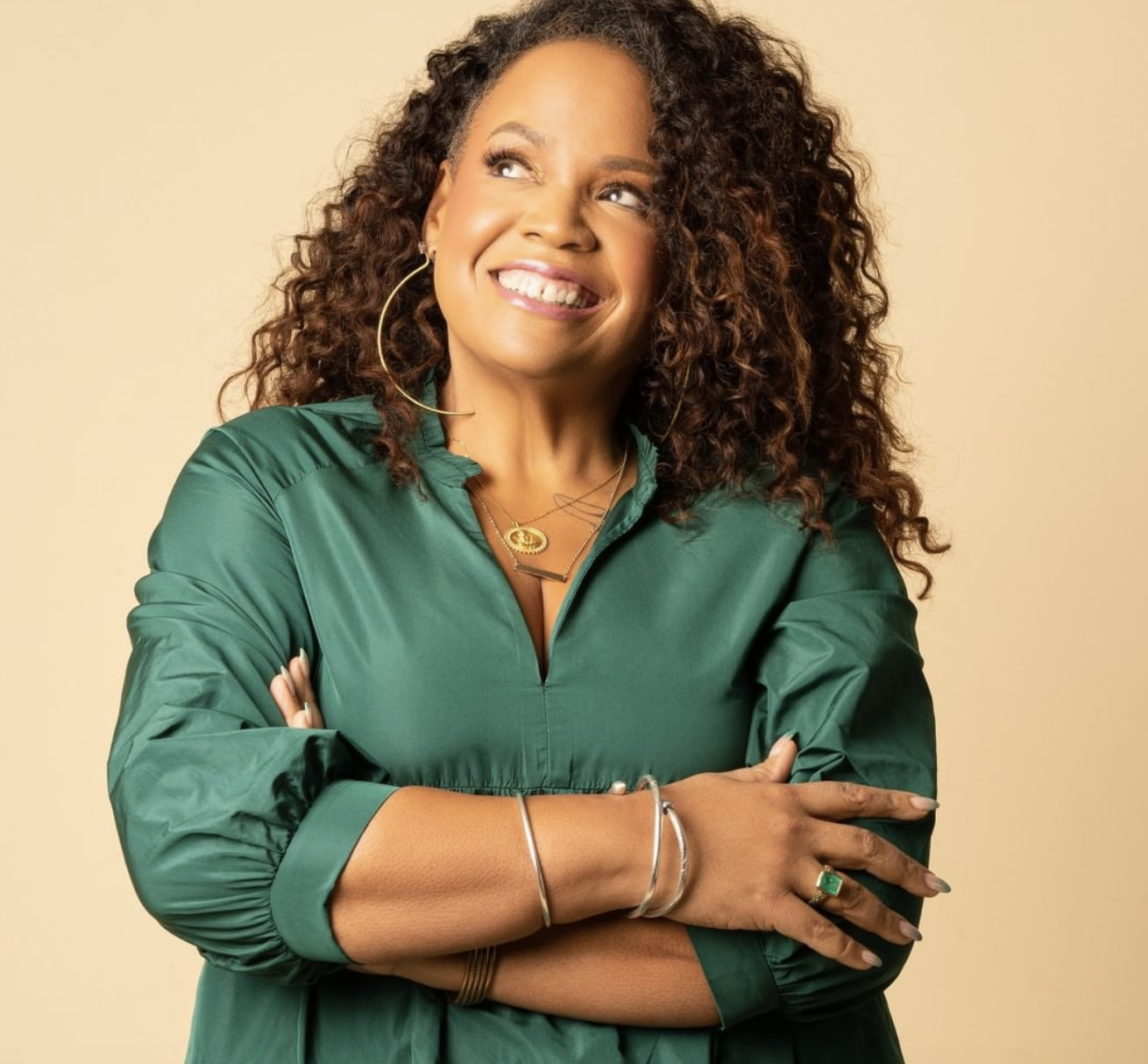

Lisa Price’s iconic brand started as a hobby in 1993 when she would put her own spin on recipes she found in a DIY book. From essential oil-based perfumes and body products, Price would whip up magical beauty concoctions in her kitchen. Now she has built an empire with Carol’s Daughter, is stocked in a host of major stores like Target and Ulta, and counts celebrities like Jada Pinkett Smith (one of the companies' earliest investors) Halle Berry, Mary J. Blige, and Dascha Polanco as fans.
Myleik Teele, Founder, CURLBOX
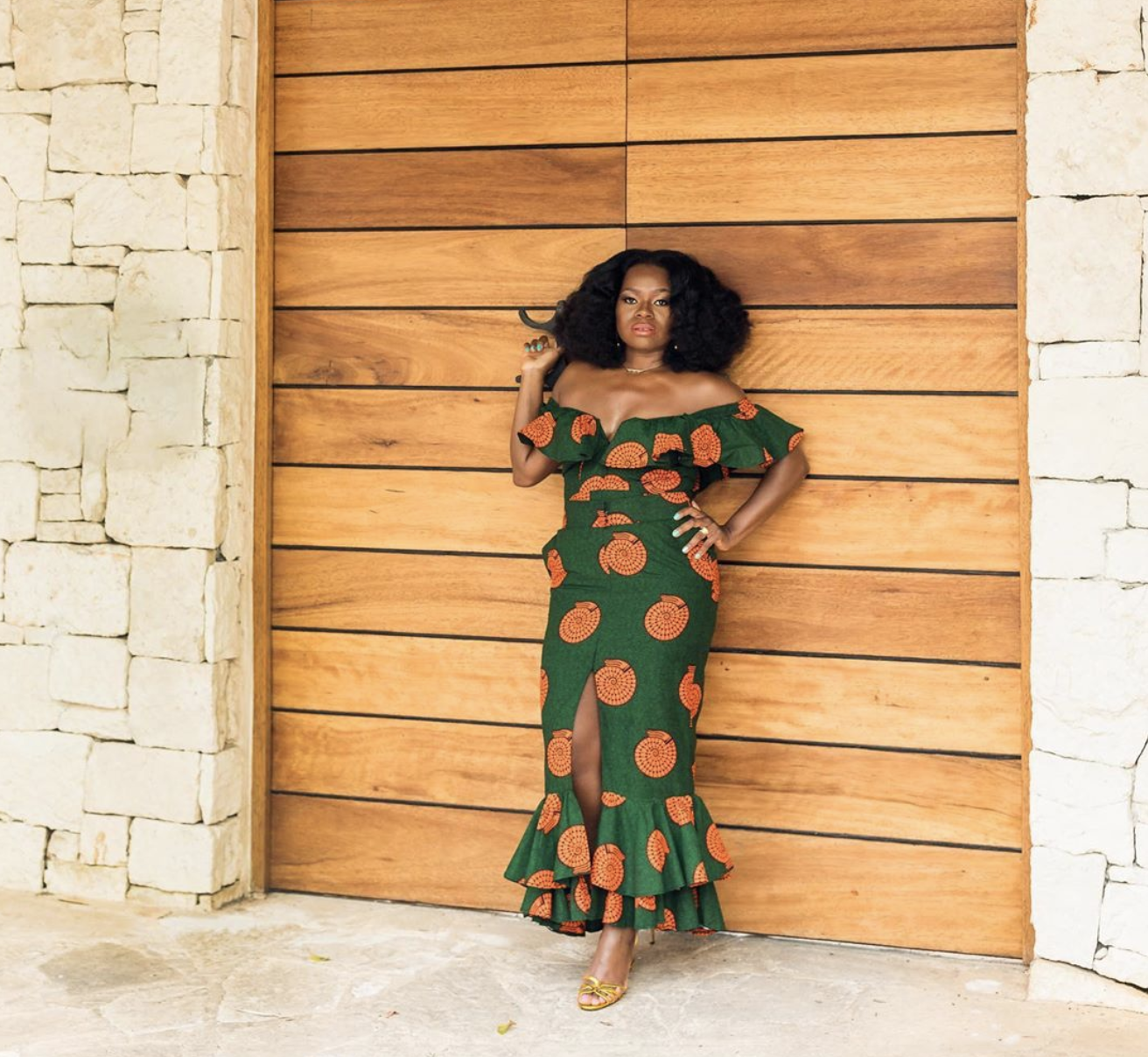
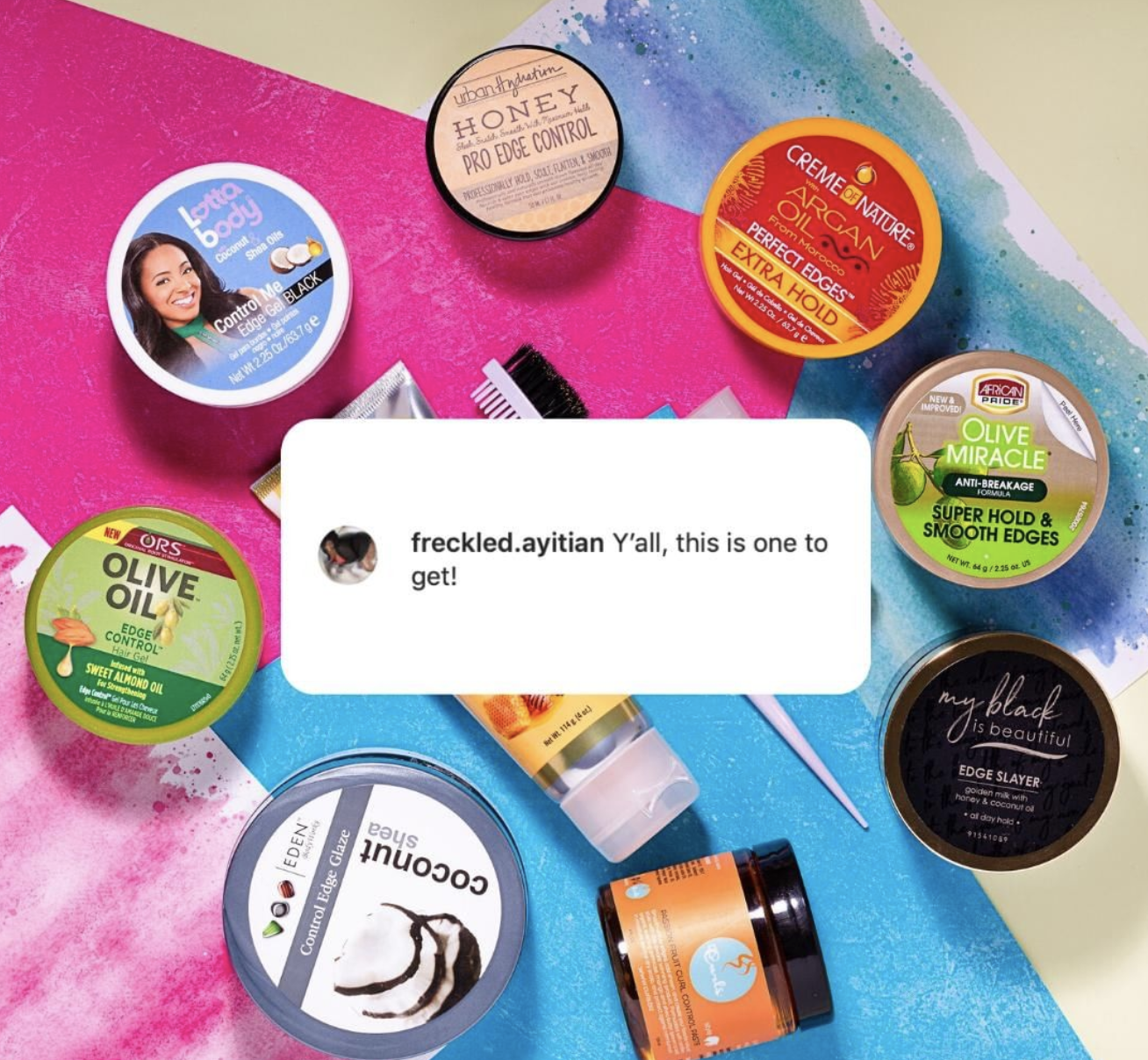
After she “went natural” more than 15 years ago, Myleik clearly remembers driving 20 miles to buy an expensive product that she read had “worked on everyone.” But after several times of using it, she found it didn’t work for her and it sat under her sink for years. So, she started curlBOX as a means to save you the drive and the money. “curlBOX gives women the opportunity to try several products for the price of one!” Now, that’s a mission we can get behind.
Kristen Noel Crawley, Founder, KNC Beauty
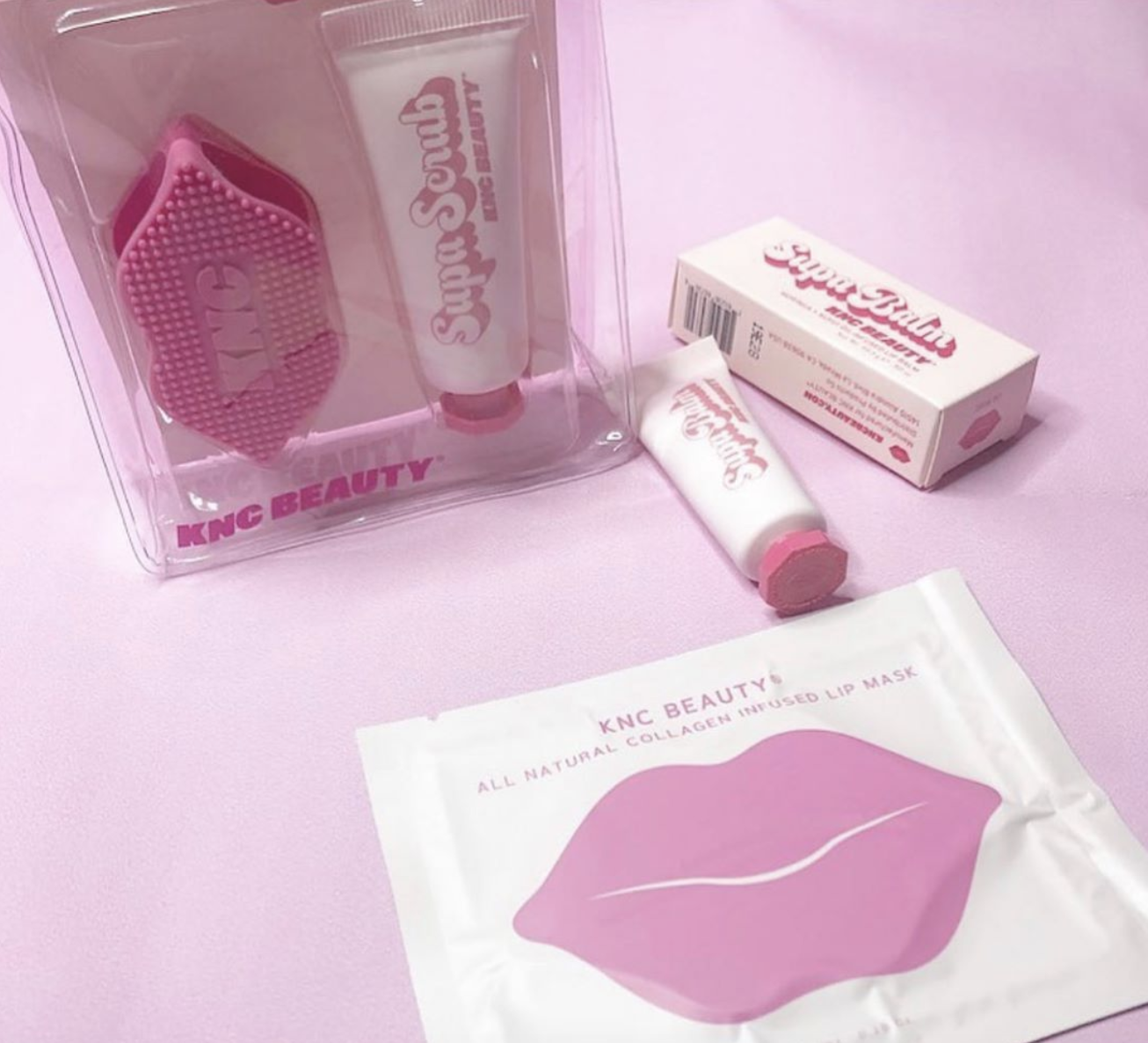
Inspired by lip masks she discovered on a trip to Tokyo, Kristen Noel Crawley set out to make her own, but this time she swapped artificial ingredients for collagen, vitamin E, and hyaluronic acid. Since it’s launch, KNC Beauty has a sparked cult-following of beauty devotees who love the pink stretchy lip-shaped masks with major fans including Kim Kardashian, Luka Sabbat, and Emma Stone. The line has since expanded into star-shaped eye masks and lip balms. Read her interview as an honoree for CC100 in 2018.
Lesley Thornton, Founder, Klur Cosmetics
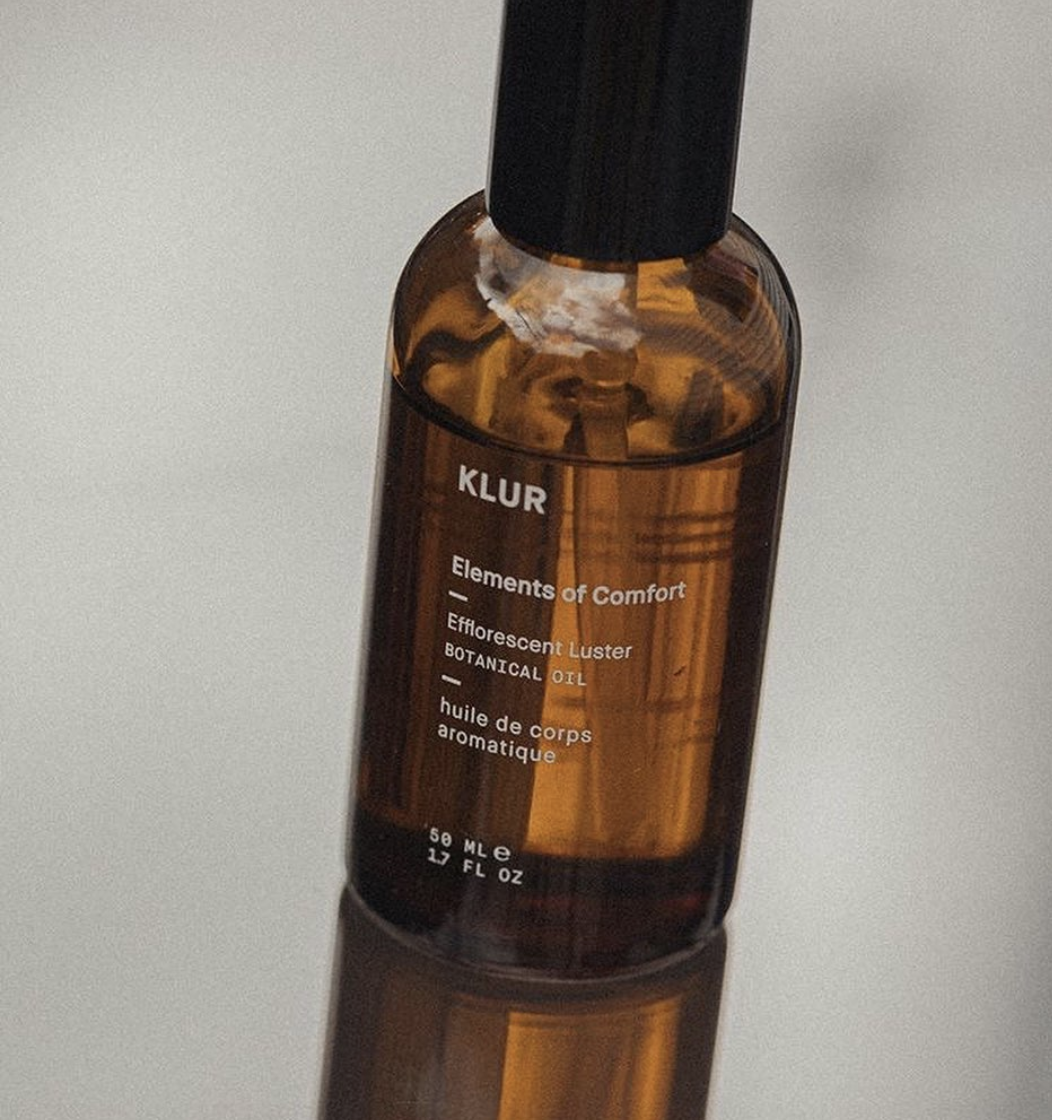

If you’re after clean, ethical, and inclusive beauty, KLUR is your answer. After giving personalized treatments as an esthetician for nearly a decade, Lesley Thornton took her approach to skin health and turned it into a skincare line that prioritized minimalistic regimens to deliver multiple benefits and long-term results.
Nancy Twine, CEO and Founder, Briogeo
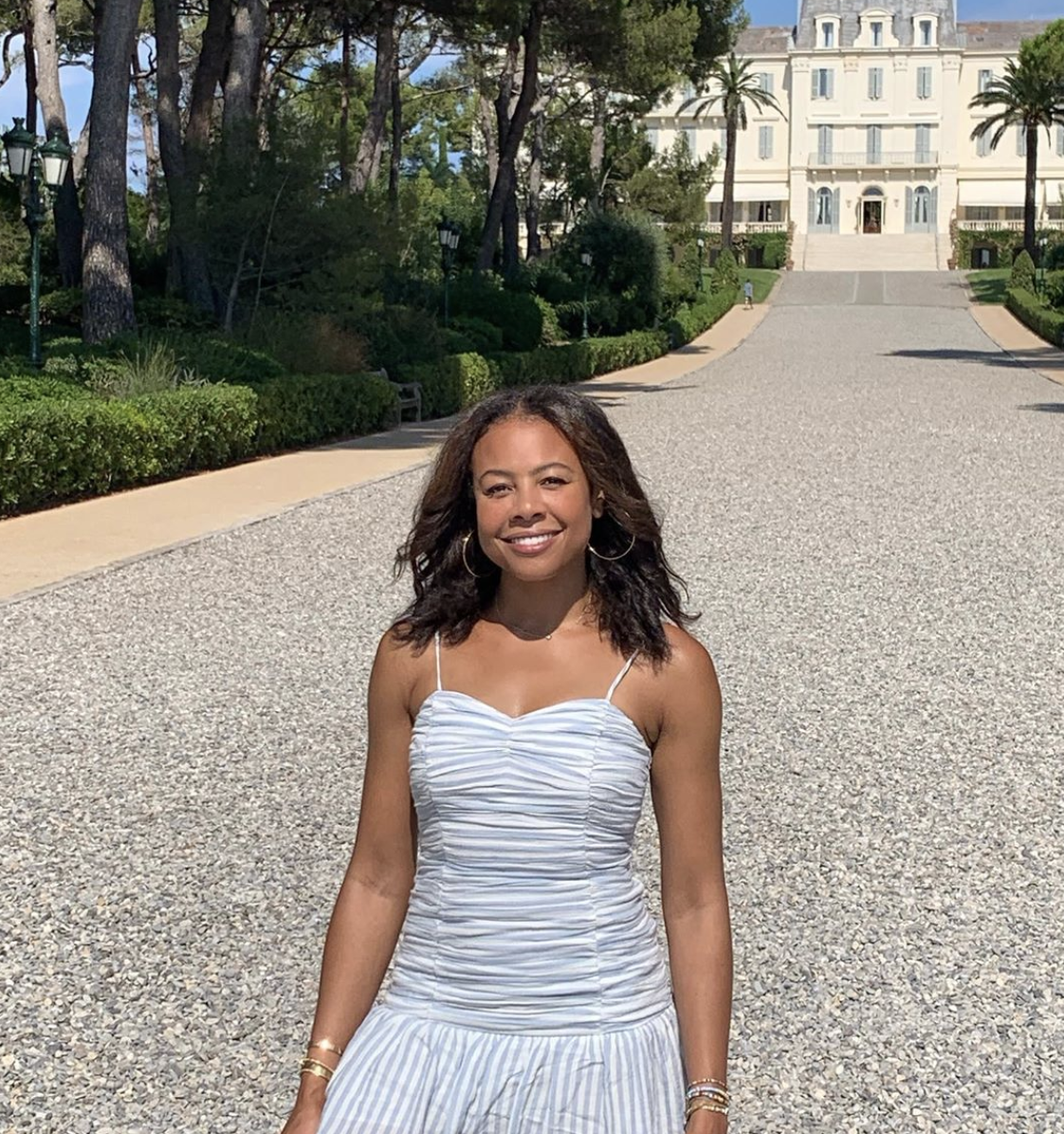
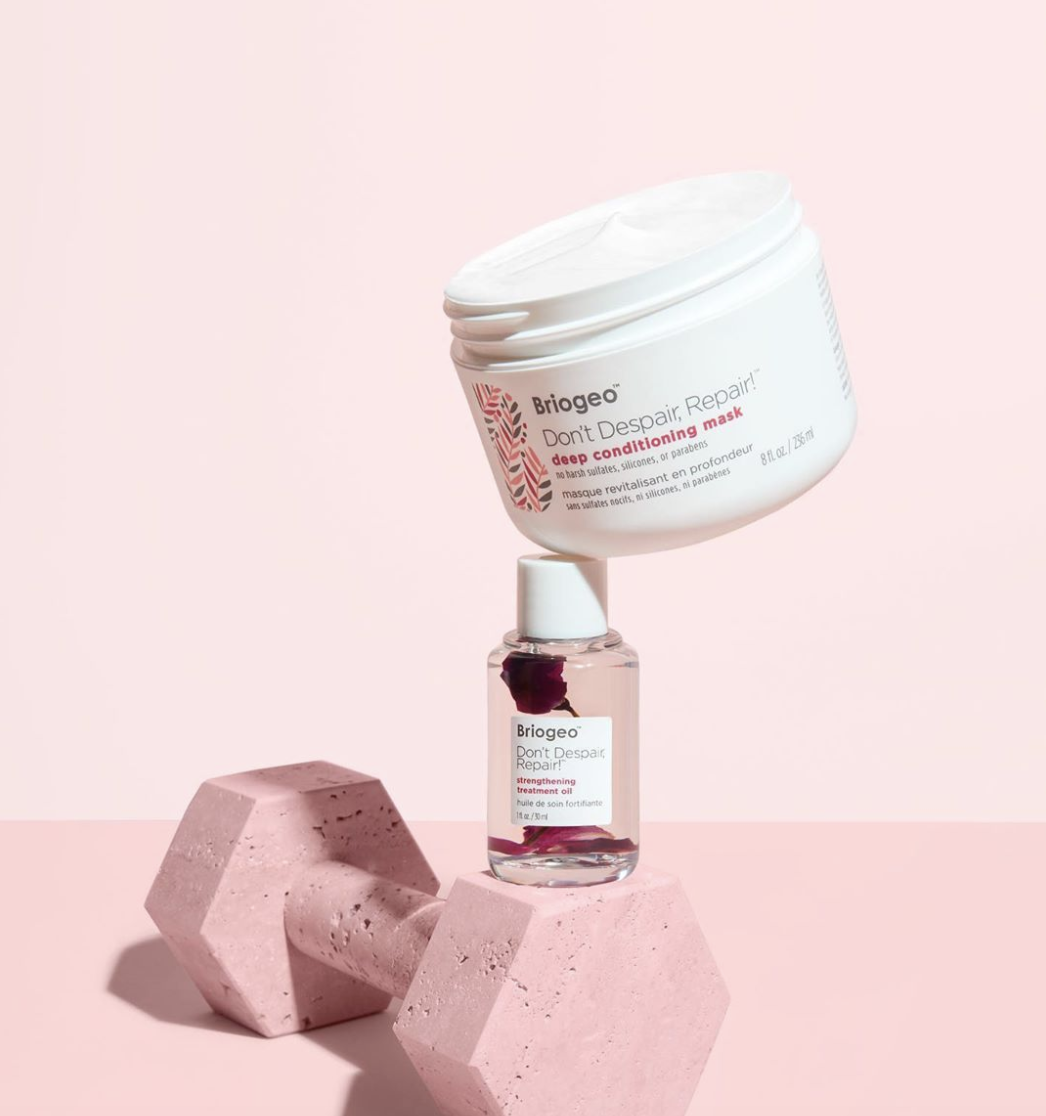
It was while she working as a Goldman Sachs finance executive that Nancy Twine realized she wasn’t living her passion. Inspired by her grandmother's beauty recipes and a natural chemist team, Twine eventually took the leap to launch her own natural hair care line, Briogeo.
Karen Young, Founder, Oui the People


It seems all good business ideas are Inspired by a need or in Karen’s case a frustration. When she couldn’t find the right shaver, Young created her own by raising the bar and changing the shaving experience for good. In 2014, she designed a product line of three razor styles and accessories, including a lavender-scented shave oil and an ingrown relief serum. Now, she’s inspired a movement.
MORE BEAUTY FOUNDERS:
Business Name: Jasmine Lewis, Founder and CEO, Vie Beauty
What They Do: A clean beauty and skincare line dedicated to providing exceptional products that give you a renewed sense of self-confidence.
Website: theviebeauty.com
Instagram: @viebeautyx
Business Name: Yewande Masi, Founder, Ornami Skincare
What They Do: Zero-toxin, zero-drama skincare that keeps it 100.
Website: ornamiskincare.com
Instagram: @ornamiskincare
Business Name: Brittney Ogike, Founder and CEO, BeautyBeez
What They Do: A modern beauty supply shop offering a curated collection of natural hair care, beauty, skincare, wigs, braiding hair, and extensions.
Website: beautybeez.com
Instagram: @beautybeezstore
Business Name: Rochelle Graham-Campbell, Co-Founder and CEO, Alikay Naturals
What They Do: Premium all-natural and organic hair care and bath and body products designed to moisturize dry hair and skin while promoting faster and longer hair growth.
Website: alikaynaturals.com
Instagram: @alikaynaturals
Business Name: Kenyata Gant, Founder and CEO, Pink Lipps Cosmetics
What They Do: Vegan and cruelty-free lip products (think: glosses, liquid lipsticks, lip balm, glow gloss, and more).
Website: pinklippscosmetics.com
Instagram: @pinklippscosmetics


Started on the ‘gram; now she’s selling out of clothes—to the likes of Kim Kardashian and Karrueche. Now, Briana has grown a huge community online who have rallied around her innovative designs.
Follow her on Instagram.
Kashmir Thompson, Founder of KashmirVIII
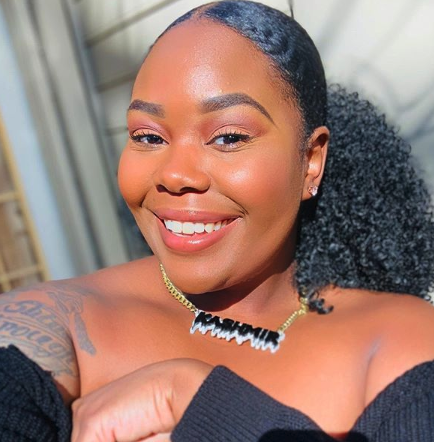

You might recognize some of Kashmir’s art from the iconic HBO series Insecure. Her products bring life and color to iconic black images.
Follow her on Instagram.
Tricia Hash, Founder, Tree Fairfax
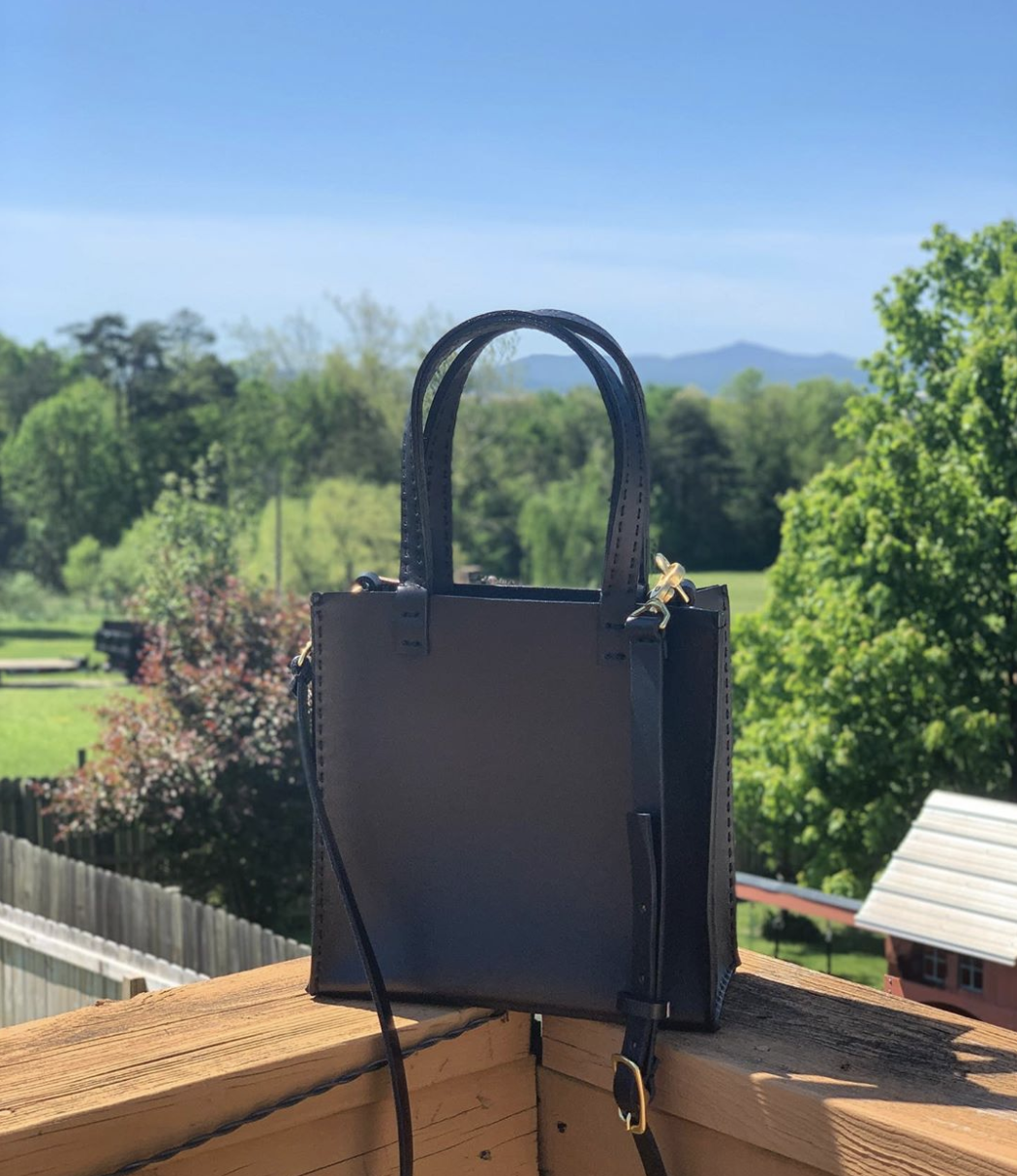
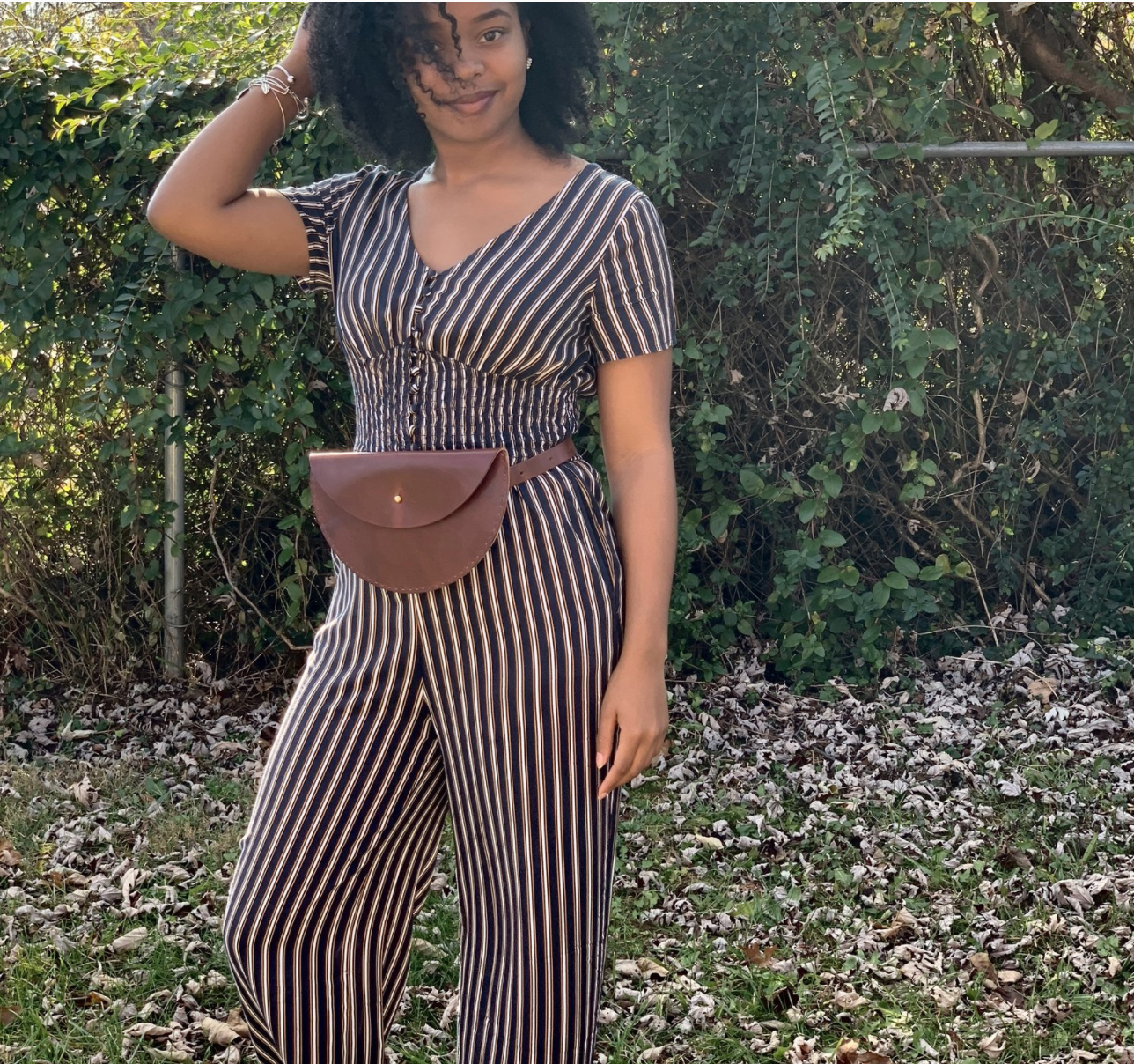
Tree Fairfax is a handmade minimal leather goods line made by Tricia “Tree” Hash. The self-taught creative based in Roanoke, Virginia wanted to create leather goods that are long-lasting with timeless designs that will “hopefully change how you move about the world.”
Aliya Wanek, Founder, Aliya Wanek
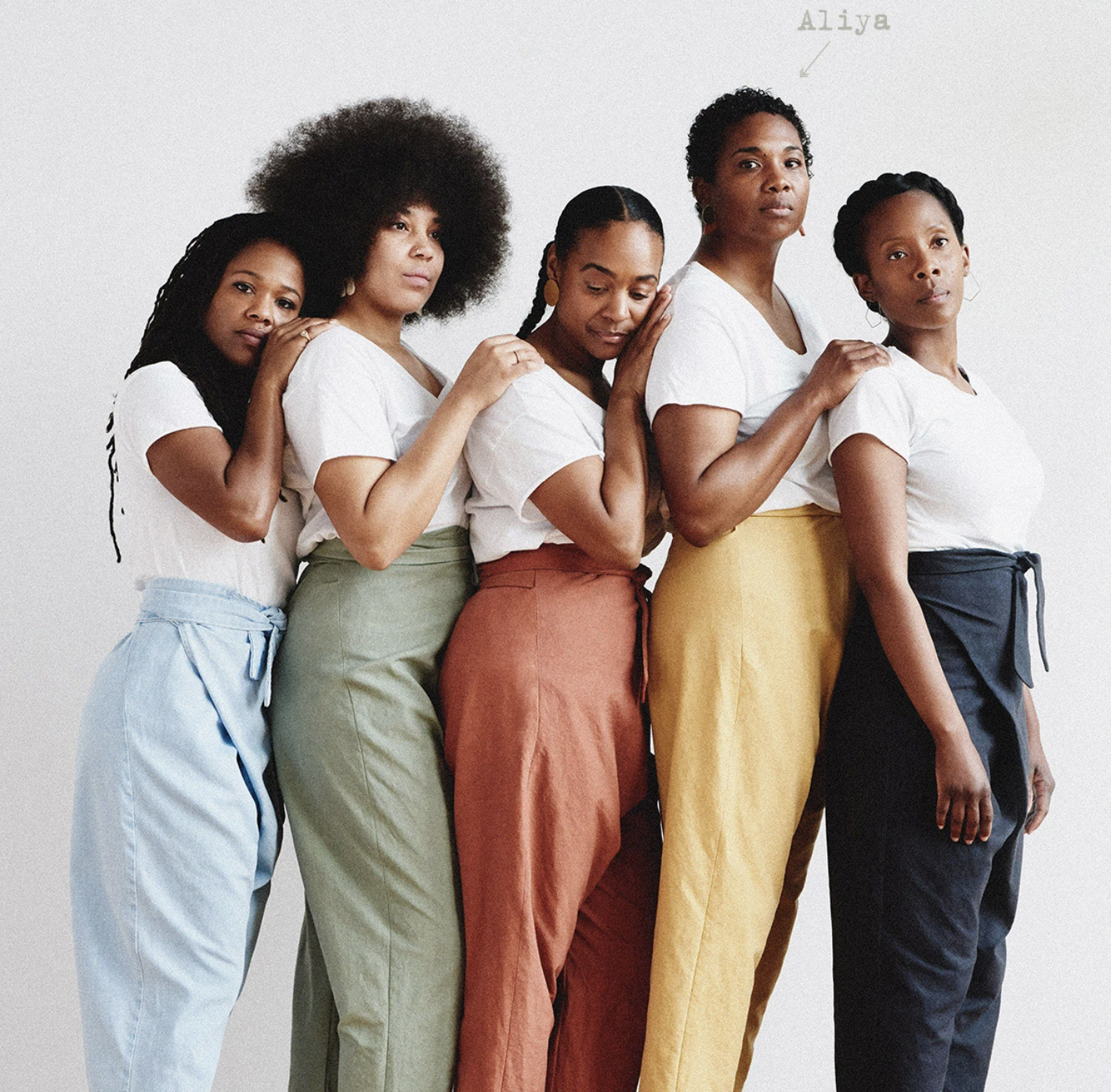
Exploring the connection between one’s identity and style, Aliya Wanek creates comfortable, stylish clothing ethically and sustainably as an extension of the wearer’s individuality. If not sewing the garments herself, Aliya works with a production sewer and other local contractors in the Bay Area to produce and dye her garments, always taking into consideration ways to reduce the brand’s environmental impact.
Areeayl Goodwin, Founder, Beads Byaree

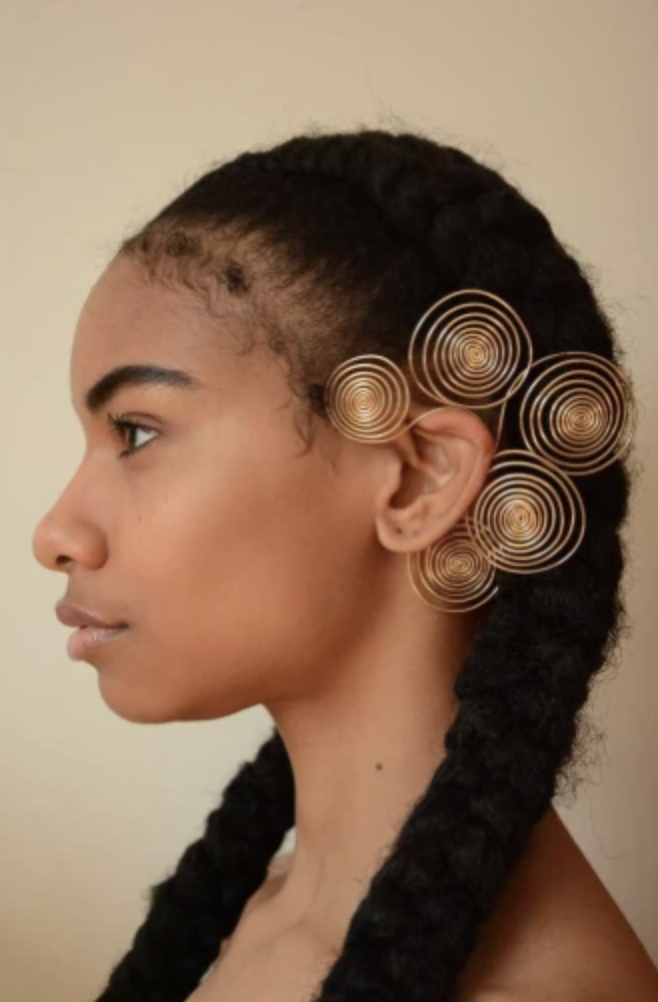
Designer, Areeayl Goodwin makes her whimsical dreams a reality with her handcrafted jewelry line. Born and raised in Philadelphia PA, she now resides in Brooklyn, NY and has a line of clothing to accompany her jewelry designs.
Katherine Theobalds, Founder, Zou Xou
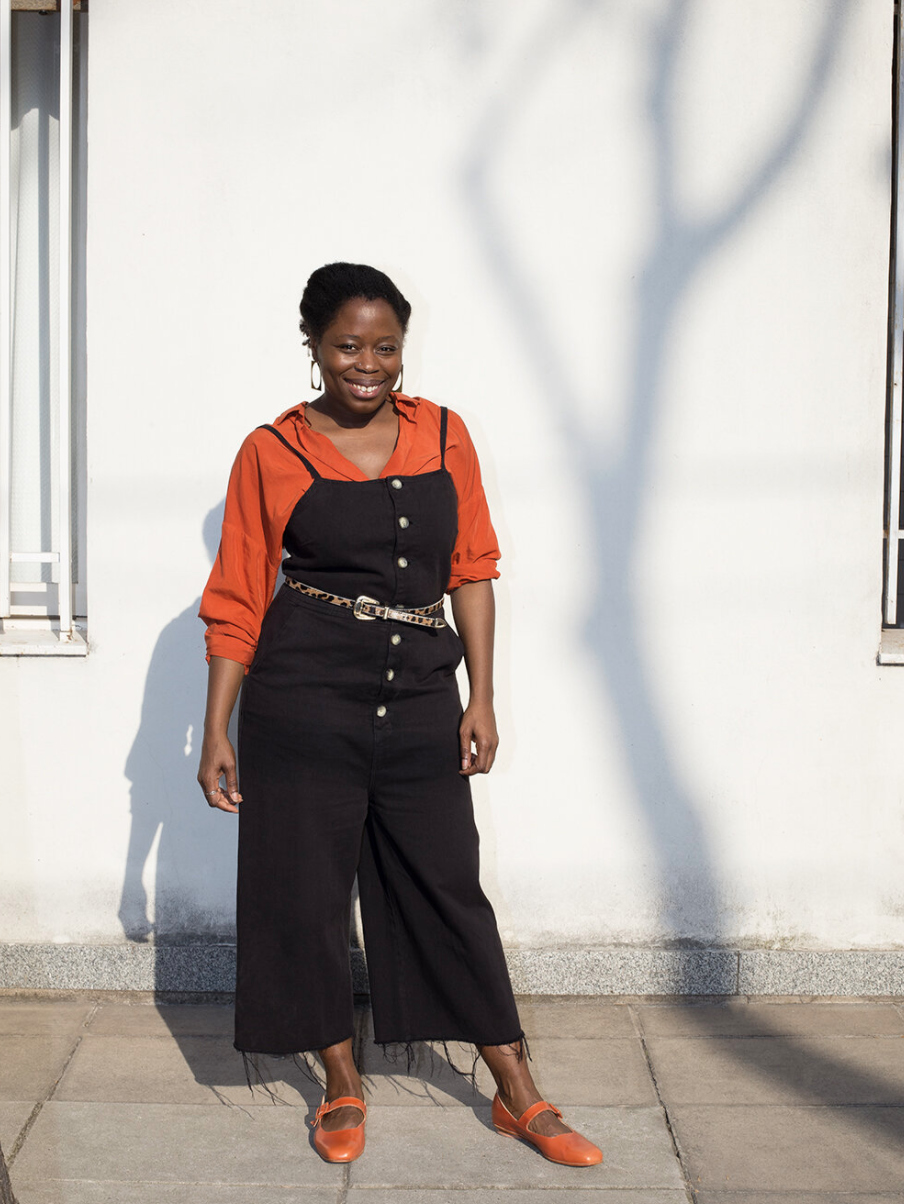

Zou Xou was created and founded in New York City by Katherine Theobalds. While she went to fashion school with the intention of becoming a clothing designer, her love for unique shoe designs had her walking a different path. After a trip to Buenos Aires, she was inspired by the artistry of local Argentinian shoe design and went on to launch Zou Xou in 2015.
MORE FASHION FOUNDERS:
Business Name: OMA the Label
What They Do: OMA the label, founded in 2018 by New York-based fashion stylist Neumi Anekhe, creates pieces for the woman that is intentional about the choices she makes and wants to wear pieces that make her feel empowered and confident. In an effort to represent Women of Color, the brand is focused on challenging homogenous industry standards, while creating quality and affordable pieces for the everyday woman.
Website: omathelabel.com
Instagram: @omathelabel
Business Name: Fanm Djanm
What They Do: Fanm Djanm, which means "strong woman" in Haitian Kreyol, was founded in 2014 as a collection of eight head wraps, which Paola Mathè sold directly from her apartment on the weekends. Today, Fanm Djanm has transformed into a headwrap collection and lifestyle brand that creates sustainably, focuses on community and serves to both empower and inspire women to live boldly. The combination of carefully selected fabrics, hand sewn pieces, and cultural musings inspire women everywhere to wear a bold print, take command of a room, laugh a little too loud, and pursue their greatest aspirations.
Website: fanmdjanm.com
Instagram: @fanmdjanm
Business Name: Chari Cuthbert, Founder, BYCHARI
What They Do: Established in 2012, BYCHARI is a reflection of designer Chari Cuthbert's approach to life and style. Effortless, unique, and modern, each handmade piece is designed for women who appreciate simplicity but demand luxury. Handmade sustainably in Los Angeles, Cuthbert and her team remain committed to supporting local small businesses so that each BYCHARI piece can be worn with confidence.
Website: bychari.com
Instagram: @bychari
Business Name: Stephanie Thomas, Founder and CEO, Cur8able
What They Do: Stephanie Thomas uses fashion as a tool to challenge negative perceptions about people with disabilities (PWD) by providing disability fashion styling, content creation, and coaching/consulting services.
Website: cur8able.com
Instagram: @cur8able
Business Name: Nichole Lynel, Founder, Shop Nichole Lynel
What They Do: In 2019, Nichole Lynel launched her eponymous fashion brand, Shop Nichole Lynel. Her glamorous yet affordable Shop Nichole Lynel pieces, ranging in price from about $50 to $250, are coveted by “glamorous girls on the go.”
Website: shopnicholelynel.com
Instagram: @shopnicholelynel

Marriage is a journey. When Codie Elaine Oliver approached the docu-series, Black Love with fellow filmmaker and partner, Tommy she wanted to pull the curtain back on how a relationship blossoms and the daily realities of marriage. This is a warts and all film that shares the ups with the downs and highlights true love stories from some of our favorite black couples.
Bonnie Smith, Founder & CEO, Studio B Entertainment
Studio B is a diversity-driven, woman-owned brand experience agency that specializes in producing consumer, influencer, and retail customer experiences for women, by women. CEO and founder, Bonnie Smith is an industry pro with a 17+ year career in the marketing and media industry as a brand and agency marketer. She has partnered with brands such as Pampers, COVERGIRL, and more as well as top media brands including ESSENCE, PEOPLE en Español, and Entertainment Weekly magazine.
Lauren Atkins, Founder, NYC Webfest


As New York’s first web-series festival, NYC Web Fest has brought together a diverse group of people from around the world to showcase the best of the web. And they hope to turn the festival into the premier home for digital producers to showcase their talent, network with other artists, and learn from industry insiders.
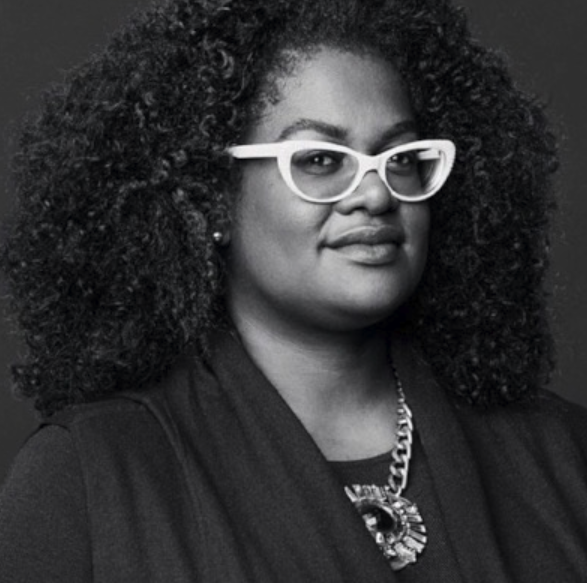
Founded in 2012 by tech pioneer, Kathryn Finney, Digital Undivided aims to help high-potential black and Latinx female founders through the startup pipeline, from idea to innovation. They develop innovative programs and initiatives that catalyze economic growth in Black and Latinx communities to create a world where women own their work.
Learn more about Digital Undivided.
Camille Hearst, Co-Founder, Kit
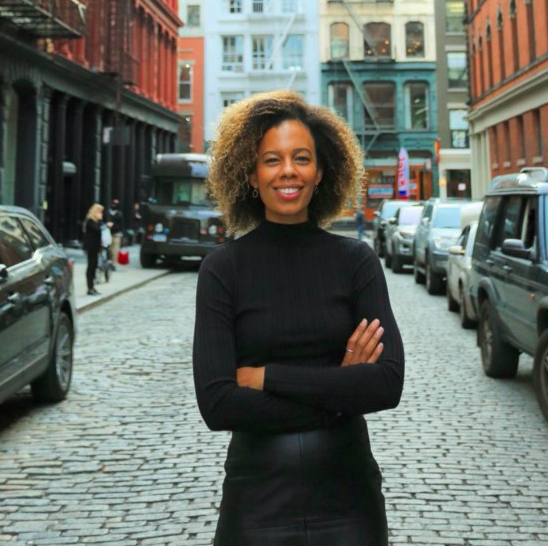

Camille created Kit to develop a community to discover, discuss, and, deliver interesting products for activities like traveling, DJing, cooking, cycling, and more. In 2018, KIT was acquired by Patreon and Camille now serves as Patreon’s Head of Product and as a General Manager.
Evonya Easley, Founder, Styled by Love E App
Evonya helps busy professionals curate their wardrobes and personal style to be the best version of themselves from the boardroom to the bar all through her mobile app. She conducts virtual style consults, personally shops the outfits, and delivers the clothes to you, too.
Follow her on Instagram.
MORE STEM & TECH FOUNDERS
Business Name: Blex
What They Do: The first and only mobile app providing sex and relationship coaching for Black adults.
Website: blexapp.com
Instagram: @blex_app
Parenting
Cynthia Watkins, and Kathryn Burnett, Co-Founders, HarperIman Dolls

HarperIman Dolls was created in 2017 by mother-daughter duo, Cynthia Watkins, and Kathryn Burnett with one mission in mind: "to help reinforce how beautiful and strong our children are by providing them with positive affirmations of themselves that they can identify with," they told POPSUGAR. "We found that dolls of color are underrepresented. There aren't many choices, and the ones available do not accurately represent our different skin tones and hair textures. Our children are left playing with and trying to identify with dolls that look nothing like them. We wanted to change that."
Felicia Osbourne, Founder, PerfBaby

PerfBaby is an all-natural, organic, vegan skincare line for babies and children. Like many moms, Felicia Osbourne created the brand after having her son and realizing a lot of brands out there had toxins or chemicals. After doing some research, she got into the kitchen and made the first iteration of what is known today as PerfBaby, safe and natural products to help soften and moisturize delicate skin.
Ruth Martin-Gordon, FOunder and CEO, Coddle
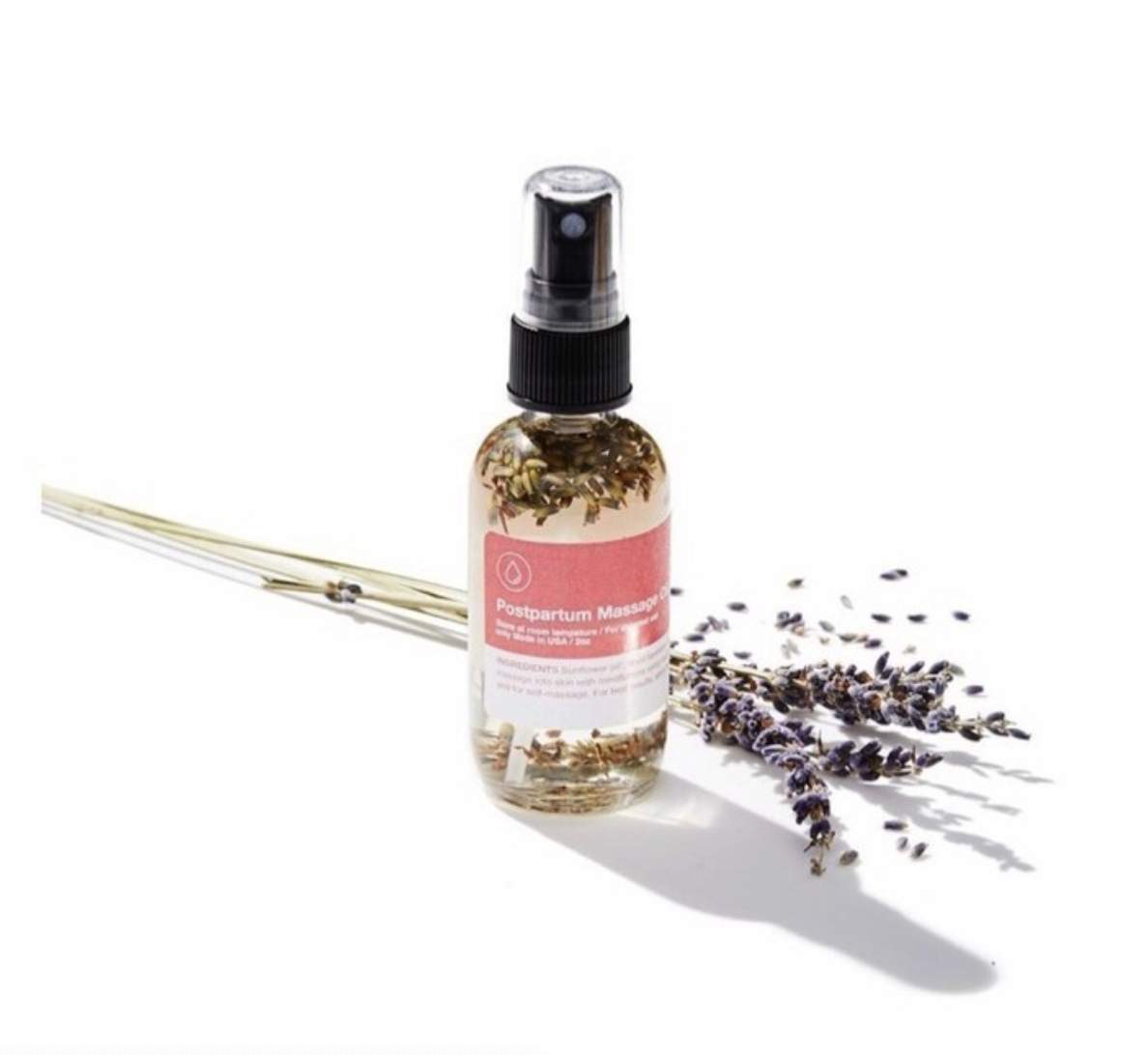
When Ruth Martin-Gordon was preparing for her first child, she was given a lot of information on pregnancy but what she couldn’t find was what to expect after giving birth and how to care for herself during recovery. She wants to help other moms who felt “clueless” like she did how to take care of themselves post-birth by creating a community around shared struggles and empowering each other with information, awareness, and empathy.
Shop her post-partum collection.
Download her e-Book on C-section recovery.
MORE PARENTING FOUNDERS:
Business Name: Brooklyn Lighthouse
What They Do: When Zaneesha couldn't find apparel for her two little boys that were full of brights colors, besides gray, dull gray, bright gray, and black, she decided to do something about it. By combining her passion for shopping and fashion visual merchandising, she began reselling clothing for children on social media. By 2013, at the peak of Instagram, Zaneesha began to build what would become Brooklyn Lighthouse. By staying true to her core audience of Boy Moms, Zaneesha has built Brooklyn Lighthouse into a on trend children's apparel shop. The main goal of Brooklyn Lighthouse is to provide parents with a wide range of cool clothes for their children at affordable prices. As the brand continues to grow, the products practice inclusivity with unisex options.
Website: breukelynthreads.com
Instagram: @brooklynlighthouse
Business Name: Lucy Lue Organics
What They Do: Lucy Lue Organics has one goal, and that is to grow a successful and purposeful business built on love, happiness and family: It's at the heart of every thing the company does. By offering a sustainably and ethically-produced collection of modern organic baby clothes with fabrics that are environmentally friendly from seed to seam and beautifully, minimally designed, Lucy Lue Organics proudly presents the perfect blend of style and comfort that is not harmful to Mother Nature or your baby's sensitive skin.
Website: lucylueorganics.com
Instagram: @lucylueorganics
Services
Karen Okonkwo, Founder, TONL


Representation is at the core of Karen Okonkwo’s work. She launched TONL to provide stock photography that featured images of diverse people and their stories around the world. This powerful combination of photography and storytelling can help humanize and hopefully diminish the stereotypes and prejudice against black and brown people, especially. They are committed to showcasing the ethnic backgrounds of everyday people. And the Nigerian-American social entrepreneur believes anyone can do this. “If you don’t see what you want—anyone who has a skill set, be that change,” she told us in her CC100 interview. “Start your own Facebook group or start your own meetup, or agree to mentor one person, that’s how we create that cascade of people. There’s nothing wrong with asking for help, either. That knowledge is there for you to take."
Ryan Norville, Founder, Oat Cinnamon
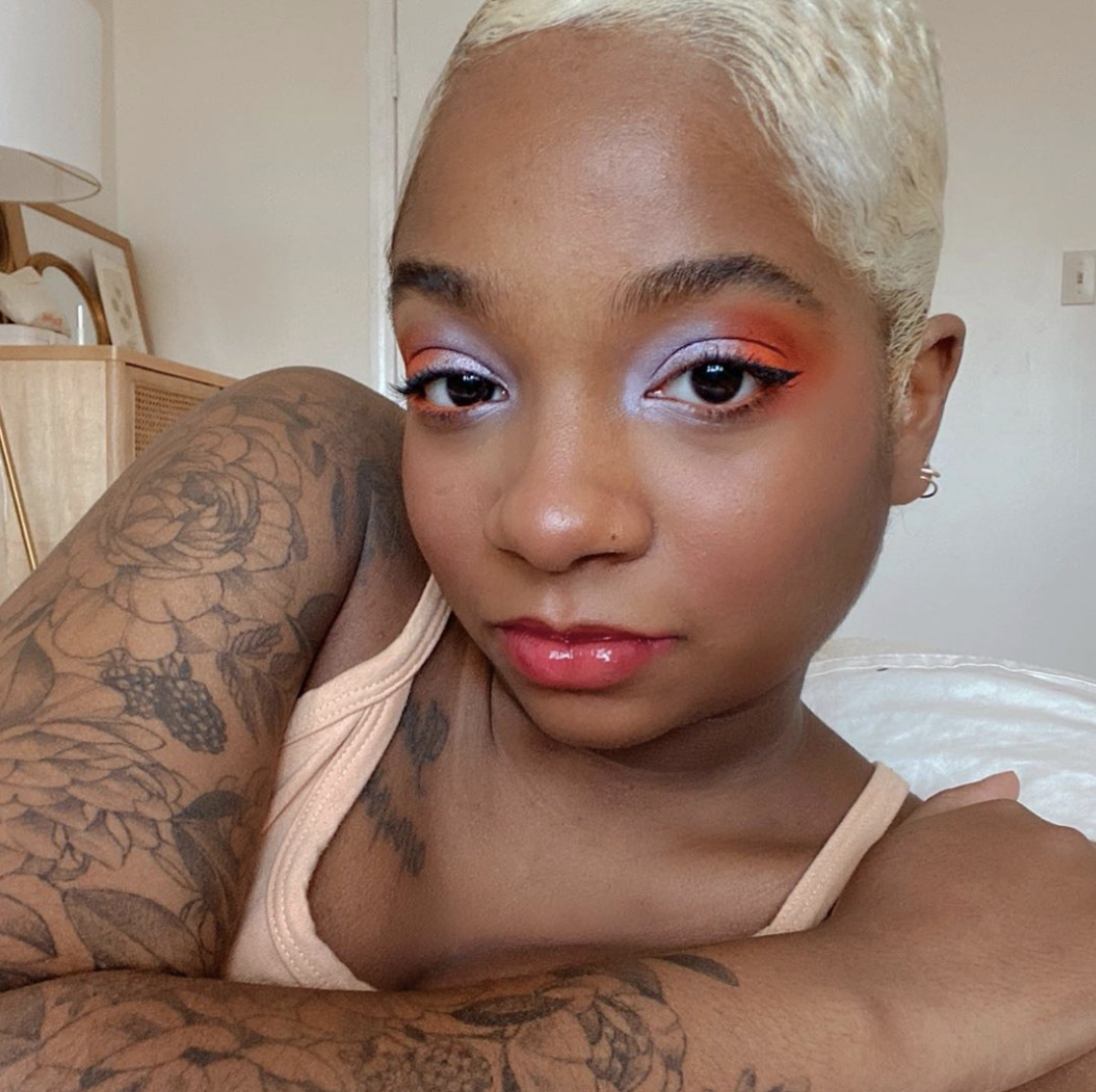
A native New Yorker, Ryan Norville found herself in the floral industry by way of graphic design and photography. Now she’s taken her inspired designs from the screen into real-life crafting beautiful floral designs. She works with a small team of talented designers and freelancers to offer services in New York, Los Angeles, and beyond.
Shop her floral designs.
MORE SERVICE FOUNDERS:
Business Name: Her Market
What They Do: Indie brands are taking the world by storm providing not only a different buying experience but more clean, ethical products for consumers that are conscious about what they’re putting in and on their bodies. These brands have the freedom to do business on their own terms however, it can also be a little more challenging whether it’s with finances, branding or manufacturing. Where there was once a void, Her Market offers a platform and resources for indie brands to be discovered and thrive. From curated, in-person experiences connecting them to the marketplace to educational programming, Her Market vows to shine a light on her and her brand.
Website: thisishermarket.com
Instagram: @thisishermarket
Business Name: The Black-Owned Market
What They Do: What started as pop-up market to gather Black-Owned brands in New York has grown into a shopping destination for people to interact and shop with Black business owners. Generating over six figures for Black business owners within just a year of existing, it was evident that the BOM needed to exist. From detailed curation, unmatched design, and connections that last a lifetime allow us to introduce you to your new favorite can’t live without products!
Website: ourbom.com
Instagram: @ourbomdotcom
Business Name: Favornirs
What They Do: Favornirs is an online full-service gifting business that specializes in perfecting the art of giving through deep reflection. The goal is to provide functional and fun gifts while providing a facile and flawless gifting experience for all. Gifts help memorialize special moments and times in our lives, so by using the art of gifting to trigger deep reflection through the creation of offerings, the brand is dedicated to the achieving that moment of joy & true reflection. Favornirs handle sourcing valuable, yet beautifully packaged products, logistics, crinkle paper and the perfect bows, while you sit back, relax and focus on your craft. By operating virtually, Favornirs serves a wide range of clients.
Website: favornirs.com
Instagram: @favornirs_
Non-Profit
LaRayia Gaston, Founder, Lunch on Me
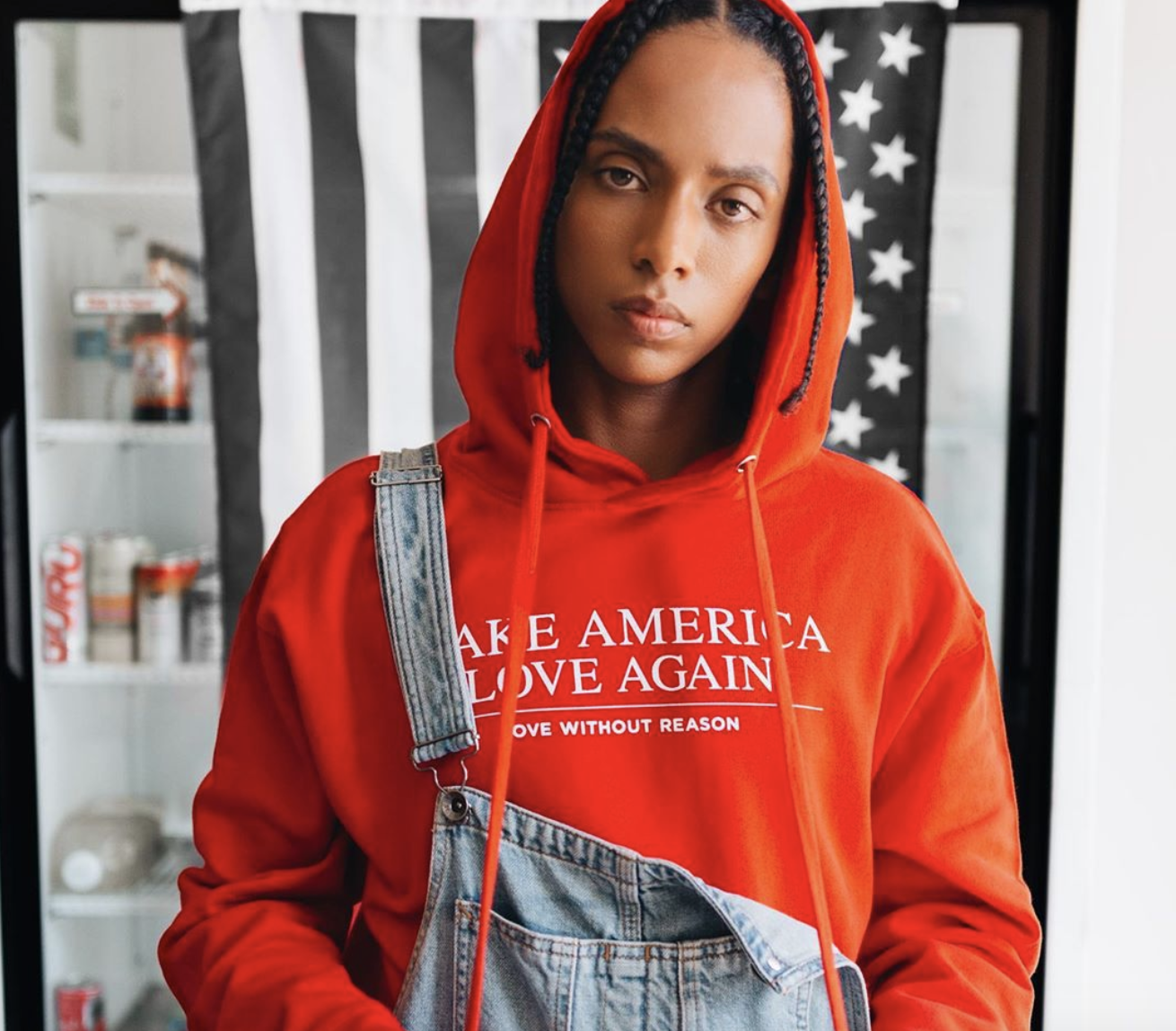

This Los Angeles-based nonprofit is dedicated to ending starvation while providing opportunities to enrich the mind, body, and spirit of LA's homeless community. LOM Brings nutritious and organic meals to skid row six days a week, every week and now reaches 10,000 people a month. They redistribute organic food that would otherwise be wasted in order to create delicious and quality meals. And their initiative goes beyond food to include yoga classes, community parties, and healing gatherings for women.
Find out ways to help or donate.
Jewel Gould, Founder, Balanced Women
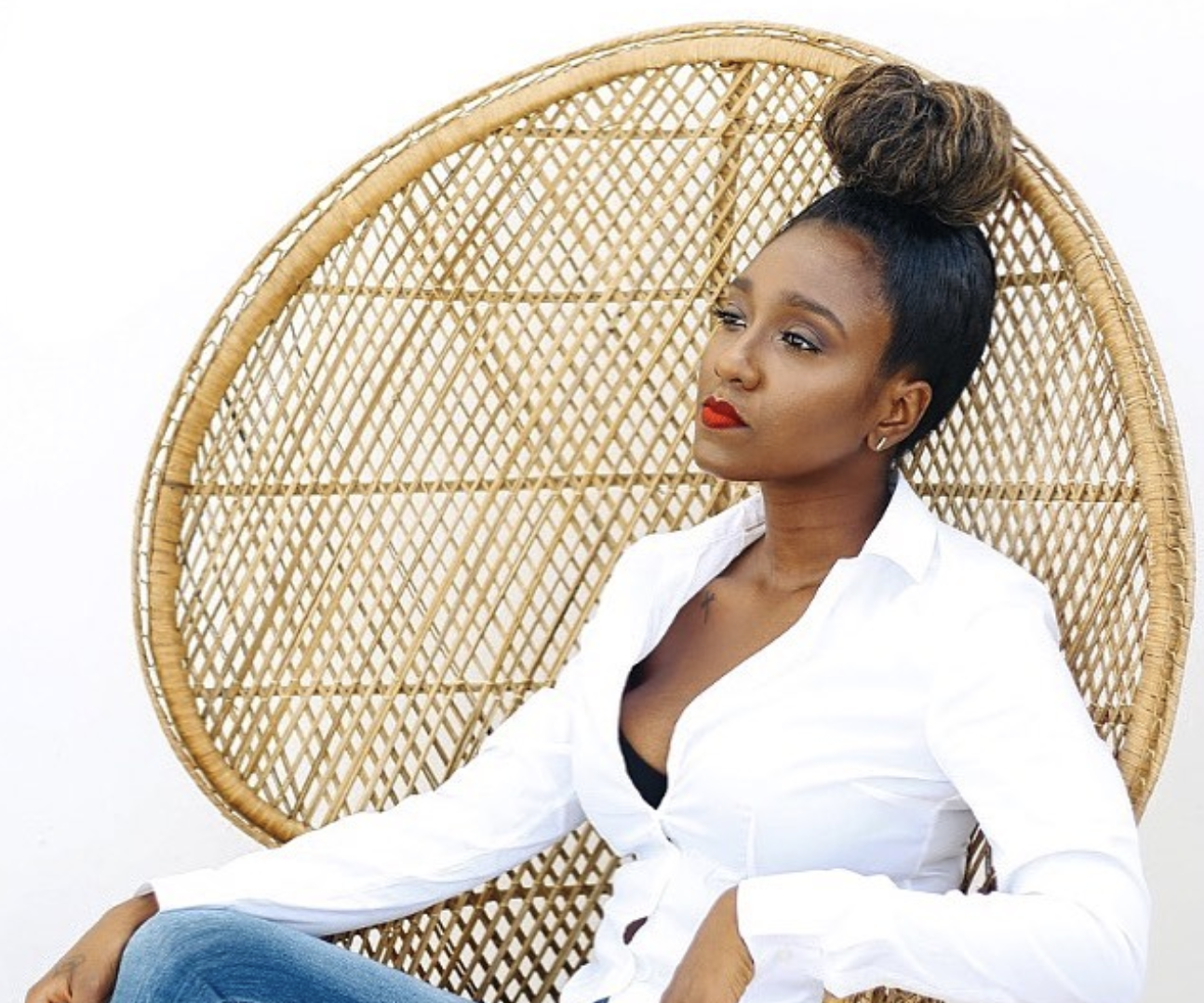

The non-profit, Balanced Women curates spaces and initiatives for women who wear various “hats” while encouraging them to lead wholesome and purpose-fueled lives. Their recent initiative, Sister-Sister assists the community with essentials, along with the tools and resources for further education.
MORE NON-PROFIT FOUNDERS:
Business Name: Olympia Auset, Founder, SÜPRMARKT
What They Do: A non-profit organization aimed at making fresh food easy and affordable for the people living in low-income communities in South Los Angeles, a community that has 1.3 million residents but only 60 grocery stores.
Website: SÜPRMARKT.la
Instagram: @supr.mrkt
Business Name: Evelynn Escobar-Thomas, Founder, Hike Clerb
What They Do: An L.A.-based intersectional womxn’s hike club and 501c(3) that’s dedicated to equipping womxn of color with the tools, resources, and experiences they need to collectively heal in nature from Los Angeles and beyond.
Website: hikeclerb.com
Instagram: @hikeclerb
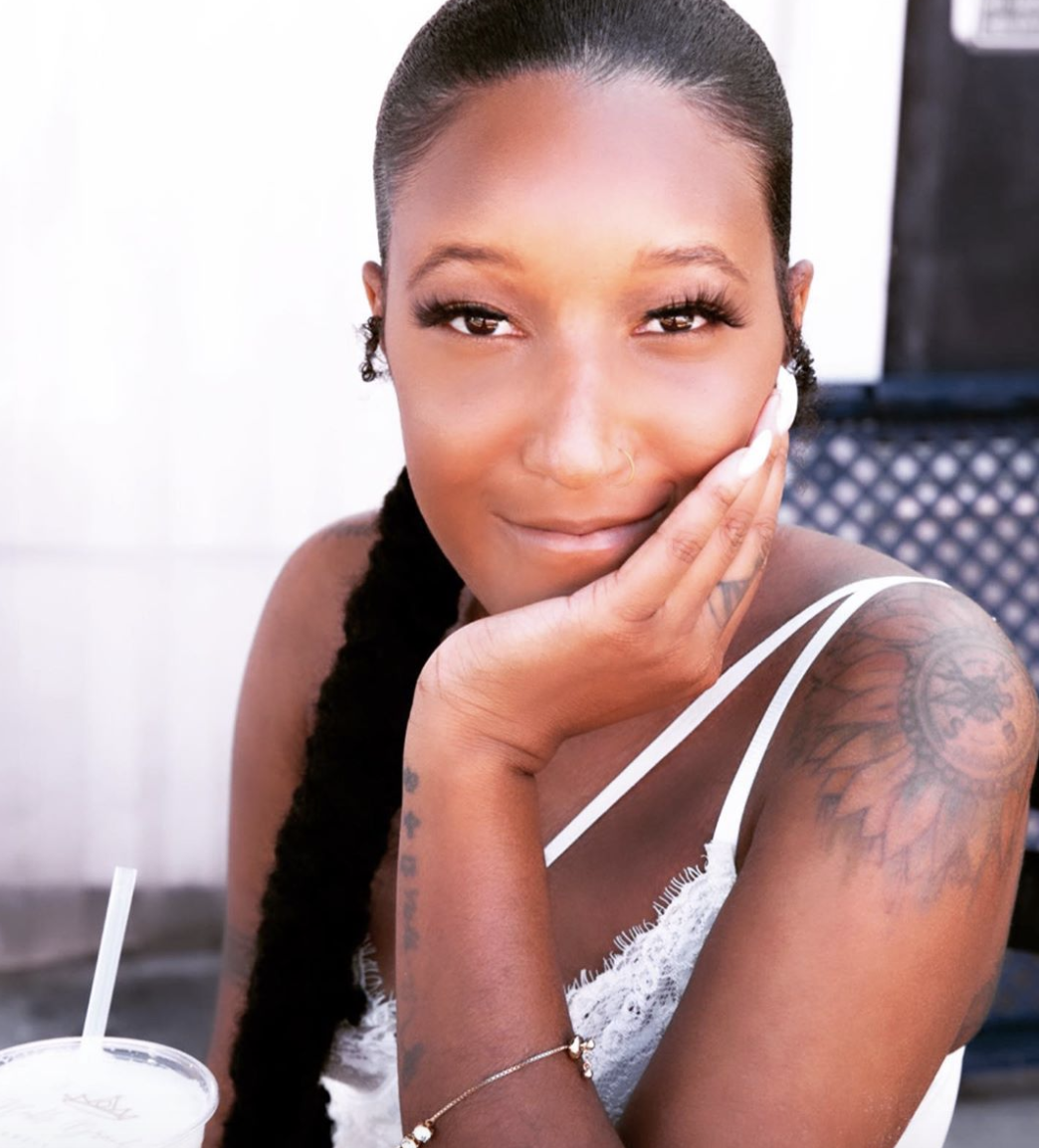
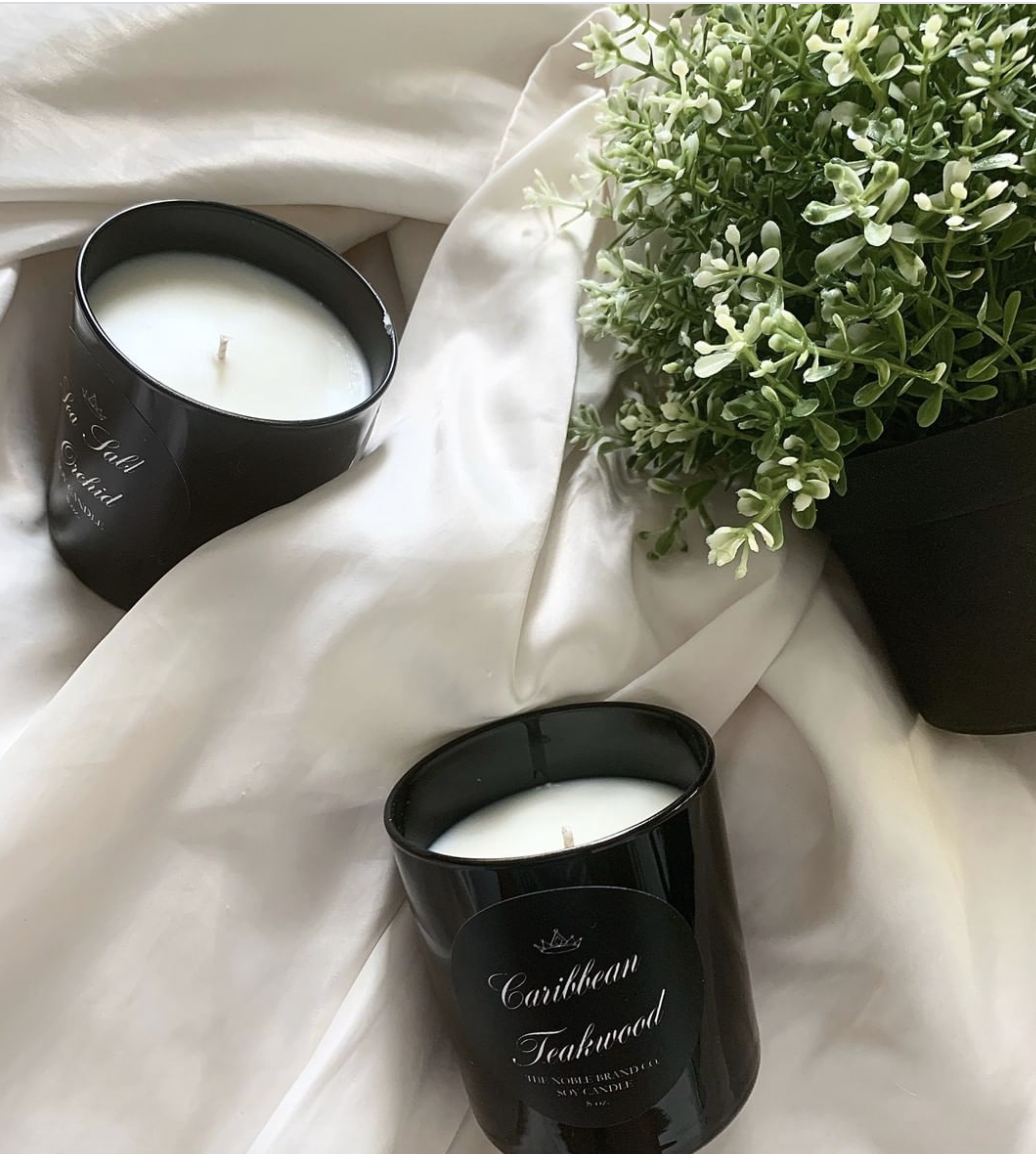
On a journey of self-discovery, Sydney Noble created The Noble Brand Candle Co. in 2016. “Not only did I understand that I am royal, but also that all of those around me are royal too!”
Shop her candles and home accessories.
Brittiny Terry, Founder & Chief Interior Stylist, Effortless Composition


Brittiny had an obsession with interiors, fashion, and décor since she was very young so after a move from the fast-paced San Francisco life to Los Angeles, she decided to explore her passion. Effortless Composition is all about providing elevated home décor that is rich in aesthetic and doesn’t skip out on artisan quality. She also offers personalized styling sessions so you can learn how to decorate with her stunning pieces.
Chantal Bradley, Founder, Modish Décor Pillows

Chantal Bradley started Modish Décor Pillows in 2015 and has since had them featured in West Elm stores across the country and on television. Her pillows help you achieve that modern effortless look in any living or workspace.
MORE HOME DECOR FOUNDERS:
Business Name: House of 40
What They Do: At House of 40, the mission is to provide the healthiest best scented performing candles that are handmade in New York with only the highest quality ingredients, finished in a beautiful box gift wrapped black and white ribbon for your pleasure. These energizing candles are meant to light up the corner of your space, while you show compassion, love, and light to others every day
Website: houseof40.com
Instagram: @houseof40ny
Business Name: The Coy Collection
What They Do: The Coy Collection offers a variety of ceramic wares that make you feel good, connecting functional artwork to self-love and care. A lil reminder that your body and home are worthy of smiles, love, and warmth.
Website: thecoycollection.com
Instagram: @thecoycollection
Business Name: Harlem Candle Co.
What They Do: Founded in 2014 by travel and lifestyle expert Teri Johnson, the Harlem Candle Company is the manifestation of her love affair with fragrance, jazz, and Harlem. Each candle is specially handcrafted using a soy vegetable wax blend, infused with one of a kind fragrance oils, and tells a story while taking you on an olfactory journey. The subtle scents and soft glow from Harlem candles instantly enhance your space while creating a sense of comfort and luxury.
Website: harlemcandlecompany.com
Instagram: @harlemcandlecompany
Business Name: Awkward Auntie
What They Do: What initially started as a place for Awkward Auntie to share her thoughts and experiences as an auntie (through blood AND love) turned into a different kind of creative outlet. In the second half of 2018, Awkward Auntie began using cement as my medium to create fun planters and candles. Turns out if she’s now not creating something with her hands, she’s not happy. Since then, she’s been making candles, planters, soap dishes, trays, and more!
Website: awkwardauntie.com
Instagram: @awkwardauntie
Business Name: UNWRP
What They Do: UNWRP was founded in 2017 by Ashley L. Fouyolle, a multidisciplinary designer, who started the company in a small bedroom of her Brooklyn apartment. Her love for art, fashion, vibrant colors, unique patterns, and the gifting experience naturally led her into the world of luxury gift wrap where all her favorite things came together. Today, the brand is one of the most popular, Instagram-worthy, luxury gift wrapping companies having been featured in Forbes, Essence, Refinery29, TeenVogue, People, Apartment Therapy and more!
Website: unwrp.com
Instagram: @unwrp
Business Name: Effie's Paper
What They Do: Effie’s Paper believes that from the door to her desk, a woman should be surrounded by pretty things that make her heart leap! The brand’s products are a unique mix of casual elegance, motivation and social conversation that make using them fun and engaging. Although named after Kalyn’s grandmother, Effie’s Paper is not your grandmother’s lifestyle brand!
Website: effiespaper.com
Instagram: @effiespaper
Business Name: Stephanie Summerson Hall, Founder, Estelle Colored Glass
What They Do: A luxury brand of hand-blown colored glass cake stands and stemware in a mix of jewel tones and soft pastels made by glass artisans in Poland at a glass-making company with a rich 100-plus-year-old history.
Website: estellecoloredglass.com
Instagram: @estellecoloredglass
Experiential
Taylar Colyar, Founder, Sip Shop Eat

Dissatisfied with her experience as a vendor in New York City, Taylar Colyar decided to launch her own event specifically catering to the entrepreneurs behind the brands. Sip Shop Eat launched in April 2017 as a curated marketplace and it’s quickly grown to three major cities. It is now a community-based platform for brands big and small to connect, share, promote, and network with like-minded entrepreneurs.
Check out their virtual pop-up.
This list is just the beginning and we will continue to update it with more Black female-owned brands and entrepreneurs over time. Please let us know of brands you think should be included here in the comments below.
This post was originally published on February 10, 2019, and has since been updated.
MORE FROM THE BLOG