
"Confidence Gets Checks Signed"—Why This Founder Wants You to Have a 3-Year Plan for Your Business
Kin founder Jen Batchelor gets real about raising money, partnering with the right investors, and running a successful business.

You asked for more content around business finances, so we’re delivering. Welcome to Money Matters where we give you an inside look at the pocketbooks of CEOs and entrepreneurs. In this series, you’ll learn what successful women in business spend on office spaces and employee salaries, how they knew it was time to hire someone to manage their finances, and their best advice for talking about money.

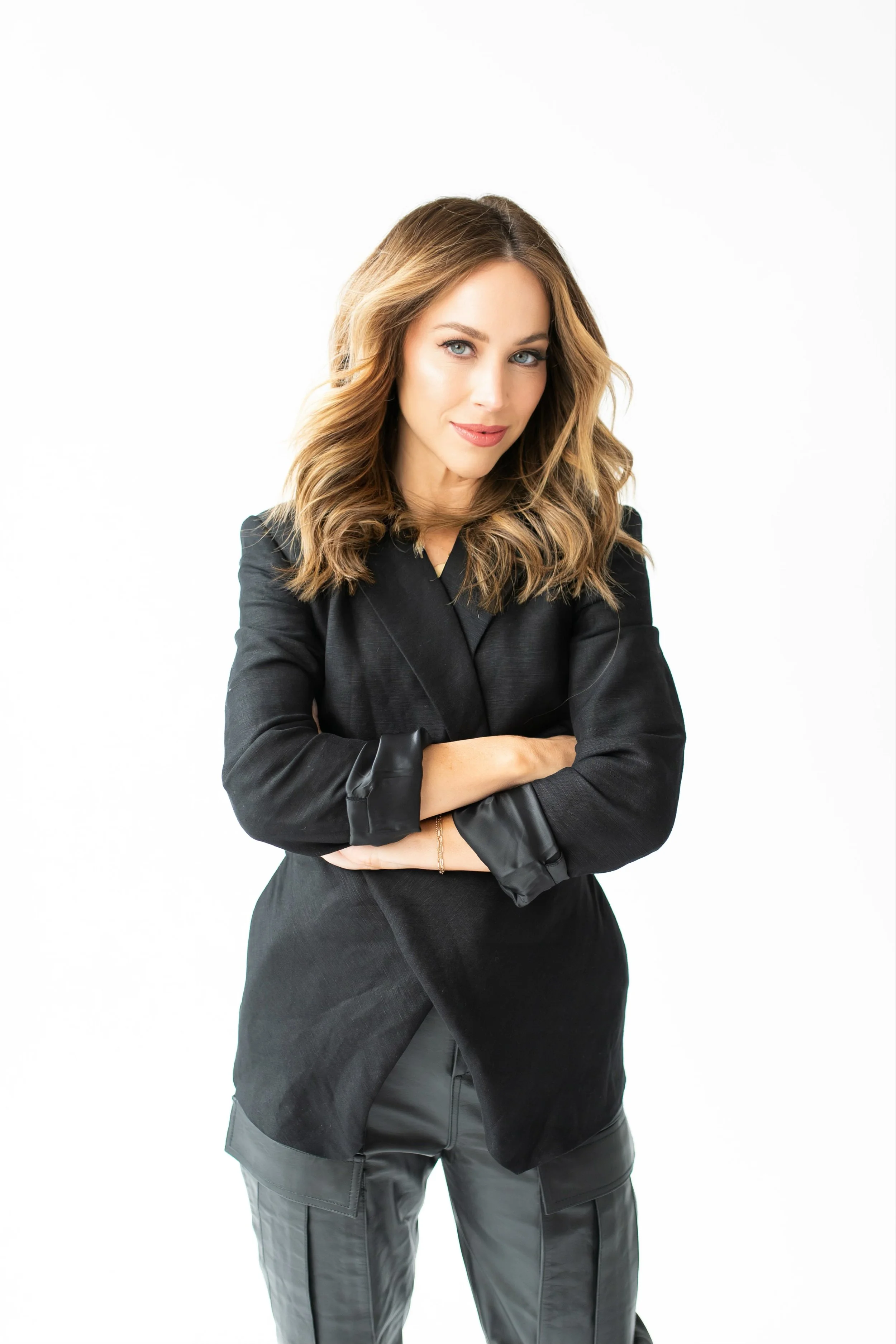
Photo: Courtesy of Jen Batchelor
Jen Batchelor knows a thing or two about pitching to investors. Since launching Kin, a beverage company that’s reinventing booze-free imbibing with potent blends of adaptogens, nootropics, and botanicals, the founder has raised over $5 million in funding from venture capital firms, such as Refactor Capital, Canaan (which has also backed startups by the likes of Bird, Cuyana, Instacart, and The RealReal), and Fifty Years. But before she started fundraising, she went the self-funded route—for two crucial reasons.
“I really didn’t want to launch this business—or waste other people’s money trying—until I knew our approach to [producing an alternative to alcohol that preserves the positive effects of having a drink] was something that, one, was a sustainable solution and, two, was something the world actually wanted,” Batchelor tells Create & Cultivate. It’s an approach that involved a longer timeline—and a bit of bootstrapping—but it’s safe to say it paid off in the end. “We gave ourselves 12 months to develop a minimum viable product and beta-taste it to over 3,500 people. It ended up taking nine months to make up our minds and then two seconds for our first investors to say, ‘Yes.’”
Ahead, we chat with Batchelor about how she took her business from a self-funded startup to a venture-capital-backed company, including the money mistakes she’s made along the way and her best advice for founders on partnering with the right investors.
Take us back to the beginning. What was the lightbulb moment for Kin? What inspired you to launch your business and pursue this path?
Well, as there usually are with honest assessments of the self, it took multiple lightbulbs to get me to wake up. In fact, it took about the tenth one to finally push me from fear to faith. Ultimately, I noticed that after college, my friends and I never really slowed down our alcohol consumption, we just bought more expensive booze—which we thought elevated or justified our drinking somehow. As wellness became a bigger part of our collective routines and we all got smarter about our careers and fertility goals, we realized even the most expensive champagne couldn’t save us from the precious time (and collagen) alcohol was robbing us of every week, no matter how much OJ was in it! When I started going through the scientific research and assessing all the things I was potentially compromising in my life even with just a few drinks a week, the most surprising of them all was my cognitive ability. My brain was my instrument and my time was a currency in the age of freelancing and entrepreneurship, so it finally got to the point where I had to admit that the costs of my social habits were too great a debt to bear while going after my dream goals.
You self-funded Kin for the first year, but you've since brought on investors such as Refactor Capital, Canaan, and Fifty Years. Why did you pursue a self-funded strategy initially, and why have you sought out investors over time? Would you recommend that route to new entrepreneurs today?
I really didn’t want to launch this business—or waste other people’s money trying—until I knew our approach to solving the problem itself was something that 1) was a sustainable solution (it worked and would continue to work in the future) and 2) was something the world actually wanted. We gave ourselves 12 months to develop a minimum viable product and beta-taste it to 3500+ people. It ended up taking nine months to make up our minds and then two seconds for our first investors to say, “Yes.” We knew they were the right folks because they were focused on the future of food and understood we were in this to truly disrupt the 10,000-year-old (read: dated) tradition of drinking ethanol for funsies. The same way they knew the meat industry was unstainable for the planet, they knew ethanol was unsustainable for the people. It was an instant match.

What advice can you share for entrepreneurs on partnering with the right investors? What do investors need to bring to the table other than just money?
This is an important question so I’ll try to do it more than lip service. You really need to know your business and what it needs to be successful in this immediate stage in order to pick great investors for a particular round of financing. It’s like putting a fantasy football team or a great outfit together. You wouldn’t pick your favorite bikini, pair it with your favorite gown and your favorite sneakers and call that date night chic. Start with the intention, know the audience you are trying to serve (a.k.a your best customer now, that may change down the line so spend time doing the research), and then go after investors that can help you reach that customer, help you land that next critical hire, help you troubleshoot potential challenges for the relevant season in your business journey, etc, etc. With all the capital available in the world right now, this is much easier to do than it sounds. Be choosy! The best investors will get the mission and be ready to pull up their sleeves to hustle right alongside you when you really need the support. Whenever possible, bring on a couple of investors that have been owner/operators in companies with growth trajectories and exits you’d like to follow or who have built cultures you admire.
Since launching Kin in 2018, you’ve raised over $5 million in funding from venture capital firms—no doubt you’ve learned a lot along the way. What are three crucial elements everyone should include in a pitch deck when raising money and why?
Your pitch deck will evolve for every season of fundraising you enter. At the onset, it’s important to remember that everyone has an idea worth funding. The question is why are you and this idea a match? What is it that makes you uniquely suited to reach a certain audience? I’ll tell you from experience, it’s not enough to just be “the first” to market. Though it can help with angel funding to be a first-mover, it won’t always get the bigger deals done. You must have a unique strength and competency and a strategy for growth. Secondly, you’ll need a three-year plan to woo the best investors—they need to see a path to profitability even if a lot of it is based on hypotheticals. Third, show any evidence of traction and do it well. Again, social proof around an MVP is going to drive the kind of confidence in you as THE person to lead this concept to success. Confidence gets checks signed. Know your shit.
Where do you think is the most important area for a business owner to focus their financial energy and why?
If I had two dollars, I would spend it on people and customers every time. $1 on my team and $1 learning what makes my guest (customer) tick.

Photo: Courtesy of Kin
What was your first big expense as a business owner and how should small business owners prepare for that now?
People was the first big expense—and still is. Get smart about your org strategy and the incentives you’re going to need to get the right people in the right seats early. Think about things like benefits and stock options before you hire your founding team. Get that squared away and you won’t need to revisit this in year two when you should be focused on scaling. Katrina Lake from StitchFix has a great blueprint for this in terms of hiring your A-team early.
What are your top three largest expenses every month?
People, shipping, and people.
Do you pay yourself, and if so, how did you know what to pay yourself?
Yes. I came into this with a co-founder so we just took the typical founder salary of one founder/CEO and divvied it up based on responsibilities. This didn’t happen till we raised some money, though—before then, the goal was to get to “ramen money”—and now I have a board so it’s evolved into a collaborative effort of incentive setting based on growth and OPEX management goals.
Would you recommend other small business owners pay themselves?
This is a highly individual question based on what gets you up in the morning and what you need to stay creative. If you’re bootstrapping to get your dream off the ground, stay as lean as possible for as long as possible. Stay hungry. Once you have investors though, you start to realize you work for them as much as you work for yourself, so get yourself paid and live in a way that supports your best sleep. No investor wants to see a founder they believe in stressed AF about how they’re going to pay their electricity bill while trying to change the world.
Did you hire an accountant? Who helped you with the financial decisions and setup?
Yes, I had an accounting service from day one and now have an accounting team supporting my head of finance.
What apps or software are you using for finances? What’s worked for you?
Brex is pretty sweet for managing expenses and empowering departments to do what they need to do.

What are some of the tools you use to stay on top of your business financials? What do you recommend for small business owners on a budget?
We run a pretty classic system at Kin. Excel, QuickBooks, and Gusto get us where we need to be on budget management, AP, and people expenses. It also forces upon us a checks-and-balances system that keeps us on our A-game. That said, as a mostly e-comm-driven company that handles the production complexities of our own manufacturing, a stellar inventory management system is also non-negotiable. We just onboarded to Cin7 which is supposed to make this process more centralized and automated but I’ll have to keep you posted on that one as it is still new for us!
How did you know you were ready to hire and what advice can you share on preparing for this stage of your business?
We only hired after we raised money. At that point, the plan was set and we knew we had to get troops in the air and on the ground building and spreading the gospel of Kin as soon as possible. Luckily, the first wave of folks were friends, smart ones, many of whom are still with me today so it wasn’t a hard decision for me to bring them on board, having all the faith and confidence that we could get to where we needed to go collectively. The bigger leap of faith was on them—why should they follow me when they could be working anywhere in the world? Eternally grateful to each of them for leading with faith and jumping in with excitement. The world would be a much boozier, less blissful place without them.
The key with hiring was securing the folks I wanted to work on Kin versus the ones I thought should be working on Kin. Such a subtle difference but the latter hiring decisions, I have found, to be subliminally based on fear. “I should bring on this expert from this big brand because that’s probably smart to do no matter how much they cost” versus “I’m dying to get this person on my team, maybe I can’t put a finger on why but I know their background, talent, core values, and gusto around the mission will yield more than their title suggests.” In short, do your diligence but follow your intuition in the end. Then lead them.
Do you think women should talk about money and business more?
Definitely. Guys talk about this stuff all the time, it’s like a sport. Because of that, they win at it, a lot. I think building your financial acumen is a great way to eliminate black box challenges and be truly fearless in steering your business.

Do you have a financial mentor? Do you think business owners need one?
I have a CEO coach and a management mentor. The latter is someone who has built (and scaled) a culture I admire. Both impact how I think about financial priorities, but I would say the most influential people in my sphere impacting Kin’s financial destiny on the regular is my head of finance and my lead investor. I rely on one to read between the line items of today—how are we trending day-to-day, week-to-week, what can we cut, where can we more efficient? And the other to help me think about structuring the business for the next level of growth.
What money mistakes have you made and learned from along the way?
Most all of my money mistakes have been people-based. This is why “hire slow, fire fast” is one of the most prolific adages of modern entrepreneurship. One dollar in the wrong pocket is not only painful for the bottom line but costly to team morale and productivity. It’s not just exposure in terms of salary, having the wrong person in the wrong seat affects the output of the entire business, especially during earlier stages.
What is your best piece of financial advice for new entrepreneurs?
I’m a big believer in raising a hair less than you think you need. Just because someone is willing to sign over a check for $10 million, if you only need $3, take $2.5 million. Trust me, it will make you a stronger, more creative leader and you’ll leave yourself less exposed to micromanaging or dilution of vision (not to mention, equity!). Otherwise, don’t waste money on consultants and expensive research firms unless the output is a direct input or prerequisite for the product you are building. Even then I would wait. You are the magic sauce, you don’t need to spend $100K for someone to tell you that you know your brand better than anyone. To whit, whatever freelancers you do end up hiring watch for the ye olde SCOPE CREEP! It can eat any small business alive, so please iron out your contracts in advance.
Anything else to add?
Don’t forget that money is purely an exchange of energy. You don’t want to fear it lest it dominate you just as you don’t want to squander it lest it rob you of opportunities. Get cozy with your relationship to money as a whole (what are your limiting beliefs around money? what are your traumas? insecurities? identify black box knowledge areas) so you can work with it in your business life in a fluid and empowering way. Protect your energy but don’t let money rule every decision. You got this.
MORE ON THE BLOG






I Got 20 Female Entrepreneurs Together and *This* Is Their Biggest Problem
Here’s how to fix it.

Photo: ColorJoy Stock by Christina Jones Photography
At an entrepreneurial meetup I hosted recently, I asked everyone to think of a high-end offer for their audience. Most of the women in the room had never offered anything at a premium price, but I was shocked when someone started telling the group about her experience doing so. “I run a successful, high-end seven-figure company, and have for over a decade, but every time I finish the year, I’m disappointed with profit margins hardly over 30%,” one entrepreneur told us.
She went on to explain that she charged a lot, but would also sometimes tell her clients that they didn’t need to pay for that month’s work or she would offer to do certain expensive tasks for free. Woah. High-end, but still scraping by? Not okay. But she’s not the only one. According to this study, self-employed men earn 28% more than self-employed women. Why is this? In my experience, it’s usually because women don’t charge enough for their services or they try to be too generous, which then leaves them with measly profit margins.
By and large, the #1 problem female entrepreneurs have is asking for an amount that not only covers costs but also leaves them with a healthy 70% profit margin. Here are three things you can do to reverse this and make more money in business.
1. Fire some clients.
If you have a client who doesn't want to pay what you're worth, don't hold on to them. Lovingly let them go. This will create space for more clients to come in that will gladly pay whatever rate you charge. And the secret truth is that the highest-paying clients are the easiest to work with, but you can’t serve them if you’re too busy with clients who don’t value you or your work. Trust that there’s more where that came from, set your boundaries, let difficult clients go, and focus on attracting higher-end clients that love you.
2. Overcompensate for costs.
If you think you need to charge $5,000 to cover costs and turn a profit, my advice is to double that. When you price an offering, putting in a buffer amount allows wiggle room for you to cover any extra time or expenses spent on a project. It’ll also ensure that if you need to hire help or invest in new material you won’t go in the red. This is especially important for product-based or project-based businesses that go off of cost estimates. Overestimate costs so that you can a) make more money and b) overdeliver on your service.
3. Charge a premium price.
To me, premium means anything above $1,000 a month. If you're charging a premium, you can take on fewer clients, do better work with them, but not suffer the loss of profit. You can have multiple tiers of offers to serve your client base, but having at least one premium offer is such a game-changer when it comes to scaling your business. Raise your rates and watch the magic happen as you work less and earn more.
I don’t know about you, but I’m done seeing women settling for “enough.” Setting the bar high for yourself and your business means you aren’t just a newbie in your field, you’re an expert. What naturally follows is increased profits and better clients.

“If you have a client who doesn't want to pay what you're worth, don't hold on to them.”
—Kimberly Lucht, Business Coach
About the author: Kimberly Lucht is a business coach who helps women make their first six figures doing what they love. She’s been featured in Money, Business Insider, Well + Good, Greatist, Create & Cultivate, and more.
Love this story? Pin the below graphic to your Pinterest board.

MORE ON THE BLOG
How I Designed My Small Business to Make a Big Social Impact
“When you open a door, bring others through.”

“Even the smallest—but mightiest—business can move the needle.”
—Sailaja Joshi, Founder of Mango & Marigold Press
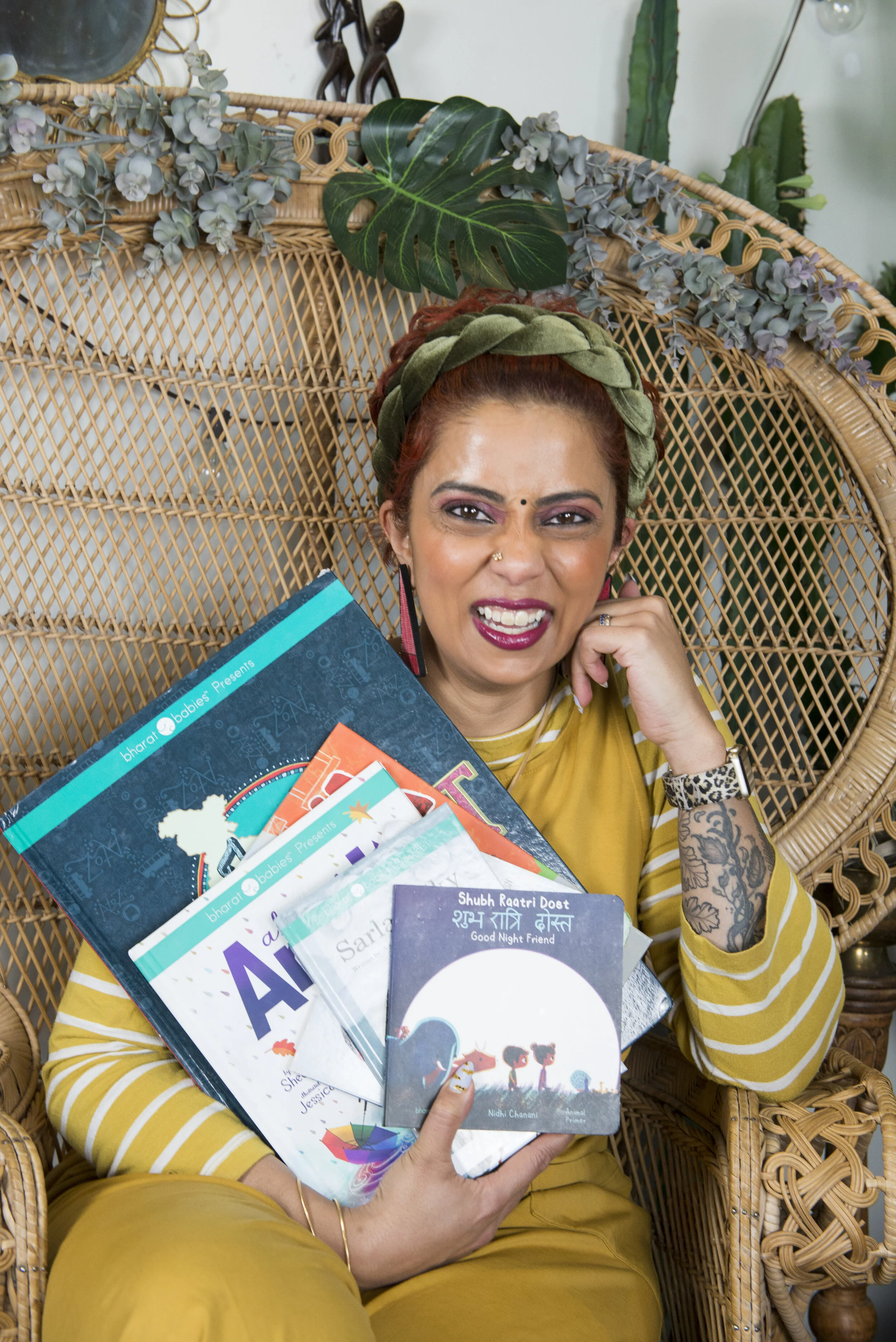
Six years ago, I was pregnant with my first child, and, being a huge book lover, I was planning a library-themed baby shower. I envisioned filling my daughter’s bookshelf with beautiful books that celebrated our shared Indian culture and heritage. So imagine the deflation I felt when I realized that books that had people who looked like my daughter (and myself) on the cover didn’t exist—and what I did find was inappropriate for a child or, even worse, culturally insensitive.
Motherhood opened up my eyes. It opened up something inside of me that made me realize that I refused to live in a world where my daughter could not be her true, authentic self. While I’d grown up a voracious reader myself, the idea of raising my daughter in a world where she couldn’t envision herself as the hero in the books she read wasn’t acceptable to me.
So I took matters into my own hands and started a publishing company.
I’m not an author (yet). I don’t have a publishing background. But I saw something wrong with the world and I wanted to change it. A lot of people might dismiss the importance that children’s books have on the state of the world, but I’d strongly disagree. Kids are born open-minded. By creating a more diverse landscape of literature, we open up the world for them, encourage wonder and awe, and show children that diversity is the nature of humanity, not an initiative.
Having an impact on the characters and stories portrayed in children’s literature is the opportunity to change a generation. I count myself and the authors and partners that we work with at Mango & Marigold Press among the many artists and activists who have worked to make diversity an asset. But it’s not an easy road.
Mango & Marigold Press is a small, independent publisher in a land of behemoths–and beyond that, many might look at it as a minuscule drop in the bucket in the work that needs to be done around race and gender equity. This is a common feeling for entrepreneurs building mission-based business: the feeling that the impact we make, though it feels important, isn’t good enough. It can be discouraging and may result in us shelving our dreams for a better world with the belief that the difference we are making will never be enough.
But if you can move past those feelings, even the smallest (but mightiest) business can move the needle. Mango & Marigold just celebrated its sixth anniversary and announced its twentieth book—incidentally, the first picture book series featuring South Asian characters. Our #1001DiverseBooks initiative, which donates copies of our books to literacy nonprofits to help diversify their bookshelves, has donated more than 3,000 books. A few guiding principles have helped me make my way through the nay-saying and the self-doubt, to a place where I know that the work we do is making a true difference.
Don’t let perfection get in the way of progress.
When I started Mango and Marigold Press (then Bharat Babies) I had $1,000, a rough business plan, a script for a book, and a vision. I’m SO glad I went and made our first book in six months and didn’t wait to do things “right” because, honestly, if I had, I’d still be trying to perfect that first book.
Don’t be afraid to ask, then ask again.
I have learned the art of asking lots and lots of questions and then asking the same questions twice. I realized that many folks (not all) are willing to share their lessons learned and there is such a gift in learning from other’s mistakes.
When you open a door, bring others through.
I am a massive believer in this. When I get a grant, I make sure to share the application with another small publisher and share out what types of information I gave that helped me to “get” the award. I share connections, names, contacts. I bring people with me on my journey of success because this is the only way we will break down systematic barriers.
Yes, you can. Everyone will tell you that you can’t, but I’m telling you: Yes, you can.
A mentor once told me that even if my company fails, its books would still be out in the world, and would touch so many people. Hearing that, early on in my journey, gave me the audacity to start and the strength to continue, book by book. If you’re starting a business, particularly one with a social impact mission, find your cheerleader. Find the person who will tell you that you can, that it’s possible, that there’s good to be had in the work you are doing. They will carry you through the difficult times of starting a business and the moments where you doubt whether your work is worthwhile.
Literacy is power, and breaking down the structural barriers that limit access to books and literature for communities of color is essential. We stand at a unique moment in history for an Indian American woman like me: the first female, Indian American vice president. That is a big moment for an entrepreneur with a mission to demonstrate that diversity is natural–not an initiative.
But beyond a big moment like this is the day-to-day triumph. I’ve seen many kids delight in the fact that the character on the cover of their book looks just like them. I’ve worked with several authors who have expressed relief when I encourage them to inject their culture back into their stories after receiving rounds of notes from traditional publishers saying otherwise. Those smaller moments are the ones that keep me going.
About the author: Sailaja Joshi is the founder of Mango & Marigold Press, an award-winning independent publishing house that shares the sweet and savory stories of the South Asian experience. Mango & Marigold just announced its twentieth diverse book and has donated more than 3,000 books to literacy nonprofits as part of its #1001DiverseBooks campaign.
MORE ON THE BLOG

I Spent 3x More Money Than I Budgeted to Launch My Business
The founder of BeautyBeez on the costly lessons she’s learned since becoming an entrepreneur.

We know how daunting it can be to start a new business, especially if you’re disrupting an industry or creating an entirely new one. When there is no path to follow, the biggest question is, where do I start? There is so much to do, but before you get ahead of yourself, let’s start at the beginning. To kick-start the process, and ease some of those first-time founder nerves, we’re asking successful entrepreneurs to share their stories in our new series, From Scratch. But this isn’t your typical day in the life profile. We’re getting into the nitty-gritty details—from writing a business plan (or not) to sourcing manufacturers and how much they pay themselves—we’re not holding back.

Photo: Courtesy of Brittney Ogike
Brittney Ogike knew starting a business would be expensive, but she underestimated just how costly it would really be. “When I wrote my business plan, I didn’t allocate enough dollars to certain areas like buildout and inventory,” Ogike tells Create & Cultivate. “I remember telling our design firm my original budget for the buildout. They pretty much laughed at me and suggested I not work with a firm and go it alone. I had no idea about the amount of money it would take to build the store I was envisioning!”
Thankfully, these expenses didn’t discourage her from bringing her vision to life. As the founder of BeautyBeez, a modern beauty supply store created by and for WOC, she’s bringing an elevated and inclusive shopping experience to women who have been long overlooked by the beauty industry. “For decades, the beauty supply has been left unchanged and wholly inadequate,” Ogike explains. “And more recently, consumer behavior has shifted. Our community has become more conscious of where we spend our hard-earned dollars, but with no place to turn to for our complete beauty needs.”
Ahead, Ogike tells Create & Cultivate all about her business and her founder journey, including the lightbulb moment that inspired her to launch BeautyBeez and the costly lessons she’s learned since becoming an entrepreneur.
Take us back to the beginning—what was the lightbulb moment for your business?
BeautyBeez was created to fill a gap in the retail industry. What many people outside of the African American community don’t realize, is that ethnic hair care and beauty products are typically sold in small local retailers called beauty supply stores. Every Black woman has memories—both fond and unpleasant—of going to the local beauty supply store with our mothers and shopping for those nostalgic “Black girl hair” products: hot combs, barrettes, relaxers, hair grease, and a whole lot more. It was a space specifically for us! The larger retailers didn’t (and still don’t) carry these items.
The lightbulb moment occurred when I was shopping for some hair products for my daughter. I was forced to go to our local beauty supply store and left feeling upset about the entire experience. For decades, the beauty supply has been left unchanged and wholly inadequate. And more recently, consumer behavior has shifted. Our community has become more conscious of where we spend our hard-earned dollars, but with no place to turn to for our complete beauty needs. BeautyBeez was created to fill the white space in ethnic beauty. We provide an inclusive beauty experience where women of color can shop, explore and play in a world full of beauty.
Did you write a business plan? If so, was it helpful, and if not, what did you use instead and why did you take that approach?
Yes! A business plan was essential in building the framework of BeautyBeez. It helped me establish the mission of the brand, the product offerings, and financials. I also believe it was useful in persuading my family members to join. I still refer to it to this day.
How did you come up with the name BeautyBeez? What was the process like and what are some of the things you considered during that process?
When determining the business name, I wanted it to have a few characteristics—unique, brandable, identifiable, and include a personal nod to my family. I wanted a complete departure from the typical beauty supply name with the hopes of establishing the brand as a leading beauty retailer—and not just a beauty supply. The “Beez” in BeautyBeez has a few different symbolic meanings. It acknowledges me (B for Brittney), my daughter (Z for Zara), and the fierce, matriarchal symbolism of the bee animal.
What were the immediate things you had to take care of to set up the business? What would you recommend to new founders reading this who don’t know where to start?
The first thing I did was establish the business name. I contacted a lawyer and had them register and trademark the name. Next, I bought the website domain and created social handles on all social platforms, even though I didn’t need them immediately.
What research did you do for the brand beforehand, and can you explain how you found and compiled that research? Why would you recommend it and why is it important?
I visited as many beauty supply stores as possible and posed as a customer to figure out how I could fill the white space. I read online reviews to understand the pain points. I spoke with all of my friends about their experiences shopping for their beauty needs and had conversations about how the issues could be resolved. Lastly, I researched the history of the industry. Why was it dominated by a specific group of people? Who are the major competitors? What are the potential barriers to entry? To gather information, I read trade articles, searched the web, and went down every rabbit hole I could find on the topic. It’s important that you’re educated in whatever industry you get into. Stay on top of trends and the laws and regulations that are passed down.

How did you find and identify the distributors you work with? What are some of the challenges you faced along the way and what advice can you share for fellow small business owners?
Since I’m a minority in the industry, I faced several challenges trying to open accounts with distributors. I have been charged high minimums, required cash upfront when others are given credit terms and have been flat out denied access. Oftentimes, working directly with the brand was a lot easier to procure products. The advice I would give is to not give up. Reach out to as many different manufacturers and distributors as possible. All you need is one “yes.” And once you get that “yes,” thoroughly research them. Find people in your industry that have done business with them. This will not only help you vet the supplier, but it will also help you in establishing a network of contacts in your new industry.
How have you funded your businesss?
We are a family-owned company comprised of myself, my husband, and my brother. Fortunately, we are self-funded and haven’t had to seek any outside funding, yet.
What is the biggest money mistake you made in the beginning and how did you recover from it?
I’ve spent way too much on inventory. I was so eager to start ordering products for the store that I didn’t fully understand the ordering process with some distributors. They all have different rules and ways of ordering. I should have been more conservative on quantities and asked more questions. I’m currently sitting on hundreds of sewing kits if anyone needs any!
Did you work full-time at another job while building this one or just dive straight into it? Can you share your experience and what you would recommend to others?
Yes. I’m moonlighting as a sports manager. My career has always been in sports and I don’t see myself giving up on that work any time soon. I enjoy what I do in both industries—beauty and sports!
Do you pay yourself? If so, how did you know how much to pay yourself?
I haven’t paid myself, yet. Once we reach profitability, I’ll be able to start paying myself a minimal salary.
How big is your team now, and what has the hiring process been like? Did you have hiring experience before this venture? If not, how did you learn and what have you learned about it along the way? What advice can you share?
I have a staff of four part-time employees that work in the store and three corporate team members that assist with operations and branding. Finding great team members is one of the toughest parts of being a business owner. I’m still learning along the way, but the best advice I would give is to hire slow and fire fast. It’s important to take the time to find the right person for the position. Call references, run background checks and do all the things necessary to make sure the candidate is the right fit. If that person isn’t working out, it’s also important to remove them from the position immediately. You can’t let your emotions get in the way, which is a lesson I had to learn. At the end of the day, it’s about your company and what’s best for the business.
Did you hire an accountant? Who helped you with the financial decisions and setup?
Yes, I hired an accountant to assist with bookkeeping and monthly financial reports. Admittingly, financials are my weakest skill set. I even audited a college finance class the summer before I started working on BeautyBeez because I know how important it is to understand financial statements and reports.
Can you share the biggest learning curve or challenge since starting your business and why?
My biggest learning curve has been the economics of it all. This includes budgeting, forecasting, profit/loss, etc. There are so many financial decisions that need to be made on a daily basis when running a business. Having a comprehensive knowledge of your company’s financial standing is essential for success. I’m constantly educating myself on how to have better margins, determine pricing, and control costs.

Do you have a business coach or mentor? If so, how has this person helped, would you recommend one, and how did you find one?
I’m currently in the process of trying to find a mentor or an executive network group to join. Having a mentor or joining an executive group can help you grow as a leader and aids in better decision-making in your business. I would love to have a group of like-minded entrepreneurs to bounce ideas off of or troubleshoot certain issues I’m facing.
How did you promote your company? How did you get people to know who you are and create buzz? What percentage of your budget goes to marketing and why? What challenges have you faced?
First, let me say this. If you build it, they will not come! You have to build it, then tell people about it. Marketing was a huge challenge for me in the beginning. I think it was because I was trying to figure out which strategy worked that would give us the best return. We’ve done flyers, banners, a referral program, digital ads, and social media. Social media is where we’ve seen the biggest response. We had to figure out where our ideal customers were. They’re on social! So, we’ve invested a lot of time, dollars, and energy to make sure BeautyBeez is in front of them on all of the social media channels. Presently, we’re spending about 30% of our budget on marketing.
What is one thing you didn’t do in the setup process, that ended up being crucial to the business and would advise others to do ASAP?
I severely underestimated my startup costs. I ended up spending three times more money than I previously budgeted to create BeautyBeez. When I wrote my business plan, I didn’t allocate enough dollars to certain areas like buildout and inventory. I remember telling our design firm my original budget for the buildout. They pretty much laughed at me and suggested I not work with a firm and go it alone. I had no idea about the amount of money it would take to build the store I was envisioning! The lesson in all of this is to do your research in determining potential costs and do not be conservative.
For those who haven’t started a business (or are about to) what advice do you have?
Just do it! You cannot wait for the perfect moment. I read some advice when I was in the early phase of developing BeautyBeez that said to complete at least one task a day that gets you closer to your goal. It can be as small as research on a particular topic or as big as creating a website or registering your business. I took this approach and a year later, we officially launched. There are going to be many challenges and hurdles along the way. Take them one day at a time. In the end, the gratification you feel once your business launches will be worth it.
What is your number one piece of financial advice for any new business owner?
Pay attention to the numbers. They don’t lie. We create businesses for a lot of reasons, but at the end of the day, we want them to make money. Profitability is the goal for most businesses, and to reach profitability, you need to look at your numbers. What is making the most revenue? How can you increase these sales? What isn’t working and costing too much money? These are the questions you should ask yourself every month and make adjustments. Ultimately, if there is no path to profitability, your business will fail.
If you could go back to the beginning with the knowledge you have now, what advice would you give yourself and why?
I would say slow down. I was so eager to get up and running that I didn’t fully understand many of the aspects that have now cost us a lot of money in mistakes. Yes, mistakes will happen. But, the goal is to not make expensive mistakes. The only way you can do this is to do your research and make informed decisions.
Anything else you’d like to add?
For anyone out there looking for a sign to tell you to start, this is your sign. Start now! Follow your dreams and don’t let anyone or anything hold you back.
MORE ON THE BLOG

Why I Became an Entrepreneur Even Though Starting a Business Was Never My Dream
“My entrepreneurial story wouldn’t be complete (or have even started) without my greatest hero, my mom.”

“My entrepreneurial story wouldn’t be complete (or have even started) without my greatest hero, my mom.”
—Jenn Chung, Founder of Embody
Stories about entrepreneurs usually begin with a free-spirited child or having an executive mindset from the start. The entrepreneurial journey usually starts with a lemonade stand on the corner or selling baseball cards to classmates. Yeah, that wasn’t me. In fact, I wanted nothing more than to lead a “normal” life. I wasn’t ambitious or a natural-born leader. I was a shy kid and a rebellious teen. Starting a business was never my dream. But the more I was exposed to sharp and successful business people, the more my entrepreneurial spirit evolved. My entrepreneurial story wouldn’t be complete (or have even started) without my greatest hero, my mom. I come from an immigrant family. I was born in Vietnam and the family moved to Minnesota when I was one. My mom was the breadwinner of the family and always worked multiple jobs to support us.
My earliest memory of seeing her work was when I was about four years old. She was a waitress at a Chinese restaurant in Rochester, Minnesota. I was so impressed that she was able to carry a platter full of dishes on her shoulders. While my mom worked, the owner would let me sit behind the counter and my mother would sneak chicken wings to me during her break. As a little girl, that brought me so much joy. My mother was very business savvy and owned several businesses before she started a skincare company in 2007, Forever Beaumore. By then she was a single mom with three kids (soon to be four) and she realized she needed to create her own opportunities in life. Her independence and resilience instilled the beginnings of an entrepreneurial spirit in me.

In Vietnamese culture, holistic medicine and nutrition are intertwined with skincare. My mom taught me from a young age that healthy habits were a necessary part of taking care of my skin and my body. I started taking her advice seriously in my teens after I developed cystic acne, and I watched my skin clear up and begin to heal. Millennials are chronically stressed, overtired, and influenced by the filtered skin they see on social media. I realized I was passionate about sharing what I had learned about nutrition and holistic wellness with my peers for better skin and health.
That’s easier said than done, though. The skincare market is saturated with products all promising to do the same thing: unclog pores, get rid of acne, fade scarring, and prevent aging. As a consumer, I felt overwhelmed, exhausted, and financially drained by the options. Knowing that creams could only do so much and skincare at its core starts from within, I set out to find a modern way to introduce my peers to the Eastern practices of food and nutrition as medicine to improve their beauty from within. I wanted to demystify skincare, create effortless products that work, and make beauty approachable and attainable for everyone.
I’m lucky to be following in the footsteps of so many bad*ss female entrepreneurs who have paved the way for founders like myself. Their example inspired me to be a confident businesswoman who celebrates and encourages others. My hope for female founders like me? To one day eliminate the “female” in “female entrepreneur” and finally be seen as equal with our male counterparts. Until then, I’m proudly owning the title of female entrepreneur!

If you’re thinking about entrepreneurship yourself, here’s my advice. Use Google! It’s such a powerful tool and you can quite literally learn how to run a business online. Support other female entrepreneurs. There’s a worldwide network of incredible female entrepreneurs, tap into their wealth of knowledge to get yourself started. Consider your motives. There’s a lot of pressure in today’s society to “be your own boss” (think Etsy shops, direct sales, side hustles), but it’s important to pursue what fulfills you, not what you think others think should fulfill you.
Entrepreneurship is not for everyone, and that’s 100% okay! You don’t have to be the big boss to be fulfilled by your job. You don’t have to monetize your hobbies or passions, either. If you like the idea of starting a business but aren’t ready to start your own, try finding an entrepreneur who shares a similar vision or goal that you can work alongside. You never know, it could be a great opportunity.
Here are my final words of advice: take it slow when it comes to decision making. Yes, sometimes quick thinking is necessary. But making thoughtful decisions will ultimately provide better results (aka save you time and money). Create a step-by-step plan for your business and be aware that none of it will go according to the plan. The most important thing is to keep an open mind, be flexible, and ask for help when you need it. Oh, and don’t be afraid to break the rules.
About the author: Jenn Chung the founder of Embody. Jenn worked her way up through her family cosmetics company, Forever Beaumore, from packing boxes at age 15 to stepping in as president at age 24. Seeing first-hand how successful her family’s beauty supplements were in the Vietnamese market, Jenn was inspired to create a brand for women just like her and bring eastern beauty remedies to a modern western audience in a fun, palatable way.
MORE ON THE BLOG

This Entrepreneur Is Giving Girls the Tools to Build Long-Term Financial Wellness
The founder of Capri on helping girls cultivate confident money mindsets.

You asked for more content around business finances, so we’re delivering. Welcome to Money Matters where we give you an inside look at the pocketbooks of CEOs and entrepreneurs. In this series, you’ll learn what successful women in business spend on office spaces and employee salaries, how they knew it was time to hire someone to manage their finances, and their best advice for talking about money.

Photo: Courtesy of Nicole Hartwig
Nicole Hartwig learned everything she knows about money from her late Aunt Lynn. “My aunt guided me through all of my financial firsts, often sitting me down with a pencil and paper, teaching me the most foundational financial principles like how to make a budget and how to set a savings goal,” Hartwig tells Create & Cultivate. “She coached me through saving up for my first car by allowing me to make ‘deposits’ into a Tupperware container she kept safe for me in her kitchen drawer.“
So when her aunt passed away in 2013 after a 25-year battle with cancer, Hartwig was inspired to help girls develop financial literacy skills as a way of honoring her late aunt and the values she lived by. “My aunt relentlessly pursued her career goals in finance, slowly working her way up with a steady determination and humble grace, all while battling breast and ovarian cancer for nearly half her life,” explains Hartwig. Thus, Capri, an app designed to teach high-school and college-aged girls financial literacy skills and cultivate confident money mindsets, was born.
Ahead, Create & Cultivate chats with Hartwig about everything from starting her business to bringing on her first hire, and everything in between.
How did you make your first dollar and what did that job teach you that still applies today?
My first job was at a local coffee shop in Metro Detroit when I was 14 or 15. They only hired team members 16 years and older, but I applied anyway. When they asked me the obligatory interview questions about past jobs, I told stories about how I’d taken care of friends during tough times or risen above challenges at school, and I got the job! That experience taught me something that I’ve carried with me ever since: you never know until you try.
Take us back to the beginning. What was the lightbulb moment for your business and what inspired you to pursue this path?
The idea for Capri came from my late Aunt Lynn, who passed away in 2013 after a 25-year battle with cancer. A true Capricorn (the inspiration for the name Capri), my aunt relentlessly pursued her career goals in finance, slowly working her way up with a steady determination and humble grace, all while battling breast and ovarian cancer for nearly half her life.
Entrepreneurship is all about taking calculated risks. What’s the most pivotal financial risk you’ve taken, and how did it change your path?
The most pivotal risk I’ve taken was leaving my full-time job to pursue building Capri. Creating the space, both logistically in my schedule and energetically in my life, changed everything. There’s a lot of advice floating around about waiting to leave your day job until you’re really ready. The truth is that your path depends on a lot of factors: your financial situation, your drive, the opportunity you’re pursuing, your network, etc. There’s no one-size-fits-all answer for when to leave your day job to pursue the thing you’re passionate about.
For me, creating the space was critical; it was essential to the growth of the company. As a sole founder in the early stages of a startup, there is no company without me. If I’m burned out, the company suffers. If I don’t have time to make that meeting, the work doesn’t get done. If I have no space to envision what’s next, the company has no path forward. The degree to which I make space for the creation of this company is directly correlated to our growth and success. Making space for the overall wellness of myself and the company was—and still is—one of the most important actions I’ve taken as a founder.
Where do you think is the most important area for a business owner to focus their financial energy and why?
The needs of your business change with every stage of development and each business is unique. Every founder has a unique set of circumstances within which they’re working, and their business is a direct reflection of that.
Capri is a female-led, bootstrapped, early-stage tech startup. Within our unique set of circumstances, our most important spend was on product development, but we also chose to spend on our brand identity development at the same time. For us, this was vital. We were building brand awareness during a pandemic and we had to rely largely on our digital presence to make that happen. Many would have argued against that expenditure so early on, but for us, in our unique set of circumstances, it was what helped us establish ourselves in our launch market.
As a business owner, you have to trust your gut, because there is no right answer out there. Everyone—founders, operators, investors—will have different advice for you. You have to follow your intuition about the next right step.
What was your first big expense as a business owner and how should small business owners prepare for that now?
Our first big expense was hiring a software development team to build our beta. We intentionally built a true minimum viable product, both for cost savings, and because we knew we’d make edits to the product design once we got the product in front of users.
Aside from the design research and development that led up to our hiring decision, we also did a ton of due diligence and vetting of potential vendors. That took months and months of work. My best advice for founders preparing to build a technical product is to build in a huge cushion for the amount of time it will take!
What are your top three largest expenses every month?
Software development, graphic design, and legal expenses.
In the beginning, how much did you pay yourself and how did you know what to pay yourself?
We’re 2 1/2 years in and I still haven’t paid myself a dollar. That’s not a badge of honor that I wear, it’s just the truth. All the capital we’ve raised has gone to product development and business expenses. We just aren’t at the stage of development where it would be appropriate to pay myself. Once we reach that stage, I’ll add in a modest salary for myself until we’re really rocking and rolling.
Would you recommend other small business owners pay themselves?
Of course, when it makes sense for the business. You don’t build a business to not make money, but you also don’t usually build a business just to pay yourself. You have to wait until it “pencils”—until the financials of the business support a salary.

How did you know you were ready to hire and what advice can you share on preparing for this stage of your business?
I made my first hire after I completed our first accelerator program. I knew I had hit a wall in my own capabilities and I needed someone to help me bring the initial design of the product to life. For every single team hire I’ve made, I’ve shopped from my first-degree network. I cannot recommend this enough. Working with colleagues and friends who were familiar with me, my character, and my working style, allowed me to forge team relationships quickly on an existing foundation of mutual trust. My best advice to other founders preparing for this stage of their business is to comb your network. Literally scroll through LinkedIn and see what your connections are up to. Reach out to people you know who are doing the scope of work that you need, and start that conversation. Expect it to take some time to gain their full trust, but know that you’ll have a headstart working with people you already know personally and/or professionally.
Did you hire an accountant? Who helped you with the financial decisions and setup? What do you recommend or advice do you have for that?
I made all of our financial decisions in the beginning, and I asked trusted people around me when I wasn’t sure how to move forward. For example, when I incorporated the company, I had to choose the total number of shares of the company. I went to business school, but I didn’t know a thing about this part. So I Googled, I made phone calls to anyone I knew who might know a thing or two about it, and I ultimately made a decision based on the information I had (and the very limited amount of money the company had in the bank). This is the beauty of starting a business—it’s truly messy! You cobble together the answer to every single question and decision, and there are a million of them, day after day. It wasn’t until we were a year or more into the business that I brought on a team member with great financial experience. Now we make those decisions together. We still learn as we go, together, and we ask questions when we don’t know the answer.
What apps or software are you using for finances? What has worked and what hasn’t?
In the earliest stages of the business, I used Freshbooks to track what little expenses we had, and I used an Excel spreadsheet template for our financial projections. Now that we’ve raised capital, we use QuickBooks in place of Freshbooks as it’s more sophisticated for reporting purposes, but we still use the same (albeit much more customized) Excel spreadsheet to create our financial projections.
What are some of the tools you use to stay on top of your business financials? What do you recommend for small business owners on a budget?
I loved using Freshbooks in the early days of Capri! It was inexpensive, easy to use, and the interface is honestly delightful. For projections, Excel is great. Get a template from the internet or from someone working in finance or in whatever industry you’re in. If you can get someone to sit with you for a bit to explain the formulas, that’s ideal. You can then take that spreadsheet and make tweaks to it, which you’ll continue to do forever and ever. It’s actually great to familiarize yourself with making projections from the very beginning. A lot of your business success hinges on your ability to understand the relationship between various business expenses and practices.

Do you think women should talk about money and business more? Why?
Yes! Money is still a taboo topic to talk about, and the world of startups is still so male-dominated and so mysterious. When women are profiled for being successful in business, they’ve often already slogged through the toughest part: getting started. Rarely do you hear the real story behind the buzzy headlines; the I-drained-my-401(k)-to-start-the-business story, or the I-moved-in-with-my-parents-to-save-the-company story. Those are the stories women starting businesses need to hear. They need to hear that the messiness they’re experiencing is normal. That successful women didn’t always save up the perfect emergency fund before they launched their companies, or they didn’t get a check from the first VC they had a meeting with. They need to see themselves and their situation reflected in these stories. The truth is that founders who have ivy-league connections and family members in private equity have an easier go of it. If you don’t have those things, starting a business can feel like a hopeless pipe dream. Women without those privileges have made it happen by being scrappy, creative, and persistent. The more we talk about those experiences, the more we encourage women of all backgrounds to go for it.
Do you have a financial mentor? Do you think business owners need one?
I do! I have several. I have one advisor who manages an angel investing group who advises me from an investor’s perspective. I have another advisor who comes from private equity and the finance industry. I have an advisor who coaches startups. And of course, my most cherished mentor is my late Aunt Lynn. Even though she’s no longer with us, her foundational teachings from my teenage years will stick with me forever, and her loving energy is still with me every day.
What is your best piece of financial/money advice for new entrepreneurs?
First, heal your money traumas (we all have them in some form). Reflect on the past experiences and beliefs that might be holding you back. Second, listen to your intuition. It won’t steer you wrong.
Anything else to add?
Just don’t let fear stop you. Don’t let the odds that seem stacked against you stand in your way, whatever they are. Trust—trust, trust, trust—that if you have a vision for something you want to create, you are meant to bring it into the world. Follow what lights you up.
MORE ON THE BLOG

5 Things You Need to Know Before Raising Money for Your Startup
#1: You don’t necessarily need to do it.

Asking for money is rarely fun. But it’s especially tough—and often futile—for women. Why? We’re less likely to get a raise at work, even though we ask at the same rate as men. And we’re especially unlikely to get money for our startups since only 2.2% of all venture capital goes to female founders. (The percentages are even worse for women of color.)
Even for those women who successfully ask this question, it’s as I write in my book Startup Money Made Easy: The Inc. Guide to Every Financial Question About Starting, Running, and Growing Your Business, “seeking outside money is a daunting, grinding, tedious process.” It can go horribly wrong. But raising money can also go tremendously well if you do your homework, network like crazy, and get lucky.
Over the course of nearly five years of reporting and editing money coverage at Inc., I’ve interviewed many successful women founders. Some of them avoided raising outside money entirely; others have raised tens of millions of dollars. So if you’re ready to take the VC plunge—or to start off by asking friends and family to back your business.
Here are five things to know about raising money for your startup.
You don’t necessarily need to do it.
VC-backed startups like Uber, WeWork, and Airbnb get a lot of the headlines, but most startups never ask outside investors for money and many thrive regardless. Take S’well: Founder and CEO Sarah Kauss turned her high-design water bottles into a $100 million business without ever taking outside investment.
There’s an increasing number of women funding women.
While traditional VC has a long way to go to close the gender gap, there is a growing number of investment firms focused on women-led startups. Some examples are Arlan Hamilton’s Backstage Capital, Susan Lyne’s BBG Ventures, and Anu Duggal’s Female Founders Fund. Women founders, meanwhile, told Inc. that female investors often better understand their target markets.
Still, it’s often a slog.
“When you see company after company raising money, you get the outside-in perception: ‘It's not that difficult if they can do it.‘ But this is not the case,” Policygenius co-founder and CEO Jennifer Fitzgerald told me about her initial fundraising expectations. “It was a very fruitless and frustrating few months,” she adds. Fitzgerald and her co-founder eventually raised their seed round through small checks from about 50 friends and family members, “which is a painful way to do it, but we had to get it done,” she recalled.
It can also be exhilarating.
“Raising money was a year and a half of my life, and I loved every minute of it. Boy, was it grinding and difficult,” Christina Tosi, the pastry chef who’s now the founder and CEO of Milk Bar, told me last year. “You're going to war … and not necessarily in a negative way. It doesn't have to be argumentative.”
It matters who your partners are.
Don’t accept just any investment. As your business grows, you’ll want to make sure you and your investors can agree on what’s best for the business (unless you want to try to buy them out). As Tosi put it, “You can't do a good deal with bad people, and you can't do a bad deal with good people.”
About the author: Maria Aspan is an award-winning business journalist and an editor-at-large at Inc. Magazine, where she oversees money coverage and writes about startups, technology, finance, and gender. She has also covered business and finance for The New York Times, Thomson Reuters, and American Banker. At the latter, she served as national editor and covered the 2008 financial crisis and its aftermath.
This post was originally published on March 11, 2019, and has since been updated.
Love this story? Pin the below graphic to your Pinterest board.

MORE ON THE BLOG

Meet Táche, the New Plant-Based Milk Brand Tapping the Nutritional Benefits of Pistachios
Co-founder and CEO Roxana Saidi spills the details.

We know how daunting it can be to start a new business, especially if you’re disrupting an industry or creating an entirely new one. When there is no path to follow, the biggest question is, where do I start? There is so much to do, but before you get ahead of yourself, let’s start at the beginning. To kick-start the process, and ease some of those first-time founder nerves, we’re asking successful entrepreneurs to share their stories in our new series, From Scratch. But this isn’t your typical day in the life profile. We’re getting into the nitty-gritty details—from writing a business plan (or not) to sourcing manufacturers and how much they pay themselves—we’re not holding back.

Photo: Courtesy of Roxana Saidi
Pistachios were always in Roxana Saidi’s pantry growing up. “Ask any immigrant from the Middle East and they’ll tell you having them at home is pretty much mandatory,” Saidi tells Create & Cultivate. In fact, one of her most vivid memories dates back to when she was five years old when her father Morteza Saidi, an Iranian immigrant and a serial Silicon Valley entrepreneur, taught her how to open her first pistachio nut. But it wasn’t until six years ago, when Saidi had an entrepreneurial epiphany while visiting family abroad, that the elongated green nut took on an even greater significance in her life.
After enjoying a leisurely lunch with her family in Paris, Saidi found herself craving an almond milk latte when inspiration struck. “I realized that the snack I’ve loved all my life was not only an incredibly delicious and healthy nut but could also be turned into milk,” says Saidi. “The lightbulb went off and immediately upon returning to NYC I started making different versions in my apartment kitchen.” And, after much recipe development, Táche Pistachio Milk was born. Now, the brand is poised to take over the plant-based milk category as a delicious, more sustainable alternative to almond milk.
Create & Cultivate chatted with the co-founder and CEO about how she’s shaking up the plant-based milk industry, collaborating with her father as a co-founder, and paying it forward to young girls and women in her community.
Take us back to the beginning, what was the lightbulb moment for your business?
When people ask me “why pistachios?” a vivid image pops into my mind. I’m five years old and my dad is attempting to teach me how to open my first pistachio. Growing up, pistachios were always in my household. Ask any immigrant from the Middle East and they’ll tell you having them at home is pretty much mandatory.
Fast forward to adulthood, after a long family lunch in Paris, I was longing for an almond milk latte, but it was 2015 and almond milk had not yet made its way to Europe. It was at that moment I realized that the snack I’ve loved all my life was not only an incredibly delicious and healthy nut but could also be turned into milk. The lightbulb went off and immediately upon returning to NYC I started making different versions in my apartment kitchen.
Being born into a family of entrepreneurs, I recognized the opportunity for a new healthy, yet decadent and flavorful plant-based milk and decided to bring my father, Morteza Saidi, out of retirement to support me in creating Táche Pistachio Milk.
Did you write a business plan? If so, was it helpful? If not, what did you use instead, and why did you take that approach?
I was a business major, so luckily writing business plans wasn’t new to me. However, as it would turn out, that prior experience was of absolutely no use. Not a single person asked to read my business plan. A lot of people asked me if I had one, but never if they could actually read it.
On the other hand, my investor deck got plenty of mileage. In the early days, I had a hard time working on it because I so desperately wanted it to be beautifully designed. I couldn’t get past my nascent design skills, yet I couldn’t rationalize spending the thousands of dollars having a designer do it. Luckily, over time, my design skills improved and I got over my perfectionist tendencies, for the most part!
How did you come up with the name and what are some of the things you considered during the naming process?
Táche is pronounced like the second syllable in pistachio. I actually came up with several names before Táche, but couldn't get any of them trademarked! I think I attempted to trademark three earlier options. In the end, it worked out for the best because I like Táche the most of all the options I came up with.
My advice for naming and trademarks is twofold: become familiar with the USPTO database and search for the name you want to use for your business in the correct class. Secondly, if you are bootstrapping your business, you can reach out to law schools at local colleges and universities. Most have law clinics where they will do your trademark or patent work with their students pro bono!

What were the immediate things you had to take care of to set up the business? What would you recommend to new founders reading this?
After getting your trademark process started, I would say the most pressing initiative should be to become intimately comfortable with the financials of your business. It can be daunting, I get that. In my case, I knew I had to scale the business first (meaning for my very first production run the industry minimum was 60,000 units), so there was no flexibility to figure out the financials later or to learn as I go. Overall, the sooner you can be fluent in the economics of your business, the sooner you will be able to confidently lay out a path for the business, raise capital, and understand its runway.
What research did you do for the brand beforehand? Can you explain how you found and compiled that research? Why would you recommend it and why is it important?
I spent three years just on the research phase of Táche learning all that I could. Besides everyone’s research bestie, the Internet, there were two standout sources to my research: podcasts and conferences. With the pandemic, the latter has shifted to more virtual ones and not as many opportunities right now, but attending conferences was instrumental in my research. I attended conferences ranging from NYC Coffee Fest to BevNET Live, and to this day I’m still friends with many of the people I met at those conferences years ago. Luckily, podcasts are more abundant than ever, and no matter your industry, you can find founders talking about their experiences.
How did you fund Táche? Would you recommend your path to entrepreneurs starting out today? What advice can you share?
I started fundraising a few weeks before the pandemic hit, so I feel like I could write a short book just on this topic alone. For the first four years of building the company, we were self-funded. During the first six months of the pandemic, we raised $1.1million from friends and family and angel investors to fund production, sales, and marketing. It goes without saying, deciding how to fundraise is a personal choice and highly dependent on a number of factors to the business and its founder(s). Talk to people who know you well and whose insights and recommendations tend to be well-reasoned and consistently spot on. When talking “advice taking,” I like to remind advice seekers to first consider the source.
How big is your team now? What has the hiring process been like, and did you have hiring experience before this venture?
The team at Táche is myself as the CEO, my father who is the COO, and my fiancé who is our chief business development officer. We plan to expand starting in early 2021 and are looking forward to growing the team.


Did you hire an accountant? Who helped you with the financial decisions and setup of the business?
Luckily, with my father’s background and fortuitously having an early investor that is a CFO, we were able to utilize their collective expertise. We did, however, bring on an attorney early on. I could not recommend the brilliant Jessie Gabriel of All Places more for female founders. All Places is a business and legal strategy firm for women by women that walks with women founders through every stage of development: conceiving their entrepreneurial aspirations, locking down funding, launching their businesses, and plotting growth. Jessie has served as more than just counsel; she’s been a mentor to me and was one of the earliest believers in me and building Táche.
What has been the biggest learning curve during the process of establishing a business? What mistakes have you made?
The biggest learning curve in developing Táche has been operational with respect to creating a shelf-stable, plant-based milk. From ingredient sourcing to manufacturing to health certifications, there’s been an enormous amount of data, formulas, operations, protocols, and regulations to develop and understand. Creating products with a shorter shelf life is generally a much easier path to production, but I was resolute in wanting to develop a highly barista-friendly product and that meant shelf-stable.
Do you have a business coach or mentor, and would you recommend one to fellow founders?
I would say my answer with Jessie Gabriel (above) is the best answer to this question.
How did you promote Táche? How did you get people to know who you are and create buzz? Did you know anything about marketing before this venture?
With my years of experience in running my own creative agency, Rx Social, I knew that I wanted to bring on teams to be completely dedicated to promoting the business and utilize my own network as much as I possibly could. Pre-launch, we’ve primarily promoted Táche via digital marketing, PR, and discoverability through coffee shops and retailers in NYC.

What is one thing you didn’t do in the setup process that ended up being crucial to the business and would advise others to do asap?
In our case, we should’ve started designing the website much earlier. We made a critical error in hiring a web developer without doing a thorough reference check. This is something I can’t advise strongly enough no matter how busy you are: Find time for thorough reference checks.
If you could go back to the beginning with the knowledge you have now, what advice would you give yourself and why?
Overthink less, action more. When I action decisions based on my intuition and with assertion, it rarely leads me astray.
As co-founders, how have you developed a good working relationship? What tips can you give to other business partners trying to make it work?
Considering my father’s entrepreneurial track record and my own experience building brands via my agency, we were able to come together quite seamlessly. While bringing on your father as a co-founder isn’t the most conventional way to start a business, I have such an immense level of trust and support that I feel would be hard to find with any other business partner. My advice is to not rush into any co-founder relationship. The old adage is true, if it seems too good to be true, it usually is!
Anything else you’d like to add?
Last year, our country elected the first female vice president, which feels auspicious for us as a brand. As part of our ethos as a female-founded and led company, we’re excited to be donating a portion of our profits to support education and entrepreneurship for girls and young women in our community. We partnered with The Lower Eastside Girls Club of New York City as our nonprofit partner in our mission to foster girls’ education and provide them with the mentorship, tools, and support they need to become healthy, successful women. 2020 has been tough on everyone, but we feel optimistic knowing we finally have our first female vice president in office.


MORE ON THE BLOG

How You Can Help Small Businesses ‘Foot the Bill’
Small businesses are not only the foundation of our economy, they are the heart of our communities.
In honor of National Women’s Month, we’ve teamed up with Vans to help "Foot the Bill" and provide financial support to women-owned small businesses across the country.

COVID-19 has changed all of our lives—socially, emotionally, physically, and certainly financially—in the blink of an eye. We have seen the impact of the coronavirus pandemic hit our communities, economy, and our main streets. While the business impact of COVID-19 has varied depending on industry, there's one group that has been hit particularly hard in America: women-owned small businesses.
In honor of National Women’s Month, we are teaming up with Vans to help “Foot the Bill” and provide financial support to local, and community-driven small businesses across the country.
The Vans “Foot the Bill” initiative invites independent shops and community-driven organizations to collaborate on a custom footwear and apparel design, featuring original artwork that best represents their business’ identity. The exclusive designs are available for purchase through the Vans Customs website, and the net proceeds from the "Foot the Bill" merchandise go directly to the participating partner to help them navigate through the present challenges.
New businesses and venues are added to the “Foot the Bill” website each week, where consumers can learn more about each business’ story, how they will be utilizing the funds that they receive, and the inspiration behind the design that they have selected for their footwear and apparel.
We believe that small businesses are not only the foundation of our economy, they are the heart of our communities. Supporting women-owned small businesses – as a woman-owned small business ourselves – is at the core of what Create & Cultivate stands for.
Our “Foot the Bill” nominees spotlight three amazing, women-owned businesses from across the country that were deeply impacted by the events of this past year. Their enduring resilience is an expression of the unwavering commitment they have made to their communities. Financial support through this initiative will not only benefit their business, but their respective communities.
Meet the “Foot the Bill” nominees below and then head to www.vans.com/footthebill to shop and show your support.
Portland Flea + Food
is a monthly market held on the last Sunday of the month in Portland, Oregon. It’s a monthly gathering place for the creators, curators and collectors, and a haven for small business owners, local shoppers and communities alike. Every market features 40+ local artists, makers, and curators of the best vintage, handmade and locally-sourced goods in town. It’s almost certain you’ll discover a new favorite piece to treasure.
Portland Flea + Food has taken a huge hit this year, like so many other small businesses, including many of their local vendors. Your contribution not only helps support the monthly flea market, but its many creators, curators and collectors.

Grit N Glory
is a rock n roll inspired clothing boutique and tattoo studio located in the heart of NYC's Lower East Side, led by native New Yorkers Emily Conley and Veronica Mallo alongside internationally recognized tattoo artist and TV personality, Megan Massacre. A combination of gritty fashion sense with an original edge and the glory of an exclusive and coveted tattoo expertise.
Grit N Glory was one of many tattoo and retail shops forced to close this year. Your support not only helps the business stay afloat, but also provides assistance to their many artists and collaborators.

Sweat Records
opened in 2005 to cater to Miami’s huge audience of music lovers, as well as visitors to the tropical metropolis. They carry Miami’s widest selection of new and reissued vinyl, as well as used LPs, turntables, accessories, enamel pins, local merch, zines, and more. Today, Sweat Records is not only known for being a world-renowned record store, but its regular schedule of in-store and all-ages programming and events.
Sweat Records, like many brick and mortar retail businesses, pivoted to focus on digital sales this year and were Your purchase not only supports the business of vinyl, but helps to preserve the legacy of its many artists and musicians.

To learn more about Vans’ “Foot the Bill” program, nominate your favorite small business, or shop and support the participating partners, head to vans.com/footthebill.
MORE ON THE BLOG

This Founder Sold Her Engagement Ring and Drained Her 401k to Start Her Business—Now Rihanna Is an Investor
"The possibilities made those sacrifices worthwhile."

You asked for more content around business finances, so we’re delivering. Welcome to Money Matters where we give you an inside look at the pocketbooks of CEOs and entrepreneurs. In this series, you’ll learn what successful women in business spend on office spaces and employee salaries, how they knew it was time to hire someone to manage their finances, and their best advice for talking about money.

Photo: Courtesy of Denise Woodard
Denise Woodard isn’t averse to taking risks. After her daughter was diagnosed with severe food allergies, she took the plunge and left a steady paycheck and a nearly decade-long career at Coca-Cola Co. to fill the void for delicious, allergy-friendly snacks in the packaged food industry. With her desire to create safe snacks for her daughter, her experience in consumer packaged goods, and her wide network, there was just one thing standing in her way: capital. Despite Partake Foods gaining traction and securing local placement in Whole Food and Wegman stores, funds were tight early on. “In the beginning, I sold my engagement ring and drained my 401k,” Woodard tells Create & Cultivate. “The possibilities with Partake made those sacrifices worthwhile.”
Fast-forward to 2021 and those possibilities have certainly panned out. Partake Foods is now stocked in nearly 3,000 stores, including retailers such as Target, Whole Foods, and Sprouts, and Woodard recently made headlines as the first Black woman to raise $1 million for a food startup. In fact, more than half of the $7.5 million she’s raised for her startup is from Black investors—including Marcy Venture Partners (the VC fund Jay-Z co-founded), Grammy Award-winning artist H.E.R., and Rihanna—and that’s intentional. “As a Black and Asian woman, it’s important to me that I am bringing profit to Black investors that are going to take the returns and successes and reinvest them into other Black founders to keep that money circulating and growing,” explains Woodard.
Create & Cultivate recently caught up with the founder and CEO to talk about how she bootstrapped her business (and later raised VC funding), why she believes women should talk about money more, and the enduring legacy she wants to leave behind.
You left a nearly decade-long career at Coca-Cola Co. to launch Partake Foods after your daughter was diagnosed with severe food allergies. Take us back to the beginning—what was the lightbulb moment for Partake Foods and what inspired you to launch your business and pursue this path?
Well, actually, it was our sitter Martha (who now owns shares in Partake!) who said to me, “Vivi’s diet is so boring! You should really do something about that.” What she meant, knowing me and my experience in consumer packaged goods (CPG) food and beverage was “DO something about it.” So, I did. I wrecked my kitchen recipe testing the first cookies, but I knew I was on to something when Vivi genuinely loved them.
You recently raised $5 million in Series A funding from investors, including Rihanna, which makes Partake Foods her first investment beyond her personal ventures—no doubt you’ve learned a lot along the way. What are three crucial elements everyone should include in a pitch deck when raising money and why?
The pitch deck is absolutely important, and Partake’s deck has evolved substantially. It’s gotten shorter, if you can believe it, the more we’ve grown. And that’s what I think I would offer to those seeking pitch deck advice. How can you tell your story as impactfully and concisely as possible? Prioritize your why, your market opportunity, your growth projections, and your potential exits. Know your numbers and keep it tight. Can you ride in an elevator and pitch in the time it takes to get from the lobby to the board room? If not, tighten your story.
More than half of the $7.5 million you’ve raised for your startup is from Black investors, including Marcy Venture Partners (the VC fund Jay-Z co-founded), and Grammy Award-winning artist H.E.R. What advice can you share for entrepreneurs on partnering with the right investors? What do investors need to bring to the table other than just money?
It’s been very important to me, as we’ve grown, to look at a few things when bringing on investors. First, I acknowledge the areas in which I want to lean on advisors. I am always learning, it’s in my DNA. I’m very curious and love studying the stories of businesses that succeed and fail. I also enjoy hearing from other people’s experiences, so having investors around me that bring a variety of expertise and disciplines to the table is critical.
Also, as a Black and Asian woman (my father is Black, my mother is Korean), it’s important to me that I am bringing profit to Black investors that are going to take the returns and successes and reinvest them into other Black founders to keep that money circulating and growing. Black business is not a charity. It’s a solid investment. It’s good business. Working with Black investors who see this and are willing to invest in Black and brown founders (especially Black and brown female founders) now, not just because it’s cool, is a legacy thing for me.

Startups led by Black women receive less than 1% of venture capital funding, and you recently made headlines as the first Black woman to raise $1 million for a packaged food startup. Why do you think there is still so much inequality in the venture capital world, and what advice can you share for WOC entrepreneurs who are currently seeking funding?
Project Diane and Digital Undivided do a lot of good work in this space, and I appreciate that they’re driving meaningful awareness around the details of this. Recently, they released their updated report that noted 93 Black women (of which I am one) and 90 Latinx women are the only ones on record to raise more than $1M publicly. That’s it. I think it’s important to contextualize and continue to reiterate that only 183 Black and brown women of record have achieved this. It’s not because of our ability, it’s because of an opportunity gap. And because of the oppressive systems that have kept us outside the leadership programs, the C-suites, the board rooms, the country clubs. It’s generations of being kept out and then “allowed in” when it’s convenient for white people in power. We are mentored much more than we are hired.
Non-whites are no longer the minority—that language should be retired. And Black and brown female founders are showing significant business growth. Forbes reported late last year that “majority Black women-owned firms grew 67% from 2007 to 2012, compared to 27% for all women, and 50% from 2014 to 2019, representing the highest growth rate of any female demographic during that time frame.”
We have buying power and can harness our communities to support each other. I am very grateful to be embraced and publicly supported by many in the Black community. Those who are white and in allyship with us can seek out and buy from us. And those allies in positions of power can invest in us. Again, not because it’s charity, but because it’s a solid investment.
Where do you think is the most important area for a business owner to focus their financial energy and why?
This is a subjective question, but to date, I do as much as I can with “sweat capital.” In the beginning, Partake was self-funded and self-distributed. I didn’t hire a full-time employee until 2020. All of our early dollars went to operations. But now, we have a larger and more balanced budget to ensure that we’re investing and reinvesting in areas that make the most sense for our growth. The safety and quality of our products are top priorities for us because customer enjoyment and trust are most important to us—for the short and long-term, it always comes down to enjoyment and trust.
What was your first big expense as a business owner and how should small business owners prepare for that now?
Buying ingredients in bulk took getting used to!
What are your top three largest expenses every month?
They all tie back to operations. We are consistently buying for production, producing for current and forecasted orders, and shipping to distributors and retailers.
Do you pay yourself, and if so, how did you know what to pay yourself?
I pay myself a modest salary, yes, but in the beginning, I sold my engagement ring and drained my 401k. The possibilities with Partake made those sacrifices worthwhile. It’s my, and my husband Jeremy’s, hope that we’ll eventually be able to repurchase an engagement ring one day!

Photo: Courtesy of Denise Woodard
Would you recommend other small business owners pay themselves?
This is really a personal decision, but my husband and I live and work in the NYC metro area, and our circumstances mandate a two-income household.
How did you know you were ready to hire and what advice can you share on preparing for this stage of your business?
For the past few years, I have worked with trusted marketing and PR consultants, but gaining distribution in multiple regional stores (Whole Foods Market and Sprouts) and the possibilities of national distribution that came to fruition (Target, Trader Joes, Kroger), I knew full-time leadership and support was critical to getting everything done well. We now have a full-time team of six and the plan is to grow to 10 to 12 by the end of this year.
Did you hire an accountant? Who helped you with the financial decisions and setup?
Yes, we have a consulting accounting team.
What apps or software are you using for finances? What’s worked and what hasn’t?
We use Quickbooks Online.

Do you think women should talk about money and business more? Why?
Yes, the more we share, the more we bring to light the disparity that women, especially Black and brown women, live with every day. Not talking about it keeps things status quo. We need to move away from the status quo.
Do you have a financial mentor? Do you think business owners need one?
I have many trusted investors who have decades of experience building CPG businesses like ours, and I do check in often with them on a variety of questions. I wholly recommend seeking out mentors who have done the doing in your industry!
What money mistakes have you made and learned from along the way?
One of my most memorable to date was in buying booth space at a large industry trade show a few years ago. I felt pressured to be there because of the other brands that were attending. With the money I spent, especially when you factor in travel expenses, I could have covered more ground hopping on the phone, flying to see individual buyers, or even cold emailing on LinkedIn. It just reiterated to me that this is my journey, and it doesn’t have to look like anyone else’s.
With that, it’s important to note I wholly believe in real-life events. I’m always so grateful to get to connect with customers face-to-face, and I can’t wait for the world to open back up again so we can get back to offering samples of our products in grocery stores and at local consumer-facing conferences.
What have been some of the hardest money lessons you've learned along the way?
I have to spend money to make money. I know this intellectually, but my scrappiness and upbringing ingrained in me the need to make the absolute most with what I have.
What is your best piece of financial advice for new entrepreneurs?
Know your numbers. Know your burn rate. Know how much it costs to acquire a customer (if that’s relevant to your business). Stick to your budget. Do everything you can to make the most of every dollar.
MORE ON THE BLOG
'Real Stories' From Vistaprint Alum: Jera Foster-Fell, Founder, The Social Media Saloon
Explore ‘Real Stories’ from Vistaprint Alums, and learn how entrepreneurs use Vistaprint to grow, adapt, and evolve their business.

As part of our Create & Cultivate x Vistaprint Brand Campus, we’re sharing all the ways that Vistaprint can help you grow, adapt, and evolve your business. Explore ‘Real Stories’ from Vistaprint Alums, and learn how entrepreneurs use Vistaprint as a one-stop-shop for all of their small business marketing solutions.
Whether you’re sourcing a physical product, seeking digital design services, or simply looking for inspiration, Vistaprint is the marketing partner that enables small business owners to elevate their brands – at every stage of their journey. Read on to discover how real business owners use Vistaprint's design capabilities and wide product selection to help their businesses grow organically—and how you can too.

Jera Foster-Fell, Founder, The Social Media Saloon
What do you love most about having your own brand/ business?
There are three things that I love about having my own business: First, I love being my own boss. This means I craft my own schedule, play by my rules, and work towards my own goals. 2. I get to build what I am passionate and excited about. 3. I have the ability to choose who I want to work with and have a direct positive impact on their life, which is incredibly fulfilling!
Have you always been entrepreneurial? What led you to take that first step and establish your own brand/business?
Let me rewind back to April 2015 to first give you some context. I was a graphic designer, which is what my degree was in, working at various startups and doing a bit of freelance work. Truth my told, I was absolutely miserable. I was working so hard, yet severely under-appreciated and underpaid, to the point where I developed a bald patch on my head due to extreme stress and exhaustion. I had also recently found out I was struggling with social anxiety. I had no friends and zero social life. It was definitely a dark time for me.
It was then also in April of 2015 I made a decision which had a profound impact on my life: I decided to download a 12 week PDF workout guide I had discovered through Instagram. On that same day, I decided to create an Instagram account to hold myself accountable throughout the process, because that’s what I saw so many other women doing.
This was the beginning of my social media career in regards to content creation! I absolutely fell in love with instagram. Through this platform I found community and creativity, which was so very needed at the time.
From 2016 to 2018, in addition to working on my instagram, I was also a SoulCycle instructor, but in 2018, I left to pursue being a full time content creator. By mid 2019, I knew it was time to think even bigger. I was a successful influencer on Instagram, but I wanted to figure out what more I could do from a passion standpoint, as well as what more I could do to develop an additional stream of revenue.
Towards the end of 2019, I began developing my social media strategy business, and in the beginning of 2020, I ran my first ever Social Media Saloon program, which is my three month social media group coaching course where I teach business owners and content creators how to master instagram. Fast forward to current day: I’ve taught over 100 students and I am about to launch the fourth round of The Saloon!
What challenges have you faced in launching your brand / business? How did you overcome them?
The absolute biggest challenge hands down was imposter syndrome. I have taken so many pivots over the years from graphic designer, to fitness instructor, to content creator, to now social media coach, and each time a new path is begun, it’s so easy to let fears of inadequacies or voices that say “who are YOU to be doing this?!” creep into your mind.
What I’ve come to learn is though is that imposter syndrome is something we all feel, and at the end of the day, no one has it all figured out. No one knows exactly what they are doing. We are all figuring out as we go.
The biggest thing is to continue to take action and to continue to show up despite feelings of self doubt, because that is when people usually quit. Instead of saying “why me?!” I’ve learned to replace that with “why NOT me?!”.

“Vistaprint...has been a one stop shop for all things printing and promotional, so I can easily log on, select what I need, upload my designs, and voila! ”
How has Vistaprint helped you grow, evolve, or adapt your business? What are some of the tools and services you have used and how did they help you?
Anytime it comes to making decisions for my business whether it be for marketing, development, or finances, I try to be efficient as possible. Vistaprint has absolutely fulfilled that need for me as it has been a one stop shop for all things printing and promotional, so I can easily log on, select what I need, upload my designs, and voila!
One of the most important parts of my program, The Social Media Saloon, is the community aspect. Over the course of the three months, the students really bond and develop a camaraderie which is beautiful to see. I want to add to that collective energy however I can, so I decided to develop some merch for my students: sweatshirts, hats, notebooks, pens, and post-it notes. Sending off these packages of Social Media Saloon items has been a wonderful element of surprise and delight for the students when they embark upon their social media journey!
How do visual elements play a role in your branding? How are they important to your overall marketing strategy?
I would say that the bulk of the visual elements that make up my business currently are the ways in which I present my brand via social media, so think photography, videography, graphics, etc. Coming from a creative background, these visual elements are an important representation of what I do, and in a more laid back sense, they’re an expression of myself as well. I absolutely love taking creative photos, trying new photos, or incorporating props. I also really enjoy creating short form videos, whether they be for TikTok or for Reels. The rise of different things like trends and transitions has really unlocked a new way of creating for me and has pushed me to think of new ways to show up in social media in a visual sense.
“Don’t wait until things seem perfect or when you feel totally ready. Take messy action. We learn from doing, creating, and making mistakes.”

What tips would you give to other aspiring female entrepreneurs to help them launch or scale their businesses?
Comparison is the thief of joy. Don’t compare your chapter 1 to someone else’s 57. Everyone started somewhere, and just because someone is “further along” than you doesn’t mean you can’t throw your hat into the ring.
Don’t wait until things seem perfect or when you feel totally ready. Take messy action. We learn from doing, creating, and making mistakes.
Invest in yourself. Sometimes it’s necessary to spend money in order to get to the next level. Investing in a business coach a year ago was one of the smartest decisions I’ve made for myself. It was the most money I’ve ever shelled out before, but it was a pivotal decision in me taking action to create my business.
You’re not here to please everyone. The quote from Dita Von Teese has always resonated with me: “ You can be the ripest, juiciest peach in the world, and there’s still going to be somebody who hates peaches.”
Don’t take yourself too seriously. Remember to find the humor in the everyday and to laugh at yourself along the way.
What would you like to see change for the next generation of female entrepreneurs?
Here’s what I would like to see for the next generation of female entrepreneurs:
To inherently believe in their worth
To fully step into their confidence and voice
To always push boundaries and stereotypes
And lastly, a society that encourages and supports more female entrepreneurs


Jera Foster-Fell went from drowning in a soul-sucking job with no defined purpose while suffering from social anxiety, to dominating the lifestyle sector of social media and owning a multiple six-figure social media coaching business. She has crowned herself the queen of pivoting: from graphic design, to SoulCycle instructor, to content creator, to social media coach. She has built her community to more than 170k on Instagram and 1 million on TikTok (in less than a year!) and now Jera's current passion is teaching all that she's learned to others with her signature course The Social Media Saloon and with her one-on-one clients. Jera coaches on the ins and outs of creating your own personal brand online, the secrets to building a loyal and engaged community, and all the steps that it takes to use social media as a power + positive tool for your business.
MORE ON THE BLOG

Priceless Tips for Women in Business From Stella Simona, Co-founder of Haati Chai & Amarilo
Sage advice is #Priceless.

In celebration of International Women's Day, Mastercard and Create & Cultivate are teaming up with prominent female leaders and business owners to share their #Priceless advice to inspire and elevate women entrepreneurs.
Stella Simona, Co-founder of Haati Chai & Amarilo
Stella Simona is an LA-based mother, wife, content creator, visual storyteller, creative entrepreneur and co-owner of fine jewelry brands Amarilo and Haati Chai. With a clear love for aesthetics and storytelling, Stella is passionate about skincare, wellness, and design. In addition to her creative ventures, she partners with various organizations that shed light on issues close to her heart, epitomizing the importance of allowing passion to guide your process, and fostering an authentic and impactful connection with both her brand and audience.
In her role as creative director and director of marketing and strategy, she seeks inspiration from the women in her life lives to integrate both brands into the bigger conversations that speak to the identity and values of its consumers.
Below, Stella shares her #Priceless advice to inspire and elevate women in business.
What is one piece of advice you would give to women looking to turn their passion into purpose?
You are meant to do great things. There is someone out there who needs to see you and your work and get inspired to follow their passion.
What is the most important message you have for women advancing their career or growing their business?
Do not underestimate the power of having your own voice. Invest in yourself because the success of your business is rooted in your well being-- and this trickles down to your business growth. Take mental breaks, take small vacations, workout, sleep, eat well, have fun with your family. Don’t sacrifice everything for business. We are living to not work but work to live. Balance is key. Once you nurture heart, body, and your mind your business will thrive.
What tips would you give women entrepreneurs to help them grow their businesses, especially in our digitally evolving world?
Always be prepared to pivot. Have a plan a, b, c, etc. Partner with other amazing businesses and entrepreneurs whenever you can. Build a community.
What’s next for Haati Chai and Amarilo?
This past year has taught me to take it back to my roots. I began doing what I do to personally grow as an individual and an artist and giving back to a bigger cause. It’s really important for me to give back whether it’s to important organizations in our community or ones on a larger global scale.
In celebration of women in business, what are (3) small businesses you want to highlight to encourage others to shop, share and support?
Three small businesses I would like to highlight include:
Priceless advice for women in business in two words, or less:
“Love Yourself.”
MORE ON THE BLOG

Priceless Tips for Women in Business From Lo Bosworth, Founder & CEO, Love Wellness
Sage advice is #Priceless.
In celebration of International Women's Day, Mastercard and Create & Cultivate are teaming up with prominent female leaders and business owners to share their #Priceless advice to inspire and elevate women entrepreneurs.

Lo Bosworth, Founder & CEO, Love Wellness
Lauren Bosworth is the founder and CEO behind the leading clean, personal care brand, Love Wellness. Bosworth has made a name for herself as an entrepreneur, using momentum from her decade-long career in television to shift her focus to creating and running a modern feminine care brand from the ground up.
Love Wellness was born in 2016 after Bosworth began experiencing chronic health issues for over five years and old-school products from legacy brands didn’t address her problems. With the guidance of doctors and some trial-and-error, Bosworth finally found relief through a holistic approach that combined natural products with a healthy lifestyle.
Ultimately, through this journey, Bosworth became aware of the lack of innovation in the women’s healthcare category, and made it her mission to change it by sharing the information she had learned with women everywhere. Love Wellness initially launched with a focus on creating better-for-you feminine care products, but has since grown to include multivitamins, supplements and other products to help women tackle issues like gut health, stress, sex, and skincare.
Beyond products, Love Wellness is committed to giving women support and the space to learn, engage, and share experiences with each other through the brand’s community platform, ‘The Love Club’. Bosworth is seeking to change the narrative around self-care culture and empower women to feel supported, welcomed, and safe during their wellness journeys.
Below, Lo shares her #Priceless advice to inspire and elevate women in business.
What is one piece of advice you would give to women looking to turn their passion into purpose?
If you know you are working on something good, don’t give up easily. Never lose sight of what you are trying to achieve.
What challenges have you faced as a woman in business? How did you overcome them?
I think for me the challenge was the transition from being known as somebody who was on television. When you're on reality TV, you're definitely put into a certain box. It was finally through education paired with effective products that I was able to bridge the gap between being known for TV and being taken seriously as an entrepreneur.
What is the most important message you have for women advancing their career or growing their business?
Growing a business will have low lows and very high highs - embrace the good times and the failure. This will teach you how to adapt and pivot, both of which are important to scaling your business.
What’s your perspective on the importance of mentorship? What advice do you have for women seeking mentorship or looking to become a mentor?
Mentorship is extremely important and helps you look at things through a different lens. My advice for those who are seeking mentorship - remember that mentors are people too. Invite them for a coffee (or a virtual one these days) and have a casual conversation...ask them about how they’re doing. Let the relationship build organically.
What tips would you give women entrepreneurs to help them grow their businesses, especially in our digitally evolving world?
Build a team you can learn from and trust. As we continue to work from home and live in this virtual world, it’s important now more than ever to trust and rely on your team. Secondly, you need to hire people who may know more about certain subjects than you do - that’s how you grow and take the business to the next level.
What’s next for Love Wellness?
Our strategy is hyper-focused with a crawl, walk, run strategy meaning we don't bite off more than we can chew. We have some exciting things coming up this year, so be on the lookout!
In celebration of women in business, what are (3) small businesses you want to highlight to encourage others to shop, share and support?
Priceless advice for women in business in two words, or less:
“Trust Yourself”
MORE ON THE BLOG
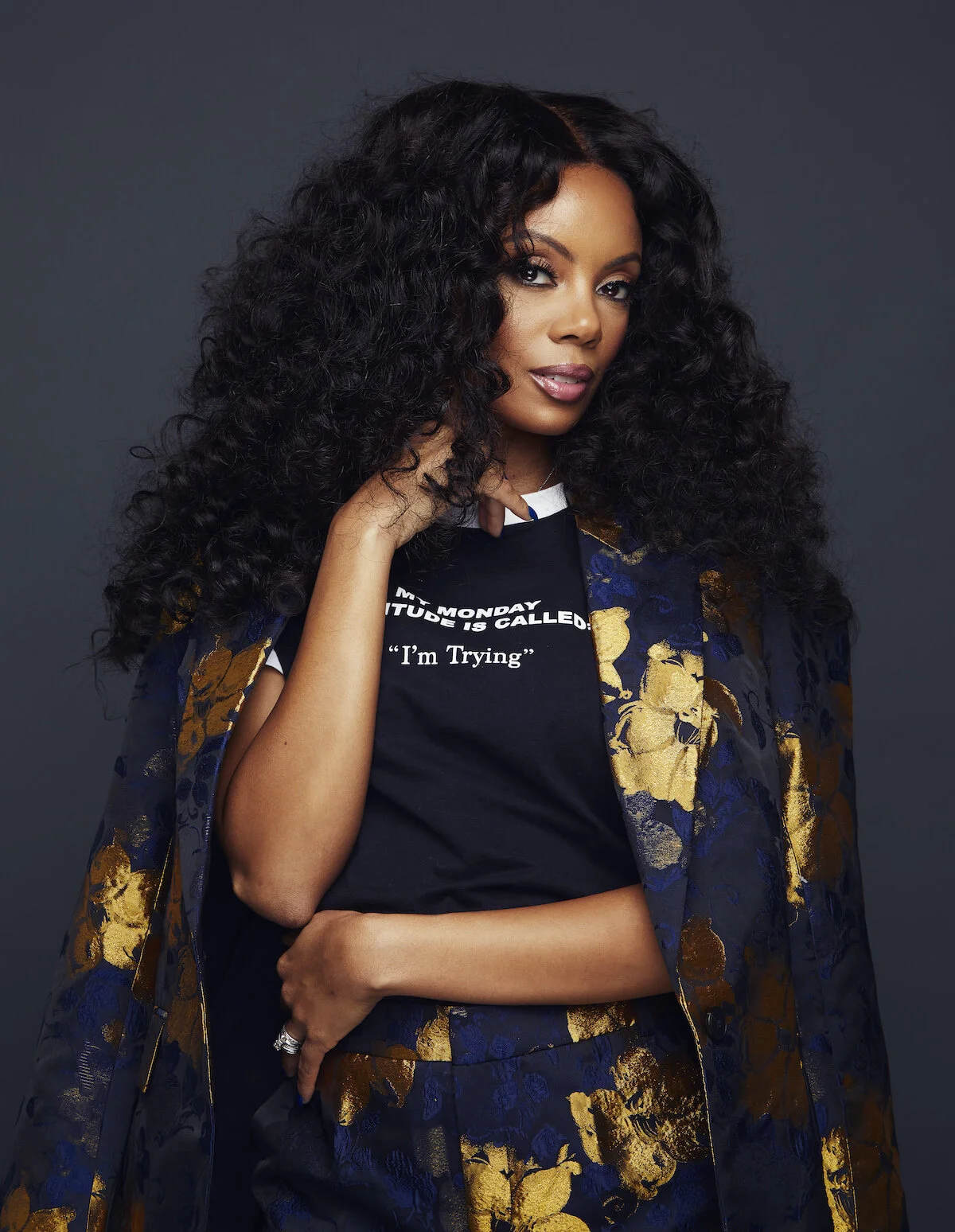
Priceless Tips for Women in Business From Monique Rodriguez, Founder and CEO, Mielle Organics
Sage advice is #Priceless.
In celebration of International Women's Day, Mastercard and Create & Cultivate are teaming up with prominent female leaders and business owners to share their #Priceless advice to inspire and elevate women entrepreneurs.

Monique Rodriguez, Founder and CEO, Mielle Organics
Monique Rodriguez is the CEO and founder of Mielle Organics, a Black-Owned global hair and skincare brand. Since founding the beauty brand in 2014, Monique has expanded her empire from one signature product to half a dozen collections. Mielle Organics has been distributed in more than 87 countries and can be found in more than 100,000 stores across the U.S.
The inspiration behind Mielle Organics was born through Monique’s journey of self-discovery after loss. After the passing of her son, she used haircare as an outlet to regain her natural roots and build a community for women to connect and share their stories.
In addition to her work with Mielle Organics, Monique is recognized as a leader in the business community as well as a role model for women of all ages. Gems from Monique on her experience as a Black entrepreneur in beauty, business, and more can be found on her ‘Secret Sauce to Success’ Podcast.
Below, Monique shares her #Priceless advice to inspire and elevate women in business.
What is one piece of advice you would give to women looking to turn their passion into purpose?
One piece of advice I would give to women looking to turn their passion into purpose is to remember your why. There will be amazing days and then there will be hard days where owning a business isn’t always glamorous. So it’s important to remember the why that’s attached to your vision, so you can push forward.
What challenges have you faced as a woman in business? How did you overcome them?
As a Black woman in business, I would say one of the most notable challenges I faced in the beginning of Mielle Organics’ founding was raiding funding. When my husband and I founded Mielle Organics, we backed the company with our own funds. We were later blessed to receive funding from investors, but as new business owners that area.
What is the most important message you have for women advancing their career or growing their business?
The most important message I have for women advancing their career or growing their business is to always remember no one can grow your vision like you can. If you have an idea or a plan, don’t allow yourself to be distracted from executing it.
What’s your perspective on the importance of mentorship? What advice do you have for women seeking mentorship or looking to become a mentor?
I believe that finding a mentor is very important. As you elevate to that next level in life or in business, it’s important to speak with someone who’s already where you want to be. Without a great mentor, new business owners end up working harder and not smarter.
What tips would you give women entrepreneurs to help them grow their businesses, especially in our digitally evolving world?
Leverage social media to connect with your customers.
Develop a great team that understands your vision and knows how to creatively communicate that vision to your customers.
Develop quality partnerships that align with your vision and allow you to grow.
What’s next for Mielle Organics?
The next chapter for our business includes continuing to create opportunities that aid Black women succeed in business. Whether it’s through our recent Secret Sauce to Success Retreat or our partnered education program with the Newark Business Hub and Rutgers University, we are dedicated to creating new opportunities for women to thrive in our community.
In celebration of women in business, what are (3) small businesses you want to highlight to encourage others to shop, share and support?
Three small businesses I would like to highlight include:
Priceless advice for women in business in two words, or less:
“Stay motivated.”
MORE ON THE BLOG

Priceless Tips for Women in Business From Sharon Miller, Bank of America's Head of Small Business
Sage advice is #Priceless.
In celebration of International Women's Day, Mastercard and Create & Cultivate are teaming up with prominent female leaders and business owners to share their #Priceless advice to inspire and elevate women entrepreneurs.

Sharon Miller, Bank of America's Head of Small Business
Sharon Miller is the head of Small Business at Bank of America with over 25 years of bank, wealth management and payments leadership experience, and is a member of the company’s Management Operating Committee. Her team is responsible for providing 12 million+ business owners with a full range of financial products and services through Bank of America’s network of 4,300+ financial centers including 2,300+ Business Advantage centers as well as 17,000 ATMs and its award-winning digital banking platform.
Her team provides a full suite of financial advice, guidance, products and solutions to companies with up to $5 million in annual revenue. Each client relationship is personalized so that entrepreneurs have the power to achieve their business and life priorities.
Sharon appears regularly on national and local TV and radio, discussing small business issues and advocating for the nation’s entrepreneurs as the engine that drives the U.S. economy. She serves as a council member on Bank of America’s Global Diversity and Inclusion Council and is committed to fostering a diverse and inclusive environment within the company.
Below, Sharon shares her #Priceless advice to inspire and elevate women in business.
What is one piece of advice you would give to women looking to turn their passion into purpose?
Many successful businesses are built around a passion. I hear stories about parents creating products to meet their children’s needs, students developing tools to learn more efficiently, and restaurants centered around a family recipe. It is important to do thorough research and think through questions before transforming an idea into a business. Look into the industry at large – where are their holes? What impact will your product or solution have on the marketplace? Will your product or service solve a new issue, or perhaps create a more effective solution? How can you make your offerings unique – which will help them stand out? Following this initial research, work with a banker or tap into mentors in your network to develop a strong business plan. To ensure your best chances of success, lay out your short- and long-term goals, avenues for funding and staffing needs before opening your doors. Planning is essential to successfully starting your business and critical to navigating bumps in the road as you become established.
What challenges have you faced as a woman in business/a position of leadership? How did you overcome them?
Heading up small business for Bank of America – overseeing 2,600 small business associates serving 12 million+ clients that drive the engine of U.S. economic growth – is my dream job! I’m proud to represent the company as a woman in a leadership role.
Most recently, one major challenge our team faced was rapidly creating our Paycheck Protection Program (PPP) application and portal last year. Our team worked around the clock to get the PPP process up-and-running, as we know that getting this funding into the hands of business owners is essential to keeping them operational, their staffs employed and local communities thriving. Bank of America was the first major bank to begin accepting PPP applications in early April. To achieve that, we redeployed and trained thousands of teammates and developed new technology—all in a matter of weeks. It was one of the most challenging but rewarding experiences I’ve had so far during my time with Bank of America. I am unbelievably proud of how our team responded resiliently in an uncertain time.
What is the most important message you have for women advancing their career or growing their business
Throughout my career, I’ve made it a priority to build and surround myself with a strong network of peers and mentors. I would encourage aspiring women business owners – as well as those generally interested in advancing their careers – to do the same. The ability to tap into a network provides women with an opportunity to connect, and share common experiences, which is immensely helpful especially for women entrepreneurs looking to get their feet off the ground and grow their business. A strong network can unlock access to resources, expertise and unexpected opportunities, all of which can help women thrive.
What’s your perspective on the importance of mentorship? What advice do you have for women seeking mentorship or looking to become a mentor?
A good mentor can be an invaluable resource for any business owner—and we know from our recent research (based on a survey of more than 1,000 small business owners nationwide) that a majority of women entrepreneurs believe having a mentor directly contributed to their professional success. I currently serve as a leader and mentor for the Global Ambassadors Program, which has given me the incredibly rewarding opportunity to connect with emerging women leaders and accelerate their leadership and economic empowerment.
For those seeking mentorship or looking to become a mentor, I suggest looking into your local chapter of national organizations dedicated to supporting women in business, whether that be the American Business Women's Association, National Association for Female Executives or other organizations. At Bank of America, we have a longstanding partnership with the National Association of Women Business Owners, or NAWBO, and I would highly recommend getting involved with your local NAWBO chapter where you can tap into a strong professional network, either as a mentor or mentee.
What tips would you give women entrepreneurs to help them grow their businesses, especially in our digitally evolving world?
As we’ve seen over the past year, the shift to doing business digitally has only been accelerated by the pandemic. I would strongly encourage entrepreneurs to virtually meet with a trusted advisor to develop a clear business plan to help them navigate the current economic environment. A trusted advisor can be a friend, mentor or even your small business banker. Whether it’s setting up short-term goals, evaluating funding options or discussing different digital innovations that can aid a business, an advisor will be able to provide input that will help a business owner set their own growth path.
As business owners continue to navigate challenges on the road to recovery, it is important to remain resilient, creative and innovative. Our recent research found many business owners stayed open by implementing enhanced safety measures, changing their primary revenue stream (such as distilleries that retooled to make hand sanitizer; or clothing designers investing in the production of face masks) and shifting to a more digitally-focused strategy (such as shifting sales to e-commerce, or boutique fitness studios offering online classes when physical locations close).
In celebration of women in business, how can we encourage others to shop, share and support?
Despite the challenges of the past year, an overwhelming positive has been seeing the way people are investing directly into their own communities. I have been inspired by just how much communities have rallied around their local businesses—and businesses have returned the favor by investing back into their communities through donations to support coronavirus relief efforts and offering products like face masks and hand sanitizer. Small businesses are a vital part of our communities and by committing to support these businesses, we can help to jumpstart their recovery.
There are so many small businesses deserving of promotion, that I’d be remiss to just pick a few! I encourage everyone to continue to support local businesses in their communities, and shop small whenever possible.
Priceless advice for women in business in two words, or less:
“Foster Community.”
MORE ON THE BLOG

Priceless Tips for Women in Business From Morgan DeBaun, Founder & CEO, Blavity Inc.
Sage advice is #Priceless.
In celebration of International Women's Day, Mastercard and Create & Cultivate are teaming up with prominent female leaders and business owners to share their #Priceless advice to inspire and elevate women entrepreneurs.

Morgan DeBaun, Founder & CEO, Blavity Inc.
Morgan DeBaun is the Founder & CEO of Blavity Inc., the leading media company for Black culture and Millennials. She is also the Founder of WorkSmart, her signature advising program and The WorkSmart Podcast, both designed to help small business owners scale their business.
Morgan founded Blavity Inc. with the intention to build a media company that is a reflection of the new majority of America, and to create a platform for Black thought leaders, creatives and storytellers. Blavity, Inc. began as one brand with 4 college friends in an apartment, and has grown to encompass 5 brands with a company full of employees dedicated to serving the multifaceted lives of Black millennials.
She is committed to small business owners and helping them scale up their business to employ more people, build their operations and take home more profits through her free WorkSmart Advisor Podcast and her mentoring program WorkSmart Advising Program.
Below, Morgan shares her #Priceless advice to inspire and elevate women in business.
What is one piece of advice you would give to women looking to turn their passion into purpose?
My advice to women looking to turn their passion into purpose is to focus on a core demographic and solve their problem.
What is the most important message you have for women advancing their career or growing their business?
People growing their small business should always keep learning new skills and studying great leaders so they can learn new ways of thinking. Entrepreneurship is a journey and successful business owners will constantly need to navigate changing customer and market environments.
What’s your perspective on the importance of mentorship? What advice do you have for women seeking mentorship or looking to become a mentor?
People looking to find mentors should narrow in on skills or areas of development they are looking to grow in and focus on finding advisors for that specific area.
What tips would you give women entrepreneurs to help them grow their businesses, especially in our digitally evolving world?
Entrepreneurs looking to grow their business in today’s digital environment should stay committed to exploring new technologies and tools but try not to spread themselves too thin. There are a lot of digital tools in the business that can help you automate or streamline your process internally in your company or reduce your overhead.
In celebration of women in business, what are (3) small businesses you want to highlight to encourage others to shop, share and support?
Books, wine, and self-care through health & beauty have been staples of my quarantine routine and I encourage others to shop the small businesses that I’ve used continuously throughout the last year. Shelves Bookstore is an incredible online and mobile pop-up bookstore that is committed to celebrating the joy of reading. McBride Sisters has a beautiful story, great-tasting wine and is the largest Black-owned wine company in the US. Golde’s mission is to make wellness accessible and fun through their superfood-filled smoothies and skincare products.
Priceless advice for women in business in two words, or less:
“Think Big!”
MORE ON THE BLOG

Priceless Tips for Women in Business From Denise Vasi, Founder of Maed
Sage advice is #Priceless.
In celebration of International Women's Day, Mastercard and Create & Cultivate are teaming up with prominent female leaders and business owners to share their #Priceless advice to inspire and elevate women entrepreneurs.

Denise Vasi, Founder of Maed
Brooklyn-native and Los Angeles-based Denise Vasi first became known by many for her high-profile modeling and acting career, but the mother of two has also organically built an inclusive online community. In 2018, Denise launched the digital resource, Maed.co, that focuses on nutrition, beauty and mindful life-balance for women who find themselves juggling careers and parenthood. Growing up in an inclusive community of engaged women, Denise realized that she was consistently being asked to share her tips and suggestions on parenting, beauty and non-toxic living living. With the encouragement of the many women in her community, she created Maed with the intention to inspire, inform and empower her readers.
Since launching Maed, Denise has exponentially grown her close-knit audience with her well-informed clean beauty recommendations, vegan recipes, and conscious parenting tips. The site has since evolved into a supportive community and thriving business, partnering with dream brands and ambassador programs, while helping the community advocate for equal rights and encouraging them to invest in themselves through self-care challenges.
Below, Denise shares her #Priceless advice to inspire and elevate women in business.
What is one piece of advice you would give to women looking to turn their passion into purpose?
Be consistent, show up every day and don’t aim to replicate what other people in your space are doing. While it might work great for your peers/competitors, what makes your brand and your business unique is your voice, your opinion, and your authenticity.
What challenges have you faced as a woman in business/a position of leadership? How did you overcome them?
I originally pitched a man my idea for MAED, in hopes of finding business support for my idea. He didn’t understand the aspect of what I was trying to do.
If I had the support of his company I would have been able to build my site much faster and have some financial backing. But because he passed and because I decided to go out and do it on my own, I can proudly say I own my business outright, learned every role it takes to run my business and I only have to answer to myself both financially and creatively.
What is the most important message you have for women advancing their career or growing their business?
Hire out your weaknesses! It’s important that you can perform each task of your business but then it’s vital for every entrepreneur to know when it’s time to add people to the team.
What’s your perspective on the importance of mentorship? What advice do you have for women seeking mentorship or looking to become a mentor?
Even though there are men who have taken women under their wing, it’s more the exception than the rule. In my opinion, if you're a woman who has #MAEDit, you should seek out women with talent and mentor them. Show them how you were able to break glass ceilings. If you can mentor other females and show them what worked for you and your business and what didn't, you could save another woman months, maybe years of mistakes.
What’s next for Maed?
I have a lot of big goals for Maed but my immediate next steps are to continue building out my team and delegating responsibilities, expand my community and to collaborate more with inspiring women and business owners. It takes a village!
In celebration of women in business, what are (3) small businesses you want to highlight to encourage others to shop, share and support?
Care Package is female founded. They do incredibly beautiful curated boxes of hand selected items from other small businesses. I love sending these boxes as gifts.
SoCal ISR gives infants and kids the skills to survive in water with Infant Swim Resource Self-Rescue swim lessons. I love businesses that are modeled this way because it affords a lot of mothers the ability to run their own businesses offering them tools, resources, but most importantly credibility.
54 Thrones is a Black-owned clean beauty line that recently made Oprah's 2020 Favorite Things list. The founder, Christina Tegbe, creates intimate skin experiences through African beauty rituals. Their body butter in the bomb!
Priceless advice for women in business in two words, or less:
“Trust Yourself.”
MORE ON THE BLOG

'Real Stories' From Vistaprint Alum: Cass Dimicco, Co-Founder, Aureum Collective
Explore ‘Real Stories’ from Vistaprint Alums, and learn how entrepreneurs use Vistaprint to grow, adapt, and evolve their business.

As part of our Create & Cultivate x Vistaprint Brand Campus, we’re sharing all the ways that Vistaprint can help you grow, adapt, and evolve your business. Explore ‘Real Stories’ from Vistaprint Alums, and learn how entrepreneurs use Vistaprint as a one-stop-shop for all of their small business marketing solutions.
Whether you’re sourcing a physical product, seeking digital design services, or simply looking for inspiration, Vistaprint is the marketing partner that enables small business owners to elevate their brands – at every stage of their journey. Read on to discover how real business owners use Vistaprint's design capabilities and wide product selection to help their businesses grow organically—and how you can too.

Cass Dimicco, Co-Founder, Aureum Collective
What do you love most about having your own brand/ business?
I love that everyday is a new challenge. Our team is very small so I’m constantly developing new skills in every area of the business. One day I’m tapping into my creative side designing new pieces or coming up with our next campaign, the next day I’m strategizing business development or coming up with a marketing plan.
Have you always been entrepreneurial? What led you to take that first step and establish your own brand/business?
I’ve always been someone who isn’t afraid to think differently and take some risks. When I decided to launch Aureum I believed in myself and what I was capable of. I think it’s important to take it one step at a time and trust in your abilities to learn as you go. Sometimes the greatest lessons can only be learned through firsthand experience, so I was not intimidated by not having a formal business background.
What challenges have you faced in launching your brand / business? How did you overcome them?
Right now, our biggest challenge is expanding our team and scaling. Finding the right people is key to growing your business but it’s not always easy to find people with the same level of passion. I’ve been asking my peers who have experience building a team for advice – never be afraid to ask for help.

“Aureum has always relied heavily on visuals to tell the story of our brand. We love being able to utilize the Vistaprint postcards to add campaign imagery and a note from the founders. ”
How has Vistaprint helped you grow, evolve, or adapt your business? What are some of the tools and services you have used and how did they help you?
Vistaprint's design capabilities and wide product options have enabled me to personalize my product experience and made the customer unboxing experience Instagram-able, which has helped my business grow organically. We include a postcard made with Vistaprint in every one of our orders. It’s the little touches that make a customer want to come back and purchase from you again.
How do visual elements play a role in your branding? How are they important to your overall marketing strategy?
Aureum has always relied heavily on visuals to tell the story of our brand. We love being able to utilize the Vistaprint postcards to showcase our latest campaign imagery and include a note from the founders. Exciting visuals encourage customers to share their purchase on social media which has been vital to reach new potential customers. We pride ourselves on having strong campaign imagery and it is one of the most exciting parts of running the business and building our brand. Vistaprint helps make it all possible.
“Don’t always follow the playbook of how things are supposed to be done. Sometimes having no experience is the best way to be innovative and think from the customer’s perspective instead of a business owner.”

What tips would you give to other aspiring female entrepreneurs to help them launch or scale their businesses?
Don’t always follow the playbook of how things are supposed to be done. Sometimes having no experience is the best way to be innovative and think from the customer’s perspective instead of a business owner.
What would you like to see change for the next generation of female entrepreneurs?
I haven’t gone through the process of raising money for Aureum but when I hear how low the percentage of VC funding goes to female entrepreneurs it’s really disappointing. I hope for the next generation I see more opportunity for women to raise capital to fund their businesses.


Cass Dimicco is an entrepreneur and digital talent. In September 2019, Cass founded jewelry brand Aureum Collective alongside her fiancé, Matthew. Aureum is a jewelry brand of statement pieces designed to elevate the everyday. The brand has quickly grown into a 7-figure business and has been seen on countless top influencers and celebrities, including Kylie Jenner, Bella Hadid, Emily Ratajkowski, and Hailey Bieber. The pieces range from plated to demi-fine and are made in the US and designed by Cass DiMicco herself.
MORE ON THE BLOG

‘Real Stories’ From Vistaprint Alum: Mary Orton, Entrepreneur, Investor and Influencer
Explore ‘Real Stories’ from Vistaprint Alums, and learn how entrepreneurs use Vistaprint to grow, adapt, and evolve their business.
As part of our Create & Cultivate x Vistaprint Brand Campus, we’re sharing all the ways that Vistaprint can help you grow, adapt, and evolve your business. Explore ‘Real Stories’ from Vistaprint Alums, and learn how entrepreneurs use Vistaprint as a one-stop-shop for all of their small business marketing solutions.
Whether you’re sourcing a physical product, seeking digital design services, or simply looking for inspiration, Vistaprint is the marketing partner that enables small business owners to elevate their brands – at every stage of their journey. Read on to discover how real business owners use Vistaprint's design capabilities and wide product selection to help their businesses grow organically—and how you can too.

Mary Orton, Founder, Owning the Interview and Memorandum
What do you love most about having your own brand/ business?
Between my husband and I, we run several businesses and find entrepreneurship to be both incredibly challenging and hugely rewarding. Controlling your own schedule and having the independence to build a business you’re passionate about makes the grueling hours entirely worthwhile. I’m also an unusual mix of right and left brain, so I love that entrepreneurship often provides opportunities to use both business analytical skills as well as creative skills. As someone who started her career on Wall Street, I know that I would not be personally fulfilled by a job that only allows me to utilize one side of my brain!
Have you always been entrepreneurial? What led you to take that first step and establish your own brand/business?Yes, I’ve definitely always had the entrepreneurial bug. In addition to Owning The Interview, Memorandum, and our other businesses, my husband and I are angel investors and are constantly talking about new, disruptive businesses and industries. Even when we were fresh out of college and both working for large investment banks, we were constantly discussing business ideas.
In many cases, I think the best businesses arise from a challenge you’ve experienced firsthand. Our most recent endeavor which is our digital interview course, Owning The Interview, was born out of our personal experience on both sides of the interview table and our realization that there was a huge hole in the market. We’ve seen repeatedly that even the most qualified candidates are often overcome by nerves, stumbling over the smallest details in the interview process. Yet, no one was providing people with comprehensive interview training that went beyond the superficial “sit up straight and make eye contact” and really dug into the strategies and psychology that make a candidate stand out. We decided to take our combined 30 years of experience on both sides of the interview table, along with insights from dozens of executives and hiring managers from Fortune 500 companies, startups and everything in between to create a comprehensive, universal interview course that provides the real insider tips to approach any interview with complete confidence.
What challenges have you faced in launching your brand / business? How did you overcome them?
I think one of my biggest professional faults is the tendency to be a perfectionist. I’ve learned over the years that when you’re starting a new business, the desire to work on something until it’s “perfect” is often counterproductive. It’s more important to get your product (or service) out in the market, solidify product-market fit, and get customer feedback.
For example, we began working on Owning The Interview almost two years ago and in early March of 2020 we were solidifying a production studio in NYC to help us film all of the course videos and content. Days later, Covid hit and we have spent the entire pandemic at our home in Wisconsin. While it was far from ideal, we had to adjust our plans for the perfect studio setup and professional film crew and create a makeshift studio at home during quarantine, filming everything ourselves. In the end, it worked out beautifully. Maybe our set design isn’t as perfect as it could have been had we filmed in a professional studio in NYC, but our course sales and feedback speak for itself, surpassing our wildest hopes. People have found immense value in the content and the rest just didn’t really matter. Ideally, style and substance go hand-in-hand, but when it comes down to it and you’re pressed against a wall in a pandemic, substance over style wins everytime!

“Vistaprint has long been our go-to for marketing materials, branded merch for our team or personalized items to send to business partners.”
How has Vistaprint helped you grow, evolve, or adapt your business? What are some of the tools and services you have used and how did they help you?
Vistaprint has long been our go-to for marketing materials, branded merch for our team or personalized items to send to business partners. Whether it’s business cards, t-shirts or even fun items like mugs and water bottles, we know we can always rely on the quality of Vistaprint products.
How do visual elements play a role in your branding? How are they important to your overall marketing strategy?
A strong visual brand is hugely important for any business. It engenders trust in the company, makes your business memorable, facilitates referrals and so much more. Especially in the digital age, visual branding that is weak or inconsistent can significantly undermine your credibility, no matter how spectacular your product or service. Strong visual elements, executed consistently wherever your business is represented, can be one of the best ways to communicate with current and prospective customers.
What tips would you give to other aspiring female entrepreneurs to help them launch or scale their businesses?
You have to be willing to roll up your sleeves and tackle anything that comes your way. No task is too small and no job is beneath you. For example, when I was starting out, I knew nothing about how to create a website and didn’t have the budget to hire a web developer. There also weren’t nearly the same resources online for creating inexpensive, visually-appealing websites as there are today. Instead, I had to spend many late nights researching HTML coding and figuring out how to take a basic wordpress template and make it my own. Would I have preferred to focus all of my energy on the big-picture tasks in building the business? Of course. But especially when starting out, you have to be creative and as the saying goes, there’s no substitute for hard work. Entrepreneurship is not glamorous, despite what social media might make you think!
What would you like to see change for the next generation of female entrepreneurs?
As investors, my husband and I are particularly interested in helping underrepresented founders and this certainly includes female entrepreneurs. Throughout my career, I’ve been in countless meetings where investors ask me questions that they would never ask my husband or other white male business partners. The biases that exist result in female and BIPOC founders receiving disproportionately less funding to start businesses. I certainly hope to see this change for the next generation of entrepreneurs.


Mary Orton is an entrepreneur, investor, and the influencer behind fashion and lifestyle blog, Memorandum. In late 2020, she launched Owning The Interview, the premier online interview course helping every job seeker learn the insider tips to land their dream job. Before starting her own businesses, Mary worked for many years in investment banking in NYC and is a graduate of Georgetown University.
MORE ON THE BLOG

'Real Stories' From Vistaprint Alum: Krista Williams and Lindsey Simcik, Co-Hosts & Co-Founders of Almost 30
Explore ‘Real Stories’ from Vistaprint Alums, and learn how entrepreneurs use Vistaprint to grow, adapt, and evolve their business.
As part of our Create & Cultivate x Vistaprint Brand Campus, we’re sharing all the ways that Vistaprint can help you grow, adapt, and evolve your business. Explore ‘Real Stories’ from Vistaprint Alums, and learn how entrepreneurs use Vistaprint as a one-stop-shop for all of their small business marketing solutions.
Whether you’re sourcing a physical product, seeking digital design services, or simply looking for inspiration, Vistaprint is the marketing partner that enables small business owners to elevate their brands – at every stage of their journey. Read on to discover how real business owners use Vistaprint's design capabilities and wide product selection to help their businesses grow organically—and how you can too.

Krista Williams and Lindsey Simcik, Co-Hosts & Co-Founders of Almost 30
What do you love most about having your own brand/ business?
Krista: Where do we even start? We’re grateful for so many aspects of having our own brand, but what we love most is that we get to be completely true to ourselves and share our own voices. When we feel called to create or share something, we get to follow that intuition — without being blocked or influenced by others’ opinions or objections. When I was in the corporate world, I felt like there were a lot of barriers to creation and innovation. As the leaders of our own brand, we get to remove those barriers (for ourselves and our team) and do what feels right to us.
We also love that the brand evolves as we do. We’re not the same people we were four years ago when we launched Almost 30 (for starters, we’re past 30 now!), so the podcast and brand has grown and matured along with us. We’ve gone through several visual rebrands, new logos, and changes to the podcast to reflect who we are now. Having our own business allows us to have that evolution.
Have you always been entrepreneurial? What led you to take that first step and establish your own brand/business?
Lindsey: Yes, we have both always been entrepreneurial. Before starting Almost 30, I was an actress and singer, and I worked as a bartender, fit model, and a senior SoulCycle instructor, among many other jobs. Krista worked in marketing in the corporate world, but also had side hustles as a blogger, starting a travel business, nannying, and serving. We both always knew there was “more” for us — that there was a more impactful way to share our gifts. We met when I was an instructor at SoulCycle and Krista was auditioning to be an instructor. We were transitioning from our 20s to 30s, and we both felt really lost. We started having deep conversations around growing up, purpose, fear, and rejection. We thought we couldn’t be the only ones having these feelings, so we brought our conversations to a podcast. It took a LOT of work (we recorded for 7 months before putting anything out there and balanced full-time jobs with podcasting for 2 years), but making that leap was the best decision we ever made.
What challenges have you faced in launching your brand / business? How did you overcome them?
Krista: We launched our show before podcasts became really mainstream, so there was no blueprint for how to do this. In fact, some people told us we were crazy for putting so much of our blood, sweat, and tears into this thing that no one else was doing. That was our first big lesson to tune out unaligned feedback and follow our own intuition — and we always come back to that lesson.
In the beginning, we had to figure out in real time how to record quality audio, grow our numbers, get sponsors, and structure our pricing. We didn’t have a lot of other people to look to and model ourselves after. That turned out to be a huge blessing because we got to follow our gut, experiment, and figure out what worked for us — and that paid off in a big way.

“Vistaprint has helped us express our creative vision in so many different ways”
How has Vistaprint helped you grow, evolve, or adapt your business? What are some of the tools and services you have used and how did they help you?
Lindsey: We love that Vistaprint has helped us express our creative vision in so many different ways. We used Vistaprint to create thank you cards to send to our podcast guests, which adds a personal touch that helps us build authentic relationships with our customers. When we were on a worldwide tour to meet our community in person, we used Vistaprint to create beautiful signage that made the events feel even more special. And most recently, we launched a line of sustainable slow fashion merchandise. We used Vistaprint to create stickers and postcards that we sent with each product. We were able to translate the branding and aesthetic of our merchandise onto these postcards and stickers, and it added a special touchpoint when customers received their purchase.
How do visual elements play a role in your branding? How are they important to your overall marketing strategy?
Krista: Visual elements are hugely important to our brand — they help us express who we are, how we’ve grown, and what we represent. Whether it’s graphics on our website (we just rebranded it with a new look!), social channels, downloadables, merch packaging, or podcast art, our look conveys our vibe and it helps attract the people who resonate with us.
“I hope that the next generation feels more free to express themselves openly, take risks, and try things that have never been done before.”

What tips would you give to other aspiring female entrepreneurs to help them launch or scale their businesses?
Lindsey: I would tell them, before you do anything, get really clear on the intention behind your business. Why are you launching this? Why are you passionate about it? Who is it serving? Having this idea in your head isn’t enough — speak it out loud, write it in a mission statement, infuse it in your branding and marketing. This intention may change over time, and there’s absolutely no shame in change (that’s called growth!), so revisit your intention every year or 6 months to make sure it still resonates.
What would you like to see change for the next generation of female entrepreneurs?
Krista: I hope that the next generation feels more free to express themselves openly, take risks, and try things that have never been done before. I think they’ll be fortunate to have a lot of amazing role models from this generation of female entrepreneurs, so I hope they learn from us but also do things in a completely new way that keeps us all evolving.


With 400+ episodes and more than 20 million downloads, the Almost 30 Podcast has been hailed as “The Best Wellness Podcast to Listen To Right Now” by Covetuer and nominated for “Best Wellness Podcast” and “Best Spirituality Podcast” by iHeart Radio. Hosts Krista Williams and Lindsey Simcik are your virtual best friends, impactful female founders and seasoned event speakers as seen on the stages of Create & Cultivate, BlogHer and POPSUGAR Play/Ground to name a few. Almost 30 is the go-to place for heart-centered, hilarious conversations and real, raw, impactful interviews with brilliant guests. In each episode, Krista and Lindsey dive deep into everything from modern spirituality to health and wellness, aliens to entrepreneurship, and social justice to self development. Almost 30 also hosts life changing events and retreats, as well as provides courses, workbooks and programs to assist in your spiritual and emotional evolution.
MORE ON THE BLOG