No MBA, No Problem: Enroll in B-School & Watch Your Business Profits Soar

If you’re a business owner who’s looking to increase profits (and let’s be honest, who isn’t?), we’ve got a surprise in store for you!
We (and a lot of C&C readers!) are huge fans of Marie Forleo’s B-School, an eight-week online learning program for big-hearted creatives who want to build a meaningful, profitable business online. The program teaches smart, effective online marketing strategies to business owners who want more sales and more impact from their online presence. Whether you’ve just launched your business or you’re a seasoned pro looking to build more robust marketing, B-School can help you craft strategies that truly pay off.
The program is led by marketing expert Marie Forleo, creator of the award-winning show MarieTV. Named by Oprah as a thought leader for the next generation, Marie and her team host weekly office hours for all B-Schoolers, so you’ll get direct access to the best in the biz.
Interested? Read on for the deets.
The Program
Once you enroll in B-School, you’re a member for life. You can take the program below for free each year, as long as you like.
Module 1: Clarify Your Profit Plan
Clarify your business vision and goals, understand your numbers and profit plan, identify your ideal customers and craft a unique strategy to connect with them and set yourself apart from the competition.
Module 2: Create a Website That Converts
Learn everything you need to know to make sure your website serves your top business goals: choosing the right web platform, avoiding costly mistakes with plugins, programmers and designers, optimizing your site to maximize lead and sales conversions and making sure that you have the control you need to change your website on the fly.
Module 3: Design Your Content & Communication Plan
Develop a strategic and achievable plan to stay connected to your audience, attract new fans and promote your offerings — based on your unique strengths. You’ll also learn how to design and deliver your newsletter, blogging do’s and don’ts, how to create content that helps increase your sales, the key to choosing the right ratio of content vs. promotion and how to make smart decisions on what, where and how frequently you publish (hint: it’s probably less than you think!).
Module 4: Nurture & Grow Your Email List
learn how to strategically and intelligently grow your email list, why more traffic isn’t always what you need, the importance of marathons and sprints for your list building efforts and how to leverage the power of parallel audiences to rapidly increase your list growth.
Module 5: Deliver Products & Services That Customers Love
Learn how to strategically and intelligently grow your email list, why more traffic isn’t always what you need, the importance of marathons and sprints for your list building efforts and how to leverage the power of parallel audiences to rapidly increase your list growth.
Module 6: Timeless Marketing For Modern Entrepreneurs
Learn a simple method to find out exactly what your customers really want and how to position your offering to maximize sales. Plus: why proactive sales prevention can be your biggest sales booster, the 5 factors that control how much you can charge, the 7-step checklist for high converting offers, and — if you plan to offer any program online — a deep dive punch list for the do’s and don’ts of online program delivery.

Pricing
The investment for B-School 2019 is $1999. The program offers a payment plan (12 monthly payments of $199) and holds a scholarship contest every year.
Testimonials
“I charge premium rates starting from $250 and up to $10,000. I've been featured on podcasts and blogs like Tiny Buddha. This business didn't even exist before B-School!” - ELIZABETH KELSEY BRADLEY, writer
“I have an MBA and a decade of corporate experience and this program still taught me something new in every module. I had to be brutally honest about what my real strengths were, who I really wanted to work with, and how much my services were really worth.” - LINDSAY ROSELLE, entrepreneur
“The initial launch generated $70,000 in sales. Now over 240 people have done the fishing course equating to $265,000 in revenue in our first year. WOW!” - KAREN RUDKIN-MOODY, marketer
Want a sneak peek for FREE? Watch Marie’s 3-part video training series that shares the framework for running a business with successful online marketing, from brand positioning to profitability.

B-School is a valued C&C partner. We may earn a referral fee if you purchase through our link.
What to Expect at Our Austin Pop Up
Get ready for Austin!

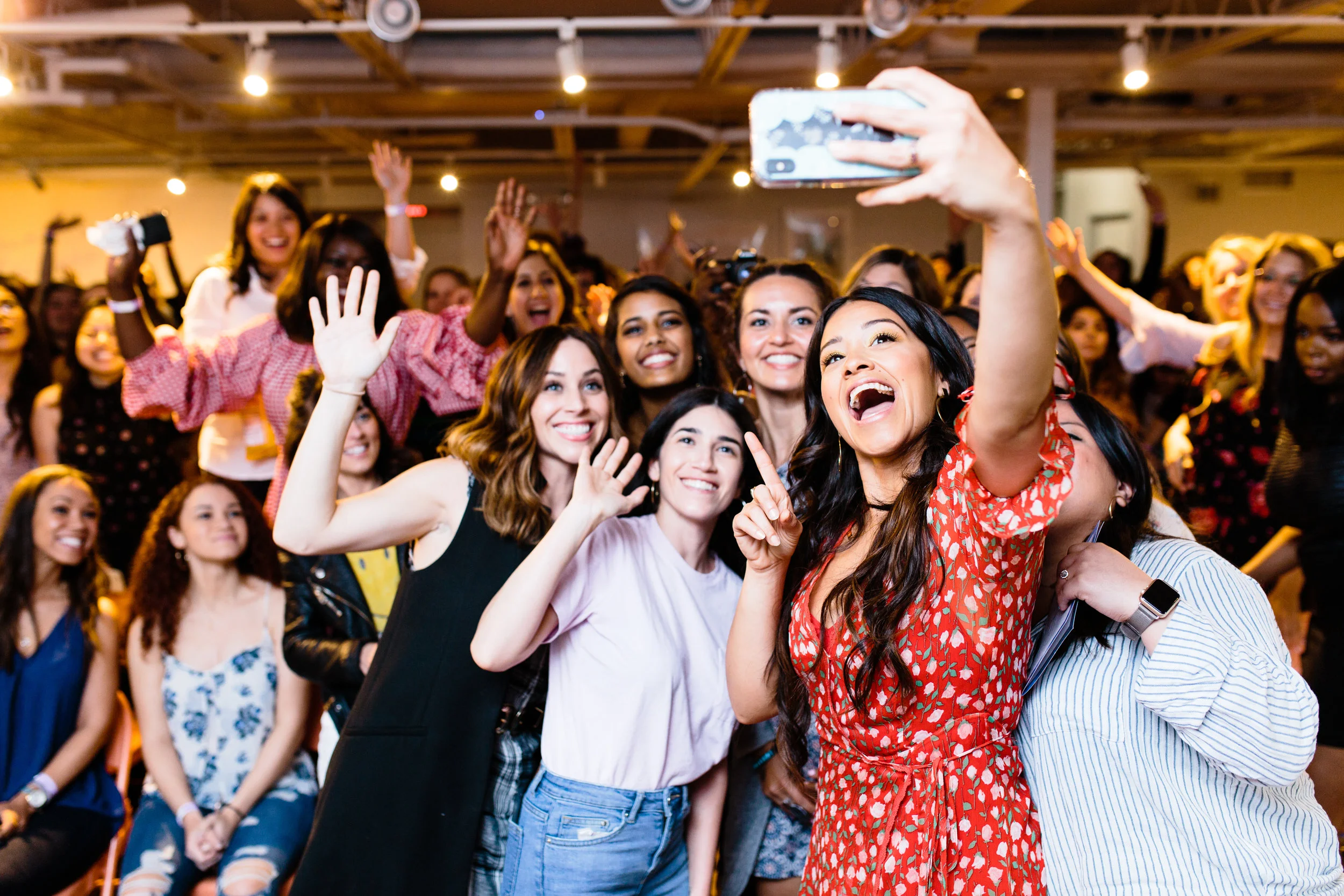
Austin, we’re back! You showed up for us last year—more than 6,000 of you RSVP’d to see our keynote speaker Gina Rodriguez drop some knowledge—and we can’t wait to come back and do it even bigger and better at this year’s Austin Pop Up, presented by Mastercard.
On March 10, we’ll be hosting another FREE one-day pop-up event with amazing panels, delicious food and drinks, shoppable pop ups, and everything else you’ve come to know and love about Create & Cultivate events. Here’s what you can expect this year…
Location
The Allan House
1104 San Antonio Street
Austin, Texas 78701
Parking
We highly suggest you plan to use a ride-share service! There are street parking options and a few paid lots nearby, but availability is not guaranteed.
What to Bring
Your ID! We’ll have drinks onsite for those 21 and up.
Arrivals
Doors open at 10:30 a.m. Space is not guaranteed, so arrive early (seriously—this event will fill up fast!). The first 150 guests will receive a gift bag full of goodies!
Want to skip the line?
We’re offering our #createcultivateATX attendees early access to our new Create & Cultivate Insiders program before it launches on April 2nd. Sign up today and use your membership to get front of line access to all of our events for the year. Did we mention it also unlocks some pretty amazing perks? Get excited to gain access to our entire archive of panel videos, monthly digital mentor sessions where you can join live to ask your questions to some of the best in the biz, plus an entire library of career worksheets & downloads that we’ve created to help you THRIVE.




SHOPPING, FOOD, &
FUN IN THE SUN
We’ve partnered with some of our favorite brands to bring you amazing shopping experiences, to-die-for photo ops, and delicious food and drinks! Peruse each booth to find your new go-to brands for home, beauty, and fashion!
LIFESTYLE
Our presenting sponsor is here to talk all things small business. Stop by to snap some ‘gram-worthy moments that’ll make all your friends at home jealous!
Have you experienced the new Glade® Essentials Room Mists that are lightly layered and infused with essential oils? Try a spritz before adding some flair to your manicure at a statement nail bar—then show it off in a fun photo op!
FOOD & BEVERAGE
Need an afternoon pick-me-up for a day full of panels? Chameleon will be serving organic black nitro cold-brew coffee alongside local jeweler Nina Berenato, who will be creating custom embossed keychains for guests!
Cool off with a Lemonade Freeze from Not Your Father’s, our favorite boozy root beer brand! Find both flavors locally and across Texas at HEB.
Stop by CORE’s upside-down pop up to hang out and hydrate!
Stop by the Crown Royal booth to build a care package for the Purple Bag Project, a partnership with non-profit organization Packages From Home. You’ll pack uplifting notes, food, and personal care items into repurposed Crown Royal bags to send to American military heroes overseas.
We’ve got everyone with dietary restrictions in mind! Come sample Lifeway Plantiful, the first plant-based probiotic beverage made from organic and non-GMO pea protein with 10 vegan kefir cultures. It’s dairy-, gluten- and soy-free.
Snap some IG-worthy pics in La Croix’s interactive booth and (duh) pick up your favorite flavor, too.
AUTO
Stop by the Volvo pop up to check out their brand new S60! It’s kind of our dream car.
FASHION & BEAUTY
Does your hair need a refresh? Stop by the Batiste booth to get styled by a pro, then show off your new look in a fun photo op.
Get your ‘gram on, then grab some goods! Social media is your currency at the Paige Social Shop, so snap that IG and get free swag like scrunchies, shirts, and pins!
Stop by Roxy’s mini shop to see the latest swimwear, dresses, and easy tops. Grab a reusable straw and custom pouch, then stop by the “Make Waves, Move Mountains” wall for the perfect photo op.
We’ll have stylists on site to give your hair a quick makeover so you’re ready for photo ops all day long!

SCHEDULE
Power Breakfast | 10:30 - 11:00
Start the morning off with coffee & conversation with the best in the biz before a big day of programming. We’ll be serving up cold-brew coffee and a light breakfast from Chameleon Cold-Brew, Lifeway, and Purely Elizabeth.
Panel: Marketing Masterclass | 11:00 - 12:00
Hear from marketing masters on growing a cult following and building brands people love.
Panelists:
Erin Silver | Head of Social Media at Volvo
Adrienne Bosh | Founder of Sparkle & Shine Darling
Carrie Colbert | CEO of CarrieColbert.com
Claire Fountain | Mental health advocate & creator of Trillyoga
Sarah Kunst | Founder of Cleo Capital
Moderator:
Shira Lazar | Media Entrepreneur
Fireside Chat | 12:00 - 12:30
This intimate one-on-one panel gives you the opportunity to hear the ins and outs of the career of a super-successful woman in business. We can’t wait to share our guest for this chat—you won’t want to miss it!
Panel: Content Economy | 12:30 - 1:30
We’ll pass the mic to some of our favorite content creators to hear how they’re making waves online and IRL.
Panelists:
Paola Mathe | Founder, Finding Paola & Fanm Djanm
Dani Austin | Founder, DaniAustin.com
Camille Styles | Founder & CEO, Camille Styles
Jen Pinkston | Founder, The Effortless Chic
Genevieve Padalecki | Founder, Now & Gen
Moderator:
Reesa Lake | Partner, Digital Brand Architects
Panel: Real Time, Real Talk | 1:30 - 2:30
How do brands keep up with the constantly-shifting digital landscape? Listen to these ladies share their secrets for social and more.
Panelists:
Jessi Afshin | Founder, Darling Detail
Agatha Ashiofu | Founder, Irony of Ashi
Eman | Makeup Artist, Entrepreneur, and OGXpert
Bruna Schmitz | Roxy Pro Surfer & Ambassador
Courtney Shields | Founder, Bring Your Own Beauty
Sophie Kelly | Sr. Vice President of North American Whiskeys Portfolio, Diageo
Moderator:
Maxie McCoy | Author and speaker
Lunch | 2:30 - 3:30
Sure, Texas is known for its BBQ, but we’re challenging you to think outside the box. Why would lunch be any different? We’ve got something for everyone, including vegetarians! Grab some lunch from Beyond Meat, bottled water from CORE and delicious malt beverages from Not Your Father’s, then get your WorkParty book signed by author Jaclyn Johnson!
And be sure to stop by our Crown Royal bar for cocktails throughout the day!
Priceless Conversations, Powered by Mastercard | 3:30 - 4:30
We’ll gather our small business advisory to chat about all the trials and tribulations of running your own biz. Stay tuned to see who’s on the advisory—you’ll definitely want to hear from these talented ladies!
WorkParty Podcast Live | 4:30 - 5:00
Watch a live taping of WorkParty the podcast, one of the top-rated weekly business podcasts on iTunes!
Keynote Panel: Create & Innovate | 5:00 - 6:00
Learn how to build a brand in a crowded marketplace with advice from women who’ve done it themselves.
Panelists:
Paige Adams-Geller | Founder & Creative Director, Paige
Camila Alves | Founder, Women of Today
Julie Smolyansky | President & CEO, Lifeway
Sami Fishbein | Co-founder and COO of Betches Media
Keynote Conversations | 6:00 - 6:30
We’ve got an amazing keynote speaker coming soon—you’re gonna want to RSVP ASAP so you don’t end up on the waitlist for this one!
Happy Hour | 6:30 - 7:30
Cheers to an amazing day! Grab one last beauty treatment, shop the pop ups, and #treatyourself with some bubbly courtesy of Chandon in an Instagrammable (duh) Tossware glass—you deserve it!

FAQs
Can I leave and come back?
Yes, but as soon as you leave, we’ll let other people in—which means if you come back, you’ll have to wait in line again!
Can I save a seat?
Unfortunately, no. First come, first served.
I didn’t RSVP. Can I still get in?
You must RSVP to gain entry! Don’t forget!
Am I guaranteed entry?
We cannot guarantee anyone entry. Please line up early to secure your spot!
Will I have fun?
Duh! We’re throwing the best #WorkParty in town.
Who's ready? Comment below to say hello to fellow attendees!
MORE ON THE BLOG






Making Moves: Award Noms, New Funding, & Netflix Pickups
These ladies are makin’ moves!
This week was a doozy for women in business! Below, we’re sharing big deals, award noms, and pre-seed funding secured by badass ladies who know what they want and aren’t afraid to go for it. Check ‘em out below!
Girls’ Night In, our favorite self-care newsletter by #createcultivate100 alum Alisha Ramos, has raised a pre-seed round of $500,000!
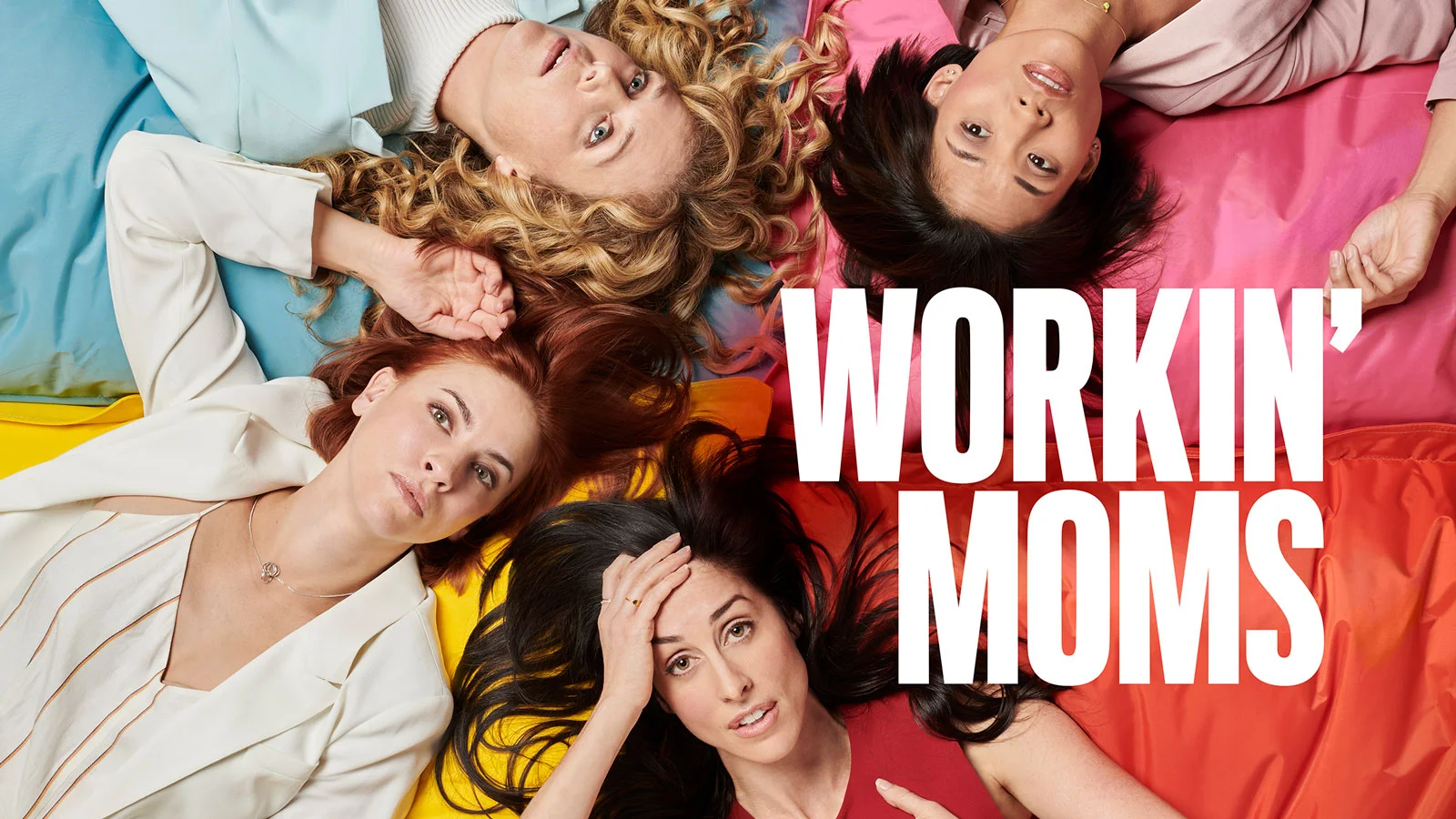
Netflix has picked up the “momedy” sitcom Workin' Moms by Black-ish star Catherine Reitman. The series, which has aired on the CBC network in Canada since Jan. 2017, follows four 30-something women in a mommies' group as they juggle work, home, and love.

CEO Katrina Lake’s wildly-successful personal styling box Stitch Fix was featured in the #5 spot on Fast Company’s Most Innovative Companies list this week. The company generated $1.2 billion in its fiscal 2018.


Li Li Leung, currently vice president of the NBA, has been named president and CEO of USA Gymnastics. Formerly a college gymnast at the University of Michigan, and the sport’s crisis with Larry Nassar compelled her to step into the role.

Minyon Moore, Donna Brazile, Yolanda Caraway, and Leah Daughtry, authors of For Colored Girls Who Have Considered Politics, have been nominated for an NAACP Image Award. The book gives a behind-the-scenes look at the authors’ 30+ years working in politics.
MORE ON THE BLOG
Professional Opinion: The Business of Breaking Up a Partnership
Breaking up with a business partner can be one of the most painful breakups you'll ever go through—and it comes with a price tag. Here, survival tips from someone who's been there and lived to tell.
*Written anonymously to protect the NOT so innocent.
I remember sitting there, just highlighting, highlighting and highlighting, so many numbers, so many charges, so much money—just gone. When we started the company together, it was thrilling. We were young, ambitious, hungry and starting something with a potential magnitude we didn't know or could even fathom. That’s how a lot of companies start, as an idea, a collaboration. Then all the sudden, you're in it.
The co-founder, business-boss-gal-pals model is popular—see Gilt, Rent the Runway, Birchbox and Proactiv—and it makes sense why. Everyone loves a partner in crime, you can do double the work and have double the fun, and that feeling of not being alone is, well, a good one. Partnering up with a friend can work out amazingly. Or it can not.
Cut to a few years into your business, employees, money and tensions run high, and while you may think your roles are clear as can be, your word means nothing unless it's in writing. Breaking up with a business partner might just be the most painful breakup you can go through—because this one comes with a price tag.
My story is not unique, but when it happened to me it felt like the world was crashing in. It was hard to breathe, difficult to believe that someone I trusted, and even cared about, could be taking money from a company that we had built together from the ground up. My gut had been telling me for months that something wasn't right, but I assumed it was more a personal issue and that no matter what was going on between us, we were both equally invested in the business.
Wrong.
It eventually came to light that not only was my partner not managing our finances, but actually manipulating them. This included racking up unrelated business expenses, disregarding all things tax related, and straight up embezzling money. I was devastated, and what was worse, I had no idea what to do next. I felt ashamed and scared to talk about it—I thought it had to be a reflection on me and how I operated a business. It took me a few years and several conversations to get over it, and through it all, I realized that I wasn't alone. One business partner taking advantage of another happens, and it happens a lot. Partnerships split up and morph all the time and for all kinds of reasons. Being able to step back back and realize something isn't working is a part of being a mature business pro.
Trusting someone is not a flaw but a positive characteristic.
tweet this
The hardest—and yet ultimately most helpful—thing for me to accept was that it was NOT my fault. Trusting someone is not a flaw but a positive characteristic. It takes trust to build a business, and had I been skeptical and suspicious from day one, we would have never gotten off the ground. Moving on and away from a partner does not have to mean the end of your business, and often, it will actually turn out to be the beginning of something great.
I hope this never happens to you, but if it does, here are my tips for pulling through, and maybe even coming out on top.
Don’t over react.
When I found out, I wanted to freak out, confront and deal with it head on, but cooler heads prevailed. Take a deep breath, and assess all the details of the situation to 100% ensure you are in the right before initiating a confrontation.
Get your team in place.
I was lucky enough to have an incredible lawyer and forensic finance team that helped shape my case and bring to light things I would have overlooked. Beyond that, they were able to deal with the personal communication that I wasn't emotionally prepared to handle.
Handle clients and employees with care.
The business of breaking it to your employees and clients is extremely crucial. I personally called each client to explain that my partner and I were parting ways. I followed up with an email of how the transition would work and assured them we were ready to take on the challenge. When you do all of this, resist the urge to talk bad about your former partner and keep the details of why you're splitting to a minimum.
Tune out the 'I told you so.'
One of the hardest things was hearing from many friends, family, business contacts and clients who swore that “they saw this coming.” I acknowledged that they meant well, but just tuned it out. Beating myself up wasn't going to help me move forward, and I had to focus on what was right in front of me.
Revise and Renew.
As roles and responsibilities change in your partnership, update your operating agreement. Even when everything is smooth sailing, it is crucial to know who is in charge of what.
Move on and UP.
I was nervous about keeping the same business name and dealing with the "How is so and so?" questions, but it gets easier and YOU get better. When someone asks a question about the past, politely change the subject to something in the future that you're really excited about.
MORE ON THE BLOG

This CMO Shares Why Relationships Matter in the Business of Beauty
“Ask yourself, ‘How can I add value to others via a beauty experience?’”
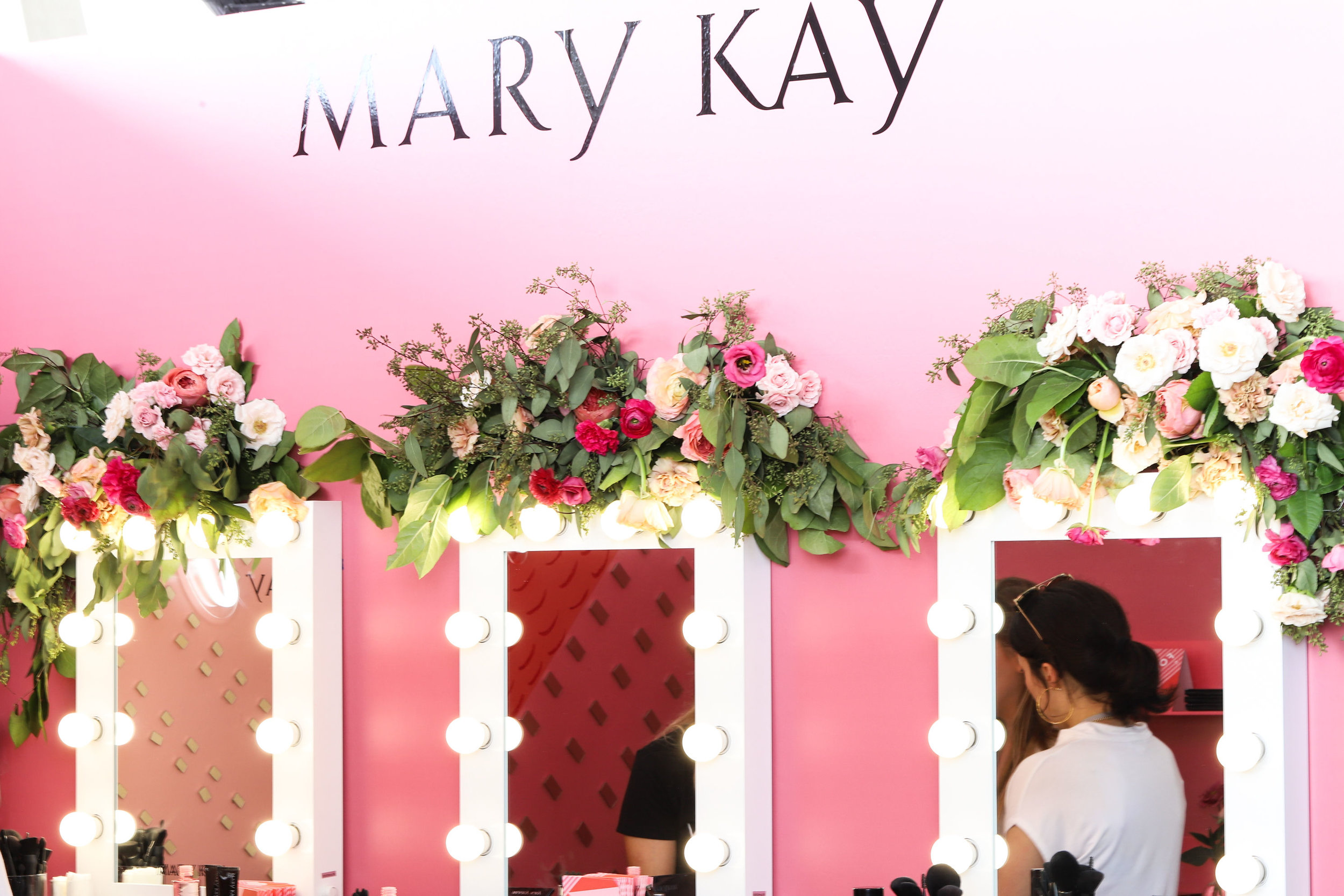
When it comes to the world of beauty, trust is paramount. That’s why we were thrilled to partner with Mary Kay, a longstanding leader in the industry, at our Miami Vision Summit this winter. We invited attendees to get dolled up in the Mary Kay booth, where makeup artists were on hand to use the brand’s new Chromafusion Collection to give guests a glam experience. Below, we chat with Mary Kay Chief Marketing Officer Sheryl Adkins-Green on why trust, relationships, and doing the right thing have served her well in the beauty business.
From a marketing expert’s perspective, how has Mary Kay built trust and authenticity over so many years? As we like to say, it’s one of the OGs in the beauty industry and the community is stronger than ever.
The Mary Kay business is grounded in the values and principles that Mary Kay Ash believed were essential to building relationships. Values such as treating others the way you want to be treated, helping others without expecting anything in return, and perhaps most importantly, integrity – doing the right thing. These timeless principles form the core of a people-centered culture that has been embraced by Mary Kay Independent Sales Force members and employees for more than 55 years.
How has being a part of a fiercely female-led company had an impact on the success and growth of the business?
Mary Kay is a company that was built by a woman for women. Our mission of enriching women’s lives resonates around the world because as women achieve their goals, they contribute to the success of their families and their communities. The Mary Kay business has grown by providing women with an unlimited opportunity to achieve their goals and help other women achieve their goals. Empowered women empower women!
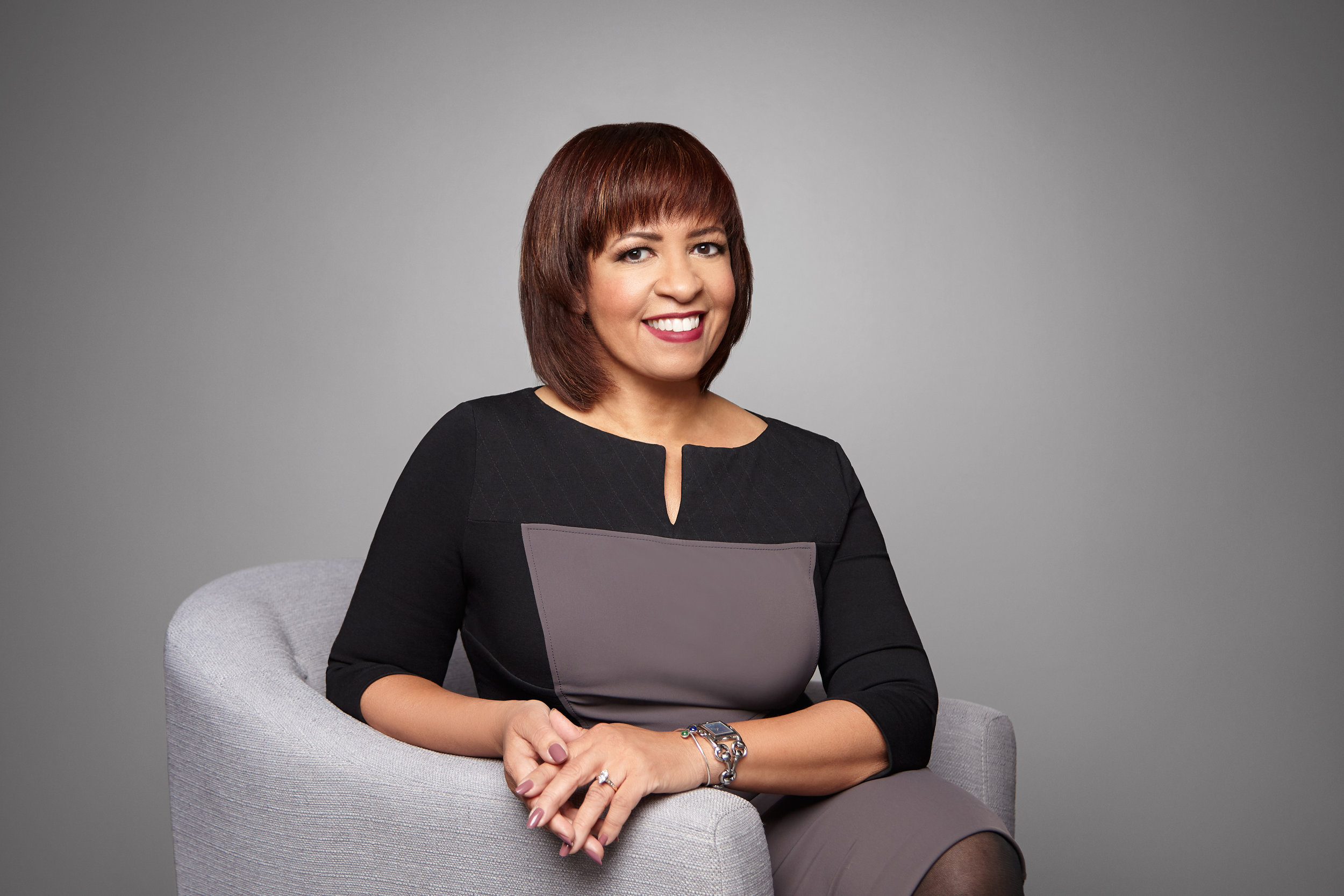
You introduced the Chromafusion Collection to guests at our Vision Summit. Tell us about its long-lasting benefits.
The Mary Kay Chromafusion Collection was exclusively developed by Mary Kay to deliver richly pigmented eye shadow, blush, highlighter and contour powders in shades that last all day. It’s color without compromise that wears through work, workouts and weather. Chromafusion Eye Shadow is 12-hour color for the 24-hour woman.
Can you share one woman who paved the way for you to be where you are today?
Of course, I would not be in my role, supporting the success of millions of Mary Kay entrepreneurs, had it not been for the determination of Mary Kay Ash. In regard to my career journey, I benefited greatly from the mentorship of Paula Sneed, an executive I was privileged to work for at Kraft Foods. Paula Sneed paved the way for many women in both Harvard Business School and corporate America.
“Consistently articulate your value proposition—that is, how do you, your product, or your service add value to your target audience in a way that distinguishes you and your offering from others?”
You’ve built a sense of community in different ways with your audiences & customers. If you can give away one tip for building a strong brand to consumer relationship, what would it be?
The key to successful brand building is to clearly and consistently articulate your value proposition - that is, how do you, your product or your service add value to your target audience in a way that distinguishes you and your offering from others?

What advice would you give to young professionals trying to break into the beauty industry?
My advice to young professionals seeking careers in the beauty category is to understand that beauty is more than makeup. Beauty is more about what people feel than what they see in the mirror. When pursuing a career in beauty, I believe it’s best to start with the questions: How can I add value to others via a beauty experience? What are my strengths? How can I leverage that strength to help someone not just look beautiful, but feel beautiful?
Where do you go to get inspiration?
I find inspiration from a broad cross-section of people, places and things. I am particularly inspired by women’s stories and conversations. I love learning the “why” behind the “what.” One of my regular go-to resources of personal and professional inspiration is Valerie Burton, a life coach, author, motivational speaker and entrepreneur. I love sharing her books and blogs!
What’s on your 2019 vision board?
One picture on my 2019 vision board is a parade of pink Cadillacs driving through downtown Dallas this summer. This year marks the 50th anniversary of the pink Cadillac that was awarded as recognition of outstanding sales success. I’m envisioning a record number of Mary Kay Independent Sales Directors rolling through the city, celebrating their success!

C&C Classifieds: Be Social, Kris Carr, Brand Assembly, & More!
Looking for a job can be rough. Let us help.

Looking for a job can be rough. Let us help.
Be Social - West Hollywood, CA
Kris Carr - Remote
Brand Assembly - New York, NY & Los Angeles, CA
Verb House Creative - Austin, TX / Remote
Create & Cultivate - Los Angeles, CA
Nova Peaks - Denver, CO
Creative Circle - Houston, TX
The Estée Lauder Companies, Inc. - Los Angeles, CA
Dirtybird - Los Angeles, CA
Modcloth - Los Angeles, CA
Pixi Inc. - Los Angeles, CA
rag & bone - New York, NY

The 10 Most Important Things You Need to Know About Gen Z
You can't just make stuff, you have to stand for something.

For the last decade Millennial has been the word on every marketer's tongue. The most studied generation in history, they have been prodded and dissected, widely discussed and harangued for navel gazing tendencies and pursuit of dreams.
But not anymore! The hot seat is ready and waiting for Gen Z, the group born 1995 to present, which currently outnumbers Millennials by about 1 million in the United States. Hardly a carbon copy of what came before, in many ways Gen-Zers are the opposites or extreme versions of Millennials. They grew up during Occupy Wall Street, the Recession, and have had tech at their fingertips since birth.
Here are some of the current most important #facts about the Gen Z.
THEY ARE FRUGAL
Raised during the Recession by parents who felt the pressure of a weak economy, Gen Z is on top of where and how they are spending money.
Currently they are spending less than Millennials and are less concerned with buying labels.
BUT THEY LIKE GOOD VALUE
They may not be spending as much, but they are spending smart. The average Gen-Zer gets a weekly allowance of about $16, so they have some buying power.
It's also why brands like Spirit Airlines are preparing for Gen Z to become the dominant group of travelers by rebranding itself as an ultra-low-cost carrier. The airline is offering bargain basement fares with zero frills. Gen Z is willing to accept less, but they want to know exactly what they are getting.
Especially if it means flying from NY to SF for less than 200 bucks.
THEY DON'T TRUST BRANDS
Gen Z has grown up in an age where all information is available. Blogs that take apart brands and online reviews that don't skimp of the dirty details of products.
Emerson Spartz, CEO of the digital media company Dose told Fast Company, "They have the strongest bullshit filter because they've grown up in an era where information was available at all times."
What they've seen, from the latest Wells Fargo scandal to the VW emissions issue is that big brands are not to be trusted and brands will have to work hard to earn Gen Z's affection and loyalty.
THEY DO THEIR OWN RESEARCH
No information is secret. If a brand thinks they can pull the wool over Gen Z, they should think again. This is the generation that grew up with technology. They know how to price compare, they know how to sniff out a deal, a rat, or a scam, and they are more comfortable in front of a computer than any previous generation.
That means if you're offering "the lowest fare" you better be able to back it up or Gen Z will take their business elsewhere.
THEY DO TRUST PEOPLE
While they are wary of brands, they are less wary of individuals. Gen-Zers are more likely to convert when they see one of their favorite social media influencers partnering with a brand.
Steven Lammertink, the founder and CEO of the Cirqle, told Fast Company, "Generation Z is more willing to hear a brand's story when it is part of a narrative their peer is already telling."
Loud, in-your-face marketing is a thing of the past too. They like more subtle messaging. It's why brands are banking on major social media influencer deals.
"Brands are banking on major social media influencer deals."
Tweet this.
Bloggers like Aimee Song who landed an unprecedented paycheck for being the face of Laura Mercier.
AUTHENTICITY IS KEY
Even though they understand that these are paid opportunities, they believe that social media influencers are making conscious decisions about who they partner with.
Influencers like Ingrid Nilsen who has said that "You have to know where you stand and what you feel comfortable with. Sometimes what I’m comfortable with is being uncomfortable," she says, "especially if it means that I’m moving in the direction of emotional bravery."
It's sentiments like this that make Gen Zers trust people over brands.
THEY DON'T WANT TO BE WALKING ADVERTISEMENTS
Logo mania is over, for now.
It's why fashion brands like American Eagle Outfitters have seen sales and profits rise, where other major retailers are struggling. Gone are the eagle logos and they are promoting their new look on street-wear Instagram's like hypebeast.
That's not to say it doesn't come with pushback. Commenters were quick to point out that the pic was paid for. (See: they do they own research.)
SELFIES ASIDE, THEY AREN'T NAVEL GAZERS
They've heard the stats, the know the realities. 2015's graduating class was the most indebted in history and 2016's is primed to follow in its path. For Gen Z, college is less a time about self discovery and more the time to really hone in on their future. They don't have time to pussy foot around.
"For Gen Z, college is less a time about self discovery and more the time to really hone in on their future."
Tweet this.
That means, internships during college and working to make sure they land jobs after college. If Millennials were the generation to take a semester off, Gen-Zers might be the one to graduate a semester early.
They are highly competitive and know that the job market is still rough. They also have major concerns about higher education. Sixty-six percent of Gen-Zers say their number one concern is drowning in college debt, and 75% say there are ways of getting a good education besides going to college.
THEY AREN'T LURED BY "NEW" TECH
That line around the block for the new iPhone 7? Maybe don't except Gen Zers to be in it. For Gen Z, tech is more of a tool and less of an obsession. They aren't quite of the "if it ain't broke, don't fix it" squad, but they also don't JUMP on a new, very expensive new tech toy simply because it's new. They grew up with this stuff and aren't WOW'd by tech that works pretty much like old tech.
They're more savvy and they shop smarter.
YOU CAN'T JUST MAKE STUFF, YOU HAVE TO STAND FOR SOMETHING
They don't need brands to build communities, they can do that themselves. And they don't need brands to create their identify, they've got that on lock. But they do want brands that align with their modern values and ethics.
What research has shown is that Gen Z is the least judgmental and most open-minded of all generations. They were born into Obama's Presidency. Gay marriage will be the norm over their lifetime and they've seen more women in power than any previous generation. They are less concerned with putting people in boxes and diversity matters.
They want the freedom to be themselves and will support brands that get that.
What are some ways you're incorporating Gen Z into your business plans? Share in the comments below!
MORE FROM OUR BLOG

Money Matters: Daina Trout, CEO of Health-Ade Kombucha
“There is no shame in wanting money. Money gives you freedom to live the life you want.”

You asked for more content around business finances, so we’re delivering! Welcome to the first installment of Money Matters, our newest series dedicated to giving you an inside look at the pocketbooks of some of your favorite CEOs and entrepreneurs. In this series, you’ll learn what successful women in business spend on offices spaces and employee salaries, how they knew it was time to hire someone to manage their finances, and their best advice for talking about money.
Our first Money Matters guest is Daina Trout, CEO and co-founder of Health-Ade Kombucha. Daina is a huge advocate for being forward when talking numbers, so she’s an ideal woman to kick off the series. Below, she shares her financial story.
Where do you think is the most important area for a business owner to focus their financial energy?
First, you want to focus on growth; second, on profitability. On growth: It is very tough to get your company off the ground and to a place of increasing revenues from scratch, and it’s going to take every piece of your being to get it there (so you can’t be distracted by much else). Also, my experience has been that momentum is a real thing. The faster your company grows today, the faster it will grow tomorrow (at least in the beginning). It’s all hands on deck, full pedal-to-the-metal speed.
On profitability: You don’t want to wait too long for this, else you will be constantly raising money and diluting yourself, feeling like you’re in a never-ending rat race. But at the same time, nobody cares about a profitable business that isn’t growing, so you don’t want this to be your first #1 priority (unless you have one of those rare businesses that can do both from the start). You want to be an owner of a company that is growing and tightening at the same time. It’s important to strive for that balance.
“You want to be an owner of a company that is growing and tightening at the same time. It’s important to strive for that balance.”
What was your first big expense as a business owner?
Two things: People and manufacturing equipment. People do the work so you have to invest here to have a good business. I often wonder, though, if co-packing is better than manufacturing in-house. The capital intensity of owning your own manufacturing is seriously something to consider.
How did you decide what to pay yourself?
I talk about this all the time to fellow founders—it’s a major issue. And I think most are underpaying themselves. In the very beginning, this is hard, because you don’t usually have investment or profits, so you’re last on the list (we paid ourselves a meer $300 a month in the beginning, which covered basically nothing). Once you get investment or profits, though, it’s important to re-look at your compensation and your role. Think about what it would cost for the business to hire for this role in the marketplace. An experienced CEO in LA makes $250K+ on average. This probably doesn’t make sense for a business that has just received its first round of funding, and you hopefully have a ton of upside in equity, so you want to consider that. Also, you probably aren’t as experienced yet, so your salary would be below average. That said, I don’t think $30K makes sense either. Be careful not to be a sacrificial lamb for your company here. A sensible pay that considers your job requirements, your value, and your equity situation should be budgeted for the business. Each year, you should re-calibrate until you get to the average or your goal at a reasonable time.
“Be careful not to be a sacrificial lamb for your company. A sensible salary that considers your job requirements, your value, and your equity situation should be budgeted for the business.”
How did you decide what to pay employees?
In the beginning, you’re always looking for the “unicorns”: the people out there without the experience, but with ALL the talent and drive to be great. This can work in the beginning—it’s certainly cheaper to do it like this. The problem is, you’re constantly going to need more out of them, and they are going to constantly have to rise with the tide in fast growth. You will likely find in one year that it just doesn't work anymore. Rarely, our “unicorns” have made it all the way in seven years, but I can only think of a few who have. Just think about that when you hire these so-called unicorns: it’s likely a short-term cheap gain for a longer term termination and re-hire. At the end of the day, my opinion is you will get the best value from hiring a person that could easily do the job one to two years from now. But you have to pay those people what they’re worth, AKA market value. The one thing you do have is equity, and you can reduce someone’s salary in exchange for that. But at this point, everyone in my company makes market pay or higher, regardless of their equity status. The equity-exchange-for-lower-salary thing only kind of works in the beginning.
What are your top three largest expenses every month?
#1 People. #2. People. #3 Raw ingredients. Did I mention people?
How much do you spend on office space?
Strictly office space is about $10K for every 30 people. But also consider the cost of building out the space. You might be surprised to know that cubicles are $1000K+ per desk, and design is not cheap. Of course, your number could go up or down if you’re super scrappy or need something fancy, but this is the average spend.
How much do you spend on employee salaries?
Salaries right now are about 60% of our total expenses. We do a lot of things in-house, though, so this number could swing 30% down (total expenses here would likely go up) if we choose to outsource more.

How much are you saving? When did you start being able to save some of your income?
We will hit profitability this year, in our seventh year in business. For the beverage industry, it’s pretty typical to take five to 10 years before hitting profits. It will often be on the longer side if you manufacture. This is something to consider—in this industry, you will need cash solutions for five to 10 years to keep your business running.
What apps or software are you using for finances? How did you decide when to hire a financial advisor (if you have one)?
We started with just QuickBooks and Square, but now we use a ton of additional tools to help us, especially for manufacturing, such as Domo and Fishbowl.
“Money to a business is like air to humans. It’s not the reason
you exist, but you literally can’t live without it.
There is no shame in wanting money.”
Do you wish you’d done anything differently in your financial journey as a business owner?
The ONE ABSOLUTE THING I would do differently is hire out financial support earlier than I did. Now that I have my CFO, I literally wouldn’t start another business without him (or someone like him). He’s been critical in helping me build a strong business.
Why should women talk about money?
Women should talk about money all the time and every day. Money to a business is like air to humans. It’s not the reason you exist, but you literally can’t live without it. There is no shame in wanting money. Money gives you freedom to live the life you want. You can make more of an impact on the world. You deserve to live the life you want, right? If you agree, it’s time to start figuring out how you get the money to live the life you want. The same goes for your business, by the way: figure out how much money it needs to make in order to hit its goals. Once you define the life you want, and the money you need, you have a defined gap to work on: the now versus the desired. It’s a heck of a lot easier to get to your desired state if you know how far you have to go.
MORE ON THE BLOG

These Workspace Cofounders Share the Problem With Saying Women Can "Have It All”
We need to rewrite the rules between women and work.”

June Diane Raphael and Jess Zaino want to make coming back from maternity leave easier for new moms. The actor-producer duo, mothers themselves, found themselves constantly apologizing for their own motherhood—so they decided to do something about it. Enter The Jane Club, a Los Angeles-based coworking space where working and mothering go hand in hand. Beyond a (staggeringly beautiful) workspace, the club also offers full-time childcare and amenities like gym space, car washes, and wellness exams.
Below, June and Jess talk about what inspired the club and the best advice they’ve ever received.
What inspired The Jane Club? What did you see missing from the market?
We were both apologizing for being mothers at work and apologizing for working outside of the home when we were with our kids. There was no single place where you could pursue ALL of your success: the success of your professional dreams and the success of your motherhood. We were incredibly wary of the conversations around “having it all” and wanted to create a space that actually built the walls to do that.

Tell us a little about the club itself. What unique problems does the club solve for working moms?
We call The Jane Club the “mother of all workspaces” because women come here to work, yes, but they can also have their children taken care of at The Nest. They can work out. They can meditate. They can shop. They can learn about a topic they didn’t know about. They can get a blowout. They can get their car washed. All in our space. The reason we are constantly offering our Janes (our term for members) services to make their lives easier (from mani pedis to flu shots) is because we understand all that women are doing, all that they are taking care of in their lives. We take care of the women who are taking care of everyone else.
“We take care of the women who are taking care of everyone else. ”
We’ve gotta know—why is it called The Jane Club?
The Jane Club is inspired by Jane Addams, who paid the first month’s rent to start the first Jane Club for a group of working women in Chicago. Jane also co-founded the ACLU and was the first American woman to be awarded the Nobel Peace Prize. She is considered the “mother of social work.” We also love having women’s names on buildings.
What brought you two together as business partners? What do you think each other brings to the table that makes for a great partnership?
We met at a women’s progressive political group after the 2016 election and were both in need of what The Jane Club offered. When Jess came to June with the idea, it was a no-brainer. From there, we pulled together an incredible team of women, including our Co-CEOs Zoe Regan and Dori Howard, to launch the business.
We are very different people and have different ways of looking at things. As challenging as that can be, it’s also our greatest asset as partners. We are not afraid to have difficult conversations and “go there” with each other.

Can women really “have it all?” Is that a myth?
We believe this phrase has been launched at women without any infrastructure in place to actually support them “having it all”—and it’s had damaging results. The Jane Club is interested in creating real support for women in their real lives and honoring all the work that they do. Can you imagine a world in which taking care of our children, elderly parents, and ourselves was valued?
What advice would you give to new moms who are facing the same pressure you faced when returning to work?
First, we would ask if their employer would consider having them work out of The Jane Club for their first year back at work. They can have their infants with us at The Nest and breastfeed in any area of The Jane Club.
If that’s not possible, our advice would be to reach out to their village for help—to be honest about what they need.
“We need to rewrite the rules between women and work.
The Jane Club is doing just that.”
What are the common challenges you've seen among female business owners and entrepreneurs?
Fundraising is more challenging for women than men, and proper funding is vital to the early stage of a business. Our incubator space was financed entirely by women who believed in our mission, and we are so proud of that.
We’ve had investors ask our team if our children were going to be OK with us working so hard at building our business. This comment is, of course, particularly infuriating, as men would never be asked the same question. But it’s also reinforced our belief that we need to rewrite the rules between women and work and change the conversation. The Jane Club is doing just that.
What’s the best “real talk” advice you’ve each received?
Jess: Ask for everything.
June: I received the best advice from my girlfriends after giving birth and heading back into the workforce. They told me that I would feel like I was failing all the time, and that if I took care of myself first, my children would do better.
What’s next for The Jane Club?
We have already outgrown our incubator space and are opening up our first official location in the spring of 2019 in LA. We know that the problems we are solving for women are not specific to Los Angeles, and we have plans to bring the Jane mission across the country.
MORE ON THE BLOG

10 Things Every Influencer Needs to Be Successful
Ten things you need to know to build a scalable, profitable personal brand.

These days it seems like everybody is claiming to be an influencer...and it’s no wonder! I mean, who doesn’t want to travel the world, eat at the nicest restaurants, and get paid to wear designer clothes? But it’s not easy to gain an engaged following and make full-time influencing sustainable. Influencers function as their own brands, which means they need to work day in and day out to make their personal brands relevant, grow, and perform to the level that brands want to work with them.
With the current saturation in the influencer space, changing algorithms, and the plethora of platforms on which to post your content, it’s become increasingly difficult for influencers to grow their brand. So, if you’re thinking about taking the leap and becoming an influencer, it’s important to be able to set yourself apart from the crowd by having a holistic and detailed understanding of how to market yourself.
Here are 10 skills you should brush up if you’re looking to become a successful influencer and build a scalable, profitable personal brand.
1. Data and Analytics
There’s a lot of back-end data that goes into creating effective and engaging content. That’s why it’s important for you to know what sort of data is important and how to accurately interpret that data to potential sponsors and clients. Start with a solid understanding of how to track users through UTM tags and bit.ly links.
These metrics allow you to show the value of your content, whether it be insight into engagement, overall impact, or link opens. Get comfortable keeping tabs on your metrics through Google, Instagram, Facebook or YouTube analytics. These numbers will be vital in pitching to brands, understanding your audience’s preferences, and justifying higher rates.
“Analytics are vital for pitching to brands, understanding your audience’s preferences, and justifying higher rates.”
2. SEO
In the simplest terms, SEO (or search engine optimization) is a way to optimize your content so it pops up on search results. SEO allows new users to find your blog, builds credibility, and ultimately grows your brand. It’s is an important aspect of every social platform, not just blogs. Did you know YouTube and podcasts also use keywords to grow their viewership and listener base?
3. Email Marketing
One of the easiest ways to communicate with your online community is through email marketing. Use it to increase traffic to your blog, grow your following, boost your engagement, and make money off your content. To effectively market via email, learn how to create, segment a mailing list and then focus on growth.
4. Content Production
As a content producer, it shouldn’t come as a surprise that you should have some content production chops to be successful in your work. The first step to being organized and efficient is being able to create an overarching editorial calendar so content makes sense on every channel.
Additionally, you should understand what goes into producing a successful blog post or article. Establish an ideation process for photo shoots, video shoots, and brand collaborations, and have at least a general knowledge of photo and video editing software.
5. News & Trends
Social media algorithms are constantly changing and it can be a struggle for bloggers and influencers to stay up-to-date. But to be successful on each platform, it’s mandatory to stay on top of the latest trends, changes, and newsworthy events within the industry.
The same thing goes for keeping your audience up to date with any news. Users expect for influencers to know it all, from the latest sale at Nordstrom to what Create & Cultivate said in their last article on small business tips.
“Being an influencer essentially means creating a personal brand. Thus, you need to learn how to sell yourself rather than a service or product.”
6. Sales
Being an influencer essentially means creating a personal brand. Thus, you need to learn how to sell yourself rather than a service or product. Understand how to craft a sales pitch for brand collaborations, how to put together a media kit, and how to pitch yourself to your audience in order to gain new followers. Understanding the sales side of the influencer industry will help you scale your business and become profitable.
7. Networking
It’s important for influencers to not only maintain their online community, but also get offline and network IRL. You should be making a concerted effort to network with other influencers in your industry, speak publicly whenever you can, and be comfortable going to events alone. Yes, being an influencer is an online business, but face-to-face interaction is still incredibly important when it comes to relationship-building and growth.
8. Finances
Get familiar with industry standards for influencer rates and figure out how much you should charge for each of your services. These figures should be roughly based on your time to complete a project and your engagement metrics. Additionally, learn how to budget for photo shoots, submit invoices, and yes...you’ll also need to understand how working as an influencer affects your taxes.
“The legal side of your business may not be the most fun part of being an influencer, but understanding what you can and can’t do is imperative for the longevity and success of your personal brand.”
9. Legal
Especially with the heightened regulations around users’ privacy and personal data, it’s incredibly important that you have a good understanding of the laws around your industry. Read up on all FCC guidelines, know what you do or don’t need to include in sponsored post copy, and understand limitations when it comes to using brand names. You should also read every word of brand contracts and understand giveaway guidelines. The legal side of your business may not be the most fun part of being an influencer, but understanding what you can and can’t do is imperative for the longevity and success of your personal brand.
10. Business Strategy
The most important area influencers often forget they need to learn about is how to grow. Business strategy is a hard skill to learn, but is often what sets apart the top influencers in the industry from everyone else. From expanding verticals to launching your personal brand, you need have a strategy in place for how you’re going to grow and make “influencing” a sustainable source of income. Whether it be signing with an agency, getting a mentor or taking business classes, be sure you don’t forsake this important aspect of your career.
Flocke hq is a one-stop shop for influencers looking to build their digital empires through transformative technology and innovative strategy. If you’re an influencer looking to up your game but feeling a bit lost, reach out to Tyler at tyler@flockehq.com to see if Flocke hq can help you scale your influencer business.
Tyler Grove, co-founder of Flocke hq, has worked for some of the industry’s top brands, handling influencer marketing for Red Bull, The Ryan Sheckler Foundation, Lorna Jane, Coola Suncare, SiO Beauty and n:Philanthropy. With a Masters Degree in business and media, Grove has also built her own brand We Traveled Where, which started as a personal blog and has since grown into an international resource for travel, a podcast and YouTube channel. Over the course of her career, Tyler has worked in public relations, content marketing and business strategy.
MORE ON THE BLOG

Lorena Gallo: I Share My Story to Help Other Victims of Domestic Violence
“The more I told my story, the more I connected with other women.”
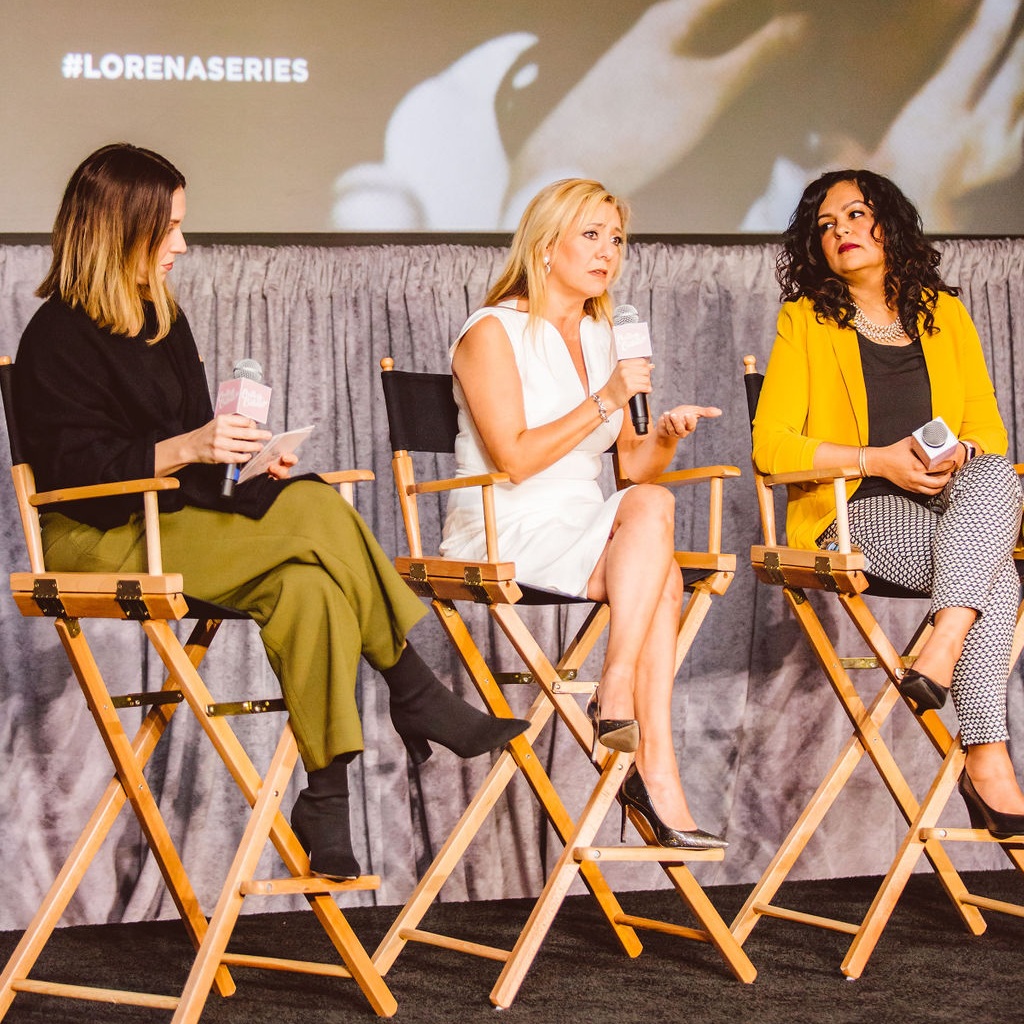
This week, we were honored to host a screening series for Lorena, the gripping docuseries that premieres on Amazon Prime Video today. Lorena tells the story of Lorena Gallo, who after years of being the victim of domestic violence and marital rape, cut off her husband’s penis in 1993. The media had a field day with the story, overlooking the assault and rape to make a mockery of Lorena’s suffering. Now, 25 years later, she’s speaking out. We sat down with Lorena at the #LorenaSeries in New York and Washington D.C. to talk about her case, the docuseries, and how the #MeToo movement has influenced her activism.
C&C: Sharing your story has without a doubt changed public perception and policy around domestic violence. Were you hesitant to do the docuseries? Why did you ultimately decide it would be a positive decision?
Lorena: I wanted to create awareness. The goal was to reach out to the victims who are still suffering in silence. This is an issue that can’t be neglected in society, and I’m glad to tell my story because while I can’t change it, now with the #MeToo movement, it’s helped us remove stigma. We have voices, we are strong, and I’m so glad there are women in Congress now that can continue to help us change this conversation.
C&C: You moved to the US from Venezuela just two years before your marriage. Tell us a little about how being an immigrant affected you as a victim.
Lorena: As an immigrant, I felt isolated. My husband always threatened to kick me out of the country because he knew what would hurt me most was losing my American Dream. That’s how abusers are—they’re controlling. Immigrants are very vulnerable: a lot of women don’t want to call the police, because they’re afraid to be deported.
C&C: How do you feel media and public perception around abuse has changed over the years? Was there a turning point, like the Me Too movement?
Lorena: It gave me strength, more power—it’s not just my voice, but the voice of all of us, the voice of all victims. There are still a lot of gaps that need to be closed, but it’s been 25 years since my case happened, and I’ve seen a lot improve. That said, there’s still so much more to be done.
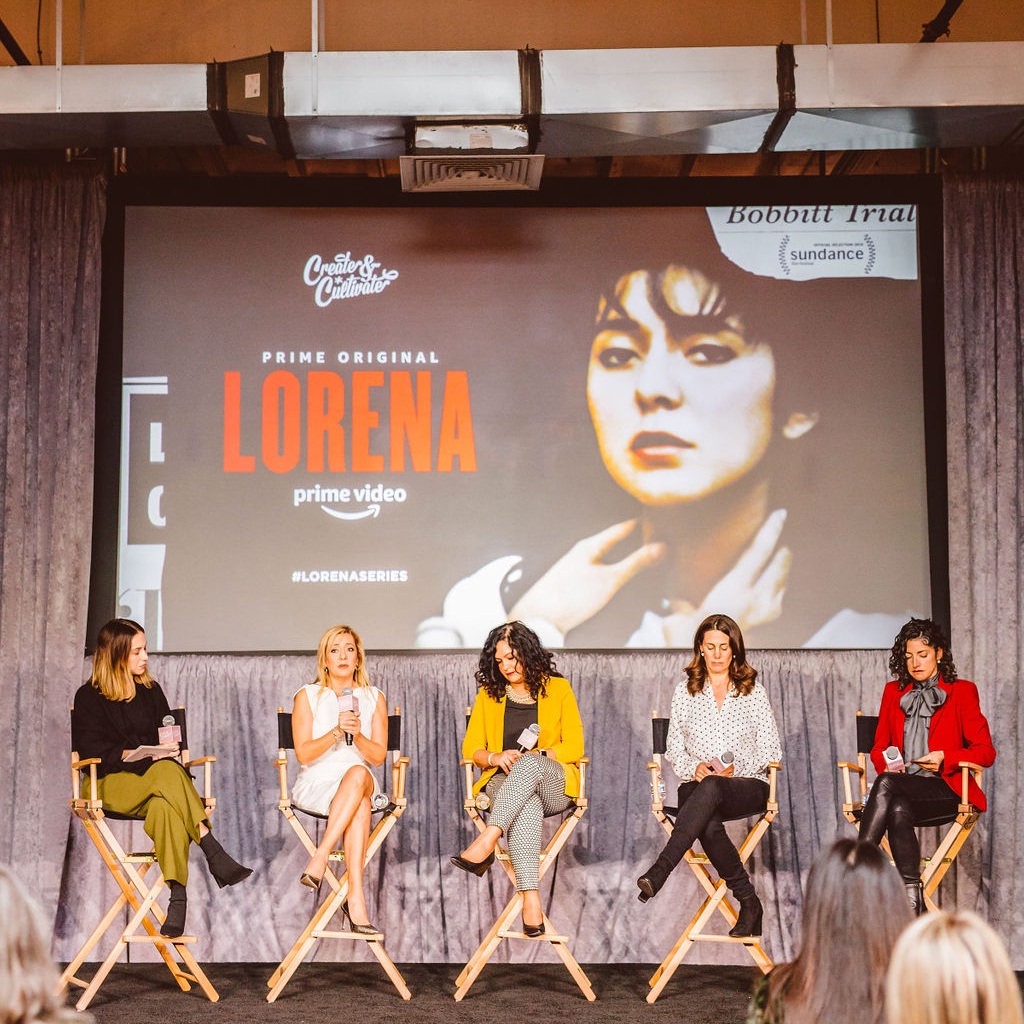
C&C: We can’t go back and change that there were fewer shelters and resources when you were in a position where you needed them, but you’ve been brave in your activism to make the future brighter. Can you tell us a bit about your path to advocacy?
Lorena: I’ve been an advocate since the trial, because I felt alone through the whole ordeal. After the trial, I received letters from other victims and said to myself, “Wow, you know, I didn’t realize there were so many women who go through this.” That really woke me up and was a turning point that led me to help others. It was amazing—the more I told my story, the more I connected with other women and victims in shelters. Helping always was and still is a passion of mine, and it’s what led me to do this documentary. Talking about my experience was part of healing—it wasn’t easy, but it helped me a lot.
C&C: The Latinx community came together to support you during your trial. Tell us a bit about witnessing their support.
Lorena: It was amazing. During the trial, I saw my Latino community, mi gente, come out to support me with South American flags. They gave me hope and made me feel I wasn’t alone, even though my family was in Venezuela. Seeing that support meant so much to me; I can’t even explain it.
“It was amazing—the more I told my story, the more I connected with other women and victims in shelters.”
C&C: Headlines made a mockery of your tragedy when it happened. It would be easy to harbor grudges and resentment over this, but all these years later, you continue to advocate for women in the position you once were. What’s the driving force behind your activism, and what do you hope people learn from your tenacity?
Lorena: I’m an advocate, and that is my passion. It’s what makes me thrive. I’m a mother, and my motherly instincts are strong. I want my child, when she goes to college, to be free to walk across campus without fear of assault. I want victims to be free to speak out, to know their rights, and to be protected.
Watch the full four-part Lorena docuseries on Amazon Prime Video.

If you have been directly affected or know someone who has experienced domestic violence you can reach out to The National Domestic Violence Hotline by calling 1-800-799-7233 or chatting online with an advocate at thehotline.org. This non-profit is always available, all day, every day, 365 days a year. Highly trained expert advocates provide confidential support, safety planning, and connection with local resources.
MORE ON THE BLOG

Making Moves: Pilot Orders, First-Look Deals, & Female-Founded Funding
Keep an eye on these boss ladies.

Source: Essence
In this week’s Making Moves post, we’re sharing five women who are making. it. happen. From film to fashion and everything in between, these ladies are showing up and showing off in their respective roles.

Source: Variety
At just 14 years old, actress Marsai Martin has signed a first-look deal with Universal, making her the youngest person ever to do so. Through the partnership, Marsai will develop original content that offers opportunities for other young actors.

Source: Forbes
Fashion startup Cuyana raised $30 million in one of the largest rounds raised by a female-founded fashion retail company. Founded by Karla Gallardo and Shilpa Shah, the direct-to-consumer brand also recently announced it’s now profitable.

Source: Technically
In Girls Who Code founder Reshma Saujani’s new book, Brave, Not Perfect, she shares why embracing failure can actually be the key to success. “Display your rejections proudly,” she told NPR. “They're a mark of your bravery."
Source: Variety
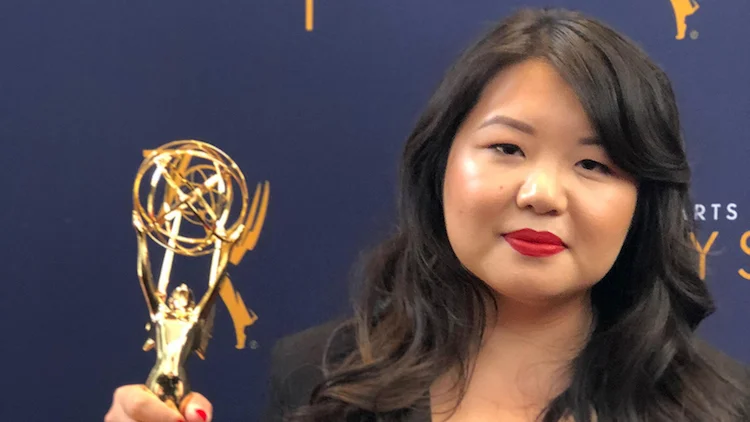
A pilot by Emmy-winning Rick & Morty writer Jessica Gao’s has been ordered by ABC. The untitled series will feature a first-generation Chinese woman who struggles to set healthy boundaries with her crazy, exhausting family.
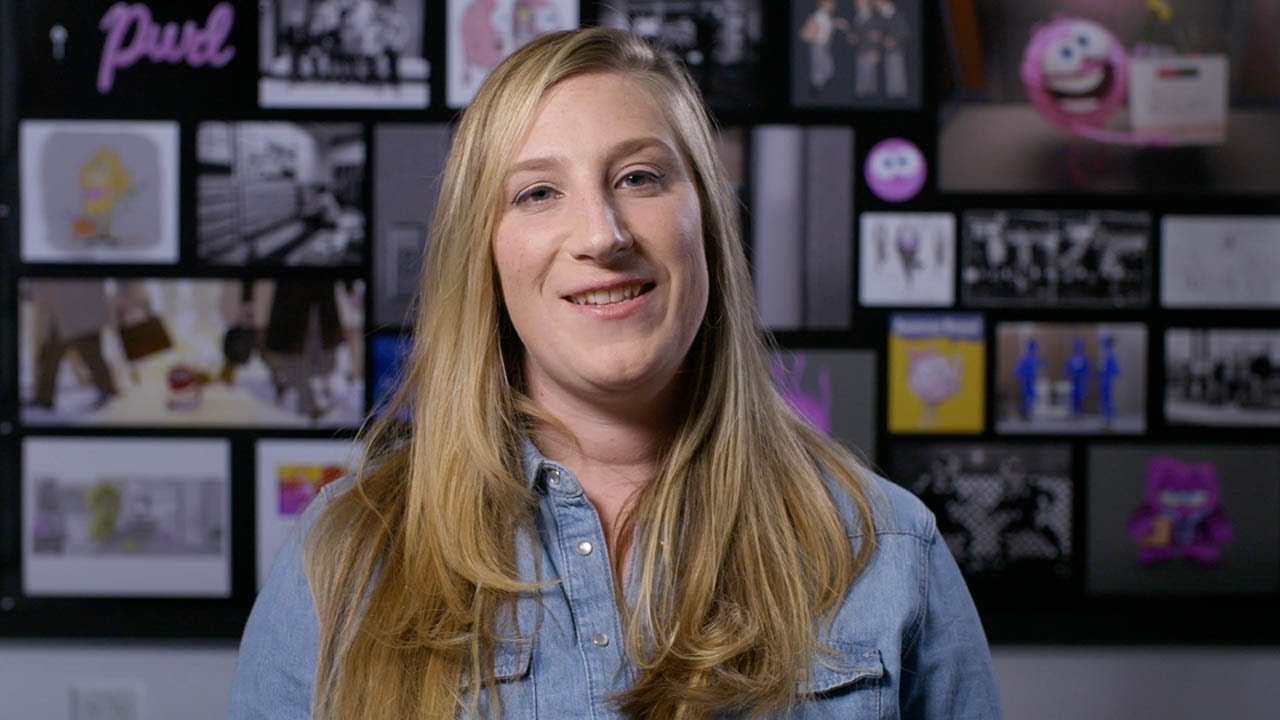

Pixar’s newest short, Purl, tells the story of director Kristen Lester’s experience as the only woman in a male-dominated field. Learn more about the story behind in the short in a behind-the-scenes interview with Kristen and producer Gillian Libbert-Duncan.
MORE ON THE BLOG

Solopreneur Tax Tips: The C Corp Entrepreneur
“Clarity often comes from doing, so I always push my clients to DO very quickly.”

Filing taxes when you’re an employee is hard enough. But what happens when you strike out on your own? There’s a big difference between business structures—whether you’re operating as a sole proprietorship, LLC, or S corp, there are different planning and filing processes for each. Today, we’re diving into how to handle taxes when you’ve chosen one of the lesser-known structures: a C corporation.
Above, entrepreneur Natalie Elizabeth Ellis, founder of BossBabe—sits down with Lisa Greene-Lewis, TurboTax CPA, to learn how TurboTax Self-Employed can help her stay on top of her C-corp tax obligations throughout the year. Read on to learn a little more about Natalie and see how TurboTax can help you prepare and file taxes confidently. Plus, we're gifting 30 readers with a FREE TurboTax Live Self-Employed product code (valued at $169.99) below—so you can file for free this season!
Tell us a little about your company, BossBabe.
BossBabe is one of the largest and fastest growing online communities of ambitious women in the world. Our mission is to connect, inspire and teach ambitious women how to create their own versions of success. We aim to help 1 million women create $1billion in revenue.


What’s been your biggest challenge in getting BossBabe off the ground? What’s been your proudest moment?
I feel like my proudest moments come in waves every day - whether that's seeing that we've been able to help a woman generate over $500,000, or quit their full-time job to work on their business, or even crack 10K followers on Instagram. I see all those wins as big wins and the real "why" behind what we do. It's also been incredible to be featured in Forbes, Entrepreneur and Business Insider alongside other incredible entrepreneurs who are driven by big missions.
I'd say my biggest challenge with BossBabe was being able to respond to how quickly we scaled. From finding team, to setting up the right systems, it was such a struggle to do it as quickly as we needed to.
Our C&C readers agree—scaling up can be scary! Thankfully for Natalie and the rest of our community, TurboTax Self-Employed comes with a free year of of QuickBooks, so you can spend less time on the logistics of tracking expenses and more time focusing on the growth of your booming business.
What advice would you give to would-be side hustlers who don’t know where to start in getting their business off the ground?
Stop thinking, start doing. Make sure that you're setting aside time every single day to DO something and are actively moving the needle towards where you want to go. Too often we can be paralyzed by decisions, fear and unknown. I believe that clarity often comes from doing and learning, so I always push my clients to DO very quickly.
What are you most excited about for your business in 2019?
In 2019, I'm so excited for all of the new products we're launching. We'll soon have a podcast and we're also creating a product to help other entrepreneurs grow their community online in the way we did (we have over 1M women in our community!). I'm also just really excited to continue supporting the women inside our membership and mastermind products grow their own businesses so that they can inspire and support people in THEIR audiences. We really value the idea of being multiplyers.
Want more tips for tax time? Check out our guides for side hustlers and freelancers! or Or you can dive into TurboTax Self-Employed here—and enter to win a free TurboTax Live Self-Employed code below!
Our friends at TurboTax were nice enough to share a giveaway with Create & Cultivate readers so you can file your taxes for FREE this season!
30 readers will receive a FREE TurboTax Live Self-Employed product code (valued at $169.99). Simply fill out the form below to enter to win. The winner will be chosen randomly and contacted via email. Good luck!
This post is sponsored by TurboTax.

Why This Entrepreneur Chose Bootstrapping Over VC Funding After Working in Tech
There are multiple routes to starting your own business.

Funding announcements get a significant amount of fanfare, but profitability and being cash-flow positive does not. Like it or not, venture capital is borrowed money and it must be repaid - with interest. Raising venture funding is glorified with big events but are there alternatives to VC funding?
After working as a marketing executive in startups, green technology and cloud hosting, Naly Rice started LN Creative Group (LNCG), a technology marketing company, after growing frustrated with the lack of technical expertise in marketing agencies and seeing new trends within the marketing industry. Naly chose to bootstrap her business instead of seek VC funding which helped her business become cash-flow positive within a couple years and avoid the often ignored side effects of VC investment.
You went from working in tech to owning your own tech marketing agency. How did you make the leap from tech employee to agency owner?
I worked as head of marketing for a couple technology companies and became increasingly frustrated with marketing agencies that didn’t truly understand technology, software, and brand experience. As a marketing executive, there always seemed to be a lack of partnership with marketing agencies. They saw the company as simply a one project client or a singular campaign when we really needed a true partner. The role of the CMO and the marketing department was also rapidly changing, and I saw my opportunity to get into the market.
I wanted to build a marketing agency with an “as-a-service” business model and technology at the core of everything we did. Working in technology made me realize how much better “off-site IT” was. It not only saved money, it actually helped some companies accelerate their growth. I wanted to recreate that model using marketing. I started doing research and when I read that Forbes declared “Marketing-as-a-Service” as the future of marketing, I knew I was on to something.
I started the company in 2013 and didn’t quit my full-time job until 2015 to ensure that I didn’t put myself in a risky situation. Even after I quit my job, I continued to work part-time and freelance to help pay the bills while I was getting the business off the ground.
What is bootstrapping and why did you choose that over VC funding?
Bootstrapping is when you start a business using your own capital with minimal or no outside investment. It allows you to maintain control of your business with discipline when it comes to spending.
When I worked in technology, I saw a lot of companies receive VC funding only for the businesses to quietly crumble a couple years later. I also saw small humble startups find alternative routes for funding and grow their businesses one customer at a time.
I chose bootstrapping because I wanted full ownership of the company, how quickly it would grow, and have time to iterate our business model without pressure from VCs to turn a quick profit. My service-based business also wasn’t a good fit for VC funding.
I saved every penny, reinvested income from the business, and was as lean and cautious as possible when it came to spending. I decided not to take any investments from family and friends, instead using my own savings and 401K. In the end, bootstrapping was the best decision I ever made for my business.
“The great majority of successful businesses start out small and carefully scale over time to become profitable companies, whereas venture funding is about high-risks, high-returns, and aiming for an IPO.”
What should women entrepreneurs know about venture funding?
Some entrepreneurs think they "made it" if they finally get funding. Little do they know, it's the start of a new partnership - with interest. It’s not free money and if you’re not successful the VCs can come and liquidate your company to recoup the funds. Venture funding isn’t a guarantee of success, and its side effects can sometimes sabotage your business.
Selecting the right venture partner, understanding the VC funding lifecycle/funnel, figuring out your exit strategy, and asking only for what you need are all critical things to consider if you’re seeking VC funding.
Also, a very small percentage of startups actually get funded - less than 1%. It doesn’t mean you should give up on your business idea. The great majority of successful businesses start out small and carefully scale over time to become profitable companies, whereas venture funding is about high-risks, high-returns, and aiming for an IPO.
“VC funding can’t replace a great product or
service that people willingly buy on their own. ”
What advice would you give to aspiring entrepreneurs?
Be scrappy, test your product, and get one (preferably more) paying customers before you quit your job or seek funding. Whether you get VC funding or not, it still can't replace a great product or service that people willingly buy on their own. If you find that you can’t make one genuine sale, it’s time to rethink your approach, reframe the target market, and/or evaluate the business as a whole.
Additionally, have patience and schedule in “me time.” Burning out is real and harms you and your business. Self-care is exceptionally important when you’re starting a business so work hard, but also don’t forget to do you.
LN Creative Group is a technology marketing agency. Can you explain exactly what makes your agency different from other marketing or advertising agencies?
We believe that the future of marketing is in Marketing-as-a-Service (MaaS). The marketing department, and the role of CMO, has changed so much. Go to any company and the head of marketing’s job will be wildly different. Unlike traditional marketing agencies, we’re more like an off-site marketing department that knows the company and is indistinguishably aligned with our clients’ goals without the cost, time, and training needed to hire a full-time staff.
What are you most excited about in 2019?
Launching my podcast #MarTechTalk, speaking at more women entrepreneur events, and moving into a new home with my husband, Chris, and our dog, Taco.
Naly Rice is the CEO of LNCG, a tech branding, marketing & design agency.
MORE ON THE BLOG

C&C Classifieds: POSH PR, Crazy Sexy Wellness, Shine Text, & More!
Application sent.

Crazy Sexy Wellness/KrisCarr.com - Remote
THE GREAT/EMILY + MERRIT - Los Angeles, CA
Create & Cultivate - Los Angeles, CA
Techwave - Houston, TX
Este Lauder - Los Angeles, CA
Jobot - Cincinnati, OH
Penske Media - New York City
MediaCom - New York City

Pro Tip: Five Things To Include In Every Scope Of Work
Yes, office hours exist for freelancers.

Today’s Pro Tip is for all of the freelancers out there! You’ve just secured your first client and have been asked to provide a scope of work…but what is that, exactly?
A scope of work (also referred to as an SOW) is a document outlining details for the deliverables you’ll oversee, the time you’ll spend and the steps you’ll take working on these deliverables, and how you will be compensated. Beyond these basic areas, there are a few additional things you'll want to cover off in your scope of work to help proactively manage client expectations and create accountability for yourself.
Here are five things to include in your scope of work (and if you're not entirely sure what an SOW looks like, I’ve got you covered! Download my free resource, The Freelancer Starter Kit, here).
Office Hours
Yes, office hours exist for freelancers! If your client is in the same time zone as you, this may not be too big of an issue but it's still important to share if you have a timeframe you work within each day. This is especially the case if you have daily obligations like doctor's appointments, a side hustle or kids to pick up from school.
While we all will have to work outside of our desired times here and there, it's beneficial to express when you will be available for emails and phone calls with your client up front. If you work with clients in a different time zone, let them know when you will be available during their daily working hours and beyond in your scope of work.
Days Off
To echo the office hours section - yes, freelancers take days off! If you have a family vacation, previous commitments or just need some personal time, include those dates in your SOW. So long it doesn't conflict with any of your deadlines or obligations promised to your client, this shouldn't be a problem, but it's always better to communicate upfront.
Billing Expectations
It is so important to put any billing expectations you have into the scope of work and even more important, to have an actual conversation with your client on these expectations either in person or over the phone. Talking about money is an uncomfortable topic for some people but believe me, you want to be crystal clear when it comes to your finances as a freelancer.
If you expect to be paid every 30 days because it's what you and your client agreed to, put it in the scope of work and ask your client what you need to do proactively to make sure that happens. Once the SOW is signed, I usually follow up asking if there's anyone in accounts payable I should connect with to get setup as a new vendor. That way when I submit my invoice at the end of the month, everything is already in place and my money hits the bank a lot faster.
Number of Revisions
This doesn't necessarily apply for every type of freelancer but if you work in any form of creative field (graphic design, copywriting, video production, etc.), you will want to include instructions for the number of revisions you're willing to provide. This will help prevent you from spending extra hours going back and forth on minor requests and instead encourage your client to be very clear and detailed with their expectations and needed edits the first time around.
Extra Work
This is by far the most important line to include in every scope of work... *clears throat*
“Any work requested by the client outside of this agreed upon scope of work before, during or after the project dates will be billed at an additional hourly rate of $(your hourly rate).”
Why is this so important to include? Because you will undoubtedly be asked to do something outside of the original scope of work. Your time is valuable and if you are on retainer or working on a project fee, you need to be compensated for the extra effort.
Freelance isn't free. Remember that.
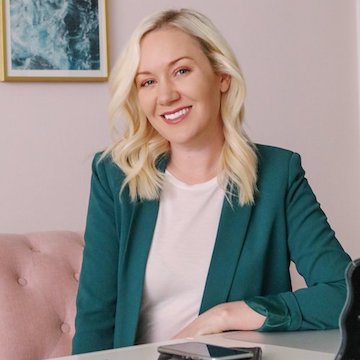
About the author: Audrey Adair is a seasoned freelance communications professional and founder of ‘The Scope’ — a platform providing resources and community to freelancers and the self-employed. Connect with The Scope on Instagram and join their email list to receive your free resource, The Freelancer Starter Kit.
MORE ON THE BLOG

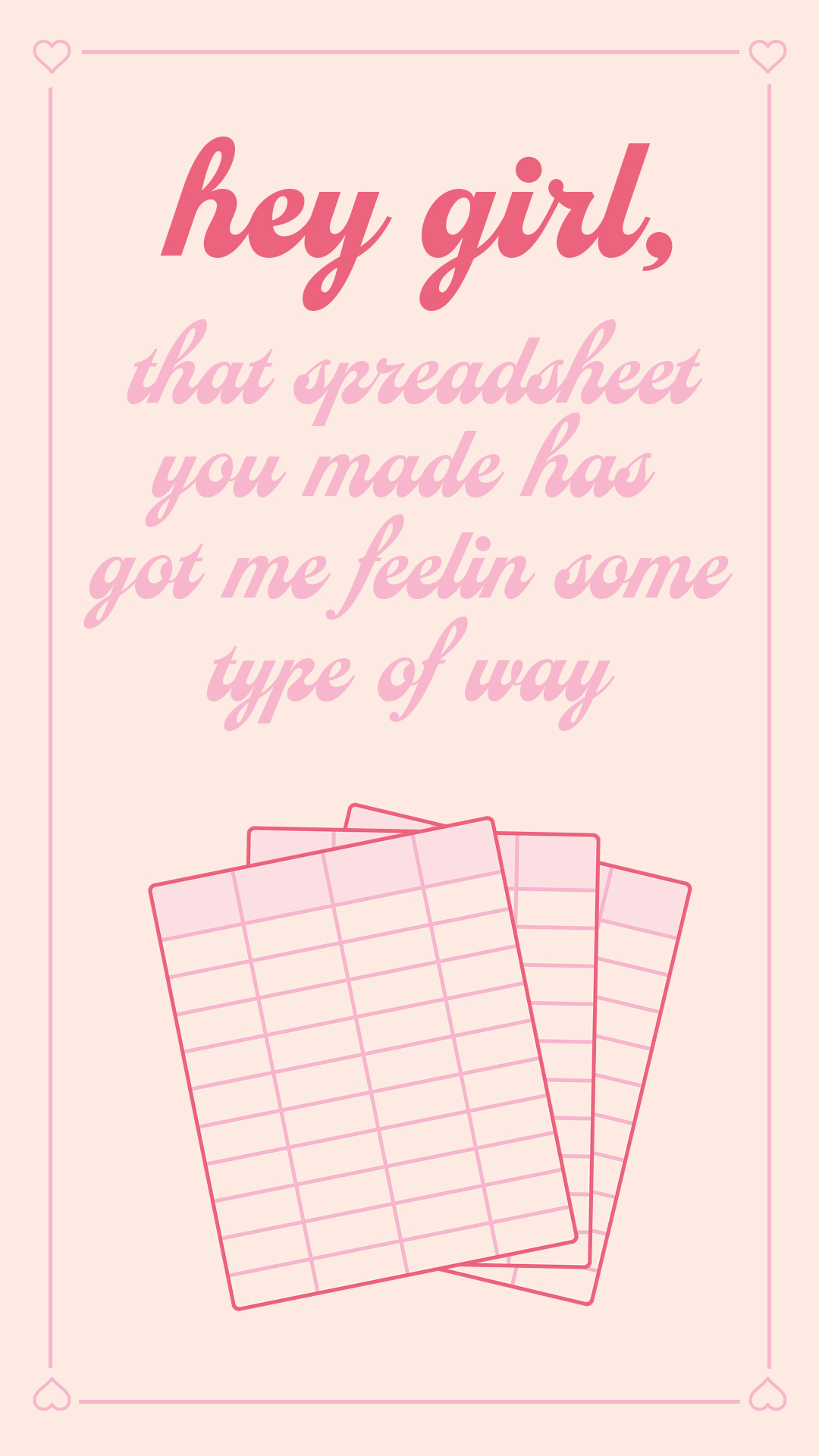
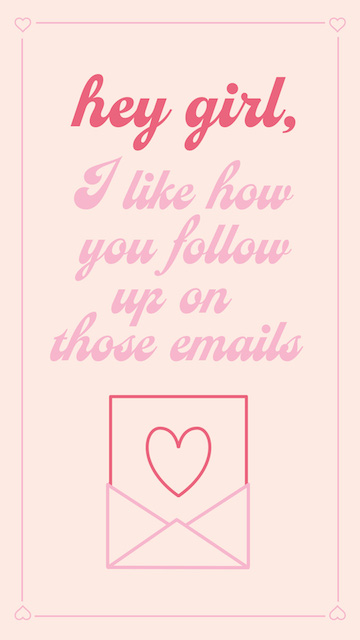
Your Work Wife Deserves One of These Galentine's Day Cards
Valentines for your best deskmate.

Sure, Thursday is Valentine’s Day—but we all know the real holiday is the day before: Galentine’s Day! Below, we put a twist on traditional valentines to come up with cards that are perfect for the office (even your boss, if she’s got a good sense of humor). Don’t wanna print ‘em out? Head on over to our Instagram Stories on Wednesday to screenshot and DM ‘em to your work wife.



MORE ON THE BLOG

We Need to Talk: I Earn More Than My Partner
Talking double standards, gender dilemmas, and female breadwinners.


The wage gap is a battle that’s yet to be won, but there are many women who are bringing home more bacon than their significant others.
Married women are more likely than ever before to out-earn their husbands. According to a Pew study in 1960 just about 4% of married women were the primary provider in their family, whereas in 2013 that percentage increased by 20%. Rising education and employment levels contribute to this stat.
Despite the upswing in changes, the same study found that 74% of adults say that the increase in working women, particularly working mothers, has made it harder to raise children and harder for marriages to succeed.
So, we need to talk. We chatted anonymously with three women who are primary household breadwinners in various life stages about how they and their partners really feel about earning less.
A single mom in a relationship.
A married woman with two kids.
And a VP living with her fiancé.
Does earning more than your significant other affect your relationship?
Single mom: It comes in waves, honestly. There are some days when I can tell he’s uncomfortable with my success or that I don’t “need” him in the traditional sense.
Married woman: At this point, no. But I wasn’t always earning more so that power switch was difficult to get used to. That’s not to say money equals power, but for a long time the person in charge of the bank account was the one making all the decisions. In most cases, that was a man. Banks wouldn’t even loan women money or let them sign for their own credit cards in the ‘70s. I don’t know why we expect this not to be difficult for men. They’ve been told and conditioned to behave one way— and there is a shift among Millennials, sure, but change is uncomfortable. If you watched your parents behave one way or the other it’s hard to break from that mindset.
VP: This is tough because he’s also successful. When I was dating there were men who wanted a woman in a more traditional role. Logical or not, there are men who want to wear those proverbial pants. I get it, I like wearing the pants too. But I’d like to think that part of the reason we’re getting married is because he values my work ethic and my success. I’d like to think it affects my relationship in a positive way. He supports me and values me.
Do you think men in general are uncomfortable with a female breadwinner?
Married woman: Yes. Like I said before this is slow shift. A long rolling after-shock. Things are moving and shaking, but in the process books are going to fall off the shelves and jars in the pantry will break. Nothing changes without a little— or a lot — of discomfort.
Single mom: In general I don't think people want to be in relationships where there is a power play happening. I can only speak to my relationship but my boyfriend doesn’t believe that income reflects power in a relationship. I agree with him and at the same time I can’t help but wonder— if I’m being REALLY honest— he would feel the same way if he made more money. Money is weird. It makes men and women act weird. I don’t know any other way to explain it.
VP: We’re slowly moving out of the mindset that men are the providers and women are caregivers. There is no longer a “traditional” role. I don’t even know what that would look like— and that's confusing to people. Men and women. Confusion and uncomfortable generally go hand-in-hand. We’re all testing out new models and there’s no one person to point to and say, "they did it right!" And when we do point to a couple that “did it right,” it’s usually someone’s grandparents who have been married for 50 years and held very “traditional” roles. Which, again, is confusing, because most people don’t want what their grandparents had.
"There is no longer a 'traditional' role and that's confusing to people."
Tweet this.
Who pays when you go out to dinner? Or when you want to go on a vacation your partner can’t afford?
Single mom: We pay for what we can afford. And if one of us is uncomfortable, we say something. Communication is more important than who earns what. That’s a really annoying PC answer, but it’s also the truth. If we go out to dinner 10 nights and I’ve paid for 9 because I can afford it, I’ll say something. I expect an effort to be made on his part in ways that he can contribute. There are ways to support someone that are not financial. When one person isn’t making an effort, that’s a bigger problem than what’s in your bank account.
Married woman: I think it’s different when you’re married. Most successful couples have clearly defined financial roles and decide how they are going to split finances. My parents never fought about money because they had independent accounts and one account they contributed to that was a percentage of their earnings, not a lump sum. There’s no tit for tat in marriage and when there is, you’re probably getting divorced. You need to throw this notion of fair out the window. Be fair with your heart if you want your love to last.
VP: At the end of the day, if dinner is my suggestion or I’m taking him on a date, I pay. And vice versa. Does it work out to be an even split? No and I’m OK with that. MOST of the time. My love for him isn’t based in dollars. That doesn’t mean that emotions and money never get crossed. Somewhere at the intersection of the two there are arguments, feelings that get hurt, resentments. To pretend they are independent of each other would be over-simplifying.
Do you think women think of their income as “theirs,” where men have to think of their income as “ours?”
Married woman: Yes. There is a double standard 100%. Since women still earn less on the man’s dollar and are just now in the last decade or so occupying positions always held by men, I think there is this need to hoard or hold onto their income. We didn’t always have the opportunity to make money, so there’s an innate desire to keep it. Is that right? I don’t know. Women still feel the need to protect themselves.
VP: These are hard questions because I have to be honest about my relationship to gender roles. I want to be breadwinner. I like it. At the same time, I still like a man to open my door and take me on a date, and I don’t know, plunge the toilet. Men are expected to share more than women and I think women like it that way, without always reciprocating.
"I want to be the breadwinner, and at the same time, have the man to take me on a date."
Single mom: Ah. What’s yours is mine, and what’s mine is mine. Yeah, there’s definitely some of that going on. I’ve talked to many of my friends about this, who are also higher or relatively equal earners. There are mixed feelings. Nothing is ever going to be an equal down-the-middle split. If anything, I think we should take this as a lesson that shifting roles are hard for both genders and perhaps be a little less angry when it doesn’t come easy. That’s not a particularly feminist thing to say.
Do you feel more in control in the relationship because you earn more money?
Single mom: I feel more in control of my own life. I feel able and competent which, in turn, creates a real confidence in me that I think is attractive to certain men. I don’t need to be in control of someone else, but I do like being in control of my own life. Knowing that if we broke up, I’d still be OK, able to pay my rent, feed my kid, go on small vacations. I don’t have a ton of expendable income, but I do fine on my own. I think that is empowering, more so than having “control” over another person. I don’t feel better than him because I earn more, I simply feel good about myself.
"I don’t feel better than him because I earn more, I simply feel good about myself."
Tweet this.
VP: I don’t think I’ve ever admitted this out loud but, yes. I’m sure that has to do with the relationship dynamics I witnessed between my parents. I had a stay-at-home mom and as much of a job as that is, you don’t earn anything. You’re essentially paid by your husband to take care of the kids and the home. For lack of a better term, you’re a kept woman. I was never going to be for keeping, and for better or worse, money is a part of that.
Married woman: If I was younger I might feel that way, but marriage is give and take, push and pull, and I know at any point the tables could turn. I would never want him to make me feel lesser than because I lost my job, or got fired, or who knows, life is messy. Money is complicated. Gender roles are complicated. Relationships and marriage, even more complicated. Put it all in a pot and there are good days and fucking god-awful ones. Sometimes that has to do with the all mighty dollar, but if you think you’re in control because you have more money, you should be single.
Do you make more than your partners? Sound-off in the comments below and join the convo.
More from our blog:

Four Steps to Crafting the Perfect Job Description for Your Resume
Stop stressing over the bullet points.

As the number of applicants per corporate job opening rises, it’s important that your resume is effective at articulating your accomplishments and what you can bring to the table. This means creating an accomplishment-based resume instead of a responsibility-based resume and creating a document that is completely unique to you. When you’re trying to craft the perfect job description on your resume, it’s essential that you highlight what you’ve achieved instead of simply stating that you hold a certain skill.
Your resume is your chance to highlight what you bring to the table and why a potential employer should hire you, but if the job descriptions you include don’t do you justice, your resume simply won’t be effective at meeting your needs. This makes writing a resume sound intimidating; however, I’m showing you exactly how to craft the perfect job description on your resume!
Gather the Basics
When you’re going to craft the perfect job description on your resume, you have to start with the basics. The easiest way to do this is to start with the job description that you were given at work. Ideally, you’ll have the job description you were given by HR, (you should always keep this kind of information for future use) but if not, find a similar job description online that closely resembles your own.
Build Upon What You Have
Take the basic job description and add in other duties that you’ve taken on that go above and beyond what you’re required to do, or if your role has just evolved over time.
If you are technically ad administrative assistant, but you handle company social media accounts and oversee client engagement, that is something you’ll absolutely want to note in your job description. Any time you’re taking on responsibilities above and beyond what you were hired to do, it’s important to articulate them. Show that you’re not just resting on your laurels and that you’re willing to take the initiative to get things done.
Make a List of Your Accomplishments
Anyone can claim that they are a great employee, but very few people can actually show it. Don’t sell yourself short on your resume, and show potential employers all of your accomplishments and achievements. Provide evidence to your claims so that they can see exactly what you can bring to the table and how you will be beneficial if hired.
Ask yourself the following questions:
Have you increased sales?
Have you been recognized for your success?
Have you implemented process improvements or cost-cutting techniques?
Whatever you have done to improve your company and/or department, you want to show it on your resume.
The more numbers and specific metrics you can include, the better! Don’t be afraid to calculate numbers from your own data. As long as you can prove your calculations, you can use them on your resume.
Use the Job Description that You’re Applying for
When you’re trying to craft the perfect job description on your resume, use the job you’re applying to so you can integrate keywords and phrases to customize your resume to meet the exact position you’re interested in. When you’re trying to customize your resume to meet a job you’re applying to, the key is to highlight all of the skills and qualifications that the desired job description holds, and downplay unnecessary information.
For example, if you held the title of client relationship manager and did everything from sales to client onboarding, to office management and administrative tasks, but you’re applying for an administrative assistant, you’ll want to highlight the office management and client facing communication, and you’ll most likely want to downplay the sales aspects of your previous role.
This does not mean that you should ever “dumb down” your resume. It’s always great to highlight that you’re smart, strong, and capable, however, when you’re trying to customize your resume to apply for a specific job, you need to highlight the requirements of the given job description and show your potential employer why you will be a great fit.
Writing a great resume isn’t just about how aesthetically pleasing it is. If you have a beautiful resume that doesn’t articulate your strengths, you won’t get the traction that you’re looking for. Craft the perfect job description on your resume that highlights what you’ve accomplished and why you’re a valuable asset.
A native San Franciscan, Michele Lando is a Certified Professional Resume Writer and founder of writestylesonline.com. She has a passion for helping others present the best version of themselves, both on paper and in person, and works to polish individuals' application package and personal style. Aiming to help create a perfect personal branding package, Write Styles presents tips to enhance your resume, style, and boost your confidence.
MORE FROM OUR BLOG


This Photographer Shares How She Sets a Fair Rate
Hint: Don’t compare yourself to others.
You’ve seen the gorgeous photography from our #createcultivate100 list. Now, meet Annie McElwain, the woman behind the camera. Below, Annie shares her process for setting her rate, her dream client, and advice for young creatives.
How did you get into photography?
I used to be an actress and started photography as a hobby in my early 20s. I had no previous artistic background and never intended it as a career—I actually was a lot more academic in nature than artistic. However, there was something in me that has always wanted to tell stories of and share the beauty in the human experience.
What’s the most rewarding part of being a photographer?
Photos (especially portraits) often become more valuable, more cherished over time. The sentimental side of me finds this greatly rewarding.
In a dream world, who would you like to shoot?
The first female president.
What advice would you give to young artists and designers who are struggling to support themselves with their work?
It helps me to remember that without the struggle, we really wouldn’t appreciate it once we got wherever it is we want to go.
Where does your passion/drive come from?
It’s hard to say. I think everyone has drive once they find what they are passionate about. And sometimes finding this takes a lot of self exploration first.
“I do my best to live in a world where ‘likes’ don’t matter and real relationships are always more valuable than follower counts. ”
What keeps you up at night?
It varies between my ongoing to-do list, finances, and thinking about the next earthquake.
What advice do you have on knowing how to set a fair rate?
First, don’t compare yourself to what other people are charging, find what works for you in your life.
My basic approach to setting a fair rate comes from how much money I need to bring in each month and how many shoots I can handle each month. This gives a general idea of how much to charge for a shoot, though it’s not a perfect formula of course. Basically, I try to really understand the scope of the project before I send over a quote. With enough experience, I’ve come to really understand what my time is worth.
In a world where likes and follower counts are so coveted, how do you stay authentic and true to yourself/your brand?
I do my best to live in a world where likes don’t matter in the grand scheme of things and real relationships are always more valuable than follower counts.
What do you enjoy doing outside of work? How do your hobbies influence your art?
Yoga keeps me balanced, surfing reminds me to let go of control and to be present. Long walks and hikes allow my mind to wander freely. I escape with music. Travel, dinner with friends, podcasts— expand my horizons.
What’s the best piece of advice you’ve ever been given?
If you always do your best, you will never regret anything.
When you hit a bump or hurdle in your career, how do you find new roads + switch gears to find success?
I think just knowing that you WILL hit bumps and hurdles in your career makes it a bit easier to deal with them when they come. I find peace in knowing that things like this are relatively cyclical and most artists careers have peaks and valleys. I had a business coach once who really helped me with the idea of failing. She taught me that we only really learn when we fail, not when we succeed. So while it can be humbling, making mistakes or trying things out that don’t work are what make us better.
What are you most excited for in 2019?
I’m really excited to experiment more creatively and collaborate more with other artists this year.