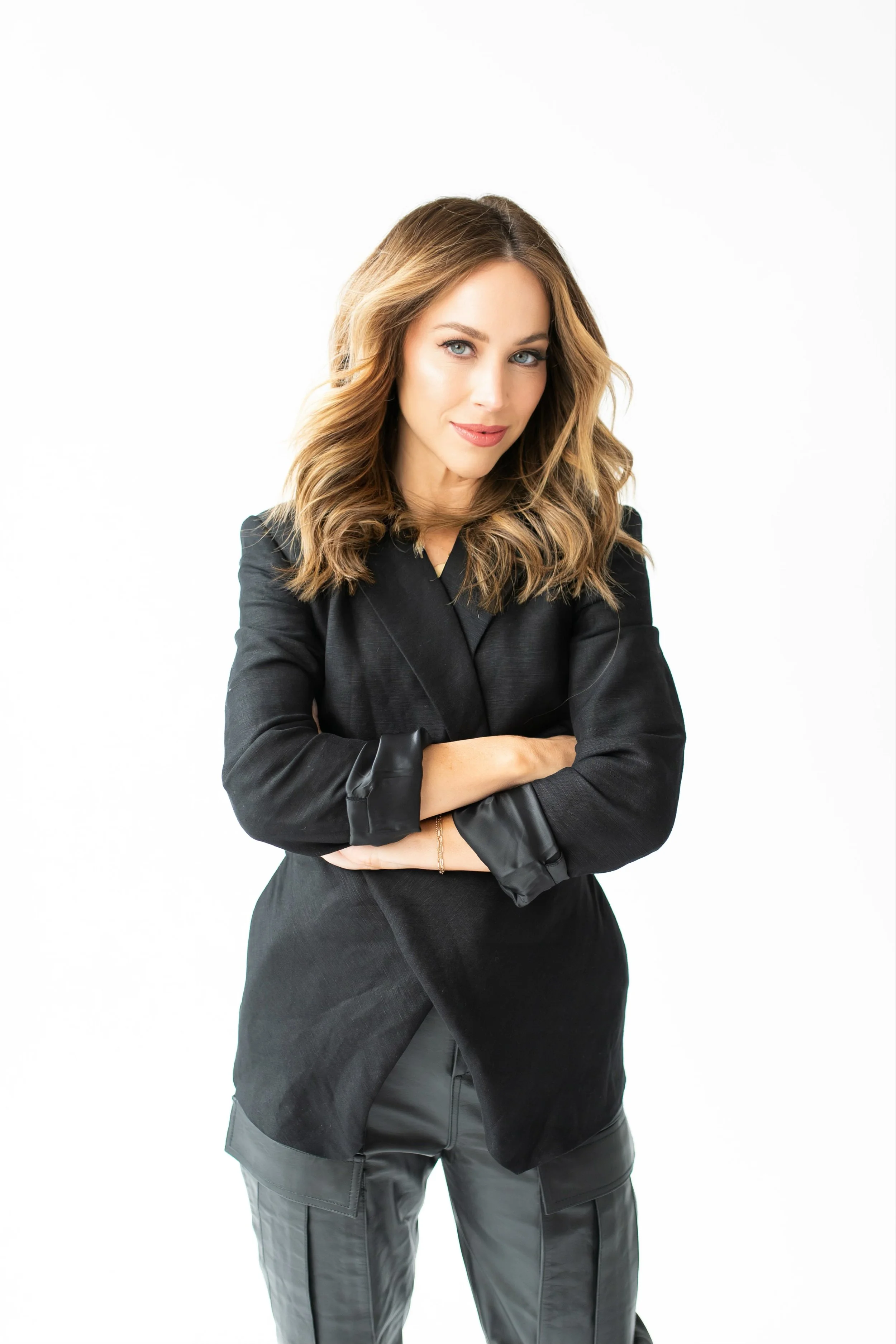

Create & Cultivate 100: Music: Jessie James Decker
“There are many ways to make it in this industry—you don’t have to follow a cookie-cutter path.”


We don’t have to tell you that Jessie James Decker has had an impressive career in country music and beyond (but we will anyway). Her latest album “Southern Girl City Lights,” debuted at number one on Billboard’s Top Country Albums chart. Her book Just Jessie is a New York Times bestseller. And her clothing line Kittenish has not one but two successful brick-and-mortar retail locations (no small feat in the era of online shopping.) Like we said, impressive.
Given all her recent success, you’d be forgiven for thinking that it’s been all roses for the country music star since the start—but, as you may suspect, getting to the top was much harder than it looks. As a teen, she auditioned for (and was rejected by) most country labels in Nashville—but she refused to give up, which isn’t easy in a field as cutthroat and competitive as the music industry.
Below, the persistent singer-songwriter tells us all about her remarkable, chart-topping career in country music, including why she’s glad her career didn’t take off when she was younger, how she stays grounded despite all the fame and fanfare, and her #1 piece of advice for today’s up-and-coming musicians.
CREATE & CULTIVATE: You are such a successful country music singer but where did this passion stem from? What is your earliest music memory?
JESSIE JAMES DECKER: I have been singing for as long as I can remember. My earliest memory is at the age of two singing Disney songs into a plastic mic for my mama. I knew I loved to perform and entertain and make people happy early on.
In addition to being a musician, you are also an author, founder of a clothing brand, and the curator of a makeup collection. Where do you draw inspiration for all of these creative projects? Why did you expand into all of these categories?
I'm a creative person, and I feel all of these outlets are a way to express my creativity and inspiration in many different ways. My mind is always going and always coming up with different ideas and I've been fortunate enough to meet some amazing people to help make those visions come to life. I'm a girls’ girl and, from makeup to music, these things can make a woman feel good in their own skin.
You've amassed such a huge following in such a short amount of time with millions of fans around the world listening to your music. How do you stay grounded despite all the fame and fanfare? What advice do you have for other up-and-coming musicians?
I grew up in a very humble household and my family raised me to always remember what's most important in this life and to keep it real. I am grateful and very blessed for the wonderful dreams that have come true but I am still the same girl I was when I left home. I think that's what my fans appreciate about me. I'm not trying to be something I'm not and I'm honest about who I am and what I portray. Authenticity will never steer you wrong.
“Be your unique self because chances are, someone in the world can relate. And that’s all anyone wants these days—to not feel alone and to know someone gets them.”
When you hit a bump or hurdle in your career, how do you #FindNewRoads + switch gears to find success?
When I hit a bump in the road, I always feel it’s a sign I need to pay attention to. Maybe I need to take a step back and re-strategize or maybe its time to take another direction to get to the goal I'm trying to achieve. For me, there is always another way to get there, even if I hit a bump.
Who inspires and influences you the most? How have they helped shape you and your career? Why?
My mom inspires me more than anyone, she gave me the courage and confidence to make my dreams come true. When I was ready to give up and when I felt like something wasn't achievable, she always put things into perspective and encouraged me to try again. Giving up was not allowed in my house and I'm glad it wasn't.
What do you wish you had known about the music industry when first starting out? What lessons have you learned along the way?
I have learned to be patient. I wanted to be a big country star at the age of 19 when I got my first record deal. I would get so frustrated and make decisions based on a "wanting it now" attitude, but I'm glad it didn't happen then. Looking back, I wasn't ready. I think I needed to be happy in my personal life and have a family to really know what was important in life in order to succeed in my professional life.


Music is a cut-throat industry—how do you handle rejection? I read in an interview that it can still be challenging for you to think that some people don't like you, how do you deal with criticism like that?
Growing up, I was bullied terribly in school, so feeling rejected will always be something that hurts. But, it’s also something I'm used to, therefore, I'm stronger for it. These days, if I'm rejected, I have a good attitude about it because that means they don't "get me" and I don't need to be in business with someone or a company that doesn't have the passion for me and my projects.
With success comes opportunity, but that also means you have your hands full. What keeps you inspired and motivated to keep going even on your most challenging days?
I just get this feeling in my gut that I don't want to fail. I want to succeed. Once I put my mind to something, I have to see it happen. Also, my family motivates me. They keep me going every day because I want to make them proud. I want to show my daughter that she should never give up. The words I tell her daily, whether she's playing soccer or about to do a cheerleading performance, are, "You got this girl!"
What's a mistake you made and what did you learn from it? How did you turn it into an opportunity?
Early on, I thought I knew everything. Not in a "know it all way," I just knew who I was so strongly, that I didn't want to take any advice about who I was as an artist from anyone. I will say, it worked out better in the end, though. If I had molded myself into the artist that the labels wanted me to be, I wouldn't be sitting in my dining room right now answering these questions with a cup of coffee and my kids running around living my best life!
“I just get this feeling in my gut that I don’t want to fail—I want to succeed. ”
What advice do you have for other musicians coming up behind you? How can they achieve the same success you've experienced? How hard is it to break into the industry? Why?
Use social media to be heard... literally. I didn't have this tool when I was starting out, and my goodness, it’s a huge tool to have! You no longer need large companies to tell you that you’re great in order to get behind you. So many talented artists are now being discovered from building their own fanbases and following because of their talent. Be your unique self because chances are, someone in the world can relate—and that's all anyone wants these days; to not feel alone and to know someone gets them.
The music industry is such a competitive space. How do you stay true to who you are and your voice? How do you stand out and cut through the noise?
I've been told "no" from the beginning because I was different, but I decided that I would create my own path and it wouldn't deter me from making my dreams come true. I got creative and knew that if I did things my way and created a fanbase, then that would be all I needed to keep going. I have always wanted to be a role model for women, and I knew my voice could help and inspire them. I have proven that there are many ways to make it in this industry, and you don't have to follow any cookie-cutter path.
What is the #1 book you always recommend? Why?
I loved The Glass Castle. Jeannette Walls had a wild and unique childhood, but that didn't stop her from achieving her goals and building her character. That's what I always say when things seem messy... it builds character.

Create & Cultivate 100: Health & Wellness: Melissa Wood-Tepperberg
“Just start because nothing will ever be ‘perfect,’ you adjust as you grow.”


After years of struggling with self-doubt, cystic acne, and an eating disorder, Melissa Wood-Tepperberg started taking steps to drastically change her life. She enrolled at the Institute for Integrative Nutrition, earned her health coaching certification, and eventually launched her wildly popular eponymous platform Melissa Wood Health.
Fast-forward to 2020, and the health and wellness coach has amassed something of a cult following, thanks in part to her trademark MWH Method, which can be done at the office, at home, at the park, and pretty much anywhere. With over 210k Instagram followers and 16.4k YouTube subscribers, it’s safe to say she’s struck a chord with the wellness community.
Ahead, we ask Wood-Tepperberg how she turned her passion for health and wellness into a successful business, how she finds work/life balance, and how she switches gears when she hits a bump or hurdle in the road.
CREATE & CULTIVATE: How did you decide to get into the health and wellness/fitness industry?
MELISSA WOOD-TEPPERBERG: Honestly, it was less of a decision and more of something I was completely guided towards after having a horrible relationship with myself for many years. I woke up one day and knew something needed to change. So, I made a decision that changed my life forever. To actually change something!
Melissa Wood Health is more than just a workout—how do you define your brand? What do you think makes you or your business stand out?
Melissa Wood Health is a wellness platform created in hopes to not only guide you to feeling your absolute best but moving into a place of complete alignment with yourself. I believe people join my community because of the shorter workouts I share that you can do anytime and anywhere using your own body weight. Most importantly, I think it’s my unfiltered way of sharing what people connect to most.
You were able to find your way out of a dark time, discover your passion, and turn it into a successful business—how did you become the confident entrepreneur you are today?
First of all, thank you. I tried my hand at many things I “thought” I wanted to do. But once I found what truly made me happy, I decided to give it 100% of my attention. That discipline coupled with my genuine love for what I now do every day is what led me down a path to success. Staying the course and staying true to myself are what continue to carry me today.
“I’m really learning that bumps in the road are par for the course. It’s not how many you hit but how you recover from them that matters most.”
When you hit a bump or hurdle in your career, how do you find new roads and switch gears to find success?
I’m really learning that bumps in the road are par for the course. It’s not how many you hit but how you recover from them that matters most. I’m grateful for the lessons I’m able to take away from these experiences. Instead of looking at them as “bumps,” I suggest looking at them as a way that redirects you towards your purpose.
What is the biggest work challenge you have faced? What did you learn from it?
By far the biggest work challenge I’ve faced is not following my gut intuition on something that was speaking so loudly to me. Always listen to what that little voice is saying to you.
You have two children and run your business at the same time—what is your life hack for getting it all done? What is your go-to mantra for staying motivated?
Omg, my life hack is constantly reminding myself every day that I’m doing the very best I can in all roles. Learning to manage my time and stick to a schedule (sorry Dylan) helps keep me in check. And building a team that has strengths that I don’t have. My go-to mantra for staying motivated is: It’s not just about me anymore—I have to show up for so many people in my life. And I love it, I jump out of bed and can’t wait to start my day. As long as it’s not before 6 A.M.

What do you wish more people knew about your job?
I’m not just sitting around working out all day and filming myself. Hahaha. I know I share a lot on Instagram Stories, but remember, Instagram doesn’t show everything! I’m in the office with my team Monday through Friday and all hands are still on deck during off hours because running a digital business means it never sleeps.
You built your brand primarily online—why did you choose to do this? What would you suggest to other entrepreneurs looking to build a digital brand?
I was guided to teach digitally. As soon as I started, I knew it was where I was supposed to be. Being able to connect with people all over the world and hearing any ounce of impact I’ve had in their lives completely shifted something in me. For others looking to do the same, I would tell them to get specific on what message they want to share and, most importantly, do it in your own voice. And practice, practice, practice. Do your research, follow like-minded people in the space and read the book Subscribed!
“For people just starting out, I think the most important thing is to take the focus off your following, likes, and views and hone in on your gift.”
What is the best advice you have been given? Or a favorite piece of #realtalk?
The best piece of advice I’ve been told is that time is money. You have to think about the things you’re spending your time doing and if it’s worth taking time from something you actually love. This is something my husband taught me—and it’s not about the money, it’s about putting your time into things that matter most.
What changes do you hope to see in the health and wellness/fitness industry? What's next for you and the brand?
My team and I are constantly working on creating the best user experience and more live experiences where I can better connect with people face to face.
What do you wish you could go back and tell yourself when you were first launching your business? Why?
If I could go back, I would tell myself to do less opinion shopping. To fully follow your heart, your gut, and your vision. And no matter where you are, just start because nothing will ever be “perfect,” you adjust as you grow.
What advice would you give to young entrepreneurs who have an idea but don’t know where to start to execute it?
For people just starting out, I think the most important thing is to take the focus off your following, likes, and views and hone in on your gift. That one thing that sets you apart and that you want to share with the world. I truly believe that when you come from this place and your intention is to share from your heart, things start to align. Consistency is also key.
Anything else you would like to add?
Keep an open mind with whatever it is you’re doing. I would have never imagined years ago that I’d have this burning desire to share my workouts online.
VIEW THE FULL CREATE & CULTIVATE 100 HEALTH & WELLNESS LIST HERE.

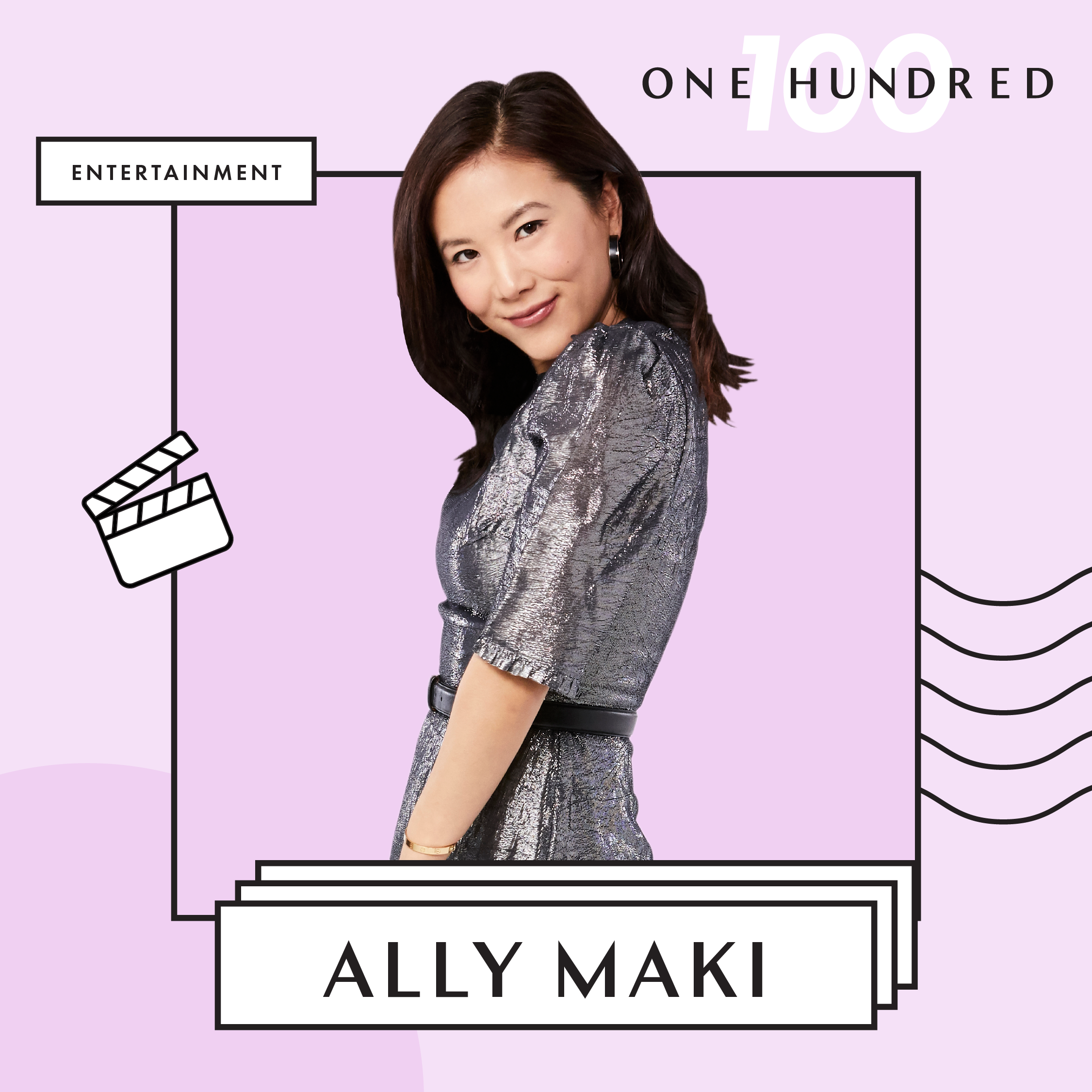
Create & Cultivate 100: Entertainment: Ally Maki
“If I’m not vocal about my unique experiences, there is no one else who can tell them.”


Ally Maki knows firsthand that representation matters.
When she was younger, she joined club after club in search of a community where she felt seen—but they all came up short. Which is why the actress (who you no doubt recognize from popular TV shows like “Cloak & Dagger,” “Dear White People,” and “Wrecked” and whose voice you know as Giggles from “Toy Story 4”) founded Asian American Girl Club, an apparel company that celebrates Asian American women.
But this is about so much more than just apparel. Maki has launched a movement. A global community has rallied around AAGC’s culture-pushing content that is “dedicated to the normalization of the next generation of AAPI gals and boss babes,” as their mission so aptly puts it. Maki is giving the next generation a platform and a voice—and she’s just getting started.
Ahead, the actor tells Create & Cultivate all about her plans to carve out the career of her dreams and empower women like herself, how she handles failure, and her #1 piece of advice for aspiring actresses starting out today.
CREATE & CULTIVATE: You started doing musical theatre when you were six but you’ve also worked in the journalism field and even performed in a band. How did you settle on acting as a career? What did it take to get to where you are today? Was Hollywood receptive or have you had to fight for your spot? Why?
ALLY MAKI: I've had a love for performing since before I can remember. I was the kid who put on very detailed musical puppet shows from my bedroom but would be completely silent at school. I was insufferably shy. My parents were extremely supportive and really allowed me to try everything as a kid, even when we all knew it wasn't going to be "my thing." Sports was a total disaster. But I always got to try, which was important. When I started doing theater, everything started to make sense for me. It was the one place where I felt like I could be as crazy and weird as I wanted without any judgment. I think that passion and want for a safe space are what has always kept me going through any situation I’ve faced. It will always be fuel for me.
You recently landed the part of Giggle McDimples in “Toy Story 4.” We read that you were a huge fan growing up and that it was one of the first films you saw in a movie theater, what was your first memory of seeing “Toy Story?” Can you talk through why and how this movie impacted you? And how did this character Giggle allow you to unlock your true potential?
Friendships create the baseline foundation for a person’s life, especially during childhood. “Toy Story” as a franchise has taught me so much about friendship, purpose, and identity. I remember my mom had this huge basket that when you opened the top, was just filled to the brim with old school clam shell Disney VHS boxes. It was like a real-life treasure chest. “Toy Story” was the film that played on repeat all day long.
Animation hits in a way for underrepresented kids that’s insanely powerful. When you don’t see people who look like you on screen, you find yourself desperately searching for representation in any format. Characters like Buzz, Woody or Slinky Dog defied stereotypes and created heroes that looked as imaginative as we wanted. Anybody could find comfort in Rex’s anxiety. We saw ourselves in Hamm’s wisecracking wit. Giggle shows me how to use my voice in a big way even when I feel small. And we all know at the end of the day that these characters would be there for us at any moment.
“If I’m not vocal about my unique experiences, there is no one else who can tell them.”
You’re also on a lot of the merchandise, and you now have little girls dressing up as you. What does that mean for you to see that? How will that impact generations coming up behind you and why is that visibility important?
It really means everything. Seeing little girls dressing up as Giggle during the release of the film was absolutely one of the most emotional experiences. It’s a hard feeling to describe. I found it fascinating that through all the brilliant minds at Pixar who helped to create this character, a new iteration of what is possible was put into existence. I love that girls can now say “of course I can be police chief, duh.” This is what TV/film characters do. They can change culture in an instant. I remember a moment that really got me, a mom had sent me a message on Instagram saying that her 6-year-old Asian American daughter had just seen the film and told her excitedly, “Giggle looks like me.” She’s making that connection. It’s moments like these where you feel it on a massive level.
As one of the few South Asian actors in Hollywood what are some of the biggest challenges, you've faced as an actor? Do you think this is changing? And what more needs to be done?
I moved to L.A. when I was a teenager, and by the time I was in my early 20s, I remember feeling so burnt out. The industry was a massively different place than the awesome little musical theater camps I grew up in. All of a sudden, we were being categorized and put into separate boxes based upon factors like appearance and ethnicity. At 14 years old, it did a doozy on my self-worth. I internalized it in a way that went far past auditioning—I told myself I could never play or deserve to be a leading character. Even in real life. Half of my inner battle has been really reprogramming my own psyche. Finding and nurturing young talent in front of and behind the screen is so important. It’s about creating that pipeline of creativity.
You're the founder of Asian American Girl Club, so when you're not busy filming, you're working tirelessly to inspire Asian American girls and women to not be afraid to use their voices and be proud of who they are. When did you decide to start this club? Was there a moment that inspired the movement or was it something you always wanted to do? How do you join the club, what do you do once you're in, and how is it inspiring change?
There really was no specific “aha” moment for the creation of Asian American Girl Club, but rather a culmination of all of the life experiences I had not only experienced but witnessed through the eyes of other AAPI women around me. These women are multifaceted, beautifully talented, and so wanting to build a sisterhood of support. It’s something I found was missing in my own life, as a girl who had two brothers and very few female friends growing up. AAGC was founded on the floor of my living room with nothing but a name and a logo, truthfully not really knowing what it would be. We uploaded it to IG at 10:30 pm and I swear the next morning our inboxes were flooded with messages from girls around the country just wanting to tell their stories and share what it means to them that this exists. A few had sent in college style essays that read as if they were taken from my very own mind.
One of my hopes for AAGC is that it inspires others to start their own companies, projects our just aim for their highest dreams—because they see others who look like them doing it. To be fearless and strong knowing there are support and community behind them saying, “Yes, it’s possible.”

When did you first realize that you are a voice for the Asian American and Pacific Islander community? And how do you feel about that responsibility?
When I first started doing interviews, I was just answering questions authentically from my life experiences. Through each one, I started to get clearer and more confident in what I was saying and how it could be valuable for others. It certainly feels scary, but at the same time, I realize that if I’m not vocal about my unique experiences, there is no one else who can tell them. That springs me into action.
When you hit a bump or hurdle in your career, how do you #FindNewRoads + switch gears to find success?
Just follow your heart. If you had told me a year ago, I would have my own business, I would have probably laughed. Just follow where your intuition is taking you. It knows you better than you know yourself.
You've had an incredibly successful career. If you could go back and talk with young Ally, what do you wish you could tell her? Why?
That you can do all the things you’re dreaming of. It’s all possible.
You have become a role model to so many young women everywhere, what advice would you give to a young woman hoping to follow in your footsteps? How should they be prepared? What are the key traits to succeed in entertainment today?
Don’t be afraid to use your voice and take big chances. Everything good that has ever happened in my career has come from a moment of choosing what may seem like the scarier path—but something about it rang true to me and only me. You have to own that.
Take time alone to really think about what your true goals are. They are going to be unlike anyone else’s—and that’s okay.
Speak up for those that may not have as loud of a voice.
Embrace your uniqueness. The weirdest parts about you are usually what people will resonate most with.
The entertainment industry is incredibly competitive, how do you create a unique voice and character that stands out above the rest?
Funny enough, the hardest part about creating a character, for me, is grounding it in authenticity first. The trap of acting is feeling like you need to be someone else before you can play a character. Finding that tiny bit of truth that rings true for me is the impetus for everything else. Once you find it, it seems to open everything. You can then add all the fun nuances and character-driven elements and it still feels real.
Most people are scared to voice their opinions for fear of the ramifications, but you always seem so bold and self-assured. Do you ever worry being so outspoken will hurt your career? Where do you think this confidence stems from? What advice do you have for people who are feeling self-doubt and want to have more courage?
It’s certainly very scary, in this social climate, to feel like you can speak up, and I deal with that fear all the time. In my experience, I’ve always tried to stay true to who I am and speak directly from my personal journey. That’s all I can ever speak from. I remember when people first started to talk about representation, people would ask me my thoughts on it and I would just share things that have happened to me. Throughout the years, the more I talk about it, the stronger I get. It becomes less about fear and more about finding those people that connect with what you’re saying. Start small. It doesn’t have to be a full-on TED talk, but maybe practice a mini one in the mirror to yourself solo and go from there.
You don't seem afraid of making tough decisions, but what is the hardest decision you’ve ever had to make professionally? And how did you get through it?
I am actually a terrible decision-maker. It’s something I’ve struggled with over the entire course of my life. Through mistake after mistake, I’ve finally come to the realization that it was never the decisions themselves that were difficult, it was always my underlying reasoning for making them. I was making choices based on what I should do and the validation of others versus following my heart, intuition and what I want to do—should versus want. It’s been a definite uphill battle these last few years as someone who is an absolute perfectionist and eager to make the people around me proud, but I realize that I am no good to others if deep down I’m not happy or fulfilled. All the art we create has to come from that good place. Don’t ignore that first gut feeling telling you what you know is true for you.
“Just follow where your intuition is taking you. It knows you better than you know yourself.”
Who in your field most inspires/influences you the most? How has this person changed/influenced your career? Why?
I am incredibly enamored by those who walk the walk confidently and use their voice for change. Ava DuVernay, Reese Witherspoon, Malala, and activists during the Japanese American internment camps. My friend and editor-in-chief at Allure, Michelle Lee, who time after time shows how we can use our influence to help others.
Success is such a broad term and it means something different to everyone. How do you define success? Why?
Success should never be measured in comparison to others or defined by money or fame. There are so many alluring factors that come with a career in the arts, but I find that, at the end of the day, if you don’t 100% love what you’re doing, it will never fulfill you, no matter how high up you get. I’m still that girl that would put on goofy shows in my parent’s living room and I hope to never lose her. I really try not to let other people define my personal success. When I go into auditions, I only feel like a failure if I think I let myself down. If I knew I didn’t do the best that I could have or wasn’t true to myself. Everyone else’s opinion I try not to let affect me as heavily.
With success comes opportunity, but it also means you have your hands full. What keeps you inspired and motivated to keep going even on your most challenging days?
Being grateful and feeling everything. My stylist, Zadrian Smith, and I were recently in New York to attend an event that I considered to be a pretty big moment in my career. I remember being so extraordinarily overwhelmed by it all—the travel, feelings of unworthiness and social anxiety, looking and feeling confident (which are two completely different things) balancing auditions that always seem to pile on when I’m away. It’s so easy in these moments to lose focus of why we’re doing it all. It becomes a bit blurry and you can really lose yourself in the moment.
My inspiration in those times really comes from putting into focus what my goals are and the things I’ve day one dreamed of. When I feel it’s all too much, I will literally freeze in the middle of the room, take a deep breath and start to remind myself what I’m really doing this for and why it matters to me. If we don’t have our “why” then the doing just starts to feel like work. You start to just feel like a chicken with your head cut off.
The filtered world of social media often hides a lot of hard work and behind-the-scenes hustle. What is the reality of being an entrepreneur today? How hard is it really? Be honest!
This question makes me laugh because most people have no idea that we at Asian American Girl Club are a teeny tiny team. That means that—from posting to keeping up the shop, developing new products, social media campaigns, shoots, and writing content—it is mostly all created between a couple of people. I am hands-on with every single detail. It’s madness and there are times where I will just burst into tears, yell into a pillow, or fall onto the hardwood floor in the shape of a sloth-like snow angel. Entrepreneurship has challenged me in ways I never thought possible, but I love it so much. One DM from a girl who says that it helped her understand herself in a new way makes everything worth it. I’m such an adrenaline based person so the thrill of not knowing what’s around every moment gives me massive energy.
What is the best advice you have been given? Or a favorite piece of #realtalk?
“What’s the worst that can happen?”
What is the #1 book you always recommend? Why?
Anything by Brené Brown. Her words on vulnerability and shame have gotten me through some of my toughest moments.
What is the #1 movie you always recommend? Why?
Early Miyazaki films are the cornerstone of my youth. They were some of my earliest showings of outside-of-the-box heroines and women that were powerful in extraordinarily imaginative settings.
Photographer: Jenna Peffley
Hair: Styled by OGXpert & Celebrity Hairstylist Jillian Halouska
VIEW THE FULL CREATE & CULTIVATE 100 ENTERTAINMENT LIST HERE.

Create & Cultivate 100: Health & Wellness: Sarah Larson Levey
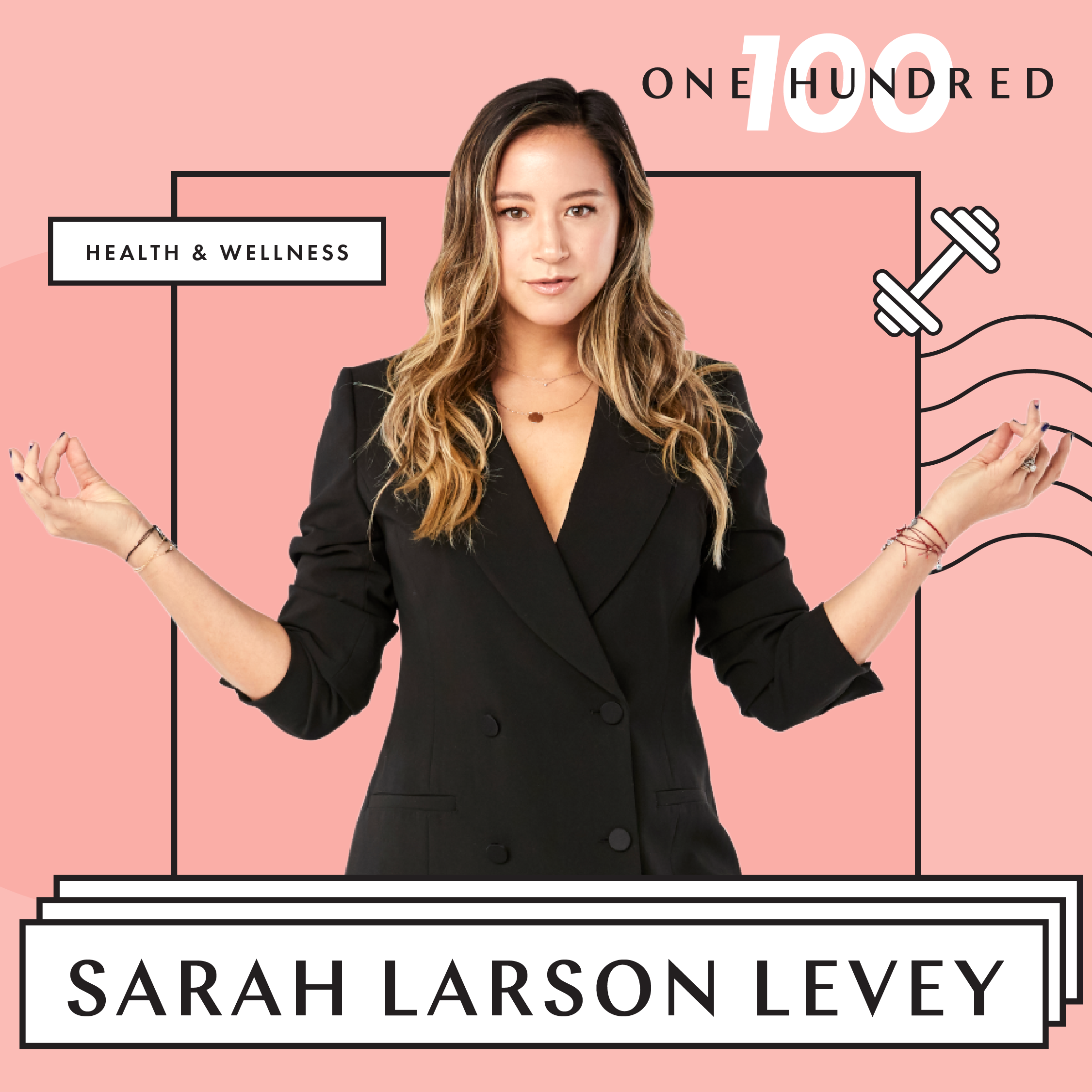
“The fate of your future isn't something that should be rushed.”

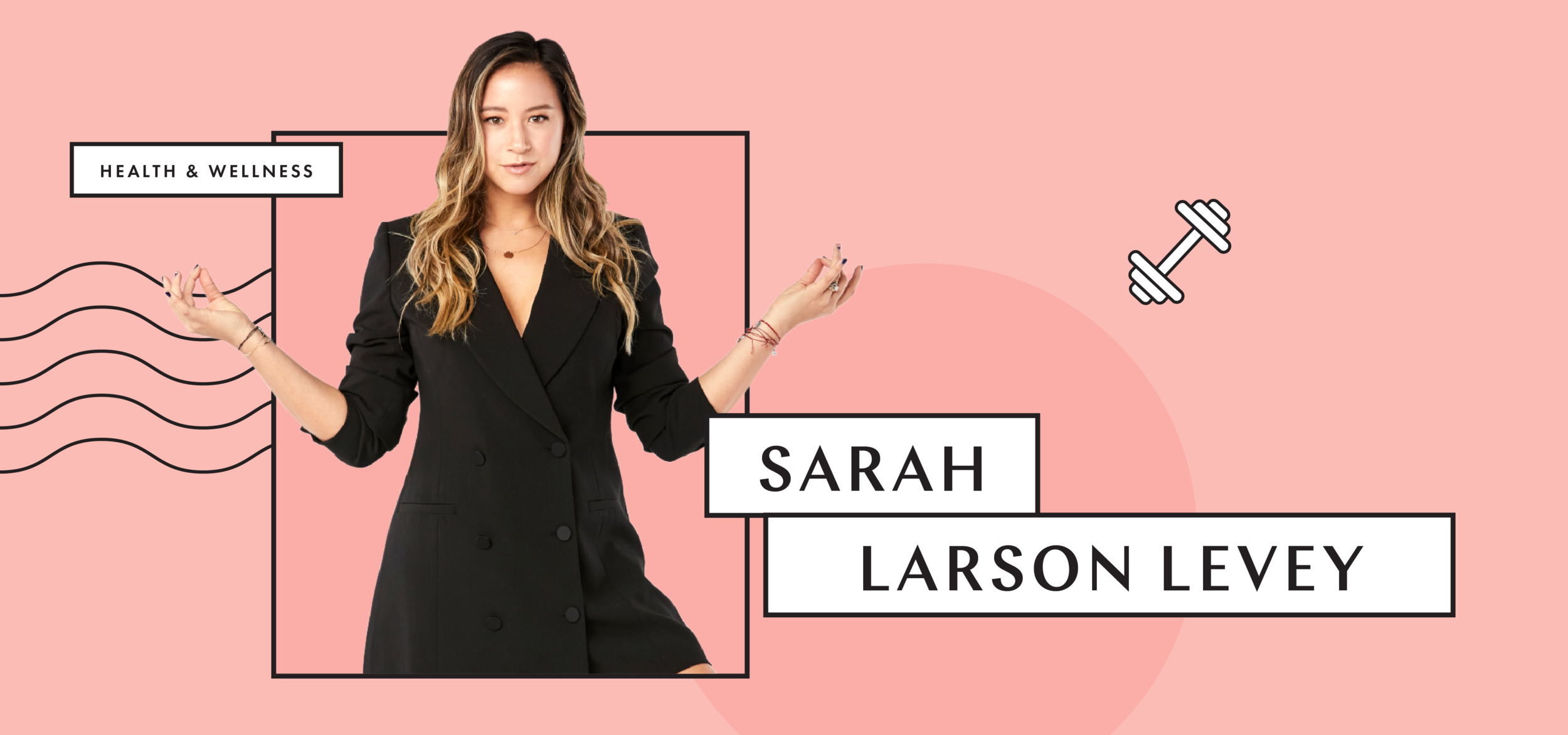
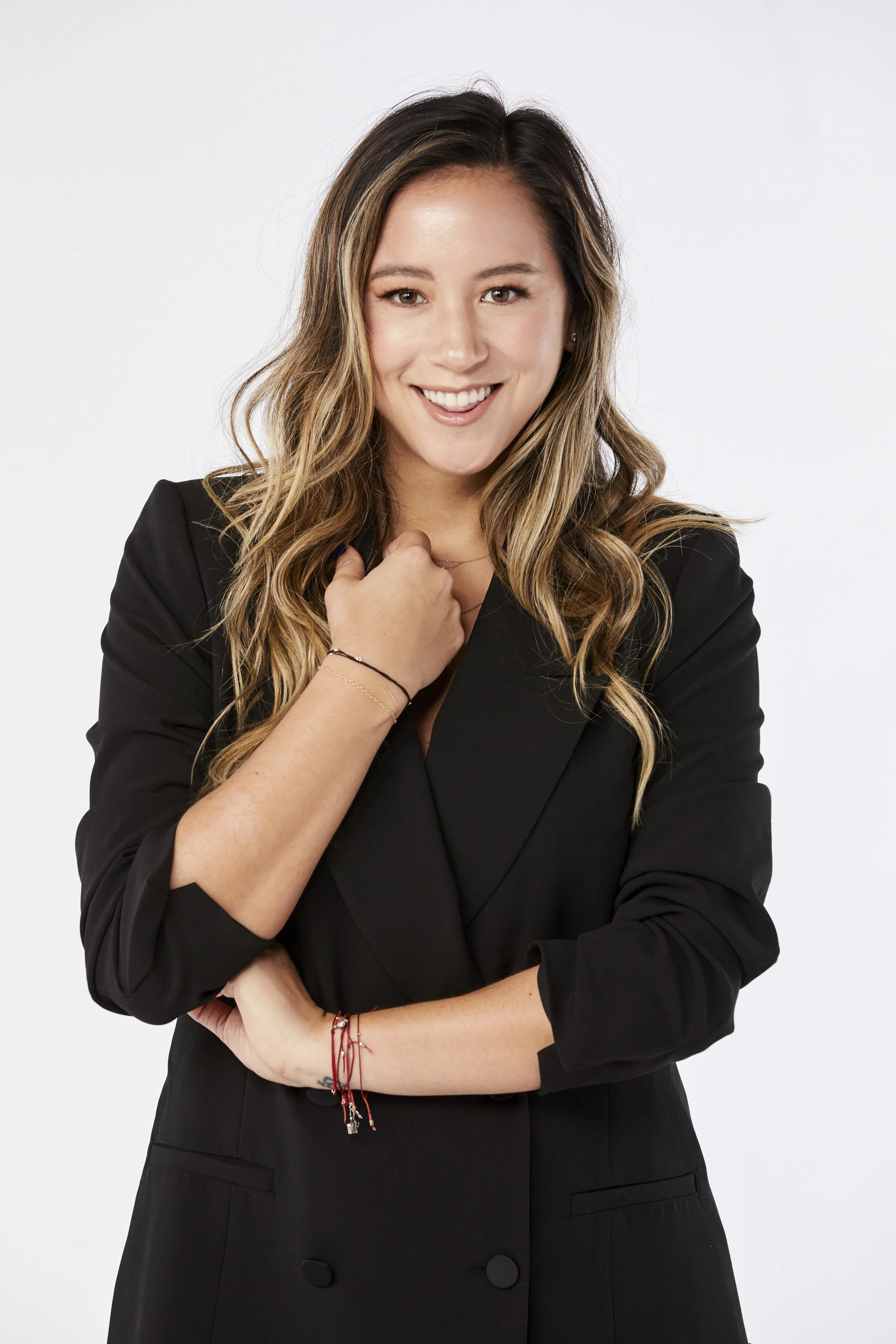
Sarah Larson Levey was a New York-based fashion executive before she founded Y7, an unconventional yoga studio with humble beginnings as a pop-up in Williamsburg. Fast-forward to 2019 and Y7 has expanded to 14 locations across the U.S. from Brooklyn to Silver Lake—and shows no signs of slowing down.
And to think Larson Levey hated yoga. Her dissatisfaction with the current offering led her to a Craiglist search for a small space where she could host hot yoga classes in the dark to hip-hop music. It was a radical idea but it took off and has completely disrupted the market ever since. The company launched in 2013 and made $9.8 million in revenue in 2018 where it was also included as No. 80 on Inc.’s list of America's 500 Fastest-Growing Companies—Larson Levey also starred on the issue’s cover.
Ahead, she shares the lightbulb moment that sparked her to leave her full-time job in fashion behind to pursue an entrepreneurial endeavor in the fitness industry, including the mistakes she’s learned from along the way, the #1 piece of advice she’d give to women starting out in the fitness field, and the reality of the behind-the-scenes hustle.
CREATE & CULTIVATE: You were a New York-based fashion executive before you made the huge pivot to co-found Y7 with your husband in 2013 as a pop-up in Williamsburg. Can you take us back to that lightbulb moment? Where did this idea come from and did you know it would be as big and successful as it is now? Why do you think this style of Yoga has struck a chord with so many people?
SARAH LARSON LEVEY: I was so frustrated with my yoga experiences. I never felt skinny enough, fit enough, flexible enough, spiritual enough. I was tired of feeling like an outsider in a practice that is for everyone. I decided to create a space that catered to that. Y7 is a space that you can move how you want to, every cue is just a suggestion. I had no idea anyone would even want to practice yoga this way, but it turns out a lot of people were craving a place to practice that doesn’t require these false prerequisites that are portrayed to us.
Now Y7 is available in 14 locations across the U.S. with plans to expand and over 300 employees. Can you take us through your marketing strategy and branding? How do you create a brand that stands out in a sea of competition? What unique social marketing tips do you have for other entrepreneurs to help grow their company online?
Our strategy has always been to provide a consistent client experience. For Y7, that is sweat-dripping, beat-bumping, candlelit yoga. In a space that is so competitive with endless options, it is important to be the space that clients can count on.
When you hit a bump or hurdle in your career, how do you #FindNewRoads + switch gears to find success?
I always find that taking a step back is helpful. Looking back at how much has already been accomplished and remembering that I have been in this tough space before and I can get through it again.
“It’s hard AF. You have to be okay with failing. You have to be okay with getting tough feedback.”
Growing as quickly as you have doesn't come without its challenges. What have been some of the biggest hurdles you've faced along the way? And what did you learn from it? How did you turn that into an opportunity?
One of the biggest hurdles I had was myself. I used to take every review of every class personally. Every time anyone had any sort of feedback I would get defensive and sit in my thoughts. I would get so worried about what every other studio was doing and how I was going to keep up that I almost lost sight of my vision for Y7. I got out of that headspace and learned that the way to grow is to stay focused. Know what you stand for and be that and keep going.
From the outside, you're hugely successful and killing it but we all know the reality is very different. What do you wish more people knew about your job? What are the biggest misconceptions?
The highs are so high that it looks like fun all the time but it takes a lot of work to get to those moments. Sleepless nights, constant worry, roadblocks, you just have to keep going through it all and know that it will pass. Also... yes I work in fitness, but I barely get to work out I am so busy!
The filtered world of social media often hides a lot of the hard work and hustle behind-the-scenes. What is the reality of being an entrepreneur today? How hard is it really? Be honest! What traits do you need to succeed as an entrepreneur or founder in the competitive start-up environment? Why?
It’s hard AF. You have to be okay with failing. You have to be okay with getting tough feedback. Knowing when you have to change your behavior and knowing what your strengths are and where you may need help. You have to let go of your ego—be open to ideas.
Where do you think is the most important area for a business owner to focus their financial energy? Why?
Oh, wow. This is a tough one—it depends on what business you are in! For me, it has been supplies and labor. For the first three years of the business I ordered all of my supplies off of Amazon... lol... not the best idea. We have since switched to a vendor that is able to consolidate all of our orders and items so we are minimizing our costs and ordering efficiently.
Raising money was necessary to take Y7 to the next level and grow in the way that it has. What are some of the most common mistakes people make when raising money? Why?
Know your worth. Don't just take the first offer you get because it's better than you thought. Do your due diligence and ask questions. The fate of your future isn't something that should be rushed.
Founder depression has been a hot topic of discussion in recent months with more entrepreneurs opening up about their personal struggles. Who do you reach out to when you need advice or support? Do you have a mentor or are there groups you can turn to? What advice do you have for people here today who might be struggling with that too?
This is something that I definitely struggle with. There are moments of being so overwhelmed you think you will never be able to deal with everything. Early on, when I made the decision to make Y7 my full-time priority, I found a coach/therapist that I love. She helps me not only professionally but personally as well. She has been instrumental in helping me become the leader I am today. I feel very fortunate that I have girlfriends who are in the same position as me and I can always count on them for bottles of wine and just talking. If you ever start struggling with depression my number one recommendation is to seek professional help. It's so important we start to take care of ourselves in this way.
What’s a piece of advice you’d give to women starting out in your field? Why?
Don't be afraid to try something new. People could be craving something they don't realize.
We live in a fast-paced world that doesn't seem to slow down, what's your best tip for taking care of our mental, physical, and spiritual selves?
Know what works for you! I know that time with friends and a good glass of wine is how I fill up my cup.
What is the #1 book you always recommend? Why?
The Monk by Matthew Lewis. It was required reading for one of my lit classes in high school. It was written in the 1700s and is still so relevant today. I come back to it time and time again.
Photographer: Jenna Peffley
Hair: Styled by OGXpert & Celebrity Hairstylist Jillian Halouska
VIEW THE FULL CREATE & CULTIVATE 100 HEALTH & WELLNESS LIST HERE.

Create & Cultivate 100: Music: Bebe Rexha
“The only way to overcome fear, nerves, and hurdles is to face them with strength and confidence.”


She's a Grammy-nominated artist with 7.6 million Instagram followers but Bebe Rexha is also here to shine a light on mental health issues. The multi-platinum-selling singer-songwriter is known for some of your favorite pop star’s biggest hits (think Selena Gomez, Iggy Azalea, Rihanna and Eminem) and now as she branches out as a solo artist, Rexha is riding a wave of success. But she’s not afraid to pull back the filter on social media and share her vulnerabilities too—the good days with the bad.
Despite all of her fame and fortune (she’s collaborated with major artists like Cardi B and Rita Ora) the talented musician has proven there’s plenty below the surface, too. Read on to learn why she is one of the industry's most promising musicians and how she’s changing the game, one truth bomb after another.
CREATE & CULTIVATE: You recently launched a minute long docu-series in which you share your life with your fans over Instagram. Why did you choose to start sharing more? Where did the idea for 60-second mini-documentaries come from?
BEBE REXHA: I'm so glad you saw this. This was an idea I had to share what some of my favorite and most hectic moments are like while on the road. When on tour for several months, I wanted to think of a fun way to connect with fans outside of quick social media posts, so we decided to make these mini-docs. They're actually a blast to make.
When you hit a bump or hurdle in your career, how do you #FindNewRoads + switch gears to find success
When I reach an obstacle, I push right through it. The only way to overcome fear, nerves, and hurdles to face them with strength and confidence. Anyone can do anything they set their hearts to.
“I say what I feel, I mean what I see, and I try to spread words that empower and/or make people think.”
You recently said your new song 'You Can't Stop The Girl' was inspired by Serena Williams. Where else do you find your inspiration? Who else inspires you and your work?
I find inspiration everywhere in this world. I am inspired by the stories from fans I meet on the road, I am inspired by fellow artists and musicians who also use their reach to help others, I am inspired by everyone who stands up against society's pre-constructed norms, and much more. I just returned from Albania where I visited those affected by a recent earthquake, and I met some families who lost everything, yet they greeted me with open arms and smiles on their faces—that is inspiring.
You preach (and practice) the idea of self-love. What does self-love mean to you? Why is it important for women to embrace this attitude?
I'm grateful to be surrounded by people who also practice self-love, and that has helped me learn self-love. I try to pay that forward with my music and messages.
The music industry is fairly cut-throat and competitive. What advice do you have for musicians coming up now? What do you wish you'd know when you were first starting out? Why?
It is okay to say ‘no.’ And if someone says' ‘no’ to you, it doesn't mean you cannot push forward in other ways.

You've spoken out about many of the problems with the music industry, especially those surrounding body image and sexism. What changes are you hoping to see in the industry in the future? How can we make it happen?
I'd really like to see people of all ages, all sizes, and all genders continue to prevail in the music industry. I feel proud to see diversity on the stage and by celebrating art for what it is, and not what the person who makes it looks like, is what we should continue to focus on.
You have had incredible success already but what does success mean to you? How do you measure success? Why? What characteristics make you successful in the music industry?
Thank you. I am proud of my accomplishments thus far, and I do not feel anywhere close to being finished. I actually feel like I'm just getting started. One of the things that I am most proud of is that I am afforded the opportunity to write the songs I perform. The songwriting process and art of collaboration is something that keeps me going.
“Even with all of the self-love and confidence I strive for, I do still have my moments of vulnerability.”
You come across so confident in both your music and your online presence. How have you developed this confidence? How can other people build this confidence in themselves?
I am proud that it appears that way but even with all of the self-love and confidence I strive for, I do still have my moments of vulnerability. And I'm not shy about showing my vulnerabilities on social media and embracing the good days and bad days. I feel so much love from my fans—they can turn my mood around in a heartbeat (love you all).
Social media filters have disrupted our sense of reality. How do you stay true to who you are and your voice and not follow what everyone else is doing or is popular on Instagram?
Oh, sometimes I receive suggestions to have a better filter on Instagram (keeping in mind the diverse age demographics of people on social media) but I just stay true to me. I say what I feel, I mean what I see, and I try to spread words that empower and/or make people think.
VIEW THE FULL CREATE & CULTIVATE 100 MUSIC LIST HERE.

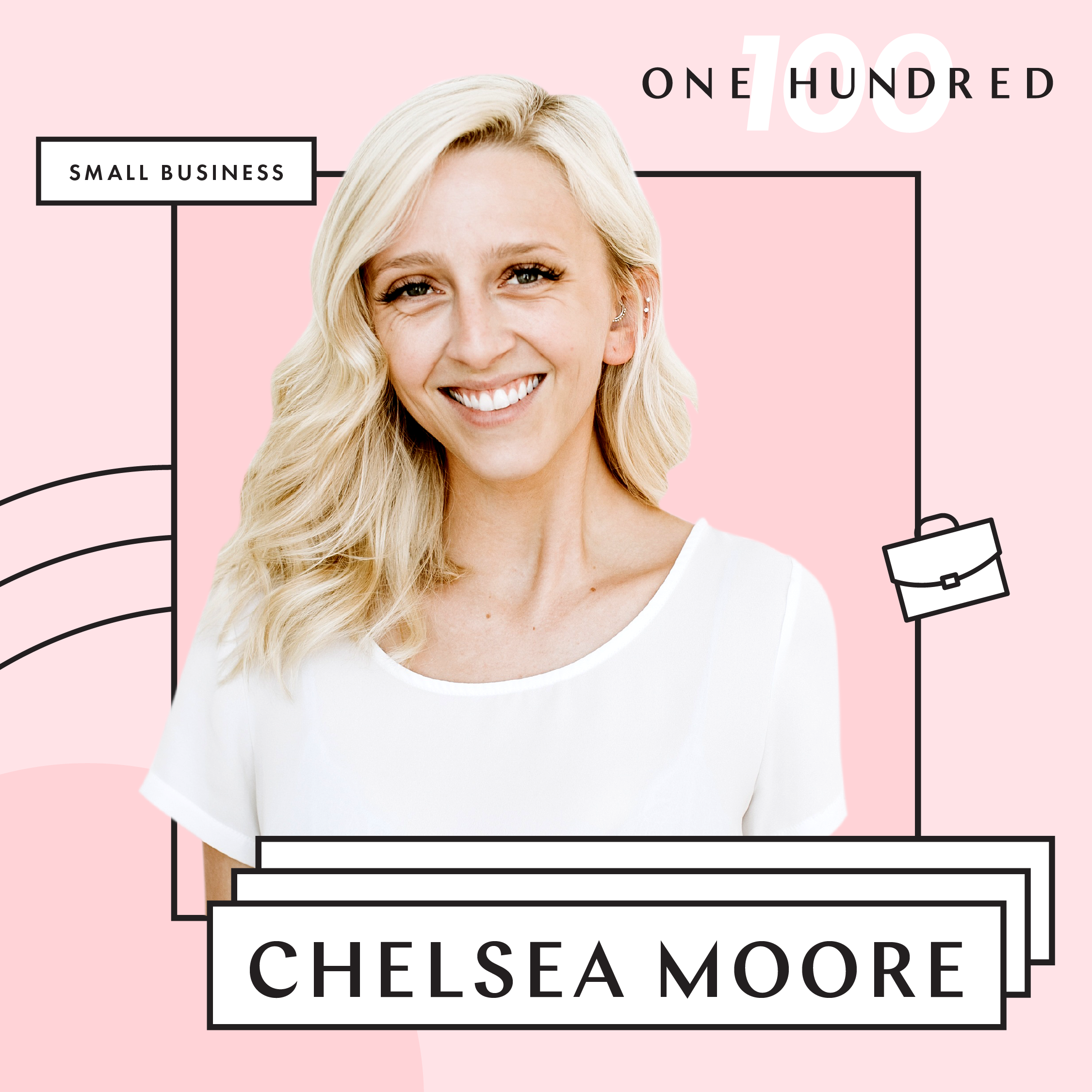
Create & Cultivate 100: Small Business: Chelsea Moore
“Just get started—once you get going, it really will snowball from there.”


Every successful business idea comes from a need, a gap. It's in this whitespace where Chelsea Moore and her two co-founders, Jenni Olivero and Sabena Suri stumbled upon the idea for their gifting company, BOXFOX.
After a close friend became sick, Moore and her cofounders, Jenni Olivero and Sabena Suri, realized there was a serious lack of options that could show you were “there” for someone even when you couldn't be there physically. “We wanted something that went beyond flowers and the typical overpriced (and wasteful) gift basket,” she tells Create & Cultivate. “Our standards were high: we wanted something presentable, personal, and with a purposeful product that was simple to send.”
So, they did some research and discovered a lot of people were also looking for a modern and seamless gifting experience, too. It didn't exist, so they built it and they’ve been disrupting the space ever since. Now, five years later, they have an easy-to-use consumer platform with a pre-curated ready-to-ship collection, a Build a BOXFOX platform where customers can build their own gifts and care packages from all the best brands in one place, and a corporate gifting arm called BOXFOX Concierge, with a dedicated sales team and a members-only platform.
Read on to hear more about how they are redefining the gifting model, how they work together as co-founders, and why they decided to bootstrap the business over raising VC.
CREATE & CULTIVATE: As the co-founder and CEO of BOXFOX you have your hand across all areas of the business—but for those of us who don't know what it's like to be a CEO or aspire to, can you share what your role entails? Can you give our readers a snapshot into what your day-to-day of a CEO looks like? Does the reality of your role stack up to your expectations?
CHELSEA MOORE: Here at BOXFOX, as co-founders, we lead equally, so we share a lot of the long-term planning, people management, and financial responsibility. However, we've all settled into the verticals we spearhead, with each other’s support, of course. As the CEO, I oversee all creative, marketing, legal, and web development. On a daily basis, I'm either diving right into emails, design work, photography, approving content calendars, web development projects, putting out fires, or planning meetings. Being our CEO is everything I expected, in that I believe there is sometimes stuff you want to do and stuff you have to do, and I was prepared for that roll-up-your-sleeves reality. The one aspect of the job I wasn't expecting though was how much more complex it all gets as you grow. There's more to oversee, more to manage, and more at stake.
Gifting is such a saturated space. What makes BOXFOX different? How have you differentiated the brand so it stands out above the competition and in a crowded industry? Why do you think BOXFOX has been so successful?
We didn't invent gifting, but we did make it modern in a way no one else was doing. We prioritized being a business built with scalable customization at its core, empowering customers to gift well and often. For B2B, corporate gifting lacked a ‘go-to’, elevated, all-in-one solution. BOXFOX has built a brand with a diverse, loyal following who seek approachable, no-fluff, tech-forward, personalized service to make life easier for everything from small tokens to grand gestures. We're proud to share an office space with our warehouse and be an approachable, authentic gifting resource for our loyal customers.
“Do your research, be prepared, and be ready to work 10x harder than you could have ever expected.”
You proudly run a self-funded startup, so can you talk us through the bootstrapping process? Would you recommend that route to other entrepreneurs? Do you have plans to scale? Do you have plans to raise?
For us, bootstrapping from the start was intentional: we wanted to prove the effectiveness of our business model, perfect our systems, and decide what type of company we wanted to build—how quickly or slowly, how much control we wanted to maintain, and what our priorities were. Early on, our goals were to achieve steady, organic growth, build a meaningful workplace, and reinforce the human side of e-commerce. We weren’t necessarily thinking about an exit strategy, which raising money would have necessitated, so it wasn’t the path for us.
Of course, there are so many businesses that raising makes sense for; the best advice I’ve ever gotten is to truly think about what your priorities are, and whether those objectives line up with taking on capital. It all comes down to what kind of business you want to run.
When you're a small business you have to fall in love with the numbers, what have been some of the hardest money lessons you've learned along the way? What is your #1 money tip for small business owners? Why?
Do not be afraid of numbers—run into their arms and embrace them. Understanding them is the key to really understanding your business. If they intimidate you, take classes on Skillshare or Lynda, find a family friend who will sit down with you for an hour and explain more advanced concepts. Don't just find accountants and bookkeepers who you delegate to, find ones that will educate you and make you a stronger business owner.
What were the immediate things you had to take care of to set up the business?
I'm not sure if there is a perfect order for these initial items, but we bought our website domain, went through the city/county/state to set up all business license documents, got a CA resale ID, and then started our social channels about six months prior to launch. Then in the meantime, we were building our website and coordinating our first BOXFOX box samples.
There are three co-founders at BoxFox—do you recommend having partners in business? Why? What is the secret to a successful working relationship?
I think every business can have different needs when it comes to solo founders versus co-founders, but for us, it has been such a blessing to have each other on this journey. We each bring complementary strengths to the table and different backgrounds which only bring out the best in each other and our business. The secret to our successful relationship is a shared long term vision for where we want this to go, respect for each other's personal and professional needs, and over-communication.
When you hit a bump or hurdle in your career, how do you #FindNewRoads + switch gears to find success
On a business level, there can be setbacks or mistakes and our company philosophy is always to analyze, find the silver lining, and never make the same mistake twice. When it's a personal bump or hurdle, like creative burnout or management overload, I've always believed in taking action. Identify the issue, come up with a plan, and move forward, because life is way too short. Before BOXFOX, I was so unhappy at my old job, but after a month-long pity party, I quit and we set off on this entrepreneurial journey.
You have had so much success, but if you could go back to the beginning with the knowledge you have now, what's one thing you would tell yourself and why?
We have such great lawyers, accountants, insurance brokers and outside partners that we rely on so heavily. It can be scary to reach outside of your immediate circle to find the experts you need, but if I could go back, I would have prioritized finding these superstars sooner.
“The biggest lesson we’ve learned along the way is that business is personal and management is a muscle that has to be strengthened.”
Creating buzz so people know about your brand can be challenging for small businesses. How do you market your business? How are people aware of your business? What are some unique social media and marketing tools you've used to grow organically?
We didn't have the money for digital marketing or PR in the beginning, so we got creative. We have a very strong visual identity, so we took the time to perfect that and lean into free tools, like Instagram and Pinterest. Beyond that, we leveraged our network and told everyone we knew and met about our company and mission. We definitely got lucky with some organic press hits in the beginning too. As we've gotten bigger, we've experimented with PR and digital marketing in small bursts of concentrated effort, but the overwhelming majority of our traffic is still organic or word of mouth.
What are some of the biggest lessons you’ve learned along the way and what have they taught you?
The biggest lesson we've learned along the way is that business is personal and management is a muscle that has to be strengthened. Leading a company requires empathy, interpersonal skills, a desire to connect with employees, partners, and vendors in a meaningful way. It takes practice, and it's never perfect, but the reinforcement of those skills has happily become a big part of my life.
What advice would you give to young entrepreneurs who have an idea but don’t know where to start to execute it?
Do your research, be prepared, and be ready to work 10x harder than you could have ever expected. I always share with fellow entrepreneurs to just get started. Perfect those product samples, start setting up the business paperwork, test the software. Once you get going, it really will snowball from there. Also, never agree to start doing anything without a signed contract (you will thank me for this later, I promise!).
Photographer: Lexi Hatch
VIEW THE FULL CREATE & CULTIVATE 100 SMALL BUSINESS LIST HERE.

Create & Cultivate 100: Beauty: Desi Perkins
“Anything worth doing takes hustle.”


From cocktail server to YouTube star, mega-beauty-influencer Desi Perkins is proof that anything is possible. After her last-minute Halloween costume went viral in 2012 (and her husband posted this selfie) her career suddenly snowballed into a social media star.
Cut to today and the makeup brush-wielding influencer has amassed millions of fans around the world (we’re talking 3.9m on Instagram and 3.2m on YouTube) who tune into her incredible makeup tutorials. (Even industry heavyweights by the likes of Kim Kardashian, Victoria Beckham (!) Nicole Richie, and Kate Hudson can be counted among her fans.)
Ahead, we tap Perkin’s to find out how she sets herself apart in a competitive space, the hardest lesson she’s had to learn, and her #1 piece of advice.
CREATE & CULTIVATE: First things first, how did you get into makeup? Can you share your earliest memory with makeup and how it impacted you?
DESI PERKINS: My mother could create a perfect winged eyeliner in the middle of chaos. When I was a kid I always watched her with amazement. I’ll never forget saying to her “I want to be able to do that” and she said, “One day you will.” She was right haha. I’ve always been passionate about art. I would sketch and paint and I remember my husband had a Halloween party and no costume. I had stumbled upon YouTube and watched a special effects how-to tutorial and thought, “I could do that.” I gathered my makeup and a face paint palette and painted his face. I figured it would be just like painting just on a different canvas. He went out that night and everyone asked who had done his makeup and if I do it for a living. I said yes, even though I didn’t, and the rest is history. Next thing I knew I was taking bookings out of my house.
You are incredibly successful but we know it has taken a lot of hustle and hard work to get there. What does a day in the life of Desi Perkins look like? How many hours do you put in a day? How hard is it to be your own boss? How has your role evolved over time since you first launched your YouTube channel?
Anything worth doing takes hustle. I started out on my own not knowing what this would turn into. Before I knew it, I was my own manager, producer, editor, photographer, and makeup artist. It’s a juggling act for sure, but I love it. We do a good job of making this job look easy but in reality, it’s many different jobs rolled up into one. I have slowly recruited my family members onto my team to help me, and I love the dynamic because we are all in and love spending time together. For the first few years of my career, I didn’t have designated days off, which I soon realized was a disservice to my creativity so now I make sure to give myself time to reset. It has been a learning experience, but now I have the hang of it. I get to create every day which is what I always wanted in life.
You're creating a new blueprint for female leaders and forging a new path for women coming up behind you. What are your hopes for women? What advice do you have for the many fans reading this who want to achieve your success? Where should they start?
Thank you! I have seen firsthand how women can be treated in the business world and it can be discouraging, but I also see all the opportunities out there for us. You just have to show up and work hard towards what you want and be consistent.
“If I could give my younger self any advice, it would be that business is business and every deal you do must be beneficial to both parties so protect yourself.”
In an interview with ET, you spoke about how your mom immigrated here at a young age and worked incredibly hard to make sure you had what you needed. What has been her greatest piece of advice? How has she inspired and motivated you to succeed as an entrepreneur? Why?
My mom has always been one of the hardest working women I know. She always had an incredible work ethic and an insane amount of creativity. She would tell me I was too creative, haha. I knew what she meant. I was all over the place with what I wanted to do in life because I just loved doing everything. One day, she told me to focus on one passion and put my all into it. That was the best advice ever because that’s when I focused on makeup and that led me to where I am now. Ironically enough, I have a job where I can now do everything I’m passionate about, but the focus that led me here stemmed from the advice my mom gave me that day.
When you hit a bump or hurdle in your career, how do you #FindNewRoads + switch gears to find success?
I see every problem as an opportunity to find a solution. There are always going to be bumps in the road, and how you navigate them is what will set you apart. I used to let problems get to me, but I learned to protect my energy and see the positive in the situation. The hurdles make you appreciate your successes.
What do you wish your younger self knew when you were first starting out in the beauty industry? Why? What characteristics make you successful in this industry?
I wish I wasn’t so trusting and understood the importance of contracts. I think it’s easy to be excited about a project and not want to rock the boat on the business side of things when you are first starting out. But, if I could give my younger self any advice, it would be that business is business and every deal you do must be beneficial to both parties so protect yourself. On the upside, it was a valuable lesson to learn early on in my career.
In an interview you mentioned that you'd love to launch your own collection one day, is that still on the cards?
That is 100% still in the cards. I’m very excited for 2020.


You are obviously a multi-hyphenate with so many careers happening simultaneously. What is your best work hack for getting everything done? Tell us your productivity secrets!
Lots of coffee and drive. I always make lists of what I need to do and prioritize them by what’s more pressing. I start with the creative process of each project because that’s what I’m passionate about and it fuels the rest.
You are one of our favorite people to follow on social media, so we'd love to know, what is the secret to growing a community like yours? What are your top three tips for growing a following and building a brand on social media?
My three tips would be:
1. Be consistent with your content and post often.
2. Be yourself! As cliché as that sounds, it’s the best tool you have.
3. Lastly, I would say, if you want to work with brands, look at their page to see what kinds of things they are posting so you can make sure your content is on par with theirs so that your work can also be reposted.
Social media always shows the highlight reel but we know that it’s not always a depiction of reality. What's a mistake you made in your career and what did you learn from it? How did you turn it into an opportunity?
It really is a highlight reel. Behind the scenes is the business side of things—which isn’t often seen. I made the mistake of trusting business projects without contracts and that was a huge learning lesson for me. I was upset about it at first but later understood I had great ideas to give and it actually gave me comfort and confidence towards my career.
“If I could give my younger self any advice, it would be that business is business and every deal you do must be beneficial to both parties so protect yourself.”
With success comes opportunity, but it also means you have your hands full. What keeps you inspired and motivated to keep going even on your most challenging days?
I’ve learned that self-care is so important. It’s easy to become a workaholic, especially when you work for yourself, but if you don’t take time for yourself you can burn out and kill your motivation. I recently took a seven-day digital detox and I was incredibly amazed at how much inspiration I gained just by disconnecting.
There is so much competition in your industry, how do you set yourself apart from other major players in the industry? What is your advice for others reading this who want to achieve your success?
I only compete with the person I was the day before. You can’t compare yourself to others because, at the end of the day, it’s your journey, not theirs. I just do what makes me happy and hope people appreciate my art.
How do you define beauty? What makes you feel beautiful?
Beauty is who you are as a person on the inside. When someone is a good person, it radiates brighter than someone who is just a pretty person. I feel the most beautiful when I’m happy and people can feel it.
What is the #1 book you always recommend? Why?
I’m going to recommend a podcast because I just love listening to podcasts, “How I Built This” by Guy Raz. It’s so motivating to hear everyone’s stories of how they built their successful business.

Create & Cultivate 100: Entrepreneur: Lindsay Albanese
“Persistence and consistency are the keys to success.”


As with many of the best business ideas, TopTote was born from a personal need. Lindsay Albanese knew firsthand the inconvenience that came with traveling with a hat, and it was her own experience that sparked the idea for a hat clip travel accessory—a.k.a. TopTote. And hat lovers everywhere are rejoicing.
Fast-forward six years, and Albanese’s ingenious invention, which started out as a humble solution more akin to an “arts and crafts” project, is now available at big-name retailers like Nordstrom (where the product has sold out a staggering twelve times).
Albanese is another career pivot success story. Before she took the leap to become an entrepreneur, she was a prominent celebrity stylist and fashion expert on TV and print media from the Today Show to InStyle Magazine for more than 10 years. Talk about a bold move.
Ahead, Albanese shares the moment she knew her deceivingly simple invention could be a successful business idea, the thing she wishes people knew about being an entrepreneur, and the best piece of #realtalk she’s ever received.
CREATE & CULTIVATE: Your company TopTote sells your innovative invention to solve an age-old fashion problem—traveling with a hat. Can you tell us a little about the lightbulb moment behind this idea? How did you turn your idea into a successful company? What lessons did you learn along the way?
LINDSAY ALBANESE: As a celebrity stylist, I traveled a lot for business and I was always annoyed with the commitment that came when wearing a hat. To wear it or not to wear it, or carry it in my hand. Forget it, I'm leaving it at home! The only option for traveling with a hat, without wearing it the entire trip, is bringing a hatbox. Talk about impractical! I knew there had to be a better way so I created a little "arts and crafts" version and would use it at the airport and people would stop me and say, "That's so smart." I knew I was onto something so I stopped using my little invention. At that time I was in the thick of my styling career and something in me knew it wasn't the time to dive into developing a product but I knew I would come back to it in the future. Cut to 6 years later, and I felt an urge and a shift in what I wanted to do with my career, big-picture wise, and I knew it was the time to take a chance and launch this little idea of mine.
The biggest advantage of my success and building my business was tapping into my resources and network of people. You can't be shy!! I wracked my brain to remember who I knew or had ever met in the product development and manufacturing business. I even called my parents' neighbor who I haven't talked to since I was probably in junior high! But I knew he was in manufacturing so I got him on the phone. This journey of discovery not only gave me different perspectives and opinions about what I should and should not do, but it also gave me a crash course education that helped me make decisions to move forward with my idea. Ultimately all of these conversations lead me to the team I'm still working with today. Trust me, if you dig deep enough and forget about being shy or bothering people, you will always find a link to help guide you in the profession you want to go into.
TopTote has expanded dramatically. You've already sold out at Nordstrom 12 times in the last year, how has your brand been able to grow so rapidly? What challenges have you faced as you've scaled? What tips do you have for entrepreneurs growing their own companies?
A big part of it is that I invented a product that solves a problem that has never been solved before. But then again, people have great ideas all the time and have failure-to-launch syndrome so I need to give myself a little more credit than that. I feel like the hard work and dues I have paid working in the entertainment business the past 17 years as a celebrity fashion stylist, TV personality, and social influencer set the foundation. When you think about it, finding a job or pursuing a career is all about essentially selling yourself, and I've done that since day one back when I was 21 years old convincing people to hire me as a stylist. I translated that experience into marketing and selling my product.
The biggest challenge is learning the business and process of manufacturing. I'm a student CEO in a company that is making huge moves very early on. There are so many layers and steps from idea to a finished product that’s ready to sell. It's mind-blowing! A few of my biggest tips for entrepreneurs is to tap into your resources, reach out and don't be shy, and ask questions to anyone who can help you. People naturally like to talk about themselves, so listen and take it in. Take what resonates with you, and leave the rest. This is free knowledge and education that will help guide you in the right direction.
Also, take the proper steps to legitimize your business legally with the states and for taxes and hire an accountant/financial advisor so you understand your finances. That was the first big retainer I invested in when launching my business and the best decision I have ever made. The biggest challenge, NEWS FLASH, is capital! I am a 100% self-funded company by choice and investing your savings into something that has no guarantee is terrifying.
“If you take ‘no’ for an answer, you’re not cut out for the entrepreneurial journey. Most roads lead to ‘no’ and you have to push through it to get the ‘yes.’”
When you hit a bump or hurdle in your career, how do you #FindNewRoads + switch gears to find success?
Keep going. I have been hired, fired, humiliated, you name it. I always got back up. Persistence and consistency are the keys to success.
Where do you think is the most important area for a business owner to focus their financial energy? Why? What was the biggest money lesson you learned since launching your business?
Secure a trustworthy lawyer and financial advisor because if shit goes down it will most likely affect those two areas. From day one, you need to put best practices in place and have that clarity. As far as product, the money should go into evolving that and making it better.
You're still in the early stages of TopTote but there always competition around the corner. What makes you and your business stand out? How do you find and create a unique point of view?
The Lindsay Albanese brand is a serviceable style company that will continue to create products that make people's lives easier. TopTote is the first of an entire collection under that philosophy. I don't want to just create cute products—there are enough people doing that and that will bore me. I want to create products that create conversations and get people sharing with each other. That, and the fact that I am uniquely me, given my experiences, credibility, and point of view. That is enough to differentiate me just as much as it does for anyone else to be able to show up and compete in this market. It's really all you need.

With success comes opportunity, but that also means you have your hands full. What keeps you inspired and motivated to keep going even on your most challenging days?
That I'm doing it. When this was an idea, a dream, a thought, many years ago is now a reality. That's why passion should play a huge part in pursuing any career or taking the path less traveled when it comes to business. When the going gets tough, the passion for the goal is the magic that always brings you back and keeps you motivated.
Can you recall a specific time you failed and how you turned that around into an opportunity?
Many times. I actually failed most of my life. Up until my first year in college, I was a D and F student. No joke! Finding my passion was the cure for that.
You've been working as a stylist for years and still serve looks all over Instagram, what about your life has changed since you decided to start your own company? What do you wish you could go back and tell yourself when you were first launching your business? Why?
The hardest part is juggling both of my businesses: developing my personal brand as a content creator and influencer and acting as the CEO of my namesake product company. My days are now mostly spent in front of the computer. Startup life is not glamorous! How many stories in my pajamas can I do in one day? The struggle to do outfit posts and curate stories is something I have given myself a break on recently—I'm working on something bigger here that builds an empire—and that’s the focus.
What do you wish people knew about being an entrepreneur? What are the biggest misconceptions? What traits do you need to succeed as an entrepreneur or founder in the competitive start-up environment? Why?
That initial success of a product does not equal wealth. People have insinuated that I'm rich now. LOL. Quite the opposite. There's a transitional growth period when you start a company where you're having to meet the demand of keeping up with the growing business which means you're fronting even more money to manufacture products and paying those bills before the goods are even sold. I could go on and on but you get the picture.
If you take no for an answer, you're not cut out for the entrepreneurial journey. Most roads lead to no and you have to push through it to get the yes. The yes is always there for the entrepreneurs who don't take no for an answer and keep going.
What is your vision for the business? Do you want to stay small and manageable or do you have plans to scale and grow, maybe even sell it one day? Why?
I go back and forth on this. The truth is, I have a goal to build a company that makes serviceable style products that make people's lives easier and to enjoy my life and the business I'm building. That is the most important thing. I want to roll out two new, non-TopTote related products next year and eventually launch four core products the years following that. We will also license TopTote to Fortune 50 companies in the coming years. If you would have told me I would have been an inventor when I started out as a stylist 17 years ago, I would have thought you were absolutely insane. Same with this journey. I'm going to stay focused on building my brand, but I know there will be opportunities that come up that will inspire me to pivot and rethink my goal so we will see! Being open to pivoting and listening to my intuition have been the keys to my success in every move I've made.
What is the best advice you’ve received? Or your favorite piece of #realtalk?
Enjoy it. Sounds simple and that's why it's the most important—because it translates to happiness. I didn't pursue my dream to be miserable all the time and I refuse to be that person who's all of a sudden 80 years old wishing they would have enjoyed the journey a little more. I am fully present in what is happening right now.
Additionally, the best advice was to get a financial advisor, especially when dealing with manufacturing. You need that clarity with your finances so you can sleep at night, run a profitable business, and stay in business! Many businesses fail because they underestimate their financials.
As you begin to grow, there are people that love your brand and spread the word organically, but there will also be those who have a bad experience and share negative feedback publicly. How do you deal with criticism and customer complaints?
Negative feedback can be useful in growing and making your brand or product better. You need to listen to your customers, and if a lot of them are saying the same thing about your product or service, you need to lean into that and decide for yourself what changes need to be made or not.
What advice do you have for other entrepreneurs? How can they achieve the same success you've experienced?
The follow-up gets the fortune. In everything I have pursued, it’s the follow-up that’s resulted in the opportunity, not the first email or call.
Also, if you have that nagging feeling in the pit of your stomach that won't go away that's urging you to go for an idea or dream you have, that is your intuition trying to guide you to your purpose and you have to figure out how to make it a reality.
Little steps toward your goal build momentum that can create a big impact. It takes time, persistence, consistency, hard work, and unreasonable optimism to make anything happen.
What is the #1 book you always recommend? Why?
For entertainment, I loved Bad Blood. For business, I actually recommend people to take B-School by Marie Forleo to help entrepreneurs streamline their ideas. It really helped me define a few things that have been game-changing in regards to my current business.
Photographer: Jenna Peffley
Hair: Styled by OGXpert & Celebrity Hairstylist Jillian Halouska
VIEW THE FULL CREATE & CULTIVATE 100 ENTREPRENEUR LIST HERE.

Create & Cultivate 100: Music: Sasha Sloan
“Take everything with a grain of salt and, at the end of the day, listen to your gut.”


Sasha Sloan isn’t here for filters, dramatic diatribes masquerading as captions, or any other Instagram BS, which is why we love following her. And given that the singer-songwriter (who goes by @sadgirlsloan on social media) has garnered over 202,000 followers, we’re certainly not the only ones who adore the irreverent artist.
Though she may have gotten her start penning pop songs for stars by the likes of Charlie XCX and Camila Cabello, Sloan has spent the last few years carving out a place in the spotlight for herself. With the release of her debut album and a slew of festival appearances on the horizon (including Coachella(!)), 2020 is poised to be a breakout year for the Los Angeles-based artist—and we can’t wait to see what she does next.
Below, the singer-songwriter lets us in on what it’s really like being a musician today, including where she gains her inspiration from, how she handles failure, and what motivates her on her toughest days.
CREATE & CULTIVATE: You've been called the voice of our generation, how does it feel to be given such a profound title? Why do you think your music and lyrics have resonated so much with people today? What does 2020 hold for you musically?
SASHA SLOAN: Well, it’s super flattering but also pretty scary because that means our generation has a shit load of anxiety, lol. Half-kidding. I’m just writing from the heart, so the fact that people are connecting with it is just a massive bonus. I think there’s a lot of cool music out there, but I feel like it can be hard to find a song that’s saying something. We have a bunch of sexy pop songs, but I’ve literally never felt sexy in my entire life, lol. I’ve only ever felt anxious, out of place, and extremely uncomfortable in my body, and that’s what most of my songs are about. In 2020, I’ll be playing Coachella, as well as a bunch of other festivals that aren’t announced yet, writing and releasing my debut album, and touring a lot more.
Your fan base is growing around the world, which means you're in the public eye more than ever before. How have you handled that? What advice do you have for others who are in the middle of that now? What have been some of the biggest lessons you've learned as a result?
I guess I don’t really think about it. I’ve never had a desire to be famous or idolized—I just like making music. It’s kind of weird, but the more people that listen to my music the more comfortable I feel being myself. Maybe that’s not weird. I’ve had a margarita, lol. The most important thing I’ve learned is to be real because people can tell when you’re not.
You're not afraid to share vulnerability through your lyrics and bare your soul with your voice. Where does that confidence come from? Is it therapeutic in a way for you to share your emotions through music in this way? What message do you hope to send through the music?
Honestly, I never thought vulnerability had anything to do with confidence. I thought it meant the opposite. I always thought of confidence as the girls who were in bikinis dancing on stage. My god, how I would kill to be one of them, lol! Emoting through music is extremely therapeutic. I feel like when I write an emotional song it’s my way of saying something I can’t verbalize. I have a hard time being serious and I usually hide behind humor. Writing is the only way I can really get things off my chest and not feel weird about it.
“The fear of letting my future self down is what really motivates me.”
Your “sadgirlsloan” brand continues to resonate with fans with your stories of an outsider who makes the wrong decisions but does her best to fit in. Where did this originate? How did you hope people would connect with it? Why?
Well, a lot of it stems from being a teenager. I was really overweight, and then in my sophomore year of high school, I lost 30 pounds and got my braces off. Just like that, I was homecoming queen and “in” with the popular kids. I think that really fucked with my head. I loved the attention, so I started doing things that weren’t natural to me like buying a bong and skipping school, lol. Being someone I wasn’t was incredibly stressful and ruined the relationships I actually cared about. I think there’s a part of everyone who wants to fit in with the cool kids, no matter how old you are.
You have fostered an inclusive and engaged community of fans on Instagram who you have been very open with. How do you view your influence on social media? Why do you feel compelled to be so honest and vulnerable with your fans? What message do you hope to bring to your community?
Honestly, I don’t really think about my influence on social media. I kind of view it as a necessary evil and don’t take it too seriously. I think there’s a lot of bullshit on Instagram. People are either boasting about some achievement, posting an edited selfie that took hours to perfect, or sharing some long dramatic deep saga. I feel like there can be a middle ground and that’s where I try to stay. I hope I can show people, especially young girls, it’s okay to be yourself and it’s okay to look normal.
What advice can you share for other musicians reading this who are struggling with societies and the industry's expectations or limitations on them? How can they develop the confidence to be themselves and grow their own voice?
I think it’s really important to be yourself. I know that sounds very obvious and corny as hell but it took me a long time to figure out. If you’re an artist, songwriter, or producer, you’re going to run into a bunch of people who have a million different opinions on what you should do and who you should be. Take everything with a grain of salt and, at the end of the day, listen to your gut. Make music you like. If you keep trying to make music you think people will like, you’ll never be satisfied.
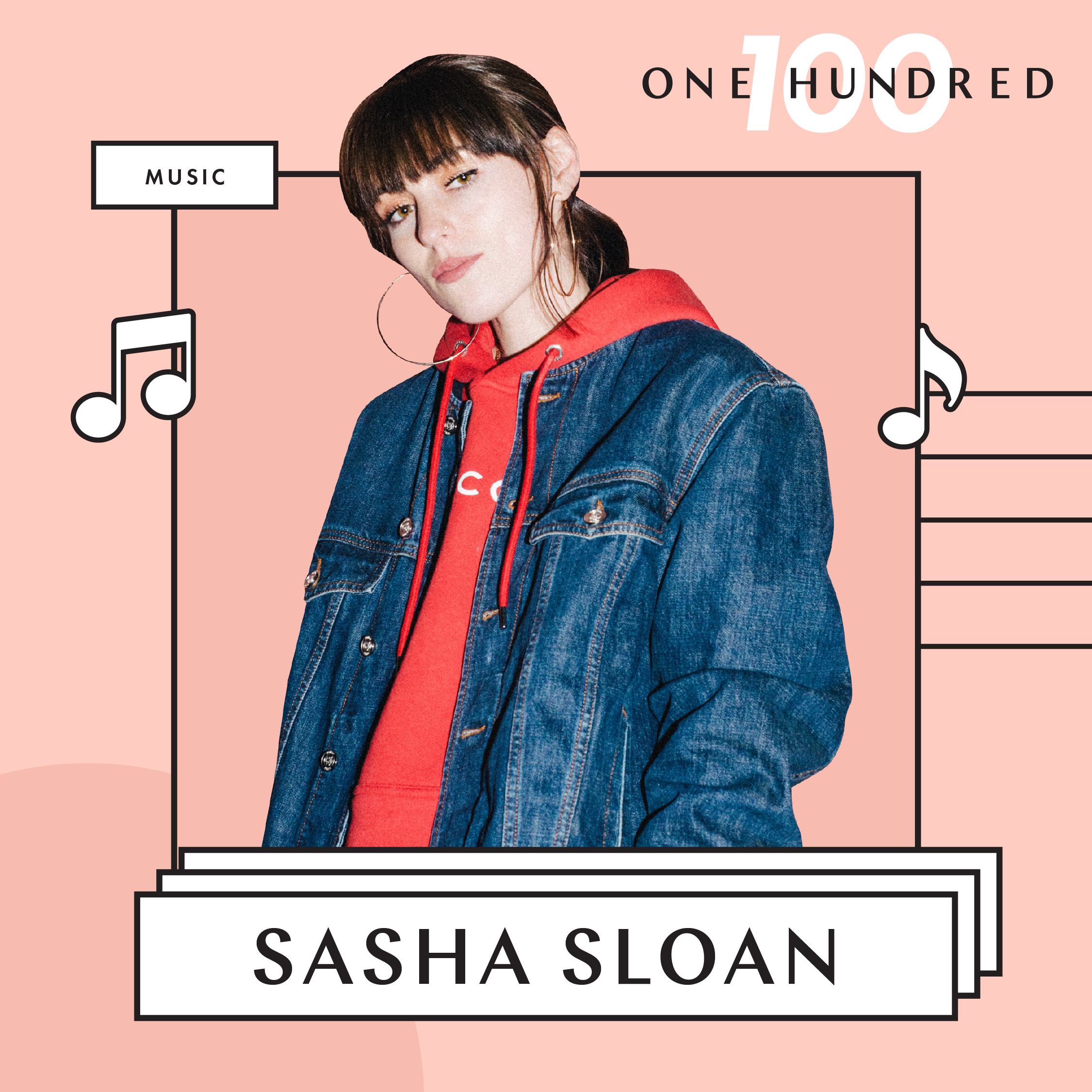
How did you learn how to write music? What does your writing process look like now that you're writing for yourself instead of other singers? Where do you source inspiration? How has your music evolved?
I’ve been singing for as long as I can remember, and I started taking piano lessons when I was 10. I would buy chord books from Guitar Center and I think that naturally made me curious about songwriting. My favorite books were by Queen, The Beatles, and Elton John. I always thought they had the coolest, most experimental lyrics and melodies. I just started writing like crazy. I pretty much failed the math section of my SAT because I spent every class writing lyrics. I keep a running list of titles in my phone and that’s how I usually start a song. I develop the concept and think about what I want to say and then start fleshing out melodies. For me, inspiration comes from everywhere. Since I’m so lyric-focused, I’m always picking up phrases from people talking, TV shows, and books. My music has evolved in the sense that I’m not afraid to take risks anymore. When I was first starting out, I was scared of what people would think, but now I’m listening to my gut more.
When you hit a bump or hurdle in your career, how do you #FindNewRoads + switch gears to find success?
Whenever I hit a bump in the road I usually have a mental breakdown—lol, half-kidding. Once that is over, I take a step back and look at the big picture, which always makes me feel better. If I’m having writer’s block, it usually means I’m burned out, so I’ll take a week off. Sometimes grinding too much can backfire, especially when it comes to being creative. Breaks are huge for me, and I always feel recharged after taking one.
You actually started out penning pop tunes for superstars such as Camila Cabello and Charli XCX as well as lending your vocals to EDM tracks before making the pivot to become a singer-songwriter. What was that earlier experience like? What made you pivot? Are you still writing for other musicians or just focusing on your own now?
Yeah, I started off writing songs for other artists. When I was 19, I signed a publishing deal with Warner Chappell. I assumed I wasn’t supposed to be an artist because I was signed as a writer, which, at the time, I was cool with. Writing for others made me a much, much better songwriter. It was like boot camp. I was thrown in the studio with pros who really knew what they were doing. I learned a bunch of different styles, techniques, etc. Everyone has their own method to the madness. I had been writing for others for a few years, and it was great, but it wasn’t very rewarding. Creatively, it felt limiting, so that’s when I started to get the itch to put my own stuff out. I’ve always been an artist, I just needed time to find who I was and what I wanted to say. I’m still writing for other musicians, but mostly focusing on my own stuff now.
The music industry is historically male-dominated but you are part of this new wave of female artists who are killing the game and dominating the industry. How does it feel to be part of that new wave? What hopes do you have for the future? What advice can you share for other female musicians coming up behind you?
Honestly, the music industry has never felt male-dominated to me because my favorite artists have always been women. Regina Spektor, Karen Carpenter, Amy Winehouse, Adele, Eva Cassidy, etc. This new wave is awesome though. It’s shedding a light on artists that may not have been given a chance 10, 15 years ago. My advice for female musicians is: don’t do anything that makes you uncomfortable. I’ve been put in a few situations where I didn’t want to wear a certain outfit or do something in a video and I had to get good at saying no.
“I hope I can show people, especially young girls, it’s okay to be yourself and it’s okay to look normal.”
With success comes opportunity, but it also means you have your hands full. What keeps you inspired and motivated to keep going even on your most challenging days?
The hardest part for me has been balancing opportunity with my anxiety. I know touring is a huge part of being an artist, but I hate traveling. Being on the road is really tough. I also tend to get really down on myself. I start to think I’m a bad writer, and then I start to spiral from there. My motto has always been: “Do things you’re scared of, otherwise you’ll regret it later.” So, I guess the fear of letting my future self down is what really motivates me.
The filtered world of social media often hides a lot of the hard work and behind-the-scenes hustle. What is the reality of being a famous musician today? What are the key traits required to be a success?
Well, I’m not famous so I wouldn’t really know, lol. But for real, there’s a ton of bullshit that goes on. A lot of negotiating and people getting ugly with each other. It is a business, after all. I think it’s important to have a good team around you. Surround yourself with people you trust and don’t be afraid to ask for what you deserve. I think creatives tend to be bad at business… at least I know I am. Just stick up for yourself. If someone isn’t willing to be fair or give you a decent deal off the bat, it probably means you shouldn’t do business with them.
You have had incredible success already, but what does success mean to you? How do you measure success? Why? What characteristics make you successful in the music industry?
When I first moved to L.A., I worked at a coffee shop and then at the front desk of a gym. I would wake up at 4 am and work until noon. Then I would have an hour for lunch and head to a session. I remember thinking how happy I would be if I didn’t have to work in the mornings anymore and I could make music my full-time gig. Eventually, it did happen, and I feel insanely lucky to be able to do what I love for a living. For me, success has nothing to do with money. It’s all about being fulfilled and working hard. There’s no better feeling than busting your ass for something and seeing it come to life. As long as I can eat and have a roof over my head, I’m killing the game, lol.
In a saturated industry, what do you think makes you and your music stand out? How can others reading this find their own unique point of view? How do you stay true to who you are and your voice?
I’m glad someone thinks my music stands out, lol. I always try to push myself to say things that haven’t been said yet. Love songs are great, but there’s so much more to life and so many different relationships and perspectives to talk about. I make music for me. If I like what I’m writing and it’s honest, I know I’m staying true to myself. The second I start making music that’s forced or I think people will like is when I’ll be going down a dark path, lol.
What is the #1 book you always recommend? Why? What is the #1 album you always recommend? Why?
Ah, it’s too hard to pick! I love to read. I guess my #1 book recommendation would be The Book Thief I read it in high school and I’ve loved it ever since. Number #1 album would have to be “Back to Black” by Amy Winehouse. The raw emotion in the whole body of work gets me every time. She was just singing her life… not overthinking a word.
Photographer: David O’Donohue
VIEW THE FULL CREATE & CULTIVATE 100 MUSIC LIST HERE.

Create & Cultivate 100: Find New Roads: Tonya Rapley
Helping millennials break the cycle of living from paycheck to paycheck since 2013.


Tonya “The Millennial Money Expert” Rapley’s lightbulb moment for launching My Fab Finance was sparked by a personal need. As a millennial living in New York City and working for a non-profit, Rapley wanted to break the cycle of living from paycheck to paycheck but couldn’t find a financial resource tailored to millennials—so she created one.
Her pivot paid off. The award-winning site has completely changed the game, turning the once stuffy and dated financial industry into a fun, familiar, and dare I say it cool space landing her on the cover of Black Enterprise magazine and lauded as “a modern-day history maker.”
Here, the finance expert explains why financial advice for millennials should differ from previous generations, the money mistakes she's made along the way, and the #1 tool every entrepreneur needs to stay on top of their cash flow and stay in the green.
CREATE & CULTIVATE: You started My Fab Finance over six years ago, what was the catalyst for starting this business? Did you always have a passion for money? What is your vision/mission for the company?
TONYA RAPLEY: I started My Fab Finance because I felt that there weren't any people speaking about money that I could relate to. I was living in New York City working at a non-profit but still wanted to enjoy life. Everyone was talking about deprivation but they weren't talking about balancing wants and needs while becoming financially secure.
You are known as the millennial money expert and your company is tailored towards helping millennials break the cycle of living paycheck to paycheck. How does financial advice for millennials differ from advice for other generations? How are you helping young women become financially free? What are some of the main areas where women need help with money? Why?
Financial advice for millennials has to take a few things into consideration: 1) Rampant student loan debt, 2) Increased costs of living match with stagnant wages, 3) The absence of pensions and other workplace retirement programs, 4) Achieving your financial goals in the age of technology. So I try to help millennials navigate our new reality that most of our parents don't even understand. Honestly, I've found that men and women deal with the issues I've listed above. Women are better at managing money than most give them credit for and I want to highlight those stories of women making wise decisions with their money.
“Women are better at managing money than most give them credit for and I want to highlight those stories of women making wise decisions with their money.”
When you hit a bump or hurdle in your career, how do you #FindNewRoads + switch gears to find success?
Conversations. I think conversations with others are powerful, people who know you, people who don't. Listening to how others ended up in their career paths as well as asking for suggestions regarding navigating yours.
To have a successful business, you need to fall in love with numbers and manage your financials. What is your best piece of financial/money advice for new entrepreneurs? What tools can they use to keep on top of their cash flow and stay in the green?
Quickbooks. It has changed my business and allows me to look at my numbers clearly. Also, find a good, honest accountant.
As a business owner yourself now, where do you think is the most important area for a business owner to focus their financial energy? Why? What money mistakes have you made and learned from along the way?
I would say maximizing their expenses. It's easy to find ways to justify expenses without having an understanding of what the return on investment will be. Always be asking yourself how certain purchases or financial commitments contribute to your bottom line. One of the biggest mistakes I made early on was paying for a software that everyone said I should have without understanding how I could profit from using the software and whether my business was ready for it.
You've built an impressive business that is really successful, but nothing worth building is without its challenges. What is the biggest work challenge you’ve faced and what did you learn from it?
An ongoing challenge had been paying my consistent staffing with inconsistent income. Each month was different and it was hard to predict what we would bring in, which is why I created a membership club, which allows me to bring in recurring revenue monthly. This has helped me cover my regular expenses with ease.
You do a lot of mentoring and speaking engagements across the country. What are the most frequently asked money questions? What money problems are people trying to solve? What are some of the most common mistakes people make with money? Why?
Hands down, people are trying to find ways to pay their student loans or they want to begin saving for their future so that they can actually retire one day.
What advice do you have for women who haven’t found their path/passion yet?
Keep trying things. In my experience, you have to try things out that aren't for you in order to find what is for you.
You started the Blue Ribbon Club to bring together money-minded individuals and create a community for them to learn. Where did the idea for this club come from? Why is a community a good way to learn about money?
It came from my need to create stability in my business and how we were offering our programs. I also wanted to create more structure in how I was serving my audience so that I could guide them to the desired outcome.
“Always be asking yourself how certain purchases or financial commitments contribute to your bottom line.”
You are an expert, so we have to ask, what are your top three money tips?
1. Always be making money. 2. Commit to doing something every week that improves your relationship with money or your finances. 3. Have at least one month of your expense set aside in savings.
What's a money mistake you made and what did you learn from it? How did you turn it into an opportunity?
Cashing out of the first 401K I was invested in back in college. I wish I would've rolled it over and allowed that money to grow.
Your company and your journey to success are unique. What is next for you and for My Fab Finance?
We're going to be focusing on the "helping people do more of what they love" element of my brand in the coming years. Since launching my business, I've relocated, traveled, had a baby, and we're looking to purchase our first investment property. I'm living life on my terms and I want to empower others to do so as well.
What is the #1 money/finance book you always recommend? Why?
My book! The Money Manual! It's straight tot he point, easy to digest and really helpful. Other than mine, Profit First by Mike Michalowiz, it's a must-read for business owners.
Photographer: Jenna Peffley
Hair: Styled by OGXpert & Celebrity Hairstylist Jillian Halouska
VIEW THE FULL CREATE & CULTIVATE 100 FIND NEW ROADS LIST HERE.

Create & Cultivate 100: Entrepreneur: Maria Menounos
The television and podcast host is helping others attain success in the entertainment industry.


After 15 years of working 12-hour days, seven days a week, Maria Menounos was diagnosed with a benign brain tumor. The shocking discovery proved to be something of a reality check that forced the self-professed workaholic to start putting her health first.
Following a successful surgery to remove the tumor in 2017, Menounos launched her popular wellness podcast Better Together and became an advocate for health and wellness within her own company AfterBuzz TV, an online broadcast platform that specializes in after-show programming for popular television shows like “Grey’s Anatomy,” “The Real Housewives,” and “Game of Thrones.”
Here, the CEO, New York Times bestselling author and television and podcast host explains her approach for handling professional hurdles, her drive to help others attain success in the entertainment industry, and her #1 piece of advice for aspiring entrepreneurs.
CREATE & CULTIVATE: When you hit a bump or hurdle in your career, how do you #FindNewRoads + switch gears to find success?
MARIA MENOUNOS: I was really blessed not to have hit a lot of hurdles in terms of opportunities. For me, the biggest challenge was dealing with a toxic workplace and culture, which I think is commonplace in most industries, but especially within entertainment. I’m sure I’m like a lot of people who didn’t really know how to navigate that. Rather than fight back, I just chose to work harder and provide more value for the companies I worked for in the hopes the toxicity would subside. It didn’t often work, but I felt it was the healthiest option. If I was publicly attacked, I did the same. I just kept working harder. I didn’t want to add fuel to the fire.
Today, things have changed for artists in these situations. I think social media has empowered them to be less beholden to anyone. For myself, in the past couple of years, I’ve really shifted gears and energies to focus more on personal growth, my health, and the health of others. On the business side, I’ve invested more into my network, with the goal to not only produce great content but also to create a positive work environment that empowers and uplifts talent. I’ve also launched a wellness podcast and have become a voice for health and wellness in general. Reinvention is hard, as is making personal life changes to be more health-conscious, but I’ve had an easier time of it because I’m blessed to know so many world-class practitioners.
Fortunately, pivoting my career focus has also been relatively straightforward because I invested in my own network over these past years and had a diverse skill set and resume to fall back on. Plus, I’ve never been known for doing just one thing. Taking on new adventures and goals seems natural, I think.
How do you define an entrepreneur? How do you define your unique approach?
To me, an entrepreneur is someone with an independent and dreamer spirit who has the ability to recognize opportunities, along with the courage and wisdom to seize upon them. Because we are dreamers, sometimes outcasts, who often opt for the road less traveled, I’d like to believe we’re more empathetic to people’s needs and to social welfare than the traditional capitalist or business person. I know it’s true in my case but I’ve observed it in other entrepreneurs, as well.
My approach may be more unique because I consciously factor empathy, people, and social welfare into my ventures. How will this business make a positive impact on consumers I’m targeting along with the people I’ll employ? Sounds corny and high handed but it actually applies to entertainment, food and beverage, services, and products of all kinds. These things bring people satisfaction, comfort, ease, relief, and happiness, and that’s super important to me.
At AfterBuzz, we create a fun supportive work environment where we truly root for the success of our staff and hosts as much as for our own. In addition, we deliver great entertaining content to our fans worldwide who write us saying they can’t get through their days without us. Even the networks and showrunners receive huge benefits on our behalf. We promote their shows and keep the discussion about those shows going well after their episodes air. We have also become the go-to resource for showrunners who use our show and host breakdowns to vet storylines and character arcs.
We receive dozens and dozens of thank you cards and flowers from showrunners who tell us how much AfterBuzz after-show programming has enhanced and improved their shows. Others may not factor all of the above into being an entrepreneur, but I think you’d be surprised how many do. For me, anyhow, it's not only what I enjoy, but it’s also logical. It’s good on the personal level but equally good on the business level.
“For someone like me, a first-generation American who grew up poor, I developed a great deal of empathy for others in need.”
One of the guiding principles of AfterBuzz TV is helping people at the start of their career and giving young hopefuls another way into the entertainment industry. Why is helping people so important to you? How has it changed the nature of your company?
It’s always been important to me. Growing up, I admired Oprah a great deal. For someone like me, a first-generation American who grew up poor, I developed a great deal of empathy for others in need. I loved that Oprah genuinely wanted to help people and that she had a thirst for knowledge.
When my partner Keven Undergaro and I had the idea for AfterBuzz TV, in addition to reinventing the entertainment and pop-news model, I looked at the network as an opportunity to help young people in perhaps the most difficult industry in the world. To work in the entertainment industry, you need an agent. But you can’t get an agent without a reel, and you can’t get a reel without a job. It’s a real conundrum. Young people used to come up to me all the time and ask how they could do what I’m doing. But there wasn’t an easy answer back then. With AfterBuzz, there is.
Our, equal, two-part mission to make great content and support talent is the first of its kind. For 100 years, Hollywood has treated talent horribly, and it never made sense to Keven or me. Talent is the reason we all tune in. Why would you abuse that or hold it back as producers and networks have for so long? Why would you not do everything in your power to honor, nurture and empower talent?
Our mission is not only ethical; it also the most logical. Over the past 10 years, we’ve had over 100 success stories, people like Queer Eye’s Karamo Brown and WWE’s/Total Divas star, Daria Berenato (a.k.a. Sonya Deville). We’re so proud of what we’ve been able to accomplish and the careers we’ve helped launch. Now, people know that when they come to L.A., away from loved ones, they have a place that is safe and a staff of big brothers and sisters to guide them. We pride ourselves on being their second family, mentoring them in life and all aspects of the industry.
Honestly, our content is only better for it; and it’s also a lot more fun to come into work every day. We’re supposed to be in the business of making people smile. Why shouldn’t working behind the scenes be the same?

After a successful career as a television host what made you decide to start your own company? Why do you think it has resonated so much with audiences?
I started the business with Keven 10 years ago, so it was still early in my career. At the time, we noticed an explosion of great television. Unlike sports, which has post-game talk shows for a deeper discussion of the game, nothing existed for episodes of your favorite show. Our two favorite shows at the time were Breaking Bad and Jersey Shore—the perfect high-low combo. We were dying for a deeper discussion on them, but nothing existed save message boards. When we launched our first two shows, we experienced worldwide audience demand and knew we were onto something.
I’ve always tried to diversify as much as possible, and I could see that digital was the wave of the future, so it seemed like a no-brainer to build an entire network. Being one of the first digital broadcast networks of our kind meant a ton of trial and error. Thankfully, as the daughter of immigrants, I was always used to figuring things out, as was Keven. I also desperately wanted to help fellow hosts and to prove that a positive work environment can be as profitable, if not more so, than a toxic one. As sole investors, we poured our heart and soul into this venture and thoroughly believed in the mission from day one.
One of the hardest parts of being an entrepreneur is learning how to mix creativity with business? What is your secret? How do you fuse art with science and think about profit?
I can’t say that we’ve always been profit-minded. In the beginning, we focused on building and creating infrastructure and technology. As I said, there was no other network or platform that could broadcast 150 hours a week of original video and audio programming. Once we had that flow down, we moved into red-carpet coverage, becoming a breaking news platform and programming beyond after-shows.
As fun and successful as it has been, you still have to pay the lighting bill, so to speak. The way we balance the two is through education. If part of our mission is to be teachers to our staff and hosts, what kind of teachers would we be if we did not educate them on the realities of business? We work hard to let our team know what it takes to run a network: What our bills are and how we must unite our brains and talents to figure out how to turn a profit. We have created an environment that allows them to be creative, but we would be remiss if we didn’t teach them that it all comes at a price. The great thing about millennials is that they really do get it. If you respect them enough to educate them on the issues while working hard to provide a supportive environment, they’ll rise to the occasion. I’m blown away weekly at our team’s innovations.
The bottom line is that the only way we can continue to present the kind of opportunities we do is if the company is able to grow and flourish.
You founded AfterBuzz TV as "the ESPN of TV talk," how do you set your brand apart from other media outlets?
One is our sheer size. I believe you won’t find many digital broadcast networks, or any, producing 150-plus hours of video and audio content, in-house, from eight state-of-the-art studios on both coasts. Second, we’re the only network of our magnitude dedicated to TV after-shows, news, and discussion. Third, we cover every show, not just the top five as other news and pop culture platforms do. We recognize and respect niche audiences and serve them in a manner no other platform can.
Fourth, practicing the Japanese philosophy of Kaizen, to always be improving, we introduce ground-breaking innovations, literally on a weekly basis. We just produced the very first Spanish language after-show for Telemundo’s Salina and launched a Latino channel with four more after-shows catering to Spanish-speaking fans. We also launched an international channel for Foreign TV and Bollywood with a roster of multilingual hosts to cater even further to our large global fan base. We have a fast-growing news division serving niche audiences and have produced the very first Facebook Watch after-show—the unofficial reunion show for the hit MTV series "Are You the One."
Fifth, we are not in competition with other platforms. Our model is designed to root for them and their content. When that content becomes popular, we cover and promote it, allowing us to exist seamlessly in the future streaming and digital ecosystem. Lastly, we do it all under what we deem a New Hollywood Model, where talent is supported and promoted in the making of great content.
Being an entrepreneur is non-stop, how do you stay motivated? What inspires you even on the most challenging days?
What inspires me on a tough day is knowing that we’re helping people with big dreams. When I’m out in the Hollywood world, working on different projects, at times dealing with unnecessary close-mindedness and toxicity, I would come back to our studios and tell Keven, “We can’t allow that to happen here.” And we don’t. We believe in “collaboration over exploitation” and in our New Hollywood Model. Seeing our roster shine under this model motivates me. The idea that other networks and creators may see this New Hollywood Model and how much sense it makes inspires me. I believe many will adapt to this based on our success with it and couldn’t be more excited by the notion.
Our fans at AfterBuzz motivate me, too. They hail from all over the world and see us as a healthy way to blow off steam. We hear all the time how much watching and hearing our shows helps them get through their workdays, their commutes, their chores, their workouts, etc. I feel a special kinship with them. Back when I was struggling to save money while working multiple jobs and going to school, I would listen to Howard Stern on my commutes and during work shifts. TV and radio were the cheapest forms of entertainment and really got me through those tough days. AfterBuzz programming does the same for so many today. That’s not lost on me, either. Believe me.
You wear many hats: CEO of AfterBuzz TV, creator of your podcast "Better Together," a New York Times bestselling author, and a television host. How do you balance your many career ventures? How do you prioritize in order to get everything done?
It can get overwhelming. I’ve been juggling so much my entire life. But in the past two years, I’ve really reduced my workload. For my own sanity, I know I can’t take on everything. AfterBuzz comes first. In addition to that, I’ll take on two or three other projects that I find interesting. I don’t have as many issues now because I handle all the scheduling myself. I’ve really taken control and it’s freeing.
“To me, an entrepreneur is someone with an independent and dreamer spirit who has the ability to recognize opportunities, along with the courage and wisdom to seize upon them.”
What do you wish people knew about being an entrepreneur?
The freedom you have as an entrepreneur comes at a price. I love the idea of being able to follow my own vision and execute things the way I want to. No one is going to shoot down your ideas or tell you to go back to your cubicle. It’s exciting; and if you’re a frustrated employee, it could be the right move. But you should be prepared for the downsides and taking on all the responsibilities, not just the creative roles: managing a lot of people, running a business, keeping it all together.
What is the best advice you’ve received? Or your favorite piece of #realtalk?
You don’t need to know everything. I’m the type of person who wants other people to think I’ve got everything figured out. But, it’s okay to admit that you don’t know something. That’s why you bring in people to support you.
What's a mistake you made and what did you learn from it? How did you turn it into an opportunity?
My biggest mistake was not being more mindful of my health and wellness. For 15 straight years, I worked roughly 6-7 days a week. Many of those days went well beyond 12 hours. I began experiencing blurred vision, extreme fatigue, and severe headaches. Still, I powered through and kept working. When I did, finally, get an MRI, I discovered I had a brain tumor.
The brain tumor created umpteen possibilities, ironically. I learned to put my health in the first position and found a new passion for wellness, healing and sharing treatment discoveries of all kinds with others in need. I also decided to lean in further, continuing to ensure that AfterBuzz remains a network that takes the wellbeing of its staff and hosts very seriously. Our network always carried an unofficial two-part mission to create great content and to nurture our staff and talent. As CEO, post brain tumor, I made this two-part mission official with signage displayed on each and every one of our studio doors.
What advice do you have for other entrepreneurs? How can they achieve the same success you've experienced?
Don’t be afraid of moving on when something’s expired. In relationships and partnerships, when something isn’t working and you’ve tried to fix it, you need to realize when it’s time to “pull teeth” rather than staying in it any longer. At the end of the day, in business and in life, people change; and you need to meet them where they are and do what you can or move on.
What is the #1 book you always recommend? Why?
This is tough. I can’t name just one, so here a few of my favorites:
In business, Money: Master the Game: 7 Simple Steps to Financial Freedom by Tony Robbins, because it inspired me to make necessary financial changes and set me up for the rest of my life.
In health, The Empath’s Survival Guide by Judith Orloff, M.D., because it helped me understand why I am the way I am.
You Are the Placebo: Making Your Mind Matter by Dr. Joe Dispenza, which taught me how the brain can create its own apothecary.
Ask and it is Given: Learning to Manifest Your Desires by Esther and Jerry Hicks. I learned so much about energy and how to get what you want.
Photographer: Jenna Peffley
Hair: Styled by OGXpert & Celebrity Hairstylist Jillian Halouska
VIEW THE FULL CREATE & CULTIVATE 100 ENTREPRENEUR LIST HERE.

Create & Cultivate 100: Content Creator: Olivia Culpo
“I’ve always believed that if you love what you do, then nothing ever has to feel like work.”


One look at Olivia Culpo’s impressive résumé and you quickly understand why she admits to being a Type A. The former Miss Universe has starred in the coveted Sports Illustrated swimsuit issue, collaborated on a fashion line with Express, played Gretchen in “Paradise City” (her first TV series), starred in Amy Schumer’s “I Feel Pretty” and has other projects due for release this year.
This year Culpo will continue to make the shift from modeling to acting which she tells us has always been a passion": “Challenging myself to be vulnerable and tell a story is extremely rewarding creatively.“ And when she’s not filming, modeling, or creating content for her 4.4 million followers, Culpo is lending a philanthropic hand at Best Buddies, a non-profit organization dedicated to ending the social, physical and economic isolation of the 200 million people with intellectual and developmental disabilities (IDD).
Here, Culpo opens up about her journey to success (spoiler alert: it wasn’t overnight), including the hardest decision she’s ever had to make professionally, and her #1 piece of advice for women.
CREATE & CULTIVATE: You are one of the most well-known names in content creation, with over 4.4 million Instagram followers and endless brand partnerships. To what do you attribute your success? What can others reading this learn from your story?
OLIVIA CULPO: I’ve always believed that if you love what you do, then nothing ever has to feel like work. I’ve always had an affinity for creating content and telling stories through pictures and videos. I have so much fun coming up with new ideas and testing what works. I also genuinely love communicating with people via social media and sharing my favorite ideas in makeup, skincare, fitness, health, nutrition, fashion, and travel.
To be successful as a content creator, I think the most important thing is to make sure you are 100% behind the things you share with your audience and that you’re always thinking of new information that may be helpful to others. I try to share new ideas and tricks with my followers in a way that’s similar to how I sit around with girlfriends and talk about my favorite things. It’s so fun for me and I have learned that it ends up being very helpful to other people. You have to find a niche and what genuinely interests and inspires you. Then, when you share that passion with other people, it allows them to carry new ideas into their own lives.
You started out your career by competing in beauty pageants—you were crowned Miss USA and Miss Universe! What did it take to build your personal brand from the ground up? How did this experience shape the way you work now?
I didn’t grow up competing in pageants, and when I randomly decided to enter Miss USA, I had to figure out my point of view on everything. I had to dig into what was important to me and why, what made me unique, and my opinion on polarizing topics. I think this helped lay down some of the foundations for everything else.
I think the keys to building a brand from the ground up are passion, consistency, and authenticity. Passion, because without this there is no “heartbeat” to your brand and no strong point of view that makes your brand “you.” Consistency, because the content is shared so quickly that you always have to make sure you are staying innovative and keeping people engaged. Authenticity, because without this, you are not trustworthy or “real” and what your brand stands for becomes confusing.
“Having the right attitude is so important because obstacles are inevitable, and what matters most is how you are able to keep going and be resilient.”
There is so much competition out there right now, what makes you and your business stand out? How do you find/create a unique point of view? What characteristics make you successful in your industry?
Naturally, we are all so different. Tapping into those differences is what can help separate different businesses. Carving out a niche and sticking to that wholeheartedly will allow you to stand out. I always think of it as “keeping blinders on.” If you just focus on your values, interests, and opinions, you will always be distinct. It can be difficult to ignore what other people are doing, but it absolutely pays off.
When you hit a bump or hurdle in your career, how do you #FindNewRoads + switch gears to find success?
I have always believed that there isn’t one road to success. There are a million different ways to reach a goal, and I try my hardest to keep this in mind when things don’t go as planned. I also think it’s important to remember that this is a journey that should be enjoyed. If it’s not fun, then what’s the point of doing it? Having the right attitude is so important because obstacles are inevitable, and what matters most is how you are able to keep going and be resilient. It’s not always the easiest, but it is definitely worth it.
You tackle so many projects—from modeling for Sports Illustrated to acting to recently launching a clothing line with Express—how do you choose which projects to take on? What advice do you have for women who are also pursuing many interests?
I take on projects that I feel the most passionate about. Sports Illustrated was always a goal of mine because I admire the women who have gone before me. There are so many successful entrepreneurs who were able to pave interesting careers like Heidi Klum, Tyra Banks, and Christie Brinkley. These women represent so much more than a pretty face.
My Express collection was so exciting for me because I love providing my followers with clothing at a reasonable price. I am always asked for fashion advice so being able to design looks for my fans makes me so happy. Acting has always been a passion of mine and challenging myself to be vulnerable and tell a story is extremely rewarding creatively.
I think the best piece of advice for women pursuing many interests is to never give up. I have been told so many times that I can not do certain projects because it is “off-brand,” or “it may pigeonhole me.” I would be lying if I told you it didn’t scare me, but ultimately, I chose to ignore the negative energy—and I have been able to see the benefits of that decision. Never give up and if it feels right to YOU, go for it!

You are one of our favorite people to follow on social media so we'd love to know, what is the secret to growing a community like yours? What are your top three tips for growing a following and building a brand on social media? In a pay-to-play world, how do you grow your business organically on social media?
Well, thank you! This is a tough question! I would say, number one, only choose brands to work with you really believe in and support. You don’t want to oversaturate your account by taking every opportunity that comes your way. It’s important to test out the product to make sure you believe it works. This builds trust in your following and will continue to grow engagement. Second, I would say, listen to your followers and ask them what they want to see. Trust me, they will tell you how they really feel! When they give you feedback, take it into consideration and ask them what they would like to see more of. Lastly, I would say, have fun with your page! If you aren’t enjoying it, no one viewing will enjoy either.
What do you wish you could go back and tell yourself when you were first launching your business? Why?
I wish I could tell myself to trust my gut and intuition more. Your intuition is like a muscle, and the more you exercise it the stronger it will become. It can be challenging, but you have to make sure you aren’t letting the opinions and perspectives of other people influence how you feel. Also, the more you decide to go with what feels right to you, the more you will tap into what makes your brand YOU, which is ultimately your strength.
What is the hardest decision you’ve ever had to make professionally? And how did you get through it?
I think choosing between my career and my personal life is always difficult. Whether it’s missing a wedding for a film shoot or skipping a family dinner for a photoshoot, it never gets easier. Sometimes, it’s important to put your foot down and choose family, and other times, it’s good to weigh your options and follow your gut.
“It can be difficult to ignore what other people are doing, but it absolutely pays off.”
Your content is always visually arresting, but you also showcase the work you do with the Best Buddies organization. Can you outline what your content planning and strategy look like? How far in advance are you planning? How involved are you in that process? What advice can you share?
I always try to have a nice balance in my content. I like to show my friends and family, but also my work. I do try and keep an eye out. If I am doing too many promoted posts, I’ll give my viewers a break and open them up to my personal life for a minute. Best Buddies is an organization that has been so important to me for years, so you will always see a lot of content with the buddies!
You work across multiple platforms, including Instagram, YouTube, and your own blog. How do you tailor your content to each platform? What tips do you have for keeping your content fresh when working in different content spaces?
I tend to be more strict with the images that make up my feed, while my IG stories are more raw, goofy, and candid. When it comes to YouTube, I am new on the platform, so I’m learning what my viewers like to see most. So far, I have noticed that skincare, fitness, and beauty are the most requested topics.
What is the #1 book you always recommend?
I am a huge bookworm so it’s really difficult to choose one but a few of my favorites are How to Win Friends and Influence People by Dale Carnegie and The Secret by Rhonda Byrne.
Photographer: Jenna Peffley
Hair: Styled by OGXpert & Celebrity Hairstylist Jillian Halouska
VIEW THE FULL CREATE & CULTIVATE 100 CONTENT CREATOR LIST HERE.

Create & Cultivate 100: Music: Allison Kaye
"I don't force things because I know things will come back around when the time is right.”

If you haven't heard of Allison Kaye then you've definitely heard of her work. As the president of Scooter Braun's SB Projects and partner in Ithaca Holdings Kaye oversees the careers of entertainment’s biggest stars including Justin Beiber and Arianna Grande—so, yeah, you’ve definitely heard of her work. You can thank Kaye for having Grande’s Thank U, Next stuck in your head for most of 2019—the singer set a new record among female artists with 11 simultaneous top 40 hits on the Hot 100. Talk about changing the gender dynamic in a male-dominated industry.
This success has seen Kaye become incredibly well respected as one of the top music executives, being honored as Billboard's Most Powerful Women in Music not one, but six times, including this year. So, how did she get there? Read on to hear how Kaye went from lawyer to partner, what she learned along the way and her advice for those who want to follow her path.
CREATE & CULTIVATE: As the president of Scooter Braun's SB Projects and partner in Ithaca holdings, you oversee the careers of some of entertainment's biggest names including Justin Bieber to Ariana Grande—so it's no coincidence that you have been named one of Billboard's Most Powerful Women in Music six times including this year. How did this opportunity come about? What does your role entail? And what advice do you have for people reading this who want your job?
ALLISON KAYE: “I started in the music industry as an attorney. I worked for two independent record labels in the legal and business affairs departments and I wasn't getting very much satisfaction in that role. So, when an opportunity presented itself to work directly with an artist, namely Asher Roth, I took it. My job today has a lot of components. There are still several clients for whom I am intimately involved in their day-to-day management and others that I oversee the day-to-day manager and help with planning and overall strategy or when they otherwise need me.
“Our company has also grown to be much more than music and so a lot of my time is now spent building those verticals as well. The best advice I can give anyone who is looking for a job that touches as many different things as mine is that you need to master any skill or task before you ask someone else to do it for you, otherwise you lose credibility with your team.”
The music space is incredibly competitive. What are some of the biggest hurdles or challenges you've faced in your career? How did you turn them into opportunities? What traits do you need to succeed today?
“I feel like the biggest hurdles I have had to overcome always start with the word ‘no.’ Whether it was in my role as a lawyer trying to do things outside the box and having my ideas shot down, to conversations we have with labels and other partners where they don't initially see our vision for a particular client—we get a lot of ‘no’s’ in the operation of our business. The way to turn those into opportunities is by not accepting the ‘no.’
“I will always do everything in my power to find a different way to make something happen—there's almost always a way around to get your client or the project the things needed for success. To that end, in order to succeed in an environment like this, you definitely need patience, understanding, flexibility, and adaptability.”
“This is a team sport so I look for people who will lead by example and play any position to see the team win.”
There are a lot of people reading this who would love to be signed with you. What makes a musician stand out above the rest? What do you look for when signing new talent? Why? What advice do you have for upcoming talent who want to get your attention?
“The best way to stand out is to know who you are, who your fan (or potential fan) is and what you want to do. There are so many people out there with so much talent and no one knows better than you how to make you stand out. We're here to amplify that and make as many people as possible to see you and fall in love with you and your art. But ultimately it starts with you and having a clear sense of who you are, who you want to speak to and how you want to be shown is the first step in providing that you have what it takes.”
There are also a ton of people who want to work with you. What traits do you look for in an employee? What can women do to get ahead at work, especially in a competitive space like the music industry? Why?
“I always look for the person willing to do what needs to be done to make things happen. It sounds so straight forward but as people advance in their careers, they start to feel like certain responsibilities or requests are beneath them. I am of the mind that as a manager, any task that needs to happen—from getting my client coffee to building a stage to commissioning a music video—is ultimately my responsibility so I will do whatever needs to happen to make sure the job gets done. So, I will help the people tasked with those jobs get it done however I can. This is a team sport and so I look for people who will lead by example and play any position to see the team win.”
When you hit a bump or hurdle in your career, how do you #FindNewRoads + switch gears to find success?
“I look at it all as a challenge—there's always a way around. I feel the most accomplished in my job when I am able to pivot and still achieve my goals. I find those times motivating despite the accompanying frustration.”


What do you love most about your job and what do you love the least? Why?
“There are so many things I love about my job but ultimately, music is one of the things that makes me happiest in this world. So, the fact that I get to help in sharing my clients' music with people and in turn bringing that much happiness to others is the part I love the most. The part I like the least is that I'm always on call 24/7 but those are the sacrifices you make to do a job you love.”
What is the best advice you've ever received? Why? How have you used it in your life and career?
“A long time ago, my mom told me to follow the river, not to push things to an unnatural point and that things will always end up the way they should. So when an opportunity presents itself, even if the timing doesn't make the most sense, I try to take it and similarly when something doesn't feel like the right fit—I don't force things because I know things will come back around when the time is right.”
VIEW THE FULL CREATE & CULTIVATE 100 MUSIC LIST HERE.

Create & Cultivate 100: Entrepreneur: Whitney Wolfe Herd
“An entrepreneur sees a problem and sets out to solve it, often taking a risk in the process.”


Whitney Wolfe Herd, the founder, and CEO of Bumble, has a lot on her plate—and that’s putting it mildly. In addition to the ubiquitous dating app, the serial entrepreneur oversees Bumble BFF, an app for friends, Bumble Bizz, an app for networking, Chappy, a dating app for gay men, Bumble Mag, a print publication, Bumble Fund, an investment fund for underrepresented female founders, Bumble Beauty, a skincare line, Bumble Brew, a restaurant concept, and a film fund. Oh, and she’s also a new mom.
In other words, Herd’s seemingly simple business idea for developing a dating app in which women make the first move has grown into an empire worth $3 billion. (Yes, billion with a b). Ahead, she shares the secret to merging creativity and science to create a successful (and profitable) business model, the team-building tactic she relies on for facing challenges head-on, and the best advice she’s ever received, courtesy of Gloria Steinem, of course.
CREATE & CULTIVATE: Bumble's mission has always been about bettering the world we live in, not only in the app but in your company culture, too. How did this MO originate? How does it impact the culture? How do you communicate the importance of change-making to your team?
WHITNEY WOLFE HERD: Our mission has always been to better the world by helping to end misogyny. This started with empowering women to make the first move in our app, and in the past five years, we've added a raft of safety measures in hopes of truly making the online world safer for women. Our values permeate our workplace culture; our brand couldn't exist without our mission, which was baked in from day one. As for our team, our C-suite is 95% women, which can't be said for any other tech companies. Change starts at the top!
You are not averse to facing a challenge head-on. When you hit a bump or hurdle in your career, how do you #FindNewRoads + switch gears to find success?
I realized long ago that you have to hire your weaknesses. While my background and expertise were as a marketer, I'm not an operations expert nor a design guru. Luckily, as the company's grown, we've been able to attract incredible talent to our Austin, TX home base and indeed in offices around the world including London and Sydney.
How do you define an entrepreneur? How do you define your unique approach?
An entrepreneur sees a problem and sets out to solve it, often taking a risk in the process. My approach has always been to learn from even the most ostensibly negative or traumatic experiences, including a sexual harassment lawsuit against a former employer (it was settled), to inform our mission and strategy.
“An entrepreneur sees a problem and sets out to solve it, often taking a risk in the process.”
Bumble is here because of innovation and your ability to fuse creativity with business. We'd love to know, how do you find that balance? What's the secret to merging art and science to create a successful (and profitable) business model?
The secret to success is really just hard work and a team that, as we've scaled, has poured hustle and heart into every facet of this company, often behind the scenes. I may be the face of the brand as the founder and CEO, but Bumble's success is equally due to this team, from the customer service reps answering app users' late-night queries to engineers working heads-down to ensure a new feature rolls out smoothly.
You're always working on the next project and looking for ways to innovate? So, what inspires you? What keeps you motivated and driven?
Misogyny is the smoking of our generation. It's dangerous, and it can kill. I won't stop until all forms of sexism and discrimination against women are history.
You were recently involved in passing a bill in Texas to outlaw unsolicited nudes. What made you decide to take on legislative change? And what success have you seen already both legally and via the feedback from the Bumble community?
Our team was doing some research and realized that, while it’s a crime to pull your pants down in the streets, there was no legislation in place to deter the sort of digital indecent exposure women, unfortunately, deal with all the time. So we worked closely with politicians from both sides of the aisle in our home state of Texas, and the sending of a lewd photo without the recipient’s consent became a Class C misdemeanor this fall. We're now speaking with lawmakers in other states, so watch this space. So far, the feedback we've received from our community and from commentators outside it has been overwhelmingly positive.
What do you wish people knew about being an entrepreneur?
It certainly isn't all glitz and glamour. In fact, I spend more hours than most people would imagine on phone calls at anti-social hours to various time zones, or up half the night racked with anxiety about how a new feature will be received. In fact, many entrepreneurs I've met in the course of my career are, like me, introverts at heart.
You launched an investment fund to help other female entrepreneurs. What do you look for in a business when you consider investing?
We’re aiming to build a bigger table in the world of venture capital, so right now we're focused on investing early-stage, and in businesses founded and led by women of color and those from underrepresented groups. We're especially interested in companies solving a problem that disproportionately affects women.
“I won’t stop until all forms of sexism and discrimination against women are history.”
What is the best advice you’ve received? Or your favorite piece of #realtalk?
Gloria Steinem is scheduled to pay a visit to Bumble HQ for a Q+A as she goes cross-country on her book tour, so I've been revisiting her writing from over the years. Some words of wisdom that speak to me: "Power can be taken, but not given. The process of the taking is empowerment in itself."
Bumble has taken on dating, friendship, networking, and even has a beauty line in the works, it seems like anything is possible. So, what is next for Bumble?
We're excited to open the doors to Bumble Brew in New York's Soho. It'll be a cafe by day and wine bar by night, with regular programming and events. Most of all, we hope it'll be a safe, empowering space for our community to bring their Bumble dates.
VIEW THE FULL CREATE & CULTIVATE 100 ENTREPRENEUR LIST HERE.

Create & Cultivate 100: Food: Denyelle Bruno
“Great brands are great because compromising the brand is never an option.”

Denyelle Bruno’s résumé is impressive, to put it mildly. Before she landed her current role as the CEO of Tender Greens, she helped shape some pretty major companies to develop, scale and enhance their retail operations. Let’s take a read, shall we? When she was at Apple, Bruno launched their first 25 stores, then she joined Drybar and opened 55 locations, and then she joined the team at Peet’s Coffee.
Now, Bruno has her work cut out for her at Tender Greens. With over $100 million in revenue, the casual restaurant chain serves over 7 million customers across their 30 locations in California, New York, and Massachusetts with their sights on expansion across the U.S. But it’s not all about scale. Bruno has her sights set on gender parity for their executive chefs and store leadership by the end of 2020. Now, that’s a CEO we can all get behind.
In our interview, Bruno shares her tried-and-true approach for navigating bumps and hurdles on the road to success, and how she’s paying it forward so other women can join her in the c-suite.
CREATE & CULTIVATE: You're on a mission to achieve gender equality at Tender Greens (and in the food industry at large). How are you making it happen? When do you think it will happen? And what changes will this drive for the industry and economy at large?
DENYELLE BRUNO: We’ve actually achieved it. At this point, all of our restaurant leadership, from our executive chefs to our sous chefs are 50% female. We achieved it by making it a focus within the organization. Given that more than 50% of the population (and more than 50% of culinary grads) is female, it’s not that difficult once you create the kind of environment that celebrates and encourages gender parity.
I think it’s important to understand that finding women for roles is not the problem, it’s actually seeking them out, hiring them, and creating critical mass that’s the real challenge. Once you create an environment that everyone knows women can thrive in, you’ll get the candidates and referrals, and people internally will raise their hands to be promoted. To do this, look at your organization, and if it’s not at least 50% female then you’re probably doing something wrong, something that’s keeping them away.
When you hit a bump or hurdle in your career, how do you #FindNewRoads + switch gears to find success?
First and foremost, I don’t panic, as bumps and hurdles are symptoms of progress. When I hit a hurdle, I first determine if it’s worth jumping, and sometimes it could be a sign that I’m heading the wrong direction. If I indeed need to get past it, then I’ll evaluate the obstacle as objectively as possible. Once I understand what’s keeping me from getting to the other side, I’ll use all of my internal and external resources to devise a solution, which for me is pretty simple—just evaluate and solve, it’s not emotional it’s just problem solving 101.
“Anyone who doesn’t make mistakes is playing it too safe and will probably stall out in his or her career.”
What advice would you give a woman today who's about to begin her career in the food industry? What traits/characteristics does she need to be successful and navigate that industry? Why?
I don’t think the industry matters as much as the role within the industry. The characteristics necessary to be a successful chef would be very different than those one would need to purchase or market food. Most industries required the same skill set at the executive level—hard work, passion for the industry, resilience and great communication skills. Regardless of your role, it’s always important to do your own homework about the organization. The title and the salary won’t matter if it’s not the right culture fit. Make sure your values are aligned with the organization before you take the job.
Your specialty is helping companies grow, can you outline your strategy? What advice do you have for people trying to grow their small businesses and establish their brand?
I start by joining the right companies. I have to love the company, the product, and the business model, then it’s a matter of maximizing the company’s strengths and minimizing its weaknesses. I don’t try to boil the ocean, I look for the top 3-5 things getting in the way of the company realizing its goals and then I get everyone in the organization focused on those things. Once those are solved, find the next 3-5 things. There is also a priority to finding those 3-5 things—always start with the product or service itself and if that’s not right then you’d be wasting your time fixing things like staffing, operations or marketing. Once you feel like your product/service is best in class, you can turn your attention to the operations: Basically, how do you produce the most of X for the least cost, without compromising whatever it is that made it great in the first place? Once that’s done, the priority should be on maximizing the exposure of the product.
Put another way I’d say:
1. Service/quality
2. Operations
3. Marketing/Branding/Real estate
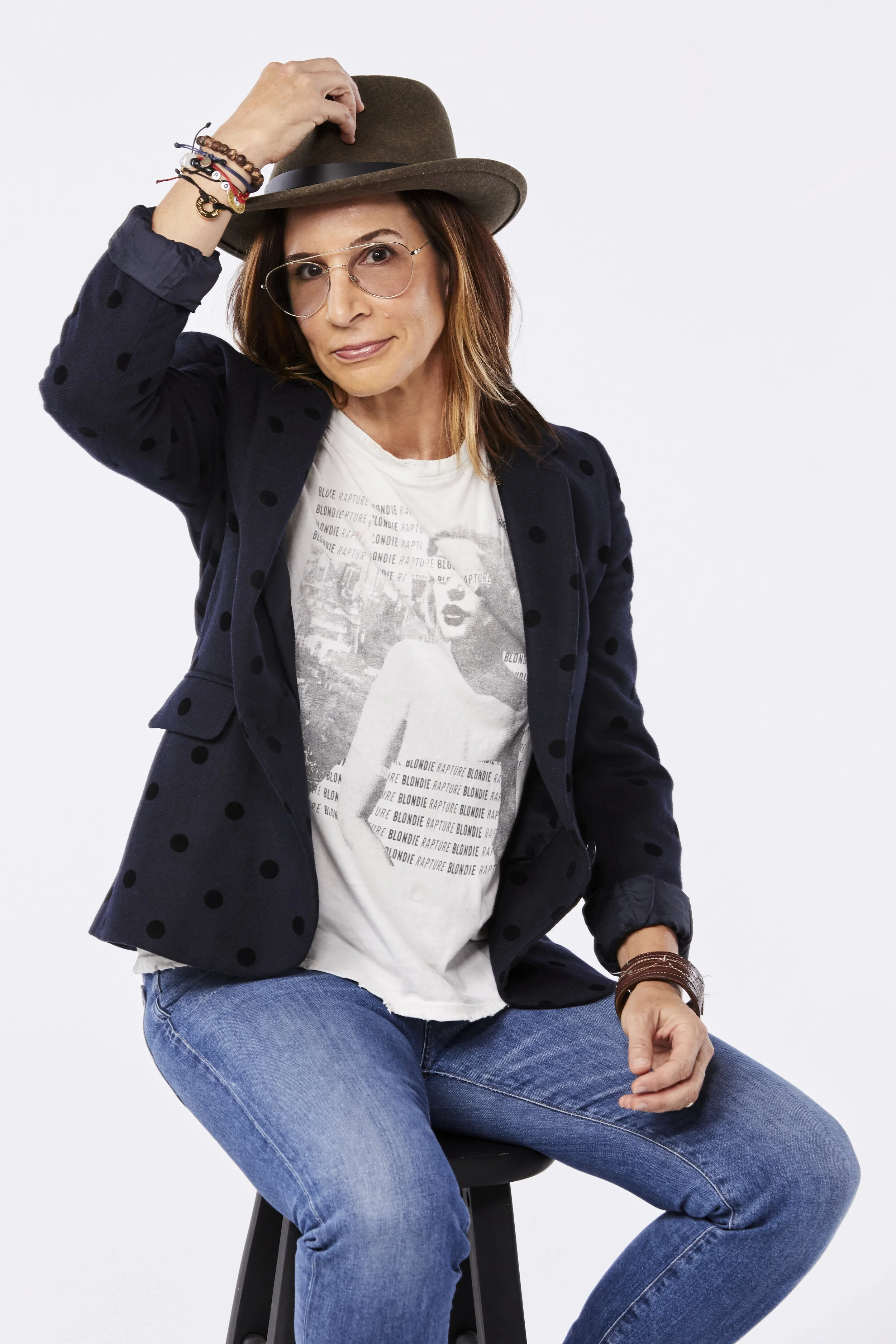
Can you recall a specific time you failed and how you turned that around/into an opportunity?
I’ve said many a time that I don’t believe in failure, as it depends on where one ends the story and failure is just a byproduct of progress. I have definitely made lots of mistakes that I’ve used to make improvements; anyone who doesn’t make mistakes is playing it too safe and will probably stall out in his or her career. My objectives are always pretty clear to me, be it a meeting, a travel plan or a career move. I know what I’m aiming for, and so missing my target probably means there was a miscalculation along the way. I without blame or contempt will work to identify where I went wrong and then I’ll use whatever new information I have to make a correction.
Equity is a hot topic amongst employees as well as other perks—what are ways you are innovating as a business to provide environments that are “millennial-friendly” but also hit the bottom line? Do you find it hard to compete?
Low unemployment combined with historically high minimum wage makes it an employee’s market right now. A lot of people will make the mistake of throwing money and equity at employees in hopes that it will keep them loyal. Personally, I’d rather pay a fair wage and focus my energy on creating an environment where people feel like they can thrive and grow. Sure, some people will jump to the next thing because they’re offered more money, but I’d rather focus my capital on those who are looking for deeper, longer-term rewards.
Your resume is very impressive and you've worked for some major companies including Apple, Drybar, and Peet's Coffee. How did these jobs prepare you for becoming CEO of Tender Greens? What lessons did you take from these companies? What are some of the biggest decisions you've made so far as CEO?
The companies I’ve worked for and the jobs I’ve held within those companies definitely helped me to prepare for my role as CEO of Tender Greens. I love brands that punch above their weight, though it’s the product that puts the brand on the map, and it’s the brand itself that influences how things get done internally. Great brands are great because compromising the brand is never an option. I’ve always been good at operations and so building processes and efficiencies come naturally to me, but what I learned from these brands is that driving those efficiencies without making concessions that would impact the brand itself is where the real magic happens. The biggest decisions I’ve made as CEO are related to the team—whom to hire and whom to fire, as making sure to have the best people for the job is the single most important thing a CEO can do.


How did you take on the role of CEO at Tender Greens? What do you really like about the job? What are some of the common misconceptions? What is the reality of being CEO?
I took on the job of CEO much like I took on other jobs, I looked at where we were, where we needed to be and what it would take to get there. I know this may sound rudimentary, but you’d be surprised by how many businesses talk about one main objective, but then align their resources with completely different things. I love the job because I get to focus on so many different aspects of the business throughout any given day. One misconception is that being a CEO is harder than the jobs along the way. It’s probably more stressful, but in terms of talent, it just requires a really specific skill set. In my opinion, a good CEO must have three things: 1. An eye for talent, as it’s way more important to hire the smartest person for the job than it is to be the smartest person in the job, which leads to 2. The ability to trust experts to do what they do, and 3. Confidence.
You are anything but a typical CEO—how would you describe your leadership style? Why do you think it works? What does it take to be a female leader today? Why? How are you paying it forward for other women behind you to join the c-suite?
My leadership style is direct and transparent, and I truly care about people and love learning what they’re up to. It keeps me connected to pop culture and other various trends that otherwise wouldn’t be on my radar. I’m tough, but I’m not an asshole. I expect everyone on my team to either be the best at what they do or be on the road to becoming the best. Despite what some think, this can be done in a way that is respectful and empowering vs. belittling and demoralizing.
I think different types of leaders are needed in different organizations at different times, this would be true regardless of gender. I don’t like stereotypes like, “Women are better listeners or women are more compassionate” … blah blah, I’ve met many leaders who would challenge those notions. That said, women are coming in as the underdog, as they are less represented and that can be intimidating. My recommendation to anyone who is in the minority is to use that difference to really stand out. It’s easy to get caught up in the game of trying to be like others but the best copying will result in a less good version of another person. Make a statement. Think of yourself as a brand.
“Great brands are great because compromising the brand is never an option.”
There has been so much innovation and disruption in the food and beverage industry—what changes are coming next? How are you continuing to bring change and newness at Tender Greens?
It’s never been tougher to run a successful restaurant as saturation is at an all-time high, unemployment and high labor costs make it difficult to hire and retain good people, consumer behavior is changing rapidly to focus on connivances (sometimes over quality), and third party delivery takes a bite out of already thin margins. I think we’ll see a survival of the fittest, gimmicks and shticks will have no staying power. It’s going to come down to three things: quality, convenience, and experience. While we’d love to be a 10 at all three it’s really quality that will separate us from the crowd.
What is the #1 book you always recommend? Why?
I wish I had that book but I honestly don’t… I like the idea of a book so rudimentary that I could hand it out to anyone starting out. I do like Tribe of Mentors by Tim Ferriss because he takes a bunch of wildly successful people and basically shows that they’ve each taken their own unique path to get to where they are in life. I also like the book Mastery, though it’s a hefty commitment. It also takes the lessons from wildly successful people but in his book, Robert Greene actually pulls together what makes them similar.
Photographer: Jenna Peffley
Hair: Styled by OGXpert & Celebrity Hairstylist Jillian Halouska
VIEW THE FULL CREATE & CULTIVATE 100 FOOD LIST HERE.

Create & Cultivate 100: Find New Roads: Danika Brysha
“Don’t get too caught up in a business plan or thinking you need a ton of money to get started. Just start.”


Where there is a will, there’s a way. It might be an old cliche, but there’s a reason why it has stood the test of time—because it’s the truth. And Danika Brysha is a testament to that.
After a decade of dieting and struggling with eating disorders, the model decided to make a major change. But this time she switched her focus from the physical to the spiritual, emotional, and physiological areas of her health and wellness that were in desperate need of attention. Brysha decided to start the Whole30 Challenge and quickly realized that going back to basics and giving her body the nutrition (and nurture) that it needed with whole foods was hitting all of her health goals.
Brysha had a lightbulb moment in her NYC apartment kitchen and realized she wanted more people to see and feel the results she was experiencing. So, she launched Model Meals, a Whole30 meal plan delivery service that brings clean eating to the masses, one wholesome meal at a time.
Fast-forward to today, and the humble company is now accessible in three states (with more to be added soon). Ahead, the successful entrepreneur shares the challenges of growing and bootstrapping a small business, the biggest money lessons she’s learned along the way, and the self-care routine that helps her combat founder depression.
CREATE & CULTIVATE: You launched Model Meals in 2014 from your N.Y.C. apartment kitchen after doing the Whole30 Challenge. What is Model Meals? What motivated the launch? Why did that diet change everything for you? Can you talk through how it helped with your ADHD and why?
DANIKA BRYSHA: I spent the majority of my life in a fight with food and my body. As a bigger girl, I felt that the media didn't recognize someone who looked like me as beautiful, so I thought I needed to change that. I spent a decade dieting and struggling with eating disorders until I finally threw up my hands and said I was done and I started finding ways to love myself exactly as I was.
When I moved to NYC in late 2013, I had been getting interested in the power of food and how it impacted the brain and mental health. I found the Whole30 reset and loved that it wasn't about counting calories or measuring portions, but more about learning how to read food labels and nourishing yourself with real food and learning what foods work well for your individual body and which ones don't.
I came out of my Whole30 Challenge in what feels like the beginning of my new life. Sure, I lost 15 pounds and my skin was clear and people were telling me I was glowing—BUT what I felt on the inside was dramatically more impactful. After years of struggling with ADHD and taking medication to focus, all of a sudden, my mind was clearer than ever. I felt a sense of mental clarity that I still find hard to describe.
I realized that changing what I ate dramatically changed my life so much that it could likely change the world. About six months after this experience, sharing my journey along the way, I answered the demand I'd received from so many people interested in eating this way but feeling overwhelmed with where to start. I started cooking out of my tiny N.Y.C. studio apartment and delivering my "Model Meals" to friends around the city. That is where the idea was born.
Has it been an easy path overall in building the business? And if not, what were the challenges you’ve had to overcome? Why?
It hasn't been simple, but it sure has been easier than what I can imagine it feels like to go to a job you hate every day and working under someone else's thumb on something that doesn't feel important to you. I do believe that when you follow what lights you up, whether as an entrepreneur or when you find a business that aligns with your values and passions, the work becomes much more natural. It just sort of flows.
Early on, we were doing everything. Truly everything. Cooking, packaging, delivering, marketing, customer service, etc. That's just how it goes with a small business. You do it all until you can afford to hire someone to delegate to and that's where you grow because you create space to take on the next higher problem. I'd say at this stage, four years into the business, we are now looking at new challenges in order to really grow and take things to the next level.
“Success is freedom. The freedom to spend your time where and how you crave. It’s knowing that you are doing something good in the world.”
You've been open about the early stages of Model Meals and how they were rocky financially. What have been some of the biggest money lessons since you started? What advice do you have for new business owners starting out now? Where do you think is the most important area for a business owner to focus their financial energy? Why?
I love this question because it took me a while to realize how truly important money and financial literacy is to self-care. I went into serious debt living in N.Y.C. and ended up moving into my parent's garage for two years as I was nearing 30 years old. I remember how defeated I was feeling, but I pushed on because I believed so deeply in what nourishing food could do for this world.
To date, we've built the business without investment, but it's something we're beginning to talk about to help us reach our goals. I would say the biggest lessons I've learned are about taxes. As a model and then an entrepreneur, I pay my taxes at the end of the year and I just knew nothing about this "adult" side of life so I got myself in a really big hole early in the game. There's a lot you can do as an entrepreneur to be smart about how you spend and save.
I also have a business partner, Camille, who is our CFO. I think it's important for all owners to understand the finances of a business, but I also believe in staying in your zone of genius (mine is more on the marketing, vision, creative side) and working together with others who have complementary skill sets. We were able to be scrappy for quite some time, but as our operation has grown, we're beginning to consider what might take us to the next level.
For those just starting out, I say, don't get too caught up in a business plan or thinking you need a ton of money to get started. Just start. Figure out a way you can do what you want to do, in some capacity, on a budget. You will learn so much as you go and it will help you to invest money in the right places once you have it.
When you hit a bump or hurdle in your career, how do you #FindNewRoads + switch gears to find success?
I love to read. I find it to be a place where I can go to get wisdom from some of the brightest minds that I may not have direct access to otherwise. I really have to intentionally schedule time to read because of the demands of my schedule, but I do my best because it's quite often that I read a book that changes the full course of what I was doing and dramatically improves my life or my business.
I'm also trying to be better about reaching out to mentors for help. I could be better at this. I also like to switch gears from looking at what's not working to remind myself of what is. That helps me and my team to stay motivated through growth spurts. I believe that any block in the road or challenge is just an opportunity to reevaluate and try something new, so I do my best to say "thank you for the contrast" and dig into where it might be trying to direct me.
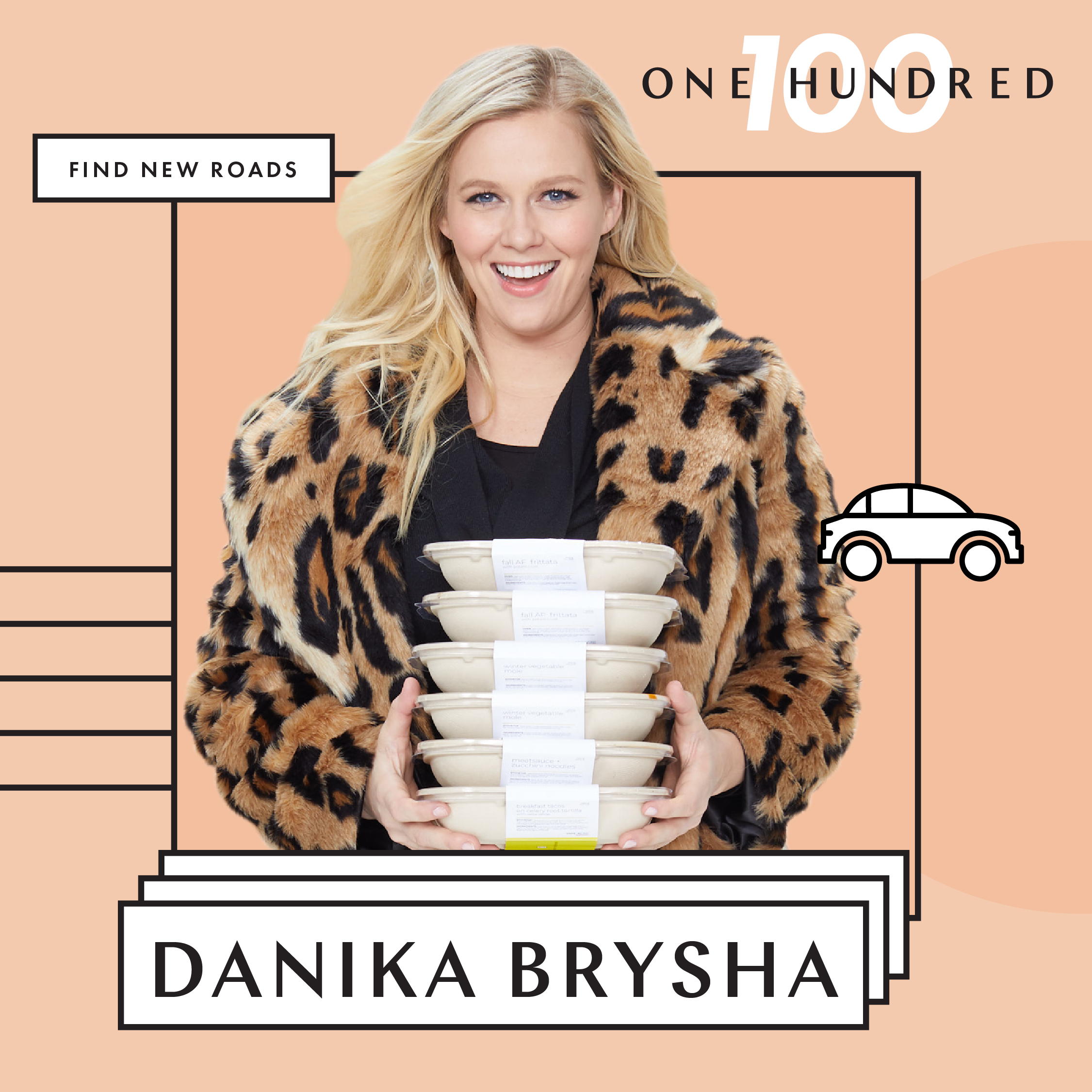
You recently started The Brunch Series where you travel the country and teach people about self-care and empowerment. Why did you decide to do this? What did you learn on the tour? What message do you hope to share as a result of this tour?
The Brunch Series was a 66-event women's wellness tour that I did with my boyfriend, Chef Bill Haley. I started The Brunch Series because I realized that all the tools I'd used over the last few years that got me out of debt, out of my parent's garage, and running businesses with millions of dollars in revenue could help others too.
My self-care routine sets the foundation for the life that I've built. Without it, it's very hard to handle the demands of this life. I knew that these tools could help others and I loved the idea of living a more nomadic, minimalistic lifestyle on the road. We sold and donated most of our belongings, moved out of our house, packed up the essentials (including our 200-pound Mastiff, Kingsley), and ended up living in an RV all over the country for the year putting on these events for thousands of women.
Ultimately, everything I aspire to do is about giving people the tools to create the life of their dreams. The Brunch Series taught my original Self-Care Checklist as well as skills like manifesting, visualizing, and goal-setting. It was also highly focused on connecting like-minded women in local communities. That's something women really struggle with as adults—meeting friends with common goals and lifestyles. We loved being able to hold space for these connections.
Model Meals recently expanded and you can now get meals in three states with plans to open more. What is your approach to growth and scale? How has the business changed since the expansion? Have there been challenges? If so, explain.
Growing a business comes with plenty of challenges, but I think the most important piece is to hire the right people. The way we've grown is to get out of the way. I'm constantly learning to surrender control and trust our team to make the decisions needed to grow. Because I have several things I am working on at once, I rely on the people who are there in the day-to-day to help judge what's best for the company, and then I bring in our vision and leadership to make the final calls. For us, we know we have an amazing product and service, so the biggest challenge is just making sure people know that we exist. I'd certainly like to be national and international one day.
I think another challenge is helping people understand why eating this way is so important and how it translates to their dreams, goals, productivity, health, and the big picture. We work very hard to source the quality of food that we do, and helping people to understand why that's important (animal welfare, regenerative agriculture, transportation and environmental impact, disease) can feel like a big task. Also, I'd say that the biggest challenge in the meal delivery space is the actual delivery part when you have a perishable and fragile product. We're always looking for cost-effective ways to improve this.
You've also had a successful career as a model simultaneously to building your business. What skills have transferred over from the modeling world into the business?
I've been working as a plus-size model for a decade now. I am so grateful for the industry because it really helped me to find body confidence and self-worth early on before the body acceptance movement was as prominent as it is now. I feel like I was at the forefront of that and it's something I'm proud of. The modeling industry has allowed me to BE the girl that I so desperately needed to see in the magazines and in fashion when I was growing up, so I'm very grateful for that.
As a model, especially today, you have to be running yourself as a business. That's just how it goes. Social media has changed a lot about how we're found, and the opportunities we get, so running yourself as a business is crucial. The big difference for me between my personal brand, Danika Brysha Inc. (which includes modeling, media work, workshops and events, speaking, social media, etc.) and Model Meals, is that Model Meals has felt much easier to grow because I am not the product. It's certainly easier to delegate but I know that both can grow in their own ways.
What advice would you give to young entrepreneurs who have an idea but don’t know where to start to execute it?
I would tell them to commit to some small time window to work on it every day and make it non-negotiable.
My life changed because I changed the things I did every day. Maybe every morning before they go to their day job they wake up 30 minutes earlier and work on their vision for those 30 minutes. Don't save it until the end of the day or try to squeeze it in on the elusive day when you "everything is done and I have more time." It won't happen. Just start one day, every day. You will learn so much from working with your clients that it does no good to write a business plan or figure out solutions to hundreds of problems that might happen. Don't worry about solving problems until they occur.
Also, read! Read as much as you can. Almost everything I do is because of a foundation I built through reading and then putting things into practice.
“When you follow what lights you up—whether as an entrepreneur or when you find a business that aligns with your values and passions—the work becomes much more natural. It just, sort of, flows.”
You've achieved great success but it isn't without a lot of hard work and hustle. Can you recall a specific time you failed and how you turned that around/into an opportunity?
Oh, there are so many times. I have plenty of things I've done wrong and wish that I could change, but I can't. I'd say, overall, the thing I wish I did differently was to use my feelings and emotions as a compass much sooner. I spent a lot of life cut off from how I felt and doing what I thought people thought I should do. I was totally out of alignment with myself, and as a result, I hit a lot of dead ends.
I found that when I prioritized my self-care and mindfulness practices (journaling, meditation, rest, lots of quiet time) I could use that clarity to guide me and it didn't steer me wrong. We have all our answers inside of us, we just often don't create the space the listen, and so instead we look to everyone else to tell us who we are and what we should do. And that will always fall short.
What do you wish you could go back and tell yourself when you were first launching your business? Why? And would you do it all over again knowing what you do now? Why/Why not?
I would 100% do it all over again (and I plan to with other businesses I'm building or will build in the future). I think I would just tell myself to trust my gut, to remember that this about the journey and for fun, and to constantly remind myself of my WHY. I would write down, in the early stages of the business, what my grand vision was and why I want to do what I'm doing. It's easy to lose track of that as your business grows and changes, so it would be great to have a really clear understanding of where I was when I started it.
For me, I love nothing more than noticing a gap in what doesn't exist but needs to, coming up with an idea that solves the problem, and then taking it from thought to thing (a.k.a. something tangible) that I can serve the world with. That process is so rewarding and my favorite part about a business. I think that is why I will likely continue building businesses for some time. It really lights me up and it is all sparked from something along my own journey that would have helped me.
Success is such a broad term and it means something different to everyone. How do you define success? What traits do you need to succeed today?
For me, this definition changes often, but I'd say, that success is freedom. The freedom to spend your time where and how you crave. It's knowing that you are doing something GOOD in the world. It's the knowledge that money in the right hands can have a hugely positive impact, so it's not just okay but important to strive for wealth (if you desire it). For me, success is about putting my energy and time into something I care about, having enough freedom and white space to nurture myself, my relationships, and my health. It's freedom in all things.
Founder depression has been a hot topic of discussion in recent months with more entrepreneurs opening up about their personal struggles. We'd love to know, who do you reach out to when you need advice or support? Do you have a mentor or are there groups you can turn to? What advice do you have for people reading this who might be struggling with that too?
What a great question. The reality is, our business is a direct reflection of us. I wish that I could spend a year with all aspiring entrepreneurs and help them get their self-care routines super sturdy before they venture into this space. That's the thing that has given me much of my success today: that I set that foundation first. It's the reason that, in addition to running businesses, I teach courses and do workshops all around self-care and self-care routines. It's what we do every day.
I wake up at 4 or 5 AM almost every day to do my routine. I move my body (in gentle ways that feel good to me like yoga, walking, pilates), I eat very well, I get 8-9 hours of sleep, I read, journal, meditate, practice gratitude, write a biography and journal entry from my future, and more. Sometimes I do this routine in 20 minutes and sometimes I have more time. We all have different schedules and demands (shout out to the many many people who are raising children while still trying to take care of yourself) but I believe that we can all find time to make space for these habits. I rarely drink alcohol and was sober for the majority of the last five years as I built my business. I also schedule white space days where I'm intentionally unscheduled so I can focus on creative work. I take a day off from social media every week on Mondays too. It has taken time to cultivate these habits, but they work. I'm on probably about 100 flights a year and I still stick to this routine as often as I can because it is the foundation for my mental and physical health which impacts everything else.
All this being said, most important is that I am gentle with myself. I don't beat myself up if I skip days or need a week to veg out. I tune in to myself and my needs.
The filtered world of social media often hides a lot of the hard work and hustle behind-the-scenes. What is the reality of being an entrepreneur today? What key traits do you need to be successful?
Entrepreneurship has pros and cons, and I don't think it's necessarily for everyone. It depends on how you thrive and what your values are. For me, it's probably the endless calls, emails, and the fact that almost every 15 minutes of my life is scheduled (even if I'm scheduling in white space). I've come to learn that I will never be done and that there will always be someone waiting on me for something. That's just how it goes. I have to find gentleness and healthy boundaries so that work doesn't take over my life.
When I'm modeling on set, my laptop is out and I'm answering emails between shots. I take walks when I am on calls to multi-task. I automate and delegate pretty much everything I can from my clothes to my food to household needs. There is no “turning off” ever, which is why intentionally scheduling rest, self-care, and white space as I would schedule work-related meetings is the only way to find balance.
I think, as an entrepreneur, you just need to have something that lights you up. Something that's important to you. You need to be willing to hire people smarter than you when you can and you need to realize the trade-off from leaving work behind at the end of the day and the always lingering tasks in your head. You need to find a consistent self-care and wellness routine that supports you and you need to develop systems. You also need to learn how to work with people. it's the hardest part of any business but crucial to growth.
What is the #1 book you always recommend? Why?
The Firestarter Sessions by Danielle Laporte. A great way to get clear on what you want and just dig deep into the direction of your life.
Photographer: Dan Busta
VIEW THE FULL CREATE & CULTIVATE 100 FIND NEW ROADS LIST HERE.

Create & Cultivate 100: Beauty: Cassandra Huysentruyt Grey
"I have learned that success isn’t at the end, it’s all in the process.”


Cassandra Huysentruyt Grey created a cult-following of beauty aficionados with her editor-approved curation at Violet Grey. Her loyalists are devoted to this very curated selection of the world's best products—each is given the Hollywood stamp of excellence. Most of her Violetites travel from far and wide to visit her exclusive Melrose Place boutique (or shop her magazine-like online store.
With the beauty industry literally bursting with new products each week, it’s comforting to know there is someone helping us edit our choices down to the ones that matter. Now Grey is teaching us all with her “less but better” mantra and we’re all chanting it, willingly. Read on to hear more sage soundbites from the beauty visionary and how why she’s swapping the ‘never give up’ mentality for faith.
CREATE & CULTIVATE: Your beauty mantra is "less but better." Where did this mantra come from? How does this shape the way you run your business?
CASSANDRA HUYSENTRUYT GREY: I believe in quality and the power of simplicity. I don’t like to have stuff around that is offensive to the eye. I think about possessions as an edit of stuff that I would want in my Christie’s catalog when I die.
You curate a collection of celeb favorites for your store and each product must pass the "Violet Code." What process do you use to pick these products? What is the "Violet Code" and what standard must products live up to?
The Violet Code is a proprietary testing process and set of standards by which our 150-strong community of top makeup artists, hairstylists, estheticians, dermatologists, and celebrity influencers distinguish the finest beauty products in the world from the tens of thousands on the market. First of all, our merchandising and edit teams identify gaps in our assortment and then scour the world and field submissions in order to find the next Violet Grey hero product. Once our teams have done an internal audit, we send it to a cross-section of our committee to rigorously test against the Violet Code which includes ease of use, delivering on its brand promise, packaging form and function and whether the product solves a beauty dilemma.
Our editors go through the feedback only accepting products that are truly coveted and championed by the committee—products that are essential for their kits. Seventy percent or more of our committee must agree on the greatness of a product before slotting it onto the shelves at Violet Grey. These artists and experts also original editorial content on The Violet Files in relation to the product. It’s an exhaustive process but one we truly believe in and one that has helped us garner unprecedented trust amongst our customers.
When you hit a bump or hurdle in your career, how do you #FindNewRoads + switch gears to find success?
I used to have this ‘never give up'‘ mentality until a few years ago when I realized the only thing I can control is my state of mind. I am successful when I have faith and trust in God’s plan. I now see hurdles as a sign I may need to go in another direction. I take it one day at a time and my faith always gives me the gut, grit, and grace to get through anything. Also, I have learned that success isn’t at the end, it’s all in the process.”
“I have learned that success isn’t at the end, it’s all in the process.”
What do you wish your younger self knew when you were first starting out in the beauty industry?
Don’t pet the snakes. I love the beauty industry so much, but much like any powerful and competitive industry, there are killers that secretly want you dead. There are good guys and bad guys, I ride with the good guys in the back.
You credit your team for much of your success. How have you built such a strong team? What advice do you have for those building teams for their own small businesses?
I’ve always loved people and I’ve always been obsessed with the motivation of talented people. The kind of people I get to work with is driven by excellence. I surround myself with people who are strong and accomplished in the areas where I am lacking. I empower each department head to run their area of the business with a focus on common goals and collective responsibility for success and then I get the fu$k out of their way. I always look for a producing mentality. I put a lot of value on hiring people with an entrepreneurial spirit. I encourage my team to see problems as opportunities. My crew never met a problem we didn’t have fun solving.

Where do you find the most inspiration? What drives your passion?
Art. If it weren’t for my late husband Brad Grey, an image of Coco Chanel’s couch, and Guy Bourdin’s Bloomingdale's advert ‘sighs and whispers,’ I would not have had the obsession to build Violet Grey. Brad had style, cared the most about talent, and always chose quality. The couch represented where great ideas happen, and the insert was advertising that then became iconic art that inspires people like me to think about art and commerce in a deeply emotional way.
You never went to college or had any formal business training. How did this affect you when starting VIOLET GREY? What advice do you have for others who have no formal schooling?
The wise learn from their mistakes, the wiser learn from the wise. I’ve been both the wise and the wiser. I have learned so much the hard way and probably just as much from books, Google, and mentors. Mentors are key.
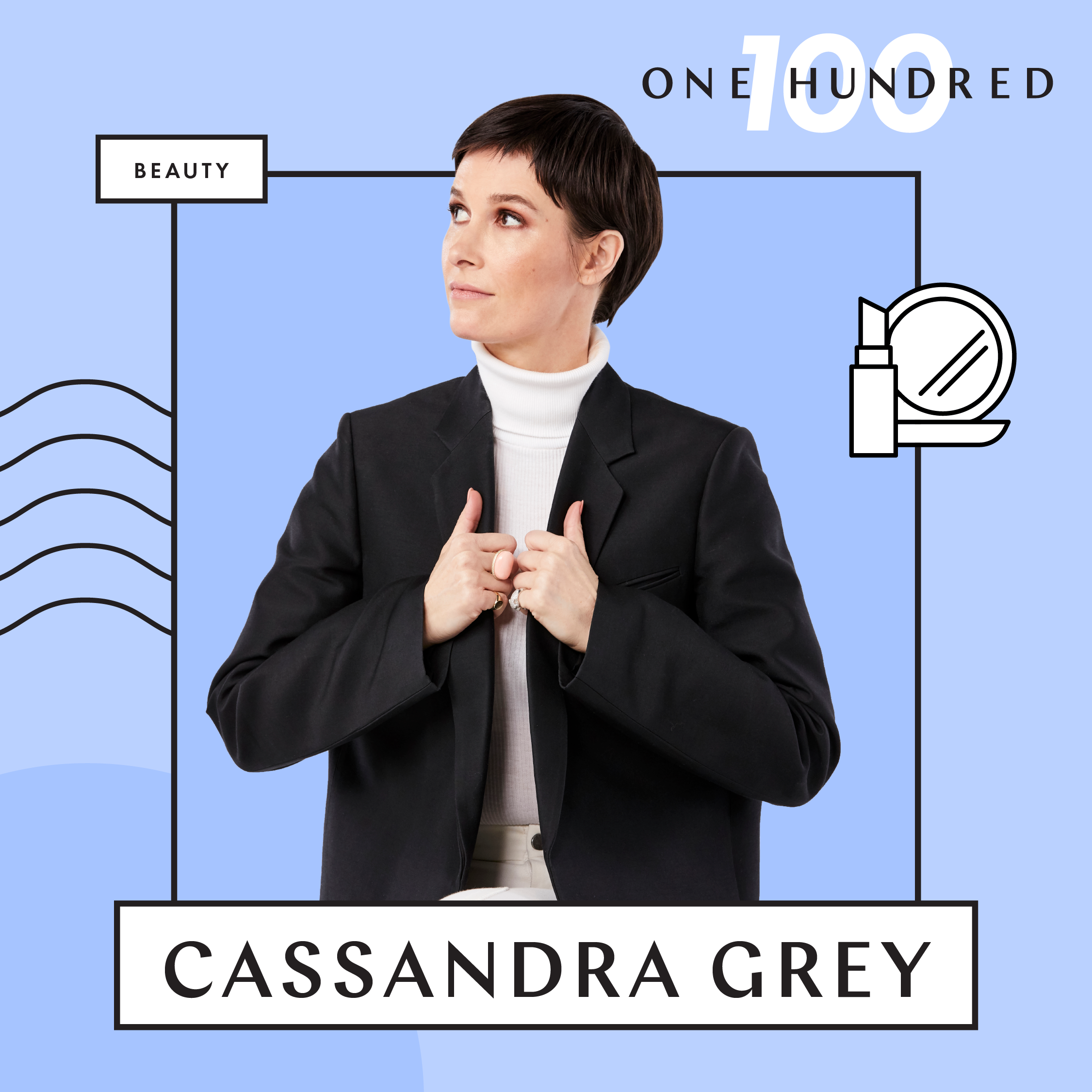
How do you set yourself apart from other major players in the industry?
It really comes down to our relentless dedication to the quality of our curatorial process. We take our product recommendations very seriously and we are the best at what we do. We believe that the secret to a good life is curation. Our customers want to feel confident in their purchase decisions and they have come to rely on us to build and maintain their world-class beauty routines.
How do you define beauty? What makes you feel beautiful?
That’s what’s so great about beauty, it can’t be defined. I only feel truly beautiful a few times a year and it’s usually after two to three hours of professional glam construction. I felt the most beautiful when Jules, my four-year-old said to me, “You know mama, I chose you to be my mama ‘cos you were the most beautiful one.
What is next for Violet Grey?
We’ve just moved into Violet HQ which is our very own Warhol Factory for the beauty industry. Right now, we’re focusing on making this space—which includes our flagship office, a photo and video production suite—and an evolving product curation space that does double duty as a venue for beauty events and retail activations - everyone’s new favorite creative space. We really want to pull back the curtain on life at Violet Grey and give our customers a behind-the-scenes view on what it takes for a product to be violet code approved and therefore worthy of their consideration.
Photographer: Jenna Peffley
Hair: Styled by OGXpert & Celebrity Hairstylist Jillian Halouska

C&C Classifieds: Something Social, Vans, West Elm, & More!
Career growth, anyone? We're setting you up for exciting new opportunities with a fresh batch of classifieds!

Career growth, anyone? We're setting you up for exciting new opportunities with a fresh batch of classifieds!
Something Social - Los Angeles, CA
Billion Dollar Boy - New York, NY
Global Marketing & PR Director
Ampjar - 11 Major U.S. Cities
Hey Beauti - Remote
Hello Sunshine - Santa Monica, CA
Vans - Costa Mesa, CA
Wholesale Marketing Coordinator
Cult Gaia - Los Angeles, CA
Louis Vuitton - New York, NY
Commercial Marketing Strategist
Bleacher Report - New York, NY
West Elm - New York, NY
Influencer & Brand Marketing Manager
bareMinerals - Los Angeles, CA

C&C Classifieds: GoMacro, Yelp, e.l.f. Cosmetics, & more!
New listings for LA & NYC job seekers at GoMacro, Vimeo, space150, Caruso, & more!

Peep these new listings for LA & NYC job seekers.
GoMacro - Los Angeles, CA or Remote
StarChefs - Brooklyn, NY
Nona Entertainment - Los Angeles, CA
Executive Assistant, Artist Agency
The Metropolitan Museum of Art - New York, NY
Vimeo - New York, NY
Diageo - New York, NY
TULA Skincare - New York, NY
Yelp - New York, NY
Caruso - Los Angeles, CA
Manager, Events & Brand Experiences
space150 - Los Angeles, CA
e.l.f. Cosmetics - Los Angeles, CA

The Cool Kicks Our C&C Team Is Wearing to Strut Confidently Into the New Decade
Let’s do this.
This post is in paid partnership with Vince Camuto.
Mindy Kaling will be the first to tell you that she wasn’t born with confidence or as she calls it that “bulletproof feeling”—it was earned. Just hearing that makes us all sigh a little in relief, and yet it also makes us acutely aware of the work that needs to be done to acquire it. One quick and simple solution is via the outfit you wear to work. There’s no denying the transformative power of a killer outfit to summon confidence and self-assurance—what that outfit is, however, is different for everyone. So, in our series, Strong Suit we ask people we admire what they wear to work and how it makes them feel.

Photo: Courtesy of Create & Cultivate
With all of the travel and long hours we spend on our feet at the conferences and summits we host, the Create & Cultivate team needs comfortable work shoes. But just because we seek comfort doesn’t mean we should compromise on style. Fusing function with fashion in footwear is key because when we walk into a room, we want to enter it with confidence and assurance.
So, this year, we’re kicking off a new decade in style with the help of our friends at Vince Camuto. Their collection of stylish yet supportive shoes and boots is perfect for leading a meeting with certainty or kicking our heels up with friends on the weekend. Read on to learn about the shoes our C&C team is wearing to work this year to feel comfortable and confident.
Sacha Strebe, Editorial Director

Vince Camuto Leetey Flared-Heel Pump
$50
Why I Love Them: “There is something so classic about the design of this shoe. It’s minimal in style with a medium heel to take any simple work outfit to the next level.”
How It Makes Me Feel: “I always feel confident wearing these heels because they have that hint of fun while also looking professional at the same time.”
Megan Beauchamp, Managing Editor, agrees:
The Shoe: The Leetey Flared Pump
Why I Love Them: “They’re timeless yet on-trend with a flared heel that sets them apart from all the other black pumps currently in my closet.”
How They Make Me Feel: “Confident, which makes them ideal for an outfit that needs to transition from the office to after-work drinks.”
Alyssa Sage, Marketing Manager

Vince Camuto Marinsa Woven D’Orsay Flat
$70
Why I Love Them: “I’m all about versatility, and the Marinsa delivers it. The style is elevated and can easily be transitioned from office to after hours.”
How It Makes Me Feel: “Confident and ready to take on whatever the workday brings.”
Carly Johnson, Sr. Director Brand Marketing

Vince Camuto Corrine Over-The-Knee Boot
Why I Love Them: “These boots can be worn for so many occasions and take any outfit from the office to dinner. Styled with a high waisted, ankle-length silk skirt and a fun belt to accessorize and I’m ready to jump-start my day.”
How It Makes Me Feel: “These boots mean business and when I feel comfortable in the shoes I’m wearing, I have even more confidence in myself.”
Nairi Najarian, Sr. Director Digital Marketing
Vince Camuto Leddenta Knit Sneaker
$40
Why I Love Them: “Whenever the C&C team is traveling to conferences or summits (and that’s quite often!), comfort is king, especially when it comes to airport outfits. I always rely on sneakers, loose-fit leggings or joggers, a cropped pullover and an oversized denim jacket. Too comfortable can start to look sloppy, so I love finding pieces that incorporate structure and cook shapes. I love that the Leddenta Knit Sneaker’s comfy tech knit offers the welcome wiggle room and the chunky, Dad-sneaker sole that pulls a travel outfit together.”
How It Makes Me Feel: “I was nervous about Dad sneakers once upon a time, mainly because it felt like I was breaking the rules of traditional office attire—not the case anymore! They’re really fun, and keep me on my toes when planning travel outfits.”
Maeve Casey, Account Manager, agrees:
Why I Love Them: “I am all about comfort and something I can dress up or down. I love the Leddenta sneaker for this reason. They are so comfy yet stylish. Also, you can never go wrong with a black sneaker.”
How It Makes Me Feel: “I wear the Leddenta sneaker to work because I can run around the office or onsite at our events in these all day but can pair with a slip dress to create an edgy and confident look.”
Alexis Futterman, Junior Event Producer

Vince Camuto Frasitta Perforated Bootie
$65
Why I Love Them: “I love that the heel isn’t too high, but it is still a classy bootie that can go with multiple different looks.”
How It Makes Me Feel: “This shoe can elevate my outfit to another level, while also being comfortable.”
To shop more Vince Camuto styles, visit VinceCamuto.com