
3 Reasons Women Are Needed in STEM Now More Than Ever
Because to have gender diversity in the workspace gives way for thought diversity as well.
STEM: Science, Technology, Engineering, Mathematics. STEM doesn’t mean you’ll be working in a lab your whole life. It could result in speeding around a race track for your job or working on the next mobility frontier, or it could result in being the CEO of a Fortune 500 company.
I started my career in the auto industry because I like fast cars. A well-crafted fast car is the ultimate marriage between form and function. There is something very exciting about sitting in a beautiful car with flowy, swoopy lines and pushing it to the limit. For a chance to work on making them even faster, I went into electrical engineering and joined the Society of Automotive Engineers. I found being involved in engineering and co-op programs to be extremely helpful and valuable jumping off points for my career and expanded my views of what I can be capable of with my degree.
I would like to paint a small picture of just some of the opportunities that STEM has to offer and share three reasons why women are needed in the STEM fields: Creativity, Diversity, and Curiosity/Skepticism. Hopefully, my experience will inspire other women to pursue the art of STEM.
Reason #1: Women have a unique sense of creativity.
Most people associate art and creativity with paintings, literature and music. Engineering and mathematical formulas typically aren’t the first thing to pop in your head. That is a miss. Success within engineering is often achieved through creativity. It’s achieved by looking at a problem differently and more creatively than anybody else and using math and technology to present the solution.
At first glance, that may not be obvious to a lot of young women, and young professionals considering going into STEM. STEM isn’t just numbers by-the-book. A career in STEM will provide an opportunity to use your unique way of looking at the world to identify and solve problems. If you can do that, there’s no limit to where your career can go and fun you can have on the way.
I still am a lover of arts and literature, and it has never been an either/or decision between arts and STEM or STEAM. I incorporate and practice art in my job on a regular basis. In the same way that artists may use paint or a camera to communicate their unique vision, open your eyes and expand your experience, I use math and science. I create with numbers and formulas and other cool tools technology affords me. There is quiet satisfaction in identifying an unrecognized opportunity and implementing solutions that hundreds of millions of people will use. Today, my tools are software and code.
And now that Chevrolet has gone one step further in creating this connected car ecosystem, it’s my job to determine where to paint next.
STEM isn’t just numbers by-the-book. A career in STEM will provide an opportunity to use your unique way of looking at the world to identify and solve problems.
Reason #2: Diversity in the workspace among men and woman is crucial.
Diversity in this field is crucial. That’s where I think the STEM industry doesn’t always do itself justice. Success in this field won’t be determined simply by who can solve an equation the fastest, but by who solves a problem creatively. Beyond diversity of gender or diversity of race, the more important aspect is diversity of thinking. Ability to look at the world a little differently lets you see opportunities that other people may have missed. You can then express your creativity in providing a solution using technology and science as a medium.
I saw this practice first hand, when Chevrolet rolled out Apple CarPlay and Android Auto through its vehicle lineup. When we first embarked on this project, some people questioned whether a large global automaker can be nimble enough to work successfully with established tech companies like Apple and Google. There was the also added challenge in rolling out this new feature across the entire Chevy lineup, from a Chevy Cruze to the Malibu, because we believe this is something all our consumers would value.
The quiet steady work that GM has put into nurturing diversity of talent paid off in this instance. Today, Chevrolet offers these technologies on more models than any other automaker in the industry. This was possible because of engineers and developers with different opinions, poking holes and advocating passionately for the best ways to deliver customer experience in implementing CarPlay and Android Auto.
Reason #3: Women are encouraged to have a healthy sense of curiosity and skepticism.
My career in the industry started out with a co-op position that eventually turned in to a full-time position with General Motors where I was fortunate enough to indulge my curiosity in all different aspects of engineering and more. My insatiable curiosity kicked again. I got my MBA and jumped in with both feet on the business side of the automotive industry, leading to various stints in internal consulting, corporate strategy and business development. Today I’ve been given the challenge of leading innovation and strategically figuring out where to take OnStar and our connected car ecosystem.
In addition to working in different areas of engineering, I was lucky that GM offered me a chance to indulge my curiosity and work in the business side of the automotive industry after my MBA, leading to various stints in internal consulting, corporate strategy and to business development and new technology. Working at GM exposed me to opportunities beyond traditional STEM activities that I did not know I really needed to understand in order to excel in business, but I am grateful that I was exposed to them.
I would also advise women that a healthy amount of skepticism is not a bad thing. You should be asking questions, and trying to find ways to solve a problem differently. Don’t let others dictate what you should think – you have a unique way of thinking for a reason, use it. A career in engineering and technology will provide an opportunity to use your unique way of looking at the world to identify and solve problems. If you can do that, there’s no limit to where your career can go and fun you can have along the way.
An original version of this article appeared on Darling Magazine. Written by Saejin Park

5 LinkedIn Hacks To Land You A Job Interview
You have your resume up to par, but how are you maximizing your LinkedIn for your job hunt?
Original image by @lisadengler
LinkedIn. A bit of a beast but also the best way forward when you're on the job hunt. Here are some hacks most of the other candidates aren't using.
1. USE THE "SEE WHO'S VIEWED YOUR PROFILE" TOOL TO YOUR ADVANTAGE
We know. It's embarrassing. But you can use that creepy tracking system to get your name on your interviewer or future manager’s radar. When you apply for a job, search for your possible interviewer, future boss, or recruiter's LinkedIn profile. (Make sure your profile viewing settings are set to your name and headline before you do this, otherwise it won’t work.) When your name pops up on their “See Who’s Viewed Your Profile” section and then again in the resume pile, you increase the chance that they'll take a second look because they’ve seen your name before. During my job search, I looked up the recruiter, the HR manager, and my potential superiors. Two of them returned the profile view and a week later I got an email for an interview!
"When you apply for a job, search for your possible interviewer, future boss, or recruiter's LinkedIn profile."
Tweet this.
2. ACTUALLY UPDATE AND POST TO YOUR PROFILE
It’s great and all when that potential interviewer checks out your profile, but if you haven’t updated your experience or changed your profile photo to something more professional, it's not going to matter. Though this isn’t a totally “unknown hack,” it’s definitely something applicants frequently miss on their to-do list. Before applying, update your experience, but leave out any unnecessary jobs—your high school babysitting gig probably isn’t as relevant as some of your more recent experience. {click to tweet} When I started my job search, I had narrowed down what I wanted to do so I removed some of my irrelevant experience—like my bartending and student desk jobs—since they didn’t apply to the jobs I was after.
"Before applying, update your experience on LinkedIn, but leave out any unnecessary jobs."
Tweet this.
3. REWRITE YOUR HEADLINE
“Student at the University of Something” definitely isn’t as appealing as “Digital Communication and Millennial Marketing Specialist.” Make yourself sound intriguing, hireable, and knowledgeable. From my experience, standing out as a student or recent grad can either help or hurt you, so if you leave that out of your initial impression via your headline, you have a better chance of showing off your skills and experience without being prejudged based on your graduation date. (Side note: don’t ever lie about your graduation date.) I chose Media Communication Professional since it rounded up my experience in communication and digital media while also proving that I knew what I was doing without overstating my experience.
4. JOIN GROUPS AND CONNECT WITH RECRUITERS
The best way to connect with other industry professionals and recruiters is to join relevant groups—and actually participate in them. There are hundreds of groups for every industry and even general groups designed for meeting recruiters (see: The Recruiter.com Network). I’ve joined countless groups related to my industry, my interests, and even alumni groups from companies and schools I’ve been involved with not only for networking, but also for research and educational purposes. A lot of people post relevant industry content (of their own and shared) that helps me continue my education and networking post-job search. Go a step further by being one of the people posting content. Position yourself as an industry professional right away and watch those future recruiters come crawling. {click to tweet}
"Position yourself as an industry professional right away and watch those future recruiters come crawling."
Tweet this.
5. ASK FOR RECOMMENDATIONS
You can't just sit around waiting for things to come your way. Don’t get me wrong, it can feel awkward to ask someone to post a ton of nice things about you, but it’s going to get that recruiter to call you in for an interview. When they see a variety of fantastic recommendations from your coworkers and superiors, they’re going to know you’re a superstar and offer you an interview asap. To get around that awkwardness, pay attention to the way you word your request and who you ask! Make sure you only ask someone who has actually worked closely with you and can vouch for your skills. I asked my immediate supervisor and simply said that I valued her opinion and that I would be honored to have her recommendation. It’s that simple! Whatever you do, don’t use the default message provided by LinkedIn—it’s impersonal and comes off quite rude! If your recommender is going to take the time to write something for you, you should take the time to ask kindly.
An original version of this article appeared on Career Contessa. Written by Laura Bauman
More from our blog:





What a Female POTUS Win Really Means to Women
Hear the unedited voices of fellow Americans watching history in the making.

On Tuesday, June 8th when Hillary Clinton took the podium at Brooklyn Navy Shipyard she told the raptured crowd, “We’ve reached a milestone in our history.” Clinton was, of course, referring to securing the nomination as the first female nominated by a major party for the presidency. It was a speech that one Tweeter described as, “fiercely fuck you feminist.” Other women were quick to share about the “tears in their eyes.”
This election cycle it is impossible to ignore the gender politics, or what Trump calls the “woman card,” arguing that Clinton would receive less than 5 percent of the votes if she “were a man.” But what would a win really mean, both symbolically and otherwise? And does the win mean something different to different generations of women?
Hillary is divisive. She is currently under FBI investigation. Her campaign has accepted contributions from NRA lobbyists and Wall Street. There are many who believe all of her decisions and flip-flopping on issues are simply manipulations to achieve political gain. Opponents call her crooked, corrupt, and out for herself. Then there are others who believe her track record of defending women’s health and reproductive rights, ensuring equal pay, and fighting for paid family leave and affordable child care is progressive, unwavering, and tireless. During her time as a Senator she championed gender equality legislation, including introducing the Paycheck Fairness Act, designed to give women the tools they need to fight workplace discrimination. More are split on what one of her aides referred to as a "muscular brand of American foreign policy." Her activist approach backed Gen. Stanley McChrystal to send 40,000 more troops to Afghanistan. She supported the Pentagon’s plan to leave behind residual force of 10,000 to 20,000 troops in Iraq. She pressed for the United States to funnel arms to the rebels in Syria’s civil war. Nor does she shy from military entanglements but rather has an “appetite for military engagement abroad.” It’s what many liberals cite as their main source of distrust-- her “textbook view of American exceptionalism.”
For every #ImWithHer, there is an equally loud and resounding #NeverHillary.
Over the next few months as we wind closer to Election Day 2016, we will be sharing the thoughts and hopes from women of various generations and backgrounds on what a Hillary win-- and more generally, a female POTUS- means to them.
Name: Antoinette Nolan
Born: Seattle, WA
Year: 1947
I was born right after World War II so am among the first of the baby-boom generation. My parents always expected me to excel and go to college but there their expectations diverged dramatically. My dear, wonderful dad told me to have a good time and get a good education but not to worry about grades because I would find a husband.
Fortunately, he didn't say that was the only reason I was going to college. My much-more-forward-thinking dear, wonderful mother told me to work hard and graduate with the ability to support myself. She wanted me to be a doctor or lawyer. I didn't do exactly what either one wanted or expected. I did get married. I raised three daughters. And almost my entire adult life, I have held jobs that I thoroughly enjoyed and would have allowed me to support myself, but I never felt the need to get a professional label. In their own way, both of my parents positioned me to embrace the women's movement whole-heartedly. I was never told that a woman's abilities were limited or that a woman could not think for herself or that a woman was a second-class citizen. My parents' gift to me was belief in myself as a whole person with the freedom and skills to create a life of my own choosing.
"I was never told that a woman's abilities were limited or that a woman could not think for herself."
Tweet this.
I am thrilled with the thought that we might have a woman president. To me, this has always been in the same not-in-my-lifetime category of miracles as the Catholic Church accepting birth control or women priests. I wish I could say I think the election of a woman will unite the country or stop back-biting and hate mongering or foster cooperation or bring progress on the issues facing our county and the world. Hillary Clinton is brilliant, pragmatic, skillful, authoritative and uniquely positioned to be an outstanding President so I hope she can be a catalyst for change and progress. She's decisive and confident and isn't afraid of being tough, so I wouldn't worry about her getting pushed around by aggressive behavior of other leaders. I think her own heartbreaks give her empathy with the suffering of others. She's a great model for women but all those qualities make people hate her. I think if we elect a woman President, the feeling of exhilaration for women will be like when we got the right to vote. Finally women will have living proof that we can achieve anything. It's ironic that it's taken almost 100 years after women got the vote for us to finally have a chance to vote for a woman. The misogyny in this country is discouraging and frightening. There's already "news" that Hillary was somehow connected to the Orlando murderer.
My fear is that all the people who hate her will try to stop everything she does and it will be even worse than with Obama. I can't imagine people saying the same things about a man as they say about Hillary or a man being bullied and excoriated as Hillary has been. Not even Trump has been treated so badly. Hillary is a target for everyone's rage, dissatisfaction, and despair. Her decisions on foreign or domestic policy are likely to be wildly criticized simply because she's a woman. I'm fortunate that the men I work with want to work with competent people, be they women or men. That's not the case for many, many women in either their work or private lives.
I hope Hillary's domestic policy will include equal pay for the same job, living wages, and child care, issues that disproportionately affect women. Men will really hate her for it and she will be accused of trying to ruin families, take jobs away from men, bring wages down overall, etc. It might make things worse for women. I hope in foreign policy she will be wise. Obama has been careful and taken calculated risks, plus he's acknowledged US wrong-doing. That's angered people who believe one should never apologize. Hillary is unlikely to apologize and be more hawkish so she should proceed more deliberately. Sadly, the world is more dangerous than it was at least during Obama's first term. She would probably do well to schmooze with foreign leaders more than he did. Thoughtful people will appreciate a wise leader.
Internationally, I hope Hillary will work for peace through diplomacy and non-violence, but most Americans don't believe in a Gandhiesque approach. Domestically, I hope she will be able to build consensus and tackle substantive issues, focus on justice for Americans of all colors, creeds, classes and abilities, and be the point person for women and men to embrace our interconnected world.
"I hope she will be the point person for women and men to embrace our interconnected world."
Tweet this.
I hope Hillary Clinton's legacy will be belief in ourselves as a united nation made stronger through collaboration and for women in particular, recognition and acceptance that each of us is a whole being worthy of the freedom to make her own choices and reach for her own stars.
More from our blog:

How Virtue-Based Messaging Is Setting This Company Apart
A desire to be good, might be good for business too.

Credit: Manda Laine Photography
Karolyn Stayer worked for beauty brand philosophy for over 10 years. During that time, as a working mom handling the complicated balance of kids and career, she knew that bath time was special. "When I was working full-time crazy hours at philosophy, the time I arrived home was usually about the time the kiddos were headed to the bath. Bath time became our connection point each night," she says.
Now that her kids are 10 and 7, she says they still prefer a "nice warm bubbly bath over a shower," and that she still sits on the side of the tub, talking to them about their day, asking "What was a rose, what was a thorn?" She says it's also the time they chat about the values printed on the side of be good bottles.
be good is Karolyn's first entrepreneurial venture, started in 2014. It is "a socially conscious, next generation for this generation, personal care company." Born from Karolyn's desire to create something of her own as well as "the need to create clean, safe, virtue-based products," the company focusses on messaging like "be good," "be honest," and "be polite."
We talked with the entrepreneur about first ventures, hearing more "no" than "yes," and why be good's virtue-based messaging is its point of differentiation.
You did marketing and development for "one of the most beloved brands in cosmetics" for 10+ years, and were then inspired to create be good based on your experience. What would you say was the trigger that made you go the entrepreneurial route?
My desire to express my own creative ideas coupled with my desire for more flexibility in my schedule that allowed me to be there for my children was a huge motivation for me. Philosophy was created and built by one of the smartest, most amazing women I know who is very much a mentor to me. I loved the brand and culture she created. She inspired me. I figured if she could do, I could do it, and she has always been so supportive of me and be good. I think I’ve always had the desire to create something on my own. My dad and brothers have their own business and I think it’s in the blood. Ultimately I’d love to see be good grow into a brand that gives back in meaningful ways and fosters a corporate environment for women where they can thrive professionally while balancing home life. I believe it is possible!!
How did you go from idea to product? How involved were you in the testing phase?
Once you’ve got the idea, the first piece of advice I received was to protect it. I had the name and the idea for years before I was ever in a situation where I could actually move into development. There was a lot of sketching on pads of paper, coming up with names, color palette, product assortment. I did a lot of consumer research with my mommy friends to get an idea of what they felt was missing and what they wanted from children’s products. Once I knew what I wanted, I began creating a product brief that captured what I wanted the formulas to look, feel, and smell like. I knew I wanted these formulas to be as clean and safe as possible without sacrificing product performance. Once that brief was submitted, there is a lot of back and forth between me, the chemist, as well as a group of mom and child testers to continue to tweak and adjust until we got it to the perfect place.
"I wanted these formulas to be as clean and safe as possible without sacrificing product performance."
Tweet this.
Is be good your first entrepreneurial venture, or have you given entrepreneurship a try before? What other entrepreneurial ideas did you have in mind?
Be good is my first entrepreneurial venture. However, I do have my own marketing consulting company as well. For now, be good occupies the bulk of my brain power, but I’m always looking for white space in the market and where there might be real needs not being met by the consumer. I love ideas!!!
Describe being a "mom-preneur" in three words:
Challenging. Satisfying. Motivating.
You have a solid foundation in the beauty biz, but when you strike out on your own there are always new challenges and surprises. What are some of the things that you had to learn?
I’ve learned to be much more thick-skinned, extremely determined, and open minded. So far with be good, I’ve received a lot more "no's" and very few "yes’s." I thought I knew exactly where these products would go. I’ve been wrong — a lot of the time. You just can’t give up and you have to believe. We still have such a long way to go. It’s been a big lesson in patience, my expectation on how long it would take for things to happen was WAY off. I now know timing is everything and be good will have its day in the sun right when it's supposed to happen.
Don't give up: "I thought I knew exactly where these products would go. I’ve been wrong-- a lot."
Tweet this.
What would you say other moms who are looking to take the entrepreneurial route?
I say you have to go for it. Even though getting be good off the ground has been much more difficult than I expected, I know I would have lived in regret had I not decided to act on my dream. If it fails, so be it. I’m OK with failure - as long as I can say that I gave it my very best shot. I just don’t think I could have lived with myself if I never gave the idea a chance.
Where do you see be good in 5 years?
I’d love to see be good with an expanded personal care offering that includes tween skincare. I see be good doing good by giving back to the world in meaningful ways that help children. I’d also love to see the idea expand into other categories outside personal care.
Learning from the mistakes of your competitors is important. What would you say that you do better than your competitors?
I think our packaging is what truly sets us apart. It is sweet and charming and appeals to mom’s sense of style and children’s sense of discovery. The virtue-based messaging is so relevant right now. We are trying to teach our kids about good choices and about putting kindness and love in this world. Goodness know the world needs more good now more than ever. If I can champion that movement with fantastic products that are safe for our children and that bring happiness to our homes, I would be one satisfied mama!

More from our blog:

What Do Millennials Really Want From Work
Hint: it's not ping pong tables

Credit: Laura Dee Photography
Everyone knows some lucky Millennial working at a Bay Area tech company where free food, massages, and dry cleaning are industry standard perks. Due to some major workplace jealousy, every Millennial is guilty of day dreaming about working somewhere where sneaking off to find a nap pod is encouraged. But despite what employers may think, these untraditional perks are not what most Millennials are looking for in a place of employment. In 2015 Millennials surpassed Baby Boomers as the majority of the U.S. workforce at 53.5% and as such it is time to take what they want at work seriously. And their needs are much more serious than one might think.
FLEXIBILITY
Millennials are starting to devote more time and money than ever on experiences. More than 3 in 4 Millennials (78%) would choose to spend money on a desirable experience or event over buying something desirable. Millennials’ desire for more flexibility with their work hours goes hand in hand with this spending trend. As it turns out, Millennials are not happy working your average 9 to 5 job. 81% would appreciate being able to make their own hours at work, 77% believe that flexible work hours would make them more productive at work overall and 43% would switch jobs if given greater flexibility in work hours elsewhere. The freedom to design their own work hours is so valuable to workers of any age that 2 out of 5 are even willing to forfeit a portion of their salary if it meant increasing their position’s flexibility. If Millennials were able to introduce more flexibility into their current posts, 64% would favor sometimes working from home and 66% would appreciate an adjustment in their hours.
MAKING A DIFFERENCE
Despite having a reputation for being self-centered, 84% of Millennials say that helping to make a positive difference in the world is more important to them than professional recognition. To feel fulfilled at work, Millennials need to feel as if their work matters. 60% of Millennials cite “a sense of purpose” as part of the reason they work for their current employer. Watch out Baby Boomers, Millennials were found to care much more about making a difference through their work than other generations. When surveyed 35% of Millennials found it important to have a job with a positive social impact, compared with just 19% of employed Americans overall.
"60% of Millennials cite a 'sense of purpose' as a reason they work for their current employer."
Tweet this.
TRADITIONAL VALUES
While ping pong tables, bringing your dog to work and riding around the office on scooters are all fun perks, what Millennials are actually looking for at work is not that different than previous generations of workers. Essentially employees of each recent generation share the same reason for changing jobs: more money and a more creative workplace. This sentiment was expressed by 42% of Millennials, 42% of Baby Boomers and 47% of Generation Xers. When gauging what makes an employer attractive, Millennials placed career advancement opportunities at the top of their list followed by competitive wages/other financial incentives and then excellent training/development programs.
CREATIVITY
Creativity is key for Millennials, with 31% placing value on working with creative people. Millennials are not the only generation craving more creativity at work, 36% of employed U.S. adults report that they want to leave their current job to pursue a career that allows them to be more creative. The American workforce values creativity so much that almost 41 million employed U.S. adults, are willing to take a pay cut for a job that allowed them to be more creative. Allowing Millennials to think outside the box is key to retaining Millennial talent. If they don’t, employers risk losing employees to the more creative and less restrictive path of being an entrepreneur. 67% of Millennial employees surveyed said they would leave their traditional jobs for a more creative self-employed track if they believed they could pay their bills by working for themselves.
Written by: Jacqueline DeMarco is a freelance writer with experience in editorial and news writing.
More from our blog:

Meet Love The Edit: Your New Personal Shopper
Right this way to a perfectly curated Amazon.

Anne Ziegler, Co-Founder Love The Edit
Are you looking for books by smart women? Or maybe you're a new mom overwhelmed by all of the breastfeeding products and need HELP! Enter: Love The Edit, a new e-commerce site dedicated to helping busy women sift through the 480 plus million products sold on Amazon in the United States. (That's more products than people who live here.)
Very simply, Love The Edit creates curated collections organized into eight sections: Baby, Kids, Style, Living, Beauty, Gifts, Guys, and Guest Editors, like Amber Lewis of Amber Interiors. All products are culled from Amazon and are shoppable on the site. You "check in" with Love The Edit and "check out" with Amazon. As much as online shopping has made our click-of-a-button lives that much easier, it's also become a bit of a chore-- or as we call it, "the over-world-wide-whelm."
So we checked in with Love The Edit Co-Founder Anne Ziegler to find out why curated is the new craze and why you need to hop offline to effectively trend forecast.
You have a background in trend forecasting. How did you figure out what was hip before the hyper-onset of blogs?
Trend forecasting is about seeing new patterns as they develop. In order to see new patterns, you have to be up on what is happening right now, and that takes research!
You need to be hyper-aware of what is happening around you, and always curious - if you’re not looking, you’ll miss it. For that reason, I try not to get caught behind the computer for too long - the best research is to be out and about - seeing how real girls are styling their clothes, what a new retail concept looks like or what the scene is like at a cool new restaurant. It’s really about understanding how people are living and what’s influencing them, so we can understand why, and what, they might want next.
"I try not to get caught behind the computer for too long - the best research is to be out and about."
Tweet this.
How do you figure out what’s on-trend now?
Blogs and social media are fast information and everyone is looking at them, so you have to be looking at them too. But the onset of blogs and social media hasn’t disrupted the process of trend forecasting - it's just another resource. You are still looking, listening, learning and ultimately editing through lots of data for newness, and then trying to connect the dots.
Who is Love The Edit for?
Anyone who feels like there aren’t enough hours in the day! a.k.a. every woman we know! Love The Edit is for women who are juggling everything - jobs, kids, home…life! We want to help women shop better and faster so we can all enjoy more time with family and friends! We always like to say “let us be your personal shopper” on Amazon.
How does it make busy working women’s lives easier?
We’re all about instant gratification. When I am coveting something, I want it yesterday. So Amazon is perfect for that. We chose to build Love The Edit around Amazon for a reason — they have the most products of any e-commerce site in the country and they deliver the fastest. By editing Amazon we are bringing our users the perspective of a good editor, without sending you all over the web to find it. You can add multiple items to your cart on Love The Edit, hit checkout, and your items are all pushed into your own Amazon account - no multiple checkout, just the stuff you want with one click.
How many products are you sifting through to get to the good stuff?
488 Million…
Are you at all worried you’re going to run out of content ideas?
No! Because our lives as working mom, friends, wives and daughters constantly provide us with new content ideas!
What am I supposed to get for 3-year-old boy’s birthday party this weekend? Bingo - Gifts for Little Dudes. I don’t want to lug all these French pharmacy finds back from France in my suitcase. Voila - French Pharmacy Buys! What do I give for a hostess gift this summer, besides Rośe? Done - The Perfect Gift. (OK fine, in ADDITION to rośe!)
What’s the most surprising product you’ve found on Amazon?
The selection of fair-trade home decor and gifts items is awesome. And, if you really want to splurge, there’s always $6K of caviar….
Curating and cutting through the internet noise is time consuming. Why is this something you’re passionate about?
It’s the thrill of the hunt! We love finding something super cool that you wouldn’t expect to be on Amazon. That’s what drives us!
Of all the jobs you’ve had, what’s been the most interesting/rewarding?
I am always rewarded when I can see work that I do directly make a difference for a client.
More from our blog:

Highlighting Diversity in Atlanta's Startup World
Nicknamed Silicon Valley of the South.
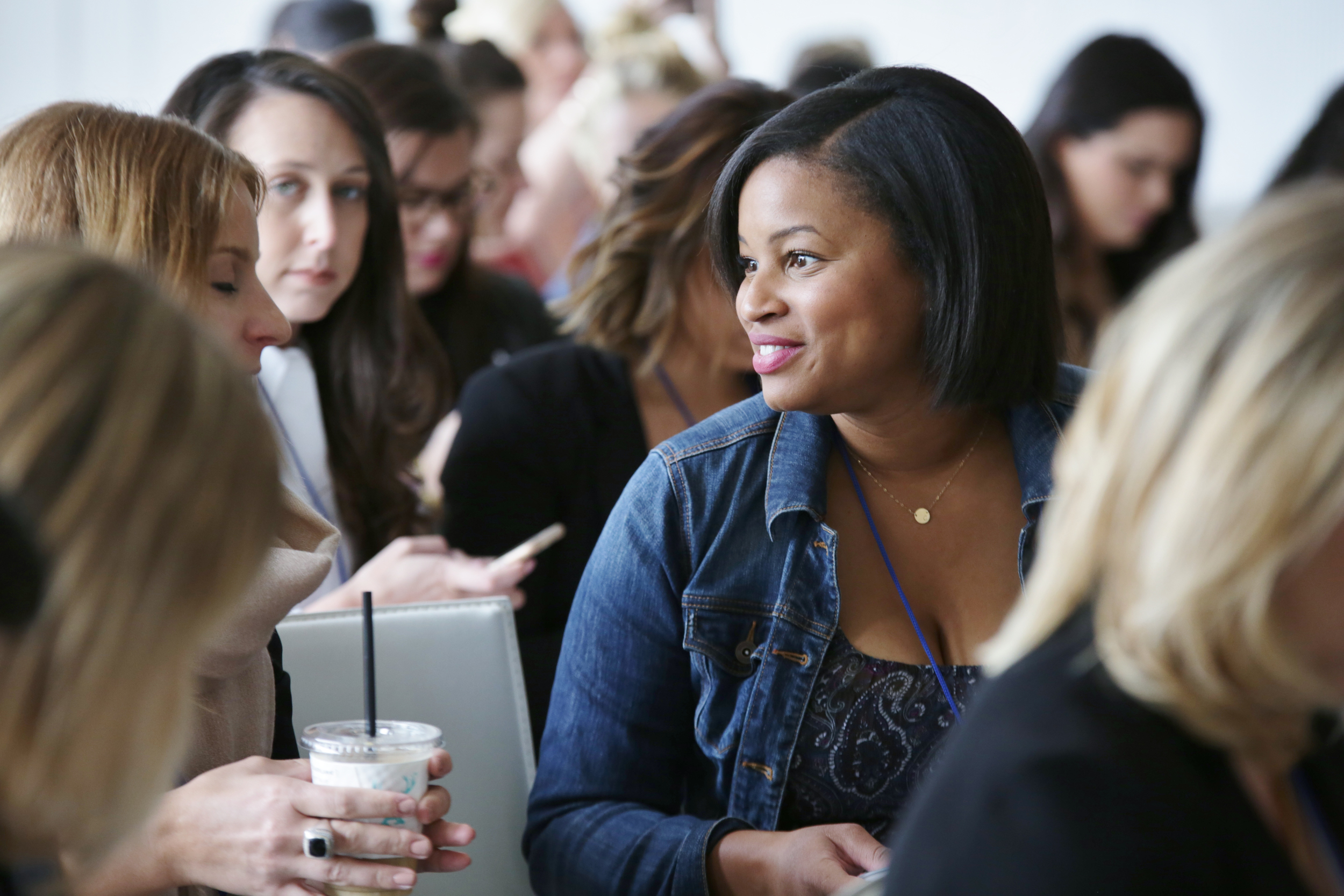
Credit: Laura Dee Photography
When it comes to diversity and inclusion in the workplace, Atlanta is king (or in our case, queen.)
Today, more and more companies are looking to be at the forefront of diversity and are shifting their focus towards inclusion and representation in the workspace. (To that, we say what a beautiful time, to be alive.) And with Atlanta being the poster child for diversity and our next #CreateCultivate stop, we had to highlight some of the ways other companies can take notes from the state that’s leading the pack.
INTEGRATION AND BREAKING THE INVISIBLE LINES
As Atlanta continues to move away from a history of segregation, the same concept has been applied to work practices, landing two of the city’s biggest companies (Coca Cola and Southern Company) on the list of Black Enterprise’s Top 40 Best Companies for Diversity List last year.
And inventors are taking more risks in the city because of its potential. In 2014 firms invested about $500 million in Atlanta companies — the most in a decade.
DIVERSITY IN ATLANTA’S STARTUP CULTURE
More POC in Atlanta are looking to change the face of what the typical startup founder or entrepreneur looks like. More men and women of color are starting their own companies, especially in the tech sector, and not only that: Atlanta has been named #5 in the best cities for female founders with 44.3% number of female-owned firms in the city.
While only .2% of venture capital deals have gone to black female founders and black women-led startups raising only an average of $36k in outside funding, more WOC are getting out there to show they are the future of innovation.
Thanks to programs like The BIG Innovation Center, which is currently housing a four-month long accelerator program training black and Latina women from Atlanta how to launch their startup, how to acquire office space, and how to find mentors, we’re not too far from seeing more of “The Real Unicorns of Tech” in the startup world.
"We’re not too far from seeing more of 'The Real Unicorns of Tech' in the startup world."
Tweet this.
Atlanta still has a long way to go when it comes having more POC-- especially women-- as the faces of companies. However, this city is taking exemplary steps to ensure that not too far from now, when a female WOC is represented as the boss in a startup sitcom, it won’t be too farfetched.
More from our blog:

This One Shirt Is Changing the Way We Buy Clothes
Say goodbye to fast fashion.

DRESSHIRT is a tightly edited collection of tailored sportswear with a mono product structure of luxurious, a-seasonal basics for the over marketed consumer. The custom embroidered DS1 was the first product category to be released and has become the globally recognized hero of the brand.
It occurs to me that I am a feminist. I didn’t set out to become one but I find myself a woman, an entrepreneur, and an activist providing women with a comfort that men have enjoyed for centuries. I wasn't compelled to launch my brand with such morals however, rather the opposite—I was being selfish.
DRESSHIRT erupted from two needs: A personal desire to put something new into the world and a hankering for an ease of dressing similar to what men feel when slipping on their favorite suit. I grew up in Milan, surrounded by fashion. My father, the owner of a fashion consultancy and ex-Saville Row tailor, was an enormous influence on me. You could credit him with being the impetus for both of the aforementioned desires. I watched him get dressed in his own kind of suit every day--a black turtleneck, black pants, a ponytail tightly harnessed with black elastic band. My father is one of the most well dressed men I know, and the ease he finds in just a few basic pieces, that he wears his way, is what aim to give women.
The easiest way of describing DRESSHIRT’s brand structure is as follows:
DRESSHIRT + JACKET + TROUSER + SCARF + HAT
Equals an outfit.
Traditional brands create loyalty by using marketing to appeal to the lifestyle of their customer, and by creating the illusion that there is a need to purchase out of fear that last seasons styles will become obsolete. At DRESSHIRT we believe in a smarter luxury, one that prioritizes values over status and a personal touch over pre-conceived, “perfect” package. We build our brand one product at a time, making pieces that can adapt to many lifestyles, places and seasons. By focusing on products our customers grow with us, and are part of the process of building their wardrobe. It is a truly collaborative, authentic and loyal partnership.

I often say that I feel the internet is being misused in our industry. The emergence and growth of the internet has given the millennial and Y generations a considerable advantage in business. The virtual storefront means you can run a consumer oriented company with little to no overhead. It is our most valuable asset, and the direct-to-consumer brands leading the way in fashion are mostly price-based models with the familiar adage “we bring you the best for less by cutting out the middle man.” Today, there is a space for luxury fashion empires to be built online, and being more accessible does not mean we have to sacrifice quality. The rush of newness and fast fashion is coming to an end and an aging millennial generation wants luxury online.
"The rush of newness and fast fashion is coming to an end."
Tweet this.
The same can be said of the in-store customer experience. Traditionally, e-commerce has been treated as a back up, a second string to brick and mortar. As the brick and mortar experience has become increasingly passive and dissociative, online has become the opposite. I can sit in our studio and answer customer service emails and live chats myself. Via www.dresshirt.com, we directly reach customers from all over the world. Everyone on the DRESSHIRT team has contact with a customer daily! We learn names and carry out and produce custom orders. We create a relationship with our return shoppers—you don’t get a more personalized experience than that.
Technology has revolutionized the fashion industry. It is a divisive time and there is movement on behalf of some of the bigger houses away from fashion week and the seasonal collections traditionally aimed at buyers and stores. With all the money spent on these twice yearly fanfares it’s a small disaster when all of the media is not translating directly into sales for the business. Social media is, in part, responsible for this shift, which is the beginning of a new forward thinking, customer focused industry. It is equally responsible for the obsession around influencer culture—when lifestyle is king, brand message and intention can get lost, and achieving longevity in a culture of relentless newness is almost impossible.
One thing is for certain, the fashion world has changed. It is an exciting time where big brands and small are playing together, on a relatively level playing field, with nothing but a website to compete. Everyone is vying for a space in the emerging luxury, direct-to-consumer market. I stand by the prediction I made when I launched DRESSHIRT: This space will be filled by the uncomplicated. Don’t overwhelm, don't overproduce. My mission is to provide my customer with an effortless answer to too much choice. Acting as a compass of style and a canvas for creativity, we created an experience where she can do it her way.
More from our blog:

Why the VP of a Beauty Company Is Learning to Code
Girls who code and contour.

Disruption is part of our business culture. The world’s largest ride-sharing company owns no cars. The world’s largest accommodation service owns no property. And the world's largest social network produces no content.
The most disruptive businesses are those with an interface; a means of connecting the consumer with the good they desire. So is the case of beGlammed, the first on-demand app that connects hair and makeup artists with the consumer.
Launched in May 2014 it is now the leading on-demand beauty app. It seems simple enough. Combine two billion dollar businesses-- beauty and the on-demand platform-- and watch it spread like wildfire. On the surface, it is.
It was an idea so compelling, or a “no-brainer” as VP of Marketing and Business Development Alexandra Amodio says, that it made her rethink the aphorism “Perfect is the enemy of good.”
“I know,” she says, “It’s important not to delay until you have a ‘perfect product’ that can come to market, but at the same time, you need to have perfect branding and perfect service, because that’s how your customers will remember you.”

Alexandra Amodio at Create & Cultivate DLTA, May 2016
The app didn’t exist when the business first launched. In the beginning, for the first two months people would call and book. “We were a technology company and we had this amazing idea at the cross-section of technology and beauty and we didn't have the app yet." BeGlammed now offers services in 20 U.S. cities and one international city.
“I looked back at records the other day, and I was the first appointment.”
She was also the first employee and has been with the company before they had investors, which, she says has been a “wild ride.”
In January 2014 she met the Maile Pacheco, the founder, shortly after the idea had been hatched. Pacheco got her start in sales, as a makeup artists for MAC on the floor, but pivoted her way to the corporate side of the business, eventually pioneering her own way and creating a role as the facilitator between MAC’s celebrity clients and the brand sponsorship.
After staying with the MAC for almost a decade, Pacheco had built so many amazing connections within the beauty industry that her own business was a natural next step. She was operating out of Vegas at the time so that’s where beGlammed launched. The next two markets were Dallas and Los Angeles.
“I remember three years ago, I was going to makeup counters to get my makeup done for events and every time I would buy three products, and I thought— like so many— that was the only way an ‘average’ person could afford to be done up before an event.”
She was spending more money on products than she would on the beGlammed service— which now comes offered in tiers.
This is one of the major shifts the company has made. In the beginning there was only one pricing option, but now beGlammed offers three pricing options to fit any budget. “We’re making a luxury service affordable for all, no matter your budget, and we’re the only brand doing this. That’s become a big part of our marketing strategy that I didn't foresee in the beginning. You can get a blowout for forty dollars. Or you can get your makeup done by a celebrity makeup artist."

Photo by Arnelle Lozada
Instagram has also been very influential in their business. “We get so many clients who see Gigi Hadid’s makeup from the Met Ball and say, ‘I want that.’” It’s a direction she sees the interface moving.
Creating shoppable looks and creating affiliate partnerships is likewise something she’s passionate about and has performed very well in the fashion space. BeGlammed wants to create the ability for consumers to see a beauty look they love in the afternoon, ‘purchase it’ and have it applied by a professional in their home, office, or hotel that same night. “From a selling standpoint,” Amodio says, “there’s no better opportunity to sell a product than when you’re getting your makeup done. You have a 90-minute one-on-one very organic interface between the consumer and the makeup artist whom you trust.”
Potentially that means beGlammed product or a bigger partnership with larger beauty brands.
“There are a lot of opportunities within beauty,” she says, while acknowledging that the speed of the on-demand market means there is pressure to keep up with Uber and Airbnb, both of which have “tons of resources and are moving really quickly.”
“You want to keep up and have the ‘Uber-puppies,’ but we always need to keep in mind what our MVP is, why we started, and make sure we are never losing sight of that.”
"We always need to keep in mind what our MVP is, why we started, and make sure we are never losing sight of that.”
Tweet this.
For now beGlammed is focussed on becoming the beauty authority in the space, as well as continually growing their influence. Says Amodio, “This could mean we spend more energy promoting the artists within our senior tiers, growing our editorial presence— in a way that brands like Who What Wear and Into the Gloss have done a fantastic job at— and delving much more heavily into the beauty tutorial and vlogging space.”
The need to “keep up” is one of the reasons why after ten years in the startup work she’s learning to code. She started with Codeacademy, now receives coding-related news from Hacker News, and is part of the GitHub community. “The very first computer science class I took was an online CS50X course from Harvard, which was intro to computer science and programming. It’s incredibly empowering to have an idea for the interface and be able to have a conversation with developers. It also gives you a deeper understanding of how feasible something is and how much it will cost.”
It’s incredibly empowering to have an idea for the interface and be able to have a conversation with developers.
Tweet this.
She quotes the late Steve Jobs in the Lost Interview with Steve Jobs, who said, “I think everybody in this country should learn how to program a computer because it teaches you how to think.”
Thinking she is. When you believe in the service you’re offering, and know that what you’re putting to market a service people will love, “it’s almost too easy,” says Amodio. But what separates the idea people from the success stories, is “cohesive branding, product development, and customer service. Having a completely integrated approach will always be the most important part of any puzzle.”
More from our blog:
How to Write a Killer Grant Proposal for Small Business
There's no such thing as easy money.

(Credit: Laura Dee Photography)
Grant proposals are similar to business plans, include many of the same elements and have the same purpose: to get that money.
Most grants fall into three categories: federal, private, and corporate grants. There are no federal grants specifically for women, but there are private grants for women from foundations, private organizations, and businesses.
Grantmakers usually distribute funds through Request for Proposals (RFP), concept papers or grant announcements and bidding processes. Committees read, score and make recommendations for funding. But what are they look for when allocating funds? Decisions are based on the applicant's ability to fit their idea or proposal into the grantmaker's area of interest. If your goals are not in line with the grant's goals, it is unlikely that they will fund your program or idea.
So just as a cover letter should be tailored to the job for which you're applying, your grant application needs to be as specific as possible. Writing a competitive grant proposal takes time as well as a thorough understanding of your mission. When we're talking "free" money it's going to take a chunk of your free time.
Here are 5 steps to ensuring you're in the running.
1. BE MORE SPECIFIC
We can't overstate this: Your grant proposal should be finely tailored to the organization offering the grant. For example, the Eileen Fisher Women-Owned Business Grant Program is in its 13th year and support leadership programs for women and girls, women-owned businesses and local communities. It is a grant program offering aid to women in business that are beyond the start-up phase and ready to expand their business, their potential for positive social and environmental impact. The program has very specific eligibility requirements. For example, the business must be in operation a minimum of three years, at the time of application. But is also has more nebulous requirements. Here is where you pull ahead of the pack. There are plenty of female-owned business that have been in operation three plus years. But how many of those align with the Eileen Fisher company mission and leadership practices? Nail this.
Many grant proposals are scanned first so you need to be very clear and have sentences that stand out. Don't be over-flowery and don't try to "sound smart." Jargon is your enemy in this case.
2. DO YOU HAVE TO START ON PAGE ONE?
No. This isn't the SAT. You can start in the middle and jump around. Or start with your strengths and work from the inside out. If there is a section of the proposal you know you can nail, begin there because it will give you the confidence to move into sections you find more intimidating.
Some applicants like to start with the executive summary (always used in business plans) or introduction. It's the highlight reel that will help you develop an outline for the remainder of your proposal. Others like to start with the budget because numbers are easier to crunch (and more concrete) than ideas.
Ask yourself: What are my strengths? What are my priorities? What problem am I solving? Why am I the person to solve it?
3. THE EXECUTIVE SUMMARY IS YOUR FIRST IMPRESSION
If the cover letter is the hello hook, the executive summary is what draws the reader in and commits them to reading the rest of your proposal. It is one of the most crucial pieces of writing and it is your chance to make a powerful first impression and identify yourself clearly. So what do you need to include?
1. The business idea and mission, proposed title, the problem it solves, and why it's needed in the marketplace.
2. Describe not only the need but objectives and deliverables as well.
3. An overview of the key points that match the funder's interest. (Refer to earlier point about the Eileen Fisher grant.)
4. How much the total project will cost.
5. Keep it at one page.
6. Make sure to thank the funder for consideration.
The committees that read grant proposals for a living know when details have been thought out and when they haven't.
4. MAKE YOUR OBJECTIVES SMART
Use the acronym SMART when developing your key objectives to make sure you're on-track.
S - Specific
M - measurable
A - Action oriented
R - Realistic
T - Time oriented
5. REACH OUT TO A FORMER AWARDEE
If you're really stuck most grant programs make former winners public. If you want advice reach out to a company that received funding and ask for guidance. They may be willing to offer it to you, they may not. But if you ask for a 30 minute coffee or phone call and the request is granted, well, you're one step closer to writing a killer proposal.
Remember: this is a complicated and long process. These suggestions are the tip of the iceberg. One of the most important things you can do is give yourself ample time to complete the proposal. As well as give someone you trust ample time to review it.
It can be a game-changer to have someone validate your work, but there's no such thing as easy money.
More from our blog:

Free Download: Trademark Your Business Name Now
Check yourself before you wreck yourself.

You’ve locked in an amazing idea for your business. You are going through the motions of making sure that your business is up and running, but are you also protecting it’s name?
From the point of ideation, you should make sure that your name and brand are trademarked and protected from anyone else stealing or using them. And if you haven’t done so yet, here is how you should, courtesy of our brilliant friends at Above The Glass. From making sure that your trademark is available, to making sure that your website name is available to guiding you through what you need to do with your lawyer to complete your trademark application, Above The Glass has got you covered.
Enter your name and email below to get access to the free download now!



7 Key Takeaways from Sheryl Sandberg's Powerful Commencement Speech
Lean in gets a revamp.
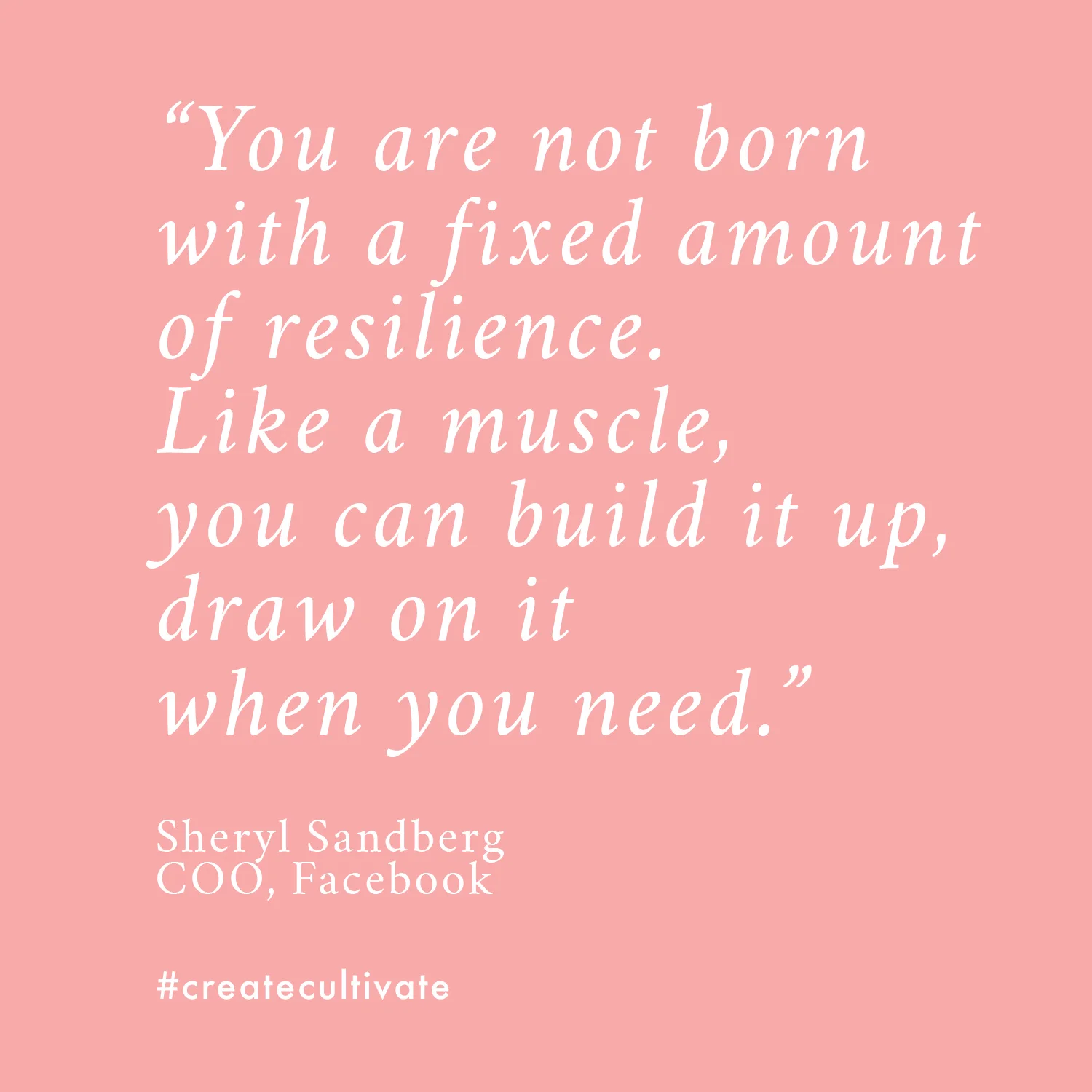
When Facebook COO addressed the 2016 graduating class at UC Berkeley last Saturday May 14th, she delivered an incredibly personal speech that didn't shy away from dealing with her late-husband's death.
Dave Goldberg died suddenly on May 1, 2015, during a trip to Mexico. The commencement speech marked the first time Sandberg spoke publicly about the loss and her experience. She also told that graduates that her work at Facebook helped her focus on something other than her grief and encouraged them to "live as if you had eleven days left." You can watch the incredibly powerful full speech here.
Here are our 7 of our favorite quotes.


More from our blog:

Cracking the Code: Atlanta Is Changing the Face of Startup Culture
The peach of the south is also a hub for female entrepreneurs.
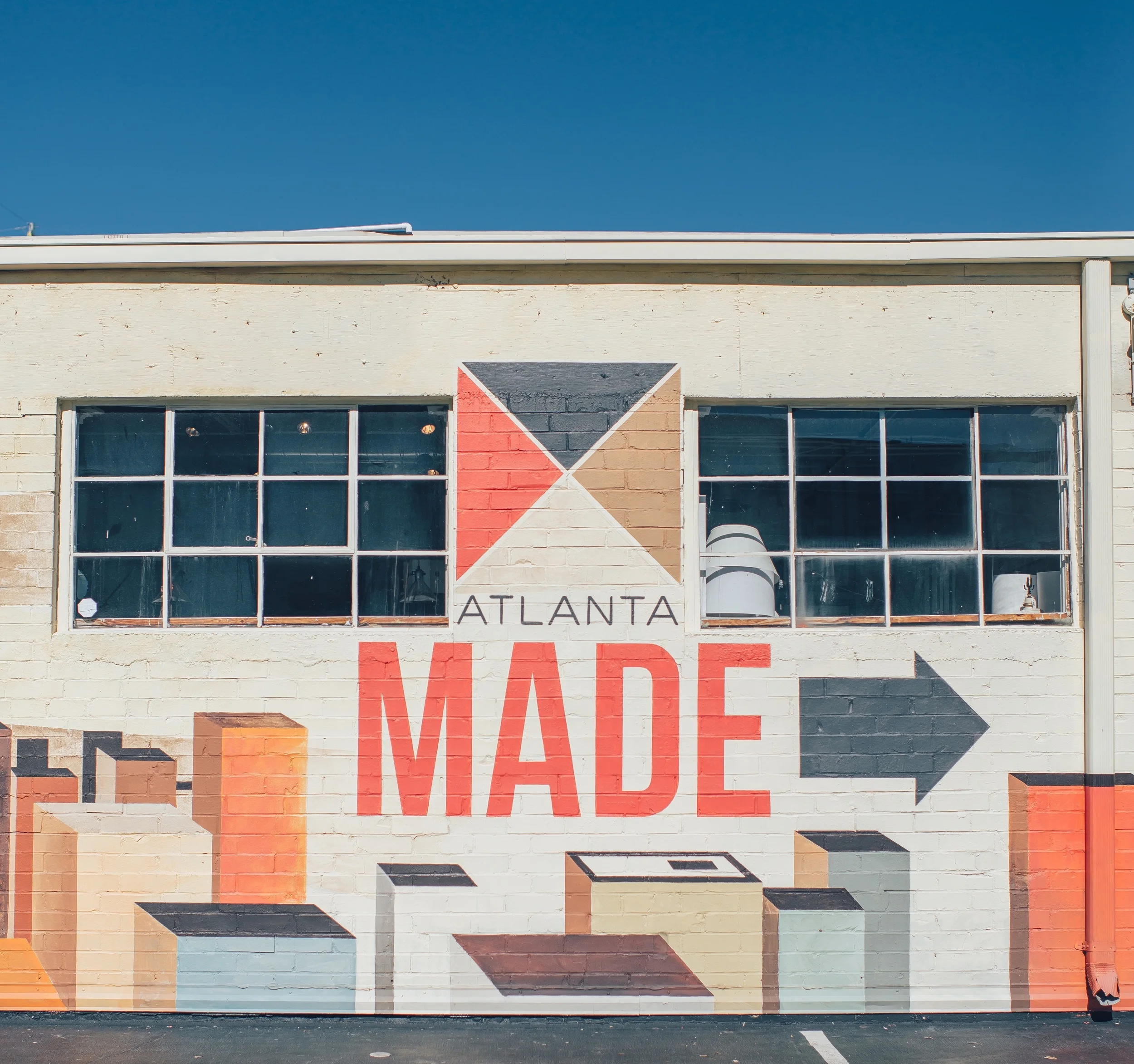
Women in Atlanta are proving that you don't have to be in Silicon Valley to explore your tech dreams. Over the past few years, Atlanta has been growing as hub for female entrepreneurs and defying the status quo with its increasing number of women in tech.
Does it come as any surprise as to why we made the big peach of the south our next stop for Create & Cultivate?
According to Allyson Eman, Executive Director of Venture Atlanta, the premier tech conference held every October for Georgia’s top technology innovators and top-tier investors told Forbes, "Women are seizing the opportunity to start tech companies in Atlanta’s key industries—fintech, health IT and IT security—as well as in emerging industries, such as marketing automation." According to Eman, Atlanta is much more open to female techies than many other cities. In San Francisco, San Jose, and Seattle, for example, tech workforces are more than 75% male.
At the beginning of 2016, Atlanta Mayor Kasim Reed announced the inaugural class of a new program geared at women in business. Called the Women's Entrepreneurship Initiative, Mayor Reed said the program is "an important step forward in strengthening our city’s entrepreneurial ecosystem." The group of women, selected through a rigorous process in the fall of 2015, now have opportunity to operate their small businesses in an incubator environment, with designated workspace. The WEI initiative lasts for 15 months and is housed on the 11th floor of Downtown Atlanta’s iconic Flatiron Building – the city’s oldest standing skyscraper. This signifies an important step forward in the city's diverse history and demographics.
Likewise there are venture firms, Atlanta-based Valor Ventures for one, that are focussing on female entrepreneurs in Atlanta and setting up women-only capital funds. Designed to fill the gap in the startup world, Valor also sees this as smart business. In Quarter 2 of 2015, Atlanta tech companies raised more venture capital — $206.8 million — than in any quarter since Q2 2001. General Partner of Valor told Upstart Biz Journals, "Of the $48 billion in venture capital invested last year, just 7 percent went to female founders. It’s a market niche that’s incredibly underserved, yet is high opportunity.”
She also told them that female-led companies perform better.
Tickets for Create & Cultivate Atlanta are on sale now! Get yours before they go.
More from our blog:

5 Entrepreneurs & CEOs Talk Career Advice They Don't Agree With
From their successful mouths to your ears.

Photo credit: Sarah Natasha, Laura Dee
Career advice. It's everywhere! (Raises hand: totally guilty: that's what C&C is all about.) But we've also talked plenty about how there is no one-size-fits-all for anything and that there are no rules for making it. Success is equal parts passion, hard work, and your personal touch-- the latter of which is the puzzle piece you need to figure out all on your own.
Sometimes we hear advice that doesn't sit well with us. Or apply.
So we asked 5 successful women at various points in their careers what is common career advice that doesn't pass muster with them.
SOPHIA ROSSI, CO-FOUNDER, HELLO GIGGLES thinks you've got the power within.
"I don't agree that asking questions can give you the answers you need. Often we have all the questions within us ready to be answered."
JOAN BARNES, FOUNDER, GYMBOREE, heard the standard financial advice and then did things her own way.
"After growing Gymboree organically into a successful Bay Area franchise business, I had the opportunity to expand nationally and internationally, which would require venture capital. All the advice I received cautioned that this would subject me to investors' financial goals and drastically change my personal life. I went ahead, nonetheless, and Gymboree became one of the most successful consumer IPOs in history!"
EVA GOICOCHEA, CO-FOUNDER TINKER WATCHES & MAUDE, doesn't think you need to stay in a job two years.
"My philosophy has always been that you should treat a job like an education: That is, you should be motivated to do your best because it is providing you with growth and learning opportunities. The moment that this ceases—or the point in which your trajectory is hindered by other BS (think work drama, bad culture, poor pay)—it's time to graduate and move on, even if you're only six months in. Why? Because the value you provide as an employee is your knowledge and your work ethic and if you've learned little and were deflated by your former job just because you waited until the two-year mark, then you're not going to be your best self for the next place."
RACHEL ASHWELL, FOUNDER, SHABBY CHIC, says no to succumbing to commerce trends.
"I have been advised from time to time to sign off on a product or compromise design direction because its deemed to be commercial. But in cases where it’s not authentic and true to my brand, it doesn't sell. In my world of shabby chic there are specific values, qualities and it’s my job to stay true to those values no matter what the rest of the world is doing. "
"It’s my job to stay true to my values no matter what the rest of the world is doing. "
Tweet this.
JEN STITH, VP COMMUNICATIONS AND BRAND DEVELOPMENT, BUMBLE, thinks it takes more than "one person saying yes."
"Most people think that all you need is one person, one opportunity, one door to open to change your entire career-- that's true, to a degree, but it's only a quarter of the equation. If you feel stuck you need to be the one beating down every door you can until someone gives you the opportunity to prove yourself in a new arena. It's on you to go out and find it. And then you have to work equally, if not harder, to hold on to it."
More from our blog:

The Importance of Celebrating Our Biggest Accomplishments
The best moments in life are worth framing.

As we move on up through our careers and lives, there are always those little souvenirs that remind us of how far we’ve come. Whether it is our college diplomas, our very first ultrasound, our first signed deal with a client, or a heartfelt recommendation letter from a boss, these all symbolize great achievements on our journey. And yet we are often so consumed (and excited) by the hustle, we often forget to stop and be proud of or give attention to our accomplishments.
So we're taking a moment to highlight moments we are proud of-- the experiences that might not seem big to the world, but mean the world to us.
Framebridge asked Sona Gasparian, Grasie Mercedes, Leura Fine of Laurel & Wolf, and our very own founder Jaclyn Johnson to frame special moments or achievements in their lives.
Check out the frames below, and see the story behind why Sona, Grasie, Leura, and Jaclyn chose them!
AN ENGAGEMENT

"This was one of the most exciting, happy and natural moments of my life. We snapped this photo right after he asked and you can see I still have tears in my eyes. It's something that I treasure very much!"
--Jaclyn Johnson, Create & Cultivate
AN INVITATION

"I'm a huge fan of Chanel and a little obsessed to be honest, so to be able to attend the show in Paris was a total dream come true."
-Sona Gasparian, Simply Sona
MEMENTOS FROM A FIRST JOB

"I decided to go with a bunch of lanyards and my ID from my days working at MTV. It was my first job out of college and being a PA then a producer really trained me for the hard work, organizational skills and personality it takes to be a good actress and blogger. "
-Grasie Mercedes, Blogger + Actress, Style Me Grasie
A THANK YOU NOTE

"I chose the thank you note that Kelsea Ballerini sent us because it represents the incredible work we do at Laurel & Wolf everyday. The opportunity to design Kelsea's dream apartment and knowing the way we have changed her life in such a meaningful way is something that is truly inspiring. It is humbling to have worked with such a gifted and exciting young talent but most importantly, I'm inspired by helping all people design the life they deserve."
-Leura Fine, CEO of Laurel & Wolf
About Framebridge:
Framebridge is an online custom framing company, and the easiest way to custom frame and highlight all the special moments in your life as well as the things you love.
They're making what has typically been a frustrating and expensive process into something easy, accessible, and beautiful. Whether it’s having them print and frame special photos or sending them a meaningful painting, invitation or textile - Framebridge is all about celebrating the things that matter most to you. Best part? Prices start at $39 and only go up to $159 - making it a fraction of traditional custom framing.
How it works: If you have a photo or a digital print (you can pull right from your Instagram feed!), just upload it to their site or app. They'll print it, frame it and ship it to you ready to hang. If you have a physical piece you want to frame (canvas art, old photos, flags, matches - anything!) just tell them the size of the piece and they'll send you pre-paid packaging. You'll just put your piece inside and drop it off at UPS. It will come to their studio, where their team will custom frame it for you and ship it back to you in just a few days.
Not sure what frame looks best with your piece? They have in house designers ready to help. Oh, and they also have a gallery wall service! Check them out at framebridge.com.
More from our blog:



5 Incredibly Useful Tips from Top Startup Founders
"You want people who've watched boats burn."

photo by Irida Mete.
When Create & Cultivate founder Jaclyn Johnson took to the Shopstyle Stage on Saturday for the Startup 101 panel the first question on everyone's mind was, "Who makes that amazing chair?" (Bend Goods for the goods FYI.) The second, of course, was "What can I glean from these founders?"
From Ariel Kaye CEO founder of Parachute telling Cultivators "Being a founder is the best and worst thing ever, all the time," to Carly de Castro co-founder of Pressed Juicery joking, "I didn't know any entrepreneurs. I didn't know anything about business. And I thought well if I can learn to make juice, how hard can it be? It was really hard," there was so much note taking, nodding, and knowledge dropping. So we're recapping the best of the best to encourage and aid you with your entrepreneurial dreams.
YOU HAVE TO BE OBSESSED WITH YOUR COMPANY, OR IT WILL BURN YOU OUT.
Josh Zad, founder of Alfred Coffee told the audience, "Coffee is a timeless beverage. I opened the cafe and I became obsessed with it. I'm focussed 100% on food and beverage."
Gabby Etrog Cohen SVP of Brand Strategy at SoulCycle echoed this sentiment. "I'm not a founder," she told the crowd, "but I am SoulCycle's 5th corporate employee and helped grow the brand from four to 60 studios. We deliver service, we don't sell. It's of utmost importance for our riders to feel like family and to feel like from the moment they walk through our doors to the moment they leave they have someone who cares about them. It's why after six years I'm still so committed to the company."
"My soul," said Carly de Castro, "is part of this brand."
"My soul is part of this brand."
Tweet this.
KNOW YOUR BRAND AND STICK TO YOUR GUNS
If people aren't initially following or engaging, but you have a brand and a social strategy that you believe in, you can use that to carry you through until they do. Get your grid right but also stick to your vision.
"Coffee is infinitely sharable," said Josh Zad, "and the trending coffee shop phase took off at the same time as Instagram. But we had a strong social media strategy from day one. The same way we treated developing our menu and customer service strategy we had a focus on social media that we stuck to. When not that many people were following or engaging with us, we didn't get upset or change it all up. We stuck to the plan."

photo by Sarah Natasha.
CONTINUE TO ASK YOURSELF WHAT PROBLEM AM I SOLVING?
One of the most important questions you can ask yourself is "What problem am I solving?" It's a very simple question, but it's something that goes a long way. And if it's a problem that someone has already solved, ask yourself, "How am I doing it differently?"
There can be many solutions to one problem.
"We are a commodity product at the core of our business," said Ariel Kaye, "but there is also this movement around investing in yourself. One of my biggest ah-ha moments was that I didn't know where to go to buy these products and none of my friends knew where to go either. I had a brand background and I couldn't believe there weren't brands people were loving. You spend a third of your life in bed and yet none of these companies were asking me how I was sleeping at night or suggesting that I could do something differently to enhance my sleep."
"As a brand," Kaye added, "you should keep circling back to that core question."
ACCELERATORS ARE AN AMAZING RESOURCE FOR ENTREPRENEURS
Ivka Adam, founder of Iconery whose company was part of Amplify, one of the top accelerators in Los Angeles, talked about the difference between incubators and accelerators.
"Incubators" explained Adam, "give space and a little bit of money to a company with an idea to get it off the ground. An accelerator is one step beyond that. It's for a company with fully formed idea and most often you get somewhere between $50,000-$250,000 to take your idea to launch. After a year of forming the idea, we had a working prototype and our manufacturing figured out, and we were starting to sell, which is when we got accepted into Amplify. Three months later we were able to raise our seed round."
Ariel Kaye chimed in on the importance of accelerators as well, telling the audience, "I was also in an accelerator and I have to say when you are are a sole founder and you feel like you are an island of one, being with other founders who are in that grind with you is a lifesaver."
THE RIGHT PEOPLE MATTER
Key hires are part of the founder struggle. (Along with "founder depression," something Ivka Adam told the audience "is very real.")
Creating the right team takes time, patience, and sacrifice, but it will also make all the difference in your business. Gabby Cohen shared "We like to say, if you have the right people on the bus, it doesn't matter where the bus is going. You change direction every 90 days." Ariel Kaye said something similar, "With hires you don't always need people to reinvent the wheel. You want people who've watched boats burned."
Hiring practices: "You want people who've watched boats burned."
Tweet this.
"Spend the money on talent," said Josh Zad. "Do not lose that person that's maybe a little more expensive. It will payoff in the long run."
More from our blog:

An Honest Look Into the Brand That Is Jessica Alba
The modern multi-hyphenate gives us 5 amazing pieces of advice.

Jessica Alba has been acting since the age of 12 and when her needs as a modern parent and conscious consumer weren’t being met she set out to create a solution. Founder of The Honest Company— a lifestyle brand that started as an online subscription business featuring safe and effective baby, personal care, home care, vitamins and supplements cleaners (10+ products), the line is now sold in over 6,000 locations, including Target and Whole Foods. She also recently launched Honesty Beauty, a comprehensive collection of high-performance skincare and makeup products, backed by the company’s Honestly Free Guarantee that all products are made without questionable or potentially harmful ingredients. She’s on a mission and is the modern version of a multi-hyphenate.
Here are 5 of our favorite lessons from the amazing honestprenuer.
1. WE CALL THEM MOTIV-HATERS
If someone is throwing shade your way because they don’t think you’re experienced enough, or know what you’re doing, use it to your advantage. Listen to Jessica when she says: “It’s hard for people to take anyone seriously who’s never done this before. But that just gave me fire to move forward.” You get to choose whether being underestimated is an obstacle or a motivation.
2. CHANGE BRINGS OPPORTUNITY
Continue to evolve as a brand and a person, it’s something the mom and business woman (and New York Times-bestselling author) knows well: “Every five years I feel like I’m a completely different person.” Most successful entrepreneurs have the ability to be fluid. It’s an attitude that helps them be the change agent from within their organization or business, and out into the world.
3. MANIFEST YOUR OWN SUCCESS
If you want something done, you go out and do it yourself. Even before Honest, Jessica has always been a proponent of creating her career. “I always wanted to be a big action star, to be as relevant as men. I was very aggressive with the vision and manifesting it.” Jessica has told the story many times of how the company got its start. In 2008 she was pregnant with her first child, daughter Honor, looking to find a solution to what she (and many other frustrated parents) saw as a lack in the market. She couldn’t find one brand with all of the safe and effective products she wanted to bring into her home, so she created it.
4. OVERCOMING DOUBT IS PART OF THE WORK
A lot of entrepreneurs talk about blind faith, but even with that faith, their ideas, strategies, and beliefs are tested. And the more successful you become, the more challenges you will face. Belief in your strengths--and knowing your weaknesses--will bolster you when the going really gets tough. Jessica says, “I believed that there was a real opportunity for my idea, but I had to get over my own anxiety about not having the typical business trajectory or schooling and I had to stay focused on the end goal. If you are constantly looking to the left or to the right, you are never going to get to the finish line. Regardless of your obstacles, the challenges you overcame to get to the finish line are going to make you stronger. Find confidence in your journey and don't be held back by your obstacles. And don’t let your failures define you, they actually prepare you for the next step."
"If you are constantly looking to the left or to the right, you are never going to get to the finish line."
Tweet this.
5. WORK HARD, WORK SMART, WORK UNTIL...
We’ve said it once, we’ll say it again. Time spent does not equal success, but successful people put the work in and aren’t afraid to commit to their dream heart and soul. Jessica says, "Don't be afraid to try it. You only have this one life to go out there and do what you can."
Arianna Schioldager is Create & Cultivate's editorial direction. You can find her on IG @ariannawrotethis and more about her on this site she never updates www.ariannawrotethis.com
More from our blog:

This CEO Is Rebranding a 30-Year-Old Company
And based on her previous experience, she's going to kill it.

Joy Chen can transform a business, even in midst of economic downturn. She joined Yes to Inc., after 17 years at Clorox, quadrupling the business revenue and increasing the valuation of the company five times. During her role as CEO of Yes to, Inc. the natural beauty brand was recognized as one of the Top 100 fastest growing companies in the SF Bay Area.
Last year, after five years with the company, Chen left Yes to for H20+, a beauty brand that's been around since 1989. Chen is helping modernize the co. (it's now H20+ Beauty) grow its global presence, and remains ever-enthusiastic about the jump from startup to established brand.
We checked in with CEO to get her take on innovation and playing it safe.
Can you tell us a little bit about your background? You’ve worked with some major brands, you were a VP at Clorox, you’ve turned major companies around, but where did you get your start?
I worked on many brands when I was at Clorox – from cat litter to cleaning products to bleach. Through this time, I worked on many brands including brand turnarounds where the brand was in trouble and had to revitalize it for growth. I realized that I was most challenged and excited when I was fixing a business problem like that. That’s why when I left Clorox, I was looking for a brand that I could turnaround to profitable growth.
Was there a “grunt job” that you remember hating, but ended up taking away some major lessons that you’re now grateful for?
I had to take a sales role at Clorox, but my career was in Marketing and my goal was to be a general manager someday. I saw the sales role as a setback to my career path. It turned out to be the best role I have ever taken because it set me up to be a better CEO. It taught me how to sell my ideas and influence others to come along with my vision. I met one of my mentors, who was then my boss. He taught me how to be successful in a male-dominated corporate world.

Let’s chat about your current position as CEO of H20+. This is a brand that’s been around since 1989. How do you innovate and differentiate with a brand that’s almost 30?
Innovation and differentiation are the lifelines for building brands. It does not matter how old a brand is, there is always a way to innovate because consumer needs always change. I worked on Clorox Bleach when it was around 80 years old and I launched concentrated improved bleach which ended up changing the entire bleach category.
"Innovation and differentiation are the lifelines for building brands."
Tweet this.
At H2O+ Beauty, we took the DNA that made H2O+ successful 26 years ago, and brought it into our re-imagined brand to meet changing consumer needs. This resulted in a collection of simple yet effective products, which brings beauty back into the hands of the consumer. As part of the legacy of H2O+ Beauty, innovation will continue to be part of our ongoing plan in addressing consumers’ ever-changing needs.
What are you working against when you’re rebranding?
The challenge is how to retain our current loyal consumers while making changes in the rebranding to appeal to new consumers. We made the products better and more effective, and we also removed the no-good ingredients like phthalates, parabens, mineral oil. Additionally, we are also working to shift our distribution channels so they are consistent with the omni-channel shopper. For example, we are placing emphasis on establishing our website as our new flagship store and supporting it with other brick and mortar beauty retailers like Ulta.

When rebranding you have to take a creative approach. But what are some creative approaches you’ve taken with leadership?
We have studied and gotten inspiration from disruptive brands in categories outside of skincare and beauty to refine our rebranding. In addition to consumer feedback, we have incorporated feedback on our rebranding from industry experts including retailers, beauty editors, influencers, and agencies. We found these creative approaches have shaped the reimagined H2O+ Beauty brand.
What’s exciting about working with an older brand? vs. a brand like Yes to?
H2O+ Beauty has a strong heritage and many have heard of it. It also has proven to be successful in the marketplace with its innovative products, particularly its Oasis Hydrating Treatment, the first of its kind featuring hydrogel technology. When we share the news of our rebranding with industry experts it’s even more exciting as they are familiar with the success and history of the brand.
When is the right time to play it safe?
Never if you want progress. One of my favorite quotes is a great reminder: “Progress always involves risks. You cannot steal second base and keep your foot on first.”
On the flip side, you’ve talked about “punching above your weight class.” When is the right time to aim up?
Always. My mentor has told me that danger lies not in setting your aim too high and falling short but in setting your aim too low and achieving the mark. It’s always important for a leader to aim high and lead the team to achieve the goal.
"Danger lies in setting your aim too low and achieving the mark."
Tweet this.
What are some tenets of building a smart brand that will always be successful?
1) Be clear and consistent with what the brand stands for. 2) Respect your consumers as they are always right. 3) Strive for positive change that benefits the consumer, the team and the broader community.
More from our blog:

C&C Asks: What Is Smart Head-to-Toe Dressing?
Sole Society on stepping up their retail game.

In 2011 online-native footwear company Sole Society launched as a direct-to-consumer e-commerce venture selling shoes for $100-and-under. In 2012, they added traditional retail to their business model, selling through the department store. Today, the brand has expanded into head-to-toe dressing, taking a unique approach to their foray into fashion.
We caught up with the brand who will be onsite with us at Create & Cultivate DTLA to chat sales, buying practices, and using an omni-channel approach to reach customers.
First things, first. What is smart dressing?
We think smart dressing is Fashion Without Sacrifice. Sole Society gives our girl a smarter way to style. We give her the quality and fashion she craves with none of the trade-offs.
What inspired the brand to expand beyond footwear, handbags and accessories to selling apparel?
We have always encouraged our customers to style from the shoes up. Historically, we’ve styled our accessories on the site as a full look, offering unique “How to Wear” suggestions for each of our offerings. For each of these looks we call out the featured apparel brands. This is a unique approach for a footwear and accessory brand, but we’ve learned that our customers love it, and in turn, have come to trust our styling suggestions and expertise. Our customers have told us they enjoy seeing the fashion and the creative ways that we style our accessories. It helps our customers visualize the many ways they can wear their Sole Society accessories. Along the way, our customers have continuously asked “where can I buy the apparel?” As a result, we decided to start selling a curated selection of apparel that perfectly complements our accessories offerings. Our customer can still come to Sole Society for great shoes, bags and accessories, but now they can take our fashion inspiration and purchase the entire look in one place. Given the recent results, we think our foray into apparel has been a success!
How does Sole Society drive sales for “head to toe” dressing?
We use an omni-channel approach to reach our customer and offer her key fashion inspiration, which drives her to purchase our products. On solesociety.com, we showcase our catalog and offer product detail pages, where we feature completed looks in our shoppable How-To-Wear images. We inspire our customers with our carefully curated and thoughtful point-of-view. We also send daily emails to our database with creative imagery demonstrating both classic and trendy ways to style our product.
To complement the styling suggestions on our dynamic website, we work closely with a number of bloggers and digital influencers. We love to collaborate with these talented, fashionable and creative people to see how each of them organically styles our product and makes it their own. Instead of sending a partner a pair of shoes to promote, we prefer to let her choose her favorite shoes, bag, accessories and apparel to organically style on her own. Through her creativity, she inspires her followers to wear Sole Society from head to toe and incorporate it into their wardrobe. As a result, we gain compelling content to share on our social channels so our customer can see how women with all different styles wear our brand.
How do you buy for the online store vs our brick and mortar retail location?
Our online store includes the full Sole Society collection. We have a broader and deeper assortment on the website. Our customer can browse the website for inspiration across categories and utilize the e-commerce features like ratings and reviews, how-to-wear images, “Shop the Look” and Q & A.
Our store has limited space so the assortment is a curated selection of our most seasonally and regionally relevant merchandise. There, we take advantage of merchandising our product categories into stories so our customer can see how well our pieces work together to create a stylish look. Visiting the store also has the advantage of an in-person experience. Customers can touch and feel the quality of the product, and try pieces on to ensure the best fit. Our customers are always commenting on how beautiful our merchandise looks in-person.
More from our blog:







3 Ways to Innovate & Stay Creative After 30 Years In Business
Tammy Price of Fragments Identity shares her tips.

For interior and product design veteran Tammy Price, owner of Fragments Identity, "pillows are like art. They can transform a space, they can make a plain sofa come to life, they can change the texture of a chair." But when you've been in the interior design game for 30 years, and the work is a reflection of things you love, how do you continue to innovate and stay ahead of game?
We asked Tammy the three ways Fragments continues to maintain its unique look and stand out in a saturated design market.
DON'T FOCUS ON TRENDS, ANCHOR THE BRAND TO YOU
Even after 30 years in the design business, we still use a tone on tone and neutral palette as the anchor to all of Fragments Identity brand products. Rather than focusing on short-lived trends, we keep it true to ourselves and our own aesthetic. We then, will go in an implement or edit our collections in very specific ways that fit with the market of the particular time. Rather than chasing the newest trends, we stay true to the timeless, classic, monochromatic vibe that is Fragments Identity.

DON'T SKIMP ON QUALITY
Quality and product fabrication of the highest level is just as important to our brand as the design is. In order to stand out in a saturated market, we are committed to providing impeccable goods of the highest quality. Not only do we design in house, but we also control and oversee all manufacturing from the beginning selection process of the textiles and furniture frames to the last tissue paper fold in the customer's packed order.
THERE NEEDS TO BE HEART AT THE CORE OF THE BRAND
Fragments Identity is not commercially driven, but rather comes from a deep place of passion for design. To us, this passion never stops, and design flows 24/7. That's what we believe, truly sets us apart, and reflects in every aspect of the Fragments Identity brand.
More from our blog: