
C&C Classifieds: FIGS, Bird, Will Reed, & More!
We just found your next dream job.

We just found your next dream job.
FIGS - Austin, TX
FIGS - Los Angeles, CA
Bird - Austin, TX
Will Reed - Dallas, TX
Bright Horizons - Remote
FabFitFun - Los Angeles, CA
Business Analyst, Finance
Dermologica - Carson, CA
Proper Hospitality - Santa Monica, CA
Levity Live - Los Angeles, CA
HelloFresh - New York
Leafly - Seattle, WA
Mozilla - Charlotte, NC





Slow Stories: Industry Interview: Brandy Pham of PLANOLY
“If you want to build a conscious business, it needs to connect with people, and you have to take the time to craft a mindful strategy before even bringing it to market.”
Since extending CONNECT(ED)ITORIAL's Slow Stories Podcast into a column, I've loved connecting with the Create & Cultivate community around the conversation of slow content. I’m also thrilled to announce that season two of the podcast has recently launched on iTunes, and with that in mind, I'm even more excited to share an exclusive portion of our first episode with Brandy Pham of PLANOLY right here on the C&C blog!
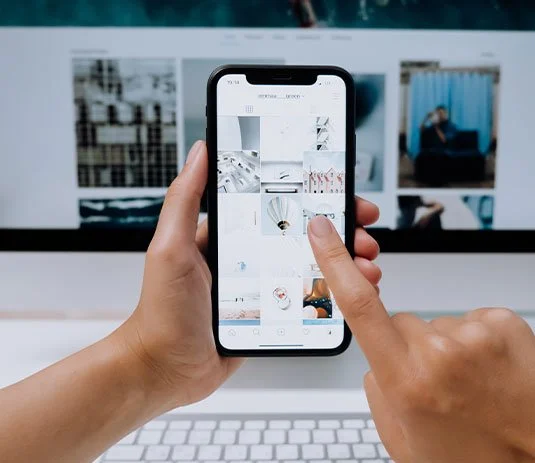
For those of you who aren't familiar with her story, Brandy is the co-founder and chief creative officer of PLANOLY, the leading visual management and scheduling tool for Instagram. In our podcast interview, Brandy and I discussed her transition from jewelry designer to technology entrepreneur, and today she follows up on our discussion with some tactical advice on how to implement slow content and planning into your social media strategy.
Check out the full episode here and enjoy musings from Brandy below.
Why is it important to slow down as a digitally-minded founder? Can you share an instance of when slowing down inspired innovation at work?
I don’t remember ever getting inspired by staring at a screen or working tirelessly. So inspiration really comes when your mind is clear and you’re well-rested. When I took a mental break from work, that meant saying no to meetings, no to coffee dates, and not even going into the office for a while — and that's when PLANOLY's new product StoriesEdit came into fruition. I took a step back and really evaluated our roadmap and brought everything back to the perspective on why we first started PLANOLY, and that was to give power to small business owners like me. With that said, I wanted to go back to focusing on how we can further help our users build and grow their businesses. What type of products can we build (in addition to PLANOLY) to give them this power? In this day and age, it’s so vital to have an online presence and a digital strategy, and content is actually the most challenging part for businesses to create. Digital marketing is generally part of our everyday life now, and we can’t hide from it because that’s how consumers are learning what’s new, what they should buy, and so on.
StoriesEdit came to mind because we wanted something that was very easy and would be on web, but also give users the power on mobile to create more content and share products or stories that they may be sharing on their blog, and then easily post it all to social media. We started by launching with Instagram Stories templates, but we’re actually adding more canvas sizes for your grid and Pinterest too. We’re adding more templates that will help anyone who wants to share their products and their content easily on social media — With StoriesEdit, it’s like you have your own graphic designer on your team and no one knows it. That’s the beauty of this new product that we’ve launched!
How would you advise women who want to create a thoughtful content strategy, and what are some ways to utilize PLANOLY in this process?
I think that everyone should narrow down their goals and list out what is their purpose, what value they are bringing to their audience, and then work back from that. What are you really good at and what are people coming to you for specifically? And with PLANOLY, you’re able to actually create all that content, lay it out, and thoughtfully craft out your story so that you can work more seamlessly and efficiently. I think that using our grid and drafts features are great ways to strategize content because with drafts you can plan out by topic and then add content back to your grid whenever you are ready. I believe that people should decide on their content buckets and then use drafts first — you can do it the same way for Instagram Stories content too. You can use drafts for Stories and then really carefully plan out what type of stories you want to share. For example, on Mondays you share “A Day at the Office” or Tuesdays can be “Behind the Scenes at a Shoot," and so on. There are so many ways that you can use PLANOLY for your content strategy.

A big theme that’s always come up in these conversations includes how the fast- paced business landscape coupled with our content consumption habits can affect our productivity, and more importantly, our mental health. How have you learned to strike a balance or understanding when and what to post?
It's different between my personal account and the PLANOLY account. For PLANOLY, we always follow our content calendar, but we try to be very thoughtful about what type of content we're sharing on there. We really do ask what value the content is going to give to our audience and how it will spark inspiration or motivation. Our tone and brand voice are always positive (we never want to be negative!) even if it's something like having enough sleep, we turn it into something you can find funny or laugh about in a positive way, and in turn, that makes our audience smile.
For my personal account, it was very hard for me at first to share really personal stories, but I feel like it's my responsibility given my platform to share experiences with my son having autism by being an advocate for him, and also letting parents know that they're not alone. So, even when I'm drafting out those captions on PLANOLY, I take my time because I really like to sit on it before I post it. I would even tear up and cry before posting! I think it's ok to be vulnerable on your personal page and I always try to be mindful of not coming off to negatively, even if I'm sharing some type of struggle. For me, those are the two ways of posting on a personal and business account.
Slow content in many ways is all about the idea of “quality vs. quantity.” With that said, as an expert in the space, what would you say are the top pillars of slow, quality content?
I think for me, the top pillars are the following:
- Quality Images
As a marketer, branding professional, and consumer, it's important to share really clear, beautiful images. For example, say you're a photographer, and you've posted something really blurry — I automatically think that's the quality of your work and that can be a really bad look! So it's essential to have high-resolution photography.
- Messaging & Brand Voice
Your brand has to have clear messaging. Whether it's the graphic on your content itself or your caption, you should be really clear with your audience, and they should know exactly what you're talking about. The content also has to be on-brand.
- Value
The value of content is so important. I think everyone should always ask themselves before posting or even creating content, "What type of value is this bringing to my audience?" or "How does it make them feel?" And I would even ask myself, "What values does it bring to me and how does it make ME feel?" As the content creator, you should put yourself in your audience's shoes and really have that empathetic view, and if it makes you feel good/brings you value then your audience will receive it well too.
Are there any last words of wisdom that you’d like to share regarding slowing down, creating enduring content strategies, or building a conscious business?
I think too often that people want to launch a brand or business without really thinking it through, and don't really think about what it takes to build a successful company. If your brand is relying on just your product, there's no way it's going to stand out in the crowd. And if you want to build a conscious business, it needs to connect with people, and you have to take the time to craft a mindful strategy before even bringing it to market.
There's room for everyone, and everyone has a story, and you have to remember that people hold on to those stories. That alone is really intimate and powerful. So when you're starting off ask yourself, "What's the story I want to tell? What is my purpose? How is my product bringing value to potential customers?" You also have to ask yourself how you're going to make a living from this because you can't fund your business or pay your bills at the end of the day if you don't have a business strategy and think about these details before starting.

Rachel Schwartzmann is the Founder and CEO of The Style Line LLC. She created The Style Line in late January 2011 via Tumblr and has fostered The Style Line’s brand in its growth since then. Rachel has been featured in esteemed sources including Forbes, Refinery29, and MyDomaine and has also spoken at Create & Cultivate and Columbia University on establishing a unique brand point of view and entrepreneurship. On October 1, 2015, Rachel took The Style Line in a new direction as a boutique content company with the introduction of its slow content agency CONNECT(ED)ITORIAL.
MORE ON THE BLOG
We Asked Business Owners For The Most Priceless Advice They've Ever Received
“Compression of time equals value.”

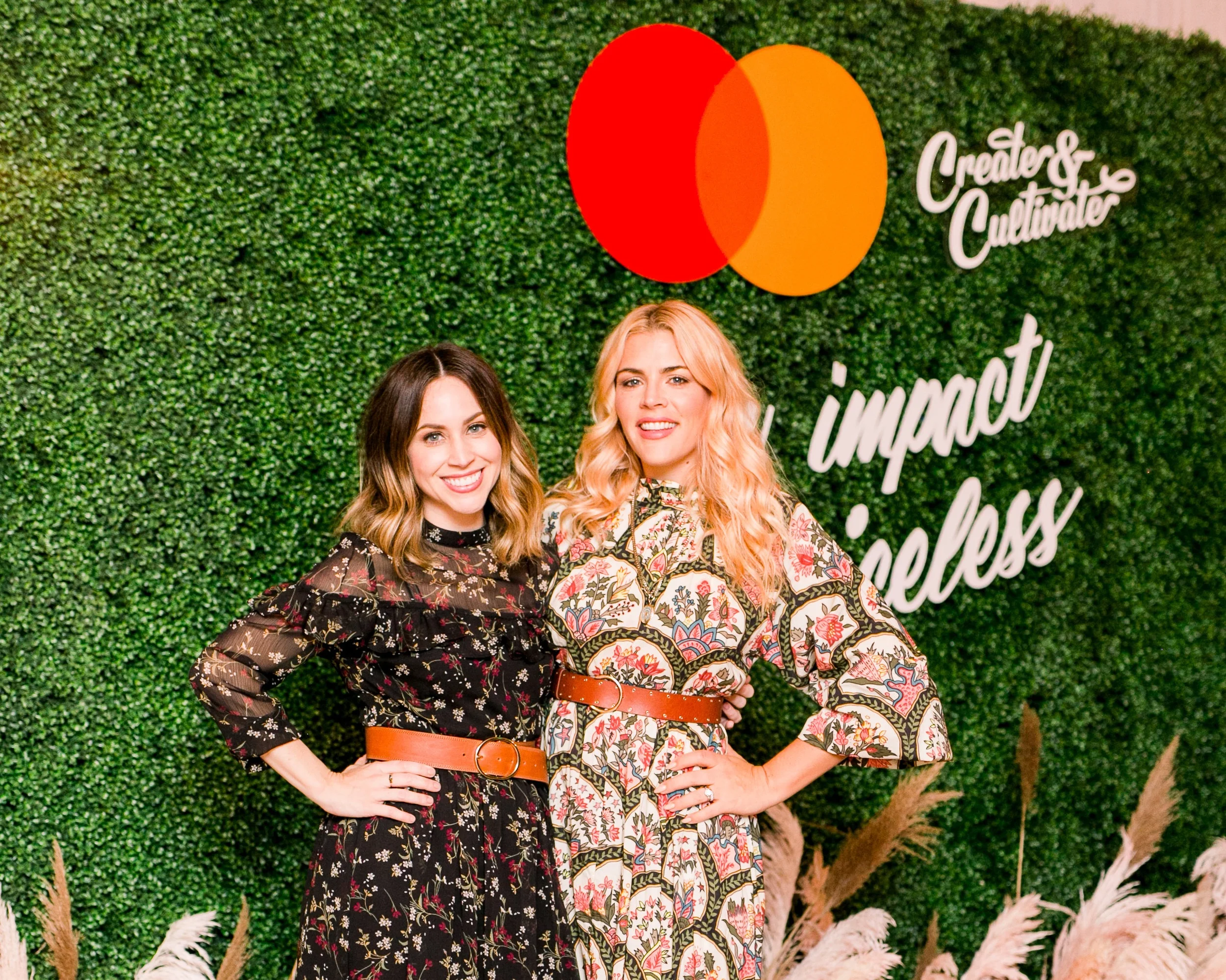
How did you celebrate International Women’s Day? We teamed up with Mastercard last Friday to host a gorgeous dinner party for some of our favorite female business owners, entrepreneurs, and influencers, including Busy Phillips, Ty Haney, Jen Gotch, and Adrienne Bosh. At the dinner, we announced the launch of the Mastercard Women’s Business Advisory Council, an innovative group of women who will be sparking a 365-day conversation at events and online, where they will dish the priceless advice and mentorship you need to build and grow a successful business.



Our theme for the evening? Her impact is priceless. In line with our tagline, we asked some of our dinner guests for the most priceless advice they’ve ever been given, and their answers are on point—take note, ladies!
“The most priceless advice I’ve ever been given is to ask for help. I think sometimes it can be really hard to ask the people around you for help, but it can be incredibly important because it allows you to do so much more.”
- Amy Nelson, Founder & CEO of The Riveter
“To know myself and not sell myself short.”
- Sonja Rasula, Founder & CEO of Unique Markets
“Compression of time equals value. For me, that means trying something really quickly, failing fast, and taking those learnings and applying it to the future.“
- Ty Haney, Founder & CEO of Outdoor Voices
“My mom said you have to be true to yourself—that’s where it all is. And she was right.”
- Busy Phillips, Actor, Director & Host of Busy Tonight


What’s the most priceless advice you’ve ever received?
This post is sponsored by Mastercard.
MORE ON THE BLOG

Making Moves: Pop Stars in Politics, Networking Retreats, & Talk Show Trades
The first person on Mars? Most likely a woman.
Each Friday, we highlight five news stories that celebrate women and their impressive accomplishments. Read on for badass networking retreats, women in space, and a new female talk show host!

Ariana Grande is saying, “Thank U, next!” to unregistered voters. The pop sensation started the #ThankUNextGen initiative which allows fans to register to vote at her concerts during the Sweetener tour, as well as through texting.

Networking just went next-level. The company Baddies and Bosses recently announced a retreat for black millennial women in sunny Cancun, Mexico. The retreat will focus on building meaningful relationships in the workplace.

The saying goes that men are from Mars, but it looks like a woman will be there first. The head of NASA recently spilled on a podcast that they are working hard to make sure a female astronaut is the first to step foot on the neighboring planet.

Get ready to stay up late! YouTube star Lilly Singh will be taking over Carson Daly’s late-night NBC talk show, making her the only female late-night talk show host on a Big 4 network. You go girl!
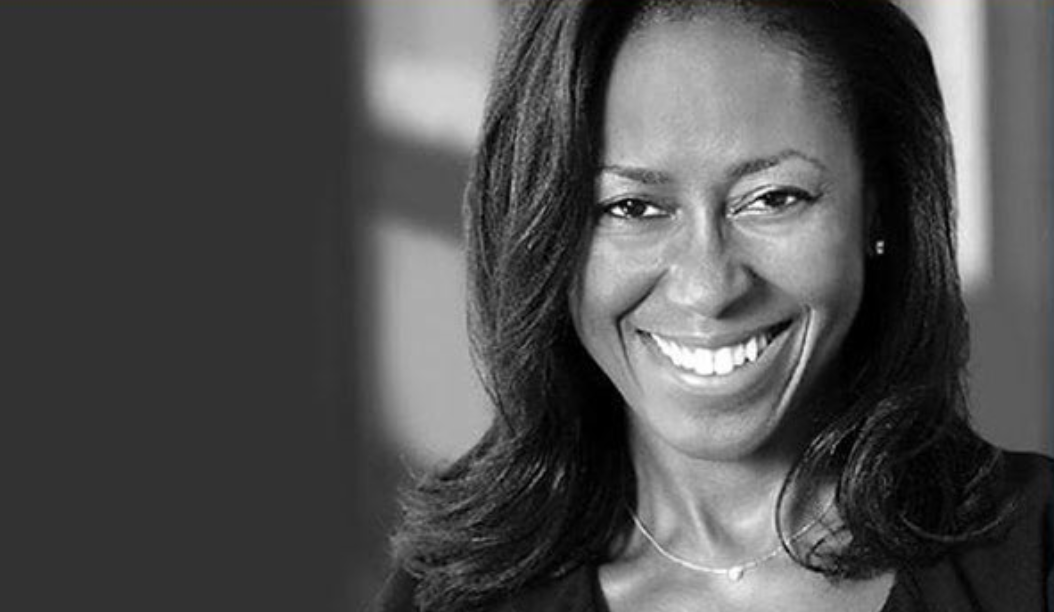
Making moves and making money! The career pathing platform and startup Landit recently closed at $13 million in Series A funding. The company was co-founded by Lisa Skeet Tatum and Sheila Marcelo—two women of color—and works to increase the success of women in the workplace.
MORE ON THE BLOG

Tough Stuff: How to Do an Annual Performance Review
Feedback is your friend.

At C&C, we know being a woman in business isn’t always sunshine and rainbows. That’s why we’re starting a new monthly series called Tough Stuff , where we talk about some of the less glamorous parts of having a killer career. Below, we’re sharing how performance reviews—scary and annoying as they might be—are crucial to a healthy work environment.
In a world of instant gratification, double tapping, and asking Siri for the answers to your burning questions, the concept of an annual performance review is pretty much as “over” as MySpace. Would you wait a calendar year before telling your surgeon they botched a recent procedure? Or a year to complain about bad service in a restaurant? Of course not.
And yet, the most common complaint I hear from entrepreneurs is that they just don’t have time for performance reviews. Sigh...if only they could press the “like” button and move on. Effective evaluations consist of real-time feedback that engage employees and produce better results. Similarly, if an employee isn’t performing to your standards, effective communication can help build a disciplinary file that will please your lawyer in the event they have to defend a future claim.
When clients tell me that formal, scheduled performance reviews are as realistic as the tooth fairy, I offer the following advice:
Make Feedback Part of the Culture, From the Top Down
Communication about performance expectations should begin when you hire an employee and should continue regularly. Your employees will perform best if you articulate what you want from them and give them guidance on how to get there.
When hiring managers, let them know that communication and feedback is one of your priorities. Encourage your managers to understand the value and importance of feedback to your company’s culture and improving employee output. Invest in training resources at the outset of employment in order to best achieve a trickle-down effect. Training can take the form of internal dialogue or bringing in a resource to coach your management team. Once they are trained, ensure that managers know they will be reviewed on the timeliness and quality of their feedback.
Create a For(u)m for Feedback
Ideally, feedback should be given in the moment, so an employee has the opportunity to correct or improve the behavior or work product. The easiest way to accomplish this is by email or via other digital forms. This serves both the purpose of feedback and creating a record, which can come in handy if disciplinary measures are needed—more on that later.
There are numerous performance feedback apps that allow self-reflection, managerial, peer, or even customer feedback. Alternatively, companies can develop an internal email template or intranet form so that all feedback touches on the same designated criteria. This cultivates a more objective and systematic approach to evaluations.
Define Success
Feedback is best given with measurable goals, whether individual or team-based. For example, you might define success by an on-time or on-budget delivery. If effective performance isn’t calculable by objective measures, create company values that the employee must be successful in and define tasks that exemplify those values. If “customer satisfaction” is a company priority, then timely resolution of customer complaints or high customer satisfaction ratings might be task-oriented successes. If your metrics aren’t being met, the employee needs to know that. And managers need to know that it’s part of their job to help workers perform at their highest level, which they can’t do without letting people know where they can improve. The performance feedback forum should double as a performance improvement plan, designed for disciplinary or coaching purposes.
When You’ve Tried Everything
What happens if an employee just isn’t getting “it,” and the feedback process needs to move to a more formal disciplinary process or termination? The time spent documenting performance deficiencies can help decrease liability when done properly. More frequently though, I get calls from clients lamenting about a terrible employee they need to fire (always immediately!), and when I ask to see the file, they send over a pile of glowing performance reviews. This undermines the reason for the termination (lack of performance) and makes the employee think they are being let go for a more sinister (or illegal) reason. To minimize risk and maximize performance, be honest, be timely, and be your employees’ best role model to success.

Sahara Pynes is an attorney at Fox Rothschild LLP whose practices focuses almost exclusively on minimizing liability against lawsuits through preventative counseling on a range of employment issues. She works directly with business owners and their management teams to enhance company culture and provide practical strategies to manage human resources and risks. Sahara was named one of Angeleno Magazine’s Most Dynamic Women of 2018. If you’re a business owner who doesn’t know what forms to give a new hire, how to properly classify and pay employees/contractors or just wants to button up their HR issues, reach out to Sahara at SPynes@Foxrothschild.com to see if she can help.
MORE ON THE BLOG

6 Ways to Reinvest Your Tax Refund and Make Your Business Profitable
Make your money work for you.

Photo: Polina Zimmerman for Pexels
If you're investing in yourself this year, you should take a minute to think about what that means for your taxes. Don't fret, this is the good kind of tax post. Early bird catches the IRS worm, after all.
And with tax season just around the corner, it's never too soon to give pause on how you're going to spend a refund. While everyone will tell you that year one of being a small business owner is the hardest, during tax season, there are multiple credits you can take.
If you’re in the position to get refund from the IRS, the best decision you can make as a business owner is to put that money to work.
Here is how to reinvest your tax refund. Use these six ways to make sure that year two is golden (or at least in the green).
You’re only as good as your team.
You hear this again and again because the numbers do not lie. It costs you time and money to employ workers who do not work at optimum capacity. According to a study conducted by ADP, engaged employees are 57% more effective and 80% less likely to leave your company. Employee turnover or a disengaged employee can cost you $2,246 per year. To power your bottom line you need to make sure your team is happy and appropriately paid. It might be hard to see the payout to pay your employees more, but it is a long term investment.
The goal shouldn’t be expansion (unless you really do need to add to your team), but reinforcing the team from within.
Know When You Need to Delegate and Let Those Reigns Go
If your tax refund gives you the flexibility to outsource tasks that are eating away at your time, it might be the right time to consider doing so. For instance, if as a business owner you’re attempting to cut corners for the sake of funds, but you’re wasting time in the office sorting, organizing, answering customer support emails, or you’re losing hours in QuickBooks, figure out what you’re costing yourself.
An easy way to do this is decide what (if you were profitable) would you be paying yourself. If paying someone else is cheaper hourly than what you are worth, you’re losing money. Delegate and open up your schedule to focus on other parts of the business that only you can handle.
You’re a valuable asset to yourself, don’t diminish that by refusing to hire or delegate.
If You're Doing It Good, Tech Will Help You Do It Better
Are you a small business without a website? Do you need to update your photography equipment? Investing in foundational elements of your business is key and will take you to the next level.
Beyond the basics, there is life-changing tech for every business. The primary reason most new small businesses fail in the first two years is generally attributed to a lack of marketing savvy.
Companies that make it past the two year mark have found a way to streamline marketing and social media experience- it’s nearly impossible to engage customers without them. And for a time-strapped new business owner
Investing in the right automated marketing tools is one of the best decisions you can make. Research the different options that best fit your business.
Simply Measured, Keyhole, and Sprout Social are three great options worth looking into. There are multiple plans that offer everything from brand monitoring to reporting tools. This tech will also help you analyze where you’re performing best, so you can direct attention into areas that make the most sense to make that money.
Pay Off Business Debt
If you’re racking up points on that AMEX, you might be tempted to take a vacation, but what you should do is pay off your bill. When you pay off your credit cards you are basically making at 13 to 20% ROI, depending on your APR.
Become a Lean, Green, Tax Rebate Machine
If you have the ability to install solar panel, you can lower your future tax bill. The government offers tax incentives for businesses that invest in green technologies.
Businesses can deduct 30% of their solar install cost on their federal taxes. Not a bad break for giving Mother Nature one.
Don’t Be a Drip, Invest in One
One of the secrets of wealthy people is that they don't expect to make all their money in one place. They have multiple investments that bring them cash. If all of your 2018 ducks are in a row, you might consider an investment as a way to double down on your financial security.
A dividend reinvestment plan (DRIP) allows individuals to buy shares directly from a company and to reinvest dividends from those shares automatically. It’s a plan that takes advantage of the power of compounding. Simply put, compounding is the process of earning dividends on reinvested dividends.
With a DRIP, instead of receiving cash from a declared dividend, participating investors receive shares and fractional shares of company stock of equivalent value.
It’s sort of the magic wand in finance, because it is one of the easiest ways to build wealth with a small amount of effort. Check out what DRIPs might deserve your investment dollars here.
This post was originally published on April 5, 2018, and has since been updated.
MORE FROM OUR BLOG

"If You Fail, Fail Forward" & Other Genius Takeaways From Our High-Powered Passion Panel
“I started to learn more about things outside my comfort zone, and that’s what allowed me to build my business.”

Last week, we partnered with Dell and Microsoft to gather some of the best in the business to bring you High Powered Passion: a panel moderated by Alicia Quarles, journalist and media entrepreneur, in conversation with five mega-successful entrepreneurs who are shaking things up in everything from PR to party supplies: Jordan Jones, Founder & CEO of Packed Party; Katie Dunlop, Founder & CEO of Love Sweat Fitness; Genevieve Padalecki, Founder, Now & Gen; Rakia Reynolds, Founder & CEO of Skai Blue Media; Karli Henriquez, Entertainment Influencer & Co-Founder of Know Alias. We were blown away by their insight on building a brand, marketing their skills, and hiring the right employees. Below, we’re sharing some of our favorite mic-drop moments from the panel.
On brand authenticity:
“For us, it’s about telling stories of authenticity for people who don’t have the voice to tell their honest stories.” - Rakia Reynolds, Founder & CEO, Skai Blue Media
“Having something women can feel and connect to really allowed my brand to grow.” - Katie Dunlop, Founder & CEO, Love Sweat Fitness
“I like to walk the walk. It’s not just about raising money, it’s about being a part of the community. I’m really proud of that, and I’m really proud that my audience is excited about it as well.” - Genevieve Padalecki, Founder, Now & Gen

On launching their businesses:
“Setting limitations for myself was one thing I was raised to never do.” - Karli Henriquez, Entertainment Influencer & Co-Founder, Know Alias
“So many people are scared to start, but because I was so young and maybe naive, I didn’t really ask for forgiveness and just figured it out. I jumped in and was fearless.” - Jordan Jones, Founder & CEO, Packed Party
“I wish someone had told me to have more confidence. No matter what size your platform is, no matter what your message is, just be confident in who you are and go for it—don’t be apologetic about it.” - Genevieve Padalecki
“When I started saying yes to opportunities, I started to learn more about things outside my comfort zone, and that’s what allowed me to build my business.” - Karli Henriquez
““Just be confident in who you are and go for it—don’t be apologetic about it.””
On effective marketing:
“Setting a brand standard that says we talk to people how we want to be talked to and we make products that we ourselves need—that’s really set us up for success.” - Jordan Jones
“When creating your elevator pitch, you should be communicating your position in the marketplace, your purpose as a person and a brand, and your personality. Who are you in a room full of people?” - Rakia Reynolds
“Number one for me is listening to my community. They’ll tell you what’s missing from the market and what you need to adjust.” - Katie Dunlop

On balance:
“When you’re a startup, you’re doing everything. After a while, you can suffer from decision fatigue. But in order to be your best, you can’t be the driver, passenger, and navigator all at the same time. For me, it was about being super focused in gathering the right people around me who could also execute and believed in the mission of the business.” - Rakia Reynolds
“Stay woke and get some sleep. Take time for yourself. It’s OK if someone sees you relaxing. It’s OK to not post every single day.” - Rakia Reynolds
“If you fail, fail forward. It’s not the end of the world. Do you, be authentic, and you will win.” - Karli Henriquez
MORE ON THE BLOG

C&C Classifieds: Whistle Club, NestSet, Kendra Scott, & More!
Looking for a fresh start? We’ve got you covered.

Looking for a fresh start? We’ve got you covered.
Whistle Club - Santa Barbara, CA
NestSet - Remote
Kendra Scott - New York, NY
Creative Circle - Austin, TX
Endeavor - Beverly Hills, CA
Coffee Meets Bagel - San Francisco, CA
The Walt Disney Family Museum - San Francisco, CA
PReturn Inc. - Chicago, IL
Rappid Social - New York, NY
The Hip Hop Publicist - New York, NY
Money Matters: Katie Sturino, Founder of 12ish Style and Megababe

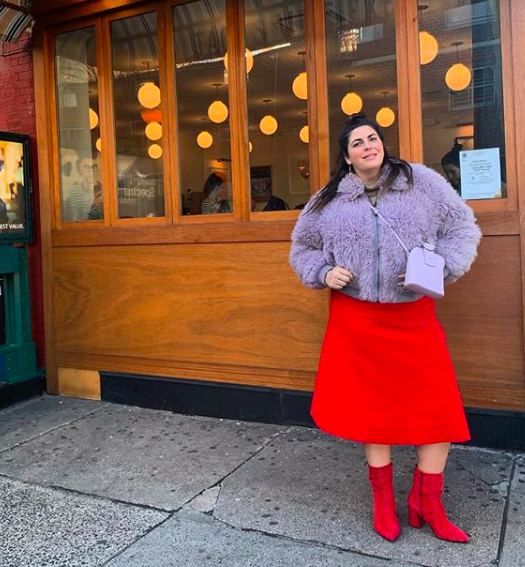
In today’s Money Matters feature, we sit down with Katie Sturino, founder of The 12ish Style, a plus-size fashion blog, and Megababe, a cult favorite anti-chafing stick. Below, Katie shares how she manages finances for two rapidly-growing brands—and what she wishes she’d known when she started it all.
Where do you think is the most important area for a business owner to focus their financial energy?
I think it is very important for business owners to invest their financial energy into making a high-quality, high-performance product. But the second place to place financial energy is PR. It doesn’t matter how much time or money you spend on a product if no one sees it.
What was your first big expense as a business owner?
Placing our first order for bottles for Megababe Thigh Rescue.

How did you decide what to pay yourself?
I don’t pay myself; everything we make goes back into the business.
What are your top three largest expenses every month?
Our top expenses per month are our PR department and our product. Currently, we only have hourly employees.
“I wish I would have stopped listening to other people sooner.”
How much are you saving? When did you start being able to save some of your income?
My income comes from my 12ish business—anything larger than a certain amount I put right into my savings account.
What apps or software are you using for finances? How did you decide when to hire a financial advisor (if you have one)?
We use Quickbooks for our finances.


Do you wish you’d done anything differently in your financial journey as a business owner?
I wish I would have stopped listening to other people sooner.
Why should women talk about money?
If we don’t talk about money, then financial conversations are always left up to someone else, usually a man in our life. Money is power and freedom. Sadly, I see so many women at the mercy of their partner financially, which means that a lot of the choices they make are not their own.
MORE ON THE BLOG

5 Reasons Why Moving Abroad Is The Professional Shift You Need
Why work from home, when you can work anywhere?

Digital nomad. Expat. Location independent. Remote worker.
These aren’t just buzzwords. They’re a way of life that lead to both personal and professional growth. Over the past few years, we’ve been hearing more and more stories of women choosing to move to different countries to build lives they love. Now, it’s less about just being able to “work from home,” and instead about being able to live and work anywhere in the world.
Most people choose to move abroad because they’re looking for a lifestyle change, but when you do it the right way, moving to a different country can benefit you professionally in more ways than one.
Since I took the leap to move to Spain five years ago, I’ve reached professional heights I would have never imagined if I had stayed in the U.S. From TEDx talks, to becoming an international speaker, and even scoring my dream job (without applying!), I’m here to share 5 reasons why moving abroad is the professional shift you need.
New Experiences = New Breakthroughs
Hands up if you’re tired of the same routine day in and day out! When you’re living in a new country, you’re often surrounded by new and stimulating experiences, and that changes your mentality regarding the way you view the world and the work you do.
When you’re constantly experiencing new things, it pushes you to think outside of the box and have insights you wouldn’t normally have. Living abroad doesn’t just benefit your IG feed, it also allows you to be inspired and engaged on a daily basis to help bring a global point of view to your work.
Your (International) Network Is Your Net Worth
We all know the power of having a strong network, especially when you’re looking to grow professionally. In the digital age, we are exposed to so many amazing people through social media. But when you’re living and working in a different country, your network almost triples in size. You’re able to tap into communities of like-minded people from all over the world.
Living in New York my entire life, I thought it was the best place to network...until I moved to Spain and realized that I had an advantage. Being an expat or living in a different country doesn’t just give you a “wow factor,” it also allows for you to bring something meaningful to the table for all parties. Whether it’s through local meetups, being involved with the coliving and coworking movements, or traveling to different conferences, you’re able to quickly connect with international professionals that you may not have been able to run into back home.
Como se dice?... Better Communication Skills
Let’s be real. When you’re in a new country, odds are, you’re going to need to learn how to communicate differently. Whether we’re talking about language barriers, different word usage (British vs. American English anyone?), or just having to slow down your speech, living abroad forces you to become a better communicator.
It’s an essential skill to have whether you’re thinking about working with people from different countries or just getting better skills for the boardroom. Living abroad forces you to be clear about what you want, intentional with your words, and know how to empathize with others as they explain their needs. Anyone else ready to start using these same skills for work negotiations?
Less Stress, More Success
Burnout is real, and we all know it. One of the biggest benefits of living in a different country is truly finding work/life balance. It’s about learning to work smarter, not harder, and to make time for what really matters.
When you’re less stressed, you don’t just feel happier, you’re also able to perform better at work, and it will show. Living abroad will teach you that professional success also means having your work life support your personal aspirations.
Which brings me to our last point…
Design Your Life
I truly believe that once you’re clear on the type of lifestyle you want, you’ll be able to find a career that supports that. Having worked with hundreds of women helping them build a life they love abroad, I’ve found that once they know what they’re looking for—with options like entrepreneurship, remote work and even working for international companies—the opportunities are endless. When they’ve designed a life that fits their personal aspirations, they’re able to thrive professionally because their motivation goes hand in hand.
Whether you’re looking to move abroad for three months or three years, you don’t need to fear that it will hinder you professionally. Instead, it’s time to start viewing life abroad as the catalyst to the career of your dreams.
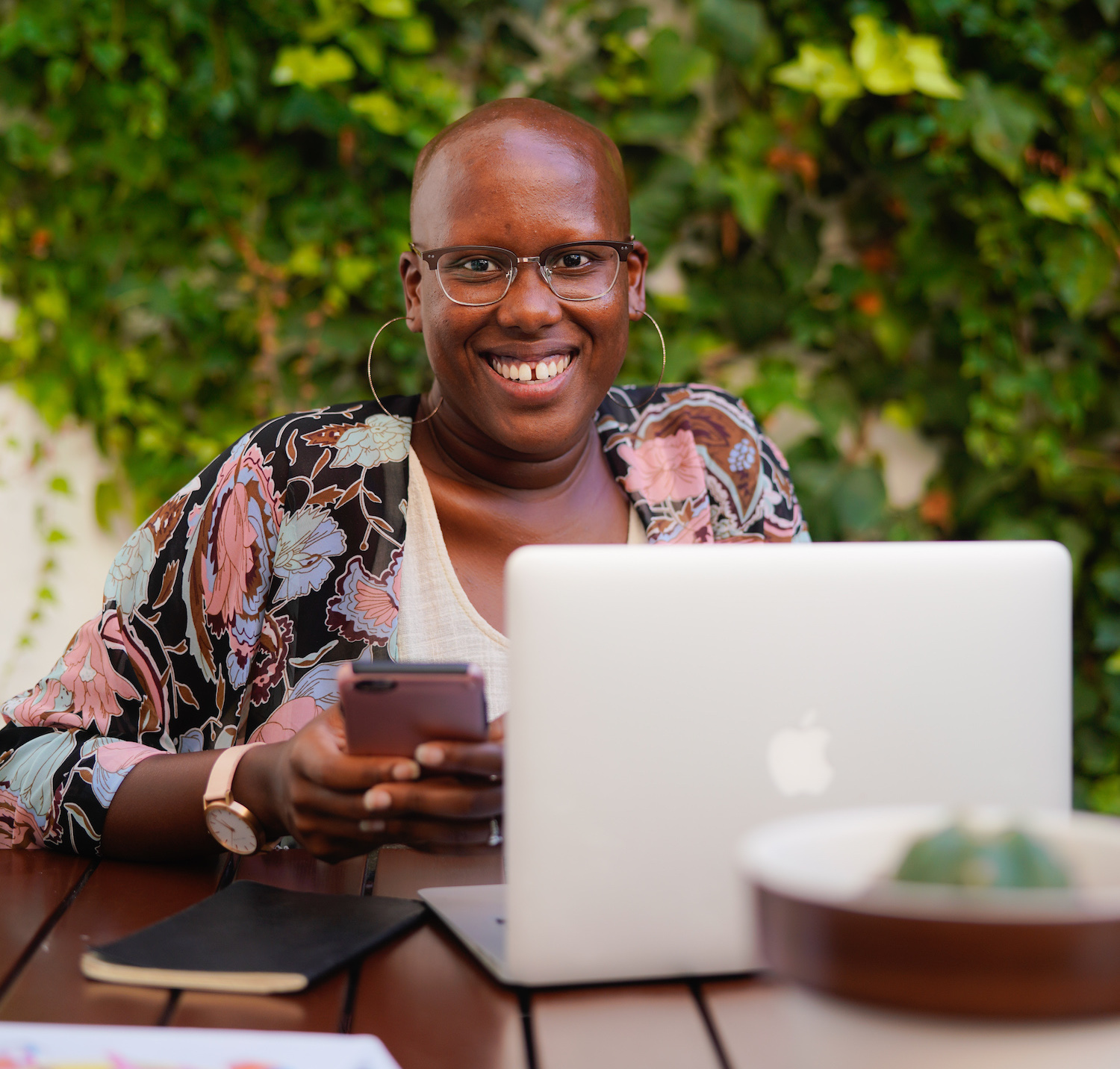
Sienna Brown is an entrepreneur and expat thriving on the coast of Spain. Her mission is to teach others how build a life that they love. She’s the founder of Las Morenas de Espana, a platform teaching women of color how to move abroad and thrive. She also leads business development at Sun and Co., one of the leading coliving spaces in Europe. Follow her on Instagram @siempregirando and reach out sienna@siempregirando.com
MORE ON OUR BLOG

Making Moves: Women in Sports Are Showing Up and Showing Out
These athletes are making sh*t happen.
This week’s Making Moves honorees are a little special—they’re all in the sports and athletic industry! Read on to see what’s going on in women’s soccer, gaming, and marathons.

Create & Cultivate alumni Genevieve Padalecki and her husband Jared have surpassed their $20,000 Boston Marathon fundraising goal. Proceeds will benefit Dream Big!, a Boston-based nonprofit organization, supports underprivileged girls who want to play sports and participate in physical activities.

On the heels of its powerful “Dream Crazier” ad, Nike is putting its money where its mouth is in supporting women’s sports: The brand just signed a three-year deal with UEFA Women’s Football and, for the first time since 1995, released new national uniforms (instead of deviations from men’s uniforms) for 14 of 24 teams competing in the World Cup.

Chiquita Evans, a former college and semi-pro basketball player, became the first woman ever drafted into the NBA 2K League last week. Next on her list? "I'm going to see if I can do a real-life shooting competition with Stephen Curry,'' she says.

The US women’s soccer team has filed a gender discrimination lawsuit against the United States Soccer Federation. The athletes — including Alex Morgan, Megan Rapinoe and Carli Lloyd — take issue with pay, travel, medical treatment, and coaching, and despite playing more games than the men’s team (and winning more of them), they still receive less pay from the federation.

After hearing about too many runners getting their period during long-distance races only to find they had no access to menstrual products, Rainshadow Running co-race director Elizabeth Reese started stocking all her aid stations with tampons. It’s time for other races to follow suit!
MORE ON THE BLOG

How These 5 Entrepreneurs Kick-Start Their Mornings
“Running has a way of clearing my head and setting me up for success for the rest of the day.”

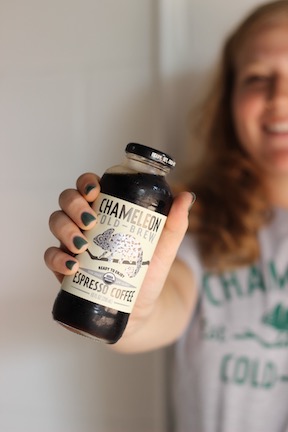
Mornings: You either love ‘em or hate ‘em. While many of us might be squarely on the “snooze, repeat” end of the spectrum, others love doing their hardest work before the sun is up. Exactly how do the influencers we know and love make their own mornings better? We partnered with Chameleon Coffee, creators of our favorite cold brew, to find out.
Below, we’re chatting with Dani Austin, Jessi Afshin, Agatha Ashiofu, Paola Mathé, and Jen Pinkston on wake-up call times, coffee routines, and their favorite time of day to hustle hard.


Are you a night owl or a morning person? When do you do your most important work and why?
Paola: I'm naturally a night owl, but I had to adjust my lifestyle since I'm a new mom. Most of my brainstorming and solution solving come in the quiet sounds of the night after my husband and baby are both deeply asleep. Everything else happens during the day.
Dani: I am kind of both. In my most productive of weeks, I usually wake up around 7 a.m., run for two miles to get my brain moving and clear, and that helps set me up for success the rest of the day. However, when it gets cold outside I find myself working later and sleeping later. If I am in my early morning routine then I do my most important work in the morning because I’m inspired. If I am in my late-night routine, my husband gets onto me because my inspiration usually hits at 5 p.m. which is really funny.
JessI: I am a morning person! I actually set my alarm extra early every morning to schedule in quiet time at my local coffee shop. I get all important work and writing done early morning as it is when I am most focused! I literally never miss a day.
Agatha: I'm mostly a night owl because I work on my side hustle after my 9-to-5 job.
Jen: My whole life before having kids I was a night owl. It's naturally how I'm wired. However, post-kids that just doesn't work, so now I'm rigid about making sure I get 8 hours of sleep each night which means I'm usually in bed by 9:30! I still get some of my best ideas in the evening but instead of running with them immediately, I make a note in a notebook by my bed or a new email draft and return to it in the morning. Honestly, it's a nice system because some times in the morning things don't seem like the genius idea that they did 12 hours prior.



What time do you get up? What’s the first thing you do upon waking?
Dani: I usually get up at 7 a.m. in the spring and summer and 8:30 a.m. in the winter. I guess I have hibernation patterns in the winter. I usually always like to have fruit for breakfast because I’ve never been a big breakfast eater even though it’s the most important meal of the day. My best mornings are when I exercise first. Running has a way of clearing my head and setting me up for success for the rest of the day.
Jessi: I wake up around 6am everyday. After a morning of prayer and mediation - I start working as early as 8am. I am a writer and it’s the time I write best!
Jen: My current alarm clock is my 18 month old daughter who wakes around 6:15am, so the first thing I do in the morning is snuggle a baby which might actually be the best possible way in the whole world to wake up! Oh my gosh, what am I going to do in a year when she's a kid?!
Agatha: I get up at 5:30am and snooze my alarm a million times till I get out of bed.
Paola: I wake up between 6-7 a.m. each morning, mostly by a cranky, hungry baby. Before that, when I lived in NYC, I enjoyed waking up a 6 a.m. to exercise. I find that my routine is constantly changing and I just have to find ways to adapt to the new one as my baby gets older. The first thing I do upon waking up is greet Zuli (my baby) in a high pitched voice. She loves it, and her smile brightens the day. Then, I take her to the bathroom with me to brush our teeth. She only has 2.5 teeth, but she likes to be included in this routine. Lastly, I go downstairs to our kitchen and ask Alexa to pay "Black Coffee” (the album) by Peggy Lee. I feed my daughter and make coffee/breakfast for myself.
“I find that my routine is constantly changing and I just have to find ways to adapt to the new one as my baby gets older.”
What’s your coffee ritual? How do you take your coffee?
Jen: I have been making lattes in the morning since I was 25 years old and Aaron and I discovered them while we were in Europe. I'm dating myself, but that was 10 years ago! When I had my first baby almost 5 years ago now, she was sensitive to dairy so I started using almond milk and have never gone back. Although, lately I've been known to dabble in oat milk. I've never sounded more millennial than I do right now. But yes, the more succinct answer is that I'm an almond milk latte girl, through and through.
Dani: Coffee actually makes me anxious and jittery and so I don’t usually drink my own—instead, my ritual is to steal sips of my husband’s every morning.
Paola: I grind the beans using either a hand or electric grinder. Heat up the water in our electric kettle. Then slowly pour in my mug to make the perfect cup of joe. I take it black with no sugar.
Agatha: I drink coffee once a day when I get into the office and I need to kick start my day.
Jessi: I drink a cappuccino every morning from my favorite downtown coffee shop in Austin. It’s my favorite way to tie in prayer journaling and mediation and writing. I also bring my puppy—it’s a morning routine! Coffee gives me fuel!
How do you kick-start your morning? Share in the comments below—and try Chameleon Cold-Brew to get your morning started right.



C&C Classifieds: Sweetgreen, Petrucci Marketing, Leapfrog Brands, & More!
Gotta say buh-bye to your current gig? Your next one is waiting.

Gotta say buh-bye to your current gig? Your next one is waiting below.
Sweetgreen - Culver City, CA
Petrucci Marketing - Carlsbad, CA
Social Media & Digital Marketing Manager
Leapfrog Brands - Chicago, IL
Create & Cultivate - Los Angeles, CA
Ogilvy - Coral Gables, FL
Digital & Social Media Content Creator
Harrison & Star - New York, NY
Contently - New York, NY
Too Faced Cosmetics - Austin, TX
May Advertising & Design, Inc. - Minneapolis, MN
Nickelodeon - Los Angeles, CA
Manager, Culture & Digital Community
Tinder - Portland, OR
Leviton - Seattle, WA
MORE ON THE BLOG

"There Are No Lucky Accidents" — Natasha Lyonne on Authenticity, Advocacy, and Imposter Syndrome
“An admission of inner brokenness is OK. That’s the stuff that makes us who we are.”

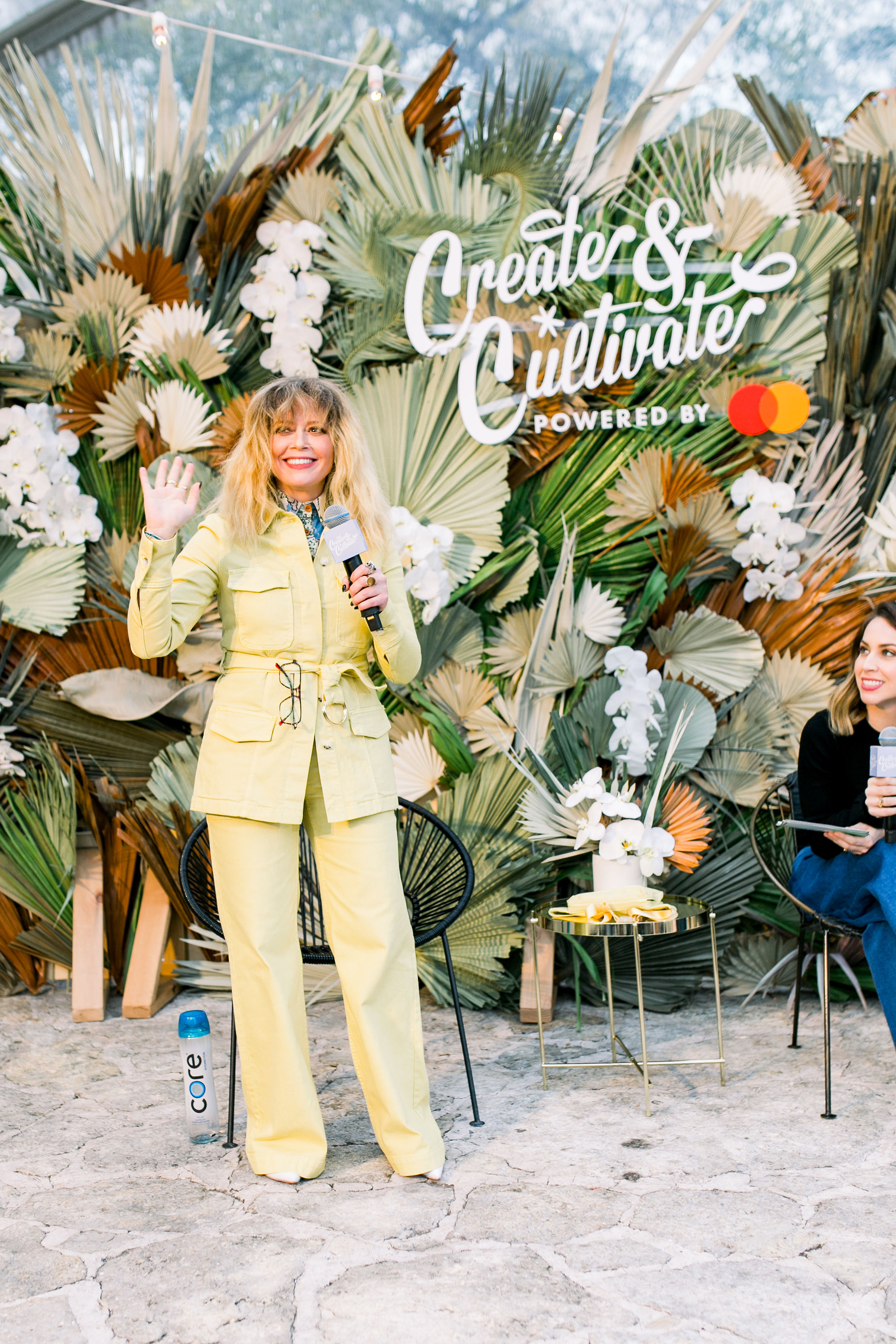
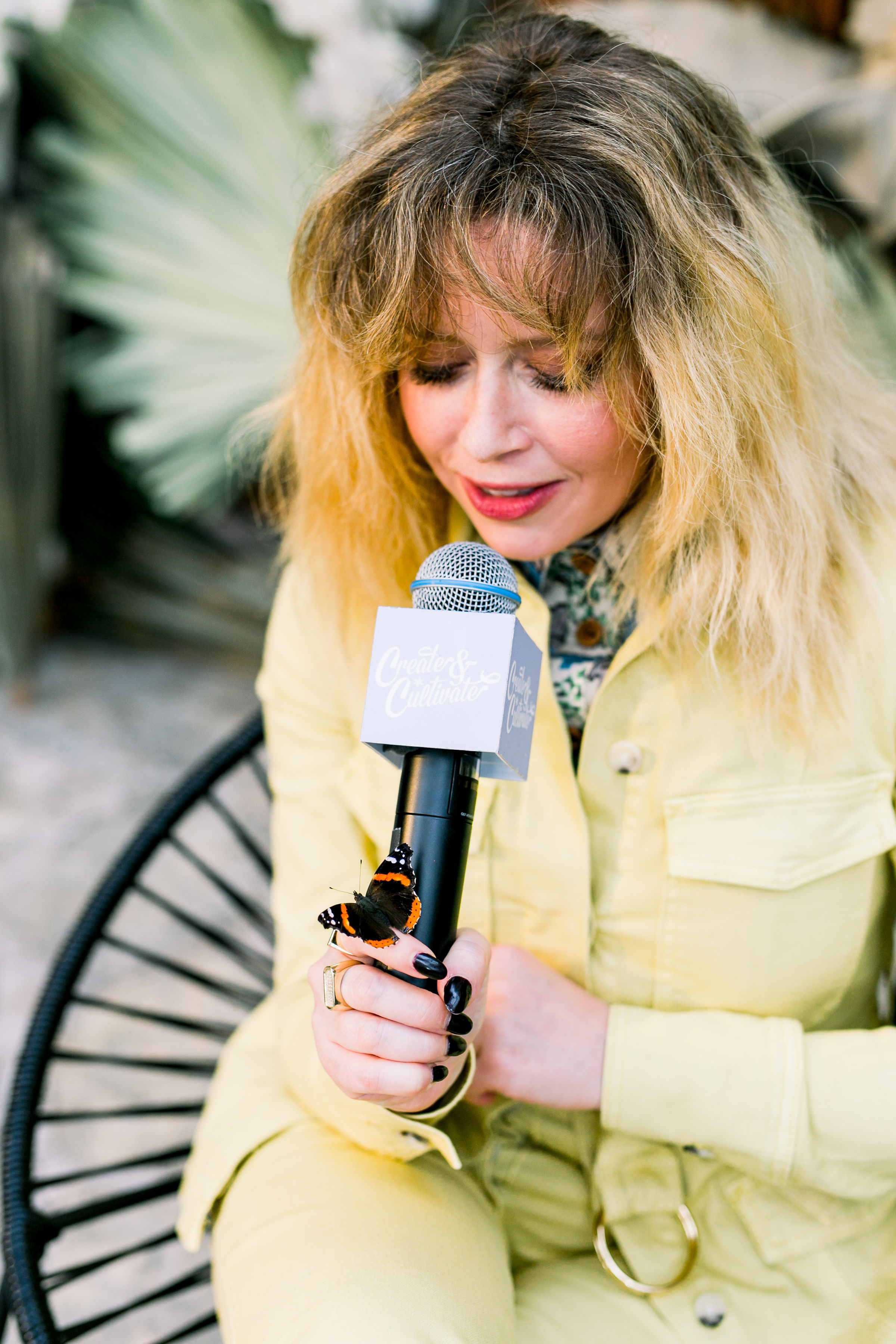
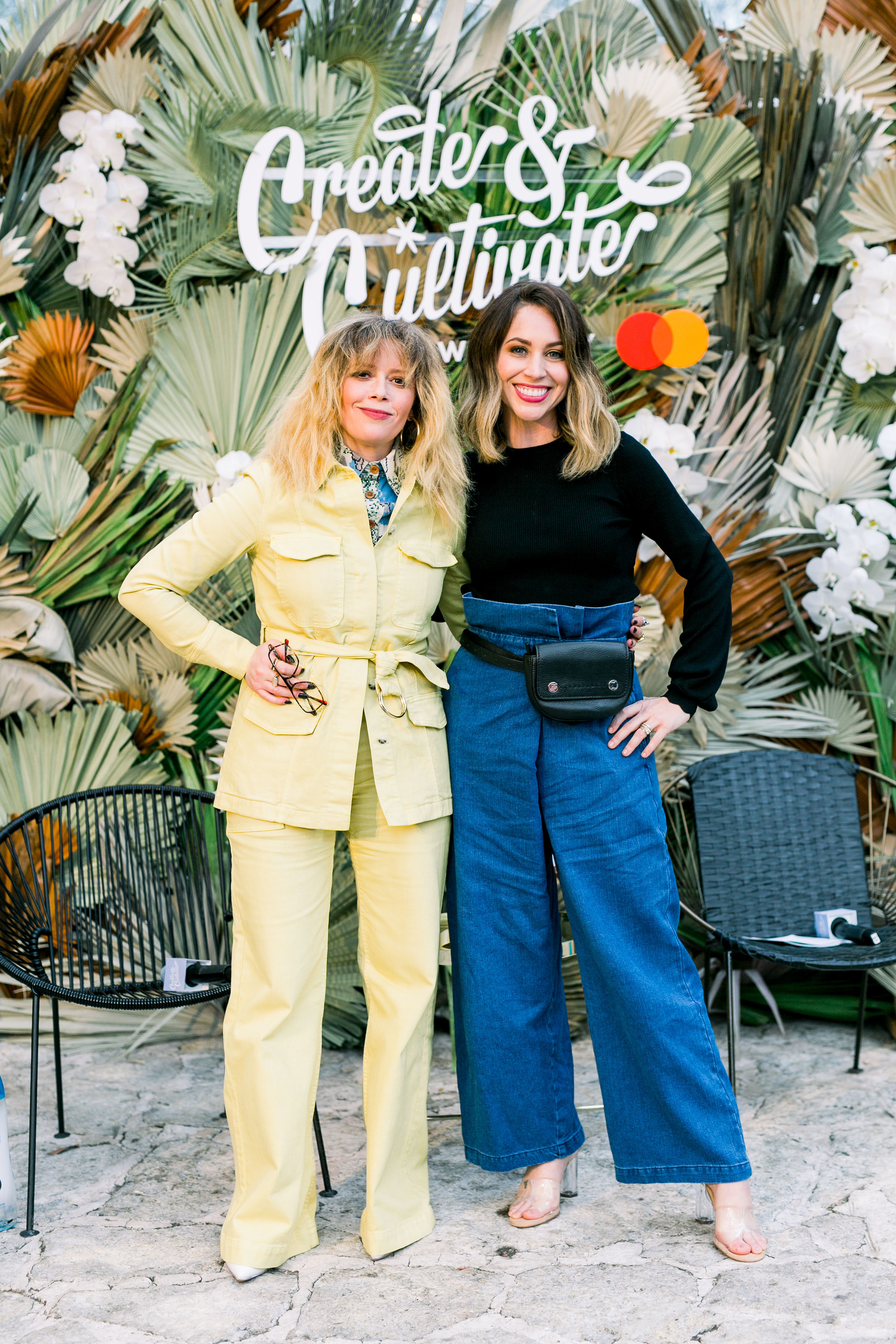
We were beyond excited to host Natasha Lyonne as our keynote speaker in Austin this year! As the co-creator, director, executive producer, and star of the Netflix hit series Russian Doll, Natasha knows what it means to hustle. With more than 30 years and 70+ movies under her belt, she’s not just an industry powerhouse, but a role model for any woman who’s chasing her dreams. Below, we’re sharing some of our favorite mic-drop moments from Natasha’s keynote panel.
On hiring an all-female writers’ room for Russian Doll:
“The people that were best for the job happened to be women. It was really about surrounding myself with allies.”
“My hope is that we hit a tipping point where we’re restored to a point where men and women can work together as equals, where we all learn to work together beyond gender.”
“I felt additionally empowered to be the most 360 version of myself when working with a group of women.”
On imposter syndrome:
“An admission of inner brokenness is OK. That’s the stuff that makes us who we are. And Michelle Obama’s recent book helped me recognize that—because I was like, ‘Surely this woman has cracked this.’ But her experience of ‘Am I enough?’ is healing to read.”
“My goal in making a show like Russian Doll would be that it allows me to continue to speak very transparently around my own experience and acceptance. That’s our grit. That’s what makes us who we are.”
“At every level, everyone is constantly experiencing imposter syndrome and asking ‘Am I enough?’ and ‘Am I taking up too much space?’ It’s just necessary to push past it.”

On being your true self:
“I was afraid of not letting it all hang out in all its messiness. I think we embrace it and celebrate it in someone else, but as soon as it’s our own, it’s like a deep shame spiral.”
On finding your tribe:
“Find something safe in this life and let it tether you.”
“Something I love about working with women is that we spend so much time unpacking things like having kids that there’s something very fun about getting to get in the zone and watch them crystallize in this other pocket.”
On social media:
“The one thing I would caution the kids is compare and despair. Don’t buy the lies of social media. Everyone is architecting a make-believe life.”
“Proceed on social media with caution. Spend the time having human interactions. Life experience can’t be beat.”
On shining light on real issues through her work:
“I’m glad to have been a part of OITNB, but I’m happier that there was some attention or awareness brought to the prison industrial complex. The heavier aspect of working on the show for years as as team has been intense, processing what we’re really doing.”
On changes in Hollywood:
“It’s complex to know what’s changing. We’ve had good news in Hollywood, but let’s see how it tracks into the new world.”
“It’s a good time to be a woman in film, but the numbers aren’t there yet. These are early days.”
On work, success, and looking back:
“Directing an episode of Orange is the New Black was very healing around my own self-doubt, worthiness, and steadiness—there was something about the fact that the producers, and Netflix, and the cast were all open and inviting to it. I would be at the monitor just weeping. It was healing for me.”
“We work hard in life. There are no lucky accidents.”
Advice she’d give her teenage self:
“You’re in the war, but the war will be over. I promise. Hang tough, babe.”

MORE ON THE BLOG

“Be Each Other’s Wing Woman” — The Showstopping Moments You Missed From Our Austin Pop Up
“When you do get a seat at the table, know your stuff.”

Yesterday. Was. Amazing. If you were one of the lucky attendees at our Austin Pop Up, you know it’s true. For those of you who weren’t, don’t worry: We’re sharing all the fire advice and amazing insight from each and every one of our speakers (like the inimitable Tan France and Natasha Lyonne!) below. Huge shoutout to all our moderators and panelists for making it a day full of learning, laughter, and tweet-worthy inspo. We’re still riding the high!
Read on to hear our speakers’ thoughts on finding your niche, forming your tribe, and following your passion.



Marketing Masterclass: Growing a cult following & building brands people love
“When you do the work you believe in and are passionate about, the money comes.” - Adrienne Bosh, Founder, Sparkle & Shine Darling
“You cannot fear your executive team. Understand their goals.” - Erin Silver, Head of Social Media, Volvo
“When I saw my female and minority friends not getting the same opportunities as the white boys, I decided to do something about it.” - Sarah Kunst, Founder of Cleo Capital
“When you’re starting new things, you’ll always need your tribe of women with you.” - Adrienne Bosh

“Don’t try to be like anyone else in the room. Be you. You’re there for a reason.” - Carrie Colbert, CEO of CarrieColbert.com
“Brand matters. I’ve worked on a team that canceled an entire campaign because one small element wasn’t on brand.” - Sarah Kunst
“When you do get a seat at the table, know your stuff.” - Carrie Colbert
“It’s not about numbers for me—it’s a question of ‘is this working toward my purpose?’” - Adrienne Bosh
““Don’t try to be like anyone else in the room. Be you. You’re there for a reason.” ”
Content Economy: Meet the influencers making waves in the creator universe
“It’s so much better to be your authentic self.” - Genevieve Padalecki, Founder, Now & Gen
“I push myself and my team to ask, ‘How is this person or this recipe showing our readers they can be more intentional and present?’ It all has to go back to that core vision, and that’s what’s helped up define a unique point of view.“- Camille Styles, Founder & CEO, Camille Styles
“I wish [that when I first started,] I knew that my failures would add to my strength as a creator.” - Paola Mathe, Founder, Finding Paola & Fanm Djanm
“Figure out what your niche is. How is what you’re doing different from everybody else?” - Reesa Lake, Partner, Digital Brand Architects
“If you have something you’re passionate about, you can make it work. Reaching out to other people was a lifesaver for me, because I was able to build a community and learn what I wanted to learn.“ - Dani Austin, Founder, DaniAustin.com

WorkParty The Podcast: In Conversation with Tan France
“Be each other’s wing woman. Men are doing enough tearing you down—don’t make their jobs any easier.”
“Call her out if she’s being negative.”
“Being the first of anything is hard. People look to you for representation of every community you’re part of. I don’t want to be the only one.”
“Keep your payroll tight. Make sure you know every facet of your business.”
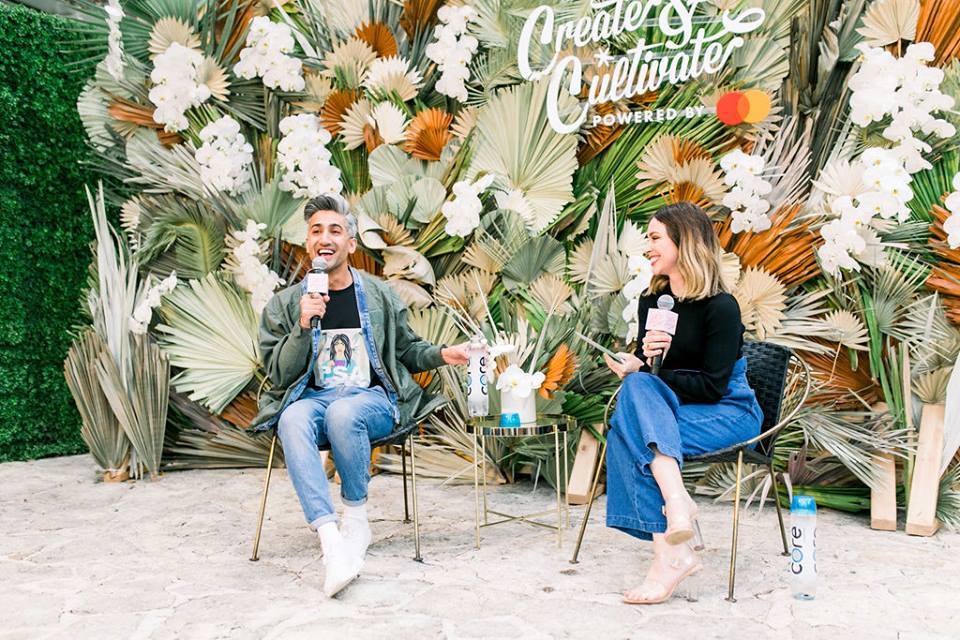
Real Time, Real Talk: How brands are keeping up with the digital day to day
“The more you blend in, the more you get lost in a crowded marketplace.” - Maxie McCoy, Author & Speaker
“Navigate life the way you choose to.” - Bruna Schmitz, Roxy Pro Surfer & Ambassador
“Fuel what your soul is craving. That’s what I make time for.” - Jessi Afshin, Founder, The Darling Detail
“One way I’ve been trying to incorporate balance into my daily life is time blocking. When I’m working, I’m working.” - Courtney Shields, Founder, Bring Your Own Beauty

Keynote Panel: In Conversation with Natasha Lyonne
On hiring an all-female writers’ room for Russian Doll:
“The people that were best for the job happened to be women. It was really about surrounding myself with allies.”
On imposter syndrome:
“At every level, everyone is constantly experiencing imposter syndrome and asking ‘Am I enough?’ and ‘Am I taking up too much space?’ It’s just necessary to push past it.”
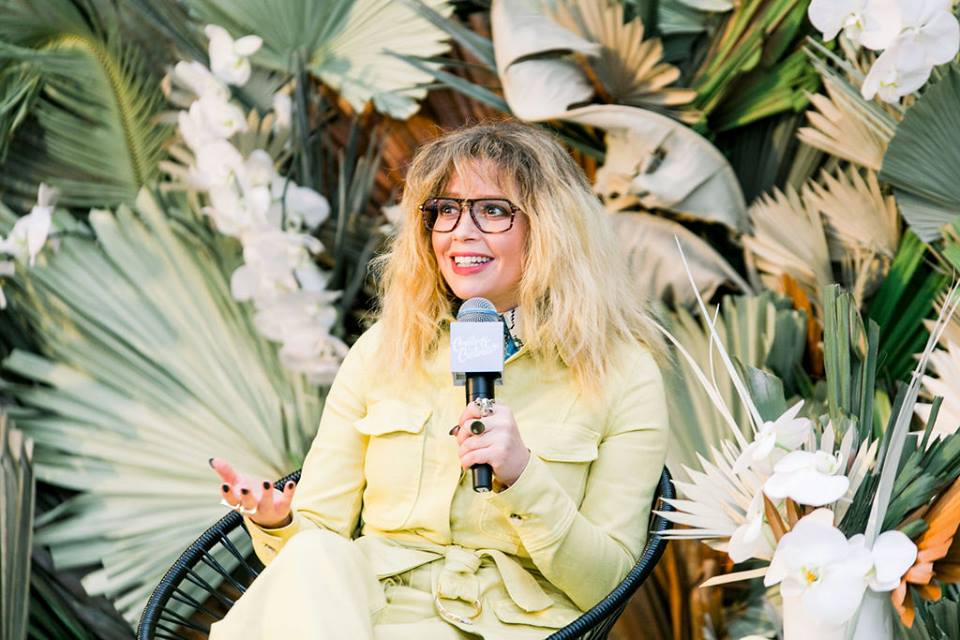

On being your true self:
“I was afraid of not letting it all hang out in all its messiness. I think we embrace it and celebrate it in someone else, but as soon as it’s our own, it’s like a deep shame spiral.”
On work, success, and looking back:
“Directing an episode of Orange is the New Black was very healing around my own self-doubt, worthiness, and steadiness—there was something about the fact that the producers, and Netflix, and the cast were all open and inviting to it. I would be at the monitor just weeping. It was healing for me.”
Advice she’d give her teenage self:
“You’re in the war, but the war will be over. I promise. Hang tough, babe.”

#StartSomethingPriceless: How these women risked it all to build their dream
“As females, we need to build multi-billion dollar companies. Let’s all think at that level.” - Payal Kadakia, Founder & Executive Chairman, ClassPass
“You have to stick it out. If you believe in what you’re doing, stick it out.” - Sonja Rasula, Founder & CEO, Unique Markets
“When you’re self funded and a client says ‘I need you to cover the cost of this,’ you don’t say no—you say ‘yes, no problem’ and figure it out.” - Jaclyn Johnson, Founder & CEO, Create & Cultivate
“It’s about finding people who have the ‘can-do, going-to-learn’ attitude.” - Payal Kadakia
“We noticed that there was no place for black people to find out about the men and women in politics supporting issues they care about. So we’re launching Blavity Politics.” - Morgan DeBaun, Founder & CEO, Blavity
““You have to stick it out. If you believe in what you’re doing, stick it out.””
“We need more women handing out the capital.” - Payal Kadakia
“My executive assistant was the employee that made the biggest impact for my company.” - Morgan DeBaun
“You have to be willing to sacrifice. The worst thing that could happen, is you go bankrupt. OK, big deal. Thank you, next.” - Sonja Rasula

Create & Innovate: Build a one-of-a-kind brand in a crowded marketplace
“Know your purpose and what you want to share with others.” - Camila Alves, Founder, Women of Today
“We really try to marry the experience of leading the brand and what we do if we’re following the brand.” - Sami Fishbein, Co-founder and COO, Betches Media
“As women, it’s in our DNA to manage crisis.” - Julie Smolyansky, President & CEO, Lifeway
““Know your purpose and what you want to share with others.””
“How am I am going to add value to the communities I want to connect with?” - Sophie Kelly, Senior Vice President of North American Whiskeys Portfolio, Diageo
“We have something for everybody while staying true to who we are.” - Paige Adams-Geller, Founder & Creative Director, PAIGE
“We’re able to speak to women in the way they speak to each other.” - Sami Fishbein
“Whenever there’s a crisis, I tend to run right into the fire.” - Julie Smolyansky

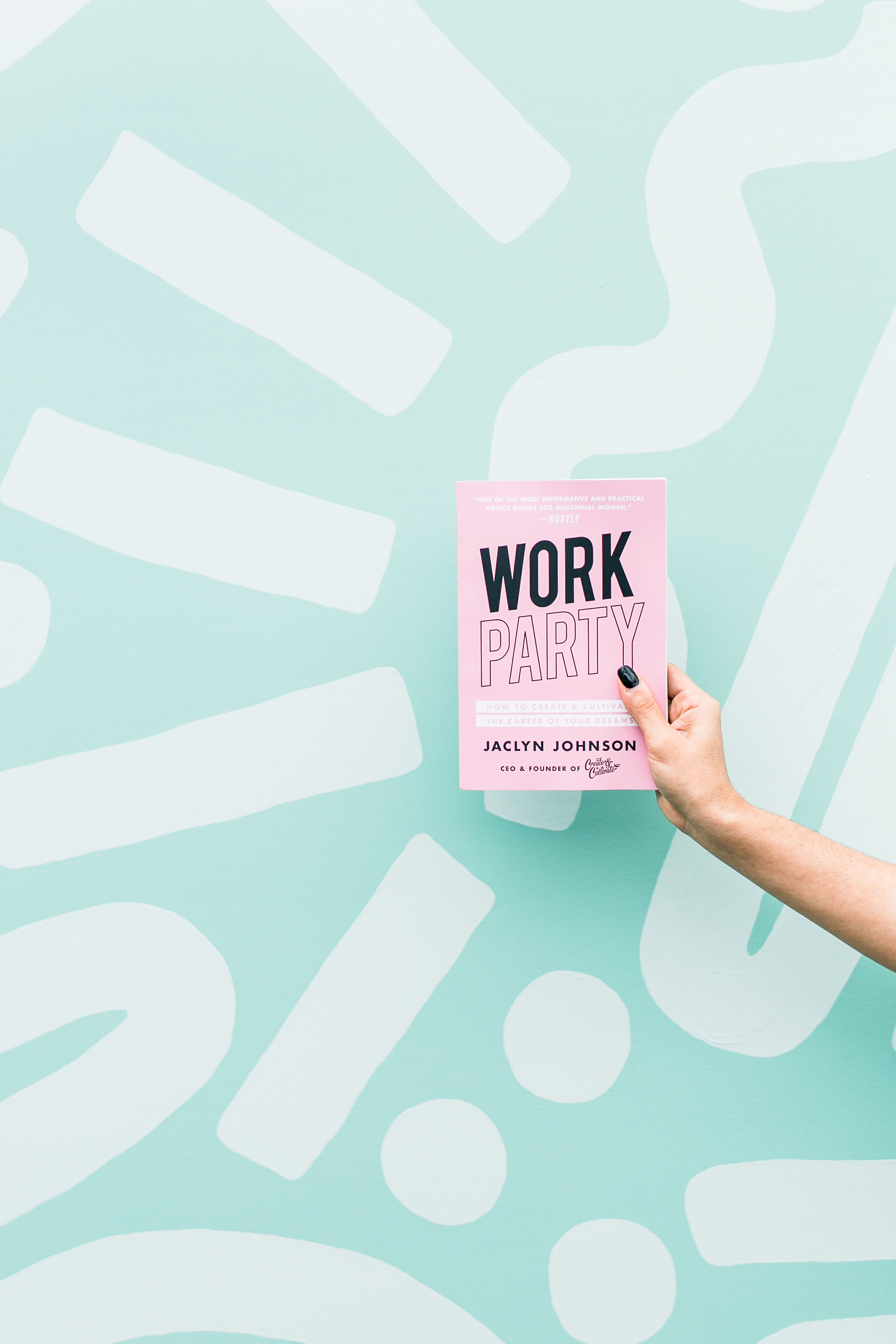

Shoutout to artist Emily Eisenhart for creating our amazing ATX mural. The future IS bright with talented ladies like her in our corner.
Don’t wanna miss out on more mic-drop moments from our events? Get your tickets to our New York conference now!
MORE ON THE BLOG

How This Marketing Director Rebranded a Company to Target Millennials
“I truly feel empowered in my role to try new things and take risks, and what we do makes an impact on people’s lives every day”

Leslie Albertson lives life in full color. As Mixbook’s marketing director, she’s bringing her personal flare to the design company that helps everyday people create the photo books, calendars, and cards of their dreams.
Read on to hear how Leslie took on the task of rebranding Mixbook to appeal to a younger audience.
Tell us a bit about your journey to marketing director at Mixbook.
I first joined the Mixbook team in 2013 to lead mobile marketing for a new photo book app we launched. I was focused on building the Mosaic brand through partnerships, growing our customer base, and acting spokeswoman at conferences and events. I became the Director of Marketing for Mixbook in 2015, when I was about 6 months pregnant! Quite the time to get a job promotion - but it shows the tremendous culture and support within the Mixbook team. My main focus at that time was developing our marketing communications and content strategy - including email, social, and the blog. As I dove into the Mixbook brand, I realized that we hadn’t done a great job at carving out our place in the market and really tapping into an underserved market of DIYers. This kicked off a very thorough deep dive of our brand intent, identity, and ultimately led to a rebrand. The process took about 18-months, and it’s one of the things I’m most proud of. As of today, I lead Brand and Partnerships, focusing on engaging events, inspirational content, and growing our brand awareness through partnerships including influencers, designers, creators, and like-minded brands.
What about your job makes you feel the most fulfilled?
Being creative and making an impact. I truly feel empowered in my role to try new things and take risks, and what we do makes an impact on people’s lives everyday. A photo book captures some of the most precious moments in time and allows people to create and connect more deeply. That feels really good! And, I love hearing the unique stories of our customers and how they use Mixbook.
How do you breathe new life into a company when you yourself are new to the brand?
Always understanding who your customer is. Understanding your customer forces you to think differently and from their perspective. I think whenever you are looking to refresh a brand, you have to have a deep understanding of why you do what you do, what the core brand values are, and who your target customers are. Simon Sinek has this Golden Circle theory which should be the foundation to any brand. First, answer why you do what you do, then the how you do it, and then the what. Many do this backwards. Also, understanding your customer is key. Having at least 2-3 customer personas deeply defined (and based on data and actual customers) are essential too. Once you get an essence of your DNA, then the magic happens. You explore colors, type, imagery, inspiration, mood boards, and real-world feedback to help bring the visual identity to life. It’s definitely a lengthy process, but with the right approach and data to back you up (and a little faith from your exec team), it all comes together. I had been at Mixbook for over 3 years at the time of the brand deep dive, so for me I think it was more of a challenge to take off the hat of ‘what we have been’ and defining ‘who we wanted to be’ and where that fit into the market. When I look at where our brand is today - our website, logo, photography, social, messaging - it all feels so much more authentic to who we are.
What were the biggest challenges coming into Mixbook? How did you overcome them?
Shifting from marketing social mobile apps which focused on driving installs and monthly active users (MAUs) to an e-commerce company where we ship a physical good was a totally different space for me and forced me to learn a new set of business metrics. I had to learn the ins and outs of pricing, gross margins, bookings, and the cost of a customer. Having great mentors and working with an incredibly smart team helped me a ton. I’m incredibly grateful for this experience - I’ll be ready if I ever get on Shark Tank!

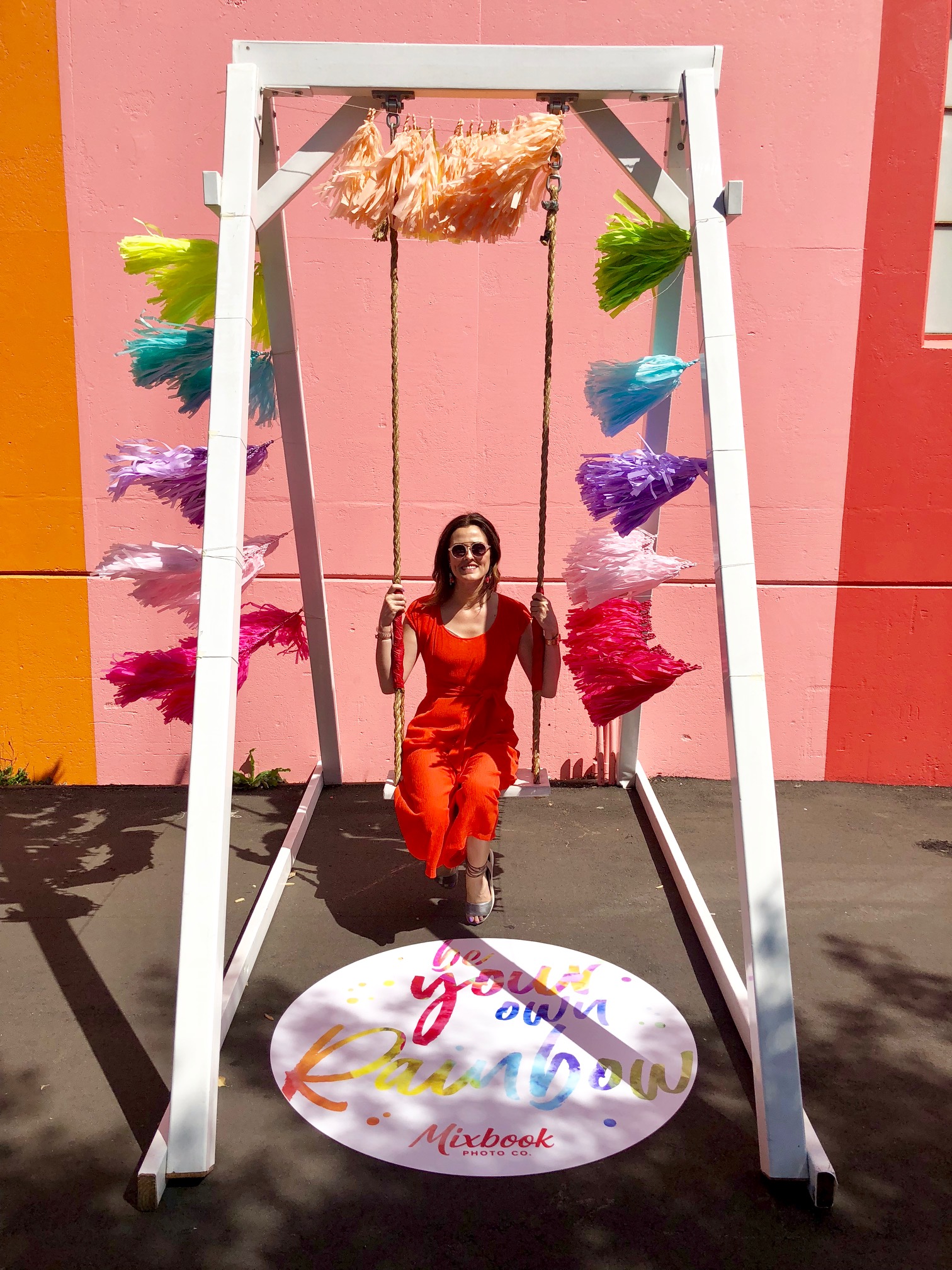
What strategies have you used to appeal to a younger demographic?
Primarily influencers, events, and content that aligns with current trends and what’s popular amongst younger millennials - not just moms and grandmas. Some think Mixbook is just for moms, but almost half of our customers are single, working, globetrotters that like to capture their big beautiful life. Also, I think we’re really in this era of nostalgia (hello ‘90s) where millennials are now ditching social media and material things for experiences and real life connections, which is exactly what we’re all about - capturing those experiences to create deeper connections with those you love.
What are the common challenges you've seen among female executives & directors?
In my personal experience, one challenge that I do see is finding the balance between motherhood and a career. I find that nearly all of my time is given to my career and my child, which gives little time for self-care like exercise, clean eating, and nurturing my own relationships. I think finding the balance is hard for all of us, but being conscious of taking time to care for my needs as well has become more of a priority as I’m getting older and makes me better in my career and at home.
What advice would you give to young women just getting started in marketing?
Try a lot of different things. Work for a startup or try an internship and wear a lot of hats. There are so many facets to marketing - customer acquisition, content development, SEO, email and lifecycle marketing, research and analysis, and more. I’m a big believer in finding something you're passionate about but can also make a career out of so you feel fulfilled in your role.
“I truly feel empowered in my role to try new things and take risks, and what we do makes an impact on people’s lives every day.”
Where did the idea for your pop-ups come from? We loved what you did in Palm Springs!
We wanted to bring our passion for creativity and connection to real life experiences and show the unique ways you can create with Mixbook. We definitely found inspiration from some of the immersive pop-ups over the last year like the Museum of Ice Cream and Color Factory, but we wanted to go a step beyond and give people something they can create and take with them. We’ve done everything from a giant sunset-colored ombre gallery wall, where we had writeable Mixbook acrylic prints. Guests could write an inspirational message and snap a photo. We’ve also done experiences like Mixbook holiday cards used as letters to Santa, where you could pick a card from a colorful envelope wall, decorate it, and drop it in a mailbox destined for the North Pole. We love to encourage people to explore their creativity and connect with others around these experiences. I think these types of experiences make lasting impressions and we want to be a part of that!
We hear you’re launching a big project with Joy Cho (of Oh Joy! fame). Any inside info you can share?
Yes! We are so excited for this collaboration. She’s been a big inspiration to us and we feel lucky to be able to bring her colorful and fun designs to Mixbook. The collection is inspired by travel, color blocking, spring and summer colors, and the signature Oh Joy! elements like confetti and glitter. There are some fun designs to get the kids involved too so families can get creative together! We’ll be having a launch party that brings some of the collection’s elements to life in a pop-up experience at the Southern California Children’s Museum on March 23rd in Pasadena, CA. There will be a TON of activities for the kids, and colorful IG-worthy photo opps for the adults. We’re also collecting craft supplies for Shriners Hospitals for Children to support creative programs for their kids and families in need.
What’s the best piece of advice you’ve ever received?
Life’s a journey, not a destination. This mantra has been incredibly grounding anytime I’m questioning (or freaking out about) what’s happening in my life. It’s important to have goals and direction, but being present and embracing the challenges that come with juggling a career and motherhood is key to overcoming what can seem like the impossible. It’s about trusting in the process and believing you are exactly where you are supposed to be in this moment.
What are you most excited for in 2019?
Continuing to grow both personally and professionally. I’m so proud of where Mixbook is today and so excited to continue to expand our partnership and content to inspire more people to create and break down the ‘I’m not creative’ barriers. Personally, I’m excited to take time for self-care which includes more yoga and slowing down!
MORE ON THE BLOG

Do You Really Need to Be a Full Stack Employee?
Is being a full stack employee more impressive and efficient, or is it a recipe for spreading yourself too thin?

If you really want to land that dream job, you need to be sure that you’re making yourself as marketable as possible to a potential employer. Obviously, if you are more experienced and have a wide variety of skills you already have a leg up on the competition and are one step closer to getting hired. However, is catering to a broader spectrum of tasks in order to impress an employer more efficient, or is it a recipe for spreading yourself too thin?
Being a full stack employee doesn’t mean that you need to be able to do every job there is to do under the sun. By allotting yourself a list of tasks that are catered to the position that you’re looking to get, you’re able to give yourself and your employer/client a better understanding of what you’re able to do rather than promise to do tasks that you might not be able to do to their full capacity.
IS BEING MULTIFACETED MARKETABLE?
There is no doubt you should find the ways to get a leg up on the competition and stand out to your potential employer. If you’re a marketer, and your potential employer hears that you know how to produce content, edit, write RFP’s, know how to manage social, know how to edit a website, and even walk their dog; there’s a pretty good chance that you’ll get the job. However, there’s a difference in being able to cater to your employer/client’s needs and over-promising on things that you won’t be able to fully execute.
We won’t argue that there is a large demand for full-stack employees today, especially in the startup world, but the more your over-promise the more you run the risk of running into situations where your attention is pulled into so many directions your work is suffering and you are not getting tasks completed to their full potential.
THE MORE TASKS YOU HANDLE, THE LESS FOCUSED YOU CAN BE.
Think about it you’re writing and being your own editor, running meetings, taking notes, creating content, shooting photos, creating graphics, handling events, running production and now you're at the point where you’re not even sure what your title is anymore. Are you even a marketing director anymore, or are you more along the lines of a creative director? Or are you something completely different then what you began as? You don’t even know what to label yourself as.
Sure tackling on all these tasks can look impressive on paper, but you might be doing yourself a disservice by having your attention divided on so many different tasks that you less focused on the more important ones. Not only that, but if your employer may start to see that you are not able to fully dedicate yourself to the tasks you promised; they might start to think that you lied on your resume to get the job. If you want to truly make yourself a full-stack employee, you have to start off with prioritizing and focusing on the most important task and then see how you can branch off into the specifics.
NARROW IT DOWN.
Even if you’re a full stack employee, you still need to set your limitations, while understanding that you can still be niche and specific. For example: if you’re an editorial director you can also say that you write content, handle an editorial team, edit content, shoot content, pitch sponsorships, and even edit content for your social media manger. Know yourself, your limits, your capabilities and be confident in them.
At the end of the day, you want to be able to do your job to its full potential and still be able to wear a lot of hats. That’s what will make you truly marketable and will ultimately land you that dream job.
MORE ON THE BLOG

How This Brand Strategist Is Building a Girl Gang for Black Creatives
“That’s what wakes me up in the morning: knowing I’m collaborating with women from all walks of life to design the brand of their dreams.”

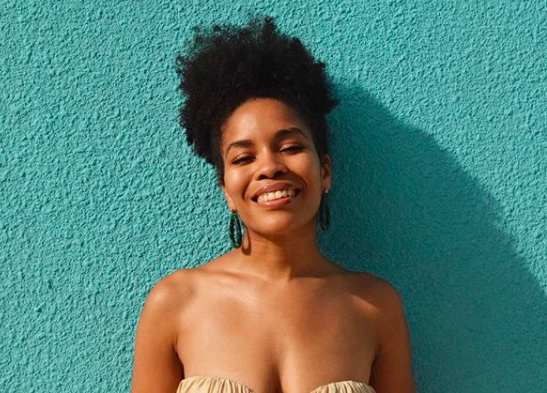
Brittany Wilson is a woman you want to know. Formerly in fashion and marketing, she launched her design and branding studio, The Idea Girl, in 2017. Since then she’s been helping budding entrepreneurs and business owners figure out their company mission—and then going out and living it.
Below, Brittany shares the secret to her success.
What inspired you to start The Idea Girl? What need did you want to fill?
Two things actually inspired me, for one my multifaceted background often left it hard for me to find a career I thought I could grow with and hearing my family say things like “Jack of All Trades, master of none” didn’t help much either. I love creating beautiful things to make people feel good about themselves, and I’ve had many vehicles serve that common core. I’ve worked as a sales associate, visual merchandiser, and assistant buyer to passionately shop with strangers for their most intimate moments. I’ve also worked as a marketing manager, office assistant, and even become an operations manager for a Mitsubishi dealership to spice up the skillset. By age 24 I was working a crappy receptionist job and fighting a tough battle with depression. I was tired of getting hired, fired, and climbing up the ladder and losing to office politics.
Sick of being in a slump, I decided to create the life I wanted including a job I’d fall in love with. I realized that I was the go-to person at work and in my circle for all things aesthetic related from fashion to interior design, which created the “aha moment” of calling my brand The Idea Girl. I decided to take all my skills and talents and create a job title that included all of my expertise in one. I want to show women everywhere that we are malleable, fluid, and multidimensional and can manifest our thoughts into action. I want to show them that having a title holds no value and break from it boundless to be the creative forces that we are meant to be.
Two, the lack of economic power and freedom within the Black community is what shifted my focus to working with women of color specifically. Art, creativity, and talents are typically frowned upon in our culture due to the older generations faith in the hospital and government jobs. Many of us are tricked into believing that a college degree will provide us with security and a moderate paying job will be the safety blanket we need. WRONG! I wanted to break that generational curse that’s kept so many young people of color from pursuing their dreams and tapping into their innate and artistic abilities. Through The Idea Girl, we empower women of color into entrepreneurship by helping them dig deep within to monetize off their skills and talents through adept strategy and emotive design approaches so they can shine confidently next to their competitors and communicate with their clients. We needed a space where we can thrive financially, spiritually, and professionally to break generational curses and pass down our wealth. There weren’t too many creative safe havens for women of color, so I created one.
“Decide what makes you feel good and progressive. Stress is real, not-so-easy clients are real, and time is limited—so make it worth your while and feel good all of the time.”
You work solely with woman-owned startups and female entrepreneurs. What drove you to make this business decision?
I love working with women because I am a woman. Women are fighting adversity on a daily basis from their wages to their body rights. Starting my own business lit a fire in me that I never know could be ignited, a feeling so contagious that it was obligatory that I spread it. There is nothing like seeing another woman finally recognizing her worth, reclaiming her time, and fully investing her talents into a business to help solve issues both big and small. Forbes recently said that Black women are the fastest growing entrepreneurs in the nation, it makes me extremely proud knowing that I am one of the people behind the scenes accelerating this spike through my work to help women like me shine.
What’s been the most fulfilling part of your job? What about the biggest challenge?
The most fulfilling part of my job would have to be the look on my client’s faces when I bring their brands to life with design. Seeing is believing, so once they start seeing mockups and prototypes it’s like “Woah, sh*t’s getting real!” and the ideas and inspiration begin pouring in abundance. Their confidence beams through their smiles, and in that moment I know I am fulfilling my purpose. The biggest challenge would definitely be balancing my personal life and prying myself away from my laptop. Sometimes I’m so obsessed with what I do, that I’m afraid to go to sleep in fear of missing out of something. I even have to watch my dialogue when speaking to my boyfriend, friends, and family so it isn’t always work-related. My mind keeps me up, and I’m always overworking. I have to be extremely mindful of my body and the messages it sends me. If my body says she’s had enough, I know it’s time to hit the lights and to hit the sack. My biggest challenge staying healthy (mentally), keeping my body going, staying hydrated, and keeping anxiety at bay.
In the FAQ section of your website, you post your studio hours. This isn’t a common practice among entrepreneurs. Why do you think it’s important to let clients know your availability?
A friend of mine was actually the one who encouraged me to enforce office hours to set professional boundaries between my clients and I. There would be times where I would receive emails at 3AM and felt anxious and reluctant to answer every request at any given moment. It was wearing me down, so for the sake of my mental and physical health, I keep my office hours up to let my clients know the times they can catch me working and when they can get a response. Communicating that in the most professional way possible is also key. I let my clients know that I have every intention of completing their requests and I politely reiterate my policies and all possible options we can take to move forward. It’s important to inform clients and prospects the times they can reach me, but it’s just as imperative to let them know when I’ve clocked out for the day. I also have specific days set where I take phone calls that way I won’t lose track of time and can focus on my design projects for most of the week as that can also cause major distractions. Having a work schedule actually helps me leave work at work, so I can enjoy life outside of it; money isn’t the key to happiness but peace of mind most certainly is!
Time management definitely taught me the importance of managing effective office hours. You have to time everything you do and decide what makes you feel good and progressive opposed to funky and regressive. Stress is real, not-so-easy clients are real, and time is limited so make it worth your while and feel good all of the time. I set my boundaries with time and let people know to respect it in the sweetest and most professional way possible. Also, it kind of gives me a reason to light a spark my clients. It’s like being a coach or teacher, teaching them the importance of slaying their business goals in between there 9-5pm. Plus what I normally do, my clients follow suit to improve their lives. When I make better use of my time, so do they, and I love impacting them in that way.
You host GRLPWR Launches to help business owners hone their brand strategy and marketing solutions. Tell us a bit about what that process entails.
The GRLPWR is a combination of brand strategy, marketing, and creative solutions individually crafted for each brand I work with. Typically for business newbies or seasoned girl-bosses who want to implement a new endeavor, I work side-by-side with women to help get their ideas out of their heads and into their pockets by building out content plans, connecting them with ladies in my professional network who can help them execute their vision, and exploring future opportunities by mapping out their objectives and aligning them chronologically according to what makes the most sense right now in this moment. I give my clients the freedom to think out loud and devising a plan to get there from A to Z, figuring out where to monetize and what part of their business to invest in first. We start off with deep brainstorming where we formulate ideas and concepts with action plans to get started. Then they go through a series of workbooks to develop their brand and communications strategy before we develop a customized vision board before executing the launch.
“The Idea Girl Gang celebrates Black creative women by sharing a safe haven for them to network, find jobs, learn skills and join a sisterhood of ‘sistas’ ready to cheer them.”
You created the Idea Girl Gang to help black women in business find work and skill swap. How is the IGG different from other women’s career groups?
In the Black community there are sorority and fraternity organizations but very few that target Black women that are taking the road less traveled in not-so-ordinary fields. The Idea Girl Gang celebrates Black creative women by sharing a safe haven for them to network, find jobs, learn skills and join a sisterhood of “sistas” ready to cheer them. IGG welcomes all female-identifying creatives of all colors, classes, and creed. Although we primarily focus on providing professional resources for Black women, we welcome our community to all people who aspire to uplift and elevate women of color.
What do you think are some challenges that face female business owners and entrepreneurs today?
I think one of the main challenges is not being taken seriously or seen as a “boss” like our male counterparts. By stereotypical measures of gender roles, women are assumed to be incapable of making tough decisions or can’t be taken seriously if our clothes are too tight. Women are badass and we get the job done with no questions asked. We wear many hats and take on jobs as counselors, strategizers, designers, and planners. Sometimes I find myself adding a bit of bass in my voice when getting a point across or during a negotiation to show people I’m not here to play and that I am just as deserving to have a seat at the table. As a woman, it’s important to have an organization that promotes love for other women and sisterhood so we can be there for each other and break glass ceilings together.
“That’s what wakes me up in the morning: knowing I’m collaborating with women from all walks of life to design the brand of their dreams.”
Who are some female designers and entrepreneurs (maybe even some of your clients!) who inspire you? Why?
Lotta Nieminen is definitely the Queen of Design in my book. Her style is so minimalistic, clean, and abstract. Jade Purple Brown is also one of my favorite illustrators with her use of bold splashes of color and homage to women of color. Most importantly, all of my clients inspire me as they are the true Idea Girls. They come up with the most innovative and creative inventions with great intent. Not only are they slaying the day at their 9-5’s they’re rushing home to speak with me to build an entire empire. That is what wakes me up in the morning, knowing that I am collaborating with women from all walks of life to design the brand of their dreams.
What are you most looking forward to in 2019?
For 2019 I am most looking forward to the unknown, and just living life spontaneously. This year has started off amazing for me thus far with my first speaking engagement, two successful events, and traveling to meet my IG girlfriends in real life! I’ve been opening myself up to receive more love and I’ve been walking blissfully blind, hand in hand with faith. I trust myself a lot more, and I trust whatever the Universe has in store for me. Opportunities and doors are opening everywhere so I am ready for whatever 2019 has to bring. More life, more love, and more vacations!
MORE ON THE BLOG

Making Moves: Female Football Players, Women Astronauts, & Brand New Barbies
Great news for girls everywhere!
The first full week of International Women’s Month has not disappointed! Celebrate International Women’s Day with us and read on to learn how women are crushing it this week in football, film, and outer space.
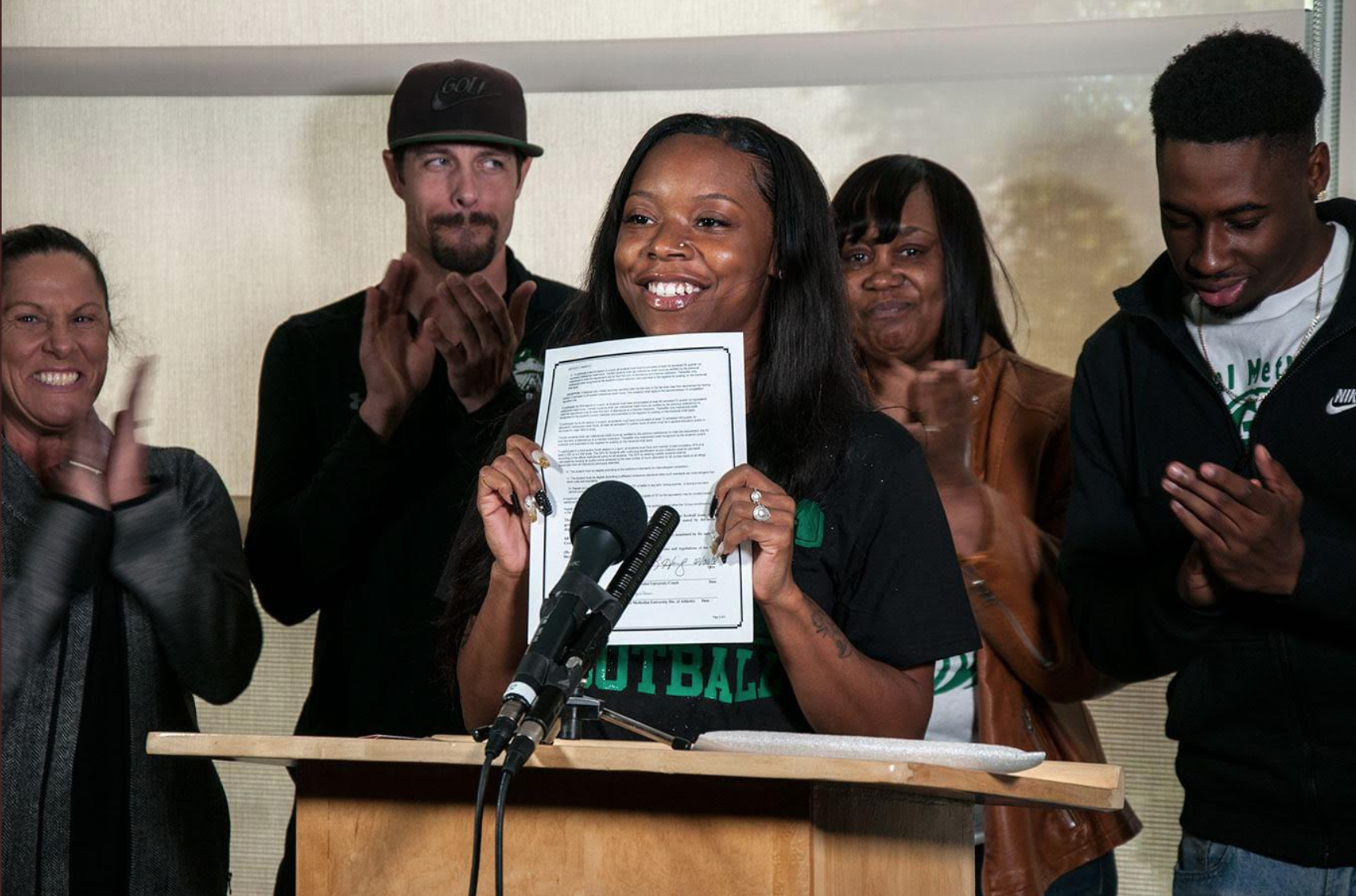
College student Toni Harris became the first woman to sign a letter of intent to attend a university on a full football scholarship. The 22-year-old defensive back dreams of becoming the first woman to play in the NFL and proving that it’s great to play like a girl.

One giant step for womankind: NASA astronauts Anne McClain and Christina Koch will be participating in the first ever all-female spacewalk. They’re scheduled to head out to space on March 29th, a great way to celebrate the end of International Women’s Month!

Where are all the women? New York City announced that it will add four statues of influential women in an attempt to combat the gender gap present in public art. The women to be memorialized include jazz singer Billie Holiday and pediatrician and activist Dr. Helen Rodríguez Trías.

Girl power for generations to come! Mattel is releasing a Barbie doll of activist, model, and Gurls Talk founder Adwoah Aboah. The doll will be part of Mattel’s “Shero” program, which highlights influential women like Ibtihaj Muhammad and Laurie Hernandez.

IMBDPro and the ReFrame coalition of industry leaders released a list of 20 films from 2018’s top 100 box office movies that are certified as gender-balanced productions. The list includes Crazy Rich Asians, The Hate U Give, and The Favourite. ReFrame hopes its data will celebrate and promote the films in Hollywood that have just as many women working on them as men.
MORE ON THE BLOG

C&C's Founder Shares Her Tips for Scoring & Succeeding at a New Job
“If you learn your boss’ love language, you'll be in a really good place.”

If you’re a regular Create & Cultivate reader (or maybe even a member!), you need no introduction to our founder, Jaclyn Johnson. The Forbes 30 Under 30 honoree started her own company at 23, then sold it in 2016. Now, at the helm of C&C, she’s helping women around the world create and cultivate the career of their dreams. And that’s exactly why she’s a member of our new Mastercard Women’s Business Advisory Council. Throughout the year, members of the council will be popping up at events and online with advice on how to get your small business off the ground—stay tuned to learn more!
Jaclyn shared with Teen Vogue the story behind C&C, the challenges she’s faced, and the best way to get on your boss’ good side—read an excerpt of the interview below.
TV: You started Create & Cultivate when you were still pretty young, and it became so successful in a relatively short amount of time. Some people might look at your journey and think you made it look easy. But in reality, what challenges did you face?
JJ: Well, it wasn't a short amount of time. That's something that everyone always thinks. But the first [Create & Cultivate conference] was in 2011, so it's actually been going on for over seven years. In terms of the growth, it's obviously grown a lot. But there's so much hard work and intensity behind it. For a while, I was running both companies: I had my old company, [marketing agency, No Subject] and Create & Cultivate at the same time. I was working 150-hour weeks balancing both teams, running both financials — it was so much and so intense. I mean, it's great it looks easy, but it definitely hasn't been that way.
TV: What about before Create & Cultivate — what were some of the biggest challenges you faced in the earlier years of your career?
JJ: [With] my first company, there were so many different challenges. Number one is trying to be the boss when you yourself don't have that much work experience — trying to navigate those waters and learn. At the the beginning, I took a lot of things personally and really didn't manage myself well because I was so invested in everything [and] I was so young and not equipped to handle things.
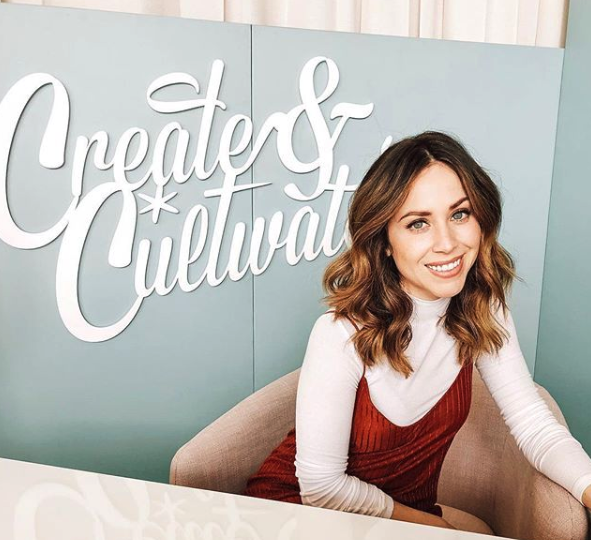


TV: How did you overcome those challenges?
JJ: Experience. You get better over time; it gets easier over time. You'll be a better problem-solver. You just have to go for it, make mistakes, and learn along the way.
TV: Did you ever have moments early in your career or when starting Create & Cultivate when people didn't take you seriously because you were young or because you’re a woman?
JJ: Oh yeah, all the time. Even [with] the AV guy today: I [asked], "Can we lower the music?" He said, "Who's asking?" And I said, "The person paying you." It happens all the time. People think I'm really young. [...] At happened at the beginning of my career all the time. It's one of those things where you just have to have the confidence and the presence of mind to put people in their place, move on, and keep focusing on your own stuff. Head down, focus on the work, and then you no longer have to prove yourself because you know deep down that you deserve to be where you are.
TV: It seems some people feel like when they’re in college, they already have to know their career path. What do you have to say to that?
JJ: In college I had no idea how many jobs there were out there. I think it's like, a lot of people are like, "Oh, I can be a doctor, a lawyer." Like you can be all ... You can be marketing, you can be in whatever. Now, it's so different because you can be a content creator, you can have four gig jobs that add up to your full time payment. You can kind of create your own career, and it no longer has to be the fact that you're going to be in a company for 15 years. You can start a company, you can be an independent contractor, you can be an influencer. So I think that now, there's so many paths, so I think [college is] really just about now college giving you the tools that you need to go into the world and know what you want to do.
TV: When someone is applying for their first job, what are some of the biggest dos and don'ts they should remember?
JJ: I think the biggest thing is a lot of people, when they go in for interviews, are thinking that they're the only one being interviewed. But the reality is you should also be asking questions in the interview as well and seeing if it's a mutually good fit for you. A lot of people come in and they're just answering all my questions, [and when I ask], "Oh, do you have any questions?”, [they say], "No." But there should be so many questions [you ask, like], “What's the culture here? What are the hours here? Do I have to travel? What's your goal for me?” The best interviews I've had are [with] women who also ask questions, so I think that's something to take note of.
“The reality is you should also be asking questions in the interview and seeing if it’s a mutually good fit for you. ”
TV: Can people negotiate in their first job out of college?
JJ: Oh, yeah, definitely. I mean, I think you have to go into it knowing what you need to live and save. What is that final number? And then try to get to that number. And then if you don't [get that] immediately, ask for a reevaluation in three months. Always ask for reevaluation in three months, because if you're crushing it in three months and they don't want to lose you, they're going to bump you up to what you want to be at.
TV: What are some of the biggest things you look for when you're hiring?
JJ: Team players. People who come in and would never say, "That's not my job." We want someone who can wear all the hats, be all hands, jump in, do things that are outside of the box, think creatively, [and] come to the table with ideas. Anyone who doesn't want to just be like, "I'm marketing, so I do marketing." [I look for] anyone who's like, "Hey, I'm going to jump in and take out that trash because it's full at the event." Or, "I'm going to jump in and go to this meeting for you because I know you're busy." Anyone who's down to do that — especially in a small company, it's vital.
TV: Aside from negotiation, once you're in your first job, what are the biggest dos and don'ts?
JJ: Number one is learn your boss’s communication love language. Are they a list person? Are they an email person? Are they a pick up the phone person? How do they communicate, and what kind of style do they like? Learn that and do that, because you want to be making your boss happy. If you learn their love language, you'll be in a really good place. I think that's number one.
Number two is working with your teammates to build rapport, because those are the people that are going to build you up and hold you accountable. Especially if you're going into a team that's been established for a while, what are the ins and outs of that team? What is everyone's function? How does everyone work together? [Learn] the rhythm of that group balance.
TV: What advice do you have for people who want to start something or have an idea but think they’re too green or too young?
JJ: No one's too green anymore. If you have an idea, if you're solving a problem, if you're excited about that, then go for it. [...] Big risk, big reward. But also, be strategic in the way you're approaching things.
TV: If you could go back and tell your college self one thing, what would it be?
JJ: I would say that you shouldn't be so hard on yourself. I think there's ebbs and flows. I went through so many crazy things in my twenties [that] I thought were the end of the world. And everything was fine. Everything happens for a reason, and enjoy the journey, enjoy the failures, enjoy the successes, enjoy the heartbreak, the enjoy the love that you get. Enjoy all those things. That's what makes you you.
MORE ON THE BLOG