
How The Founder of Media Giant Blavity Hustles Smart
“Fail fast, because the greatest lessons are born out of failures and mistakes.”

Morgan DeBaun is no stranger to brand building. In 2014, she left her full-time job at Intuit to launch Blavity, a media company for black millennials, and has since acquired Shadow and Act and Travel Noire—on top of launching 21Ninety, a lifestyle brand for women of color, AfroTech, a conference and site for black entrepreneurs, and M.Roze, a skincare line. So yeah—she’s kind of a total boss.
That’s why we’re thrilled to have Morgan joining our Mastercard Women’s Business Advisory Council. Throughout the year, members of the council will be popping up at events and online with advice on how to get your small business off the ground—stay tuned to learn more!
Below, Morgan shares why she launched Blavity, how she hustles smart, and the best piece of advice she’s ever received.
What are the common challenges you've seen among female business owners and entrepreneurs?
Being able to get into the room. There are still a lot of closed doors when it comes to women entrepreneurs, whether it be to pitch, or securing funding, it’s still very much a boys club. Hopefully, that will change in the near future with the number of women business owners and entrepreneurs consistently growing.
What was the turning point that convinced you, “It's time to take matters into my own hands? The world needs Blavity.”
It was after the death of Mike Brown. Almost every media source painted this kid out to be a monster, all while his body still laid in the middle of the street. Too often we see the narrative around people of color go from bad to worse in the media before real facts have been presented. Blavity was created to change that.
When you run into a career obstacle, how do you find new roads?
I find new roads by going back to the drawing board and revisiting the original vision. That usually helps me get back to aligning myself with my goals. In doing so, I almost always come across new avenues and alternative ways to get to the job done.


What is your biggest pet peeve?
People who talk a lot about what they want to do instead of just doing it. Actions speak louder than words and execution is everything.
What does the concept of #hustlesmart mean to you?
To hustle smart means to put in the work needed, but doing so efficiently and effectively, so that time, energy and resources aren’t wasted along the way. Sometimes I think people take pride in being “busy” and “working hard.” If you can accomplish the same outcome with less work isn’t that a better outcome?
"Actions speak louder than words and execution is everything."
How has your relationship to that concept changed over the last five years?
I have a team now. We still hold the concept in high regards, but with more brain power, it has become easier, in a way. We work together and are able to pick up on each other’s blind spots, so that makes the process of executing ideas a lot smoother than being alone in my one-bedroom apartment trying to do everything on my own.
What are your biggest fears about running a business?
If I had to take a stab at it, I would say that taking too long to recognize that a project or idea or system just doesn’t work. I love the quote “fail fast” because the greatest lessons are born out of failures and mistakes.
Fail fast, because the greatest lessons are born out of failures and mistakes.
What about your career makes you feel the most complete?
I feel most complete being able to employ people who are underdogs and deserve to work in a space where they can be their full creative selves.
If you had to trade jobs with anyone else in the world, who would it be and why?
I wouldn't. I’m proud, and very much still in awe of what my team has done in the short years that Blavity has existed. I wouldn’t want to be anywhere else.
At what point in your career did you find the confidence to really take charge and become the woman you are today?
It was when I decided to quit my job at Intuit and pursue Blavity full time. It was all sorts of scary and nerve-wracking but I never looked back. I think that when you find something that you’re really passionate about that you’d be willing to do for free then it makes everything that comes after less scary.
What's the best advice you've ever been given? Or your favorite piece of #realtalk?
Stop asking for permission and just do it.
What song do you sing in the shower when you’ve had a bad day?
Beyoncé - "Formation"
Photo Credit: @davisfactor and Morgan’s Instagram
Hair & Makeup: @SmashboxCosmetics @TheGlamApp @TheOuai
MORE ON THE BLOG






FYI: How to Kill it at Kickstarter
Kick start your Kickstarter.

Thompson Street Studio by Robin Stein
In 2014, I funded the launch of my magazine, Knit Wit, via Kickstarter (it actually went almost $10k over my goal). I’m happy to share with you a few ideas and revelations I have had about how to do it—and successfully.
There are plenty of ways to fund a project or business, right? You can dig into your wallet or credit rating, look for an investor (or several), build the business slowly and organically over time, or you can, like I did, turn to crowdfunding. I happen to like the last two ways best, especially if your product, service or whathaveyou doesn’t require a ton of up-front capital in its essence (like a startup, restaurant, real estate, etc.). Both strategies allow for the market to immediately prop up and drive your success. Plus, you won’t be beholden to anyone (which rules!).
But, what can be stressful about turning to the masses is that your 1.0, your Beta, needs to be pretty spotless. You need to be ready for Prime Time at 8 in the morning. You have, in the eternal words of Eminem, one shot (one opportunity). A lot of Kickstarting a project successfully relies on your ability to leverage your network—and believe me, these people don’t want to hear from you twice. Make sure this is The One and then hustle to make it happen. Below are some of the ways I made sure my project was successfully Kickstarted. There are a number of different crowdsourcing options out there. I chose Kickstarter because its a household name, which means I could safely assume everyone I know (and everyone they know) already understands what it is. Also: I’m just really into how high stakes it is. But that’s a personality thing.

Shearling round-up by Tony Accosta
1. Start early.
I started Kickstarting Knit Wit a year before the campaign launched. Not literally, but going out and finding our audience on social was crucial. I invited followers behind the scenes and created excitement around the magazine well before I had even figured out how much money we would need. I started our social accounts October 2013, our campaign ended September 2014, and when we finally did hit “go” on our campaign, our early adopters were already waiting for us. (And excited to spread the word, as well.)
2. Broadcast your process.
If you’re doing high quality work and it’s gaining momentum, people will want to be a part of that. Talented people start appearing, looking to join in. Friends make crazy-helpful introductions. For example, a friend knew two people who work at Kickstarter and got me in touch. They answered lots of my questions and gave some valuable advice (see #3, below). Plus, when we finally launched, they were well aware of our campaign, saw it doing well, and ended up featuring it on the site.
3. Do exhaustive comps… And then take it a step further.
Make sure you really understand what has worked well for similar projects—and then figure out how you can improve. Originally, we weren’t going to do a video. Cherry Bombe didn’t do one and besides, I figured, aren’t Kickstarter videos pretty boring and not super shareable anyway? Our friendly Kickstarter contacts had some convincing stats about videos and funded projects, and urged me to do whatever I could to give my project the best chance of success (remember: one opportunity, right?). I ended up pushing our launch date and putting together a video that felt more true to the projects, like an advertising spot (with heavy influence from late ‘90s Nickelodeon, doi).
4. Check out Kickstarter’s resources.
Kickstarter’s Handbook is extremely helpful and is a great primer to figuring out how the whole thing works. It even tells you some successful strategies to try. And those two helpful Kickstarter employees I spoke to? Little known fact, but every section has a “community manager” and they are available to answer your questions. No insider friend-intro actually needed.

Ambika Conroy by Daeja Fallas
5. Really know your money.
This is the most important one. Making sure that you’ll have enough money to fund your project and fulfill your supporter gifts is one thing (don’t forget shipping!). But if you really, truly only want to do this once, you’ve also got to figure out how much you’ll need to sustain your project moving forward. If you’re having trouble crunching the numbers, I deeply recommended finding a friend, colleague, advisor, someone to help you sort it out. (But remember, don’t ask for too much! People can be turned off by if they perceive the amount as extravagant.)
6. Leverage your network.
If you followed my advice in #1, by the time you launch your campaign, you’ll already have a devoted pack of followers ready to campion you. That’s a great first step. Next is your personal contacts. Divide them into groups (the smaller the subset, the more you’ll keep their attention) and make your pitch via email. Here’s the golden rule of leveraging your personal network: Don’t ask for their money. Not only does it make everybody feel weird, but it’s not what you want. What you want is for them to help you find and broaden your audience, so ask your friends, family and colleagues to share your project on their social accounts (or via email or via carrier pigeon, whatever). It’s free for them, they’ll be happy to do it (see #2) and it won’t be weird. Don’t be weird.
7. Get great press.
To reach lots of people really quickly, you’ll need some targeted and strong press. Make a list of every site that’s relevant to your project and find out if you share any mutual friends with editors, writers, etc. You probably do. Don’t include those people in the mega-ask above. Instead, see if they’re comfortable with an introduction and make sure you thank your friend with a free whatever-your-making later (cost depending, of course).
8. Don’t forget where you came from.
Once your project is funded, you’ll be overflowing with gratitude and warm-fuzzies. Don’t lose that feeling. Completed Kickstarter campaign pages have been recently redesigned to look like blogs because your supporters want—they deserve—some special treatment. Write them updates on your project, exclusive behind the scenes, even some discounts. Your supporters are your people—they turned out when you needed them and they helped you get your project (remember, The One) off the ground.
All images from Knit Wit issue 3, available this month.

Zinzi Edmundson is a Los Angeles-based insufferable multihypenate. In 2014 she co-founded Knit Wit magazine. She is a freelance writer and creative consultant; she is also in a band called Kisses.
MORE ON THE BLOG
C&C Classifieds: twelveNYC, BOXFOX, Create & Cultivate, & More!
Stress no more, your job search will soon be over.

Stress no more, your job search will soon be over.
twelveNYC - Brooklyn, NY
Create & Cultivate - Los Angeles, CA
Participant Media - Los Angeles, CA
Too Faced Cosmetics - Irvine, CA
Modcloth - Los Angeles, CA
ROSEWOOD Creative - Los Angeles, CA
Ayzenberg - Los Angeles, CA
Natural History Museum of Los Angeles County - Los Angeles, CA
Wolf & Badger - New York, NY
Pinterest - San Francisco, CA

Popular Motivational Quotes, Rewritten by a Visionary LA Entrepreneur
“All it takes is a big idea and a little crazy.”

Sonja Rasula is a busy woman. As the CEO and founder of Unique Markets, The Unique Camp, and The Unique Space, she runs a pop-up marketplace, co-working space, and conference for creatives and innovators—all at once.
She's also the owner of the above quote, which has been inspiring C&Cers for a few years now. Because Sonja is pretty much always full of the wisest of words, we’re so excited to have her join our Mastercard Women’s Business Advisory Council. Throughout the year, members of the council will be popping up at events and online with advice on how to get your small business off the ground—stay tuned to learn more!
To show off Sonja’s knack for motivational speech, we had her rework some of our favorite inspirational sayings. Check ‘em out below for a little workweek motivation:
Original: Success comes to those who wait.
Sonja’d: Success comes overnight.
Original: Do one thing every day that scares you.
Sonja’d: If it's easy, you're not doing it right.


Original: You can do it, put your back into it.
Sonja’d: UM, I WOULD SAY EXACTLY THAT!
Original: People who are crazy enough to think they can change the world, are the ones who do.
Sonja’d: All it takes is a big idea and a little crazy.
Original: Whether you think you can or think you can’t, you’re right.
Sonja’d: You are your biggest critic—let go. Become your biggest cheerleader.
Original: Done is better than perfect.
Sonja’d: Dreamers dream. Doers get shit done.
What’s your favorite saying? Share in the comments below!
MORE FROM OUR BLOG

How This Former Model Became Premium Denim’s First Female Founder
“It takes a lot of hard work and discipline to be successful and stay successful.”
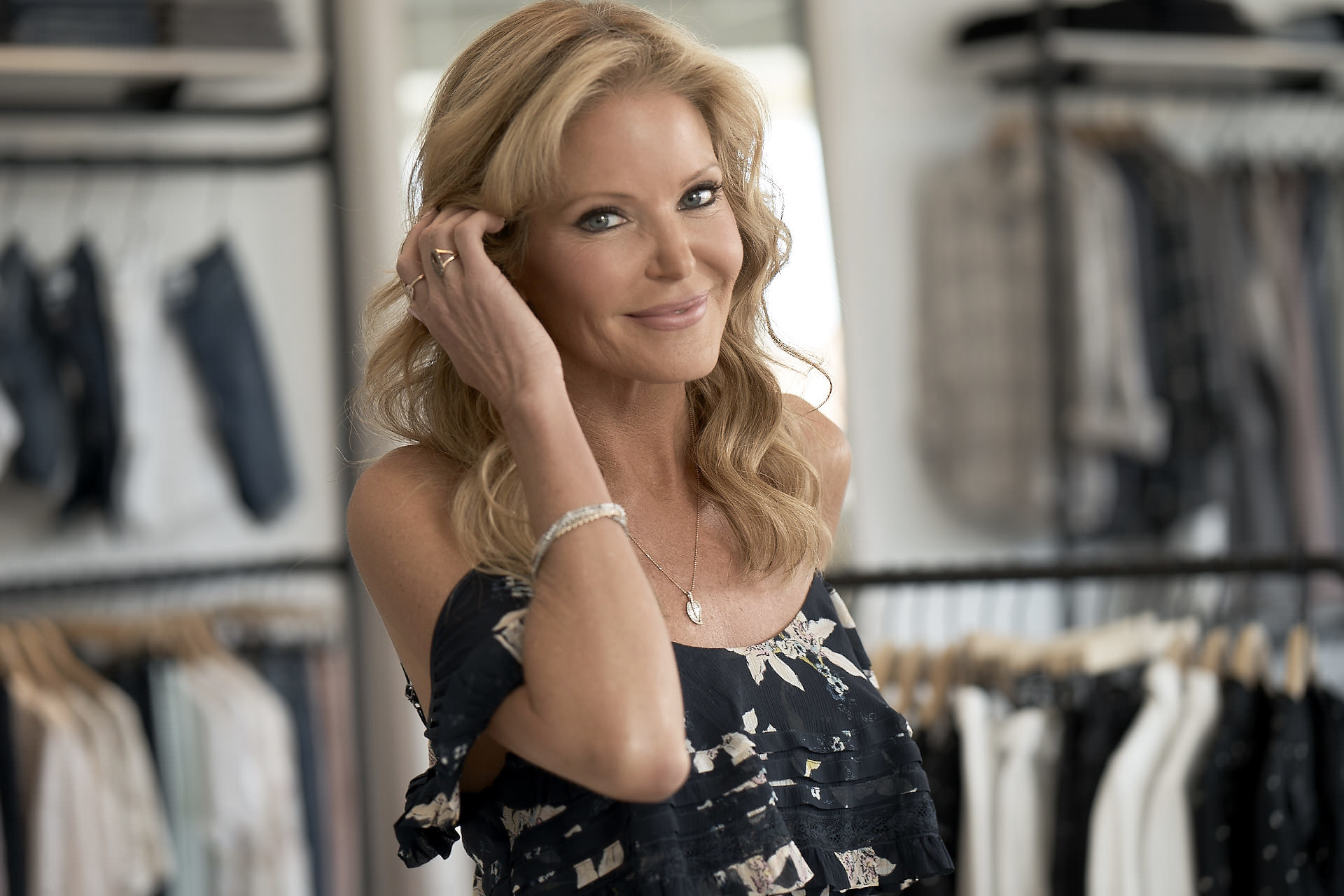
Paige Adams-Geller knows a thing or two about fashion—but she knows even more about how to run a business. A former model, Paige founded PAIGE, a denim and lifestyle fashion company,15 years ago—and she’s been sharing her journey as a woman in fashion and entrepreneurship ever since.
Below, Paige shares the best advice she’s been given, her hopes for the fashion industry, and how your business can leave a mark on the world.
What does it mean to you to be the first female founder in premium denim?
I am honored and proud to be the first female founder in the premium denim world! It means so much to me. I feel I have always been a risk taker, and when my heart is passionate about something I give it 1000 percent. I also believe being a pioneer is part of my spirit. I’m a small town girl from Wasilla, Alaska and feel like I have been able to pave the way and set an example for other women and young girls who have big dreams – showing them that all things are possible. There are no limitations and no mountains they can’t climb!
What has been your proudest moment since starting PAIGE?
My proudest moment since starting PAIGE was when we reached a level of success where I was able to have a platform to use my voice. I have had the ability to help others through sharing my personal stories of overcoming adversity. It has also been a pleasure of mine helping others within the company reach their own personal and professional goals in the business.
What is one thing you wish more people knew or understood about the fashion industry?
I wish more people understood how tough the fashion industry is. It moves so fast, and it is so competitive. It takes a lot of hard work and discipline to be successful and stay successful. It’s not all about events, parties, and playing dress up. Don’t get me wrong... it is fun! But to be successful you have to take it very seriously.
“It is important to protect your brand and keep a clear eye on the voice of what you stand for.”
What is the best piece of advice you’ve ever been given? What’s the best piece of advice you have to give to young entrepreneurs?
The best piece of advice I have been given is to stay true to what I believe in and to keep my eye on the big picture. Slow and steady wins the race. I’ve never wanted PAIGE to be a one hit wonder. I want PAIGE to be an iconic lifestyle brand that is here for years to come.
The best advice I have for young entrepreneurs is to leave a legacy. It is important when you have a brand, to protect your brand and keep a clear eye on the voice of what you stand for. You can’t be everything to everyone.
You’ve been very open about your sexual assault story, and PAIGE is involved in multiple philanthropies. Do you believe all businesses have a responsibility to give back in some way?
Absolutely! I believe that businesses need to pay it forward. I have worked hard to get where I am, but I would not be here without the help of others. The Rape Foundation gave me my voice back. And when I found my voice I was strong enough to start a brand where I could empower others and create a safe work environment. That is very important to me. With that being said, I also want to be able to give back what I can to my heroes.
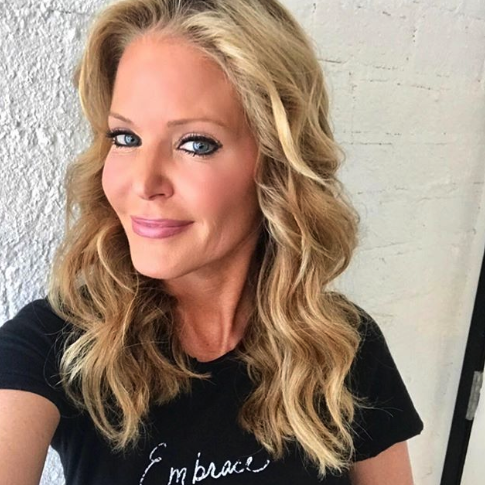

PAIGE is almost 15 years old! How has the brand—and your own style—evolved over the years?
I can’t believe I have a teenager! Hahaha. We gave birth to PAIGE 15 years ago, and so much has changed and evolved. The brand started out as just denim for women and has evolved into a full California lifestyle brand for men and women – and last Fall we launched women’s shoes! As much as the brand as evolved, my personal style hasn’t changed much – it’s always been feminine and sexy with a little bit of edge. Whether I’m wearing denim or a dress... I love pairing them with a leather jacket and a sexy boot or shoe. If one thing has changed, it would be that I wear sneakers or flatter boots more than I used to! I like to walk around the cities we travel to for work so I’m not in stilettos as much!
What’s one thing you hope will change about the fashion industry in the future?
I hope the fashion industry will change with people going back to the enjoyment of visiting stores more! Even though I embrace and love online shopping, I still need to get out and see and feel and touch clothing and shoes! I also hope inclusivity is not a trend and that women and men of all shapes and sizes will always know that they have an equal place in fashion.
What’s your go-to outfit when you want to feel your most confident?
When I want to feel confident, I wear black jeans, a silk georgette blouse, a leather jacket, and boots with edgy hardware details.
What and/or who inspires you?
I’m inspired by people who take risks and who are authentic and vulnerable.
What’s next for PAIGE?
I’m a dreamer and continue to dream beyond what is the obvious of today! I see no boundaries in our future. I want to continue creating and enjoy the adventure!
MORE ON THE BLOG

Our 5 Favorite Email Marketing Platforms
Send, convert, profit.
Whether you have a business in place or just the inkling of an idea, it’s never too early (or late) to beef up your communication with customers. Long gone are the days of spending money on print ads. With the creation of email, it has never been easier to find someone looking to buy what you’re selling.
These five email marketing sites are just waiting to help you and your business connect with that next dream client.
Mailchimp

Mailchimp was made for getting your feet wet. You can start using the site free of charge if you have 2000 subscribers or less. As your contacts list grows, you can upgrade your account at any time to either the Grow or Pro Plan without affecting your existing account. Mailchimp offers unique and easy-to-use design templates as well as Facebook and Instagram ads to match. If you’re still into physical mail, they also have a postcard option, so your customers’ mailboxes can get some love, too.
HubSpot

HubSpot believes in businesses building better relationships with their customers, which is why they offer a completely free option known as HubSpot CRM (customer relationship management). It offers the ability to email up to one million contacts, so you never have to worry about outgrowing it. While HubSpot CRM remains free forever, you can build upon it with any (or all) of the three extensions: Marketing Hub, Sales Hub, or Service Hub. HubSpot also offers Instagram and Facebook ads along with their emails.
Constant Contact

Constant Contact not only formats emails for desktop, they also have your phone in mind (because let’s be honest, we all check email on our phones). With templates for both desktop and phone, you can easily personalize your emails to look professional and enticing on all sorts of devices. While it only offers a 60-day free trial, the most basic plan on the site starts at $20 a month. Want to make your subscribers feel like family? There’s also the option of sending out specialized emails for birthdays, anniversaries, and other special occasions.
Drip

Drip sells itself as the first e-commerce customer relationship manager, and it focuses on how best to get a customer to buy your product. With multiple app integrations, Drip can be tailored to meet your needs. Individualized messages can be sent to customers to help build meaningful relationships, as well as specialized Facebook ads and postcards. Drip’s basic plan starts at $49 a month and can support up to 2,500 subscribers.
SendinBlue

SendinBlue will help you create the professional newsletter of your dreams. Simply drag and drop the sleek and clean design blocks to create your own template. The system uses an algorithm to help you send emails out at the best time for each of your customers, so you reach them when it’s most convenient for them (and effective for you). SendinBlue’s free plan allows you to send 300 emails a day and is GDRP compliant as of May 2018.
Do you have another favorite email marketing service? Share with us in the comments!
MORE ON THE BLOG
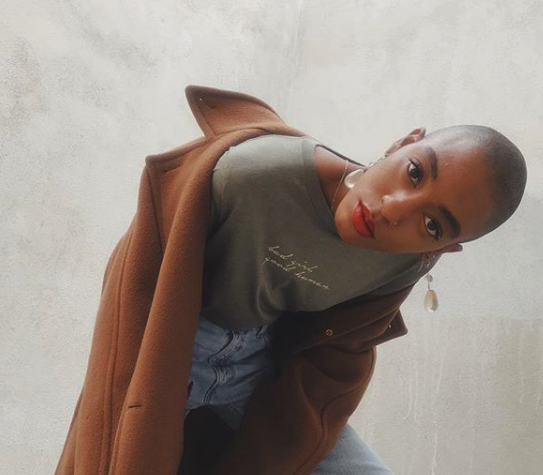
#GirlCrush: 5 Small Business Owners We're Loving This Month
Want it, need it, gotta have it.
We’re back with a whole new #GirlCrush guard! (Missed it last month? Check it out here!) This month’s featured women are cool, creative entrepreneurs who are making waves in fashion, art, jewelry, and housewares. Check ‘em out below, and if you see something you like, click through to support their work! 💅🏼
Orixa Jones, Bad Girl Good Human
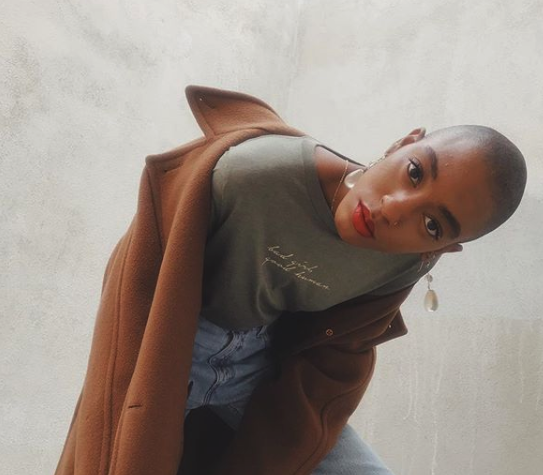
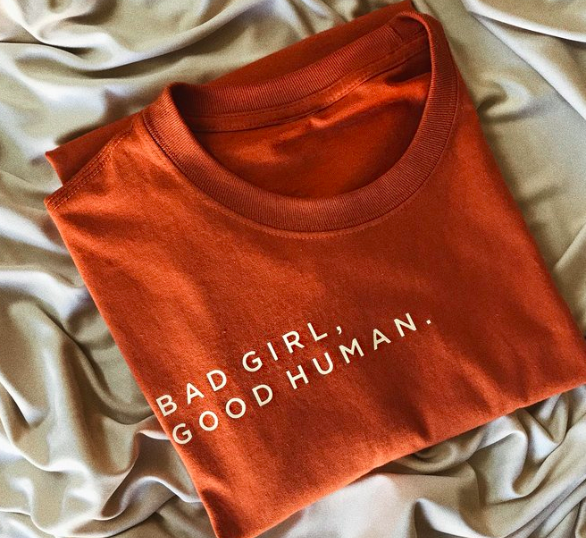
Orixa created Bad Girl Good Human, a carefully-curated clothing line, to encourage women to live outside the box, speak their truth, and embrace their duality. “I’m just here to relay the message,” she says.
Tina Huang, Ren·Vois
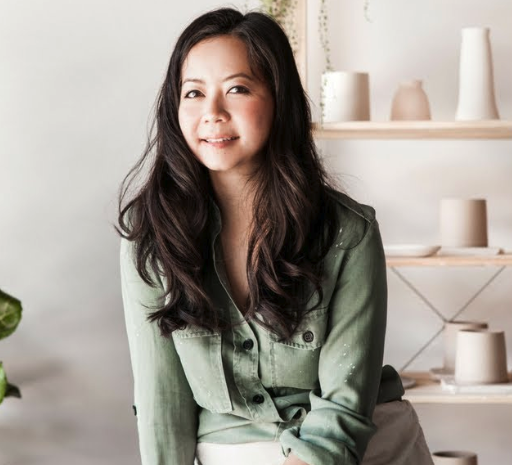

Few things are more relaxing than watching Tina make magic on the pottery wheel. Her line of sophisticated clay ceramics—in both warm neutrals and spunky shades like millennial pink—are about as Instagrammable as it gets.
Michelle Robinson, Mister Michelle
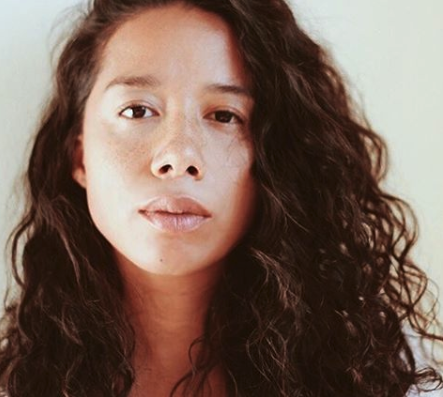
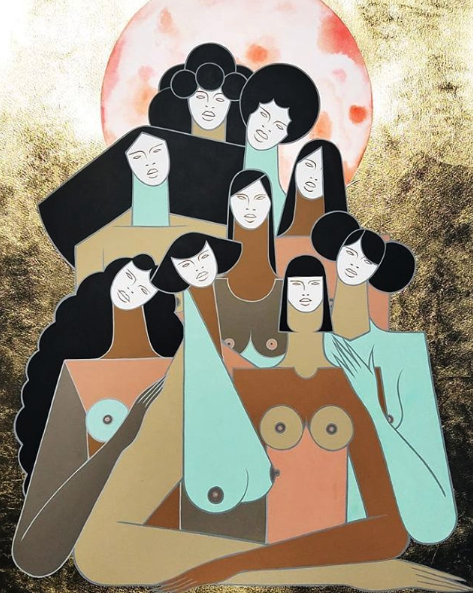
We’ve had a girl crush on Mister Michelle for years. Her paintings illustrate the female form in a way that feels both empowering and evocative. “Create based on what makes you feel alive,” Michelle says. “Never apologize to anyone for your personal transformations.”
Eloisa Ribeiro, The Wolf Nest
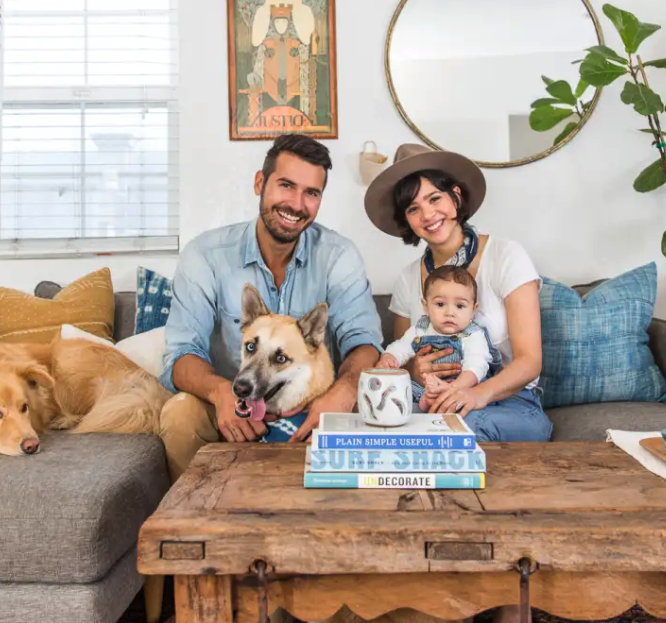
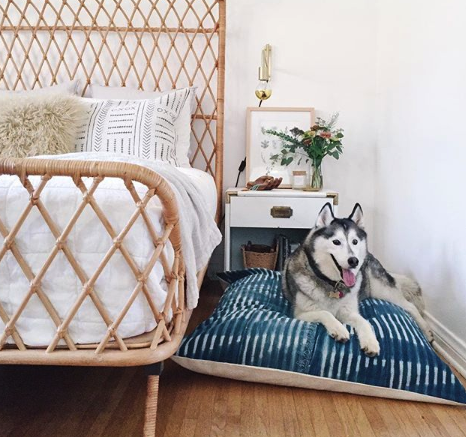
After struggling to find beautiful, high-quality bedding for her dogs, Eloisa launched The Wolf Nest to create her own. The company’s products are handmade from excess fabric that would otherwise wind up in landfills, and a portion of profits are donated to LA-based animal rescue centers.
Bliss Lau, Bliss Lau
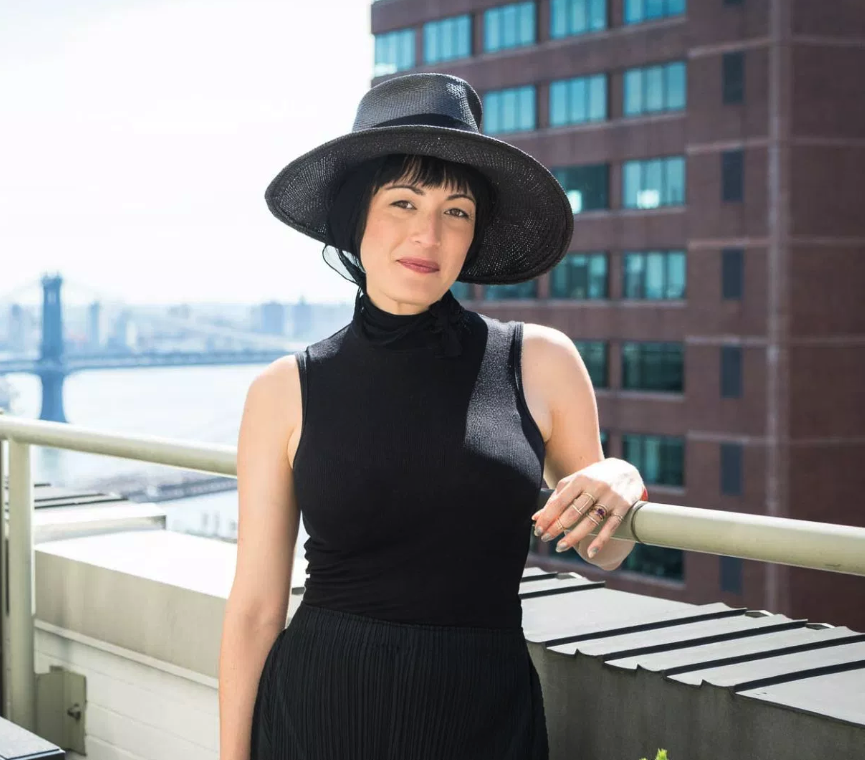
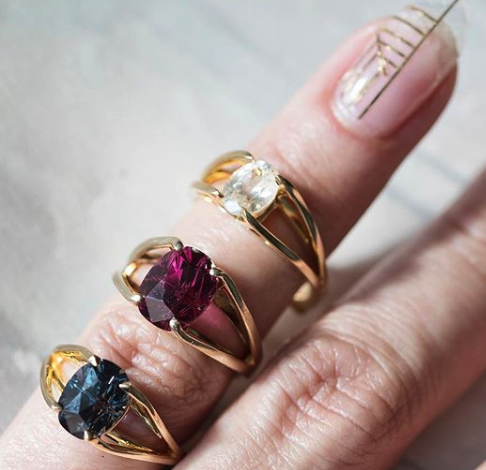
Remember that amazing body chain Beyoncé wore in her Drunk In Love music video? Yep, that was Bliss’ work. On top of running her stunning eponymous jewelry line, Bliss also teaches workshops and branding classes around the world.
Who are your small biz #girlcrushes? Slide into our DMs with your faves!
MORE ON THE BLOG

5 Networking Event Tips for Introverts
Being an introvert is a networking strength!

Photo by Canva Studio from Pexels
What do you do if the mere mention of networking makes you cringe?
Know that you’re not alone. Up to half of Americans are introverts, according to Susan Cain, author of Quiet: The Power of Introverts in a World That Can’t Stop Talking.
As someone who used to struggle with social anxiety, here are six tips that have helped me go from being too intimidated to ask where the ladies’ room is to establishing long-lasting professional relationships.
Networking is essential for thriving in your career and no matter who you are these networking tips for introverts will help!
1. Get to the networking event early.
Picture two scenarios: In the first, you arrive midway through a large networking event to find a room full of people deep in conversation. In the second, you’re one of the first people to arrive, so you meet the hosts, who then introduce you to the other few people there. An introvert might like the anonymity of blending into the crowd in the first scenario, but the second offers a less stressful opportunity to connect.
When you arrive early to an event, you’re less frazzled and can get the lay of the land. You’re also more likely to meet the organizers, who will serve as great contacts. They’ll want to see people mingling at their event, so they’ll be apt to introduce you to others. Even if the hosts don’t personally introduce you, it’s easier to enter a small group than to break into a larger one. That small group is probably looking for a new person to meet—and that person is you!
2. Give yourself permission not to talk to the entire room.
There’s usually at least one person in the crowd who makes it their mission to meet every single person in the room. Sometimes these people are social butterflies who are eager to truly connect with people and may even help introduce you to other people in the process. Usually, though, they’re more like vultures, circling the perimeter and then “preying” on people by interrupting conversations to talk about themselves.
Focus on introducing yourself to the people you actually want to meet. It’s more valuable to make genuine connections with four people who will remember you and what you can offer as a colleague than it is to meet forty people who won’t remember you at all. People you’ve had authentic conversations with will be more invested in helping you achieve your career goals.
3. Use the buddy system.
An extroverted wing-woman can offer support and help introduce you to new people. Just make sure you don’t latch on to this person. Instead, occasionally check in on each other. Let them know what type of people you’re hoping to meet. If they happen to encounter someone in that position or with that opening, they know to introduce you.
If you decide to fly solo at an event, you can still work the buddy system. Once you’ve established a connection with someone who may also be attending alone, you can take turns introducing each other to new people. This makes introductions much more natural. It also allows you to potentially double the amount of people you meet.
4. Don’t worry about talking about yourself.
It may sound counterintuitive to focus on someone else when networking, but shifting your focus to the person you’re talking with has psychological and business benefits. Asking the other person what their needs allows you to build a rapport, and by listening to their answers, you’ll be able to discern how your skill set can best help their business. It’s a win–win. They no longer have to use their imagination to figure out if your cold-pitch matches their business needs. Instead, you’ll be able to offer them the solution they’ve been looking for because you’ve actually listened to their needs.
5. Get the other person’s business card.
Ever meet someone whose sole goal seems to be to get rid of every last one of their business cards? Anyone who does this is the human equivalent of a pop-up ad: intrusive and insincere. Only once you’ve established a meaningful connection with someone should you exchange business cards.
Flatter others by asking for their cards. This not only ensures you can keep the conversation going afterward, it also means that when you follow up, you come across as confident, proactive, and organized. This allows you to operate from your position of strength: from your quiet home, you’ll be able to take your time as you write an email to your new contact. Drop them a line letting them know you enjoyed the conversation, bringing up something you talked about together. Then, let them know if there’s a specific way you can offer help, before making your polite request—whether it’s to meet for coffee or if they could introduce you to their hiring manager for the job opening they’d mentioned.
Being an introvert is a networking strength!
Stephanie Nikolopoulos is the coauthor, with Paul Maher Jr., of Burning Furiously Beautiful. For more information, visit: StephanieNikolopoulos.com.
This post was published on March 2, 2019, and has since been updated.
MORE ON THE BLOG

How a Mission-Focused Mindset Made ClassPass the Beloved Brand It Is Today
“To this day, iteration and a constant quest for even more ways to accomplish our mission remain core to our company’s DNA.”

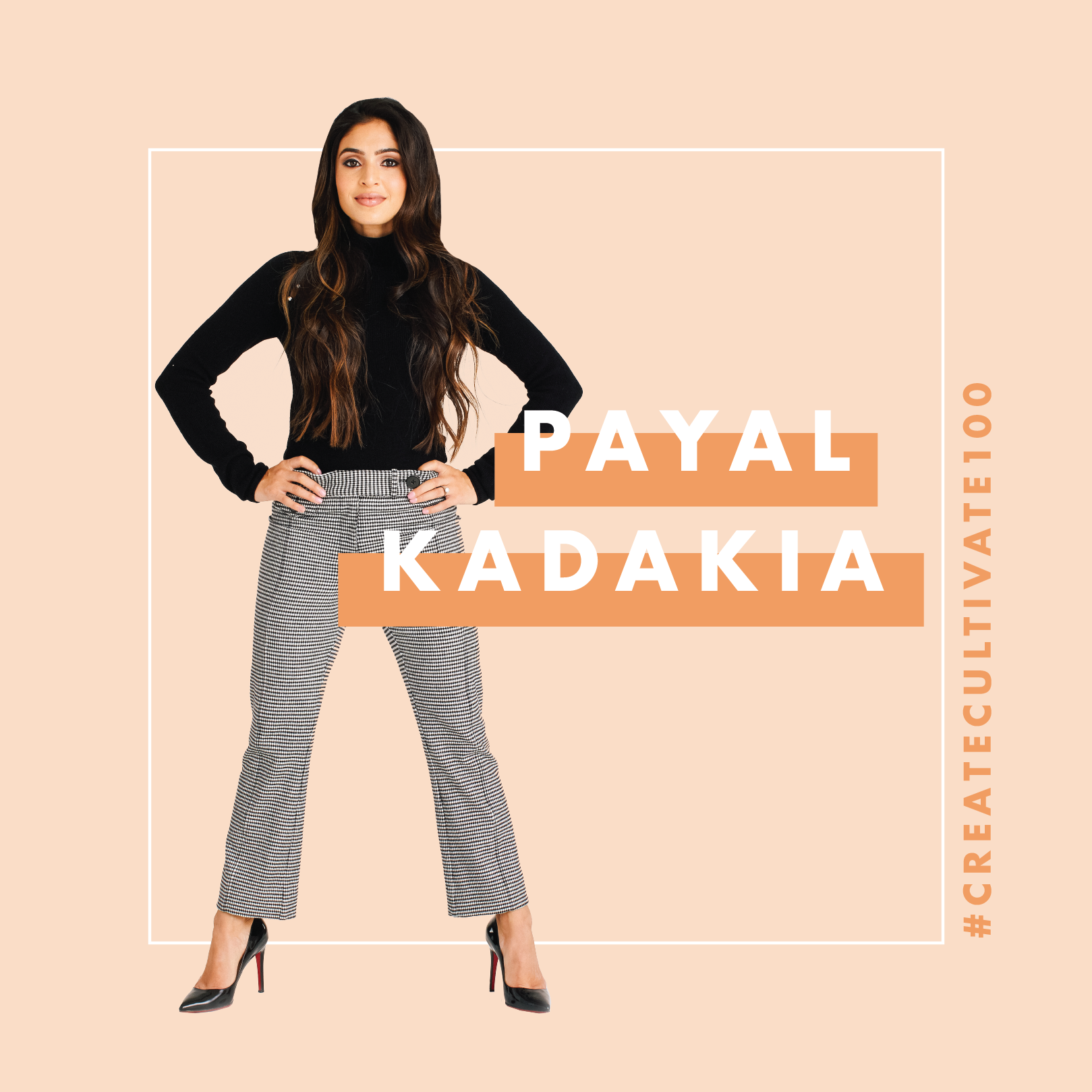
Payal Kadakia is a woman to watch. As the co-founder of ClassPass—the subscription-based fitness platform—Kadakia just raised a mega $285M in funding from investors in Peloton and Equinox since founding the company in 2013. This puts the female-founded startup in unicorn territory with its new valuation of $1 billion (following in the footsteps of Rent the Runway’s Jennifer Hyman). And making this news even more badass, Kadakia is nearly nine months pregnant.
The money will help ClassPass’s expansion internationally, its corporate wellness offering as well as continue adding wellness activities such as facials and massages to its existing markets—we can’t wait to see what Payal does with the company next. Payal’s innovation and tenacity are exactly why she’s a member of our new Mastercard Women’s Business Advisory Council.
Below, Payal shares advice for young women looking to build their entrepreneurial dreams just like she did.
What was your “aha moment” when founding ClassPass?
After I graduated from college, I found it challenging to nourish my love of dance while working in traditional jobs. By most standards, these were great jobs, but they weren’t great for me because they prevented me from pursuing my passion for dance. In 2010, I visited San Francisco and met incredible entrepreneurs. My first “aha moment” was meeting them and realizing that I, too, could build a company.
My second “aha moment” came 36 hours later. I was searching for a ballet class to take after school and found the online search process to be cumbersome and miserable. Since I was in the mindset to look at challenges as startup opportunities, I was able to quickly realize that this frustration was a business idea: to create a company that makes it easy for people to try new classes and pursue their passions.
You went through a rebrand in the early stages of starting your business and switched up the business model. Were you confident this was the right decision? How did you navigate any doubts you had?
I was always confident because I was mission-focused, not product-focused. I knew there had to be a way to fulfill our mission of reconnecting people with their passions, so I was willing to keep iterating on our product and business model until we found the right approach. To this day, iteration and a constant quest for even more ways to accomplish our mission remain core to our company’s DNA.
How has fitness and staying active made an impact on your life?
In more ways than I can possibly calculate -- fitness has made me who I am, and it quite literally paved the path for me to found ClassPass! The same way you need to challenge your mind, you have to challenge your body to continue to let yourself know you can achieve anything you put your mind to.
Who was the first person you hired for your business, and how much of a difference did it make?
Soon after I got the idea for ClassPass, I bought a URL, bounced the idea off of friends, secured an angel investment, and was joined by my childhood friend Sanjiv Sanghavi. These early decisions were crucial, especially the decisions that led me to exactly the right angel investor (my mentor Anjula Acharia) and the right co-founder. Early on when your business is little more than an idea, it’s crucial to be joined on that journey with people you trust, with whom you can work well under pressure, and who share your vision.
What are the common challenges you've seen among female business owners and entrepreneurs?
I’d love to see more successful female role models. If more women see other successful women accomplishing their dreams, they’ll dare to aspire to reach their dreams as well.
When you hit a bump or hurdle in your career, how do you find a new road + switch gears to find success?
I don’t fit well in a box, and I’ve often found that I need to question professional norms, such as titles and other artificial notions of prestige, in order to determine what’s best for me. When I reach a hurdle I’m not sure how to cross, I enlist the advice of my trusted mentors, but ultimately I also trust my instincts.
“Early on when your business is little more than an idea, it’s crucial to be joined on that journey with people you trust, with whom you can work well under pressure, and who share your vision. ”
What’s the best piece of #realtalk advice you’ve ever received?
Early on, when I was just getting started, my mentor and angel investor Anjula Acharia told me that if I wanted to make ClassPass work, I had to quit my job. Building your dream can’t be a part-time endeavor; you have to pursue it with everything you’ve got.
What are two qualities you think every entrepreneur needs in order to be successful?
A purpose and a lot of persistence!
Whose career is inspiring you today?
My fellow female entrepreneurs, including Jessica Alba, Jenn Hyman, and Katrina Lake, among others. I hope this list just keeps getting longer and longer!
MORE ON THE BLOG

How #MeToo Has Changed The Way This CEO Runs The National Domestic Violence Hotline
“If I am not my best, then I am not serving survivors the best I can.”
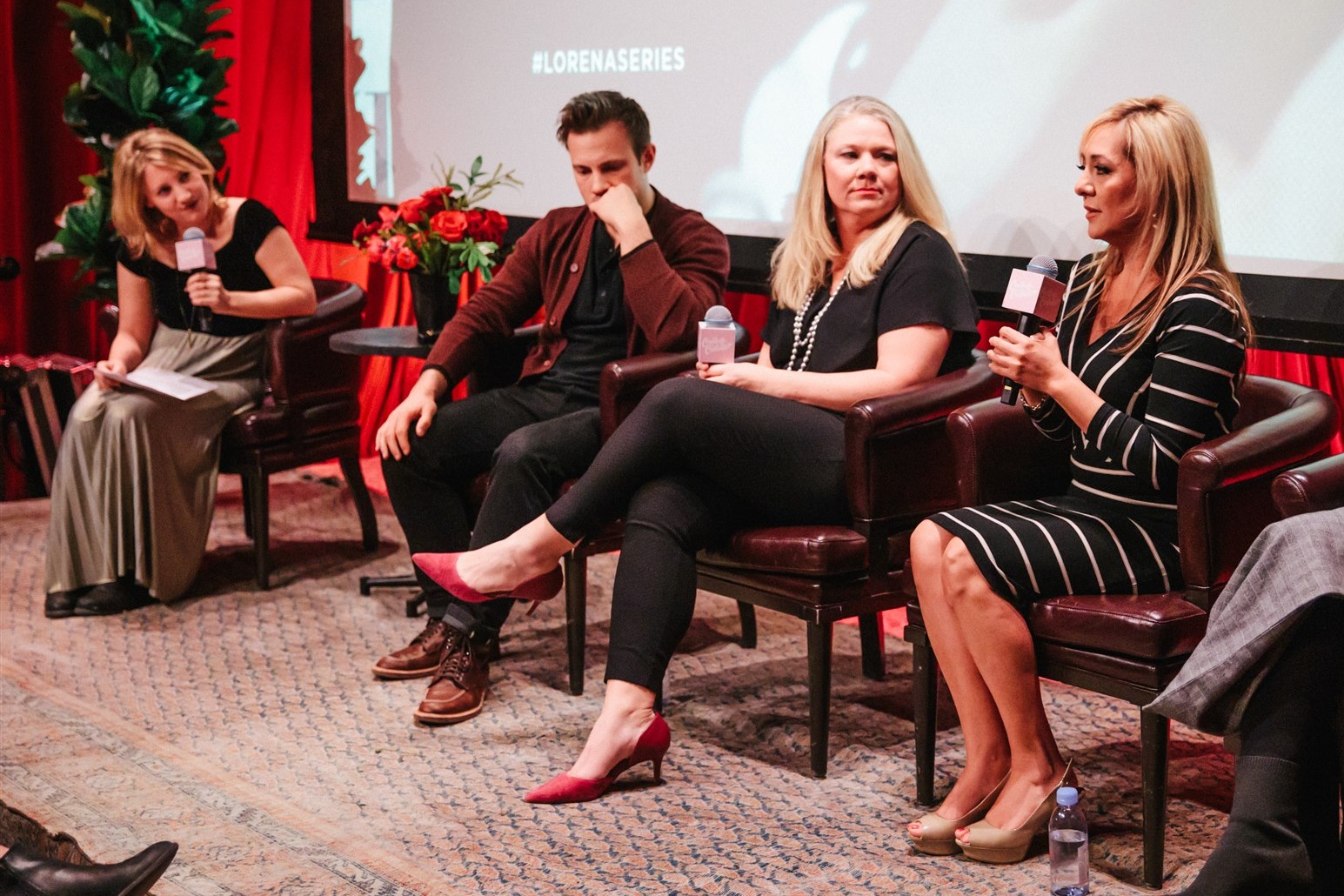
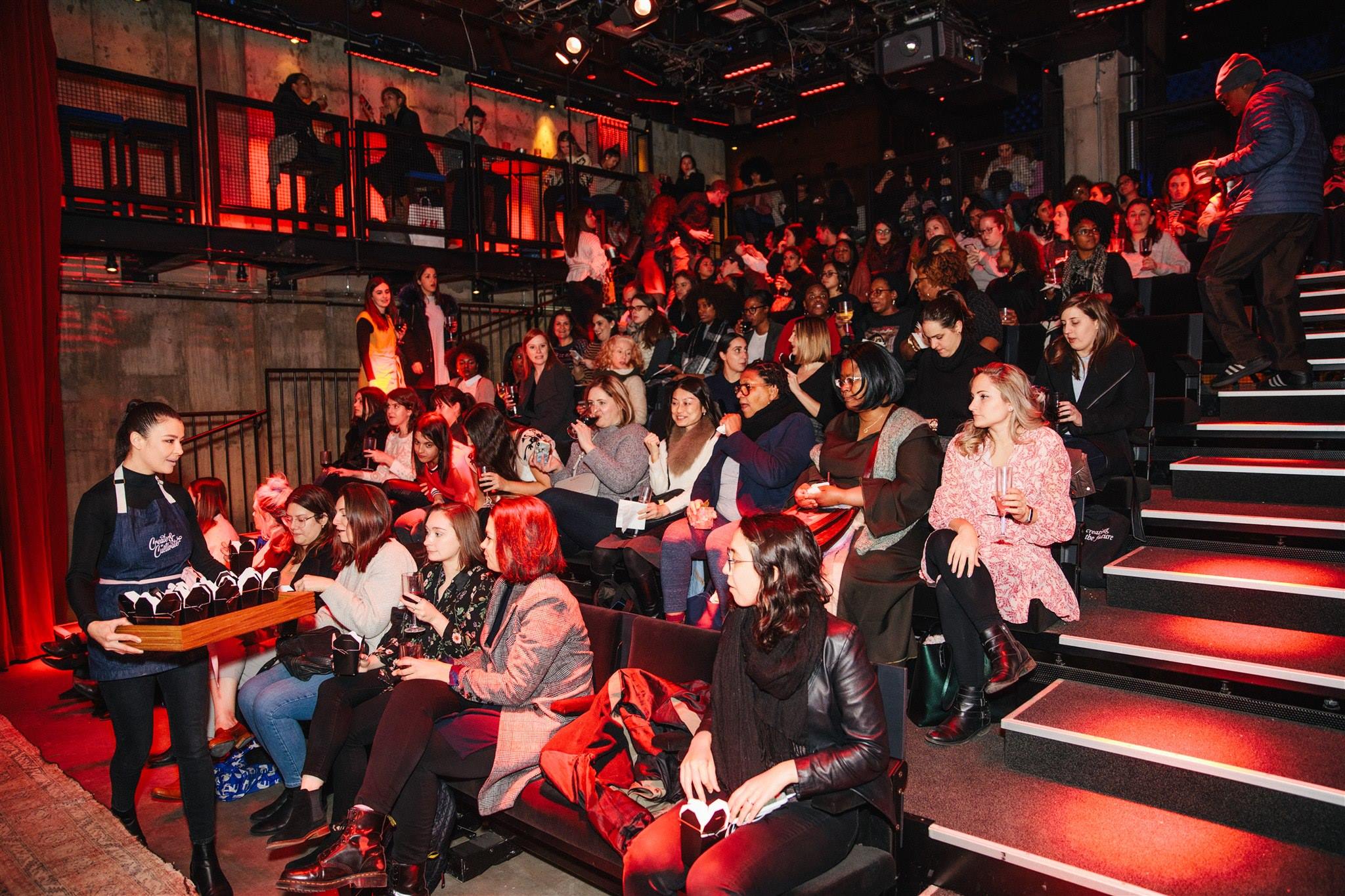
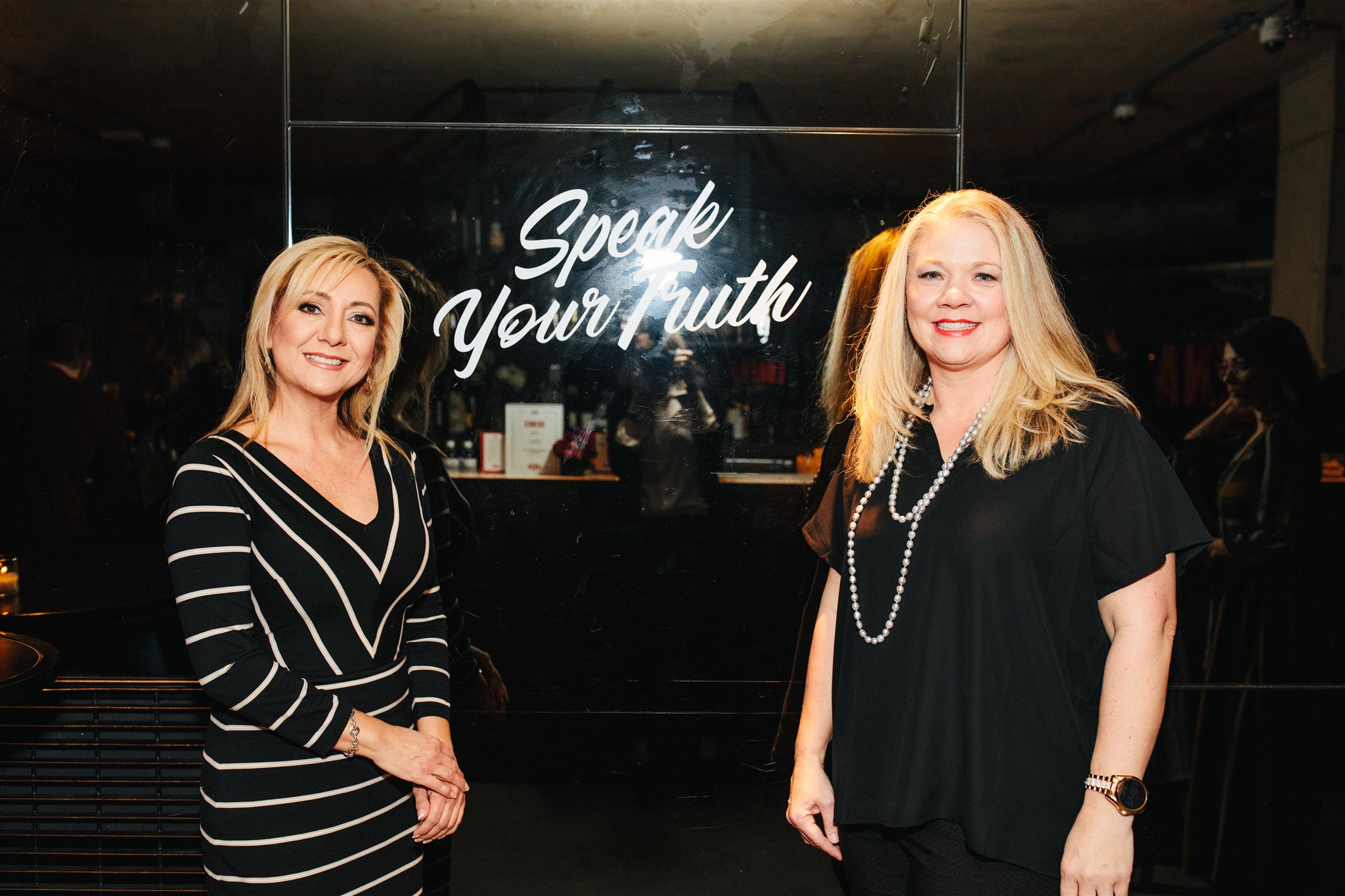
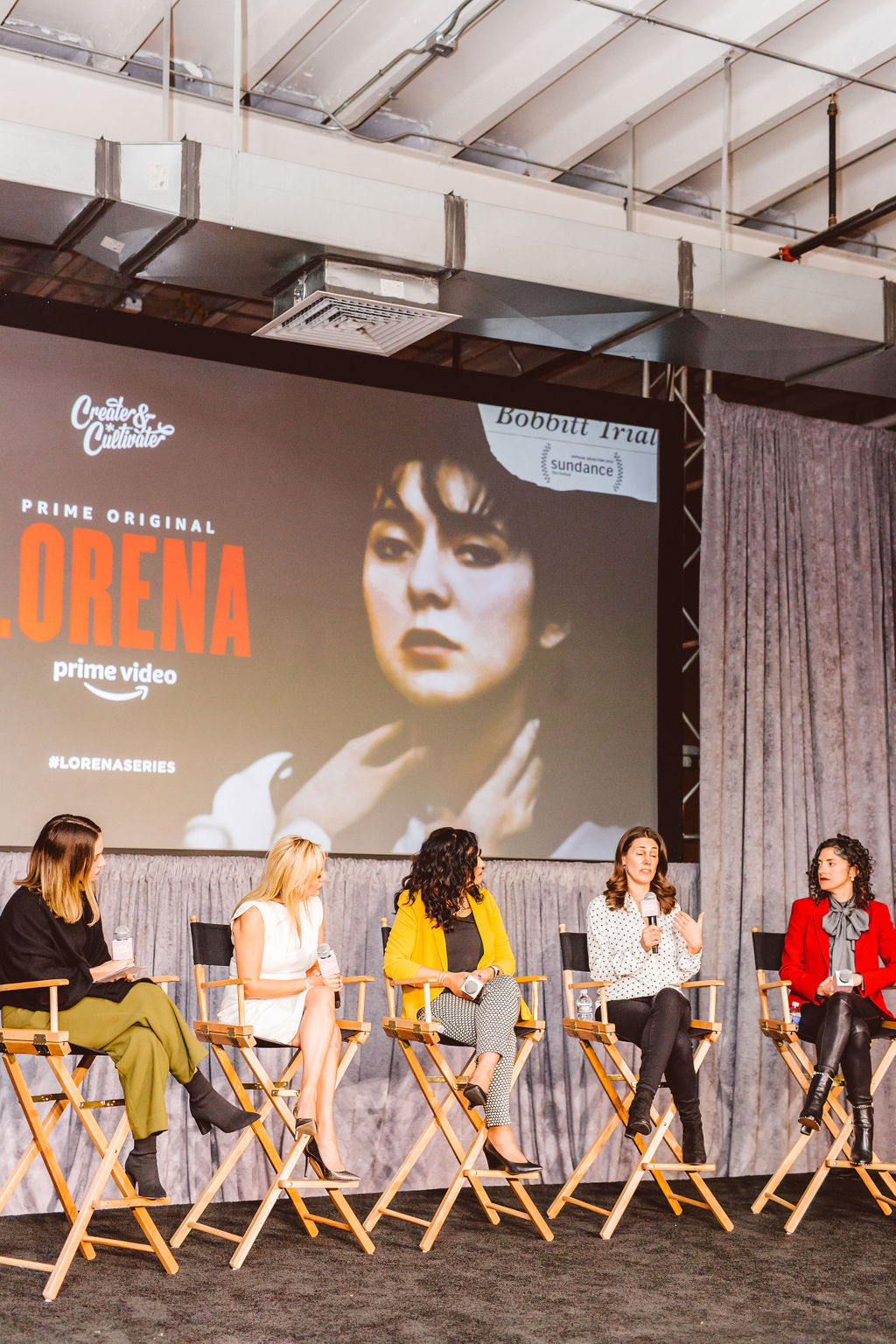
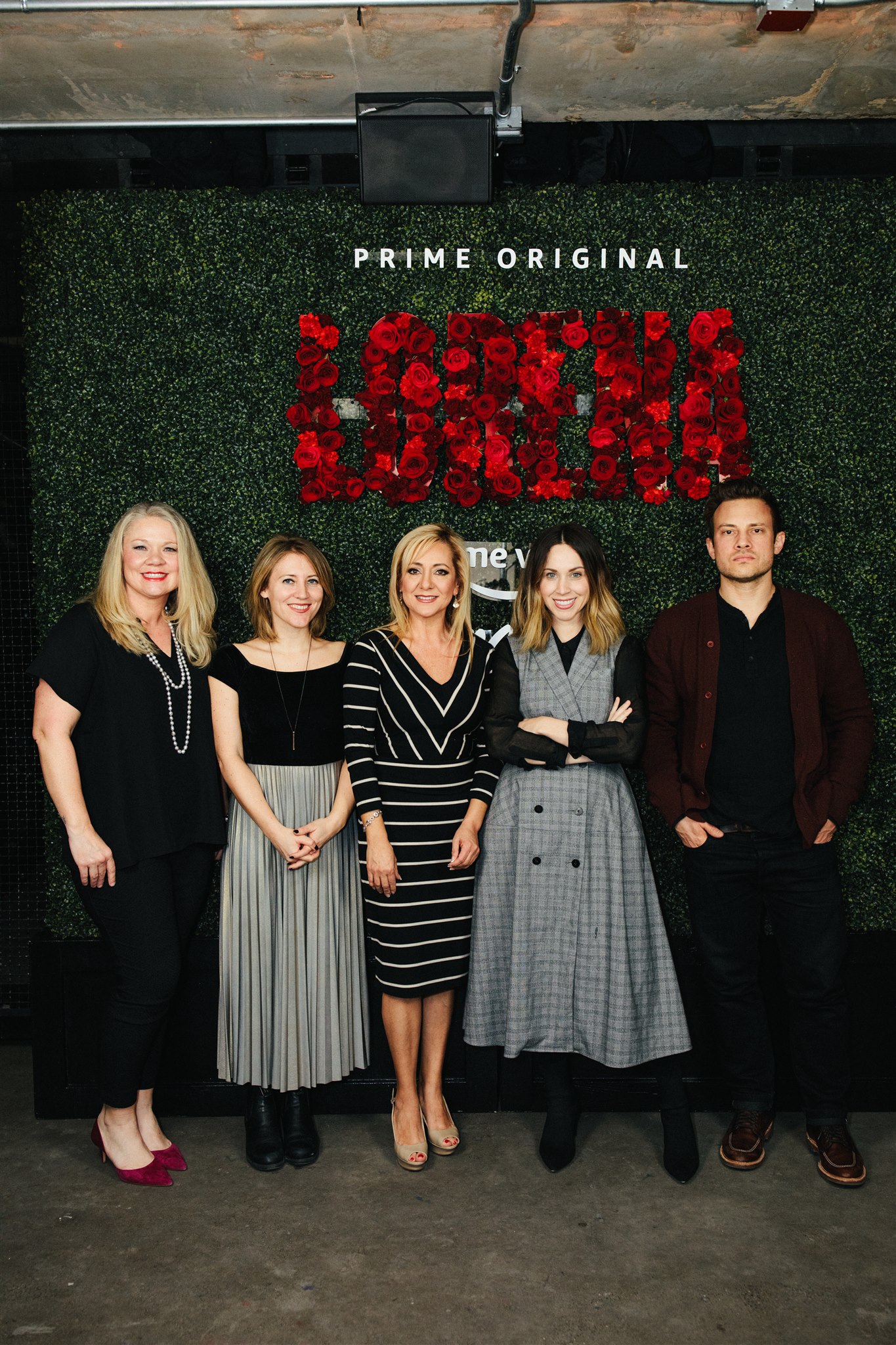
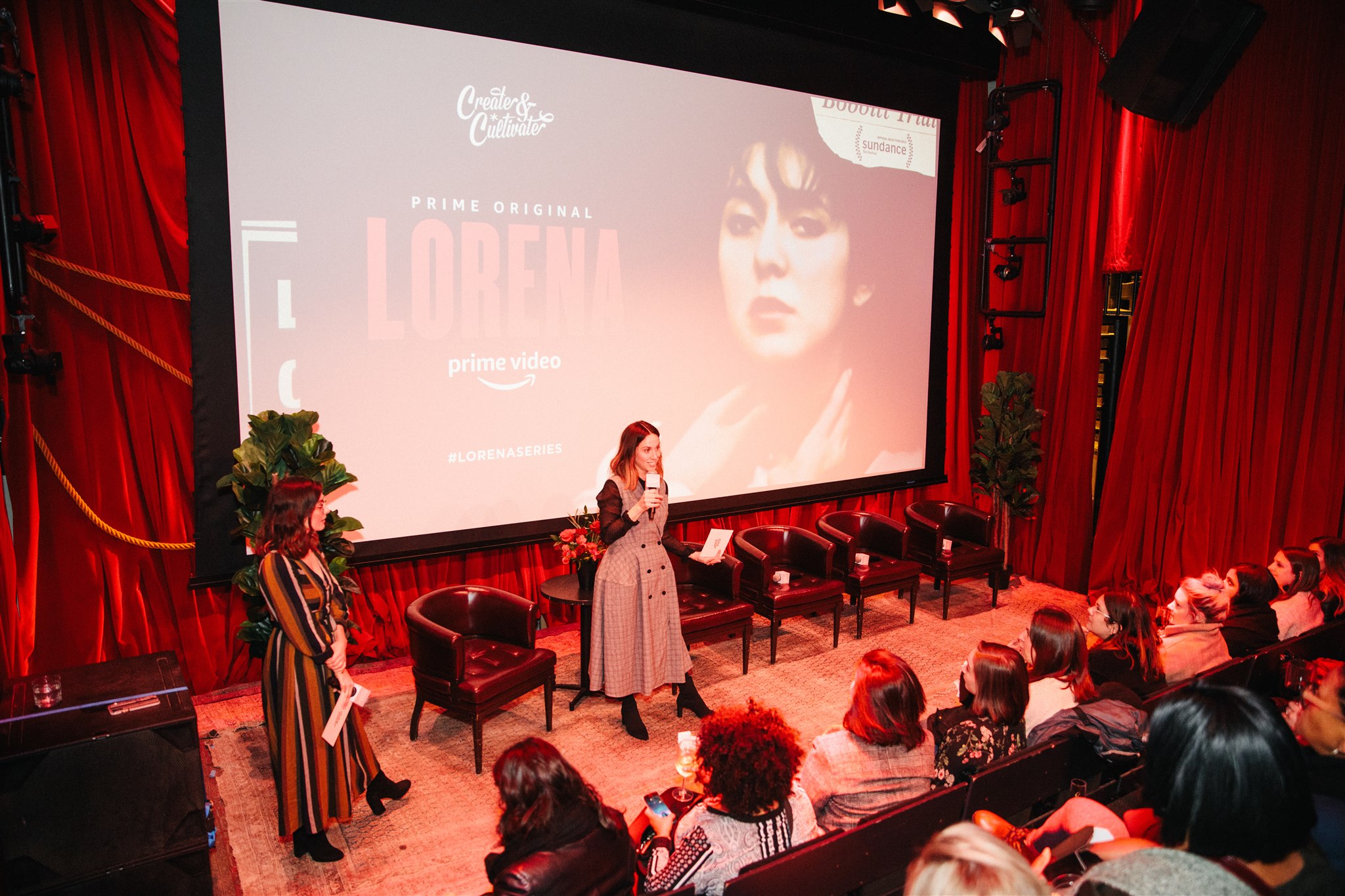
Have you watched the Amazon Prime Video docuseries Lorena yet? It tells the story of Lorena Gallo, who after years of being the victim of domestic violence and marital rape, cut off her husband’s penis in 1993. The media had a field day with the story, overlooking the assault and rape to make a mockery of Lorena’s suffering. Twenty-five years later, though, Lorena is speaking out—alongside several prominent voices in the domestic violence space. Last week, we held a panel and screening series in New York, Washington DC, and San Francisco. We chatted with pros like Katie Ray-Jones, CEO of the National Domestic Violence Hotline, on how violence prevention has changed and the work we still have ahead of us.
Below, Katie shares her thoughts on #MeToo, activism, and the importance of self-care in the world of non-profit work.
Tell us about the career path that brought you to the role of CEO at the National Domestic Violence Hotline. What inspired you to work in the domestic violence field and to work with The Hotline?
From undergraduate school on, my career kept taking me on a path that I wasn’t intentionally seeking. Doors kept opening; opportunities led me to work in the domestic violence field. As an undergrad, I was placed into an internship in a restraining order clinic for domestic violence victims, part of a larger domestic violence service organization. So it was my first real exposure to the issue that allowed me training and education on domestic violence. That job prompted me to want to become a therapist where I would have a private practice and provide individual and group therapy. However, during my master’s program internship I was placed again working with domestic violence survivors. This eventually lead to a job with a multi-service organization where I led the residential and nonresidential domestic violence programs.
When my husband and I had our first child we decided to move from California to Texas, and I accepted a job with the State of Texas, as the state administrator for domestic violence programs. I learned more about The National Domestic Violence Hotline through that role. When an opportunity for a Director position at The Hotline was vacant, I realized I was missing working in a direct service organization and that motivated me to want to start working with The Hotline.


What’s most fulfilling about your job?
When I hear from advocates their experiences working with victims and how they changed someone’s life, that is incredible. Being a part of the growth of the organization and the increase in education and awareness of the complexities of domestic violence has been fulfilling. We see evidence of this growth because of the annual increases in the number of people who reach out to The Hotline. Calls to The Hotline have more than doubled since I came here, and being able to serve more people is amazing to see.
What’s most challenging?
The most challenging part is that with the growth leads to a need to continue to gain resources and continue to fundraise to be able to serve more people. It is incredibly heartbreaking for everyone at The Hotline that we are not able to connect with every person who is reaching out to us for these potentially lifesaving resources, because we lack the funds. That is the challenge because you know there is someone we were not able to serve who desperately needs help.
“When I hear from advocates their experiences working with victims and how they changed someone’s life, that is incredible.”
The Hotline was created in 1994 with the signing of the Violence Against Women Act. Tell us a little about how resources for victims and survivors have changed in the last 25 years, and how you hope they continue to evolve moving forward.
The movement itself has changed over the last 25 years. We have developed a greater understanding through research and survivor experiences to recognize the complexities in each domestic violence incident. For example, we now know the impact of trauma and how important it is to work with the family holistically and remain survivor-centered. Through experience and data, we have also recognized the need to provide culturally specific services to marginalized communities and being able to advocate and serve their specific needs at a greater level than previously. We have more work to do there. We are able to articulate in a more meaningful way to members of Congress the needs of survivors. It’s shelter, it’s therapy, it’s legal advocacy, it's training for law enforcement officers and judges, and educators.
The Hotline was first funded through the Violence Against Women Act, but now it is funded through Health and Human Services, a program called Family Violence and Prevention Act. This allows multiple systems beyond the Justice Department to work together to find a solution. There is not just one service point that will end domestic violence, but it’s a collective effort of multiple systems coming together to support and intervene around the victimization of women.
For example, government agencies who are working with teens and those working on health issues, we know they both are in contact with youth who experience dating violence, so it’s important for there to be a multi-system coordinated response to address the complexities of the needed solution.
The #MeToo movement has created more discussion around sexual assault and domestic violence. We have noticed an increase of 40% in contacts to The Hotline this past year. We believe as a result of more public discourse on the issue, additional media coverage, people in abusive relationships and their friends and family are hearing these conversations, recognizing abuse in their relationships, and reaching out to us for help.
We continue to think about access to services as an organization. Originally we only had services via phone, today we have phone, online chat and text.
What do you think people misunderstand about domestic violence?
First and foremost, people often think it’s a matter of leaving the relationship and the problem just all goes away. But that may be the most dangerous action a victim can take. We also know that without intervention for the abusive partner they have a high risk of abusing again.
We also still encounter people who believe that abuse happens only to the poor and uneducated, or maybe only in certain pockets of the country, so we still do a lot of education and awareness that it can happen to anyone. Domestic Violence does not discriminate.
What should someone know if a loved one is in a domestic violence situation?
This is such a common question for friends and family. Research has shown that women go back to their abusive relationship about 7 times before they actually do leave. There are many reasons for this, first and foremost being love. The survivor remembers the person they fell in love with and still sees glimpses of that person. Their partner is not abusive all the time. Promises are made. The abusive partner often promises to get help, that they will change and the abuse will stop. Often times, the abusive partner has isolated the victim and destroyed their self-esteem.
As a support person, it is important not to judge or tell the victim what they need to do. Offer resources, be a good listener, let them know that you are there for them. Help them think about their safety and connect them with The Hotline. It is important not to bad-mouth the abusive partner. This may prevent your friend from speaking about the relationship in the future. It is important to take good care of yourself through this process as well.
“I’ve gotten better at ensuring I take good care of myself. If I am not my best, then I am not serving survivors the best I can.”
Work-life balance has to be hard in a position like yours. How do you remember to step back and take time for yourself when your work is so constant and directly impactful?
It’s hard for most people who are working in nonprofit to prioritize your personal life knowing that there are people who are encountering really challenging situations and in my current role, knowing there are so many people who still need help. I’ve gotten better at ensuring I take good care of myself. If I am not my best, then I am not serving survivors the best I can. So, one of my strategies is to calendar effectively. I made a commitment to my boys that I will not miss a game, a play or a student conference. Family is my top priority and it is important to me that my husband and boys know they are important to me.
You’ve said previously that a big goal for you is to create intersectionality of domestic violence services with other social justice issues. Tell us about that goal and how the NDVH is joining forces to solve other issues.
We have had a few moments in our organization where we recognized the power of the data that we have. Because we are the only national organization with direct contact with so many survivors across the country, we can recognize trends and help other organizations that are working with different issues such as immigration, reproductive health, firearms, and other issues that impact survivors. We really want to continue to elevate survivor experiences with these issues.
The data can help lawmakers and governmental organizations create better policies and programs that support survivors and victims with the critical needs they have, filling in where the gaps are and building out services. There is a place for the NDVH to be really thoughtful about partnerships with other organizations to lend our data and help each other.

What advice would you give to young women who want to work in social work, violence prevention, and similar fields?
This work is incredibly meaningful and impactful. The opportunity to help someone else is a gift. I think the field is so passionate and committed to being able to support survivors in really thoughtful ways that there is a lot of collaboration and a lot of willingness to work together.
For anyone considering working in the field of domestic violence and sexual assault, there are needs for social workers, lawyers, doctors, therapists, politicians, etc. Regardless of your chosen profession, staying grounded in your purpose while remembering there is a lot of goodness in the world is important.
Be mindful and start early to set up your work life balance. You need to create one that helps you have a meaningful career and a balanced life. It is a blessing to know that you have an impact on people at all levels.
Watch the full four-part Lorena docuseries now on Amazon Prime Video.

If you have been directly affected or know someone who has experienced domestic violence you can reach out to The National Domestic Violence Hotline by calling 1-800-799-7233 or chatting online with an advocate at thehotline.org. This non-profit is always available, all day, every day, 365 days a year. Highly trained expert advocates provide confidential support, safety planning, and connection with local resources.
Day in the Life: Justina Blakeney of The Jungalow
“I’m pretty laser focused on my own stuff. I don’t allow myself to compare and despair.”

We’re back with the second installment of Day in the Life, a monthly series where we’re sitting down with some of the most inspiring women in business to get an inside look at their day-to-day life.
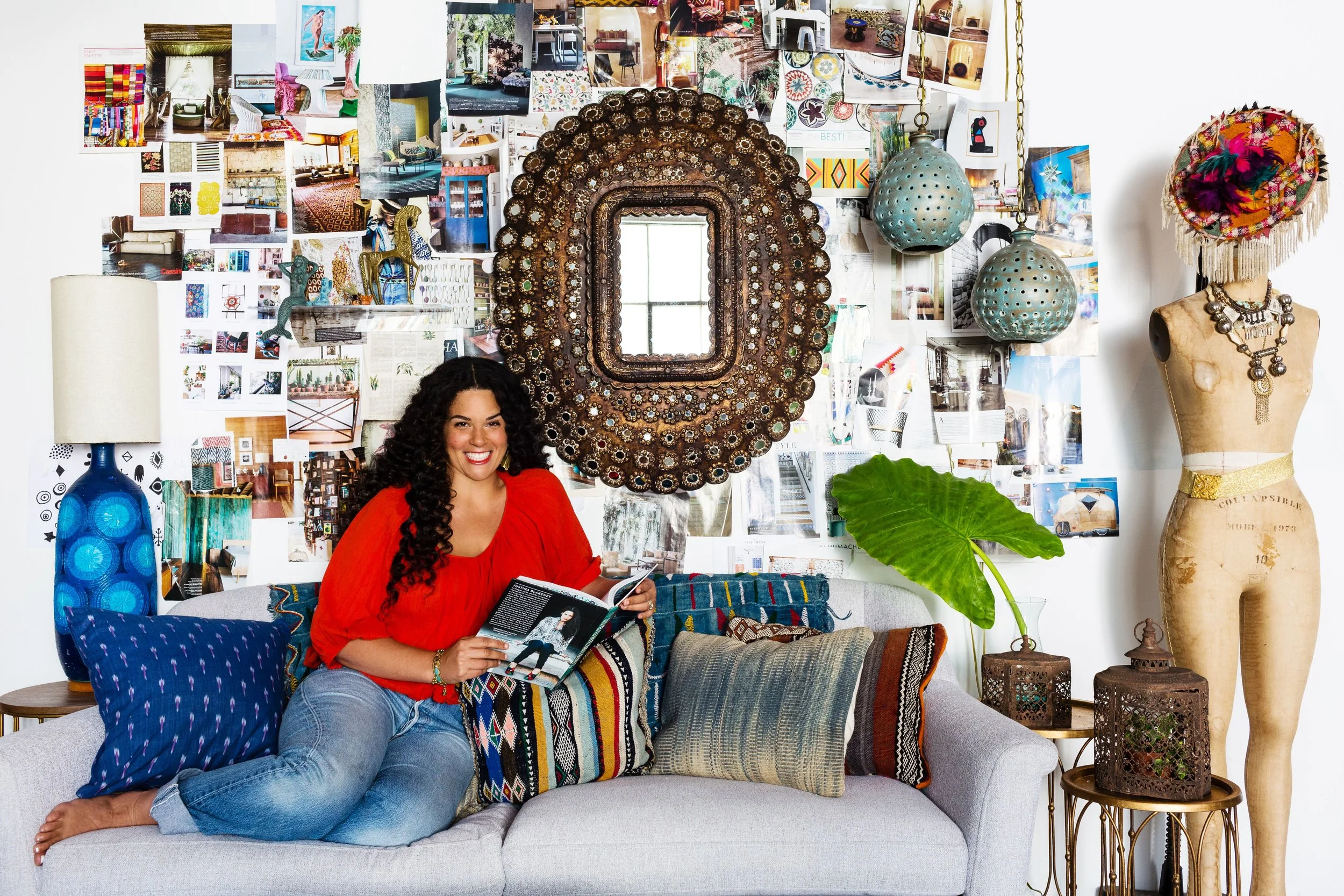
Today, we’re chatting with designer, blogger, and home design extraordinaire Justina Blakeney. Justina is the founder of Jungalow, the blog that convinced all of us that plants are not optional home decor, and author of the acclaimed home tour book The New Bohemians: Cool and Collected Homes. Read on to hear Justina’s take on morning routines, what she’s working on now, and the dangers of comparison.
What’s your mantra/mission statement/work ethos?
“If you can walk, you can dance; if you can talk, you can sing.” ~ Nigerian proverb
Are you a night owl or a morning person? When do you do your most important work and why?
I’m probably more of a morning person, but I do enjoy staying up late when it’s really quiet to do my deep creative work. I usually wake up at first light.
What does your morning, pre-work routine look like?
I get my daughter dressed for school, throw on something comfy, walk to my local coffee spot to grab a latté, take said latté on a 30 minute walk along the L.A. river to get in some ‘steps’ before work. I listen to a podcast or the news at this time. I am at work by 8:30.

What’s your commute like? Do you listen to music, podcasts, or audiobooks? Any current faves?
I walk or bike to work. My go-to podcast is “How I Built This” from NPR.
Mark Twain said, “Eat a live frog first thing in the morning and nothing worse will happen to you the rest of the day.” What’s the first thing you do when you get into the studio?
Eeeuuuwww!! Haha. The first thing I do when I get into the studio is any work that I need silence for. My staff arrives at 9AM so I have 30 minutes of quiet time and usually use it for things like drawing or writing.
“I’m pretty laser focused on my own stuff.
I don’t allow myself to compare and despair.”
What are you working on this week?
This week I’m designing a new pillow collection, putting together a presentation for a talk I’m giving in a couple of weeks, doing a photoshoot for a social media campaign I’m working on for an appliance company, finishing to design the custom sofa we’re putting in our new ADU remodel project, meeting with financial folks to create our forecast for 2019 financials and finish up our tax planning and payments for 2018, and going through the strike-offs for our new wallpaper collection.
What do you wish you had more time for in your day?
I do enough in a day, LOL.
What are some work habits that help you stay healthy, productive, and on track to reach your goals?
I’m pretty laser focused on my own stuff. I don’t allow myself to compare and despair. I always do at least one creative thing per day that’s off the computer (drawing/painting/working with clay/crafting etc.) I go on walks outdoors frequently throughout my day. I take dance breaks.

What are you reading/watching right now?
I’m a magazine junkie and I go to the magazine stand at my local bookstore every month and buy about a dozen magazines, most of them international shelter mags or business magazines. I’m not reading any book-books at the moment but I am watching some fun shows. Current go-tos include Shark Tank, Marie Kondo’s new Netflix show, and the Outlanders—it’s my guilty pleasure.
When do you go to bed? What’s your “optimal” # of sleep hours?
I’m 11pm - 6:30am like clockwork.
What’s the most rewarding part of your day?
Hanging with my daughter is just the best. But honestly, I’m very lucky. I feel my work like and home life are both extremely rewarding.

Instagram 101: 5 Quick Ways To Grow Your Following
From 0 to 100k, real quick.

When it comes to social media for brands and influencers, it's fair to say its all a numbers game. But let's face it: if you don't have a proper plan in place to grow your Instagram, you can't expect your profile to have 1000+ followers from one day to another, and it definitely isn't a matter of posting on Instagram just to post something. By having a strategic plan in place and following these quick 5 tips to boost your engagement, you can expect a steady growth in your following and a much more engaged audience!
1. Engage and comment!

Engaging and commenting is a given when it comes to growing your social media numbers. This is how you keep the followers you have, and also attract new ones by putting yourself on their radar. The purpose of social media is to stay connected, so make your followers and audience feel like you're accessible rather than just posting a photo and waiting for the likes to come through.
2. Unfollow the fluff
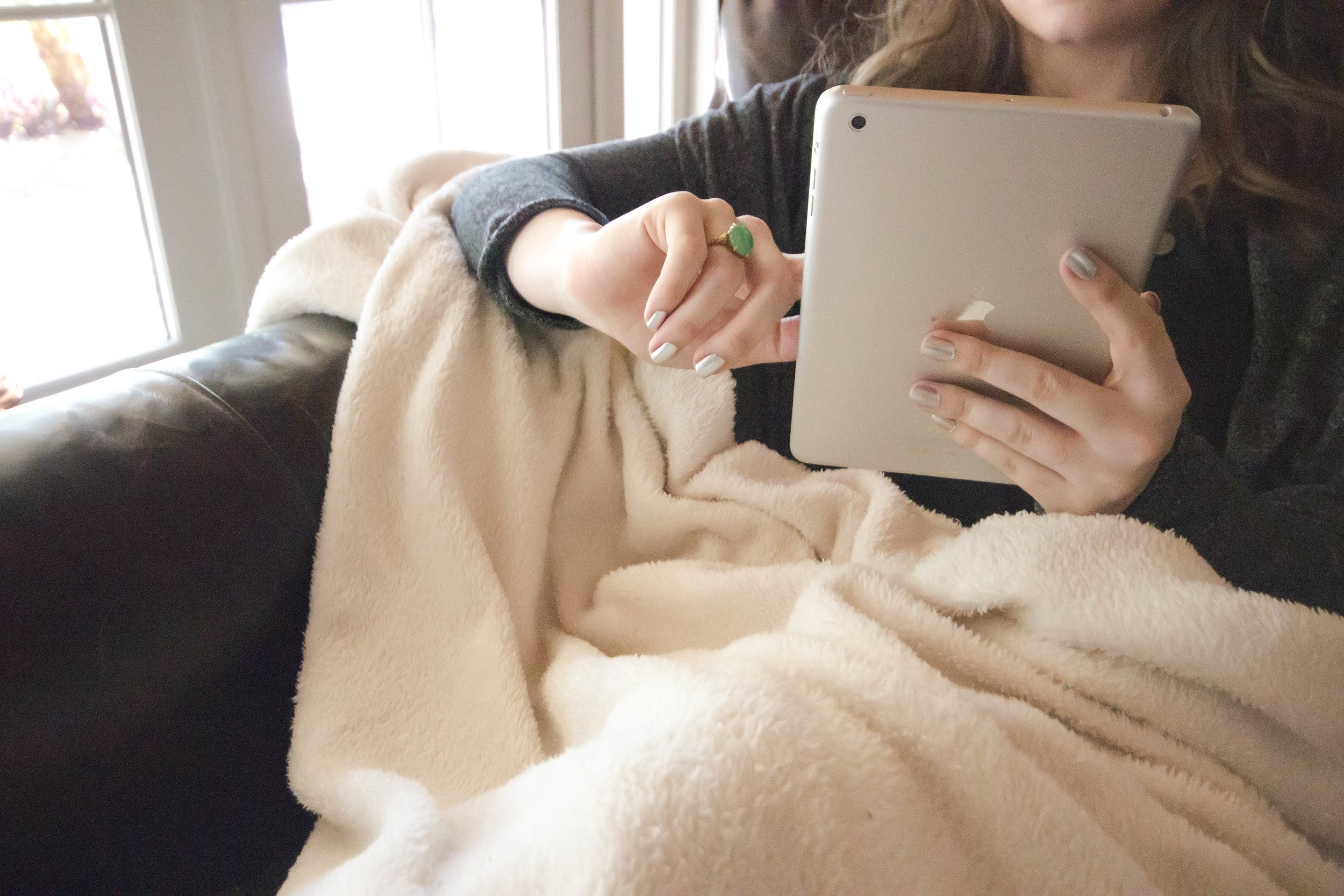
Sometimes, who we follow is a strategic part of how you maintain your account, so always be sure to follow people or brands that are in line with what your brand represents. Unfollow profiles that are irrelevant to what your brand is about, inactive profiles, or even brands that are your competition. If you're following your 4th grade classmate that you haven't talked to in 20+ years and the last time they posted was in 2016, might just need to hit that unfollow button.
3. Participate in popular hashtags
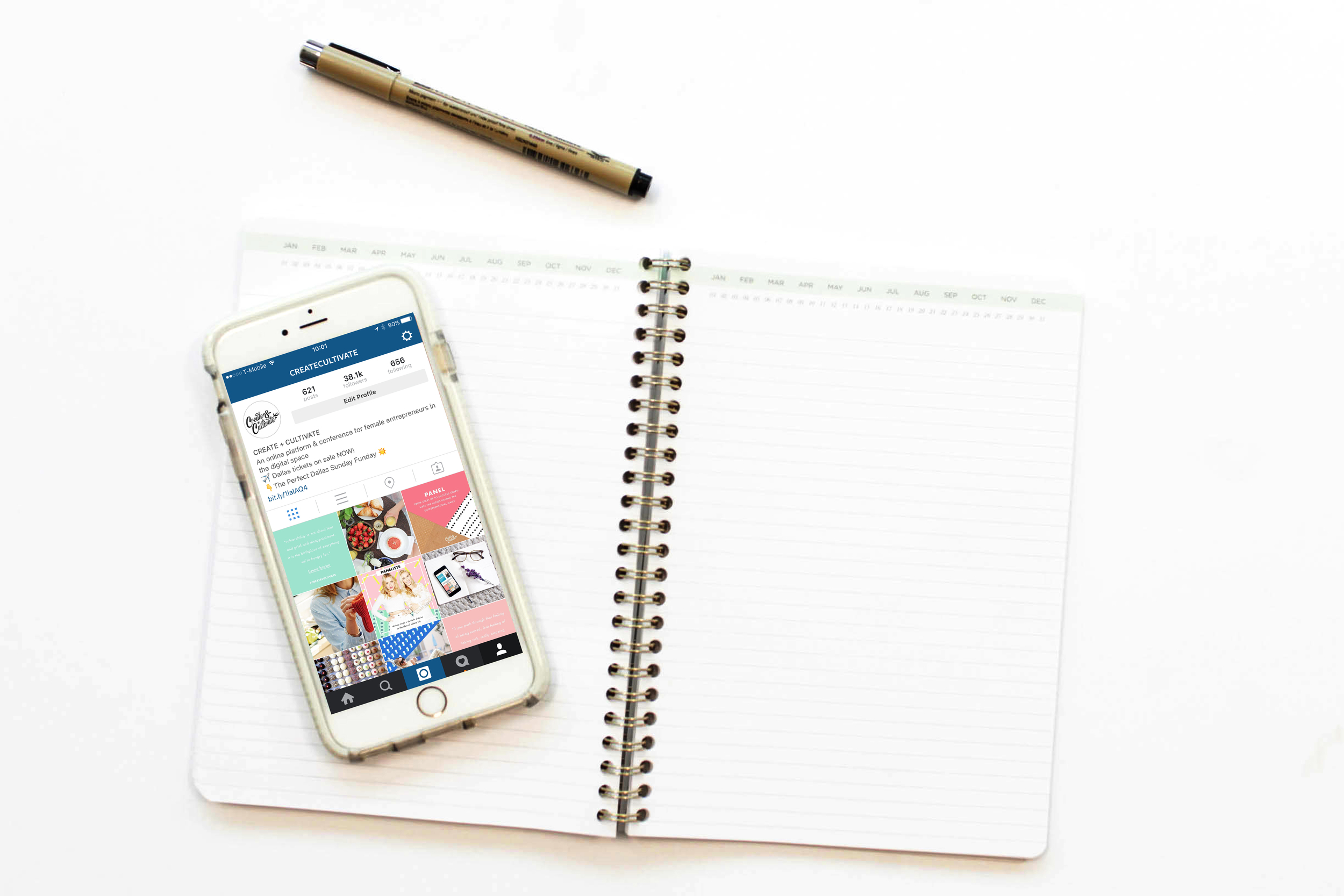
Thanks to the Instagram search page, you can immediately see what's trending on Instagram. If you see something trending that's relevant to your brand, go crazy and ENGAGE ENGAGE ENGAGE. Not only that, but use the hashtags with your own content and end your captions with 3-5 hashtags that are most important to what your content is about. However, make sure to keep your hashtags to a minimum. There more you add can seem a bit spammy, and if you have to add more, make sure to add it in a second comment aside from the caption in order to avoid distracting your followers with 30+ hashtags that will probably make them unfollow you.
4. Put your photography skills into practice with the use of props, great angles, and good lighting!
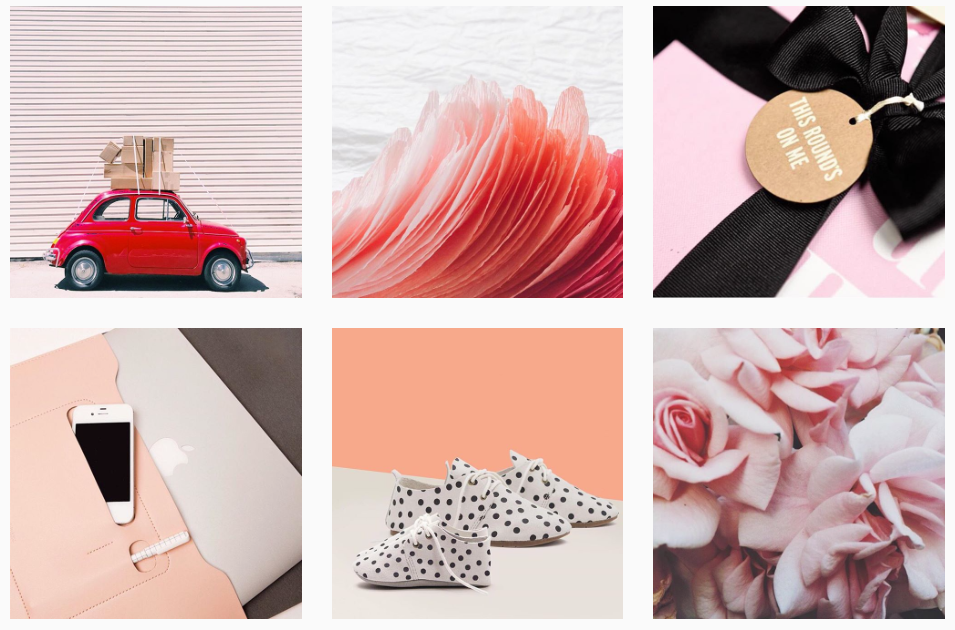
Think of your Instagram as a perfect opportunity to do some styling in order to get the perfect shot. For the perfect Insta, use the best lighting, the right angles, the right props, and make sure that the shot is cohesive to what the rest of your Instagram looks like. The more thought out and aesthetically pleasing your Instagram is, the more more you can expect new followers coming in on the daily. To build the perfect feed, check out some of our tips here!
5. Plan ahead with a content calendar!

So you haven't posted in two days, and now you're left thinking "oh man, what should I post today?" Avoid the drama of figuring out what you're going to post and plan out your content ahead of time! Spend a day collecting photos to post throughout the week, and use tools like Planogr.am to schedule your posts ahead of time and also to style how you want your feed to look ahead of time! That way you can focus more of your week on other important things that constantly wondering what you're going to post next!
What tactics have helped you grow your platforms? Let us know below!

Priscilla Castro is Create & Cultivate's Director of Social Media and Community in Los Angeles. She also does social media client work at (No Subject), and was previously Editorial Director at BeautyCon. Follow her @kodeofkondukt.
MORE ON THE BLOG

C&C Classifieds: The Bundle Co., The Shelf, Posh PR, & More
our dream job is waiting for you.

Your dream job is waiting for you.
The Bundle Co. - Remote
The Shelf - Remote
POSH PR - Richmond, VA
Create & Cultivate - Los Angeles, CA
Crazy Sexy Wellness/Kriscarr.com - Remote
Shine Text - New York, NY
GOLDSHEEP - Costa Mesa, CA
Be Social - West Hollywood, CA
Brand Assembly - New York, NY
Buyer and Community Engagement Coordinator
Verb House Creative - Austin, TX / Remote
Amazon - Atlanta, Georgia
Content and Social Media Manager
MORE ON THE BLOG

A Day in the Life of a Published Author
“The only way to write a novel, is to write a novel!”
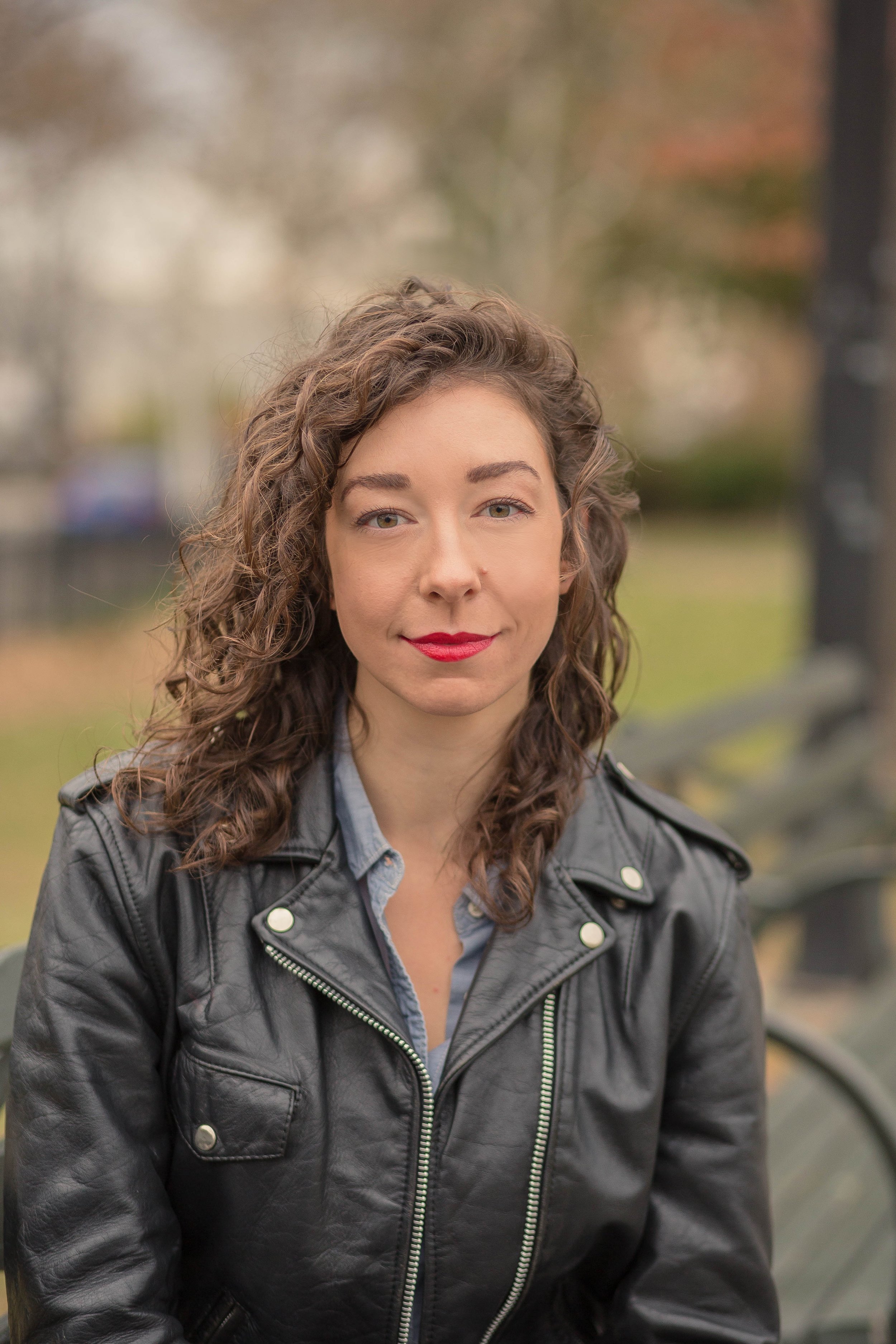
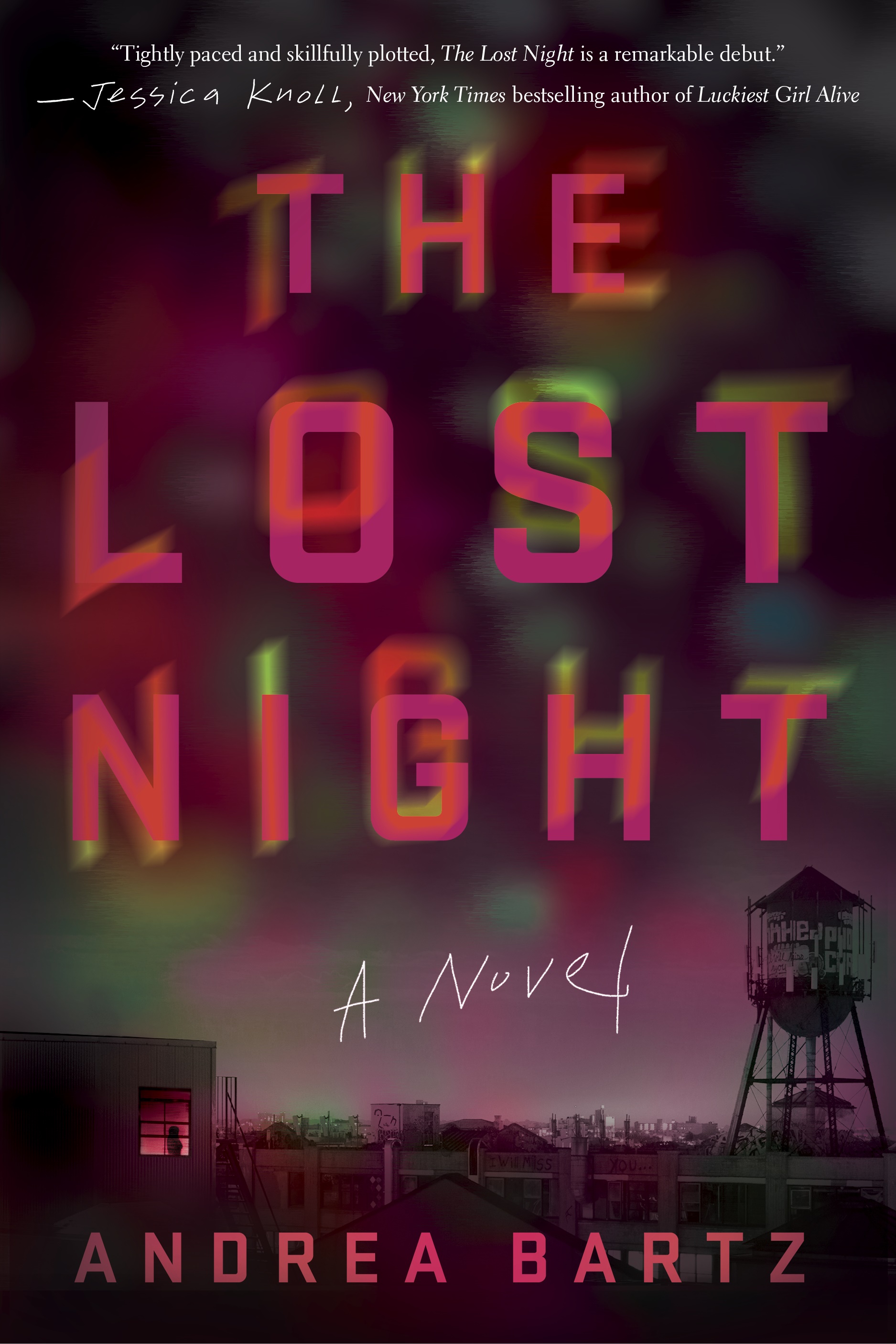
Andrea Bartz is a master with words. Down-to-earth and candid, she’s not afraid to share her journey from initial idea to being published. Below, Andrea shares what it’s like to be a writer, how to combat the loneliness of writing, the best advice she’s been given, and getting a deal with Mila Kunis.
What does an average day in your life look like when you’re working on a novel?
I try to keep to a schedule, but I’m flexible if workday fun calls (like if I hear about a great museum exhibit and need to ditch my computer and head there on a random Tuesday—that’s the beauty of not having an office job!). Most days, I spend the morning answering emails and working on all the little pieces of being a writer that aren’t writing: updating social media, getting up to date on publishing news, reviewing other books, writing essays and giving interviews, etc. I take a break to work out (I’m a diehard ClassPass fan), and then I spend the afternoon writing or revising my novel. I have daily goals and once I’ve hit them (whether it takes an hour or five), I call it a night and usually see friends. I spend a lot of time in my tiny studio apartment, but I’m most productive when I’m set up with my ergonomic keyboard and dual monitors!
How do you manage your time while writing? Does your publisher give you deadlines, or do you create your own?
My publisher gives me deadlines, but they feel a little abstract: This many months from now, we’ll need a 90,000-word manuscript. So I create my own mini-deadlines to stay on track. I use pacemaker.press to figure out how much I need to accomplish every day and to record my progress, whether I’m drafting (1,200 words/day) or revising (currently about 24 pages/day). The important thing is to build in a cushion at the end and to recalculate whenever I fall behind—otherwise I get overwhelmed if I miss a day.
What was your experience like finding a publisher for this book?
I worked on The Lost Night for about two years before I thought it was in decent shape. In late 2016, I queried several dozen agents whom I thought would like it; I was in the slush pile, sending my query letter and sample chapter like anybody else. Three agents offered representation, and I signed with the brilliant Alexandra Machinist (who reps Tomi Adeyemi, Kevin Kwan, and many other stunners) late that year.
Alexandra took the book out on submission in February, and two editors were interested but not completely sold. They gave me their notes and said they’d be happy to look at a revision. I went to town reworking the novel yet again, which was scary and difficult: I knew that, even after all this work, both editors could pass on the revised draft. But their notes made it much stronger, and thankfully, my editor at Crown (the wonderful Hilary Rubin Teeman, who recently edited the number-one NYT bestseller One Day in December) made an offer in summer 2016. I’m also working with her on my second novel, The Herd, which will come out in 2020.
How do you deal with writer’s block?
I’m always dealing with writer’s block! I truly never feel like sitting down and writing, even though I love what I do. For me, it’s all about mind games: I’m a big fan of the Pomodoro Method, where you set a timer for 25 minutes and do nothing but write until you hear the beep—you don’t check your phone, you don’t unload the dishwasher, you don’t look at Twitter, you just write. Even if what you write is god-awful, or even if it means opening up a second document and screaming into it (“I DON’T WANT TO BE WRITING TODAY I DON’T KNOW HOW TO END THIS SCENE I HATE THIS DON’T MAKE ME”)—that still counts as writing! Then you set another timer for a 5- or 10-minute break, and after it, you dive into the next productive period. I can accomplish more in two or three Pomodoro “writing sprints” than an entire afternoon of dicking around on my computer. I have to physically tuck my phone out of sight to stay focused, so I use the charmingly basic tomato-timer.com to keep track.
“Be a voracious reader of fiction that appeals to you (especially works by female authors and people of color!)”
When did you know you wanted to be a writer? What was your journey to writing like?
I’ve always wanted to be a writer—when I was little, I filled notebooks with poems and plays and short stories, and in college I studied journalism, which seemed like a “respectable” way to make a living with my writing. I interned at several magazines (in fact, I met Jaclyn Johnson when we were interns together at Conde Nast!) and then worked my way up the masthead as a magazine editor. I primarily worked at women’s magazines (including Self, Glamour, Natural Health, and Martha Stewart), and I didn’t mind that I was doing more editing than writing. I started writing The Lost Night during my last full-time job, five years ago, and the stars sort of aligned when the magazine I was working at folded: I became a freelance writer, and I worked hard to finish and sell my manuscript. I still do some freelance writing, but I love being able to focus on fiction now.
What advice do you have for aspiring female writers?
In terms of craft and outlining, I’m always recommending two books: Jessica Brody’s Save the Cat Writes a Novel, which will help you plot out the emotional “beats” of your story, and John Truby’s The Anatomy of Story, which gives specific exercises for developing rich characters, building your world, and creating an emotionally compelling story. Read those, and be a voracious reader of fiction that appeals to you (especially works by female authors and people of color!)—that’s all you need. You don’t need an MFA, unless that’s the kind of community you’re looking for.
So many people tell me, “I would love to write a novel someday!” or “I wish I could write a novel!” I’m always reminding them that the only way to write a novel is to...write a novel! It seems daunting, but if you write 1,000 words a day, you could have a full-length manuscript in under three months. The important thing is just to sit down and start writing. Again, whatever mind games help you get there are great: Some people like taking a class because it forces them to write a certain number of pages a week. Others love having a writing group (or just finding a crit partner) because it forces them to write pages for swapping. There's no magic dust, but every single page you write makes you a stronger writer.
How do you combat the loneliness often felt by writers when they’re working?
This is a great question, and it’s something I struggle with; I’m an extrovert and I loved the collaborative, super-social environment of a magazine office, so I can go a little stir-crazy when I’m alone for too long. Exercise is so important for mental health in general, and workout classes in particular really boost my mood and energy level (in a way that using the Elliptical in my building’s gym can’t). I’m forced to go outside, see the sun, and be around other people. That’s huge, when you work from home!
About once a week, I’ll meet a writer friend for a work date, which is usually a catch-up lunch followed by a few hours of working. I know I won’t be quite as productive during our date, so I save certain tasks for cafe days, like updating my website or sending invoices. I try to schedule dinners or drinks several nights a week, so I have something to look forward to when I’m done writing. And finally, as I mentioned, every once in a while I just say screw it and head to a museum or movie or park or botanical garden. What’s the point of being self-employed if you never give yourself a break?
“The only way to write a novel is to...write a novel!”
For this novel specifically, how did the idea come about? Which came first: the story, the characters, the ending?
The characters and story hit me all at once. To give a little context, The Lost Night is a thriller about a woman unraveling the dark truth surrounding her best friend’s apparent suicide in a Brooklyn artists’ loft ten years earlier. It explores that moment of feeling young and free and invincible when you’re out on your own for the first time—and what happens when that all comes crashing down.
I had the idea when I was thinking back on my own “invincible” twenties, when the nerve center of my social life was this labyrinthine factory-turned-hipster-dorm in Brooklyn’s gritty Bushwick neighborhood. It was pretty wild: You could wander in on any Friday night and come upon a concert, a play, a poetry reading, an open mic, an EDM dance party, and who knows what else. I thought: What if, after one of those hard-partying Friday nights when a million mini-adventures went down, there was a dead body?
As for the ending: The whole time I was writing, I had no idea how it was going to end! It cracks me up when readers say they spotted this or that twist from a mile away, because I swear—I didn’t see it myself until it poured out of my fingers and onto the page.
What’s the best piece of advice you’ve been given?
I almost didn’t write The Lost Night—I was so scared people were going to dismiss it because it centers around a much-maligned “hipster” subculture. (Remember how much everyone hated hipsters in, like, 2014?) My friend Leah Konen, who’s also a fiction writer, gave me the best advice in the world: “Go all in on a shitty first draft. Take off your editor hat. Take off your what-if-people-make-fun-of-me-for-writing-about-hipsters hat. Just write!” No one had given me permission to write poorly before. So freeing!
What are you most excited for in 2019?
I’m of course incredibly excited for The Lost Night’s publication on February 26! Beyond that, Cartel Entertainment recently signed on to adapt the book as a limited series, with Mila Kunis on board as a producer. Things move slowly in Hollywood, I hear, but I’m incredibly excited to see my novel brought to life on the screen.
Keep reading for a sneak peek of The Lost Night!
Remember being 23? For many of us, that time felt loopy and free, brimming with possibility. We were out on our own for the first time, and friendships felt operatic, romances felt epic, and every weekend crackled with possibility.
That was certainly true for Lindsay Bach, the narrator of my psychological thriller, THE LOST NIGHT (Crown, on-sale 2/26). She was 23 in 2009, and her artsy young group of friends all lived in Calhoun Lofts, a sprawling Brooklyn warehouse space with parties and concerts and general debauchery spinning out from every corner. Her best friend, Edie, was the group’s seductive ringleader—beautiful and mercurial, she had the city’s social scene in her thrall. After they found Edie in her loft with a suicide note on her computer and a bullet in her head, the group scattered, torn apart by shock and grief.
Ten years later, Lindsay thinks she’s moved on: She has new, adult friendships and a slick job as the head fact-checker at a glossy magazine. So she’s not quite sure what compelled her to reach out to Sarah, a friend from the Calhoun Lofts era, when Sarah moved back to NYC. This adapted excerpt is from Lindsay’s catch-up dinner with Sarah, the first time Lindsay’s seen anyone from Calhoun Lofts in a decade. The conversation quickly turns to their beautiful, fallen heroine—and what really happened that fateful night...
*****
Sarah didn’t mention Edie again until we were finishing dessert, picking at a shared flourless chocolate cake. “It’s crazy to think about how much has happened in ten years,” she announced. “I was so glad to hear you wanted to get together. I thought about reaching out a few times over the years, but I just wasn’t sure after . . . I mean, after how everything went down after Edie.”
“That’s exactly how I felt, to be honest,” I said. “I know I just sort of . . . went MIA afterward. I mean, I guess we were all just grieving in our own way. We were so young. None of us were equipped to deal with it.” She nodded and looked away, and I realized she wanted me to go on. “I always thought you had it worse than anyone, Sarah. Worse than everyone. I mean, you found her. God, I haven’t thought about this in so long.”
I’d done my crying and then I’d let Edie go, tucking the whole ordeal away so that it couldn’t taint what came before. So I was surprised by how quickly the night came back to me now that I’d called it up. Now that Sarah was sitting across from me and talking about August 21, 2009, in dark, tenebrous terms.
It had been a Friday. A band had been rattling the windows in an apartment two floors up from Edie’s place, and a bunch of us were standing around at the concert, drunk or pretending to be. The guitars and bass were so loud, I could feel the vibrations in my collarbone. I remember registering with a flapping concern that I was too drunk, then scurrying out to the street, where a random girl had helped me hail a taxi home. Edie hadn’t been at the con- cert with us; Edie had been home alone, two floors down, crafting a brief suicide note and then pulling out the gun. Her time of death, we later learned, was while we were watching the band, their meandering chords cloaking the single gunshot. The rest I knew from my friends’ accounts, repeated so many times that I could see it: midnight, pitch black, Sarah hobbles into the apartment and flicks on the overhead lights, trying not to make too much noise in case Edie’s already asleep. Her screams had rattled the whole building, shrill and sharp and with that beelike whine hovering descant just above her cries.
“I know, it was awful.” She listed forward and I suddenly realized Sarah was drunk.
“You moved back home, right?”
“Yeah, my parents were pretty worried about me. I mean, I was acting like a lunatic, going all conspiracy theorist.”
“What do you mean?”
A sheepish laugh. “You remember. I guess I just didn’t want to believe my best friend could do that. She trusted me more than anyone, and I didn’t like feeling like I’d failed her.”
I sat up straighter. Her best friend? Who was she kidding? “I don’t know what you’re talking about,” I said.
“You don’t remember?” she continued. “I was running around insisting that Edie hadn’t actually killed herself, that it must have been an accident or foul play or something. I know, it’s ridiculous.”
“Oh, wow, I didn’t realize that.” Sarah’s flair for melodrama resurfaced in my memory like something emerging from the mist. “What made you think it wasn’t a suicide?”
“Oh my god, it was all stupid little things, in retrospect. There was the fact that I found her in her underwear—she was always so perfectly put-together, so that seemed weird.”
Right, but it was circumstantial. When we’d talked it out in those first shaken weeks, it had also seemed plausible that she wouldn’t have wanted to ruin any of the beautiful pieces in her closet; Edie had treated them like precious artifacts.
“And the gun stuff didn’t make sense to me: She was left-handed, but the gun was in her right hand, and the wound was on the right side of her face. Until a forensic expert explained to me that if she used two hands, she could’ve wound up slightly off- center and just, like, crumpled to either side.”
Jesus. She’d talked to a forensic expert? I watched as she slurped the last of her fourth martini.
“But I learned enough about criminology to figure out that there are a few loose ends in any investigation. Because that’s how life is.”
“. . . Unraveling,” I supplied.
She smiled. “But yeah, my parents found me an awesome therapist, and she helped me face the facts. I guess we all turned out okay.”
“We did. And you shouldn’t feel bad about dealing with it however you needed to deal with it. We were all so immature and maybe didn’t know how to . . . ask for help.”
“You mean like Edie.”
I’d been thinking of myself, but sure, Edie, too. What with the debt and the depression and the suicide note on her laptop. The gun pressed against her temple.
“That was some heavy shit,” I said.
She poked at her cocktail napkin. “It’s still hard for me to believe sometimes. Like, we were at the top of our game. We were having the time of our lives.”
“I know what you mean,” I said. “Everyone glorifies their twenties, I guess, but for me that period was . . . It meant a lot.” I swallowed hard. “And then it ended. It’s nuts. Literally, we were dancing around to some stupid band just a few floors up while Edie was . . .”
Sarah narrowed her eyes. “Well, you weren’t.”
“What?”
“You weren’t at the concert.”
Adapted from THE LOST NIGHT: A Novel Copyright © 2019 by Andrea Bartz. To be published by Crown Publishers, an imprint of Penguin Random House, on February 26, 2019.
MORE ON THE BLOG

In Conversation with Qudsia Raja, Policy Director at the National Domestic Violence Hotline
There is a strength and comfort in being able to come together with strangers and say, “This is bigger than just what I’ve experienced.”

Last week, we hosted a panel and screening series for Lorena, the gripping docuseries that premiered on Amazon Prime Video on February 15. Lorena tells the story of Lorena Gallo, who after years of being the victim of domestic violence and marital rape, cut off her husband’s penis in 1993. The media had a field day with the story, overlooking the assault and rape to make a mockery of Lorena’s suffering. Twenty-five years later, thanks to the Violence Against Women Act and the formation of the National Domestic Violence Hotline, there are many more resources for victims. Below, we’re sharing panel excerpts from Qudsia Raja, Policy Director at the National Domestic Violence Hotline. Read on for her thoughts on the #MeToo movement and how you can be a domestic violence activist in your own community.
On how the #MeToo movement has impacted how domestic violence is perceived by the public…
Qudsia: The Kavanaugh trial has been a great example of how the #MeToo movement has galvanized a lot of survivors to come together and say, “This is something I’ve experienced, too, and it’s not OK.” There is a strength and comfort in being able to come together with strangers and say, “This is bigger than just what I’ve experienced.” This is something so many survivors and folks across the country and the world face. The positive part of that is that we’ve seen folks mobilize, at least in ways I haven’t seen before, around the issue of sexual and domestic violence. Violence has never been a sexy thing to galvanize around, so it was really powerful to see folks come out and really organize around that issue.
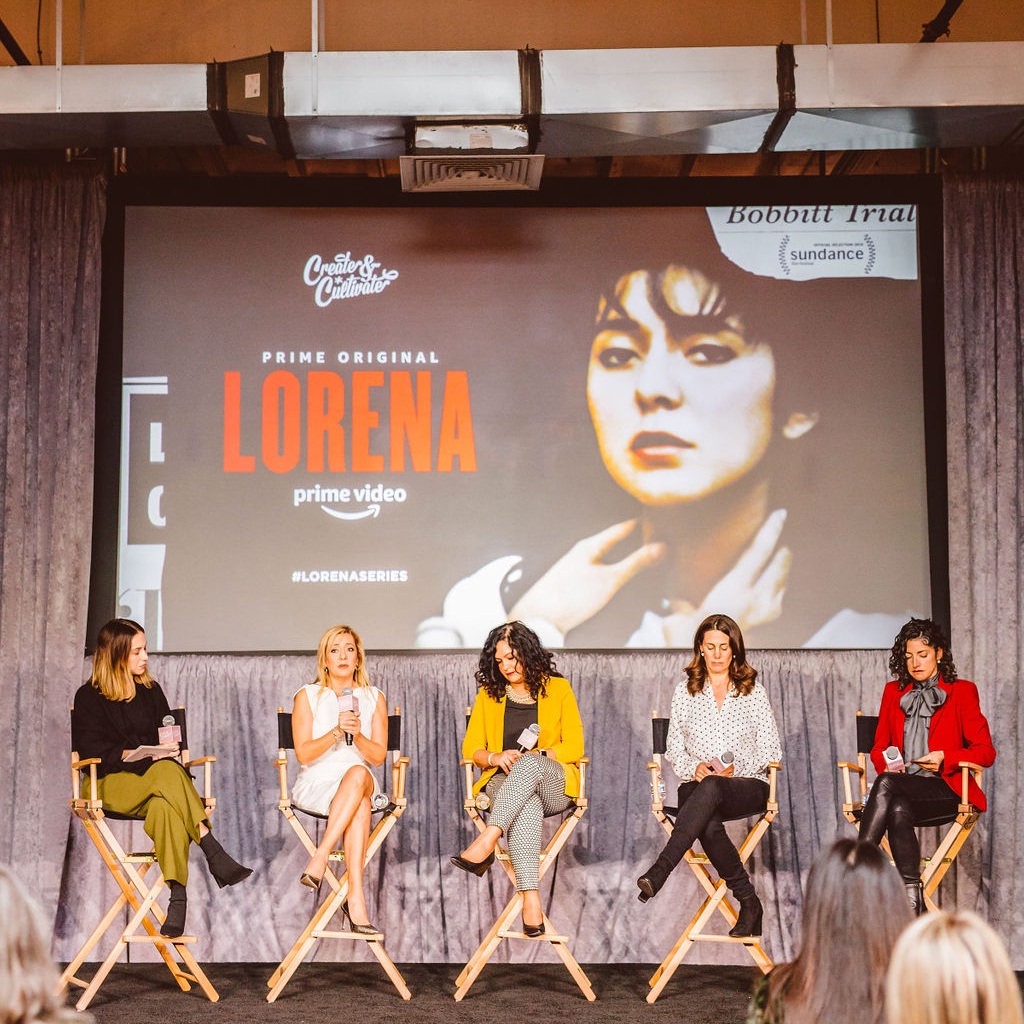
On how the movement is changing public policy….
Qudsia: In the realm of public policy, my fear is that because Kavanaugh has been confirmed to the Supreme Court—what do the long-term implications of that look like? What does it feel like to be a survivor who has organized and come out to a rally and yet still sees this man that has so much power? That’s the double-edged sword, and I’m interested to see how that conversation continues to play out. Will people feel burnt out? I myself and many people I work with spent the last year feeling triggered all the time doing this work—you’re advocating for policies, and know that people are coming to the streets in thousands, and see people having public conversations on social media—but despite all that, there are still very powerful people who can stop legislation and appoint people like Kavanaugh to the Supreme Court.
“Your trauma doesn’t have to be on display—you don’t have to share your story to be part of the conversation.”
On understanding why not everyone can share their story...
Qudsia: Educate yourselves and know that the numbers are pretty stark. There are a definitely a lot of survivors in this room, but your trauma doesn’t have to be on display—you don’t have to share your story to be part of the conversation. You can still get involved by education yourself and knowing what resources are available for folks. I think it’s important to remember that not everyone feels safe being a part of the public #MeToo conversation—and it’s important to understand why they can’t. You have to understand that domestic violence and sexual assault impact folks all across the board, but that communities of color are much more marginalized and much more at risk in sharing their stories.
On being a resource to your community...
Qudsia: Know that the more you educate yourself about what domestic violence and sexual assault look like, the more likely that someone who’s going through it can share it with you. It’s often someone who simply shares the hotline number that’s a big spark to allow folks to reach out for support.
Watch the full four-part Lorena docuseries now on Amazon Prime Video.

If you have been directly affected or know someone who has experienced domestic violence you can reach out to The National Domestic Violence Hotline by calling 1-800-799-7233 or chatting online with an advocate at thehotline.org. This non-profit is always available, all day, every day, 365 days a year. Highly trained expert advocates provide confidential support, safety planning, and connection with local resources.
MORE ON THE BLOG

Pro Tip: How to Get the Most out of a Slow Season
Don’t panic—get productive.

It’s no secret that being a freelancer is a lot like riding a rollercoaster. Some days are fast and fun while others feel like a punch to the gut while you cascade down into a dark, unknown tunnel as you inch along wondering which turn will happen next. For freelancers, this is what we typically refer to as a slow season. While this part of the rollercoaster can vary from field to field, for most of us it does happen.
For me, it's usually around the holidays. For others, it's the summer. No matter when it happens for you, the best thing you can do is be prepared for it and don't let it get you down. It's inevitable when you’re freelancing and when you find yourself in a slump, so in today’s Pro Tip, we’re sharing a few ways to get the most out of your slow season.
Learn A New Skill
Professional development is something we freelancers have to hold ourselves accountable for. Use the slow season to learn a new skill via an online class or even summer courses at a local university. For videographers it may be learning a new editing platform or getting your drone pilot's license. For copywriters, taking a class to learn better SEO/SEM writing habits. Whatever your trade, there's always something to learn and who knows? What you learn during your slow season may be what helps secure your next client.
Research New Business
It's my personal belief that twenty-five percent of your time as a freelancer should always be spent on networking and new business so that you hopefully never run into a slow season. If you do experience a slump in business, use this time to research and outreach to clients you see a potential working with. Identify a need for your services, find the right person to contact and secure an introductory call.
If you want additional guidance for creating an effective pitch letter, download my Freelancer Starter Kit.
Work For Fun
When was the last time you used your skills for fun? You more than likely started freelancing in your field because it's something you're not only good at, but you enjoy doing. Be your own client for a change and use your slow season to work on something that makes you happy.
Develop Your Brand
Chances are you've spent so much time working with your clients lately that you haven't updated your LinkedIn in a year or created those case studies you wanted to show off on your website or any other you-related task that's been pushed to the bottom of your to-do list. Spend your down time to grow your personal brand. Maybe this is a social media refresh or researching potential speaking opportunities or going to a local networking event. Whatever it is, do it!
Start Your Side Hustle
We should always be side hustling and if you're short for cash during your slow season, this is the time to do it. Mine is going through my closet and selling things on Poshmark. For others, it might be hitting up yard sales and flipping things on eBay (thanks, Gary Vee), signing up as an Uber and Lyft driver or selling personal designs on Society6 and Etsy. There are so many ways to make extra cash these days and what's great about most of these is that they can be done on your own schedule so once your slow season comes to an end, you can keep the side hustle going.
Indulge in Some Self-Care
I can't speak for everyone but when it comes to me and the freelancers I know, we are not the best at putting ourselves first. Use your slow season to work on YOU. Get a massage, read a book, spend your mornings meditating, go for a hike, do whatever makes you happy and helps clear your mind. This can also be a good time to look at the year ahead and start setting goals so when a slow season happens to you again, you’ll be prepared.

About the author: Audrey Adair is a seasoned freelance communications professional and founder of ‘The Scope’ - a platform providing resources and community to freelancers and the self-employed. Connect with The Scope on Instagram and join their email list to receive your free resource, The Freelancer Starter Kit.
MORE ON THE BLOG

Celebrating Self-Love at the Launch of Modcloth's New York City FitShop
“I love all my dualities, all my layers.”

Last Friday, Create & Cultivate hosted a dinner celebrating the launch of ModCloth’s New York City FitShop. We invited some of our fave fashion and lifestyle influencers (like Dylana Suarez, Natalie Lim Suarez, and Hunter McGrady) to check out the new shop, snag some Insta-worthy moments in the *adorable* dressing rooms, and enjoy dinner and drinks together.
The ModCloth FitShop isn’t like a regular store. Instead, you can book an appointment with a ModStylist, who will help you throughout your showroom experience. You’ll try on your picks (in sizes 00-4X), choose your faves, and your stylist will have everything shipped direct to your door—with no shipping costs!


ModCloth is all about loving the body you’re in, so before the dinner, we asked a few of our guests what they love most about themselves….
“My heart. I care—a lot.” - Katie Sturino
“It’s the fact that I’m a multidimensional woman. I love all my dualities, all my layers—that’s what I love most about myself.” - Tracy G
“What I love most about myself is my confidence.” - Hunter McGrady
“I love that I’m a really good dog mom!” - Keiko Lynn

Want to get in on the ModCloth shopping action? You don’t have to live in NYC—the brand has stores in San Francisco, Washington DC, and Austin, too!
This post is sponsored by ModCloth.

Slow Stories: The Big Picture—The Relationship Between Content and Sustainability
Slow Stories: Part 2

This is the second installment in a series on slow content. See the first installment here.
For most modern marketers, content has become an essential component of their overarching digital strategy. But with content's increasingly present role in both our personal and professional lives (in tandem with an often complex social and political landscape), the conversation is now shifting in a thoughtful direction toward considerations of its role in social epidemics surrounding mental health, the evolving news climate, and more.
Since launching the Slow Stories podcast, I've spoken with leading brand-builders who have collectively alluded to the fact that our current consumption habits are forcing new ways of thinking about content's relationship to sustainability. And when looking back at our first season as a whole, my collective takeaway from these conversations revealed three primary elements that make up the slow content movement today:
1. Slow content provides value and purpose
Beyond aesthetics and virality, many of our podcast interviewees defined slow content as being something that offers true value in a densely saturated landscape. Understanding a piece of content's purpose and how it will serve an audience—whether through educating or inspiring—gives it a better chance of leaving a long-term impact beyond just fleeting inspiration in our day-to-day scrolling.
2. Slow content considers data and fact-checking
The immediacy that social media and self-publishing affords us has presented new challenges in how we detect what is real and what is being obscured. To create a credible storytelling environment, our interviewees contend that a return to a slower, well-researched process is critical for all conscious storytellers.
3. Slowing down our relationship to content makes us nicer, more well-rounded people
Finally, a lot of my conversations with these incredible women signaled that there's not necessarily a need to create content all day, every day. As we all work to discern what it is we want to say (and consume), it is equally important to create space to take a step back, recharge, and connect with what drives us offline just as much as what inspires us online.
With these pillars in mind, today's article is going to further expand on the importance of thinking about creating content through a sustainable, big-picture lens. If you find yourself struggling to think about or implement "slow" content in your own strategies, let's look at a similar movement like slow fashion.
At their core, slow fashion brands are commonly known for championing ethical and sustainable production practices, educating consumers on how their pieces are made, and rewriting the rules regarding social and business expectations surrounding their brands. As a result, companies like this have slowly begun to transform the greater fashion industry by creating new standards that are more conscious of both the modern brand builder and consumer's needs. The content and marketing space can surely borrow from these efforts to create a more sustainable landscape for storytelling professionals on both sides of the equation. Below, I've listed a few considerations for brands and content creators to ask themselves—and each other—to enact more sustainable, mutually-beneficial opportunities to create content that has longevity.
1. Set the expectations
The same way a fashion brand would set standards regarding their production process, a content creator can similarly follow suit and establish their own set of best practices when taking on projects. Part of this exercise is educating brands about the importance of ethics—which extends to proper compensation, creative resource allocation, and so on.
2. Ensure consistency and communication
As I mentioned in last month's article, setting yourself up for success in the slow content space begins by laying a long-term foundation in collaboration with your team or client. Part of this is not only communicating what resources you need to bring the content to life, but further educating your team on how it fits into their big picture brand story and mission. When creating enduring content for a brand of any size, it is essential to discuss the end-goal, and what elements must be considered to bring it all to life in an on-brand way. That is where tools like brand books or guidelines come into play to ensure that all relevant details are considered during the production process.
3. Champion the investment in content—and the creators needed to bring it to life
At times, it can be hard for brands to justify the additional spend on custom content (especially when UGC is alive and well). But going back to our slow fashion example, whenever I've found myself in a new business meeting, I often compare the investment in content to investing in quality-made clothing: I'm purchasing a well-made garment and supporting a brand I love as a result. Not only does this demonstrate an interest in championing the brand as a content creator, but it often helps contextualize why putting resources into original (and quality) content is vital for the brand's business goals—and on a more human level—sustaining the support of/relationship with content collaborators.
In a world where trends, expectations, and platforms can change in an instant, thinking about sustainability's role in content isn't always an easy task. I hope this article provides a framework to have necessary conversations with your clients or team to establish systems and tools that allow you to create content that is thoughtful (and provides value) for years to come.
For more musings on slow content, I invite you to follow along with the Slow Stories podcast on iTunes and my monthly column here on the Create & Cultivate blog!

Rachel Schwartzmann is the Founder and CEO of The Style Line LLC. She created The Style Line in late January 2011 via Tumblr and has fostered The Style Line’s brand in its growth since then. Rachel has been featured in esteemed sources including Forbes, Refinery29, and MyDomaine and has also spoken at Create & Cultivate and Columbia University on establishing a unique brand point of view and entrepreneurship. On October 1, 2015, Rachel took The Style Line in a new direction as a boutique content company with the introduction of its slow content agency CONNECT(ED)ITORIAL.
MORE ON THE BLOG

Influencer Pricing Guide: How Much To Charge For Brand Partnerships
Know your worth.

“How much do I charge?” is arguably the most asked question in influencer marketing, and for good reason—the world of influencer content is still relatively new. But if you have set rates and a plan in place, you’ll eliminate a lot of the stress of partnerships and brand outreach.
When it comes to pricing for brand collaborations, there’s no perfect equation. As much as we wish there was a go-to price that works for content across the board, there just isn’t. That said, there are a few best practices you can follow to eliminate the confusion quite a bit.
The Industry Standard Equation:
For social posts: $0.01 x number of followers*
*if “like” engagement is over 2.5%, charge $0.02 or more per follower.
For blog posts: $0.10 x monthly site sessions
Before giving a final fee, run through the requirements for the partnership. Consider an add-on fee if...
You have to include more than 10 images in your blog post
You're giving the brand image rights
You're posting an Instagram Story that drives to your blog post
You’re required to share your blog post on Facebook, Twitter, or Pinterest
You have a manager with an overhead fee
You're working with a brand that requires certain verbiage
You have to travel
You have to buy props
You have to outsource any work (e.g., a photographer or makeup artist)
The project requires a lot of pre- or post-production
The brand requests more than one round of approval, extra images, additional links, or an unusual timeline

Consider the value of each of those asks. When finalizing pricing, think about how much time each task will cost you. Don’t be afraid to charge more if you see yourself putting a lot of extra time into the project!
When should I start charging?
The short answer? Now! If you’re able to offer a brand value, then you deserve to be paid. And the numbers above aren’t hard and fast rules: If you only have 5k followers but your work fits into a certain special niche, you don’t have to stick to the industry standard. If you believe your work is valued at a higher cost, charge what it’s worth.
Too many people think you have to wait until 30k or 50k followers to start charging for partnerships, but when you offer value to a brand, you should be getting paid. Think of it this way: Professional photographers charge thousands of dollars for social imagery, and many of them only have a few thousand followers on Instagram.
How do I have “the money talk?”
Talking about fees is uncomfortable—we get it. But if you have a strong media kit that shows analytics from your social platforms and website, it’ll do the talking for you. Data is the best way to prove a point.
If you’re partnering with a brand you really love and want to build a relationship with, consider being flexible the first time you work with them. Name your price, but don’t be afraid to offer a slightly discounted rate for more posts if you want to build a rapport and make it an ongoing partnership.
Do I need a manager?
Is it time to hire representation? That depends on several factors. Answer the following questions if you’re considering hiring out:
Do you spend the majority of your day answering emails?
Have you hit a wall when it comes to partnerships and outreach?
Do you feel like you just don’t have the right connections?
Do you hate handling contracts?
Do you feel like you know your branding well enough to relay that information to a manager to pitch to brands?
Do you have the financial stability to give up a portion of your commission to a manager?
If the answer to most of these questions is yes, then a manager might be worth considering. They’ll find potential collaborations, handle client back-and-forth, and have those difficult money conversations for you. But that doesn’t mean you’re entirely off the hook: Successful brand partnerships start with showing the value you can bring to a brand, so you still have to come to the table with strong branding, high audience engagement, or unique blog content as selling points.
How do I sell myself?
Consider your brand guidelines, website design, SEO, email and overall content planning. If you're constantly winging it, it’s going to be difficult to set goals for content and partnerships. At Flocke hq, we work on influencer growth through brand and marketing strategy. The best way to feel confident in your content is to have data that shows growth and a larger strategy that outlines your long term goals.
At the end of the day, your personal brand is yours. You call the shots and get to pick how you handle brand partnerships. Remember: Your pricing comes down to the worth of your work and the time you're putting into everything you do. Ultimately, you're the voice of your brand, and no industry standard is perfectly crafted to you.
As you take on this year, we recommend that you create a 30-, 60-, and 90-day content plan and a growth strategy that ensures brand partnerships are always within reach. If you need a little guidance or want to learn more about what performs best, head over to Flocke hq and find out what we can do for your brand!
Tyler Grove and Rachel Broas are co-founders of Flocke hq, a digital marketing consultancy geared solely to help influencers build and scale their personal brands. As influencers themselves (@rachellaurenlucy and @tytygrove), they know the hard work that goes into creating a successful empire off of your own personal brand.
MORE ON OUR BLOG

Good PR: Strong Public Relations is More Than Just Press Releases & Party Girls
What’s PR, and how does it work?

It seems that not everyone is sure of what PR is and how it works, especially in an age where social media rules and that lines between PR and marketing are blurred. Often confused with advertising and frequently associated with celebrities and party girls, PR is a bit misunderstood. Here is some basic info on what PR is and how it works.
PR IS...
PR IS A GREAT WAY TO COMMUNICATE WITH YOUR TARGET MARKET. Done right, PR creates brand awareness and helps to establish a point of difference from the competition. It also can lend credibility to a new company or service. PR coverage is “earned” rather than paid for (like advertising) so that means an unbiased third party, who is deemed “in-the-know” by their audience, is giving their seal of approval on a product or service. Often earned media seems to have more of an impact then advertising, and resonates more deeply with readers.
PR IS ABOUT RELATIONSHIPS. In 2015 those relationships stretch far beyond just the traditional media and include print and digital editors, bloggers, influencers, stylists, writers, producers, on-air talent and a slew of other interesting titles. Years ago PR was a bit more defined but with the introduction of social media, lines have been blurred and the boundaries between PR and marketing have softened. There is far more interplay and overlap. PR covers a lot more ground so it’s important to constantly be reinforcing existing relationships and establishing new ones.
PR IS A CHANGING INDUSTRY that requires creativity and adaptability. The digital landscape is constantly evolving and the end consumer is now used to quick nuggets of info and short burst of news that can be easily digested. In addition to the ever-important feature story, media coverage in things like “listicles”, digital/shoppable product roundups, influencer partnerships and ongoing social media have become an important part of any PR and marketing initiative that can have as much impact as the most established traditional print/broadcast coverage.
PR IS ABOUT GETTING NOTICED. It’s competitive out there. Even if you have relationships you are still up against a lot of other people/product/companies/ services and many are just as fabulous and ingenious as whatever you are bringing to the table. It’s about having what you do and how you do it catch the attention of the chosen intermediary. In overcrowded inboxes, sometimes the subject of the email is as important as the actual content! It’s all about standing out.
PR IS NOT…
PR IS NOT ADVERTISING. It’s earned media a.k.a editorial coverage. True editorial coverage can’t be purchased. It’s earned. It’s won! Via lots and lots of time spent strategizing, emailing and talking. While PR isn’t paid for it also isn’t necessarily free either. Publicity requires the expenditure of mass amounts of time and effort by an in-house point person or a partnering agency. While you may not be spending dollars doing a media buy it will require some measure of capital investment to cover the time commitment it requires to create the interest.
True editorial coverage can’t be purchased. It’s earned. It’s won!
tweet this
PR IS NOT EASY. For every bit of media coverage that is actually featured there were at least a zillion pitches that went out that were passed on. In PR you get way more “no’s” than “yes’s”. It’s takes an almost obsessive level of outreach, creativity and strategy to secure any press coverage. Especially if the brand/product is new or unknown. Diligence, persistence and a thick skin are required to be successful along with stellar relationships and the ability to stay on top of opportunities without being annoying. Don’t assume you will have a cover story or a national placement right away. It’s an ongoing process but the results are worth it.
PR IS NOT ABOUT ONE-HIT-WONDERS. While there are those media opportunities that can change a business overnight, PR is largely about ongoing outreach and consistent coverage. It requires imagination and the ability to make something that isn’t always new or even newsworthy interesting. PR is meant to be a long-term investment and shouldn’t be viewed as a quick fix. Seeding a brand and building momentum with the media takes time, creativity and even a bit of luck.
PR IS NOT JUST ABOUT PRESS RELEASES and distribution services. Back in the day, a traditional press release would be written, pitched and then shared via a distribution service. With the rise of social media and the internet, a press release has become less important. It’s still a worthwhile informational tool to have in your arsenal but image heavy, copy-light outreach is preferred. Media contacts are inundated with information and want “snackable” bursts of info that they can review and decide on quickly.

Jessy Fofana founded La Rue PR over ten years ago after successfully directing public relations and marketing initiatives for an impressive list of well-known fashion, home décor, lifestyle and cosmetics brands and retailers. Having worked in both digital and print magazine publishing as well as co-founding a fashion and lifestyle brand that she later sold, Jessy and her team at LaRue PR understand exactly what it takes to create the kind of take-notice, multi-faceted campaign that delivers brand-changing buzz. With an experienced team of professionals, LaRue PR covers all the bases including print and digital media coverage, influencer relations, synergistic brand partnerships and more. LaRue PR provides the skill and experience of a large agency with the creativity, dedication and affordability that can only be offered by a boutique firm.
MORE ON THE BLOG