
When This Editor Was Told 'Fashion Is Not for You,' She Did This
Going beyond the binary.

photo credit: Becki Smith/ Smith House Photography
"They looked me up and down and said, 'Fashion is not for you.'” That was the experience of Fashion Bomb Daily founder Claire Sulmers while working in the editorial department at a magazine. But instead of letting that slammed door stop her, Claire stuck to a mantra of "I will not lose," and built something different. Something inclusive. Something that matters. The @fashionbombdaily IG currently has over a million followers and the site serves as a platform for people who had the audacity to exist, when an industry told them otherwise. "We decided to take the bull by the horns," the editor and Harvard grad explained. "With a tremendous platform, you can’t afford to be silent."
It is a sentiment echoed by all of the women who took to the stage for the Beyond the Binary panel at Create & Cultivate NYC, moderated by Bobby Kim. "If you're not going to give me the job, I’m going to go out there, find it, and do it better," said Deddeh Howard, the Liberian-born model who last year released her Black Mirror photo series, where she replaced models like Kendall Jenner and Gigi Hadid in major campaigns.
“There are a lot of women who feel like they don’t fit inside a pretty little box, but there are a lot of people out there who are looking for something different,” shared Claire.
“I worked in the fashion industry for nine years in public relations,” shared Katie Sturino of 12ish Style. “My mentality was always, ‘Why am I so fat?’ ‘Why can’t I fit into these clothes?’ But I flipped the script and asked why am I punishing myself like that?”
Also joining them on stage was model Emily Sears who gained notoriety last year when she began DM'ing the girlfriends and wives of men who would send her dick pics. "There is no picture of what a feminist looks like," Sears told the crowd, acknowledging that her predominately male following hates when she talks about feminism, but that doesn't stop her. She's not excluded from the conversation simply based on her looks or the fact that she posts sexy photos. "That's my decision and it's not an invitation for abuse," the Aussie-born model explained.

photo credit: Becki Smith/ Smith House Photography
The main thread pulled through the conversation by Bobby Kim, co-founder of The Hundreds, and, most recently JENNIFER, was the question of whether or not it's getting better.
"Is the industry changing?" asked Bobby. "Is it open, more embracing?"
“There’s a lot of ‘token,’ explained writer and blogger Nicolette Mason. “Here’s our person of color, here’s our person above a size 12, here’s our gender non-conforming individual, and that’s supposed to be enough. But brands need to think what they’re actually representing, the passive choices they’re making in all of their collateral, in-store signage, language that is used, and if it’s not leading the conversation, if it’s only for those marketing and PR moments, then it’s not worth anything.”
“We need to stop with the labels, the categories, and give more people more opportunities,” said Deddeh. “I wasn’t trying to attack the brands,” she said of Black Mirror. “I was simply trying to get them to see what I can do and what any girl out there can do.” It’s about consciousness and awareness.
Right there with her was Venezuelan actress, writer, and executive producer, Maiah Ocando who told the audience, "First of all I’m a human, then I’m a woman, and THEN I’m Latina. What opens the door for me is also the thing that closes the door." Just because she's Latina, Maiah explained doesn't mean she likes tacos and is curvy. Not shocking: typecasting is a thing. She refuses to let it be her thing.
"First of all I’m a human, then I’m a woman, and THEN I’m Latina."
Tweet this.
“Look, if I can’t change their minds, I’m going to create my own path,” explained the actress in reference to “white men.” She was interrupted by enthusiastic applause from the audience. "Well, I am," she projected. "I’m going to be my own executive producer. My own writer."
The conversation didn't stop at the jobs held by the women on stage. "You also need more diversity behind the scenes,” explained Claire, so that major mistakes don’t keep happening. “You need nuance and context.”
For Nicolette, politics in her “brand” are a “non-negotiable,” even if that means losing a job now and then. “It’s imperative to me. I’m a queer, Middle-Eastern woman, and I can’t imagine not using the platform I have to speak to intersectionality. Working together and being part of the resistance together is such an important part of how we’re going to grow as a society. The personal is political and hopefully that’s how we create a better tomorrow.”
"The personal is political and hopefully that’s how we create a better tomorrow.”
Tweet this.

photo credit: Becki Smith/ Smith House Photography
Similarly, Emily shared that she has "absolutely lost jobs" because of the stances she takes, but she likewise encouraged the audience to “stand by what you believe in and the right jobs will come.”
“The reason we’ve all found success is because we have a point of view and we’re vocal about it,” elaborated Nicolette. “It’s important to give visibility to our individual identities, our voices, and to show people that they’re not alone.”
This is not the easiest road to walk. And for every two supporters, there’s a hater.
Protecting the indentity of what she called a "family and Catholic" brand, Nicolette told the story of a prominent Italian designer that reached out to her and said, “We really love you, but you’re gay.” So she recommended ten other people they could use. "That’s one example,” she said, "but there have been many. I do talk about Black Lives Matter, I do talk about trans rights, and some brands won’t touch me. On the flip side," she furthered, "there are brands that are so grateful and supportive.” She cited Target as one her “biggest cheerleaders,” as well as Barbie, which has doubled down on diversity efforts.
Claire jumped in to agree. “You have to stay true to yourself.” When honoring the lives of black men shot by police, Claire said, “We decided we were going to have a ‘black out’ day where we posted nothing." She paused, noting, "You can’t afford to be silent.”
Arianna Schioldager is Editor-in-Chief at Create & Cultivate. You can follow her @ariannawrotethis.
MORE FROM OUR BLOG

The Top Career Concerns New Grads Have During Their Job Search
It's almost time to toss those caps.

photo credit: Pexels
Written by: Meredith Lepore
Here comes the class of 2017. Graduation ceremonies are already in full swing which means many members of the class of 2017 have (hopefully) already started their job searches. As much as college prepares you for many things, we know that there are a lot of knowledge holes actually when it comes to entering the real world and specifically the job market. New grads naturally have a lot of questions. Staffing firm Robert Half found some of the top concerns on the class of 2017's mind and provided some great tips.
Question #1: I don't meet all of the requirements listed in the job description – should I apply anyway?
This is a question you will often have throughout your career. Robert Half says if you meet three-quarters of the requirements, apply for the job. Job descriptions often depict a perfect candidate that doesn't really exist.
Question #2: I have a great internship. How can I approach the firm about parlaying this into a full-time role?
Robert Half says have that talk with your manager sooner rather than later. You need to convey that you would really like to stay and even suggest how you can play a role in the future but be flexible as to what the entry-level position may look like. If your manager doesn't have the budget to hire you, ask for referrals to other departments that might.
Question #3: The career I'm interested in has nothing to do with my major. How do I start my search?
Quite a common one. The strategy is to talk to everyone possible: Professors, parents, older siblings of friends, grads from your college from the previous year. Also research local firms online to see if they hire new grads. Build a Levo profile (here!) and join professional groups in your field of interest.
Question #4: I can't get a job without experience, yet I can't get experience without a job. What should I do?
The great chicken before the egg conundrum that all new grads face. Robert Half says be sure to highlight the experiences you do have, especially ones that show your soft skills and customer service abilities. This can be anything from restaurant and retail jobs, to volunteer work, internships and student activities like being on the newspaper. This shows you can balance.
Question #5: The well-known firm I want to work for just turned me down. Should I keep trying to get in there?
Definitely follow up with the hiring manager but don't only consider the biggest brands and well known firms. Be open.
Question #6: The salary for my first job offer seems low. Do I have any leverage to negotiate?
Always #Ask4More but do be aware of the market rates for an entry level role. Do your research. Check out The 2017 Robert Half Salary Guides.
The original version of this article appeared on Levo.
MORE FROM OUR BLOG

You'll Never Guess What Birchbox Co-Founder Calls Her Secret Weapon
Call her the career ninja.

photo credit: Birchbox
Before launching Birchbox in the fall of 2010, CEO and co-founder Katia Beauchamp had to figure out how to get the attention of some of the world's biggest beauty brands. The recent Harvard Business School grad knew that her love of beauty and style combined with her finance background were a winning biz combo, but getting the heads of brands like NARS and Kiehl’s to pay attention was a different story. But Beauchamp, along with fellow Harvard grad and co-founder Haley Barna, kept it simple. They cold emailed presidents, CEOs, and executives at major companies with a subject line about reimagining beauty retail. It was their way in. And it worked.
Today, the $10-a-month subscription service that ships sample-sized products to consumers, has made good on that subject line promise. Birchbox has more than 1 million subscribers, sells full-size products on its website, and most recently announced profitability.
We chatted with the CEO about those infamous cold-emails, why she hires new moms, and raising money while female.
Let’s talk about cold-emailing. You’ve said that you and your co-founder started cold-emailing CEOs in the beauty industry to get the idea in front of them. What are a few things that every cold-email should include?
I cold-emailed several presidents, CEOs, and brand managers in the beauty industry and the majority of people responded! Here are some tips:
1. Have a compelling subject line. It needs to motivate the reader to open the message. At the very least it should say something more than "Hello" or "Looking to get in touch." I used "Reimagining beauty online."
2. Keep the email concise. The email should be short enough so that a person can read it without having to scroll down on his or her phone. The less time and energy it takes to read it, the better.
3. Don't attach a business plan to explain the idea. That's asking a lot. Try a one-pager that briefly describes the idea/value proposition. We framed our one-pager by introducing the brands as the stakeholder and how Birchbox could help that brand.
4. Ask for something that’s easy to say yes to. I asked CEOs and brand managers for five minutes of their time to give me advice. Those emails eventually turned into a meeting and the meeting turned into a pitch. Those pitch meetings ultimately led to partnerships with massive brands, early on.
You’ve said your secret weapon is hiring new moms because they are productive, efficient, and grounded. Why do you think this is important?
There’s a real appreciation at Birchbox that moms remain ambitious in their careers. This may not sound revolutionary but I believe this perspective can unlock the power of women at work and benefit all parties. The ideas of flexibility and ambition can seem at odds for some, but we have worked to give our team that space and see it pay off. As far as putting it into practice, we place an emphasis on on-boarding moms as they transition back to work, as a core part of our maternity policy. This has built stability and trust between us and our team members, and continues to provide value for organization. We have extremely talented people, who come back to work with energy, excitement, and a new perspective.
"We place an emphasis on on-boarding moms as they transition back to work, as a core part of our maternity policy."
Tweet this.
You interned at Estee Lauder during college, what about that experience made you want to get into the beauty industry? Did you have any mentors coming out of the experience that helped along the way to founding Birchbox?
I co-founded Birchbox in 2010, technically, as an outsider from the beauty industry. I did have one taste of the industry as an intern for the Estee Lauder executive training program while attending Vassar College. It was a very competitive program, which was something that initially attracted me to the opportunity. That summer, I fell in love with the business of beauty. At 19, I met Leonard and Evelyn Launder, and other executives with whom we now partner. I was struck by the passion of the Estee Lauder employees and for the beauty industry. I distinctly remember realizing that this industry was special and unique, and that it wasn’t the norm for people to feel so connected to what they did for work. I now recognize why this was the case; the Lauders and their executives put energy into their culture and they had a reciprocal passion for their people. Additionally, the beauty industry has unique and fascinating dynamics with a wide appeal. It doesn’t typically follow macro consumer trends in terms of the overall economy and the strength of the business (inelastic demand!). There are very healthy margins and a seemingly endless ability to reinvent and shift demand. Clearly, my internship experience had a lasting impression.
After starting my career in real estate finance, I went to business school thinking about shifting industries. Luckily, six months before graduation, Hayley and I had the idea for Birchbox. Seven years later, I still feel somewhat new to the party, but also truly embraced by this industry and grateful to so many of the insiders that have supported us from the beginning.
Work-life balance is now a buzz phrase. Why do you think everyone is so focused on finding a balance? And what has that meant to you throughout your journey?
My personal perspective is that this concept is becoming less and less relevant in its traditional meaning. Traditionally, work and life were stark extremes where the expectation was little overlap. Today, there is a lot more awareness in the value of having more blurred lines in these two areas that allow for a person to feel connected to their whole self. I am grateful to care so much about my work that it is something I want to spend time thinking through. I am stimulated by the challenges and motivated throughout my days, not just during specific hours. That said, I also believe it is critical to disconnect from work and have space to develop in other areas of interest. From experience, this allows us to bring more energy and a fresh perspective, but it doesn’t always need to happen during specific times of the day or week. I have learned the value in taking 10 minutes during the work day to meditate, or 20 minutes to walk outside and appreciate the world outside of our bubble. I also have experienced wanting to have meetings on a weekend to speak to a colleague or mentor about the company. There is no perfect work-life ratio but it is important to feel connected to who you are and what brings out your energy and motivation for life.
"There is no perfect work-life ratio but it is important to feel connected to who you are."
Tweet this.

Photo by Tory Williams
Talk a bit about the transition into a brick-and-mortar space. What was the full strategy behind that move? And how did you know you were ready?
We opened our first brick-and-mortar store in Soho, New York in July 2014. It was never our original plan to go the brick-and-mortar route, but as we learned more about our customer and her shopping habits, we realized we could add value to her beauty experience in the offline world. We experimented with pop-ups and saw how excited and engaged our customers were. They were hungry to experience the Birchbox brand in a tangible way, and it helped them understand the full scope of our value proposition. When we opened our permanent location in Soho, we thought carefully about how to create a new, unique type of retail experience for women who typically haven't enjoyed shopping for beauty. For example, we merchandise everything by category (hair, makeup, skincare, etc.) instead of by brand, which is a more approachable, efficient way for our customer to discover new products. We just opened a store in Paris, so we’re thrilled to be able to connect with our French customers a deeper way too.
And your expansion into Birchbox Man in 2012? Did you find it challenging to shift from a brand focused on selling to women, to a brand focusing on men and women?
Back in 2011, our female customers told us they wanted a Birchbox experience for the men in their life, so we tested a limited-edition gift box filled with men’s grooming products and lifestyle accessories. It sold out in less than three days. We thought it would just be women purchasing for men, but it wasn’t. It turns out guys were buying it for themselves too. With that customer insight, we put the wheels in motion to launch a men’s vertical and debuted BirchboxMan four months later in April 2012. We’re grounded in discovery, so just like with our women’s product, our try-before-you-buy sampling model is all about helping men upgrade their routines. However, there are some important differences. For example, we knew that men were less likely to talk about grooming products so we added lifestyle to the subscription to help with the vitality. We continue to test and iterate on the product for men, but believe that there is a big opportunity to serve this very different and underserved consumer base.
Over Birchbox’s lifetime, you’ve raised 71.9M. Did you ever feel at a disadvantage because you were two female founders pitching a product built for women?
It's a challenge to pitch a female-oriented business to mostly male investors who don't inherently relate to the value proposition and pain points you're working to solve. When we first started Birchbox, it took many no's before we heard our first yes. In part, we learned to better represent the opportunity, and eventually found investors who did appreciate the total addressable market, as well as relate to the human value proposition that we saw. I do believe that more gender diversity for investors will help female-focused and female-run businesses access capital more effectively.
"I believe that more gender diversity for investors will help female-run businesses access capital more effectively."
Tweet this.
Were you selective when it came to choosing investors? Or was it all about collecting capital?
We decided pretty early to raise capital once we tested the concept. We launched a beta in business school to understand whether it was a viable model, whether the unit economics were sufficient, etc. We met with dozens of investors, some independent and some institutional. Ultimately, we chose individuals (largely venture capitalists) who we connected with the opportunity and believed in it’s massive potential. We are so appreciative for their individual contribution to our business as well as recognizing that they could grow their investment with the business.
Any decision that you’ve made that you'd change if you got a do-over?
No. Of course, there have been mistakes along the way! My firm belief is that it is much more valuable to be naive than try to anticipate or know every pitfall or weakness. First, you can’t really “know” until you experience the hard. It shapes you and constantly sets a new standard for challenges you tackle. Second, putting one foot in front of the other is more digestible than expending energy on every impending challenge. Take things in stride as you do with every aspect of tackling an opportunity.
Arianna Schioldager is Editor-in-Chief at Create & Cultivate. You can follow her @ariannawrotethis.
MORE FROM OUR BLOG

3 Influencers Share Why It's Vital to Celebrate Success
A pat on the back. A round of applause. A glass of bubbly...

photo credit: Becki Smith/Smith House Photography
Celebrate good times. Come on! But, for real, come on! It's all too easy to get caught up in the one and done mentality, especially with startup life. Most of the time we're thinking, 'on to the next!' and that's what this environment decrees, but we also need to be patting ourselves on the back from time to time. (Or every day, your call.)
It's vital to celebrate your accomplishments. From raises to title upgrades to knocking a presentation out of the park, a sense of pride and happiness in our work is what propels us forward. We find motivation in joy. And it's something that Framebridge knows a lot about.
At their #CreateCultivateNYC popup, the company known for simplifying the custom framing process (legit providing a bridge between the frame and the framer), celebrated the wins of speakers by framing personal mementos and displaying them in their booth (see above).
We checked in with three of the conference speakers to find out why they think we should honor these special moments, and in true boss fashion, each had their own take on what that means.

photo credit: Tory Williams
"It’s important to celebrate the momentous milestones because in such a fast-paced, competitive, and evolving industry, it’s easy to lose track of why and how you are where you are. It’s definitely nice to take a moment to celebrate all the hard work you’ve put in and acknowledge the people that have helped you accomplish that." -- Arielle Noa Charnas, @SomethingNavy
"It’s easy to lose track of why and how you are where you are."
Tweet this.

photo credit: Tory Williams
"In a startup environment, it’s easy to blow through small achievements without realizing them because you’re already on to the next thing. But, the bigger we get, the more we realize how meaningful it is to set way fewer, way more aggressive goals and celebrate hard when you hit or beat them. It makes you better—it’s a part of growing up as a business!"-- Tessa Wolf, Creative Director @Framebridge
"Set way fewer, way more aggressive goals and celebrate hard."
Tweet this.

photo credit: Tory Williams
"I'm a 'now what?' girl by nature. As I hit a particular goal, I'm already moving on to setting the next one. Instead, making a conscious effort to celebrate my success gives me a confidence boost to propel myself above and beyond my next goal." -- Carly Heitlinger, @TheCollegePrepster
"Making a conscious effort to celebrate my success gives me a confidence boost."
Tweet this.
What are you proud of and want to celebrate? Share in the comments below!
MORE FROM OUR BLOG

A Day in the Life: How This President and Blogger Handles Two Jobs
On the move and loving it.

photo credit: Memorandum
Mary Orton, co-founder and President of Trove, and editor at the wildly popular blog, Memorandum, knows all about hustle. No two days are alike for the bustling beauty, who, in August of this year will celebrate the first year anniversary of Trove, the addictive mobile style app that she co-founded with her husband. Bringing together all of your favorite fashion bloggers into one beautiful, shoppable place, Trove allows you to find outfit inspiration, save favorites to a digital closet, and shop everything from the palm of your hand. With a schedule like Mary's it's no wonder she wanted to find a way to bring this content to consumers who, like her, want access to great style inspiration quickly and easily on the go.
So what is her day-to-day like? How about hour-to-hour?
From 6am inbox purges to morning coffee to design and investor meetings, the CEO does more than look the part-- she’s actively involved in every aspect of her business. And yes, she eats at her desk just like the rest of us.
Read through to find out what it’s really like to run a startup and a successful blog at the same time. Be impressed and then, get inspired.
6:00 AM: I violently slap my iPhone alarm into snooze mode and proceed to do this roughly 2-7 additional times over the course of the next 25 minutes. After reluctantly exiting my cozy sheets (muttering obscenities), I army crawl to the kitchen where I throw my Bialetti on the stove. Even the promise of coffee does Pavlovian wonders for my not-a-morning-person-ever self. While the coffee starts, I throw on gym clothes, grab my iPad and head back to the kitchen in the hopes that my coffee is ready and my email inbox is manageable. With coffee in hand and a hard boiled egg (or scrambled eggs if I'm feeling really bold and didn't hit snooze too many times) I start reading the news and triaging my email inbox.
7:00 AM: Depending on the weather and my workout plan for the day, I usually hit the gym or the pavement for a morning sweat sesh. My go-to workouts are barre classes, circuit training or long runs along the water watching the city wake up.
8:15 AM: Back home, I jump in the shower and start the process of making myself look like a presentable human being. As the co-founder of Trove and a style blogger, my go-to weekday looks are typically professional and classic with a trendy, urban edge.
9:00 AM: I make an iced tea in my favorite travel tumbler and with a protein bar hanging halfway out of my mouth, I hit the office! No two days are ever the same, but if I can, I typically try to concentrate meetings in the mornings and computer work and conference calls for the afternoon, so my mornings are usually hectic. On Mondays we always have Trove team meetings where we set objectives for the week and update everyone on different areas of the business. The rest of my mornings are typically spent running all over the city to design meetings, investor meetings, brand meetings and meetings with lots of other folks across the industry. If navigating NYC traffic and subway systems were an Olympic sport, I'm fairly confident I would make the podium.
12:00 PM: If I don't have a lunch meeting, I'll usually grab a salad and eat it at my desk while catching up on emails. I'm addicted to this quinoa and arugula salad at LPQ. It's insane and super healthy, which is good to offset my very unhealthy affinity for cheeseburgers and fries. And burritos. And also Indian food. Oh and CUPCAKES. You don't even know.

2:00 PM: On Tuesdays, I meet with my team that helps manage the business and operations of my blog, Memorandum. We touch base on upcoming posts that I'm planning and solidify plans for photo shoots, video content, and brand collaborations. I've recently started a YouTube channel and have been getting more and more into video--it's wild but so much fun! Since starting my blog three and a half years ago, I've gotten really into photography, but videography is still new to me. It's so much fun to bring my style content to life in this way.
3:30 PM: If I don't have any afternoon meetings, I usually have at least one or two conference calls. At Trove, we work with business partners and bloggers from all over the world, so often spend a couple hours in the afternoon on the phone or Facetime with them. For our business, there's no place like New York--of course, the fashion and technology community here is just incredible--but having so many touchpoints around the globe makes my job really fun and interesting.
7:00 PM: At this point in the day I'm either heading home or heading to drinks and dinner. We live in Tribeca, and are frequenters of Locanda Verde, Tiny's, Weather Up and Distilled. At Distilled, they always serve this crazy good seasoned popcorn at your table, and it's my mission in life to figure out how they make it.
9:00 PM: Once home, I settle into my home office to work on upcoming blog posts. My husband is not only the co-founder of Trove and the CEO of the business, but he also takes all of the photos for Memorandum, which we usually snap either on the way to the office, or in-between meetings during the day. I always keep my DSLR in my bag and we've gotten pretty good at it, so we can capture an outfit in 5-10 minutes when running from one thing to the next. People often comment on the movement captured in our photographs which makes me laugh, because it was borne out of necessity and the reality of my hectic work day, rather than a super conscious artistic choice.
10:00 PM: Once I'm done writing my upcoming posts, I then have to spend an hour or so going through the photos that we took that day and getting them ready. I'm an obsessive reader, but seldom have time to sit and read anymore so I've gotten completely addicted to audiobooks which I always listen to while going through photos in the evenings.
11:30 PM: Once the photos are done and the blog post for the next day is scheduled, I hit the sack! Although if I'm being honest, I'm extremely lucky if this happens as early as 11:30 PM. It's often much deeper into the early morning hours. But, hey, gotta support that coffee industry right? Just trying to do my part over here.
If you're heading to #CreateCultivateNYC be sure to check out Mary on panel, where she'll be sharing her know-how on Content Meets Commerce.

Two CEOs Walk Into a Conference Room
What follows is not a joke.

The original version of this article appeared on Darling.
Darling and Create & Cultivate have a long-standing relationship. Some might even call it a BFF-work friendship, seeing as CEO Sarah Dubbeldam of Darling and Jaclyn Johnson CEO of C&C have been friends for over five years.
So when Darling thought it would be fun for the two of them to get together, and have a quick catch-up, we thought, of course! What's better than getting real IRL?
Sarah, with and Darling managing editor Teresa Archer stopped by our West Hollywood office to meet up with Jaclyn and talk a little about why we love women, supporting female-owned companies, and the memories from the early days.
Teresa Archer: At the beginning of where you started, did you envision where you were going?
Jaclyn Johnson: It’s so funny because I always think the best businesses have no business plan. For me, when I started it was purely happy accident. I got laid off of my job before I started No Subject and the only way to go is up from rock bottom.
I always tell people, for me, it wasn’t like “I have a business plan, I have all this outreach.” It completely happened naturally and the way it was supposed to. Similarly, with C&C I was really young. I was 23, I didn’t know a lot about starting a business. I was the creative, I had all these ideas but I didn’t know about taxes and cash flow — all those things as a business owner you need to know about. So I hit a lot of trials and tribulations early on and really C&C manifested from that. I really wanted to start a community where freelancers could get together and ask, “What are you doing?” and “What’s working for you?”
So it really started out more DIY and retreats, but morphed based on my personal experiences and also the ones I heard from the other women. I saw women really need this advice, they really need a community where it’s giving you hard-hitting facts but also looks like something you want to be a part of; not a gross conference room or a legal zoom.
There’s this drawing of “the path to success” and it shows everybody thinks it’s A to B, but in actuality it’s all winding and crazy and it’s true! I mean we [Sarah and I] have known each other forever and I feel like it’s so funny to see your friends skyrocket like this. Six years ago we were like, “We have ideas!” Now, we have companies!
… the only way to go is up from rock bottom.
Sarah Dubbeldam: Yeah, we started with our mission statement which was just this concept of somehow the world being better. Originally I wanted to write a book, but we thought people have already written books about this kind of thing, so what’s a continual conversation? And we landed on a magazine.
From the beginning I wanted it to be a blog and a magazine. There wasn’t social media then, that came later. We always knew we wanted to do retreats and events and video was kind of a small inkling in my mind and I didn’t know how to do it. I was kind of the opposite [to Jaclyn] I was like, “I need a business plan!” I was an art major and I”m a creative, visionary person and I didn’t know how to do that so I partnered up early on with some people who were business majors at my college.
It was always so complicated and terrible. I had 95 versions of the plan on my computer and I was Googling “business plans” and I’d download these PDFs. Super extensive and some even said, “You just need a 1-sheet and charisma…”
JJ: [laughing] A 1-sheet and charisma! Amazing!
SD: Yeah, I was really confused about how to actually start. Same thing as you, though, we just started online content, which led to the print. It was about taking advantage of opportunity. You have to focus and figure out the shortest path to helping the business grow. That’s the hardest thing: not getting sideswiped by ideas that aren’t what you should be focusing on. Now we’re going into video because its just the most natural next step from the magazine. Darling has become a media company so that we can reach out past print and keep the dialogue we’ve started going in a really active way.
You have to focus and figure out the shortest path to helping the business grow.
TA: Awesome. What’s each of your most precious memories of the early days?
JJ: It’s funny; things sometimes happen at such warp speed that we’ll joke and talk about, “Remember that office we had that was so teeny and weird slash under construction the whole year we were there?” There are so many moments where you never think in a million years you’ll end up where you’ll end up.
I remember getting so excited about signing deals that were $2,000 and I was like, “We’re rich!” I always tell people when you’re first getting started to enjoy the beginning because once you are in it, you are IN it and you can’t even get your head up for five seconds to say, “We’re doing a great job, congrats!”
It’s always so funny to look back on, like original logo ideas. It’s horrifying! But it’s kind of the best, because you think “I can’t believe this is what I did.” All the archives show how far you’ve come.
SD: I think that my best memory of those days is shipping magazines out of my living room…
JJ: Oh, amazing!
SD: Yeah. We had like a million padded mailers in our living room, all the way to the ceiling, tables set up and our interns coming to ship them from our home. Our landlord even came and said, “You’re running a business out of your house, I’m gonna kick you out!”
The second memory is when Anthropologie emailed us to buy magazines and we didn’t know what to do. They ordered a magazine and one day we put a shipping label on that said, “Anthropologie Headquarters.” We realised that they had emailed us and were trying to buy magazines on our site but we had no wholesale set up. They were our first big retailer.
All the archives show how far you’ve come.
TA: Ok, last question. What do you each love about the other person’s brand and company?
JJ: Oooh I love this question! I am obsessed with Darling’s aesthetic, I feel like it’s very on point. I feel like there are very few brands you can look at and say, “That’s so Darling.” You’ve done such an amazing job, from the magazines to the dinners to the photo shoots to the website. You’ve built a brand that has such a feeling, an emotion and cinematic quality to it. I feel like that’s very hard to do, it’s so crowded in the market, it’s hard to differentiate yourself, but that’s what you guys have done.
SD: Thank you! Likewise, because I’m such a visual person I remember first going to your website and remember the colors, the bold font. It’s so clear what you do as a vision. From the beginning it was such a clear mission.
And your events are just gorgeous! I mean, even looking at your Instagram you get such a feeling of, “I wish I was there!” Your attention to detail is just perfect, from invites to the promoters you choose, you’ve made C&C be the coolest “next big thing.” It seems the coolest thing to be at for women in business and influence. You’ve really branded yourself as “We’re the best at this.”
So there you have it. We really, really like them and they like us. Stay in contact with Darling and check them out at Darling Magazine.
MORE FROM OUR BLOG

How the VP of Marketing at CB2 Creates Its Swoon-Worthy Appeal
Plus her super sleek trick for Instagram giveaways.

photo credit: CB2
Alicia Waters is the powerhouse behind CB2's amazing marketing. As the Vice President of Marketing for the brand that attracts consumers young and old, she is responsible for the voice, the look, and the swoon-worthy pics we can't get enough of. Elevated doesn't have to mean $$$.
Who among the lot of us doesn't covet just about everything in those CB2 catalogs? And guess what? Traditional marketing has changed so much that user-generated content actually now informs what goes into them. If you're feeling curious, you're not alone.
We picked Waters' brill brain about collabs, campaigns, and hooking an entire world on the CB2 aesthetic. And trust us when we say, you might want their goods in your living room, but after reading the below, you'll definitely want to invite Waters over for tea too.
What was your very first job and what skill did you learn there that you still use today?
My first job was in sales at a custard shop. It paid $5.50/hour and was my first taste of independence, so was glorious. Plus lots of free custard -- so what's not to like? I worked there for five years and learned a lot about customer service - i.e. caring for customers when they were disappointed, rewarding best customers in special ways, among other things. (People can get pretty angry, especially about ice cream.) On my first week a man threw his half eaten custard cup at the window at me because I had topped it with hot fudge instead of chocolate... that experience alone taught me how to diffuse anger and to implement checks and balances to drive a more flawless operation.
What do you wish more people understood about what you do?
I think most people have an innate sense of how they want to be marketed to. This points to the fact that marketing really is about psychology and empathy at its core -- and that's what I love about it. That said, I'm not sure if people realize that marketing decisions are rooted in analytics. We constantly sift through data to identify segments and micro segments, to dissect / optimize media performance, and to understand the incrementality of various media platforms to make sure we're getting the best return on our dollars. Even with creative ideas and decisions, we are constantly looking through data to optimize performance.
"Even with creative ideas and decisions, we're looking through data to optimize performance."
Tweet this.
Which parts of your business come the most naturally to you? What skills have you had to work overtime to develop?
When I joined CB2, I was comfortable with the strategy & marketing pieces, having studied both disciplines in college/grad school and having led marketing teams at other companies. I truly do like all aspects of marketing, but my favorite marketing activities are collaborations and customer research.
The aspects of the business that were newer to me upon joining CB2 were e-commerce and visual merchandising. The A/B testing approach of e-commerce has inspired me to mimic a similar process when testing new marketing vendors. Visual merchandising is an incredibly effective discipline that balances creative/analytical. I've realized that visual merchandising and marketing are cousins, and must work in synch at all times. So we've maximized our cross-functional communication among those two groups as well.
We now live and work in the multi-screen economy. How do you ensure the CB2 vibe is strong through all your channels?
We use a basic content calendar to coordinate messaging across channels. Our teams are challenged to ensure that our messaging is cohesive -- yet differentiated by channel -- so customers have a real reason to engage with us across platforms. Not an easy task!
Marketers need to know how to merge disciplines. It’s not just enough to have beautiful ad anymore. Would you say that marketing and branding need to have a 360 approach and how does social tie into this?
Not too many years ago, our distribution channels were really simple - retail, e-commerce, and catalog. Now, our distributions model has become exponentially fragmented. My role has morphed into the voice of the customer (across platforms & fragmented distribution channels), identification of new collaborators and technologies/vendors to test, in addition to my "base" job. When I first started at CB2, customers primarily got their inspiration from print and catalogs ... while both still play a role, clearly that model has blown up! Social media has become the place where our customers start their searches and do research. We need to be where they are (which means we test out new platforms continuously), providing information and inspiration that informs and excites them. The beauty of social media is the real time feedback ... our customers have impeccable taste and quickly give us a sense of where we need to head. Programs like #mycb2 (user-generated content) have started to actually inform our catalog shoots (vs. the other way around) as our creative customers use and shoot our product in incredibly innovative ways.
The CB2 collab with Lenny Kravitz drove crazy sales and engagement, which can be hard for any brand to pull off. What do you think you do differently that made that work so well?
Thank you!! I think a key factor in that collaboration's success was that it came from a place of authenticity. The theme and inspiration behind the collection came from Mr. Kravitz himself, whose own extraordinary vision & life shaped every glamorous, sexy piece. Also, the CB2 design and buying teams gave full rein to Kravitz Design to create the pieces (rather than micromanaging in any way), so they ended up in a place that wasn't watered down but instead true to the original vision. Our customers care a lot about authenticity. The visuals and tactics we developed fell into line under that same vision. My favorite individual marketing tactic was the social media auction on Instagram. We posted a photo of the sleek Nova Side Table and asked people to bid on the piece by commenting “I want it” in the comments. The person to leave the last comment at the end of the auction won the item. Trick is, we didn't state the end time.

photo credit: CB2
How did the collab with Ross Cassidy come about?
I met Ross through our Webby winning campaign, APT CB2, back in 2014. Ross was a rising star and Pin influencer who rallied our customer base to create a crowdsourced design of a stunning dining room online that CB2 then built out in real time in a New York City apartment. I was equal parts blown away by his unequivocal talent and his magnetic charm. It was clear there was an opportunity to share Ross' design vision with our customers as it felt really fresh and elevated for the brand. At his first meeting with our head of brand Ryan Turf, he came more than prepared, bringing along full sketches for a Japanese-inspired collection with CB2. We were smitten, the rest was history.
Any advice for young women who are looking to stand out in their careers?
My advice is to be authentic to yourself and to work hard. Understand your strengths and find environments where you can shine - run from those that require you to try and be something you are not.
"Run from environments that require you to try and be something you're not."
Tweet this.
What has been your personal edge and helped you stand out through your career?
A bit of a rule breaker attitude. I have never been a great rule follower. Today's constantly evolving marketplace, which is always thirsty for new ways of thinking and new models, suits me pretty well.
The Beyoncé lyric that describes your mood right now?
Don't bore me, just show me - Check On It
As someone who has to travel a lot for work, what are your secret airport hacks?
I always take a photo of my parking spot so I don't forget it, and I pack a few extra ziplock bags and am surprised every trip that they still come in handy. I wear a scarf on most flights and use it as a pillow if needed, and I bring my eye shade to I can get some zzzz's.
My favorite airport hack at Chicago's O'Hare Airport (my airport) is that you can order tortas by Frontera (acclaimed chef Rick Bayless's famous restaurant) on an app -- so I can pick them up on my way to my flights or I place an order as I'm landing and then have a delicious meal to pick up/ take home.
Want more?
MORE FROM OUR BLOG

An Honest Look At Working Moms and Postpartum Depression
Spoiler: It's not easy.

I had a relatively normal pregnancy. There were certain complications, but when b-day arrived and push came to shove, I pushed and shoved and wailed for my own mama, who along with my daughter’s father, Chris, held my hand through a 36-hour, hell-on-earth labor. Pitocin went in like a lion, and my baby came out like a lamb, a tad purple and smashed, but perfect nonetheless with rose-bud lips, violet-blue eyes, only ten toes, and a birthday three-hours shy of the day her father and I met.
Fast-forward: we were a unit, dodging debris and diaper explosions with grace and confidence, and even in the face of the holy f-caboose that attaches itself to the newborn baby train, when we swerved, we never went off the road. In fact, I went back to work when my daughter was just 6 weeks old, and I thought, "I've got this." I danced at my desk my first day back. "Ohhhh, I've goottttt this."
Except I didn't.
The first night the postpartum beast showed its rotten teeth I called Chris' mom at 12:30am. Chris was out of town working, as he often was, when my body jolted awake sweating and shaking.
“I know it’s late,” I cried to his mom over the phone, “but something is wrong and I’m too scared to be alone with the baby.” She rushed over and spent the night with me, petting my back until I fell asleep. “You’re OK,” she whispered in the dark. “You’re OK.”
Except I wasn’t.
Despite the signs I refused to accept that my problems were psychological. “It’s my hormones readjusting, high blood sugar (I'm T1 Diabetic), my kidneys, neuropathy, a tooth infection,” I justified. It was only when the dentist, little mirror in hand, made clear that, “There aren’t even any cavities,” did I finally break down and ring my OB-GYN to convey the following:
“I’m scared and shaky all the time, dizzy, terrified to be alone with B, and,” this was the kicker, “I think there is a ghost in the laundry room.” Rauschenberg’s ghost actually, who I thought I could keep locked up by placing the laundry basket in front of the room’s doors. Some crazy lady shit.
“Why do you keep doing that?” Chris asked one night after catching me in my ritual.
“You don’t want to know,” was all I said. “Rauschenberg in the laundry room,” sounds like a good novel, but not necessarily a sangfroid sentiment.
I felt no relief having unloaded my secrets to a professional. Nor did I feel relief when she rattled off the following, “postpartum depression,” “panic,” “normal,” “number to a psychiatrist,” without a single non-lexical vocable in her voice. I jotted the number down, curled up on the floor of my daughter’s nursery and sobbed, “But I’m not depressed.”
When I shared the diagnosis with Chris, he had the same response: “But you’re not depressed.”
To the outside world, I wasn't. I was working. I was taking care of my baby. I was handling my business. Except I was also, sobbing in the bathroom late at night and at work. Hiding from a ghost artist.
So HOW did I work? Looking back, I don't know. I really don't. It was the worst year of my life.
I do however, have the following advice:
Recognize when you do not in fact, "got this."
For countless women, heading back to work, PPD or not, is not an option. We need to make money. And for some of us, certainly myself, we want to be able to handle life the exact same way as we did before.
The problem is, postpartum depression grinds slow, but it grinds fine, and when you're dealing with it in the middle of your work grind, the symptoms can be hard to recognize. PPD isn't just tears and baby blues. Shit can hit the fan when you least expect it-- like a panic attack in the middle of the biggest meeting of your life. (Yep.)
Get help.
I'm a little bit Type A. Or a lotta bit, depending on the day you catch me, and at one point I really, truly thought I could do this on my own. Acknowledging the issue is the first step, seeing someone is the second. You don't need to do this alone. Even if you feel like you can't share with anyone in your office, that's what the professionals are for. No one at work knew I had PPD (until now).
Sometimes being smart and independent means knowing when to ask for help.
Figure out if you're protected by the ADA.
In hindsight, not telling my boss was def not the most intelligent move, and my pride could have cost me my job. If you work for a company of 15 or more, PPD is protected under the American Disabilities Act. A law enacted by the government in 1990, it provides civil right protections to individuals with disabilities. You need a doctor to diagnose you and you'll need to tell your boss.
In most case, your employer is not bound by the law if they don't know about the disability. And like any good lawyer will tell you: put it in writing.
Use your vacation and sick days.
I hoarded my vacation days, with the idea that I was stockpiling them for some impressive European vacation I was never, ever going to take. But there were days I was completely useless at work. Nauseous, anxious, tired; the sound of email in my inbox could send me into a dark rabbit hole.
Use the days. You can picnic in Paris some other year.
Delegate your work load.
If you're in the position to not take on extra work, don't. You can prove that you are an invaluable asset to the company by getting better, and kicking ass when you're back to your normal self (it will happen). Taking on too much work in the midst of PPD and doing a half-assed job is only going to make you look worse. And then you'll feel worse. And then... so many tears.
Remember, there is always someone out there who has been through it and thrived. Even though that first year was hell-- I'm still here, better than ever.

Why This TV Powerhouse Is Joining the Board of Planned Parenthood
Female anatomy.

Photo credit: Dove.
This morning, ELLE.com exclusively revealed the news that Shonda Rhimes – creator of Grey’s Anatomy, Scandal and How to Get Away with Murder – will join the national board of Planned Parenthood and speak for one of the most trusted health care providers in America.
In an interview with ELLE.com, Rhimes and Cecile Richards, Planned Parenthood Federation of America’s President, discuss their new partnership.
Shonda Rhimes on her reaction to Cecile Richards inviting her to consider a role on the Planned Parenthood national board:
“When someone you really admire … calls on you to serve, you say yes. The fact is that women’s health is under fire right now. And so to me, it feels like it’s important to help fight back. I just want to be of service. And I’ll do that any way I can.”
On why Richards reached out to Shonda:
“Shonda was already serving on the board out in Los Angeles, and she’s been a great supporter for a long time. But what she brings not only to this board, but frankly to the world is her commitment to lift up the stories of people who don’t always get heard, whether it’s in the way she talks about LGBT issues or women’s reproductive health care or [the way she] centers people of color on television. To me, the most important work we can do at Planned Parenthood is make sure that the voices of all those folks are heard, particularly in this political environment. And there’s just no one better at utilizing the power of storytelling than Shonda Rhimes.”
Rhimes on representatives and cable news pundits positioning Planned Parenthood as a “woman’s issue”:
“I'd put it this way: There are a lot of men who run things. And so for them, if it's not about them, it's considered an ‘other.’ I think the point of our country, our planet, the reason we're all here, one of the best things that we can do is be concerned about something even when it doesn't concern us. That's the whole point. The fact that I've never had to use a Planned Parenthood, the fact that I've never been in need of medical services I couldn't afford or didn't have access to, doesn't mean I shouldn't be concerned about the fact that other women don't have that access … When you help make people healthier, it makes the nation healthier, it makes the world healthier, it makes the economy healthier.”
Rhimes on the relative lack of “backlash” to Olivia Pope having an abortion on-screen:
“I don't know that I was surprised. But I think that the studio and the network were surprised that there wasn't a backlash. Yes, as we've all become more educated and aware, I think people have developed very different opinions over what is "controversial" and what's not … In this scene we were portraying a medical procedure that is legal in the United States of America. I wasn't sure what everybody was so concerned about. I was accurately portraying a medical procedure that the Supreme Court says people are allowed to have. I wasn't going to pull any punches. It's been a long time since Roe v. Wade, and I do think [most people] are able to have respect for other people's choices. Most people, I think, have accepted that it's not up to them to control other people's choices, except, it seems, when it comes to Washington, D.C., where everyone has an opinion about people's uteruses.”
Richards on what we can expect from Rhimes in this new role:
“The best thing we can do is just channel the enormous creative energy and storytelling ability that Shonda Rhimes already has to do our work even better. And she couldn't be joining us at a better time. When so much basic health care is under attack, as we saw just a few weeks ago, as a room full of men negotiated away maternity benefits for women, it's never been more important for people's stories to be told … Shonda has always been unapologetic about speaking truth to power. She does it every Thursday night. We're just incredibly grateful that of all the ways she could be spending her time, she's committed some of it to Planned Parenthood.”
MORE FROM OUR BLOG

This One Job Hunt Tactic Is No Longer Working
So why is everyone still doing it?

According to a 2015 study done by the National Federation of Independent Business, 48% of small businesses report there are few or no qualified applicants for the positions they are trying to fill. This suggests that many people apply for jobs they aren’t qualified for, which gives hiring managers the idea that qualified candidates aren’t out there.
Studies show that global IQ scores have risen by an average of 20 points since 1950, implying that there should be qualified candidates out there, so why are so many people still struggling to land a job? The answer lies within the job application tactics being used.
The incorrect job hunting tactic that candidates often use
Often people employ the “spray and pray” tactic when applying for a job. This term has become common among recruiters when describing a candidate that applies to tens or hundreds of positions in the hopes that someone will bite. On average, each corporate job opening attracts 250 resumes. This means that your resume has to be outstanding in order to stand out from the crowd. When using the spray and pray tactic, resumes usually don’t hold the specified requirements or keywords, causing them to get turned down immediately. When you don’t customize your resume to each job, it’s clear that you’re using the spray and pray tactic, and this doesn’t bode well for your reputation.
"Your resume has to be outstanding in order to stand out from the crowd."
Tweet this.
Why this tactic doesn’t work well
On top of the fact that your resume is among hundreds of others in the application pool when you apply online, there’s another internal issue which makes it hard to secure a job. Scott Uhrig at Agile.Careers explained that, “Roughly 80% of jobs are never posted–probably closer to 90% for more senior jobs. The competition for posted jobs is insane…the best jobs are almost never posted.” If a job isn’t posted, you’re going to have a pretty hard time applying for it online.
What job tactics you should be using instead
The Beatles had it right when they sang, “I get by with a little help from my friends.” GlassDoor estimates that being referred by someone at the company boosts your chance of successfully landing a job as high as nearly 7%.
Don’t have any direct contacts in your industry? Use your LinkedIn profile to leverage who you know and increase your professional network. You never know who will be able to connect you with someone who can help you develop your career. At the very least, use LinkedIn to connect with recruiters. Research also finds that staffing agency referrals increase your chance of a successful job placement by more than 5%, and in-person referrals — such as meeting a company representative at a job fair and giving them a resume — increase it by about 4%.
Why these tactics work
Referrals generally produce a better hire, and statistics suggest that referrals lower the company turnover rate. 46% of referral hires stay over 1 year, 45% over 2 years and 47% over 3 years. Amy Segelin, president of the executive communications recruiting firm Chaloner, explains how the best (and most unexpected) hires happen: “Out-of-the-box hires rarely happen through LinkedIn applications. They happen when someone influential meets a really interesting person and says, ‘Let’s create a position for you.’” Why? Because it’s much easier to establish a connection and show your personality in person. While you can highlight what you’ll bring to the table and the skills you have, it’s almost impossible to show how well you’ll fit in with the company culture or how well you’ll get along with other employees on your resume alone.
______________
We live in an age where you can apply to hundreds of jobs with the click of a button, but just because it’s possible, (and easy) it doesn’t make it the best tactic to use when job hunting. Why this job tactic isn’t working is because when you apply via online application, you’re one of hundreds of applicants, which makes it hard to give off a lasting impression. Instead, focus on leveraging your network, asking for internal referrals, and using your contacts to get your resume in front of the right person. And when in doubt, remember that quality of your application will always serve you better than the quantity of applications you’re submitting.
A native San Franciscan, Michele Lando is a Certified Professional Resume Writer and founder of writestylesonline.com. She has a passion for helping others present the best version of themselves, both on paper and in person, and works to polish individuals' application package and personal style. Aiming to help create a perfect personal branding package, Write Styles presents tips to enhance your resume, style, and boost your confidence.
MORE FROM OUR BLOG

Do You Want Just More? RSVP Here for a Panel with our Hawaii Posse
We're popping up again!

GUESS WHAT? the gang's getting back together!
Last month thanks to the creative brains at Richer Poorer we headed to Honolulu on a entrepreneur adventure with five other amazing founders: Jen Gotch, founder and CCO of Bando, Bobby Kim, co-founder of The Hundreds and JENNIFER, Jeni Britton Bauer, founder and CCO of Jeni's Splendid Ice Creams, Iva Pawling, co-founder and CEO of Richer Poorer, and Ellen Bennett, founder and CEO of Hedley and Bennett.
And now we're bringing everything we learned in Hawaii back home. (Like the idea of entrepreneurs sharing assets). Full details below.
Our Founder and Editorial Director are joining the "Just More" panel, hosted by Richer Poorer, on what it really, truly (we're gonna dish all the details and regret it in the morning) means to be the founder of a business. The late nights. The juicy stuff. Yes, there will be some cocktails too.
ALL DETAILS BELOW
WHEN: Monday, April 17th, 2017
WHERE: Hedley & Bennett HQ
3864 S. Santa Fe Avenue
Vernon, CA 90058
Map it here. Don't stress. There is ample street parking.
TIME: 6:30 PM - 8:30 PM
Join us for cocktails and convo starting at 6:30pm. Panel will begin at 7:00, last 45-minutes, and then we will open up to audience Q&A. Bring your questions! Feel free to stick around after to say hi, meet the speakers, and soak in the boss vibes.
ALL YOU HAVE TO DO IS RSVP BELOW.

How One Vogue-Approved Stylist Became a Shaman
From high-heels to hearing voices.

Photo: Alli Parfenov
What is it like to be the well-dressed girl at a cocktail party that also hears voices...and NO they don’t have to be mutually exclusive.
My name is Colleen McCann. I am a Shaman, who also happens to wear fake eye-lashes and high-heels to work. Seven years ago amidst a successful 15-year career in fashion I got a ping from the universe to make a huge life shift. I started hearing voices...having premonition dreams....seeing ghosts...and being told by street randos that I was a healer. A what? I said the same thing. This school of thought did not lineup with my mid-west Irish Catholic upbringing. So what was a girl to do? I went full-on Shaman! What’s my street-cred now? I study three lineages of Shamanism (Nordic, Mexican and Peruvian). I am a Reiki Master, Intuitive Medium, Crystals Expert, Feng Shui student and teach Shaman School.
WHY I SWITCHED:
My initial intention when jumping into the crystal-laden rabbit hole was to “silence” the voices or at the very least deal with my inner-freak. Then it turned into a greater path for wellness, connection with myself, and how I was showing up in the world. Even though I looked good from the outside I wasn’t exactly happy with my job, I didn’t feel fulfilled in my relationships and felt like something was missing. As I started tapping into my intuition I had more faith in the road I was being led down. The treasure hunt was on!
HOW I SWITCHED:
So exactly where does one turn in a situation like this? I was fucking scared, embarrassed, and uneducated on all subjects of mystical matters. I listened to the “spiritual bricks” that were hurled at my head and skeptically started on a path of my own personal healing and awakening. After a pit-stop at my friendly neighborhood psychic’s office and finding a spiritual mentor, I did what any brazen New York girl would have done: I traded my high-heels for hiking boots and decided to get educated on all things mystical in the wilds of South America. To be clear, this wasn’t an overnight process. I worked full-time on set in NYC and basically put myself through esoteric college (again!). PS. I also didn’t tell anyone in my life about my metamorphosis. It’s not exactly a casual happy hour conversation.

SO WHAT HAPPENS WHEN YOU START ADDING “HEARING VOICES” TO YOUR REPERTOIRE?
After going through the mystical wringer, I had manifested a whole new calling out of this adventure to reclaim my sanity. I decided to break the sound barrier on the “slashie mold” and started Style Rituals. I use my fashionista roots AND my spiritual know-how to realign the energetic body with the physical body. I may still revamp someone’s closet, but now the vamping includes: removal of low vibrational clothing, doing an energy healing, Intuitive Crystal Readings, a heart-to-heart with the clients spirit guides and a good ol’ fashion Shamanic bonfire with your ex-boyfriends t-shirt. As I fling the doors open I look at someone’s closet as a window to their soul as well as a giant Tarot card reading waiting to happen. I started seeing clients in my already existing tribe of stylists, designers, models, editors, beauty execs, photographers, lady boss VPs, fashion houses and PR teams.
I address the underlying issues in my well-dressed community-- who better than me to truly understand the unique brand of pressure and stress they experience day-to-day? While my clientele has since expanded I started with who and what I knew.
"I am honored to help women remember what makes their heart beat faster."
Tweet this.
WHAT DOES MY AVERAGE DAY LOOK LIKE:
I have been called racy, outspoken and untraditional in both the fashion and spiritual community, as I compare crystals to black skinny jeans, colonics and Xanax. Well, I say hell-yes and thank-you to being the black sheep in the room! All of my out-of the box thinking around business has allowed me to do what I love everyday and serve my community. Besides seeing private clients I lead workshops and guest lectures on my favorite subjects: Spiritual Hygiene, Flexing Your Intuitive Muscle, and Crystals. Fashion and beauty brands hire me to do Intuitive Crystal Readings at their press events…don’t worry I always bring mystical gift bags for the attendees. I am the House Shaman for GOOP and as such collaborate with them on mystically-minded products, and work as a Spiritual Influencer with many other industry outlets. PS. I am “Vogue-approved.”
WHAT’S MY JOY:
I am honored to help women re-gain their sovereignty, harness their personal power and remember what makes their heart beat faster. AND just because the universe has a sense of humor, I also work with women who are spiritually blasting wide open just like I did. I help them iron out the “kinks” shall we say.
To be in touch with Colleen click here.
MORE FROM OUR BLOG

How To Channel Your Inner Spiritual Biz Goddess
She's ready to go.

photo by @crwnmag
This post originally appeared on BlogSociety
Written by Lisa Lynn Adams
When you are starting out being a mother, blogger and/or entrepreneur it can be overwhelming trying to find balance, especially when you are just starting out. While trying to find your groove, the learning curve can be steep. However, rest assured once you arrive, you'll feel a tremendous sense of peace, have gained a wealth of knowledge and knowhow and be able to look back with great pride over your creations.
Even with a background in business, learning the online world is a whole different ball game. Have patience with yourself. Self-love, self-care and self-acceptance are 3 of the most vital elements to success. There will be mountains to conquer and lessons to learn along the way. This too shall pass. Where you are is exactly where you are meant to be. Starting out on the journey of following your life purpose can be scary, so I wanted to outline some key tips and tricks I've learned along the way to help you accomplish the juggling act with ease, so you only drop one ball, rather than ALL.
Acknowledge that clarity is a rarity when you are starting out. You may begin in one place and end up somewhere completely different; only to realize where you end up is exactly where you are meant to be. The universe will use whatever it needs in order to get the ball rolling, to help you act out of faith, rather than fear. This is the beauty of knowing your big picture dreams, creating a plan, yet leaving room for what will be, to be. Accepting that you will be guided to where you are needed, in order to serve others in the most auspicious of ways. You need to have the perfect mixture of faith, trust and strategic PLANNING. If you combine these 3 elements you are surely creating a recipe for success.
At this point you will start to gain more clarity, as though the veil of uncertainty has been lifted from your eyes. You are starting to hear the call more clearly. You are staring straight at your spiritual destiny, gaining momentum and direction, starting to see the bigger picture and the steps that need to be taken. This is the moment to lock down your planning; this is my favourite part after the whole process, the moment of realization of the grand picture. At this point it's time to implement your DESTINY map, outlining each step needed to be taken in order to reach your big picture goals. With research, strategy and faith, carefully detail the very things you need to accomplish in order to get there. Break each step down into smaller steps needed and mark it with a destiny date, placing this on the wall and into your planner. At the beginning of each quarter create a vision board, include your financial projections for the quarter as well and the things that are needed in order to manifest and reach your target. Include pictures and words to best describe the smaller steps that need to be taken, adding as much detail as possible. This will help you gain clarity and visually see what you need to accomplish through the next 4 months. The more you add to your vision board to more successful you will be.
Each morning set aside time to meditate, visualizing your dreams coming true, as well as seeing the steps needed in order to move your vision forward. Then take some time to do some SOULwriting, knowing that whatever comes to you will serve a higher purpose, helping you along. Your struggles will become clearer and you will begin to see solutions to your once obstacles, so they can become opportunities. Then it’s time to check your planner for meetings, clients, content creation and any other elements you may need to include, then input the times you can move onto your destiny map and measure your progress. The measuring part is often skipped, however this imperative in order to know where you are and where you are going. Also creating a learning list is important as well. Growth is constant, so we need to continually invest time in ourselves to gain the wisdom and knowledge we need for advancement. Remember, everything happens one step at a time, don't get overwhelmed with the big picture, just focus on the smaller aspects that need to be performed as you go.
Create a soul contract with yourself, vowing to fulfill your daily practice to accomplish the things you have set out to do.
Create a soul contract with yourself, vowing to fulfill your daily practice to accomplish the things you have set out to do. It is not only your responsibility to yourself, but also to the world, as your life purpose is vitally important to the growth of our planet. Include a commitment to meditation, a “to do” list; or as I like to call them a "To Love & Create” list, as well as creation (we have come to the planet to create - so taking the time each day in order to create content or specific projects needed to fulfill your dreams is an vital step), making sure you take time for your family and self-care as well. These are your daily commitments. If you find yourself feeling frustrated, switch to a different task with a timer (you can use your phone or an app for this), close down distractions and ensure you are slotting time restrictions in order to fulfill each one.
Set aside 3 meditation breaks, as well as intermittent tech breaks (stretch, yoga or go for a walk). Also including Biz Success Affirmations can be very helpful. Even when it comes to time management, one I find very helpful is to repeat, & time is on my side; whenever I'm on a pressing time restraint. This helps to combat the stress and begin working with time, rather than against it. Focus on a specific affirmation that speaks to you daily, once in the morning, once in the afternoon and right before bed. I allow mornings to focus on gaining wisdom, insight and direction. I use my afternoon meditation to unwind, gaining clarity and focus. I use my before bed meditation to dream, manifest and visualize my big picture goals coming true and believing without a shadow of a doubt, that they will! You will find out what works best for you, however you need to take the time to PLAN! :)
Keep in mind you can never plan for everything, or even carve a set path out in stone to living a truly inspired life. Living an inspired life happens by being patient with yourself, expressing love for what you're doing, loving yourself along the way and enjoying the journey not only the destination. Don't forget to laugh daily, love always and dance often. Take the time to create a DESTINY map to guide you along, however, sometimes you need to ride the waves you are given and soul surf your way to success! You truly deserve all of your dreams and desires coming into fruition, never give up, you'll get there.
Shining is your spiritual destiny. Stop playing small and go after your dreams, the time to rise up and SHINE is now! The world needs your light now, more than ever.
Lisa Lynn Adams is a Tony Robbins certified strategic intervention/performance coach, yoga teacher with a degree in social work and business. Author of two books and a highly sough-after Spiritual Success Coach, due to her uniqueness in the field and her wide areas of expertise.
Lisa brings years of business, online marketing and real estate investing experience. She is a passionate prosperity mentor to women helping them create successful and largely profitable businesses. She knew at a young age after witnessing both her parents take their last breath before her eyes, that she had an important mission on this earth and that was helping others see the potential in their pain, overcome obstacles to awaken to their life purpose. Turning it into prosperity, she teaches her students that abundance is our birthright, achievable and POSSIBLE! Lisa is always been a creative genius with a knack for marketing with a million and one innovative ideas, she came to realize that many of those ideas weren't for her, but for the women she was working with to profit from. Many call her the divine mother and nurturing doula to women's DREAMS! You can find Lisa on Facebook or Twitter.

This Crazy Statistic Will Change the Way You Apply to Jobs
You can handle the truth.

photo credit: Julia Robbs Photography
DISCLAIMER: This is not meant to discourage you, but to give you perspective when you’re applying to jobs. If you use this to your advantage, this crazy statistic will change the way you apply to jobs (for the better).
According to Glass Door, each corporate job opening attracts an average of 250 resumes. Of these candidates, four to six will be called for an interview and only one will be offered the job.
This means that only 5% of candidates will get a call back, and only .4% of applicants will receive the job offer.
What this means for you:
This means that you have to keep things in perspective. We all have easy access to online job postings, so it’s common to feel discouraged when you find a job that sounds perfect, only to get no response about your application. The problem is that even if you’re completely qualified and would be a great candidate for the position, you may get passed over due to the sheer volume of candidates applying.
Hello, think about what it would be like if you had to sift through 250 resumes! Often it is only one or two people on the receiving end of job applications, so it’s important to remember that while it’s as simple as clicking a mouse to apply, there are real humans on the other end going through your application.
**REMEMBER: There are real humans on the other end sifting through your (and countless others') job applications.**
How you can use these numbers to your advantage:
Don’t apply for every single position you qualify for. Recruiters call this tactic “spray and pray,” and it’s not a tactic that anyone in the hiring industry would recommend. Contrary to popular belief, applying to more jobs is not better. The quality of each application you submit is much more important than the quantity. It’s much better to apply to a few jobs that you really want, and focus on customizing your resume and cover letter to each position than to cast wide net and apply to a lot of jobs with the same resume and cover letter.
Your resume and cover letter serve as your opportunity to rope people in and explain exactly why you’re the perfect candidate for the position. If you’re not giving concrete details and bearing your soul about why you want this specific role and why you’ll do great at it, you won’t be able to become part of that .4% who are offered a job.
When you use the same general resume and cover letter to apply to a plethora of jobs, recruiters and hiring managers can tell. By using terms such as “your company” instead of actually writing out the company name, or not referencing specific aspects of the company and/or job description, it becomes transparent that you’re using that resume and cover letter to apply everywhere.
PRO TIP: When writing a cover letter NEVER use the phrase 'your company.'
Tweet this.
What’s wrong with that? It gives off the notion that you’re too lazy to customize your documents, and that you don’t care about the company which you’re applying for. Make sure you show the hiring manager and/or recruiter who you really are and pour your soul into each application. It may be a pain at the time, but your effort will show through and benefit you.
How you can get around this crazy statistic:
Don’t be afraid to reach out to your connections. According to studies done by Glass Door, referrals are associated with a 2.6 to 6.6 percent higher chance of an accepted job offer. Reach out to recruiters, friends, and industry professionals to put the word out there that you’re looking for a position. Often people won't know that you’re in the market for a new role, and if they don’t know, they can’t help you. It’s a very small world, and you never know who might have an industry connection or information on an upcoming availability.
__________
It sounds daunting, but this crazy statistic will change the way you apply to jobs, and it can actually help you in your job search. Knowledge is power, and being aware of the job market will give you the ability to make your application the best it can be and use all of your resources to their greatest potential. Good luck!
A native San Franciscan, Michele Lando is a Certified Professional Resume Writer and founder of writestylesonline.com. She has a passion for helping others present the best version of themselves, both on paper and in person, and works to polish individuals' application package and personal style. Aiming to help create a perfect personal branding package, Write Styles presents tips to enhance your resume, style, and boost your confidence.
MORE FROM OUR BLOG



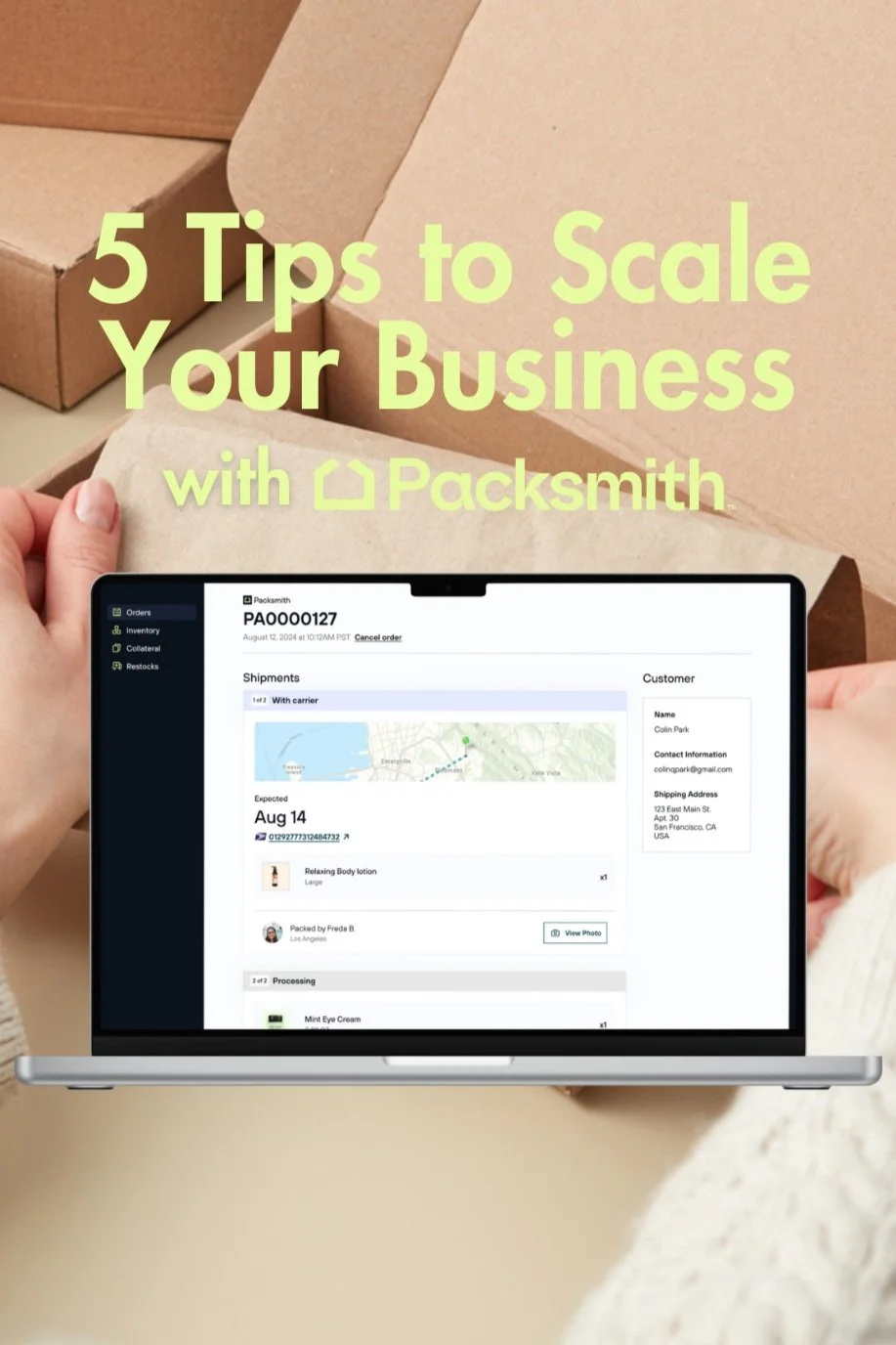




How These 5 Women Are Fighting Gender Bias in Hollywood
Don't ask for permission.

photo credit: Happy Print Co.
For 16 years LUNA has been promoting women storytellers with LUNAFEST. Every year they program and travel with 6-8 short films, bringing awareness in different cities to female directors. They also partner with local women’s non-profits in the cities where films screen to raise money for local charities.
And last Sunday at #CreateCultivateSXSW, in keeping with the spirit of the day and LUNAFEST, four amazing female storytellers took to the stage to talk about the realities for women directors in Hollywood. They were introduced by Suzy Starke German, the brand marketing manager for LUNAFEST, who told the audience "About two years ago we decided we wanted to look at the careers of the filmmakers who had toured their films through LUNAFEST.” The company also partnered with USC’s Media, Diversity and Social Change Initiative to complete a study about women in film. "Like in many areas, women directors are underrepresented,” said Starke German, bringing to the stage Mynette Louie, President of Gamechanger Films, an equity fund that exclusively finances women directed narrative features.
Joining them on stage were: Jennifer Brea, director of “Unrest,” a first time documentary filmmaker who used the medium to explore her personal medical journey, Rachel Holder, the writer and director of “I Love Bekka and Lucy,” a female friendship comedy which is the first digital series to be accepted into SXSW, and Kim Sherman, a production executive with Stage 13 representing “I Love Bekka and Lucy,” at the festival.
The women candidly discussed their journeys and where they feel the conversation (and action) needs to go.
1. DON’T ASK FOR PERMISSION
She’s from a little town in the Midwest but Kim Sherman told the audience, “I don’t think I ever thought, ‘I can’t do this’ or ‘I shouldn’t do this.’ I just started making movies. Every feature seemed to lead to the next. Eventually, thanks to amazing women like Mynette, I was recommended for this new digital initiative, Stage 13.” Stage 13 specifically works to support emerging artists in underrepresented communities-- “women being part of that,” she shared.
Rachael Holder got her start with an MFA from NYU/Tisch. “After graduation I wrote a lot of scripts, but no one was reading me. So I decided to not wait for permission and I made a web series. That web series was purchased by WB. With that platform I created ‘I Love Bekka and Lucy,’” she explained. “The beginning of my creative process was creating these characters, because I wanted to have a walking resume. Something people could click on and get two-minutes of content, hear my voice, and hear my POV. That’s how you do it, it works.”

photo credit: Smith House Photography
Nodding to Holder’s narrative about how she got her start, Brea picked up on the theme of permission. “I think ‘permission’ is a big theme about how women get their start. Who are the gatekeepers and do you need to ask for permission? For me, I was pursuing a totally different path in life. I was an academic, it was a safe path— but I had a strong impulse to tell a story that I really cared about and believed that it had to be visual that I had the idea to make a documentary. I think it’s because I had reached a place where I was so sick, I had lost everything, there was nothing left to lose. It was from that place that I felt I could take the risk.”
“Make your art without asking for permission,” Brea encouraged.
“Make your art without asking for permission.”
Tweet this.
2. DON’T KNOW WHERE TO GET FUNDS? KICKSTARTER ACTUALLY WORKS
Both Jen Brea and Rachael Holder relied on Kickstarter to launch their projects.
For the first “I Love Bekka and Lucy” vignettes, Holder used Kickstarter, relying on friends and family for donations. She made a web series with 5k.
“I also relied on Kickstarter,” shared Brea. “It was essentially me asking the audience, ‘Do you want this film?’ And they said, ‘Yes,’ in a resounding way.” Her project raised over $200,000 on Kickstarter. “Had it not been for that I don’t think anyone would have given me permission to make this film.” Kickstarter also allowed Brea to believe that it was a story people wanted to hear and that it mattered.
3. WHAT ABOUT THAT HOLLYWOOD GENDER BIAS?
Holder, who writes about women a lot, said she doesn’t feel restricted by the kind of subject matter she can touch. She does admit: “In terms of my female characters that have empowering sex, it sometimes feels like there’s an expectation to make that character fucked up in some way. ‘She’s craa-azy, she likes orgasms.’ I like to fight against that."
“‘She’s craa-azy, she likes orgasms.’ I like to fight against that.”
Tweet this.
Sherman, who got her start in the horror genre shared that she never felt restricted but she did feel alone. “I was often the only woman on set, aside from the actors. We would bond with each other because we were in a very male-dominated genre. It was interesting to go to festivals because I felt like my role in things was often overlooked or diminished. For me, that was really frustrating. As someone who champions filmmakers and directors, I noticed the difference in reception I would get when going out with a female fronted project vs. the projects that were attached to a male director. The men seems to be more free to experiment and more free to come to the table with something that was their voice and vision. Where women, depending on the distributor, there were a lot more concessions to what they could make and a lot more notes. No matter what their background was or what they’d already accomplished there was a tendency to want to tell them ‘how it is in the industry.’”
Brea who admitted she is “new to this,” said that in some ways she’s “happily naive.”
Sharing: “I know there are institutional barriers, but in some ways you can’t think about that. You have to hold onto the belief that you can do anything. That type of ownership of the world is the privilege of being a man, but it’s something that I think we as women storytellers need to own. But talk to me in ten years.”
4. ONLY 4% OF DIRECTORS ARE WOMEN
The EOC has found that Hollywood is guilty of discrimination. But just what can women in Hollywood do about it?
“Studies and numbers are on our side now,” said Sherman. “It’s not just anecdotal anymore. I think that’s the first step, but it has to be acknowledged at the higher levels. That science has to be felt. I think about this a lot. It would be amazing if even to start— every time a male project was greenlit for millions and millions of dollars, a female project was also greenlit for millions and millions of dollars. Apples to apples. Let’s get women in these major roles.”
"Women outnumber men going into film school, so why is that not translating to higher jobs? Where along the way are we losing?” asked Sherman. “How do we make sure people at the beginning of their careers have access to audience? If you going to give hundreds of millions of dollars to men, do it for women too. Let’s start there.”
For Holder, this was a point to bring up the importance of intersectionality. “We need more female directors and storytellers, but we also need to have women of color be a part of the conversation too. Not only not male, but I’m also not white and damn,” said Holder.
All women agreed that the conversation needed to be much more inclusive and is a conversation has been brewing for a long time.
Mynette also brought up the point that, "Women are expected to only direct other women.” But pointed out, “A woman inhabiting the male perspective is as feminist and apt as directing a female protagonist.”
MORE FROM OUR BLOG

We Need to Talk: Drawing the Line Between 'Casual Office Environment' and Harassment
When it's not OK.

I was 15 riding in my dad’s red Mercedes sedan. A car I would later inherit and subsequently total because LA drivers don’t know how to handle the rain. It’s a tragically true stereotype.
Less stereotypical was the conversation that occurred that night between D ole D and me-- the first and only “sex” talk I would get from my father, who probably wished that there was a roadmap as trusty as the Thomas Guide in our backseat, for this convo. Not so. Instead of warning me against the wily advances of Thomases or Tylers, my dad meandered around the topic, finally landing on this odd nugget: “I want you to know that women can be predators too.” I was a sophomore at an all-girls school so the advice wasn’t entirely misplaced, but it was still “so random, so weird.” Which is what I groaned before I stared out the window, unable to make eye-contact. Predator. Not a small word. Pretty aggressive now that I think of it. In a way, looking back at it, this was gender equality at kinda sorta work--my dad thinking that women were equally as capable as men of sexual harassment (though statistically, at least in the workplace, this is not true.)
More than 15 years later that conversation is only now starting to make sense.
In 2016, of the 6,758 sexual harassment charges filed with the EOC, only 16.6% of those were by males. The data do not differentiate between sexual harassment suits between men and women or those of a same sex nature (i.e. a female superior harassing a female employee). Other studies have found that 1 in 3 women between the ages 18-34 report being sexually harassed at work, but over 70% of those women do not report it.
Consider the number of female-to-female or male-to-male cases even more under-reported.
###
There have been many high-profile cases of male CEOs harassing female workers. Though American Apparel had its unitard ass dragged through the mud thanks to ousted CEO Dov Charney, a former female employee we spoke with said many of the women in executive positions weren’t much better. “When I was at American Apparel,” shared the 30-year-old who works for a new company, “a lot of the leadership was female and all the worst stereotypes about women were evident-cattiness, competitive, emotional-it was so sad to see.”
Derogatory comments about other women’s looks and bodies were common, as was slut-shaming was. “So much shit-talking,” the former AA employee shared. “Non-stop.”
Another source who works in interior design and asked to remain anonymous had this to say: “I personally feel like female superiors do sexually harass juniors, in my profession at least. Just not in the same way as the men. The men are condescending, belittling, and overtly sexual. They hold ‘meetings’ at strip clubs. And they make comments about women in general, if not specifically. The women are territorial.”
She continued, “And women make comments that in my mind--and this has happened personally--would constitute sexual harassment of the slut-shaming variety. Which is a different way of also establishing dominance and superiority. I think women have a really hard time with that. And will until it's a more equal distribution of men and women.”
"Female to female harassment simply reinforces the traditional patriarchal power structure."
Tweet this.
Which brings up a very important point. As women, we are still navigating what it looks like to have women in charge and, what it looks like to have office environments that are almost entirely female. This has been called the golden age for female entrepreneurship. Women are starting businesses at rapid rates. According to the 2016 State of Women-Owned Business Report it is estimated that there are now 11.3 million women-owned businesses in the United States, employing nearly 9 million people. Female leaders are also navigating a double-edged sword of quelling micro-aggression amongst females and harassment, with the the millennial desire to work in more casual environments. For instance, LinkedIn found that 67% of millennials are likely to share personal details including salary, relationships and family issues with co-workers. One-third of millennials think socializing with coworkers will help them move up the ladder. And 28% millennials have texted a manager out of work hours for a non-work related issue. Granted, those texts don’t have to be of a sexual or inappropriate nature, but many of us are confused about what’s OK and what’s not.
And there isn’t much of a precedent set.
Legally, according to Eisenberg & Baum, LLP there's this:
“The first United States Supreme Court decision acknowledging sexual harassment as a legal cause of action under Title VII came in 1986 with the case of Meritor Savings Bank v. Vinson. That case presented what would now be seen as a classic example of sexual harassment in which a female employee was coerced into participating in sexual acts by her male boss. Over ten years after the Supreme Court’s decision in Meritor, the Supreme Court considered the question of whether Title VII could apply when the harasser and victim are the same gender. In that case, Oncale v. Sundowner Offshore Services, Inc., a male worker on an offshore oil platform complained about the harassing conduct of several male co-workers who allegedly engaged in both verbal and physical sexual conduct with him. The Court noted that Title VII protects both men and women from discrimination based on their sex, and held that sexual harassment by someone of the same gender can be just as illegal as harassment by a member of the opposite sex.”
Just as illegal, but much murkier. Even though it shouldn’t be. Harassment is harassment is harassment. But in these female-first-we-all-champion-each-other times, where do we draw the line between ‘casual and fun’ and harassment?
I’ve worked for horrible male bosses where harassment has been horribly apparent. Those who have thrown trash at my head and told me to pick it up. One who told me he wanted to photo recreate Jesus’ crucifixion with me as the female Jesus. “You kind of look like him,” he told me. Whatever that meant. CLEARLY NOT OK. Bosses who used the word cunt to refer to female clients as casually as a conjunction. When I was pregnant, an employer told me to get married or get rid of the baby because, “I shouldn’t bring a bastard child into this world.” NEVER OK. When it comes to bad female bosses, the behavior hasn’t been as egregious. No female boss ever asked to tie me naked to a cross, that’s for sure. To be honest, I’ve had female bosses I definitely didn’t like, but I am way more hesitant to claim harassment. But in the past week numerous stories have come out about former Thinx CEO Miki Agrawal (a woman C&C has interviewed and supported) and more questions are being asked about what really is appropriate at the office.
Part of the problem lies in our overshare culture. Unlike economics, its effects have trickled into the workplace. The workplace is considerably more open, but sexual harassment laws are considerably more rigorous than they were pre-Anita Hill. It has been an uphill battle. In the 1920s women who couldn’t take the inevitable harassment were advised to quit their jobs. The term sexual harassment wasn’t even coined until 1975 when a group of women at Cornell University called it into being. In the early ‘90s, the American public was still in the midst of figuring out what was and was not acceptable. Finally, in 1998 (and the above mentioned case) the Supreme Court ruled that same-sex harassment was also illegal.
We accept this as truth and yet, when it comes to the current office culture (especially for women), we’re still in funky water. Like we know it’s good for us, but still smells weird. Like Bikram. We openly talk about our periods and sex lives. When we swiped right and where they subsequently swiped. We discuss it on our platforms. We champion truth-telling. We applaud bosses who are forthcoming and girls’ girls and encourage open environments. Until we don’t.
These cases are more rare, but they do happen. In January 2013, a sexual harassment lawsuit involving two women was filed by an Armani employee accusing her boss of unwanted sexual advances. In 2014, one of the biggest cases of same sex harassment involving a female Yahoo executive drew national attention. Maria Zhang, a senior engineering director for Yahoo Mobile, was accused by her subordinate Nan Shi, of allegedly pressuring Shi into having oral and cyber-sex in exchange for a “bright future” at Yahoo. There was a 2014 case against a Wells Fargo superior.
Now, there are some very clear lines in the sand. Touching, for one. Inappropriate comments as well. But there are countless examples of what a female boss might say to a female employee that would be considered harassment if said by a male, but we are generally more lenient with female bosses. I don’t know if that’s a good thing or a bad thing. I work at a company of all women and I feel free to speak my mind, almost all of the time. I feel safe. There's the 'every company is different' argument, but that feels like a cop-out and also, hypocritical.
As disturbing as that is, that’s not the biggest problem. The biggest problem is that every time women abuse their position of power, we undermine the equality we’ve set out to gain. Female to female harassment simply reinforces the traditional patriarchal power structure.
Which, brings me back to my dad, oddly enough. Women can be predators, too. It’s not fun to think about, but that doesn’t make it less true. It may be statistically less likely. It may not happen to 1 in 3, but it’s still happening. And it’s on other women to call it out.
That’s how we support each other. That’s how we get stronger.
Arianna Schioldager is Create & Cultivate's editorial director.
Have thoughts? Please share in the comments below. We're listening.
MORE FROM OUR BLOG

Meet the Woman Who Left Oprah to Write Her Own Story
Sometimes you gotta open your own doors.

“I feel very wrapped up in cords. As a 30-year producer, I am ashamed,” jokes Sheri Salata, former President of OWN, now co-founder of Story, a brand and media company launched nine months ago with lifelong friend Nancy Hala.
We’re sitting in the Garden Room at Salata’s Los Feliz home. She moved in about a year ago. On the coffee table is podcasting equipment (“ordered on Amazon and here in two days,” she says) and a pile of books, including one on meditation, that aren’t there for show. They’ve been thumbed many times; covers creased, fingerprints on all pages.
The women are on single-syllable name terms with each other: “Nance” and “Sher” as they affectionately call each other, have been friends for 26 years. They met in Chicago through Nancy’s ex-husband, Chris, who worked with Sheri at the time at an advertising agency. Chris brought her home to meet his then-wife. “Sure enough,” says Nancy, “I walked in the door, put my stuff on the table, and it was instant friendship affinity.”
The women bonded over a love of books, stories, Bruce Springsteen, and cocktail hour, launching what Nancy calls “our 26 year conversation that we’re still having today.”
Outside of that first meeting, their story really starts with stories—a book club, in which they were the only members. “We were very serious about it,” says Nancy, recalling the first books they chose: Mona Simpson’s "Anywhere But Here" and Wally Lamb’s "She’s Come Undone." At the time Sheri lived in a tiny studio apartment and they’d walk to Barbara’s Book Store (“not there anymore”) to buy their books (“with great ceremony and ritual”) and then walk across the street to Bird Place Bar to discuss, with pen and paper in hand. “And then we started writing stories,” says Nancy. “It is the greatest joy in the world for me,” says Nancy, “to tell Sheri something, or to listen to her tell me something because we unpack it from every angle. She’s the one person in the world who does not care that I repeat myself, because I do. Sheri loves to hear all different iterations of the same idea.”
“I do,” chimes in Sheri. “I do. I just love the details of stories.”
Story in all its forms has been part of their “friendship DNA.” Today, they are proud to be developing a company that is “very authentically our own.”
“We wanted to do the things we loved. Work with people we really enjoy. We wanted to spend our days happy and excited. It makes so much sense that the focal point would be storytelling. That is the one thing that we both have been orbiting in our careers for decades,” explains Hala.
Careers, which, have been rather storied themselves. Sheri has always been a go-get-‘em worker, lapping up the midnight oil her entire life. She walked in the Oprah door in 1995, rose through the ranks to role of executive producer—the consummate storyteller, crafting one story after the next for audiences all over the world. When she made the decision to finally exit, she walked out of the door as President of OWN. These are not small-career potatoes. This is the whole Thanksgiving meal. Plus dessert. The kind of career trajectory that we champion.
Hala has been a storyteller in her own work as well. A writer and brand storyteller, she ran her own company while raising two kids solo. A single mom by the time her children were four and seven, Hala knew that she wanted to be able to stay home. So she started what she dubs “my own little writing company.”
“I think Sheri had anxiety for me. I didn’t have a steady paycheck coming in. I was very entrepreneurial. When you’re self-employed there is very much a dance of cash flow. So I got used to that quite quickly. I had to knock the mortgage out every month, I had two kids to raise, make dinner every night. And I had to write a bunch of articles, annual reports, and ghostwrite books so that I could keep the family going. After a while, you just get used to the shifting sands. But what I really liked that I could work 4-5 hours a day. I didn’t need to be in the office.”
Hala also had the ability to write on subjects she and Salata joke, she knew, “nothing about.”
“You were pullin’ the rabbit out of the hat, man,” says Salata. “And quite successfully.”
They laugh about one particular 5,000-word piece. “I was asked to write an article on commodities. As I was saying yes, I had the phone to my shoulder and I’m typing on my laptop 'What is a commodity?'”
“I so admired her,” says Sheri. “I could see in my friend this totally fearless quality that I didn’t have myself. I was a little bit of a safe Susie, going in with my lunch pail.” 80-90 hour weeks and a 24/7 mentality were her norm. “Nancy was always the most understanding,” she says of their friendship during that time and her dedication to her career.
It’s why they gel. “We’re in concentric circles,” says Sheri. “In the middle, we’re super alike, find the same things funny, like the same kind of storytelling, and adore one another.” In the outer parts they are admittedly different.
She refers to their initial talks as the “chardonnay dream conversations,”—the some days, the one days.
The “one day” is now.
###

While we’re chatting Sheri can’t help but produce. “Nance,” she says, “can you scoot your chair around a little this way, just so the eye line is better for her?” she says referring to me. “It’s gonna bother me.” Nancy scoots. We all settle back in.
Nancy has just come from a morning workout of intense interval training. As such, she’s moving “slower” than usual. It’s all part of the life the pair is actualizing at “Belle Vie.” The “name” of Salata’s new home replete with white bright walls, a lit fireplace warming the living room, a kitchen island that makes you salivate, and a pool so blue it could be called Sinatra. In the formal dining room, the co-founders have taped up their first month of content. Nancy likes to look at it on the wall; it helps them visualize and understand how the stories will weave together. Two English bulldogs (Sheri’s), a cocker spaniel (Hala’s) roam the home.
“When she bought it she half-jokingly named it Belle Vie,” shares Hala, “which is French for beautiful life.” Salata laughs loudly. “She’s not some fancy lady who names her properties,” explains her friend who has moved into the guest suite on the property in order to really focus on the first year of the company. They are calling this time together “A Year at Belle Vie,” and they’ve already sold a book of the same title to be published by Harper Wave. “Our agent calls it Eat, Pray, Love in your own backyard,” says Hala.
“The dream for our company is part of the dream for our lives,” shares Sheri. “It’s not separate. It’s an integrated dream. We’re working but we’re living.” It’s all baked into the Story layers.
"We’re working but we’re living.”
Tweet this.
“For part of our year at Belle Vie, which is foundational to the first year of our company, I’ve brought in the experts, just like the Oprah Show days,” explains Sheri. “We have a love coach and a sex therapist who is part of the team. We do private sessions that we’re chronicling. I think that, honestly, great love is on his way.” Of “those days,” Sheri has nothing but positive feelings, aware that she learned from the best; studied soul with a woman who built an empire. Now she wants to build her own.
“We realized that to build and sustain a Story Empire, which is what we really want to do, we have to be firing on all cylinders,” Nancy says. “So then we started thinking about getting in the best shape of our lives, focusing on spirituality and happiness, meditating twice a day, eating a clean plant-based nutritional program, working out furiously, losing weight, and again, freedom, growth, and joy.”
“And,” adds Salata, “to call in soul mate love.” An essential they will not sacrifice.
But what about the nose to grindstone work? The kind that Sheri spent over two decades of her life committed to? They’re not about that life. At least anymore.
Set to launch at the beginning of May, Story, will be an umbrella brand. As a daily practice they focus on what they call their “pillars” (Spirituality and Happiness, Soul Mate Love and Great Romance, Health and Wellness) and are considering this their year of radical self-care and transformation. With a print division, a production studio named Orange Dragon, and media company, they’ve have already optioned The Gilded Razor, developing the Sam Lansky novel for TV with Nate Berkus, whom Sheri has known from the Oprah Show, and his husband Jeremiah Brent. In fact, Sheri married them at the New York Public Library. Orange Dragon was launched during the middle of a dinner (ordered by neighborhood favorite Little Dom’s) in Salata’s backyard. “We said, ‘Do you want to throw in with us?’ And they said, ‘Yes.’” A few weeks later they found their first book.
If this all seems too simple and easy to be true, it’s not. “I come from the school of hard work,” says Sheri, “I worked my ass off. But I don’t think I was right about that. If you are willing to let some things germinate and let timing come together and gather momentum, build from the inside out, I think there is a much easier process that we’re exploring now. It’s really illuminating to me,” she says. “After a fabulous career, I see that I have much more to learn about creativity and innovation and divine timing. There is a freedom and a joy that I’m unpacking that startles me.”
“It startles me too,” adds Hala. “I’ve known Sheri for a very long time. In Chicago we were really best buds and I think that I had lunch with her twice in maybe 20 years because she wasn’t available for lunch. She’s the kind of person who packs up her lunch pail and reports to duty every day; she takes her job very seriously. She has a mid-western sensibility.”
But now they are in the “land of dreamy dreams.” And damn that time-clock mentality because they are dreaming. Throwing caution to the jasmine-scented LA wind, the pair quit their jobs, sold their homes in Chicago, and leapt without fear. “There’s something in the air out here,” says Hala. “There’s a creative vortex swirling around.”
Contrary to everything you’ve heard about startup life, Sheri says, “Honestly, we’re not setting out with this huge gigantic strategy. It’s very organic, very ‘let’s see,’ ‘let’s look through our offers here.’” Explaining that the need to make her “mark” in her early twenties, “almost ruined me.”
“I thought I needed to hurry up and get my business cards printed and get my proper title… in moments of reflection, I tap my younger self on the shoulder and say ‘easy there, it’s all going to come together, it’s all going to be fine. Have fun right now.' ” When asked if she could have come to this realization earlier, she’s frank: “Well, I didn’t.”
“It’s easy for me to say,” says Salata, “so I’m saying it, because I’ve already made all those mistakes and now I’m in my mid-50s and an entrepreneur for the first time in my life and loving it and seeing things through a different set of lenses. I wasn’t like that when I was younger. At all.”
She encourages young women to, “Really find out what you like to do. What you’re really looking for is happiness. All of the accolades, accomplishments, and achievements are really going to end up feeling very, very thin if you haven’t made happiness job one.”
“All of the accolades are going to end up feeling very thin if you haven’t made happiness job one.”
Tweet this.
She says there is “no question,” that she's missed out on a bit of her own story, but also has a no regrets policy. “I wouldn’t do it differently, but it’s instructive,” she shares. “I get to do it differently today. Because that’s what I have: now.” She also admits that she was never able to achieve the illustrious work/life balance, but it’s a concept that won’t be her part of her life strategy. Instead she’s focused on a fully integrated life.
“People say you can’t have it all,” says Hala. “I think that is complete rubbish. I think you can have it all and you should have it all. I believe that I can have great romantic love and great business success and great friends and family around me all the time, and the body I want and the life I want.”
“I totally agree,” nods Sheri, though that “all” never included biological children for the new entrepreneur. For a while she considered adopting a baby from China, but it never came to be. She’s happy as a “dog mom.”
Both women are reframing with Story, filled with excitement at this entrepreneurial moment in time.
“Nancy is a gamer, a let’s go, jump off the cliff, Thelma and Louise drive the car right into the canyon,” says Salata. “I like that. I like that all of that is being awakened in me.”
“I’m living this one golden joyride opportunity,” she continues. “Sure, there’s a lot going on, but I feel so alive and I'm becoming so much better at what I do.” Nancy agrees. “You can tell your own really inspired story about what it means to be a fully actualized mother, who is madly in love with and devoted to her children, and also be a force to be reckoned with professionally. You can be the kind of woman who walks into the room and leads the discussion and listens intently, adds value, is super creative and aware of her surroundings, and a shape-shifter. You can be that.”
Cheers to that.
MORE FROM OUR BLOG

5 Quick and Easy Ways to Hack Your Work Week
Giving you a case of the Monyays.

photo credit: Sarah Derweiler
Sure, it's Sunday night and the work week ahead doesn't look appealing. But we want to give you a case of the Mon-yays with a few easy hacks that will start your week off right.
They're simple, take virtually no time to implement and allow you to get right back to your regularly scheduled evening.
1. SET YOUR ALARM WITH AN AFFIRMATION
It's easy to moan, groan, and snooze when your alarm goes off Monday AM. After a lazy weekend of sleeping in and waffles at noon, a 7am wakeup call can feel, well, like torture. But you need to head into your week with a positive outlook-- that's the first step to positive outcomes. So, set your alarm to go off with an affirmation. Something that makes you excited to start the day. It's super easy, especially with an iPhone. Instead of keeping the "Label" as "Alarm," fill in a positive saying that gets you rolling out of the right side of the bed.
That's what we call #mondaymotivation.
2. LOG OUT OF YOUR PERSONAL INSTAGRAM BEFORE YOU GO TO SLEEP
The endless Instagram scroll is a hard habit to break, but adding a second barrier between you and the social media time suck might be the pause button you need to not waste time on Monday.
We all do it. Especially when we're supposed to be getting back on our grind. But try something different and start this week not lost in the IG black hole. It's hard to pick up the momentum lost.
You can log back in Monday night. We promise, you won't have missed anything massive.
3. DON'T COMPLAIN ABOUT MONDAY
The energy you put out is the energy you get back. If you want to have a bad work week, go ahead, complain. We suggest that instead, you jot down a quick list of items you're looking FORWARD to attacking this week. Not all tasks are fun, but pay attention to the ones you feel connected to, and train your focus there. When we accomplish items we are emotionally connected to it gives us the fuel we need to make it through tasks that are mundane or daunting.
4. MEAL PLAN YOUR WEEK
It's all too easy to fall into the weekly rut of waiting to eat until the last moment possible. But just as sleep is crucial to productivity, so is food. Without brainfood, you've got brain mush. If you're used to Postmating your meal at the last minute, this is for you. Spend 15 minutes planning out what you want to eat for lunch this week. Reports show that only 1 in 5 workers are taking adequate lunch breaks, but it's not making us better workers.
The way you spend your lunch break affects how productive you are for the rest of the day. When you're eating, do nothing but eat. Multi-tasking when you're supposed to be refueling is the wrong way to go about it.
5. TRY GOING COLD TURKEY
If you find yourself easily distracted by the internet and all its wiles, you're hardly alone. But there is a difference between checking something for work and checking out entirely. If your concentration level on Monday falls between zero and zero plus, consider using Cold Turkey. It’s a website that temporarily blocks you from going to sites that are distractions and is highly customizable to your needs.
Have other hacks? Share in the comments below and give everyone a shot a wonderful work week.
MORE FROM OUR BLOG

Write That Down: One CEO’s Major Hacks for Managing the Hustle
First she drinks the coffee, then she does this.
photo credit: May Designs
When Mica May, CEO and founder of May Designs, couldn’t find a pretty and practical notebook to take to client meetings she started making her own— literally stapling pages together. A woman’s gotta do what a woman’s gotta do. The designer did it so well that her clients starting asking where they came from, giving May the confidence boost that she was on to something good.
Now, May Designs offers customized notebooks (and more!) that easily fit into your purse. It’s a lifestyle brand that believes in the power of writing it down to get it done.
Here’s why:
HOLD YOURSELF ACCOUNTABLE & WRITE IT DOWN
You may not be surprised to learn that CEO and founder of May Designs, Mica May, abides by the write it down policy— a habit many of us have abandoned. The abundance of apps, notes in our phones, and the landscape of the multi-screen economy may have you thinking, paper? Who needs it?
But don’t give up on pen and paper just yet. When you write something down, it not only helps you commit that task or goal to short-term memory, but it keeps you accountable to yourself and others. It also helps you manage the day-to-day minutiae. After all, the devil isn't in the details, the devil is the details. Luckily he doesn't like notebooks.
"The devil isn't in the details, the devil is the details."
Tweet this.
Part of that management strategy includes determining what you need to handle over the course of your day and the tasks that you can let others handle. For a long time, May Designs was a one-woman show, but now the CEO makes the point to ask herself, “‘What is on my list today that is something that only I can work on?’ Then I do those things first,” she shares.
That requires writing said “things” down. If you don’t have something to check-off or cross off, you’re using up valuable brain space attempting to keep track of it all. It may be impressive that you can remember everything, but it’s not using your talents wisely. Free up your thinker to come up with brilliant ideas, instead of keep track of tasks. May says, “Writing things down clears your mind and allows you to set clear priorities.”
DECIDE WHAT YOU ARE EMOTIONALLY CONNECTED TO
Speaking of priorities…
There are *obviously* parts of every job that don’t tug on your heartstrings and there are tasks throughout the day that no one will feel an emotional connection to (does anyone LOVE going to the bank?), but finding the joy in your job is an important part of success. There have to be points in your day where you get excited or you will burnout.
“Writing things down clears your mind and allows you to set clear priorities.”
Tweet this.
Mica May, founder and CEO May Designs.
“When I only had a couple of employees and three babies and my husband was still working full time, we asked ourselves, ‘How are we going to get through a single day?’” May recalls. “So, I wrote down literally every single thing that had to happen on each day of the week—get the kids dressed, take them to school—and put a name by it. I asked myself, ‘Am I emotionally connected to this task? Someone needs to drop Madelyn off at art class at 3 on Wednesday. Do I care if that’s me? Nope, but I want to pick her up because she’s excited to show me what she did, and I can stay and chat with her art teacher at the end of class.”
Consider it finding the joie de vivre in your work day. YES! It exists. The happier you are, the better your work.
DON’T REINVENT THE WHEEL
Overcomplicating the process is not going to get your anywhere. The point isn’t that “writing it down” is new advice, it just so happens to be a crucial step we skip. Getting back into the habit is the hardest part.
May advises blocking your time in 15-minute increments or using a paper calendar paired with a digital "Google Calendar" to help you provide a visual representation of your days and week ahead.
She also says sustainable habits are the key to success. “Truly look at your current habits and be honest with yourself,” shares the CEO. “Do you love the way you are spending your time? What small changes can you make that will maximize your work time vs. your personal life?”
We call that working the write way.
To see everything that May Designs has to offer, click here. And then tell us what your goals in the comments below! Consider it your first step to holding yourself accountable.
MORE FROM OUR BLOG

Uncommon Opinion: I Don’t Want to Be the Boss
Head honch-no thank you.

Personally, I blame Bruce Springsteen because no one blames him for anything ever, but that doesn’t take away from the fact that we have romanticized the idea of the Boss.
The Boss is in charge. The Boss has flexibility. The Boss takes fancy lunch meetings. The Boss also carries the weight of the company, everyone’s salaries, deals with HR, paychecks, keeps the company afloat, and more.
Head honch-no thank you.
Do you think Grace Coddington wanted to be Anna Wintour? Maybe somewhere along the 25 years she worked for Vogue she thought, ‘I’d like to be Editor-in-Chief,’ shortly thereafter realizing, “Oh no, I’d much rather smile!”
That doesn’t mean she wasn’t aspirational and kick-ass at her job. "Do I dream very much? Do I dream predominantly about fashion?” she asked herself in the 2009 documentary The September Issue. “No,” she answered, “I dream much more about cats.”
I can’t help but feel the same. I have dreams and hopes for myself, but running a company or making Forbes 30 Under 30 aren’t them. Jokes on them! I'm over 30. (Cats have nothing to do with my dreams either.) But why does that feel so uncomfortable to say out loud? As if it makes me less powerful, less feminist, less of the woman I should aspire to be. We hold professional advancement in higher regard than performing well in our position.
Running the show means that if shit hits the fan, it’s your fan and you’re cleaning it. Yes, it also means there is the potential for a high payout. The accolades are more high profile. The dinner party invites might be better and the dream wardrobe more of a reality, but the pretty version of jet-set-dinner-party-squad-goals boss that we see projected through the Valencia filter on IG isn’t real life. Everyone knows that, and yet we are still conditioned to think that "boss" means success.
Well, CE-no thank you. Here are 5 reasons why.
IT’S RESTRICTIVE.
TO me, the idea of being the boss seems like being the Queen or King; neither are roles I’ve ever wanted to play. There are rules, restrictions, public personas— things you can and cannot say, etiquette and financial stressors. Sure, as Queen you don’t need a license to drive (or in the case of Queen Elizabeth to ill) but you are in charge of all your subjects. Or in the case of being the boss, your employees. (Fun fact: Queen E owns all of the swans in the Thames River.)

When you are the boss there are no job requirements. Your job is everything. When you own the company you don’t get a raise because you performed well; most often that money is pumped back into the company to show potential investors that you believe in your idea.
BEING THE BOSS OFTEN MEANS $$. BUT MONEY CAN’T BUY HAPPINESS.
Let’s hit refresh on that always cited Princeton University study published in 2010 that found that happiness rises as income rises up until you hit $75,000 a year. At that dollar point, happiness ceases to improve as you earn more.
The study actually found the opposite to be true. Those who are happiest are proven to be more productive which, leads to better pay.
Not all founders or bosses are unhappy, but the stakes are higher, so is the pressure, and as we’ve heard from Create & Cultivate panelists, “Founder depression is real.”
YOU HAVE LESS JOB MOBILITY.
When you are unhappy or unfulfilled by your job or career path, you can change it. (This should not be taken as advice to monkey around from one career branch to another.) But with less responsibly comes more mobility. When you are in charge, or own your own company, that company has custody over you. You can’t simply pick up and leave— there are people who rely on you after all. No pressure.
Moreover, shuttering your own company and going to work for someone else is viewed as a set-back. Even if it's not true, people view it as a failure. Having to walk away from a company you created is not a position I want to be in.
Being crucified on the cover of Variety as a failure? Seems unpleasant as well. Multi-million dollar payout and all (see point 2).
IF YOU DO WHAT YOU LOVE...
You’ll never work a day in your life. So the saying goes. This is one of those really tired, unrealistic job-related aphorisms that f’s with people’s heads. Even if you love what you do, you will not like it all the time. In fact, you might hate it some days. TOTALLY OK TOO.
As employees we tend to give ourselves more leniency when it comes to the days we don’t like our jobs. When you own the company, or when you’re the boss, there is more pressure to believe in and love the work.
It’s simply not possible to love it all the time. As a founder you have to be obsessed with your company to make it work, but obsessions come in waves. Some days are easier to ride out than others.
When you're the boss it’s very stressful and scary on the days when you’re simply not feeling it.
THERE IS NOTHING WRONG WITH NOT BEING THE BOSS.
So you don’t want to be the boss? GREAT! Let's high-five each other. There are currently almost 10 million boss hashtags on IG.
You can be a high-performer without being in the highest position. Success doesn’t mean car or corner office or cabana. You can create an amazing career without striking out on your own. Being someone's right hand doesn't mean you've chopped yours off.
[If you do want to be the boss: read this.]
Success means going home and having the ability to dream about cats. It means that you are satisfied with the decisions you’ve made for your career. For many people that means acknowledging that you don’t want to own a company or be in charge.
Even it if means you don’t own all the swans, you’ve still got the wings to fly.
Arianna Schioldager is the Editorial Director of Create & Cultivate, and therefore, not the boss. Find her on Instagram: @ariannawrotethis and on this site she never updates www.ariannawrotethis.com
More from our blog: