
#Trending: So Here are the 8 Social Media Tips You Really Need
Do this is you want to build your brand.

We’ve entered the digital age of Keeping Up with the Content Joneses. Brands and media alike are saturating social media platforms with higher and higher volumes of content, rolling with the punches of algorithm shifts and new platform functionalities. The year is 2017 and spoiler alert: the content competition is fierce.
There are 500 million tweets sent per day (#covfefe), and 300 hours of video content uploaded to YouTube every minute. Almost 5 billion videos are watched on YouTube every day. And Instagram? Don't even get us started. There are over 60 million new pics uploaded daily, generating over 1.6 billion (YES, billion) likes per day. Are you experiencing sensory overload yet?
If a primary objective of your social media strategy is engaging with your target audience, how do you get their eyeballs on your content to begin with? It’s a volatile world out there, and we’re here to help you cut through the content clutter with these quick & dirty tips for building a better brand presence on social. Whether your brand is pushing products, or you’re a blogger promoting your content (or yourself), consider the following:
1. Identify each channel’s purpose based on your target audience’s social behavior.
What social platforms are actually important to your target consumer? It’s critical to identify these platforms, and even more so, the content that performs well on these platforms. The spray-and-pray method (translation: posting the exact same content across all social platforms without any tailoring for the specific platform) just doesn’t cut it anymore. The end goal is to communicate to your audience in their native social language on platforms that naturally engage with. For example, the content you your brand creates and shares on Pinterest does not serve the same function on Twitter. Successful content on Pinterest is aspirational and functional, with DIYs and recipes ranking amongst the visual platform’s most engaged with content. Hashtags do not serve a purpose on Pinterest, and, in fact, they are discouraged against. Transition to Twitter and there is a very different landscape. Not only is there a 140 character limit, but images shared are presented horizontally in the newsfeed and hashtags serve a much more functional conversational purpose. Successful content on Twitter is breaking news and statistics.
"The only similarity between the two platforms is that they are both excellent traffic drivers, but the consumer journey could not be more different."
2. Integrate a social strategy and content plan into your brand’s overarching digital ecosystem.
Once you land on where you will be talking to your audience socially, map out how social media fits into your brand’s overall digital ecosystem experience. Make sure your website is optimized for social (if your site is not optimized for mobile, you’re missing the action), and think about cross-platform promotion if you are starting any new channels and you have established other existing presences.
3. Think socially, and less about your brand.
The internet runs off of content. In order to be efficient, your content needs to stand out because it’s clever, fun, and sharable. Successful viral content appeals to universal feelings and relates to human relationships. If you want people to share your content, give them a reason to tag their friend or share the asset with another social connection. Brands making mistakes on social are too narrowly focused on owned brand messaging, so much so that they miss opportunities to use social to be truly, well, social. By nature, social media is reactive and provides cultural commentary. Tapping into the social trends of each platform will undoubtedly lead to more double-taps on your content. For a spectrum of brand examples doing this well, look no further than MR PORTER, Taco Bell, and Lowe’s for inspiration.
"By nature, social media is reactive and provides cultural commentary."
4. Create a cohesive look and feel to owned channels and all content.
Could your content be mistaken for another brand’s? If so, rethink how you communicate visually on social. On top of everyday content, it’s important to keep a consistent DNA across channels - whether it be through profile pictures, cover photos, tone of voice, color, theme, etc. Consistency builds credibility in the world of social.
5. Create a plan to create content.
Content is king. Content is the strongest tool you have to grow your audience organically, so create a plan to create. This can take shape in the form of monthly content calendars and agreed upon approval workflows. Always be planning for the month ahead, and leave placeholders in your calendar for any reactive or responsive cultural content. The takeaway here is to not push content out for the sake of crossing it off a to-do list. If content is your currency, make sure the value of it mirrors that of your brand’s.



"Content is the strongest tool you have to grow your audience organically, so create a plan to create."
7. Identify partnerships and content distribution opportunities.
If you’re launching new social presences (i.e. Instagram, Pinterest, YouTube, etc), consider how you are going to get eyeballs on your brand and its message via editorial and influencer partnerships. Not only can you lean on partnerships for content creation, but you can leverage the power of their engaged audiences when they share meaningful, authentic content on behalf of your brand.
8. Implement paid support.
It’s no secret that the big platforms like Facebook, Twitter, and YouTube have transitioned to a pay-to-play model. If you have the budget to do so, it’s worth investing in hyper targeted campaigns such as content engagement, fan acquisition, or web traffic drivers. These bigger platforms now have targeting and campaign flight capabilities that resemble traditional media buys, and implementing a social spend is a powerful way to guarantee reach within your target demographic.
And there you have it, folks. Now get out there, create meaningful content, and we hope to see you #trending soon.
Dana Kelly is a content strategist by trade and subscribes to the notion that life, lifestyle, and the left coast are what matter most. The California native spends most of her days at Mistress, and has a deep love for words, wine, and great in-flight entertainment.

C&C Classifieds Nº8: 100+ New Job Listings For June
Opportunity might just be in one of these 100+ listings we've picked out for you.

Summer is close by, and with the seasons changing, you might be on the lookout to change your career as well. Don’t worry - you know every month we got you covered with a fresh batch of job listings for you to look through.
This month, we’ve got 100+ listings from amazing companies to work for. From marketing, to PR, to design and to programming, we’ve got them all. To get access to all of them, enter your email below to get access to all of the company listings.
And if you didn’t find anything that suited what you’re looking for, feel free to comment below so we can make sure to include some in our next round of listings.
Good luck!

SnapChat Is Now Shoppable Thanks to This App
All it took was two emojis.


When there's an app, there's a hack. Especially when it comes to brands figuring out how to monetize social platforms that aren't yet shoppable. Like Snapchat.
Since its launch Snapchat has been the mystery meat in the social media sandwich, confusing brands and influencers alike on just how to use it. There are a couple of kinks in the snap chain: it's difficult to know how many followers you have, the videos are only available to your followers for 24 hours, and there is no way to link out.
Until now.
"Since launch Snapchat has been the mystery meat in the social media sandwich, until now."
Tweet this.
PopSugar owned ShopStyle is offering the first solution to the "what now" problem of Snapchat, introducing a new e-commerce app called Emoticode™. PopSugar CEO Brian Sugar told Digiday, "It was clear that people wanted to take action from our snaps and it wasn’t as easy as it could be. The lightbulb went off."
That lightbulb lead the way to Emoticode™, a Snapchat companion app which uses the combination of emoticons and screen shots to create what is effectively an affiliate link program. Sugar again, told Digiday, “It works for shopping. It will work for recipes, workouts, articles, really anything you want to engage more with beyond a snap or an Instagram post.”
Here's how it works:
ShopStyle Collective members can search a product they want to share on Snapchat or Instagram. When they tap “Copy Emoticode” below the product, a shortened affiliatized emoji link is created. The first two characters are emojis. They paste the unique emoticode in their post.
The Collective members receive credit for the clicks and conversions made through the Emoticode™ integration.
Followers will need to download the ShopStyle App or the Emoticode™ App, screenshot the post with the unique emoticode, and upload it in the ShopStyle app to shop the product that's being shared.
It's not completely seamless because there is still no way to link out directly from Snapchat, which has yet to introduce brand integration into the platform, but it is the first app that has addressed the two main issues everyone has asked from gate: why do we use this and how does this make us money?
Emoticode™ is the first way to track sales and facilitate revenue sharing for influencers. It may also encourage bloggers who have yet to really engage on Snapchat to integrate the app into their social playbook.
"Emoticode™ is the first way to track sales and facilitate revenue sharing for influencers."
Tweet this.
Julia Engel of Gal Meets Glam (and C&C DTLA mentor) told Digiday, “I really like the idea of Emoticode, especially because the screen-shotting behavior is so natural. I screenshot everything.”
It will also save time for bloggers who are spending time answering individual messages from followers about what they're wearing.
For brands, the power of Snapchat is yet to be seen, but this is the first real step in Snap monetization.
via Brian Sugar
More from our blog:

This One Shirt Is Changing the Way We Buy Clothes
Say goodbye to fast fashion.

DRESSHIRT is a tightly edited collection of tailored sportswear with a mono product structure of luxurious, a-seasonal basics for the over marketed consumer. The custom embroidered DS1 was the first product category to be released and has become the globally recognized hero of the brand.
It occurs to me that I am a feminist. I didn’t set out to become one but I find myself a woman, an entrepreneur, and an activist providing women with a comfort that men have enjoyed for centuries. I wasn't compelled to launch my brand with such morals however, rather the opposite—I was being selfish.
DRESSHIRT erupted from two needs: A personal desire to put something new into the world and a hankering for an ease of dressing similar to what men feel when slipping on their favorite suit. I grew up in Milan, surrounded by fashion. My father, the owner of a fashion consultancy and ex-Saville Row tailor, was an enormous influence on me. You could credit him with being the impetus for both of the aforementioned desires. I watched him get dressed in his own kind of suit every day--a black turtleneck, black pants, a ponytail tightly harnessed with black elastic band. My father is one of the most well dressed men I know, and the ease he finds in just a few basic pieces, that he wears his way, is what aim to give women.
The easiest way of describing DRESSHIRT’s brand structure is as follows:
DRESSHIRT + JACKET + TROUSER + SCARF + HAT
Equals an outfit.
Traditional brands create loyalty by using marketing to appeal to the lifestyle of their customer, and by creating the illusion that there is a need to purchase out of fear that last seasons styles will become obsolete. At DRESSHIRT we believe in a smarter luxury, one that prioritizes values over status and a personal touch over pre-conceived, “perfect” package. We build our brand one product at a time, making pieces that can adapt to many lifestyles, places and seasons. By focusing on products our customers grow with us, and are part of the process of building their wardrobe. It is a truly collaborative, authentic and loyal partnership.

I often say that I feel the internet is being misused in our industry. The emergence and growth of the internet has given the millennial and Y generations a considerable advantage in business. The virtual storefront means you can run a consumer oriented company with little to no overhead. It is our most valuable asset, and the direct-to-consumer brands leading the way in fashion are mostly price-based models with the familiar adage “we bring you the best for less by cutting out the middle man.” Today, there is a space for luxury fashion empires to be built online, and being more accessible does not mean we have to sacrifice quality. The rush of newness and fast fashion is coming to an end and an aging millennial generation wants luxury online.
"The rush of newness and fast fashion is coming to an end."
Tweet this.
The same can be said of the in-store customer experience. Traditionally, e-commerce has been treated as a back up, a second string to brick and mortar. As the brick and mortar experience has become increasingly passive and dissociative, online has become the opposite. I can sit in our studio and answer customer service emails and live chats myself. Via www.dresshirt.com, we directly reach customers from all over the world. Everyone on the DRESSHIRT team has contact with a customer daily! We learn names and carry out and produce custom orders. We create a relationship with our return shoppers—you don’t get a more personalized experience than that.
Technology has revolutionized the fashion industry. It is a divisive time and there is movement on behalf of some of the bigger houses away from fashion week and the seasonal collections traditionally aimed at buyers and stores. With all the money spent on these twice yearly fanfares it’s a small disaster when all of the media is not translating directly into sales for the business. Social media is, in part, responsible for this shift, which is the beginning of a new forward thinking, customer focused industry. It is equally responsible for the obsession around influencer culture—when lifestyle is king, brand message and intention can get lost, and achieving longevity in a culture of relentless newness is almost impossible.
One thing is for certain, the fashion world has changed. It is an exciting time where big brands and small are playing together, on a relatively level playing field, with nothing but a website to compete. Everyone is vying for a space in the emerging luxury, direct-to-consumer market. I stand by the prediction I made when I launched DRESSHIRT: This space will be filled by the uncomplicated. Don’t overwhelm, don't overproduce. My mission is to provide my customer with an effortless answer to too much choice. Acting as a compass of style and a canvas for creativity, we created an experience where she can do it her way.
More from our blog:

Press Play: Create & Cultivate DTLA "What Have You Created & Cultivated?" P1
We asked speakers at Create & Cultivate DTLA to tell us one thing they created and one thing they cultivate. Hear from Oh Joy! Taylor Sterling of the Glitter Guide, Bri Emery of Design Love Fest & more.

Press Play: Create & Cultivate DTLA "What Have You Created & Cultivated?" P2
At Create & Cultivate DTLA we wanted to know what our panelists were proud to have created and cultivated. It was so good, we needed two parts.

Why the VP of a Beauty Company Is Learning to Code
Girls who code and contour.

Disruption is part of our business culture. The world’s largest ride-sharing company owns no cars. The world’s largest accommodation service owns no property. And the world's largest social network produces no content.
The most disruptive businesses are those with an interface; a means of connecting the consumer with the good they desire. So is the case of beGlammed, the first on-demand app that connects hair and makeup artists with the consumer.
Launched in May 2014 it is now the leading on-demand beauty app. It seems simple enough. Combine two billion dollar businesses-- beauty and the on-demand platform-- and watch it spread like wildfire. On the surface, it is.
It was an idea so compelling, or a “no-brainer” as VP of Marketing and Business Development Alexandra Amodio says, that it made her rethink the aphorism “Perfect is the enemy of good.”
“I know,” she says, “It’s important not to delay until you have a ‘perfect product’ that can come to market, but at the same time, you need to have perfect branding and perfect service, because that’s how your customers will remember you.”

Alexandra Amodio at Create & Cultivate DLTA, May 2016
The app didn’t exist when the business first launched. In the beginning, for the first two months people would call and book. “We were a technology company and we had this amazing idea at the cross-section of technology and beauty and we didn't have the app yet." BeGlammed now offers services in 20 U.S. cities and one international city.
“I looked back at records the other day, and I was the first appointment.”
She was also the first employee and has been with the company before they had investors, which, she says has been a “wild ride.”
In January 2014 she met the Maile Pacheco, the founder, shortly after the idea had been hatched. Pacheco got her start in sales, as a makeup artists for MAC on the floor, but pivoted her way to the corporate side of the business, eventually pioneering her own way and creating a role as the facilitator between MAC’s celebrity clients and the brand sponsorship.
After staying with the MAC for almost a decade, Pacheco had built so many amazing connections within the beauty industry that her own business was a natural next step. She was operating out of Vegas at the time so that’s where beGlammed launched. The next two markets were Dallas and Los Angeles.
“I remember three years ago, I was going to makeup counters to get my makeup done for events and every time I would buy three products, and I thought— like so many— that was the only way an ‘average’ person could afford to be done up before an event.”
She was spending more money on products than she would on the beGlammed service— which now comes offered in tiers.
This is one of the major shifts the company has made. In the beginning there was only one pricing option, but now beGlammed offers three pricing options to fit any budget. “We’re making a luxury service affordable for all, no matter your budget, and we’re the only brand doing this. That’s become a big part of our marketing strategy that I didn't foresee in the beginning. You can get a blowout for forty dollars. Or you can get your makeup done by a celebrity makeup artist."

Photo by Arnelle Lozada
Instagram has also been very influential in their business. “We get so many clients who see Gigi Hadid’s makeup from the Met Ball and say, ‘I want that.’” It’s a direction she sees the interface moving.
Creating shoppable looks and creating affiliate partnerships is likewise something she’s passionate about and has performed very well in the fashion space. BeGlammed wants to create the ability for consumers to see a beauty look they love in the afternoon, ‘purchase it’ and have it applied by a professional in their home, office, or hotel that same night. “From a selling standpoint,” Amodio says, “there’s no better opportunity to sell a product than when you’re getting your makeup done. You have a 90-minute one-on-one very organic interface between the consumer and the makeup artist whom you trust.”
Potentially that means beGlammed product or a bigger partnership with larger beauty brands.
“There are a lot of opportunities within beauty,” she says, while acknowledging that the speed of the on-demand market means there is pressure to keep up with Uber and Airbnb, both of which have “tons of resources and are moving really quickly.”
“You want to keep up and have the ‘Uber-puppies,’ but we always need to keep in mind what our MVP is, why we started, and make sure we are never losing sight of that.”
"We always need to keep in mind what our MVP is, why we started, and make sure we are never losing sight of that.”
Tweet this.
For now beGlammed is focussed on becoming the beauty authority in the space, as well as continually growing their influence. Says Amodio, “This could mean we spend more energy promoting the artists within our senior tiers, growing our editorial presence— in a way that brands like Who What Wear and Into the Gloss have done a fantastic job at— and delving much more heavily into the beauty tutorial and vlogging space.”
The need to “keep up” is one of the reasons why after ten years in the startup work she’s learning to code. She started with Codeacademy, now receives coding-related news from Hacker News, and is part of the GitHub community. “The very first computer science class I took was an online CS50X course from Harvard, which was intro to computer science and programming. It’s incredibly empowering to have an idea for the interface and be able to have a conversation with developers. It also gives you a deeper understanding of how feasible something is and how much it will cost.”
It’s incredibly empowering to have an idea for the interface and be able to have a conversation with developers.
Tweet this.
She quotes the late Steve Jobs in the Lost Interview with Steve Jobs, who said, “I think everybody in this country should learn how to program a computer because it teaches you how to think.”
Thinking she is. When you believe in the service you’re offering, and know that what you’re putting to market a service people will love, “it’s almost too easy,” says Amodio. But what separates the idea people from the success stories, is “cohesive branding, product development, and customer service. Having a completely integrated approach will always be the most important part of any puzzle.”
More from our blog:
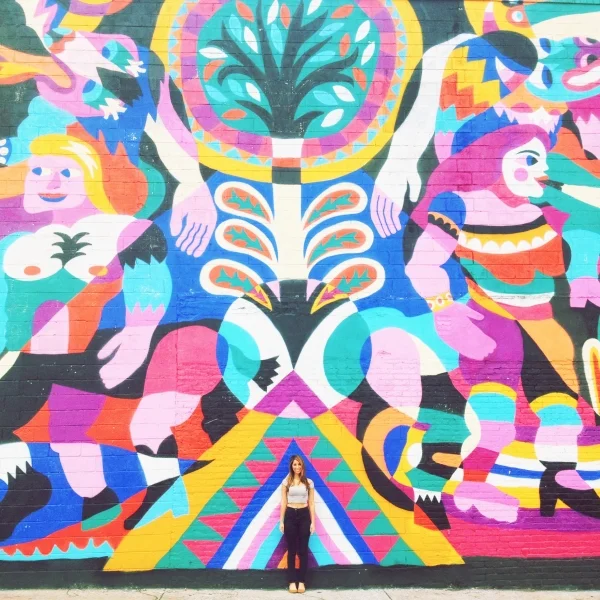
11 Best Atlanta Street Art Walls
All the murals we can't wait to see once we touch down in ATL.
Aside from being a hub for a new wave of female entrepreneurs that are dominating the tech space, Atlanta is also one of the best destinations to go catch some of the best street art that decorates this amazing city.
Some of these walls have probably made their way to your Instagram feed, and if you were wondering where they were or where you could catch a glimpse of them, Atlanta is the place. Thanks to some Instagram stalking, we were able to find some of the best walls and some highlights from our very own #CreateCultivateATL speaker Kelly Mindell of Studio DIY’s wall crawl series with Sophie Loghman. Check out our favorites below!



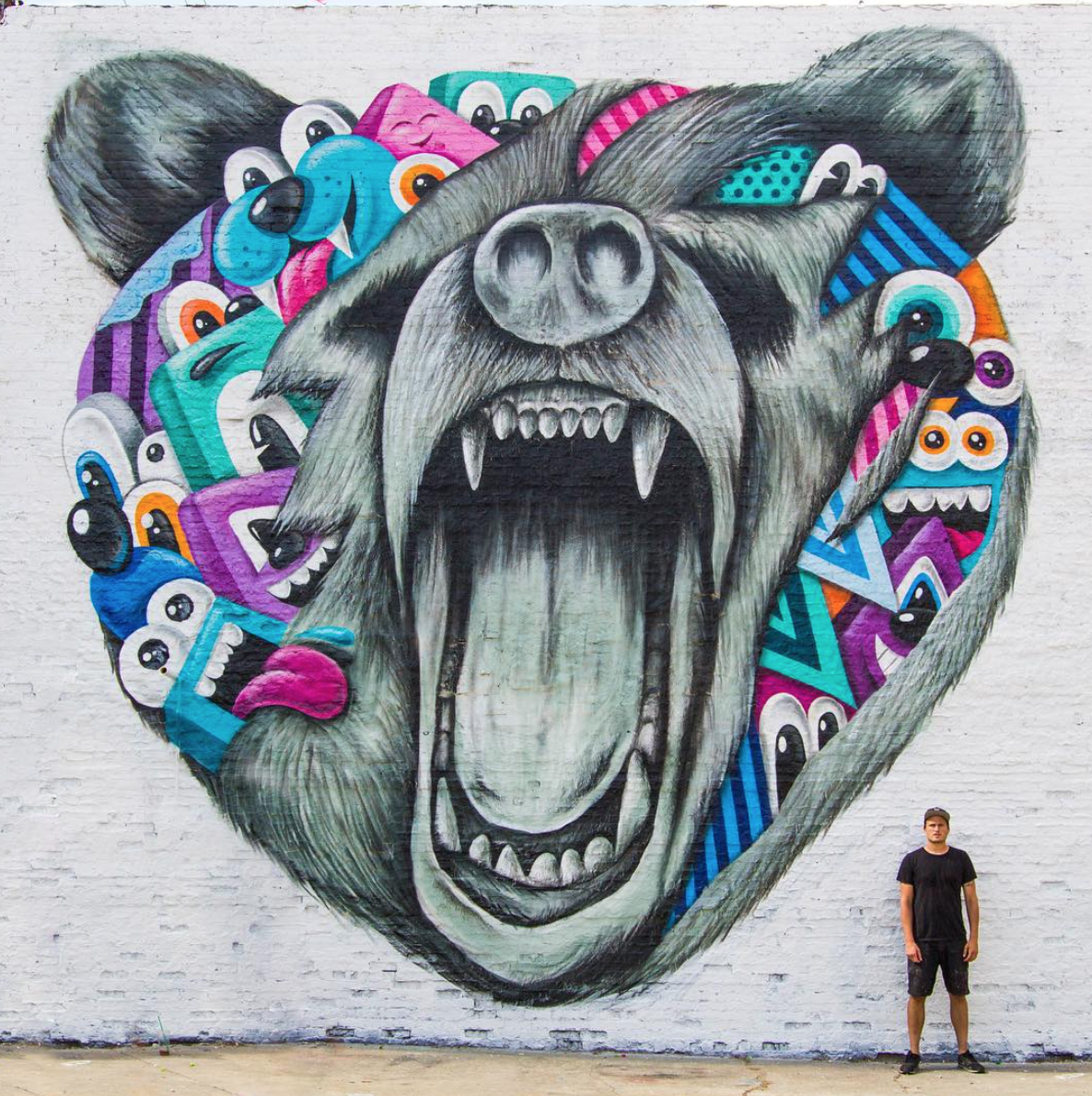

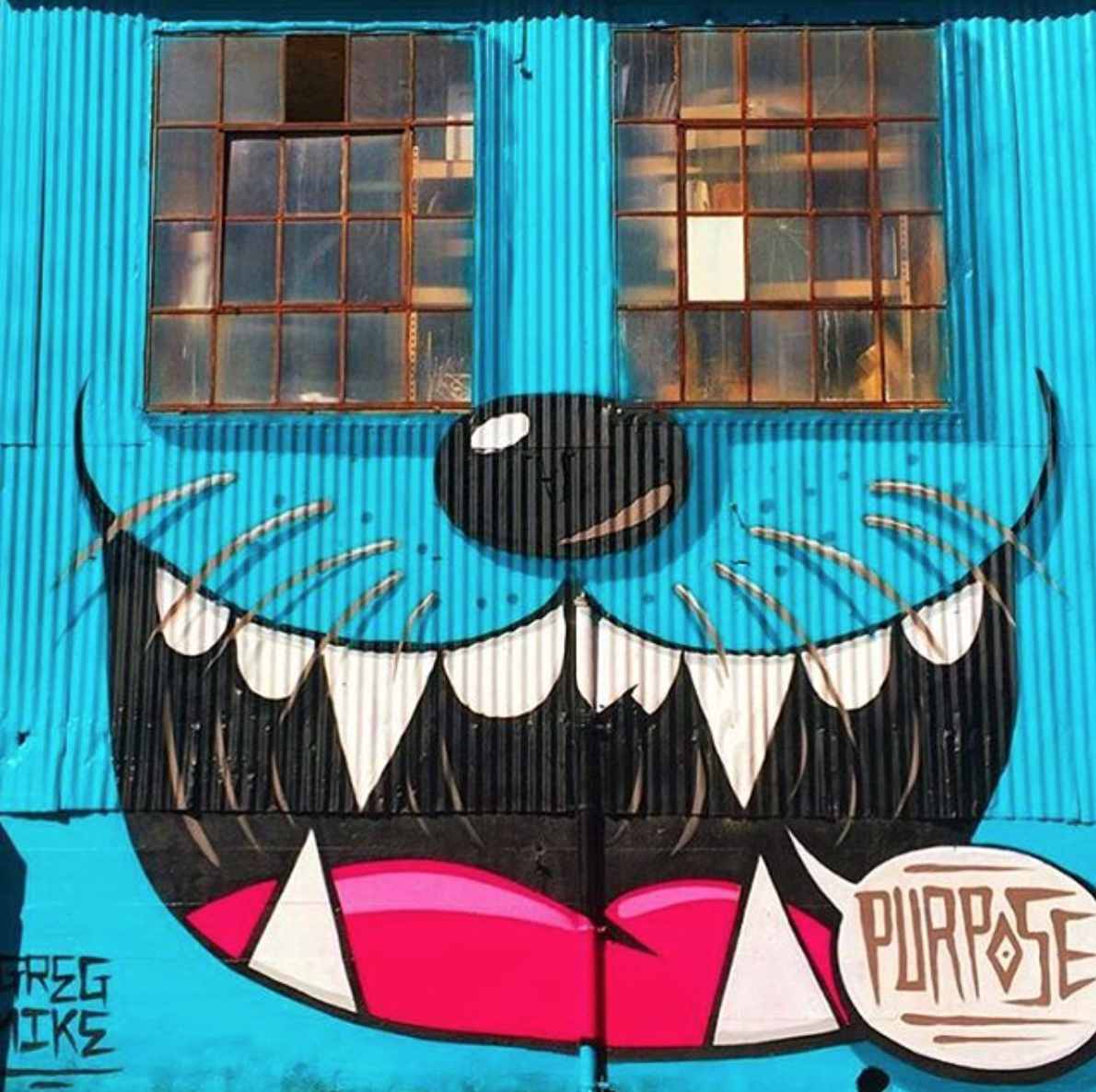

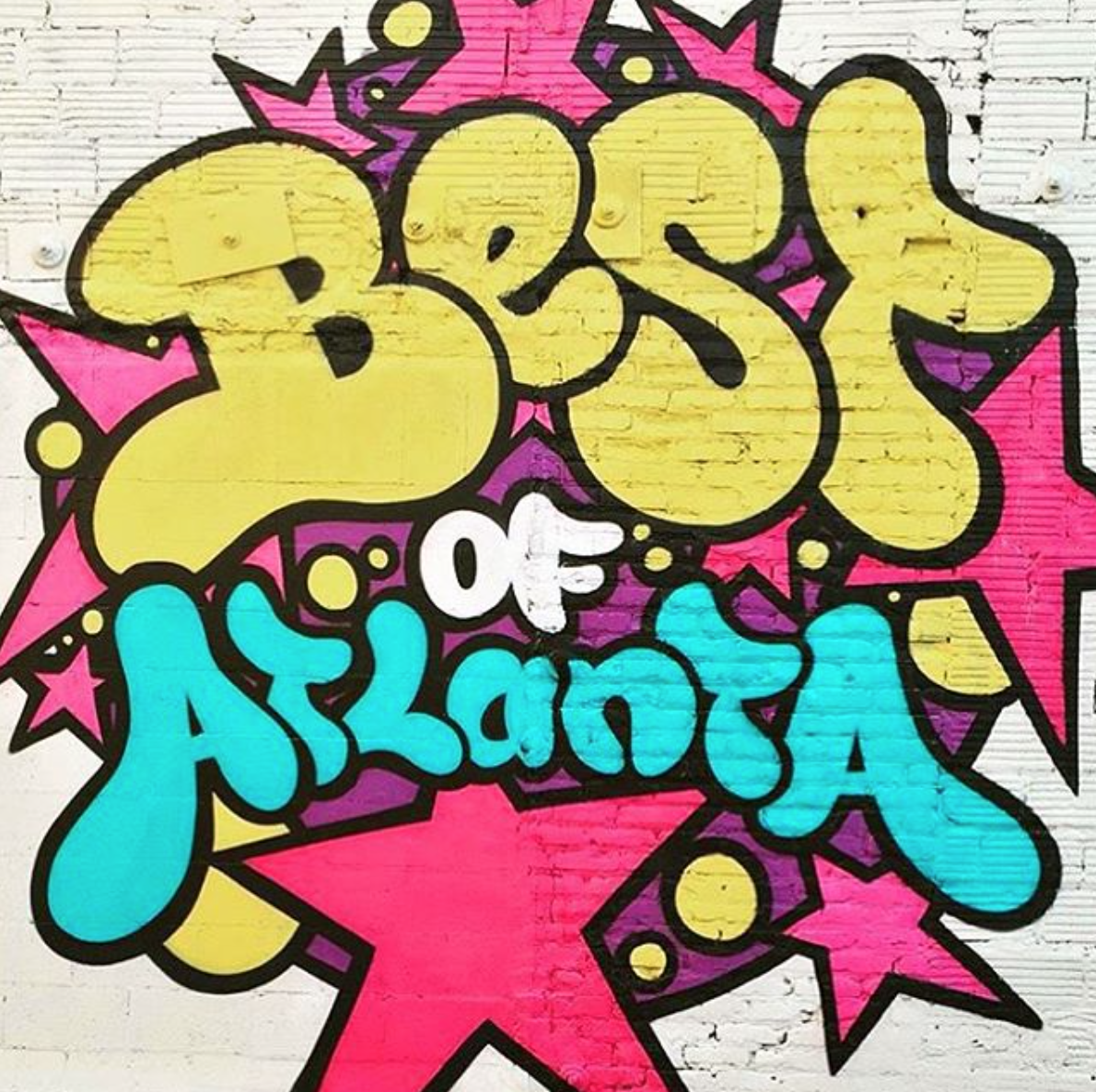


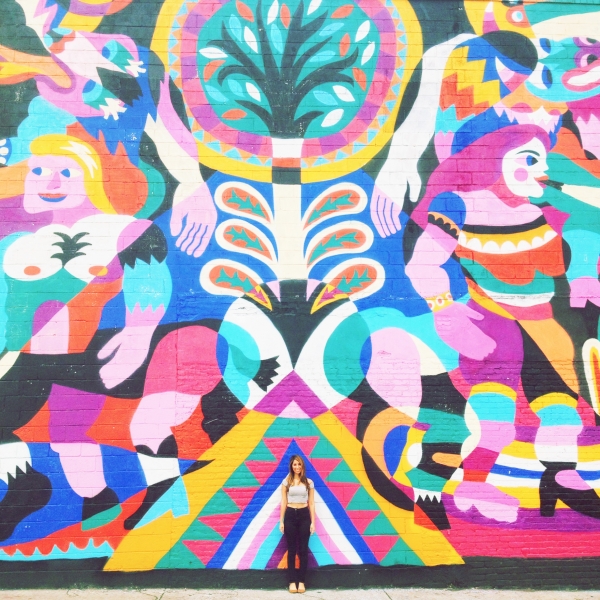
Make sure to catch us this fall at #CreateCultivateATL and join us in exploring all of what Atlanta has to offer! Tickets on sale now!








Press Play: Create & Cultivate Downtown Los Angeles 2016
Create & Cultivate took Downtown Los Angeles by storm with keynote speakers Jessica Alba, Rachel Zoe and Chelsea Handler! The event hosted 600 female entrepreneurs and mavens of the digital space as well as over 30 brands who created one of kind experiences for our guests.
How to Write a Killer Grant Proposal for Small Business
There's no such thing as easy money.

(Credit: Laura Dee Photography)
Grant proposals are similar to business plans, include many of the same elements and have the same purpose: to get that money.
Most grants fall into three categories: federal, private, and corporate grants. There are no federal grants specifically for women, but there are private grants for women from foundations, private organizations, and businesses.
Grantmakers usually distribute funds through Request for Proposals (RFP), concept papers or grant announcements and bidding processes. Committees read, score and make recommendations for funding. But what are they look for when allocating funds? Decisions are based on the applicant's ability to fit their idea or proposal into the grantmaker's area of interest. If your goals are not in line with the grant's goals, it is unlikely that they will fund your program or idea.
So just as a cover letter should be tailored to the job for which you're applying, your grant application needs to be as specific as possible. Writing a competitive grant proposal takes time as well as a thorough understanding of your mission. When we're talking "free" money it's going to take a chunk of your free time.
Here are 5 steps to ensuring you're in the running.
1. BE MORE SPECIFIC
We can't overstate this: Your grant proposal should be finely tailored to the organization offering the grant. For example, the Eileen Fisher Women-Owned Business Grant Program is in its 13th year and support leadership programs for women and girls, women-owned businesses and local communities. It is a grant program offering aid to women in business that are beyond the start-up phase and ready to expand their business, their potential for positive social and environmental impact. The program has very specific eligibility requirements. For example, the business must be in operation a minimum of three years, at the time of application. But is also has more nebulous requirements. Here is where you pull ahead of the pack. There are plenty of female-owned business that have been in operation three plus years. But how many of those align with the Eileen Fisher company mission and leadership practices? Nail this.
Many grant proposals are scanned first so you need to be very clear and have sentences that stand out. Don't be over-flowery and don't try to "sound smart." Jargon is your enemy in this case.
2. DO YOU HAVE TO START ON PAGE ONE?
No. This isn't the SAT. You can start in the middle and jump around. Or start with your strengths and work from the inside out. If there is a section of the proposal you know you can nail, begin there because it will give you the confidence to move into sections you find more intimidating.
Some applicants like to start with the executive summary (always used in business plans) or introduction. It's the highlight reel that will help you develop an outline for the remainder of your proposal. Others like to start with the budget because numbers are easier to crunch (and more concrete) than ideas.
Ask yourself: What are my strengths? What are my priorities? What problem am I solving? Why am I the person to solve it?
3. THE EXECUTIVE SUMMARY IS YOUR FIRST IMPRESSION
If the cover letter is the hello hook, the executive summary is what draws the reader in and commits them to reading the rest of your proposal. It is one of the most crucial pieces of writing and it is your chance to make a powerful first impression and identify yourself clearly. So what do you need to include?
1. The business idea and mission, proposed title, the problem it solves, and why it's needed in the marketplace.
2. Describe not only the need but objectives and deliverables as well.
3. An overview of the key points that match the funder's interest. (Refer to earlier point about the Eileen Fisher grant.)
4. How much the total project will cost.
5. Keep it at one page.
6. Make sure to thank the funder for consideration.
The committees that read grant proposals for a living know when details have been thought out and when they haven't.
4. MAKE YOUR OBJECTIVES SMART
Use the acronym SMART when developing your key objectives to make sure you're on-track.
S - Specific
M - measurable
A - Action oriented
R - Realistic
T - Time oriented
5. REACH OUT TO A FORMER AWARDEE
If you're really stuck most grant programs make former winners public. If you want advice reach out to a company that received funding and ask for guidance. They may be willing to offer it to you, they may not. But if you ask for a 30 minute coffee or phone call and the request is granted, well, you're one step closer to writing a killer proposal.
Remember: this is a complicated and long process. These suggestions are the tip of the iceberg. One of the most important things you can do is give yourself ample time to complete the proposal. As well as give someone you trust ample time to review it.
It can be a game-changer to have someone validate your work, but there's no such thing as easy money.
More from our blog:

The 5 Keys to Creating An International Business
With the internet at your fingertips, why not make your brand international?

Natalie and Dylana Suarez for Luisaviaroma. (Credit: Sara Mautone)
If your brand is online, you automatically have an international brand. Easily accessible to the entire world at just the click of a button, part of your strategy should be capitalizing on marketing your business to the world that’s already at your doorstep. If you’re not, chances are you’re missing out on making your brand internationally viable.
Take LuisaViaRoma, the fashion brand that has been one of the leading luxury retailers for 86 years. From its humble beginnings in in 1930 when Luisa Jaquin and her husband opened their first boutique on Via Roma in Florence to spearheading the worldwide online luxury shopping world in 1999, LVR has made its footprint as an international brand right from Italy. Now with over 600 designer collections and a website that translates to English, Spanish, Italian, German, Chinese, Russian and French, this family owned and operated company is dominating the digital space with their marketing efforts that includes lifestyle content as well as influencer campaigns with some of the world’s most popular fashion bloggers.
We took notes from the international luxury retailer on how to build an international brand. If you are looking to grow your brand beyond borders, we suggest you do the same.
FIND THE INTERNATIONAL COMMON DENOMINATOR
To build a brand internationally, you have to fulfill a need in the worldwide market that isn’t exclusive to your own market. Seek out the international common denominator and find a product or service that is internationally known, as well as needed. The more complex and niche you make your service or product, the more you limit yourself to being received by a worldwide market. Start broad, narrow down your international demographic, and tailor your product or service to them.

UNDERSTAND YOUR MARKET AND ENSURE YOUR MESSAGE TRANSLATES
It is one thing to welcome the worldwide market to your business, but you have to make sure that they welcome you as well. Which means you need to make sure your business strategy speaks to them not in only their language, but in a cultural sense as well. Your message needs to empathize with the markets that you are targeting. You also need to understand values and cultural differences, because what might be acceptable in one market might be frowned upon in another.
It is one thing to welcome the worldwide market to your business, but you have to make sure that they welcome you as well.
BUILD INTERNATIONAL RELATIONSHIPS
To build an international brand, you’re going to need to build your international rolodex. Just like you need an “in” with a celebrity, you need to do the same with the countries you want to do business with. The internet has made it easier to build those key relationships without having to board an international flight. For the 85 years that Luisa Via Roma has been in business, they have been able to create a massive network over the years that ultimately helped them transition to being a digital powerhouse as a luxury retailer. Tap into the people who will help make your brand known, as well as those that have the on-ground resources you need to achieve your professional goals. Everyone from distributors to influencers who can get your product into the right hands.
Additionally, if you onboard your international contacts as a part of your business team, you’ll have a POC on each home base, ensuring that your company is up and running in every touchpoint. You need people on the ground to get your business off it.

BUILD YOUR GLOBAL BRAND AWARENESS WITH INTERNATIONAL INFLUENCERS
Another advantage of building an international brand online is that you can tap into top-tier influencers in each of your markets and have them bring awareness to your growing brand. If you’re not fluent in the languages that your brand is trying to grow in, not only will the influencer speak the language but they will also speak the culture of the market you’re aiming at. In short: that influencers knows how to sell your message. With international influencers, the goal is to make sure that your market knows that as a brand you are willing to understand their language, customs, interests, and culture, and ultimately build a close proximity to them that will translate into sales.
BUILD AN INTERNATIONAL BRAND CULTURE
Selling a product or service is one thing. However, when you want to build a strong dynamic with an international market, selling your product with a brand ethos or culture that translates worldwide gives you leg up against competition. Take Luisa Via Roma for example: they have been able to sell luxury items internationally while investing in their cool factor. They have not only set themselves as an online luxury retailer, but they have set themselves as an online destination for fashion and culture in the world of luxury.
5 Reasons You Need a #CreateCultivateATL Ticket
It's always worth investing in you.

Photo by Arnelle Lozada
Going to Create & Cultivate isn’t just another conference for you to network and meet people that are in your field of work and know how to speak your language when it comes to being a creative entrepreneur. There are networking events everywhere, and networking is just one part of Create & Cultivate, so don’t even dare call us just a networking event.
For each conference, we make sure that you can leave with tons of knowledge from the leading female entrepreneurs in the digital space, apply what you learn to your own business and entrepreneurial strategies, and are able to not only network with tons of other creative entrepreneurs like yourself, but are also inspired to collaborate and cultivate ideas with them. Still need more reasons as to why you need to get your tickets to #CreateCultivateATL? Let us persuade you a little more.
1. Creating relationships that count
While regular networking events might just be an hour of cocktails and mingling with those around you, at Create & Cultivate you have all day to make new connections with many more people who are cultivating the same entrepreneurial spirit that you have. Not only that, if you came to the conference alone and get to meet people in your track, you’ve made friends with your classmates for the entire day. The relationship that you build is even stronger than just exchanging business cards and moving on to the next person to network with. We make sure that it’s more natural and less forced.
2. Entrepreneurial bootcamp
Not only are you networking with some of the most hard-working bosses, but you’ll also be able to take notes from boss women who already have it made with their own companies. And when we say bootcamp, you can be sure to be hit with the truth just to be prepared on how to deal with the real world of entrepreneurship. Our speakers lay down the truth when it comes to the ups and downs of running a business, how they have learned from their mistakes, how they have restructured their business strategies, and how every day is a learning lesson for them. We want to make sure that you’re prepared too, and can avoid their mistakes if possible.
3. Confidence Boosting
We’ll be proud to say after you leave Create & Cultivate, you will leave so inspired and confident to go out and apply all your knowledge to your own business or entrepreneurial endeavors. And with good reason too: Create & Cultivate works to boost your brain power just like a wellness retreat works to revitalize your body. You’ll go back to work on Monday, and your colleagues won’t know what hit them, and then wish they had gone to Create & Cultivate too. While they sulk in their FOMO, you’ll be tapping into your strengths and make yourself an even bigger asset to your company.
4. Learn from top entrepreneurs & rub elbows with them
Not only do you have the opportunity to sit down and take notes from top entrepreneurs during our panels, but you’ll also have the opportunity to network with them and introduce yourself after their panel or if you catch them walking around the conference. This is your chance to make an even bigger connection and start making yourself known by those who hold clout as entrepreneurs.
5. Inspiration, information, and motivation to last you a lifetime
What you learn from Create & Cultivate isn’t just meant to last a weekend only to be forgotten by the Monday you go back to work. We make sure that you leave so inspired that you can take the world by storm with your ideas, knowledge, and connections. Our goal is to make sure you can look back at your Create & Cultivate experience and apply what you have learned to real-life work scenarios. We want to see you thrive and succeed, and want to make sure that your Create & Cultivate experience lasts a lifetime.
If you've set your mind on buying your ticket for Create & Cultivate Atlanta, don't waste another second and get your ticket now here! The conference is October 15th, but early bird gets the worm, and the last thing you want to do is have your business miss out on the best tips from rad business women in the digital space today.

This Startup Is Offering Independent Artists a Real Shot
Using crowdsourcing to produce art.

Minted founder and CEO Mariam Naficy (Credit: Minted)
Art has gone crowdsourcing. At least in the case of Minted, a design marketplace that connects the consumer to a world of independent artists and designers. Founded by Mariam Naficy in 2007, she has said, "we wanted Minted to be the enabler, not the decider."
Enable they have.
The way it works is fairly simple. Artists and designers submit their work during monthly challenges and the community votes what they want to see sold. It’s art by the people, for the people, that's also chosen by the people. And it's making the independent art world a little less financially intimidating. When an artists wins a competition they are given a personalized storefront on the site, an upfront cash prize, a percentage of the sales (10% for art), and Minted fulfills the product orders. The company also offers customizable stationery, custom wedding design services, as well as home décor options.
We spoke with three artists whose work is featured on Minted about being part of this community and why the brand has been invaluable to their online presence and confidence as artists.
One of the ways Minted supports independent artists is getting the work in front of eyeballs. How else has the company boosted your presence as an artist?
Kristi Kohut, Mixed Media Artist & Designer at Hapi Art
When I was just starting it was quite scary putting my work out there and not knowing how it would be received. The community and support Minted gives its artists helped me push through this and be inspired to keep moving forward. They really work hard to promote their artists through online editorial features, Minted catalogs and national print campaigns. This is a huge deal as an independent artist with a tight advertising budget!

Alexandra Nazari, Los Angeles-based Photographer
Minted has been great in providing web traffic, sales (the best feeling is walking into apartment buildings, offices, stores, etc and seeing my work hung by total strangers ! Before the only people who saw or purchased my work were either directly related or kind friend ) and an amazing community of very kind fellow artists from around the country I would have never connected with otherwise.
Betty Hatchett, Graphic Designer & Painter
Minted’s reach is truly incredible. I’ve had both private and corporate customers connect with me from all over the world after seeing my work on Minted. Also the way they’ve combined business, community and education is brilliant. They’ve introduced my work to a broad audience of collectors, but have also shown me how to better market myself, as well as form strategic, mutually beneficial alignments with other creatives and entrepreneurs.
What are some ways the company exceeded your expectations?
Kristi: There really is a strong bold vision and team behind Minted and I'm so impressed with their continued growth and commitment to growing their brand and establishing a huge presence in the marketplace. It's exciting to be a part of and inspired by this kind of direction.
Alexandra: Their attention to making sure my work isn't stolen or plagiarized (a huge concern when selling online) and supporting a community that is so genuinely kind and constructive. It never feels competitive! It's so hard to find a "troll-free zone" on the Internet, but Minted has really made the seemingly impossible happen!

Betty: I’ve been floored by the community Minted has created, both within Minted’s staff and the designers who’ve connected and banded together around the world. My true hook after I dipped my toe in at Minted was participating in an independent fundraiser for victims of hurricane Sandy. Organized completely by Minted designers in their free time and supported by Minted staff with a donation of paper for all art prints that were sold, it showed me the core generosity that runs through this exceptional pocket of the industry.
What is important to you as an artist who sells digitally?
Kristi: It’s important to me to be able to convey online what is created offline; the color, the quality, the feel of my work has to translate online so the customer can envision the work in their home. My hope is that the work matches or exceeds their expectations.
Alexandra: Making sure that the work is printed and presented in a way that is high quality and enhances the work - unlike some other online stores that cut corners and print really poorly. In the end that makes both parties look bad- I never want to disappoint someone who not only a) wants to actually hang my work in their home or other special place and b) spent their hard earned money. Minted really prints, frames , and ships their products impeccably at a very reasonable price. Another thing that Minted is great at that is very important is protecting my intellectual property. As an independent artist hiring a lawyer to send a letter is a very expensive and difficult task. It's amazing to know that Minted is behind me protecting the rights to my own work and keeping it out of the hands of copy cats!
Betty: My favorite art professor in college liked to use the phrase “Your passion is your edge.” Of course, this is true for any kind of artist, but especially as as an artist who sells digitally, there is no good reason not to mine to the very core of your joy and curiosity in the work that you do. If your town isn’t celebrating the kind of work you long to make…there is a corner of this world that will and you can find them online. Time and again I’ve found that the work I most wanted/needed to do, even though I wasn’t sure it would resonate beyond my own brain, has become the work that defines my voice as an artist and connects me with patrons and collaborators that fit.
"My favorite art professor in college liked to use the phrase 'Your passion is your edge.'”
Tweet this.
It’s hard to be an independent artist. What advice do you have for other women trying to make it and remain independent?
Alexandra: Always have some sort of space even if it's as small as a desk in the corner of your apartment that is your own and strictly reserved for making art. I find this separation essential.
Betty: Find and nurture friendships with other creatives. There are very specific challenges and joys to being an artist as well as being an entrepreneur. We all need friends to remind us of why we love the creative process when we have hit a block, friends who understand the mental angst grappling with pieces that just aren’t “there” yet, the vulnerability we all will face if we are committed to sharing our work, as well as the joy of life illuminated by finding your voice through creativity.

What do you want people to get out of your work?
Kristi: Joy. My hope is that my work elicits a feeling that lifts the viewer out of the ordinary.
Betty: The creative process allows me to slow down, listen to life’s stories, beauty, humor, questions and give as honest a response as I can muster. It's a push and pull between meandering and direction, control and release, mistakes to embrace and perfections to forfeit...much as life is. I feel more human when I make things, more aware of how strange and wonderful it is to be alive, more grateful. I hope my work can offer a piece of that wonder to other people as well.
More from our blog:

3 Things You Need to Do to Drive Sales on Instagram
Leverage your followers to drive sales.

Photo by: Irida Mete.
Instagram is the number one platform to generate higher sales for your fashion brand. The confluence of aesthetics meets product placement creates a brand identity platform that heavily engages customers, wholesale buyers, editors and influencers. With an average order value of $65, Instagram surpasses Pinterest ($58 AOV) and Facebook ($55 AOV). If you are one of the 95% of fashion brands who use Instagram then leveraging it to make sales is a priority. Note to reader: this post is not about how to get Instagram followers; this is about how to leverage your followers to convert into sales.
Here is what you might be missing:
1. Creating a 360* Instagram conversation that relates to your website. Any marketing expert will tell you: your messaging needs to be consistent and reverberate throughout all aspects of the customer experience.
You should either have Instagram images of your product in the alternate product images on your site, or have a dedicated page for showing Instagram images and the products being sold on them (i.e. “Shop IG”). Side tip: Make sure your popup email acquisition form on your site is sexy so you can capture the leads.
"Make your popup email acquisition form sexy."
Tweet this.
If creating a shop Instagram section on your site isn’t your style, there are a number of platforms that make it easy to sell on Instagram: Soldsie & Curalate are great places to start.
Creating an editorial calendar for product releases, website homepage and Instagram content. Since 78% of consumers make purchases based on a brand’s social media account its important to be consistent in your content production.
2. Get technical. Leveraging data can help you optimize your content to generate more sales. Google custom URLs allow you to track link performance on your Google Analytics. Its super easy to create and will allow you to see if people are coming to your site from specific links. This is different then the URL shortening link where you condense a longer link into something short. Once you create your custom URL run it through the shortener to make it neat and ready for Instagram.
3. Use paid marketing. Neilsen reported that Instagram ads convert 2.8x higher than the norm for online advertising, so if you were thinking about starting a campaign now is the time. Short campaigns that are targeted do the best. Instead of traditional product posts try offering behind the scenes video footage and exclusive content to garner interest. If doing product posts ensure the link goes to the product landing page- not your homepage. Reverberate your ad with strong content on your feed.
Instagram is a long tail marketing strategy. Kicking up your normal posting and engagement schedule (liking, commenting, influencer posting, running contests etc.) takes time and commitment to see results. The best advice is to make Instagram a priority and create a 6-12 month strategy to test, pivot and improve on your sales. With 300M active users monthly and a growing international audience this is the place to market and sell to.
Syama Meagher is the CEO of Scaling Retail, a consulting firm for fashion and retail brands. Her Launch My Brand course, 6-weeks to building your business foundation starts 3/31/16. Watch Syama in action on Scaling Retail TV, The Channel to Grow Your Fashion & Retail Business.
More from our blog:

Free Download: Trademark Your Business Name Now
Check yourself before you wreck yourself.

You’ve locked in an amazing idea for your business. You are going through the motions of making sure that your business is up and running, but are you also protecting it’s name?
From the point of ideation, you should make sure that your name and brand are trademarked and protected from anyone else stealing or using them. And if you haven’t done so yet, here is how you should, courtesy of our brilliant friends at Above The Glass. From making sure that your trademark is available, to making sure that your website name is available to guiding you through what you need to do with your lawyer to complete your trademark application, Above The Glass has got you covered.
Enter your name and email below to get access to the free download now!



An Open Letter to Women in the Workplace About Their Fear
Close your eyes and think of a famous CEO. Is it a man?

Close your eyes and think of a famous CEO.
You probably thought of Mark Zuckerburg from Facebook or maybe even Jeff Bezos from Amazon. Both men. And, it’s not that they aren’t great innovators and leaders, but it does raise the question: Why didn’t a woman come to mind first? The answer is that Zuckerberg and Bezos had an idea, and ran fearlessly and confidently with it until they saw success, and that women typically struggle with self-confidence and fear.
At least, I know I have, especially when it comes to the workplace.
But, if confidence in the workplace is so essential to a successful career, then why is it that we women often live behind this mask of a fear to speak up, share opinions or initiate projects? Sheryl Sandberg, in her book “Lean In,” addresses one of the prominent bases of workplace fear. Sandberg, while referencing psychologists’ study of power dynamics, states that those who serve in low-power positions are less likely to share their opinions, and more likely to monitor what they say when they do. “This helps explain why for many women, speaking honestly in a professional environment carries an additional set of fears. Fear of not being considered a team player. Fear of seeming negative or nagging. Fear that constructive criticism will come across as just plain old criticism.”
Fear causes us to stand in the background of the workplace and justify the silence we have grown accustomed to. Fear is the validation of our imaginary, decreased value on the corporate ladder. If we remove fear, then we decrease what holds us back from professional success and find the personal validation that only confidence can provide.
Of course, this is easier said than done. To alter the way we think — by including a healthy portion of confidence — changes the way we look at everything, from the way we walk into a meeting to the way we approach small talk with a higher-up. But, imagine if it we eliminated unhealthy fear and identified and removed ourselves as the obstacle holding us back from limitless professional success. Have you ever met a CEO who cowers in the corner?
Rosa Parks said, “I have learned over the years that when one’s mind is made up, this diminishes fear; knowing what must be done does away with fear.” Although she didn’t go down in history for running a multi-billion dollar company, she went down in history for being fearless, for standing up for herself and for knowing her worth.
Imagine if we all did that; think of where we could be.
Has fear held you back from being the kind of woman you want to be?
An original version of this article appeared on Darling. Written by: Katy Horst
More from our blog:

5 Photo Editing Apps To Add To Your Phone Now
Shoot it and shake it for the 'gram.

Photo by Arnelle Lozada
Gone are the days where your resume is the only thing that will make an impression when trying to showcase your work as a creative. Social media is the resume you have built over time, and Instagram is a portfolio you have under your belt. It is how potential clients, partners, and employers can truly see how you creatively express yourself, and how you can build ideas for them and their brands. It’s how you visually define yourself, your brand, and your life.
However, the most presentable and amazing Instagram feed doesn’t come without a hint of photographic skill and creativity. Wondering how some of the most seasoned Instagram photographers get to make their feeds look the way they do? You’re going to want to use some of our favorite apps.
VSCO

VSCO is one of the main contenders when it comes to the best apps for photo editing. VSCO allows you to edit all the details of your photos, and offers an amazing variety of filters brought to you by amazing brands like Levis, Street Etiquette, and Artifact Uprising. If you want some of the cleanest looking filters to keep your feed looking buttoned up and consistent, VSCO is the way to go.
Snapseed

Ever since we discovered Snapseed, our feeds have never looked the same. If you’re looking to take out the yellow out of your photos and make it more white and vibrant, or make it less shadowy, Snapseed has editing tools that can edit certain parts of your photo while keeping the rest of the photo in tact. You can also heal certain marks that you want erased from your photo, change the levels, change the perspective angle, and so much more. Think of it as the next best thing to Photoshop.
A Color Story

Some people prefer a solid black and white clean looking Instagram feed. Others prefer a pop of color. If you prefer the latter, A Color Story can help you make your feed a candy-colored dream, a-la Matt Crump.
Boomerang

A picture says a thousand words, yet a Boomerang tells an even bigger story. With Instagram’s very own Boomerang, you can an even more visual and dynamic element to your feed and capture movement into one looping image, similar to a GIF. However, Boomerang captures even more high-res photos in one burst and stitches them seamlessly in a high-quality loop so it looks like a video. Boomerang will give you a reason to shake it like a Polaroid picture on the ‘gram.
Fyuse App
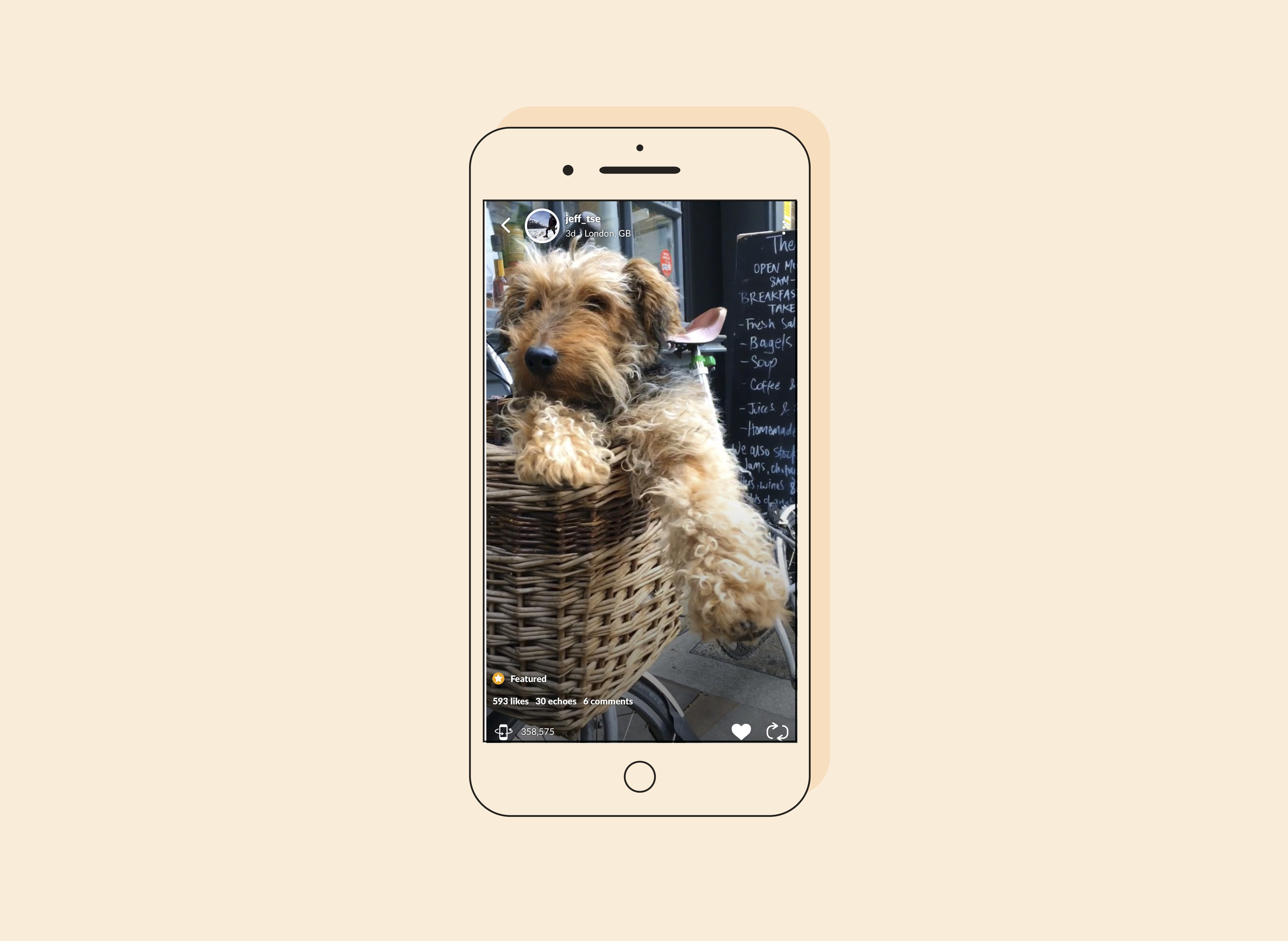
Similar to Boomerang, Fyuse combines the elements of a gif and a panoramic picture in one to spatial photo. With Boomerang, you can capture motion. However, with Fyuse you can capture space in 3D with moving your phone and having your followers move their phone as well similar to how Facebook’s 3D videos. Now you can get all your best angles in one Fyuse.

7 Key Takeaways from Sheryl Sandberg's Powerful Commencement Speech
Lean in gets a revamp.
When Facebook COO addressed the 2016 graduating class at UC Berkeley last Saturday May 14th, she delivered an incredibly personal speech that didn't shy away from dealing with her late-husband's death.
Dave Goldberg died suddenly on May 1, 2015, during a trip to Mexico. The commencement speech marked the first time Sandberg spoke publicly about the loss and her experience. She also told that graduates that her work at Facebook helped her focus on something other than her grief and encouraged them to "live as if you had eleven days left." You can watch the incredibly powerful full speech here.
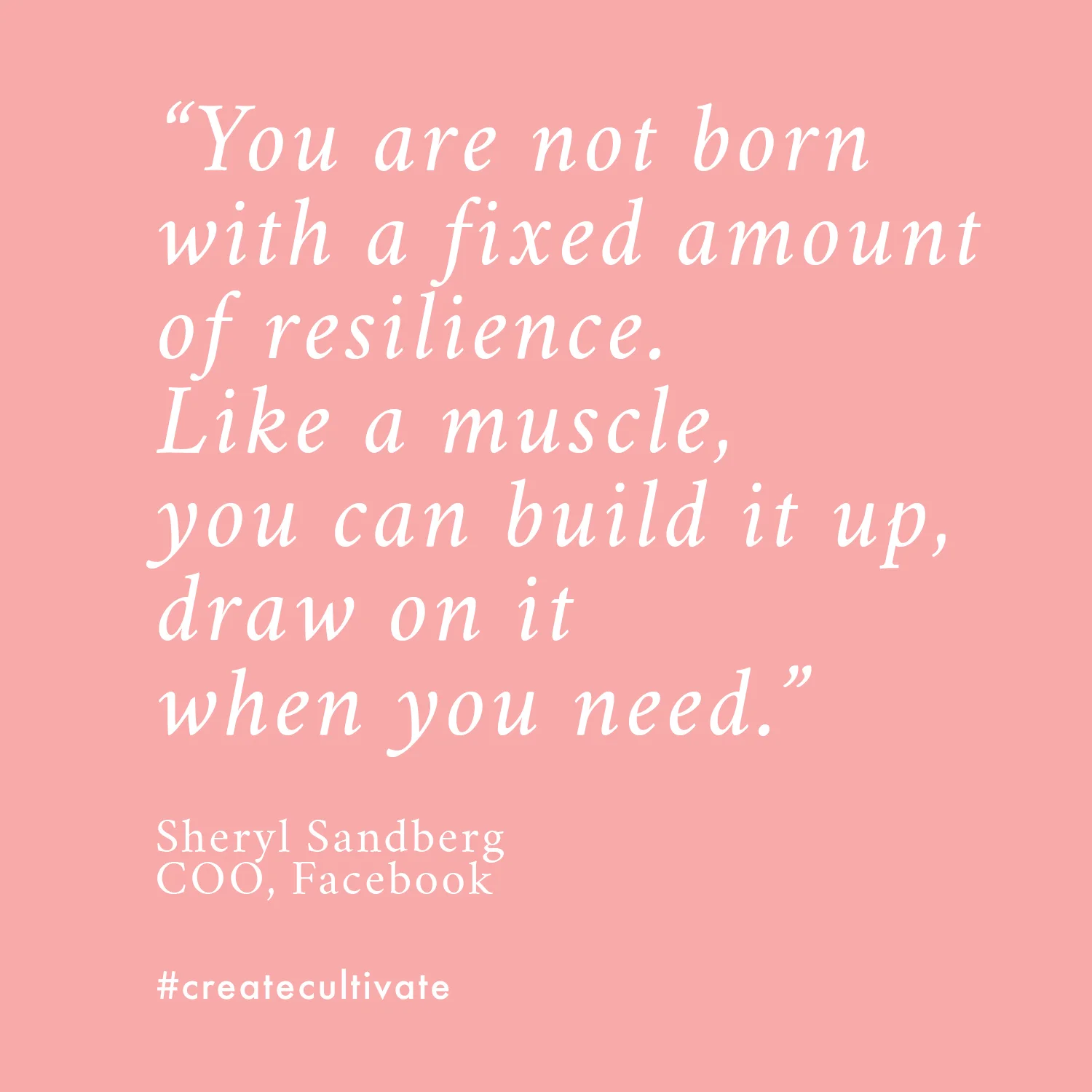
Here are our 7 of our favorite quotes.


More from our blog:

Cracking the Code: Atlanta Is Changing the Face of Startup Culture
The peach of the south is also a hub for female entrepreneurs.

Women in Atlanta are proving that you don't have to be in Silicon Valley to explore your tech dreams. Over the past few years, Atlanta has been growing as hub for female entrepreneurs and defying the status quo with its increasing number of women in tech.
Does it come as any surprise as to why we made the big peach of the south our next stop for Create & Cultivate?
According to Allyson Eman, Executive Director of Venture Atlanta, the premier tech conference held every October for Georgia’s top technology innovators and top-tier investors told Forbes, "Women are seizing the opportunity to start tech companies in Atlanta’s key industries—fintech, health IT and IT security—as well as in emerging industries, such as marketing automation." According to Eman, Atlanta is much more open to female techies than many other cities. In San Francisco, San Jose, and Seattle, for example, tech workforces are more than 75% male.
At the beginning of 2016, Atlanta Mayor Kasim Reed announced the inaugural class of a new program geared at women in business. Called the Women's Entrepreneurship Initiative, Mayor Reed said the program is "an important step forward in strengthening our city’s entrepreneurial ecosystem." The group of women, selected through a rigorous process in the fall of 2015, now have opportunity to operate their small businesses in an incubator environment, with designated workspace. The WEI initiative lasts for 15 months and is housed on the 11th floor of Downtown Atlanta’s iconic Flatiron Building – the city’s oldest standing skyscraper. This signifies an important step forward in the city's diverse history and demographics.
Likewise there are venture firms, Atlanta-based Valor Ventures for one, that are focussing on female entrepreneurs in Atlanta and setting up women-only capital funds. Designed to fill the gap in the startup world, Valor also sees this as smart business. In Quarter 2 of 2015, Atlanta tech companies raised more venture capital — $206.8 million — than in any quarter since Q2 2001. General Partner of Valor told Upstart Biz Journals, "Of the $48 billion in venture capital invested last year, just 7 percent went to female founders. It’s a market niche that’s incredibly underserved, yet is high opportunity.”
She also told them that female-led companies perform better.
Tickets for Create & Cultivate Atlanta are on sale now! Get yours before they go.
More from our blog:
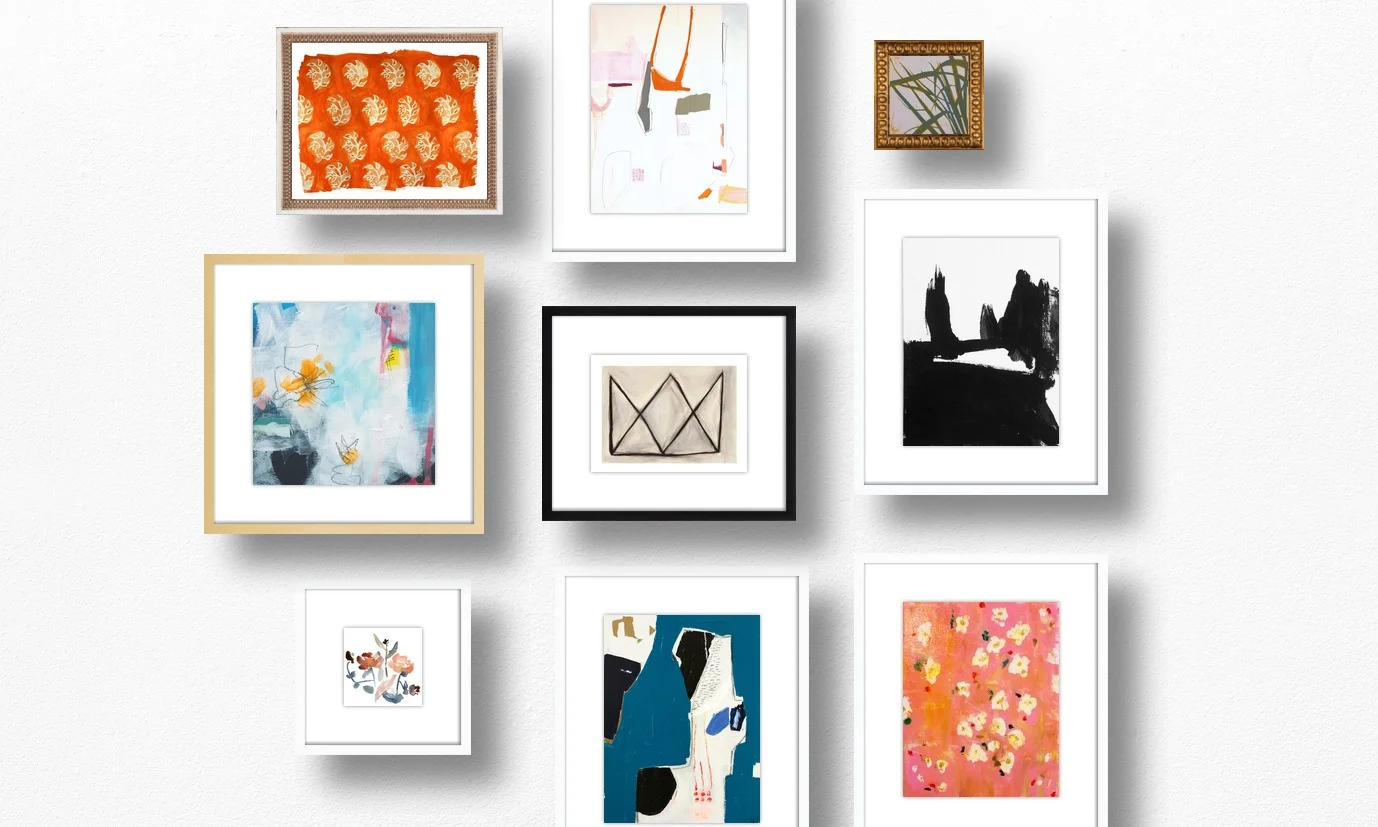
6 Simple Steps to Gallery Wall Your Office Space
For spaces that spark creativity.

So you want to create an inspiring office nook? A gallery wall that gives you the mid-day spark you need to fire off inventive ideas. A good piece of art in the right spot can do that. Which is why Artfully Walls, an online curated art marketplace that helps you fill your space with affordable art, is breaking down 6 steps to making that happen.
THE SIMPLE HOW-TOS
1. Don't become overwhelmed, really focus on art that makes you happy. This wall, nook, space above your toilet (legit anywhere) is for you. No one else.
2. Combine different types of work. Think: one photograph, one oil/acrylic painting, one portrait, and something geometric. (But there really are no rules.) Color outside the lines if you dare.
3. If you're afraid to put holes in the wall, don't be! You can use 3M Command strips to hang prints - they don't destroy walls and let you play around with positioning.
4. Level up and use one. iHandy Level is an easy app that will make sure you're hanging everything straight.
5. If combining multiple frame colors gives you major art anxiety, start with simple white, black, light wood finishes.
6. A "gallery" wall doesn't have to be top to bottom. It can be three pieces that each speak to you. You don't even have to hang them.
See the below for inspo! And check out the Gallery Wall section on their site where you can rearrange groupings they've picked or get step-by-step instructions on how to hang your choices.
THE MORE THE MERRIER

Herringbone by Kate Roebuck; Arboricola Study by Kiana Mosley; Sea and a Sailboat by Daniela Orlev; Black Arrows by Heather J Chontos; Blackberry by Jorey Hurley; Hermit's Road by Harry Stooshinoff; Beast Coast by Matthew Korbel-Bowers; Flowers by Tali Yalonetzki; Flowers on a Table by Daniela Orlev; Ruth by Tali Yalonetzki.
LEAN INTO IT

Black Glitter Etching by Anna Ullman; Knuba, 2010 by Alex Kostinskyi; Untitled by Anna Ullman.
CORNER VIGNETTES

Forever by Ashley Woodson Bailey; Equine no. 1 by Lisa Golightly; Owl by Karyn Lyons.
More from our blog: