
Why These 3 Creatives Chose This Platform to Build Their Brands
You're pretty good looking, for a site.
Building a brand is like building a home. You need a great foundation. The right tools. Someone who knows what they're doing...
As avid Squarespace users ourselves (seriously, shoutout to the platform that makes our blogging lives the best!), we wanted to know how these three creatives chose and best utilize the platform.
A fashion blogger slash entrepreneur. A food stylist. And a designer. They all picked the same platform. By chance? Not at chance. Scroll through to see why these successful women all designed their sites with Squarespace, why, and what they're doing in the biz world.

photo credit: Tyler Topacio photography via Profresh Style
CHRISTINA TOPACIO, FOUNDER PROFRESH STYLE
Like many fashion bloggers, Christina Topacio started her blog in 2008 with a desire to express herself. The ultimate goal was to land a coveted job in the fashion industry. But what she created was so much more than a job.
With a growing fan base and a new creative venture, JIG + SAW, we caught up with the OG blogger to see why Squarespace is the space for her.
Why did you choose Squarespace as your blog platform? And why does the layout you use work for your brand?
Squarespace just works for me. Since Myspace days, you kind of teach yourself to code and it gets so time-consuming. For me, I wanted to think more about the content of the site rather than all the many design elements to be coded and placed. Squarespace gives me the ability to be unique and caters to exactly what I want my readers to engage with. The layout, Horizon, was perfect because it allowed my photos to shine while not overshadowing my written word. I literally sound like an advertisement but I'm not kidding when I say, Squarespace is the sh*t.
What design advice do you have for those putting together a site now?
Think about what you want people to be attracted to first and foremost, almost like, the first impression rose (cue The Bachelor). I knew I wanted people to know about me and why I started this blog and what else I'm working on. I made sure that was the focal point. If your blog is your main priority, ensure you choose a layout that works for that. If it's your beautiful photography, make sure the layout highlights large-scale imagery. Just think about how you want people to view you/your work/your services. You only get about 5 seconds of their attention before they choose to leave... or stay.
"You only get about 5 seconds before they choose to leave... or stay."
Tweet this.
Why do you have the option to “read in traditional mode?” Options, options, options?
Ohhh, good one. Back in the day (2008, heyyy!), content was read like an infinite scroll, reading blog post after blog post, without the need to click to view. After making marketing my profession, I learned about CTR and its importance and thus, the index view. Higher CTR, higher pageviews. HOWEVER, I also realized after activating that, some wanted to view in that typical blogger mode, where you scroll and scroll to read more + more. Thus, the traditional mode was made. Both are important and they cater to the users' experience. I wanted to captivate both.

Let’s chat JIG + SAW for a minute. Why after years of blogging was it time to expand your offering?
JIG+SAW was born out of the idea that there are all these creatives, and what felt like, no place for us to go. JIG+SAW offers that live component of engaging on daily basis, with hopes to make something great together in the form of a cowork space. And, we also offer specialized services for young + growing businesses looking to expand in customer acquisition and brand awareness. The two business ideas go hand in hand at JIG+SAW and I can't wait to grow it. The blog will remain as its own little archive for the readers its cultivated over the years but I have so much more to do and say and create with others. And that needed another outlet outside of the blog, that still involved all the wonderful creatives + brands I've met and will meet over the next, coming years.
What has been the most rewarding part of doing both?
I love the idea that blogging doesn't just stop at blogging. It cultivates (hey, hey!) ample opportunities beyond your little space on the web. So many friends have gone off to become creative directors, designers, consultants, entrepreneurs and all because of their blog's start. Profresh Style was a place to call my own when my friends didn't understand my love for fashion. It's grown into a community, sharing our vulnerabilities and growth with one another. My readers helped me gain enough courage to chase after the things that were important to me - that connection is irreplaceable. To be understood and accepted, it can't get any better than that.
MEGAN, FOUNDER APPRVL NYC

Megan Mussari launched Apprvl in the spring of 2014. With a background in fashion and textiles, she knew that she wanted to create products that were unique, crafted with "intrinsic personality." Blending the Japanese art of Shibori with the aesthetics of curated vintage pieces, she's found her calling.
2016 proved to be her biggest year yet, with collaborations with Nordstrom, and stockists from the west cost to Tokyo carrying her goods.
Megan says her brand is made for the curious, so naturally, we had questions.
Can you tell us a little bit about yourself and how you developed your business?
I have always been a doer. I'm 26 and feel extremely fulfilled that I get to physically make products everyday to share with my customers. My business began developing when I was 23 and had a few years of fashion design industry experience under my belt and felt very very bored, and disgruntled. I was dying synthetic fabrics with synthetic dyes for a larger fashion brand to make their showroom samples, and couldn't help but think there has to be a more environmentally friendly way to work with color. In that same job I saw a lot of fabric being thrown away and barely being donated or re-purposed. I would try to save as much as possible and would carry overflowing bags of lace and silk over to FIT to donate to their design program. I began to learn the basics of natural dyes, starting with the gateway dye of Indigo, working with unwanted textiles to create more modern pieces that I wanted in my home. I eventually had a few commissioned works of throw pillows, blankets and wall hangings which led to a my first wholesale accounts!
You run the company from your artist studio in Brooklyn. Are there other people in the studio with you? What’s the design process like?
I am extremely lucky to have an awesome shared studio with my friend Alex Andrade who runs Burnin' For You Candle Co. It always smells amazing while we work, which is especially beneficial if I am working with a dye that doesn't smell that great! We have become each others official Guinea pigs on new products and ideas. We also share our studio with illustrator Matt Villaverde whose drawings are probably the only ones to make me laugh out loud.
My design process stems a lot off of what I feel is missing in my home or wardrobe, and what of those I can make from mostly second hand textiles. I also love to use materials in a way unintended for them, giving the customer a new perspective. When I create the DIY kits, I poll a lot of my friends on what they would want to learn, how it could fix a problem in their home or wardrobe, and then begin to test my instructions on them making sure everything is understandable and that they get the results they want! Our design process is very inclusive and very fun!
How do you decide on collaborations?
When I am considering collaborations I have to keep my business guidelines in mind. When I am approached I have to explain that most of the time with my work it can be a slower process. I only use natural dyes, and if the fabrics are synthetic or from animals they must be secondhand or unwanted scraps. I really like to collaborate with brands and people who have similar values and aren't just trying to make a buck, but trying to spread a message or simply make an awesome product that is beneficial in one way or another.

Your site is absolutely gorgeous. Aside from beautiful imagery, how did you decide on the design?
First I will say that Squarespace makes web design extremely available and simple for anyone to create a beautiful website. Especially for people like me who can be a little impatient with the digital age, their templates are clean and professional, and understandable to put together. I went through a few different templates in my first few months of being in business before settling on my current set up which fits my needs perfectly.
What were some key elements you wanted incorporated when you put it all together?
I needed something where I can showcase my process, have an easy to navigate e-commerce section, an event calendar and a place to blog all of my collaborations, travels and experiences through this business journey. My products and images usually have a lot going on in them, so I wanted a clean site that doesn't add to the chaos, but compliment it.
How is designing a site in any way like designing a piece?
When designing a site it has to feel 100% you, not rushed and really thought out. You design with the customer in mind. You have to edit it, make sure that everything matches whether it is the fonts, spacing, inconsistencies in your language etc.
"When designing a site it has to feel 100% you."
Tweet this.
Just like if I were to be making a blanket, pillow or bowl, you wouldn't want a mess of different colored threads or varying stitch sizes holding it all together for everyone to see.
ABBY STOLFO, FOOD STYLIST

With a degree in finance and a baking story adventures of burning two batches of chocolate chip cookies, a career in food styling is not where San Francisco-Based Abby Stolofo "never would have imagined a career in food."
And yet, her good taste trumps her baking skills. Her site, the food she shoots and her career, are positively yummy. We went behind-the-scenes of Abby's brain to find out more.
Can you tell us a little bit about yourself and how you developed your business?
After a stint as a financial advisor and discovering that sales really wasn’t my jam I decided to go to culinary school. It was a comprehensive program but I really fell in love with pastry. I was living in Idaho where I’m originally from but after the program I started applying for jobs all over the country. I ended up in a well-respected restaurant in San Francisco where I did 9 months as a pastry cook before a co-worker introduced me to her neighbor, a professional food stylist. I’d never been on set before and barely had a clue what it was but it turned out to be a dream come true and the timing couldn’t have been better. Everyone in the food styling world is freelance so I’ve technically been a small business owner for over six years now. I learned food styling by assisting the very best in the industry for several years and in January of 2016 I went out on my own as an independent lead food stylist, hence my website.
Why did you get into the world of food styling?
Well, like I said, it was kind of accident. A very, very fortunate one. Now that I’m here, what I love about it is the variety. Most jobs last one to two days. Cookbook projects will last a week. Two at most. And then you’re on to the next thing. There’s a lot of problem solving involved. You’re always working in new settings with new ingredients and new recipes and each one presents a unique challenge. I love to cook and I think it’s one of the few jobs in the food world that you can actually earn a decent living from. Especially in San Francisco. I’ve gotten to travel and work with amazing brands and companies that I really admire. I also love being a small business owner. It’s the craziest most rewarding thing.

What are some behind-the-scenes tricks that you can share?
Oh gosh I’m SO glad you asked actually. I’m getting ready to share every behind-the-scenes trick I know through a series of food styling webinars and workshops made just for food and lifestyle bloggers. I’m hosting the first free webinar this month actually and was inspired by my time at Create & Cultivate Atlanta. I met so many brilliant content creators that really wanted to take their food photography to the next level but didn’t know where to begin. So, yes, all the insider food styling and photography tricks you can handle coming your way soon. Ha! In the meantime what I can tell you is that 99 percent of what you see in pictures really is food. And it’s the actual food. So often people think that what I work with isn’t actually edible and that’s not true. I don’t think I’d enjoy it if that were the case. There’s a lot of oil brushed onto things to keep them looking fresh. Lots of tweezing and water spritzing happening. If what we’re selling is ice cream it’s actually ice cream but if what we’re selling is chocolate sauce, it’s pretty likely that what’s underneath that sauce is a mixture of vegetable shortening and powdered sugar. Still technically edible ;) Most any turkey see was probably only cooked for a total of 20-30 minutes. Butter-Flavored PAM and instant mashed potatoes (for so many reasons) are in every food stylist’s kit.
Your site is absolutely gorgeous. Aside from beautiful imagery, how did you decide on the design?
Yay! Thank you so much. Well, it was a team effort actually. Ultimately I wanted something that was entirely outside of what everyone else in the industry was doing. When you’re breaking in you’ve gotta kinda make a scene, right? Like I wanted people to open it up and go, “Whoa.” And remember it. I wanted the overall feel to be light and bright and for the design to be clean, fresh, and modern. It had to be in order to showcase the images. There’s so much happening with the photography that the design had to compliment, not compete. For that reason I didn’t really integrate color into the design elements. It would have clashed with the food. I wanted a timeless logo and strong fonts that I wouldn’t tire of. I also wanted something that reflected my personality. Food styling to me is seriously the best job. It’s so much fun and I wanted a site that reflected that take. I had Pinterest mood boards and a general idea of what I wanted it to look like layout-wise but what I lacked was graphic design skills. I hired the insanely talented team at GoLiveHQ and they truly brought what I was envisioning to life. In ONE day. It was insane.
"When you’re breaking in you’ve gotta kinda make a scene, right? "
Tweet this.
What were some key elements you wanted incorporated when you put it all together?
I needed a clean, seamless way to organize and display my food photos. My absolute favorite is the sliding banner where I get to showcase some of my favorite shots. I also knew I wanted a fun headshot to round it out. I hired a photographer friend to take them and my very best girls and I had a ridiculous time in the studio one day getting literally hundreds of shots (I’m much better behind the camera.) There was cake and meringue and clothing everywhere. I always knew I wanted one long scrolling page that was easily and quickly navigated. It all just came together so perfectly and the platform was pretty much non-negotiable from the start. Squarespace is basically trendy cocktail party in the front, comfy coffee shop in the back. I absolutely love it for so many reasons, one being how intuitive it is to use which has been key to easily keeping it updated with new imagery.
How is designing a site in any way like designing a shot?
Pretty similar actually. In designing my site all of the elements really needed to work together in order to create a clear, professional brand identity and something that truly catches your eye. Designing a shot is like that too. At the start we always ask, “Okay, what is the story we are trying to tell here?” Everything is gauged against the answer to that question from the selection of props to the light to way the food is styled and presented. It has to be consistent and cohesive to tell the story. A lot of the time you only get a moment in front of your audience. The message has to be clear. Your own online brand and presence should tell a story too.
MORE FROM OUR BLOG
A New Year's Resolution That's Easy to Keep
And will boost your communication skills too.
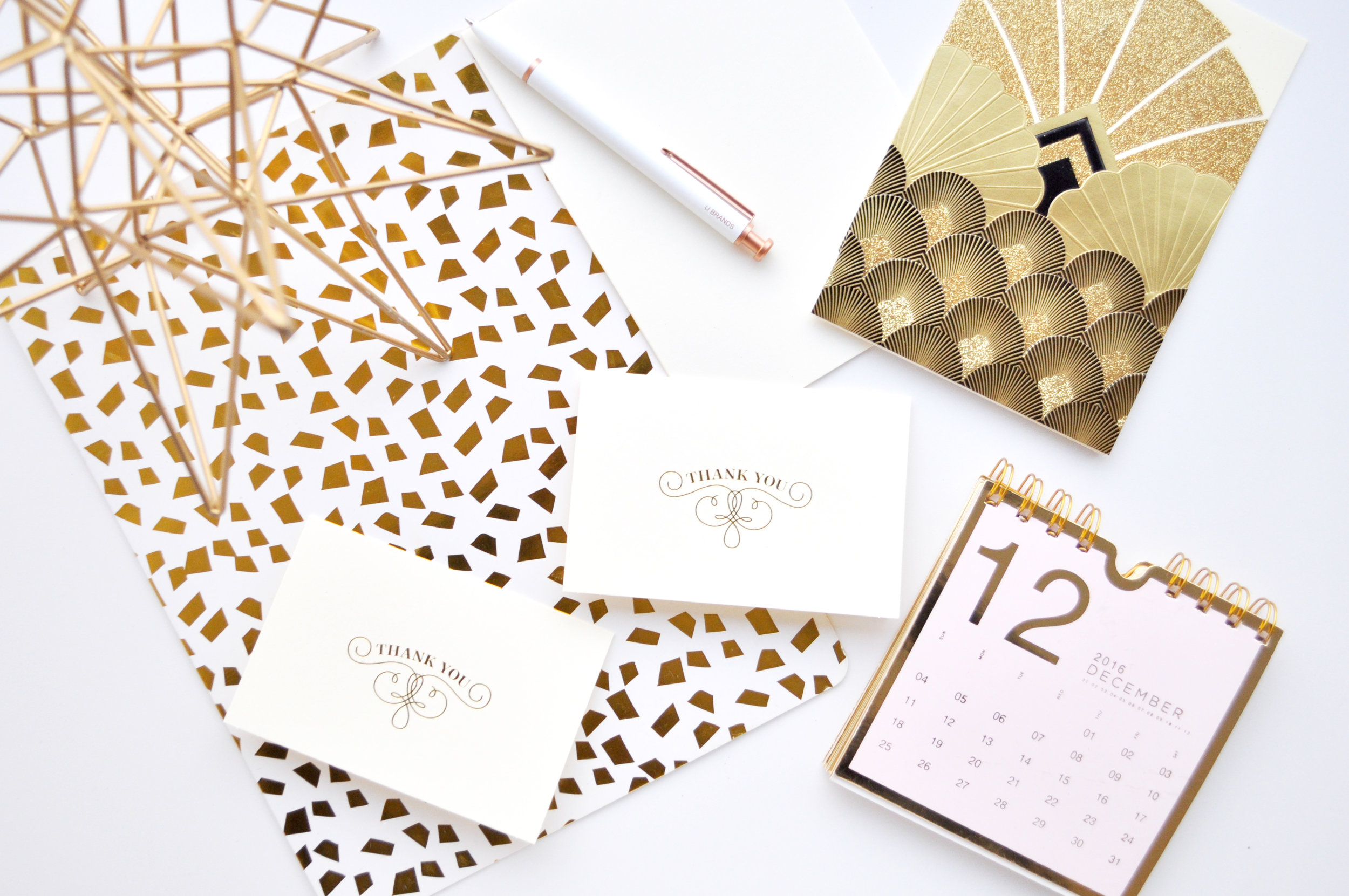
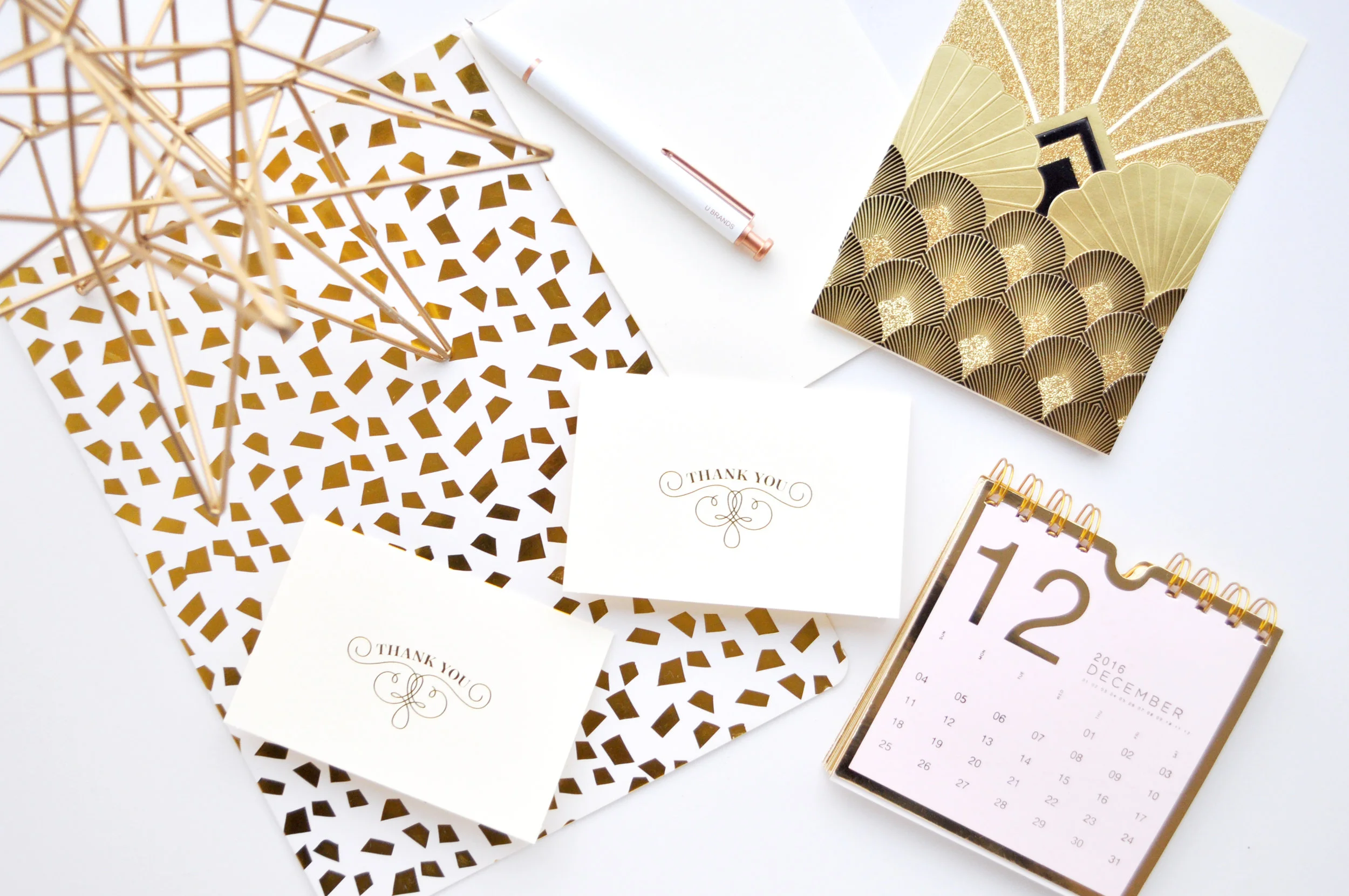
Lately, it seems that more and more invites for all things festive and fun come via email rather than the postal service, especially over the holidays. While tracking RSVPs online simplifies the party-planning process, it doesn’t mean we should give up on traditional correspondence. A card is a classic way to let somebody know you appreciate them while making a lasting impression. Don’t believe us? Take it from our C&C Atlanta keynote speaker, actor and activist, Meghan Markle, who told us that she often sends out and loves to receive handwritten thank you notes. "I can't tell you how few of them I get," she said, "but one hundred percent of the time, I end up remembering that person."
It’s an approach to business and life that can easily be worked into your 2017 resolutions. Here’s how!
SEND A WARM NEW YEAR GREETING
So, you didn’t get around to taking the picture-perfect holiday card. Not a problem. The New Year is the perfect time to send someone special a card that wishes them the best in 2017. Thinking of others is a great way to start your January off on the right foot.
Send fancy, fizzy wishes for the New Year with a card that sparkles as bright as you hope their new year will, like these cards from Papyrus.
HANDWRITE YOUR THANK-YOUS
Make a “thank you list” and check it twice because they pile up as fast as the presents you receive. From grandparents to bosses, to hosts of holiday parties and gatherings, you will have a lot of thanking to do. Hit pause on sending out digital appreciation; just like it’s fun to open a present, there is nothing like opening a piece of mail.
"Hit pause on sending out digital appreciation; there is nothing like opening a piece of mail."
Tweet this.
Not only that - writing out a thank you note goes a long way to show your appreciation and will last longer than an email. People are more likely to hold onto thank you notes and beautiful cards to display around their office or living space. Think of a card as a sweet memory in return for their generosity.
MAKE IT WORTH REMEMBERING
Remember the old rule “show, don’t tell?” A well-written and memorable thank you note follows this line of thought.
You don’t have to write a novel to create meaningful thank you notes or New Year’s wishes; you can express how much you appreciate their generosity in one or two sentences. Single out a memorable moment. What it felt like opening the gift. An instance in which you’ve since used it. Use these prompts to express your thanks and wishes for a happy and healthy 2017.
BONUS: IT HELPS YOUR COMMUNICATION SKILLS
We’re used to firing off emails. (Anyone else ever met their email quota for the day? Yep, it’s a thing.) Digital communication may be quick, but it isn’t necessarily the most meaningful or effective. It’s important to honor the practice of sending letters, writing notes, and thank you letters to keep relationships strong and grounded in real-life.
Think of the last time you opened a letter and thought, “Wow, what a great feeling.” Be sure to pass that feeling on as we enter 2017. It will not go unnoticed.
MORE FROM OUR BLOG

Your Ultimate Holiday Survival Guide
Have you bought your boss a present yet?

Credit: @klassykinks
It’s the happiest season of all. And truth be told, it also happens to be rather stressful. Because while some people are already underway wrapping presents, you’re busy wrapping up deals. And still trying to RSVP with cheer to all of the invites that keep showing up.
People love the holidays. They love celebrating. But how do you handle the holidays? Make a list, check it twice, and then follow our advice on how to do the last two weeks of December with style and grace, all while smelling good.
WHAT ARE THE IMPORTANT RSVPs?
It’s hard to sort through the invites. You want to say “yes” to everything, but as in business you’ve learned that sometimes, it’s important to say “no” and give yourself a night off.
But there’s one invite you should always make time for: the boss’ house.
You’ve been invited to your boss’ holiday shindig, which is separate from the company dinner you’re attending. It’s at his/her house. His/Her friends will be there. Other important people you probably want to talk to. Shake hands with. Do you go? Yes. Always yes to this.
If the invite has been extended, it’s for a reason, and you should make the time.
BUT SHOW UP EMPTY-HANDED? PROB NOT.
You don’t need to bring the traditional bottle of wine. Everyone brings wine. Here’s a chance to show your boss that you remain a forever out-of-the-box and ahead-of-the-game thinker. So what do you bring? Try an Indian Khadi Napkin set. Traditionally used as men’s handkerchiefs, the shape makes for a great everyday napkin.
Offer the gift upon arrival and make sure to add a personalized note. If for some reason you don’t end up handing the gift directly to your boss, you want to be sure they know it’s from you.
WHAT TO WEAR? IS FORMAL WEAR TOO FORMAL?
Not in December!
Looking nice is not a simple formality, it’s a chance to wear all those clothes you bought with the intention of stepping up your 2016 outfit game. But the year is coming to a close and some of those clothes still have their tags on. Pull ‘em off!
From friends’ holiday fetes to a co-worker’s bash, ‘tis the season for dressing up. Even if it’s not a formal party, people love dressing up for the holidays. Those statement earrings you’ve been dying to let dangle? Wear them! The high-waist tuxedo pant with stilettos and off-the-shoulder blouse? That outfit is made for the holidays.
HOW TO STAY SO FRESH, SO CLEAN
With a pile of invites and a stack of work to soldier through before before the close of the business year, chances are you’re going to be heading straight from the office to celebrations.
So how do you make sure that you not only look good, but smell good too? We’ve partnered with Dove Dry Spray Antiperspirant to answer all of your party-prep needs.
"Spread the love. That’s what the holidays are all about."
Tweet this.
Dove Dry Spray goes on instantly dry, lasts up to 48 hours AND cares for your skin. So, later that night, when a waiter is passing apps, you don’t have to worry about passing out holiday hugs to friends, co-workers, and new acquaintances. Lift those arms. Spread the love. That’s what the holidays are all about.
FINALLY DO YOU GIVE YOUR BOSS A HOLIDAY GIFT? WHAT ABOUT YOUR CO-WORKERS
If you go above and beyond for you boss, it might not look great. Your boss knows how much you make. So if you intend to buy a holiday gift for your higher-up, make sure it’s something reasonable.
Keep in mind the aforementioned and don’t think inside the box. You don’t need to get her cookies. But a small-batch bottle of whiskey that only becomes available during the holidays? Great. A candle from Le Labo always goes over well and will make their home or office smell amazing.
When it comes to co-workers, you know best. Especially if you have a BIG team. Instead of stressing out and breaking the bank, write the team members you work closely with a thoughtful greeting. A little goes a long way during the holidays. If you can make them smile, that’s a job well done.
MORE FROM OUR BLOG

5 Hacks For the Over-Committed
How to be the most-productive busy bee.

If there’s one way to describe my schedule, it’s over-committed. My friends, family, and interviewers all know it as my biggest weakness. I have trouble saying no, which has resulted in some great opportunities... and also some not so great experiences.
If you’re anything like me, you know it’s easy to overcommit, but extremely difficult to balance such a full schedule.
Though I haven’t quite learned how to say no yet, I have learned how to manage all of my responsibilities, which can be summarized in 5 tips below:
1. Commit to causes you actually like.
At the moment, I have five jobs. Yes, five. This wasn’t unplanned, nor do I work 100 hour weeks. I absolutely love each job and have been learning completely different skills at each one. Though having one, full-time job is more customary, it’s just not for me. I enjoy exploring different areas and learning more about myself through things that I am passionate about. Curt Rosengren summarizes the benefits of loving your work, citing increased energy and confidence as benefits of being passionate about your job.
2. Be transparent about busyness.
A heavy workload can work - if you are upfront with friends, family, and people you work with.
By letting others know you have a lot on your plate, you can best allocate the time you do have to work on a specific task. Those around you will be able to understand the type of efficiency you work with, and you will be able to be more productive during the time you allot for each task.
3. Don’t allow other commitments to be distractions.
It is very tempting to work on several things at the same time. Your day at job #1 could be going a little slow, so you pull up a project you have been working on for job #2. Not a good idea.
A heavy workload can work - if you are upfront with friends, family, and people you work with.
This distraction puts you at a lower focus for job #1, and your coworkers can start to view you as a slacker. Whenever doing any type of work, focus 100% on that task. The work you produce will be higher quality and result in higher satisfaction from others.
4. Quality always trumps quantity.
The only thing worse than having 143 things to do is having someone on your team who is always late or missing deadlines. If your involvement is starting to take a toll on the quality of your work or your commitment to a team, take a step back.
It is always better to be delivering your best self to a project or task, rather than a flustered and busy you. Those around you will notice when there is too much on your plate. Maintain the self awareness to know when it’s too much.
5. Organization, serious organization.
When you have multiple deadlines or several places to be, it can be difficult to remember where you’re supposed to be or what you’re supposed to be doing.
Help your busy self out and put events and deadlines on a calendar (and set alerts!), make to do lists, and schedule things like grocery shopping, seeing friends, and going to the gym. You may have a lot of commitments, but there’s no reason to sacrifice your quality of life. Planning and being organized will allow you to maintain productivity while also avoiding copious amounts of stress.
The over-committed life is not for everyone. Having a lot of responsibilities is often stressful and can leave little you-time. If you’re luckier than I am, you’ve probably figured out how to successfully say no.
If you’re in the same boat as me, take a deep breath and remember that having so many responsibilities is a blessing that most don’t have, and people like us might just be taking advantage of this wonderful world that we live in.
This piece by Kelsey Bishop originally appeared on Shine Text.
MORE ON THE BLOG





Nailing the Perfect Office to Party Ensemble with Kate Spade
With winter here, we're on the hunt for the best holiday outfits that not only work for the office, but also double up as a perfect holiday party ensemble. Y'know - anything that makes our hectic schedules even more convenient. Because who has time to leave work early, change, get ready AGAIN, and make it to the party on time?
With the bulk of holiday parties still ahead of you, we tapped some of our favorite fashion bloggers and business ladies to share boss babe party style looks from Kate Spade.
THE ALL-IN-ONE with C&C FOUNDER JACLYN JOHNSON
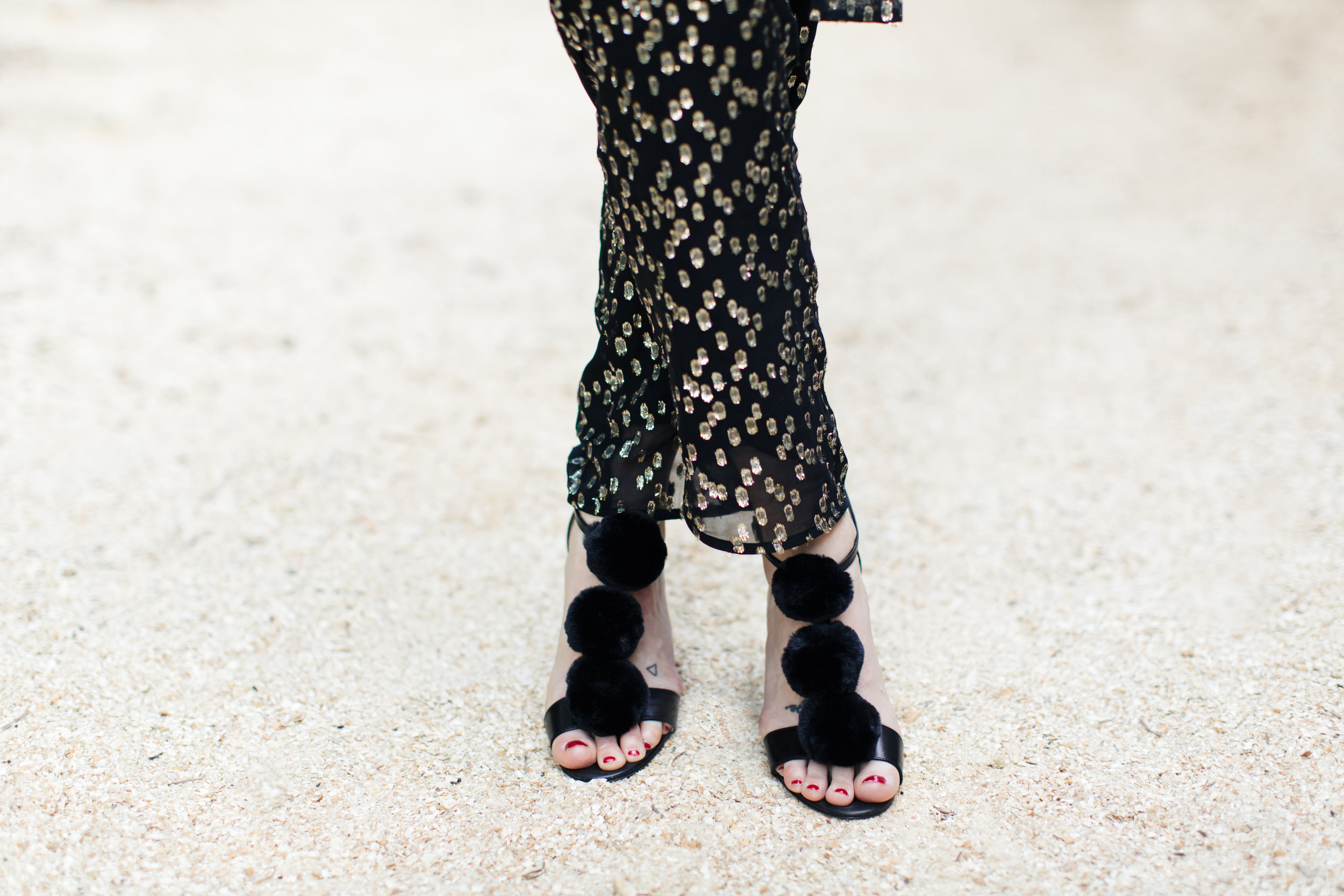

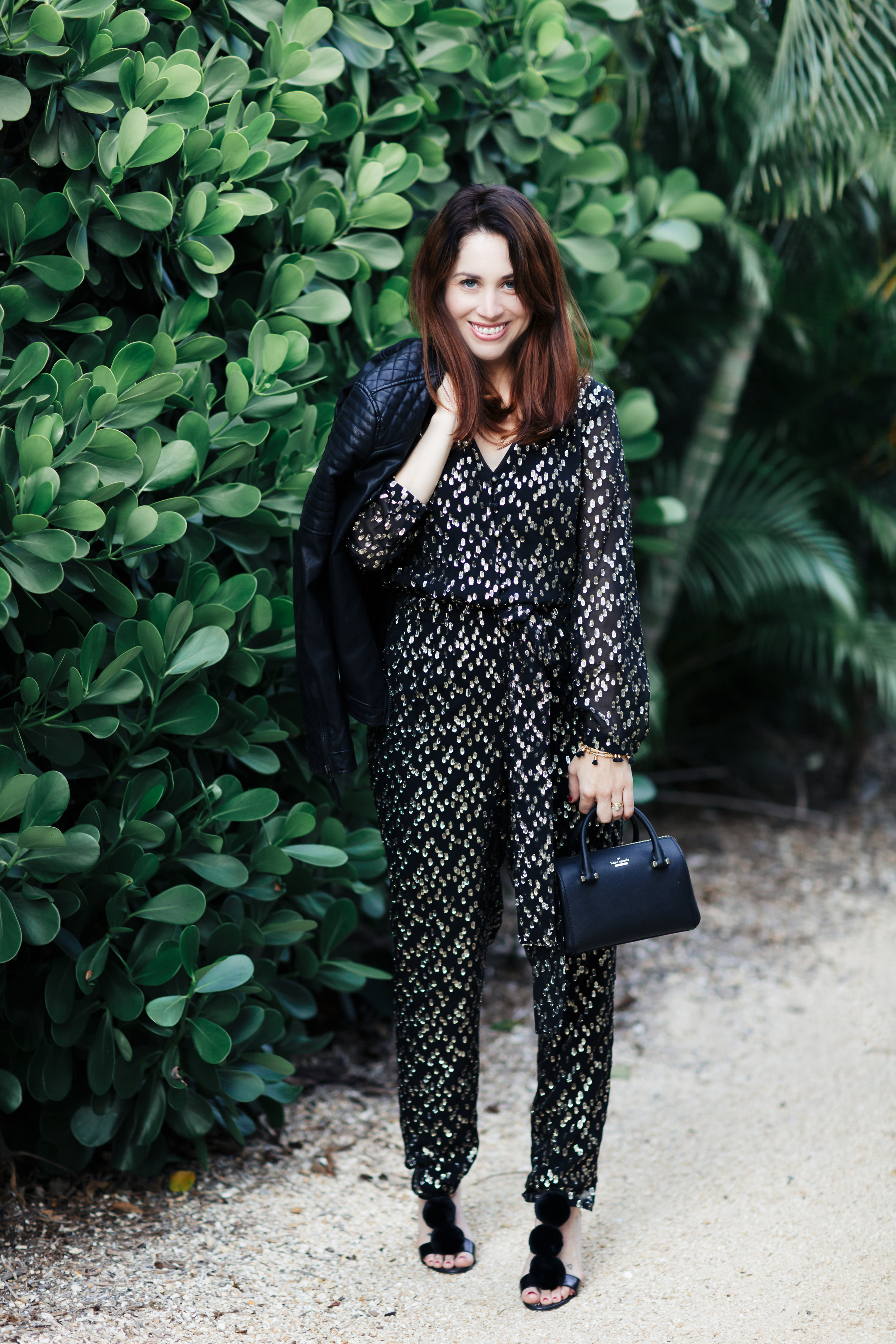

For the busy boss who doesn't have time to pull in multiple pieces, what's chicer than a jumpsuit? Maybe these heels? In black and gold, you can strut from office to party with bells (or in this case, pom poms) on your feet.
On Jackie: Metallic Dot Jumpsuit, India Heels, Cameron Street Lane Bag
THAT'S A WRAP with PURSUIT OF SHOES FOUNDER ASHLEY TORRES
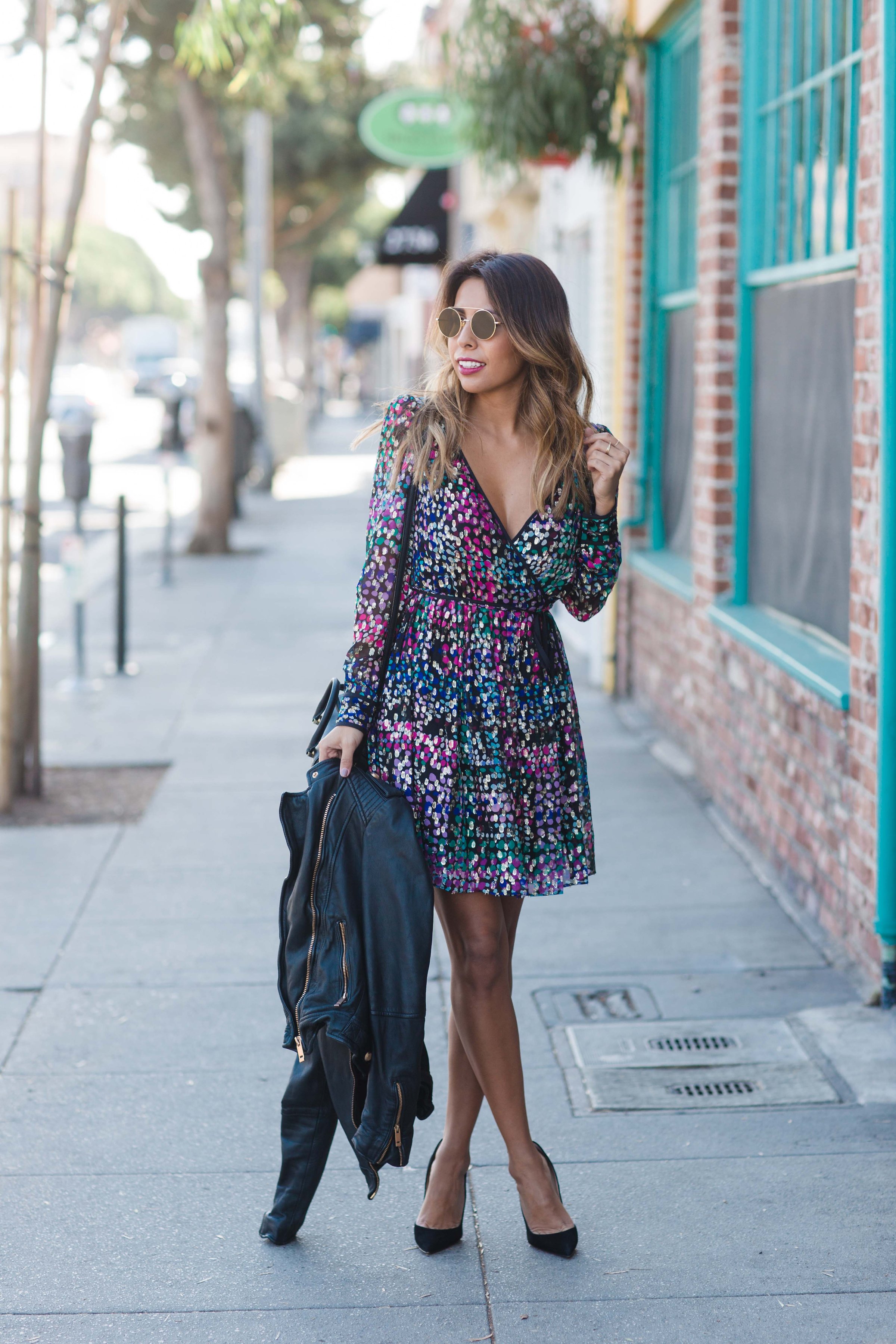

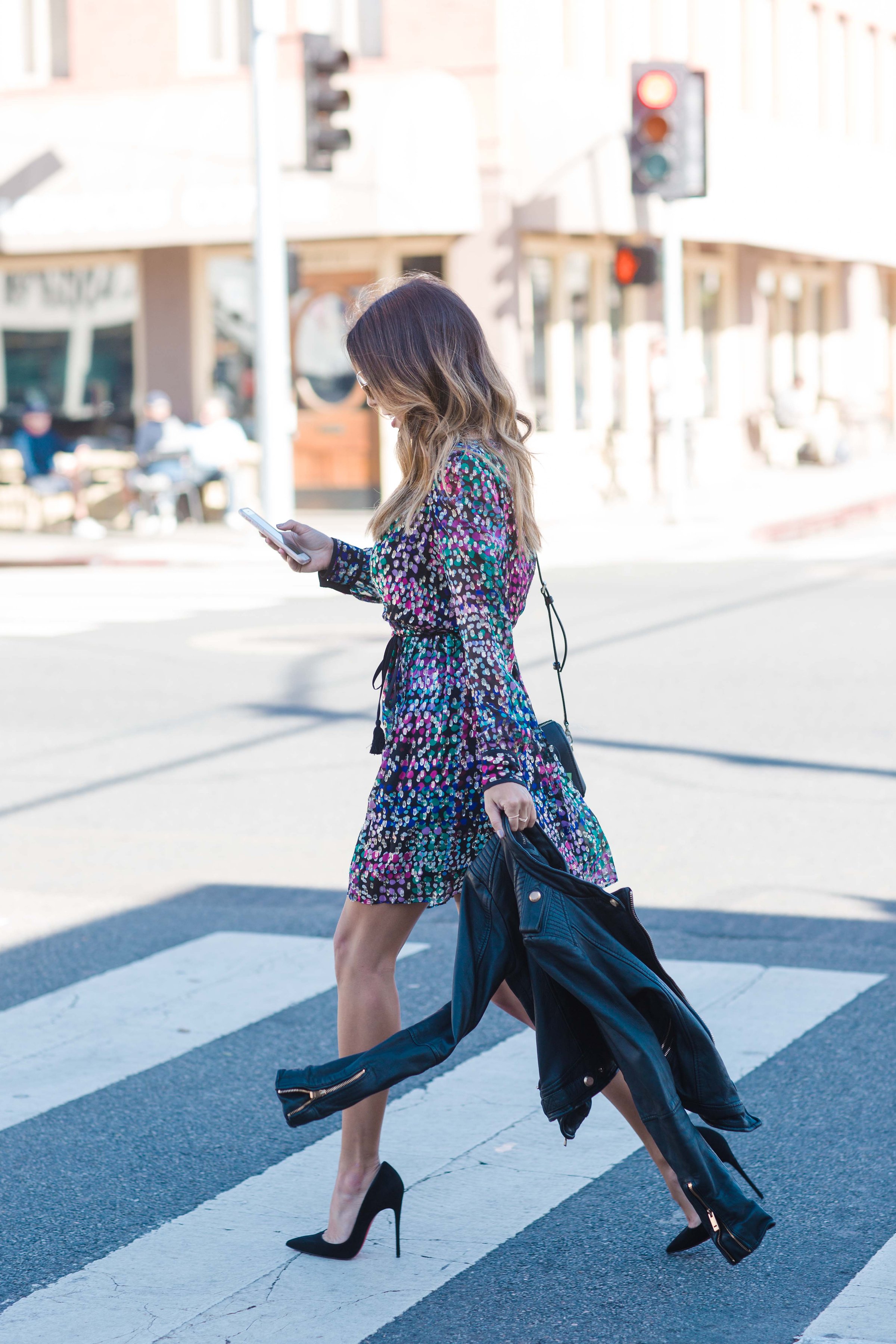
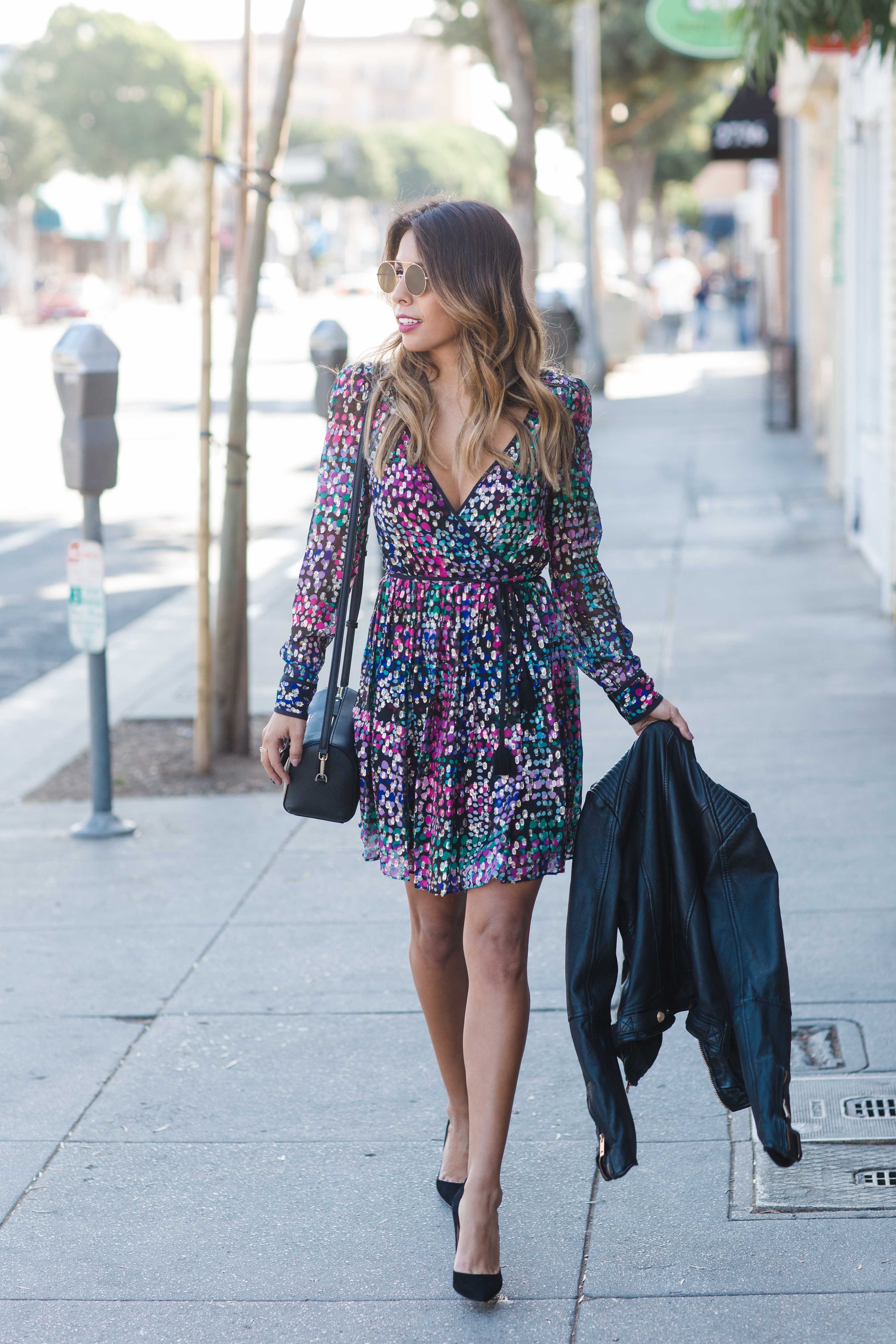
It's not just presents that are for wrapping this season. In a sparkling wrap dress, that can be paired with flats at the office and heels for the party, you've got this in the (cutest little black) bag.
On Ashley: Metallic Multidot Dress, Cameron Street Lane Bag
BLACK & WHITE & OH SO EFFORTLESS with EFFORTLESS CHIC FOUNDER JEN PINKSTON
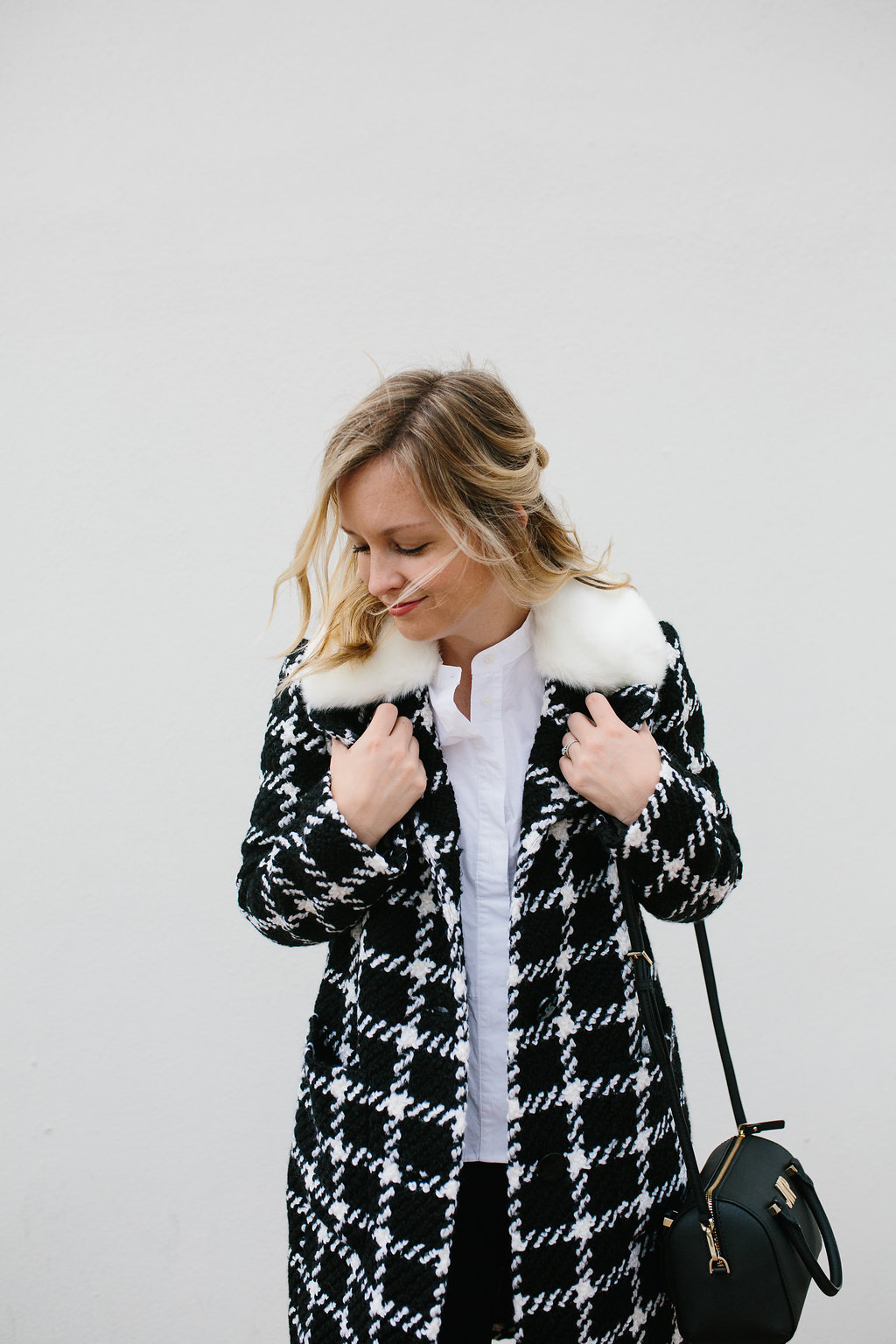
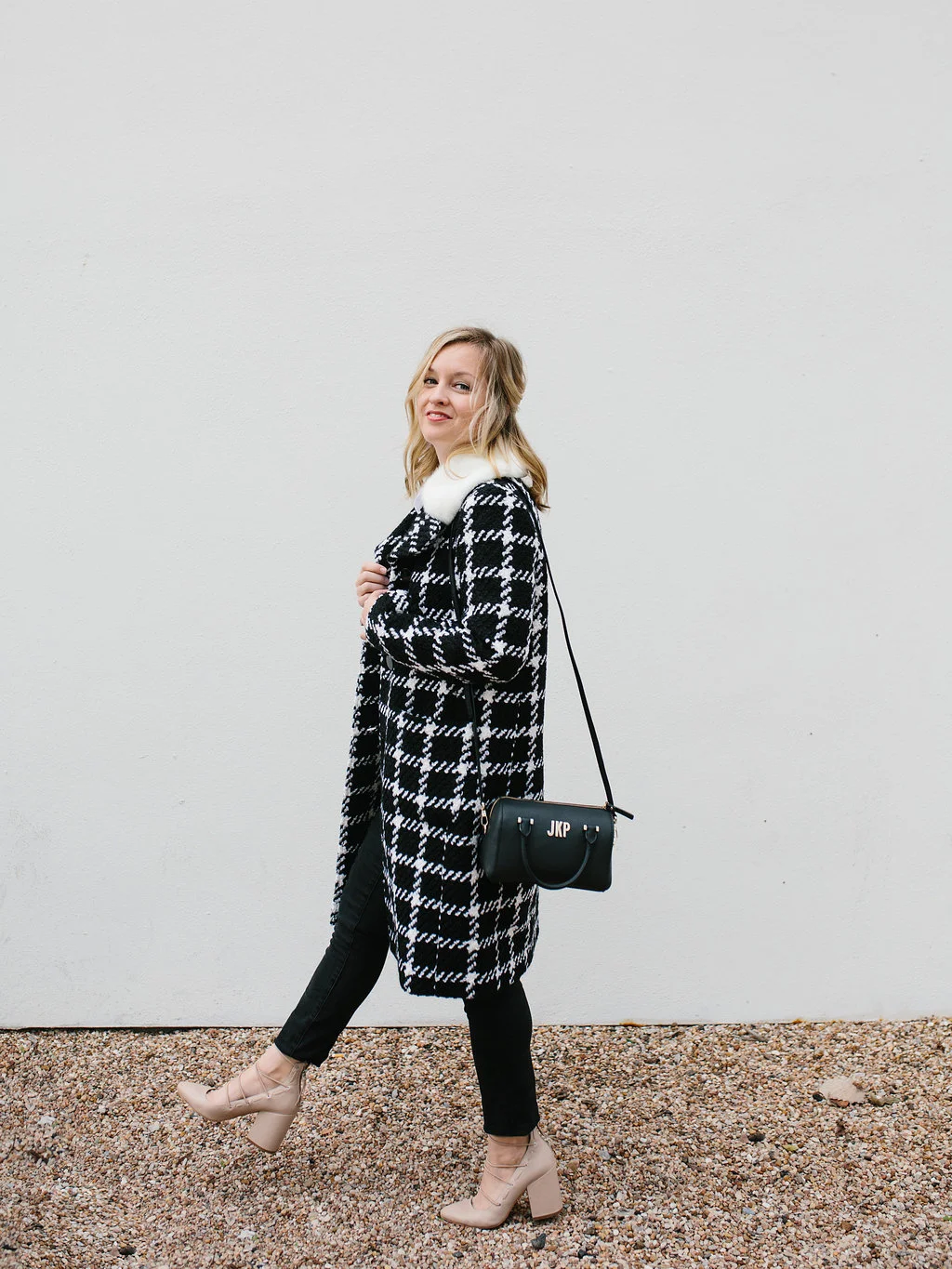
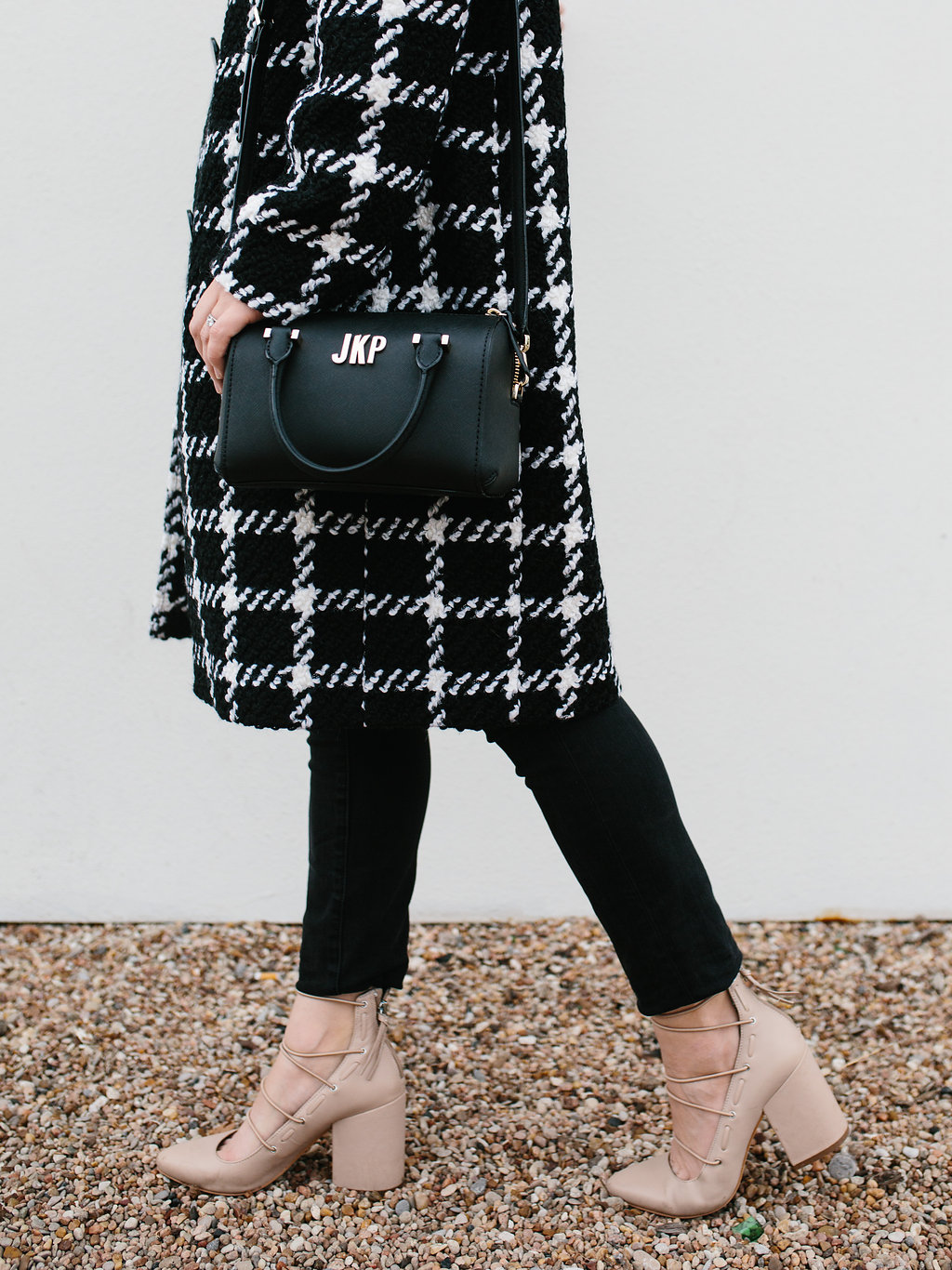
Black and white was made for busy bosses. When you don't have time to pattern match, you can get dressed for the day and night faster than you close those deals. Oh, and if it's a rooftop party, you'll be stylish and cozy in a gorgeous tweed coat.
On Jen: Faux Fur Collar Tweet Coat, Poplin Ruffle Shirt, Abbie Pant, Anastasia Heels, Cameron Street Lane Bag
BOSS PANTS NATION with JORDAN SANTOS
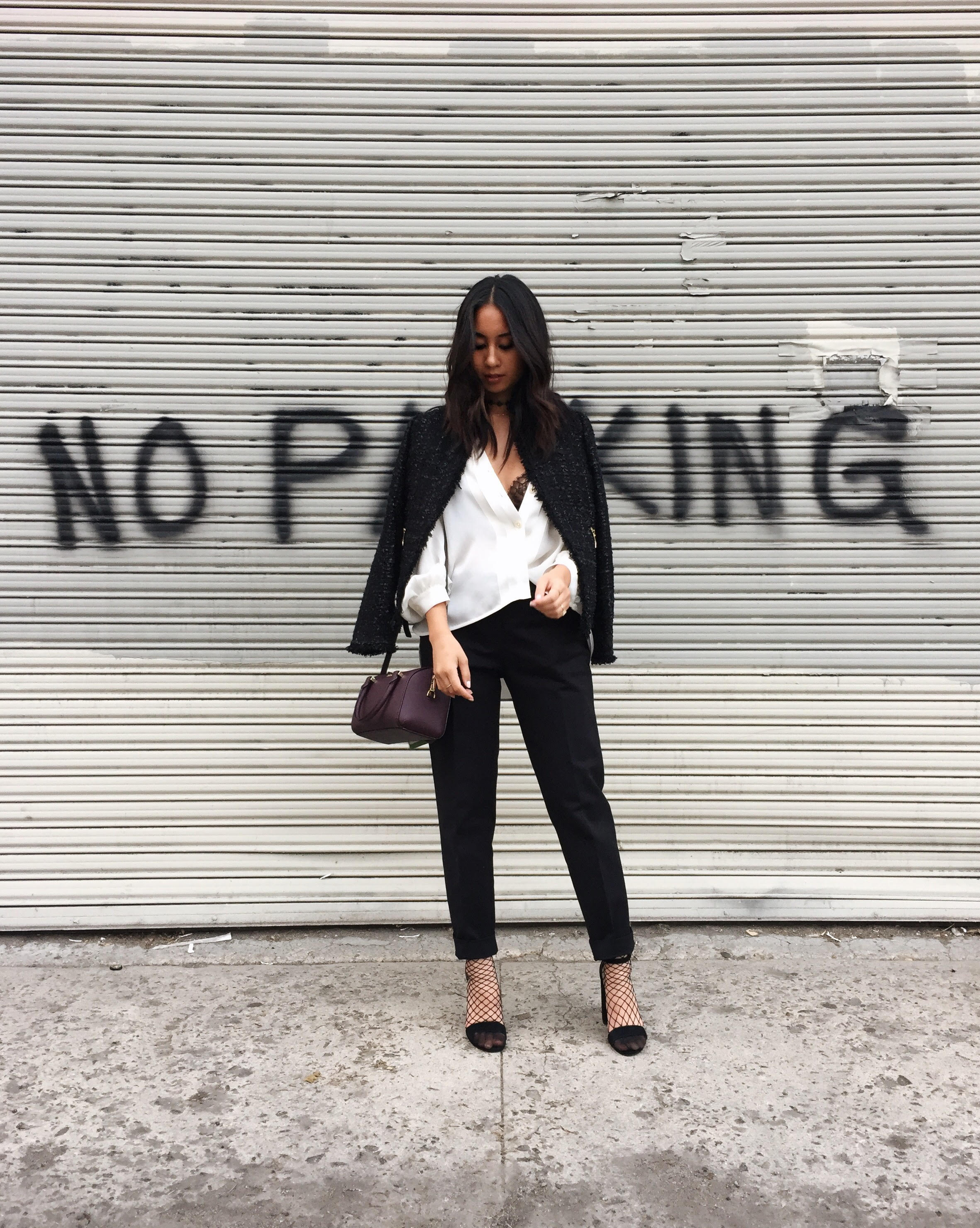
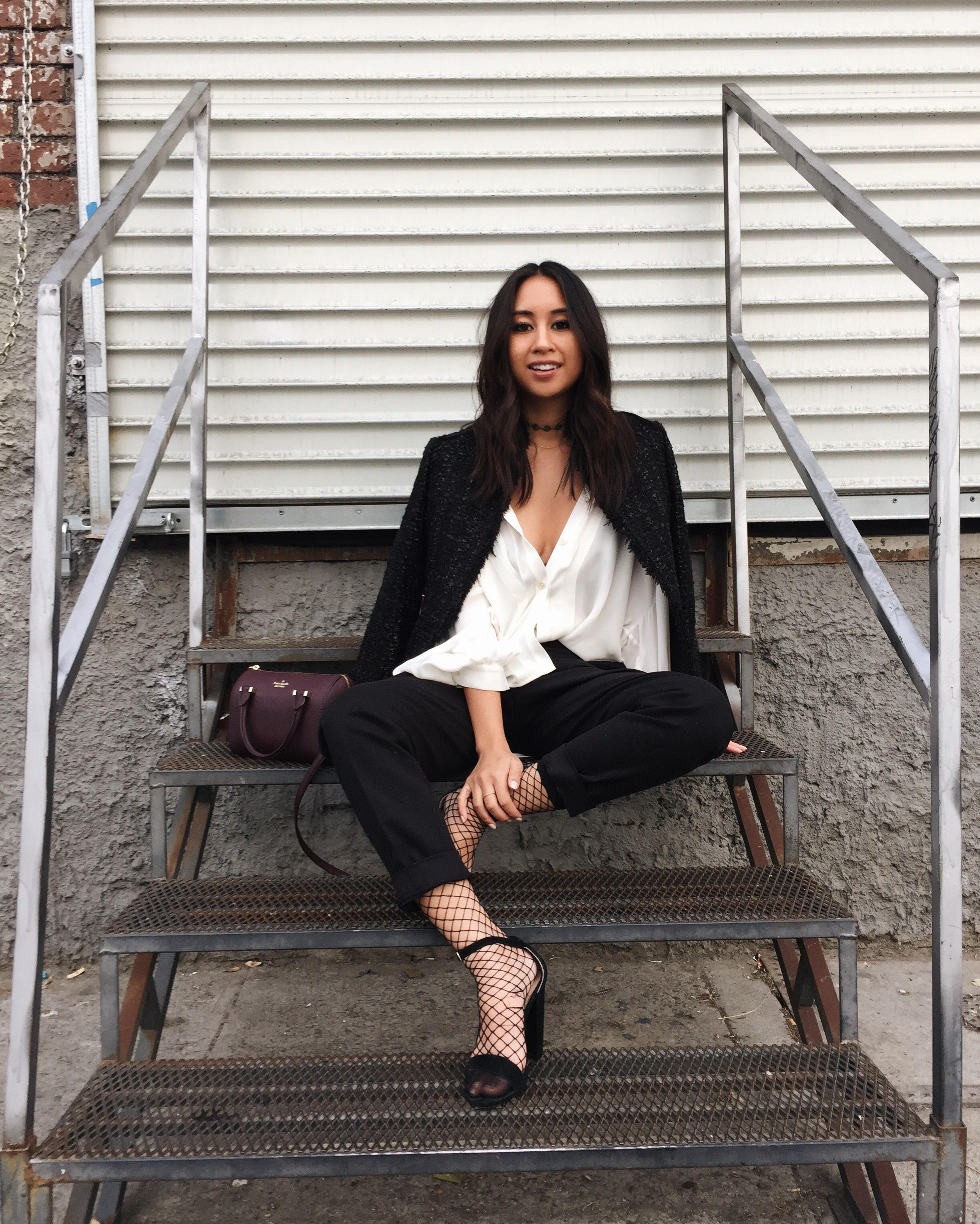
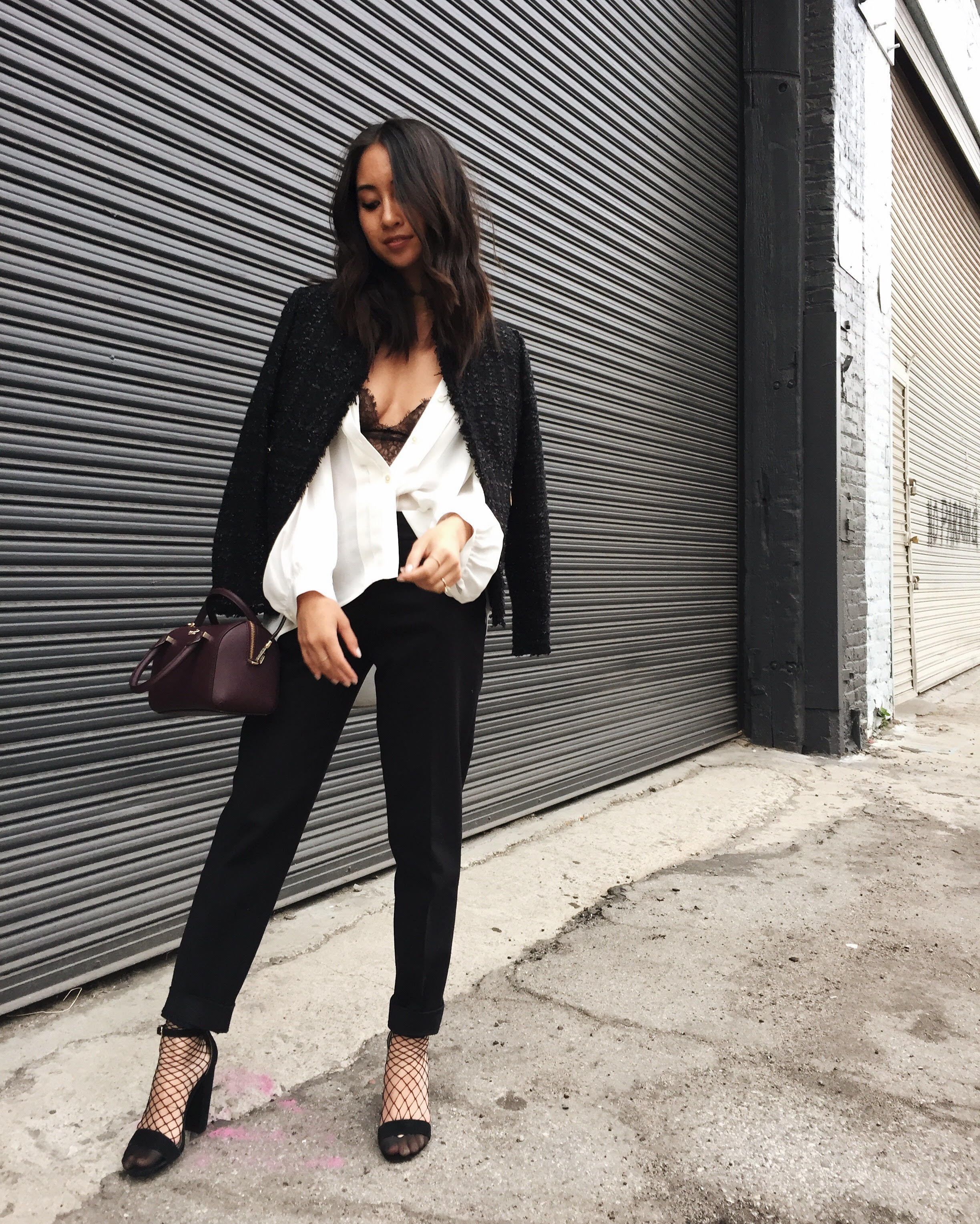
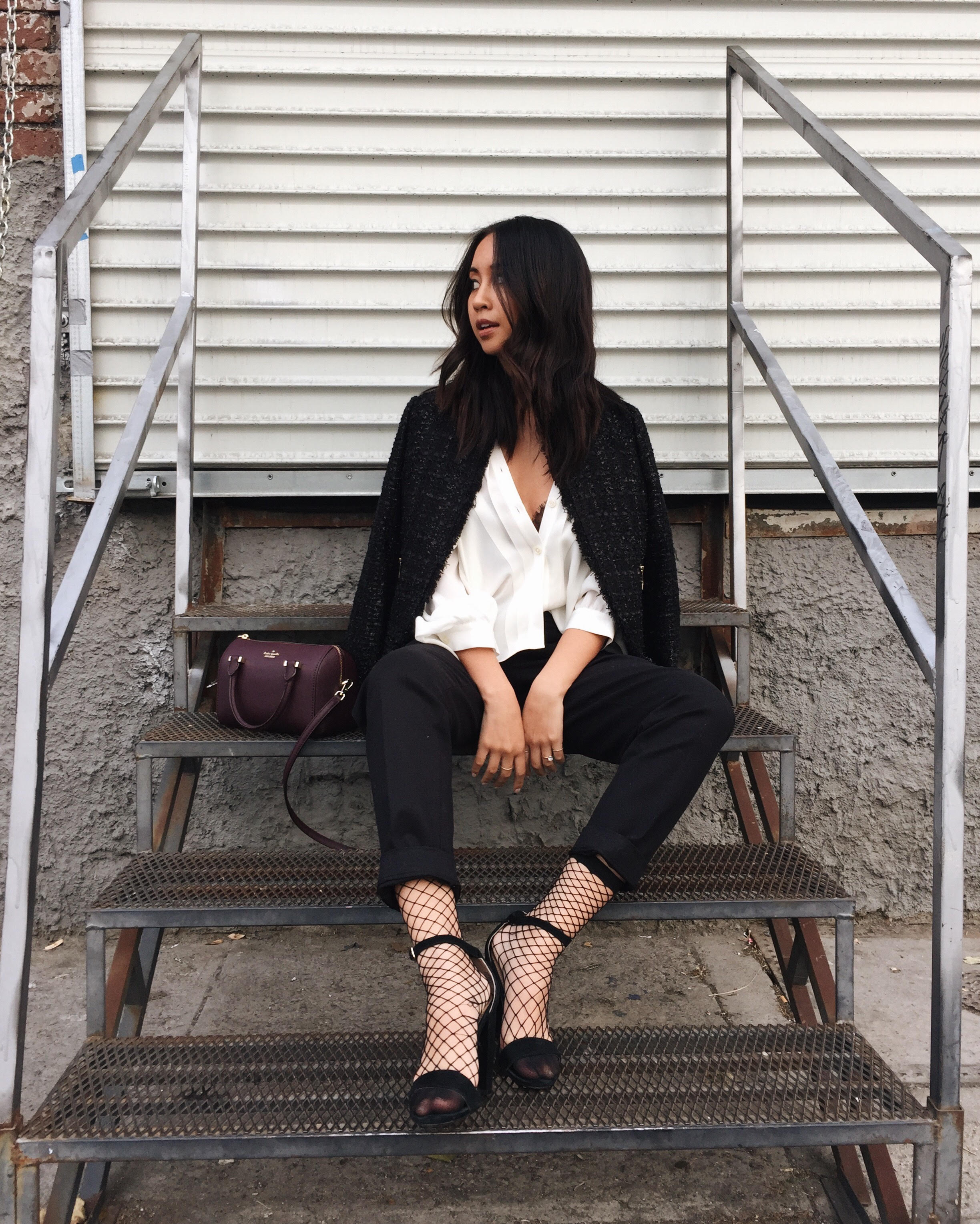
Power babes in power outfits, with a few key accessories. In a high-waist pant and crisp white button-down, heading from your desk to festive drinks has never looked so good.
On Jordan: Silk Alyssa Top, Shimmer Tweed Jacket, Cameron Street Lane Bag
THE LADY IN LILAC with NIKIA PHOENIX
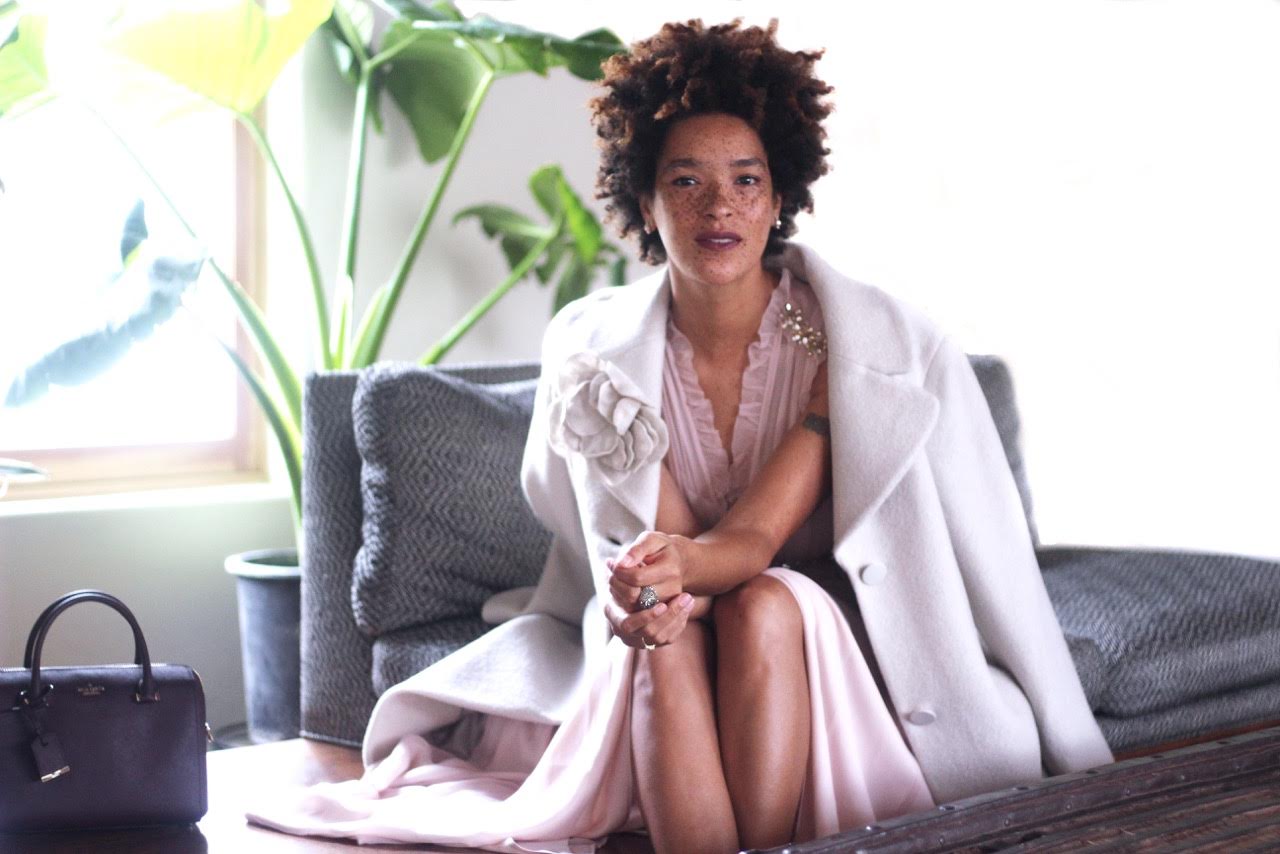
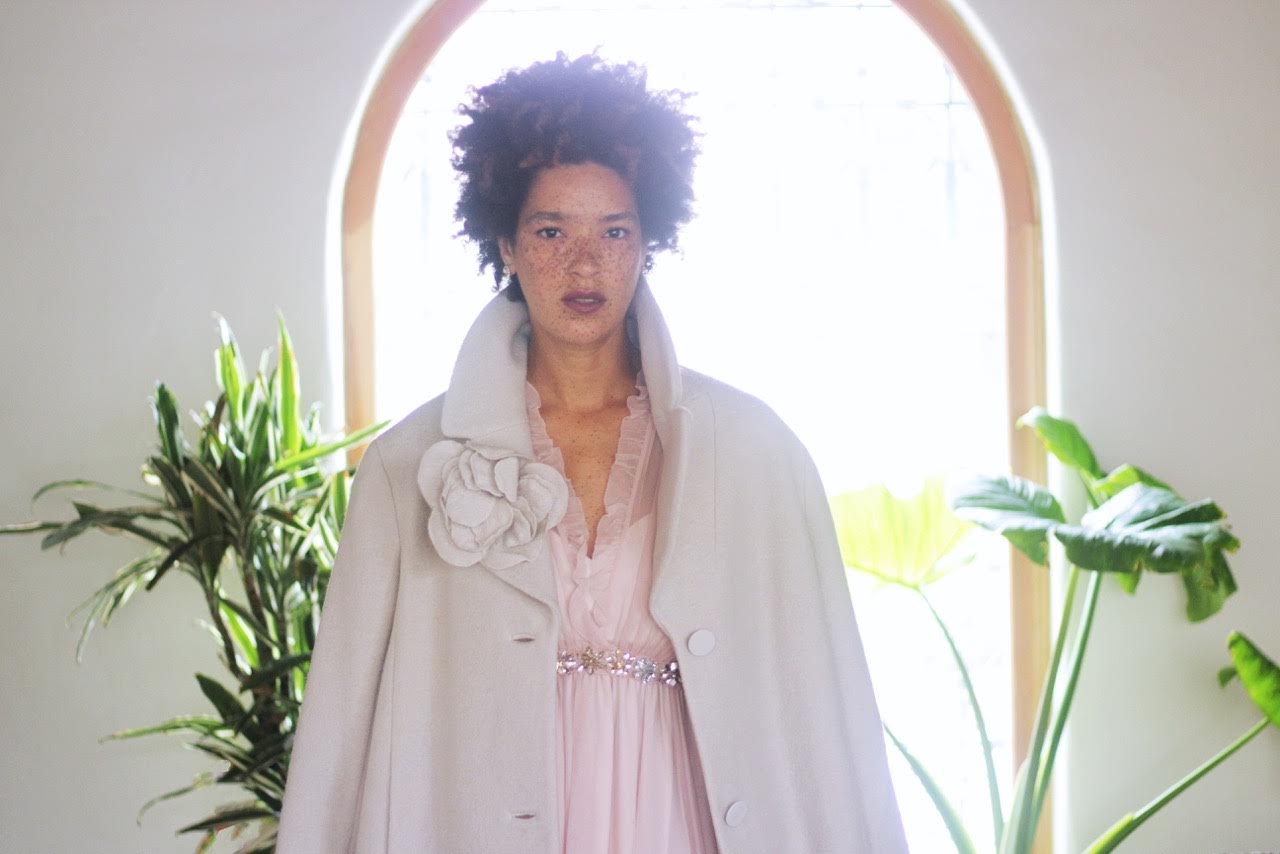
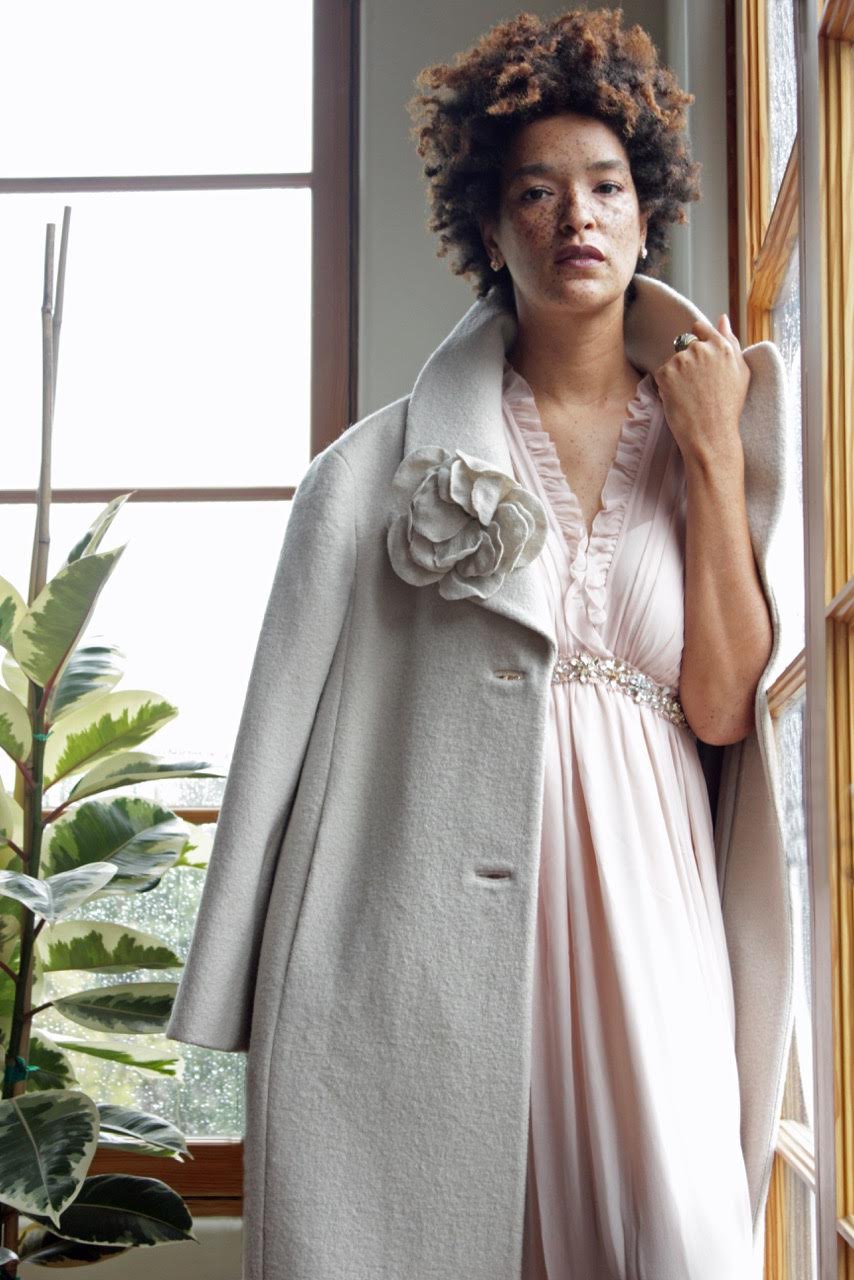
There may be songs about ladies in red, but this winter opt for soft colors like lilac because pretty pastel hues aren't just for spring. Go romantic and sophisticated.
On Nikia: Jia Dress, Malerie Coat, Cameron Street Lane Bag
THE CASUAL CREATIVE with LILLIAN BABIAN, FOUNDER OF STUDS AND SAPPHIRES



Casual meets classic with a high waist denim and white button-down. Sometimes when everything is up in the air, you want something simple and sweet. And a monogrammed bag is the perfect addition to this classic look.
On Lillian: Malerie Coat, Poplin Ruffle Shirt, High Waisted Denim
MORE FROM OUR BLOG

How 3 Harvard Women Regained Their Confidence Post Graduation
Climbing the ivy isn't the easiest on your ego.

photo credit: Lily Glass Photography
A week before starting college, I came across a quote that said, “Going to Harvard convinces everyone that you’re special, and you that you’re not.” When I read it, I wasn’t nervous because I had the hubris of a girl who didn’t apply to any safety schools and graduated at the top of her class. Less than two months later, I got my first midterm test grade, a D in Linguistics, and called home crying. I had been knocked down several pegs and my confidence took a significant hit. In the 10+ years since, my confidence has slowly returned, and I was curious to see how other women have dealt with losing confidence and gaining it back. I asked three of my closest friends from Harvard about the different ways they’re regaining their confidence since college and how it can apply to your careers.
HOW DID ATTENDING HARVARD ERODE YOUR CONFIDENCE?
Going to Harvard was a truly humbling experience. As one friend put it, “Harvard reinforced the ‘impostor syndrome’ that many women suffer from.” She asked herself questions such as, “Did I get in because I'm Hispanic? Did I really take full advantage of everything Harvard had to offer?” Beyond these feelings were the daily difficulties that came with trying to succeed in such a rigorous environment. One friend described the high expectations as, “Succeeding was the baseline. There were fewer opportunities to excel and do something praiseworthy.” My friend, Allyson, felt that no matter how hard she worked and how much she studied, she couldn’t catch up. She likened it to feeling as if some people were starting ten meters ahead of her in a race based on the higher levels of preparation they had received in high school.
HOW HAVE YOU REGAINED YOUR CONFIDENCE?
Many of these situations translate to the workplace, and are well documented in articles on women’s confidence. However, I am more interested in how we can continue to improve our self-assurance when faced with demanding environments.
Allyson is an eternal optimist and adventure seeker who has done business development at Disney Parks and Resorts and is now a consultant at the Boston Consulting Group. She is also the co-founder and CEO of easyBiodata, an online dating platform for the Indian community. She says she felt emboldened in college when she was successful in areas where other people weren’t. She says she “didn’t even know about Wall Street before college,” but she heard speakers such as Carla Harris and was inspired to try to enter the industry. She was hungry to get internships as early as her sophomore year. Her professional success with securing great internships much earlier than most people brought back some of the confidence that was rattled in her freshman year.
Another friend is an opera aficionado, fishing fanatic, and startup and technology ninja with 10 years of experience in ecommerce and pet tech. She has found ways to build her confidence in everyday life. She feels powerful when she “uses critical thinking in areas that are not her expertise.” This could be anything from managing her own finances to making medical decisions for her parents. She knows she can find the information she needs and pull together the right people and resources to get the best possible outcomes. She stresses that it is important to “take a step back to get perspective on how far you’ve climbed, and give yourself credit for victories. Maybe your professor [or boss] won’t give you a pat on the back, but you can sure give yourself one!”
"Take a step back to get perspective on how far you’ve climbed, and give yourself credit for victories."
Tweet this.
My third friend is a tri-lingual artist, soccer player, and new mother who has worked in the consulting, public health, and software industries. Her confidence is influenced by both her professional and everyday life. She says her confidence changes based on the people she is surrounded by, including when she has a boss who believes in her and her abilities. It also improves when she participates in activities that make her feel strong and excited.
WHAT ADVICE DO YOU HAVE FOR WOMEN IN HIGH PRESSURE JOBS?
What I found most encouraging in my conversations with these three women is that they never suggested shying away from tough situations. Two of them went back to Harvard for their MBAs, even knowing how difficult it would be. The other friend left a successful career in retail ecommerce to join a startup with a whole new set of obstacles to overcome. Their advice for women in high pressure environments boiled down to three things:
1. Continue to step up and take on challenging roles. “Heading into unknown territory lets you test your wings. Don’t be afraid to step out into scary places because you never know what you can do. Don’t be discouraged from trying, even if you don’t succeed at first.”
2. “Form relationships with everyone you can at your company from the mailroom worker to the CEO. People respect the effort and it will make you more efficient and productive.” Having that full perspective of your business will empower you even when you feel like you may not have all the answers on your own.
3. “Seek out mentors and supervisors who believe in you and want to give you opportunities.” During those times when your self-assurance may wane, it helps to have someone you admire to remind you that you’re great, and create opportunities for you to stretch yourself and grow.
I am excited to put their advice into action, and look forward to showing off some of that pre-Harvard swagger at the earliest opportunity!
Florence Evina-Ze is a business strategist with experience at McKinsey, DevaCurl, and Deloitte. She is a graduate of Harvard College and Harvard Business School and likes writing about the intersection of beauty and business on her blog, beautyflo.co.
MORE FROM OUR BLOG
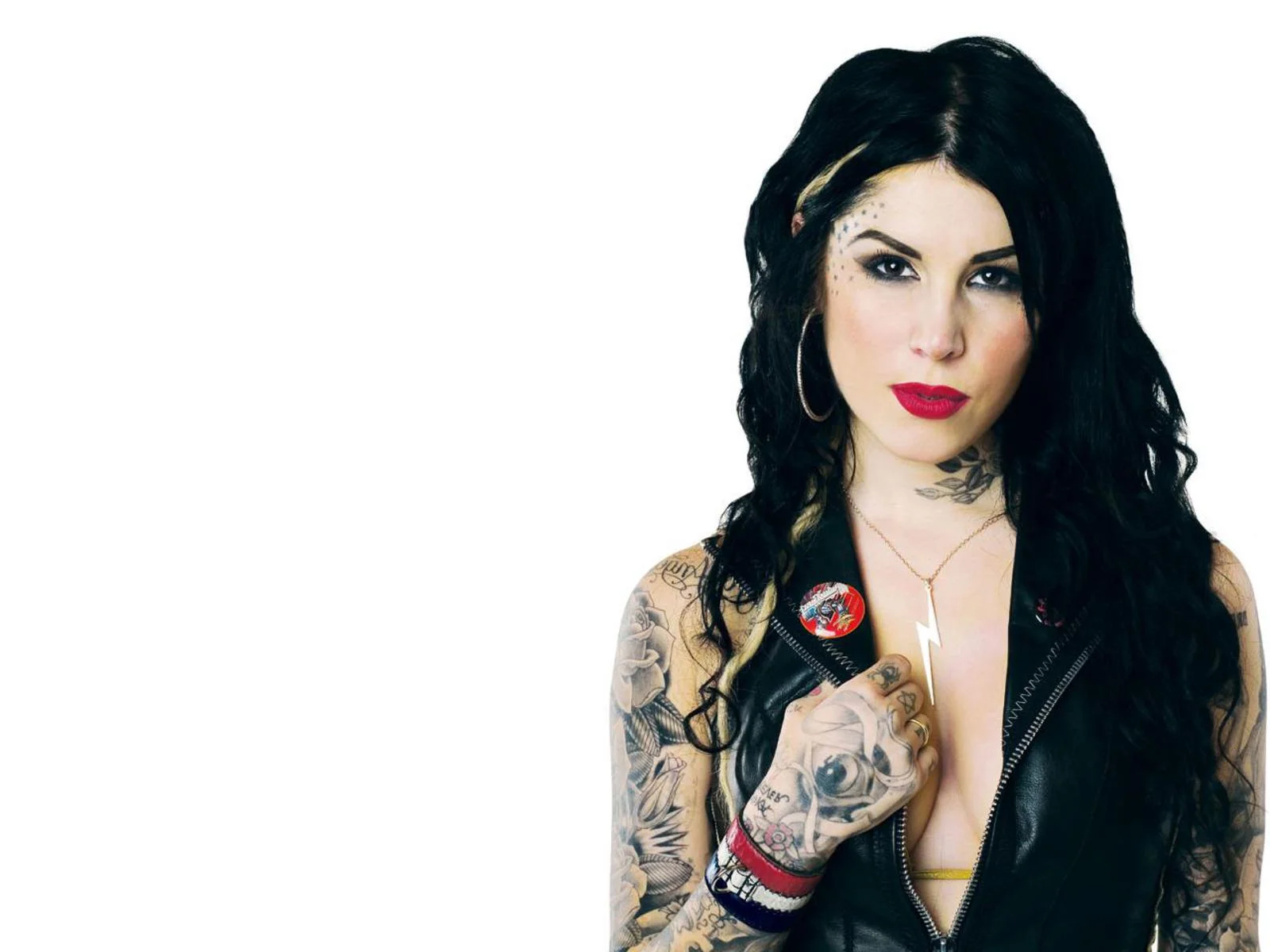
Kat Von D on Making it in a Male-Dominated Industry
Brains, beauty, badass.

Most of us got acquainted with tattoo artist, Kat Von D from her appearances on both Miami Ink and LA Ink. Shortly after her reality debut, the starlet got approached by the big beauty bosses at Sephora, in 2008, to start her own makeup line. The self-proclaimed beauty junkie instantly found herself in another successful business venture with Kat Von D Beauty. Not only did she recently relaunch her entire collection to be a vegan and cruelty-free brand, but Kat has also created cult favorites that have consistently found a place on Sephora’s Bestsellers list. In a recent conversation with James Vincent at The Makeup Show Chicago, Kat candidly talked on how involved she is in building her beauty brand and how she uses creativity to stay inspired in the ever growing industry.
How did it start for you and what inspired the beauty line?
I think I got lucky in a lot of ways. When I was first on Miami Ink that’s when the people at Sephora were interested in seeing what my perspective was on makeup. I think they were surprised of how much of a beauty junkie I was at the time. I was already a Beauty Insider. I was a card carrying member and everything. They saw the opportunity for something different and unique. We started off with four lipsticks. The idea was to create the four perfect shades of red. Even back then I’m like ‘Oh this is so much. I can’t believe it. I’m the luckiest girl in the world’. I thought I was going to make one lipstick, fast forward to now, and we got 3 million lipsticks. Obviously it’s not that easy there is so much work in it. I think there are different ways to go about creating your own makeup line. For me, I don’t have absolutely any interest in pouring myself into anything if I’m not going to do it 110%. So there are a lot of people who just want to put their name on something, they don’t show up, just collect a paycheck, and hope it does well. As for me, [I’m] somewhat micromanaging but creatively involved in the entire process.
I get asked a lot by people ‘How do I start my own makeup line?’ I think that I am the worst at giving advice but I do think that we’re in a day and age where it’s important to go back to handmade. That’s why I love Etsy. Anybody who has a small business that means you can do it out of your garage or your living room. And I think that’s something to be celebrated. I connect with something that’s made with love versus mass produced or computer generated. Not to knock computers. Because computers are cool too, but there is this certain magic that happens when it has the human fingerprint on it.
"I connect with something that’s made with love versus mass produced."
Tweet this.
I just always tell people: figure it out. If you really want, you can do it. There are a ton of great independent brands out there that don’t get enough love, that are vegan and cruelty free, that are producing things that are really pushing the envelope as far as artistry goes. When you get into the corporate world it’s a lot easier to play it safe, but what’s the fucking fun in that? So I celebrate all the indie brands as much as possible.
Tell us about your artistry and what you think defines an artist.
I don’t feel worthy enough to answer that. I do like to make things with my hands and with my mind, and heart so I guess that can be called an artist or a creator. I think art is one of humanity’s most redeeming qualities in this world where we are so selfish. We shit on everything and never really give anything back, and I’m talking about Mother Nature. It’s constantly taking and not producing. When you’re an artist its one of the most selfless acts you can do. You are giving whether you inspire somebody or make something beautiful. That’s so crucial and so important. And if we do want to be remembered by something let’s hope that it is art in a world like today where you have an orange person telling us bull shit things.
How do you come up with some of your product ideas?
We do treat every product like a snowflake in a sense that the creative process may come in a different way. Sometimes it’s the idea [first]. For example when I had the Butterfly Effect collection I figured out the art direction first. Then there are other times where it’s like the Alchemist Palette where I had this specific vision for the formula first and then you know the component and everything else came later. As far as shade names, that’s the fun part, that’s like the dessert. I get to name shades after my best friends [or] my exes. It’s almost like a little tiny love letter. Also I’m inspired by music so you guys will find that the majority of the shade names are like songs or lyrics or band names, just overall muses.
As a female in a male-dominated industry what is the piece of advice to finding your own success?
We live in a male-dominated world with an exception of very few fields out there, actually makeup artistry being one of them. Makeup artistry is made up with the majority of female. As a tattooer I remember before the TV shows I didn’t have any girlfriends that were tattoo artist. I feel that the best representation of feminism is not making your gender an issue because that’s the problem in the beginning. I don’t want people getting tattooed by me because I am a girl. That would be the opposite of feminism. I want them to get tattooed by me because of my work. You want that to speak for itself. I don’t care if you are a girl or boy or chimpanzee. If you’re good, you’re on my team.
"I don’t care if you are a girl or boy or chimpanzee. If you’re good, you’re on my team."
Tweet this.
What are some tips for artists for keeping themselves inspired?
I don’t know what it’s like to be bored. If I have any downtime I’m looking at trees. I’m going to sound like a hippie right now, but trying to understand and label what it is when light shines through a leaf. I think these things are really inspiring. Also people, if we practiced looking at each and find this special beautiful thing about them, oh my God, you are going to fall in love everyday like I do. I think inspiration is all around us. You can ask my team I drag them to so many museums. I’m like a total art nerd about it. I think that is something worship worthy.
There are times where I am completely depressed. I don’t need makeup to be happy but then I get a new palette and I look at it and its like ‘Oooh I like this color combination!’ It’s just that little tiny thing [that] gets us excited about tomorrow.
Is there one thing you love the most about your beauty line?
It’s not a product. I love all the products. I use everything that I make. I think it’s mainly the interaction. This makeup line has introduced me to such an amazing new world that I really wasn’t apart of before, especially after being made fun of as a kid at school for using black eyeliner as lipstick and shaving my head into a Mohawk. It’s nice to celebrate unconventional beauty together. I would say 40%, because 60% of the screenshots in my phone are my cat, but 40% of my screenshots are of you guys. I try my best to repost it or reproduce it and give credit. I think my favorite part of being involved in the makeup world is you guys.
Adrienne Gadling reported this from The Makeup Show Chicago. She is the editor-in-chief of IAMSADIDDY.com
MORE FROM OUR BLOG

Want to Know How Long Your Resume Should Be?
If it's not skimmable, it's worthless.

photo credit: Kristen Meyer Salvage Design
How long should your resume be? The truth is, it depends. The way I always explain it to clients is if you really need the extra page and have useful career information (i.e. important metrics or well respected companies/jobs) to include, use it. However if you can easily condense all important information to one page that is reasonably spaced and reader friendly, go for that.
RULE OF THUMB
My general rule of thumb is that if you have 1/3 of a page or under on the second page, try to make it fit by searching for “fluff” words, extra spacing, etc. If you have more than 1/3 of a page and everything is important content about your career, it’s actually better to have it spread out between 2 pages to make the document more reader friendly. Note that the key phrase here is “reader friendly.” If you can fit everything onto one page, but your resume is dense and hard to read, that won’t benefit you.
If your resume is not skimmable, (Studies show that hiring managers and recruiters look at individual resumes for an average of 6 seconds each) it is basically worthless. That statement may seem harsh, but the reality of the job market suggests this is true.
"If your resume is not skimmable, it is basically worthless." #hardtruth
Tweet this.
Someone who presents an information-dense resume squeezed onto one page with half inch margins is almost sure to get very little attention solely based on the fact that no one wants to sift through it.
THE GOAL OF A RESUME
Many people think that the goal of a resume is to get you a job, but the real goal of a resume is to get you an interview. A resume alone can’t land you a job, but it can intrigue others to want to learn more about you. Think of your resume like a movie trailer. It highlights all of the best parts and persuades people to want to learn more (in an interview).
WHAT YOU NEED TO ASK YOURSELF
When answering the question of “how long should your resume be?” answer these questions:
Are there any jobs on your resume that are no longer worth including? (i.e. positions over 10 years ago, internships 3-5+ years ago, etc.)
Do you have useless verbiage/information on your resume such as references?
If your resume is 2 pages, are those 2 pages used wisely? Is there unnecessary spacing? Are you including plenty of facts and metrics about your achievements?
THE BOTTOM LINE
Make your resume clear, concise, and easy to read to ensure you get noticed. Making it easy for hiring managers or recruiters to immediately view your strengths and skill set is one of the main things that will get you an interview.
It’s hard to give standards regarding who should have a resume over a page and who shouldn’t, but generally, about 5 years in the workforce or less will stay within 1 page, and time over that may potentially overflow. With that said, it is important to remember that this is a generalization without taking industry into account. An engineer who has extensive training and certifications, but is only 4 years out of college may have a 2-page resume, where someone who’s been working for 20 years with only 2 jobs at the same company may be able to fit it into one.
How long should your resume be? There is no one-size-fits-all for a resume, so as long as you stick to a reader friendly, to-the-point style of writing, you’ll be fine.
A native San Franciscan, Michele Lando is a Certified Professional Resume Writer and founder of writestylesonline.com. She has a passion for helping others present the best version of themselves, both on paper and in person, and works to polish individuals' application package and personal style. Aiming to help create a perfect personal branding package, Write Styles presents tips to enhance your resume, style, and boost your confidence.
MORE FROM OUR BLOG

Do You Really Need a Four Year Degree?
4 year degree may (or may not) be required.

While only 46% of people ages 25-29 had completed an associates degree or higher as of 2015, the pay gap between college graduates and everyone else reached a record high in 2013, based on an analysis of Labor Department statistics by the Economic Policy Institute in Washington. Americans with four-year college degrees made 98 percent more an hour on average in 2013 than people without a degree. That’s up from 89 percent five years earlier, 85 percent a decade earlier and 64 percent in the early 1980s.
It seems like everywhere you look, someone has a side hustle or is dabbling in entrepreneurship, which brings up the question of “Do you really need a four year degree?” There is no perfect answer for everyone, however it is important to look at the benefits of obtaining a four year degree. When you’re debating if a four year degree is right for you, ask yourself three main questions:
- What do you want to do/What is your ideal job?
- Do you want to create something for yourself or would you rather work for someone else/a larger company?
- In your desired field of work, what is the required degree? Does there seem to be a minimum level of education which you must have in order to be successful in that field?
What Do You Want to Do?
This question is harder than it looks, however it is the basis of determining the answer to “Do you really need a four year degree?” Determining what you want to do will help you figure out what kind of education may be required and what path you should take.
For instance, if you want to go into a more creative field such as art or music, perhaps you can forgo the four year degree and focus on a program which truly enhances your abilities through a nontraditional route. On the other hand, if you want to go into a sector of science or engineering, you most definitely need a four year degree to obtain a job and get the required licensure.
Do You Want to Create Something for Yourself or Work for a Larger Company?
The real question here is, are you going to be paid by a larger company, or are you going to work for yourself/run your own business? Figuring out if you want to create your own company/business or work for an established organization can help determine the amount of schooling you need. While a four year degree would be extremely beneficial in both instances, a four year degree will enable you to obtain higher wages if you’re working for another company, whereas you may be able to get away without a four year degree if you are working for yourself.
If you are trying to go into the corporate world or at least start there, a four year degree will give you the basis and foundation to obtain the kind of job(s) and pay that you want.
In Your Desired Field of Work, What Is the Required Degree?
Once you’ve determined what path you want to take and/or what job you want to obtain, go online and do some research. Is there a common degree that is required? Do most of the jobs you’re aiming for either now or in the future require a certain certification? If so, what are the steps to getting certified? Do you need a minimum amount of education? Figure out what you need to do education-wise to qualify for the job you want.
Do You Really Need a Four Year Degree?
While there are people who can get away without having a four year degree, it will always benefit you, and will almost always be necessary to obtain a high level job in this day and age.
The bottom line is that if you are applying for a job, and it comes down to you and one other candidate who are completely equal, employers will have to split hairs to decide who they want to hire. In this instance, they will often choose the candidate who has a better education. Similarly, full-time workers ages 25 and over without a high school diploma had median weekly earnings of $504, compared with $700 for high school graduates, (no college) and $1,266 for those holding at least a bachelor’s degree. Not only will you learn a lot about yourself and your industry through a college degree, you will be able to make more than your peers who are not college educated.
If you have the opportunity, getting a four year degree will benefit you in many ways, both socially and in the workforce. Think that a traditional college education isn’t for you? Explore other options such as online or community college classes to educate yourself based on what you want and need.
Do you really need a four year degree? While it isn’t 100% necessary, it will greatly benefit you and make life easier in the long run.
A native San Franciscan, Michele Lando is a Certified Professional Resume Writer and founder of writestylesonline.com. She has a passion for helping others present the best version of themselves, both on paper and in person, and works to polish individuals' application package and personal style. Aiming to help create a perfect personal branding package, Write Styles presents tips to enhance your resume, style, and boost your confidence.

Here's How to Actually Support Women at Work
Send this to your male colleagues.

Putting his money where his mouth is, Brett Gelman, best known for his role as Brett Mobley on Adult Swim series Eagleheart, severed ties with the network over misogynist policies. Earlier this year Adult Swim announced its full roster of new shows, returning series, and specials. Of the 47 announced projects, exactly zero were created (or even co-created) by women.
Taking to Twitter, Gelman told his audience, “If you are a straight white man you must actually help others and take action and not just say that you support them. Tweeting isn’t enough.”
He also shared the following with Paste Magazine.
"Every white liberal straight man needs to take action and work at unifying all peoples of our sides, and stop making women, and people of color and the LGBT community fight it out themselves and just pat them on the back. We have to take active roles in supporting them, defending them and hiring them."
Gelman is one outlier sparking a conversation among both men and women who are asking: 'how do I *actually* support women at work? You know besides simply saying you do. There's impotence in only talking about something, but that doesn't mean you have to quit. You don't need to refuse to work, but you need to put in the work. Equality doesn't happen in a vacuum.
"You need to put in the work. Equality doesn't happen in a vacuum."
Tweet this.
Joanna M Pawlowska, Senior Manager at NPR's Generation Listen, shares three ways that men can start really supporting women at work.
MIND YOUR IMPLICIT BIAS
"It’s there, shaping your attitudes and reactions to women, even when you’re not conscious of it," says Pawlowska. "If you find yourself responding negatively to a woman, notice and explore your reaction. Would you feel the same way if she was a he? Take this implicit bias test."
We all have implicit biases. What matters is paying attention and taking stock of where they live.
MAKE ROOM
"Women speak less in meetings," says Pawlowska. "So, invite women to speak first. Notice if they are being interrupted, especially by male colleagues."
In January 2015, Sheryl Sanberg and Wharton business school professor Adam Grant wrote a piece for the New York Times where they discussed "speaking while female." The colleagues cited a study from Yale professor Victoria L. Brescoll. Not only did the study find that women speak less than men in meetings, it also found that male executives who spoke more often than their peers were rewarded with 10 percent higher ratings of competence. When female executives spoke more than their peers, both men and women punished them with 14 percent lower ratings.
This study follows a long narrative proving that not only do women speak less in meetings, they are judged more hardly than their peers. A study by Brigham Young University and Princeton researchers in 2012 showed that women spoke only 25 percent of the time in professional meetings. That means men took up 75 percent of an average meeting. The study also found that when women were left out of the conversation, they found it harder to sway discussions during majority votes on issues.
If you don't speak up, you won't get heard. Which is where this next part comes in handy...
HAVE HER BACK
"If your female colleague shares a great idea at a meeting, vocalize your support and help her build wider buy in," says Pawlowska.
This ties back to minding your own bias. Take stock of what ideas you're supporting in meetings. Seriously, keep a tally. If you notice that you're only supporting the ideas of other male colleagues, take an active role in your own biases and make a point to support the women. Listen to the idea and encourage its float to the top of the conversation.
You don't need to support something simply because it's coming from a female co-worker, but you do need to pay attention to what you're supporting and why.
These are a few steps we all can take. Have other ideas? Share in comments below!
MORE FROM OUR BLOG

Still Wondering How to Partner With Major Brands?
Read this.

photo credit: The TomKat Studio
Are you wondering how to partner with today’s major brands? Want to know how to catch their eye?
Well, if you were at Create & Cultivate ATL you might remember the delicious Mediterranean-inspired dishes from lunch served up by Zoës Kitchen. Beyond filling our stomachs, they’re also filling our brains with useful info. We got the chance to pick the brains of the social media and marketing team behind the restaurant lifestyle brand.
They are sharing how they want to work with influencers and how influencers should approach them.
WHAT THEY’RE LOOKING FOR IN AN INFLUENCER
If you’re already a Zoës enthusiast, that’s great! They love seeing your passion for their brand. If you eat at the restaurant, let them know. If there is a dish you love, share it! The more often they see you interact with them online, the more confident they become in your authentic interest in the brand.
They’ll have ideas of their own, but are always interested in your take on how to deliver their message to your audience. You likely have a following that differs from theirs and you know how to best engage them. Share how you would engage your specific audience with a tailored pitch.
Getting your grid right is the first step to growing your audience. Elevated photography and feed aesthetic are key elements in selecting an influencer to represent your brand. Bonus points if you can offer photography that is so good that they would repurpose it in the future (crediting you, of course).
Don’t limit yourself to a certain category for collaboration. Brands like Zoës appreciate different types of influencers to break through the clutter. For example, if you’re a fashion blogger, sharing a food-related post will stand out from the rest of your feed and will captivate followers in a new way. Using food bloggers (or same-category influencers) has benefits of its own, but brands are always seeking refreshing and unexpected ways to be seen and share content.
"Don’t limit yourself to a certain category for collaboration."
Tweet this.

photo credit: The TomKat Studio
NEXT STEP: HOW TO GET THEIR ATTENTION
If you’re using a product or visiting a restaurant like Zoës, tag them in a photo or use their brand hashtag. That’s the first step to getting on a brand’s radar. The person monitoring their social media will be paying close attention to who is engaging with the brand.
If that doesn’t get a brand’s attention, the onus is on you to reach out via web or social. You can shoot them a DM or send a detailed, but succinct message of why and how you want to work with them.
Include examples of relevant brand partnerships. Numbers and analytics are a great way to show the brand the kind of impact you can make.
Remember, it’s all about the feeling. People don’t only come to Zoës Kitchen because the food tastes great. More often, the team says they hear that customers enjoy ZK because of how it makes them feel. They identify with the Mediterranean way of life – leading a balanced, active lifestyle, connecting with others, and fueling their body with food they can feel great about from the inside out. These are all points that you can work into your outreach to the brand.
MORE FROM OUR BLOG

Why It's Great That Not Everyone Will Love Your Work
Fear not the unfollow.

The more connected that our world becomes, the more influencers there are, the more social media posts and best practice philosophies that there are, and the more comparison there is. We're bombarded with other people’s messages and a nagging feeling that we're not enough; that we could be doing so much more.
There’s better technology, cameras, styling props, improved platforms, more readers to capture, more email addresses, more Instagram followers to acquire and so on....Everyone else (apparently) is doing so much better and so much more than we are. They have more followers, bigger numbers, better websites and collaborations.
This perception and overwhelm often translates to inadequacy. We feel bad about what it is we’re doing.
It isn’t enough. Except, it is.
Focusing on 'what everyone else is doing' is less than helpful. You need to protect yourself and find the balance between being in a bubble and being inspired by those killing it around you.
BUBBLE VS. INSPIRATION
Put the comparison game aside. Focus for a sec on the cold-hard truth that your numbers aren't as big and your profile isn't as out there as someone else's? First of all, this will always be the case (unless you're Kim K).
Second, the reality is that not everyone will love you and your work. This is the truth for all of us and no matter how awesome you are or your work is, there's someone who it won't speak to. Whether from a brand perspective or your prospective audience.
Do you know why?
Because your message isn’t what they’re seeking and that is perfectly OK. In fact dare I say it's fabulous?! It means that as you're doing your thing, following your heart and speaking your true voice. Genuine and authentic followers, subscribers and even customers will follow.
Again, no matter how rockin’ your work and profile is, not everyone is buying what you’re selling and this is absolutely OK. An online course I studied this year highlighted a very important point when it came to sales pages. It discussed the concept of clearly stating within your copy who your product or service is NOT for, hence advising prospective customers that maybe they aren't prospective customers after all. That this concept was as crucial as telling them how fabulous whatever your selling was too.
There’s a two-fold strategy to this exercise; first off you've more than likely circumnavigated away from the future painful and unsatisfied customers of your business and second, you’ve represented up-front and unabashedly who you are what you’re all about to those who want to hear it.
Following my studies I decided to take these lessons a step further and extend it to all of my work and communication; to really own my space and what I’m doing. I wasn't in competition with anyone else and it wasn't for purposes of profit or profile. I chose to fine tune my voice, allow it to be heard even more clearly and not hold back with anything; whether that be a product, recipe or social media post; in case I put someone off.
"I chose to fine tune my voice, allow it to be heard even more clearly and not hold back with anything."
Tweet this.
GUESS WHAT?
I have put people off. Silently and without issue. I’ve also gained more subscribers, followers, profile and engagement; with these there come further excitement and possibility. You could argue it’s the whole quantity over quality debate. Although there was an initial drop off, and perhaps overall my numbers will be smaller from "owning my space" and therefore being more of a niche, but those who’ve elected to hear from me on various platforms actually want to hear from me.
I treat that as sacred and I know they feel that from me too. I’m able to deliver better quality to them because I’m not spreading myself thin trying to please and appeal to the entire world’s population. If you need further proof of this, check out how many blogs there are devoted to the humble succulent (and yes I love them too!)
We're all different and our tastes reflect as much. Learning to accept this point is the best thing that you can add to your blog. Do your thing and do it with all that you have. People pick up on and respond to that and besides it feels awesome!
So the next time that someone unfollows you or unsubscribes from your list fear not (within reason), wish them well on their quest and welcome with open arms those who have remained instead.
Nadia is a 29 year-old Sydney-sider, devoted to providing inspiration and tools to empower women in living a life of wellness; to be the best that they can! As an author, speaker and recipe developer she is a big dreamer and living proof that we can each do and be what we choose. Departing the corporate world in 2013 to follow her heart, Nadia has found it and attempts to seize the day, everyday. You can find her on Facebook, Instagram and on her website.
An original version of this article appeared on Blog Society.
MORE FROM OUR BLOG

Why It’s Important to Have Women in Your Life Who Succeed
"Tell me who your friends are, and I'll tell you who you are."

Source: Darling Magazine
Looking back over my teens and twenties, I realized that many of my close friends happened to be strong, successful women. I don’t know if I was drawn to them because of how inspiring they were or if our paths just collided that way, but one thing I know is that their influence in my life has helped shape me into who I am.
Aren’t you always fascinated by what makes people the way they are? What is it that successful women do differently that sets them apart? I think the best way to find this out is to surround yourself with them; people who are just being amazing at life, and who will encourage you to be amazing at it, too! There’s a lot to be said for humbling yourself and gleaning from someone who’s living out their dreams already; their wisdom is invaluable.
Learning how to celebrate other women’s successes is a beautiful quality and something that will benefit everyone involved, but it’s not always easy. Sometimes, instead of feeling inspired we can feel insecure, or even jealous. We’ve all been there, and it’s an easy trap to fall into. If you find yourself in this situation, don’t beat yourself up. It’s what you choose to do with those feelings that really matters. Try countering your negative thoughts by acting in the opposite way; this is powerful and can help you to form new habits.
Having women in our lives who are going after something big, who are believing in who they are, and who are using their strengths encourages us to do the same. By embracing their achievements we can let their stories become models for our own successes.
Here’s why I think we need successful women in our lives:
They inspire us.
Often successful women are full of innovative ideas. They think creatively and don’t let themselves be limited by what others say can or can’t be done. They’re good for exchanging ideas with, and can give us valuable tips that could have taken us years to learn. Usually, these women are doing something they’re passionate about and naturally want to share their inspiring stories with us. They take risks and expect us to, as well.
We become like them.
Who we surround ourselves with is a good indicator of who we will become. Women who are good at what they do often got there by surrounding themselves with others who were already achieving. These type of women will most likely push us to be our best and to accomplish more than we might on our own. Whether our dream is to become a CEO of a large company, a nurse, or a mother, we will be a benefit by being around women who are living it out already.
"Who we surround ourselves with is a good indicator of who we will become."
Tweet this.
They understand us.
Every successful woman started somewhere and has probably been where we are at some point in their journey. They might just know the next step we need to take. High achievers have usually learned a lot about the work-life balance and may be able to offer advice and wisdom that we can apply to our own lives. They often understand the struggle and challenges involved in getting where we want to be and can offer guidance.
They motivate us.
In order to move forward, we need to have motivation. Women who are successful are often action-oriented, which can give us just the kickstart we need. They are natural problem solvers and can offer practical solutions to our challenges or situations.
They see what we will be.
Women who are succeeding generally have high expectations of themselves and others; when people expect a lot from us, we tend to live up to it. Having women in our lives who see the best in us can be a huge factor in our success. These type of women can often see talents and skills that we might not be able to see in ourselves and can help to draw them out.
From my experience, there is a richness to opening ourselves up in vulnerability to those who we are inspired by. Their confidence and passion is contagious, so let’s start an outbreak of women who believe in their own greatness.
"Confidence and passion is contagious, so let’s start an outbreak of women who believe in their own greatness."
Tweet this.
Who would you consider to be a woman like that in your life?
This piece originally appeared on Darling Magazine.
MORE FROM THE BLOG
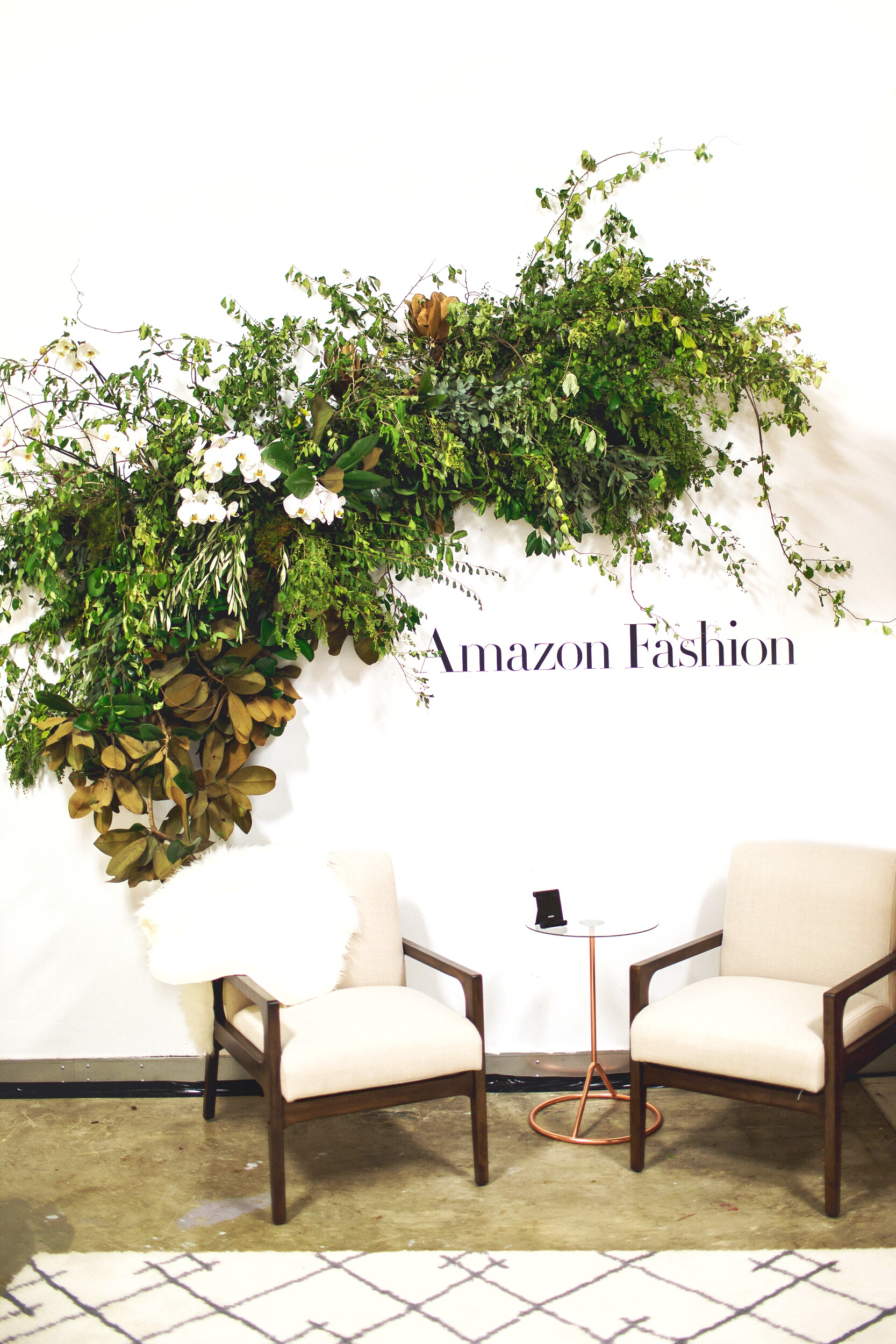
The One Way You Still Aren’t Using Amazon
And it's guaranteed to bring money back into your pocket.

Photo by Kelley Raye, collection by Rachel Zoe
Chances are, you use Amazon for just about everything. From ordering tech and books to getting last minute deliveries on Prime. You stream movies and order dog food in a pinch. But Amazon is also a fashion treasure trove, and they are delivering up the goods this holiday season. You may not yet know that you can also buy your holiday party wardrobe and NYE outfit from your favorite brands on Amazon! Including all accessories.
Better yet, if you’re a fashion blogger, you probably did not know that you can earn advertising fees for linking to Amazon Fashion products through their affiliate marketing program, Amazon Associates.
Amazon Associates helps influencers get a share of the revenue. As Amazon has grown its fashion footprint to become one of the largest online apparel retailers, its Associates program is also adding new opportunities to help fashion influencers monetize their blog, including special financial incentives and premium content for qualified influencers. This is great news for you if you have a fashion blog and especially if your readers are Prime members!
At Create & Cultivate Atlanta many influencers who stopped by the Amazon Fashion booth were excited by the program, especially after being able to browse their great brands at the booth. Many signed up to learn more on the spot, spirited by the possibility of leveraging Amazon in a supplementary way.
With millions of products to choose from and thousands of fashion brands beloved by bloggers—from Rachel Zoe to Vince to BB Dakota—there are a thousand ways to monetize your outfit blog posts.

Photo by Kelley Raye
It’s an earnings opportunity that offers special incentives for qualified fashion influencers, who get access to premium content like curated newsletters and Amazon experiences, such as working with Style Code Live, Amazon’s daily, 30-minute live show where style enthusiasts can connect, chat, shop, and get the inside scoop on the latest fashion and beauty trends.
One of our favorite perks about Amazon Associates is that you still get paid even if a user buys a product different from the one you linked to on Amazon. The way the affiliate program is structured actually ensures that you get paid for “halo” items bought within a 24-hour period of arriving on Amazon via your affiliate link (with a few exceptions for certain items). And you know how easy it is to buy multiple products on Amazon when you’re Prime!
To make the most out of this program, get started today! Holiday gifting season is one of the biggest online shopping times of the year and it's already here. Which means you might make a little extra to shop for friends and family this year.
To create an Amazon Associates account, create your Store ID here. To apply to be a fashion influencer with Amazon Associates, email fashion-associates@amazon.com with 1) Subject: Amazon Fashion Associates Application, 2) Your blog URL, 3) Your Instagram Handle and followers, 4) Your Store ID (see above).
Amazon Fashion was a sponsor at Create & Cultivate Atlanta.
MORE FROM OUR BLOG
The 6 Small Business Grants You Need To Apply To Now
Time to take the "small" out of your business.

Source: Darling Magazine
As entrepreneurs, we have a lot of ideas that we want to get started on right away. We live with an ambition of wanting to do it all, but reality can hit when we realize that we really need the funds to start fueling our vision. Of course, nothing is achieved without investing in it first, and that starts with time and money. If at first you might feel discouraged that getting funding for your business isn’t feasible for lack of capital, or you just don’t know where to start, the best place to start is by applying to grants.
We’ve already talked to you about how to write a killer proposal for a grant - now it’s time to put those skills to work. Below we’ve gathered some of the grants you can start applying to now to bring your vision to life.
The Eileen Fisher Women-Owned Business Grant Program
We know Eileen Fisher for the amazing label that she started with only $350 and a vision. Aside from creating a line with signature pieces the are created for creatures of comfort, Eileen’s has shared her passion for creating a thriving business with other female entrepreneurs with her Women-Owned Business Grant Program.
The program awards five grants annually to businesses that are 100 percent female-owned and share the founding principles of social consciousness, sustainability and innovation, plus are ready to move into the next phase of development.
FedEx Think Bigger Grant - Small Business Grant
FedEx wants you to hear your elevator pitch, and they want you to think outside of the shipping box. With their Think Bigger Small Business Grant, they annually award 10 winners, along with one grand prize winner who $25,000. Just give them a short profile about your business, and record your elevator pitch to them, and enter! (2017 grant to be announced soon.)
InnovateHER Think Bigger Grant - U.S. Small Business Grant
This is one of the many grants created by the U.S. Small Business Administration, however, in 2015 they introduced The InnovateHER Challenge which recognized female entrepreneurs that are creating business that are critical to the booming economy, regardless of what field they’re in. This grant provides an opportunity for female entrepreneurs throughout the U.S. to showcase products and services that have an immeasurable impact on the lives of women and families (30%), have the potential for commercialization (40%), and fill a need in the marketplace (30%). Six winners are awarded, and the first place winner is awarded $15,000 for their small business.
The Amber Grant Foundation
For nearly 20 years, The Amber Grant Foundation has been awarding women who are looking to fulfill their entrepreneurial dreams. Every month, they award Qualifying Grants $500 as selected by their WomensNet judges, and one of their 12 monthly qualification winners are awarded $1,000 at the end of each year. Also, voting for grants are open to the public, so you can encourage people in your network and shareholders to vote for you to help you win their monthly grants!
Local Women’s Business Centers
While there are many federal and nationwide grants that you can apply to, you can also tap into the local grants that are much more niche. The U.S. Small Business Administration has many local grants that are listed in their database based on your city and state that you can apply to now.
Economic Development Agencies
Every state and many local governments have economic development agencies dedicated to assisting new and established businesses to start, grow and succeed. Services provided by these agencies typically include start-up advice, training and resources, financial assistance with loans, grants and tax-exempt bonds, business location and site selection assistance, employee recruitment and training assistance and a lot more to ensure that your small business thrives. You can search your city or state to see what agencies are offered in your area.
Honorable Mention: Womensphere Venture Incubator
If you are a starting a business in STEM are want to find a grant that strictly tied to your cause, then the Womensphere Venture Incubator is created for you. Although this is not a grant, this is one of the many resources for your business that you can invest your time and money in that will ultimately let your business grow.

This Is How You Celebrate a Raise Without Offending Anyone
Sharing is caring-- usually.

Celebrating a raise is not like celebrating your birthday—you can’t invite everyone to the party. But after months—years, even—of hard work, how do you give yourself a well-deserved pat on the back without making others feel less than stellar about their own work? Promotions at work are public knowledge, and most co-workers will be happy for your deserved success. However, raises, bonuses, and the like, are often not shared for understandable reasons.
Here’s how to celebrate your well-deserved success without bumming out the person typing away next to you at work.
USE DISCRETION
There are people in your life who will always be happy for you, but total transparency when it comes to talking money with co-workers is tricky. It’s also still considered taboo in most workplaces. There are parity arguments to be made for salary transparency, but things can get awkward pretty fast when co-workers find out you’re making more than them. Even if it is deserved, you don’t want to become the pariah of the coffee pot talk.
"Things can get awkward pretty fast when co-workers find out you’re making more than them."
Tweet this.
If there is someone in your office with whom you engage in reciprocal sharing, meaning you share you salaries with each other, then by all means share! Research has shown that transparency among female co-workers helps in salary negotiation.
However, you don’t want your salary to become the point of reference for raise meetings. (Nor should anyone use, "Well, I know that Jenny makes X,” as an argument for a pay increase.) Though perfectly legal, it may cause your boss to think you’re unprofessional and could affect future raises. There are subtle differences that contribute to pay variances, unseen by co-workers but acknowledged by bosses.
If you decide to share, it’s like Pandora’s box: That information is out there and alive. There’s no telling who will find out or what damage it might do, and, ultimately, your boss is the one who has to deal with the aftermath.
DON'T SHARE ON SOCIAL
Sharing is caring—most of the time. If you and your closest head out to dinner and drinks to toast your successes, consider resisting the urge to share on social. Most of your co-workers, and likely your boss, follow you. While you should be able to revel in your raise, remember there are polite ways to do so.
If you do want to share, consider a post that toasts to all the successful women in your life. Post a specific honor or milestone you reached at work that’s not tied to a dollar sign. You should be proud of your hard work, but keep in mind whose eyes are on your social.
TREAT YOURSELF
But only once (okay, twice). You deserve to have a little fiscal fun, but you don’t want to celebrate your raise by upgrading your life. In fact, financial advisors agree that it is a mistake to upgrade as your salary increases. The best way to celebrate your raise is by banking on your future.
That means saving up for bigger life purchases. The average pay raise in both 2014 and 2015 was 3%, and 2016 is following suit. You may not be able to purchase a home by 30, but you definitely won’t be looking into mortgage options if your rent increases every time you are rewarded at work. Be smart. Be save-savvy. Get that bag you’re eyeing, and then plan on contributing more to your 401(k).
The original version of this article appeared on My Domaine.
MORE FROM OUR BLOG

Do We Still Need Female-Only Spaces?
Yes, yes we do.

The Wing, the women-only space that opened in NYC this past October from co-founders Audrey Gelman and Lauren Kassan, had some women asking, do we still need female-only spaces?
Of the space's intention Gelman told Forbes, “The space is food by women, wine by women, designed by women, our lawyer is a woman. Basically, every inch of the space is the product of the minds of self-identifying women. You feel that."
Similarly, The WW Club (The Working Women's Club) founded by Phoebe Lovatt, is a space for working women worldwide. They host global events and have a strong online community, hosting group chat mentor sessions with boss women like Viceland's Executive Creative Director, Amel Monsur. And yet, in an very forthright Instagram post yesterday, Lovatt wrote, "I'll be 100% honest. Just last Saturday, I was speaking with friends about the future of The WW Club...about whether a gendered 'space' could still be considered a relevant need in the west in 2016 (and beyond), given the rapid strides that women seemed to be making in all spheres."
There was a pause in the text. "How naive," she wrote. Lovatt went on to say, "I just didn't realise how much of it [work] was still left to be done."
Lovatt is, of course, referring to the upset heard 'round the world on Tuesday night. #Election2016. What was presumed by all media and pollsters would be a night celebrating the breaking of ceilings and the ushering in of the country's first female President, became for many, a breaking of hearts.
As a female founder, Jaclyn Johnson, founder of Create & Cultivate, which has a predominantly female demographic (though men do attend and occasionally speak on panel), has many times experienced the pendulum swing of the gender issue. Moments where it feels like everything is going to work out great and others that call for stiff drink, a recharge siesta, and a game plan. For many, this moment in history feels like the latter and has women championing the need of female identifying-only spaces as spaces for positive collective action.
"I’ve seen the clouds parting," says Jaclyn, "with more women at the helm of large budgets and leading prominent companies. Which is why it’s important for more women to excel in the financial aspects of running a business, especially funding, investing and raising money so we can help balance the gender inequality."
"It’s important for more women to excel in the financial aspects of running a business."
Tweet this.
It's why spaces like The Wing, The WW Club, Create & Cultivate, and countless others remain vital. They give female founders and entrepreneurs the space to flourish, to dole out advice to those just starting out, and to network with new like-minded contacts.
"While the women-in-business movement is strong," Jaclyn says, "a 'girls’ club' has also formed, and the responsibility is now on female CEOs and others in powerful positions to give opportunities to deserving female entrepreneurs."
"But this girls’ club won’t usher in the gender inequalities that I've faced in the past," she notes. "Instead, it will be an opportunity to mentor young women looking for guidance and empower women-owned businesses."
It's not about keeping the boys about. It's about lifting other women up with both emotional and intellectual support.
So, will the girls’ club be the new boys’ club?
It’s on us to make it happen.
MORE FROM OUR BLOG

Considering Going Freelance? Here's What You Should Know
One is (sometimes) the loneliest number.

photo credit: unsplash.com
FREELANCING IS KIND OF LIKE BEING YOUR OWN BOSS. But it's not rainbows and butterflies. You need to hustle and you're constantly at the whim of clients.
HERE’S WHAT YOU NEED TO KNOW BEFORE MAKING THE SWITCH TO A FREELANCE LIFESTYLE.
If you’re thinking of ditching the 9-5 and working independently you’re not alone. According to a survey by Freelancers Union and Upwork, one in three Americans are now freelancing, and 50% say they wouldn’t trade their freelance career for a more traditional job even if it paid more.
Of course, it’s not all that surprising considering that freelancing allows workers to choose when and where they want to work and build their career around their lifestyle.
The independence freelancing provides means it’s often an ideal choice for women who are juggling the demands of a career and motherhood, and research shows that the majority of full-time freelancers (53%) are now women.
Flexible doesn’t necessarily equal easy, though, and going freelance also means taking on a lot of additional responsibility. So whether you’re a writer, photographer or web designer, here’s what you need to know before taking the plunge.
1. YOU MUST CREATE A STRONG PERSONAL BRAND
Having a strong personal brand is important for any professional, but even more so when you’re a freelancer and are essentially marketing yourself.
If you’d like to start freelancing full-time, spend some time thinking about your marketable skills and qualifications as well as what sets you apart from the competition. Once you know what sort of image you want to project, you can start building your personal brand using social media, blogs or your own personal website.
2. NETWORKING IS ESSENTIAL
As a freelancer, the wider your network, the easier it will be to find jobs. One study that looked at how freelancers get gigs found that 81% of freelancers refer work to fellow freelancers and 37% trade or barter services.
Fortunately, 65% of freelancers also say technology has made it easier to find jobs. Before you leave your current job behind, start building up your network by joining relevant groups and online forums, connecting with like-minded professionals through sites like LinkedIn and Twitter, and attending conferences and industry events.
3. YOU’LL BE ABLE TO SET YOUR OWN RATES
As a freelancer you’ll have the freedom to set your own rates, but you’ll also be responsible for handling everything from your taxes and insurance to your pension plan, so when deciding how much to charge, you should consider both your budget and your time.
Of course when you’re just starting out it can be difficult to accurately estimate how long a project will take to complete, so time-tracking tools like Harvest can be useful for figuring out how long each task actually takes you and how much you should be charging.
4. SPREAD YOUR RISK AND HAVE AN EMERGENCY FUND
The Freelancer Union report shows that 87% of freelancers earn their income from more than one source in a given month. Why? As a freelancer you never want to put all your eggs in one basket, because if your main source of income dries up unexpectedly, you’ll be in a very difficult position.
With that said, having more than one client also means sending out multiple invoices and chasing more than one person for money at the end of each month, so it’s important to have an emergency fund to cover any unexpected expenses and stay afloat when clients don’t pay on time.
5. YOU SHOULD HAVE A DEDICATED WORKSPACE
Although freelancing means you can work anywhere from your local coffee shop to the living room sofa, it’s still important to have a dedicated workspace where you know you won’t be distracted by kids, visitors, non-work-related phone calls or household tasks. Having your own office will also help you separate your work responsibilities from your personal life.
This could mean designating a room in your home for work, renovating a garage or even looking for a coworking space in your area, which is an increasingly popular option for freelancers.
6. SETTING BOUNDARIES IS IMPORTANT
When you’re freelancing it can be harder to draw a line between work hours and leisure time, but answering emails at all hours of the day or taking on extra work without being adequately compensated can quickly lead to burnout.
Set some boundaries with your clients early on by letting them know when you will be available to discuss projects and then sticking to those hours. Also, before starting on a new project, make sure both you and the client are clear on what will be included so you can charge for any unforeseen extras and avoid working for free.
7. FREELANCING CAN SOMETIMES BE LONELY
Although freelancing does give you enormous independence, it can sometimes be a bit lonely too. If you’re working from home, you’ll probably end up spending the better part of your days alone, and meeting up with colleagues for a quick drink after work will require more planning than it once did.
With this in mind, you should consider whether working in a less social environment would suit you. Of course, there are plenty of ways to socialize outside of work, from volunteering to taking up new hobbies to scheduling lunch dates, but you will need to make more of an effort to stay social and connected once you start working for yourself full-time.
* * *
Are you a full-time freelancer? What tricks do you use to stay organized, motivated and connected? Let us know in the comments.
An original version of this article appeared on Career Contessa.
MORE FROM OUR BLOG

Good Girls Revolt: How 4 Powerful Career Women Asked for Raises
In honor of boss women everywhere.

Have you sunk into watching "Good Girls Revolt?"
On Friday, Amazon released their newest binge-worthy show based on Lynn Povich’s 2012 book The Good Girls Revolt, about a gender-discrimination lawsuit filed by her and her peers at Newsweek in 1970. The series follows a group of young female researchers at "News of the Week," who ask for equal treatment. (Sound familiar? It should.) GGR operates in the past and present, addressing the on-going struggle of female employees and their inability to out-earn male colleagues-- or simply earn an equal wage.
In the pilot, Nora Ephron (played by Grace Gummer) questions why she and other female researchers are scrambling over research assignments that will be handed off to the men. "All that's left to do is make yourself indispensable," says peer Patti Robinson (played by Genevieve Angelson) when Ephron first joins the team.
So in honor of good girls revolting and equal pay, here are 4 boss women who have asked for more money, more flexibility, and more respect.
LILLY LEDBETTER
“I went over and interviewed with Goodyear in 1978, and I worked for Goodyear tire company for 19 years before I found out that the males were making 40 percent more than I was making for working the same job. Someone left me a little torn sheet of paper and tipped me off anonymously, listing my base pay and their base pay. The first thing that popped into my mind when I saw it was how much I had lost on overtime. I thought about my retirement and my 401(k) and my social security, because what you earn is what determines your retirement. I was just humiliated and embarrassed, to say the least, that a major corporation could do me that way. The company I worked for told me when I [was] hired there: ‘If you discuss your pay, you will not have a job here.’ So no one ever discussed their pay. I never knew. I had no idea how much someone else was making … After I got that tip, I filed a complaint with the Equal Employment Opportunity Commission (EEOC) and the wheels went into motion with the company.” — Self, January 2016
MICHELLE OBAMA
“I took my last job [before my husband entered the White House] because of my boss’s reaction to my family situation. I didn’t have a babysitter, so I took Sasha right in there with me in her crib and her rocker. I was still nursing, so I was wearing my nursing shirt. I told my boss, ‘This is what I have: two small kids. My husband is running for the U.S. Senate. I will not work part time. I need flexibility. I need a good salary. I need to be able to afford babysitting. And if you can do all that, and you’re willing to be flexible with me because I will get the job done, I can work hard on a flexible schedule.’ I was very clear. And he said yes to everything.” —Parade, June 2014
SHERYL SANDBERG
“When I was negotiating with Facebook’s founder and CEO Mark Zuckerberg for my compensation, he made me an offer that I thought was fair. We had been having dinner several nights a week for more than a month and a half, discussing Facebook’s mission and his vision for the future. I was ready to accept the job. No, I was dying to accept the job. My husband, Dave, kept telling me to negotiate, but I was afraid of doing anything that might botch the deal. I could play hardball, but then maybe Mark would not want to work with me. Was it worth it when I knew that ultimately I was going to accept the offer? I concluded it was not. But right before I was about to say yes, my exasperated brother-in-law, Marc Bodnick, blurted out, ‘Damn it, Sheryl! Why are you going to make less than any man would make to do the same job?’
"Was it worth it when I knew that ultimately I was going to accept the offer?"
Tweet this.
My brother-in-law didn’t know the details of my deal. His point was simply that no man at my level would consider taking the first offer. This was motivating. I went back to Mark and said that I couldn’t accept, but I prefaced it by telling him, ‘Of course you realize that you’re hiring me to run your deal teams, so you want me to be a good negotiator. This is the only time you and I will ever be on opposite sides of the table.’ Then I negotiated hard, followed by a nervous night wondering if I had blown it. But Mark called me the next day. He resolved the gap by improving my offer, extending the terms of my contract from four to five years and allowing me to buy into the company as well. His creative solution not only closed the deal, but also set us up for a longer-term alignment of interests.” — Lean In, March 2013
GLORIA STEINEM
“The most ironic that comes to mind is that Time magazine asked me to write an essay about the early women’s movement. It was a long time ago — it was maybe in the ’70s. First of all, they asked me to do it because they didn’t have a woman on staff. Secondly, I did it under deadline because it never occurred to me that they would pay me less than they did men writing the same essay. Time had a page in each issue in which there was a personal essay. When my agent got the check, he told me that I was getting paid less than men who wrote the same essay. So, I wrote the editor of Time and complained and he sent me a Gucci purse. I took the purse back to Gucci because I needed the money and tried to get cash for it and I couldn’t.” —Fusion, December 2015
MORE FROM OUR BLOG

The 4 Non-Negotiables to Look for When Hiring
The secrets to building a great team.
photo credit: Sara Forrest
Katherine Warnock, General Manager at Darling says that one of her greatest strengths as a leader in business is her ability to hire and create a dynamic team.
Katherine says, "through the years my love for people, in all their uniqueness, coupled with my background in strategic, creative and branding-based management has developed a keen eye for talent."
Instead of trying to answer the impossible blanket questions, "how do you build a team?" she tries to point to the rarely promoted non-negotiables when it comes to building a dynamic, driven and seamless team. Here are her top four:
1. CULTURE
This is one of the most important elements I look for when hiring. I am always asking myself when making a hire, “Is this person going to add to our culture or bring it down?” I want contributors, not distractors. I want peaceful seekers of excellence and bold communicators, not toxic gossips or entitled mentalities. I’m very protective of the atmosphere I, as a manager, am asking my staff to spend a majority of their time in. I learned long ago that one must tend to culture the same way one tends to a garden — with intentionality, love and a commitment to warding off the weeds.
2. IDENTITY
Sense of self. I want to know who you are and that you know who you are. It is important to me that you know not only your strengths, but that you are also at peace with your process in the areas you still need development in. The art of process and development is so often overlooked by managers. I have no problem hiring people that still need development. I do, however, steer away from hires where I do not feel a potential employee is self aware of what they do and do not bring to the table.
I love someone who knows their weaknesses and who isn’t afraid of the fact that they are still on a journey. I can work, mentor and shape those types of people. I don’t have room for ego or pretenses; I do have time for process.
3. RESPECT
Do they honor well? Honor and respect are the foundation from which I manage and are therefore traits that I require in any hire that I make. I want to build a culture around people who understand the potency of respect and of giving honor to those above them, around them and below them. I will not hire someone that lacks in this.
So many organizations and businesses today want to see the world changed, sustainable enterprise garnered, people united, impactful reach developed and walls broken down; it’s all an admirable pursuit that starts here, both in making the posture of respect and the ability to honor requirements in any hire.
"I want contributors, not distractors. I want peaceful seekers of excellence and bold communicators."
Tweet this.
4. TEACHABILITY
Can this person be molded? Or do they think they have arrived? Can I give them constructive feedback that yields mature dialogue? Or will I be met with defensiveness? When hiring I want to make sure I am building a team of teachable people who embrace and esteem the importance of growth. I do not care if you have a list of accolades as long as Steve Jobs or Mother Theresa, if you are not willing to press into the best version of yourself, alongside a community trying to do the same, then I will not hire you.
Bottom-line, no one sprints to line up for constructive feedback. It is hard and vulnerable for all of us, but I want to search out those who are brave enough to invite and even pursue feedback. That’s how we grow, by allowing that which we cannot see about ourselves, our blind-spots, be brought to the forefront so we can get there faster, together.
What makes me good at my job? I’ve learned that these foundational pillars can be replicable for anyone, anywhere — employer and job seeker alike — if we are willing to follow them and in equal measure let them mold us. I doubt many would disagree with the above, as they are all virtuous and estimable traits. To that end I’m not actually saying anything new or controversial here.
I’m more asking the next wave of business leaders and business makers (employees) to go beyond the singular, yet necessary, pursuit of abilities by expanding their scope to include these markers which will serve them and the vision far more than skills alone ever could.
An original version of this article appeared on Darling.