
Making Moves: Directorial Debuts, Helping the Homeless, & Advances in Science
Women are helping science, film, and each other this week.
Every Friday, we here at C&C like to celebrate all of the great contributions women are making in the world. Read on to see what women are doing in film, science, their communities, and more!

Get ready to laugh! On Thursday, Netflix dropped the trailer for its next big female-led film: Wine Country. The film will be powerhouse comedian Amy Poehler’s directorial debut and will be released to the site on May 10th.


This week, the first picture of a black hole was released. The source of the photo? An algorithm created by MIT graduate student Katie Bouman. Bouman, who studied computer science and electrical engineering, led the team that created the new algorithm three years ago. High fives for women in STEM!

Creativity, style, and beauty have no age limit. Professor, blogger, and model Lyn Slater is starring in GoDaddy’s newest ad campaign. The 65-year-old creator of Accidental Icon will soon be featured on GoDaddy’s television, social media, and event advertisements.

You get a show, and you get a show! It was announced this week that Oprah will be joining forces with Prince Harry and Apple to create and executive produce a series centered around mental health. The series will be available to stream in 2020 and will aim to fight the stigma surrounding mental health around the world.

Female students at Carmel High School came together this week to collect roughly 6000 pads and tampons for women unable to purchase them themselves. The group of students, led by Clementine Chamberlain, has been working all year to gather sanitary products for homeless and low-income women. Every Tuesday should be Tampon Tuesday!
MORE ON THE BLOG





Behind The Stage: How Our Team Built The C&C Austin Pop-Up
It takes a team of amazing women to get things done.


At Create & Cultivate, we truly believe that teamwork makes the dream work—FOR REAL. We’re a small but super mighty crew of ladies fostering a community of badass working women who deserve the very best. And we take that to heart! Whether they’re juggling a 9-to-5 and a 5-to-9 or putting in the work 24/7 for their own company, we know how hard our fans work. So we work just as hard to make sure our events are best-in-class with top-tier talent, tangible takeaways, and moving moments that make our events so unforgettable. To do that month in and month out takes a serious amount of collaboration, communication, and of course, problem-solving.
In the spirit of collaboration, we want to share our team’s experience with YOU. We’ve teamed up with Microsoft Teams to give you a behind-the-stage look at the hard work that goes into bringing our buzzed-about events to life. After all, most small companies face a lot of the same problems as us, so we’re all about sharing our solutions with you. Dive into our first-ever Create & Cultivate documentary to find out why our team is the DNA behind everything we do.
Watch Our Austin Pop-Up Team Documentary Below!

How We Use Teams To Bring Events To Life
0:52—On the go? SAME! Having the Microsoft Teams mobile app has changed the way we communicate. Chats, @mention notifications, file sharing, and handy tools like meeting transcription and background blur keep us professional and in constant communication to help us make fast, informed decisions on the fly.
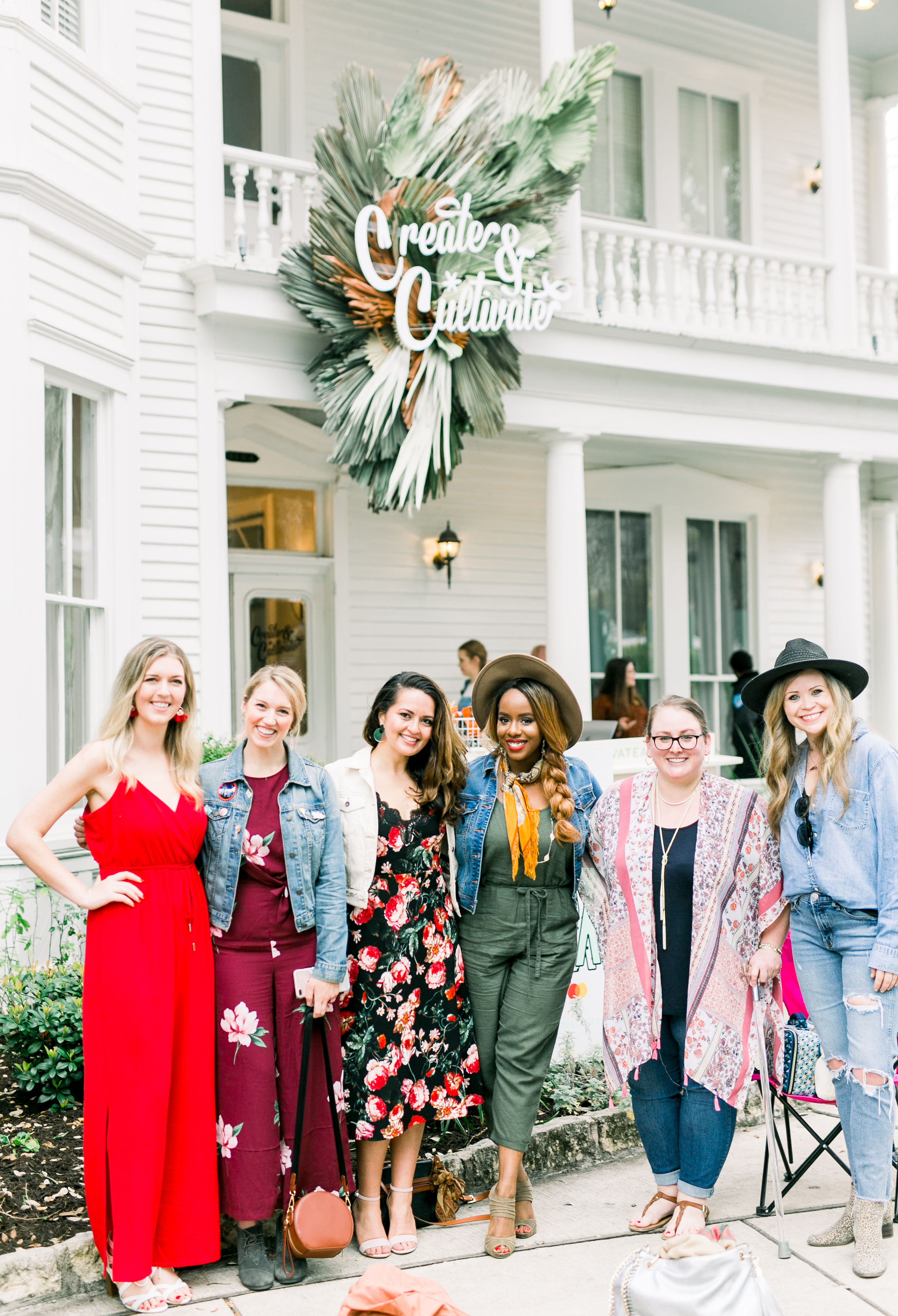
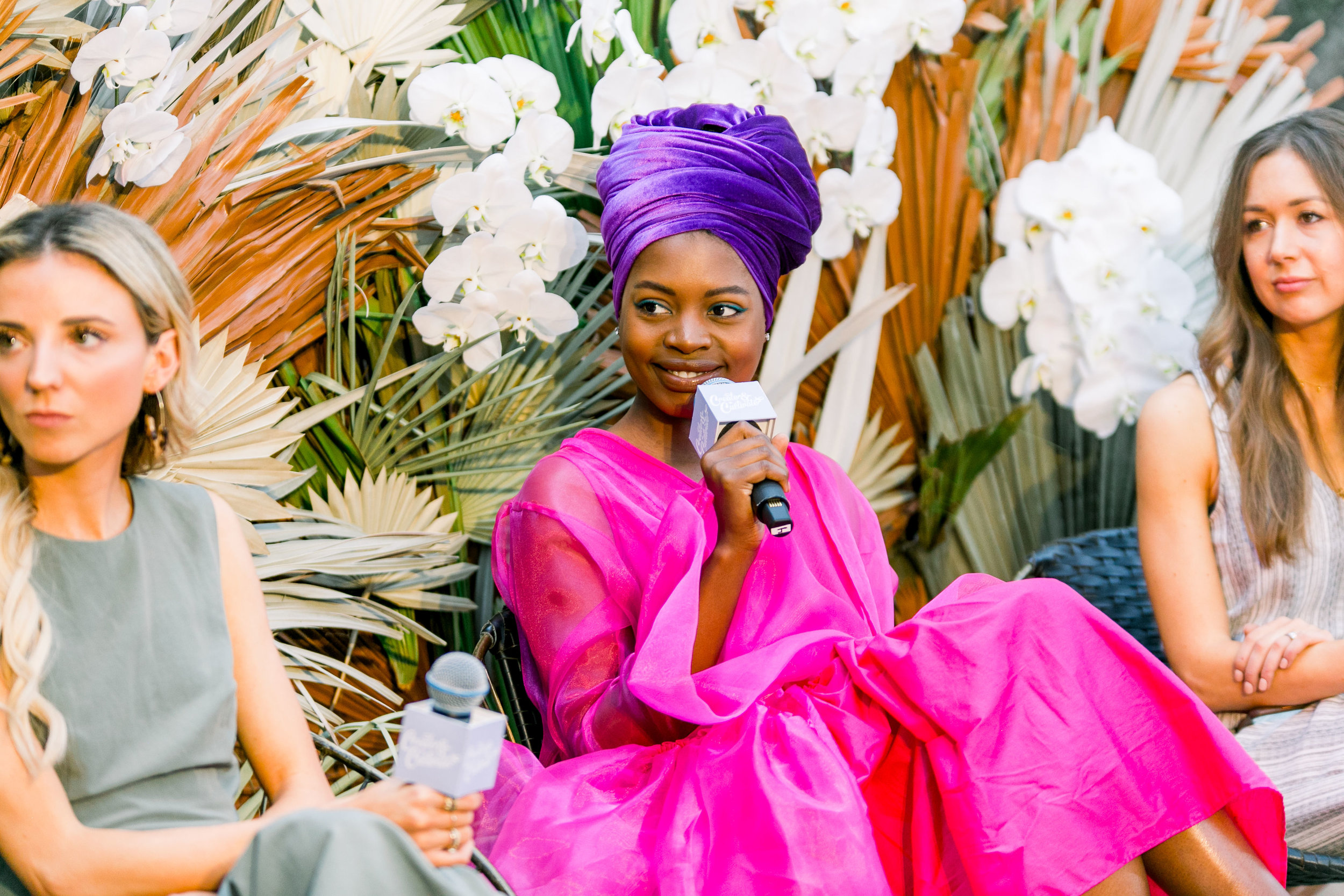

1:00—For easy collaboration, we split everyone working on our Austin Pop Up into different channels on Microsoft Teams based on their roles within the big project. For example, We created an AUSTIN 2019 Team and broke out individual channels for production, talent, marketing, and partners. Each channel has their own chats to have discussions specific to their tasks, and then we also had an all-hands channel for general Austin event communication + encouragement. We like to use team chat to pump each other up the day of the event with fun GIFs and shoutouts!
1:25—When we’re in full-on event planning mode, we’re rarely all in the same room. Our events team might be scouting locations, our account managers might be at client meetings, and our marketing team might be off-site working with talent. That’s where online meetings come into play—when we need face-to-face time, being able to link up and work through things like last-minute production changes, campaign details, and digital edits is a lifesaver.
Need to streamline your team’s processes and create a collaborative hub for your business? Download Microsoft Teams today to get a jump start on teamwork success!

MORE ON THE BLOG

C&C Classifieds: Marie Forleo, The Stylist LA, Serena & Lily, & More!
Consider us your Fairy Godmother of job hunting.

Serena & Lily - San Francisco, CA
Pottery Barn - San Francisco, CA
Create & Cultivate - Los Angeles, CA
NestSet - Remote
Verge Creative Group - New York, NY
R\West - Portland, Oregon
Pilot - New York, NY
Menin Hospitality - Miami, FL

How This CEO Is Saving the Planet, One Vintage Dress at a Time
“Our society needs your leadership, our community needs your representation, our economy needs your businesses.”
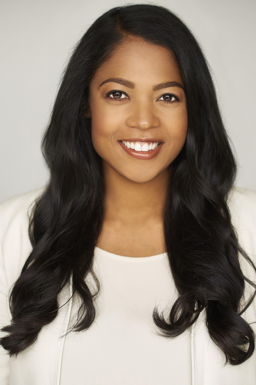
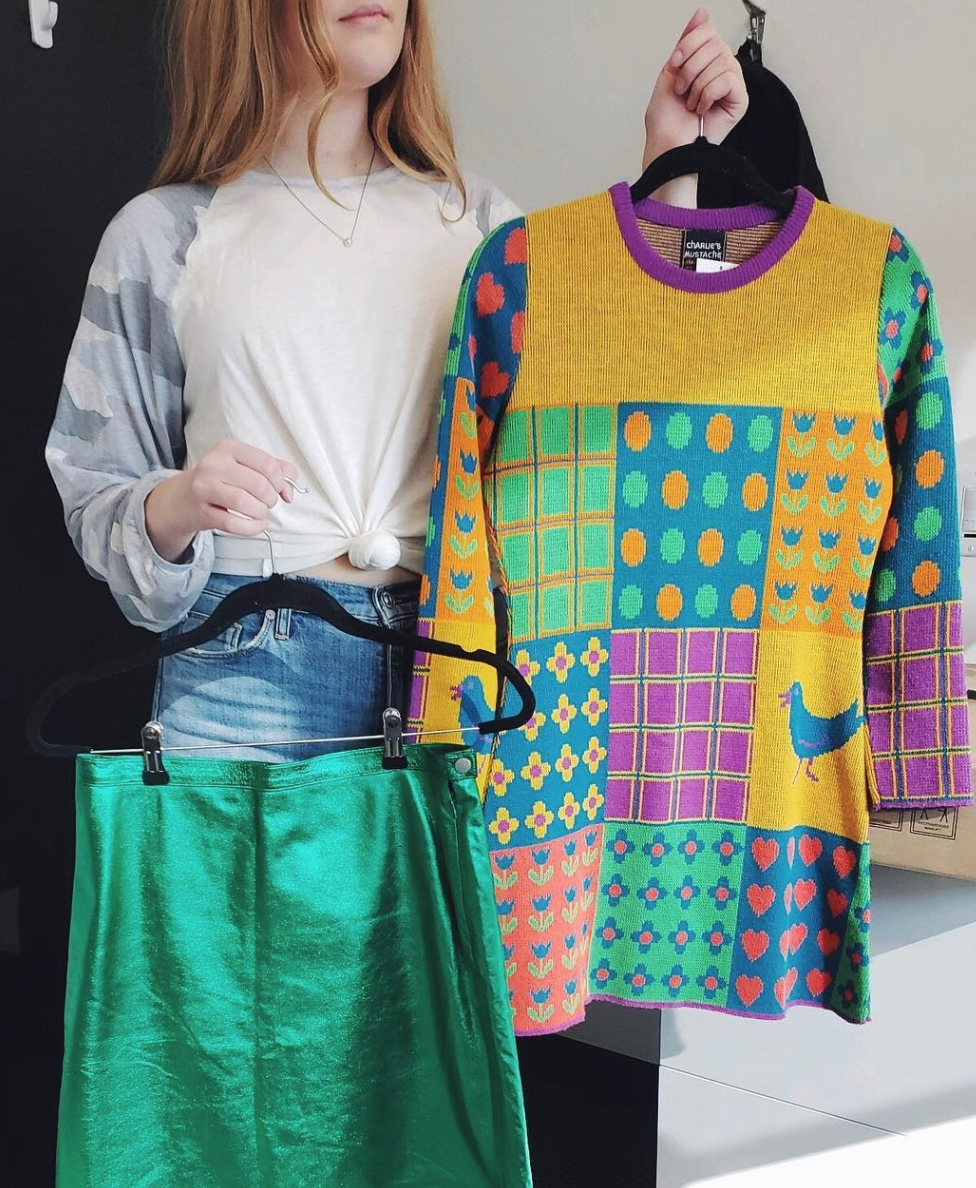
Shilla Kim-Parker wants you to save money—and the planet. That’s why she started Thrilling, an online marketplace for vintage and secondhand clothing stores. Shilla saw a disconnect between her favorite shops and the shopping method that best fits her lifestyle, so she filled the void herself.
Here, Shilla shares how she made her dream a reality, how Thrilling is working to better the planet, and the advice she has for other women of color in business.
How did you come up with the idea of Thrilling, and how did you transform that idea into a reality?
The goal of Thrilling is to make secondhand shopping more popular, modern, accessible, and most importantly - more of a habit for more people.
Secondhand shopping has always been near and dear to my heart. Not only is it a treasure hunt, but growing up in a household with limited means, it was a great way to find unique and fantastic clothes at a great value. It’s also one of the best ways to reduce your environmental impact and support local business owners. Win-win-win.
As I’ve gotten older - I’m now a working mom, with a toddler at home and a baby due in just a couple weeks - I no longer have the time to shop in this way.
Secondhand shopping is about the journey, it’s a fun afternoon or weekend activity - but I found that I no longer could dedicate the time to sift through racks. I yearned for a way to shop these stores from the palm of my hand, in the few spare moments I have between meetings or on the couch post kids’ bedtime. And that’s how the idea of Thrilling was born.
Tell us a bit about how your business model works. How does Thrilling support small businesses?
There are more secondhand stores in the US than there are Starbucks and McDonalds, combined. These stores are mostly run by women, who are typically the sole breadwinner for their families. All together they do about $15 billion in sales, but 95% of these sales are completely offline.
The thing that makes secondhand shopping so much fun - the fact that every item is unique - makes it extremely difficult for e-commerce. The amount of work involved is huge, which is why most of the current e-commerce platforms don’t work for these store owners. And yet, these store owners feel enormous pressure to go online, as relying on local foot traffic for business no longer pays the bills.
That’s where Thrilling comes in. We do all the tech and logistics for these store owners and put whatever items they want online. We create a custom page for them on our site, which they use that page as their website. Now they can finally sell to customers across the country or around the world.
What are the environmental implications of your company?
It can take up to 1,000 gallons of water to make a single item of clothing. New apparel production is a leading contributor to pollution, and Americans wear clothes on average 7 times before throwing them in the trash. Worse, clothes are not easily biodegradable.
Buying an item of clothing secondhand reduces its waste impact by nearly 75 percent. In this day and age, when the environmental issues facing our planet is an urgent crisis, shopping secondhand is a fantastic way to do our part.
“I am black, I am the daughter of a Korean immigrant, I am a mom, I am pregnant, I am mid-career. Needless to say, Silicon Valley did not know what to make of me!”
What advice do you have for other women of color looking to start businesses of their own?
I am black, I am the daughter of a Korean immigrant, I am a mom, I am pregnant, I am (was) mid-career. Needless to say, Silicon Valley did not know what to make of me!
For my fellow women of color - Perseverance! Many people will tell you “no" or “you can’t.” The standards you’ll have to meet will be higher. There are institutional barriers in place that will prevent you from getting funding as easily as others.
But keep fighting. We need you. Our society needs your leadership, our community needs your representation, our economy needs your businesses.
The real problem is that people from underrepresented backgrounds face greater risk in starting a business - usually we don’t have the same family resources, the same networks, the same access to capital others do.
So my real advice is for those in positions of power - be a part of the solution, be an agent of change. And especially help women of color in the very earliest phase of their company/idea building process.
What are you most proud of within your work at Thrilling?
Giving back is built into our ethos. And we are proud to incorporate community service and outreach whenever and wherever we can.
As an example, we are delighted to be partnering with Goodwill Southern California on “best of Goodwill” collections that will be sold exclusively on our site. The first collection goes on sale March 15th, and it is curated by Ali Mandelkorn, Janelle Monae’s genius stylist. The majority of the proceeds go towards Goodwill SoCal’s incredible workforce development programs, in particular job training and assistance for the homeless.
What’s next for Thrilling?
We have been (happily!) overwhelmed by the response and demand from local vintage and secondhand store owners, from across the states and even as far away as Japan and Sweden. So we will continue to quickly ramp up the number of store partners we work with and the number of cities that we operate in.
We are also working on some fun and innovative partnerships with artists, celebrities, and designers - stay tuned for more on that front this spring!
MORE ON THE BLOG
Screw the Cue Cards: 5 Tips for Mastering a Live Audience
Channel your inner Adele and go for it.

There's a reason public speaking is feared more than death.
It’s scary as hell! So many eyeballs staring at you. A crowd of faces reacting to you. People are paying attention to your every word, all of your movements, and they’re all vibin’ your energy. HI PRESSURE!
If you’re nervous just thinking about that possibility, you’re not alone. Even the most well-versed stage goddesses still get nervous and still want to know they did OK (lookin’ at you Queen Bey). Knowing that nerves are part of the process is a little encouragement to keep pushing through. I’ve spent the past four years in front of groups as small as ten and as big as 500. Whether it was a workshop in Paris, a small presentation in Miami or a massive conference in NYC, I’ve learned a few things through screw-ups, mentorship, and simply getting on stage and doing it that have helped make public speaking easier.
Because you and I both know your success depends on you summoning those 5th grade diorama presentation skills in order to build thought leadership and visibility. You want that panel seat at Create & Cultivate one day. You most definitely want the hot seat on a morning show. Or the viral Ted talk. Dreaming big requires starting small and mastering the moments with live audiences. Eventually they’ll be the big ones and you’ll crush it, and your business will follow suit.
Power pose ahead of time
The position of your body can literally affect your mind. If you’ve never watched Amy Cuddy’s Ted Talk, do it now.
If you’re feeling so physically nervous you do not know what to do – power pose in the bathroom stall, in a corner, or back stage. What's a power pose? Stand like superwoman. I always make it a point to be moving before I go on stage. The physical movement lets the nerves flow through me instead of getting so jammed up I start shaking. Sometimes I’ll dance. Other times if eyes are on me before I have the mic, I’ll stand in a half power pose with my feet wider, my chest out, but overall relaxed and ready to take the spotlight.
Minimize unknown variables
There’s nothing that will throw a wrench in your public speaking game like a variable you didn’t know about. We’re talking audio, clickers, live streams, timing, props, and beyond. The best thing you can do is get a feel for the space before you go in to crush it. Stand in front of the room. Walk the stage. Click the clicker. Talk to the A/V guys. Know the positioning of your slides and who’s managing them. The more you understand all the tiny variables, the more comfortable you’ll be. And the better chance you’ll have at a home run.
Remember: you know something they don’t
As in...your material. Your content. Your script. Your presentation. If you skip a section, forget a word, or flip flop the sequence, the only person who will ever know that is you. So when it happens, and it most definitely will, don’t immediately stop, apologize and freak out. Your audience was none the wiser until you brought attention to it. So just channel your inner Adele during the 2016 Grammys and KEEP GOING.
Tell stories
The woman and mentor who has gotten my public speaking to where it is today (Oh, Hi Tiffany!) gave me one of the greatest pieces of advice when it comes to leading an audience: People will not remember the information you give them but they will always remember the stories you tell. So if you’re being interviewed for a webinar or giving the first big keynote of your life, create an emotional connection with your content by telling stories to prove your point. These stories can be harvested from your own life experiences or the journeys of others. It’ll provide a memorable experience for everyone involved.
Start small. And set the date.
When I used to be in broadcasting, they’d tell us newbies to go make our mistakes in small market gigs first. It makes sense, and luckily those small opportunities aren’t hard to find. Pitch your local community group to host a workshop, Q+A, or talk. Women’s groups, networking groups, and communities are always looking for amazing people with strong content. You can get a feel for the spotlight which will push the momentum and your comfort level for the “big” stuff.
If you get an invitation to speak, say yes. If you get nervous, you’re not alone. Command that spotlight and have fun while you do! There’s no greater thrill than one from rocking out with a live audience.

Maxie McCoy is the energy designer of Maxie, where she shares soul wisdom on the digital video series #maxie and her weekly writings. If you want your spiritual and emotional IQ shooting to the stars, Maxie is the place to be.
Let Maxie be your guide to unlocking your brilliance by following along at maxiemccoy.com. Maxie offers soul sessions, workshops, one-on-one coaching, and words of wisdom you really shouldn't miss. And get tickets to #createcultivateCHI to land a seat a our Mentor Power Hour with Maxie.
MORE ON THE BLOG
#GirlCrush: 5 Small Business Owners We're Loving This Month
You’re gonna want one of everything.
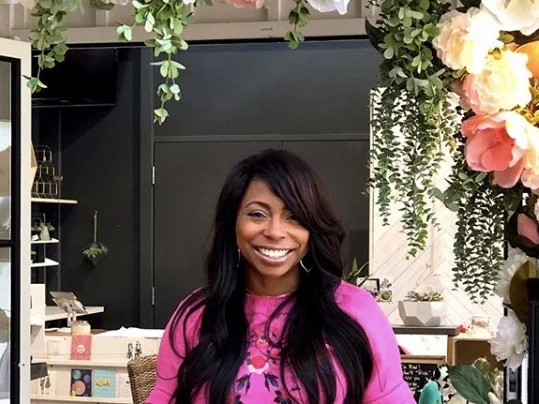
We’re so stoked to bring you another edition of #GirlCrush! This month, we’re sharing some amazing founders from the fashion, jewelry, fragrance, and design spaces. We’d be lying if we said we didn’t already have some of their product in our shopping carts…
Ana Sofia Gomez, Sofia Los Angeles
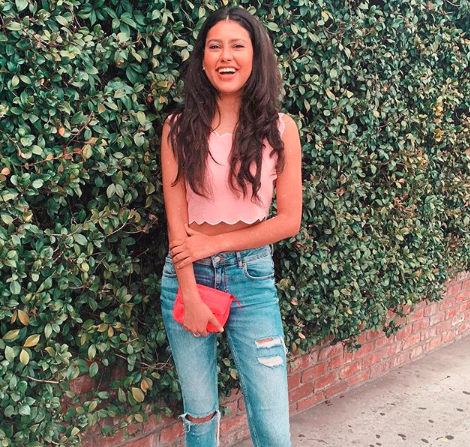

Ana Sofia got her entrepreneurial start when her full-time employer filed for bankruptcy. Not wanting to leave the fashion industry, she decided to go it alone and launched Sofia Los Angeles—and now she’s got a cult following thanks to her 3D floral set.
Brooke Reynolds, Socialite Pink
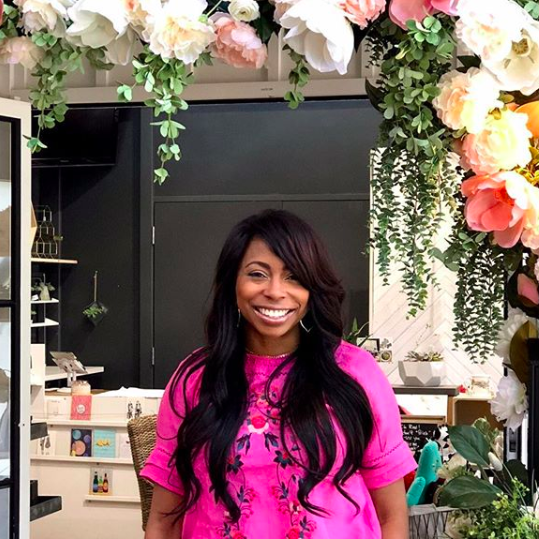
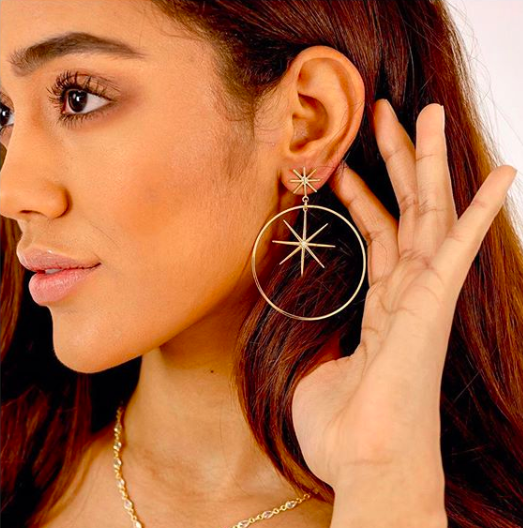
After eight years as a commercial real estate attorney, Brooke Reynolds decided to leave it all behind to bring her dream of starting a jewelry company to life. Thus began Socialite Pink, a jewelry brand focused on making gorgeous hyper-functional jewelry, women encouraging women, and giving back to the community.
Carina Chaz, Dedcool


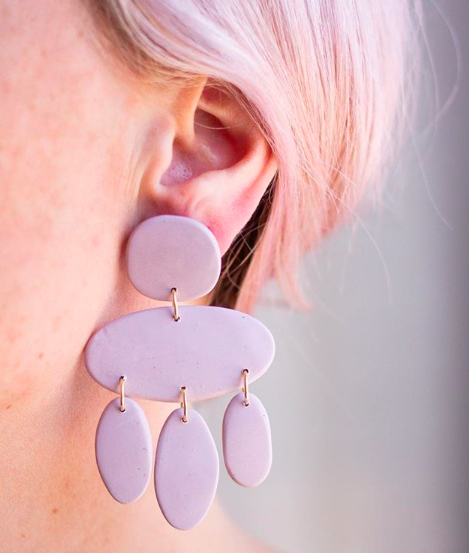
Named after Lauren’s Icelandic great-grandfather, Sigfus Jewelry began after she encountered a newfound obsession with polymer clay and started creating beautiful statement earrings. Oh, and Sigfus is a woman-owned and -operated company—holla!
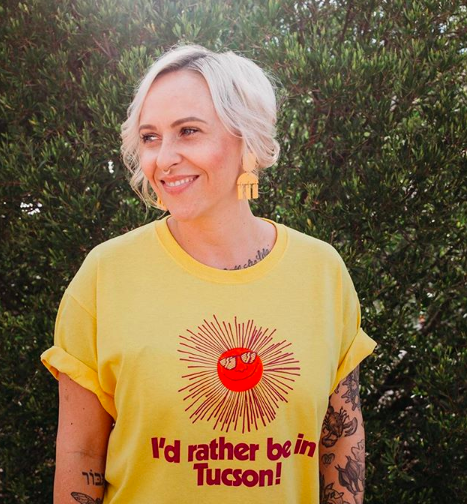
Audrey De La Cruz, Annotated Audrey
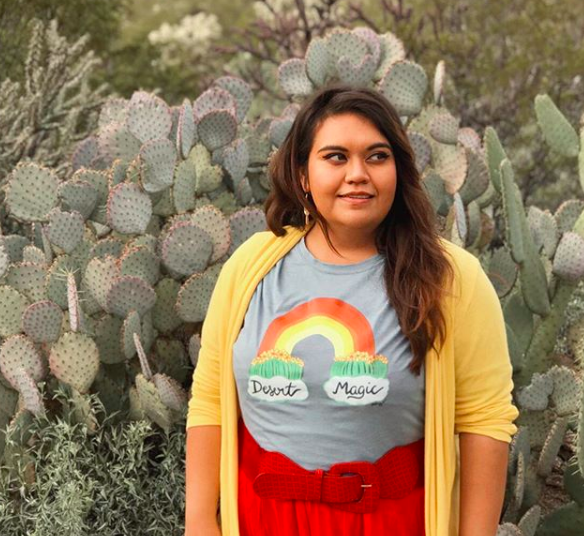
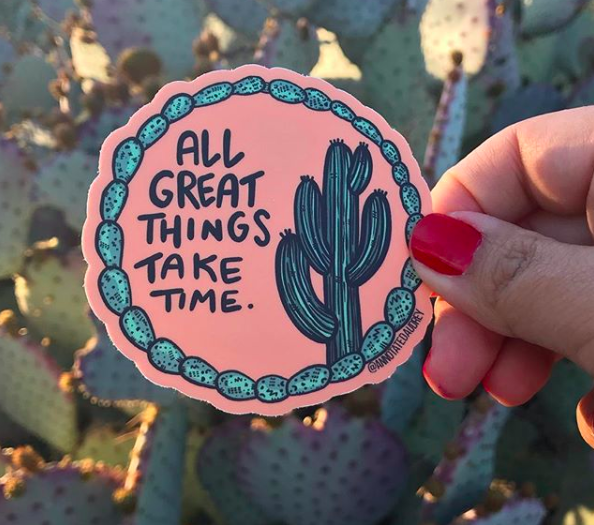
Inspired by the desert surroundings in her home in Tucson, Audrey De La Cruz creates art, gifts, and accessories you’ll want to show off everywhere in your home. Plus, we’re pretty obsessed with her mission: “I strive to make art that people of all ages can enjoy because I firmly believe that art should be accessible.”
Come back next month to read all about our May girl crushes!
MORE ON THE BLOG

How the C&C Team Finds Inspiration in the Everyday
From long walks to team bonding, here’s how we get inspired each day.

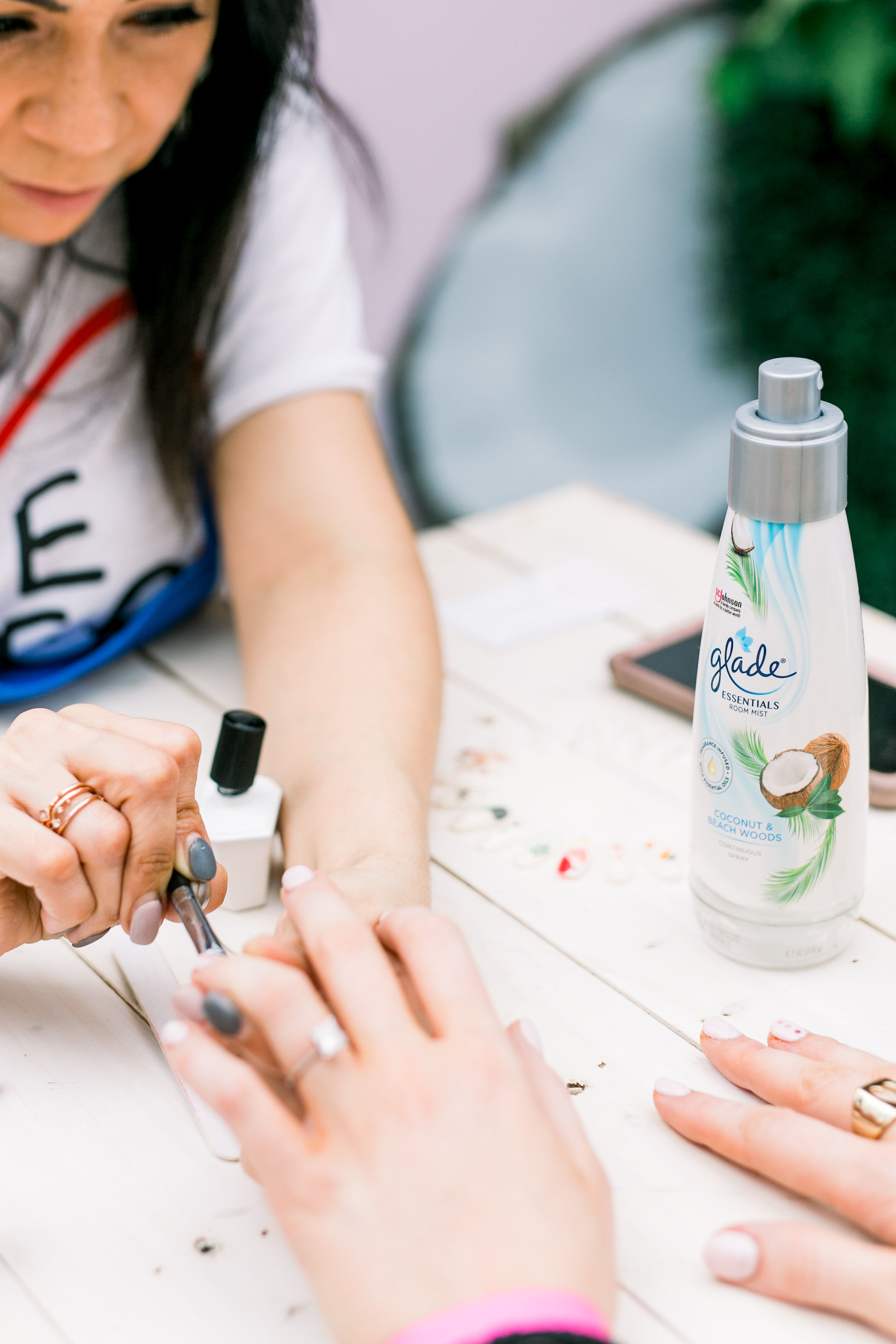
Here at C&C, our team is constantly on the go. Down time is rare, so when we’re able to relax, we really make the most of it. Many of us like to do a little digital detox time and step away from our phones, while others chill out with a good Netflix binge. Regardless, we know recharging is integral to getting inspired for when we step back into the office. That’s why we partnered with Glade® at our ATX popup to bring you an immersive self-care experience complete with a manicure bar—and now, we’re bringing you some of our favorite ways to find inspiration in the everyday. Glade Essentials Room Mist is the perfect way to wind down after a long day (psst…the Mandarin & Mimosa scent smells like the inside of an Anthro store!).
Below, our team shares their favorite ways to get inspired each day.
“Reading the news always helps put things in perspective for me. I feel inspired by people overcoming great (or awful) things and it helps to level-set my worries about problems I'm facing so they feel more manageable.”
- Heather Records, VP of Marketing

“I get my inspiration from my team and their hard work!”
- Alyssa Torma, Junior Producer
“I find inspiration by taking a few minutes to myself in the morning to stretch, spray my favorite fragrance (it’s currently Glade’s Mandarin & Mimosa Essentials Room Mist!), and try to clear my mind to prepare for the day ahead.”
- Chelsea Evers, Editorial Director
“I find inspiration by having an innovative approach to my work. I ask myself, ‘How can I cut budgets and do something new and different for half the cost? How do I solve this logistical issue and find a way for 1000 attendees and 200 sponsors to move through one space seamlessly?’ It’s like a puzzle and I get inspired by solving it!”
- Lainey DePompa, Senior Producer
“Turning off my phone and going for a walk with no distractions, just some me time, lets me actually look around at what’s going on in beautiful LA.”
- Elyse Wasserstrom, Account Manager




“Pinterest inspires me in so many ways, from my personal style to design inspiration to meal prepping ideas. I love a good Pinterest scroll when I need some inspiration during my day.”
- Tyeal Howell, Marketing Manager
“Taking my dog for a walk around the neighborhood gives me a chance to disconnect and think clearly.”
- Caitlin Shier, Director of Accounts & Brand Marketing
Your turn: How do you find inspiration in the everyday?
MORE ON THE BLOG

What to Expect at Our Desert Pop-Up
Palm Springs is about to get even more Instagrammable.

We’re coming for you, Palm Springs! We had such an amazing time at last year’s inaugural Desert Pop-Up with Kate Bosworth as our keynote speaker—and we’re coming back even bigger and better this year with more fun in the sun.
On April 13, we’ll be hosting another FREE one-day pop-up event with amazing panels, delicious food and drinks, shoppable pop-ups, and everything else you’ve come to know and love about Create & Cultivate events. Here’s what you can expect this year…
Location
Commune at The Ace Hotel
701 E Palm Canyon Drive
Palm Springs, CA
What to Bring
Your ID! We’ll have drinks onsite for those 21 and up.
Arrivals
Doors open at 10:30 a.m. Space is not guaranteed, so arrive early (seriously—this event will fill up fast!). The first 100 guests will receive a gift bag full of goodies!
Want to skip the line?
Sign up for our new Create & Cultivate Insiders program and use your membership to get front-of-line access to all of our events for the year! Did we mention it also unlocks some pretty amazing perks? Get excited to gain access to our entire archive of panel videos, monthly digital mentor sessions where you can join live to ask your questions to some of the best in the biz, plus an entire library of career worksheets & downloads that we’ve created to help you THRIVE.




SHOPPING, FOOD, & FUN IN THE SUN
We’ve partnered with some of our favorite brands to bring you amazing shopping experiences, to-die-for photo ops, and delicious food and drinks! Peruse each booth to find your new go-to brands for home, beauty, and fashion!
LIFESTYLE
Want a behind-the-stage look at how the C&C team produces events? Stop by the Microsoft Teams booth to watch a documentary that shows how we use Teams to bring all our events to life!
FOOD & BEVERAGE
Stop by the main bar to grab a Ketel One Botanical cocktail, or visit the fresh market cart for delicious and refreshing Botanical Spritz!
Need an afternoon pick-me-up for a day full of panels? Chameleon will be serving organic black nitro cold-brew coffee to keep your day going strong!
Cool off with a Lemonade Freeze from Not Your Father’s, our favorite boozy root beer brand!
Stay hydrated with bottled water from CORE—it is the desert, after all!
Snap some IG-worthy pics in LaCroix’s interactive booth and (duh) pick up your favorite flavor, too.
Visit the Napa-inspired Chandon pop-up to grab a mini bottle of California Sweet Star—then take advantage of a fun photo opp and enter for a chance to win a Summer Kit!
FASHION & BEAUTY
Get glammed up at the glittery Supergoop! pop-up! Try out the brand’s Shimmershade eye shadow and get your ‘gram on!
Own your style. Own your journey. Express is launching something super secret! Stop by the booth to learn more—you’re not going to want to miss this!
Stop by the Cotton On booth to shop their latest clothes and accessories—and grab a pair of free sunnies when you follow them on Instagram!
BEAUTY BAR
Need a beauty refresh? Pop over to the beauty bar and get your hair done and makeup touched up by Glamsquad!


SCHEDULE
#WakeAndMake | 10:30 - 11:00
Wake and make the most of your day with our killer beauty treatments!
Panel: The New Standard | 11:00 - 12:00
Hear from influencers reshaping the beauty and fashion industry.
Panelists:
Brittany Xavier, Global Style Influencer & Founder of Thrifts & Threads
Jill Wallace, Founder of Little Black Boots
Jessica Franklin, Founder of Heygorjess
Carolina Lindo, Founder of I’m Not Sorry Darling
Moderator:
Chelsea Evers, Editorial Director at Create & Cultivate
Fireside Chat, presented by Express: Rocky Barnes | 12:00 - 12:30
Hear some top-secret news from Rocky Barnes in this intimate one-on-one panel! Plus, learn the ins and outs of her work as a model, blogger, and content creator—and stop by her meet & greet afterward to say hello!
Break | 12:30 - 1:30
Take a break and shop ‘til you drop! Visit our pop-ups, get a beauty treatment, or grab a refreshment.
Afternoon Keynote: Katrina Scott & Karena Dawn of Tone It Up | 1:30 - 2:00
Learn from these two business babes on how they built a fitness empire over the past decade.
Panel: We Mean Biz | 2:00 - 3:00
Who doesn’t want to build buzz around their brand? Learn how in this panel with content creators who’ve scaled their businesses to new heights.
Panelists:
Lindsay Albanese | Celebrity Stylist and Inventor + CEO of TOPTOTE
Annie Lawless | Founder & CEO, Lawless Beauty
Jaci Marie | Co-Host, What We Said Podcast & Founder, Getaway Frame
Nicole Williams English | Model & Founder, Nia Lynn
Moderator:
Heather Records, VP of Marketing at Create & Cultivate
Keynote: Jameela Jamil | 3:00 - 3:30
Hear Jameela’s take on what it’s like to be a woman in Hollywood and why she’s challenging harmful body standards on social media and beyond.
DJ Set & Happy Hour, presented by Ketel One Botanical | 3:30 - 5:00
We’re toasting to a great day filled with amazing advice from the best in the biz. Grab one last beauty treatment, shop the pop-ups, and #treatyourself with a Ketel One Botanical cocktail in an Instagrammable (duh) Tossware glass while you get your groove on! Cap of a day well spent with a scoop of Craig’s Vegan Ice Cream!

FAQs
Can I leave and come back?
Yes, but as soon as you leave, we’ll let other people in—which means if you come back, you’ll have to wait in line again!
Can I save a seat?
Unfortunately, no. First come, first served.
I didn’t RSVP. Can I still get in?
You must RSVP to gain entry! Don’t forget!
Am I guaranteed entry?
We cannot guarantee anyone entry. Please line up early to secure your spot!
Will I have fun?
Duh! We’re throwing the best #WorkParty in town.
Who's ready? Comment below to say hello to fellow attendees!
MORE ON THE BLOG

Team Talk: How to Collaborate With Anyone at Work
Effective team collaboration is built on trust.

Great teams don’t source their greatness from being completely the same. Rather, they’re diverse. They have different sets of strengths and weaknesses. And they know how to work together despite what makes them unique. If we want to get really big things done, collaboration is required. This comes in all forms – we collaborate within our own teams, across departments, and sometimes even with external colleagues. That’s why we’re partnering with Microsoft Teams—to help you master the strategies to collaborate with anyone, so you’re guaranteed to have more success.
Teamwork requires flexibility. I remember the first time I worked with a team that was wildly different than me. I was a part of a group of creatives, emotionally forthcoming, dreamers who knew how to get shit done. And I was tasked with overseeing a project that included managing a team of engineers, who were structured in their thinking and very discerning in their timelines and guarantees, and who also knew how to get shit done. A question as simple as “When can we have this feature built by” launched me into a half hour discussion on how no timeline can be accurately promised (and my frustration followed suit). It was the first time I’d come face-to-face with my own rigidness in thinking and process. I had to take time to understand this team’s flow and tendencies in order to make the project a success.
But great ideas, and brilliant outcomes, are born from coming together as a team...across teams. Whether you’re working with a new set of freelancers for the first time or collaborating with teams of hundreds of people, you’re bound to come across someone from a team who works and thinks differently than you do. Person to person and team to team, adjusting tools, methods, and strategies will help you get and stay on the same page with your coworkers.


Here are a few ideas that will help you collaborate across any team:
Work to Understand Them – “The Work” of collaborating across teams isn’t just the day-to-day deliverables. It’s working to understand the personality behind who you’re dealing with. Super effective team collaboration is built on trust. Think about it: if you’ve ever been on a great team (personally, professionally, for fun), there’s this unspoken trust factor. You depend on your team to do what they said they’re going to do, to deliver on their goals and due dates, and provide a certain level of excellence. Much of the collaboration that breaks down across teams happens because we don’t have the shared experience or trust built up with these other people that we’re working with. To better understand and get to know them in order to build this trust, you can consider:
How does their mind work? Dawna Markova and Angie McArthur have broken down the talents and mind maps in a book call Collaborative Intelligence – it can help you understand both yourself and those you’re working with. It’s really simple and easy to understand. And it easily categorizes someone’s talents in 4 different categories: Relational, Innovative, Analytic, and Procedural. Those words alone give you an insight into how someone may be approaching a problem or a project. If you want to better know yourself, the people you’re collaborating with, and how each of their minds work, consider taking this quiz created by that team.
What are their strengths and weaknesses? To collaborate with different teams, you’ll want to understand who should be on first and for what. You don’t want to throw someone you’ve rarely worked with to present on your cross-team ideas if they hate being in front of people. Take the time to understand what the people you’re now collaborating with bring to the table.
Don’t be afraid to share this information about yourself too. As much as you need to understand them, the team you’re working with needs to understand you, too.
“Super effective team collaboration is built on trust. ”
Align on Best Practices – So much of great collaboration (especially with people beyond your team) comes from a common set of operations or standards. For example, if you want to project plan in a group chat but they want to use their collaboration tools, it can cause a lot of unnecessary frustration for both parties involved. All of this can be solved by asking questions up front and agreeing on some best practices for working together.
Share how you prefer to communicate and ask if that would work for them. The more you can stay on the same page, the better. Think instant message, group chats, online meetings, instant message, or a conference call.
Share how you prefer to project plan and ask if that would work for them. This may require one of you getting used to new collaboration software, but it’s worth it.
Share what you expect for deliverables and timelines and ask if that will work for them. Never assume that everyone knows this already. It’s OK to repeat yourself.
Share how you see responsibilities divided, who’s accountable for what, and ask if that will work for them. Make sure everyone understands how they fit into this collaboration.
Pro Tip: You can handle project management, communication, and file sharing all in one place with Microsoft Teams.
Remember, for cross-team collaboration to work, you must be flexible. You’ve got to be open and amenable to new ways of doing things. This diversity in thought, background, and operations will absolutely get you to the best outcome if you do it together in harmony.

Reiterate Intention and Goals – Making sure everyone is working towards the same goal will help your collaboration function. You’d be surprised how many times one team is operating with one goal in mind only to find another department is operating under the assumption there’s a different goal. Make sure intentions for the project and goals for the project (and how it’s being measured) are aligned from the get go. And make adjustments as needed. Never hesitate to re-state the intention and goals for your work together at each meeting. Sometimes you’ve got to hammer home what’s most important, especially with people you’ve never worked with before (and who’ve never worked with you!).
If you can work to understand the other team, understand and agree on best practices for everything from communication to collaboration tools, and stay aligned on the intention and goals for the work you’re doing together, you’ll have most of what you need to work cross-functionally.
Want a handy guide to working with anyone? Enter your email below to download our Team Talk worksheet!
We’d love to know: What are your best tips for being a great team player?
About the author: Maxie McCoy is a writer and speaker obsessed with giving women the tools they need to believe in themselves. Her book, You're Not Lost: An Inspired Action Plan for Finding Your Own Way, is one of the top motivational guides for professional women and is carried at Urban Outfitters, Barnes & Noble, and everywhere books are sold. Maxie specializes in creating meaningful offline experiences that provide practical action in workshop and group formats. She's worked with top brands, conferences and companies to create original events that engage their target audiences both online and off. Her work has been featured on Good Morning America, TheSkimm, Forbes, Fortune, INC, Bustle, Business Insider, MyDomaine, Women’s Health, Marie Claire, Billboard, CNN and many more as an expert in women’s leadership.
MORE ON THE BLOG
Blog Better Have My Money: From Blogger to Entrepreneur
Hilary Sloan of ShopStyle talks monetizing your blog and more!

The best part about being a successful entrepreneur and influencer is not the freebies or VIP access; it’s being able to use your creativity to share your passion with the world. Arguably, one of the biggest measures of success is to take your creative output and turn it into a business. Our successful colleagues in this industry who are savvy about monetization wear so many hats! Photography, styling, editing, PR, and sales, to name a few skills. So . . . how are you going to get from blogger to entrepreneur?
BE AUTHENTIC
It sounds easy, but it’s going to get much harder when the prospect of a much-needed paycheck is dangled in front of you. We all have been fans of a favorite blogger, only to watch her scale in following and then see her content become one irrelevant ad after another. It feels inauthentic. It alienates your hard-earned user base.
Don't be afraid to say no when a proposed partnership feels off-brand. Be polite, and if you choose, perhaps keep the door open for the future. Focus your brand partnership outreach where partnerships feel organic and where you know you can really create fun and compelling content. Here’s an example from my own social media platform (actually it's my dog's platform, but she's truly fabulous): I passed on a partnership with a brand because it didn't feel like it made sense with Ella Bean’s luxury persona, and I later saw the brand partner with some of the biggest names in social media. The campaign TOTALLY worked on those social channels, but it wouldn't have worked on mine. I was excited for my colleagues, and the agency actually told me they respected that I was so honest (polite, of course!). The flip side is we partnered with a luxury vacuum cleaner to make a fun video, and it was one of my top-performing posts in terms of likes and comments. The content was fun, on brand, and relatable. Engagement that is aligned with your organic content should be a benchmark of success for your business as you negotiate deals.
ORGANIC INCOME
Monetizing your platform(s) isn’t all about giant deals and big paychecks.
Are you using affiliate links? No? Then stop what you are doing and go sign up for ShopStyle Collective. No, really. It's hands down the easiest way to monetize your content from day one. The open platform makes it easy to sign up no matter where you are in your blogging career, and the tools make it simple to create tracking links on all your favorite products, enabling you to monetize all the content you are creating anyway. Vloggers and Instagrammers: you can optimize with these tools, too. We've got you covered. Don't wait until you've got a certain amount of followers or think because you might be newer to blogging that affiliate monetization isn't for you. Starting to consistently create affiliate links from day one ensures you'll grow your revenue as you scale your following. Bonus: you’ll also have insights into products and brands your users click and purchase. You can use this information to help guide some of your content and glean insights into consumer trends. You’re now empowered to be a consumer expert AND you are making money.
OPTIONS, OPTIONS, OPTIONS
While you are creating content with all those affiliate links, don't forget to give your readers options. We all obviously want the gorgeous Chloé crossbody bag you are rocking in your post, but your readers may have budgets that fall on the lower end of the spectrum. Use widgets to create options at the bottom of each post to give options at multiple price points. This is also a great tool when you are showcasing something from a past season or if you focus on vintage. Experts tell me that the rule of thumb is to have three to five options on the primary focal piece in your post. That amount of product is digestible for readers and manageable for you. Plus, you can just plug in your search term into ShopStyle and voilà! Options galore. You are welcome.
THINK MOBILE
We all know that converting users to make purchases on mobile is challenging, and that really is a bummer considering more and more users are spending time consuming your content on mobile. It’s time to get creative. One idea could be to create a newsletter signup so you can email users links to what you've worn. Make sure you stay up to date as new innovations roll out to get your users shopping on their smartphones. Challenge your affiliate partner to give you mobile monetizing options. Don't forget your mobile ad placements. If you've got banners and widgets on your site, optimize some of those placements for mobile, and don't miss out on that audience. Prepare yourself — mobile money is going to be all of our BFF.
THINK BEYOND THE BLOG (AND INSTAGRAM)
Your properties are incredibly important, and you should be creating content that drives users across your various channels. That said, maybe your photos are incredible. Have you thought about marketing your photography to your clients and time as a photographer for brands to use on their content? Are you a killer stylist and could crush the styling on your favorite brand's next lookbook? Can you edit a closet or stage an insane vignette? Brands crave unique content ideas. Get experience doing something that sets you apart from the pack as you grow your business. Offer those services to small brands or powerful influencers that you align with, build your portfolio, and barter for social and blog post mentions while you grow. You'll make deep relationships that will last a lifetime. You’ll benefit from editorial features and social mentions that will help you scale and gain experience that makes you totally unique.
Bonus tip: not all payments happen to be made via money. Social currency is incredibly valuable when scaling your presence online. If a brand doesn't have a budget to work with you but you know that brand is an ideal partner, think about how to make it worth your while. Trade content for features on their various channels. Make the content and social exchange a recurring feature.
Through all of this, don’t forget to have fun. You got into this world to create your own business, so enjoy the process and remember to savor the wins and view challenges as opportunities to push your skill set and learn. Cheesy but true: in my experience, the hardest challenges I’ve come up against have made me smarter, made me faster, and allowed me to score higher revenue opportunities than before.

Hilary Sloan leads ShopStyle’s East Coast business development team and works with top brands like Net-a-Porter.com, Saks Fifth Avenue, and Barneys New York to monetize via affiliate and creative partnerships. In building relationships with brands and working with ShopStyle and ShopStyle Collective’s blogger community, she realized that many young bloggers don’t quite have the tools to get started on building their business. She’s spoken in the past at Create + Cultivate, IFB, and other blogger conferences on the topic of monetization, revenue, and brand partnerships. When not at ShopStyle, Hilary can be found applying all her skills to her own mini influencer, her dog, Ella Bean.
MORE ON THE BLOG

Work Habits to Say Buh-Bye to in April
Let 2016 be your most amazing year yet.

Like bad relationships, bad habits (looking at you late night fridge runs), and bad hair days, there are some work habits you should leave behind at the beginning of a new month. The sometimes small, sometimes large, decisions you make day-to-day aren't beneficial to making big moves.
Let April be your most amazing month yet.
1. Complaining about Monday.
Sometimes the weekend is so good that going back to ole office Monday AM feels like you're being sent to school. But Monday's are equally hard on everyone. Think positive and the day will follow. Make this the year of amazing Mondays.
2. Checking Instagram on the clock.
We all do. WE ALL DO IT. Instagram has almost become like a nervous tick. But it's also a deep, dark hole of non-productiveness. If part of your jobs requires you to be on social media, that's fine, but for the rest of us it's time to stop the continuous scroll.
3. Leaving the coffee pot empty.
If you drain the pot, make a new one. That's bad coffee karma, and no one wants that.
4. Comparing yourself to your co-workers.
Don't compare yourself to others because here's the hard truth: you aren't as good as everyone. However, that doesn't mean that you can't be amazing. Comparison is the thief of joy, but it's also going to keep you from finding where you excel.
5. Settling with your job.
Your career should be something you love. If you feel like you're stuck in a rut, this is the time to reevaluate the professional choices you've made.
6. Showing up hungover.
This is big leagues now. Stop behaving like you just got out of college. A glass of wine or two the night before work is fine, but showing up painfully hungover isn't a good look. Not now. Not ever. Don't do the walk of work shame.
7. If you freelance, get out of the house.
Working from home is blessing and a curse. Inevitably, working in your PJs every day is going to bum you out. To get the creative juices and flowing, you need to be a part of the world, see other adults, and have a conversation.
8. Overtasking yourself.
What does this mean? Multitasking is fine, but when you're jumping around from email, to project, to cell phone, to social media, to conference call, you're overtasking yourself out of productivity. You end up not getting nearly as much done. Focus on one task at a time, cross it off, and move on. By the end of the day you'll find you have more time focus on.
9. Showing up late.
Maybe you Netflix-binged until the wee hours of the morning, but it doesn't matter. You need to show up ready to work when you're supposed to be there. Showing up late makes you look unprepared and like you don't respect others' time. If your co-workers are showing up on time, so should you.
10. Stop procrastinating.
The bad habit of all bad habits. Putting something off, saying you'll handle it tomorrow, moving it down a to-do list. These are all excuses that keep the task at hand from getting done. It also takes up valuable space in your brain. Even if you aren't doing it, you're still wasting energy thinking about it. The sooner you can cross it off, the more time you're giving yourself for a project you really care about.
MORE ON THE BLOG

C&C Classifieds: ID Group, Jen Hansen Jewelry, Graduate Hotel Seattle, & More!
Looking for a job? Look no further.

Looking for a job? Look no further.
ID Group - West Hollywood, CA
Assistant Architect/Designer/Hospitality Manager
Jen Hansen Jewelry - West Hollywood, CA/Remote
Graduate Hotel Seattle - Seattle, WA
Blended Strategy Group - Los Angeles, CA
Pottery Barn - San Francisco, CA
Serene & Lily - San Francisco, CA
Create & Cultivate - Los Angeles, CA
Creative Circle - Austin, TX
Epidemic Sound - New York, NY
CyberCoders - Santa Monica, CA

How This Med School Student Is Helping End Childhood Hunger
“Trust your vision and don’t let fear deter you from making an impact.”
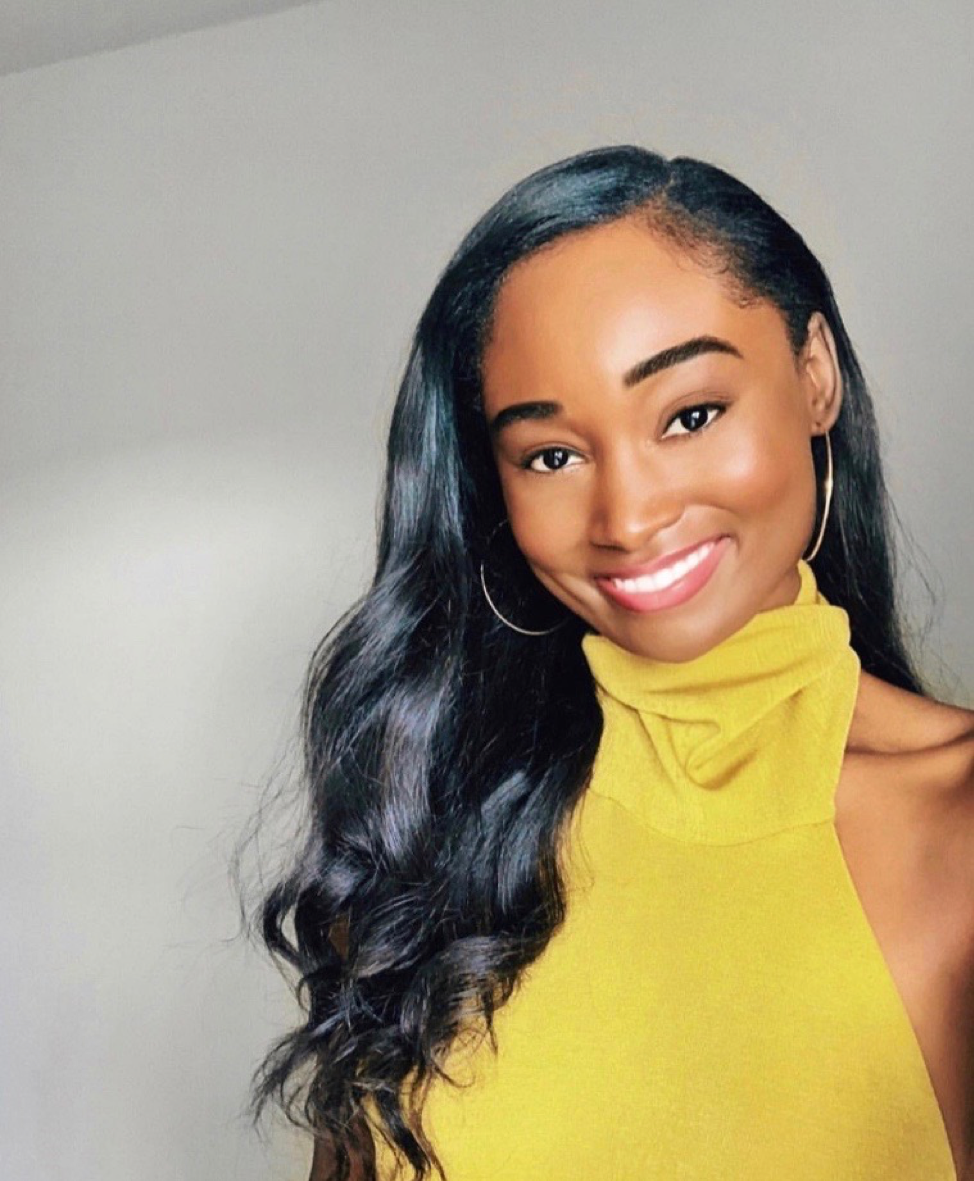
Shanay Thompson does it all: medical student, NBC contributor, former model. But she didn’t stop there. In 2017, upon realizing the prevalence of food insecurity among at-risk youth she mentored, Shanay founded Every Kid Fed, a nonprofit organization that focuses on ending childhood hunger.
Below, Shanay shares how she manages her time, what advice she has for women of color looking to start their own nonprofit, and what she wishes people knew about food insecurity.
You were a Wilhelmina model before you quit to pursue medicine. When did you realize you wanted to change careers, and how did you go about making that career shift?
When I started modeling, my intent was to do shoots here and there for fun while I was in school, until one day I started getting booked for shoots and shows that I didn’t want to pass up. Throughout college and graduate school, I would be on the plane or backstage in hair and makeup at New York Fashion Week, doing coursework, and when I got into medical school, I knew I had to make some serious adjustments. After having modeled for spectacular designers, fashion magazines, and doing pageants in between - as thrilling as it was, I wanted to do more in terms of impactful work. I knew I wanted to empower women on a larger platform and put my education to good use, so I met with my agent in 2015, and terminated my contract amicably. Modeling will always have a special place in my heart, as it was such a integral part of my life for years. I still keep in touch with friends in the modeling industry and attend shows, so I’d say it’s certainly a win-win!
How did you first come up with the idea for Every Kid Fed? How did you transform that idea into a reality?
I mentored at-risk teen girls in Berkeley, CA, where I held after-school workshops and field trips that focused on self-esteem, empowerment, and academics. I started noticing after a few years there was a substantial increase in my mentees asking to take some of the snacks I provided during our workshops home for them and their siblings, and if they could borrow money for lunch. That’s when I started asking questions. I asked counselors and teachers if they had encountered students asking them for food and they said all of the time. I even asked an elementary school cafeteria manager, and she said on multiple occasions her kindergarten students asked her for seconds and thirds during lunch because they don’t eat enough at home. Hearing that made me spring into action. Not only is the public school lunch system flawed, there’s the severe affordable housing crisis in the Bay Area, along with gentrification. Families, who have worked hard to build a comfortable life for their families in cities like Berkeley, Oakland, San Jose, etc. are now struggling financially and are at risk of being displaced or already have been. But there’s more:
Parents who struggle to make ends meet but still make slightly over the amount required to qualify for free/reduced lunch program have children who are food insecure. Those children often resort to stealing food.
Students who do qualify for the free/reduced lunch program, often get bullied, and are labeled as poor in front of their peers, so they skip eating altogether.
Students who utilize the free/reduced school lunch program still go hungry, as the meals aren’t enough to sustain them throughout the day.
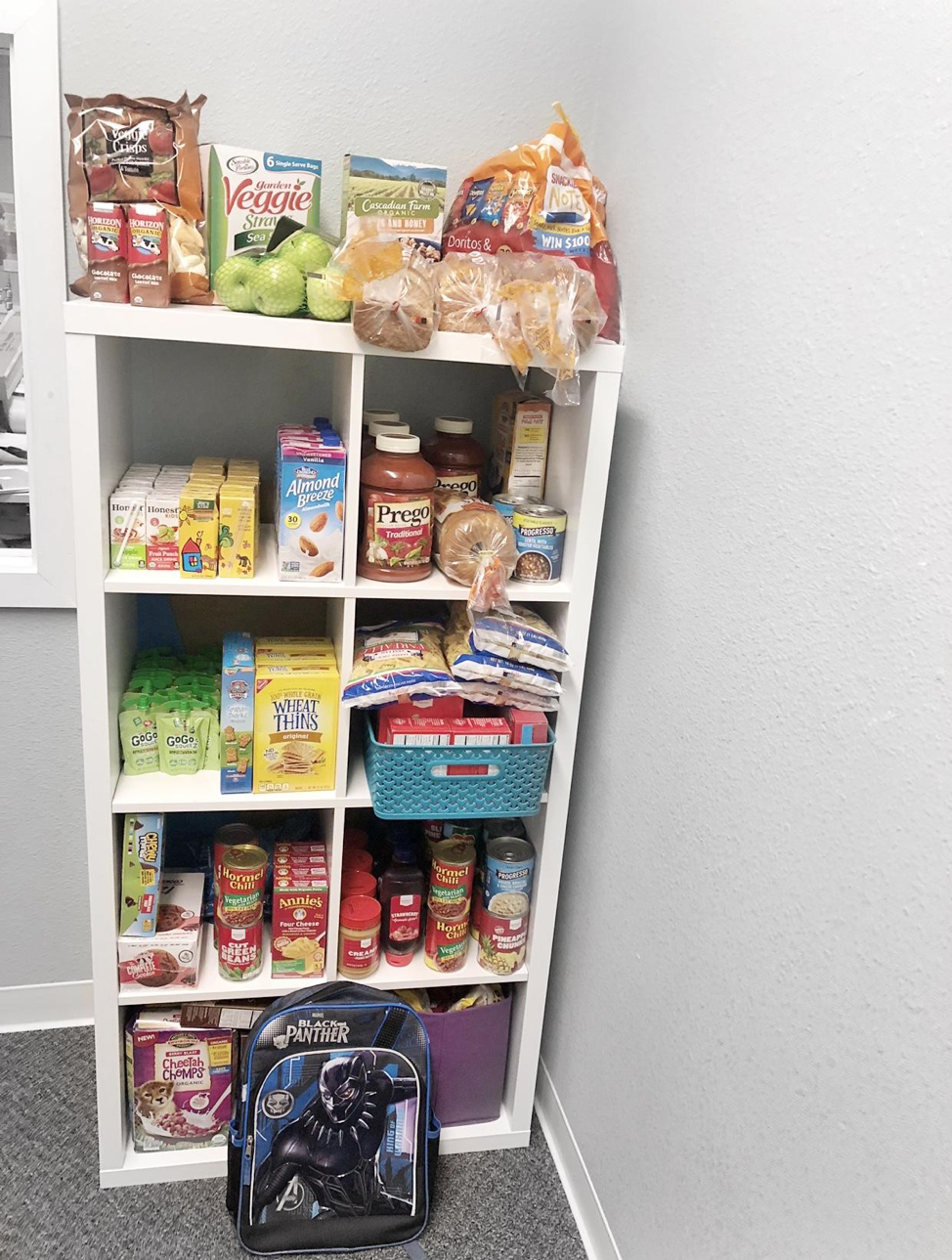
With that information, I created Every Kid Fed. Each food pantry location is on campus in a discreet location for students in need. The school pantries complement the free school breakfast and lunch programs by providing access to food for all food insecure children during and after the school day has ended, on the weekends and during holiday and summer breaks. The pantries are stocked with non-perishable food and vegan/vegetarian-friendly options. I started off by using some of my funds to stock the pantries, and now we have secured partnerships with local businesses and companies to keep the pantries stocked. We now have fed over 9,000 students in need, since launching in July 2017.
““Trust your vision and don’t let fear deter you from making an impact.””
You’re in your last semester of medical school, and you were recently made a medical contributor at NBC. How do you manage your time with all of your different responsibilities?
It is truly such an exciting time for me, and life is certainly busy! I feel like I do a great job with keeping a great work/life balance and the key is organization and simplicity. Each week I make a small list of my goals in my agenda, and I keep a set schedule in the Awesome Note app of everything from my clinic schedule, business travel, meetings, events, yoga and pampering time, and more. I highly recommend that app.
What does a typical day look like for you?
6am: Yoga or pilates and while getting ready, I’ll have Project Juice delivered for breakfast and check the stock market since I have shares in few companies. I then check my schedule for the day, emails, and check in with my executive assistant Elaine regarding Every Kid Fed, then head to the hospital.
8:30am-Noon: Morning Clinic
Noon to 1:30: Lunch - I spend that time studying, replying to emails, sometimes squeeze a meeting in, or do the online food shopping for my pantry locations.
1:30-5:00: Afternoon Clinic
6:30ish: Cooking a vegetarian dinner while listening to podcasts, or going out to dinner with my love.
9pm: Catching up on health news and working on my next assignment for NBC.
10:30-11pm Bedtime!
What do you wish more people knew about child food insecurity?
The facts. Whenever I explain Every Kid Fed, I always give statistics. Currently, 1 in 4 children in California are food insecure, and 7.9 million Californians are living in poverty. Second, is the devastating ramifications that go beyond a growling stomach - hunger impedes on the ability to learn and achieve optimal physical and mental health. Low-income children are the most vulnerable especially in schools. Many of them suffer in silence, so it’s our duty to be an advocate and to make sure no child ever has to worry about where their next meal will come from, and to give parents who are struggling to feed their family a helping hand.
What advice do you have for women of color looking to start their own nonprofit?
Don’t be afraid to ask for help. As black women, we have been conditioned to jump higher, run faster, be stronger, independent and yes, we are strong, independent warriors full of black girl magic - but it is absolutely OK to ask for help. You can be great, but behind every successful person or business, there is help. I had trouble with this in the beginning, but when you decide to start a nonprofit or anything for that matter, it is 100% a collaborative effort.
How do you go about creating change in a community?
Know what you want to accomplish and be passionate about what you do. Creating change doesn’t happen overnight, so you have to be prepared for the long haul. Your conviction to the end goal is what allows it to come into being.

What’s the best piece of advice you’ve ever been given?
Trust your vision and don’t let fear deter you from making an impact.
What and/or who inspires you?
Meeting new people inspires me everyday. As a student doctor, medical journalist, and social entrepreneur, I’m constantly meeting new people and listening to their stories. It truly keeps me motivated to do everything I can to cultivate positive change and inspire the next generation.
What’s the next step for you and Every Kid Fed?
We have now transitioned into serving high poverty elementary schools exclusively, and are continuing our work to end childhood hunger by partnering with city councilmembers and the CA Department of Education to implement universal school lunch in all California schools. This will erase the stigma, peer shaming, and increase free school lunch participation. We are also launching our $10 or less meal recipe division on our website in April for parents. As for myself, I’m preparing for the launch of my new book, She Can, releasing on June 18th, graduating from medical school, starting residency, working on more exciting projects and gearing up for a much-needed vacation to Italy! If you’d like to help Every Kid Fed in any capacity, please visit everykidfed.org.
MORE ON THE BLOG

Five Ways to Find Career Compatibility with Your Life Partner
Don’t choose between a career and a relationship.

In 2019, more men and women are entering the workforce than before, pushing many of society’s antiquated norms. Just a few decades ago, men were often the only ones to venture into the workforce, leaving women to tend growing families and other household responsibilities. Now that many couples are pursuing simultaneous careers, the dynamics of their relationship have begun to shift in a major way.
There are many ways that two individual career paths can affect and ultimately harm a relationship if issues are not identified head-on. If you find yourself recently exhausted with both your career and your relationship, here’s how you can balance the scales.
Discuss the expected “division of labor” in the home.
It’s easy to slip into society’s pre-set roles where somehow the woman feels responsible for cleaning the house and making dinner, even after working her own shift in the field. In order to avoid the frustration that the infamous “second shift” can bring, sit down with your partner and have an honest conversation about what needs to be expected of both of you. By setting expectations, it will be easier to know what you need to accomplish at the end of the day and will ward off those exhausting fights that pop up when you’re both hungry!
Invest in one another’s goals and dreams in the workplace
While you’re each on a different path in your careers, it’s important to take time to support the other’s career and interests as often as possible. This could include going to a networking event with them that may be outside of your comfort zone, or giving them an online class that touches on something they’ve said they want to get better at. By just showing your partner that you support their career—and vice versa—your relationship will naturally grow stronger.
Use one another as a sounding board for career advice
Not too long ago, my significant other and I sat down with a glass of wine and discussed my upcoming performance review. I was going to ask for a title and pay increase, and I was so nervous. After going through scenarios and explaining lessons we’ve each learned in the past, I felt much more confident about my meeting. While it doesn’t always need to be a sit-down discussion, asking one another's opinions about issues that are coming up at work really helps to draw a team mentality that is very healthy for your relationship.
Find ways to include your partner at work when they physically can’t be present
There’s nothing I find shadier than not knowing when a coworker I am close with has a significant other that they never discuss. It’s important to introduce your partner to your coworkers, even before they can physically meet. By sharing tidbits of your life outside of work, you are not only solidifying your relationship with your coworkers, but also making sure that your partner feels welcome when they come to your work functions.
Schedule time to invest in your relationship without work distractions
Whether or not you have conflicting schedules, make a point to set aside time where the two of you are able to reconnect without the distractions of a work phone or even “shop talk.” Spend these moments completely present with one another. Use this opportunity to bring up things that may need to be fixed in the relationship, or discuss ways you appreciate one another’s efforts during especially hectic times. These designated dates will be the crucial part to being 100% on board with your partner’s career while still feeling as though they are also putting the effort into your relationship.
Implementing even just one of these ideas on a regular basis can begin to reshape not only your individual relationship and career, but also push against what was once the “status-quo.” As the years roll by, generational change is inevitable—and so are the tactics we need to employ against having to choose between our love lives and a fulfilling career.
Samantha Rosenfeld spends 40-some hours a week working to promote the study of surface science as the head of North American Marketing for a German-based manufacturing company. Outside of that (and any time in between) she creates content and marketing campaigns for her freelance clientele and professional development website, Samantha Rosenfeld Marketing. Follow her at @FormativeStory on Twitter or @FormativeStoryteller on Instagram.
MORE ON THE BLOG

6 Ways To Use Copywriting To Build Your Personal Brand
Write the right way.

Doesn’t it feel like advice about building a personal brand is everywhere lately? It’s true that a big part of building your personal brand is showing up on social media and maintaining an aesthetically pleasing, strategic website. But the thing that really makes or breaks your personal brand is your messaging. From blog posts to newsletters (and even Instagram captions), you’re the one shaping how others view you through words.
When you’re struggling to bring it all together, the best place to start is on your website. Social media platforms will come and go, but website copywriting is one of the seven pillars of your personal brand as an entrepreneur since brand clarity— how you want to be perceived by others— is where it all starts after you define the purpose of your business.
Writing your website might totally freak you out, but it doesn’t have to be such an undertaking. Keep reading for six ways you can use copywriting to build your personal brand and have confidence that what you want to say matches up with how you say it.
Start by writing your website.
Going through the steps of writing your website copy and then moving outwards towards other communications like blogs, newsletters, social posts, and even podcasts is a solid strategy for finding the brand voice that fits you.
Before you start writing, make sure you’ve given plenty of thought to what you’d like to be known for. Which topics are you an expert in? Which services or products are you selling, and who are you selling them to? These are the questions you should answer before digging into your homepage. If you’re lost, look back on your social media posts. How did you use these posts to communicate with your ideal client or reader?
To make the process of bringing it all together a little less scary, try writing the homepage headline first. A typical format is “I help [ideal client] with [specific goal] by [list or one-liner of what you do.” Yours might look a little like this: I help creative service-based businesses shore up their marketing strategies through SEO and social reach.
But this isn’t the only way to write a homepage headline. Feel free to get creative here!
Find the intersection between your voice and audience.
As you’re writing the pages of your website, you’ll want to bank words, lingo, and stories you find yourself using a lot. While you’ll want to avoid repetition, it’s definitely a good idea to know which words work with your personal brand. But you’re not the only one reading your site.
When writing, you should always remember to speak to your ideal client. If you’re unclear about who that is, pause the writing process and poll them. If you don’t have readers yet, pop into a Facebook group in your niche and ask for feedback. Genuinely, of course.
You’ll want to know what their pain points are so that your offerings will be much more specific to them. Plus, you may get some ideas for what to write straight from your audience.
Make a brand guide with core values.
If you make a brand guide before you write anything, it’s all too easy to fall into analysis paralysis. Instead of banking all your words and ideas beforehand, a better way to solidify what you want to write is by quantifying what’s unique about your service in the form of core values.
What do you believe and how is that absolutely necessary to run your business? What is unique about what you offer? These are questions you should ask yourself and write down, especially in a saturated niche.
Look at unique words for inspiration.
An important element of writing your website is characterizing the tone and style of your brand. Is it exuberant? Bookish? Classy? If you’re stuck describing what you want to write as fun or nice, get inspiration from out-there or untranslatable words on Pinterest or the thesaurus. You may not be packing your copy with these words, but you’ll definitely benefit from the fresh ideas.
Learn from voices outside your industry to really stand out.
Staying in your lane and not interested in the competition? While it may seem like a good idea to avoid looking at the competition at all costs, it’s a good idea to see where your competitors stand so your pricing and offers match up with the industry. It’s also a great way to see how your website copy can present you as a unique and separate solution from your competition. Still, you don’t want this to drive your entire strategy.
Look to those slightly outside your industry.
As a copywriter, I would not want to pay too close attention to a fellow writer, but I love looking to designers’ websites to see how other creatives present themselves.
When you’re writing, don’t look at their webpages. Try to focus on what you want to do. Take notes on what works, and use those to guide you instead.
Don’t rely on design to tell you if your copy is good.
When you have a pretty website, it’s all too easy to get swept away by design. That’s why you should avoid writing your website words directly into your template. Open up Google Docs and type away. Check for errors, read aloud, and don’t let your design tell you that the copy is working when it isn’t. Wording should come first, and then you can beta test it in the live preview.
Kayla Dean is a website copywriter and content writer for visual creatives helping entrepreneurs say what they mean with confidence and strategy. Her byline has appeared in publications like Bustle, The Believer, and Darling. When she’s not writing, you’ll find her planning her next big trip or marking a book as “Currently Reading” on Goodreads.
MORE ON THE BLOG

Making Moves: Award Noms, Podcast Premieres, & Best-Selling Books
Celebrate and learn about the women making moves this week.
Every Friday, we here at C&C like to highlight the best news stories of the week that celebrate women and all of the incredible things they’re doing. Read on for improvements in cancer screenings, well-deserved award nominations, and a brand new podcast!

Shout out to Sandra Oh! Her show Killing Eve received the most BAFTA nominations, coming in at 14 total. Sandra and her co-star Jodie Comer are both up for best actress. Congrats ladies!

Your life is about to get a lot simpler. Lauren Conrad just announced that she will be launching her own weekly podcast. The podcast will be called “Asking for a Friend” and will center around Lauren talking with a specialist from industries like beauty, design, and much more.
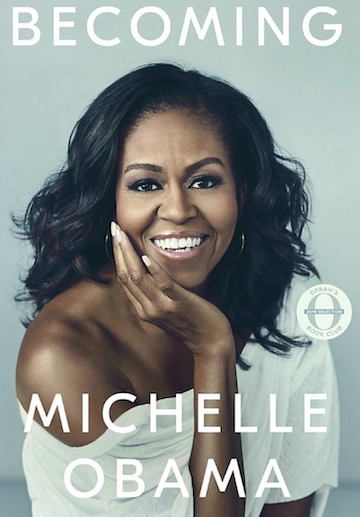
Former First Lady turned best-selling author—talk about a hustle! Michelle Obama’s memoir Becoming is currently on track to be the best-selling memoir of all time. Becoming was the most sold book in all of 2018, with over 10 million copies sold.

Time to make some changes. The FDA recently proposed that all mammogram providers will be required to notify women with dense breast tissue that they may possibly need additional testing. This would be the first update to mammogram testing in over 20 years.
MORE ON THE BLOG

The Ultimate Guide to Being a Better Manager
You’re impacting the lives of your direct reports... this is bigger than just “work.”

Photo: Smith House Photo for Create & Cultivate
Have you ever dreamed of being in charge and then realized, “Holy crap... I’m in charge?” Maybe you finally got that promotion and now people report to you. Maybe you’ve started your side-hustle and have a gaggle of interns helping you move the dream forward. Or maybe you’ve been rocking your own business, and it’s time to hire your first few employees. Being the boss comes in all different formats, especially in our modern-day workforce.
While the structure of your team might look different than someone else’s, what makes a great manager can be understood, systematized, and executed. If you want to have a killer work culture, you’ve got to operationalize it. Every great boss understands the importance of how to manage people effectively, build teamship, and move everyone closer to a common goal. Taking the time to understand how to be a better manager will not only ensure the success of your business but will help elevate the careers and experiences of the humans working for you. You’re impacting the lives of your direct reports... this is bigger than just “work.”
If this is your first time in charge (or you want a refresher in how to be a better manager), read on—we’ve teamed up with Microsoft Teams to make sure you’re covered. Because, you’re not just a teammate now, you’re a leader and a manager. So, we’ve put together everything you need to know to make the most of management, whether it’s a team of one or a team of many! Let’s make some big things happen! Together.
Set Communication Best Practices
This might be a no-brainer, but you’d be amazed at how important it is to create best practices for how you communicate with your team, how they communicate with you, and with each other. And how you communicate is just as important. In a 2010 study by the Corporate Executive Board, they found that a culture that encourages open communication performed 270% better on long-term total shareholder return. Pretty significant. Here’s something to think about when it comes to your communication:
What mediums will you use to communicate?
Do you use email for most things or a chat platform to keep all your communication in one place? Do you manage most of your work back-and-forth on collaboration software? Do you group chat or conference call or use something specific for online meetings? Decide what types of software you will use for what types of communication, so that you can train your team in this and so that there’s some method to the madness. These collaboration tools are important for the effectiveness and efficiency of communication. And you should decide it upfront.
Pro Tip: There are so many collaboration tools out there, but what’s great about Microsoft Teams is its ability to integrate chat, project management, video conferencing, and calendaring. It’s one hub for teamwork.
What are communication on/off times?
As in, do you expect your employees to always respond, or are there general working hours that you expect timely responses within? Deciding and communicating this ahead of time will help keep everyone on the same page, and it will help determine what type of culture you have.
How should someone get in touch when things go wrong?
Make sure the people you’re managing know when and how to get in touch if they get sick or there’s a fire with a client or there’s something that needs to be communicated immediately. That way, there’ll be fewer issues where there’s an issue already.
Is your communication style effective?
Make sure you’re always giving specific due dates, clear with your expectations, and direct with your feedback. This will ensure your employees (and you!) don’t have to read between any lines. Also, rather than always telling your reports what to do, try asking specific questions to see if they can get to their own wisdom and strategy themselves (without you having to tell them).

Be a Master of Great Meetings
While meetings are the bane of many people’s existence, they don’t have to be. You simply need to be intentional and cognizant of what your meeting strategy is before you go into leading a team. Think about what the word meeting even means—the coming together of two or more people by arrangement—so you can make the most of them. In order to determine how you’ll best manage, ask yourself these questions and plan your meetings accordingly:
When will you meet (together as a team and 1:1 with your reports)?
It’s best to determine a meeting cadence for individual meetings and for team meetings. It’s likely that these are each weekly, but sometimes even twice-weekly, or every other week, depending on the nature of your work, your team structure, and the projects at hand. Great managers decide this cadence upfront, have a meeting planner, book the time on calendars so there’s a hold, and stick to the schedule (barring extenuating circumstances).
How do you meet?
Decide and communicate if meetings are held by default in person (post-COVID, of course), over the phone, or via online meetings. Making sure everyone knows what type of remote or IRL culture you have is necessary. If you’re doing a phone or online meeting, ensure your team knows the technology you expect to use when and if people are remote.
What is your meeting format?
Having a format for both your 1:1s and your team meetings will create consistency and an understanding of what everyone should expect to come with, to be prepared for, and what to share. If you want some cool ideas for group and 1:1 formats, do a little research and you’ll find great ideas like these!
Pro Tip: Videoconferencing and online meetings are easy with Microsoft Teams. Up to 250 people can join per meeting from your computer, phone, or tablet.
Figure Out What Makes Each Teammate Tick
If you want to experience the flow and productivity of true teamwork, you’ve got to understand the different personalities on your team. You can’t manage each person the exact same way (well, you can but it may not work out so great). In a survey of 80,000 managers conducted by the Gallup Organization, the single quality that made managers better than others was their ability to know what made the people on their team unique and how to capitalize on that. You can ask yourself these questions to help figure that out and have better team collaboration:
What motivates them?
Do they like external recognition, words of affirmation, meaningful work, quiet appreciation, continuous feedback, or maybe nothing at all? Pay attention and you’ll find clues, otherwise have a discussion about it. Ask!
What type of personality are they?
There are so many tests out there to help you better understand the individuals on your team. Whether that’s Clifton StrengthsFinder, or the MyersBriggs, or DISC assessment, it may be worth having everyone on your team take the same test so you know what makes each of you unique (and you can determine how to better manage them with that information).

Operationalize Your Goals
The point of a team isn’t for each person to play the exact same position. The point is to differentiate what the strengths, weaknesses, priorities, and goals are of your team. Each individual needs to understand not only what the biggest goal of your team is as a whole, but what their individual goal is and how that ladders into your big vision. You as a boss have to determine what your team’s north star is, and what each individual person is expected to prioritize on a weekly, monthly, and yearly basis in order to get there. (And in some cases, your team’s north star maybe be one decided by higherup powers that be.) Figure out if you’ve done the following…
Have you decided and communicated the goals and priorities of your team?
These priorities should ladder into the overall goals of your business. Your team needs to know where they are at, both at an operational level and a vision level. And don’t forget, if you’re not delegating the work to your team, you’re probably not able to get the really big things done. You’re just one person!
Does each person know what their overall priorities are for their role, and thus how to prioritize?
The Create & Cultivate team uses an amazing system for understanding and communicating their priorities to each other called “Hot Lists” where each manager requires their reports to send what their top priorities are each day with what they’re working on and general updates. As a manager, this gives you direct transparency into what your team is working on without having to micromanage and constantly ask or wonder. You could even communicate these hot lists in chat groups if you wanted.
Are you measuring?
As they say...they don’t respect what you don’t inspect... so make sure you have a system for measuring the progress you’re making with these priorities and goals, both at an individual and team level. A great book for the process and execution of this is “Traction” by Gino Wickman.
And...Lighten Up!
When you become the boss, you not only have the chance to be an incredible leader who impacts the people around you and influences the direction of a vision, but you get to make people feel valuable. If you can create a positive environment for your team, you’re literally contributing to their health (according to a huge study that showed the link between leadership behavior and heart disease. AKA, if you cause people stress, you’re causing them health problems). So have fun with your newly found bossdom. There are a few ways you can contribute to the good vibes of your team, that not only improve morale but make those working for you feel seen. Here are a few things to reflect on to lighten up the mood:
What small things will improve employee morale?
Maybe it’s having everyone’s birthday on the calendar so you can embarrass them with your terrible (or amazing) vocal abilities, or a team chat where you get to instant message funny things throughout the week that don’t have to be work-related.
Do you have an employee recognition system?
Find something that might work for you and your culture and your budgets. Recognition doesn’t have to be grand, it just has to be sincere. Here are some cool ideas if you’re looking!
Can you provide professional development?
Even if you don’t have budgets for killer conferences like C&C or expensive trainings with executive coaches, providing a great book or audible credits could go a long way.
Can you create fun offsites?
Sometimes we all just need a change of scenery. Maybe you tell everyone to meet you at the local Farmer’s Market, or you do a working team lunch by the water, whatever you choose... find meaningful ways to change it up. Sometimes, it’s just what’s needed to solve a hard problem together.
This is NOT everything you need to know about managing a team (not even close!), but hopefully, it’ll be a great place for you to start. Because everything gets better when we don’t try and go at it alone. That’s how you can make some seriously big magic come to life in your career...with a team!
About the Author: Maxie McCoy is a writer and speaker obsessed with giving women the tools they need to believe in themselves. Her book, “You're Not Lost: An Inspired Action Plan for Finding Your Own Way,” is one of the top motivational guides for professional women and is carried at Urban Outfitters, Barnes & Noble, and everywhere books are sold. Maxie specializes in creating meaningful offline experiences that provide practical action in workshop and group formats. She's worked with top brands, conferences, and companies to create original events that engage their target audiences both online and off. Her work has been featured on Good Morning America, TheSkimm, Forbes, Fortune, INC, Bustle, Business Insider, MyDomaine, Women’s Health, Marie Claire, Billboard, CNN, and many more as an expert in women’s leadership.
We’d love to know: What are your best tips for being a great manager? Let us know in the comments below.
This story was originally published on March 28, 2019, and has since been updated.
MORE ON THE BLOG

Day in the Life: Shilpa Shah & Karla Gallardo of Cuyana
“Customers craved more, they were tired of expensive low-quality products—we created a brand to fill that need.”
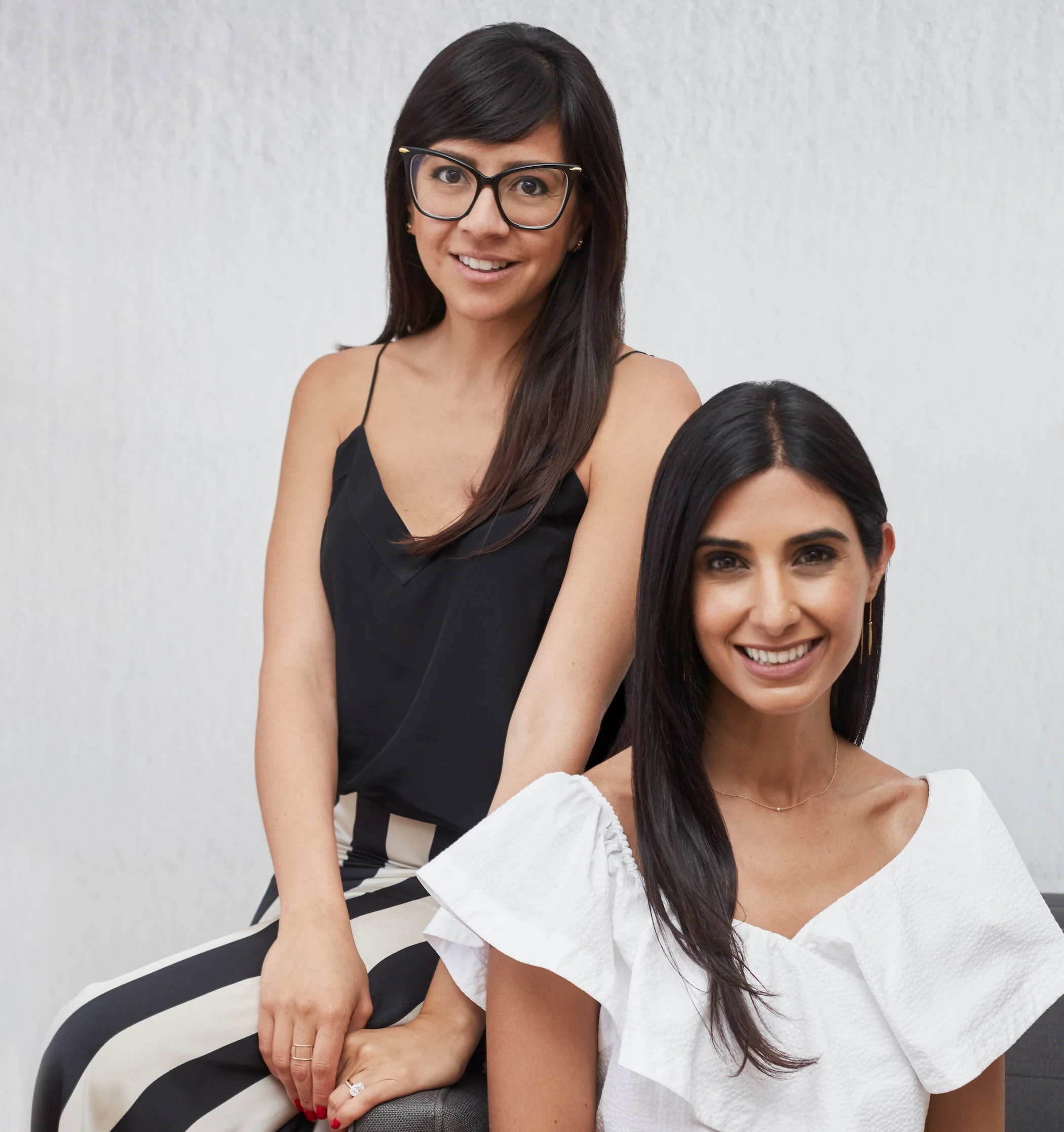
Welcome back to our monthly series, Day in the Life! Through this Q&A series, we’re giving you an inside look at the day-to-day lives of some of the most inspiring women in business. This month, we talked with Shilpa Shah and Karla Gallardo of Cuyana, the lifestyle brand for the modern woman interested in simple functionality.
Below, hear what these co-founders have to say about filling whitespace, what advice they have for for work-life balance, and the habits they’ve developed to be the best versions of themselves.
Tell us a bit about Cuyana. What whitespace did you see in the market? What need did you want to fill?
Karla: Fewer, better things is the philosophy behind all we do. We started Cuyana to inspire consumers to shop intentionally for high-quality pieces crafted with integrity. We saw the need for luxury-made items at an affordable price point - the consumer mindset was shifting, and we had the opportunity to be the better choice within fashion.
Shilpa: She was seeking higher quality products with purpose; logos and overt branding were no longer relevant. Customers craved more, they were tired of expensive low-quality products - we created a brand to fill that need.
Are you a night owl or a morning person? When do you do your most important work and why?
Karla: I’m a night owl but have recently been successful in transitioning to being a morning person. Getting an earlier start to the day enables me to spend more time with my son, Mateo.
Shilpa: I’m a night owl by nature. I’ve tried to become more of a morning person, but I’m still a work in progress!
What does your morning, pre-work routine look like?
Karla: I’m up early to ensure I have breakfast together with my family - with such a busy work schedule, breakfast is more dependable than dinner. The shared time together sets the foundation for my whole day.
Shilpa: I spend my mornings coming up with creative ways to cajole my kids out of bed - they’ve clearly inherited my night owl mentality! The rest of the morning is a wild dash to get everyone to where they are supposed to be and making it happen on time.
What’s your commute like? Do you listen to music, podcasts, or audiobooks? Any current faves?
Karla: I spend my commute looking at everything I’m devoting time to, ensuring that each task or meeting has purpose.
Shilpa: I take my time on the train to peruse the New York Times app or listen to podcasts and audiobooks - listening to "Becoming" narrated by Michelle Obama has been a wonderful experience.

Mark Twain said, “Eat a live frog first thing in the morning and nothing worse will happen to you the rest of the day.” What’s the first thing you do when you get into the office/to your desk?
Karla: Grab a cup of coffee - my brain doesn't process information until the first sip of my morning latte. I then head right to an early meeting with my bag and latte in tow - I rarely make it to my desk.
Shilpa: Definitely not eating frogs! I am typically in meetings first thing in the morning. I’m lucky if I even make it to my desk, but always have coffee in-hand.
What are you working on this week?
Karla: Everything from annual internal reviews to our exciting plans to expand retail!
Shilpa: I’ve been focused on exciting collaborations and our seasonal marketing strategies.
What advice do you have for balancing the minutiae of day-to-day tasks with big-picture planning?
Shilpa: Break down the big-picture plans into smaller, discernible milestones. Then you can plan all tasks the same way!
Karla: We plan our annual strategy every January, and it serves as the overarching framework for everything we do. New items pop up every day though, and it is important to constantly review my week to ensure that every meeting and task continues to ladder up to the big picture. I re-prioritize my week on Sundays to make sure I achieve key results by Friday. Also, I am very close to the data. It reveals whether the path we decided to take in January makes sense, and it will sometimes challenge me to make changes in the overarching strategy. I spend 2 hours looking at reports and thinking about the big picture strategy every week. It is my “zen” moment, and it brings back the focus.
What are some work habits that help you stay healthy, productive, and on track to reach your goals?
Karla: I make time each day to do something for the people I care about most. I then get some me time by working out a few days a week at home on our Peloton.
Shilpa: It’s not the quantity of time, but rather the quality way in which you spend it. I make sure that I connect with my husband and kids in ways that also meets their needs. It’s amazing how outsourcing the household tasks opens up more meaningful time together.
What are you reading/watching right now?
Shilpa: Anxiously waiting the last season of GOT!
Karla: Honestly, television is my way to zone out - I love watching laughable and outrageous shows at the end of my night.
When do you go to bed? What’s your “optimal” # of sleep hours?
Shilpa: Between 12-1 am. I would love to have 7 hours of sleep, but I usually end up near 6.
Karla: I get up early now, so I’m in bed by 11!
What’s the most rewarding part of your day?
Karla: The time with my son and husband. Whether our family breakfast in the morning or watching Mateo’s favorite movie, Moana, the moments I spend with my family are the best.
Shilpa: I cherish the time spent with my family. Sometimes, getting in those last few hours of quiet work time at the end of the day can feel rewarding too!
What’s something not a lot of people know about you?
Karla: I already revealed my guilty television pleasures!
Shilpa: I actually wasn’t very organized until I met Karla. It’s been amazing to see how our “fewer, better” philosophy has changed the way I live.
MORE ON THE BLOG

How This Pro Surfer Is Leaving a Legacy for Young Athletes
“There is no harm in trying something.”

Bruna Schmitz knows the ocean like the back of her hand. As someone who has been surfing professionally for years, Bruna found her calling early, and it’s paid off—since the age of 14, she’s been an ambassador for Roxy (one of our amazing sponsors at our Austin Pop Up!). Below, we chat with Bruna about her work, the water, and her favorite Roxy gear.
You’ve been surfing since age 9 and spent much of your teenage years traveling internationally for competitions. What did your travels teach you about leaving your comfort zone?
Everything. Traveling alone was a constant feeling of stepping out of my comfort zone, but I was young, blissfully unaware, naive, and didn’t have a lot of fears and doubts so it allowed me to grow up quicker and take care of myself and others around me. You make friends all around the world and become open to explore the unknown. It's been an amazing journey and I like to think I made it because I didn’t give up.
You were the youngest athlete to win a professional event in Brazil and competed professionally for 12 years before joining the Roxy team as an ambassador. What does your role with Roxy entail?
I joined Roxy at the age of 14, so I’ve been with Roxy for most of my career.
My role is to hopefully inspire young girls to follow their dreams whatever it may be. Growing up, I wanted to be a part of the Roxy team so badly—they had this group of girls who got to travel the world, surf, and they had so much fun. I remember thinking: I want to do that, I wanna be that. And I followed through. I became that. So with this legacy that Roxy has—one of being true to yourself and being exactly who you are—I hope I can inspire other girls to do the same. There is a little work involved: traveling, campaign, events—but I love every aspect of it.
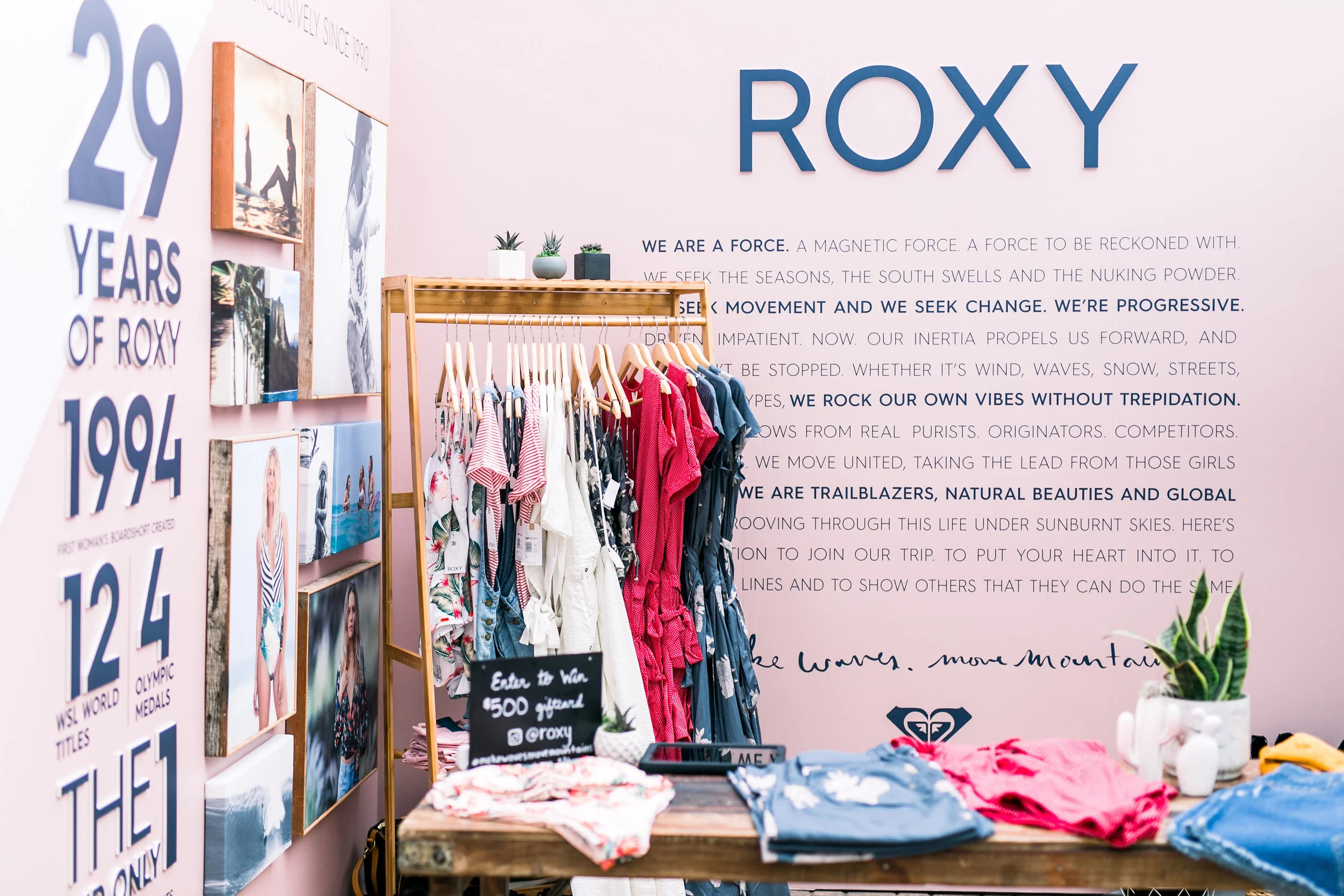
What does your training routine/schedule look like?
I surf as much as I can. It does depend on nature, so it’s not something I can schedule every day. Sometimes we don’t get waves for weeks, so I just try to stay active every day; I do a lot of yoga and some pilates, and we snowboard a lot during winter, which I love.
What about your job makes you feel the most fulfilled?
It used to be winning events. It’s the best feeling in the world, but I don’t compete anymore, so nowadays it’s when girls tell me I inspired them to start surfing, or impacted their lives in a positive way. And being a face of a brand that sends girls this message to chase your dreams, do what makes you happy, be yourself…that’s something I’m super proud of.
“Do you want to live wondering, or do you want to give it a go? That’s my approach when I come across something unknown.”
Surfing doesn’t come naturally to most people. What advice do you have for newbies, not just to surfing, but to any dream that feels totally out of reach right now?
The most important thing is to try—there is no harm in trying. Surfing is a difficult sport; you’re dealing with the ocean, which is so unpredictable. You have to put a lot of time and effort into it, but you also know right away whether you love it or hate it. And that’s like everything in life—it either resonates with you or doesn’t. I don’t think there is a lot that’s out of reach—we put limitations on ourselves, create fears and obstacles that stop us from trying something new. But you have to ask yourself: Do you want to live wondering, or do you want to give it a go? That’s my approach when I come across something unknown.

What’s been the biggest surprise or highlight of your career to date?
Being approached to shoot a Sports Illustrated swimsuit edition. I remember being so confused as to why they chose me. I had no idea how big it was—I still lived in Brazil, I was so young and so out of the picture. I asked the editor how she found me and she said she Googled “cute surfer girl,” found a photo of me smiling, and decided I was the girl.
What’s the best advice you’ve ever received?
Do it because you love it, not because you have to. (Dad)
We’ve gotta know—what are your favorite of the latest pieces from Roxy?
My faves from this season are:
Taste of Tomorrow Long Sleeve Wrap Dress
West Cozy Place Strappy Jumpsuit
Beach Classics One-Piece Swimsuit (American Beauty Polkadot)
MORE ON THE BLOG

Muslim at Work: Two Women Share Their Stories
“Women of all faiths and no faith should see each other as partners.”
It’s #MuslimWomensDay, a day for celebrating Muslim women around the world and giving them the spotlight to share their stories. Since 2000, there has been a 50% increase of Muslim women in the workforce across the globe. But 61% of US-born Muslims say they have experienced discrimination at least once in their lifetime, and 68% of Muslim women believe the way the Media depicts Muslims is “unfair.”
Below, we spoke with Eman Idil Bare and Dalia Mogahed about their experiences being Muslim women in America, microaggressions in the workplace, and what non-Muslims can do to be better allies to the Muslim community.

Eman Idil Bare
Journalist, Fashion Designer, Law Student
What do you do for a living? Tell us about your career journey.
Haha, this question always stresses me out! I do a lot. I am a journalist first and foremost. I primarily work on longform investigative stories, but I also write a lot of fashion features for some semblance of balance.
Then I am a fashion designer. And most recently, a law student. To some people, my career journey might seem a bit...scattered. But there is a reason and a purpose, I promise! The nucleus of everything I do is social change. I went to journalism school because I did not like the way people who looked like me had their stories told. But working as a journalist showed me that the problem was much bigger than how a reporter told a story. And it seemed like the only way I could really grow my career was by selling myself as a “hijabi” reporter. Frustrated, I decided to take a break from journalism...and go to fashion school. I needed time to think my next few steps, and school was my comfort zone. And it was the best decision I ever made.
I was able to reground myself and figure out my purpose. That led me to launching my fashion line, and those experiences led me to law school. The most important lesson I have learned in my life is that nothing has to be linear.
You hired all black models for your runway debut at NYFW—and the show was amazing! Tell us about that experience.
I wanted to build my own table. I am at a point in my life where I am able to create the things that I once advocated for. I am tired of asking for inclusion from the fashion industry, or from any industry. I think that any brand that does not have employees that reflect the markets they cater to are making that decision intentionally. I did not see women who looked like me on runways as a child, so I decided to make my own brand because I deserve to be represented.
The experience was life changing. I loved seeing how happy my models were to notice that they had men and women doing their hair who actually knew how to care for black hair. It was the first time most of them walked in a show and did not feel like an afterthought. In 2019, models needing to bring their own makeup to shoots isn’t “unfortunate,” it’s racist. And we need to address it as such.
What are some of the microaggressions you’ve personally faced as a Muslim woman in the workplace?
This is an email that the communications director of a school board in Ontario sent me:

I think what a lot of people fail to understand is that my entire existence, as a black Muslim woman, threatens a lot of people’s sense of privilege. People really think that Muslim women are oppressed, or black women are inferior. Because of the nature of my work, a lot of the people I interview are men in positions of power. They aren’t use to someone who looks like me holding them accountable. And a lot of the times, they snap. This is email. And they expect me to back down. But Somali women aren’t known to be passive, and I am loyal to my roots.
Also - shout out to Terry. If you’re reading this: No, you can’t “speak to my manager.”
Do you think things are getting better or worse for Muslim women in the workplace, and what factors contribute to this?
I think we need to remember that there are different kinds of Muslim women. A lot of Muslim women are white passing. And a lot of Muslim women don’t wear hijab. So, for some Muslim women, I think their privilege allows them to benefit from their proximity to whiteness.
Black Muslim women will always carry the weight of being Muslim and Black. And yes, I think it is getting much harder for us. And I think it is the responsibility of non-black Muslim women to ensure that it gets better for all of us. Which sometimes just means reminding the world that there are Muslims who have to deal with Islamophobia, and anti-blackness.
The contributing factor? A racist President and the white supremacy that fuels him.
What can non-Muslim women do better to support their colleagues in the workplace?
Honestly, acknowledging that we are not a homogenous group. And that even though we are Muslim women, we still have individual personalities. I think that gets lost a lot. That we are our own person. “What do Muslim women need” is as difficult to answer as “what do white women need.” The most important thing anyone can do is acknowledge that.
What advice would you give to another Muslim woman who might be facing adversity in her workplace?
I think sometimes as Muslim women, or as marginalized women, we can be too forgiving. It takes zero effort to be a good person, or to treat another human being like a person. Do not blame yourself, and do not think you need to change who you are to accommodate a workplace that does not value you.

Dalia Mogahed
Director of Research
What do you do for a living? Tell us about your career journey.
I help build bridges and strong communities with research. The formal job title is “Director of Research” at The Institute for Social Policy and Understanding. I am here after my time at Gallup heading Muslim studies there. Before that I was pursuing my MBA at the University of Pittsburgh. I am grateful to be paid to do what I love.
Your TED Talk, What It’s Like To Be Muslim In America, was one of the most-watched talk of the year. Why do you think it resonated so well with its audience?
I’m really taken aback by the success of the talk and so grateful that folks find it resonates. I had hoped to reach people’s hearts with my story and weave the power of the facts about Muslim Americans into that personal narrative. I think our current political moment has a lot of people searching for that human story, and for facts to replace the fear we are fed in so much of our political discourse. I’m so grateful for the opportunity to share my story and research.
You lead research and thought leadership programs for ISPU. What are some of the most interesting or surprising findings you’ve come across in your work?
How much time do you have? Our discoveries are constantly surprising me, even though I’ve been at this for nearly two decades. We discovered for example that American Muslims are the most likely faith community to condemn violence targeting civilians, contradicting Islamophobic tropes about the community. We also found that mosques are a source of moderation, where frequent attendance is linked to greater civic engagement and service to society. We found that Muslim women surpass their male counterparts in education, and what truly oppresses them is not their faith or hijab, but Islamophobia and racism. We also found that Islamophobia is bad for everyone who cares about freedom and safety in America. The more the public is led to endorse Islamophobic tropes, the more they also support violence targeting civilians, authoritative policies and discrimination against Muslims. We also discovered that though white supremacist are responsible for the majority of American casualties at the hands of ideologically motivated violence, Muslim alleged perpetrators receive 770% more media coverage for foiled plots compared to white nationalists.

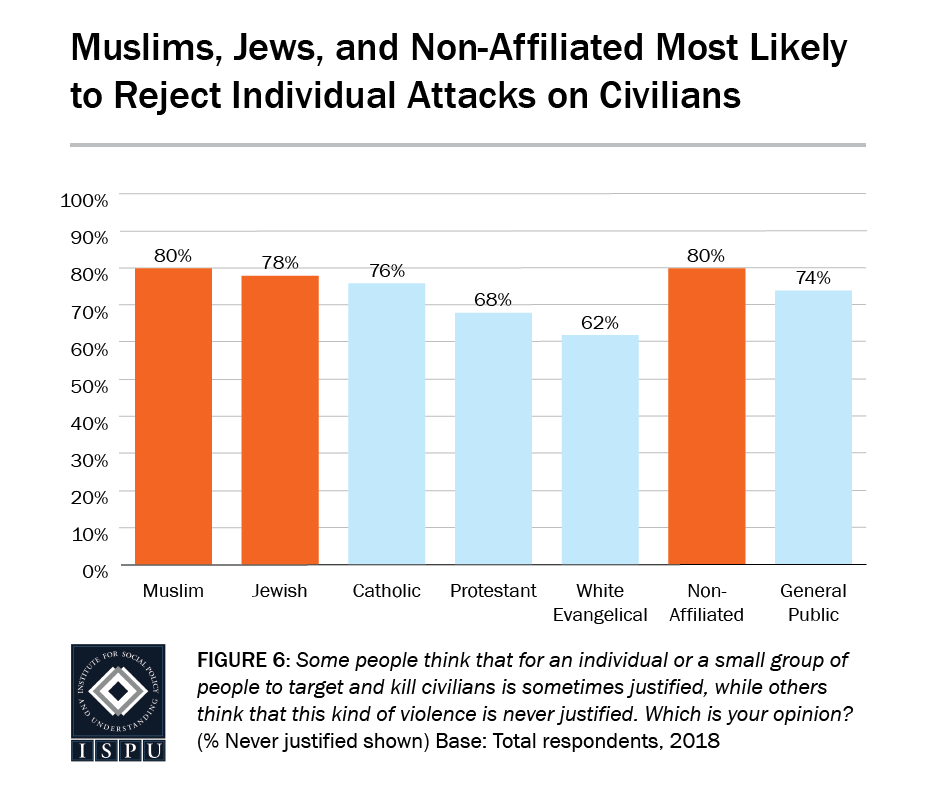
“Hijab is an issue of religious freedom and freedom of expression and the liberal position should be to defend a woman’s right to choose or not choose it.”
What are some of the microaggressions you’ve personally faced as a Muslim woman in the workplace?
I have been blessed with mostly supportive and inclusive work environments in my career. Where microaggressions come in are more often from random people in the public, or online, where I’ve endured literal campaigns of hate targeting me. In the public, microaggressions often take the form of passive aggressive “pity” for me as a hijab-wearing Muslim woman. The assumption is that some man forced me to dress this way, or that I was brainwashed or socialized into “accepting second-class status” as one woman put it. To me, assuming covering is oppressive is itself extremely misogynistic. It unconsciously is built on the idea that a woman’s power stems from her physical allure versus her intellect, and therefore by covering her physical self she is “oppressed.” Yet, when men are fully covered no one says they are oppressed. I find that extremely problematic. I of course know that some women are forced to wear hijab, and that hijab is sometimes politicized, and this is absolutely wrong. But just because something is sometimes forced on women doesn’t make it inherently oppressive even when freely chosen.
Imagine applying this logic to sex. Women are sexually assaulted in staggering numbers all over the world. Human trafficking is a global industry of billions of dollars. Rape is a weapon of war. But this does not make sex inherently oppressive to women when freely chosen. Imagine a campaign to ban women from having sex in order to “liberate” them? It would sound absolutely ludicrous to most people and banning hijab to liberate Muslim women should sound equally ludicrous. According to ISPU research the vast majority of American women who are Muslim and wear hijab chose to do so. The majority say it is an act of religious devotion or an expression of identity. Hijab is an issue of religious freedom and freedom of expression and the liberal position should be to defend a woman’s right to choose or not choose it.
Do you think things are getting better or worse for Muslim women in the workplace, and what factors contribute to this?
As a cautious optimist, I think things are getting better. I say that because we now have a language for calling for equality. We have laws and precedents to respond to discrimination. We have growing public awareness of the reality of anti-Muslim discrimination, and this wasn’t the case even 10 years ago.
What can non-Muslim women do better to support their colleagues in the workplace?
Women of all faiths and no faith should see each other as partners. This means listening, getting to know each other as people, bragging about each other’s work, and amplifying each other’s ideas. It also means interrogating our unintended biases and asking sincere questions rather than assuming.
What advice would you give to another Muslim woman who might be facing adversity in her workplace?
I actually get this question on a very regular basis, sadly. My advice is never ever assume the whole world is against you. Look for allies, don’t isolate yourself or believe the hate is the majority, because we know it’s not from rigorous research. Most Americans want to live in a country where no one is targeted for their religious background. If the issue is a legal one, don’t be afraid to take legal means to address it if all other attempts at addressing it out of court have failed. The most important thing is to surround yourself with people who love you and who support you. Take care of yourself emotionally and spiritually. Don’t let hostile people penetrate your heart.
MORE ON THE BLOG