
80 Powerhouse Quotes From Black Women and WOC Create & Cultivate 100 Honorees
“Compassionate listening is the greatest and simplest form of peacekeeping.” — Cleo Wade.
It’s no secret that women are driving the economy in America. In 2019, American women started an average of 1,817 new businesses every day. A whopping 42% (nearly 13 million) of all American businesses are women-owned. They employ 9.4 million workers and generate $1.9 trillion in annual revenue.
And Black women-owned businesses are leading the way.
According to the American Express 2019 State of Women-Owned Businesses report there are 2,681,200 Black women-owned businesses in the U.S.—that’s 21% of all women-owned businesses—making it the largest segment of women-owned businesses after non-minority women. In fact, Black women-owned businesses represented the highest rate of growth of any group in the number of firms between 2014 and 2019 and between 2018 and 2019.
Our team has had the honor of working with so many intelligent, talented and strong women of color and Black women founders, entrepreneurs, creatives, musicians, artists, chefs, and small business owners, spotlighting their incredible work at our events, on our platform, and in our annual Create & Cultivate 100 list. And, we look forward to continually growing and expanding upon this as a key part of our community.
Now approaching its fourth year, this list honors 100 inspirational women who are disrupting industries and smashing glass ceilings across 10 different categories from fashion, food, entertainment, entrepreneurship, health & wellness, content creation, beauty, fashion, music, small business, and more. We come together as a team to ensure the list is diverse and inclusive with a mix of household names you know and love as well as up-and-comers you need to read about.
But this list is about so much more than just a number. It’s about the ripple effect it inspires.
When you honor 100 women who are 100% in it, you encourage 100 more to create a future we all want to be part of. After all, if you can’t see it, you can’t be it.
Your recommendations this past week alone have been amazing in bringing even more Black women-owned businesses to our attention, and we want to thank you for that. Please, keep them coming—we’re listening and compiling, and will be integrating many of them into all we do long-term.
Read on to hear from 80 Black women and women of color who have been honored in our Create & Cultivate 100 list each year.
Create & Cultivate 100, 2017
Sanaa Lathan, Actress & Philanthropist

“One positive moment with a young person can change their path forever. ”

“Most people naturally just assumed I only do makeup tutorials for African American women, not realizing that we come in so many different shades and you don’t have to necessarily look exactly like someone to learn a new tip. ”

“It’s the love of my people and seeing a woman or girl flip through CRWN and her eyes light up…or when a sister confides in me about her hairstory and how CRWN is a place where she can finally see herself…These are the reminders that CRWN is so much bigger than Nkrumah and myself.”

“Life isn’t about finding yourself. It’s about creating yourself.”
Nikisha Brunson, Co-founder, Urban Bush Babes, and Founder, Folie Apothecary

“Life is too magical to put barriers on it.”

“Female empowerment is knowing that you can do anything, even if it might be in a field dominated by the opposite sex.”

“Compassionate listening is the greatest and simplest form of peacekeeping.”

“All women are beautiful, smart, strong as fuck, and special.”
Franchesca Ramsey, Comedian, Actress, Activist, and YouTube Personality

“Being a woman of color on the Internet is challenging, let alone being one that openly talks about racism and feminism. I deal with an intense amount of harassment, which at times can be discouraging, but is also a reminder of why these conversations are so important.”

“Take the time to plan your life or settle for what life gives you.”

“Being able to see yourself in every woman regardless of race, class, religion... when that happens empowerment is just a byproduct.”

“I learned to be grateful, honor my worth, and love myself the way that I am.”

“When women support each other we can accomplish anything!”

“There are a lot of things that happen behind the scenes that people would be surprised about when it comes to the beauty world and even more when it comes to being an African American influencer.”

“I wanted make the black hair experience fun and beautiful for Black women.”

“Beauty has nothing to do with one’s age, gender, body size, socio-economic status, race, religion, or culture.”

“Give negativity little to no oxygen.”

“Actions speak louder than words and execution is everything.”

“I like being able to go into male-dominated spaces and blow their minds anyway.”

“I obviously went through these things for a reason, and if it’s not to share with other people so they can handle their situations better, well, I don’t know what the hell I went through it for. I might as well share it because this the only life I got to live and who knows it might save the world.”

“I consider myself a fighter and a revolutionary and I’m driven to stand up to injustices and inequities whenever I see them manifest.”

“Don’t spend life daydreaming about ‘what could be’. Invest your energy in what is right in front of you and see how it can be cultivated into something meaningful #realtalk.”
Arlan Hamilton, Founder, Managing Partner, Backstage Capital

“It started with my mom telling me I deserved to be in any room and shouldn’t shrink myself to make someone else feel better about themselves.”

“I am not just a woman in STEM. I am a Black woman in STEM, who grew up in a low- income household, who never took a technology, business, or finance class in K-12 or college, didn’t go to an Ivy League school, and didn’t know a soul in tech prior to entering Silicon Valley in 2011.”

“I’d love to break down barriers that any woman feels when it comes to following your art.”

“The more your honor your spirit and soul, the more that energy grows around you.”

“You learn to make space and time for yourself.”

“My passion stems from my deep belief that empowering girls does change the world.”

“I was raised by a mother who taught me that I was complete all by myself.”

“Representation is important in the stories we tell.”

“My focus is on making the world see that kids are not just the future. We are the present as well and we can change the world now.”

“Be authentic. You’ll break through the static when you find your secret sauce and share it with the world.”

“Any challenge at hand is an opportunity, a chance to dig deeper.”

“I think too many people are afraid of failing. I’m not.”

“All victories count. There’s no need to compare yours to someone else’s.”

“Sometimes, especially in the black community we feel tokenized. I’m not trying to act like the spokesperson for the black community. I’m simply someone who is trying to provide change and influence. I may have some missteps along the way. Try to give people grace as they launch their businesses and feedback.”

“The day I die, I’d like people to remember me as someone who taught them how to be fearless and how to create their own destiny. I would love my daughter to say I was her motivator and role model.”
Lauren Ash, Founder & Executive Director, Black Girl in Om

“Preventative and holistic self-care and self-love allow us all to breathe a little easier and slowly but surely it can become a lifestyle. This is what Black Girl In Om is all about.”

“A bump in the road doesn’t mean it’s impossible. Sometimes it just calls on you to push through a little bit harder.”

“We believe very strongly that it’s so important to show a real representation of women in fashion and the wider media landscape. We wanted to liberate women from feeling as though they need to live up to an unreal external projection of how they should be.”

“I’m inspired by women. I’m inspired by black women. I’m inspired by women who have found their voice, and who know what they want (or at least what they don’t want).”

“Sometimes the challenge, at least for me, has been getting women to change the way they feel about their hair and embracing the beauty that they were born with.”

“I was born as a black woman for a reason, and I just want to make sure I don’t miss it.”
Read the interview.
Follow her on Instagram.
Courtney Adeleye, Founder, Foolproof Body, and Generational Advantage Fund

“If you’re not teachable, there’s no way you can evolve.”

“Activism to me means taking a stand for something you believe in or something you’re against. Not just stating it, but taking actionable steps in creating the change you want to see. There are so many ways you can activate in your community, big or small. Marching, volunteering with or donating to organizations that support what you believe in, starting a movement on social media, having courageous conversations with your friends and family, and calling out people when they have done something wrong in your eyes. There are additional ways to go about it, these are just a few.”

“No rain. No rainbows... people relate to authenticity and I truly believe that being vulnerable helps amplify that.”

“I decided to bet on my own magic.”

“Hearing a NO is a sign that you’re growing and aiming higher and higher.”

“My internal monologue was all over the place. “Will I be able to continue doing what I love?”, “Will I get paid equal or more than what I’m earning now?” Also let’s talk about the weight of being the only black artist in that workspace at the time. There was a feeling of guilt I know many POC feel in majority white spaces. I was like “If I leave, no one here will look like me.” This is why representation is so important. ”
Read the interview.
Follow her on Instagram.
Nancy Twine, Founder, and CEO, Briogeo

“Find something you really believe in and that you won’t quit until you’ve succeeded. ”
Gabi Gregg, Founder, Playful Promises Lingerie, and Swimsuits for All

“Maintain your integrity and trust your gut.”

“Sometimes you have to trust that even without past experience, you can figure it out.”

“It’s important when things go wrong to stay calm, assess the situation in a realistic way, and shift gears accordingly.”

“Take the mistakes and failures, and make something out of them.”

“Social injustice and the state of our government (keeps me up at night). I feel politics are a bit out of control. It’s always been rough but now it’s getting nasty. Some of our leaders can’t even be looked up to as good role models for our kids, and that should be a prerequisite... at least be a decent person who is kind and loves all people.”

“I learned early on in my life that no one will be there for you more than you; no one will take action for you to accomplish the things you want like you.”
Ally Love, CEO and Founder, Love squad, Peloton Instructor, Brooklyn Nets Host, and Model

“Understand that you cannot apply equal energy to everything. Be conscious of your immediate goals and operate accordingly.”

“I choose to empower myself by empowering others.”

“Our parents always taught us from a young age that we can do anything we put our minds to and no to be afraid to dive in to do something that may not be considered things for little girls to be doing.”

“Surround yourself with people who are going to nurture your gifts and be transparent about your growth and how to improve.”

“Nothing is easy, so stop trying to figure out easy and instead focus on enjoyable, fulfilling, meaningful.”
Read the interview.
Follow her on Instagram.
Lisa Mae Brunso, Founder and Chief Visionary, Wonder Women Tech

“Rev. Jesse Jackson told me something so basic that it was also profoundly powerful, he said, “You just have to show up.” Those two words are something I carry with me every day when I feel like giving up. ”
Krystle Rowry, Web Designer, Digital Strategist, Kriss Dit It

“I look at hurdles as a time to learn, pivot, & get excited for what’s next.”
Kaya Thomas, Computer Scientist, App Developer, Writer, and Founder, We Read Too App

“When I hit a hurdle I remember what I’m working toward in the first place.”

“Communicating with clarity, purpose, passion, and honesty will enable you to serve others in a profound way.”

“Don’t be afraid to put yourself out there and take risks. Be your most authentic self. ”

“Believe in yourself, don’t be afraid of change, and have a perspective.”
Daisha Graf, Actress, Dancer, Model, Singer, Influencer, Fitness Coach, and Co-Founder, D(n)A arts

“‘Making it’ is subjective. I have in no way, shape, or form ‘made it’ in my mind. I feel once I’ve ‘made it’ there will be nothing left to pursue. I never want to feel that. ”

“Keep trying things. In my experience, you have to try things out that aren’t for you in order to find what is for you.”
Kiitan Akinniranye, Content Strategy, and Lifestyle blogger

“I am my only competition. It’s definitely a hard mindset to keep at all times, but I think society has really tried to push this idea that there’s only so much space in any room for people who aren’t white men, and that’s completely false. I’m unique because I’m me, sharing what I love with people who love it too. I’m always challenging myself to push my limits and try new things, but it’s an internal push, not an external one.”
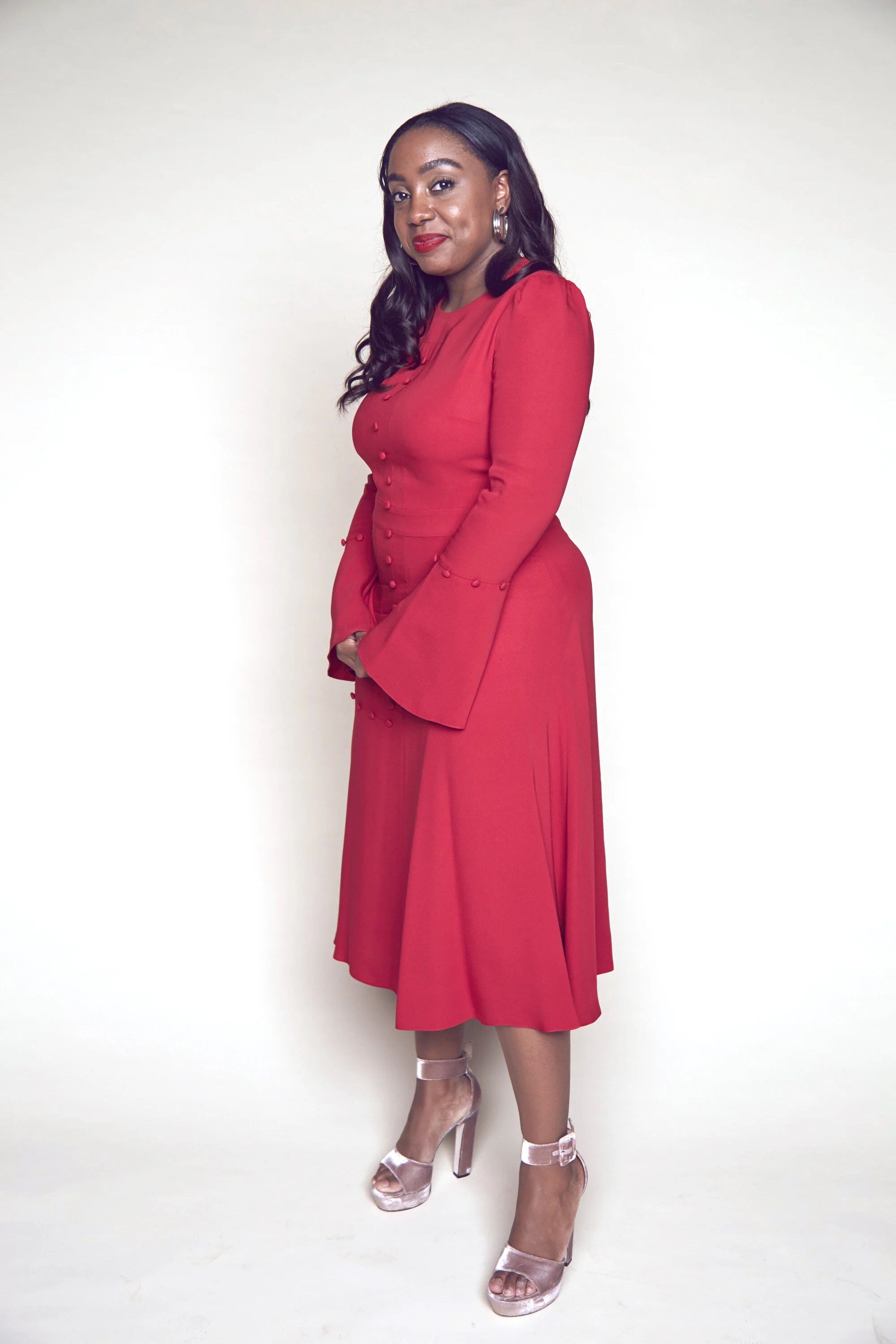
“You always hear that, as a Black woman, you have to work three times as hard. Sometimes working hard is enough, and sometimes it’s not. That was so hard for me starting out.”

“When you move through fear and resistance, new strength and resilience that you never knew you had, takes control.”

“Find your own voice, and dont be afraid of telling your authentic-to-only-you stories.”

“To get into the room with big brands, you need a reason to be there. Think about what you can bring to the table that’s unique, valuable, or exciting. Be the meeting that people look forward to.”
Read the interview.
Follow her on Instagram.
Trinity Mouzon Wofford, Co-founder, Golde

“Being an entrepreneur is basically just a series of unending failures... You can choose any of these moments to give up, or you can see them as learning curves that will prepare you for the next thing.”
Tia Mowry, Actress, Content Creator, Author, Entrepreneur, Founder, Anser

“It takes time to discover yourself, but once you do, the rest is history.”
Tyra Banks, Model, Entrepreneur, TV Executive, and Business CEO

“My mama has always—and still—teaches me to never give up. She always compared success to access inside a house. She’d say, ‘It doesn’t matter if you get into the house through a window, a door or through a hole in the roof—you just get in! Doesn’t matter if the front door is closed. You get in!’”

“You don’t have to settle for what people think you deserve.”

“Sometimes things fall apart, it’s part of the journey.”
Wendy Lopez and Jessica Jones, Content Creators, Podcast Hosts, and Authors, Co-Founders, Food Heaven

“We’ve had so many people of color—particularly Black women—tell us that they thought nutrition and healthy eating was for White people, but once they discovered our platform, they realized it was for them too.”









Ask an Expert: How to Take Back Your Time and Get More Out of Your Days Without Running Yourself Ragged
Nix those low-value tasks from your to-do list.
We’ve been spending a lot of time at Create & Cultivate HQ discussing how we can best show up for and support our community during this uncertain time. Community is at our core, and connecting with others through one-of-a-kind experiences is what we love to do. While the world has changed, our mission has not. We’re committed to helping women create and cultivate the career of their dreams, which is why we’re proud to announce our new Ask an Expert series. We’re hosting discussions with experts, mentors, and influencers daily at 9 am, 12 pm, and 3 pm PST on Instagram Live to cure your craving for community and bring you the expert advice you’ve come to know and love from C&C. Follow Create & Cultivate on Instagram, check out our Ask an Expert highlight reel for the latest schedule, and hit the countdown to get a reminder so you don’t miss out!

“
Start believing that you actually deserve to be happy, regardless of whether or not everything on your to-do list gets done.”
—Whitney A. White, Creator of Take Back Your Time
We've all been known to “rise and grind,” but as we’ve had to learn the hard way, activity is not the same thing as productivity—it's time to bid adieu to the "I'm so busy" mantra. More often than not, attempting to tackle a never-ending to-do list just leads to feeling stressed, burnt out, and, ultimately, unfulfilled.
In this installment of our Ask an Expert series, we asked Whitney A. White, the creator of Take Back Your Time, to share her expert time management tips. Ahead, she breaks down four critical mistakes that are holding you back from living the life that you want and the actionable steps you can take to break these bad habits and get more out of your days.
Scroll on for her tried-and-true tips for maximizing your time, honing your focus, and avoiding burnout. If you missed the conversation, you can watch it in full here, and be sure to tune into our next Ask an Expert conversation on Instagram Live.
Mistake #1: Taking pride in being busy.
“Stop thinking that working like crazy and being exhausted is some kind of badge of honor.”
“When you’re on the verge of burnout, you’re less efficient, less effective, and way more prone to mistakes. You are juggling so many different balls that, at any moment, they could all come crashing down.”
“If you keep doing this, you’ll be trapped in the anxious feeling that everything could fall apart at any moment.”
Step #1: Prioritize outcome over activity.
“Focus on outcomes over activity. When you get off that hamster wheel and focus on outcomes, you can stop being busy and getting the most important things done.”
“Prioritize achieving the goals that really matter and taking pride in accomplishing what you truly want to do.”
Mistake #2: Trying to tackle to never-ending to-do lists.
“Stop feeling like you need to do every single thing that ends up on your to-do list.”
“We all intuitively know that some things are more important than others, but when we’re trapped in the realm of the never-ending to-do list, getting anything done feels like an accomplishment.”
Step #2: Nix low-value tasks.
“Not everything on your to-do list absolutely has to get done. You want to be investing your precious time in the tasks that are truly most important in your life.”
“This will give you the brain space to focus on high priorities that really matter. You will start to feel empowered. Remember, you have a choice in what you do with your time.”
Mistake #3: Thinking only you can.
“Get over feeling like no one else can do as good of a job as you can.”
“Because you think no one else can do as good of a job as you can, you’re afraid to let go. You end up convincing yourself that you have to do everything yourself.”
“By making this mistake, you walk around with the weight of so many responsibilities on your shoulders.”
Step #3: Delegate, delegate, delegate.
“You are not the only competent person on the planet.”
“When you delegate, you can reap the benefits of applying laser-like focus to the tasks that truly matter to you.”
“True focus feels like you are operating at your peak level and you know that nothing can get in your way.”
Mistake #4: Sacrificing what you can’t get back
“Stop believing that you have to sacrifice your health, wellness, and happiness in the present in order to get where you want to go in the future.”
“When we over-index in one aspect of our lives and neglect the others, we end up feeling unfulfilled because there are parts of ourselves that we’re not letting flourish.”
Step #4: Give yourself permission to prioritize your own happiness.
“Start believing that you actually deserve to be happy, regardless of whether or not everything on your to-do list gets done.”
“Enjoy your life today in the here and now. Invest your time in the ways that you really want to—you don’t want to be grinding all the time just to feel unfulfilled.”
“That feeling of freedom and personal fulfillment is truly priceless.”
About the Expert: Whitney A. White is the founder of Afara Global, an organization that helps startups, corporate innovation teams, and nonprofits launch and scale new products and services. She is also the creator of Take Back Your Time, a transformational coaching program designed to help business leaders get on a clear path to achieving the goals that matter to them most. Follow her on Instagram.
Tune in daily at 9 am, 12 pm, and 3 pm PST, for new installments of Ask an Expert.
Follow Create & Cultivate on Instagram, check out our Ask an Expert highlight reel for the schedule, and hit the countdown to get a reminder so you don’t miss out. See you there!
MORE ON THE BLOG

5 Black Women Changing the Investment Landscape
They’re breaking the VC ceiling, stacking the odds back in their favor, and putting the dollars into the businesses who need it most.
Statistically, female-led and owned businesses make more money, but women are still underfunded, especially women of color. Out of $85 Billion in VC funding in 2017, only 2.2% went to female founders, and every year, women of color get less than 1% of total funding. And Black women-led startups get even less. According to a 2016 study, of the 0.04% of Black women-led startups, they only raise an average of $36,000 in funding (or about .01% of the money pulled in by the average successful startup). Of the 88 tech companies featured in the study, only 11 had raised $1 million or more.
But when you hear that women of color account for 89% (1,625) of the new businesses opened every day over the past year, the numbers just don’t add up. However, these five women are changing the game by becoming investors themselves. They’re breaking the VC ceiling, stacking the odds back in their favor, and putting the dollars into the businesses who need it most.
Read on to learn more and get ready to pitch your business.
Arian Simone, Founder & CEO, Fearless

Serial entrepreneur, philanthropist, angel investor, best-selling author, and marketing expert, Arian Simone is on a mission to change the glaring inequality in the venture capital industry that too often leaves black women behind. As the co-founder and investor in the Fearless Fund, Simone invests in WOC led businesses seeking pre-seed, seed or series A financing. It’s also the first VC Fund built by women of color for women of color.
Sarah Kunst, Managing Director, Cleo Capital

Just 4% of female-led startups are run by black women—Sarah Kunst is one of them. Despite the statistical odds, Kunst is the managing director of Cleo Capital with an impressive resume. The entrepreneur and investor (she has advised and invested in 40+ companies), has worked at Apple, Red Bull, Chanel, and Mohr Davidow Ventures, to name a few. The CC100 2019 honoree was also the founder of LA Dodgers-backed app ProDay, a subscription workout app that allows users to workout alongside professional athletes and fitness celebs. Oh, and she’s also a contributing editor at Marie Claire as her hobby. Kunst is a force to be reckoned with and she’s on a mission to change the odds and help more Black women achieve their dreams.
Arlan Hamilton, Author of It’s About Damn Time, Host of Your First Million podcast, and Investor
When it comes to inspirational stories, nothing comes close to Arlan Hamilton’s. She built her venture capital fund, Backstage Capital while homeless. Built quite literally from the ground up since 2015, Hamilton has raised more than $10 million and invested in more than 130 startups led by women, POC, and LGBTQ founders. She was the first Black woman non-celebrity to feature on the cover of Fast Company magazine in October 2018 and she just released her new book It's About Damn Time where she shares her remarkable journey from food-stamp recipient to a successful venture capitalist.
Arielle Loren, Founder, 100K Incubator

As the founder of 100K Incubator—the first business funding mobile app for women, Arielle Loren’s mission is to help 100,000 early-stage women entrepreneurs get funding for their businesses and scale to 100K+ in yearly sales. Loren helps early-stage women entrepreneurs get the funding and cost-effective business coaching they need to build the business of their dreams.
Download her 100K Incubator App.
Kathryn Finney, Founder and CEO, digitalundivided

Photo: Courtesy of digitalundivided
Inc. Magazine called her “one of the most influential women in tech” and it’s easy to see why. After selling her company, TBF GROUP—one of the first influencer media companies—Kathryn Finney launched digitalundivided—the only space and program dedicated to the growth of high-growth tech businesses founded by Black and Latinx women through the startup pipeline from idea to exit. Since 2013, DID has impacted thousands of people and helped raise over $100 million in investments. But on May 22, Finney wrote an essay on why she was leaving digitalundivided and what she plans to do next. “I hope to change the narrative that leaving something, especially for talented black women, is a negative event,” she wrote. “We deserve to be our full selves like everyone else. I know I will.”
Know of another Black woman changing the investment game? Share it with us below and we’ll continue to update this list.
MORE FROM THE BLOG

29 Quotes on Diversity and Inclusion From the Create & Cultivate Stage
“Bring us in the room because it’s great for optics but if you’re not hearing from us nothing is going to change.” — Miatta David Johnson
To put it simply, diversity matters, and the stats speak for themselves and new research makes it crystal clear. Companies with a more diverse workforce perform better financially. In fact, companies in the top 25% for gender and ethnic diversity at the executive level are more likely to have above-average profitability than companies in the bottom 25% (not to mention they’re also 33% more likely to outperform the competition).
But it’s not enough to just listen and learn. We have to take action and understand our responsibility in moving the needle and making inclusion the norm, not the exception. Diversity, inclusion, and the importance of allies at work have always been an important conversation, but now more than ever, we need to talk about it, get uncomfortable, and do the work.
Read on for 29 quotes from powerful Black women and POC voices from the Create & Cultivate stage on the importance of diversity and inclusion so we can create cultures, communities and companies where everyone belongs.

Photo: Courtesy of Create & Cultivate
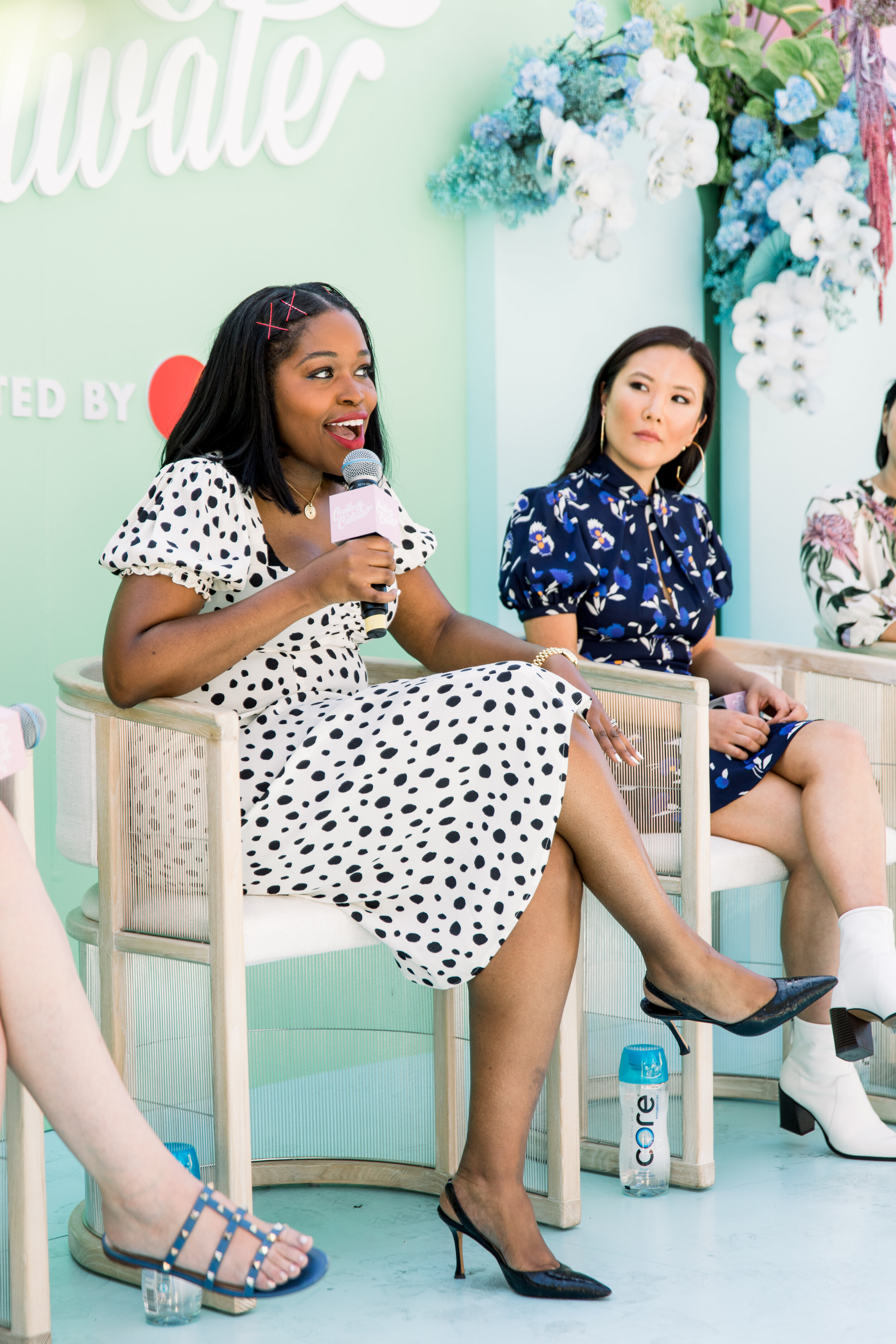
Panel: Inspired Inclusivity: Creating Cultures and Companies Where Everyone Belongs
Where: LA 2020 Conference
Panelists:
Nyma Tang | Beauty Influencer & Inclusivity Advocate
Adrienne Houghton | Singer, Actress, Talk Show Host, Lifestyle Personality, & Entrepreneur
Shahd Batal | Model, YouTube Star, & Influencer
Arnell Armon | YouTuber & Influencer
Sunita V. | Influencer
Moderator:
Randi Bryant | Sista-Intendent, Diversity and Inclusion Strategist"
On bringing inclusivity into the boardroom…
“Everything I do, I want it to be inclusive. I wanted diversity. It was important to me that people could see themself in the brand.” — Adrienne Houghton
On representation...
“I wasn’t represented, which is why I do what I do now.” — Shahd Batal
“I think brands really need to look internally and ask, ‘Why haven’t we created these shades? Why are they ashy? And do we have people in boardrooms who can speak up?’” — Nyma Tang
On the entertainment industry…
“Us as consumers need to recognize our power. Be the change we want to see.” — Adrienne Houghton
On representation in work culture…
“You’re hiring black influencers but there are no black people on your team. Actually hire us and work with us.” — Arnell Armon
On the future of inclusivity...
"We need to stop taking baby steps. I want to jump, I want to leap. I want to see everyone represented." — Shahd Batal
“You’re hiring black influencers but there are no black people on your team. Actually hire us and work with us. — Arnell Armon”
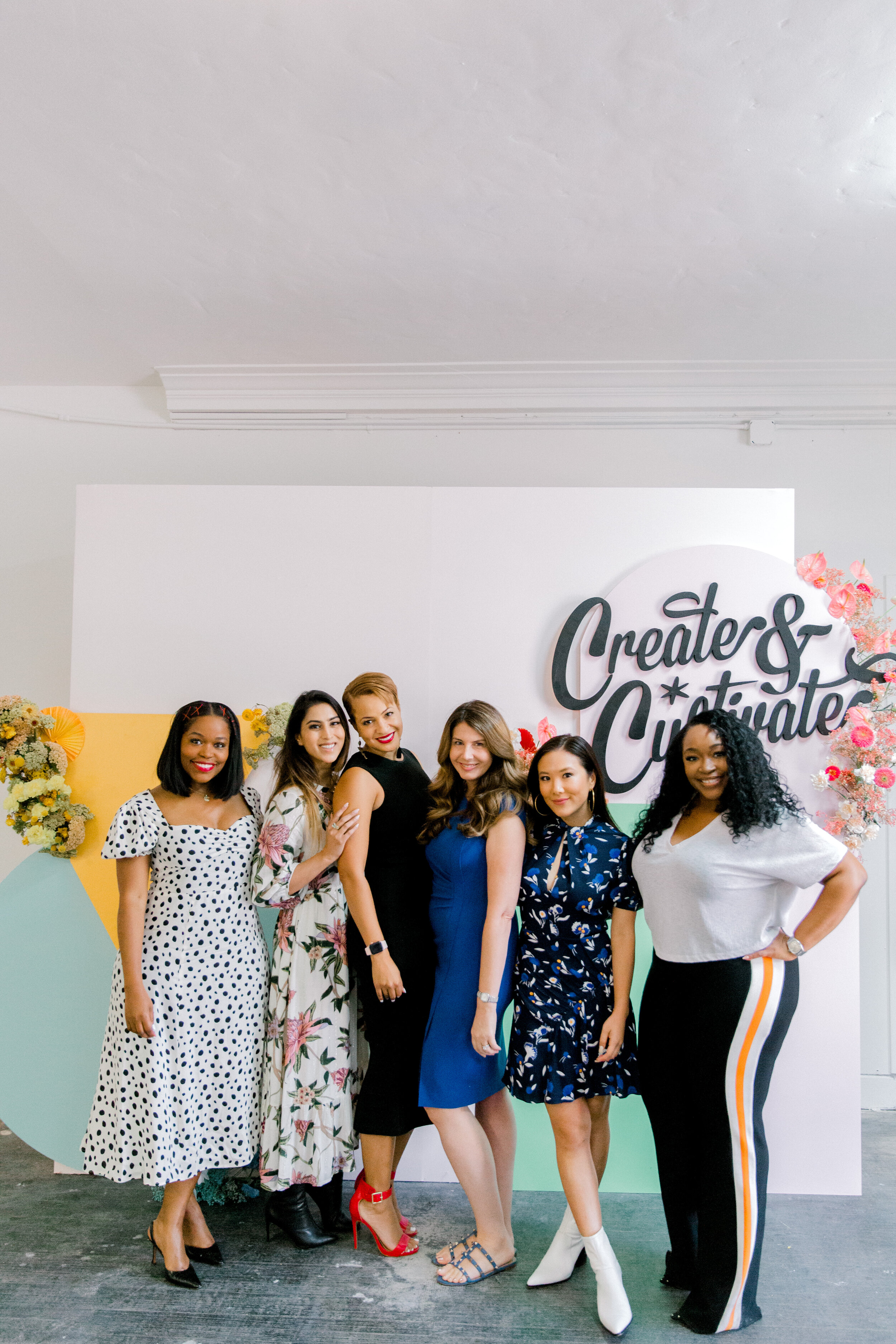
Panel: Intersectionality in the workplace: A conversation on diversity and the important role of allies at the office
Where: The San Francisco Conference 2019
Panelists:
Bhavagna Bhattiprolu | Vice President, Blended Strategy Group
Miatta David Johnson | President and Co-Founder, MVD Inc
Massah David | Co-Founder, MVD Inc
Ally Maki | Actress
Sahara Pynes | Partner, Fox Rothschild LLP
Moderator:
Randi Bryant | Diversity and Inclusion Strategist, Author, Speaker, and Trainer
On the importance of diversity versus inclusion…
“I think it’s important because diversity on its own can only serve optics, inclusion is making sure that people’s voices are being heard, being in the conversation, not just the topic of the conversation.” — Massah David
On creating real change…
“Bring us in the room because it’s great for optics but if you’re not hearing from us nothing is going to change.” — Miatta David Johnson
“If they understand this will affect their profits that’s what is going to create a change.” — Miatta David Johnson
On how to make real change in large companies...
“Make sure the right people are in the room. To have diversity conversations without white male founders is pointless. Unless you bring the decision-makers into the room nothing will change.” — Sahara Pynes
“It's easy to bring people in the door, but you have to get them to stay and feel like they’re a contributor.” — Sahara Pynes
“Leadership has to start from the top. There has to be accountability at the top as well. There have to be regular check-ins.” — Sahara Pynes
On the importance of advocacy…
“Leadership lending a hand is important to the discussion. We are all a group. It’s important to me that I'm reaching out to all women, all ethnicities. I’m not boxing myself into such a narrow group that I'm ultimately not including someone else.” — Bhavagna Bhattiprolu
“I think allies are so, so important. I think the way we have to look at it is we are all a group. I see it as I am a woman of color who has had a certain level of success and it’s important to me that I’m reaching out.” — Bhavagna Bhattiprolu
“Get people trained so they can handle these roles.” — Bhavagna Bhattiprolu
On diverse representation...
“I grew up in a world where I consumed so much content where people didn’t look like me. It’s really exciting to be in a time where people have different perspectives represented.” — Bhavagna Bhattiprolu
On her work impacting the next generation…
“Truly one of my life missions now is to give the next generation of girls growing up what I'm learning now in my 30’s. I look back to when I was young and I didn’t feel worthy of being in any room or any table.” — Ally Maki
“Providing a seat for these girls and changing the narrative inspires everything I do because I sometimes still see myself as that eight-year-old girl who didn’t belong.” — Ally Maki
“Bring us in the room because it’s great for optics but if you’re not hearing from us nothing is going to change. — Miatta David Johnson”
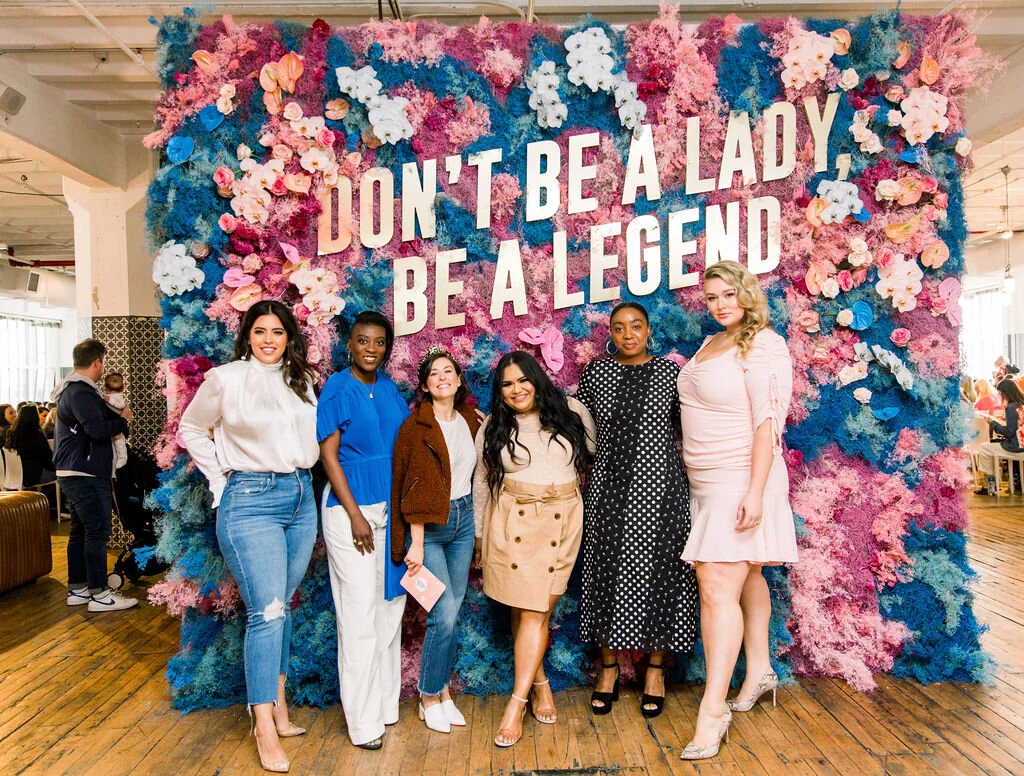
Panel: Modern Activism: Exploring the Role of Diversity, Inclusion & Politics in the Workplace
Where: The NYC Conference 2019
Panelists:
Nabela Noor | Content Creator, Activist, and Public Speaker
Halima | Model & Activist
Hunter McGrady | Model & Activist
Denise Bidot | Model & Activist
Lindsay Peoples Wagner | Editor-In-Chief, Teen Vogue
Nikki Ogunnaike | GQ Deputy Fashion Director (former Style Director, ELLE)
Moderator:
Heather Records | former VP of Marketing, Create & Cultivate
On including activism in the workplace…
“Pretty much every meeting I go into, most people know I’m the only black editor-in-chief in the US. That’s really hard because there really isn’t leadership above me that has done what I’m trying to do. There isn’t a blueprint. You just gotta push.” — Lindsay Peoples Wagner
“I feel like if I don’t say something, and I don’t speak up, no one else will.” — Lindsay Peoples Wagner
“Just stand up for what you want. Go, be bold” — Denise Bidot
“Before, models were just models, and now we’re activists. We should be held accountable for our actions.” — Denise Bidot.
“We have to talk about culture and what women really need. If we’re not doing that, we’re not doing our jobs.” — Lindsay Peoples Wagner
“Be what you needed when you were younger.” — Lindsay Peoples Wagner
On diversifying the workplace…
“The onus to effect change often falls on women of color, but women who’ve helped me most are the whole women in the room who’ve said, ‘No, this is not OK.’ It’s not just on the people of color to bang down that door, it’s really on the people who don’t look like us to bring us along with them to help diversify that room and that table.” — Nikki Ogunnaike
“Who you chose to align yourself with is a really big indicator in what you believe in” — Nabela Noor
In response to people who say “we don’t see color” …
“I need you to see color. I need you to see it, to understand it, to get comfortable with it.” —Nikki Ogunnaike
In response to people in corporate America…
“People need to get comfortable with the uncomfortable and I think corporate America isn’t there yet. There aren’t a lot of people at the top who aren’t white males. My biggest marching order for myself is to help diversify that space.” —Nikki Ogunnaike
“There’s this saying, ‘Ignore the bullies.’ I don’t believe in that or think it’s helpful for the world to change. I’m going to face them head-on and tell them I love myself.” —Nabela Noor
“I need you to see color. I need you to see it, to understand it, to get comfortable with it. —Nikki Ogunnaike”
MORE FROM THE BLOG

Opinion: Why You Should Make a PPT (People, Places, Things) List to Own This Chapter of Your Life Right Now
One founder explains just how powerful this practice can be.

Photo: Courtesy of Ariel Upton
When I was in my early twenties, my life guru and now business partner, Betsy Tomlinson, a woman forty years older than I, introduced me to a ritual she had created earlier in her career.
For each season and chapter, she kept detailed lists of the most important people, places, and things in her life. In her beautiful scrawl, she filled pages of hand-selected Italian leather journals (her favorite) with notes like:
3 pm at The King Cole Bar
Chatting with Ricky at Blue Agave over a margarita—extra ice
Long late lunch with C at Bistrot Margot
Watching the sun dance through the apartment in the afternoon
The first day of planting season
White taper candlesticks
There was no intent for what the list accomplished other than it helped her acknowledge and appreciate the things she held dear. With each list, she cemented the people who meant the most to her, the places that brought her the most comfort, and the things that elevated her life.
I adopted this practice immediately. Today, we formally call it a people, places, things (PPT) list. I was 22, newly graduated, a fresh young professional living in downtown Chicago. My list looked something like this:
M&M—new coworkers who make 9:00-5:30 too much fun
Summertime picnics in the park
My bright coral H&M dress
Fuji (my pet name for my first city bike) and taking rides by the lakefront
The Curse (a Wrigleyville dive bar that was our very own version of Cheers)
A decade later, I can vividly see these people, places, and things, and the impact they had on my daily life. I can reflect and see with absolute clarity that these were the things that made my life feel right and feel like mine at the time.
While it’s been nearly ten years since Betsy introduced me to this practice and my lists have changed often, direct reflections of the distinct chapters of life following the thread of new jobs, new friends, new cities, and new focuses.
Focus.
This is what this practice has brought to my life. As we grow we are essentially in a phase of constant expansion if we allow ourselves to be. There is always room for more—more growth, more experience, more interests. And while more can be appealing, it can also be terribly distracting. More pushes us to go wide, instead of going deep.
It’s important to recognize that there are seasons for more just as there are seasons for less.
Enter COVID-19. This pandemic, while completely without a playbook or any certainty on what the other side of this will look like, is a transition at its core. Similar, not the same, to transitions we’ve all navigated before: new job, new city, new spouse, new child, new chapter, new season.
This transition is begging for a PPT list all it’s own.
I’ve lost track of what day of quarantine I’m on, the days of the week continue to lose their pre-corona meaning, and the lines of time continue to blur. As a result, I’ve found myself more and more distracted by the bombardment of constant communication with dozens of people I haven’t spoken to in years in addition to my closest people and colleagues. There’s no shortage of suggestions for new things to do or try at this time to fill the hours. My relationship with place has been forced to change. The newness and the change of it all can be overwhelming.
So I sat down and started the age-old practice of creating my PPT list for this chapter of life. Once again, this exercise helped me deduce what is essential vs. what is a distraction in this new season we’ve been forced into.
Today, my list looks something like this:
The blue couch in my living room
My garden
Himalayan Salt Lamp
Grunty (my car) 2006 Volvo station wagon
Puzzles (I can’t believe I love puzzles)
Aunt Bonnie’s recipe for soda bread
My Morning Rightness Writing Group
A very short list of people who bring me comfort
Tracy Anderson workouts
The bathtub
In response to the pandemic, we, like so many others, pivoted our business strategy. What once was a focus on printed copies of a journal only available in the United States and in-person events, gave way to a digital edition that could reach anyone anywhere, and online events. I was so skeptical about the latter.
On March 15th, just as the world turned upside down, I put a casual message out on Instagram, “If anyone wants to meet for 30 minutes to reflect on a daily journal prompt and share our answers, send me your email.” Today, 50+ women from around the world participate in “morning rightness” on a bi-weekly basis from six countries and 10 states.
Last week, I invited them to write and reflect on their own PPT list. I had no idea that this prompt would spur so much emotion in the group and myself. I found myself crying when it was my turn to share, so moved by their reflections on how they viewed their lives today. I was amazed by their resilience and commitment to celebrating the people, places, and things they love most as they are right now.
As you navigate the pandemic and the inevitable transition that follows, how can you focus your energy on the people, places, and things that delight you instead of those that drain you?
How can you unapologetically prioritize your essentials and let the rest fall away?
If you want more, sometimes you have to reach for less.
Writing Activity: Make a list of the 10 people, 10 places, and 10 things that mean the most to you right now. Continue to refine your PPT list as you move through different chapters or seasons of life.
About the Author: Ariel Upton is on a quest to do it right every day of her life and help others do the same. She is the co-founder of The TODAY I DID IT RIGHT™ Approach and Self-Connection Journal. She is an intentional activator in all of her work as an author, writer, speaker, and mentor. To individuals, corporations, and communities, she is a careful coach that champions self-connection through writing into existence. Ariel believes living a right life on a daily basis is the secret to living a right life. She is an American ex-pat (former Chicagoan, forever Floridian) living in Sweden, where you can currently find her gardening, writing, and exploring the countryside @todayididitright.
TODAY I DID IT RIGHT is generously offering Create & Cultivators a15% discount on The TODAY I DID IT RIGHT Digital Edition. Simply enter code "CC15" at checkout.

How to Talk About Money With Your Significant Other (No Matter How Stressful the Times Are)
Have a brave, productive, and affirming conversation.

Photo: Jack Sparrow for Pexels
Whether you’ve been together for years or are just starting to date, talking about money with your partner can be fraught at any stage of the relationship.
In fact, it’s often harder to bring up personal financial beliefs than it is topics like your sex life, politics, or even religion. During a pandemic, it’s even more challenging, yet deeply necessary. With so many households losing one or both incomes or simply feeling anxious about money, now is the time to foster open communication with your partner about money and how it makes you feel.
As a financial therapist, Amanda Clayman, a financial therapist and Prudential Financial’s wellness advocate, is here to guide couples through this conversation all the time and is here to tell you that you are not alone and it gets better. With practice and an emotionally aware approach, you can navigate financial power dynamics, underlying assumptions, insecurities, and conflicting money styles and actually use money to bring you closer together than before.
Here are some tips to get you started.
Take an Emotional Litmus Test
Money has a dual nature as a symbol and a tool in our lives. Before moving into a conversation about how you and your partner use money practically (to pay the bills, shop, etc.), consider what significance you symbolically place on money in your lives. Do you mentally tie your savings to your sense of self-worth? Or perhaps certain spending behaviors help you craft your personal image? These core meanings we attach to our money often go unexamined but can explain much of our emotional response when our financial lives are disrupted.
With the pandemic in full swing, job security uncertain, and markets moving up and down, it is normal to have a tidal wave of feelings. Take the time to acknowledge each one and think about why you are responding that way. Ask yourself what that feeling is trying to tell you about your values. By sharing these money triggers and truths with your partner, you can connect on a deeper, more meaningful level instead of squabbling about numbers.
Remember There Is No “Right” or “Wrong”
The way we choose to handle money is based on temperament, past experiences, and family learnings. These factors create a unique money style for each of us, and chances are, yours is not the same as your partner’s. Suspending judgment is essential in exploring money as a couple. Like any highly personal topic, the temptation to protect your own decisions by labeling them as objectively “right” is strong, but it is impossible for either of you to share the vulnerable details of your financial actions and feelings if this attitude is part of the conversation.
Get to know each other’s money styles and stories by asking what money was like growing up for your partner. What was their first financial memory? How did they hear money talked about as a child? The more you know, the more you can emphasize and see not only the logic but the emotional reasoning behind choices that may have puzzled you before. When you both step back from trying to convert the other to your money style, you open the door to more creative solutions and compromises.
Make It a Date—and Lean on Each Other
There never seems to be a good time to talk about money, even though it’s constantly on our minds. Take the awkwardness out of beginning the discussion by making regular monthly or bi-weekly “money dates” with your significant other. Try ordering takeout from your favorite spot or opening a bottle of wine so you can both look forward to the conversation instead of dreading it. In these times of uncertainty, you may feel the need to increase the cadence of your money dates to once a week or more. Just remember, when more stable times return, don’t give them up! Choosing to talk about finances when times are good will provide you with a sense of normalcy when you need to talk about it in times of stress.
These regular dates also allow you to keep each other grounded, especially during a crisis. Money is directly wired into our sense of survival, so when things feel out of control in our financial lives, we are wired to be reactive in a way that is not necessarily proportional to the actual threat. Consistently talking through these feelings with your partner will provide a perspective other than your own to gauge how well your emotions are matching up to reality. Gently support your partner and turn toward each other to decide on a healthy response to money stress and not make rash decisions in a silo.
In conclusion, personal finance can be one of the most emotionally difficult topics to initiate in a relationship, but the more you practice it, the less scary it becomes. In times of upheaval, like this pandemic, we have a choice to let our anxiety drive us apart from our partners or have brave, productive, and affirming conversations. Times of difficulty are also opportunities to expand our empathy and find a deeper level of connection with our significant others. The important thing to remember is that this pandemic and subsequent financial uncertainty is neither you or your partner’s fault and will pass with time. In the meantime, Let’s come together on the things that matter, like supporting each other emotionally and remaining present.
About the Author: Amanda Clayman, a financial wellness advocate for Prudential Financial, is a widely recognized leader in the field of financial therapy. She helps her clients decode how thoughts, feelings, and associations shape their financial choices and identifies how those patterns serve and limit them in their lives. For over a decade Amanda has been helping people move beyond shame and frustration to find opportunities for personal growth embedded in the financial challenges they face.
MORE ON THE BLOG

I Took CBD Oil Every Day for a Week to Ease My Anxiety—Here’s What Happened
The C&C team put daily drops, softgels, and relief creams to the test.


Photo: Courtesy of Equilibria
Given that we’re in the midst of a global health crisis of unprecedented proportions, it’s safe to say anxiety levels are at an all-time high right now. In an effort to help lower our cortisol levels, we partnered with our friends at Equilibria—a science-backed CBD brand created by women, for women—to put their line of premium daily drops, softgels, and relief creams to the test.
For the uninitiated, CBD is a natural ingredient found in hemp flowers (and doesn’t induce an intoxicating effect that makes you feel “high”). Though the science behind CBD's effectiveness for treating anxiety, pain, and insomnia is still a work in progress, it’s stress-reducing benefits certainly look promising. "In this unregulated market, quality varies considerably from brand to brand, and even when using a high-quality product, dosage, and delivery techniques are highly personal," explains Equilibria CEO and co-founder Coco Meers. "Finding balance through CBD is our mission, and delivering on that promise requires an impeccable, standardized product, and investing in education and clinical support."
Given that it takes time, consistency, and the right dosage to experience the full effects of CBD, we decided to put these products to the test every day for a week and log the results. Here’s what happened.


The Product: Equilibria Daily Drops ($47 with code “createcultivate”)
The Goal(s): Stress relief and better sleep!
The Taste: The drops have an earthy taste, not medicinal or too strong!
The Ease of Dosage: I love that they connect you with a CBD educator from their team that helps you with how/when you should dose. They check in on you to adjust as needed.
The Effect(s): I'm a new mom with a nine-month-old and even though she sleeps through the night, I have not been, and I find myself waking up on her old newborn schedule. I’ve been taking 1 1/2 droppers full at night and find that I don’t wake up as many times during the night. I also wake up so much more refreshed. My job as an account manager is super fast-paced and I often find it hard to wind down at night. This dose has really helped me to feel calm, wind down, and sleep much better!

Equilibria
Daily Drops
$58 ($47 with code “createcultivate”)


The Product: Equilibria Relief Cream ($47 with code “createcultivate”)
The Goal(s): Relief from aches, pains, and soreness.
The Scent: It has a lavender and rosemary scent.
The Ease of Application: Once mixed, the application was very simple. Over the course of the next seven days that I used the product, I noticed it began to solidify and become a similar texture to a moisturizer. The application was still pretty easy. I do wish the mouth of the container was larger, and I felt like it took multiple attempts to get the amount of the product needed for use.
The Effect(s): This was the first time I've used a CBD cream, and I am honestly so thrilled with the results. I've always known that I carry my stress in my neck and shoulders so these areas were my first test. The cream provided instant relief, and as the week went on, I began to notice that I was waking up less sore each day. With not having a true office desk set up during this time I've noticed a lot more tension in my neck and shoulders and the cream is working wonders. I've also applied it after a workout and notice I am less sore the next day as well. It's really helping my recovery time. I am truly so grateful this product came into my life during this time. It's keeping my body at ease!

Equilibria
Relief Cream
$58 ($47 with code “createcultivate”)


The Product: Equilibria Daily Softgels, Extra-Strength 25mg (30ct) ($92 with code “createcultivate”)
The Goal(s): Stress-relief, migraine-relief.
The Taste: I’ve test-run flavored CBD drops and oils in the past as a sleep-aid and for stress-relief, but I wanted to see which CBD product fit my daily WFH routine best in terms of ease and efficiency, if I’m being honest. The plus-side of an unflavored option is that I can eliminate a couple of steps and just take it with a gulp of water, which I always replenish throughout the day and have handy at my WFH desk at all times.
The Ease of Dosage: This was my first experience trying CBD in softgel form. I loved the Equilibria packaging and the dosage instructions were super easy to follow, but the game-changer for me was turning to the how-to video on the Daily Softgels product landing page which featured a Dosage Specialist breaking everything down for me. That helped a ton.
The Effect(s): I started to incorporate the softgels into my daily routine starting Sunday, April 26 evening with the goal of taking one (1) softgel in the mornings after a light breakfast for five consecutive days. (This was the week leading up to our inaugural Money Moves Digital Summit, so it was all hands on deck!) I wanted to be proactive about my stress-levels during this time by getting enough sleep, eating well, and fitting in a 30-minute sanity walk in the afternoons. Day 1-3 felt like an “orientation” for me, I stuck to the morning ritual I set for myself each day and was feeling focused and good. On Day 4, I woke up with a gnarly migraine—these are rare for me, and I attribute it to a high-stress, exciting week, the great news was that it started to mellow out throughout the day. Phew! Day 5 went off without a hitch, all was calm and I felt energized for the weekend. I’m currently on week two with my Daily Softgels, and I am excited to see how things progress after a month.

Equilibria
Daily Softgels, Extra-Strength 25mg (30ct)
$115 ($92 with code “createcultivate”)


The Product: Equilibria Daily Drops ($47 with code “createcultivate”)
The Goal(s): Stress relief, and insomnia
The Ease of Dosage: Dosage was super easy and straight forward. Keeping product by my bed made it easy to incorporate into my evening routine.
The Effect(s): Definitely relaxed me faster, and helped me get ready for bed. Normally, with everything going on in my day-to-day, I go to bed thinking of all of the things I need to finish or do the following day. After taking this, it helped me chill out and disconnect in some way to fall asleep faster and thus get a better nights rest to accomplish everything the following day!

Equilibria
Daily Drops
$58 ($47 with code “createcultivate”)


The Product: Equilibria Relief Cream ($47 with code “createcultivate”)
The Goal(s): To relieve muscle tension from stress and to aid sleep.
The Scent: Immediately upon opening the balm I loved the herbal scent. So many of the CBD creams I’ve used in the past tried to mask the smell and that was always a turnoff for me. I’m also allergic to a lot of fragrances (even natural ones can make me sneeze) so I appreciated how simple and stripped back this one is. It smells like the source it was made from which for me, is a sign that it isn’t filled with anything synthetic and instead, focuses on the ingredients that will work and treat the area I need it to.
The Ease of Application: It has a beautiful balm-like consistency that is easy to apply. The nourishing ingredients of activated full-spectrum hemp flower oil, coconut oil, and shea butter make this a cream that works overtime in terms of relief—it eases muscle tension while providing intense hydration. I applied it to the back of my neck and shoulders to relieve stress and tension from sitting at a computer all day right before I went to sleep each night. I also used it for areas that were sore from a hard workout the day before such as my lower back, thigh, and calf muscles.
The Effect(s): In recent years, I’ve become less reliant on traditional medicine for aches and pains and instead, tap into my body and diet first to understand where it’s coming from before masking it. When I do need relief from cramps, anxiety, stress, or tension, I reach for relief creams with CBD because it just targets the area rather than numbing my whole body. This relief cream has been a nightly ritual for me. I prefer a topical cream because it absorbs into the skin without entering the bloodstream and helps to calm the tension so I can fall asleep naturally without any after-effects. I wake up feeling refreshed and ready to go the next day.

Equilibria
Relief Cream
$58 ($47 with code “createcultivate”)


The Product: Equilibria Daily Drops ($47 with code “createcultivate”)
The Goal(s): Uninterrupted sleep.
The Taste: As an irregular CBD user, the taste took some getting used to.
The Ease of Dosage: I love dropper applicators. Taking my nightly dosage was quick and painless.
The Effect(s): The first few nights required some guessing and checking. On nights when I couldn't get my full 8+ hours of sleep, the required dosage left me feeling groggy in the morning (in a good way though—I was so relaxed and comfy I didn't want to get out of bed). I played around with the dosage after those first few nights and found that 50-75ml was my personal sweet spot. I love it! Usually, I wake up in the middle of the night to use the bathroom or re-position, but the nights I've used the Daily Drops I sleep straight through the night, uninterrupted. Excited to use these more on weekends when I'm able to sleep in!

Equilibria
Daily Drops
$58 ($47 with code “createcultivate”)


The Product: Equilibria Relief Cream ($47 with code “createcultivate”)
The Goal(s): Relief from muscle aches and soreness.
The Scent: Herbaceous with hints of lavender, eucalyptus, and rosemary.
The Ease of Application: The cream is really thick and is more balm-like than cream -like. It melts into the skin quickly and easily, but it did make my hands quite oily.
The Effect(s): I was training for a half marathon when the stay at home order was put in place. Now, I’ve been working out indoors and doing a lot more strength training, which my body is not used to. (Let me tell you, if you’re looking for a tough workout, enroll in Kirsty Godso’s Burn program on the Nike Training Club app.) I’m typically skeptical of CBD products, but this relief cream has been a game-changer. When I wake up with sore muscles, I rub on this cream and notice an almost immediate difference. Over the course of a week, I have to say, this cream made me a CBD convert.

Equilibria
Relief Cream
$58 ($47 with code “createcultivate”)


The Product: Equilibria Daily Drops ($47 with code “createcultivate”)
The Goal(s): Stress relief and uninterrupted sleep.
The Taste: Honestly, the taste was not as strong as I had initially anticipated. I didn't mind the overall taste, it does linger a little bit after you swallow but for the most part it was relatively minimal for me.
The Ease of Dosage: The dropper was super easy to use and very helpful to count out the amount of drops that I wanted with every use.
The Effect(s): Overall, I really enjoyed this product. This was my first foray into CBD in droplet form, and I was happily surprised. I will definitely continue to use it for my nighttime routine as it significantly helped me sleep better. I did wake up a little groggy some days, but maybe that was just because I got too much REM sleep.

Equilibria
Daily Drops
$58 ($47 with code “createcultivate”)
Our friends at Equilibria are offering Create & Cultivators an exclusive 20% discount with the code “createcultivate.” Head to Equilibria to shop now.

Photo: Courtesy of Equilibria
As per FDA guidelines, Equilibria is not intended to diagnose, treat, cure, or prevent any ailments or disease. As always, consult with your physician before starting any new program that may interact with your current health plan.
MORE ON THE BLOG

Ask an Expert: How to Create Financial Wellness By Rebuilding Your Personal and Financial Life Post-Layoff
Money can be stressful. Not having money can be very stressful.
We’ve been spending a lot of time at Create & Cultivate HQ discussing how we can best show up for and support our community during this uncertain time. Community is at our core, and connecting with others through one-of-a-kind experiences is what we love to do. While the world has changed, our mission has not. We’re committed to helping women create and cultivate the career of their dreams, which is why we’re proud to announce our new Ask an Expert series. We’re hosting discussions with experts, mentors, and influencers daily at 9 am, 12 pm, and 3 pm PST on Instagram Live to cure your craving for community and bring you the expert advice you’ve come to know and love from C&C. Follow Create & Cultivate on Instagram, check out our Ask an Expert highlight reel for the latest schedule, and hit the countdown to get a reminder so you don’t miss out!

“
Taking the time to create a financial roadmap will help you feel more in control and take the uncertainty out of your future financial picture.”
-Kathy Entwistle, Senior Vice President of Wealth Management, UBS Financial Services Inc.
It happened. It’s not a drill. And you most certainly aren’t happy. Why would you be though? You were part of a major layoff, a restructuring, or some other term your company arbitrarily chose to deliver bad news, and now you are wondering what to do. You don’t want to spend time on a government web page endlessly scrolling for answers on unemployment, and you definitely don’t want to breach the subject with your friends or family yet.
That is exactly why Kathy Entwistle, the senior vice president of wealth management at UBS Financial Services Inc., has outlined clear, actionable steps for you to take because while it is always acceptable to ask your network for help, a little preliminary research can bring a sense of independence and the power to stay positive and keep moving forward. Consider this your go-to source for handling all things personal and financial wellness for the next 30 days.
Find your best Spotify playlist, give yourself a hug, and let’s get to planning your next act!
Put Yourself First
Take some time to process the fact that your day-to-day life has changed. Not only is social distancing starving the human condition for connectivity and engagement, but your routine and purpose will have to be redirected, too. Find time over the next few days to look inside, reflect, pause, and even try meditating if this is not something you normally do. There are many great mediation apps, and most are offering free trials.
Set Your Goals and Objectives
Whether you choose meditation or some other form of internal reflection, one important guidepost in your checklist and planning will be your purpose and intention. Setting an intention as to your schedule, routine, and plan to get yourself back on track will be crucial. The less intentional you are about your goals and objectives, the less effective you will be in pursuing them.
Let’s start with your career intention and work our way to your financial intention. LinkedIn just became your new best friend (or same old friend for some who use it often). Reaching out through messaging, connections, and coffee breaks will provide exposure to the people who can provide proper guidance, advice, and possibly even the interview you wanted all along.
A great book to read to help guide you on your new career path is called, “What Color Is Your Parachute?” It will give you some great questions to ask yourself when assessing your career intention, and possibly, a new career path.
Assess Your Resume
Find time to recraft your resume and ways to be a storyteller rather than a fact board. Make sure your resume tells your authentic story and is crafted to the right target audience for jobs you will now be applying to. Let’s not forget; your current connections at your company are extremely valuable. Reach out to both those who have been laid off and those who haven’t, but you know well. Their recommendations and willingness to help you on your next path are not to be overlooked!
Review Your Financial Plan
You want to first reacquaint and understand where you stand financially. How much you have, how much you need, and where you can pull cash flow from. Is it your portfolio kicking off dividends or coupons from stocks and bonds? Do you have an emergency fund with three to six months of easily accessible funds? Do you have anyone who is depending on you?
Make sure to take a look at your credit card statements or activity online. This will tell you where you might be able to cut costs, like shopping for clothes online or ordering takeout. Just as you would block off time on your schedule for meetings, block out time on your schedule to review your plan, we might even suggest you accompany it with a matcha or your favorite cold brew.
Review Your Severance
The standard is two weeks of severance for every year you have worked at the company, but that is not mandatory. Make sure you take the time to understand what they are offering you, you are even permitted to try and negotiate.
Also, check to see about your health insurance coverage. Will your employer be providing Cobra coverage and for how long? If you have a partner or spouse, make sure to account for yourself on their benefits when appropriate.
Not everyone’s package will be the same, so focus your energy on yourself and what you can control. While we are still in the assessment stage, we are already moving forward. Keep that playlist rolling!
Review Your Debt
If you have credit card, auto loan, or student debt, now might be the time to conserve and preserve your cash. Don’t pay anything other than the minimum until you get back on your feet and are in a better position to get back on track and put together a plan to reduce your debt. These are debts that you will want to be able to eliminate once you have your cash flow back in place and you have an emergency fund set aside.
Map Out a Savings Strategy
It might seem that much more difficult to worry about your day-to-day expenses let alone remember to stash away some for later, but it is important to keep saving, even if you have to decrease your contributions to your savings account. Ideally, you would not be selling any of your investments to fund your day-to-day expenses so you can continue to let your nest egg grow, however, we realize that you might need to sell some investments to get by.
Come Up With a Selling Strategy
You will want to be aware of any tax impacts of selling investments with unrealized gains. Unrealized gains are taxed at capital gains, instead of your higher ordinary income rates, and could cause an even larger burden if you don’t have the funds to pay the taxes. You will also want to keep in mind your long term investment strategy. If the investment has good prospects for future return or it is an investment providing cash flow, you might want to rethink selling that position just for liquidity.
Consider Borrowing
Think about borrowing, as long as the rate of return will outmatch the rate of borrowing and opportunity costs. For example, rather than selling your investments to access cash, think about keeping your long term investment strategy running and borrowing for short term liquidity. When you get back on your feet, you will be happy to see your nest egg was compounding for a longer time and without any tax drag or reduction in size.
Money can be stressful. Not having money can be very stressful. Taking the time to understand your financial picture and take the steps necessary to create a financial roadmap will help you feel more in control and take the uncertainty out of your future financial picture.
About the Expert: Kathy Entwistle is the senior vice president of wealth management at UBS Financial Services Inc., providing straightforward financial advice tailored to the life you lead. Kathy has been in the financial services industry for more than 25 years. A former stay at home mom who donated her time teaching local financial classes to women, she rose to the heights of being named a "Forbes America's Top Women Wealth Advisor" in 2017 and 2018. As a seasoned multigenerational practice within UBS Private Wealth Management, Kathy, along with her son and the rest of her team, has guided generations of sophisticated families as well as senior executives and entrepreneurs through complex financial challenges.
Tune in daily at 9 am, 12 pm, and 3 pm PST, for new installments of Ask an Expert.
Follow Create & Cultivate on Instagram, check out our Ask an Expert highlight reel for the schedule, and hit the countdown to get a reminder so you don’t miss out. See you there!

The CARES Act: What Are the Facts?
Here's what you need to know.

Photo: Vlada Karpovich for Pexels
The rapid spread of the coronavirus has led many states to mandate stay-at-home orders to protect the lives of hundreds of millions of residents. Although these social distancing measures are intended to safeguard the health of the public, the economy has come to a halt as a result. As of the end of April, over 26 million Americans have lost their jobs.
The CARES Act was enacted by Congress and signed into law on March 27, 2020, as a response to the COVID-19 pandemic’s effect on the economy. Coronavirus-related legislation is being quickly developed on both state and federal levels to help Americans during this unprecedented time, but the speed of the measures passing sometimes makes the new developments unclear.
Here’s a closer look at the CARES Act and how it can help you.
What Is the CARES Act?
CARES stands for the Coronavirus Aid, Relief, and Economic Security. The act is essentially a $2.3 trillion stimulus bill to support the U.S. economy through the coronavirus crisis by providing payments, tax breaks and loans to local governments, Americans, and businesses over the next decade.
The CARES Act is intended to provide help to the people and the local governments responsible for them. The main focus of the act is to preserve jobs and protect those who are unemployed due to the COVID-19 pandemic. It provides help in four parts:
Assistance for American Workers and Families: Payments to help Americans during the challenging economic times.
Assistance for Small Businesses: Funding to help small businesses maintain existing payroll and hire back any laid-off employees.
Assistance for State and Local Governments: Providing $150 billion in funding to state, local and tribal governments to navigate the COVID-19 crisis.
Preserving Jobs for American Industry: Employer and small business tax breaks, loans, and deferrals to help businesses keep their employees.
What Does the CARES Act Do?
The U.S. government has allocated almost $2.3 trillion for this act. The funds are meant to keep Americans employed or at least financially covered until they can work again, as well as encourage local governments and businesses to continue to operate. Some of the most notable spending includes the following:
Issuing one-time stimulus checks of at least $1,200 to qualifying taxpayers.
Expanding and extending unemployment benefits by $268 billion.
Providing $887 billion in loans and grants to local governments and businesses of all sizes.
$276 billion in tax cuts for businesses including payroll tax credits and pushing back payroll tax due now to 2021 or 2022.
Providing at least $1.25 billion in aid to each state impacted by the slowdown in the economy which has created a decrease in tax revenues the states would normally use to fund public services.
Providing $153 billion to healthcare facilities and support teams due to the impact of the coronavirus.
Allocating $42 billion for additional food stamps, housing support, and child and family services funding nationwide.
$40 billion for education-related spending, including the deferral of student loan interest for six months and maintaining student aid for existing students.
$20 billion for individual tax cuts to give the public a break as they struggle financially.
Who Does It Help?
The CARES Act helps nearly everyone. Employees, employers, independent contractors, the unemployed, small and large businesses, and states and local governments all benefit from provisions in the act.
If your small business is struggling, you may be eligible to receive payroll tax breaks and defer your payroll tax until next year. You may also qualify for loans and grants to keep your business afloat and your employees in place to weather the outbreak.
If you’re currently unemployed, your state’s unemployment benefits have been increased and extended. Even freelancers and independent contractors, who would not normally be eligible for unemployment in the past, are now eligible through the CARES Act’s Pandemic Unemployment Assistance program. Contact your state unemployment office for more details, since states have rolled out their independent contractor benefits at different times and with different conditions.
How Much Money Are You Eligible For?
Aside from the assistance mentioned, all households are eligible to receive a one-time stimulus check. The CARES Act provides all households with a payment of up to $1,200 per adult (with an income of less than $99,000 or $198,000 for joint filers) and $500 per child under 17 years old. That adds up to $3,400 for a family of four.
How Can You Apply?
You don’t need to apply to receive your stimulus check. If you file tax returns every year, you don’t have to do anything further. If you haven’t filed in the last couple of years because you don’t make enough to file, you can sign up to receive your economic impact payment through the IRS website. You can also track the progress of the payment, as well as choose to receive the check via paper check or direct deposit through the website.
If you collect Social Security, you also don’t have to do anything but wait. The IRS will use the information provided on Form SSA-1099 and Form RRB-1099 to generate your economic impact payment.
Navigating the Crisis
The current COVID-19 situation isn’t easy. Luckily, state and federal governments are taking measures to support you as the situation evolves. Do your part to help the economy by buying from small businesses to support them during the COVID-19 crisis. The outbreak is likely temporary, but its economic impact will remain for years.
About the Author: Jori Hamilton is an experienced writer from the Pacific Northwest who enjoys discussing social justice, empowerment, and how to improve the workplace. You can follow her on Twitter and LinkedIn.
MORE ON THE BLOG

I Tried This Wellness CEO’s Morning Routine to Set Me Up for Success in Self-Quarantine
You’ll want to write this down.

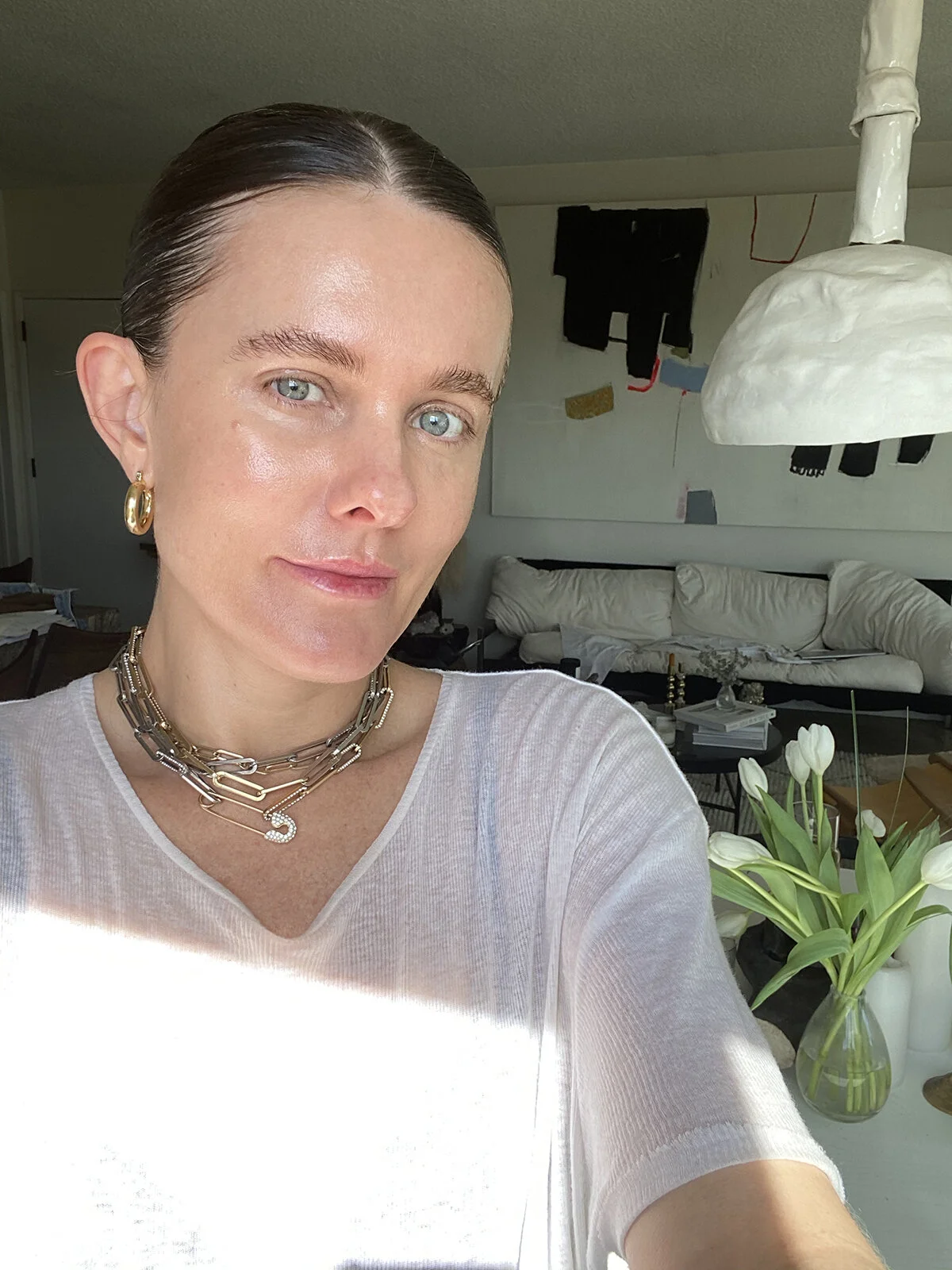
Photo: @Sacha.Strebe
There’s a reason why the most successful people in the world have a morning routine. It’s the only time in our “always-on” culture where we can enjoy a few moments of sacred silence before the outside world demands our attention. If you’ve never really thought about turning your A.M. into a ritual, then now, more than ever, is the time.
A consistent morning routine can help establish a sense of stability and control. And in a time where it can feel like a lot of things are out of our hands, that idea is incredibly comforting. Of course, creating a morning routine sounds good in theory, so before you get started, just be aware that it can take some trial and error to nail down the one that suits your life, or want to stick to. And it doesn’t matter what that ritual is—there are no rules here—it’s entirely individual.
But, if we are going to take notes from anyone, it will be from the people who run multimillion-dollar businesses, oversee international teams, and have built brands from scratch, because let’s face it, they must be doing something right to have the energy, determination, and organization to pack as much as they do into one day without burning out.
But, if you haven’t given thought to how you spend those first few hours, take heed from former Target exec and now CEO of Rae—evidence-based vegan supplements made for women making moves—Angie Tebbe. Despite a jam-packed schedule, Tebbe takes time every morning for self-care, mindfulness, and coffee!
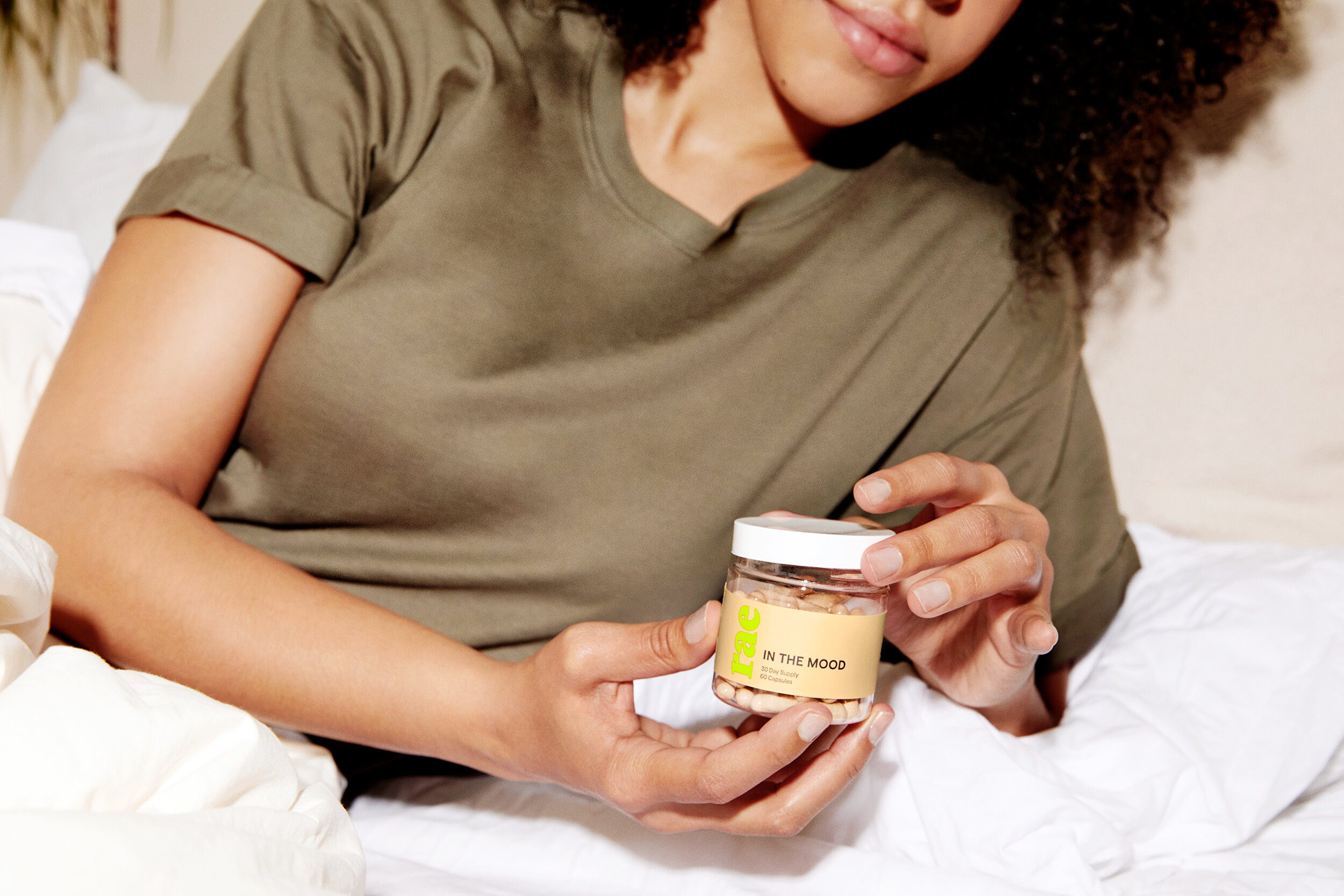
Photo: Courtesy of Rae Wellness
As someone who has really struggled with sticking to any semblance of a schedule since self-quarantine began, I wanted to give Tebbe’s morning routine a spin and see if it helped set my day up for success too. For context. I typically get up at 8 AM (it was 6:30 AM pre-quarantine), I have a cup of earl grey tea while I’m checking emails, I take a shower and then jump into my sweats or exercise gear (in the hope it will inspire me to workout later). I have been known to work from my dining room table from 9 AM until 7:30 PM without a proper break and snacks in between. It’s safe to say my water intake is at an all-time low too. Can anyone reading this relate?
So, I was ready to start creating a morning habit that could not only help my health, but also quell my stress and anxiety, so I can take charge of my to-do list and power toward my goals in a better mood. Read on to learn how Tebbe uses the first hours of sunlight to give her day the best chance of success, then discover how I went about incorporating it into my own routine.
(Spoiler alert: It greatly impacted my mood, metabolism, and stress levels.)

“I
no longer check my emails in the morning; it has helped me be less reactive and more present and patient as I start my day.”
—Angie Tebbe, CEO, Rae Wellness
CEO of Rae Wellness, Angie Tebbe’s Morning Routine
Wake Up Before Everyone Else
I always used to find mornings stressed and rushed, until I realized how important it was to create rituals that work for you. Since becoming a CEO, I have made intentional choices about mindset and routine to make sure I show up for my family, team, and partners. I wake up at 5:45 AM to ensure I have a few moments to myself before my household begins to rise, beginning with my 5-year-old at 6 AM! I find that I am my best when I can first ground myself in gratitude, especially right now given everything going on in the world.
Practice Gratitude
I meditate every night, so I save the deeper rituals for then but in the mornings I practice gratitude for two-three minutes. A mentor once taught me—visualize the most important moment you remember with your partner, and the first time you met your children. What did that feel like, sound like, etc.? It helps me plant my feet and ensures I’m in the right headspace to approach the day.
Hydrate, Hydrate, Hydrate
I drink about 20 ounces of water every morning (the first few sips are always with our Hydration Drops) before I allow myself to drink my Americano with our Vegan Collagen Boost Powder, cream, and monk fruit.

Photo: Courtesy of Rae Wellness
Fast Until 9 AM
I have experimented with intermittent fasting a bit and typically fast from 6 PM until 9 AM—15 hours is how I feel my best. The first thing I have in the morning is coffee at 9 a.m. and then I’ll drink an almond milk and pea protein smoothie—I blend it with ice. It keeps me going for three hours until lunch at 1 PM
Do a Workout
I like to workout in the morning, but being at home has changed my routine a bit. I typically work out on weekdays (running or spinning), and on weekends I’ll spend the mornings with my husband and boys instead. Due to the quarantine, I’ve been working out around midday and taking a walk with the family after dinner. Getting it in is the most important part so I try not to worry if the time slot changes given everything we are all trying to juggle right now.
Don’t Check Your Inbox
I recently changed my own habits on this, and no longer check my emails in the morning; it has helped me be less reactive and more present and patient as I start my day.
Tackle Important Tasks Early
I minimize distractions and give myself a couple of completely uninterrupted hours to work in the morning before any meetings. I find that I’m more productive and “fresh” to tackle challenging questions or needs of the business right away. As the day progresses, I make sure to keep my energy up with lots of water and protein. At lunch, I take our multivitamin, which gives me energy through the afternoon.
My Verdict
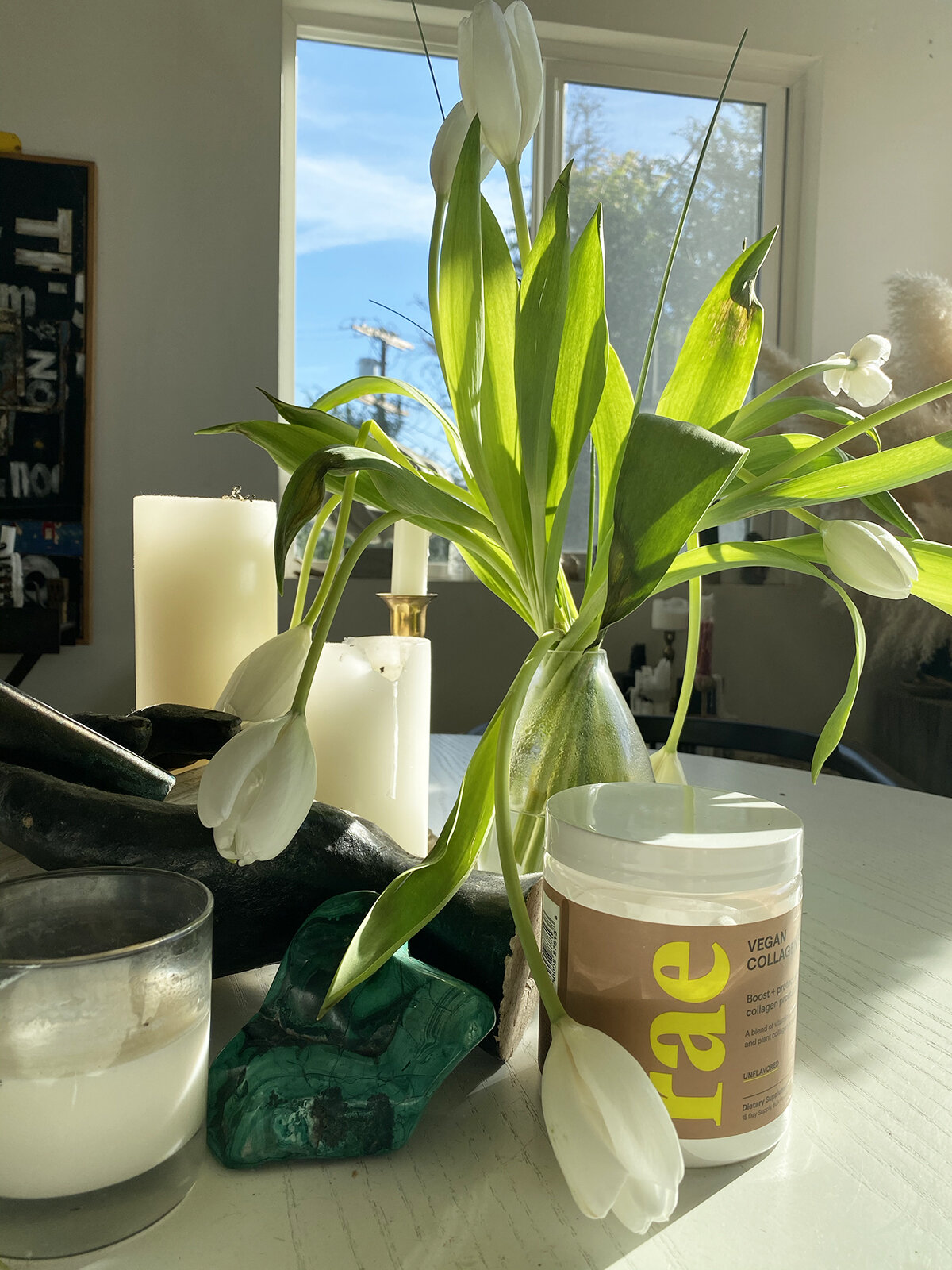
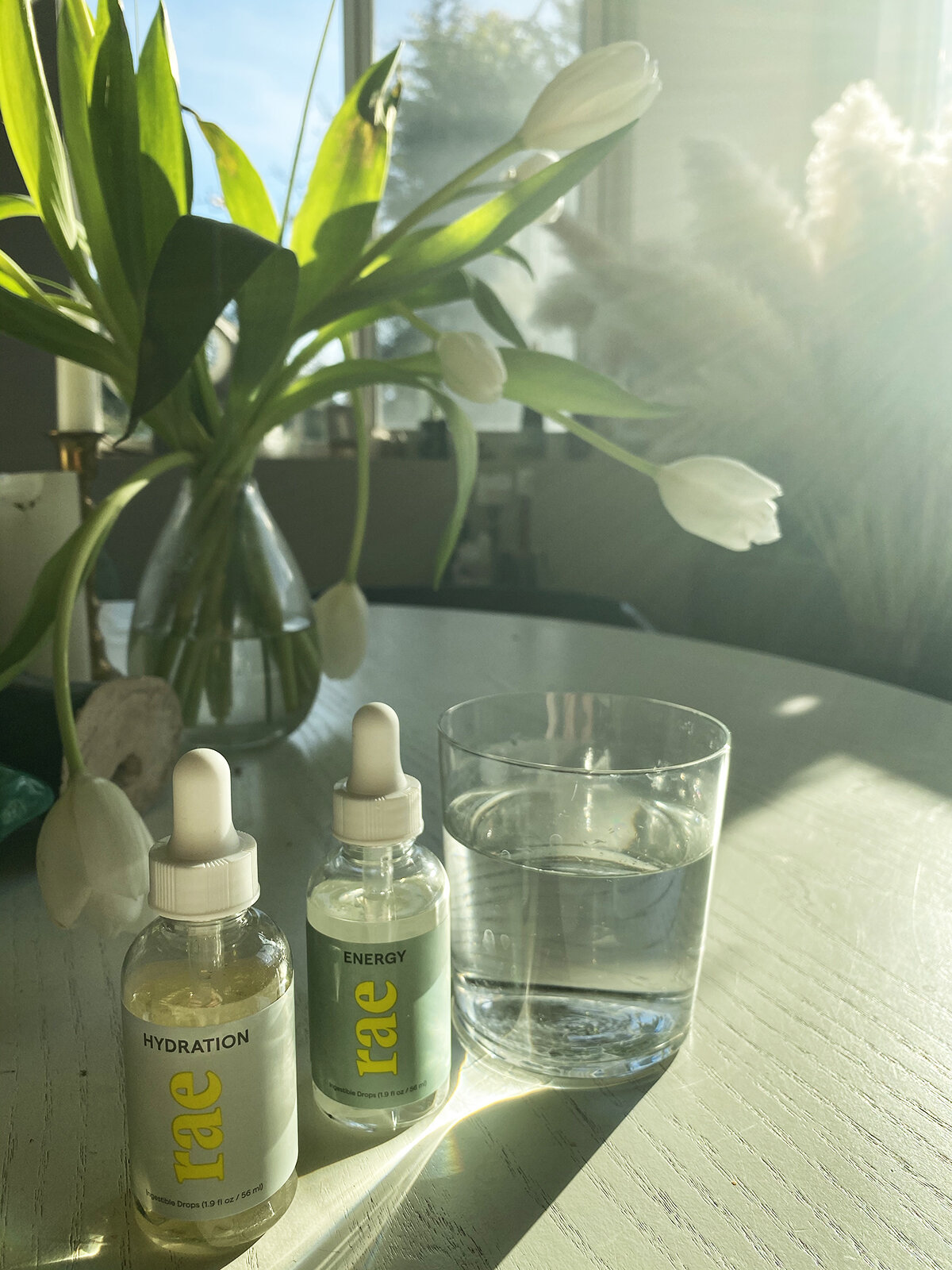
Name & Title:
Sacha Strebe, Editorial Director, Create & Cultivate
The Routine:
I tried Angie Tebbe, CEO, Rae Wellness’ AM ritual for one week!
The Products:
Rae Wellness Hydration Drops
Rae Wellness Vegan Collagen Boost Powder
Rae Wellness Multivitamin
Rae Wellness Destress
Rae Wellness Energy Drops
Rae Wellness Sleep
The Goal(s):
I have always been so intrigued by the morning rituals of successful people. CEOs are some of the busiest people on the planet and from all of the articles I’ve read, they swear by an AM ritual to kickstart their day and maximize their time. Upon reading Tebbe’s morning routine it immediately reminded me of my own.
I am very ritualistic, especially since becoming a mom, so a lot of her steps resonated with me but since quarantine began, my schedule is entirely out of whack so I wanted to test out Tebbe’s to reintroduce structure and ritual in a bid to bring about some normalcy in this “new normal.”
My end goal in testing Tebbe’s morning routine was to enhance my energy and mood, relieve stress, and encourage better sleep.
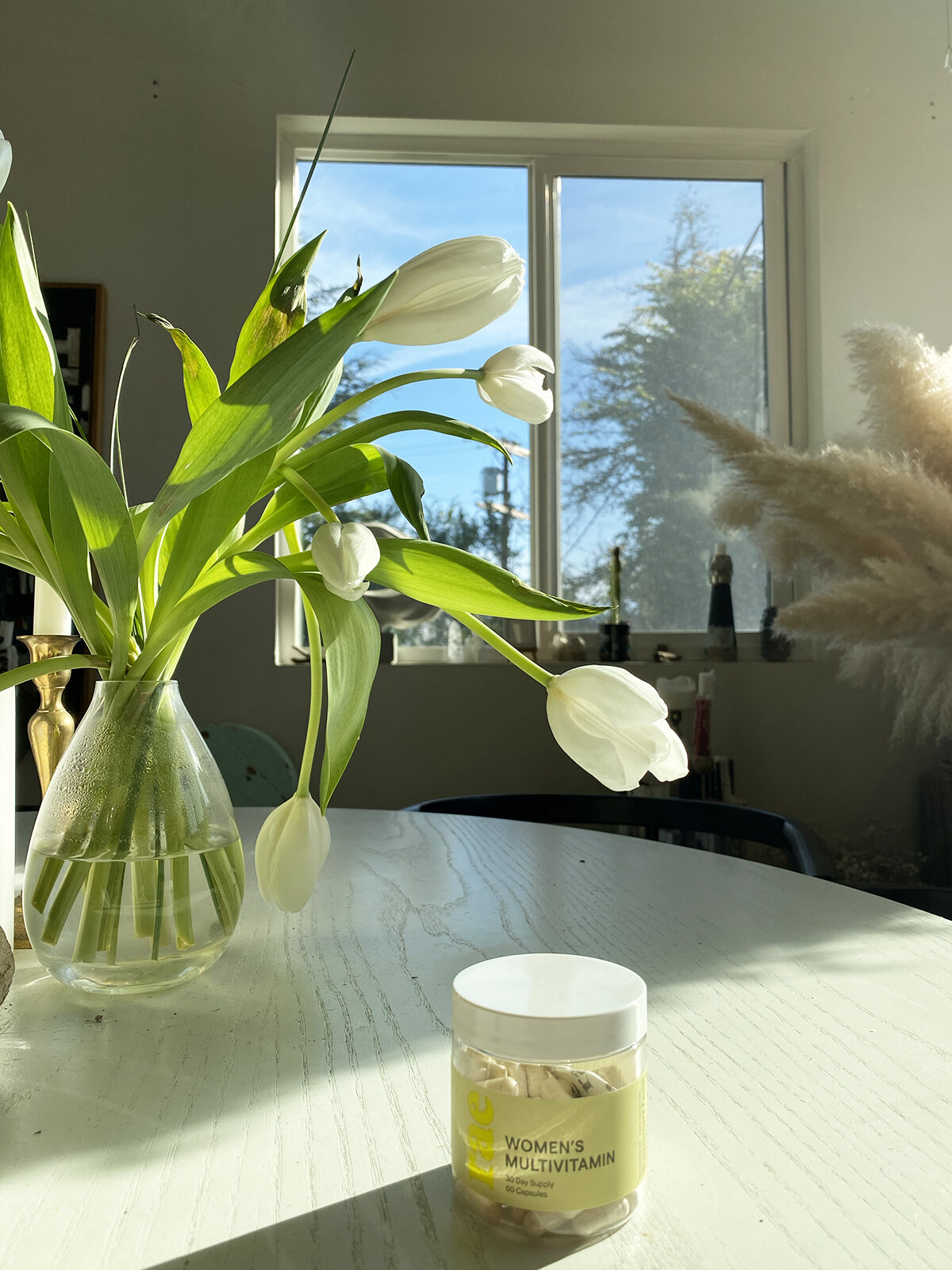
My Week in Review:
Tip 1: Wake Up Before Everyone Else
Since I don’t have to commute to the office in self-quarantine I have been sleeping in much later so I’ll admit that waking up at 5:45 AM was a struggle. But I’m never going back (although I may schedule it slightly later to 6:30 AM instead!). I absolutely love having my own time in the morning before the family wakes up. It’s the only part of the day where I can truly let my mind relax, there isn’t anyone demanding anything from me—it’s just me, the sunlight through the window, and a cup of tea.
Tip 2: Practice Gratitude
This is something I have always done with our family but I haven’t ever formalized it into my AM routine. I now use that quiet time before the house wakes up each morning to run through what I’m grateful for and sometimes I will write them down, too. It has really helped me approach each day with intention and mindfulness, something I think I took a little for granted before.
Tip 3: Hydrate, Hydrate, Hydrate
I loved starting my morning with 20 ounces of water and the Rae Wellness hydration drops with pure and powerful hyaluronic acid and electrolytes. (I also added in their energy drops which was so much softer on my stomach than traditional Vitamin B tablets). I struggle drinking water normally so this ensures I’m getting maximum hydration with every drop. I also found that prioritizing water first thing before any other liquids are key to making sure I’m hydrated throughout the day. Tebbe also inspired me to get back into making green smoothies each morning. I add the Rae Wellness Vegan Collagen Boost Powder into the mix with baby kale, spinach, blueberries, protein powder, and rice milk. I’m a vegetarian, so I’ve been searching for a vegan option that isn’t bovine for ages and this one is also flavorless so it’s a win-win.
Tip 4: Fast Until 9 AM
While most of Tebbe’s morning routine looked reasonably simple to achieve, I wasn’t sure how the intermittent fasting would work for me. Our family usually eats around 8 PM (or later since self-quarantine), so fasting from 6 PM was tricky for me. But on the nights that I did, it definitely helped my sleep overall because it allowed for proper digestion before going to bed. I also went to bed earlier, which in turn saw my energy levels increase the next day. I definitely want to continue eating our dinner earlier so I can fast for 15 hours like Tebbe each day. It made enough of a difference to warrant continuing it and turning it into a habit—the research behind intermittent fasting is compelling. On the nights I couldn’t sleep, I took the Rae Wellness sleep capsules with melatonin (and they worked) but I found on the days I
Tip 5: Do a Workout
I’m glad that Tebbe switched her morning workout to midday or later since quarantine because while I have been working out more, I have never been able to motivate myself to exercise first thing. I definitely prefer the afternoon or early evening. Like Tebbe, I have also been less focused on “working out” and instead, making sure I incorporate some type of movement into my day. It has dramatically enhanced my mood, my metabolism, my sleep, and my energy.
Tip 6: Don’t Check Your Inbox
I used to practice this but I got out of the habit since self-quarantine. Before I started Tebbe’s routine, I would wake up, grab my phone, and dive into emails while I was still sitting on the side of my bed. My poor brain hasn’t even had a chance to wake up yet and I’m already bombarding it with tasks and requests. So, now I’ve reverted back to the “no emails” rule in the morning, and instead, I focus on mindfulness practice, setting myself up for success, both physically, emotionally, and spiritually. It’s the one part of the day that belongs to me! It’s a game-changer.
Tip 7: Tackle Important Tasks Early
Most mornings I am pretty focused early, but since I have been waking up earlier and incorporating Tebbe’s gratitude practice, my brain is sharper and laser-focused. At 9 AM, I sit down at my dining table come makeshift office during quarantine with my decaf latte and really focus on urgent tasks for a good hour and a half before our seniors meeting at 10:30 AM. It has been so impactful. I definitely have fewer distractions in the morning from my family and team (they’re usually all logging on) so I have been able to get so much done during that time period. I will definitely be incorporating this into my morning routine moving forward.
Final Verdict:
I am so grateful for Tebbe’s AM tips. I feel like I have more structure, more focus, and more gratitude this past week which is especially needed while we navigate this “new normal.” It’s also a realistic routine to emulate, unlike some other CEO morning routines I’ve read about so I’ll definitely continue to incorporate them into my own morning ritual. I loved all of the Rae Wellness products too, especially the hydration and energy drops—so genius! The Destress capsule and Multivitamin (I loved the mint flavor) was also a great addition to my daily supplement line-up—they’re also incredibly affordable, too.
While I loved mimicking a CEO’s morning routine for a week, ultimately your morning should be exactly that, your morning. So don’t feel like you have to copy anyone else’s routines and expect the same results. The goal here is to find a ritual that works for you and it will change as you and your circumstances change. Self-quarantine is an emotionally and mentally challenging time for all of us, so be kind on yourself, do what works for you, and your personal health and wellness will improve, too.
SHOP MY RAE WELLNESS FAVORITES BELOW:
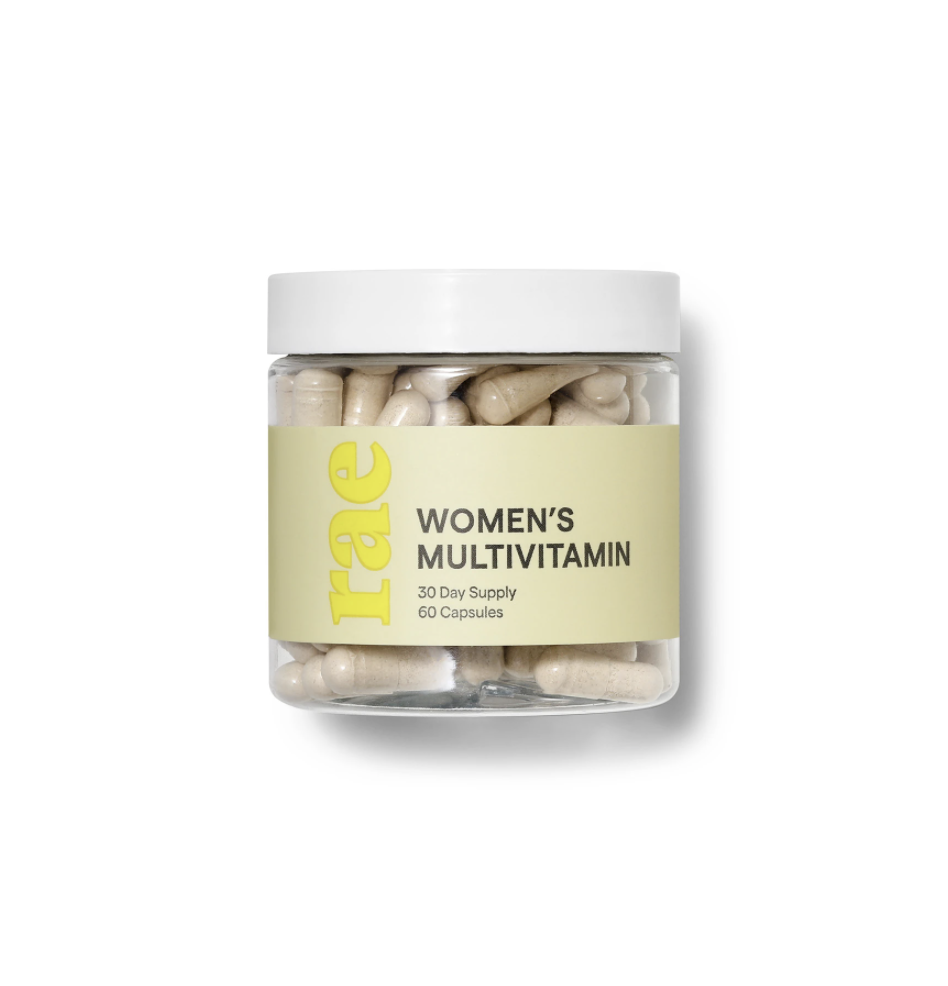
Rae Wellness Multivitamin
$14.99

Rae Wellness Hydration Drops
$14.99

Rae Wellness Destress
$14.99
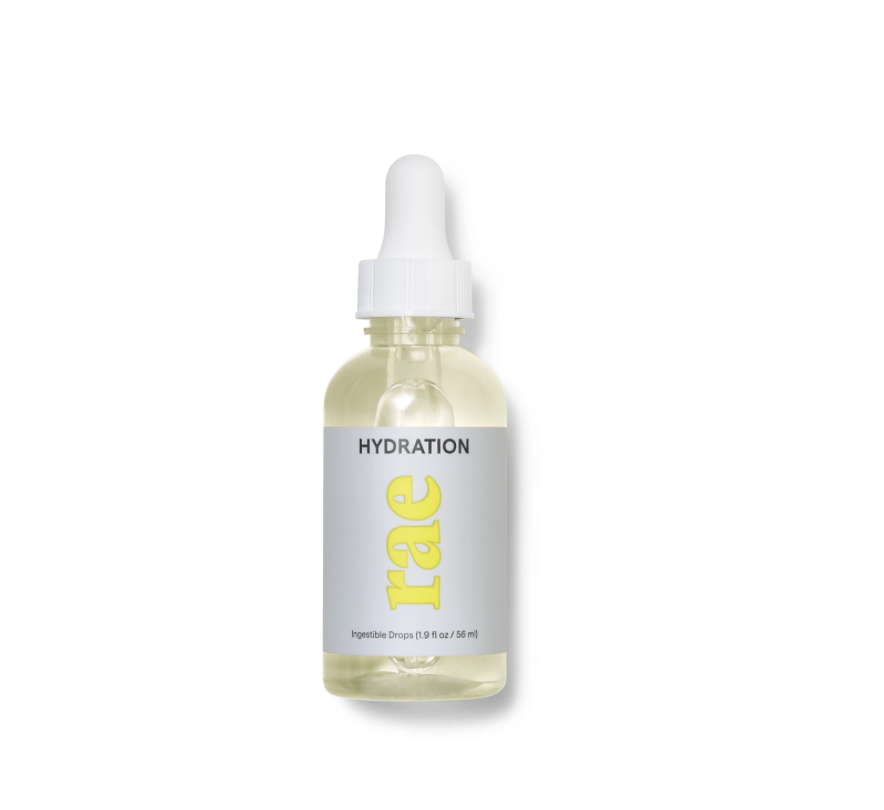
Rae Wellness Hydration Drops
$14.99

Rae Wellness Vegan Collagen Boost Powder
$14.99
MORE ON THE BLOG

Ask an Expert: How to Process, Cope, and Move Through Grief Right Now
“In order for us to heal, we have to feel our feelings.”
We’ve been spending a lot of time at Create & Cultivate HQ discussing how we can best show up for and support our community during this uncertain time. Community is at our core, and connecting with others through one-of-a-kind experiences is what we love to do. While the world has changed, our mission has not. We’re committed to helping women create and cultivate the career of their dreams, which is why we’re proud to announce our new Ask an Expert series. We’re hosting discussions with experts, mentors, and influencers daily at 9 am, 12 pm, and 3 pm PST on Instagram Live to cure your craving for community and bring you the expert advice you’ve come to know and love from C&C. Follow Create & Cultivate on Instagram, check out our Ask an Expert highlight reel for the latest schedule, and hit the countdown to get a reminder so you don’t miss out!

“In order for us to heal, we have to feel our feelings.”
—Dr. Morgan Francis, Licensed Mental Health Therapist
Grief is something that most of us are experiencing right now. In the wake of COVID-19, just consider all that we’ve lost: the lives taken by the coronavirus, the lost livelihoods, the depleted savings, the upended routines, the canceled plans, the postponed weddings, and so much more. Odds are, each of us is processing and attempting to move through one of the five stages of grief right now.
In this installment of our Ask an Expert series, we asked Dr. Morgan Francis, a licensed professional counselor with a doctoral degree in clinical psychology, to share her insights on how to process, cope, and move through grief right now. Scroll on for some of the key takeaways from the conversation and follow Create & Cultivate on Instagram to tune into the next installment of the ongoing series.
The 3 Us
“In order for us to heal, we have to feel our feelings,” Dr. Francis wisely points out. In order to do so, there are three things about grief that we all need to be aware of and understand, a.ka. the three us:
U #1: Unique. “Your grief is unique,” explains Dr. Francis. “Your loss is unique to you. There’s no benefit when we compare our suffering. Your pain is worthy of being recognized and being noticed. Your pain matters.”
U #2: Universal. “Your loss is unique, yet it is universal,” says Dr. Francis. “We all feel it and can relate to one another though everyone’s grief is unique to them.”
U #3: Uncertainty. “There is so much uncertainty right now, and it’s an uncomfortable place to be,” notes Dr. Francis of the current COVID-19 crisis. “Here’s the thing about uncertainty, it allows possibility. There’s a lot of possibility right now in your life. There’s going to be a change and a shift.”
If you’re struggling with uncertainty (U #3), Dr. Francis suggests the following exercise: “Think about a time in your life when you didn’t know the outcome, she explains. “Then ask yourself what have you overcome when you didn’t know the outcome?”
This could include anything from moving to a new city, starting a new job, entering a new relationship, or having a child. “There have been plenty of times when you haven’t known the outcome but you adapted and you made it through,” she reminds us.
The Box Breathing Method
Originally developed by the Navy SEALs to help them cope with their environments, box breathing is an effective tool for reducing anxiety, calming down, and grounding yourself, explains Dr. Francis.
To practice the method: Inhale for four seconds, hold your breath for four seconds, exhale for four seconds, and finally hold your breath for four seconds.
“You can repeat as many times as you need to until you feel more grounded and calm in your body,” says Dr. Francis. “It’s a great tool for regulating how you feel in your body.”
The 5 Stages of Grief
According to Dr. Francis, it’s important for you to name what you are feeling. “Grief is not a linear process, the key is to identify which stage you are in so you can start to understand and feel your feelings,” Dr. Francis reminds us. This is where the traditional five stages of grief come in handy:
Stage #1: Denial. “We want to remain in our preferred reality,” explains Dr. Francis.
Stage #2: Anger. “We’re mad about our reality,” she offers. “We want accountability and we want somebody to be responsible for what happened.”
Stage #3: Bargaining. “It’s the idea that if I did this, could I have that,” Dr. Francis explains.
Stage #4: Sadness. “It’s the feelings of hopelessness and helplessness,” she says.
Stage #5: Acceptance. “In this stage, you’re starting to accept the reality,” Dr. Francis explains. “However, this does not mean that you like this reality.”
Dr. Francis recently launched a new online course, Loving Yourself Through Loss, and is offering Create & Cultivators $100 discount with the code CULTIVATE100.
About the Expert: With over 20 years in the mental health field, Dr. Francis is a licensed professional counselor with a doctoral degree in clinical psychology. She is the founder and owner of Scottsdale Premier Counseling, a private practice in Arizona providing individual, couples and group therapy. She specializes in the treatment of body image and eating disorders, self empowerment, sexual compulsive behavior, mood disorders, relationships, and trauma.
Tune in daily at 9 am, 12 pm, and 3 pm PST, for new installments of Ask an Expert.
Follow Create & Cultivate on Instagram, check out our Ask an Expert highlight reel for the schedule, and hit the countdown to get a reminder so you don’t miss out. See you there!

C&C Classifieds: Hourglass Cosmetics, Thrive Market, GIPHY, & More!
Job hunting? Check out these new creative jobs.

Job hunting? New creative jobs at GIPHY, Hourglass Cosmetics, Thrive Market, & more!
FEATURED JOBS
Content Marketing Coordinator, Amy Porterfield Inc.- Remote
Site Editor, QuinStreet- Remote
Creative Strategist, GIPHY- New York, NY
Social Media Manager, Hampton Water Rosé- Remote
Graphic Design Intern, Almost 30- Los Angeles, CA
Social Media Coordinator, Amy Porterfield Inc.- San Diego, CA
LOS ANGELES
Manager, Product Development, Hourglass Cosmetics
Content Partnerships Lead, Piñata Farms
Coordinator, Thrive Market
Digital Content Manager, TOMS
Client Success Manager, Twitch
Sr. Social Media & Community Manager, HUM Nutrition
NEW YORK CITY
Client Success Manager, Suzy
Social Media Manager, Scouted
Email Marketing Manager, BARK
Sales Planner, Bleacher Report
Head of Marketing, U.S., Depop
Amazon Ecommerce Manager, TULA Skincare
REMOTE
Visual Marketing Designer, Shogun
Growth Marketing Lead, Otis
Jr. Copywriter, Something Massive
Communications Manager, Habitat For Humanity International
Marketing Project Manager, Amy Porterfield Inc.
Account Executive (Part-Time ), Joy Energy Time

Ask an Expert: How to Reduce Anxiety and Fear Right Now
A life coach shares her tips for how to cope.
We’ve been spending a lot of time at Create & Cultivate HQ discussing how we can best show up for and support our community during this uncertain time. Community is at our core, and connecting with others through one-of-a-kind experiences is what we love to do. While the world has changed, our mission has not. We’re committed to helping women create and cultivate the career of their dreams, which is why we’re proud to announce our new Ask an Expert series. We’re hosting discussions with experts, mentors, and influencers daily at 9 am, 12 pm, and 3 pm PST on Instagram Live to cure your craving for community and bring you the expert advice you’ve come to know and love from C&C. Follow Create & Cultivate on Instagram, check out our Ask an Expert highlight reel for the latest schedule, and hit the countdown to get a reminder so you don’t miss out!

“Resilience is something that you can cultivate.”
—Michelle Kuei, Author, Life Coach, Speaker, and Founder of elevatelifecoaching.org
If you’re feeling anxious as a result of COVID-19, your’e certainly not alone. In fact, more than one-third of Americans (36%) say that coronavirus is having a serious impact on their mental health and most (59%) feel that coronavirus is having a serious impact on their day-to-day lives, according to a new poll by the American Psychiatric Association.
For tips on how to cope with anxiety and fear in the midst of this crisis, we tapped Michelle Kuei, an author, life coach, speaker, and the founder of elevatelifecoaching.org, for the latest installment of our Ask an Expert series. Ahead, we’re sharing three actionable steps she swears by for dealing with anxiety and fear during coronavirus and beyond. Be sure to follow Create & Cultivate to tune into the next conversation.
Step 1: Understand Your Fear
“You’re probably familiar with the following acronym: Fear is false evidence appearing real. It’s our body’s natural response to the unknown.
So, here are a few empowering questions to ask yourself to start understanding your fear:
1. What are you telling yourself when you are afraid?
2. What are you afraid of?
3. Is what you’re afraid of real? (Avoid falling into the trap of that acronym.)
4. How likely is it that what you’re afraid of is going to happen?
Recognizing fear is step one, and now you have a choice: you can run away from fear or you can overcome it by creating a safety net.”
Step 2: Create a Safety Net
“Start by asking yourself: What is the worst thing that can happen? You might lose your business, you might lose your job, you might not be able to pay your rent. Think through all your worst-case scenarios and write them down.
Then, look at your worst-case scenarios and ask yourself: How likely is it that it’s going to happen? If you feel like the worst-case scenario is a likely outcome, come up with a plan. Planning can help us reduce some of the unknowns and can help alleviate the fear and stress that comes with uncertainty.
Another way to manage fear: Fake it till you make it or, as I like to say, face it till you get it. Start thinking about your fear as a part of you and you don’t need to get rid of it. The fear is showing up because it wants to protect you. Instead of resisting it, walk with it.”
Step 3: Cultivate Resilience
“I recommend that everyone keeps a judgement journal. Journaling is a great way of keeping track of what happens and as an outlet for our emotions.
To start a judgement journal, here’s what you do: Keep track of your negative thoughts, and for each negative thought, come up with two different ways of looking at it.
This is a process that we call “reframing.” Every statement that we use and the phrases that we speak to ourselves matter. The more that we can train ourselves to have a different perspective we train ourselves to use those different judgment muscles, such as gratitude and resilience.
Remember, resilience is something that you can cultivate.”
About the Expert: Michelle Kuei, Pharm.D., ACC, CPC, ELI-MP, is an author, life coach, speaker, and the founder of elevatelifecoaching.org. She’s an ICF associate certified coach, a certified professional coach, a certified energy leadership index master practitioner, a certified Cor.E transitions dynamic specialist, a WomanSpeak Circle leader, and a doctor of pharmacy.
Tune in daily at 9 am, 12 pm, and 3 pm PST, for new installments of Ask an Expert.
Follow Create & Cultivate on Instagram, check out our Ask an Expert highlight reel for the schedule, and hit the countdown to get a reminder so you don’t miss out. See you there!

5 Ways Brands Can Show Up for Their Stakeholders Right Now
Time to double down on your values.

Photo: Retha Ferguson for Pexels
Brands across the globe are in the midst of deep values recalibrations due to the COVID-19 crisis. Voluntarily or involuntarily, they’re being challenged to look at why they exist and who they exist for in order to find ways they alone are positioned to serve.
It’s crucial that brands recognize that what matters has little to do with simply incorporating giveback missions and promoting sales and is more about providing what your core stakeholders (customers, teams, suppliers, etc.) need while being mindful of context, tone, and transparency. The brands that double down on their values in order to add value are most likely to find their way through the painful decisions they’ll have to make during this and any future crisis.
While the opportunities to contribute are endless, below are a few ways brands can think about showing up, strengthening loyalty, and building toward the future.
Through Information
Every individual with access to the internet is inundated with information at the moment, even without beginning to consider paid marketing. At a time when anxiety is running high, misinformation or poorly timed information can be damaging to your brand. Sometimes showing up means saying less.
Here are questions to ask:
How does your brand currently contribute to the spread of information? Is this information timely or necessary to share?
Can your brand contribute positively by distributing sound information that’s useful (ex. resources, guidance, activities, recipes)?
Do your paid ads feel disingenuous? Can you adapt the tone for relevancy?
Through Compassion
With empathy taking over the marketing lexicon in the past couple of years, now is the opportunity for brands to truly put it into action. Ditching a need for polished perfection in preference for vulnerability can bring your brand closer to all of its stakeholders.
Here are three questions to ask:
Which of your stakeholders is most affected at this time? How can you support them?
Is it possible to be honest with your customers about where your brand stands and how that’s evolving as time goes by?
How can you reimagine your services, adjust your pricing model, or launch campaigns to serve your audience where they are?
Through Action
We’ve seen brands around the world pivot almost overnight to digital offerings, transform their factories, and more. Taking what’s core to your brand mission into account and then expanding that reality to continue to adapt is paramount. There’s more opportunity for experimentation and iteration than ever, but brands need to be willing to take their audience along for the journey.
Here are three questions to ask:
What’s a single action would your brand regret not taking right now?
Can you reformat your offering to help on a macro level? Who can you collaborate with to touch new people and spread awareness?
What content and experiences can you create that your audience is craving at this time?
Through Ideas
It’s no surprise that innovation comes in times of deep pressure. The uniquely human capacity for imagination that’s born out of constraints is what’s allowed us to evolve and survive for thousands of years. More than ever this is an opportunity for our biggest ideas to emerge to help us navigate the seismic shifts appearing in our world today.
Here are three questions to ask:
What can you do now that has never felt possible before?
Can you serve an additional audience that you may never have thought of reaching?
What can you begin creating now that the world will continue to need when we emerge from this? Who can you collaborate with to bring these new ideas to life, in order to maximize impact?
Through Optimism
Our strength as a global community relies on our ability to stay determined and hopeful that we can guide ourselves out of this. That doesn’t mean we should approach reality with a sense of naiveté or pretend we aren’t going through a global crisis, but it does mean we need the determination and faith that something brighter awaits in order to forge forward.
Here are three questions to ask:
What silver linings have appeared for you and your brand? How can you galvanize around them?
What problems have appeared that your teams can dream up ideal solutions for?
How can your brand cultivate and share messages of hope without undermining the gravity of the situation?
There’s no certainty in how long this pandemic will last, or what the true impact on our global community and economy will be, but the more determined brands are to keep asking tough questions the more new ideas will start to appear. Commitment and courage from every leader in sharing ideas out loud—first with themselves, then to colleagues, to audiences and the world will allow us to shape and enhance the evolved reality we want to live in. It’s the only thing that ever has.

About the Author: Lori is the founder of a big idea, a home for thoughtful brand building based in LA, where she works with emerging and growing mission-driven brands. She has a decade of experience working with legacy brands, media companies, startups, and social enterprises to develop and optimize marketing strategies. An idealist and a builder at heart, she began a big idea with a desire to give identity to the undeniable ideas we all have inside of us and create new brands that are built to last generations. She's currently offering free 1:1 strategy sessions to brands affected by COVID-19 - you can schedule by reaching out at lori@abigidea.com.
MORE ON THE BLOG

Ask an Expert: How to Negotiate Lower Bills and Save Money Right Now
“The answer will always be 'no,' unless you ask.”
We’ve been spending a lot of time at Create & Cultivate HQ discussing how we can best show up for and support our community during this uncertain time. Community is at our core, and connecting with others through one-of-a-kind experiences is what we love to do. While the world has changed, our mission has not. We’re committed to helping women create and cultivate the career of their dreams, which is why we’re proud to announce our new Ask an Expert series. We’re hosting discussions with experts, mentors, and influencers daily at 9 am, 12 pm, and 3 pm PST on Instagram Live to cure your craving for community and bring you the expert advice you’ve come to know and love from C&C. Follow Create & Cultivate on Instagram, check out our Ask an Expert highlight reel for the latest schedule, and hit the countdown to get a reminder so you don’t miss out!

Photo: picjumbo.com for Pexels
If you’re feeling anxious about the state of your finances right now, you’re not alone. The coronavirus pandemic is causing nearly 9 in 10 Americans to feel anxious about money, according to a new survey from the National Endowment for Financial Education. Almost half (48%) of individuals say that they’re worried about paying their bills (28% for both housing payments and utilities).
For tips on how to negotiate lower bills and save money right now, we tapped none other than Nicole Lapin , the New York Times best-selling author of “Rich Bitch,” “Boss Bitch,” and “Becoming Super Woman,” for the latest installment of our Ask an Expert series. Read on for some of the highlights and be sure to follow Create & Cultivate on Instagram to tune into the next conversation.
Step #1: Reevaluate Your Spending Plan
There’s no one-size-fits-all solution for creating a budget, but as a general guide, Lapin recommends breaking down your income like this during COVID-19:
65% of your income should go toward essentials. (This is your rent, your mortgage, your car payment, your groceries.)
30% of your income should go toward your endgame. (This is your retirement plan, your emergency fund, and anything else that’s for “future you.”)
5% of your income should go toward extras. (This is your Netflix subscription, your morning latte, etc.)
Step #2: Negotiate, Negotiate, Negotiate
“You can negotiate anything,” Lapin explains. “Your medical debt, your cable bill, your utility bill, your car insurance, the annual percentage rate (APR) on your credit card—ALL of it is negotiable. The worst thing they can say is ‘no,’ and the answer will always be ‘no,’ unless you ask.”
When you’re making calls to negotiate your bills and payments to places like your cable provider or your credit card company, Lapin recommends using the following key phrases to use to get the best deal possible: “What’s the best you can do? Can i talk to a manager? Can I talk to a supervisor?”
When it comes to your rent or your mortgage, there are a lot of relief programs available right now, including moratoriums on evictions and a pause on payments. That said, “the first thing you do when you talk to your landlord is ask for a deferment (3 months is pretty standard),” offers Lapin.
“Then, ask about what you’re signing up for: Will your payments be prorated? Or will monthly payments simply start up again?,” she notes. “And don’t be afraid to ask for a break in payment or ask to put your security deposit toward your payments.”
Psst… For more insights on how to negotiate from Nicole Lapin, sign up for her free scripts and templates at nicolesfreebies.com.
Step #3: Get All the Benefits You Possibly Can
“There is no shame in the unemployment game,” Lapin reminds us. "Careeronestop.org is the best place she’s found to apply for unemployment. “Click on the COVID button and go to your state, go through all the prompts, and apply for unemployment.”
If you’re a small business owner who hasn’t been approved for a loan through SBA (the U.S. Small Business Association), don’t forget about credit unions and fin-tech companies. “Apply through Paypal, Square, or Cabbage,” Lapin recommends.
Then, go after all the grants. “Grants.gov is the best place to find a treasure trove of all the grants out there,” says Lapin. “The more niche and random you can get, the better (the PEN organization for authors and writers, for example).”
Last, but not least, find out when you’re getting your stimulus check. “Go to irs.gov/getmypayment to look up the status of your payment,” says Lapin. You can also find out if you can expect a direct deposit or a paper check in the mail.
About the Expert: Nicole Lapin is the New York Times best-selling author of “Rich Bitch” and “Boss Bitch.” She has been an anchor on CNN, CNBC, and Bloomberg and hosted the nationally syndicated business reality competition show, “Hatched.” Her third book, “Becoming Super Woman,” is out now. She’s also the founder of personal finance masterclass The Money School and co-hosts the “Hush Money” podcast on iHeartRadio.
Tune in daily at 9 am, 12 pm, and 3 pm PST, for new installments of Ask an Expert.
Follow Create & Cultivate on Instagram, check out our Ask an Expert highlight reel for the schedule, and hit the countdown to get a reminder so you don’t miss out. See you there!

Ask an Expert: How to Get Legal Protection for Your Small Business
An attorney explains.
We’ve been spending a lot of time at Create & Cultivate HQ discussing how we can best show up for and support our community during this uncertain time. Community is at our core, and connecting with others through one-of-a-kind experiences is what we love to do. While the world has changed, our mission has not. We’re committed to helping women create and cultivate the career of their dreams, which is why we’re proud to announce our new Ask an Expert series. We’re hosting discussions with experts, mentors, and influencers daily at 9 am, 12 pm, and 3 pm PST on Instagram Live to cure your craving for community and bring you the expert advice you’ve come to know and love from C&C. Follow Create & Cultivate on Instagram, check out our Ask an Expert highlight reel for the latest schedule, and hit the countdown to get a reminder so you don’t miss out!

“
Although we’re in the middle of a pandemic, there is going to be a large wave of new businesses. If you don’t take the time to protect your business now, you will end up spending 10-20x more money in the long run defending yourself.”
—Andrea Sager, a small business attorney
As a small business owner, or someone wanting to start a small business, there’s one part of your business you can’t ignore: LEGAL. In reality, it doesn’t matter what size business you are. No matter what stage you’re in, there are legal protections you must take into consideration if you want to keep the money you make.
Enter: Andrea Sager, a small business attorney shaking up the legal industry with her Legalpreneur plan which provides all-access to her firm for small businesses. Every day, she works with business owners who are on the verge of losing everything because they don’t have the right legal protections in place. Don’t let that be you.
Below are three ways you can protect your business during this pandemic and beyond, according to Sager.
Entity Protection
Sole Proprietor
It’s important for your business to operate as some type of legal entity. If you have not created a legal entity for your business, then by default, you are a sole proprietor. Sole proprietors get no legal protection for their business.
A sole proprietor is personally liable for the debts and obligations of their business. Personally liable means if your business owes a debt or is sued, then creditors can come after your personal bank account and personal assets. Operating as a sole proprietor is risky. It’s scary to be in a position where your personal assets are on the line. The good news is that setting up a legal entity will provide you with the protection you need. And it doesn’t have to be expensive or complicated.
Unlike a sole proprietor, legal entities provide personal liability protection for business owners. When you operate under a legal entity, if your business owes a debt or is sued, the creditors can only come after the business’s bank accounts and assets, not your personal bank accounts and assets. It’s nice to know that you’re not at risk of losing your house because your business fell behind on some payments.
Limited Liability Company (LLC)
The most common legal entity small businesses operate under is a Limited Liability Company, a.k.a. an LLC. Operating under an LLC is usually the best legal business entity your business can operate under, because it is easy to setup and it provides great liability protection to its owners.
To set up an LLC, you must file paperwork with your state and pay a filing fee. Before you file the paperwork, you need to have a few things figured out so you’ll be able to complete the paperwork. Some of the things you need before filing your LLC are the name, a registered agent, and how it is going to be managed. Once you’re approved through your state, the LLC does not give you any federal trademark rights. Trademarks are discussed further below.
Corporations
A corporation is typically not the best fit for a small business. Corporations have more fees and maintenance involved. However, if you plan on having investors, a corporation may be the best choice.
Contracts
I’m sure you have heard the term “get it in writing.” That is always a good rule of thumb in business. Contracts essentially define a relationship between parties. Contracts are important whether your business sells goods or services. With goods, contracts define price, delivery, the refund policy, shipping, when and how payment is due, and quantity. Issues can arise in any of those areas so it’s important to have them defined in writing.
Services contracts may need additional terms to help protect you. Service contracts can define what exact services will be provided. Some services are dependent on client response. Service contracts can allow you to terminate the contract if the client isn’t being responsive. Sometimes the result of a service can be subjective. Service contracts can protect you from a client saying, “I’m not satisfied with the service and I’m not paying.”
Why It’s Important to Have Terms and Conditions
If you run a website for your business, you’ll want to make sure you include terms and conditions. Terms and conditions are not required by law, but they’re are something you will want to include because it’s the contract between you and the visitors of your site. Terms and conditions can protect you if someone uses your website to make defamatory comments or infringe on someone else's intellectual property rights. Those are things you are not going to want your business to be liable for. There are lots of sample terms and conditions on the internet, however, it is best to have a licensed attorney draft terms and conditions for your website to fit the specific needs of your business.
Why It’s Important to Have a Privacy Policy
If you collect any kind of personal information from your customers/clients then you will need to have a privacy policy in place. Personal information includes names, addresses, mobile telephone numbers, email addresses, and so forth. A lot of states have privacy laws that require you to disclose what personal information you store and how you use it. There can be big penalties for not complying with privacy laws. Like terms and conditions, there are lots of sample privacy policies on the internet, however, it is best to have a licensed attorney draft a policy that fits your business.
Intellectual Property
There are three types of intellectual property: trademarks, copyrights, and patents. It’s important to understand the difference between these because they protect different aspects of your business. And whether you know it or not, many times intellectual property is the most value part of your business.
Trademarks
A trademark is a word, symbol, or combination thereof that is intended to identify and distinguish one merchant from another. Essentially, trademarks allow consumers to distinguish who is offering what goods or services. You can apply for a federal trademark registration for goods or services that let consumers know your goods and services come from you, such as your business name, logo, slogan, podcast name, service name, product name, and many more.
In order to obtain federal protection, meaning you are the only one that can use that term or logo throughout the United States, you must apply with the United States Patent and Trademark Office. The trademark application process takes at least six months, and the average amount of time is nine months. Filing a trademark application can be difficult, so it’s best to work with a licensed trademark attorney when filing.
Copyrights
Put simply, copyrights protect original works of authorship (content): podcast episodes, photos, videos, this blog post, books, songs, movies, and many more. The purpose of copyrights is to award creators for their creations by protecting the expressions of their ideas.
The neat thing about copyrights is that you don’t have to obtain a registration to have rights. Once you create a work, and it meets the qualifications, it’s automatically protected by copyright law. However, you can register your copyright with the United States Copyright Office, which does have its benefits. First, having a copyright registration allows you to sue someone for copyright infringement in federal court. Additionally, a registration allows you to recover attorney’s fees in a copyright infringement lawsuit. Meaning, if you win an infringement lawsuit, the other side will probably have to pay for the cost of legal fees.
Although we’re in the middle of a pandemic, there is going to be a large wave of new businesses. If you don’t take the time to protect your business now, you will end up spending 10-20x more money in the long run defending yourself. Do what you can now to protect yourself.
About the Expert: Andrea Sager is a small business attorney shaking up the legal industry with her Legalpreneur plan that provides all-access to her firm for small businesses. After working for a large law firm working with large businesses, Andrea realized her true passion was helping small businesses embrace and protect their business and intellectual property. In just under 2 years, Andrea has become the go-to attorney for entrepreneurs, protecting everything from their brand names to their courses and blog posts.
Tune in daily at 9 am, 12 pm, and 3 pm PST, for new installments of Ask an Expert.
Follow Create & Cultivate on Instagram, check out our Ask an Expert highlight reel for the schedule, and hit the countdown to get a reminder so you don’t miss out. See you there!

Is the Price Right? We Help You Figure It Out
Your product’s value = sorted.

Photo: Smith House Photography
Innovation often comes out of the darkest times. Uber is just one example of the super successful businesses that launched just after the financial crisis of 2008, and we have no doubt that the next big thing will come out of the COVID-19 crisis.
Has your brain been swirling with ideas during quarantine? Have you found whitespace that you know you can fill? Has being laid off given you the courage you need to finally launch that business you’ve been dreaming of? Create & Cultivate is here to help get your business idea off the ground.
Quarantine is the perfect time to lay out the plans for your dream. While your friends are learning to bake bread, knit, or do yoga, you are laying the foundations for your future (you go, girl!).
Once you’ve got that product idea all figured out, you’ve started your business plan, and you came up with a killer brand name; you’re going to face a super difficult question: Is the price right? Ask people to pay too much for your product or service and they will stop buying. Ask too little and your profit margin slides or customers assume your product is poor quality.
An “optimum price” factors in all your costs and maximizes your margins while remaining attractive to customers. Here’s how to set your prices, and be sure to scroll to the end to shop our Create & Cultivate Marketplace The Launch Your Business Bundle with a step-by-step guide to trademarking your business, a legal checklist for startups, panel videos from past C&C events, and so much more!
KNOW THE MARKET
You need to find out how much customers will pay, as well as how much competitors charge. Simply matching a price is dangerous, though - you need to be sure all your costs - both direct and indirect - are covered.
CHOOSE THE BEST PRICING TECHNIQUE
Cost-plus pricing involves adding a mark-up percentage to costs; this will vary between products, businesses, and sectors. Value-based pricing is determined by how much value your customers attach to your product. Decide what your pricing strategy is before making a calculation.
WORK OUT YOUR COSTS
Include all direct costs, including money spent developing a product or service. Then, calculate your variable costs (for materials, packaging, etc). Work out what percentage of your fixed costs (overheads such as rent, rates, and wages) the product needs to cover. Add all of these costs together and divide by volume to produce a unit break-even figure.
CONSIDER COST-PLUS PRICING
You will need to add a margin or mark-up to your break-even point. If the price looks too high, trim your costs and reduce the price accordingly. Be aware of the limitations of cost-plus pricing, because it works on the assumption you will sell all units. If you don’t, your profit is lower.
SET A VALUE-BASED PRICE
You’ll need to know your market well to set a value-based price. For example, the cost to bring a hairdryer to market might be $10. But you might be able to charge customers $25 if this is the market value.
THINK ABOUT OTHER FACTORS
Can you keep margins modest on some products in order to achieve higher margin sales on others? You might need to calculate different prices for different territories, markets, or sales you make online.
STAY ON YOUR TOES
Prices can seldom be fixed for long. Your costs, customers, and competitors can change, so you will have to shift your prices to keep up with the market. Keep an eye on what’s going on and talk to your customers regularly to make sure your prices remain optimal.
Starting a business and need more guidance?
Add the Create & Cultivate Marketplace The Launch Your Business Bundle to your cart, or get unlimited access to our entire library of downloads and videos when you join Insiders.

Ask an Expert: What to Do When Your Revenue Is Significantly Slashed, According to a CEO
“I haven’t taken a paycheck since February.”
We’ve been spending a lot of time at Create & Cultivate HQ discussing how we can best show up for and support our community during this uncertain time. Community is at our core, and connecting with others through one-of-a-kind experiences is what we love to do. While the world has changed, our mission has not. We’re committed to helping women create and cultivate the career of their dreams, which is why we’re proud to announce our new Ask an Expert series. We’re hosting discussions with experts, mentors, and influencers daily at 9 am, 12 pm, and 3 pm PST on Instagram Live to cure your craving for community and bring you the expert advice you’ve come to know and love from C&C. Follow Create & Cultivate on Instagram, check out our Ask an Expert highlight reel for the latest schedule, and hit the countdown to get a reminder so you don’t miss out!

“
I haven’t taken a paycheck since February, its more important to me to think about the company long term.”
—Dr. Heather D. Rogers, founder and CEO, Doctor Rogers RESTORE
In this edition of our Ask an Expert series, Dr. Heather D. Rogers, the founder and CEO of Doctor Rogers RESTORE, joined us on Instagram Live to chat about everything from how to keep your business alive to how to get your best at-home skin.
For the uninitiated, Dr. Rogers is a dermatologist and CEO who is managing both her practice and her business in the midst of this crisis. She is seeing patients, hand packing orders, and wearing more hats than ever before—all while giving up her salary.
Scroll on for some highlights from the conversation—including why you should focus on your mission—and follow Create & Cultivate on Instagram to tune into the next one.
Your Brand Pillars Matter
“Being a brand right now, you really have to have very clear ideas of what your pillars are. Don’t start a company unless you can say why you are different and what you bring to the marketplace in three sentences. If you’re trying to bring something better to market and help people, that is something there is always space for.”
Less Is More When It Comes to At-Home Skincare
“When you’re at home, don’t overdo your skincare. Don’t do 15 masks a week, don’t over-exfoliate. Make sure you wash your face, moisturize your face, and wear sunscreen.”
“You should wear sunscreen even if you don’t go outside. When you’re inside, if you’re by a window, you will get UVA, which will break down collagen and give you brown spots—I always recommend a zinc-based sunscreen.”
“When your skin is agitated, less is more.”
Give and Get Support (We All Need It)
“I haven’t taken a paycheck since February, its more important to me to think about the company long term.”
“The really big banks are not going to help you here, you need to find the small banks that you can build a relationship with who will really go to bat for you.”
“We started a campaign called Help the Healers to give our products to healthcare workers. It feels good for us to do it, it helps the healthcare workers, and its also creating content.”
“I’ve been working really hard to be responsive to needs without being reactive because everyone needs a little more help right now. You need to thank your staff every day and recognize what they are doing every day.”
Tune in daily at 9 am, 12 pm, and 3 pm PST, for new installments of Ask an Expert.
Follow Create & Cultivate on Instagram, check out our Ask an Expert highlight reel for the schedule, and hit the countdown to get a reminder so you don’t miss out. See you there!

Pro Tip: 3 Ways to Land Your Dream Clients Online When You Decide to Go Freelance
We all have to start somewhere.

Photo: Vlada Karpovich from Pexels
“I’m fully booked out with clients — I can’t believe I’m now making more than my 9-5 job!”
This was the email I received from one of my students who had recently completed our online courses and made the leap into freelancing full-time. It’s an incredibly exciting moment in your freelancing career when you’ve figured out how to land your dream clients while doing work that you’re truly passionate about.
Five years ago, I made that same leap myself, starting my own online graphic design studio. It’s also allowed me to travel the world full-time while running my business remotely (15 countries and counting!), and I’ve now taught thousands of women how to do the same.
One of the things I always tell my students is that the key to a financially thriving freelancing business is maintaining a strong client base so that you can generate consistent income. But are you wondering how to get clients as a freelancer?
Aside from the financial freedom of being your own boss, freelancing also allows you the flexibility to work remotely from anywhere: whether that’s from your adorable home office, your favorite local coffee shop, or a co-working space in an exotic location like Bali. Sounds dreamy, right?
If you’re considering freelancing full-time, here are three ways you can find your dream clients online and finally have that financial freedom that has you craving to work from anywhere!
1. Build a Client-Magnetizing Website
Let’s imagine that your dream is to be a successful cupcake baker. Your cupcakes are incredibly delicious, so you decide you want to start a business selling them. It would be a little unprofessional to sell your cupcakes straight out of your home kitchen, right? To have a thriving cupcake business, you need a bakery to showcase your brand and a place for customers to make their orders.
The same goes for your freelancing business. Instead of needing a physical storefront though, you need what I like to call a “virtual storefront.”
This is your client-magnetizing business website, and it’s one of the most crucial elements to attracting your dream clients.
Your website should showcase the following:
The services you offer
Who you’re offering them to (who are your dream clients?)
The benefits and value of working with you
Your portfolio (any examples of your work)
It’s extremely important to have a website before you begin trying to find clients, and I can’t stress this enough. This is a business you’re building, which means it’s important for you to look like one!
“Aside from the financial freedom of being your own boss, freelancing also allows you the flexibility to work remotely from anywhere: whether that’s from your adorable home office, your favorite local coffee shop, or a co-working space in an exotic location like Bali. Sounds dreamy, right?”
2. Use Social Networks to Get Clients... For Free!
I want to bust a common myth here: Once you launch your website, you’ll instantly have an influx of clients begging to work with you. FALSE.
If nobody knows about your website (and your amazing business!), how are they supposed to find you? The key to finding your dream clients as a freelancer is to tap into your own network, then utilize social networking platforms to drive free traffic to your website.
Some of my favorite social networking platforms for finding clients are:
Facebook (specifically Facebook groups)
Instagram
Networking apps like Bumble Biz
You want to make sure that you have your website linked in your profile and that your profile and content clearly showcases your business. Engage authentically with your dream clients like commenting with insightful answers, offer up bits of your expertise, and finally, inquire about working with them.
3. Create a Sales Funnel to Turn Potential Customers into Raving Clients
Now that you’ve got eyes on your business website, it’s time to turn those visitors into paying clients! This is your client sales funnel—and it’s important that this process is professional and efficient so that clients actually want to work with you. That is the goal after all.
Start with a complimentary consultation call, which will allow you to understand what results your potential clients are looking for. This gives you the opportunity to pitch your services as the solution!
It’s also much easier to get a feel for a potential client’s personality and communication style to make sure this person is, in fact, your dream client.
Next, is following up your call with a formal proposal, which will include things like the project timeframe, cost, and a detailed breakdown of the services that are included. Finally, have your client sign a contract to lay out the legal terms and conditions of the project. Boom—dream client officially landed!
Guess what? By utilizing these steps, you’ll be taking the proactive and professional approach to landing your dream clients that most newbie freelancers shy away from doing. I guarantee you’ll soon find yourself saying, “I’m fully booked out with clients!” in your freelancing business too. We all have to start somewhere in our client-finding search, and that somewhere for you? It starts today.

About the Author: Cassie Torrecillas is the CEO and co-founder of the Bucketlist Bombshells, an online educational community that equips millennial women with the confidence, skills, and business foundation to start a service-based online business, giving them the freedom to work remotely from anywhere in the world. She’s been featured on Forbes and CNBC as she and her business partner lead their community of over 70,000 location-independent female entrepreneurs. If you’re curious about starting your own online business, sign up for their free course here.
This post was published on May 21, 2019, and has since been updated.
MORE ON THE BLOG

9 Secrets to Working Remotely From Your Apartment—and Loving It
Welcome to the new normal.

Photo: Vlada Karpovich for Pexels
If working from home has become your new normal, then you’ve probably come to the same realization that we have: Working from your bed in your pajamas just isn’t cutting it anymore.
Maybe you’ve started missing the office and wearing blazers (and, dare we say, heels?!), but there are plenty of perks to WFH if you do it right. It’s all about creating the right environment, ditching distractions, learning what works for you, and finding your productive streak.
Working from home presents both advantages and disadvantages for any telecommuter, but for those of us who live in an apartment, telecommuting has its own set of challenges. Consider the following tips and tricks to turn your place into a work environment where you can get the job done.
1. Carve out a cozy workspace.
Apartments in cities tend to be tight on space, which can cut down on the available areas where you can work uninterrupted.
The most important thing to do before you start working out of your apartment is to think about where you plan to situate your home office to conduct business effectively. Identify potential workspaces that lie outside regular traffic patterns. Working at the kitchen table might be fine if you live alone, but if you live with a spouse or roommate or have children, you need a place away from the action.
For example, rethink your underused rooms. Consider using a small guest bedroom, place a cubicle panel or screen in a corner of your own bedroom, or modify a walk-in closet to accommodate a desk and bookcase. Wherever you set up your office, you’ll need to make sure you have excellent Wi-Fi and cell phone service in order to conduct business—so a room in the center of a brick building might not be conducive to your productivity.
2. Decorate your space.
Just because your space is small doesn’t mean you have to skimp on decorating. Turning your own quiet nook into a place with personality can increase your desire to be there for long hours. Hang your favorite photos or works of art, bring in plants, or add knick-knacks and keepsakes.
Studies have shown that certain colors have a direct effect on our mood and productivity. When painting, papering or choosing furnishings for your space, keep these ideas in mind:
Blue is seen as calming and helps with concentration.
Yellow and orange can stimulate creativity and make you feel good.
Light green can be soothing, denoting a connection with nature.
Red can provide a boost of energy.
Purple is often associated with wealth and wisdom.
3. Learn how to deal with distractions.
Nothing zaps your productivity faster when working from home than having to respond to distractions. Whether you have kids running in and out, a spouse looking for their favorite shirt, or the neighbors in the apartment above practicing their tap dancing skills, dealing effectively with distractions is one of the best things you can do for yourself.
To drown out barking dogs, traffic on the street, or even your roommate streaming a marathon of their favorite Netflix show, choose noise-canceling headphones that help you focus on the task at hand. Before you sit down to work, turn off noisy appliances or hang a fiberglass blanket over the door to block out noise. Plan ahead for conference calls or phone conversations with potential clients, or make sure to schedule them for times when you know you will be alone.
4. Store inventory off-site.
If you have a business that requires inventory and you don’t have space at home to store the merchandise, consider renting a storage unit. The extra space you’ll find after moving unnecessary items to storage can make it easier to stay organized and keep your personal belongings separate from items required for work.
5. Dress for the office.
While it may be tempting to sit around in your pajamas all day when you work from home, it can help to treat your remote work like traditional employment by wearing designated work clothes. Getting up in the morning and getting dressed for work helps you separate your private life from your professional one, further preparing you mentally for your job.
6. Identify a specific scent with work.
Another way to distinguish time to work from personal time is by designating a specific scent for work. Burn a candle, turn on a diffuser, or even wear perfume during your office hours.
7. Invest in productivity tools.
Make your home office feel more like a traditional office space by investing in appropriate supplies. Choose a notepad and pens—and perhaps even a computer—designated solely for work. Keep in mind that office supplies qualify as expenses related to your home office and are usually deductible at tax time.
The same is true for software. Countless apps and online services are available to help home workers with correspondence and communication, scheduling, collaborating on tasks across multiple projects, or measuring productivity to make sure you’re keeping up. Marketing software can help you enhance your client interactions, and accounting software can help with tracking time and expenses.
8. Give your day some structure.
Just because you work from home doesn’t mean you can’t implement some structure in your workday. Use your peak hours effectively. Consider the time of day when you are most alert and use that time to accomplish your biggest goals. Schedule work time and try to avoid personal activities (or at least relegate them to designated breaks).
At the end of the day, power off your electronics, turn off your work phone and move away from your desk or work surface. Also, avoid taking your laptop to bed to work or working from the couch. This can make it harder to separate work time from personal time and unwind later.
9. Communicate with colleagues.
If you are working for a company, be sure to communicate regularly with your colleagues. This can help you remain connected with company goals and stay up to date on any progress made for team projects. Regular dialogue with co-workers also reminds you that you’re a part of a team and keeps you from feeling isolated.
Working remotely can provide numerous benefits for employees, companies, and even clients. It also can be mightily challenging when space is limited. Take advantage of the work-at-home opportunity by setting up an optimal space, figuring out what keeps you motivated and connected, and sticking with it until each day’s work is done.
Written by Laura Gayle of BusinessWomanGuide.org.
This post was published on January 5, 2019, and has since been updated.
MORE ON THE BLOG